























Who really owns Paris’ Fête de la Musique? Is it still a party open to all?
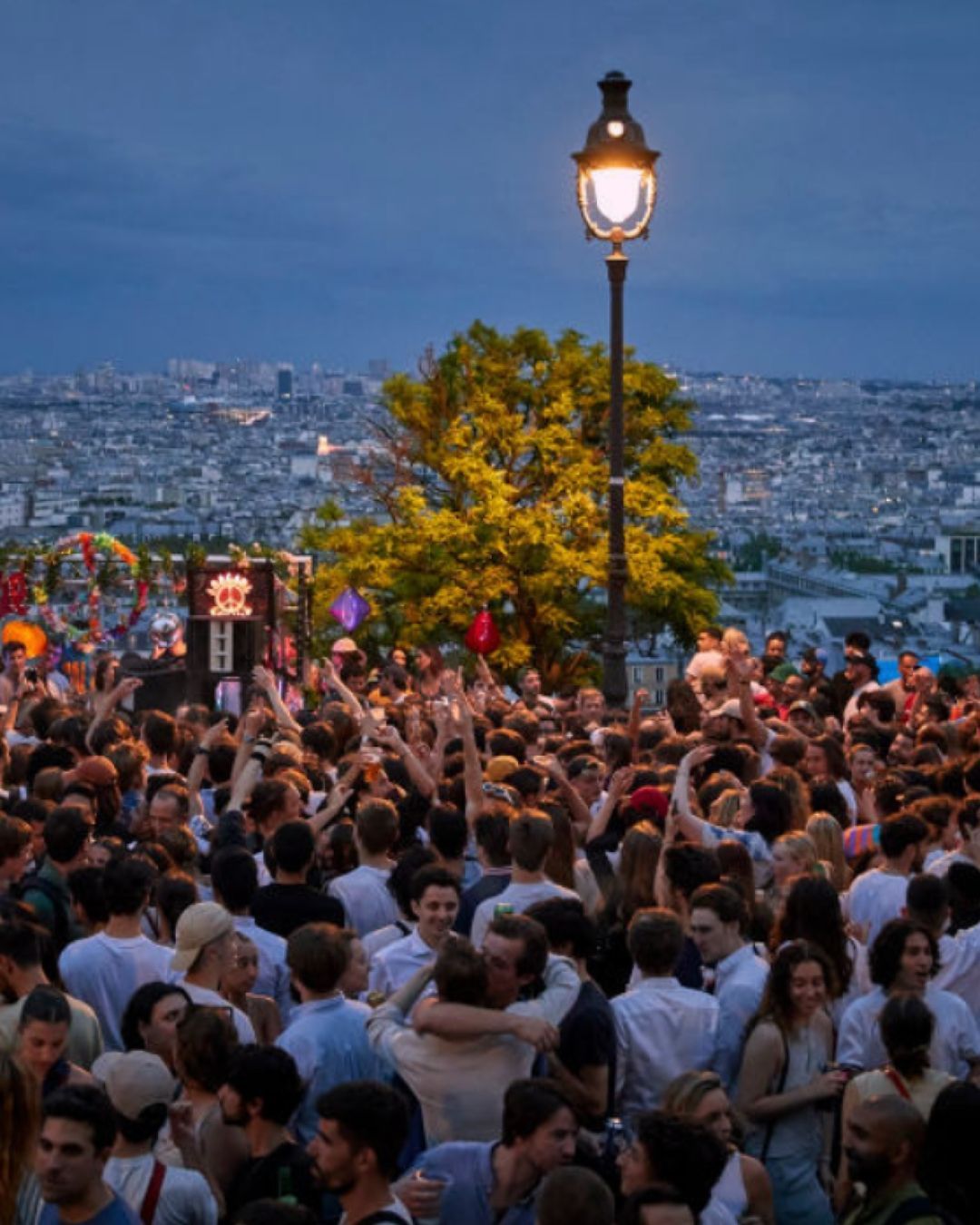
On June 21st, Paris will once again be swept up in the sound and chaos of the Fête de la Musique, France’s annual, government-endorsed music celebration where the only rule is that every sidewalk, park, plaza, and window ledge becomes a gathering point for loud music and lots of dancing. This tradition, which began in 1982 as a free-spirited public love letter to music, has since ballooned into one of Europe’s largest cultural phenomena. But if you’re a regular attendee, you may have noticed that the growing international attention has brought with it more ticketed events, brand promotions, and an atmosphere that feels increasingly curated.
@michaellie_b It’s in June Save the date!! #paris #fetedelamusique #afrobeats #Lifestyle #whattodoinparis #paristok #fdlm #musicday #dayparty #parisfashionweek #paris2025 #pourtoi #fyp #parisianlife #paristhingstodo #eUropeansummer #france #travel #eurotrip #activity #summervibes #summer2025 (Slowed) - ATLXS
This isn’t to say the soul of the fête has vanished. From Bastille to République, through the winding alleys of Le Marais, the city still thrums with energy on June 21st. But as the sun dips, a different version of the fête takes over—one where velvet ropes, QR-coded guest lists, €25 door charges, and quiet dress codes create a filter on who gets access to what. Event curators like Planète House, known for their house music lineups, still honor the day’s original spirit: offering space to dance, reconnect, and reclaim public ground. Many of these organizers now employ a hybrid model of free entry from 6 p.m. to midnight before transitioning into an optional ticketed afterparty—a format that’s increasingly common and capable of drawing crowds in the thousands.
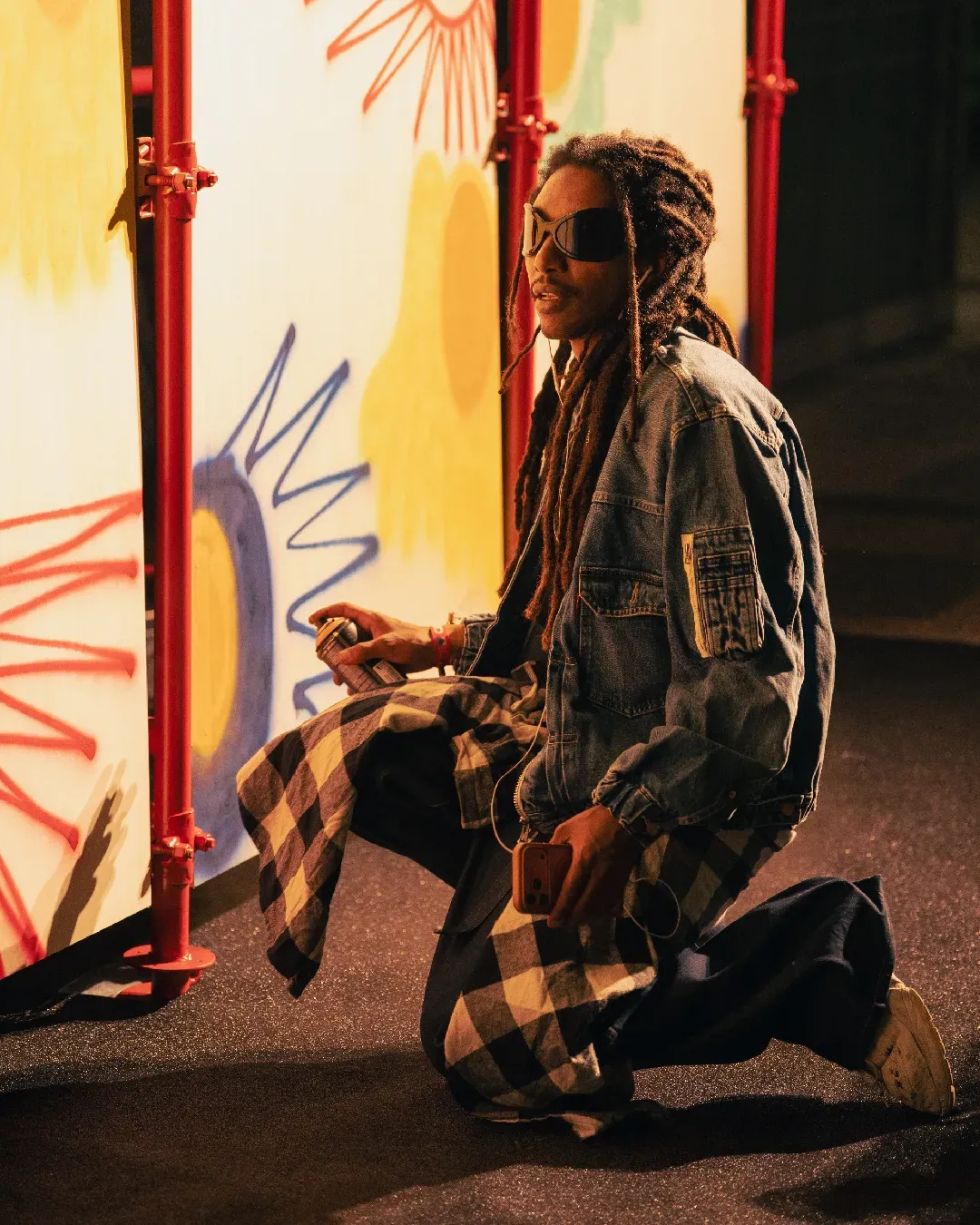
Trendy France, a major player in Brussels and Paris nightlife, especially in the Afrobeats genre, is emblematic of this shift. Their 2024 program included a massive free party at Châtelet and pop-up stages on the Champs-de-Mars behind the Eiffel Tower and at Trocadéro, followed by a glitzy, paid afterparty at Wanderlust, the riverside club that’s become a summer institution. Same music, different access: tickets started at €20 online but could double at the door, assuming you made it past the door at all. Social media only intensifies this curation. In the weeks leading up to June 21st, Instagram stories fill with mysterious flyers, branded teasers, and throwback reels from last year’s best sets. Some of the city’s most hyped fêtes don’t even bother releasing full lineups anymore—a timestamp and a logo are all it takes to build a crowd. Last year, Vans pulled off an activation with skate demos and a DJ lineup that felt like a pocket-sized festival. Brands like Axel Arigato and SNS also used the day to host block parties and, of course, to utilize it as promo.
Coinciding with Paris Men’s Fashion Week, the fête has morphed into a magnet for international creatives, tourists, and fashion insiders. And while that convergence creates unforgettable crossovers, like when Sixtion linked up with Recess for a set that brought together Parisian cool kids and diasporic club culture. It also sharpens an existing tension: who’s the fête really for? For longtime locals, the night can sometimes feel like a scramble to keep up with a city that no longer moves to their rhythm. Still, not everyone sees this shift as a loss. For a younger generation raised on shared stories, reels, and algorithms, the fête hasn’t disappeared—it’s simply adapted. Knowing where to be and when has become part of the experience. The streets still belong to everyone, but navigating them now takes a little more intention. And maybe that’s the point.
The Fête de la Musique no longer lives in a single version of itself. It’s not either sacred or sold out and in many ways, its evolution mirrors the city itself. It may look different than it did in the past, but it still offers a night where anything can happen and everyone has a place to be. Whether you’re dancing in the middle of the street to a stranger’s DJ set or slipping into a venue with a ticket, the magic is still there—and it’s up to the goer to decide what kind of experience they want out of the day. You might find the best set of the night outside a laundromat in Belleville or behind a password-protected pop-up in Pigalle. Either way, the music plays.