






















How Emerging Designers Stole the Spotlight at Paris Fashion Week These brands are shaking up both the codes of the runway and the garments themselves.
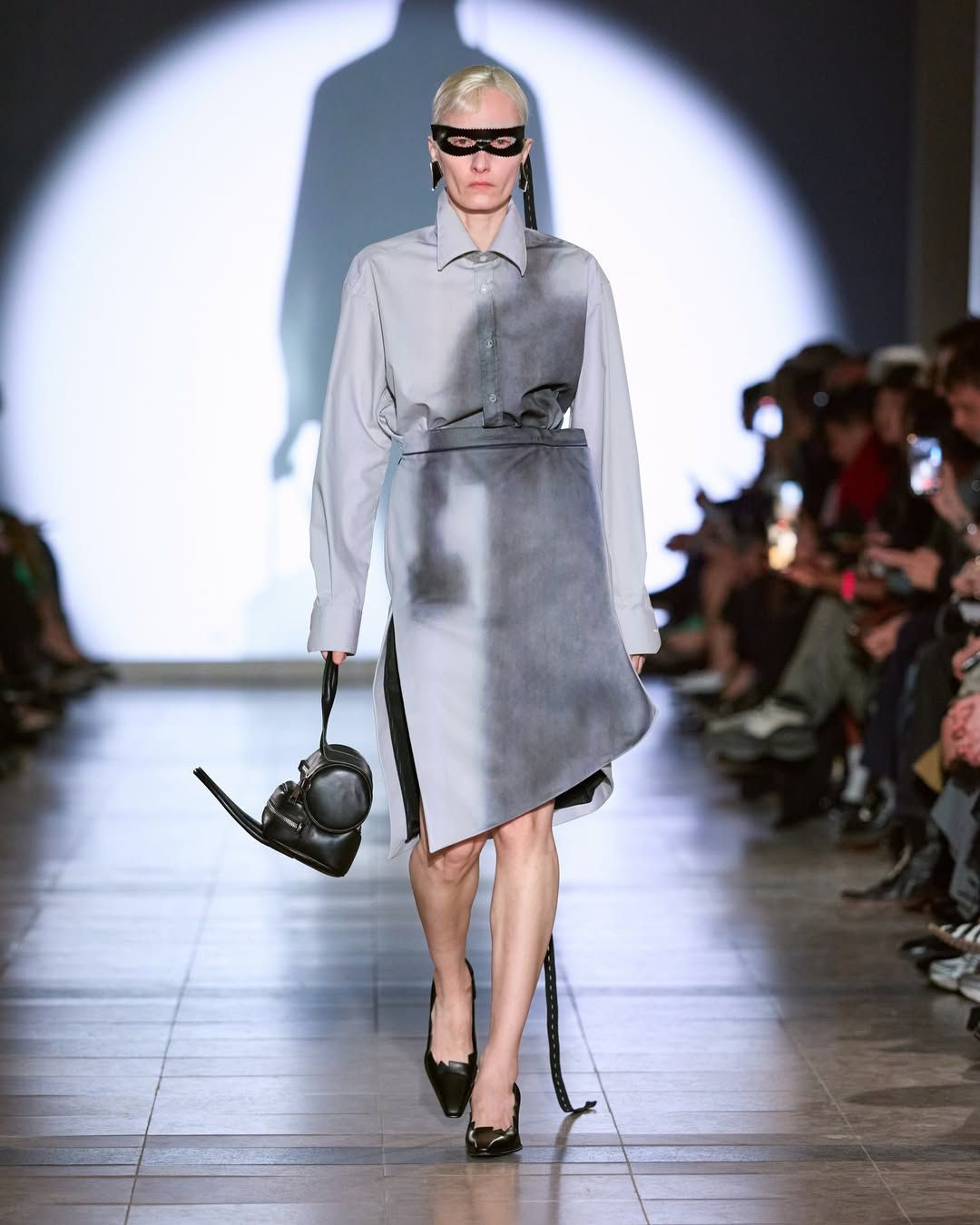
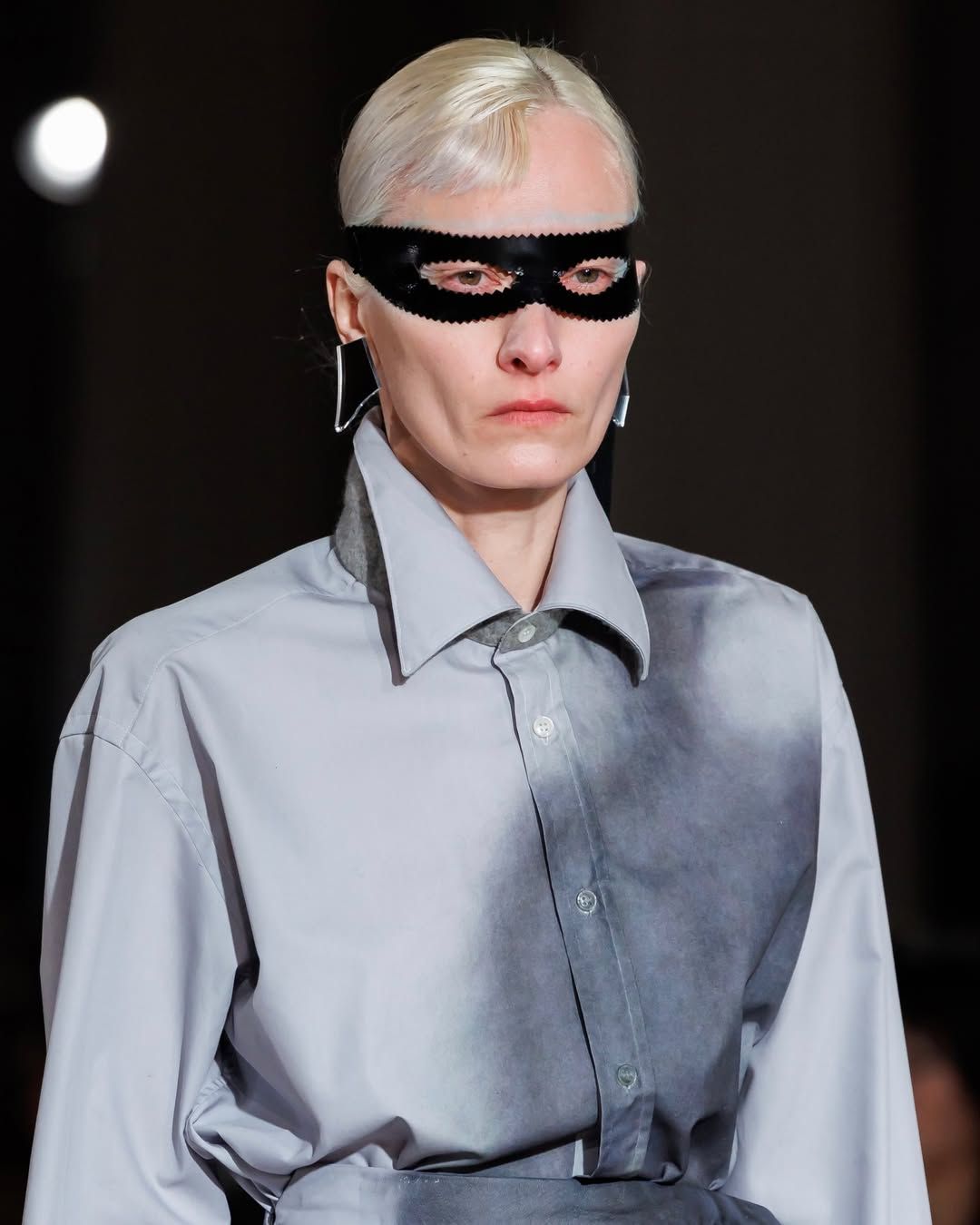
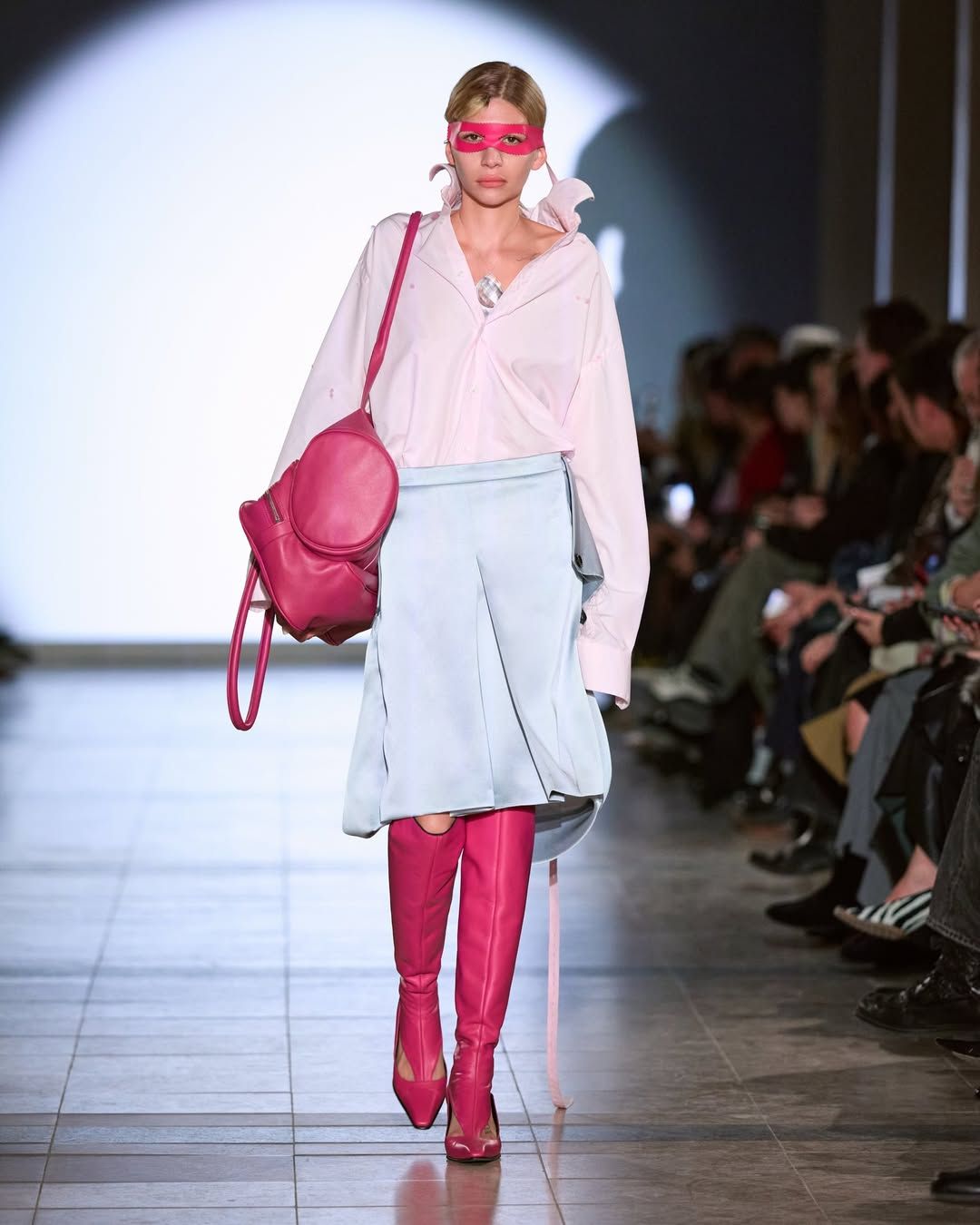
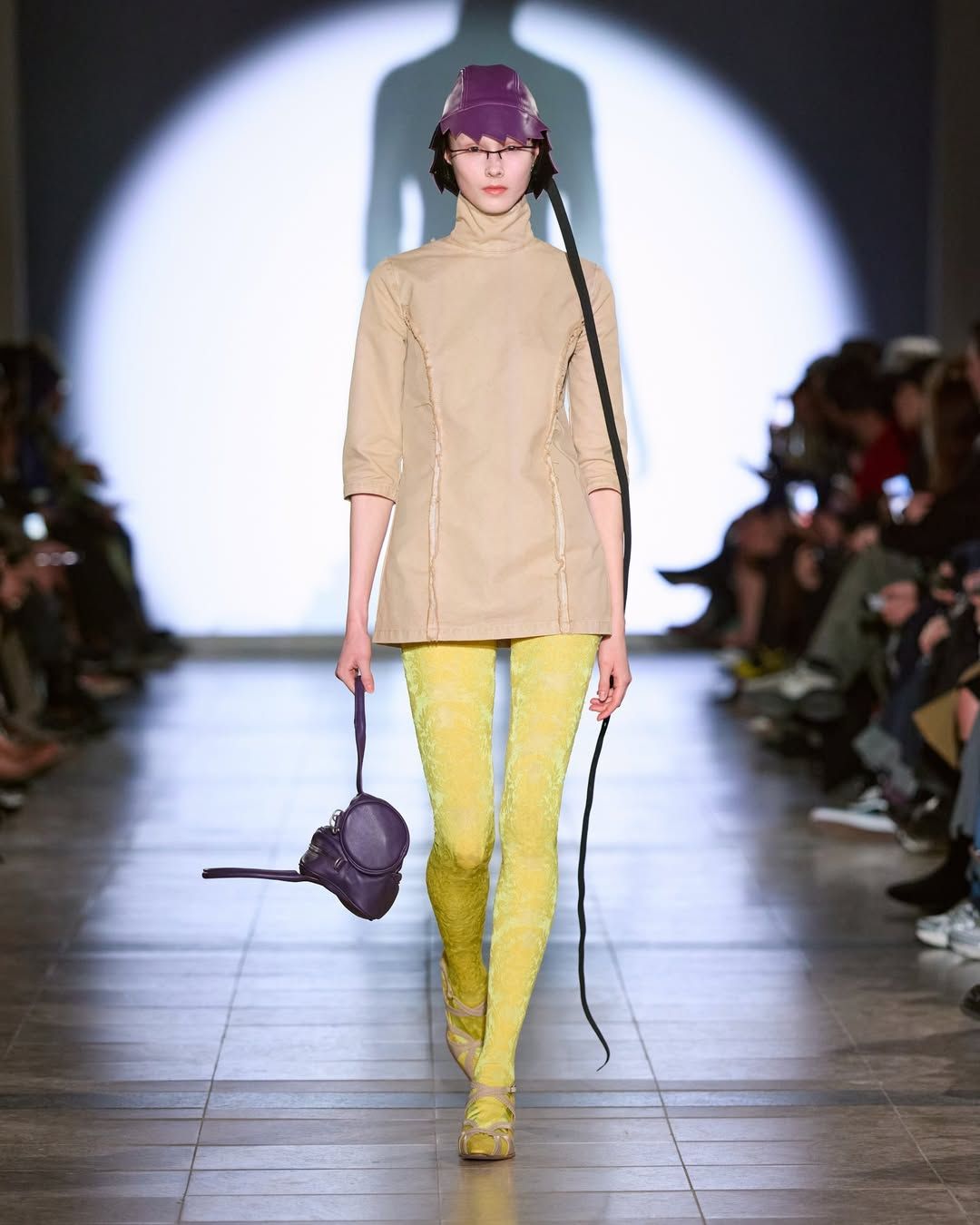
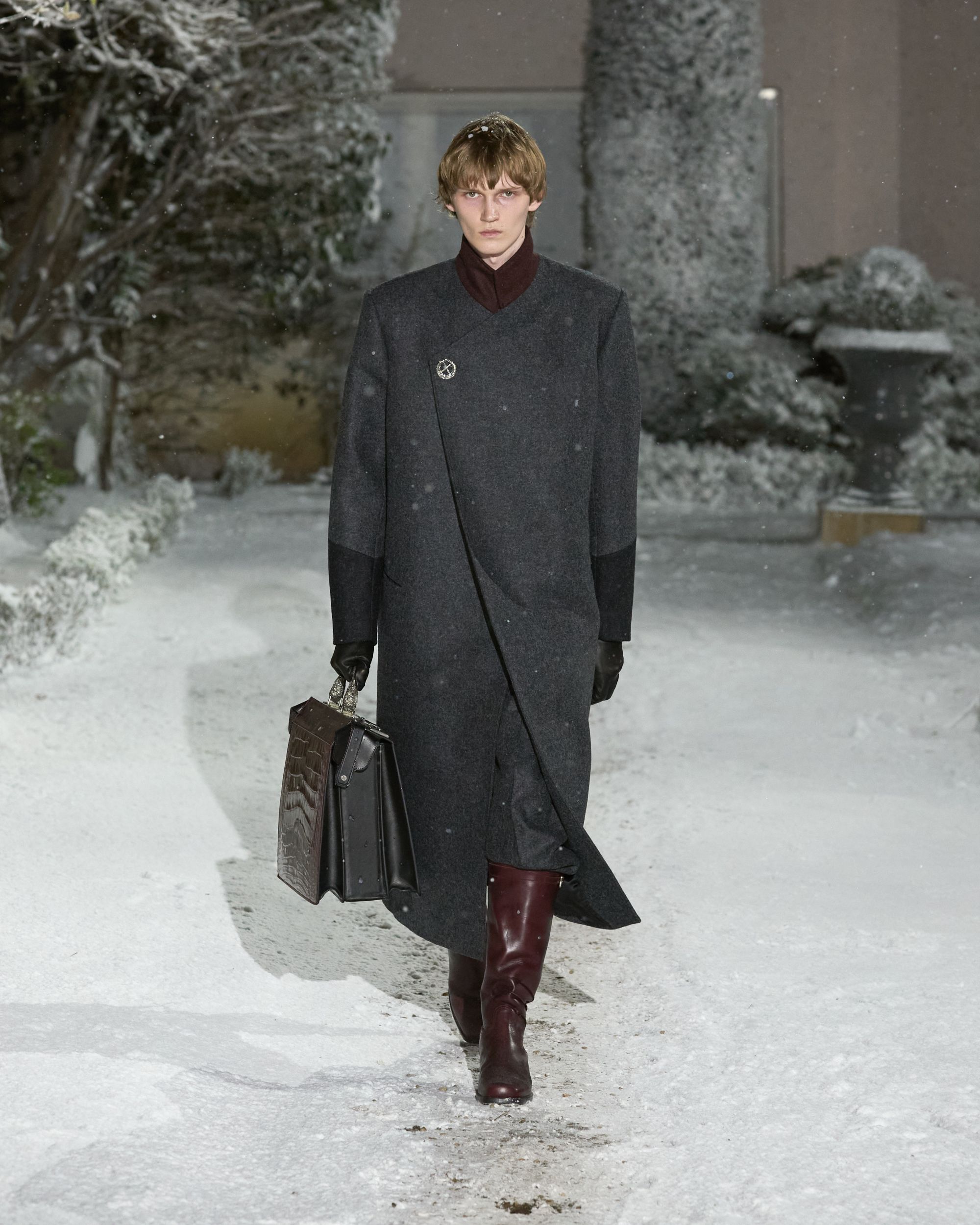
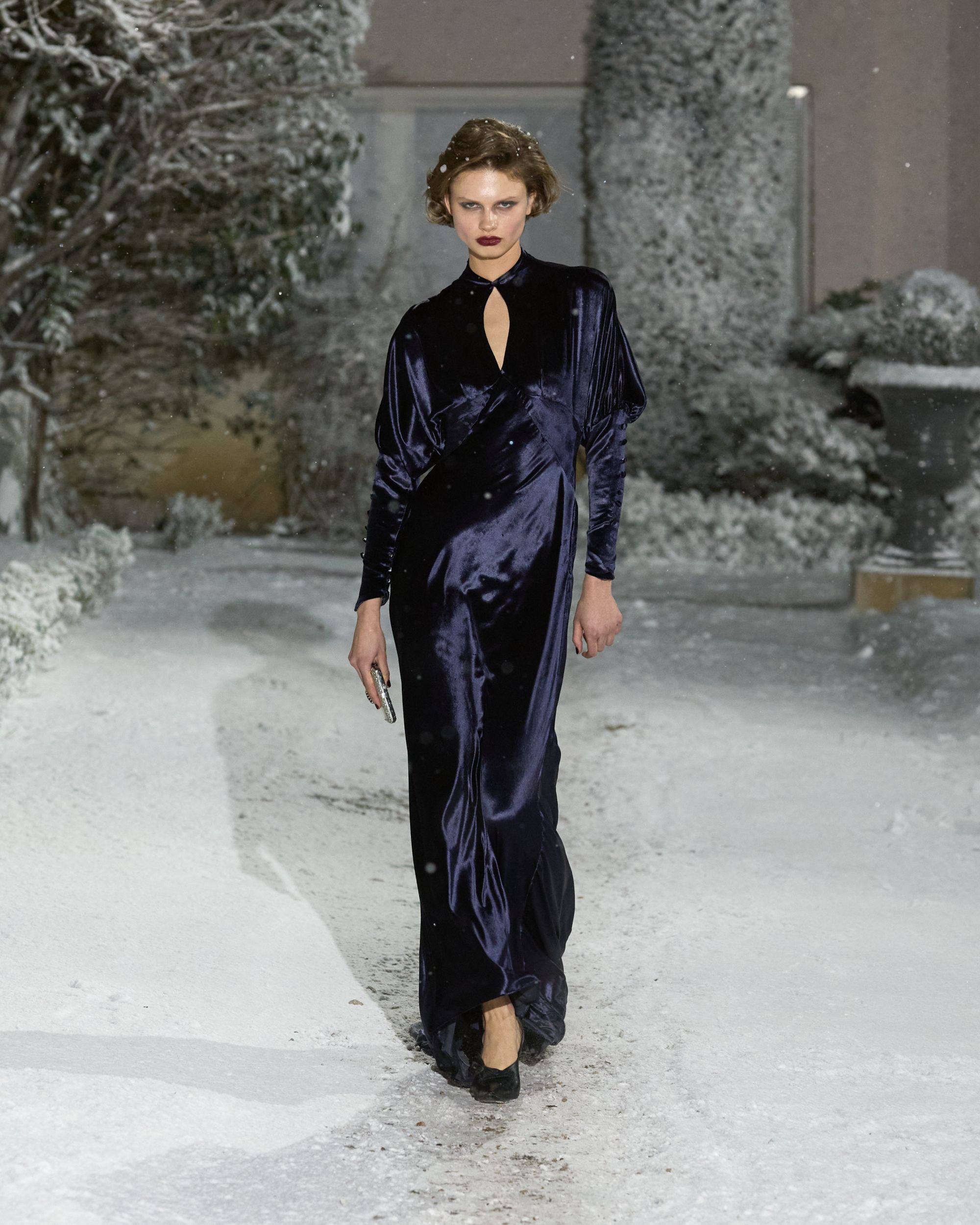
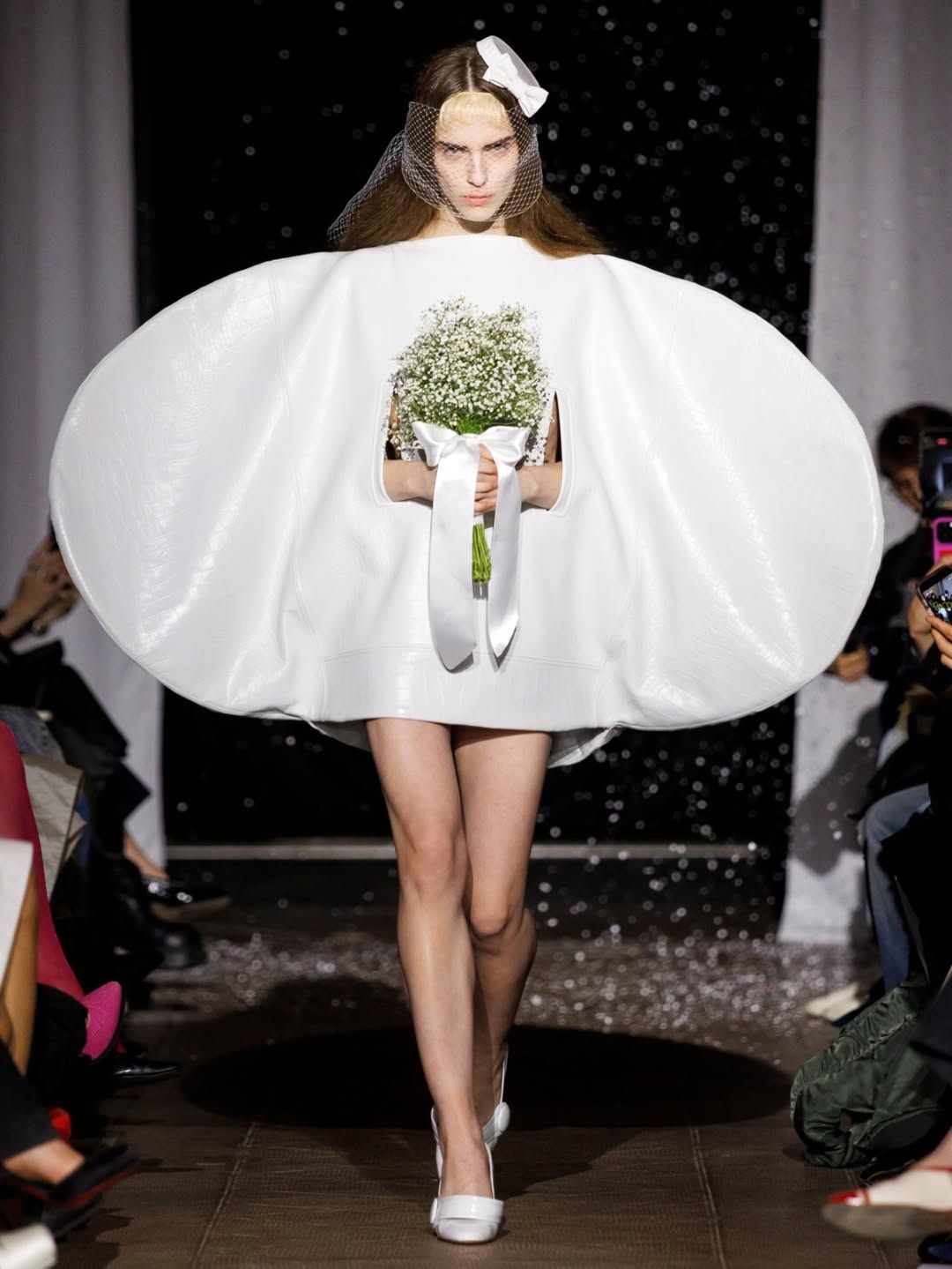
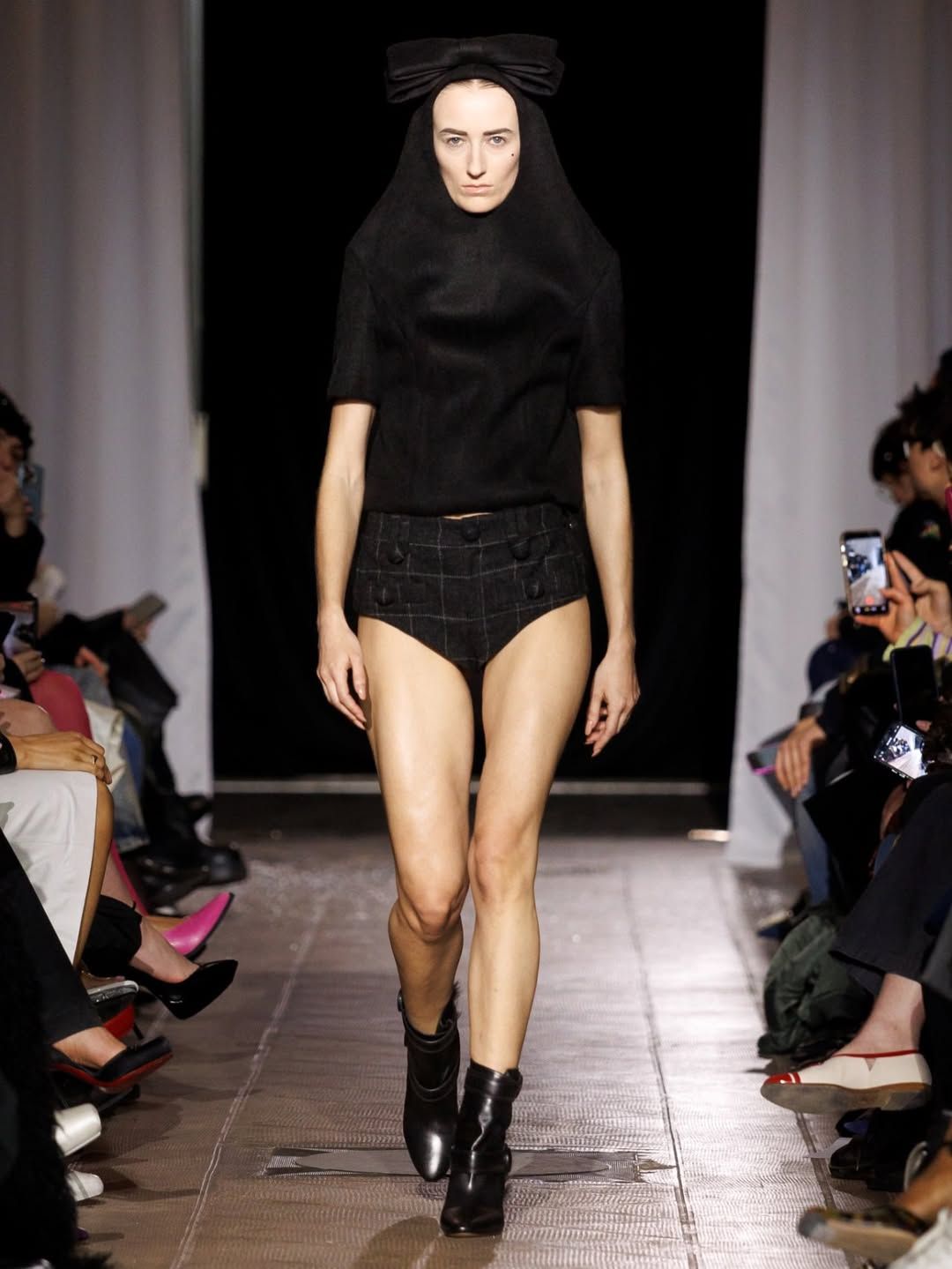
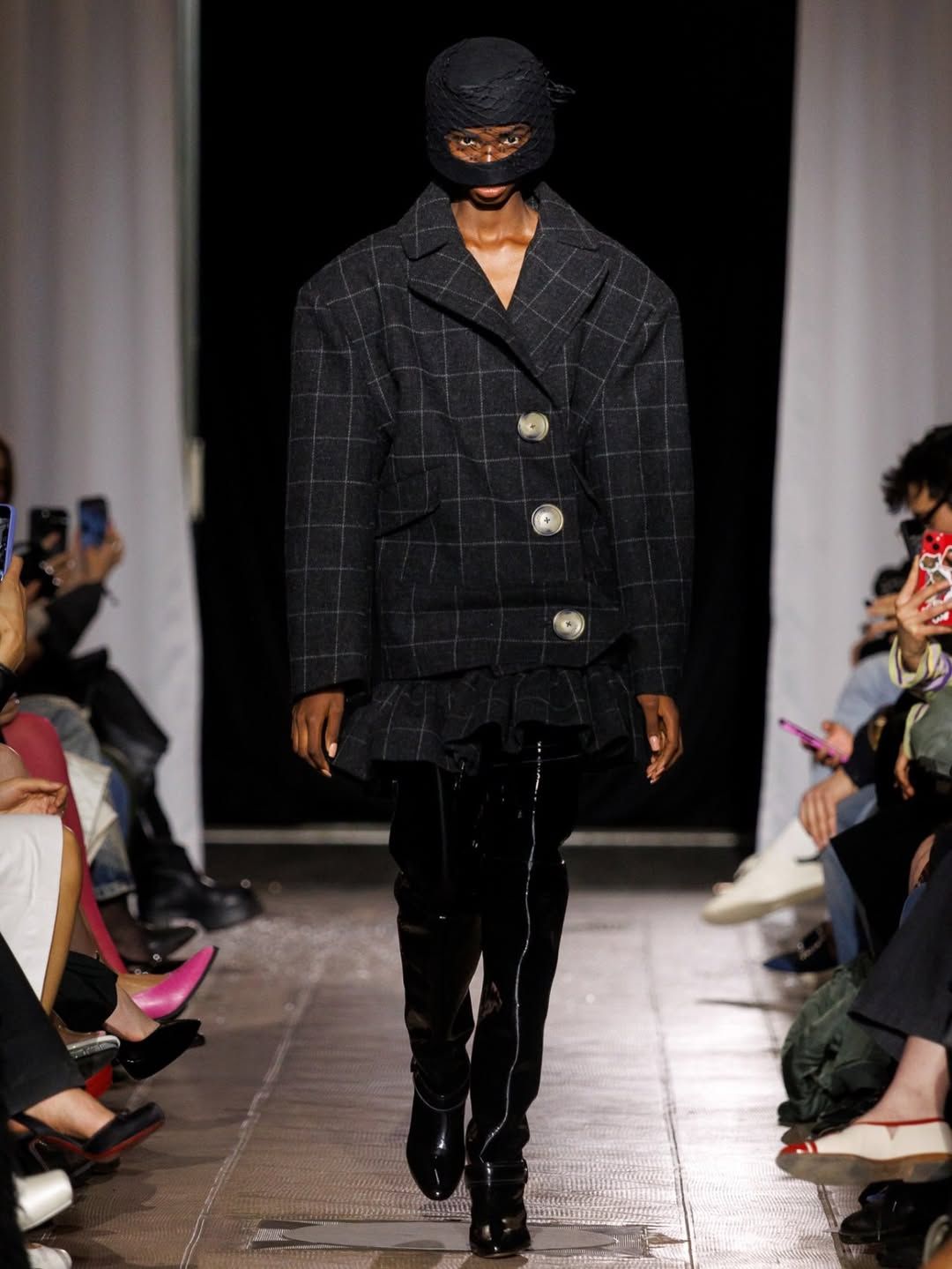
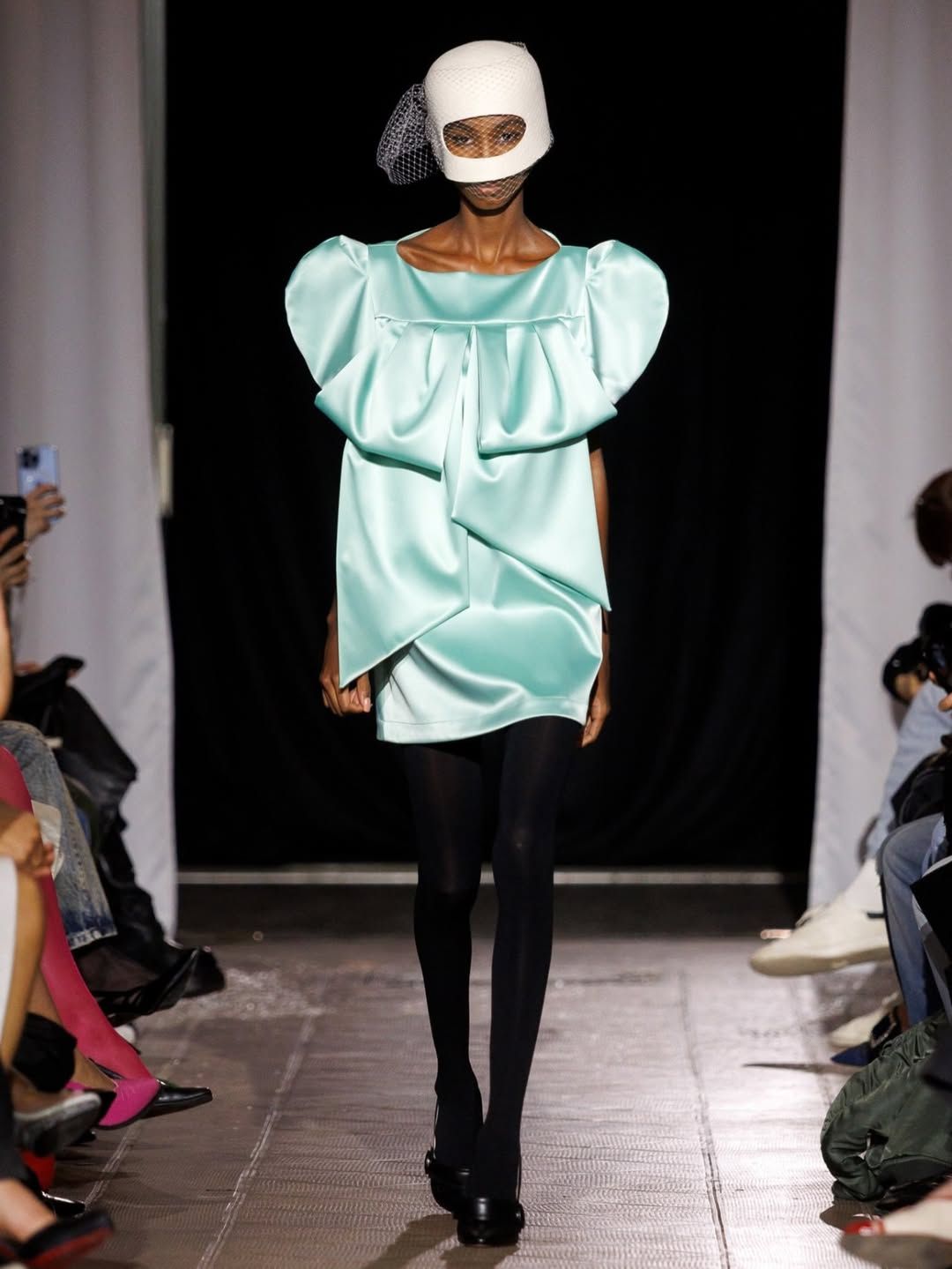
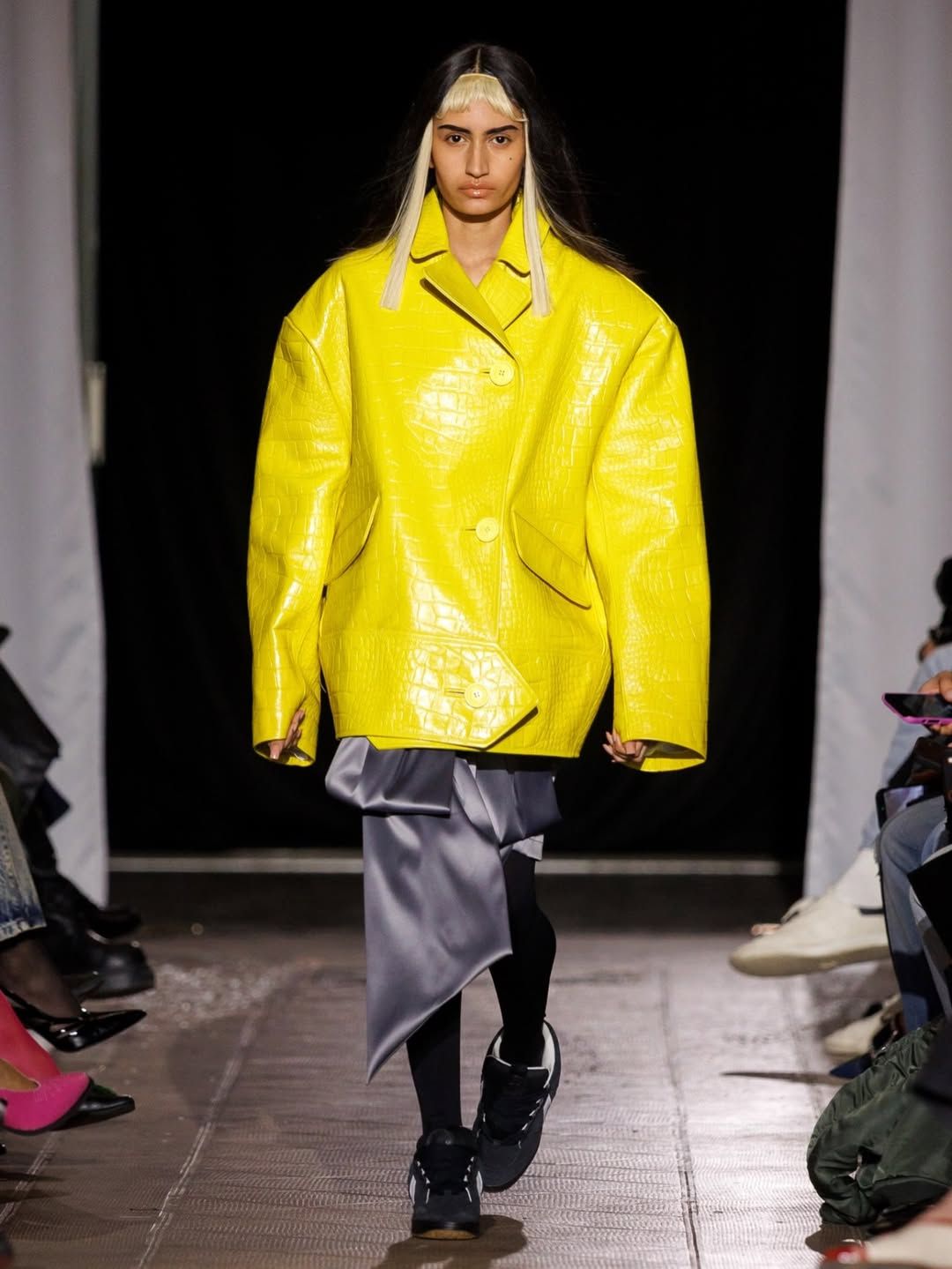
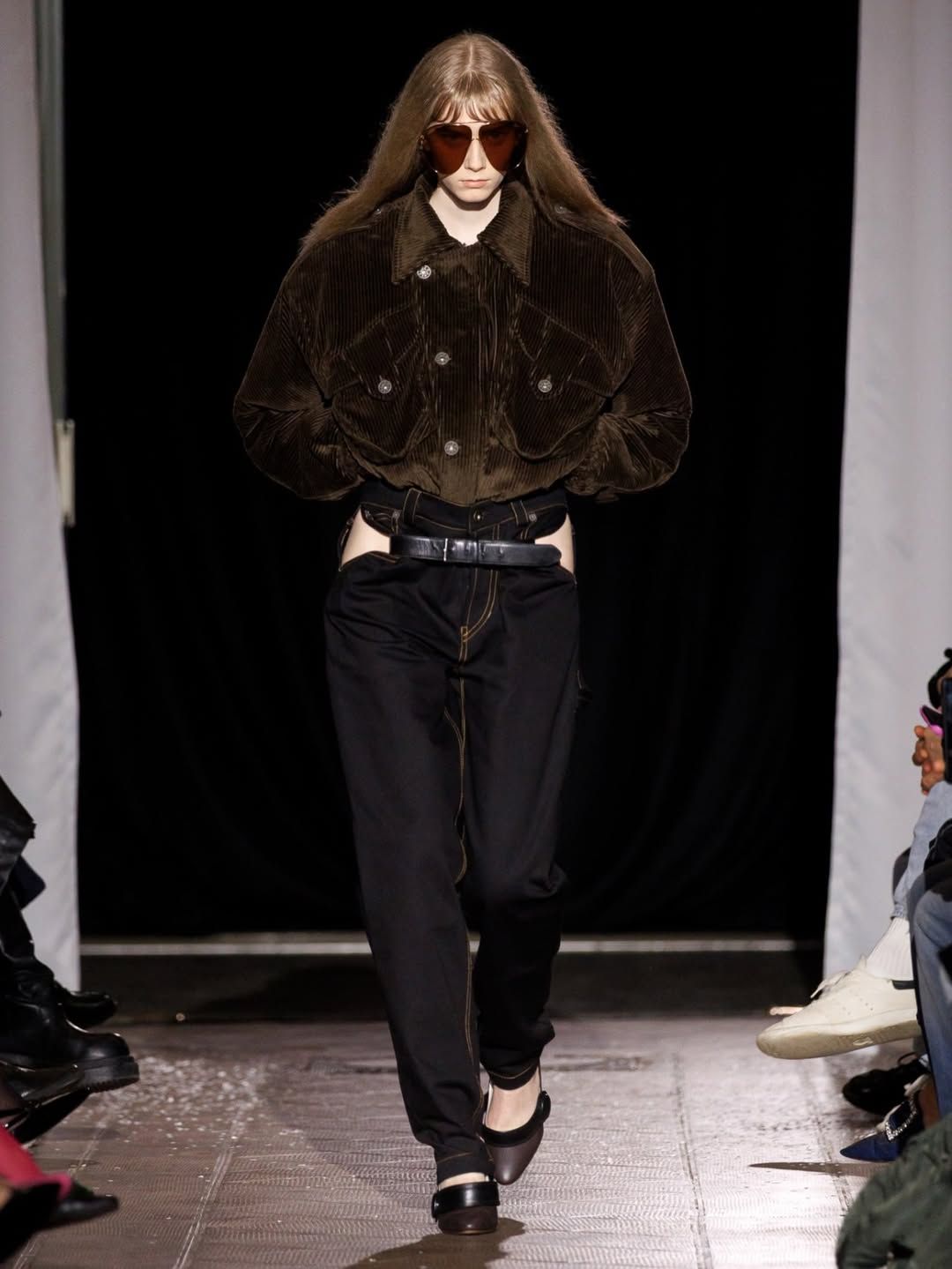
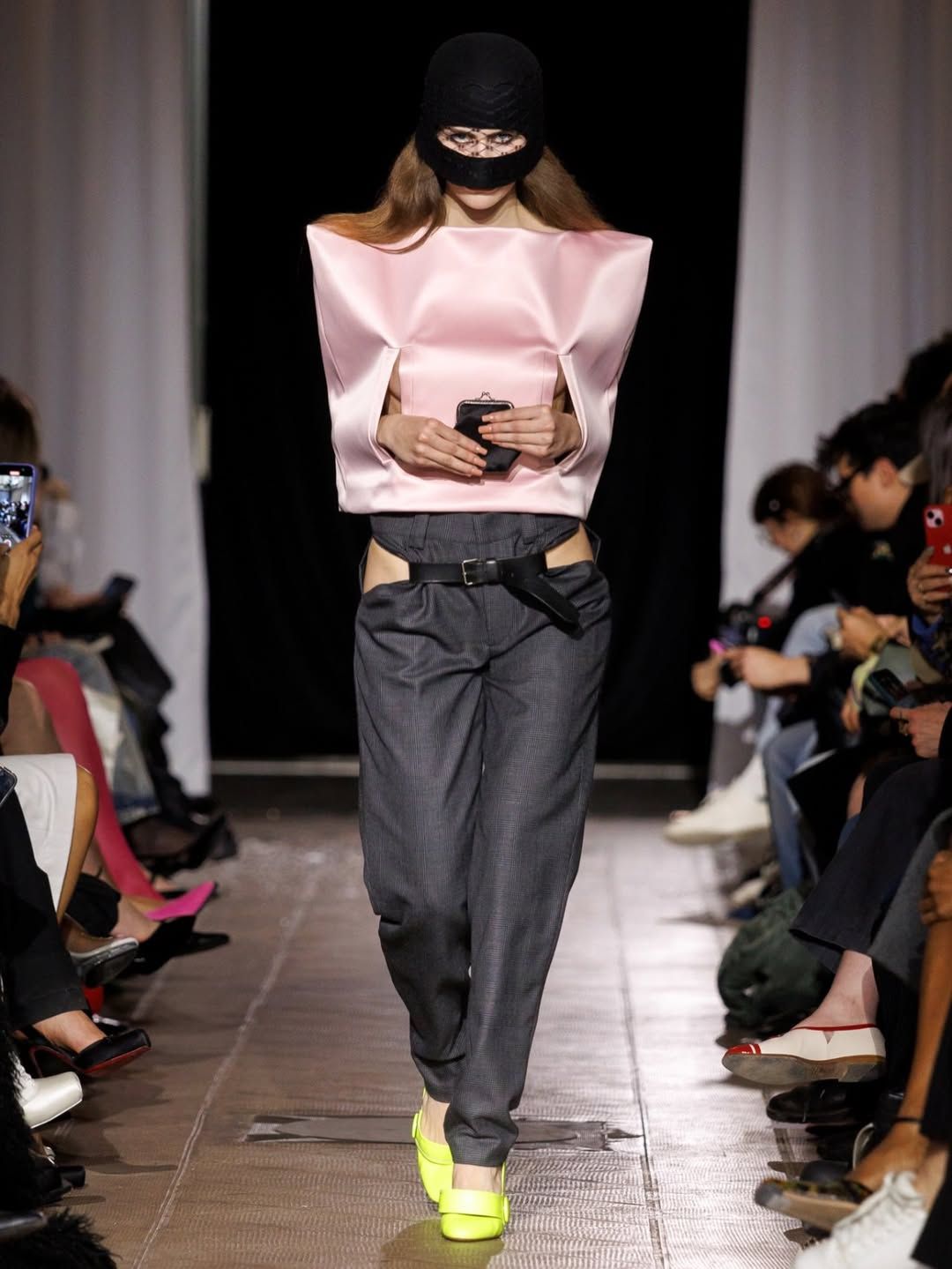
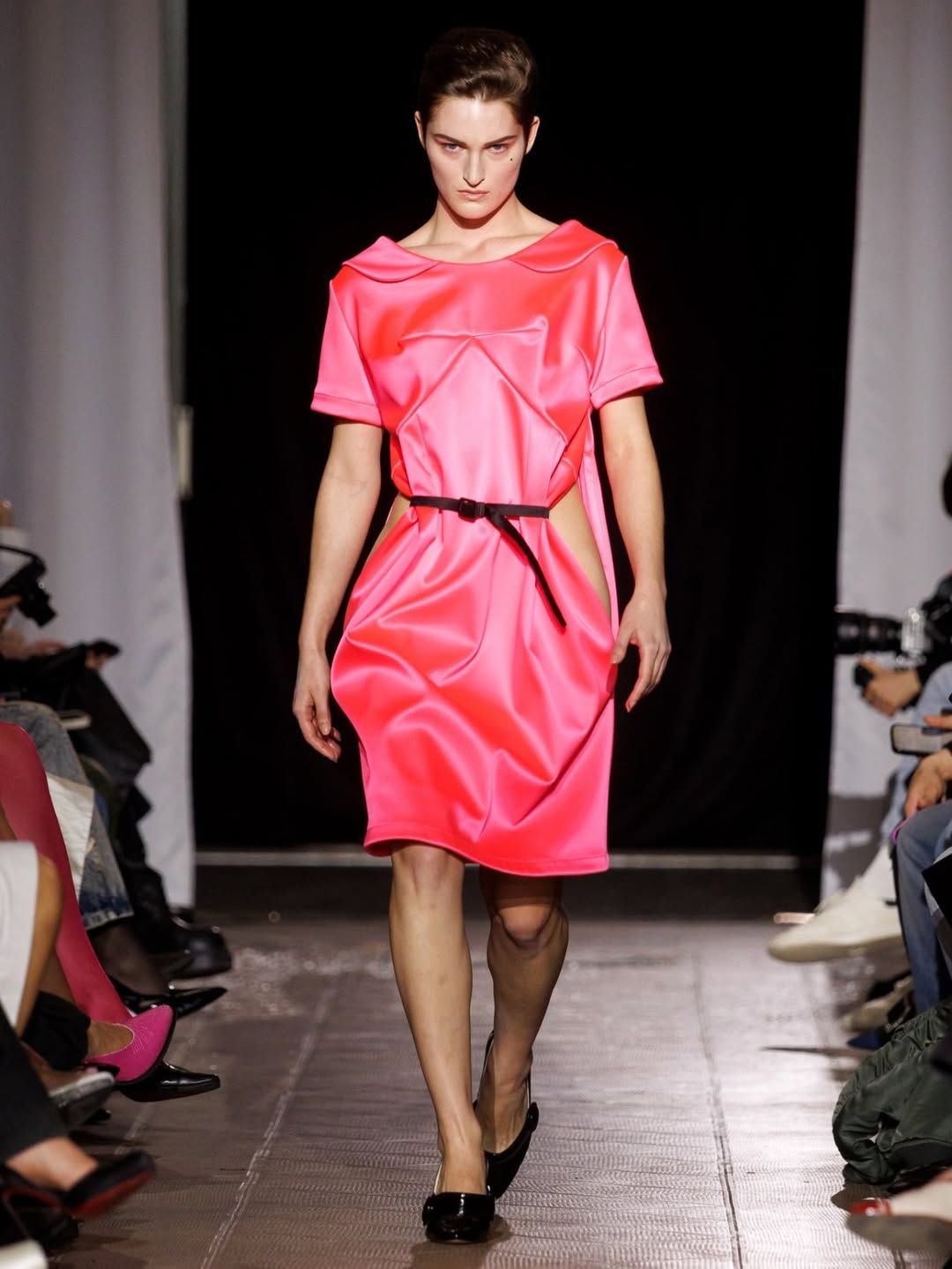
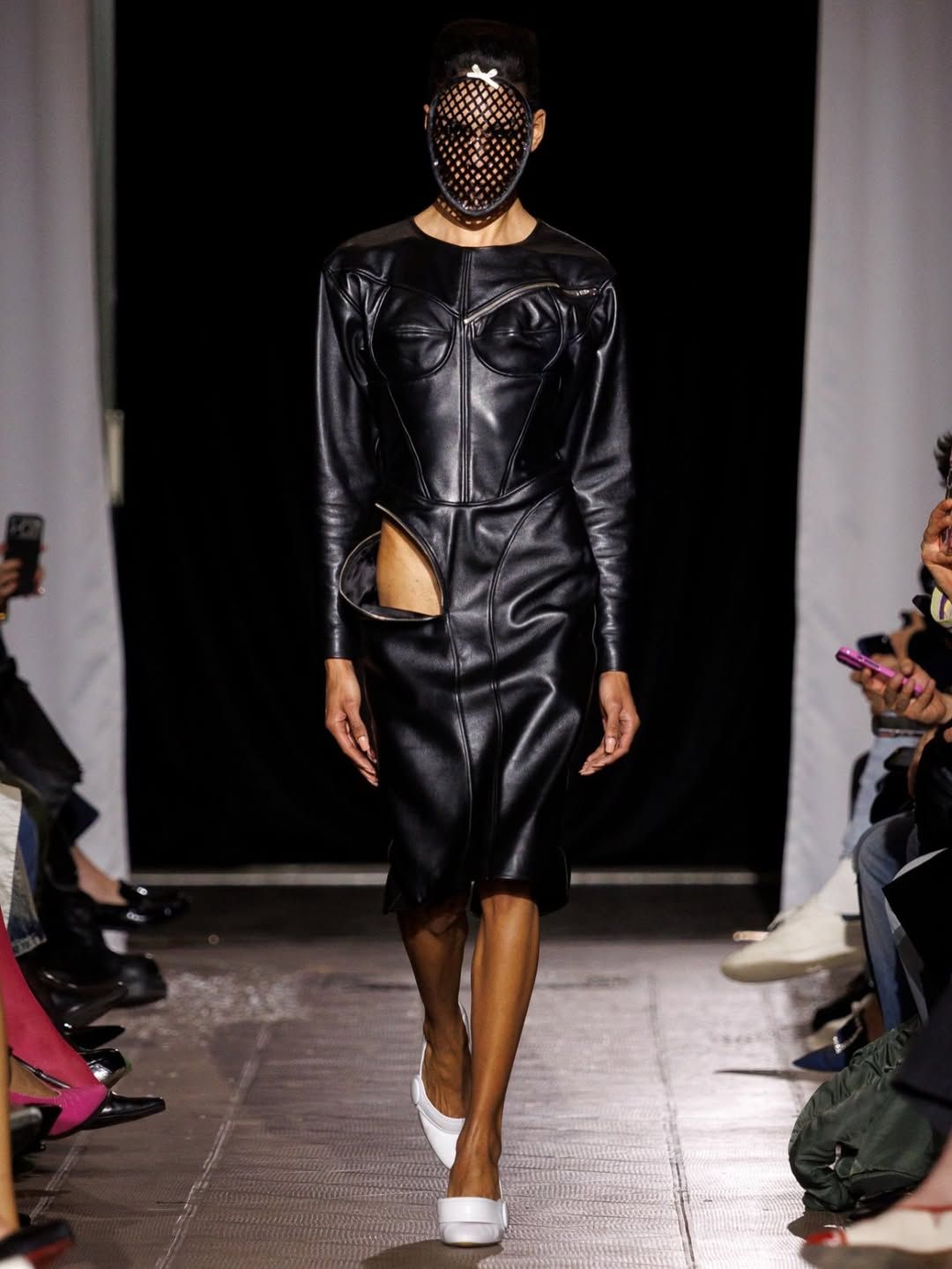
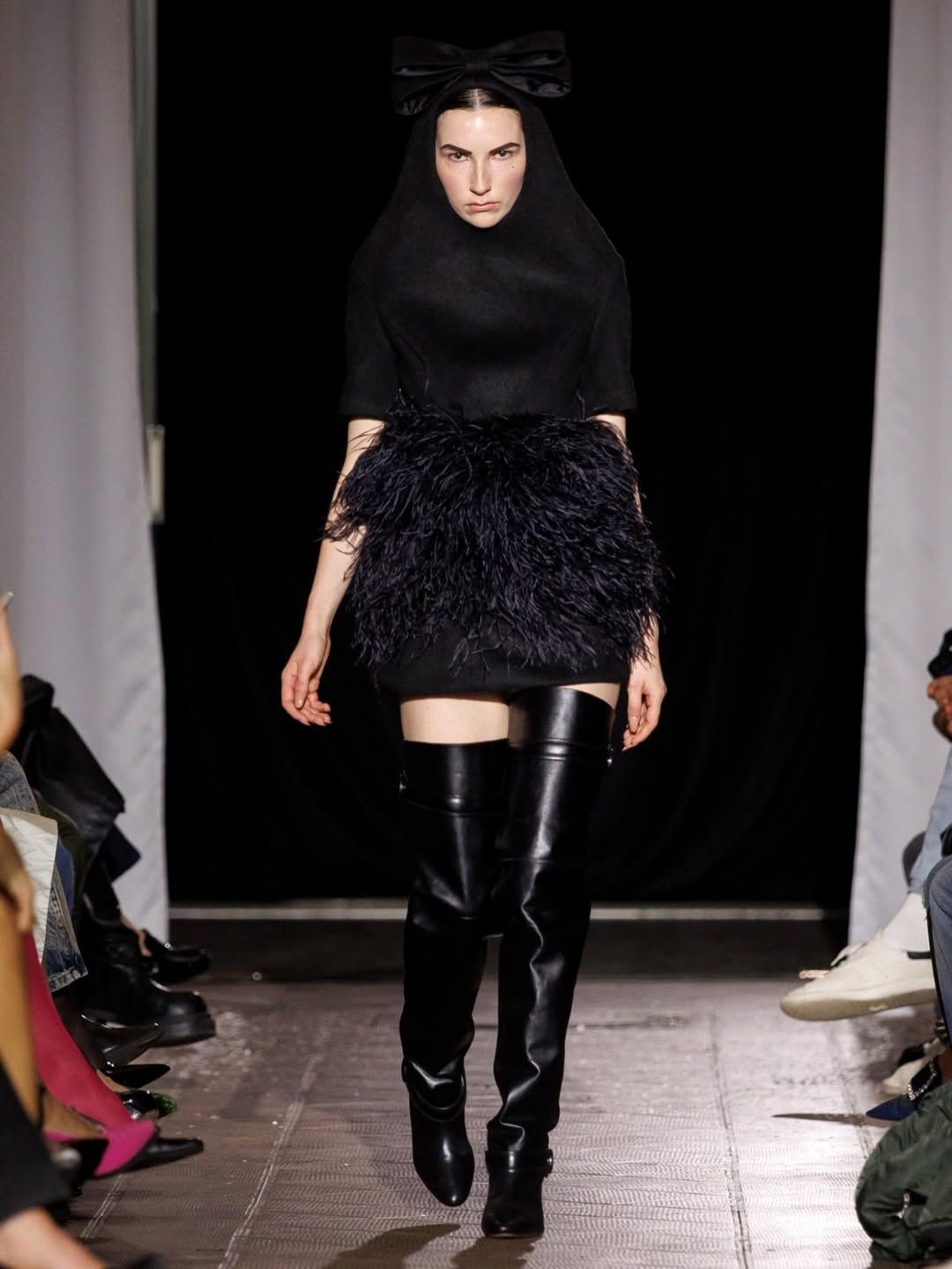
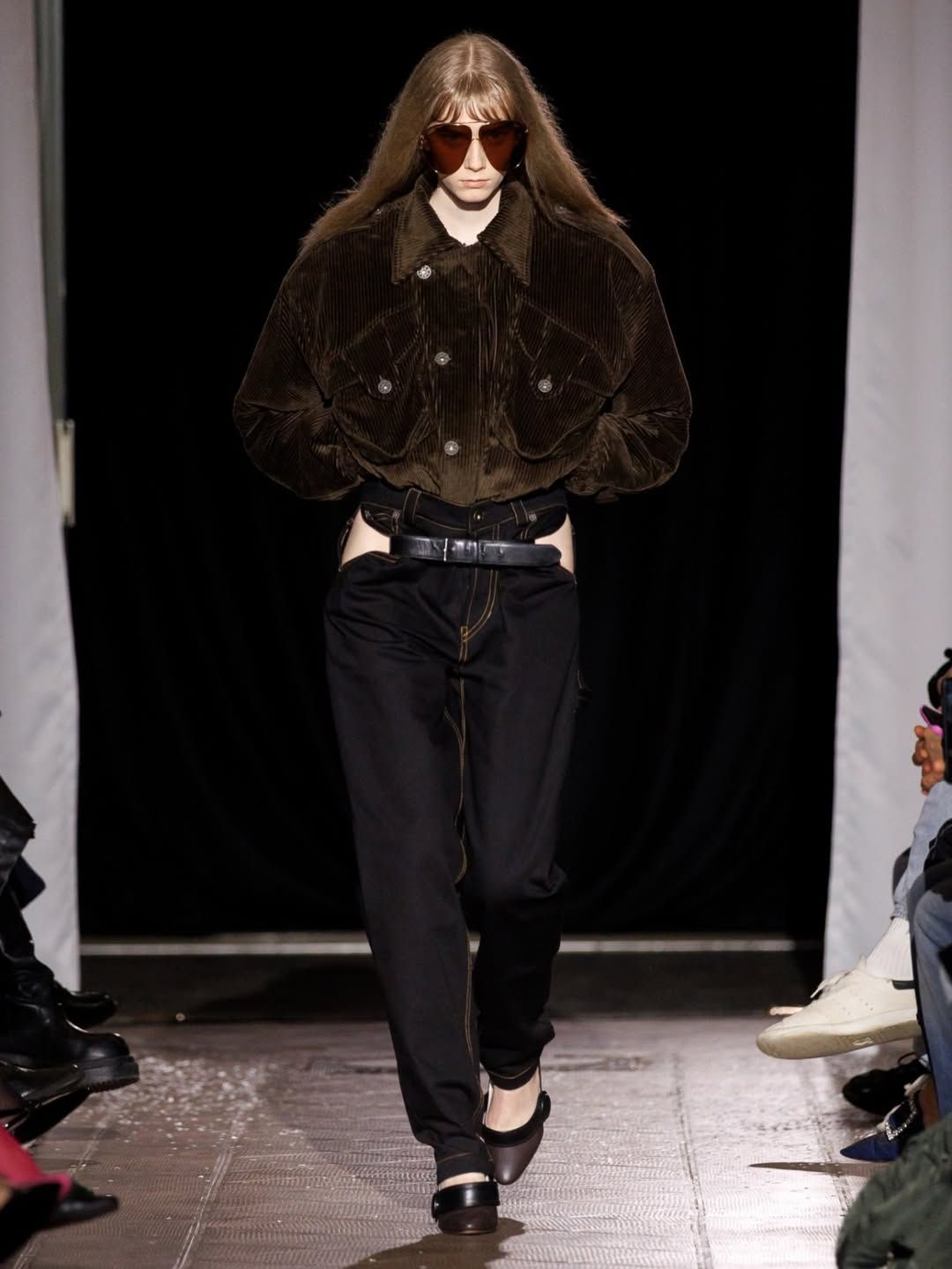
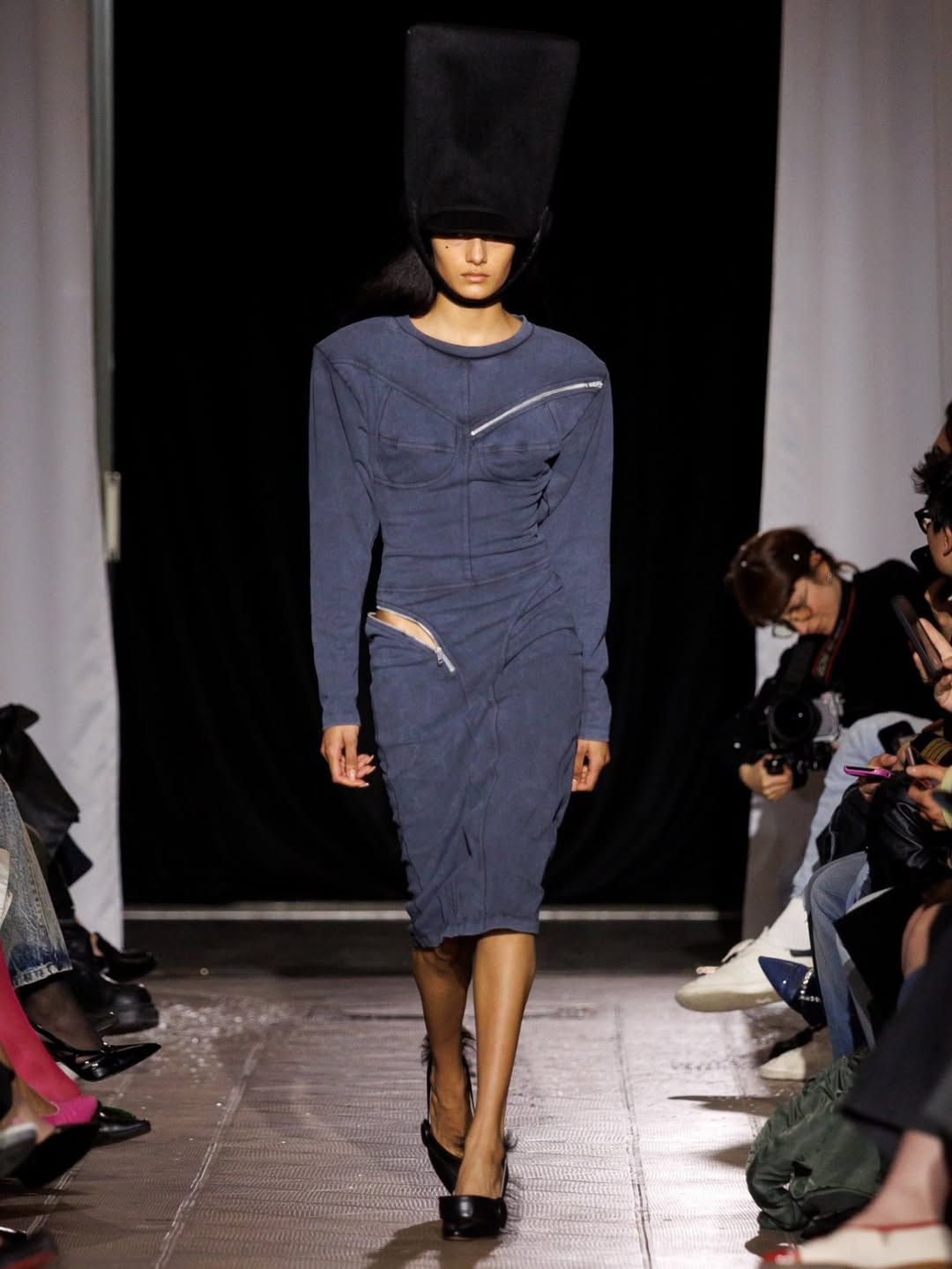
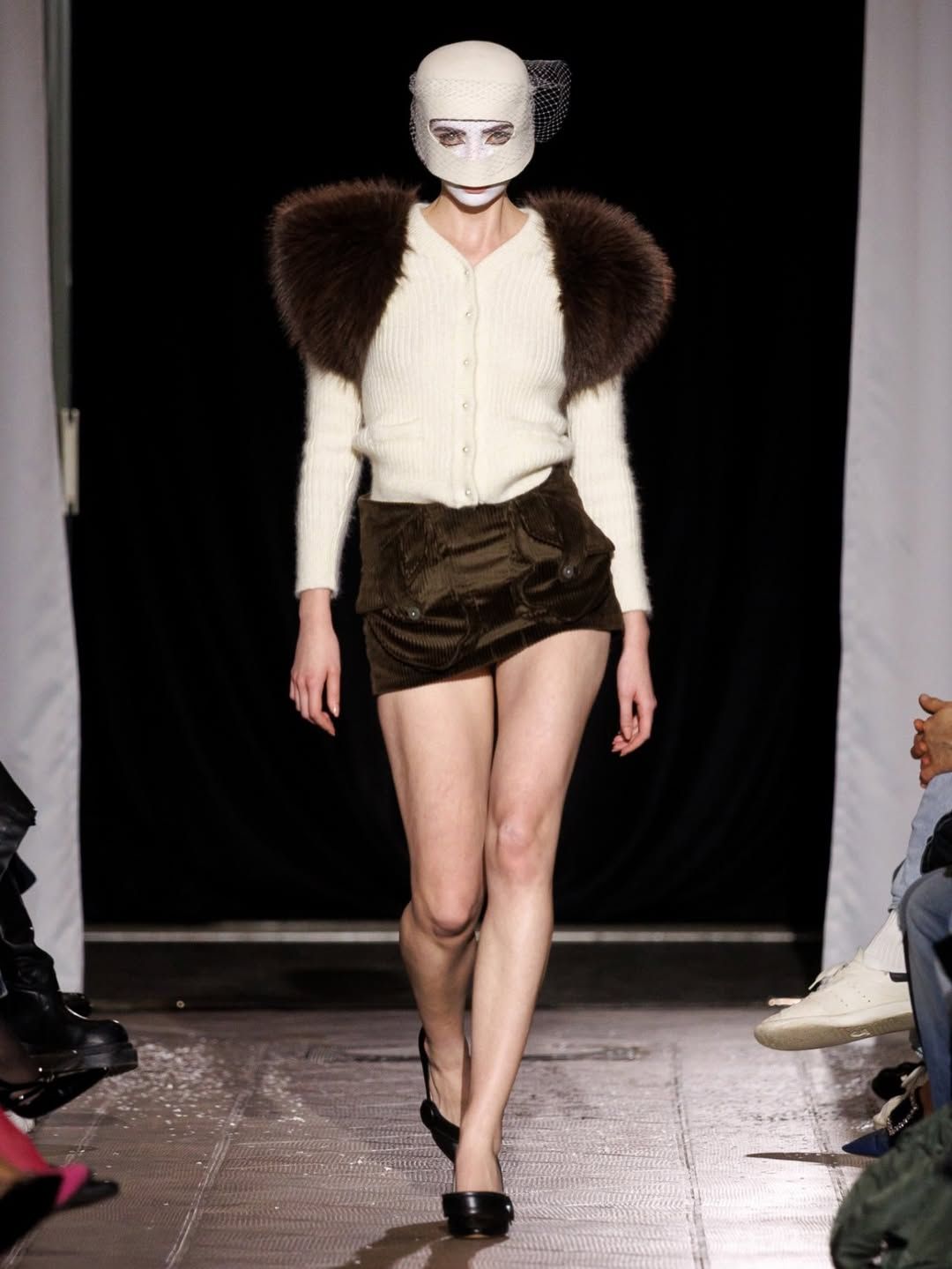
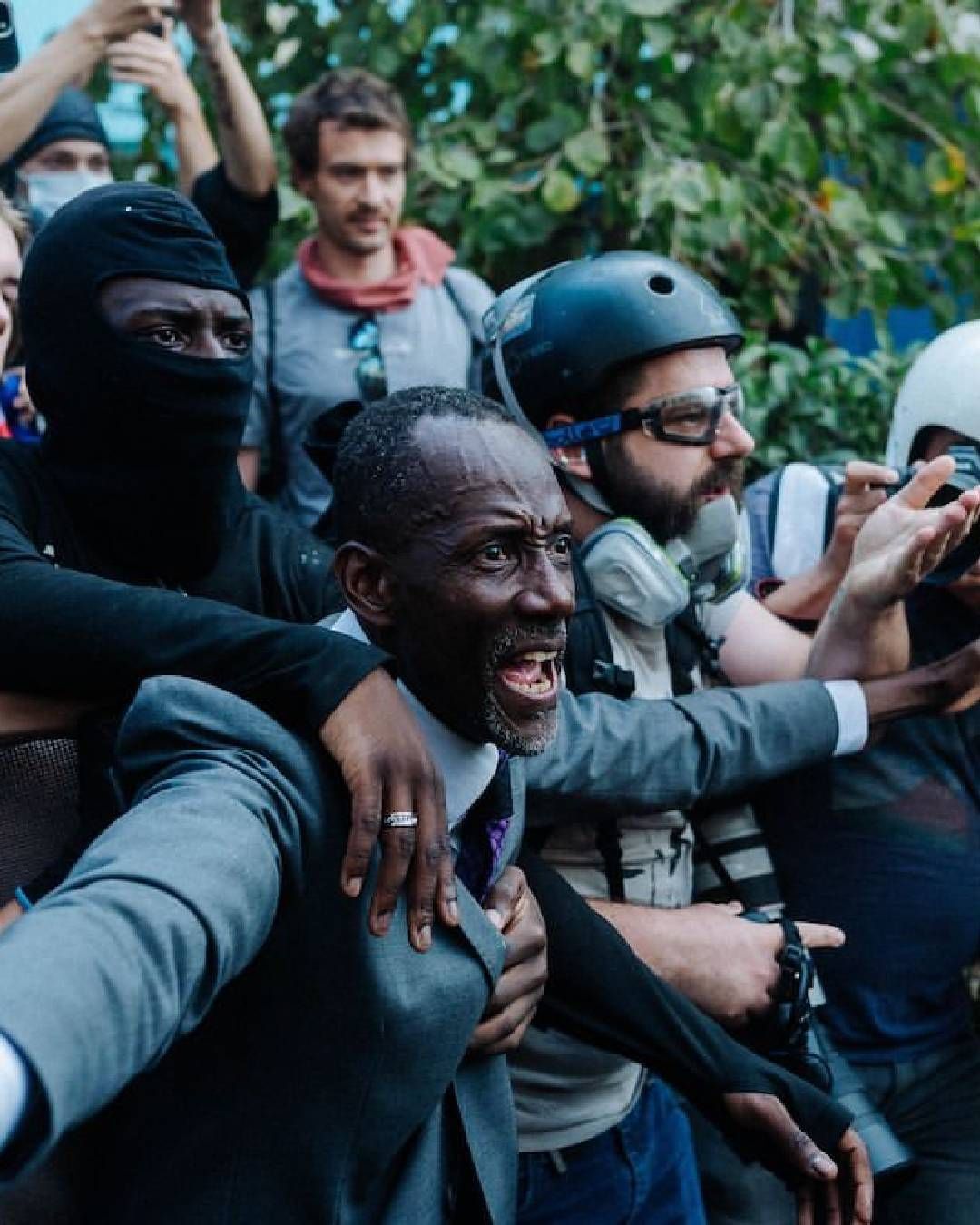
Masks down? More like masks up for Vaquera, which makes them a recurring motif in its Autumn-Winter 26 collection. Where tradition dictates that a bride closes the show, the New York label instead opens with this highly symbolic figure. The invitation had already set the tone with a blunt instruction: “do not wear white.” Behind these numerous cues, the brand weaves a deeply political reflection, exploring what it describes as a “tension between perfection and chaos.” Silhouettes oscillate between structure and disorder, as if the garments reflect a fragmented era. Details stand out: fencing-inspired masks, neon touches scattered across outfits, cut-outs revealing bare skin. Shoulder-top blouses lose their sleeves, replaced by simple vertical openings that restrict movement, while oversized glasses resemble blinders -subtly echoing the ways the world sometimes chooses to avert its gaze.
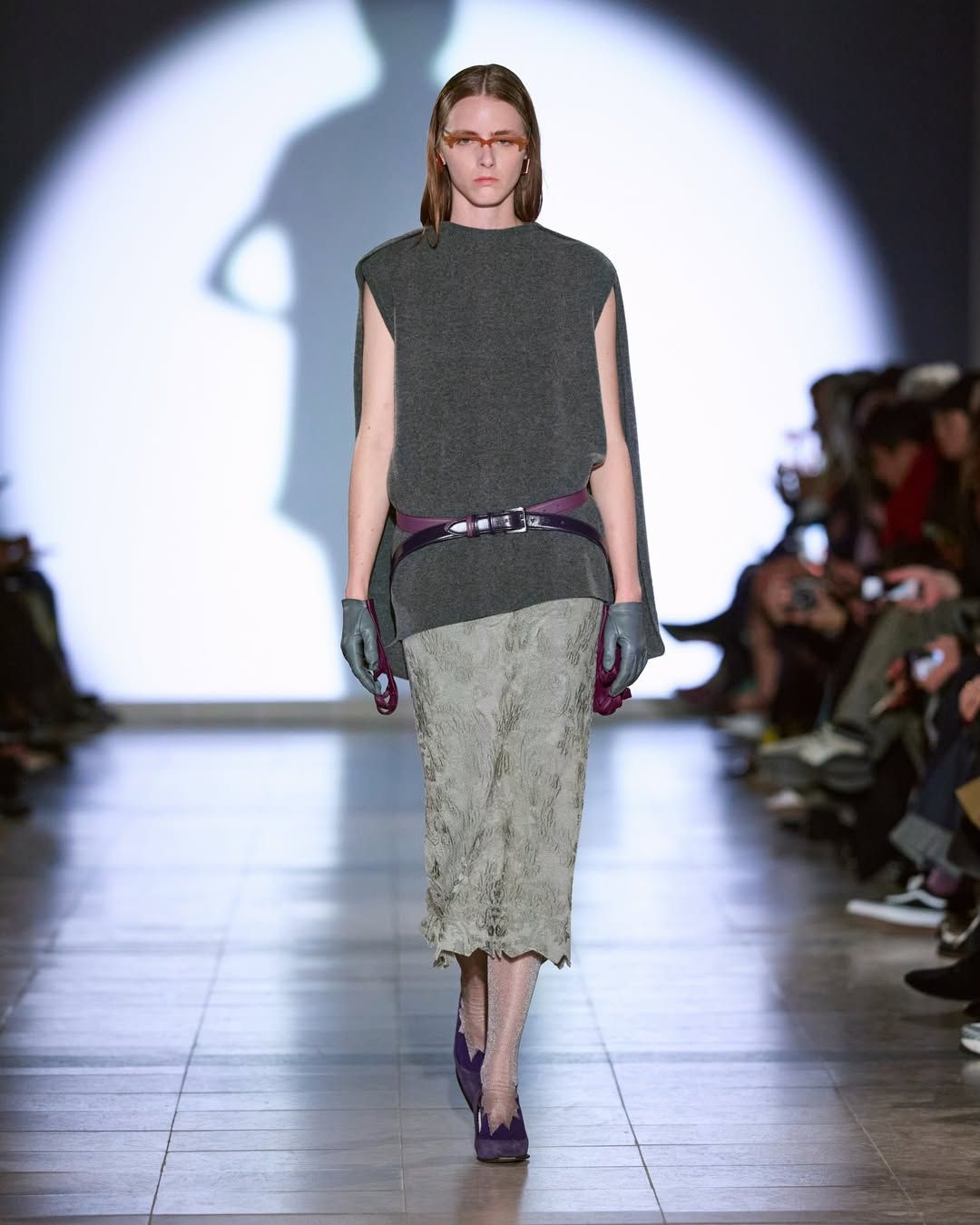
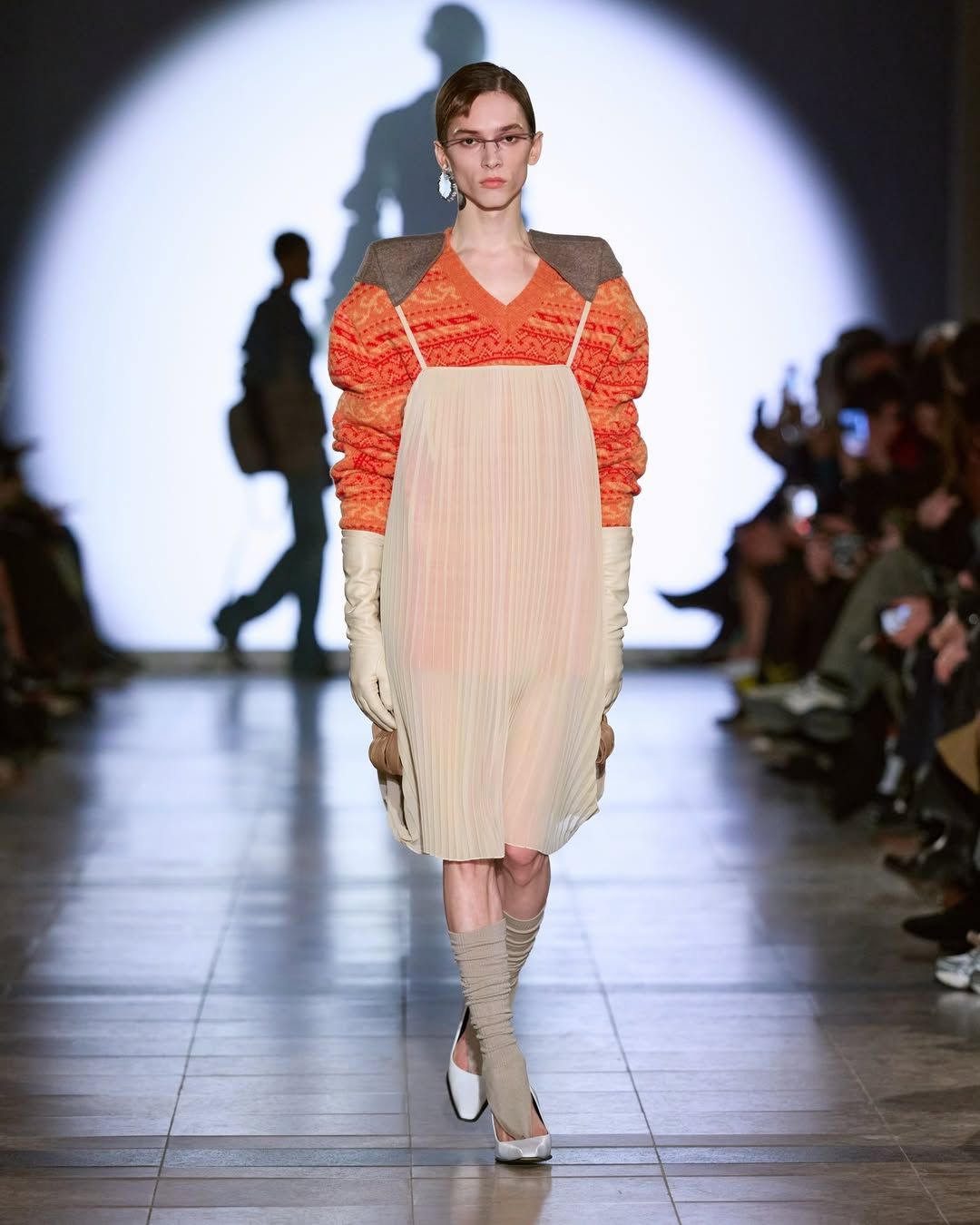
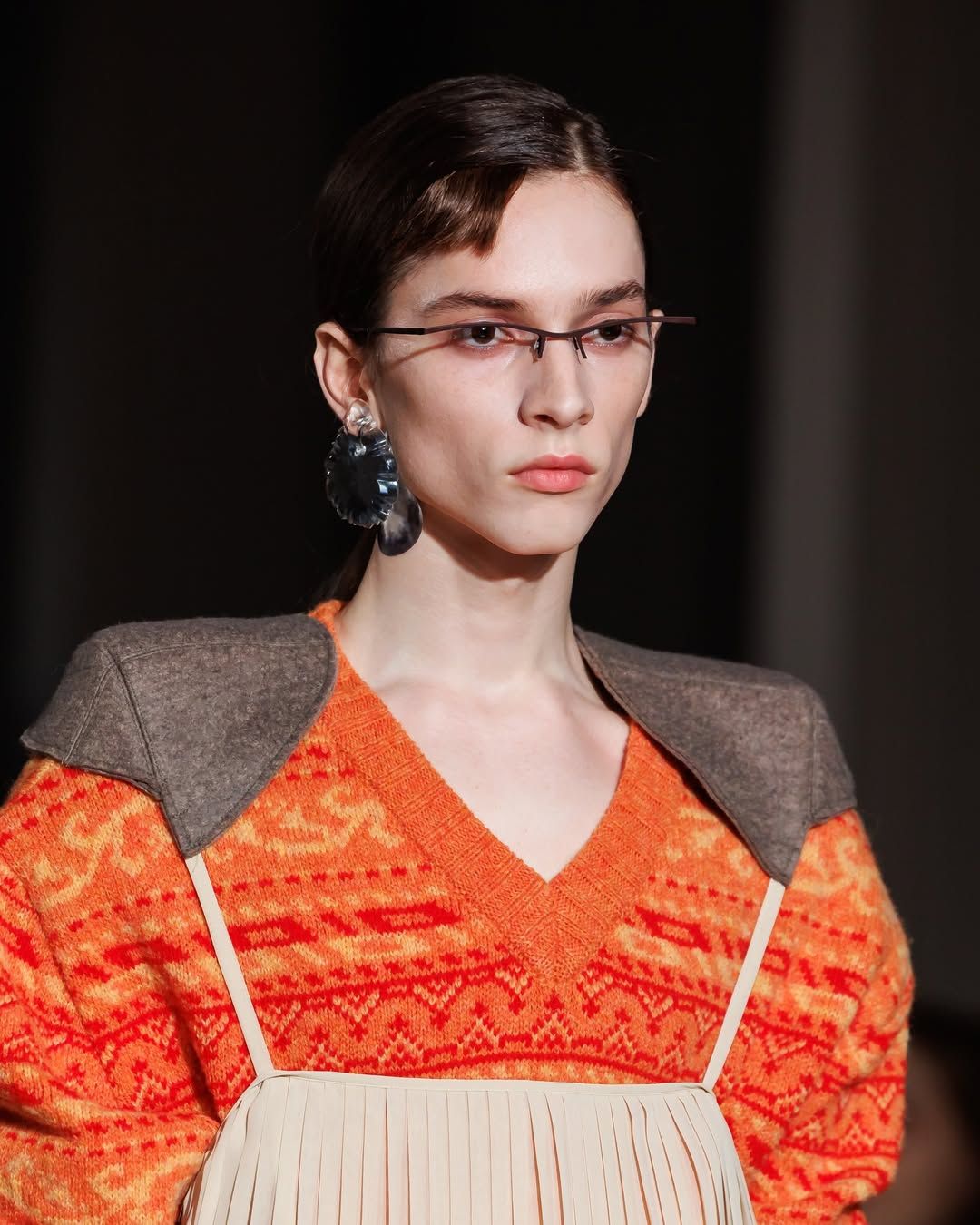
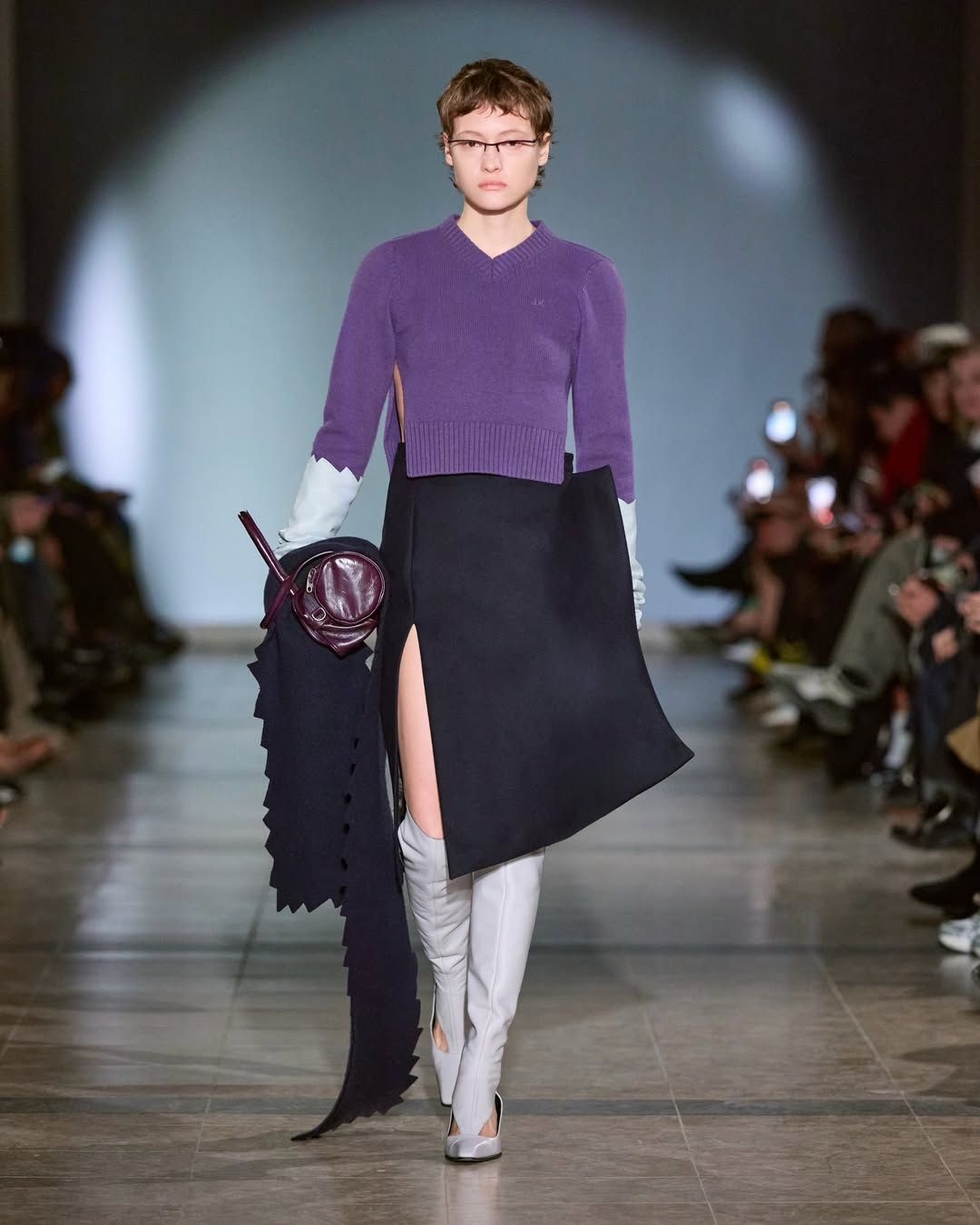
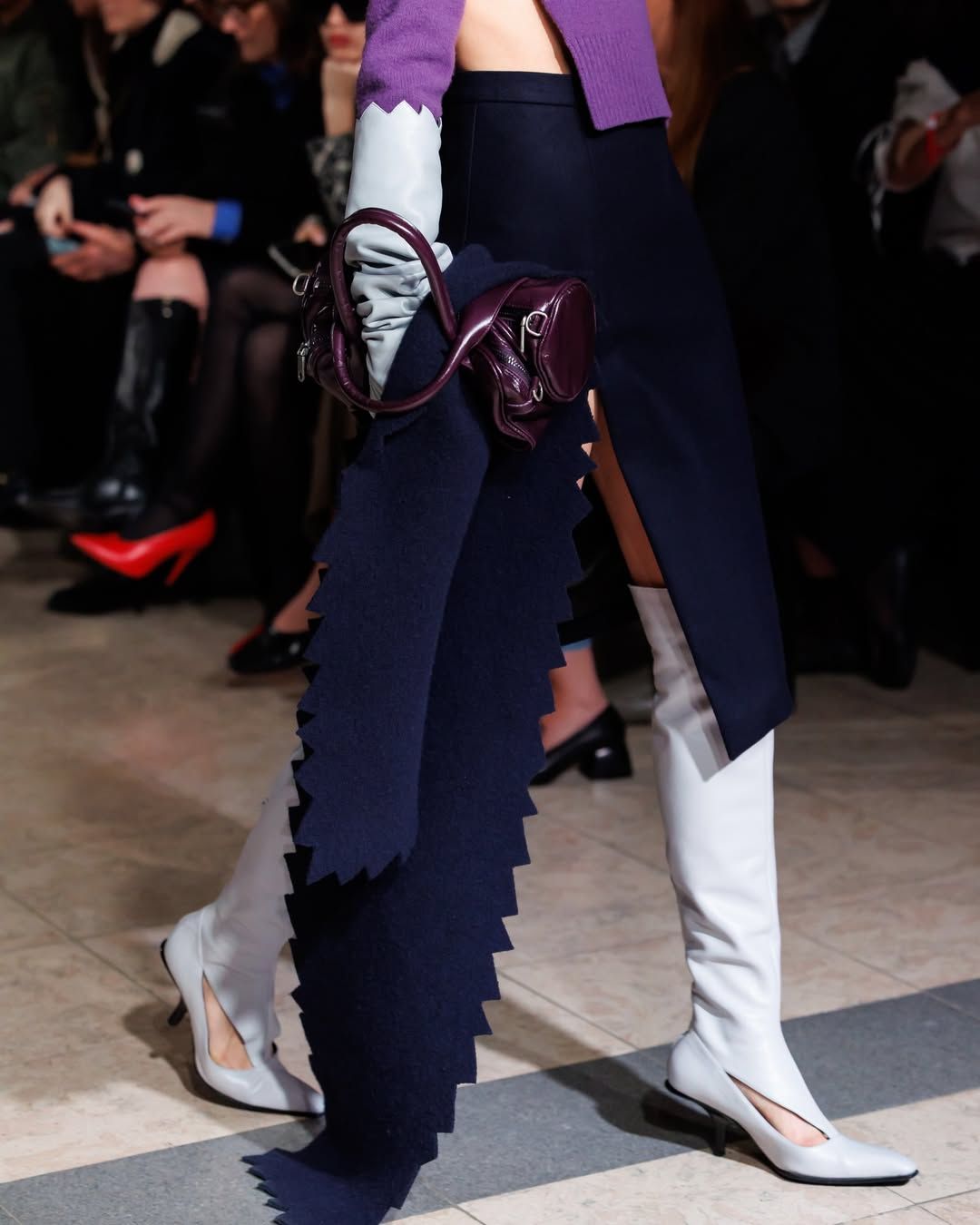
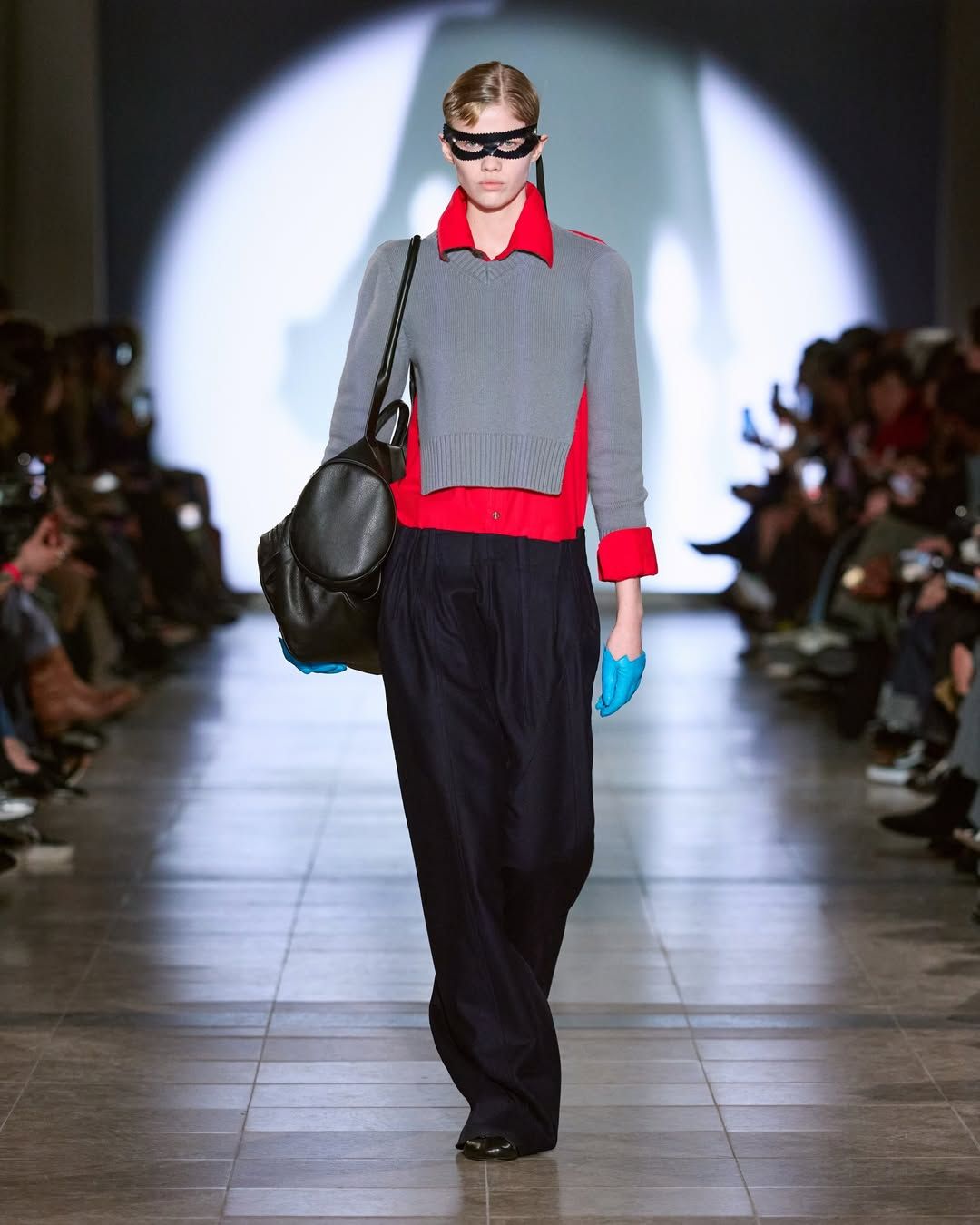
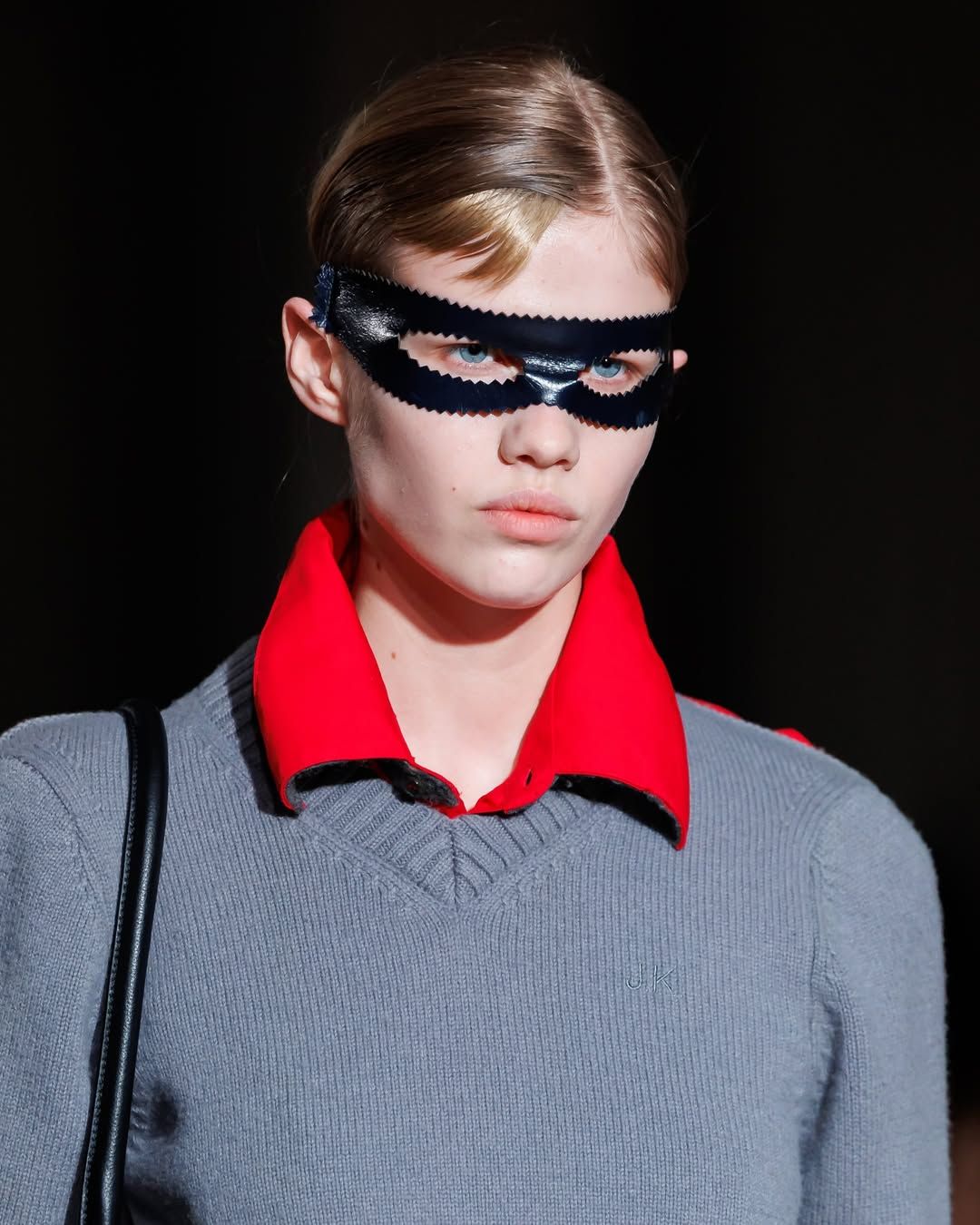
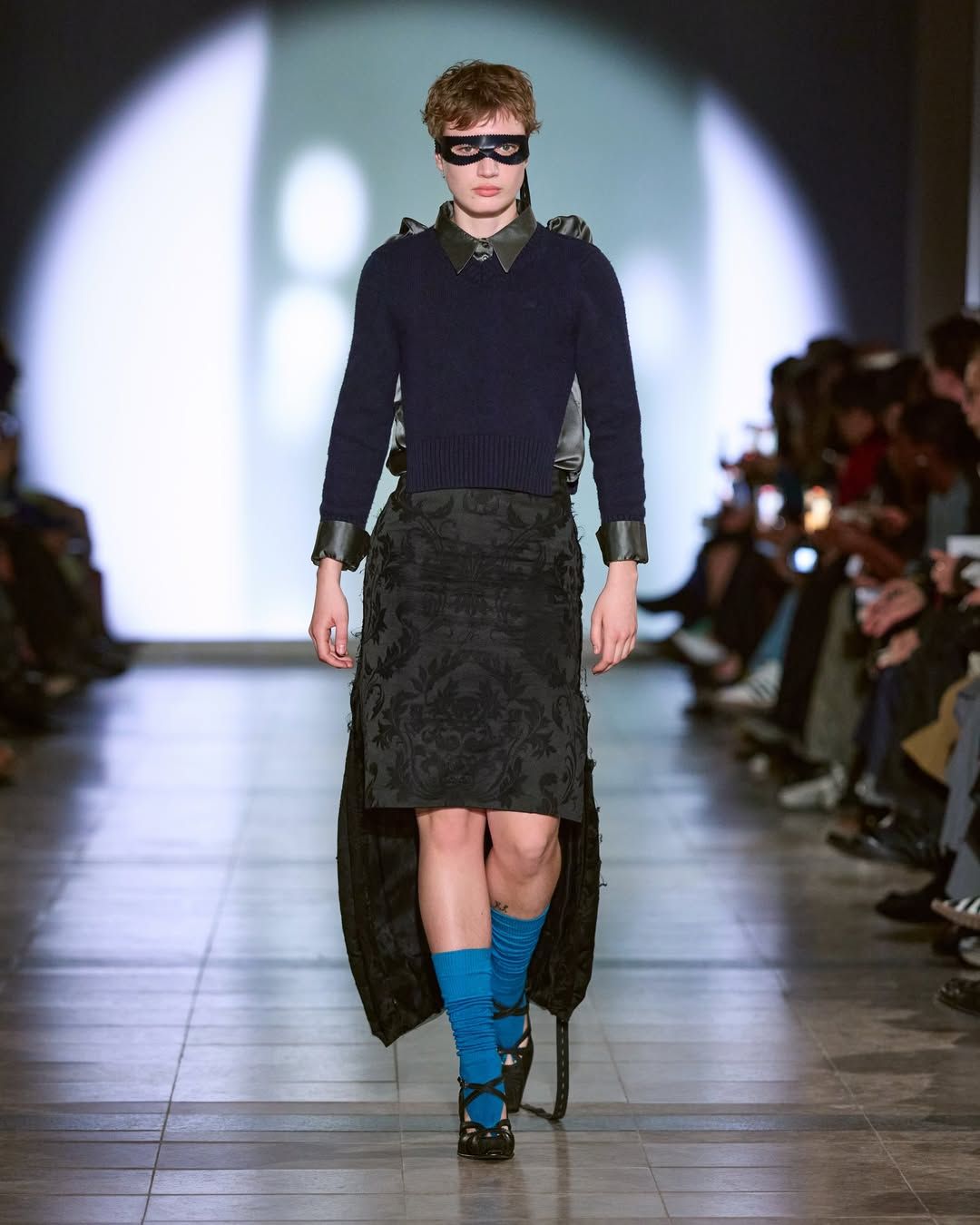
This idea of the mask, already central to Vaquera, also permeates the work of Julie Kegels. For her fifth collection, the Belgian designer -recently a semi-finalist of the LVMH Prize- confirms her status as a talent to watch. From the invitation onward, a small leather mask tucked inside foreshadows the theme: Face Value. The designer also introduces capes reminiscent of superhero garb. Yet perfection is never the goal. Garments are deliberately skewed: a sweater appears shrunken, gloves cover only the fingers, an oversized parka, a bag slung casually on a single strap. A skirt slit rides higher than expected; shoulder pads sit directly on the skin. On the catwalk, models appear almost twice, their shadows projected on the wall turning each passage into a double image. At times, the movement synchronizes with the shadow; shortly after, it diverges. An intentional embrace of mistakes, gaps, and imperfection as a language. While Kegels cultivates imperfection in her silhouettes, her career trajectory remains anything but accidental.
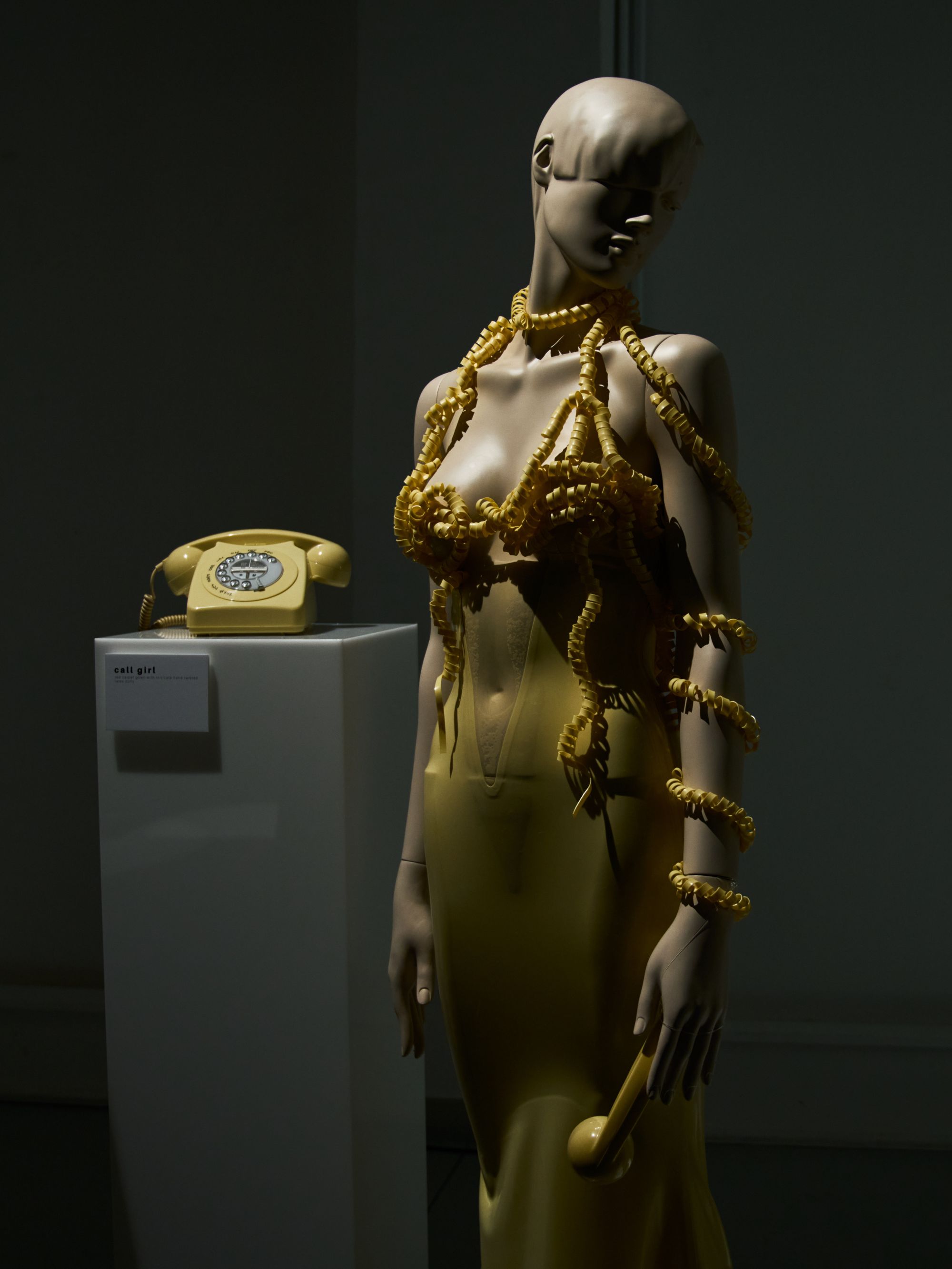
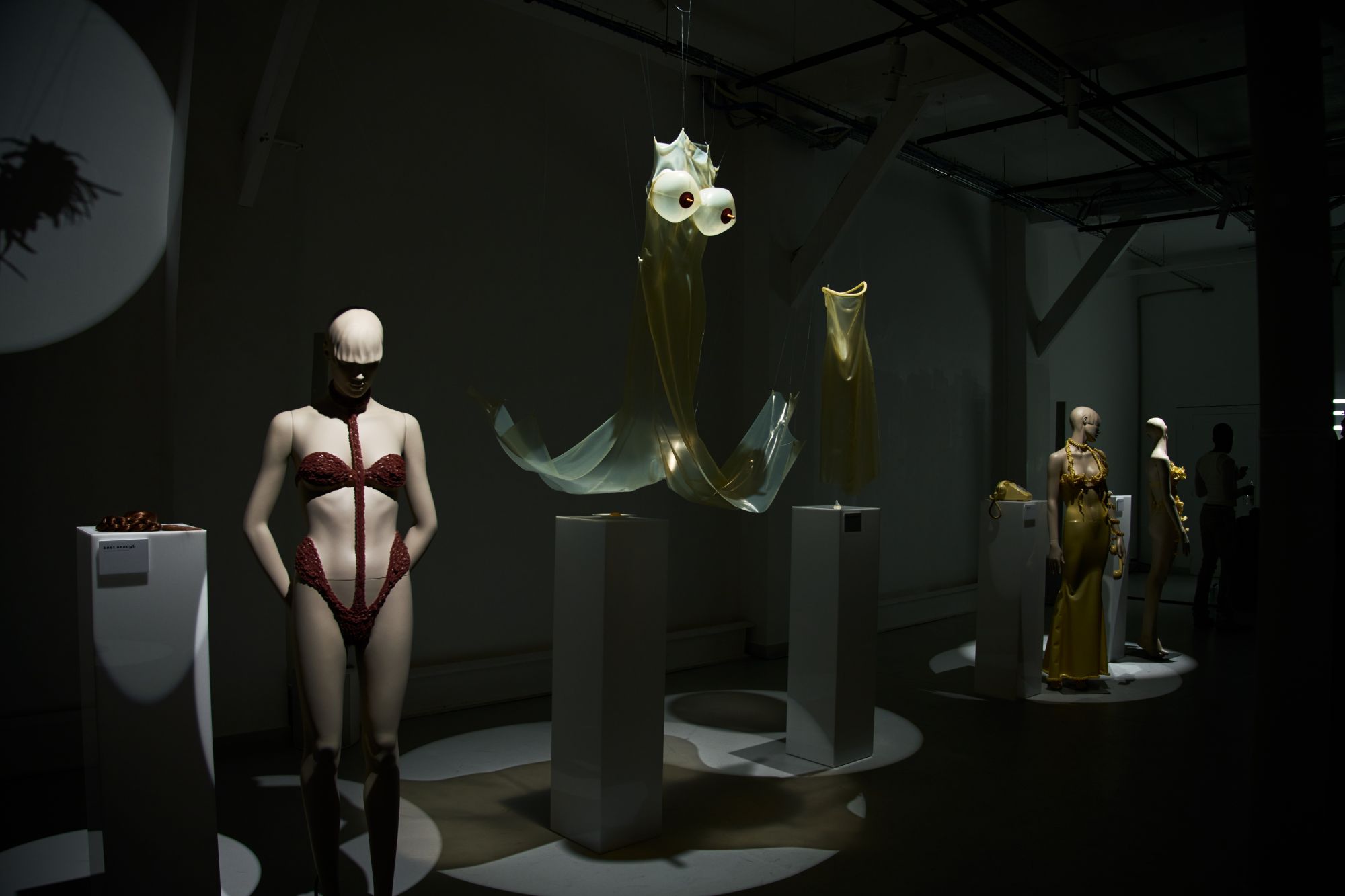
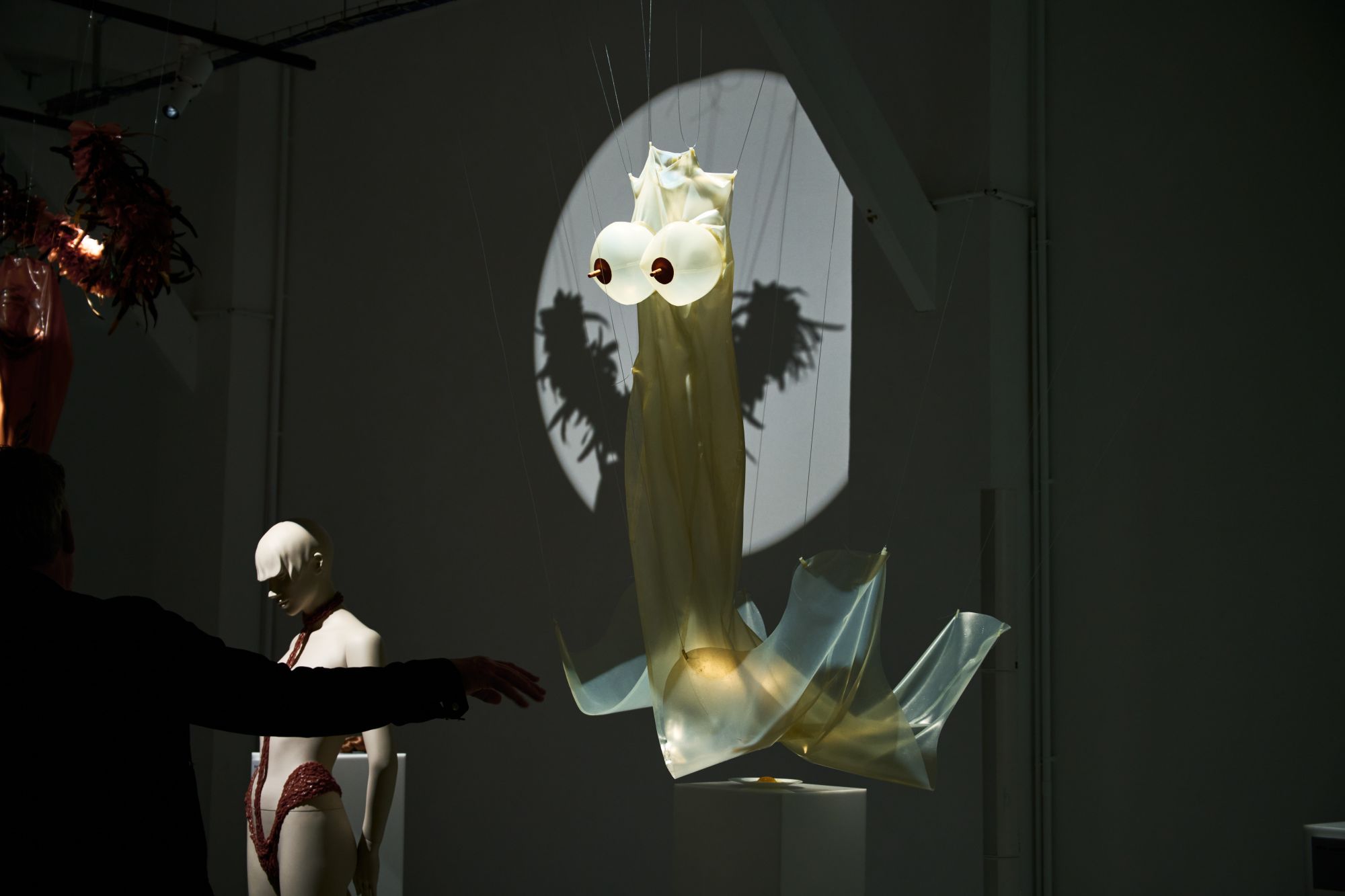
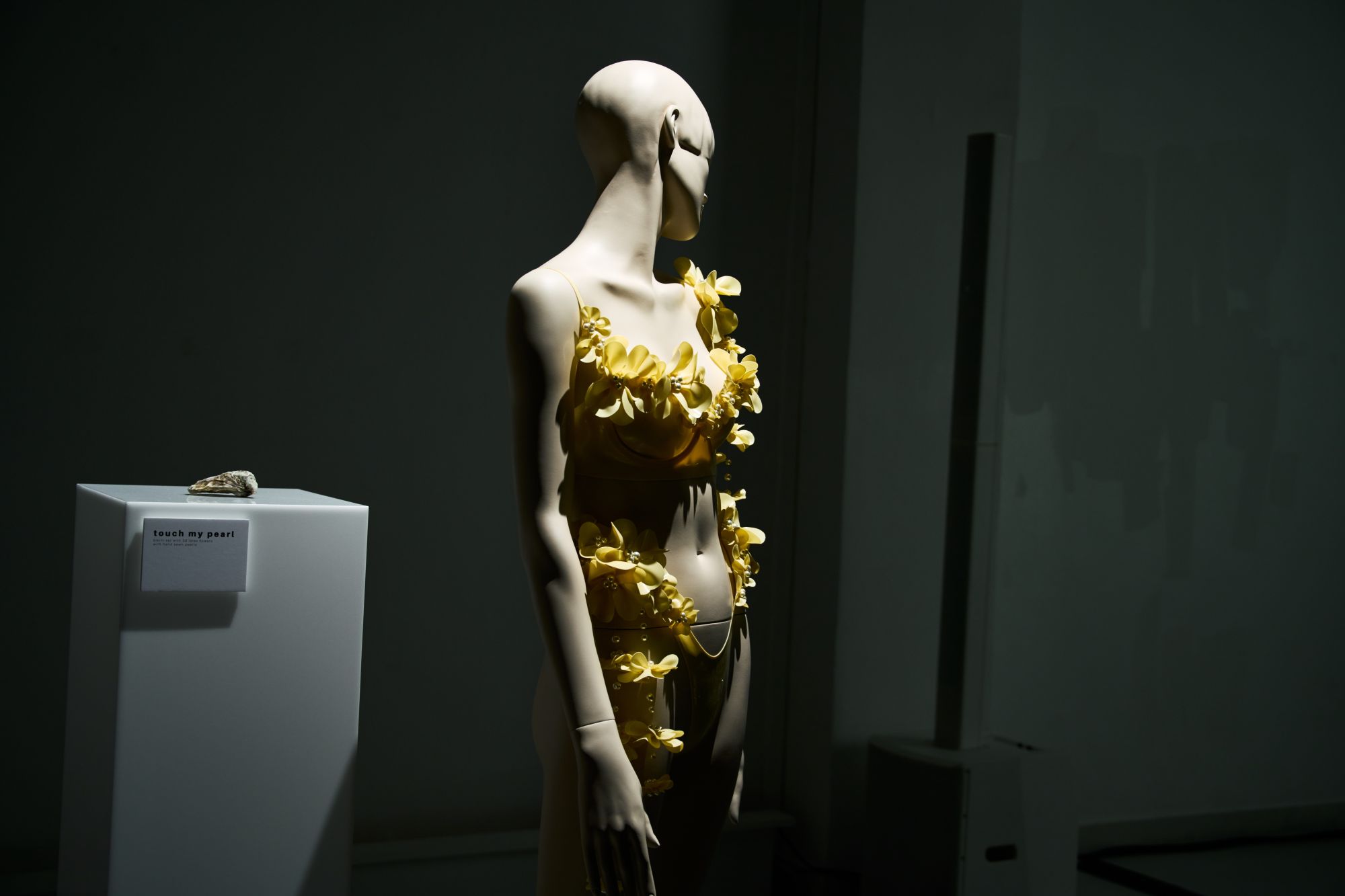
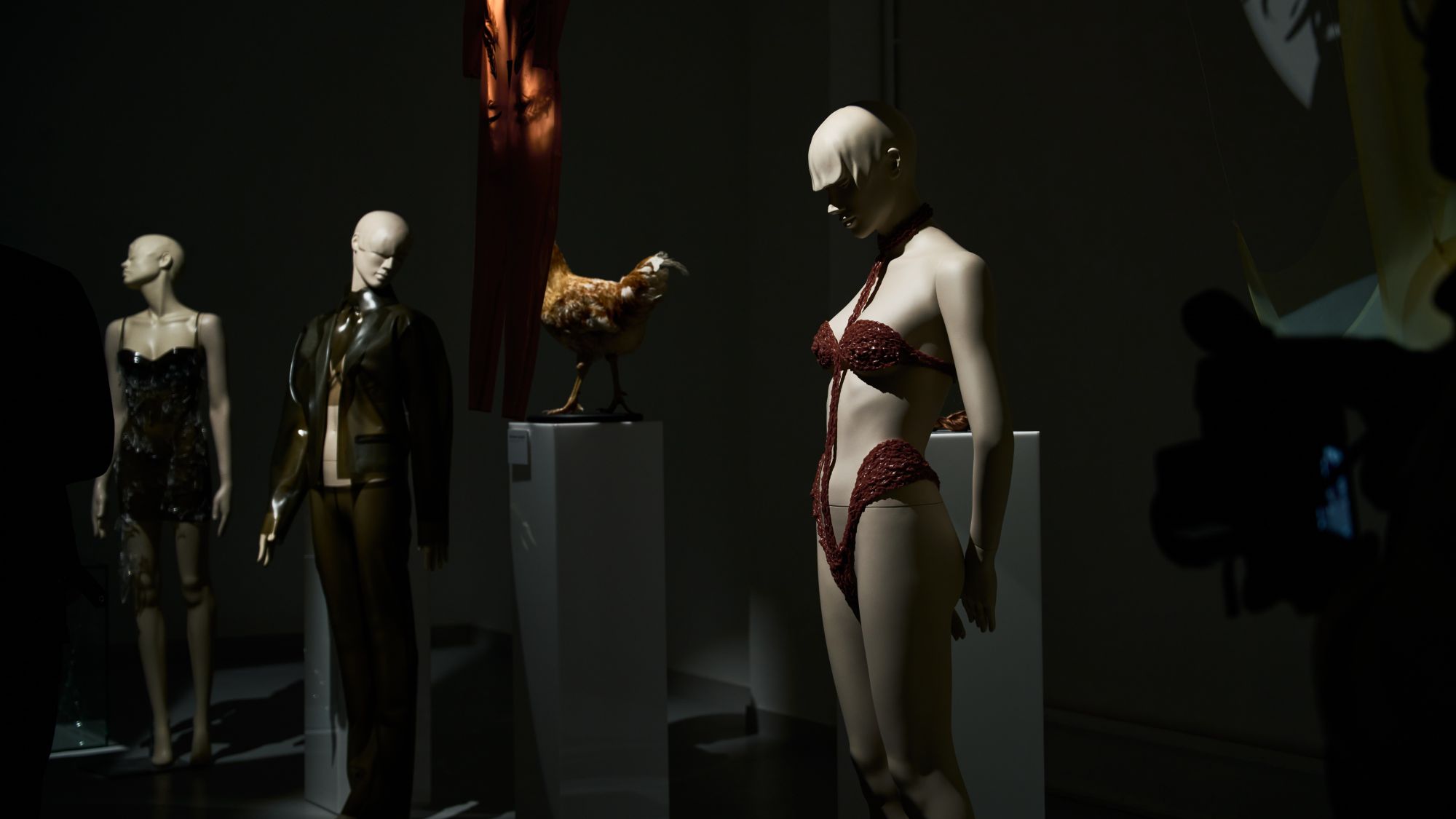
Meanwhile, the duo behind Poster Girl continues its exploration of hyper-contemporary femininity. Founded by Francesca Capper and Natasha Somerville, the London brand made its Paris debut with Objectified, created in partnership with OnlyFans. Latex, the brand’s signature material since 2017, structures the presentation. But the show goes far beyond clothing: here and there, objects punctuate the space -an XXL “condom dress” suspended from the ceiling, a phone with a sign reading “call girl.” The overall effect evokes a contemporary cabinet of curiosities, reminiscent of the ready-mades of Marcel Duchamp. To crown the presentation, the duo enlisted singer Cobrah, wearing an “invisible dress,” actually crafted from transparent latex. A reminder that a single piece of fabric or its absence can become a radical gesture if one dares to own it.
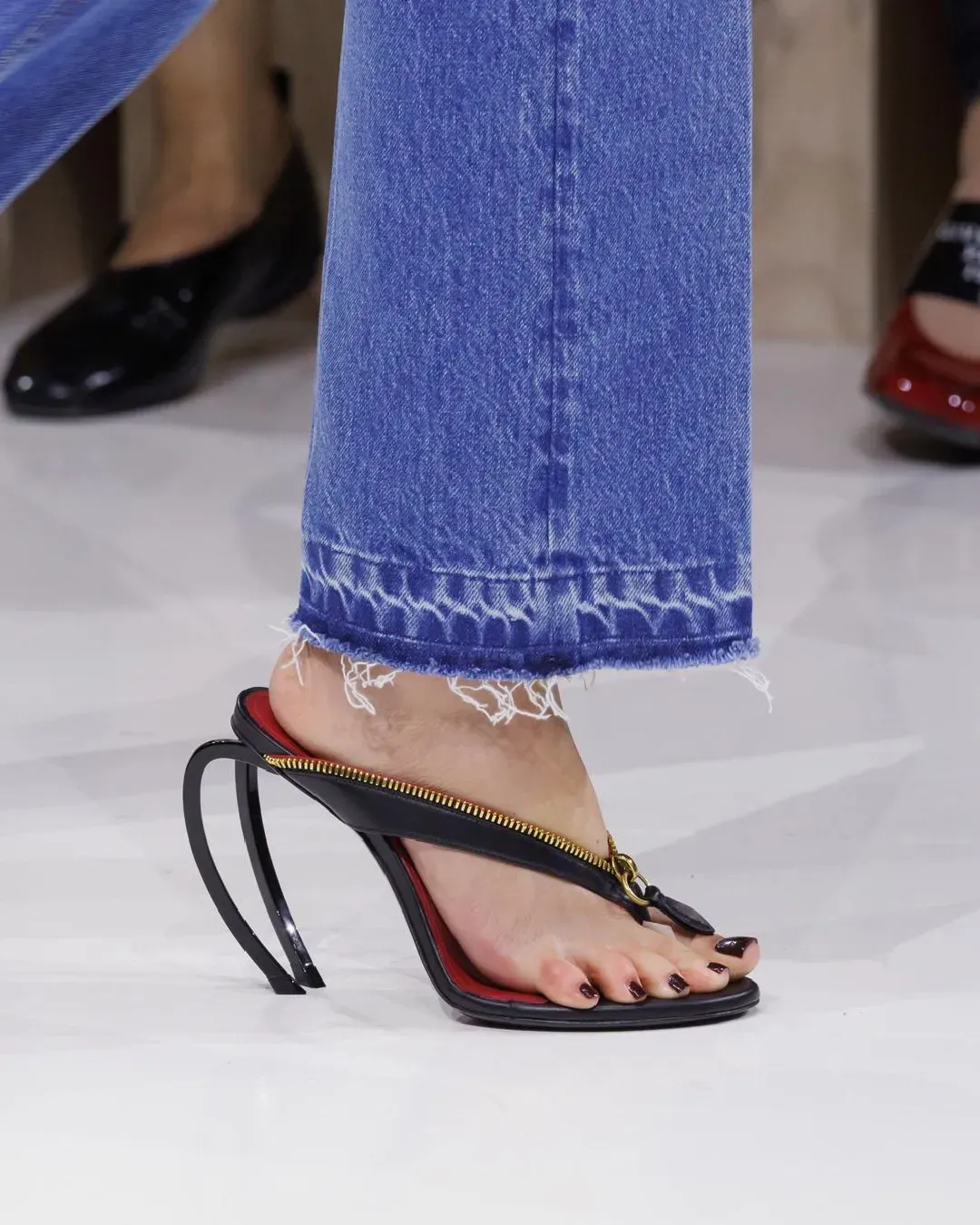
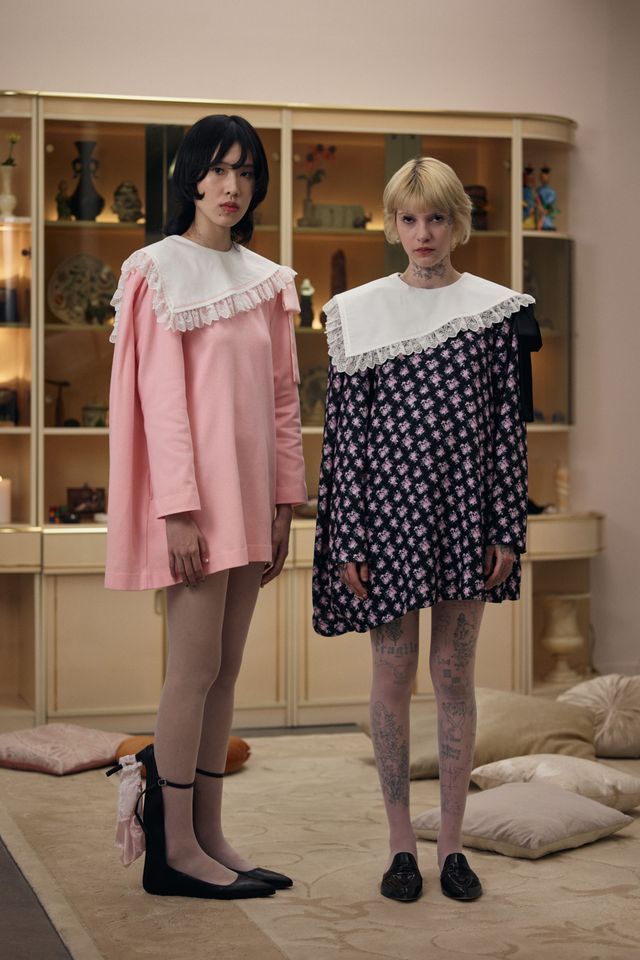
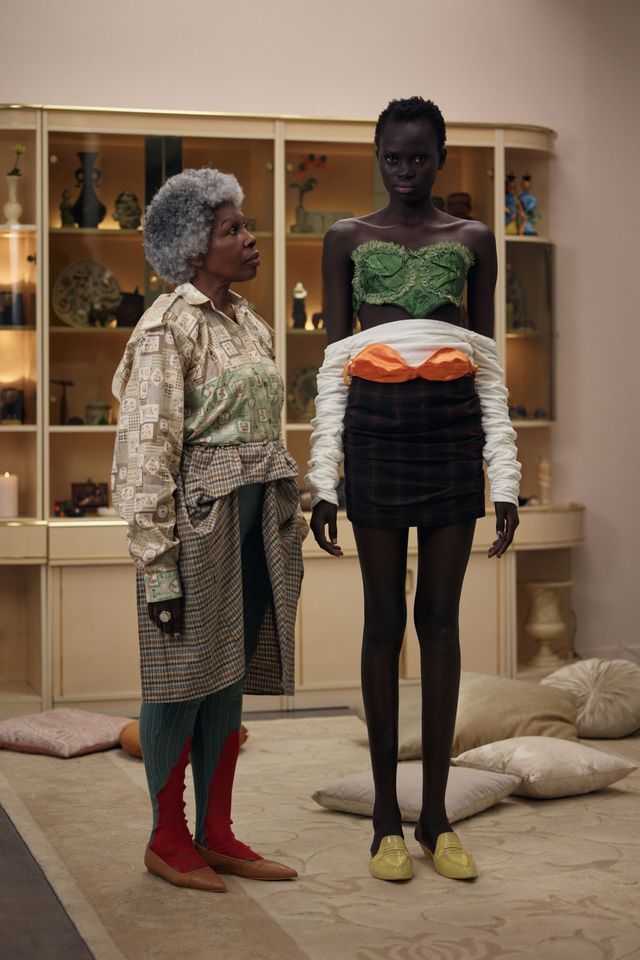
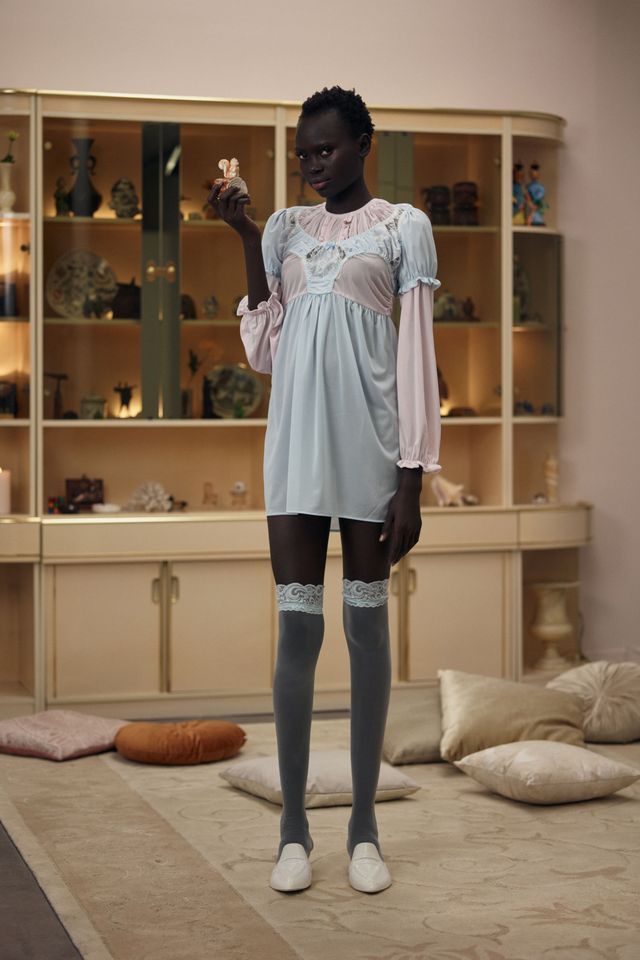
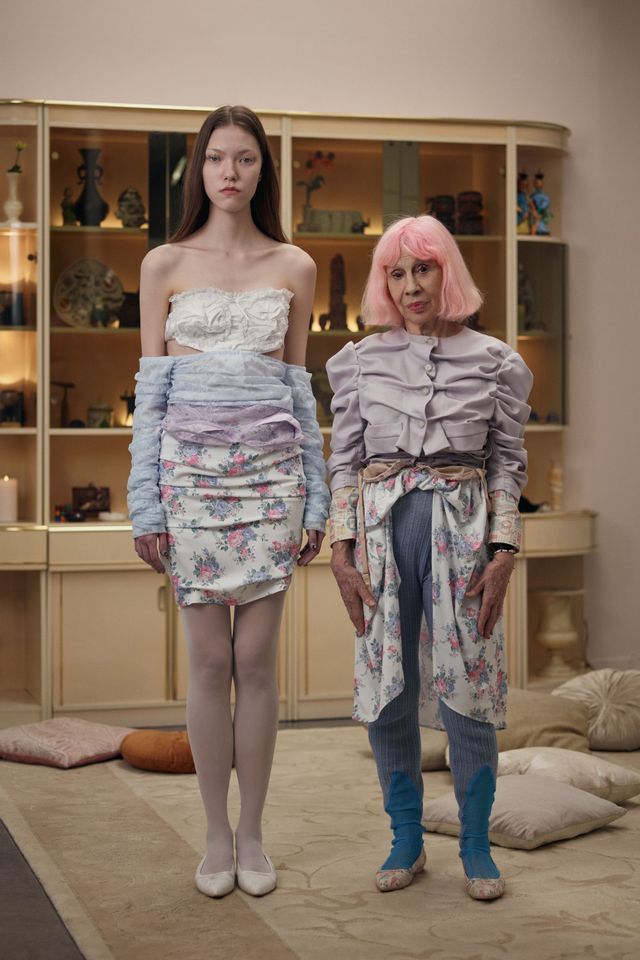
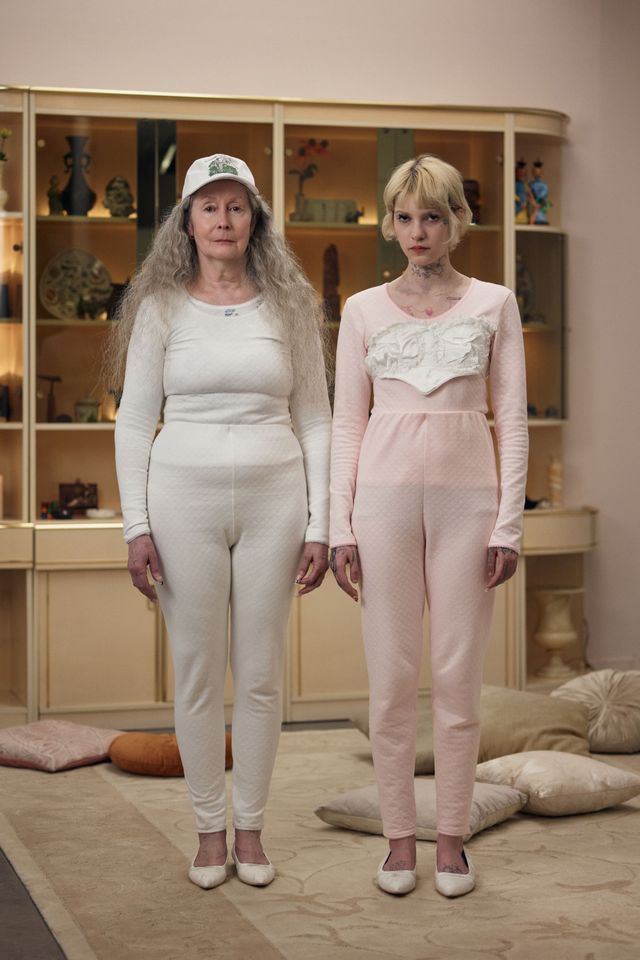
On her side, Jenny Fax, true to form, reconstructs the interior of a house, transforming the walls of a gallery into a domestic set. Two dining rooms are meticulously recreated -buffet, table, lamps- as if the models move within a frozen everyday life. Titled Family Issues, the collection relies on pairs of models of different ages, enhancing the tableau-like quality. The result oscillates between familiarity and absurdity. Silhouettes play with proportions and references: sandals inspired by gladiator shoes rise along the calf to form heels, blurring the line between footwear and sculpture.
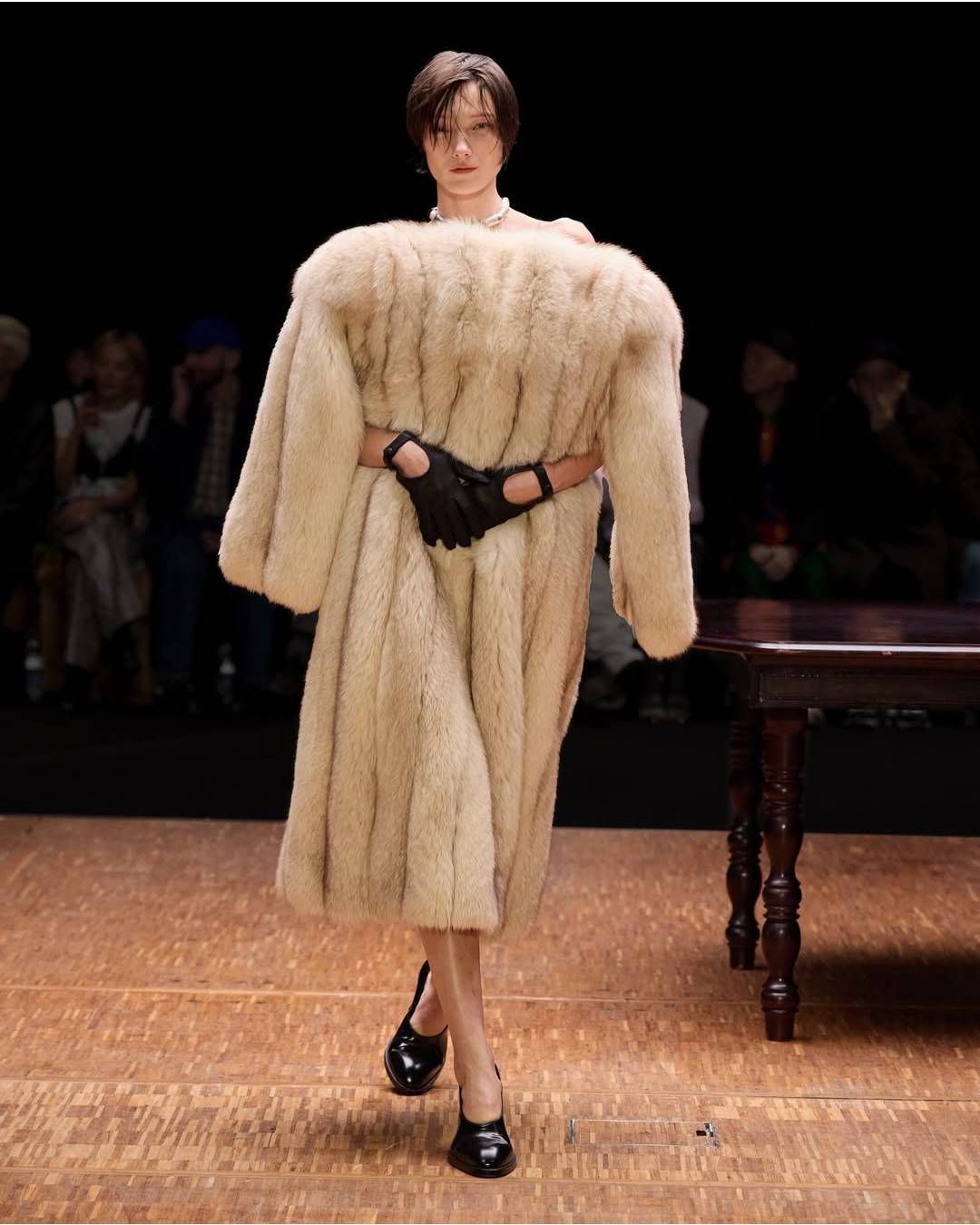
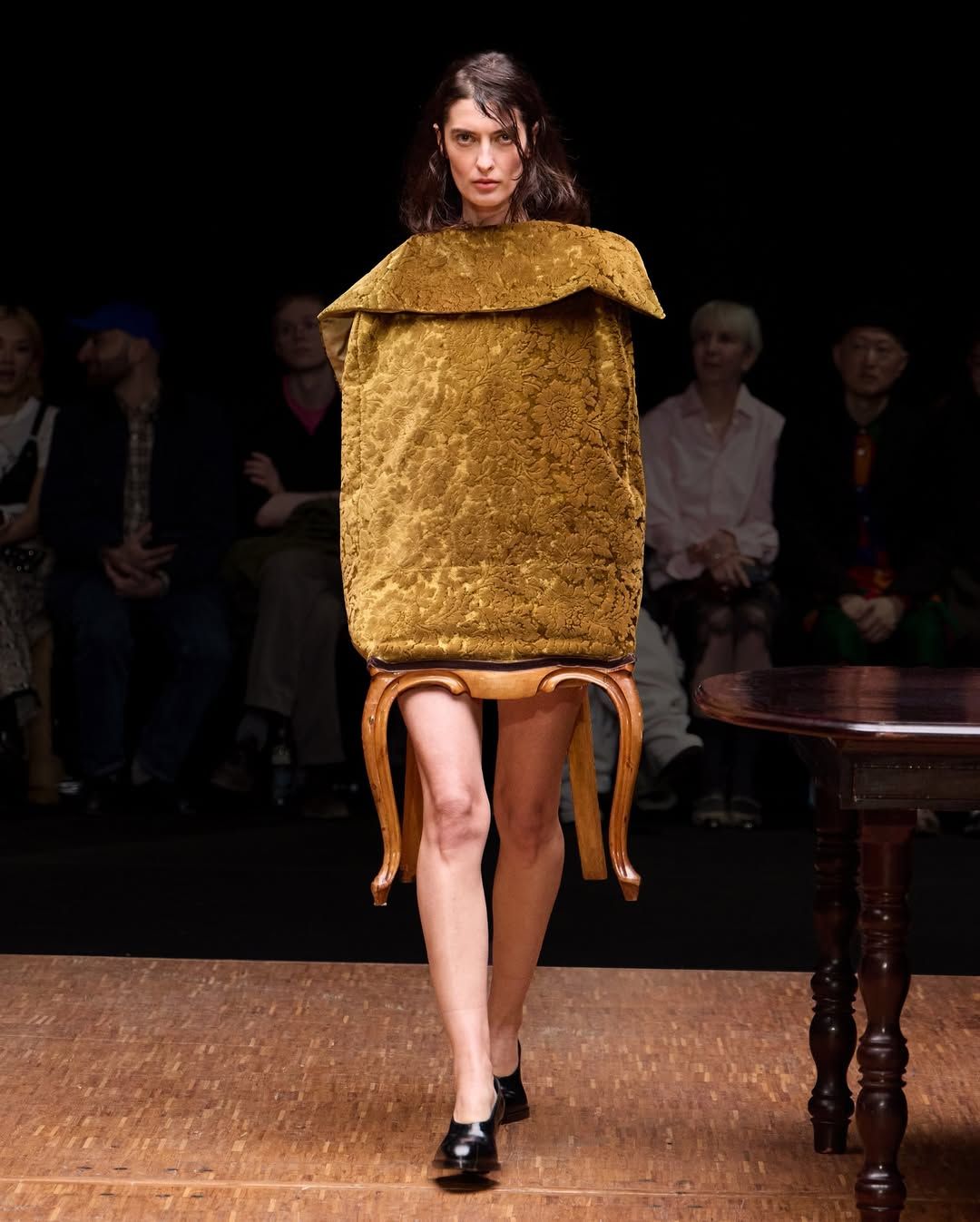
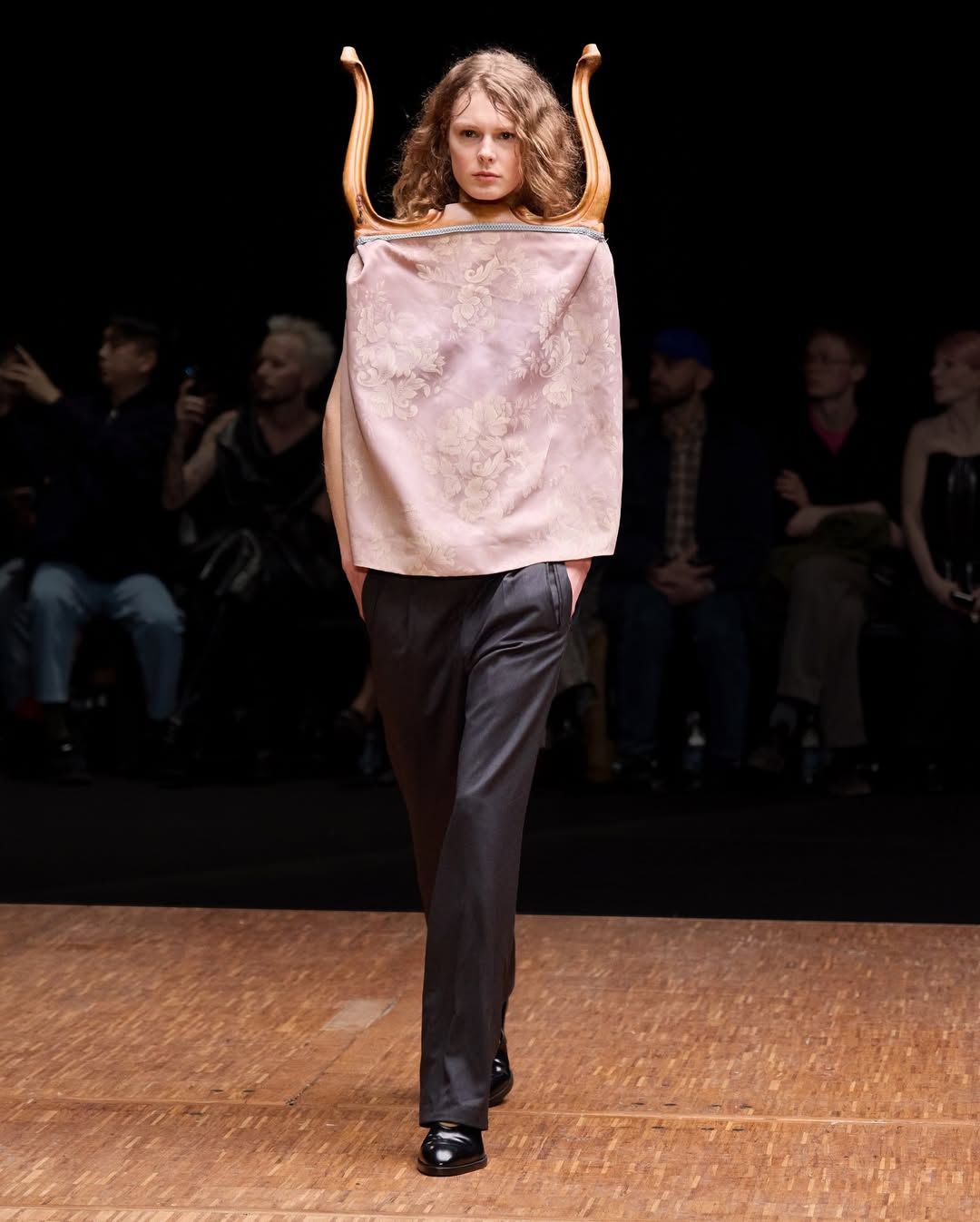
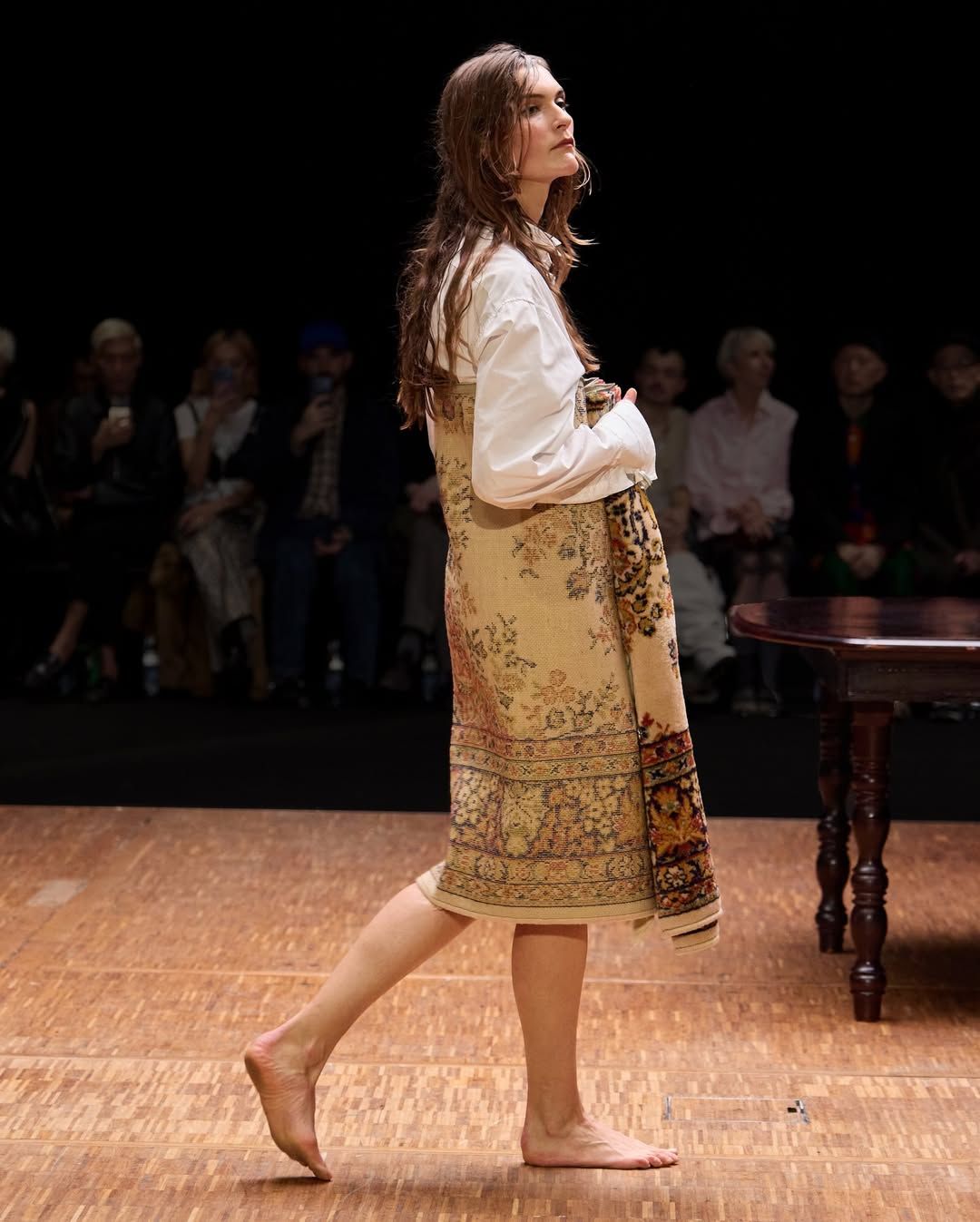
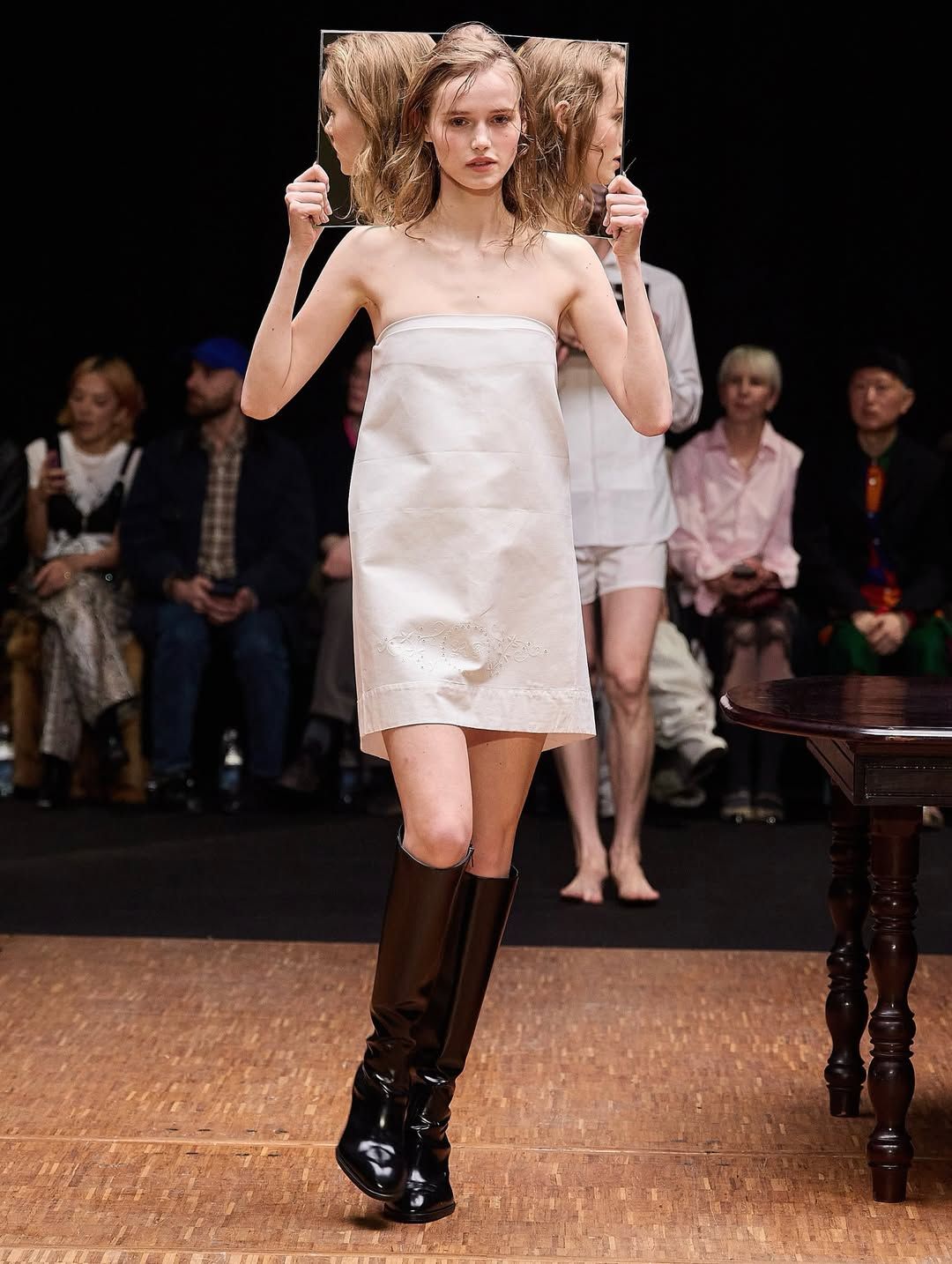
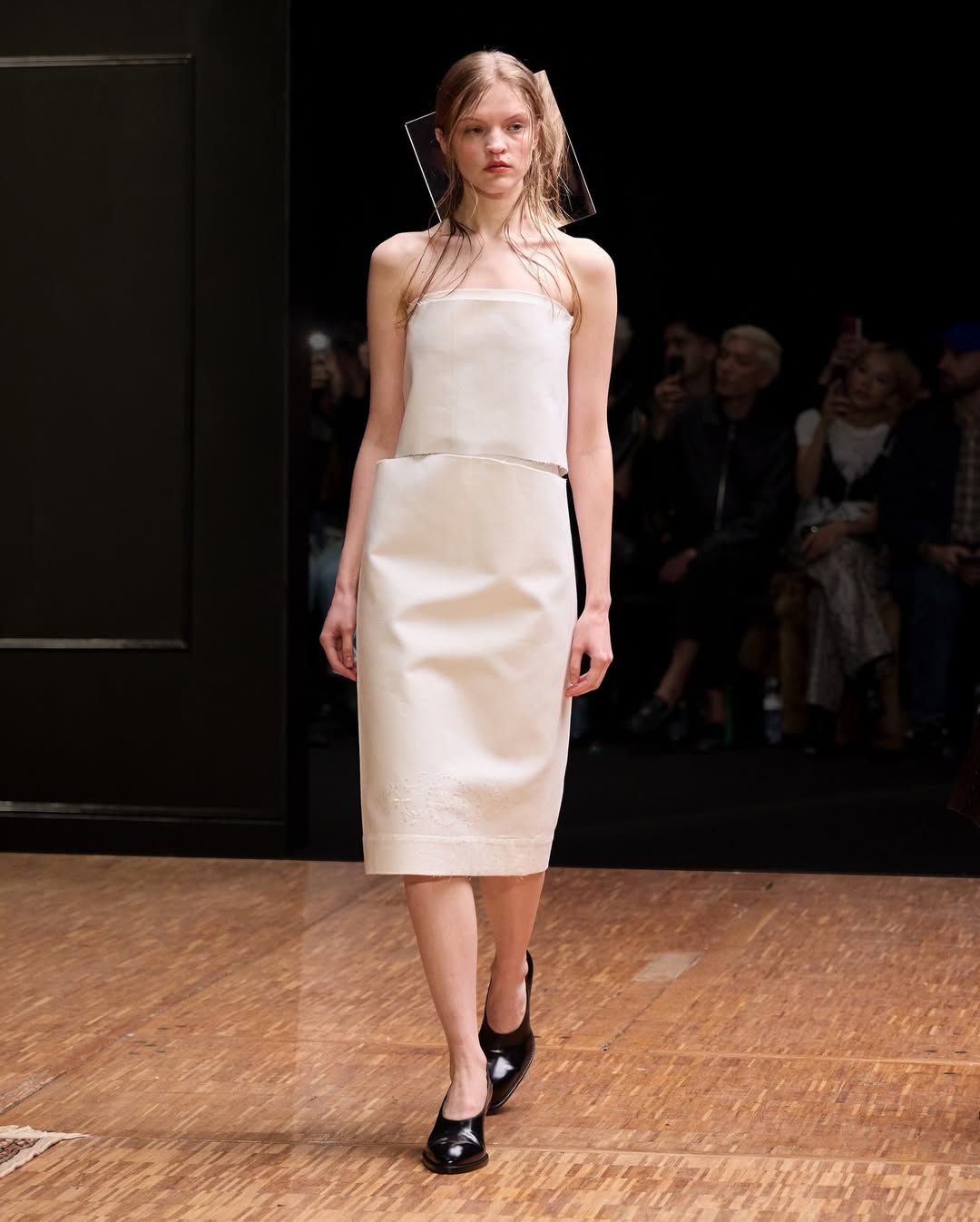
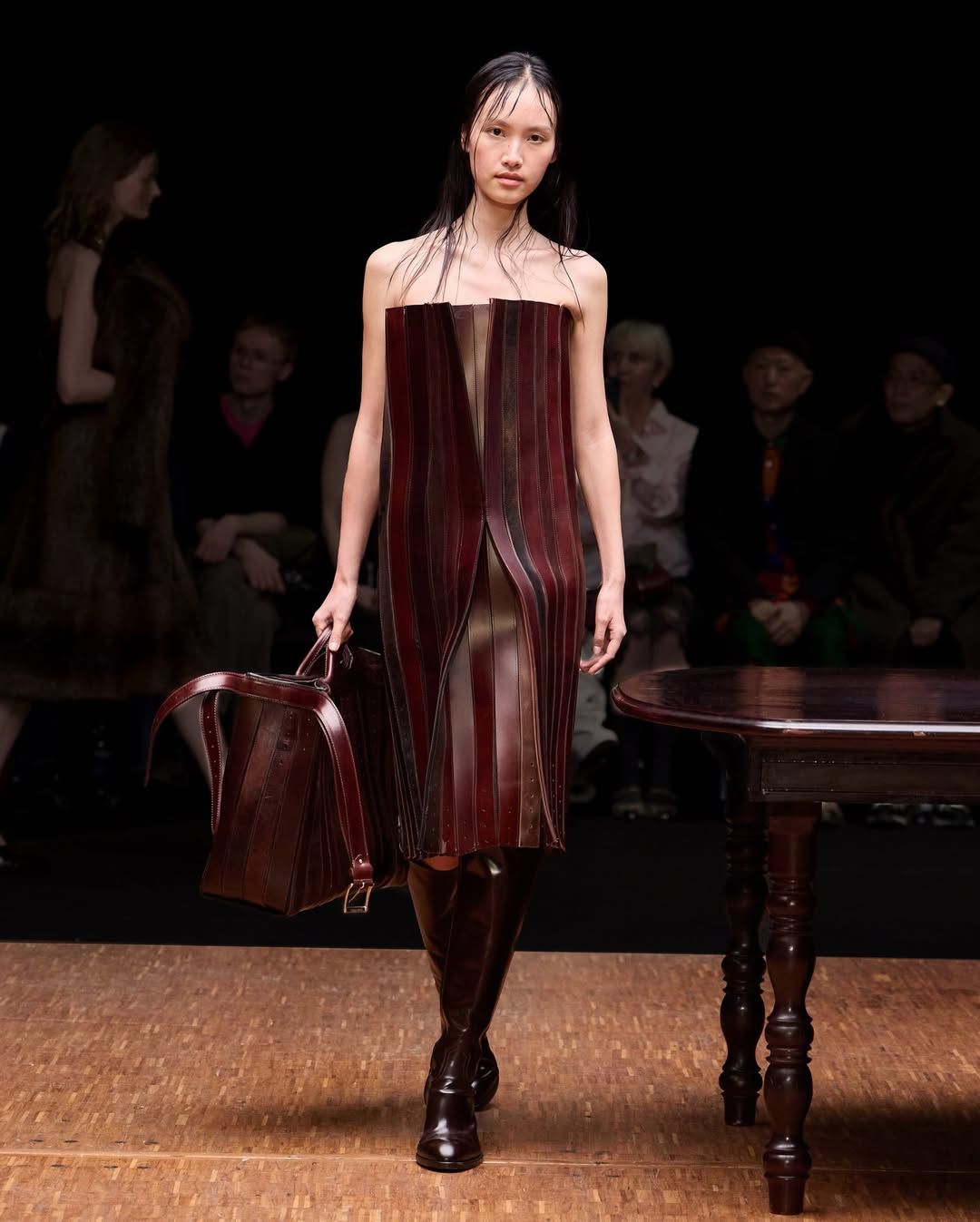
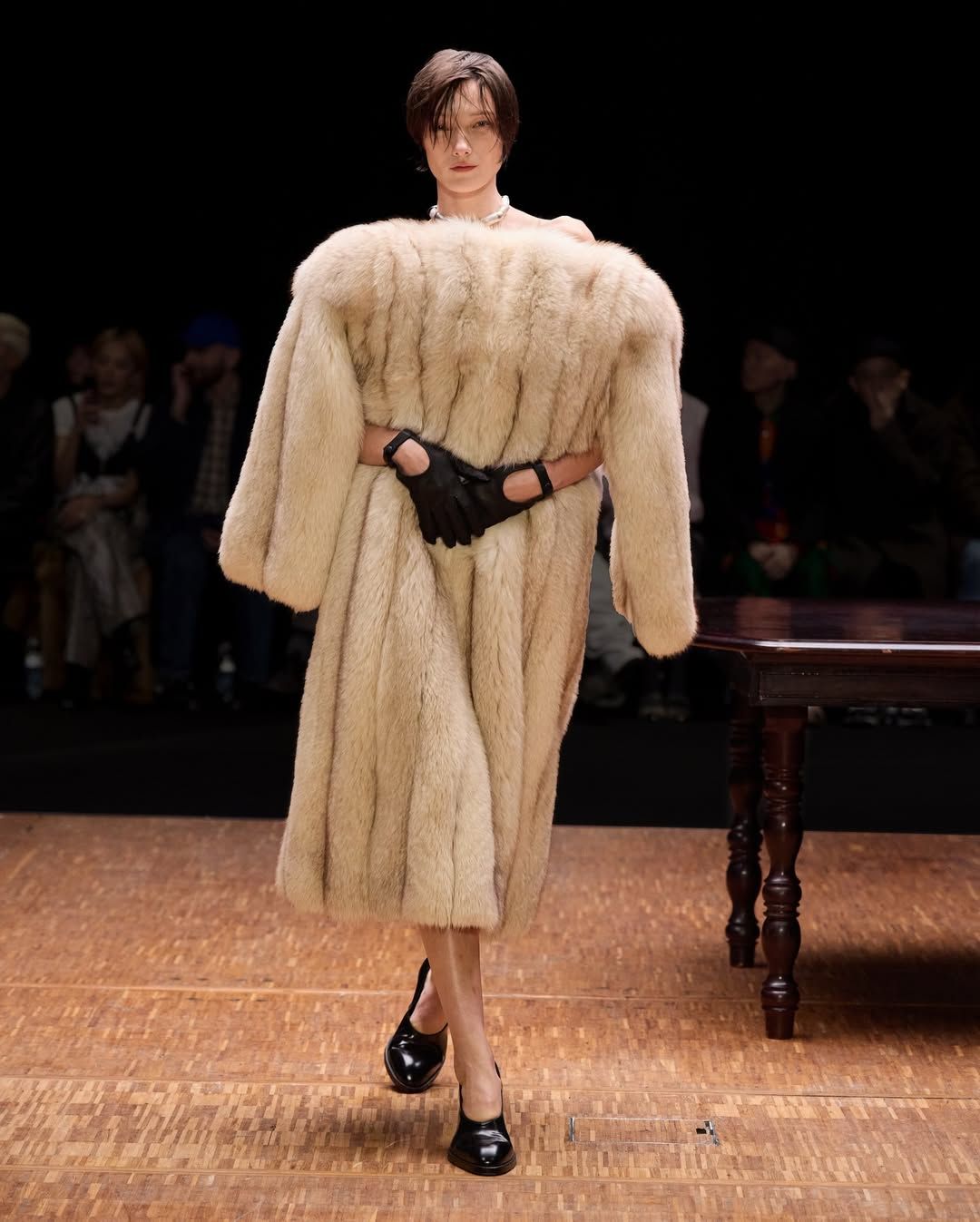
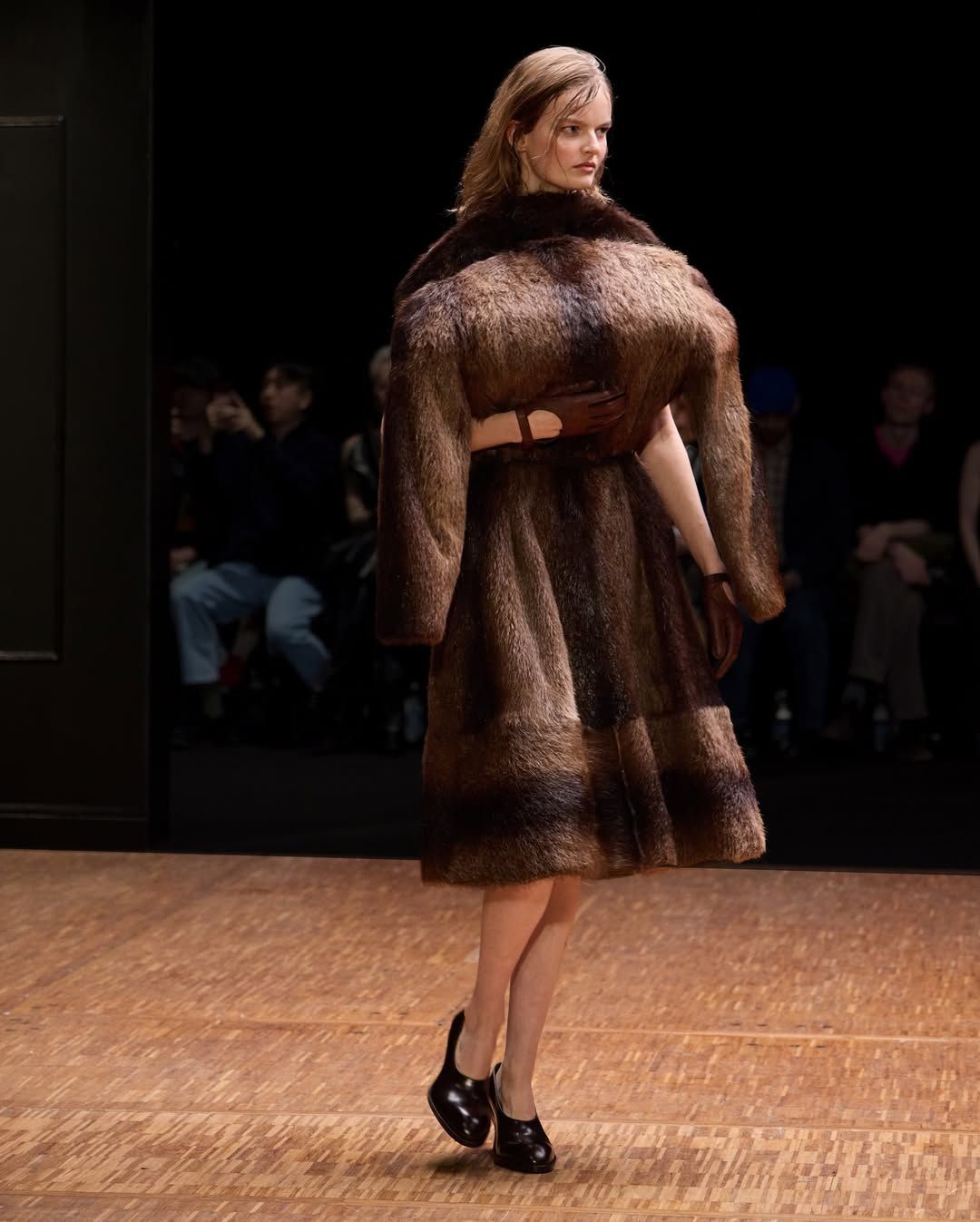
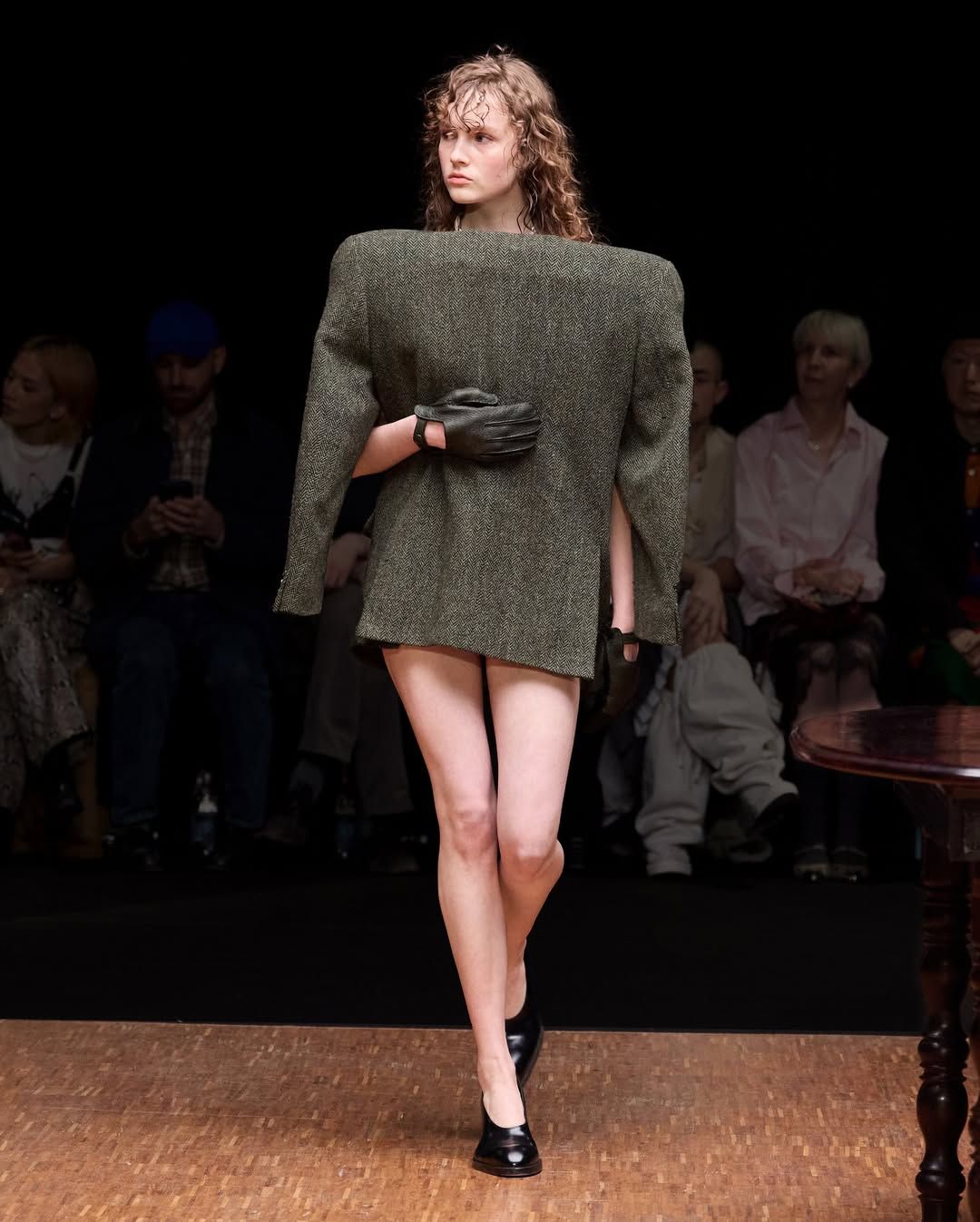
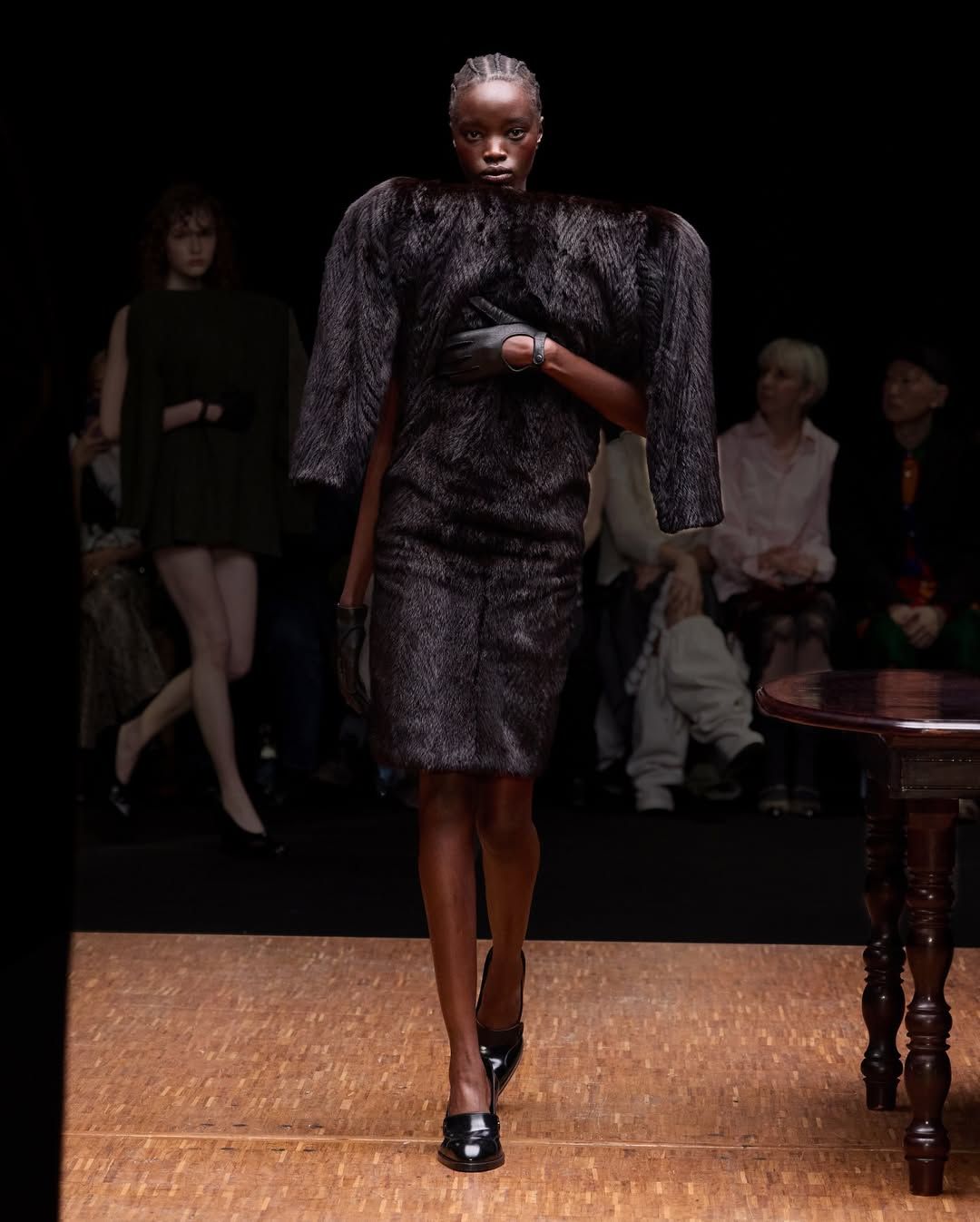
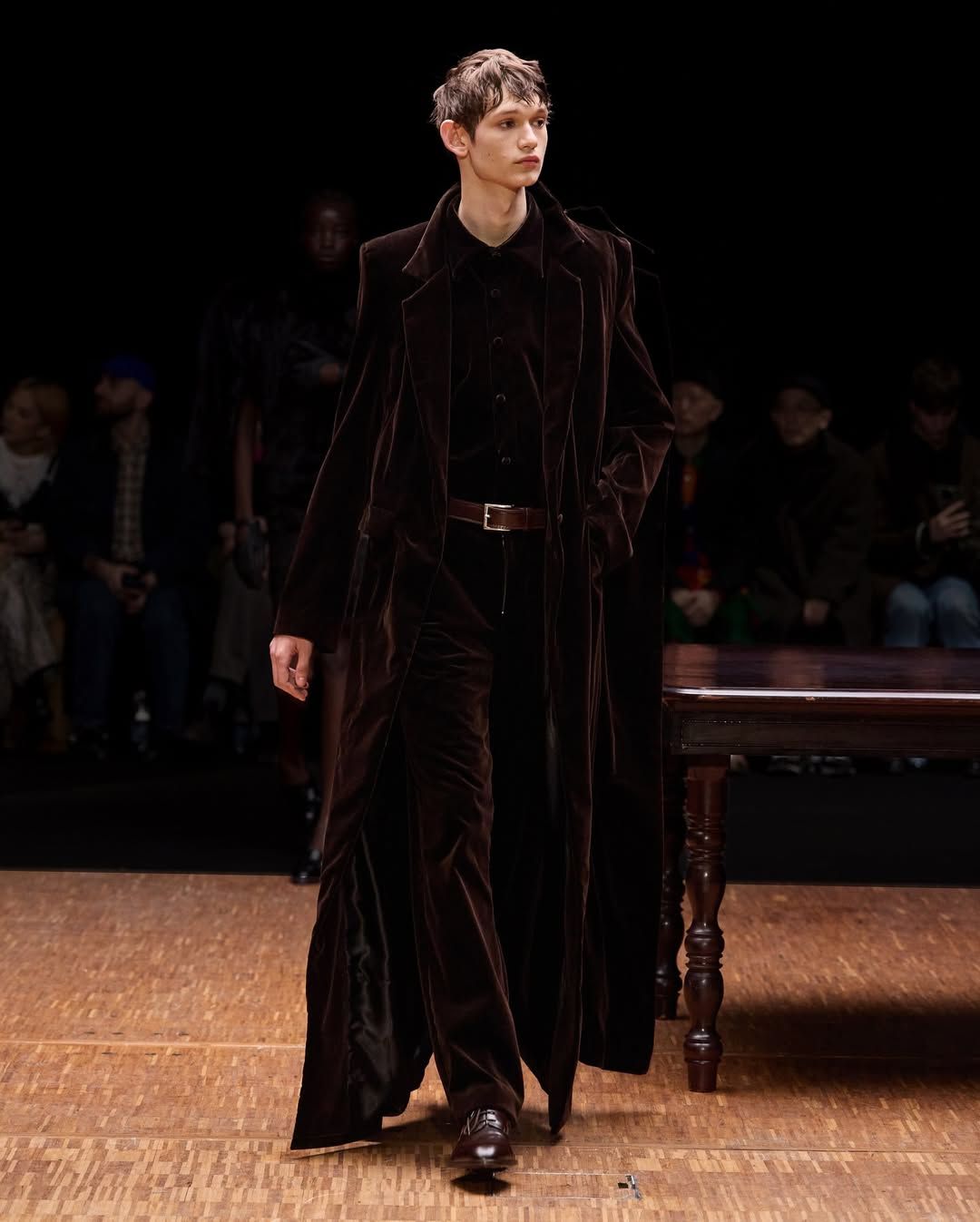
If Jenny Fax uses the domestic space as a backdrop -a site where silent familial dynamics play out- Swedish designer Ellen Hodakova Larsson takes the idea further with Hodakova. Presented at the Carrousel du Louvre, the collection seems to literally emerge from the furniture that composes the set. Mirrors become handheld accessories, reflecting the space and models as they move. Furniture ceases to be static: a rug becomes a skirt when a model wraps herself in it, overturned chairs carried as garments transform into dresses or tops. Fur coats are worn inside out, creating volume at the chest that makes the garments appear suspended on hangers. Straddling fashion, sculpture, and performance, the collection recalls a surrealist tradition where everyday objects are transformed.
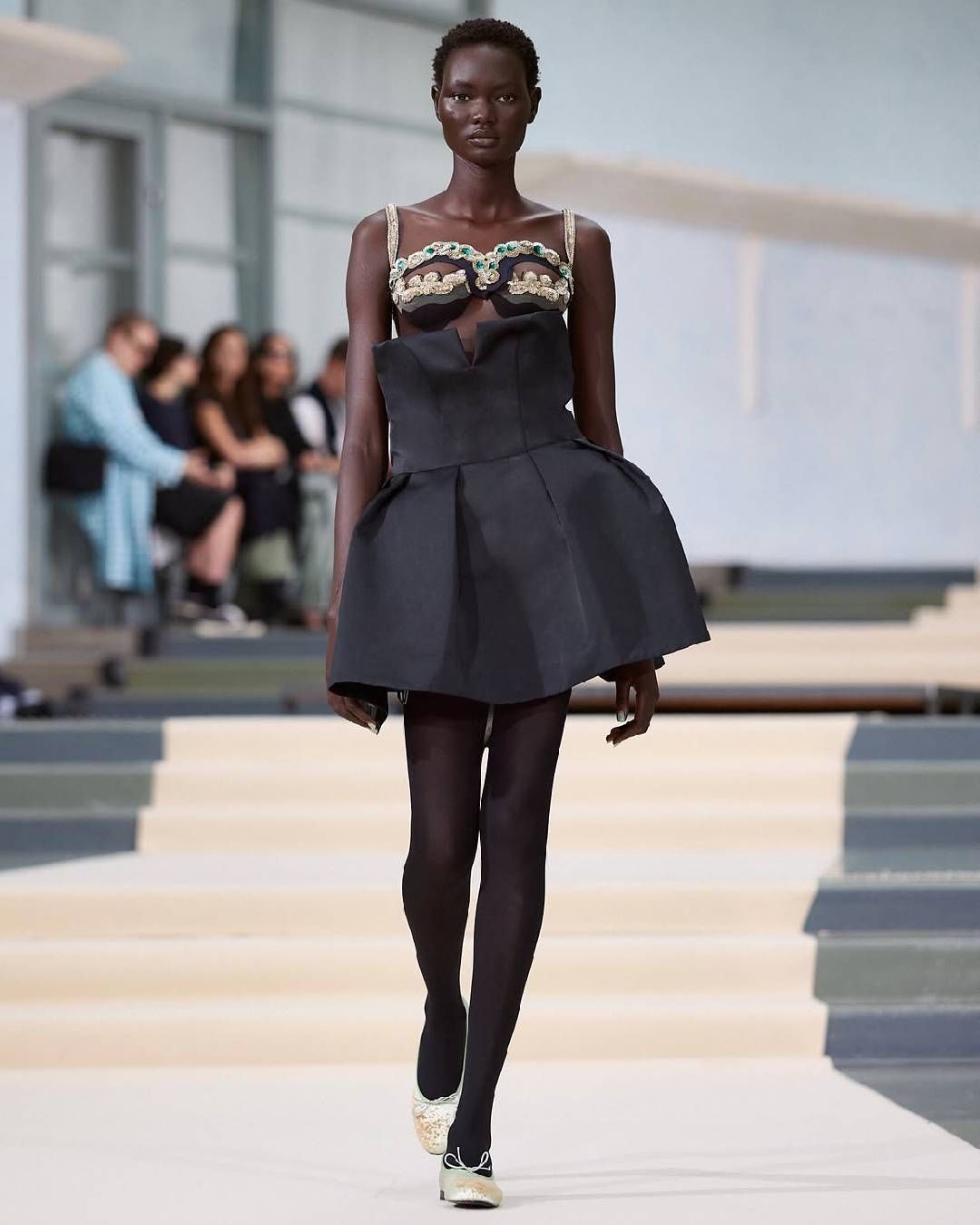
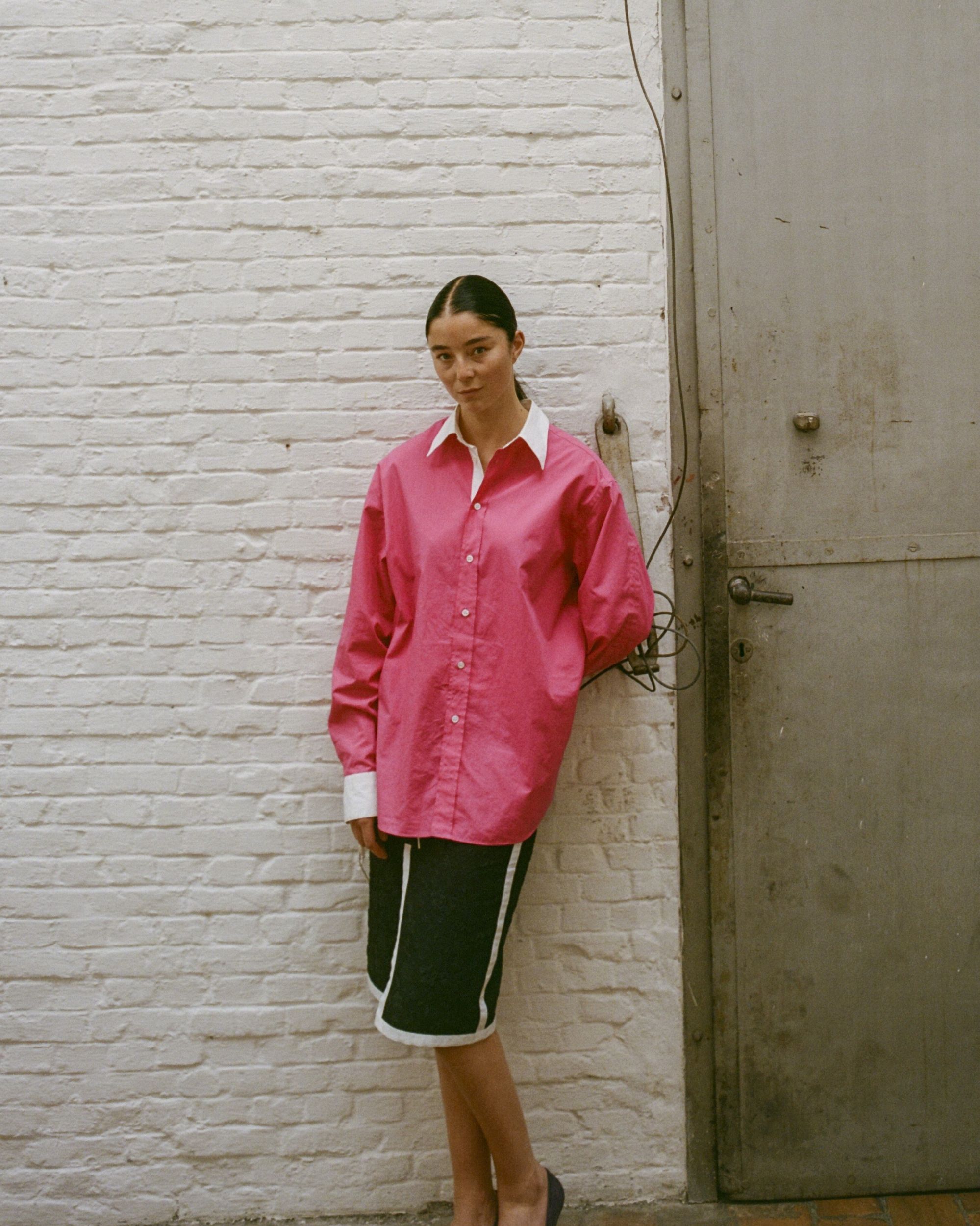
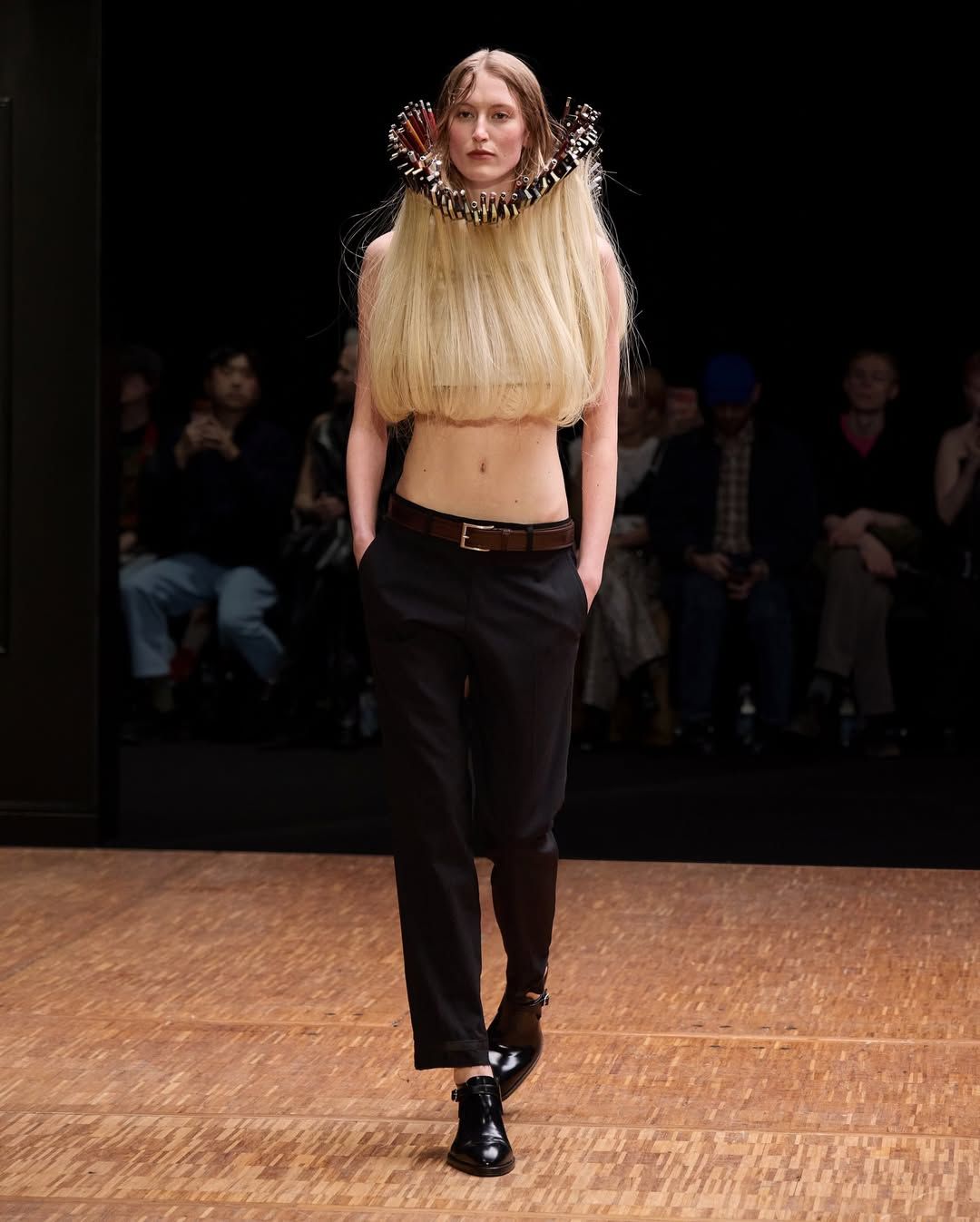
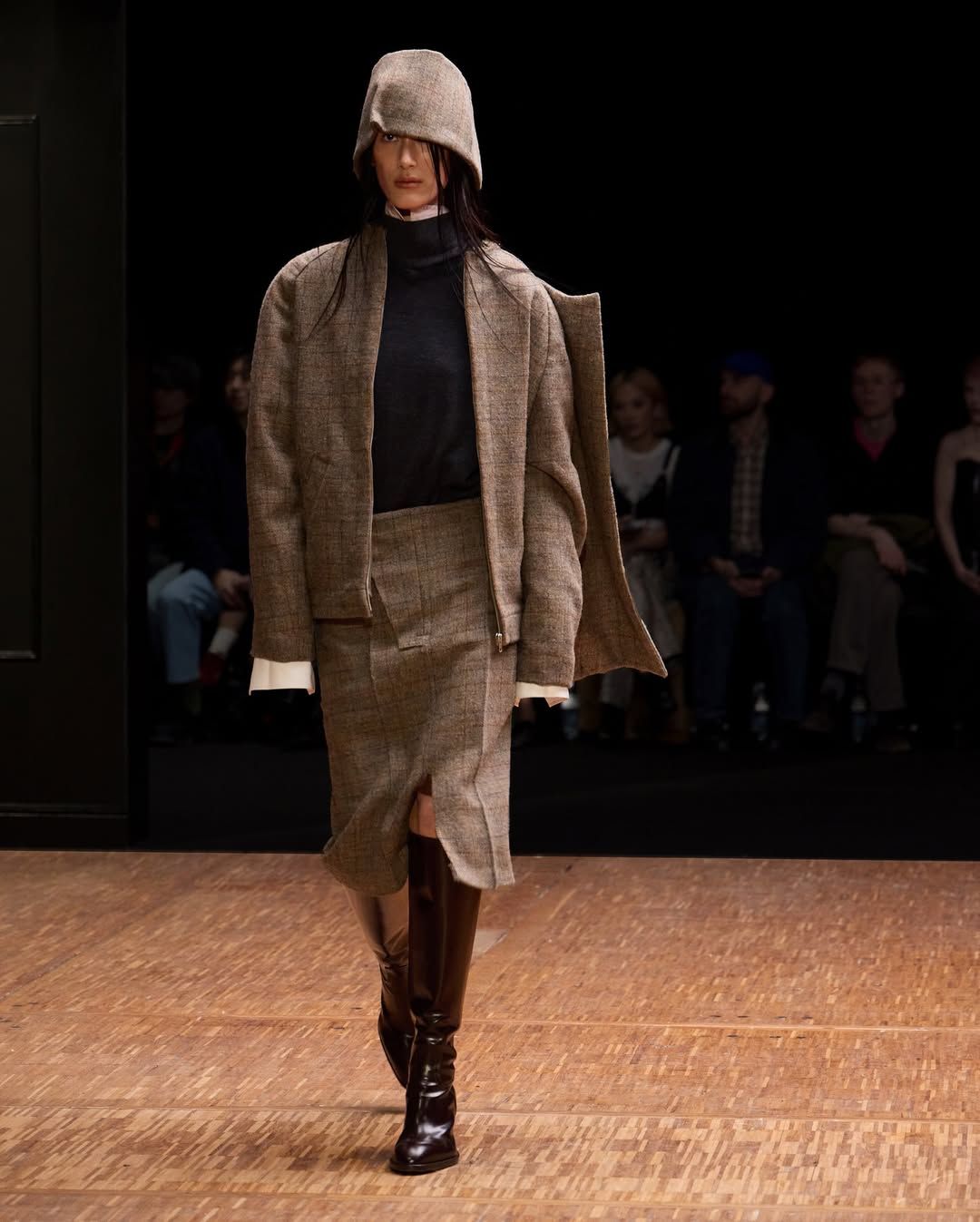
Taken together, these presentations sketch a portrait of a new generation of designers for whom the runway is no longer just a procession of garments. Staging, narrative, performance, and subversion become tools to rethink clothing and its presentation. At Paris Fashion Week, these emerging labels remind us that beyond the major houses, fashion continues to reinvent itself where experimentation is still possible.