















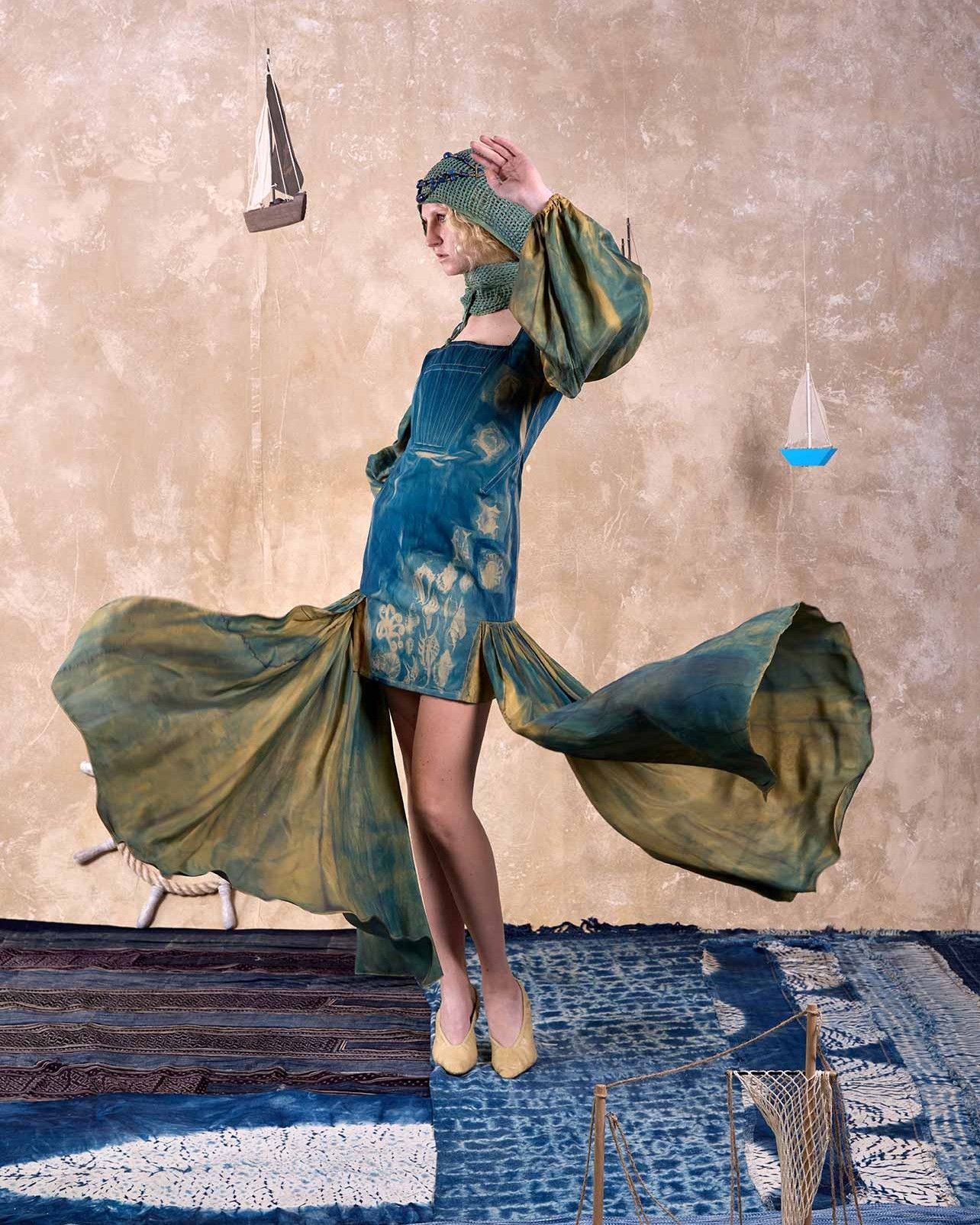









Chloé FW26: The Nomadic Dream of Chemena Kamali Chemena Kamali continues her exploration of a free and fluid femininity for Chloé
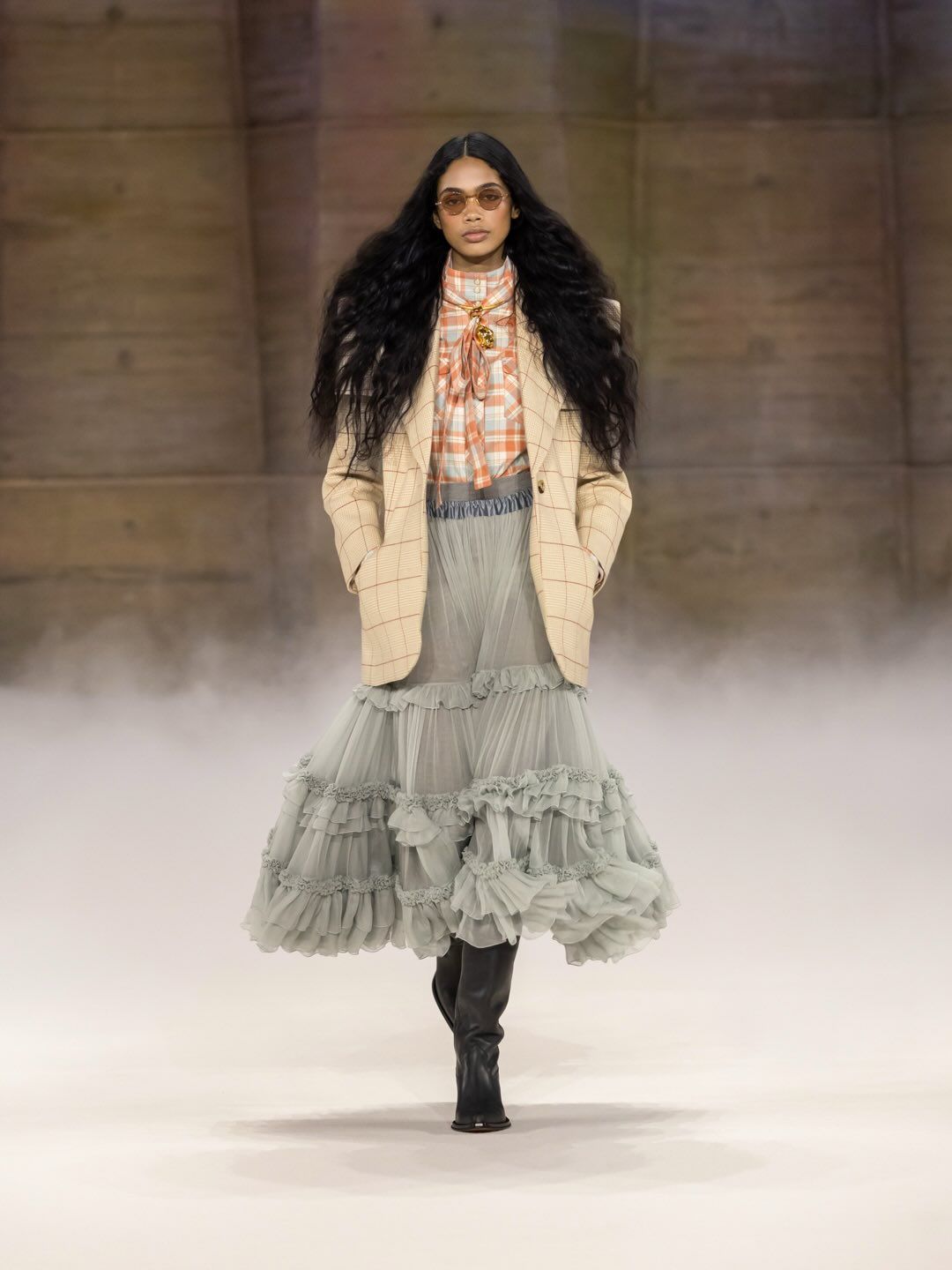
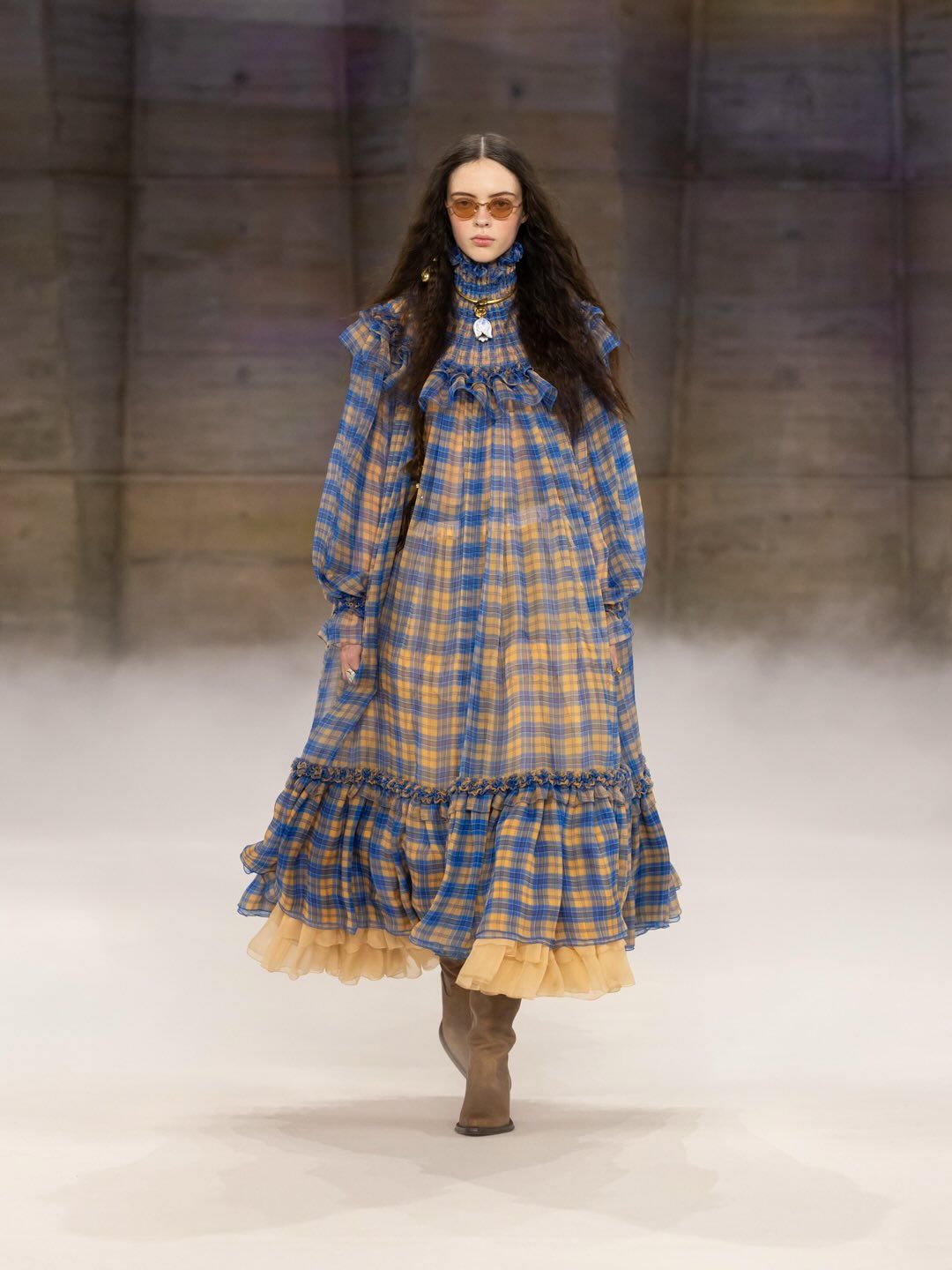
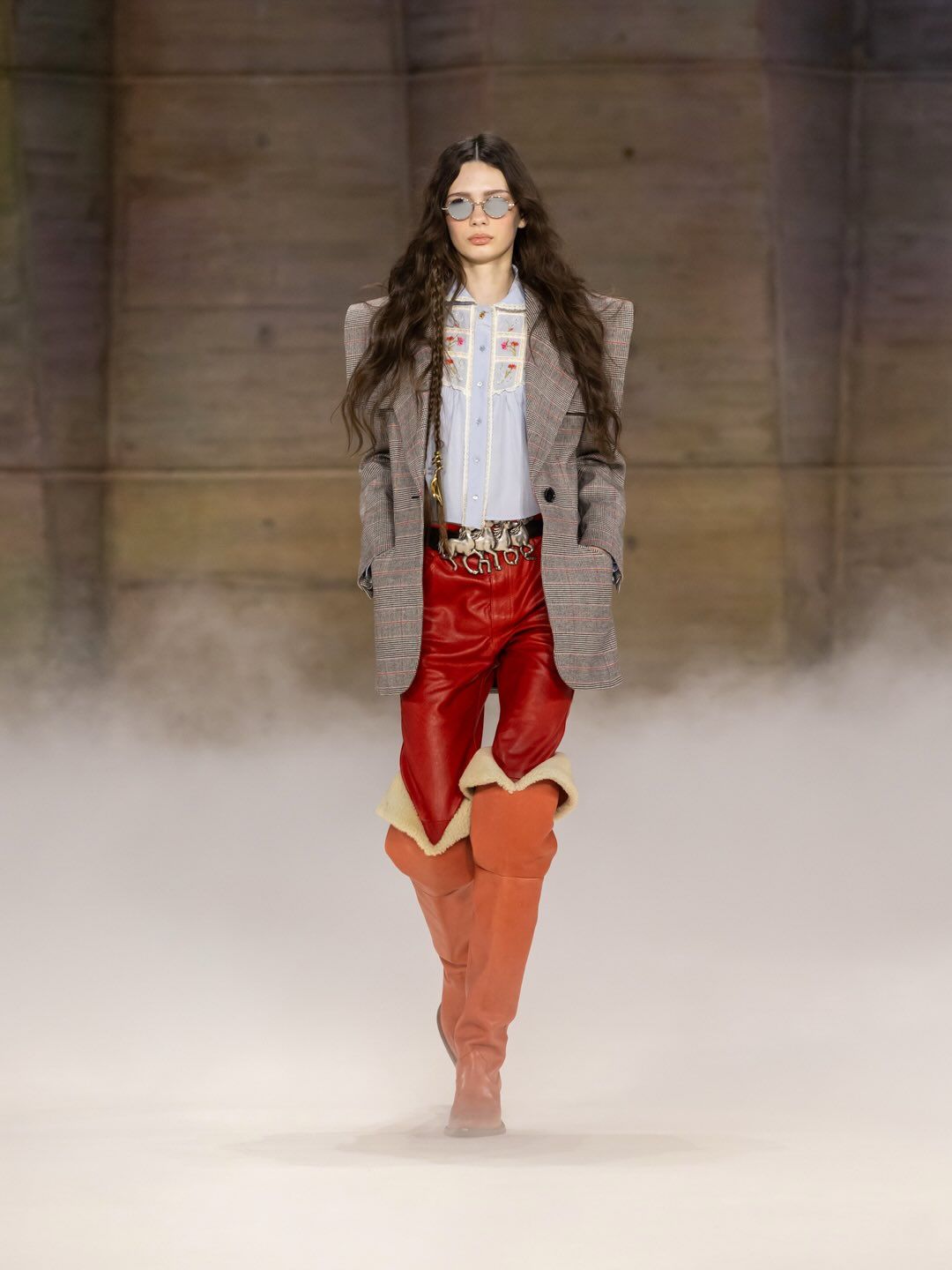
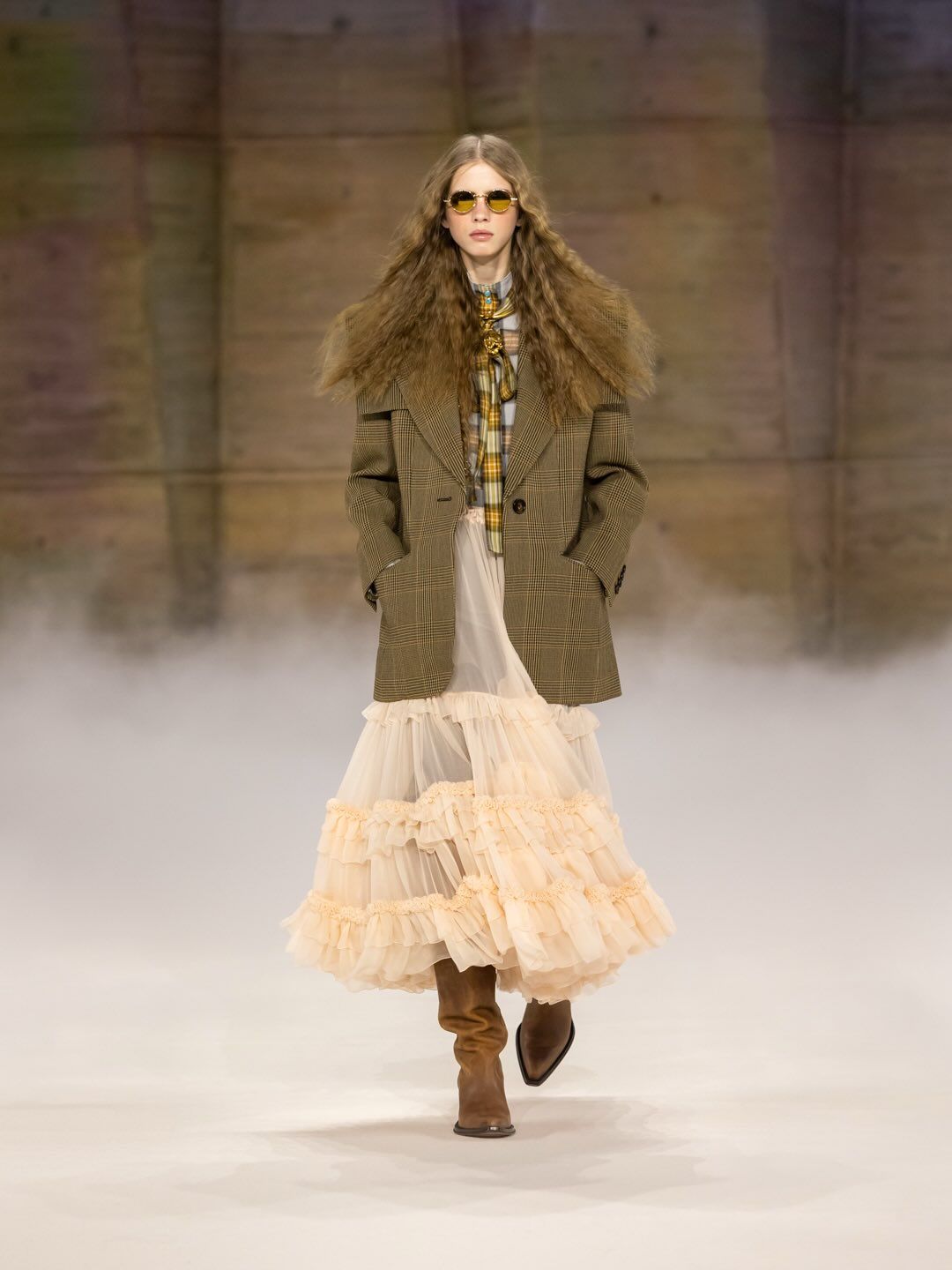
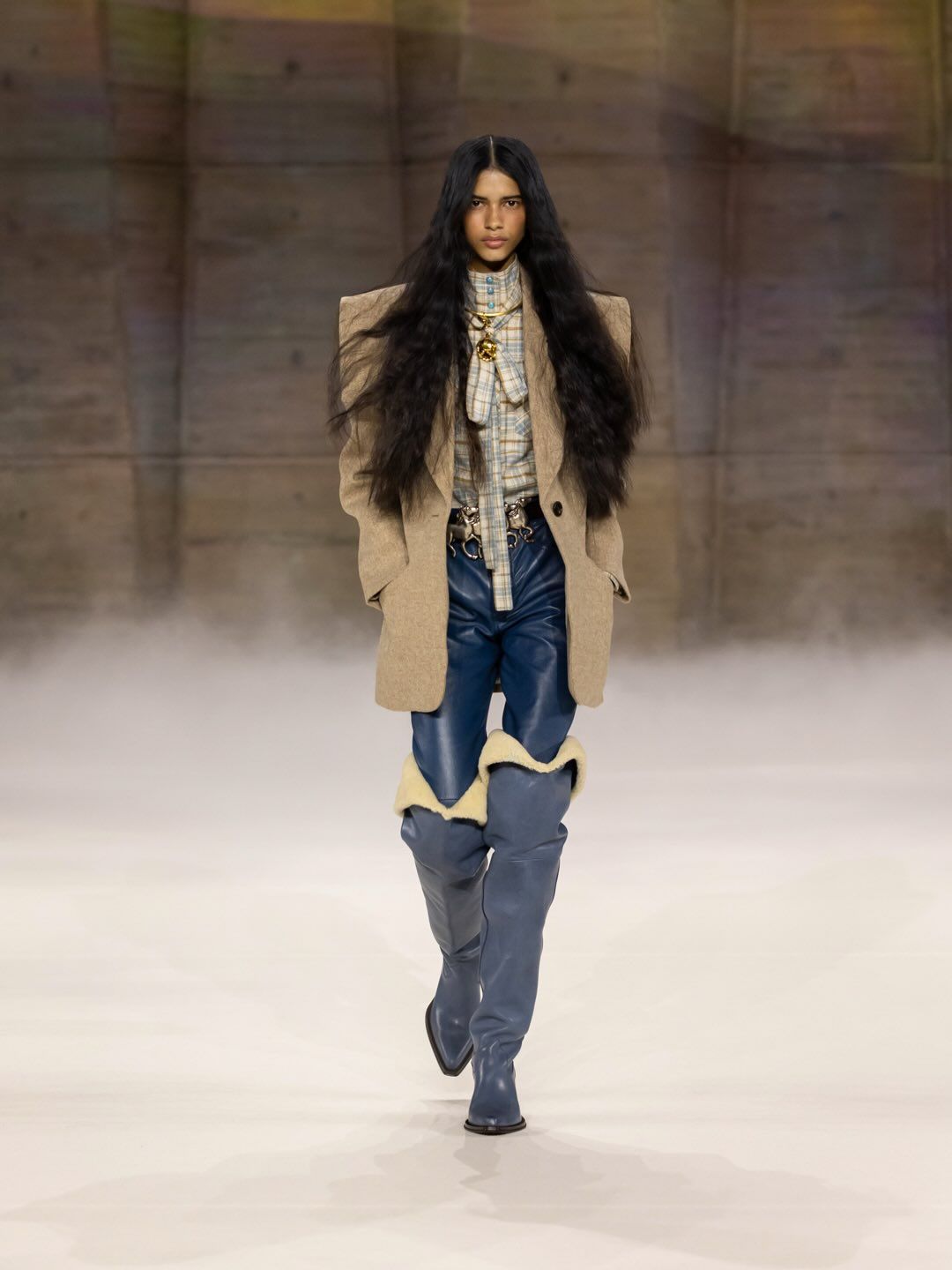
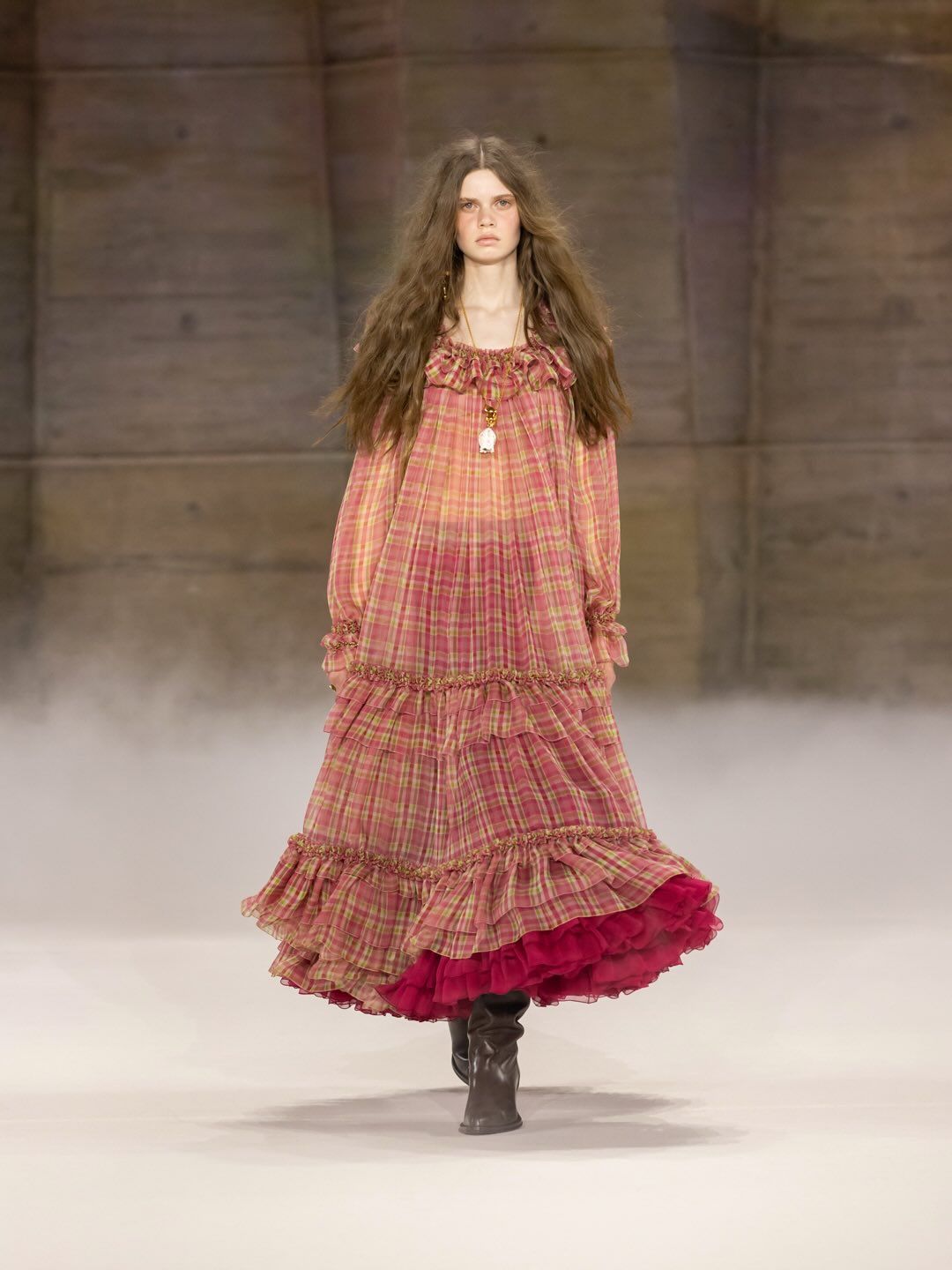
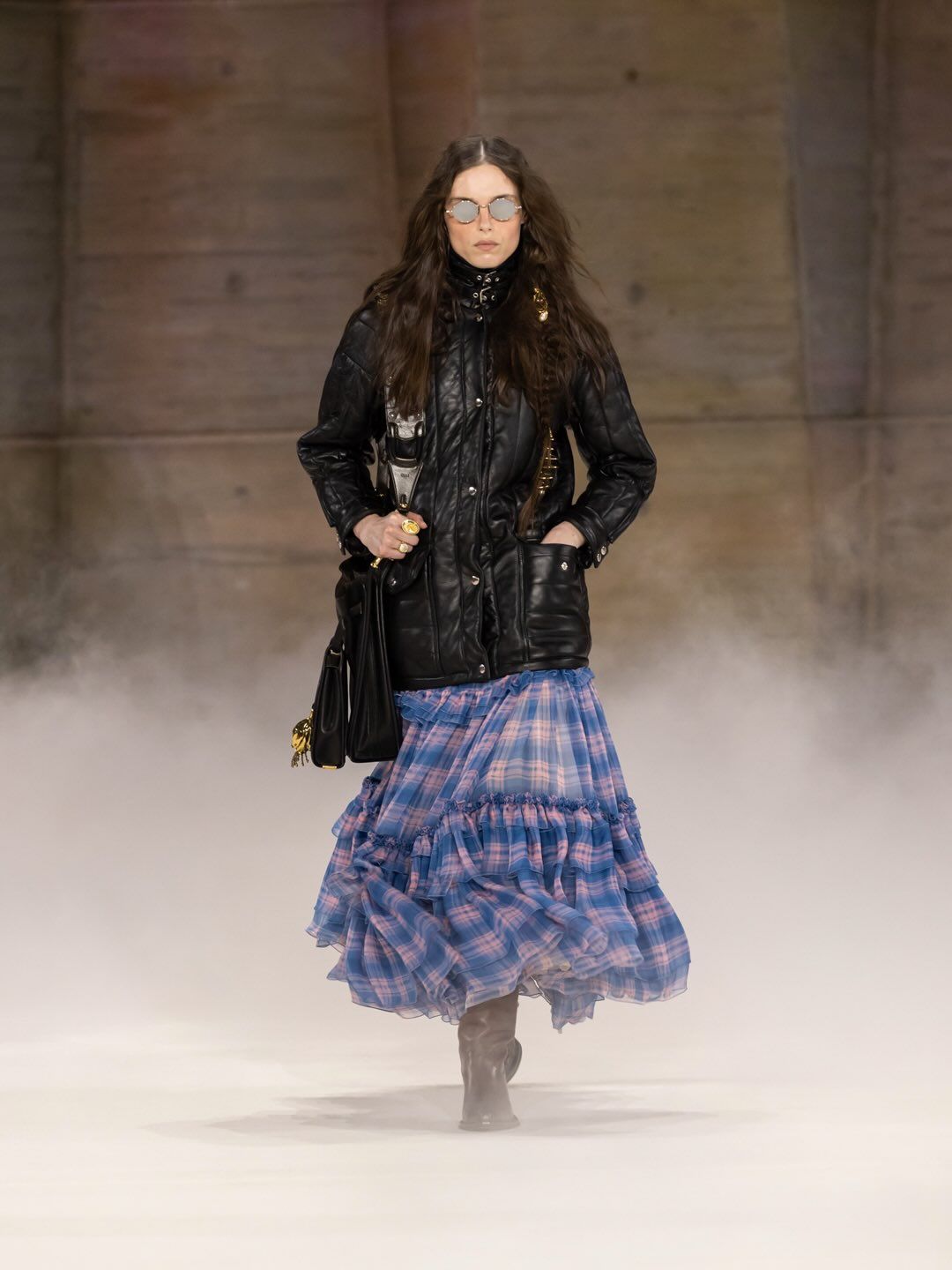
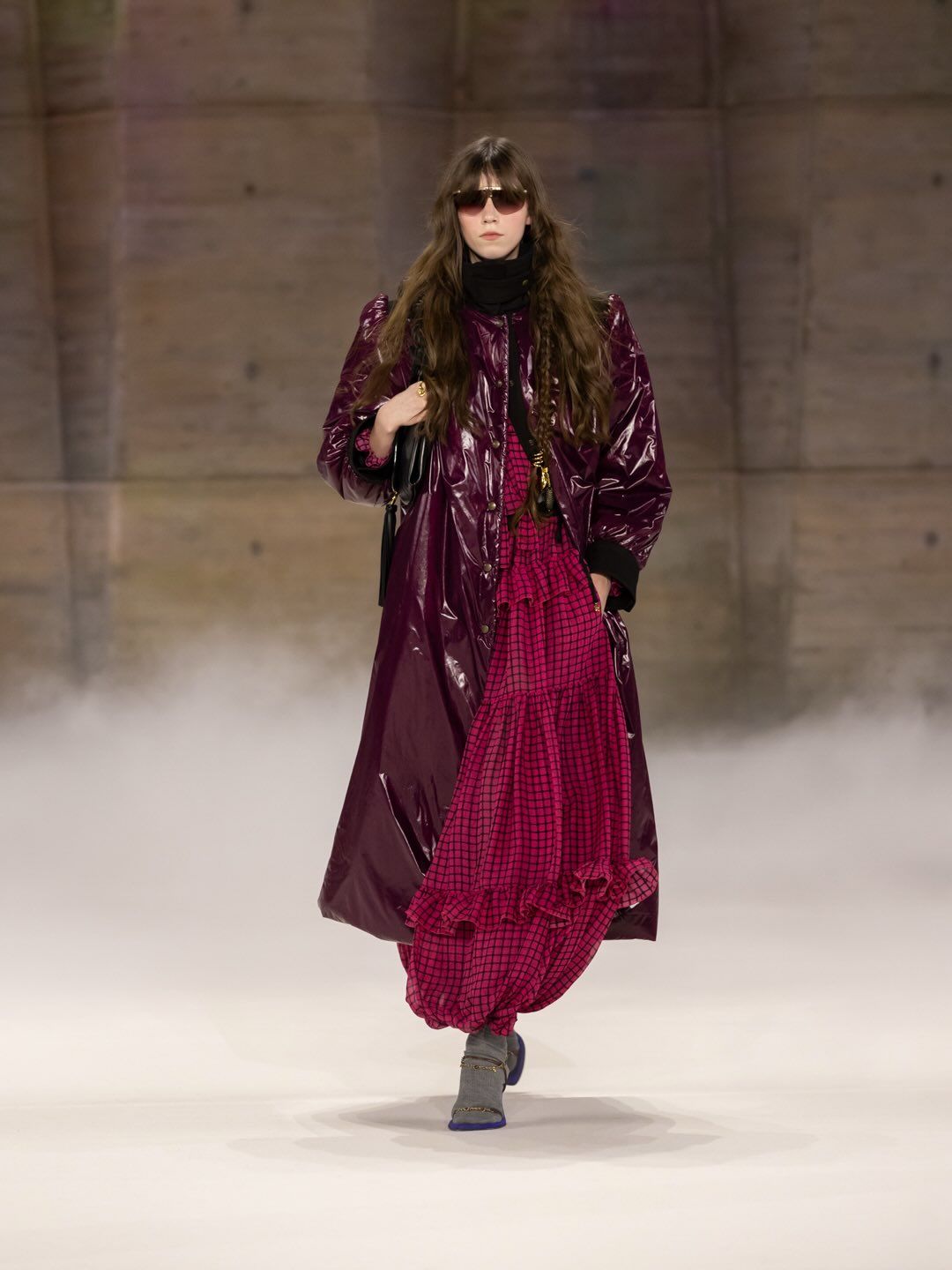
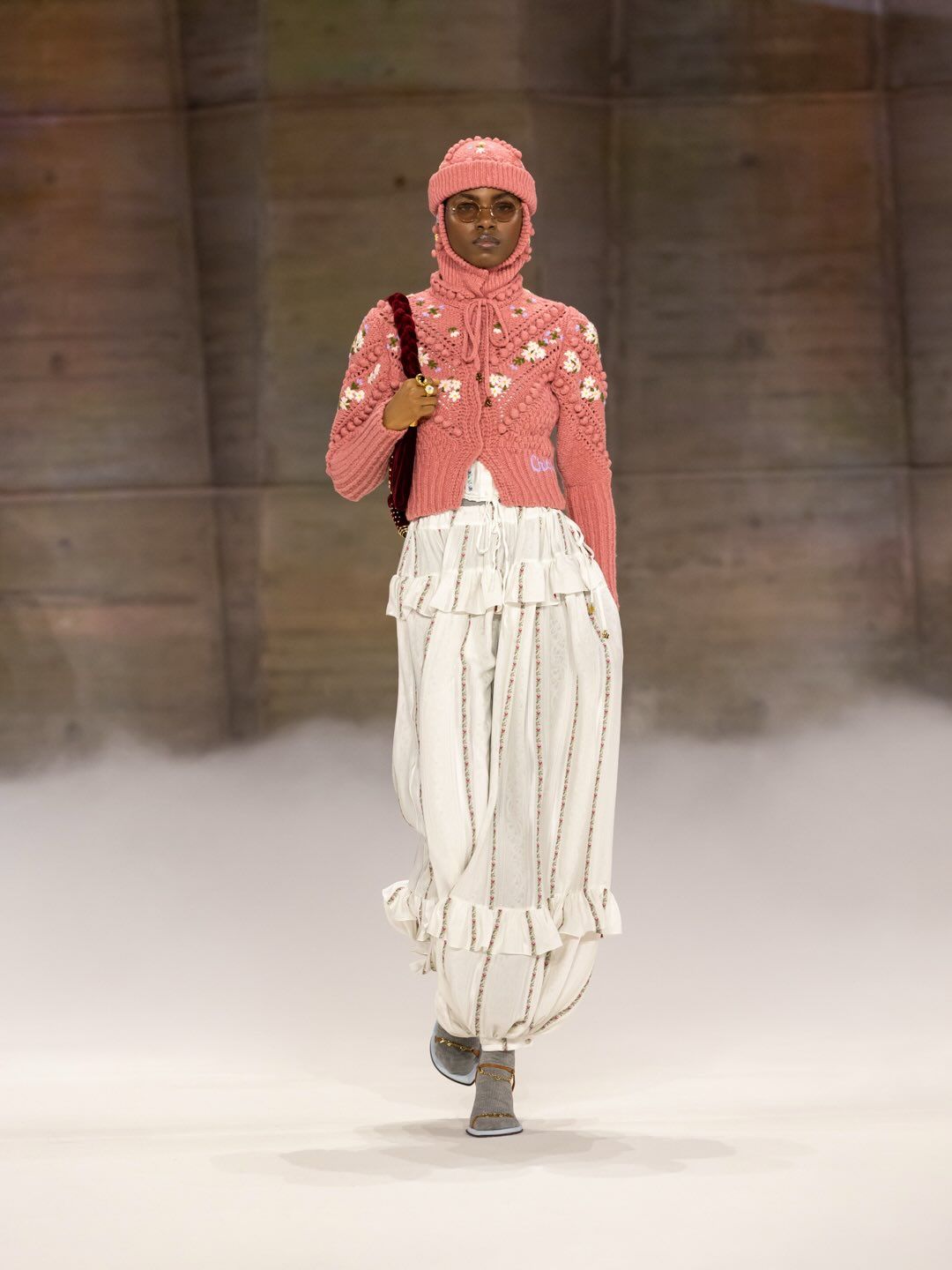
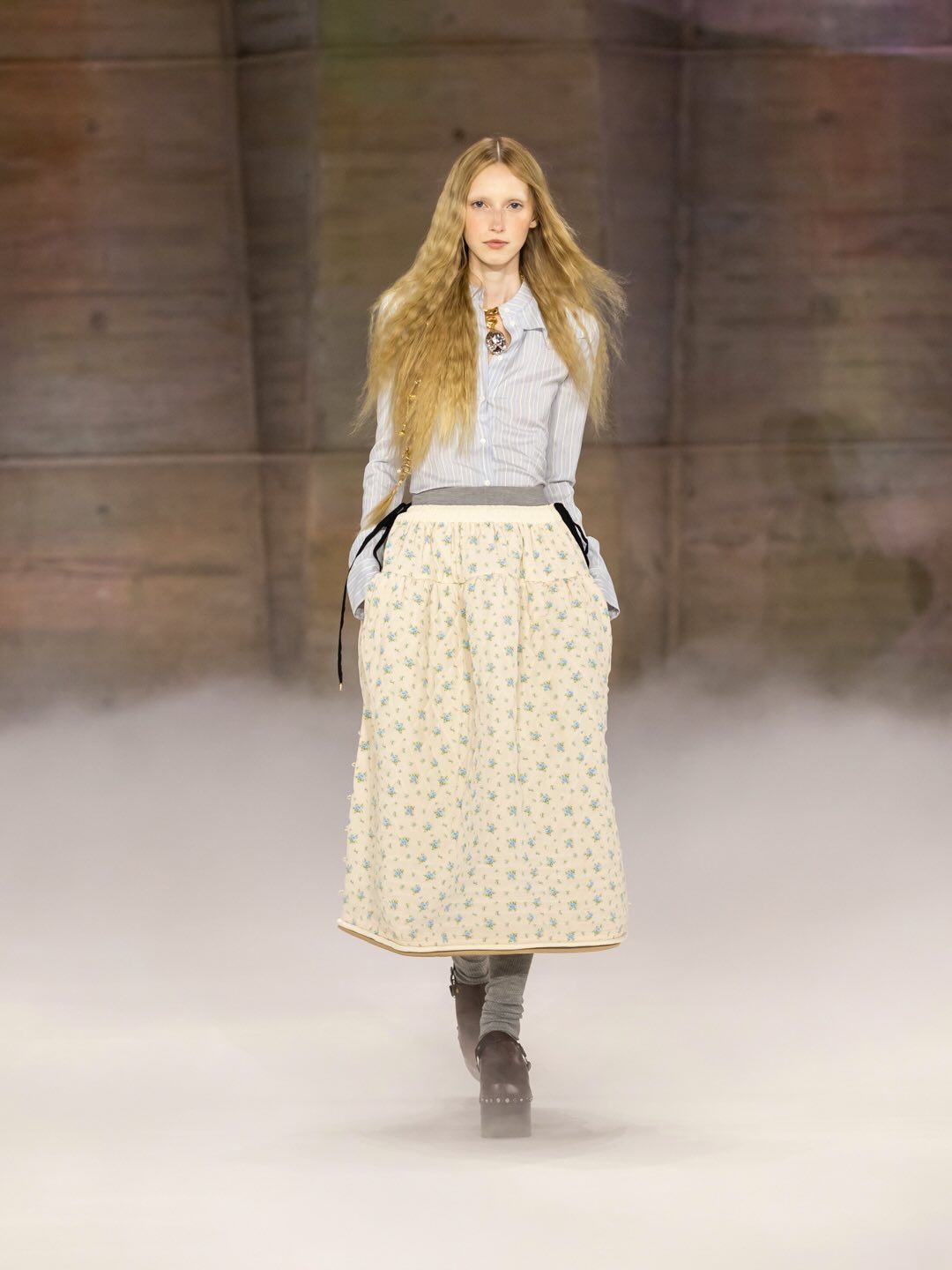
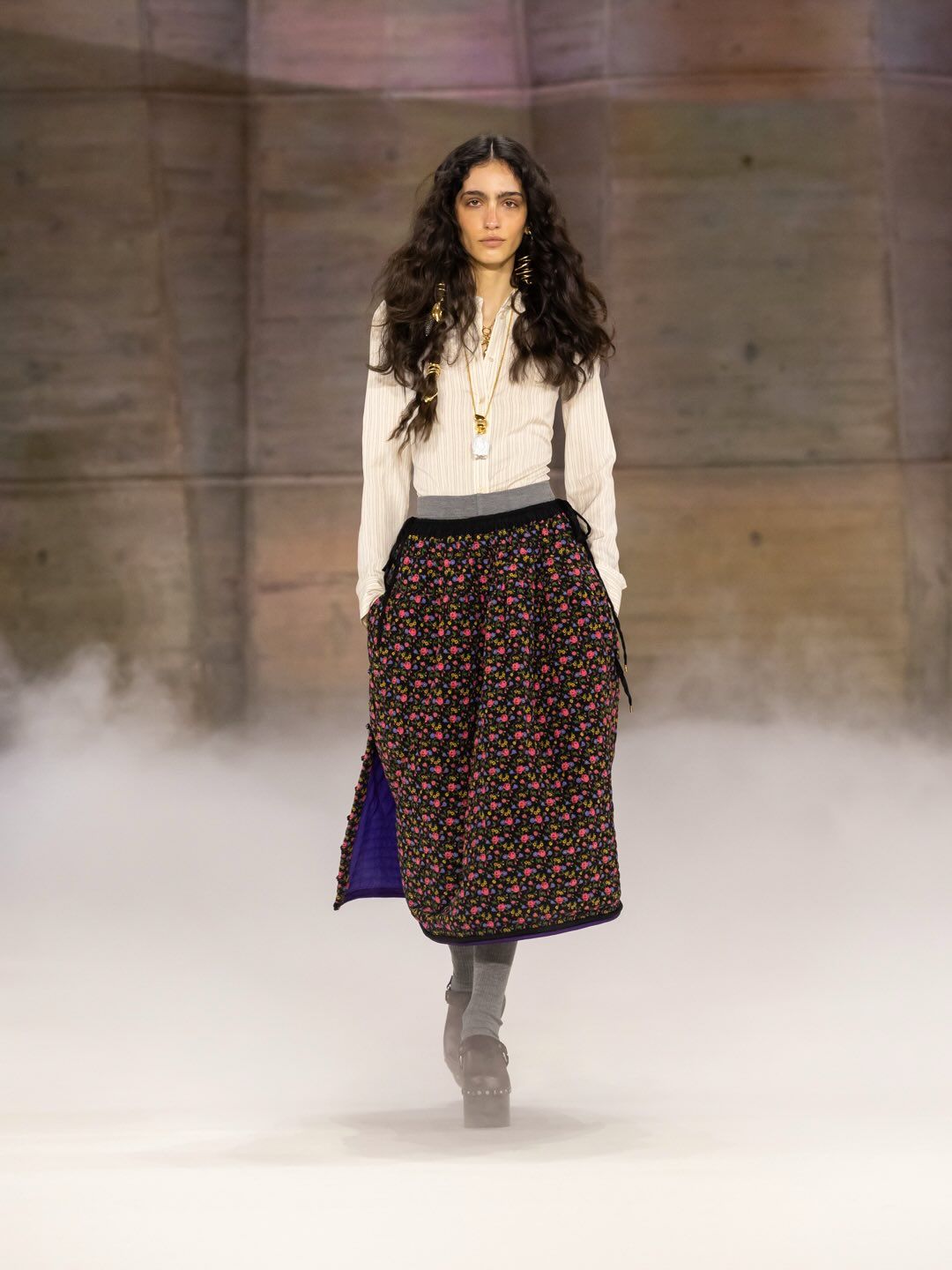
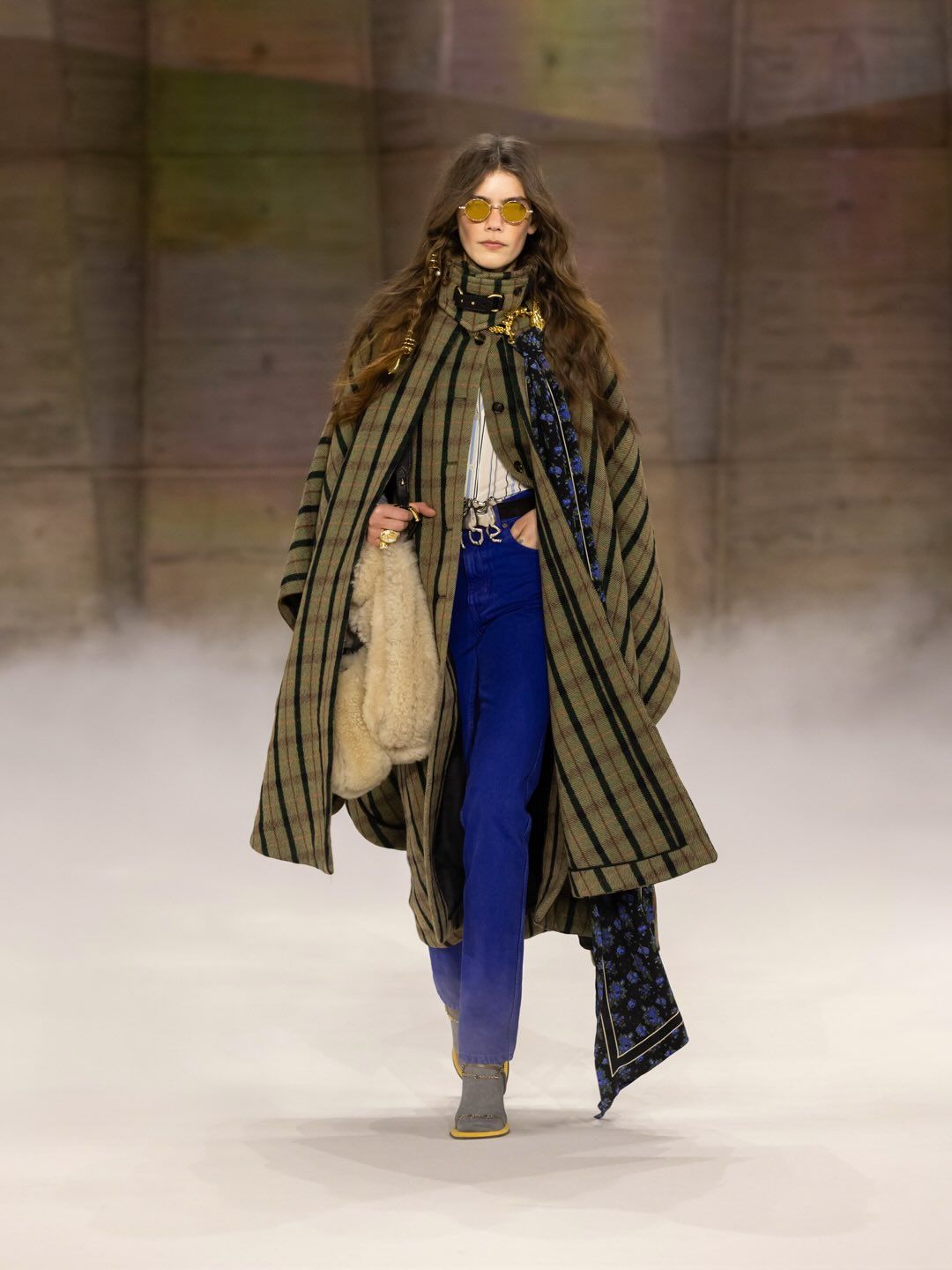
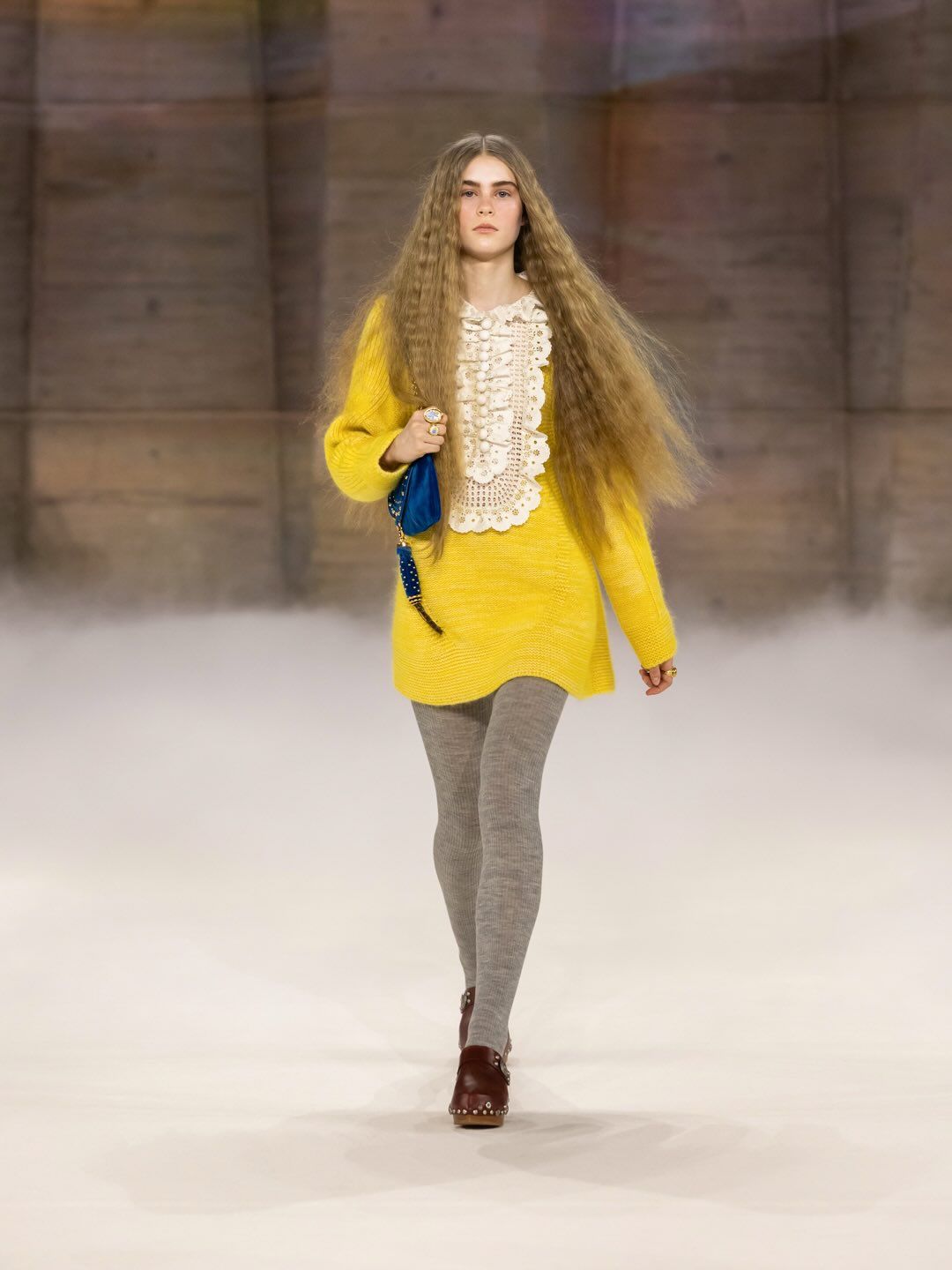
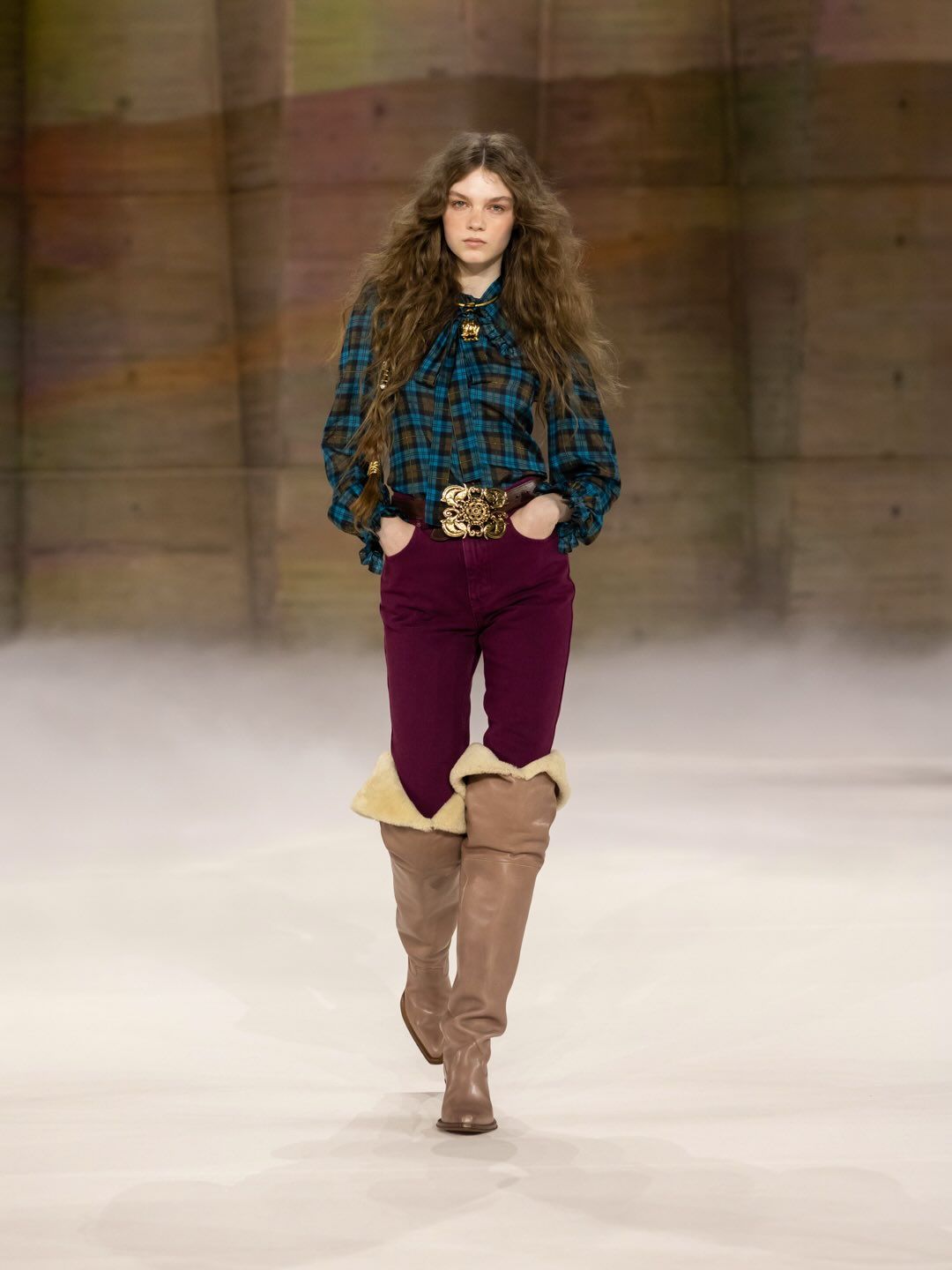
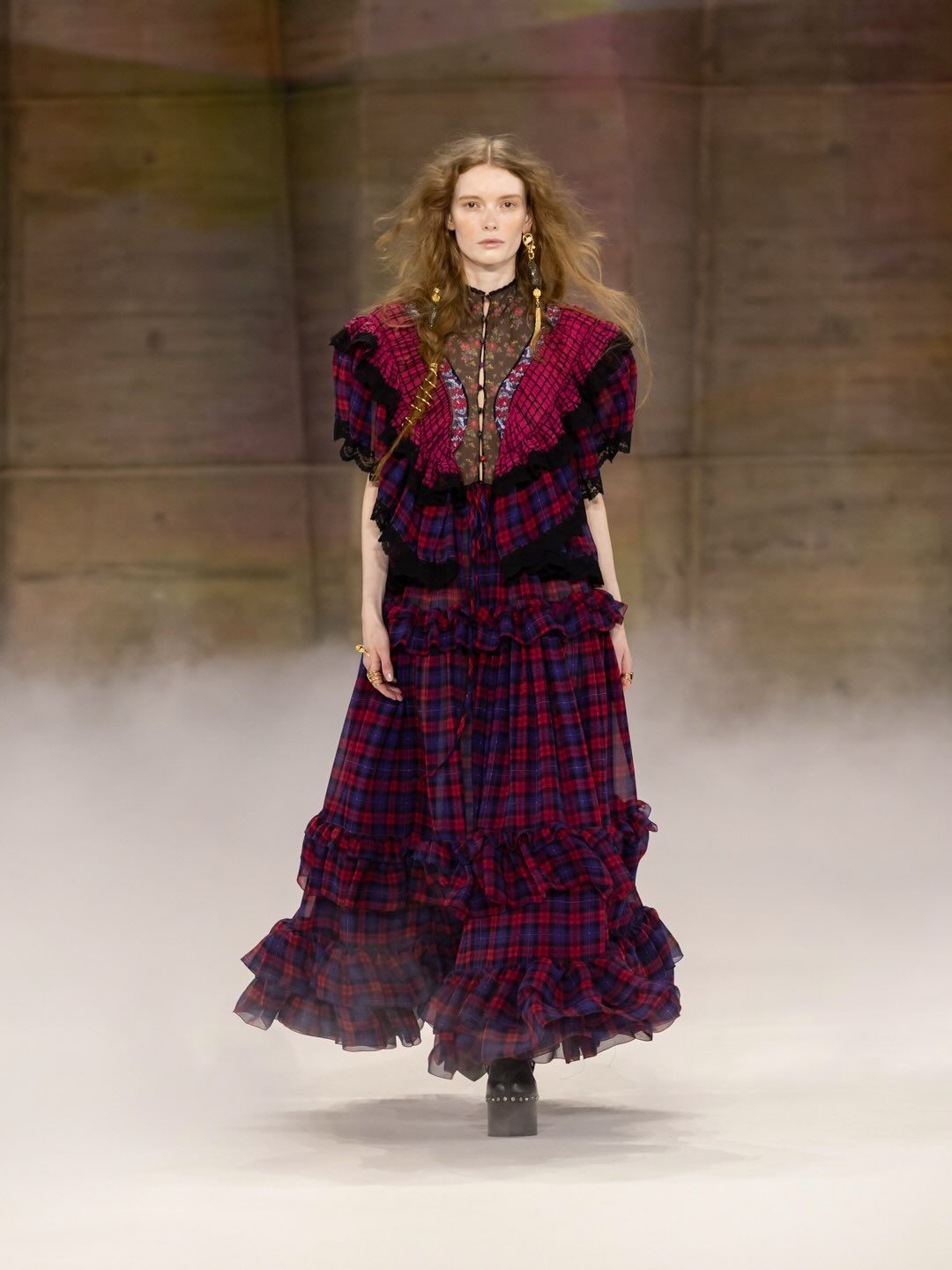
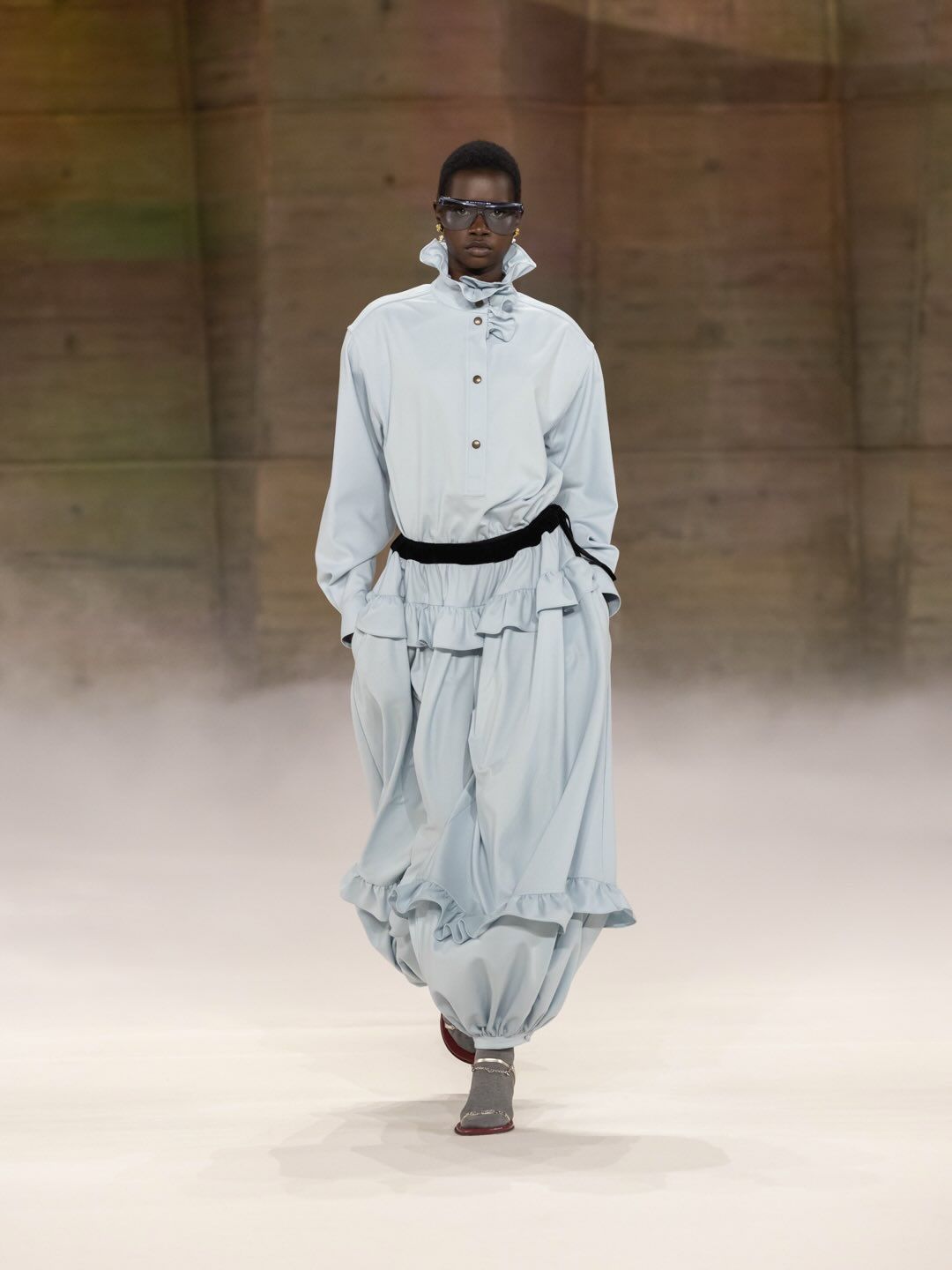
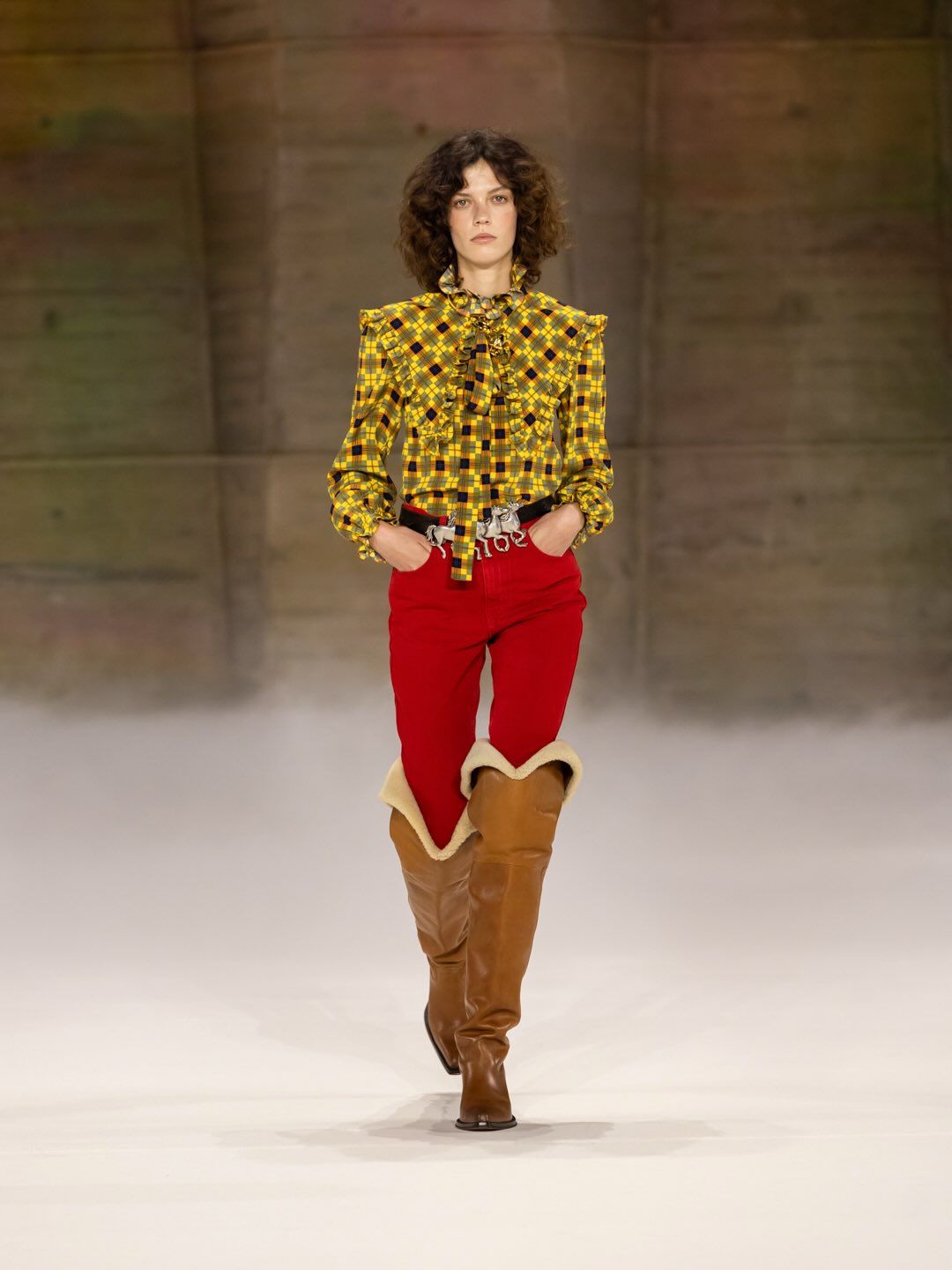
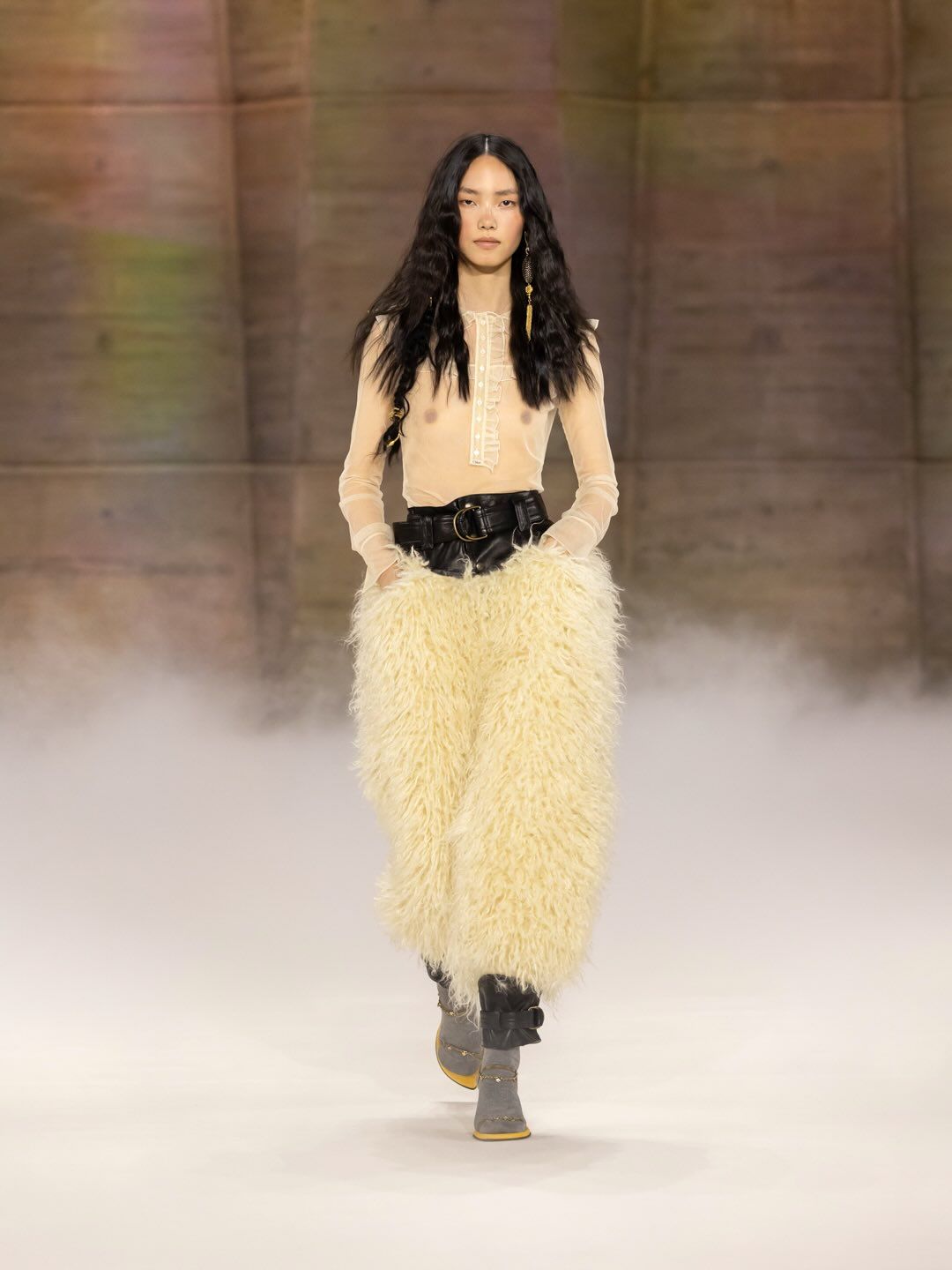
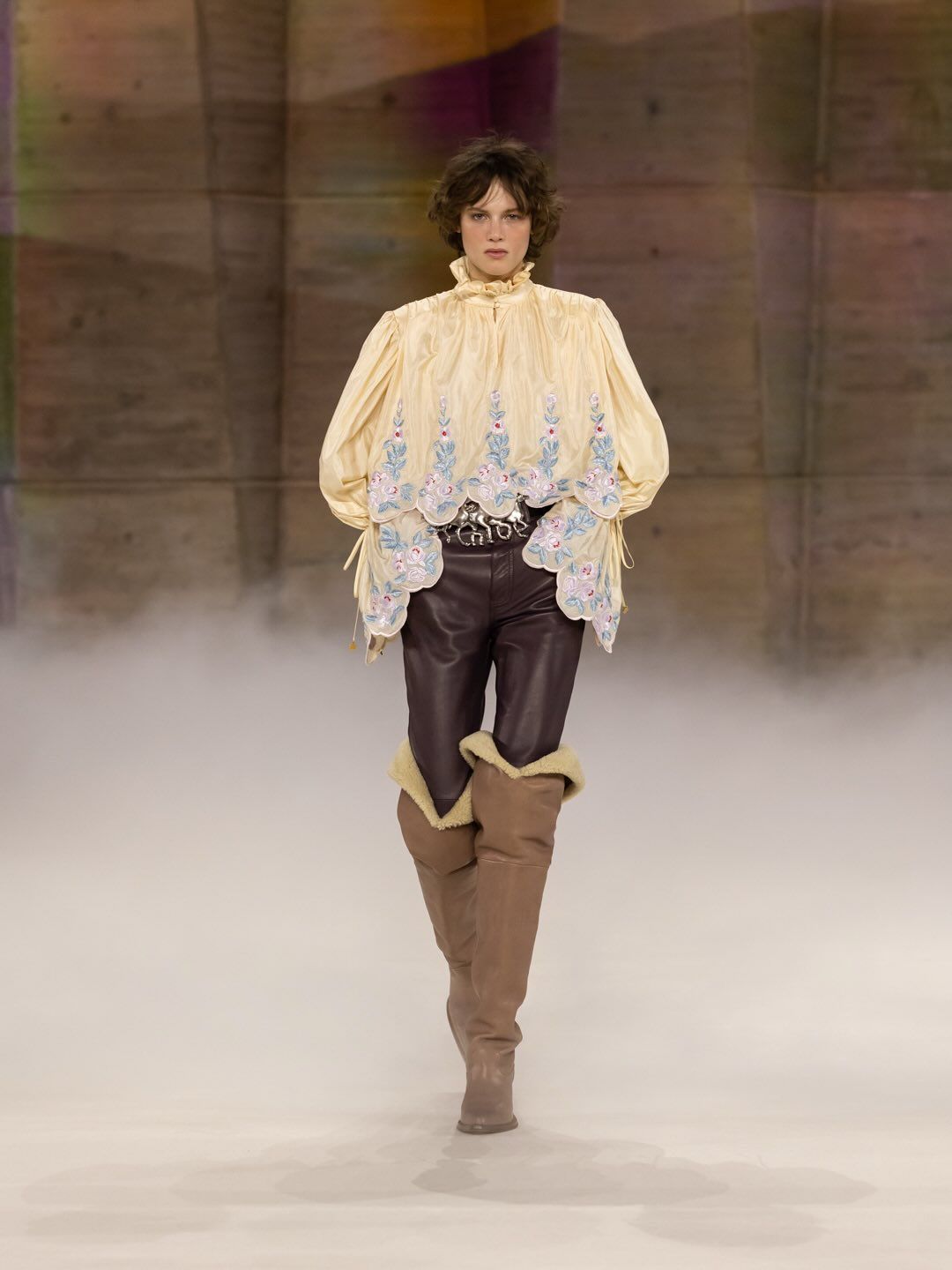
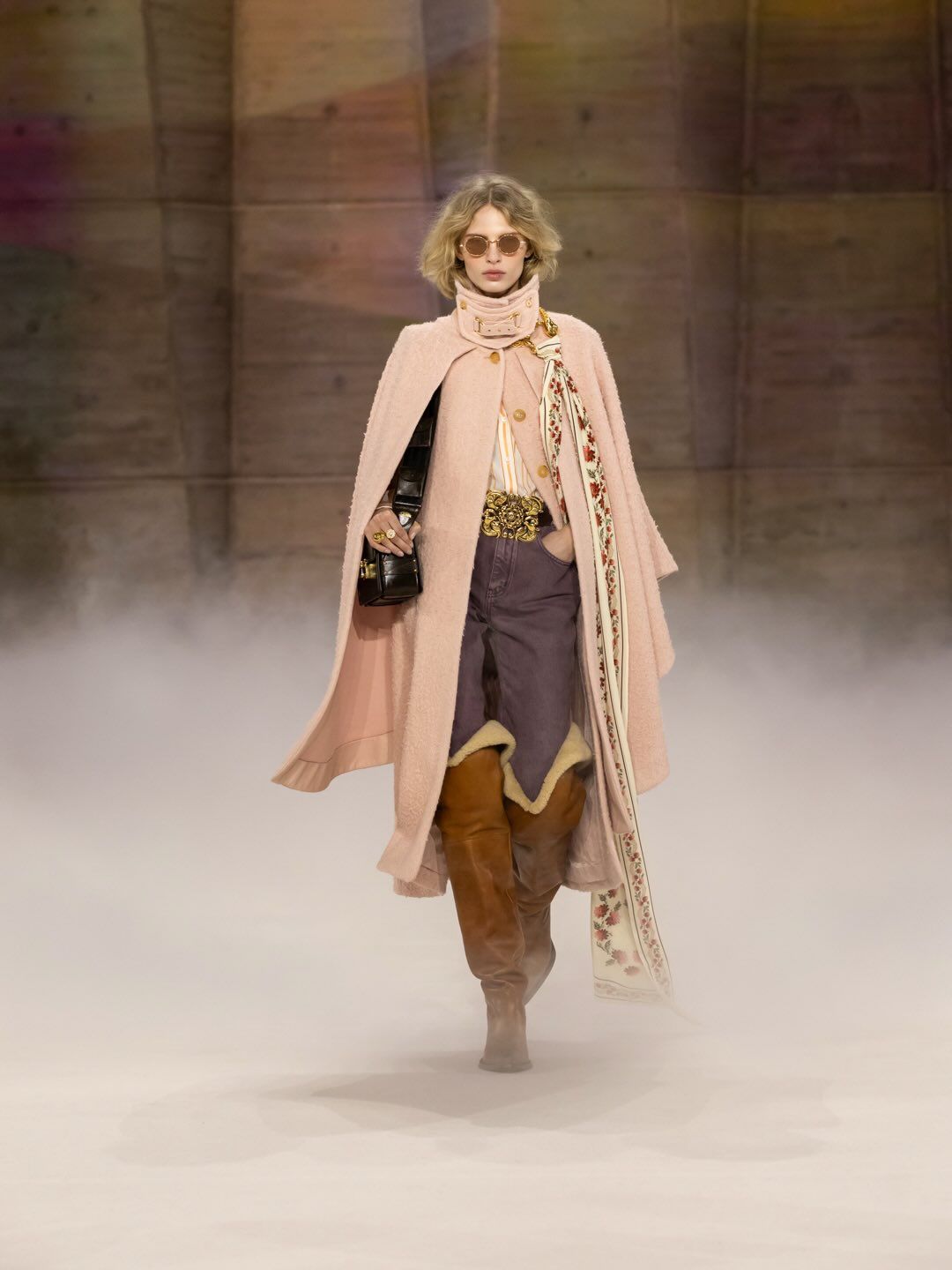
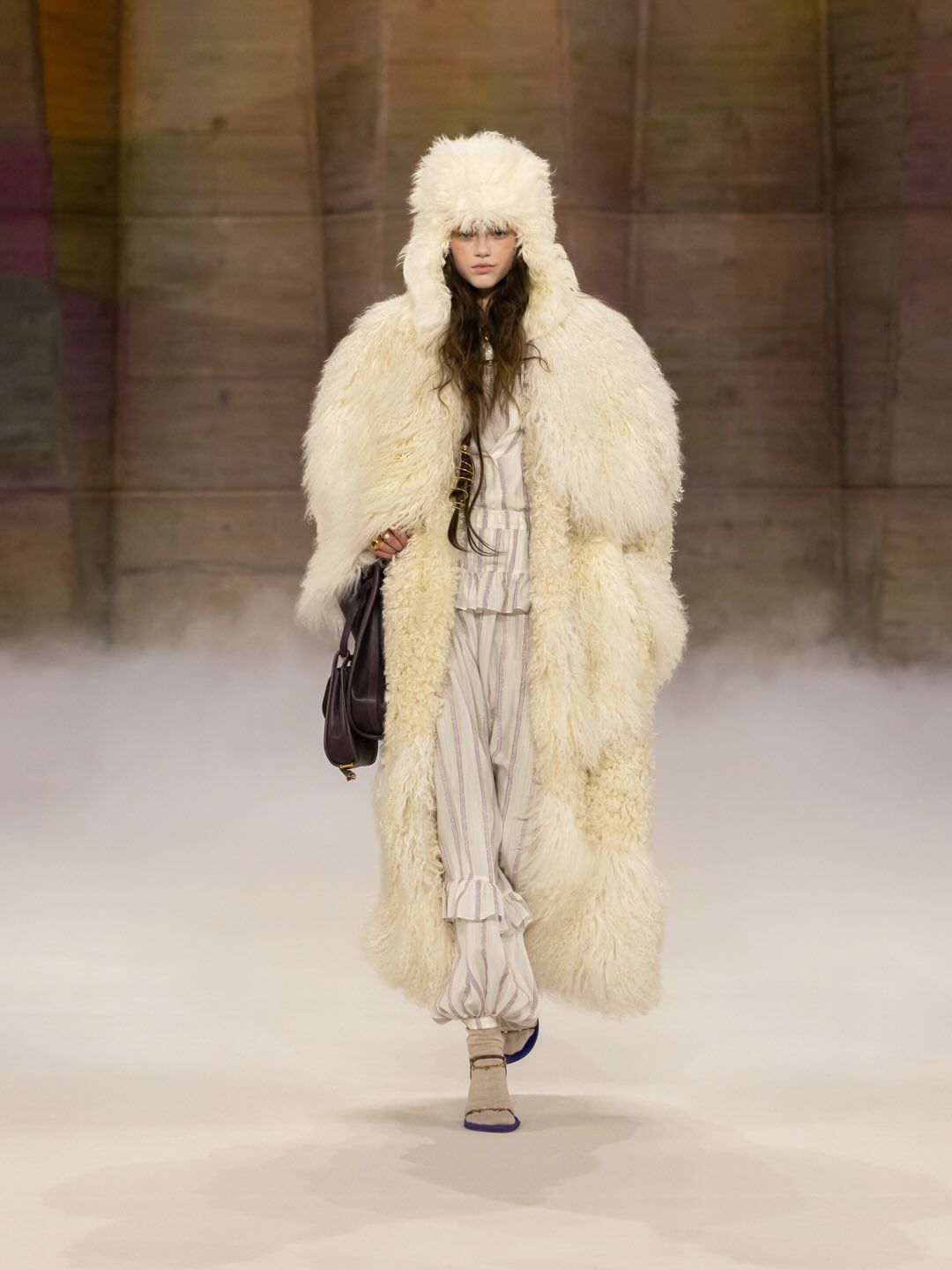
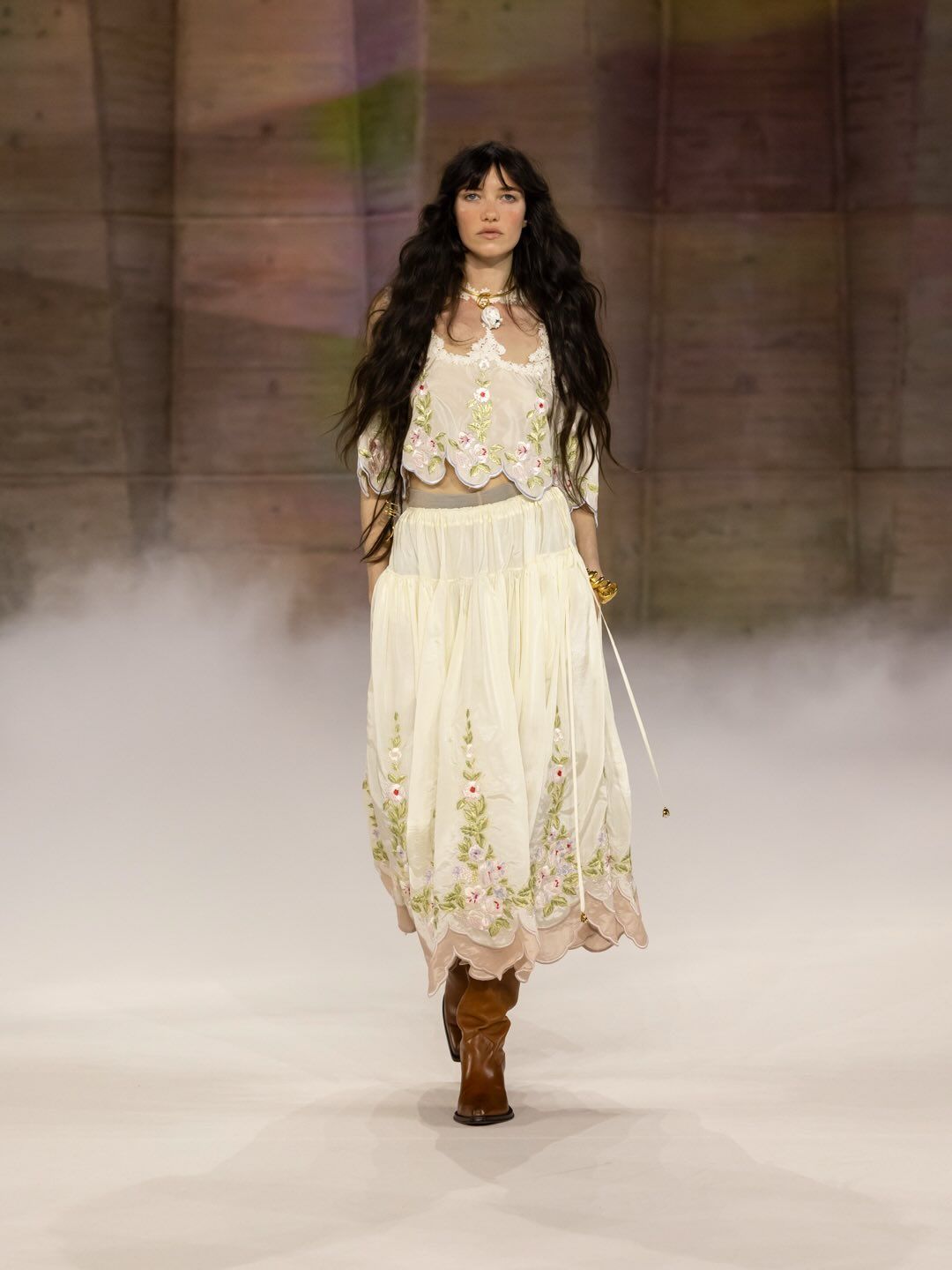
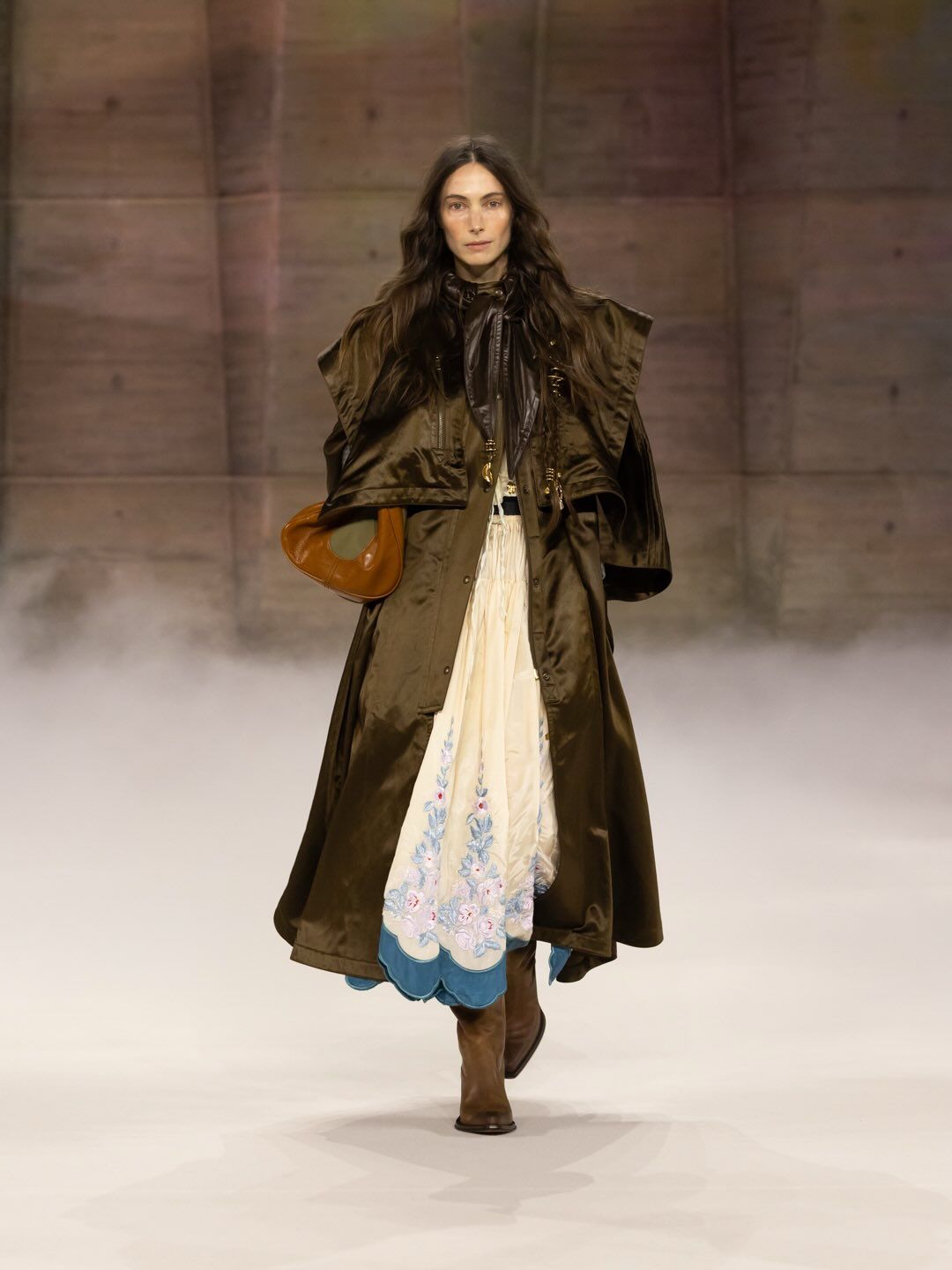
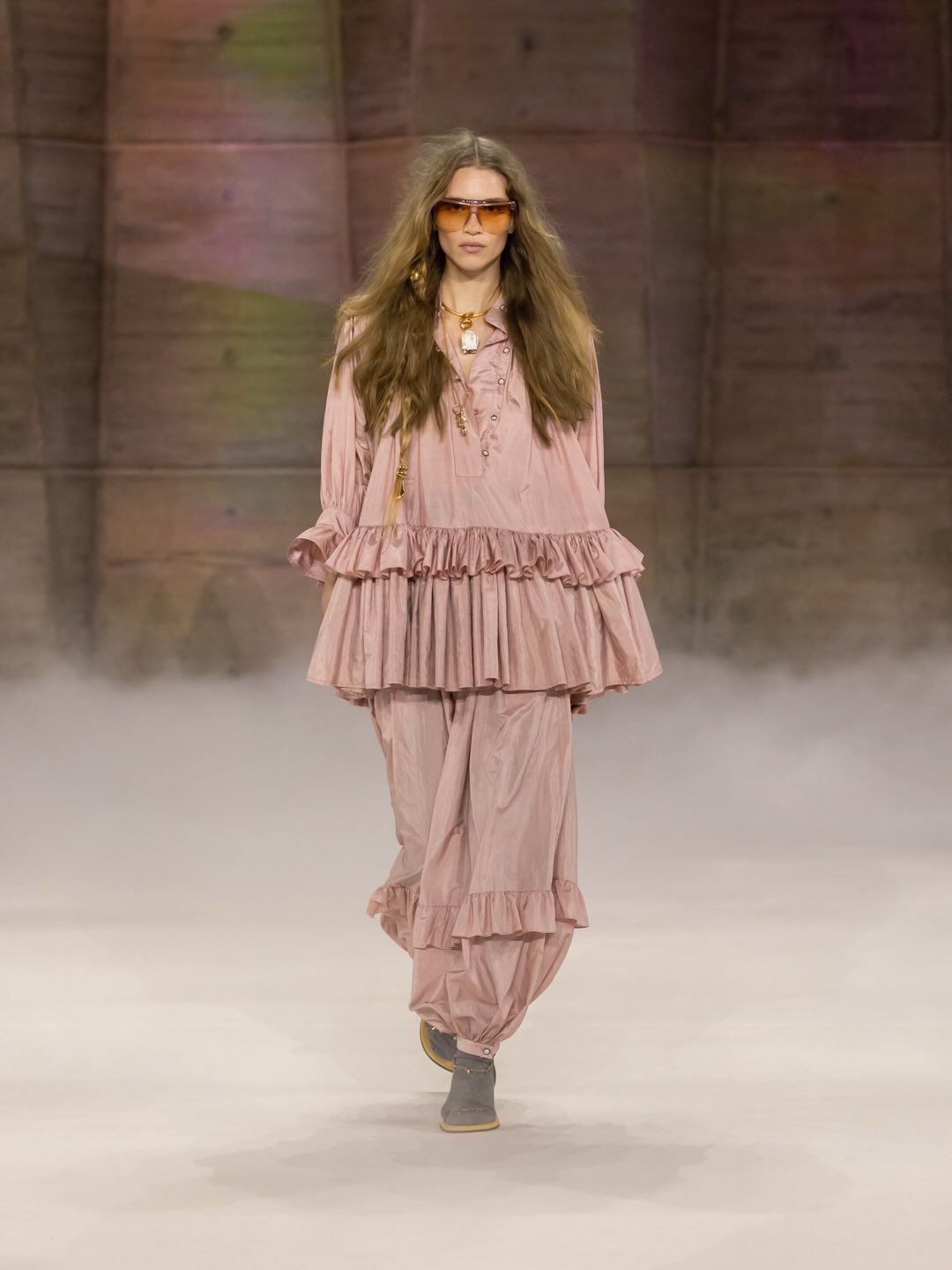
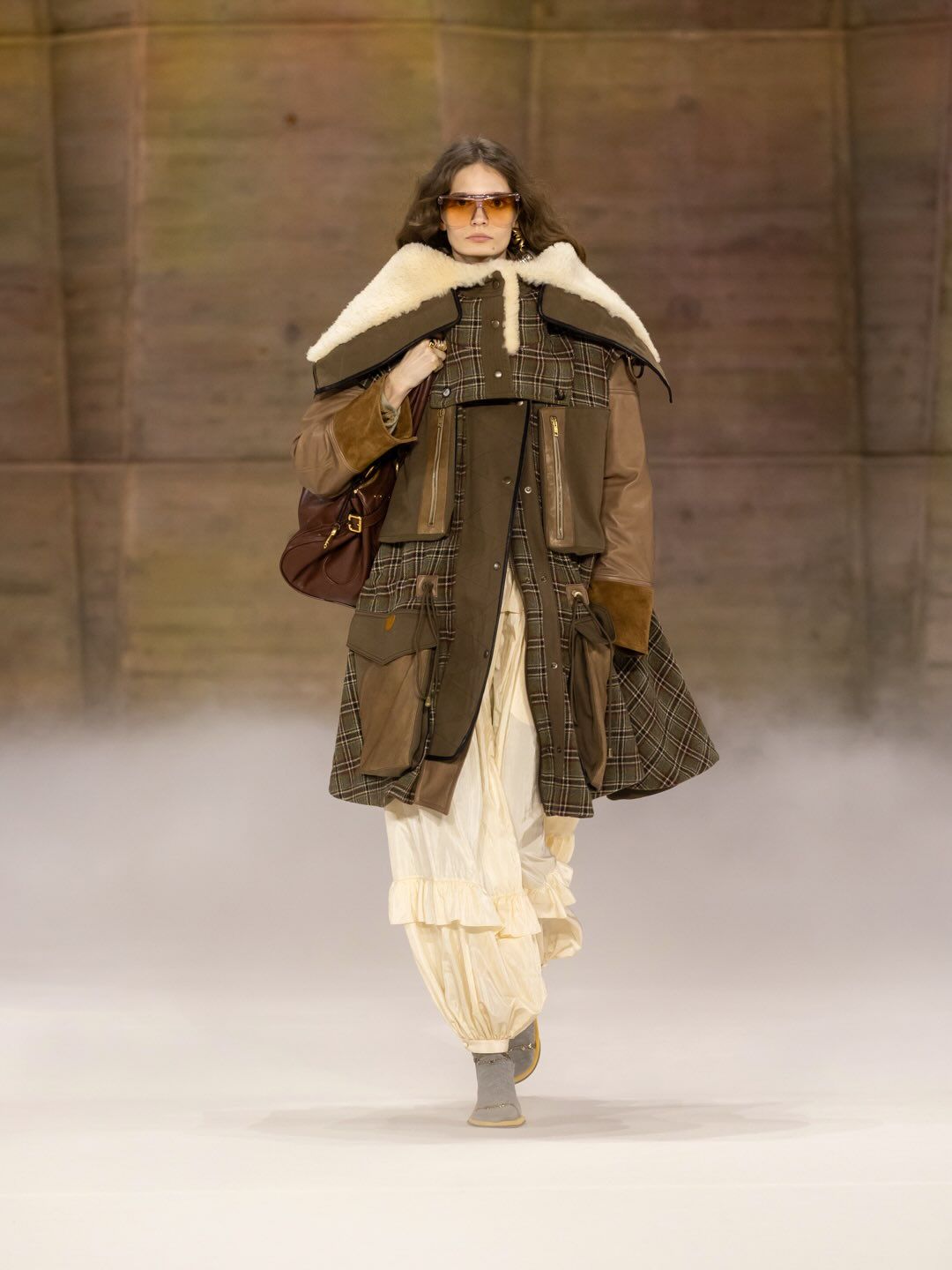
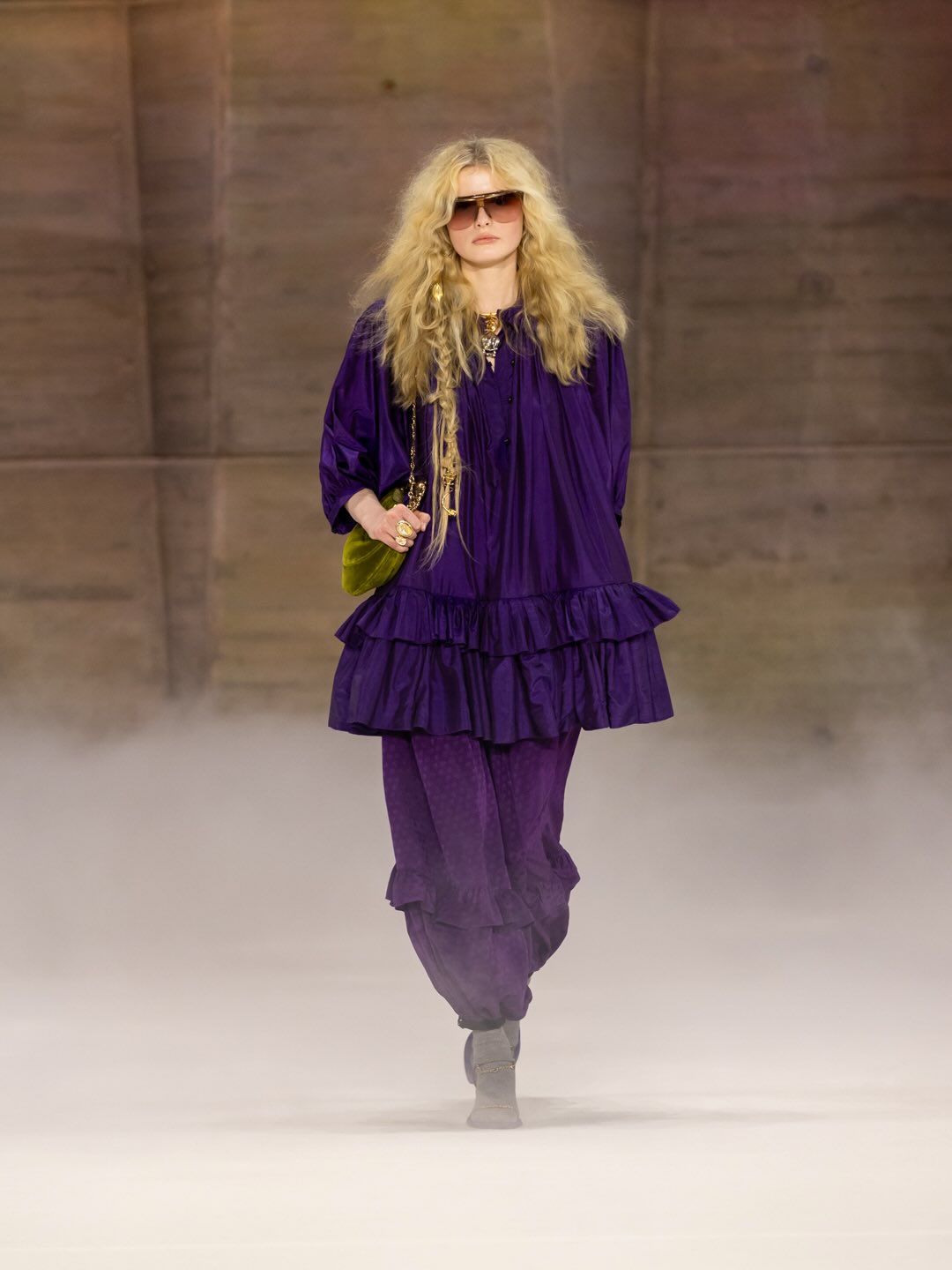
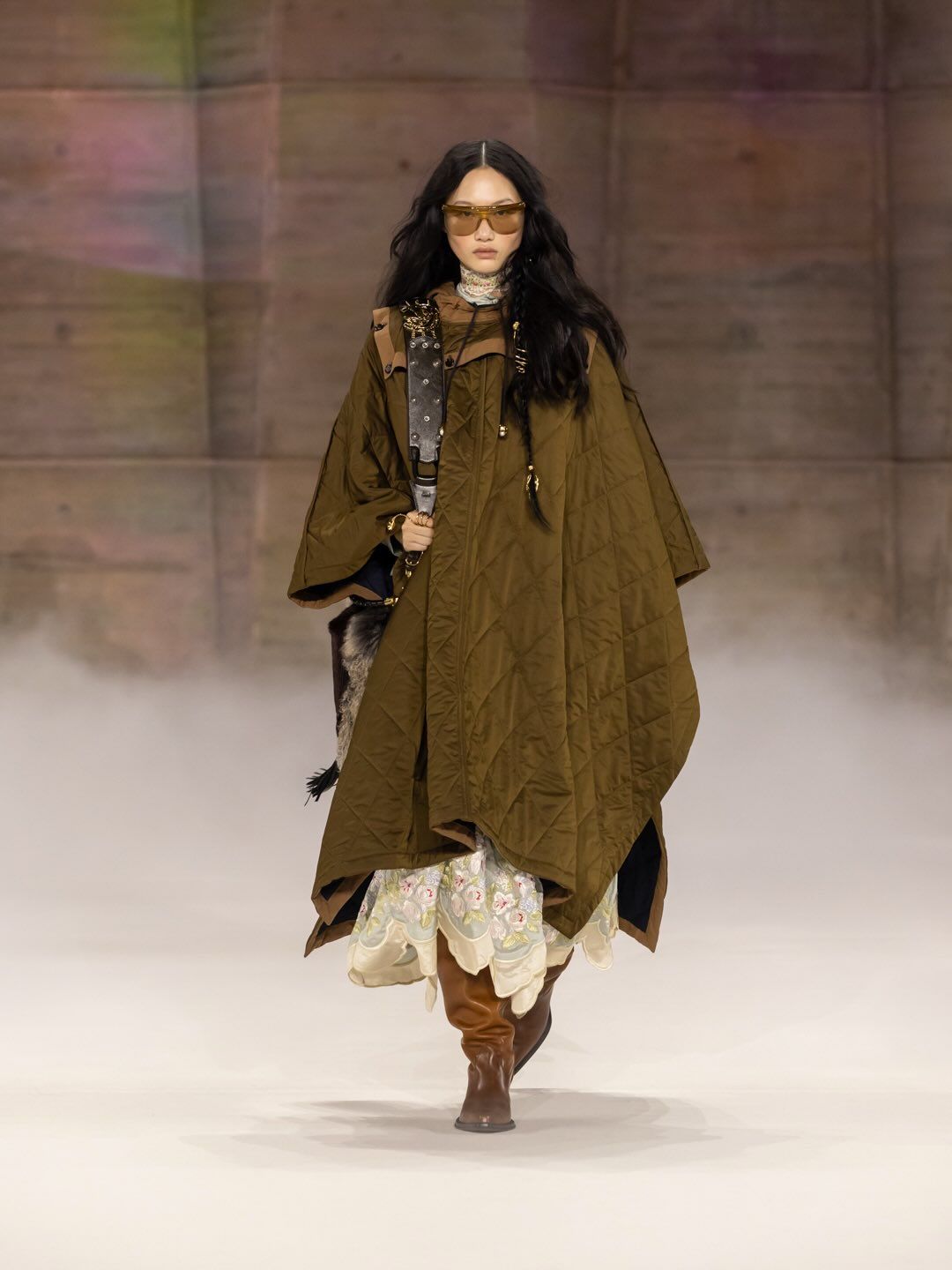
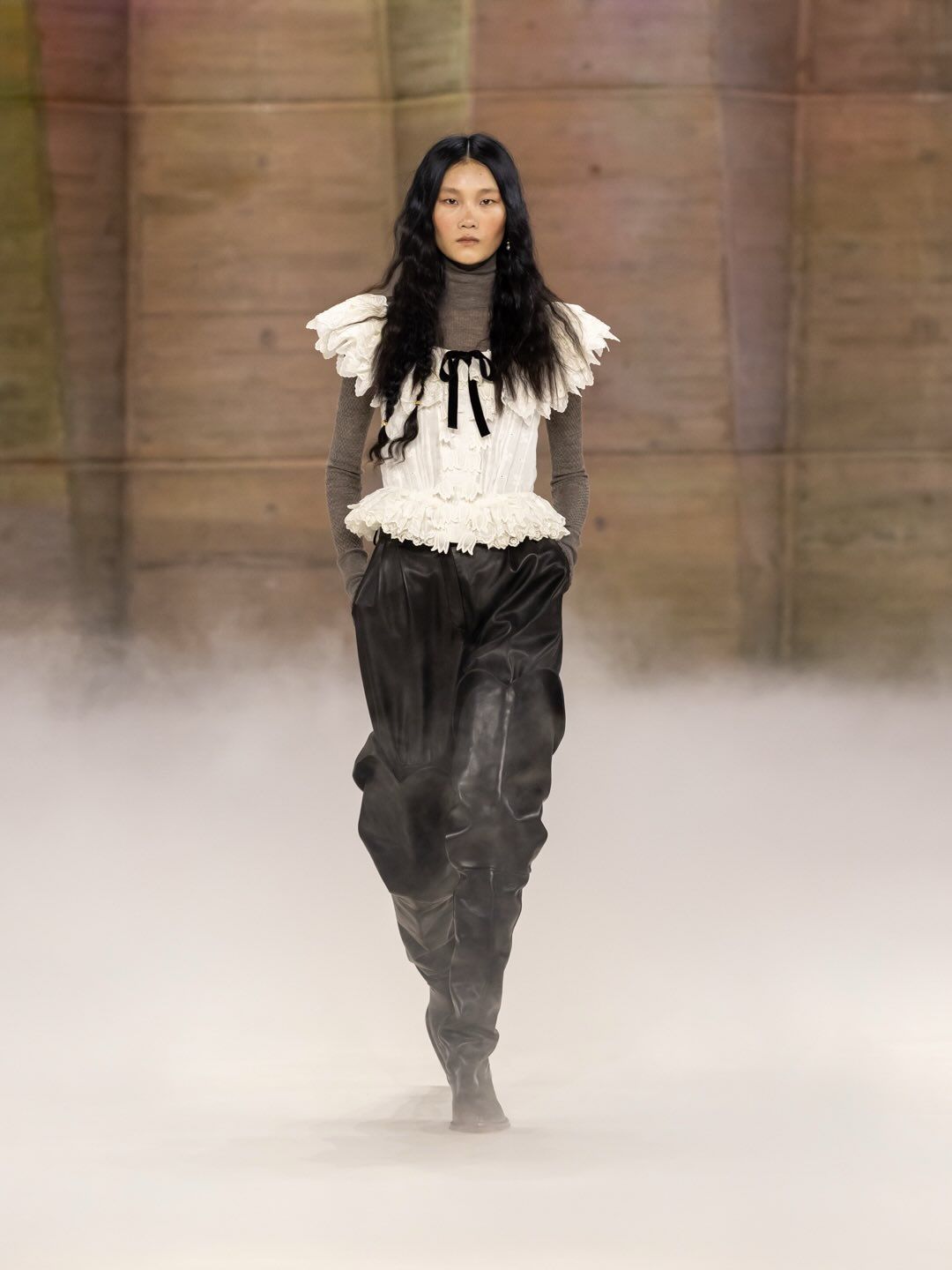
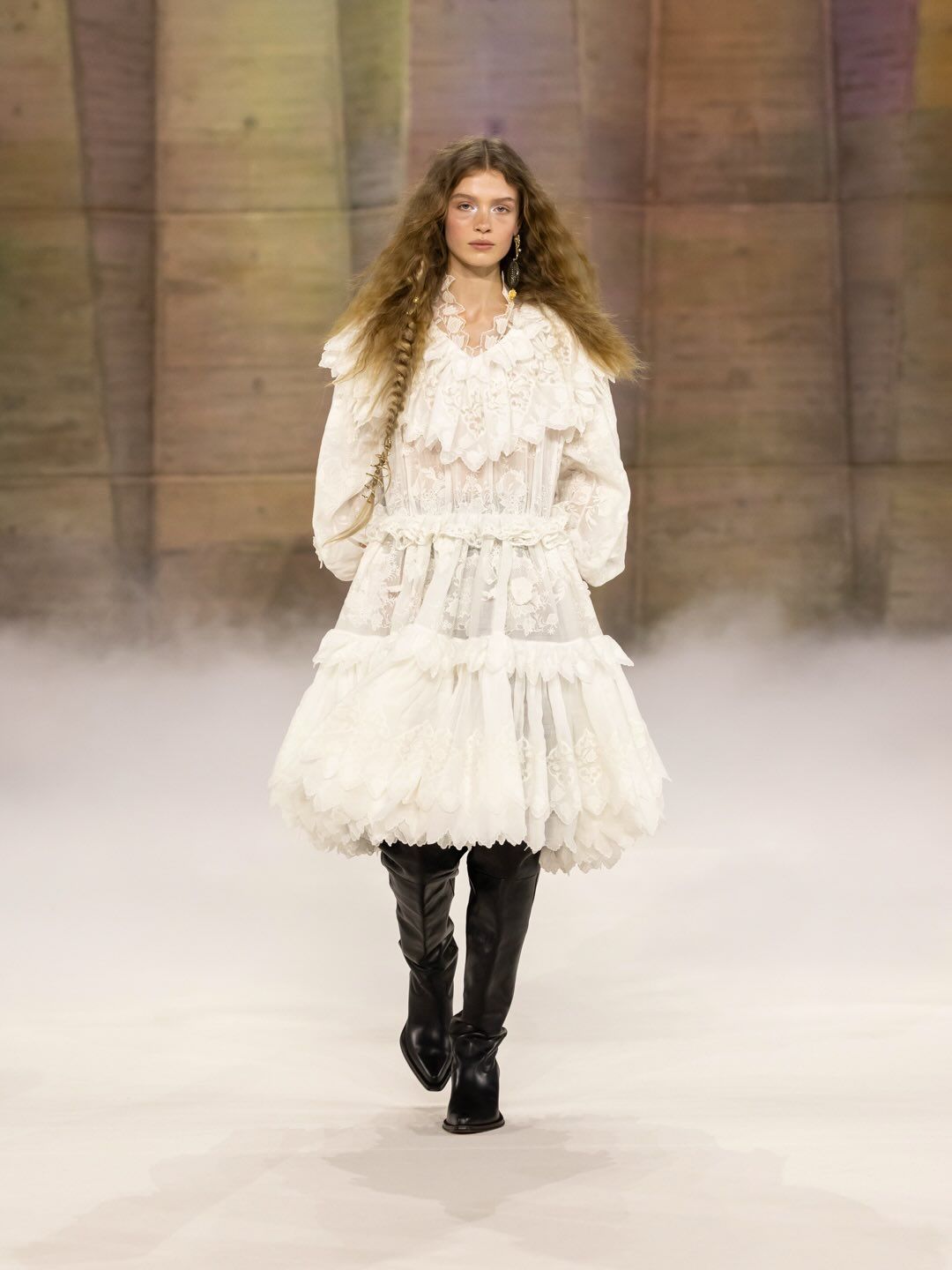
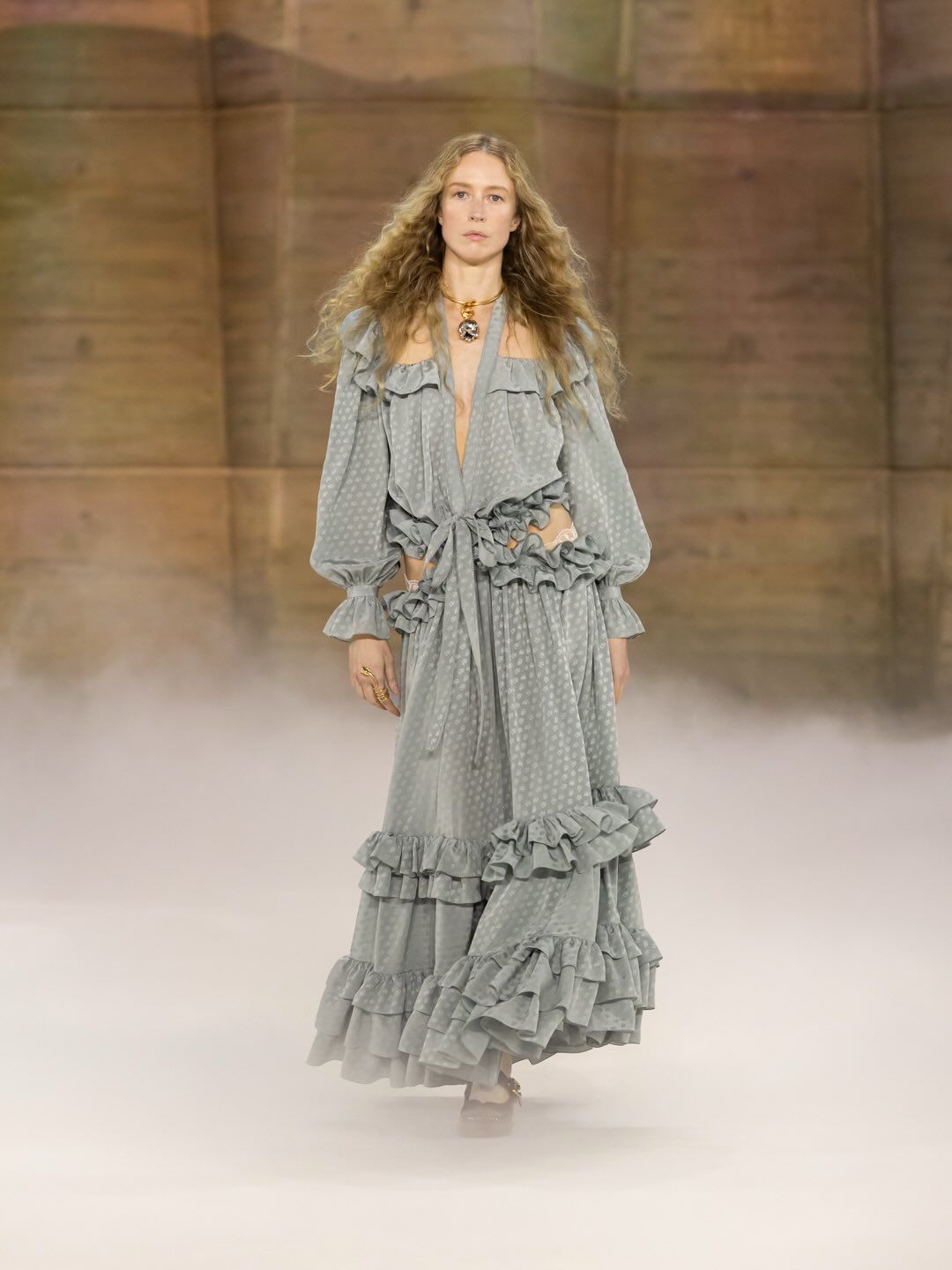
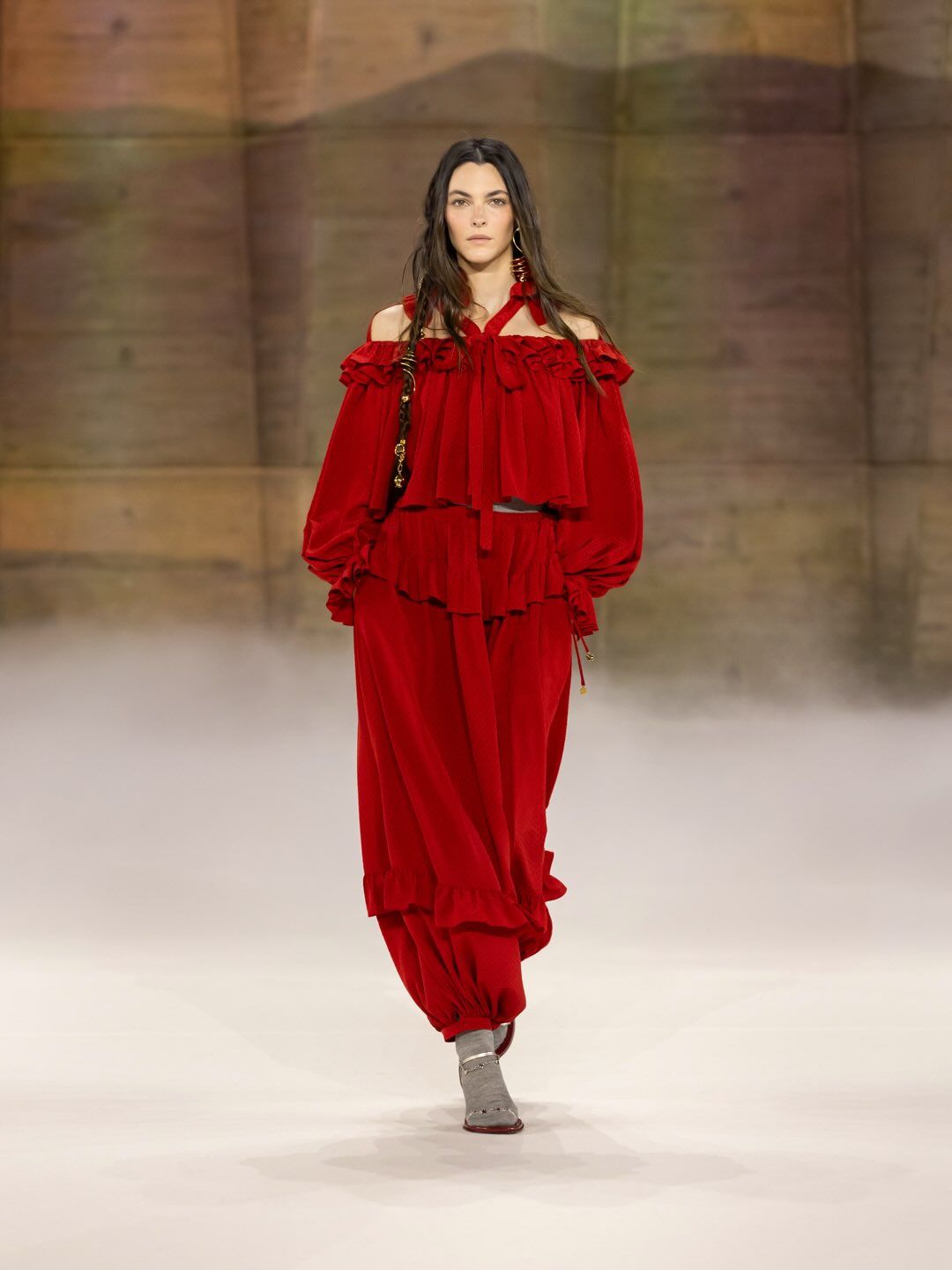
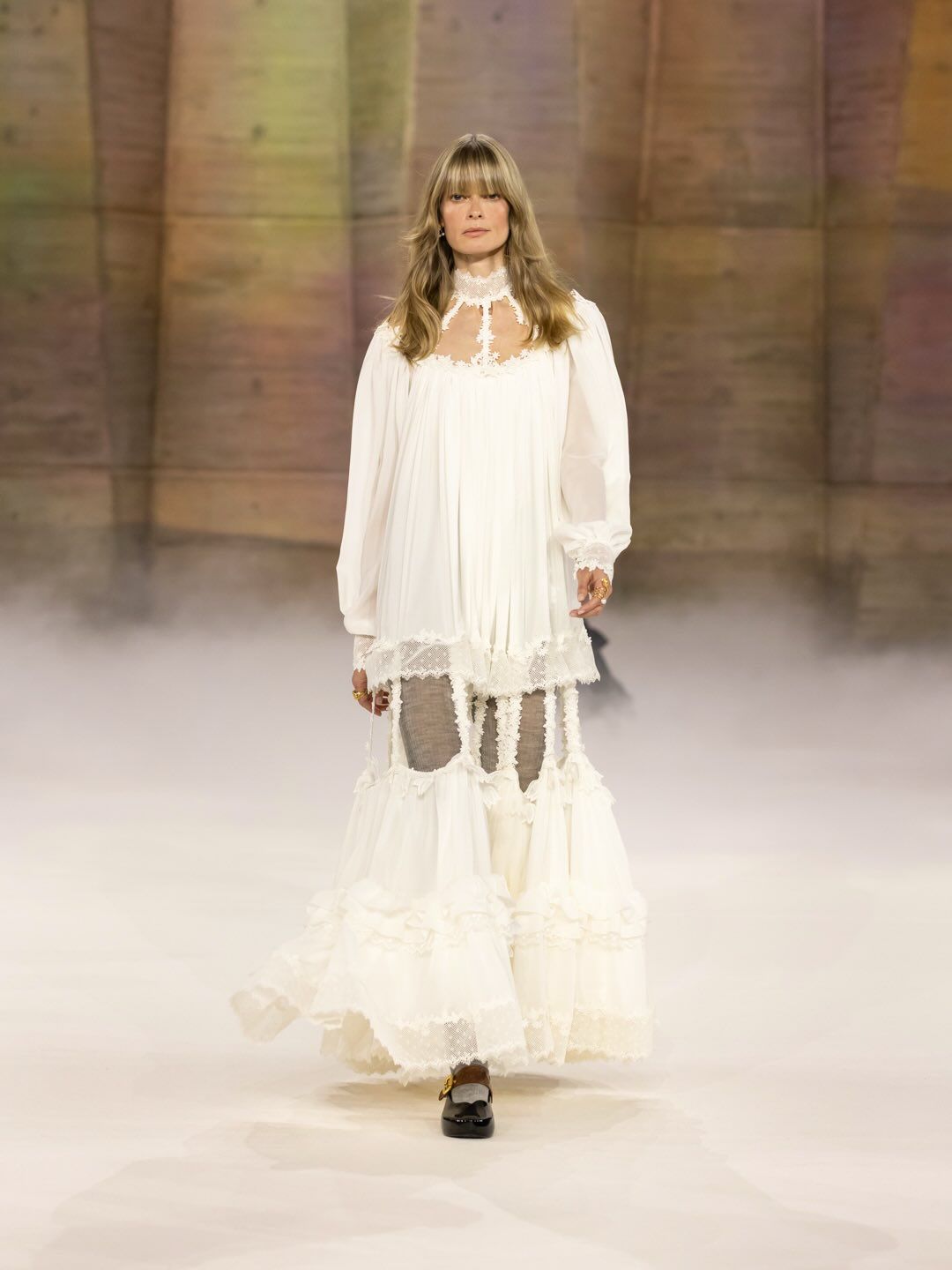
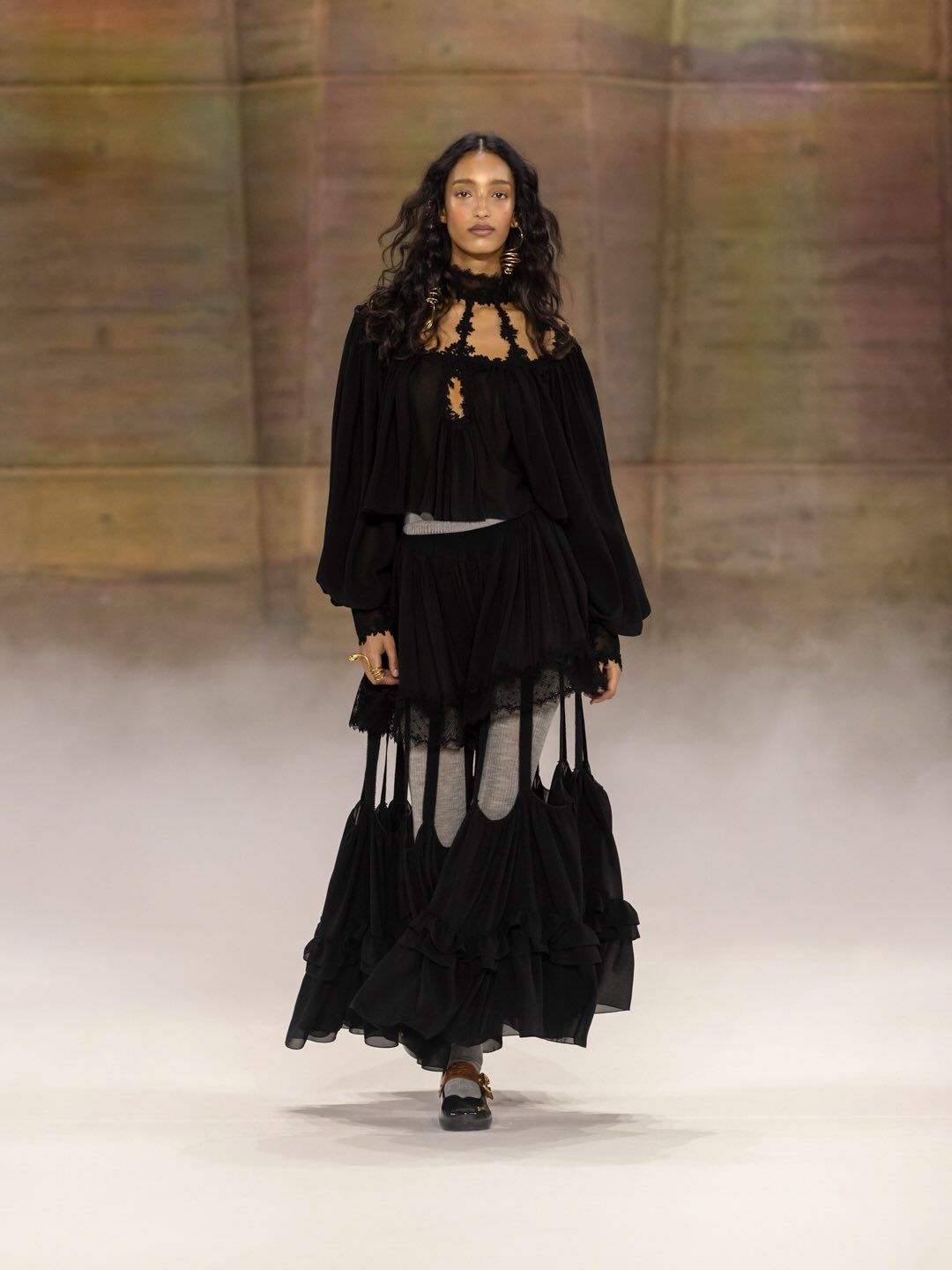
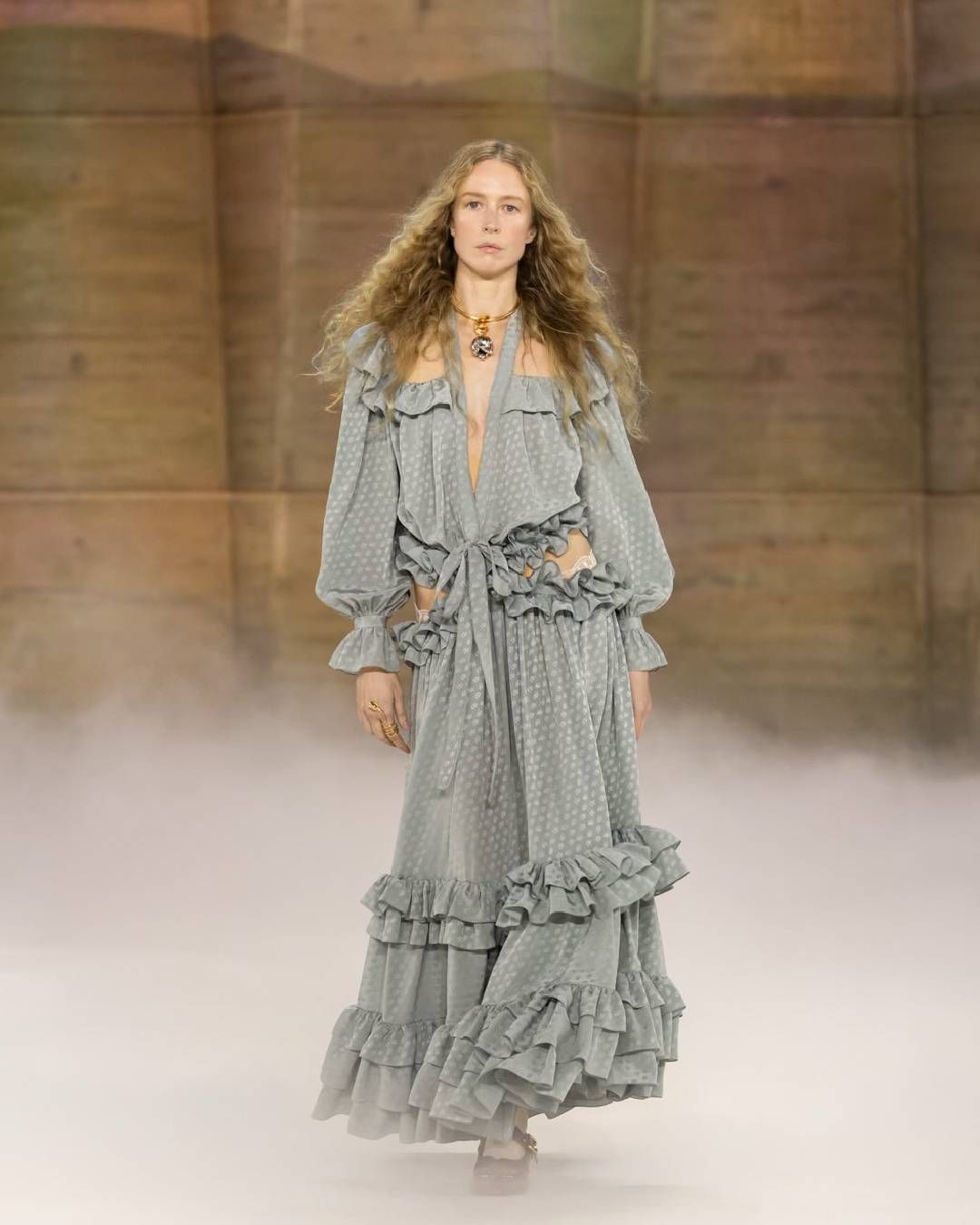
The keyword for the season could be summed up in one word: folkloric. For Autumn-Winter 2026, Chemena Kamali continues to expand the narrative she began upon taking the creative reins at Chloé in 2023. A story often shaped by wandering. In her work, cultural references blend, overlap, and sometimes blur. Inspirations seem to come from everywhere at once: from a fantasized rural America, from diffuse European folklore, or from travel memories spanning the globe. The designer never seeks historical reconstruction. Documentary precision is not the core of her work. What matters to her is evocation: conjuring atmospheres rather than fixing periods. The result is a collection almost suspended in time, as if these silhouettes belong to a parallel reality.
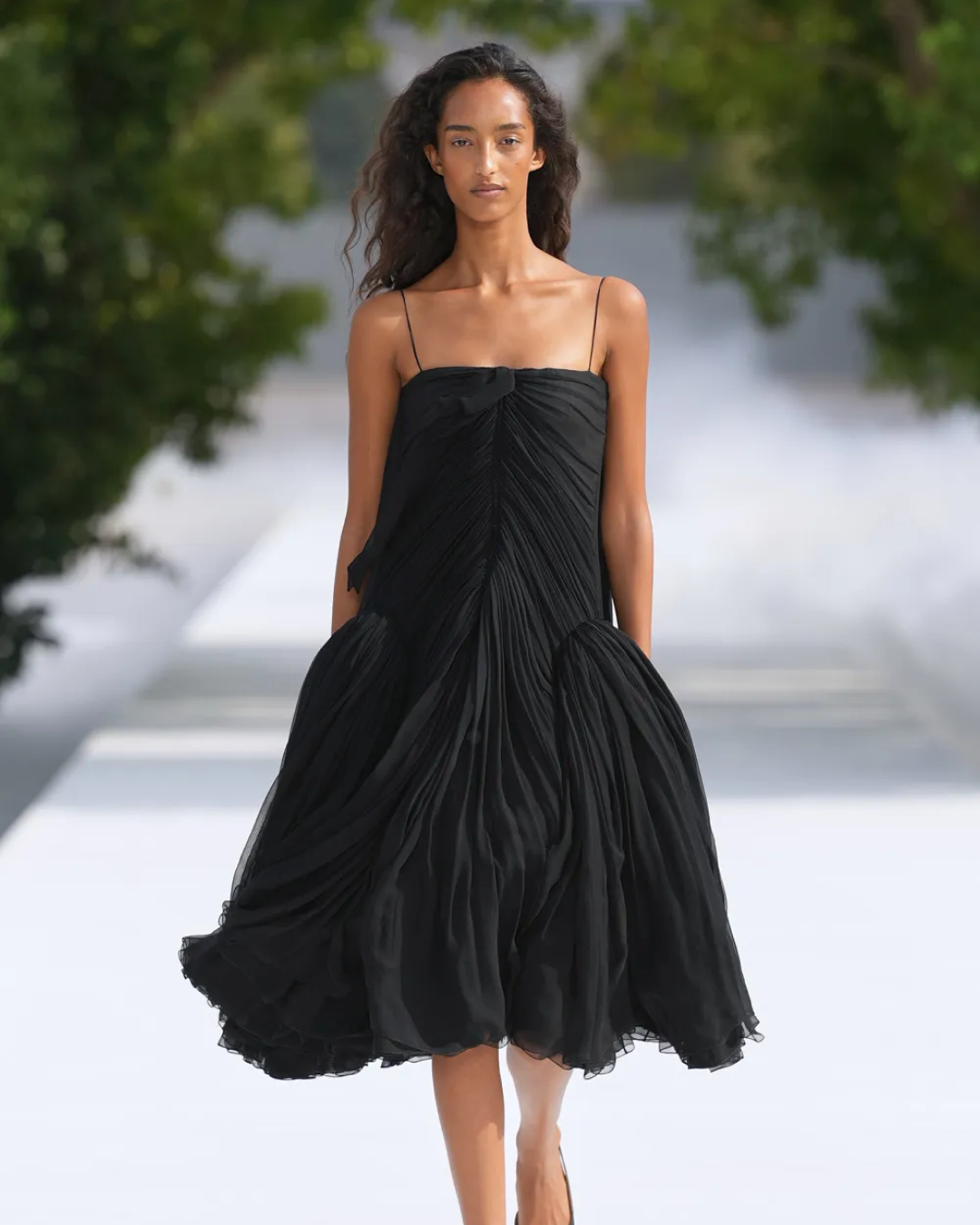
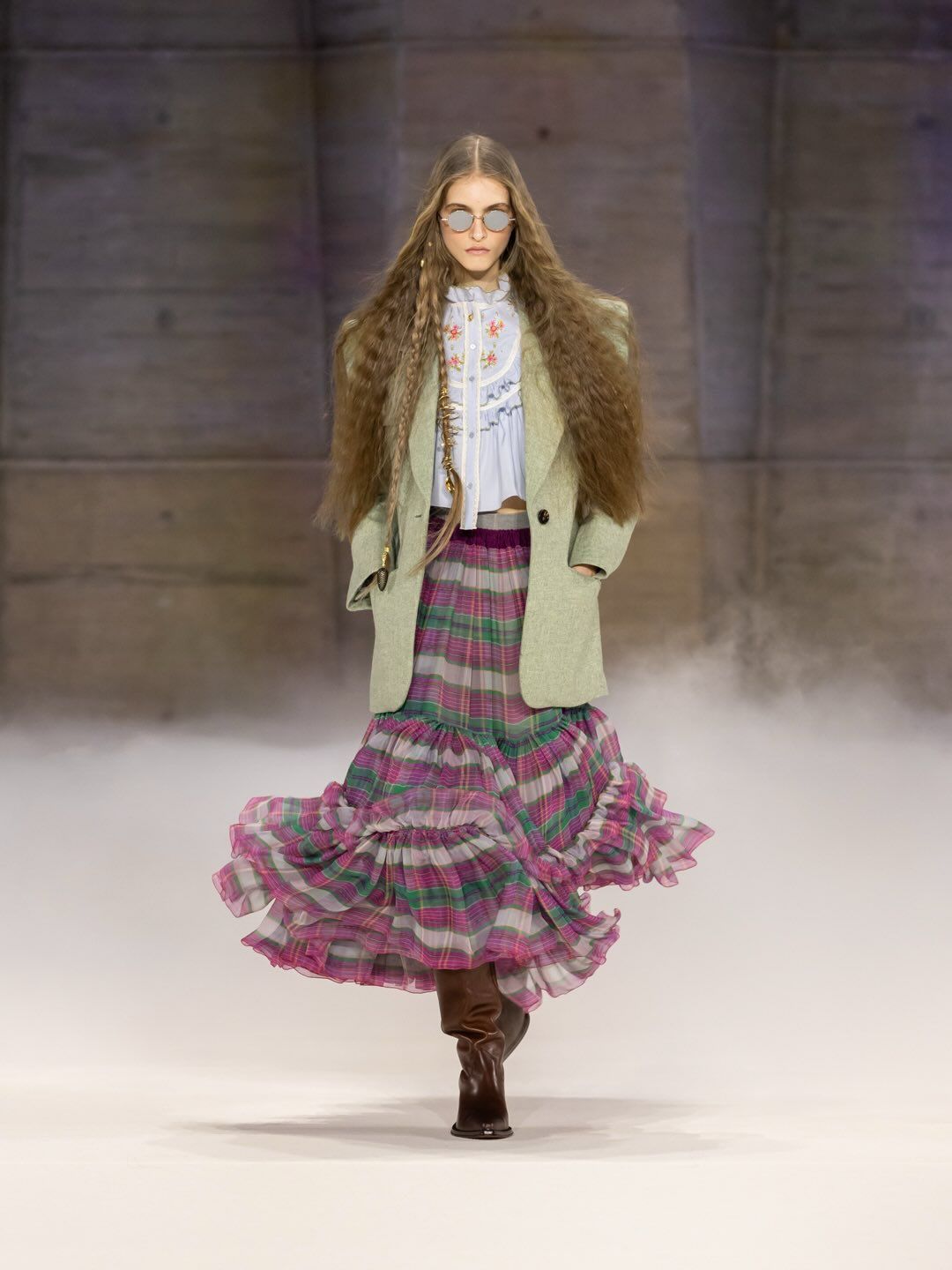
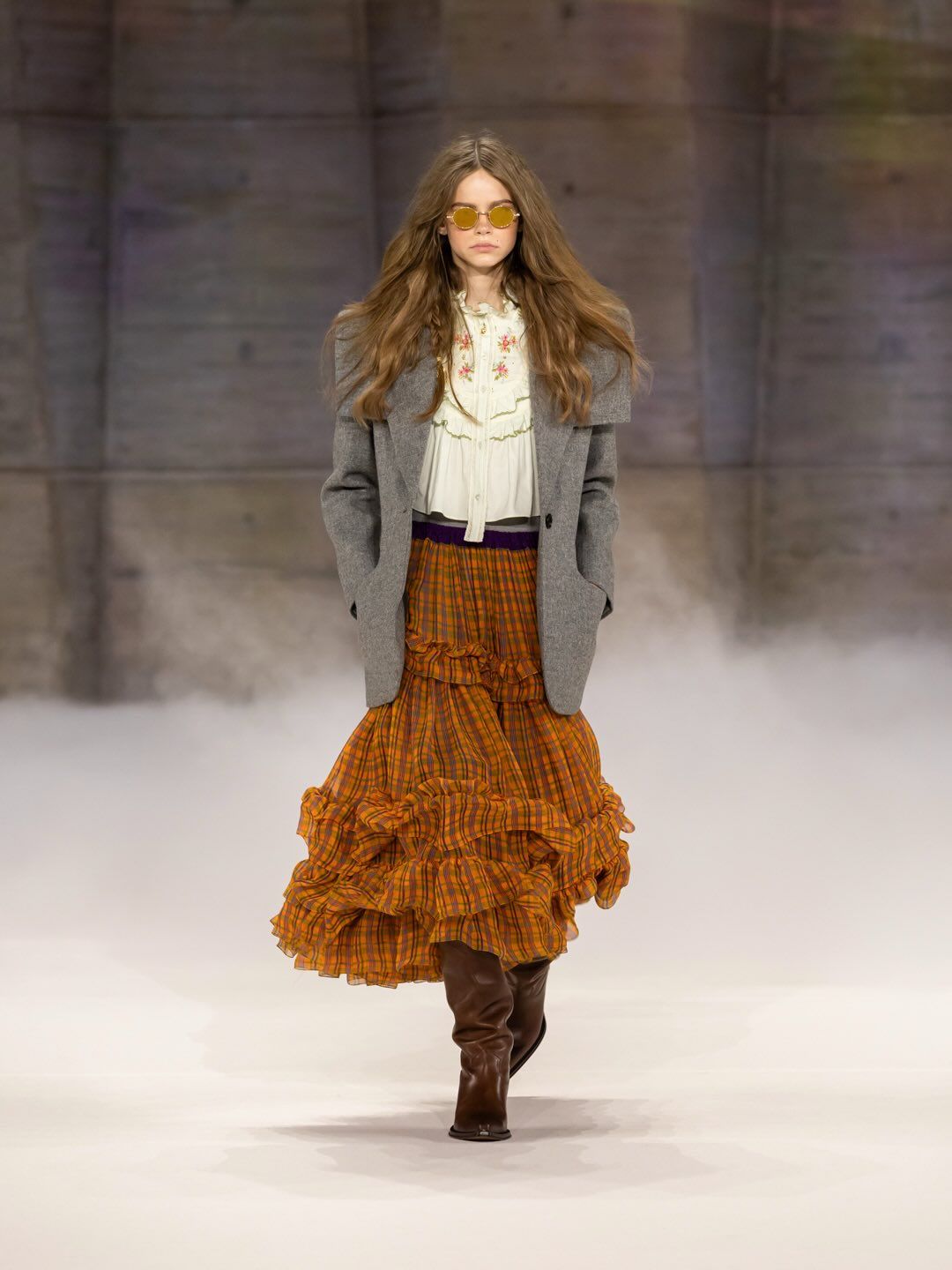
On the runway, nothing seems able to impede the women’s stride. Colored muslins come alive with each step, accompanying the floating silhouettes. Waved hair lifts in the air while necklaces and pendants gently collide, producing a soft, discrete melody. A belt adorned with a large horse-shaped buckle underlines this theme of emancipation. A detail that immediately evokes the idea of vast landscapes, horse rides, and open horizons. Among the dominant motifs of the collection, checks emerge as a guiding thread. They appear everywhere: on airy lavallière blouses, tiered petticoats, flowing dresses, and even on puffed trousers. A motif rich with rural imagery, conjuring visions of agricultural, almost farming America. As the show progresses, the silhouettes gradually leave this pastoral universe behind. Slightly faded hues regain intensity, cuts become more structured, and a transition toward a more urban environment begins to appear. Trench coats, ponchos, and long capes introduce the idea of asphalt, of a bustling, dense city. Yet, the women continue to move with the same lightness. Despite the layering required to face winter, the silhouettes retain an airy fluidity.
Conversely, some silhouettes evoke a much more intimate register. As if the collection suddenly moves from outside to inside. Midway through the show, outerwear takes a step back in favor of mid-season pieces: hooded knit vests, straight dresses worn without jackets, adorned with a slightly kitschy doily. A subtle way to introduce a domestic imagination at the heart of this nomadic wardrobe.
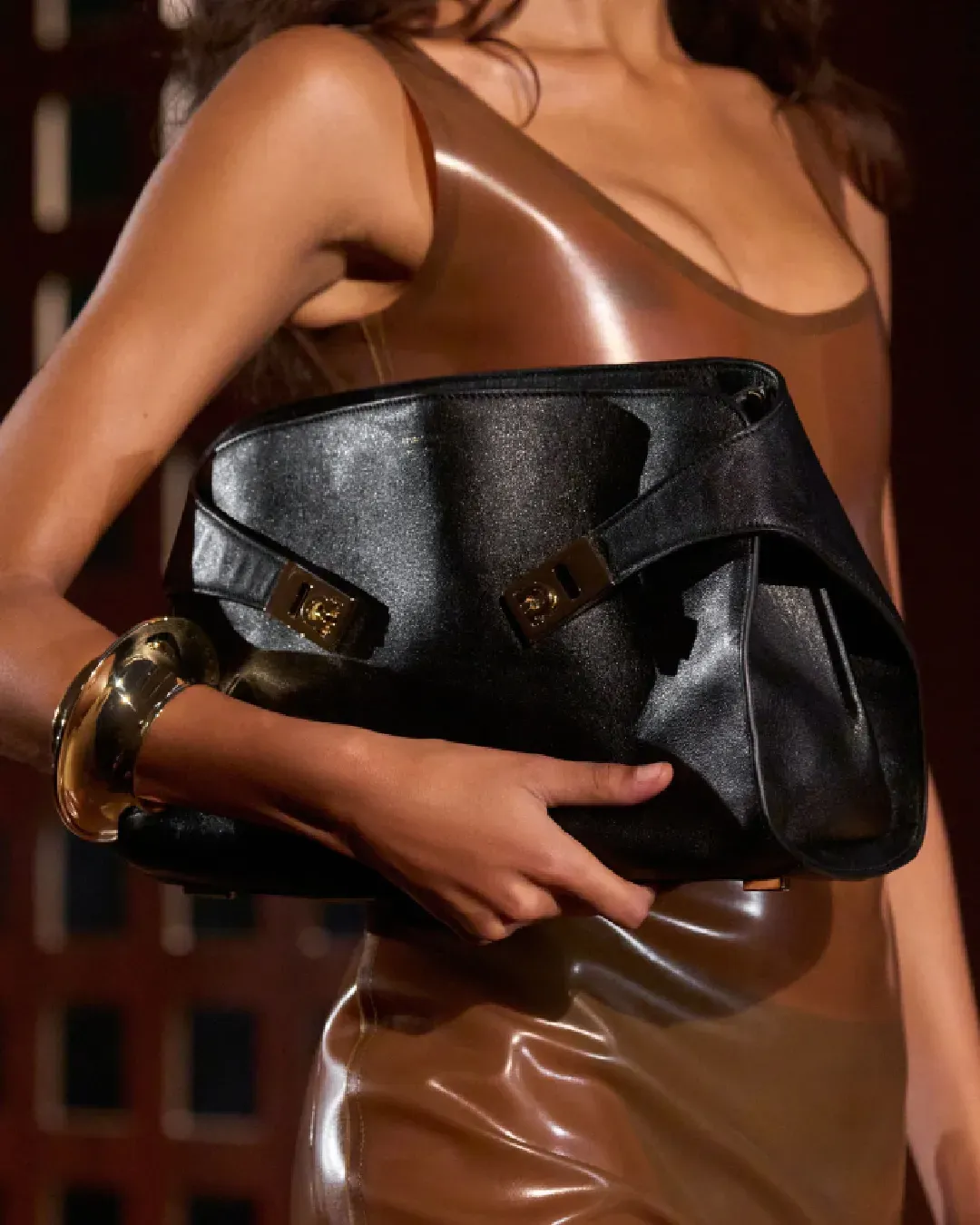
Accessories extend this narrative. Fur-lined thigh-high boots wrap the legs and reinforce the winter dimension of the collection, while oversized soft leather crossbody bags accentuate the sense of travel and movement. If fringes were central in Kamali’s previous collections, this season they are much more discreet. The designer uses them sparingly, as a nod to past proposals rather than a major motif. In the hair, braided or left loose, jewels, pearls, and small charms slip in. So many talismans that evoke freedom. Highly anticipated, the collection, however, did not generate unanimous enthusiasm. After several seasons widely praised by critics, the reception of this proposal is more nuanced. Some observers criticize Chemena Kamali for delivering a collection that is too “commercial,” too reassuring, while others point to an accumulation of references and ornaments. A revealing paradox: the collection is accused of both doing too much and staying too cautious. The course taken by Kamali from her first collection for Chloé remains unchanged. The narrative unfolds slowly, collection after collection, like a story being turned page by page. This approach recalls the spirit instilled by Gaby Aghion, who from the start envisioned a fashion created by a woman for women: free from the constraints of traditional couture. One can also perceive a subtle echo of Phoebe Philo, whose Chloé in the 2000s established an intellectual and independent femininity.
In a fashion landscape often dominated by speed and spectacle, this obstinate softness may seem subversive. Silhouettes float, whirl, and move without constraint, as if Kamali were creating a refuge in a world traversed by violence and constant urgency. Her collection seems to address women above all, offering them a separate space, a suspended moment where lightness and freedom regain their full meaning. Is Chemena Kamali, ultimately, trying to speak to women — and only to them?