























The unexpected futurism of Louis Vuitton's FW26 collection For Pharrell Williams, tomorrow is already a classic
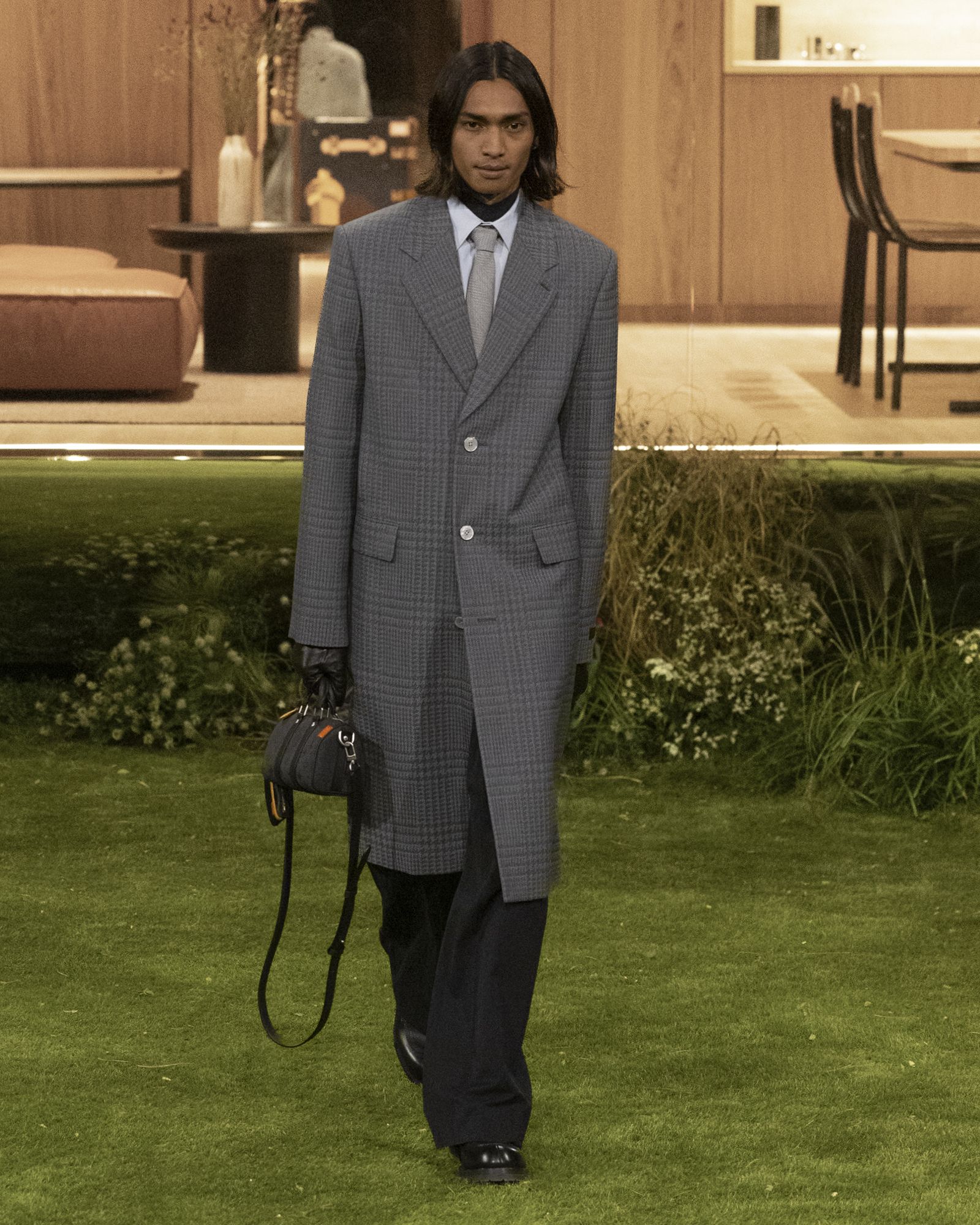
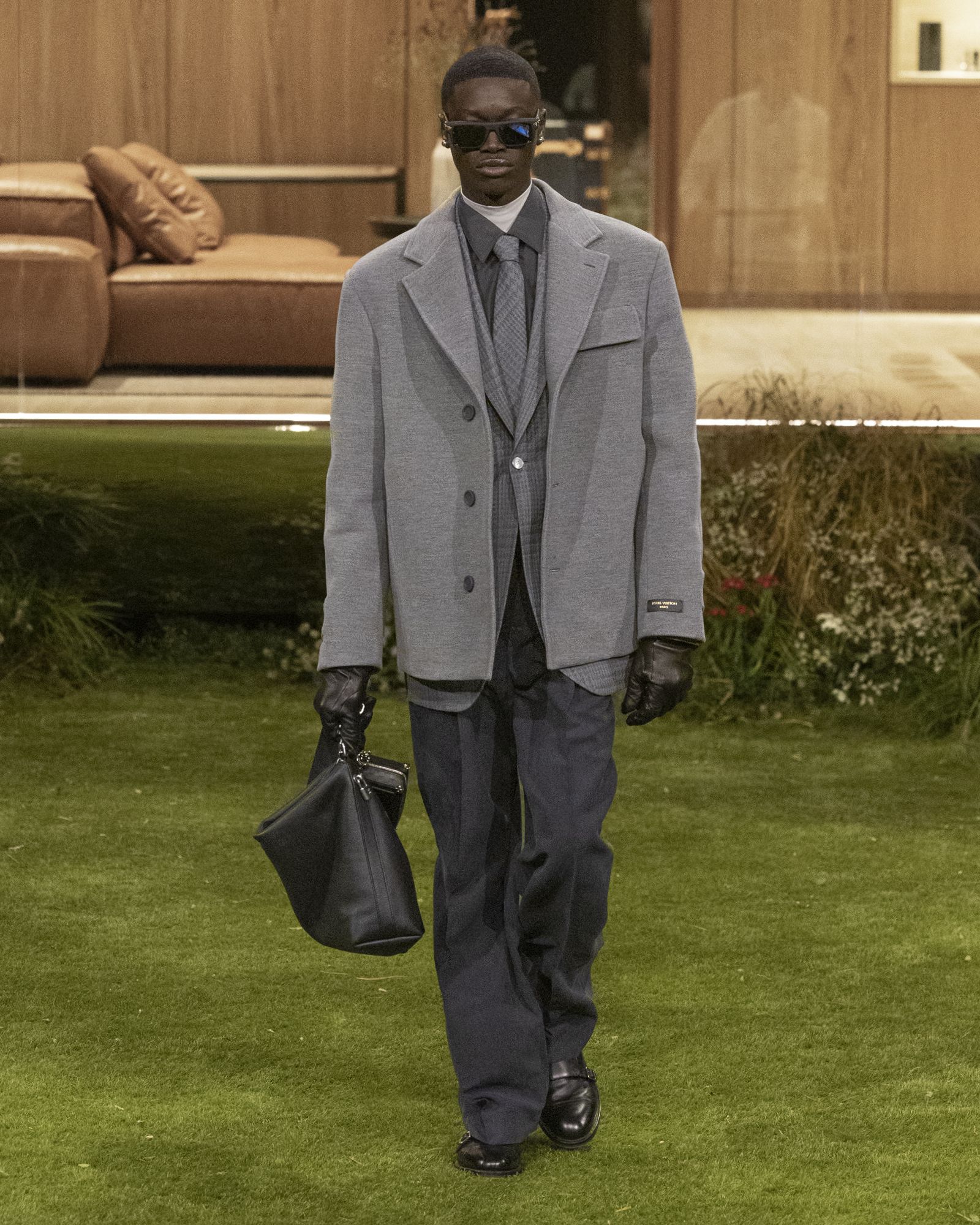
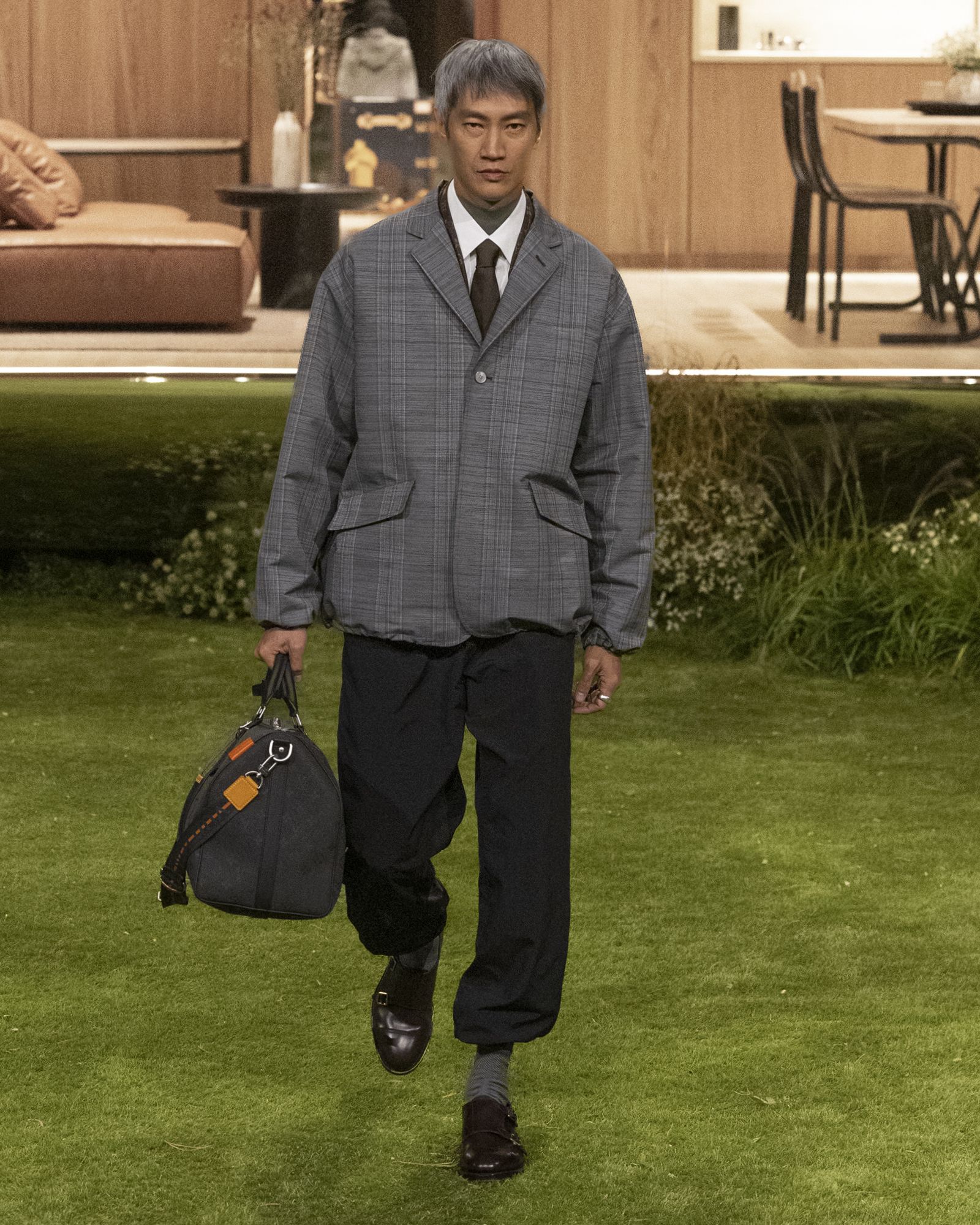
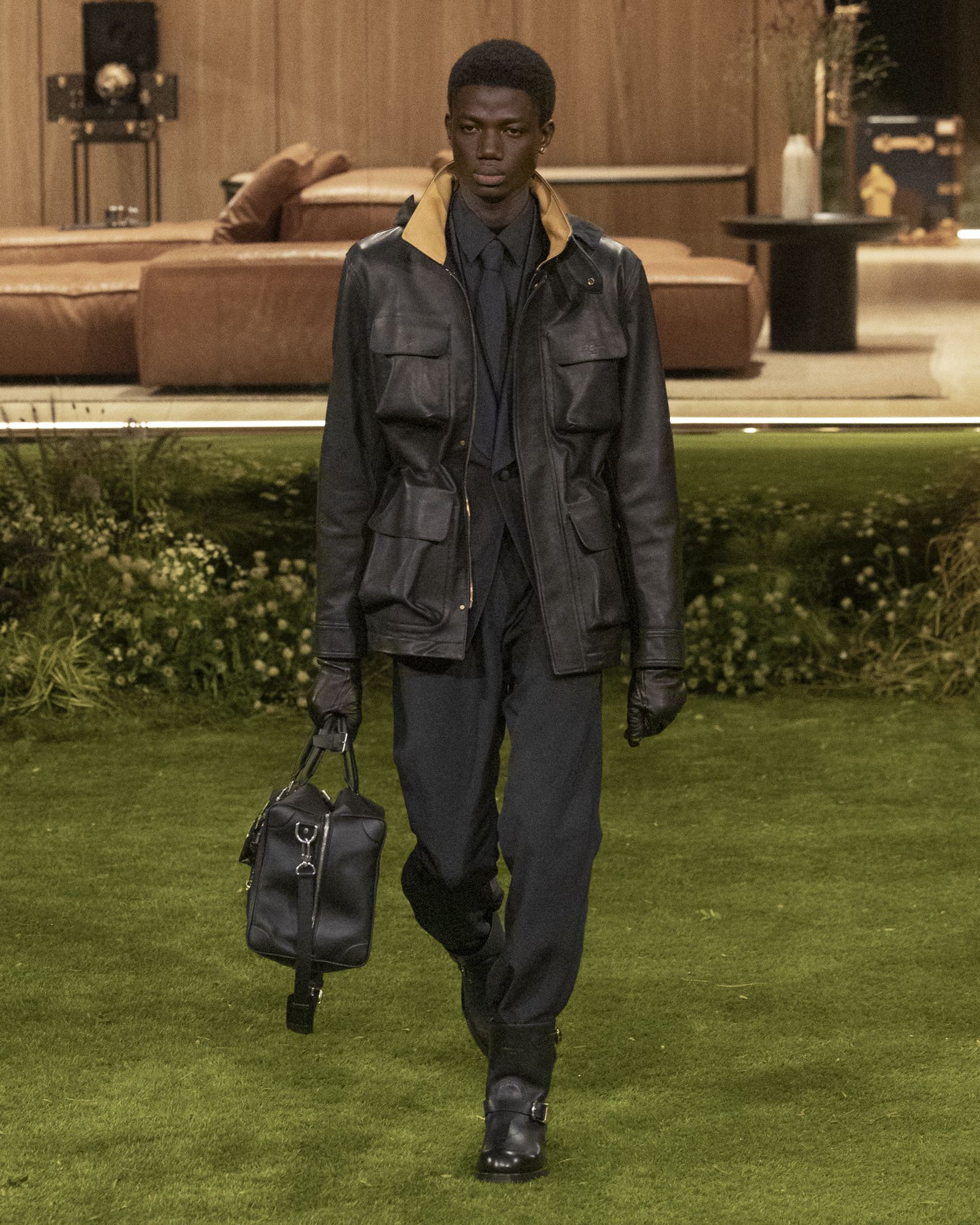
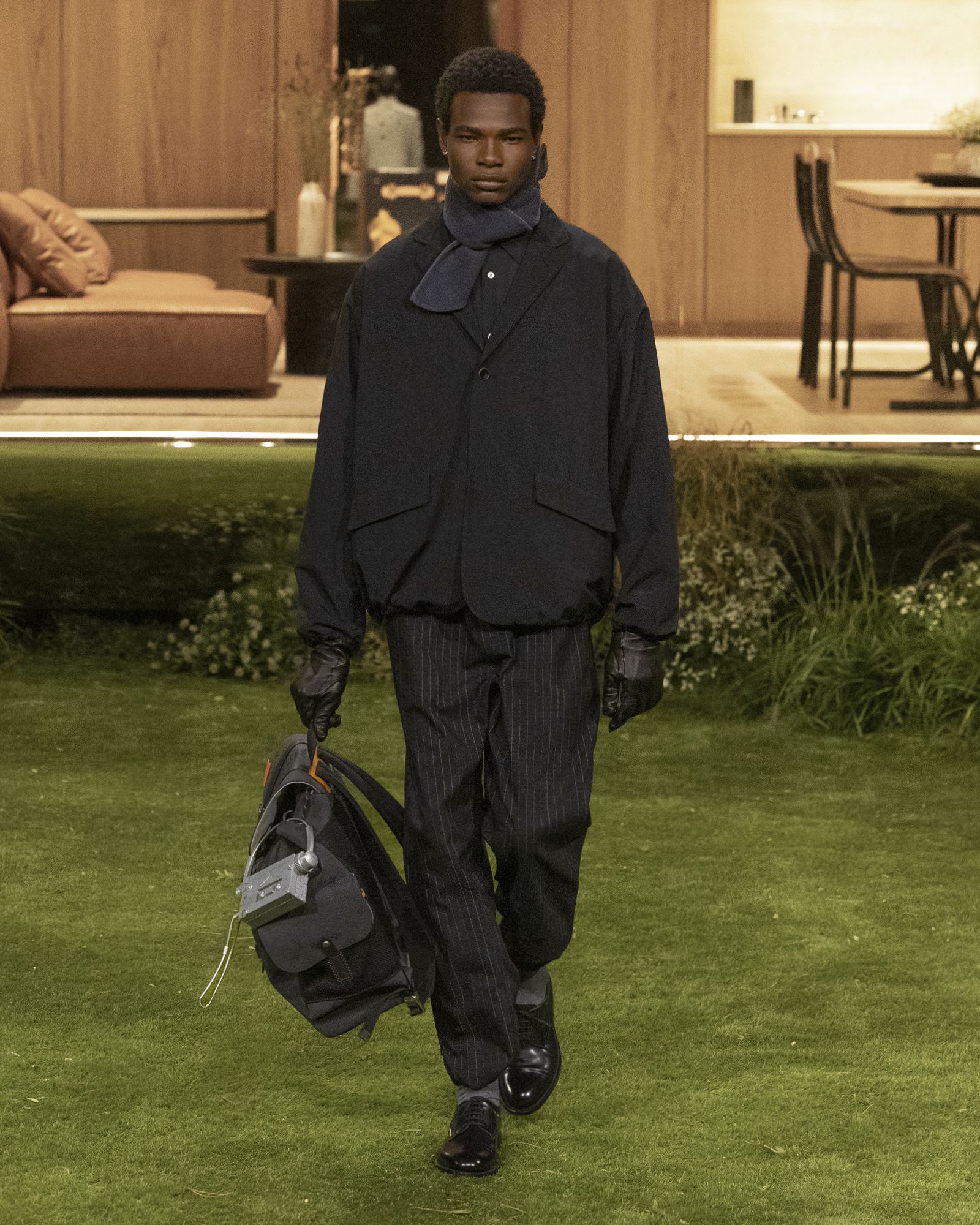
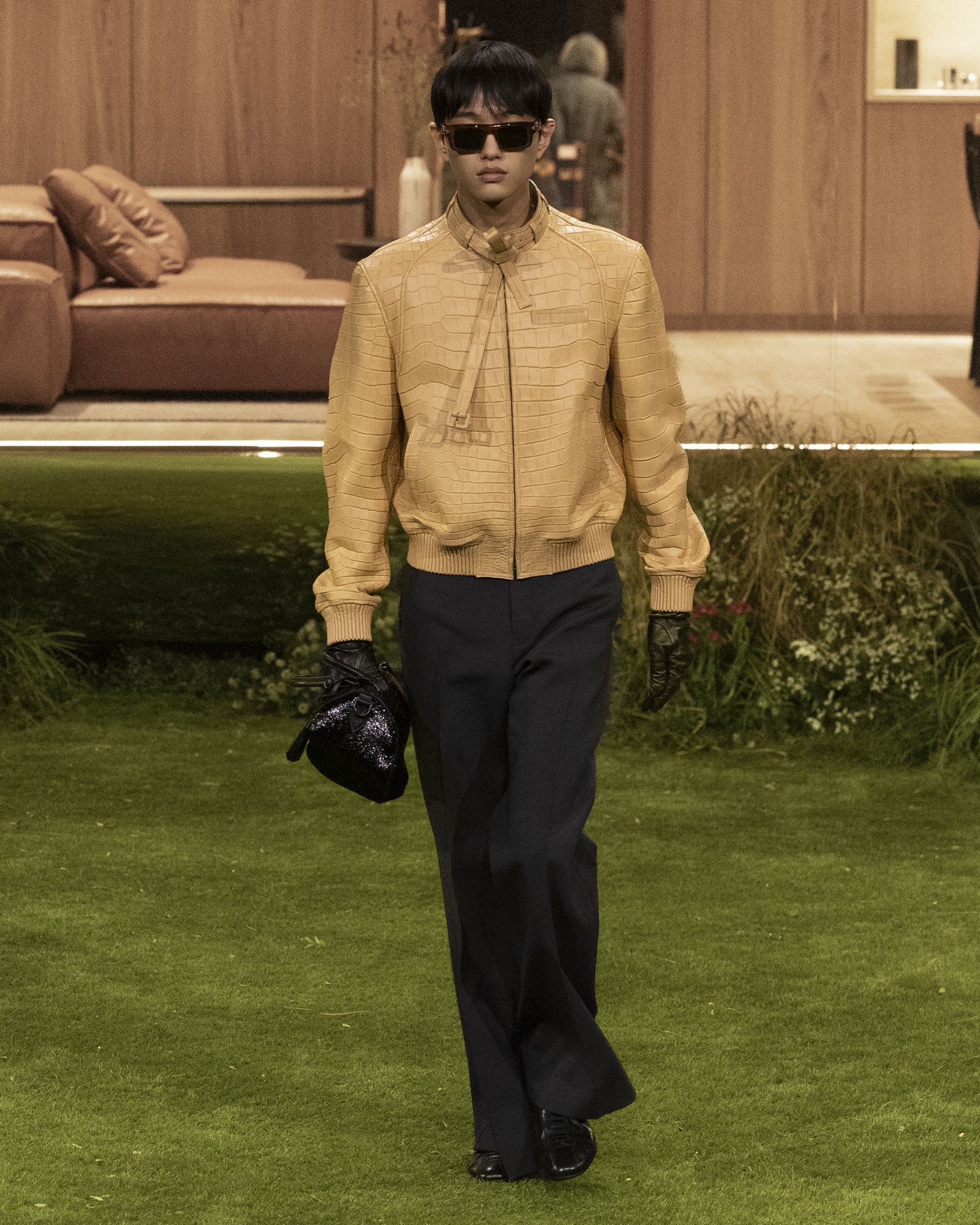
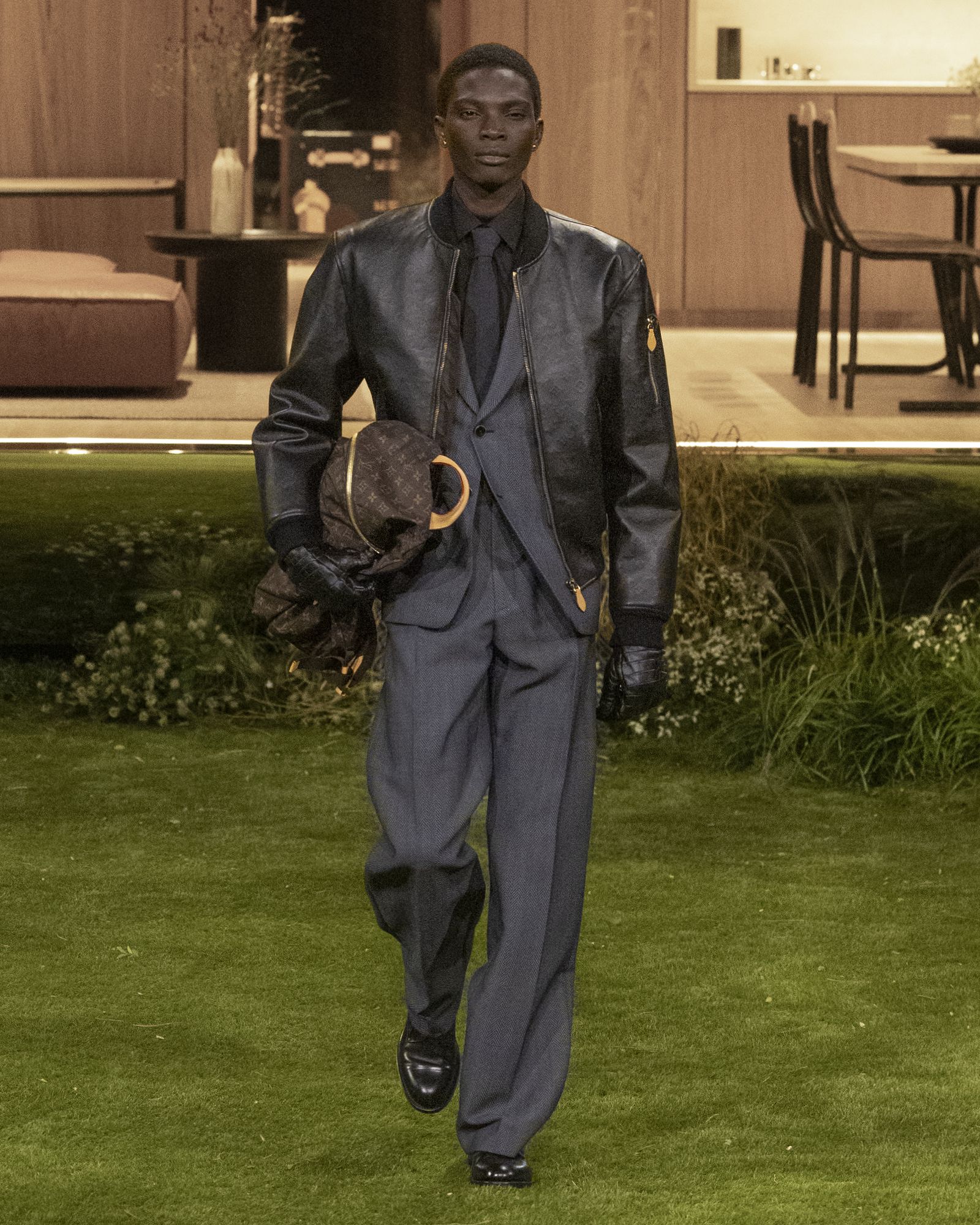
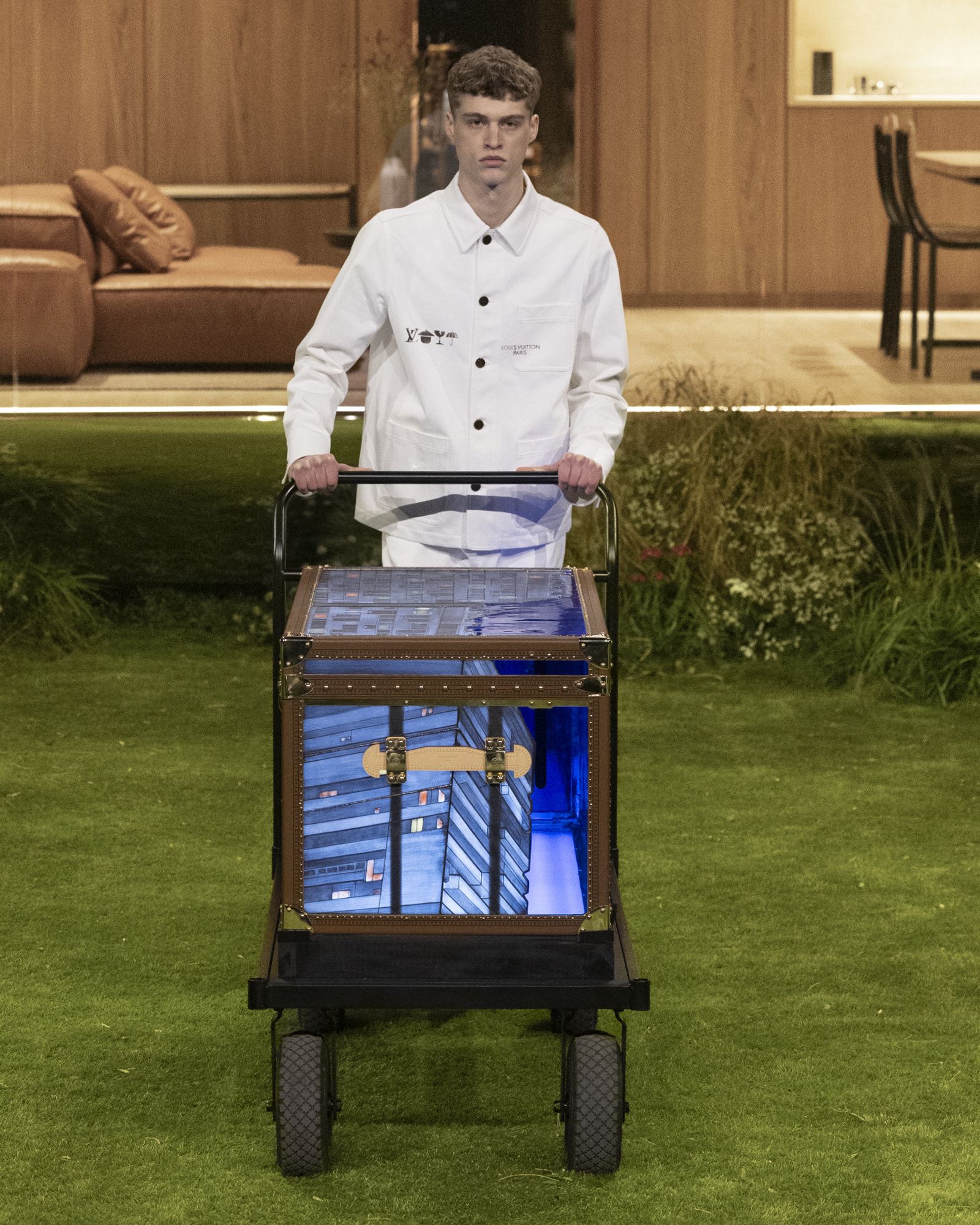
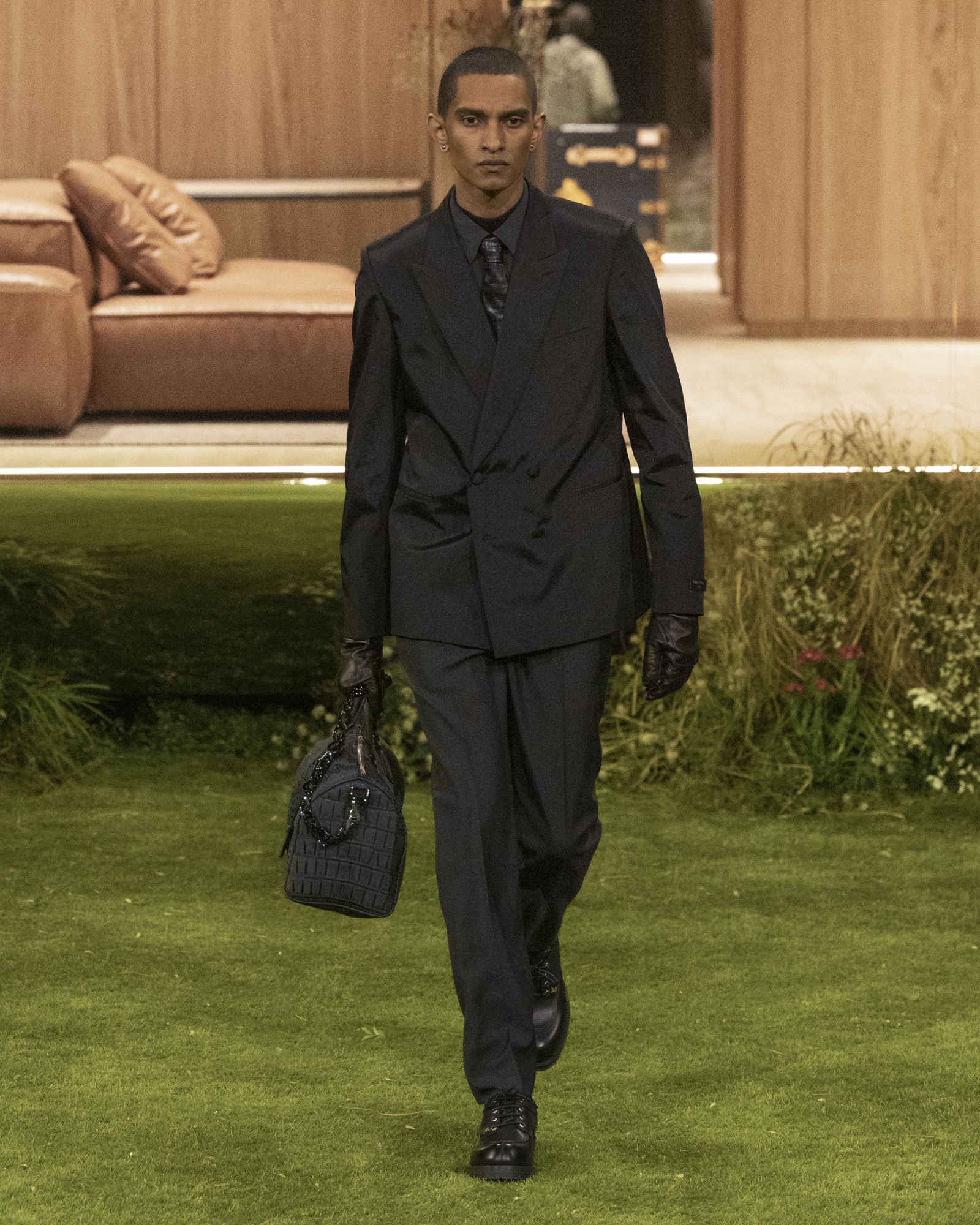
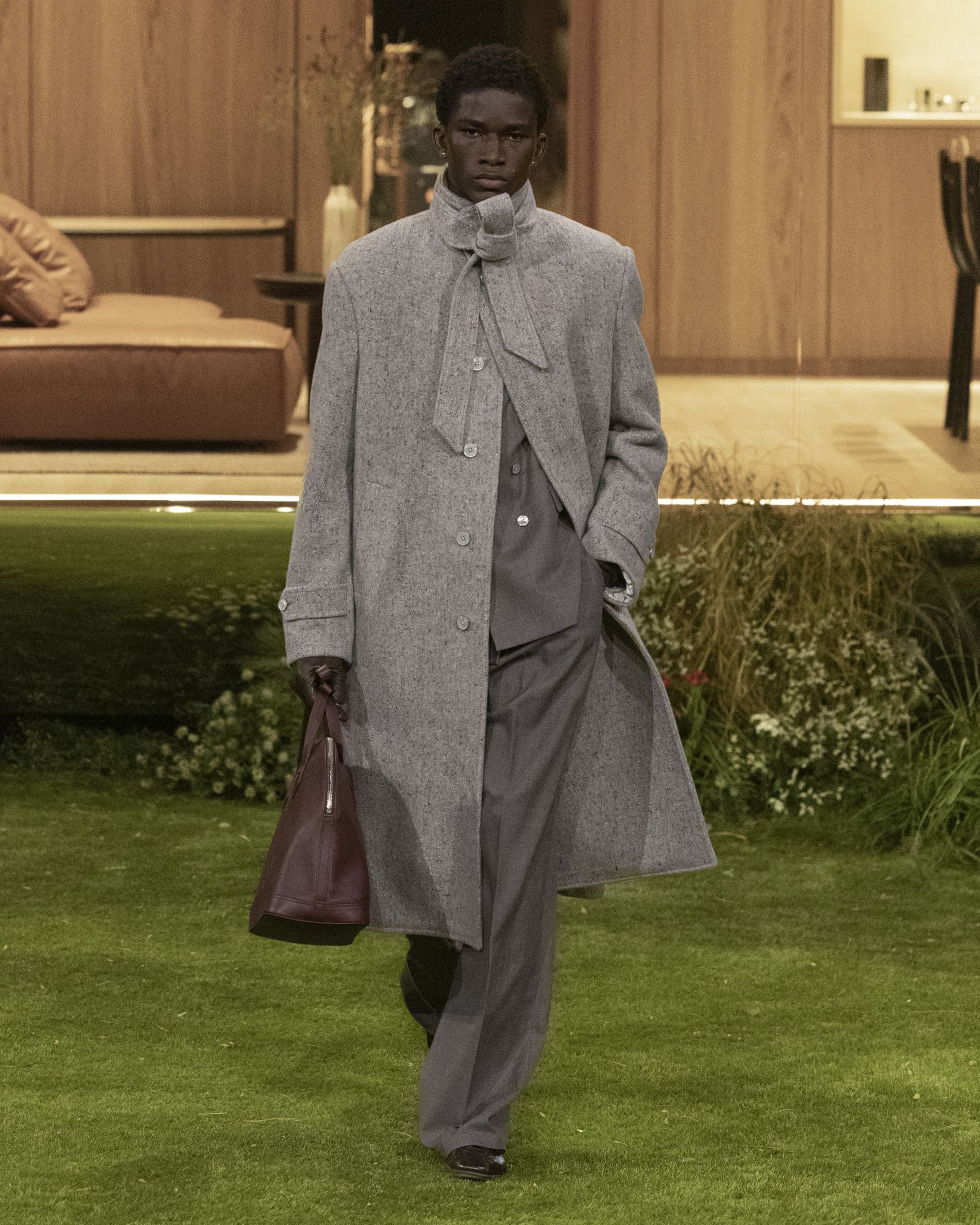
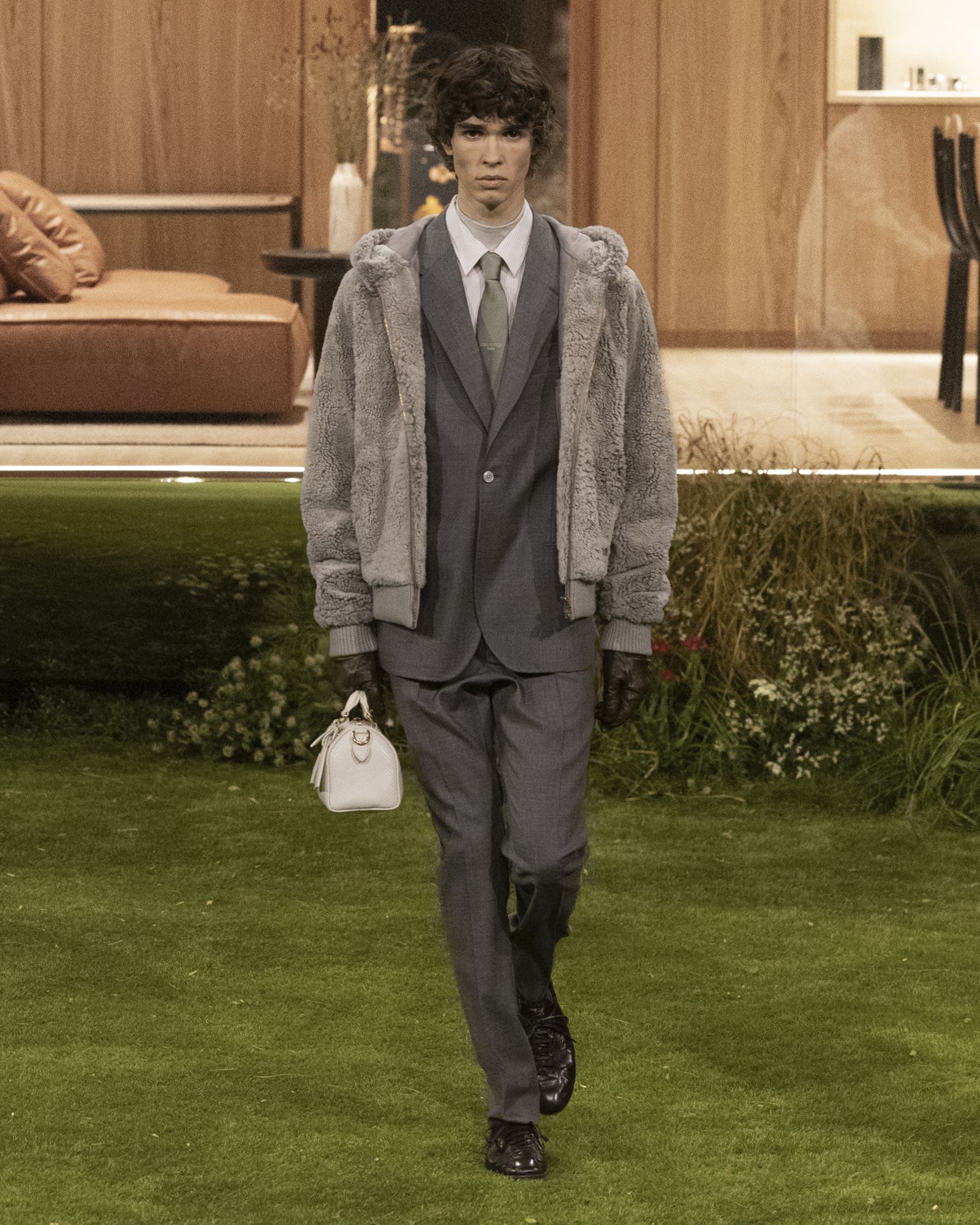
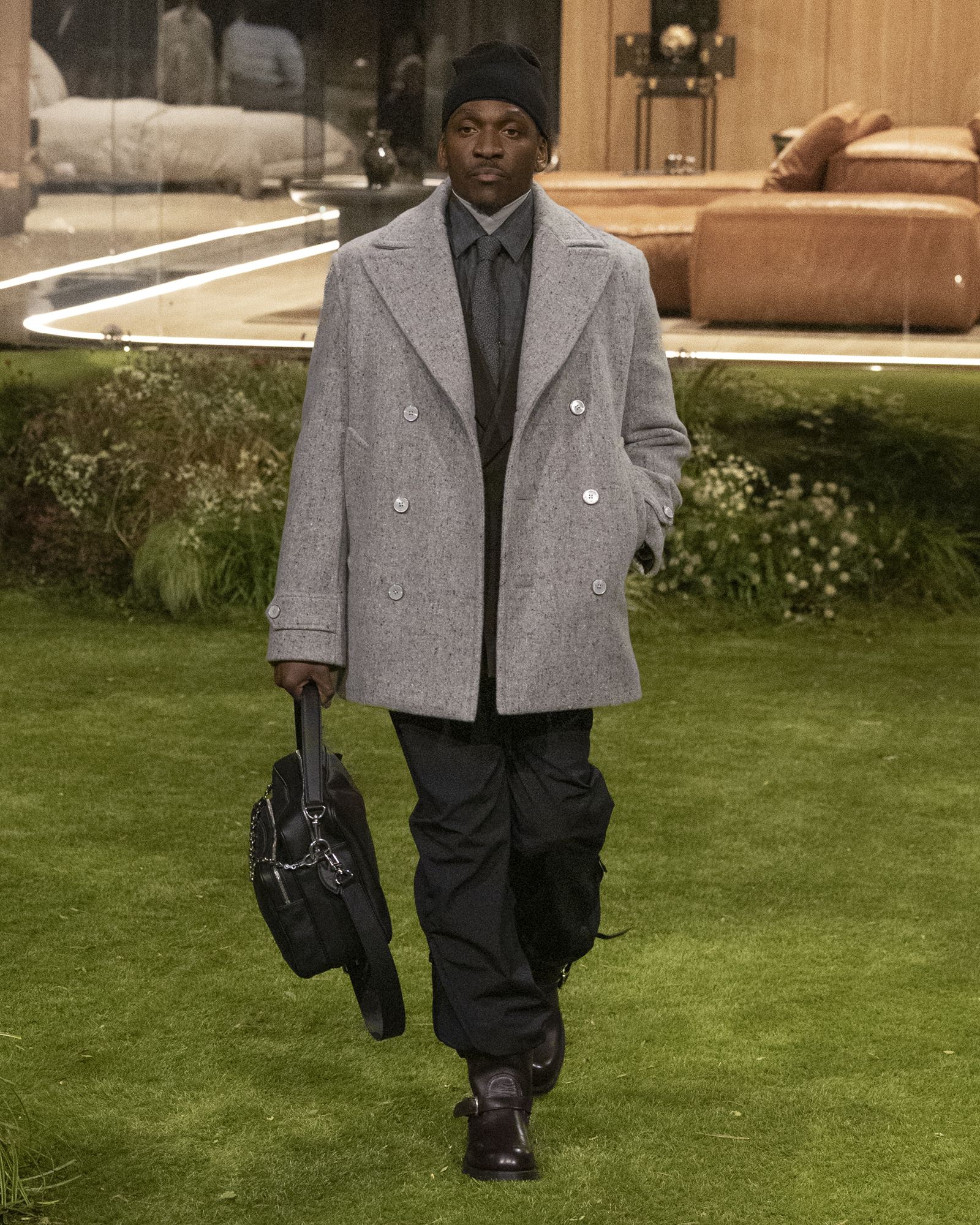
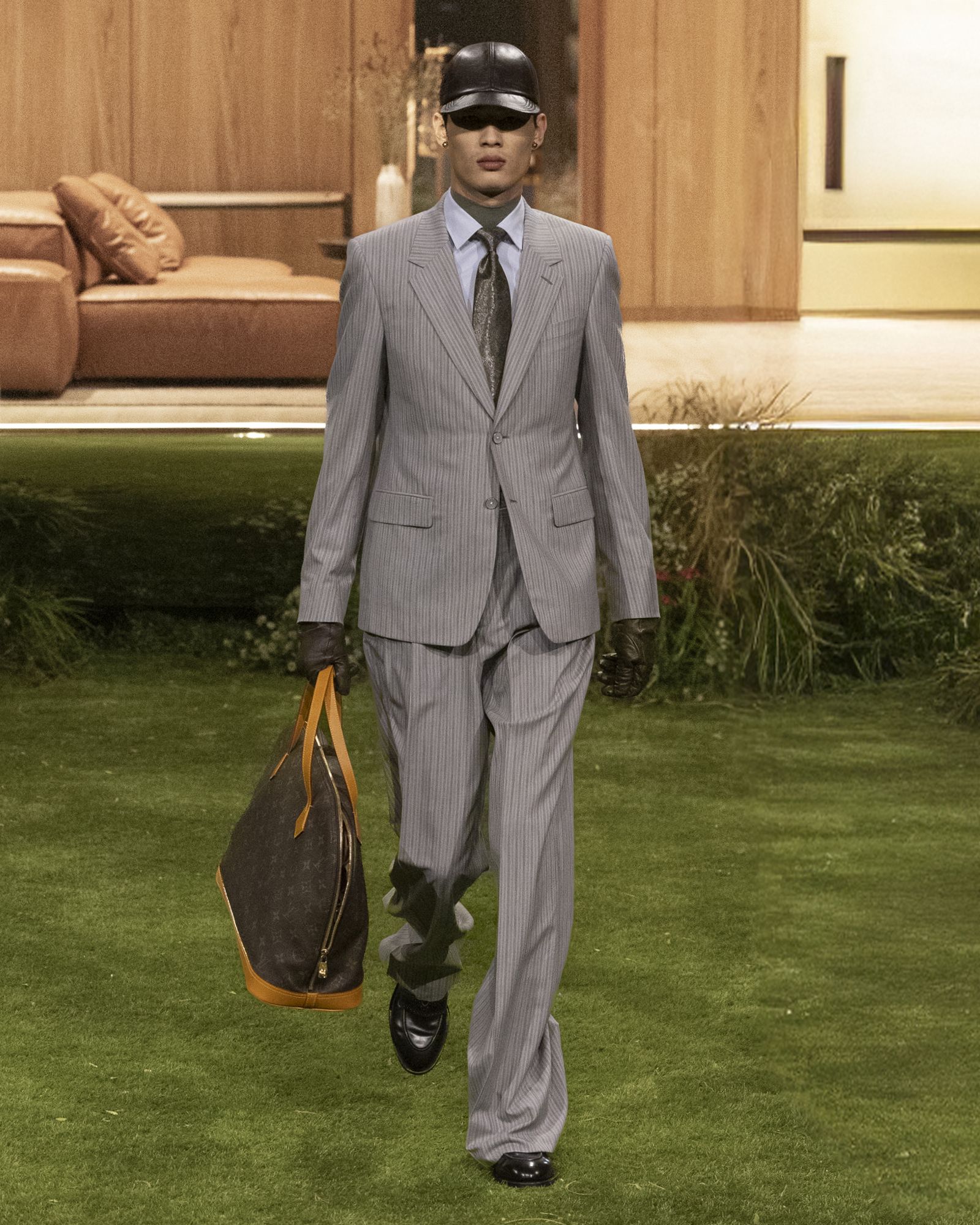
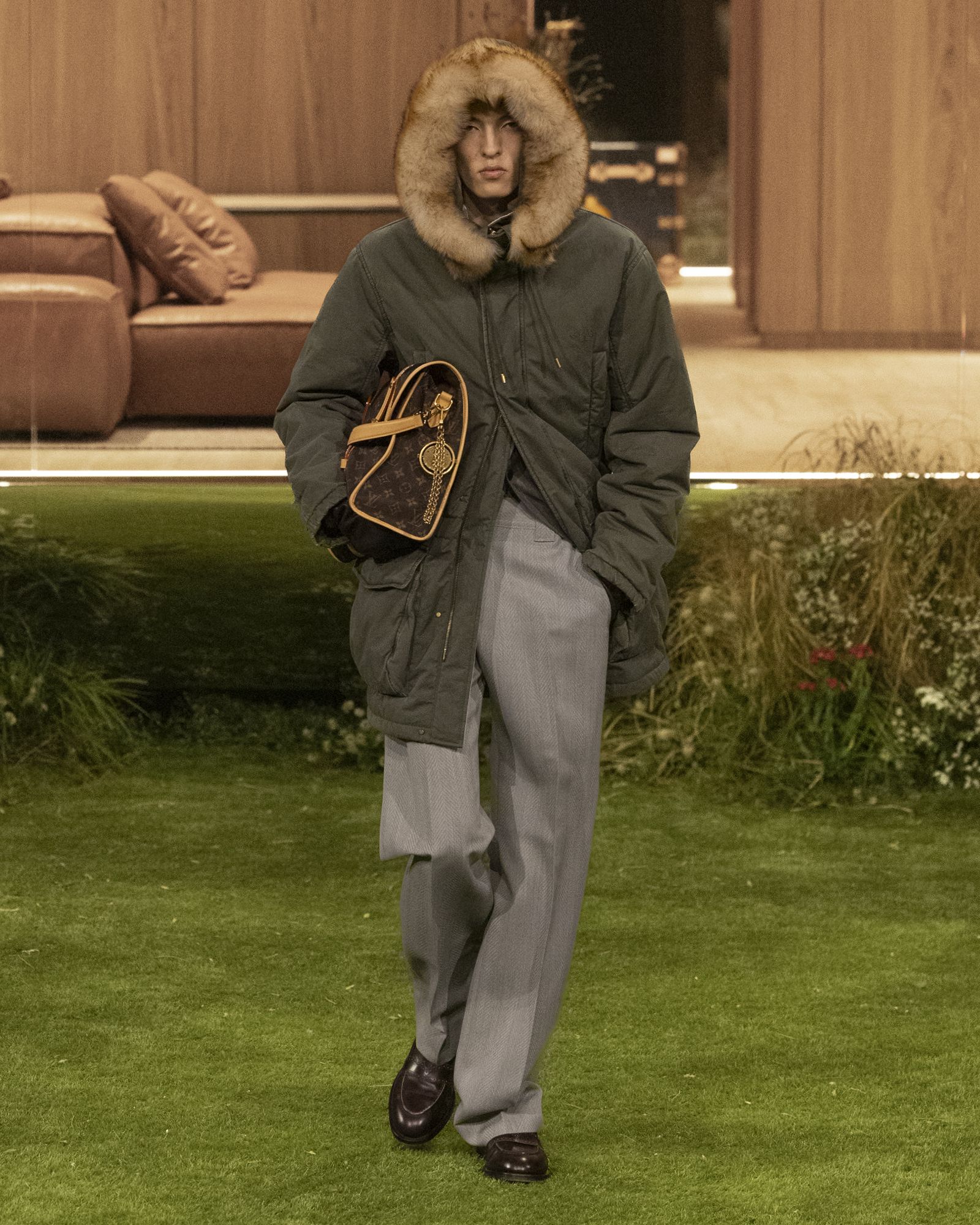
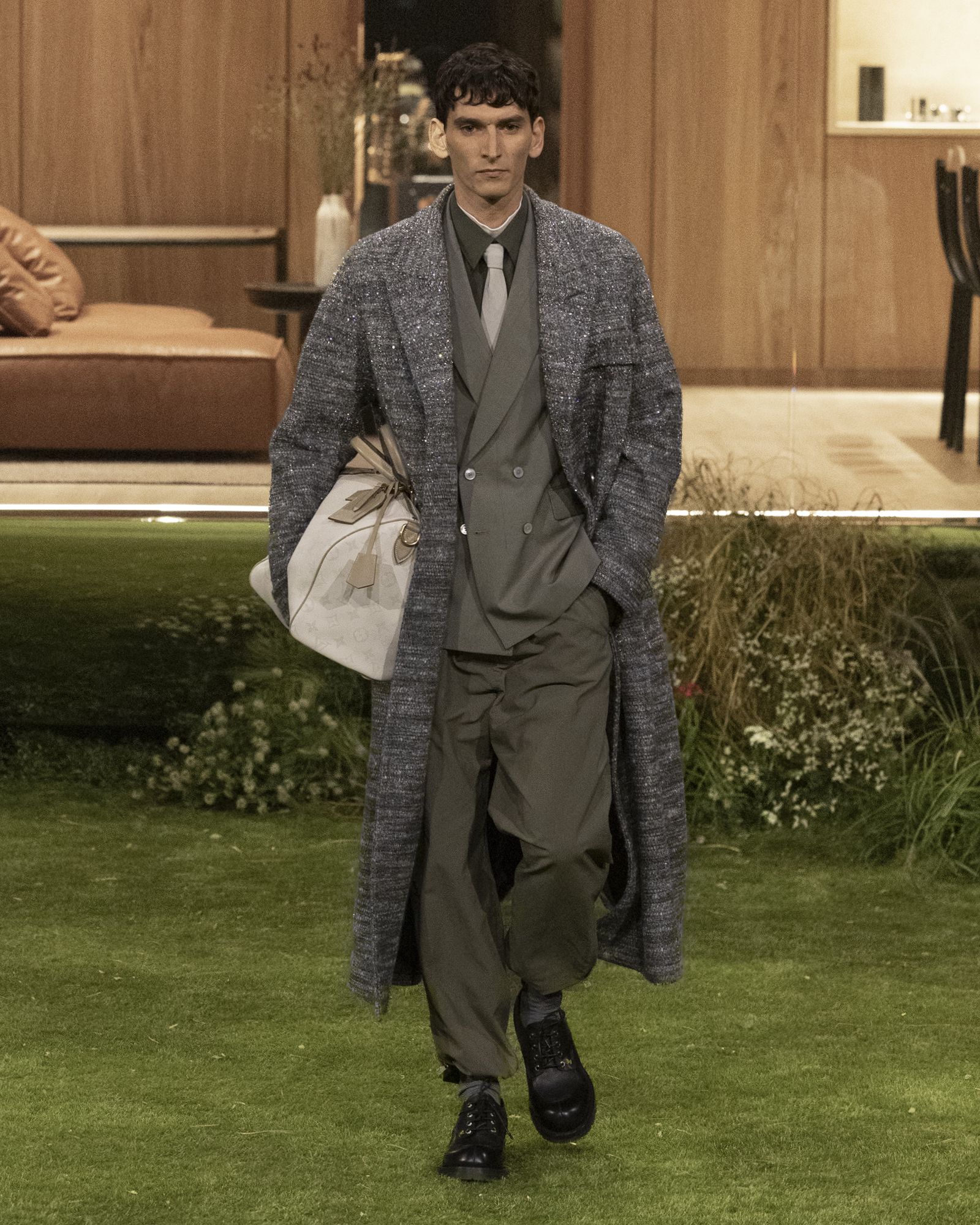
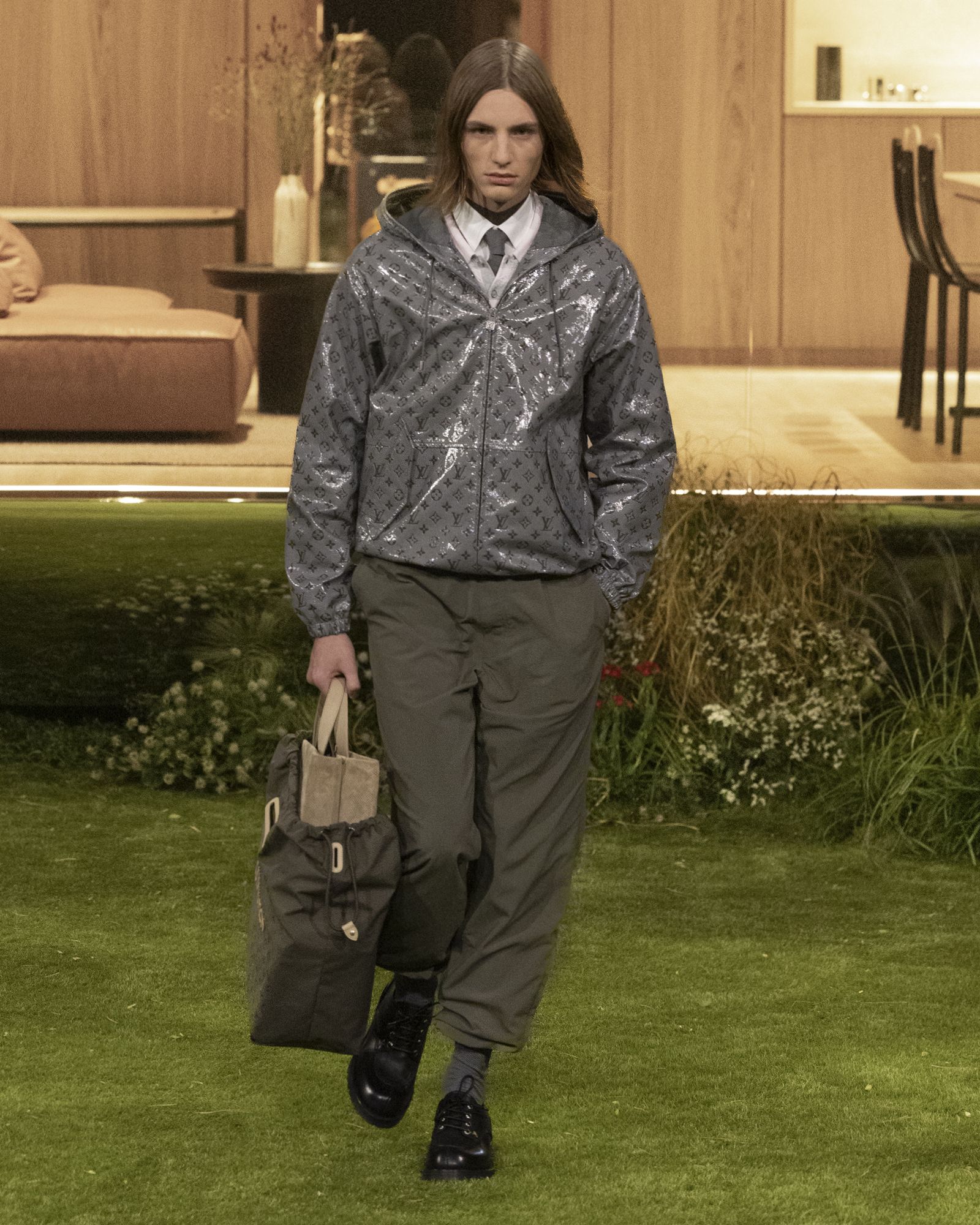
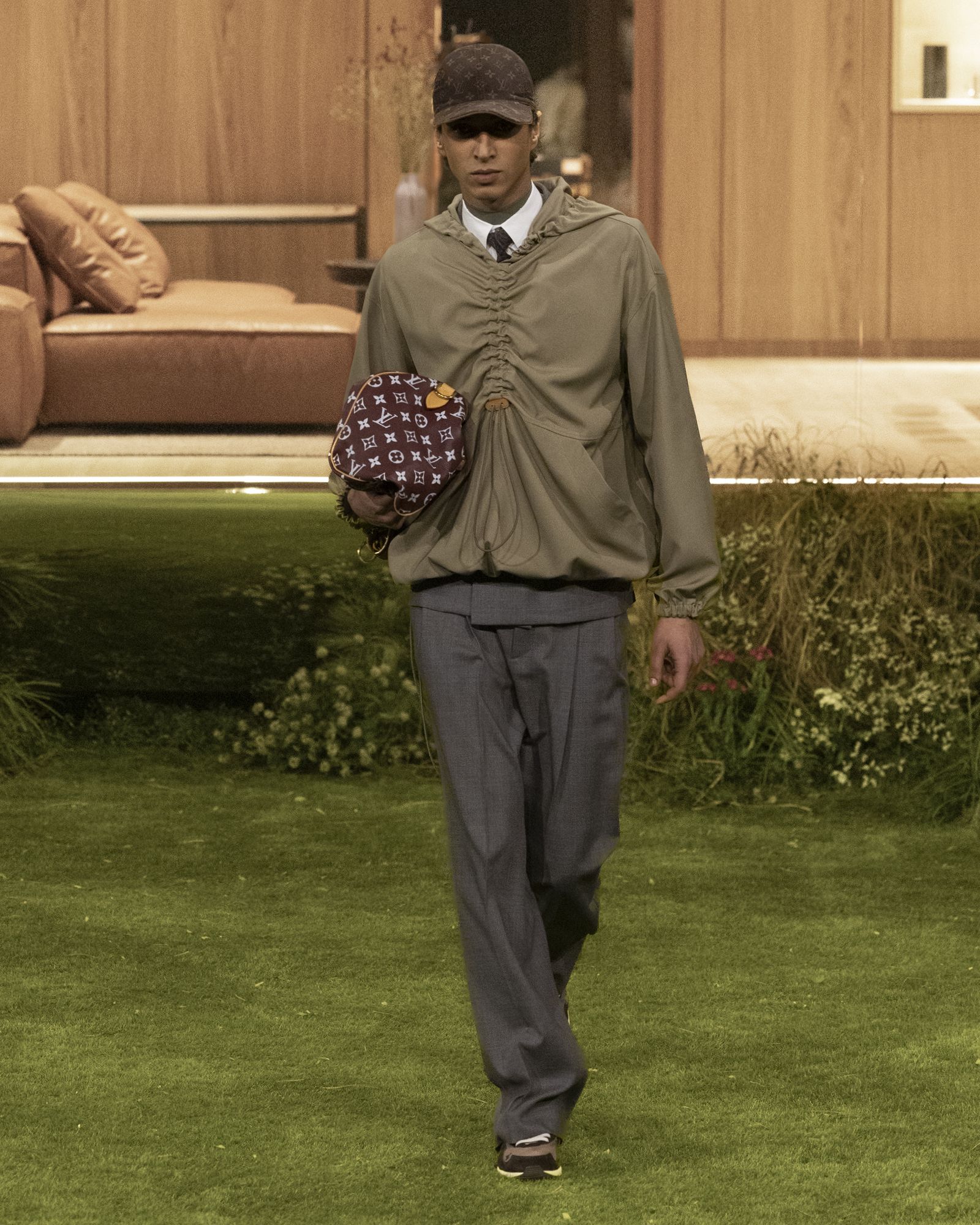
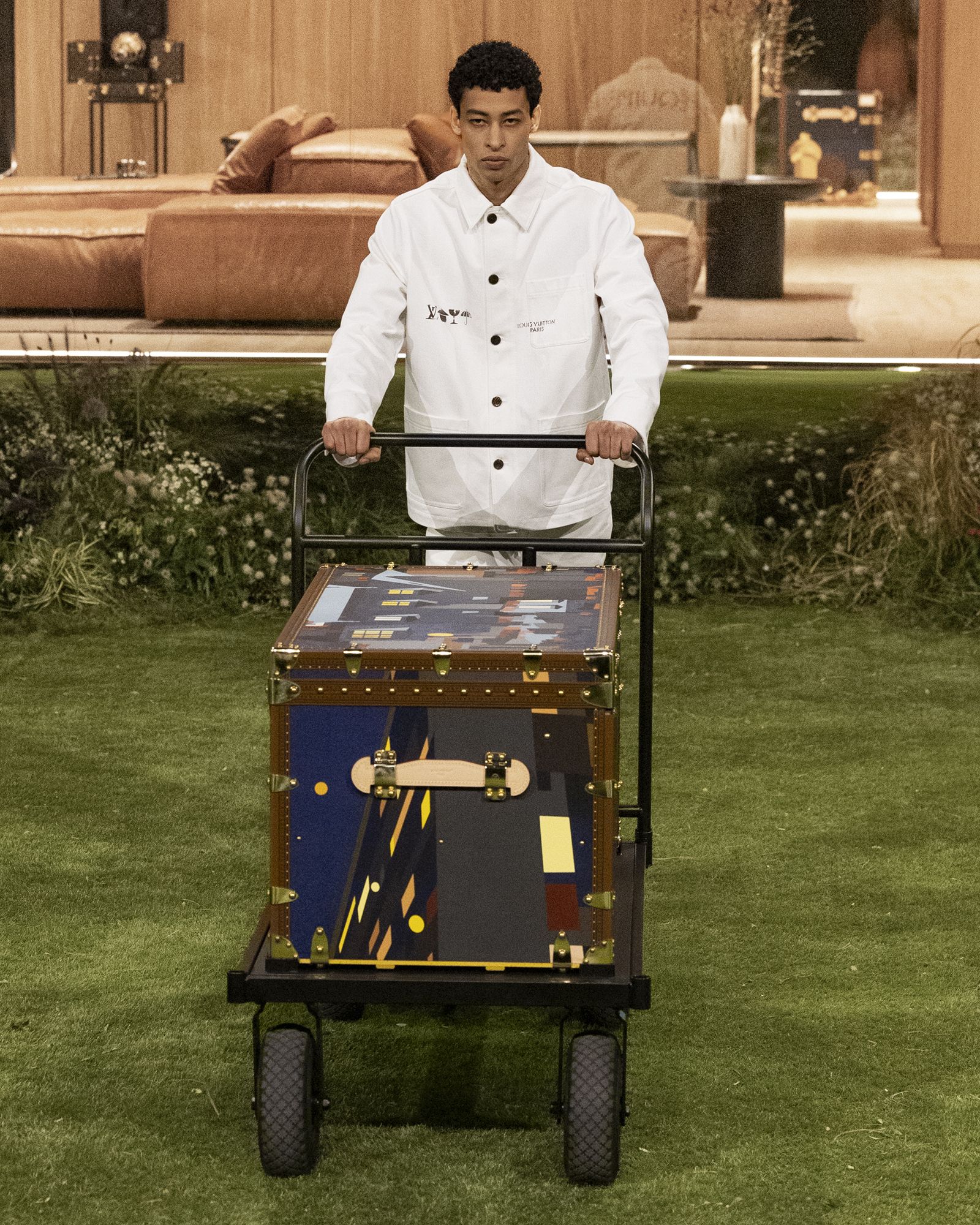
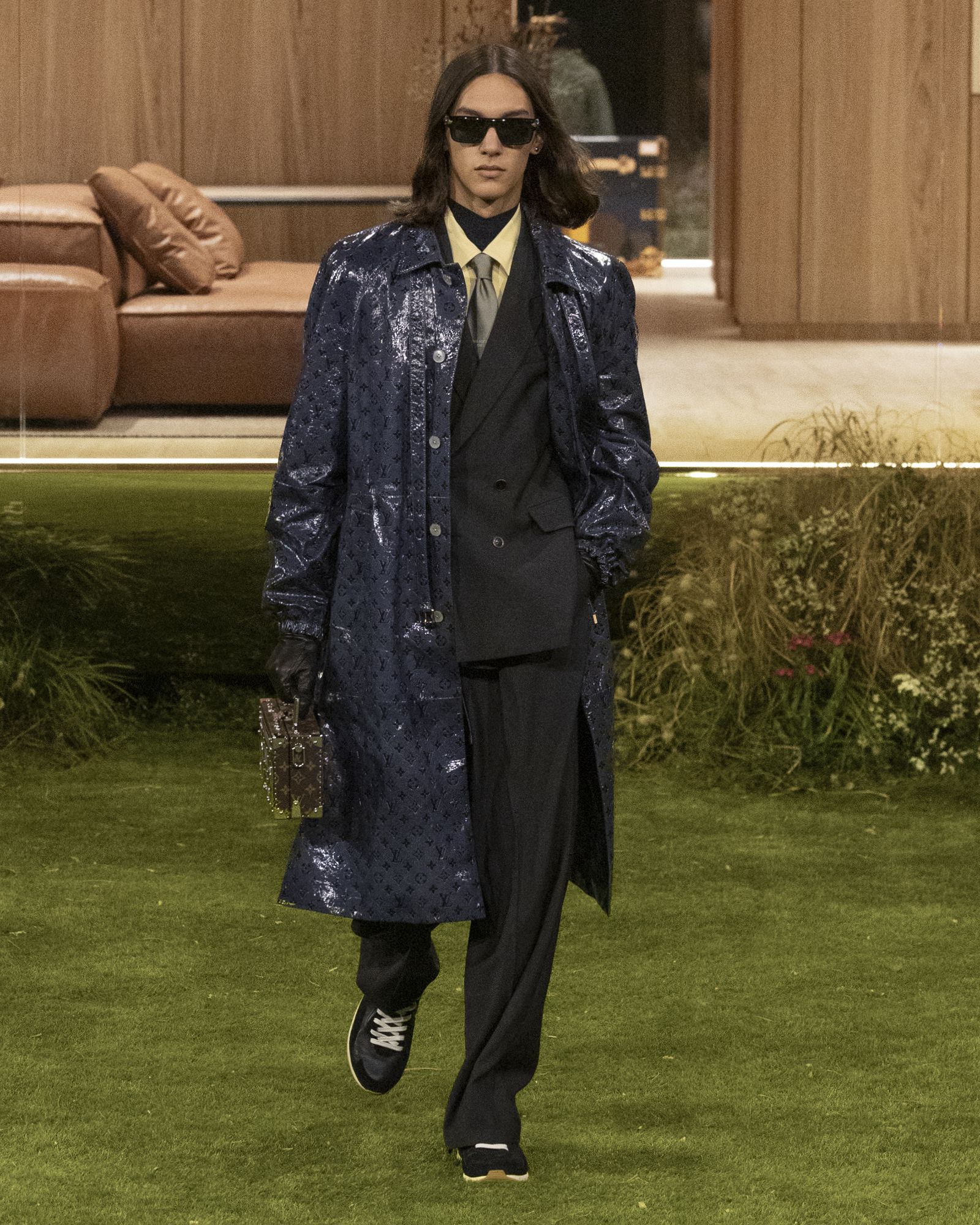
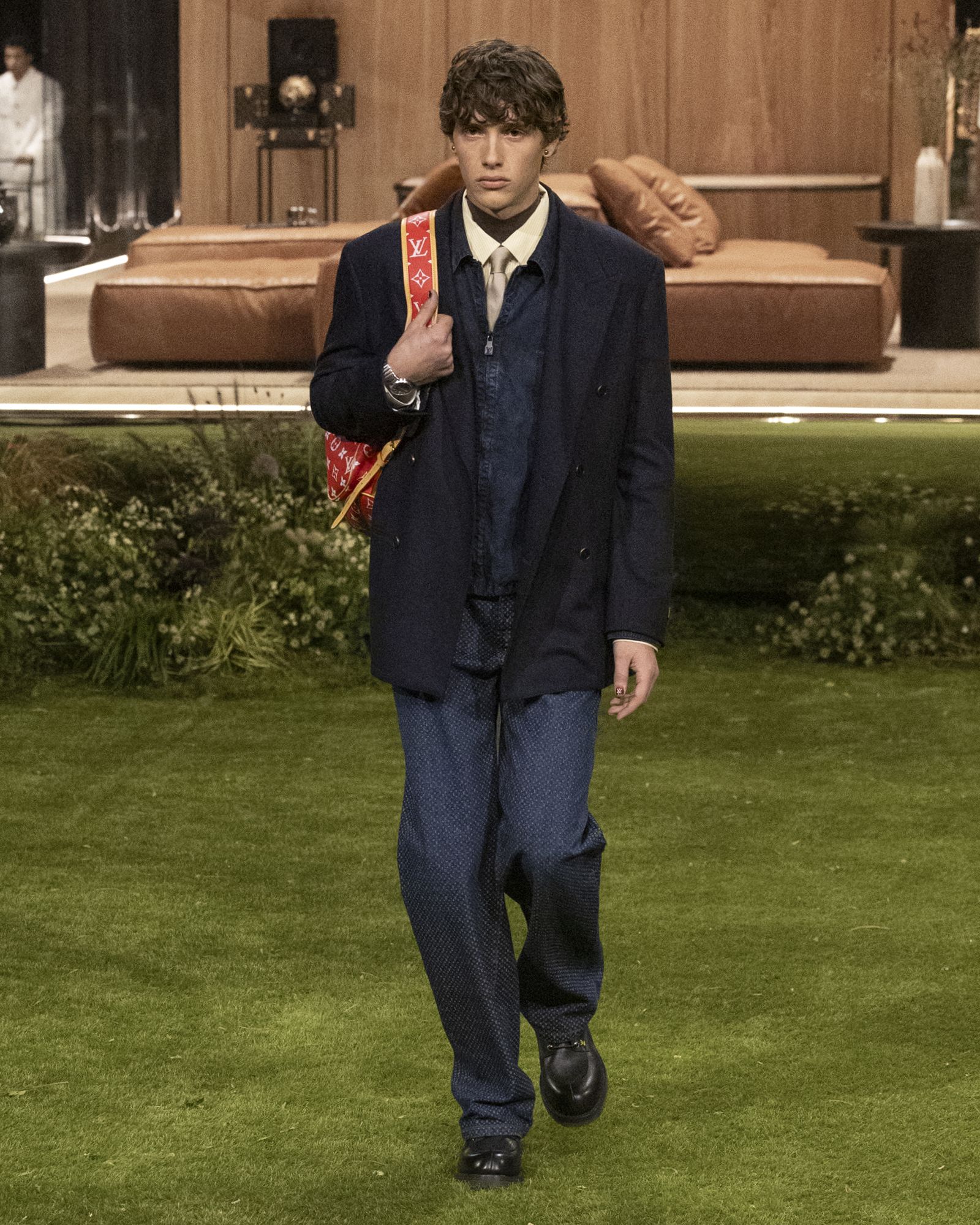
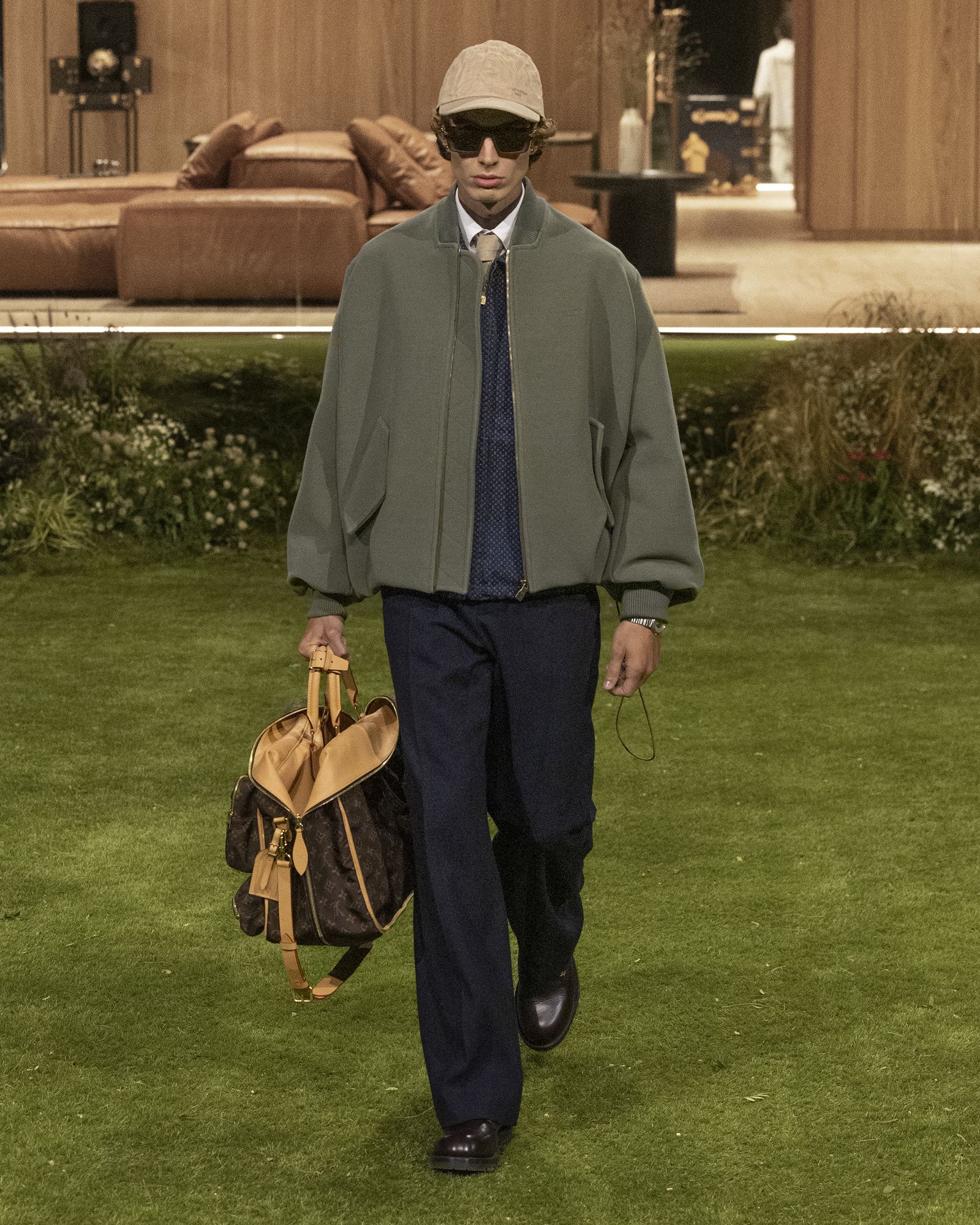
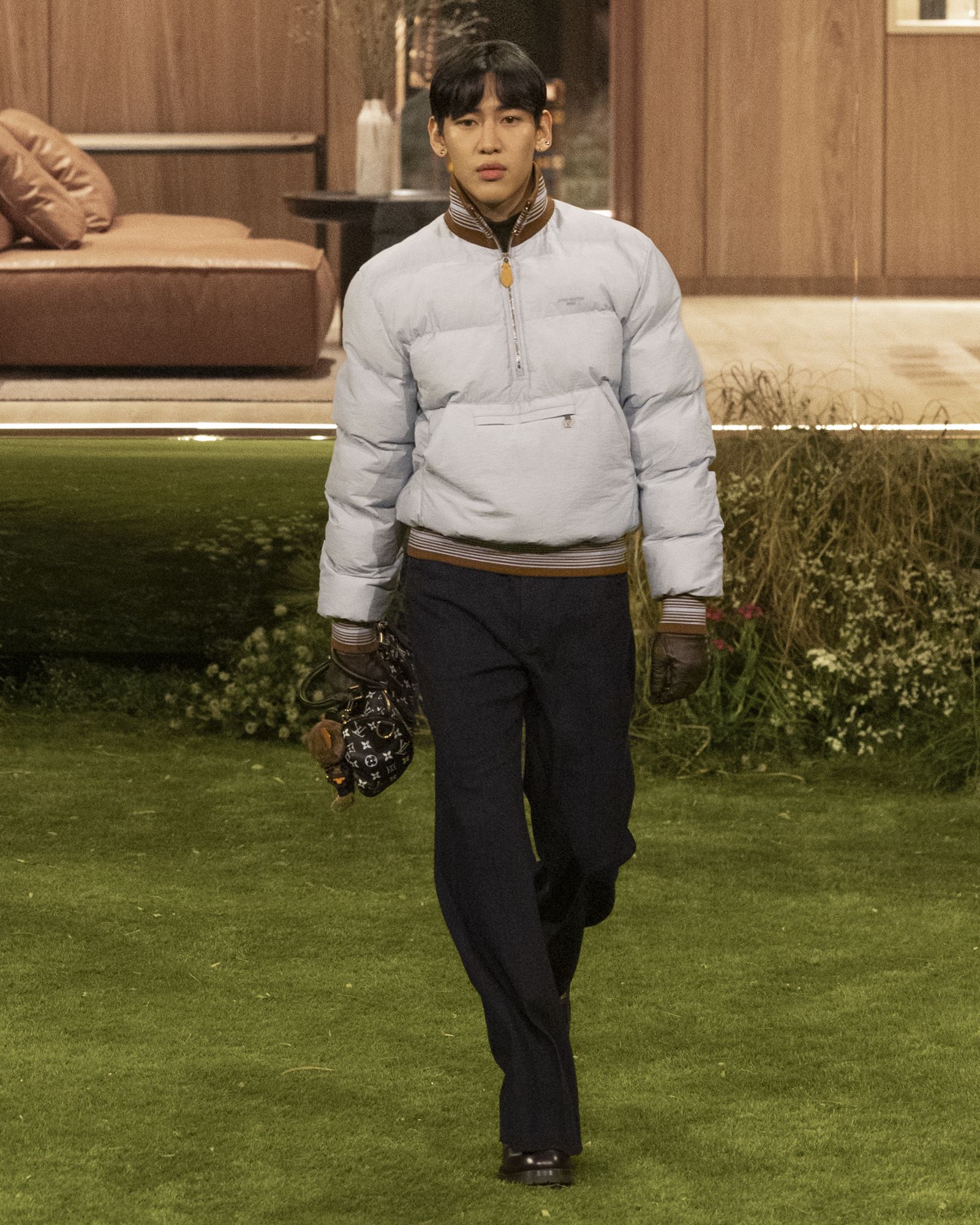
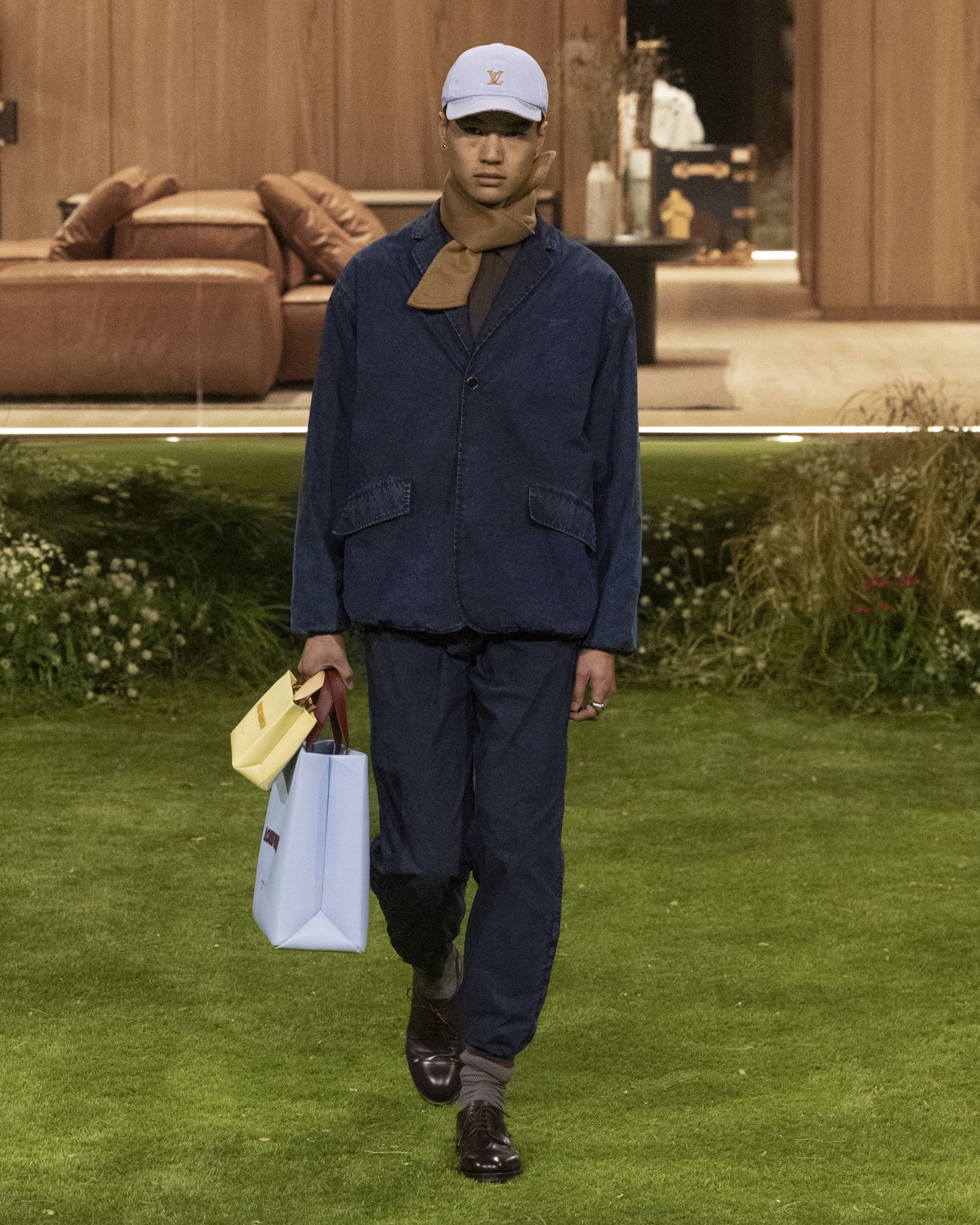
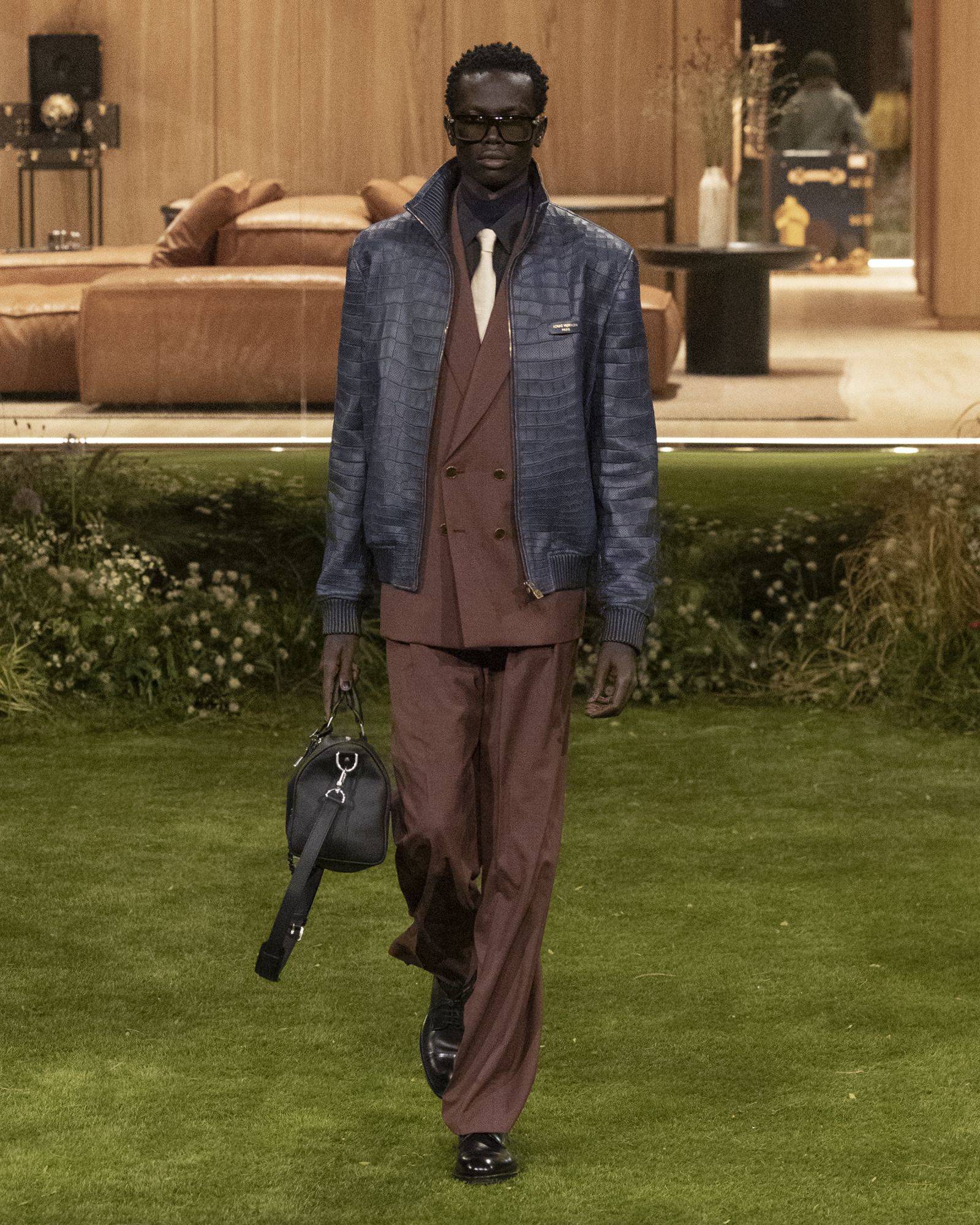
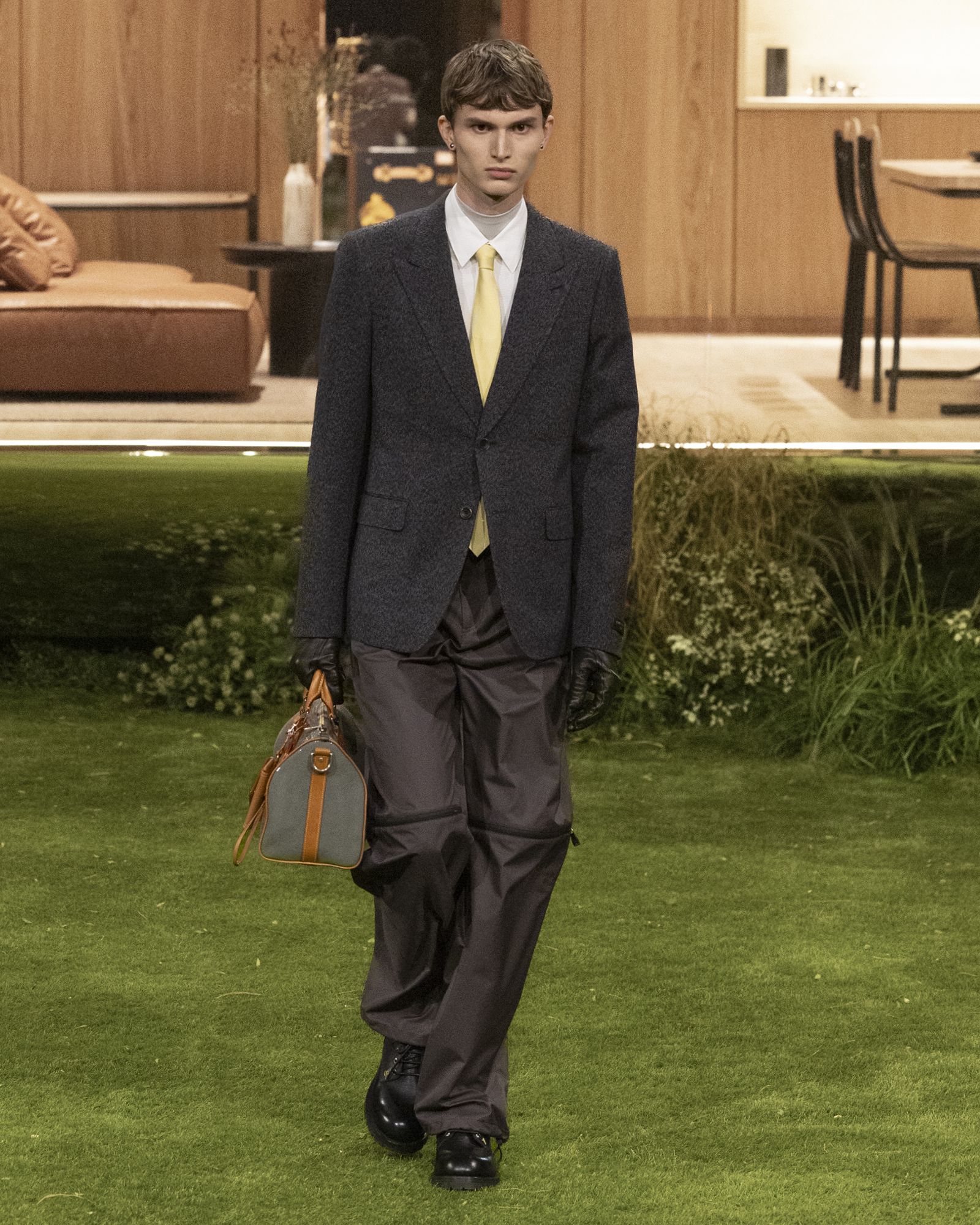
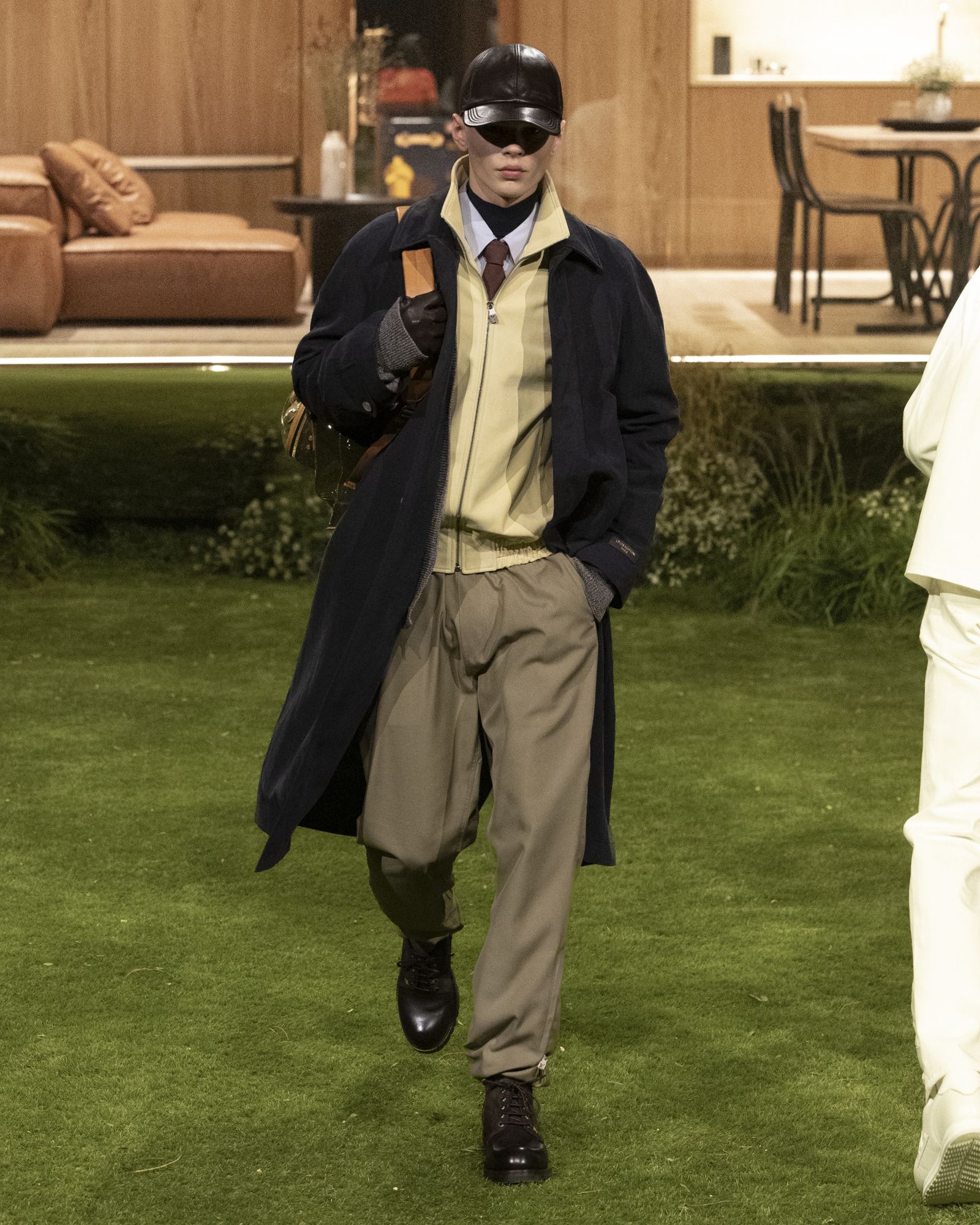
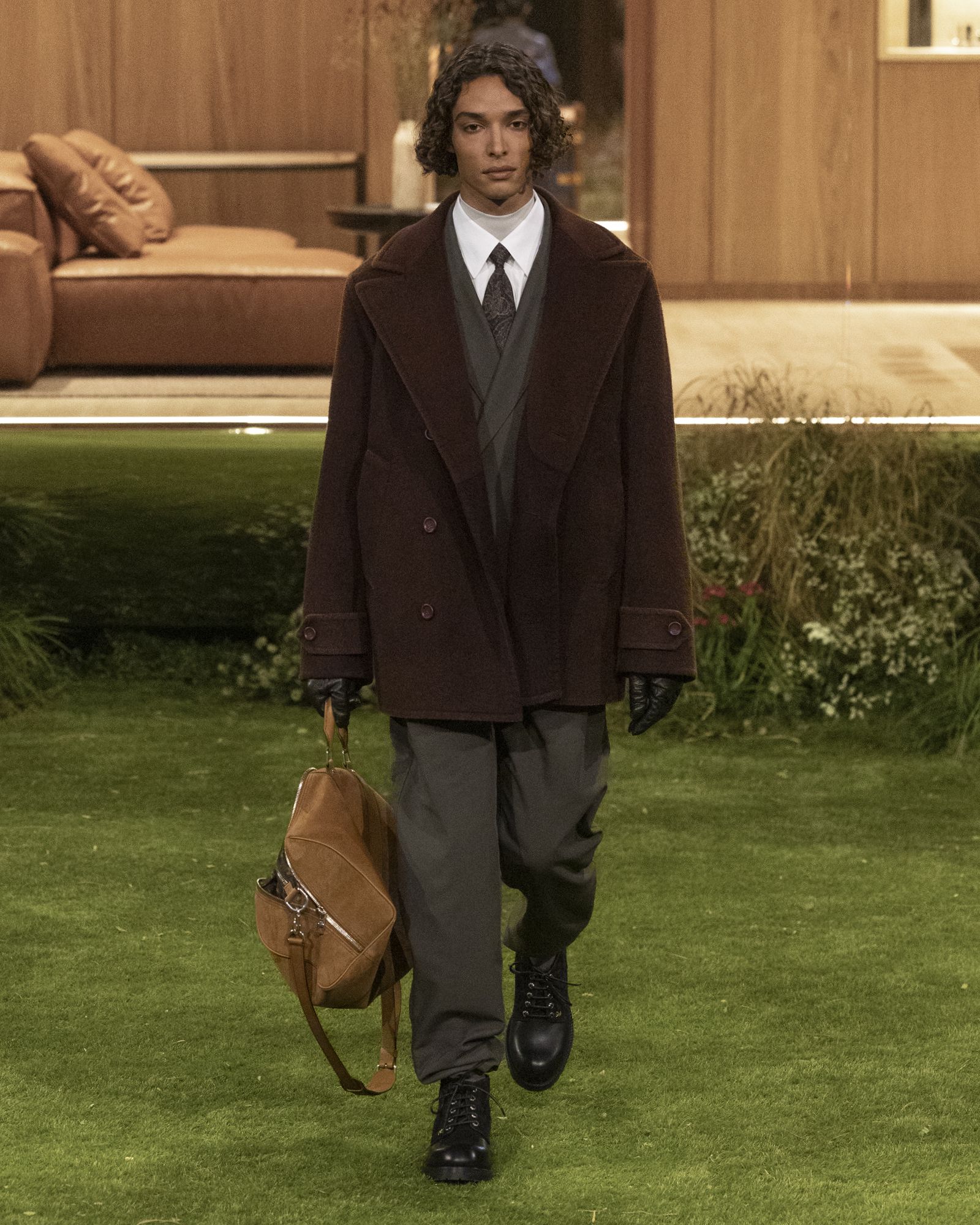
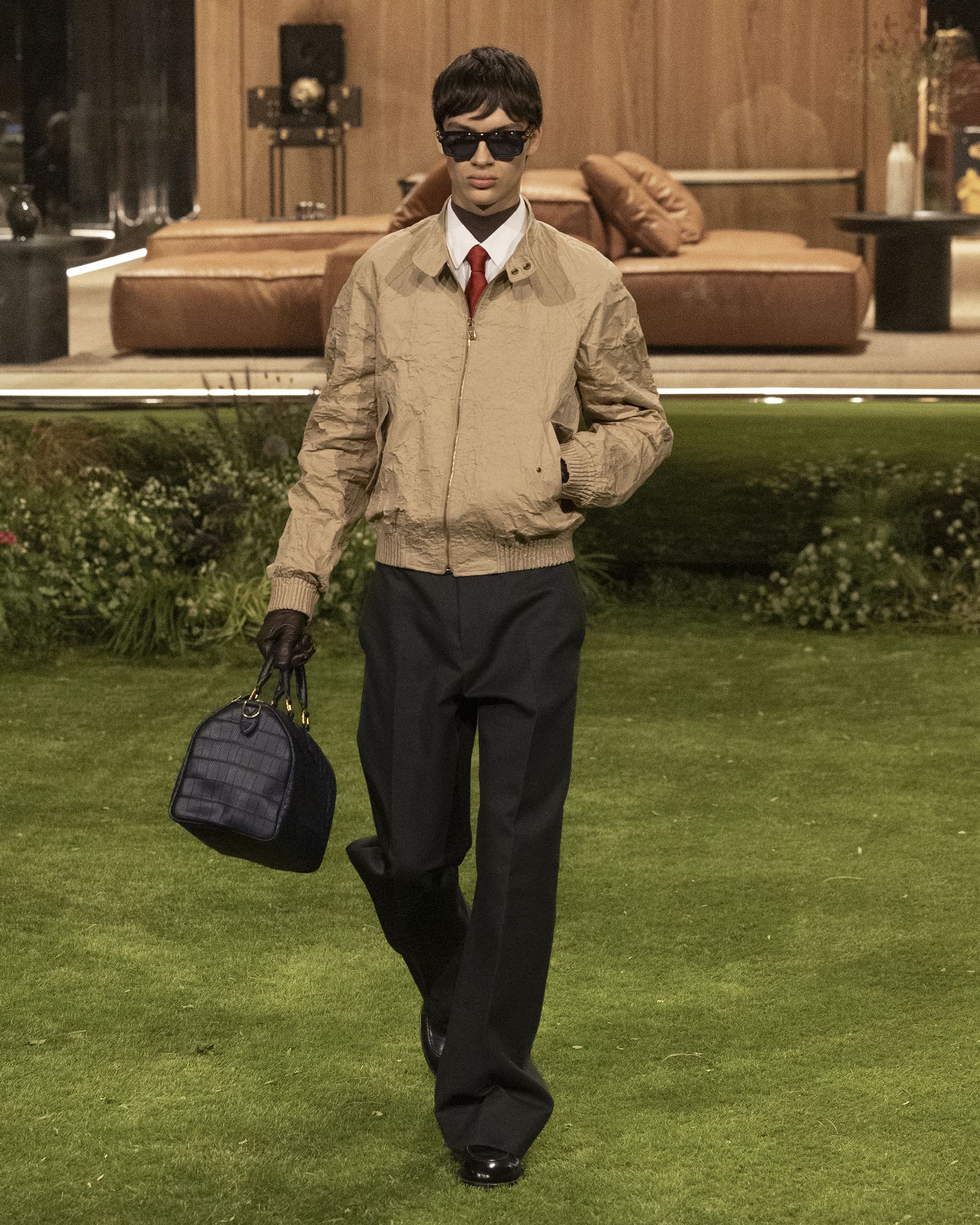
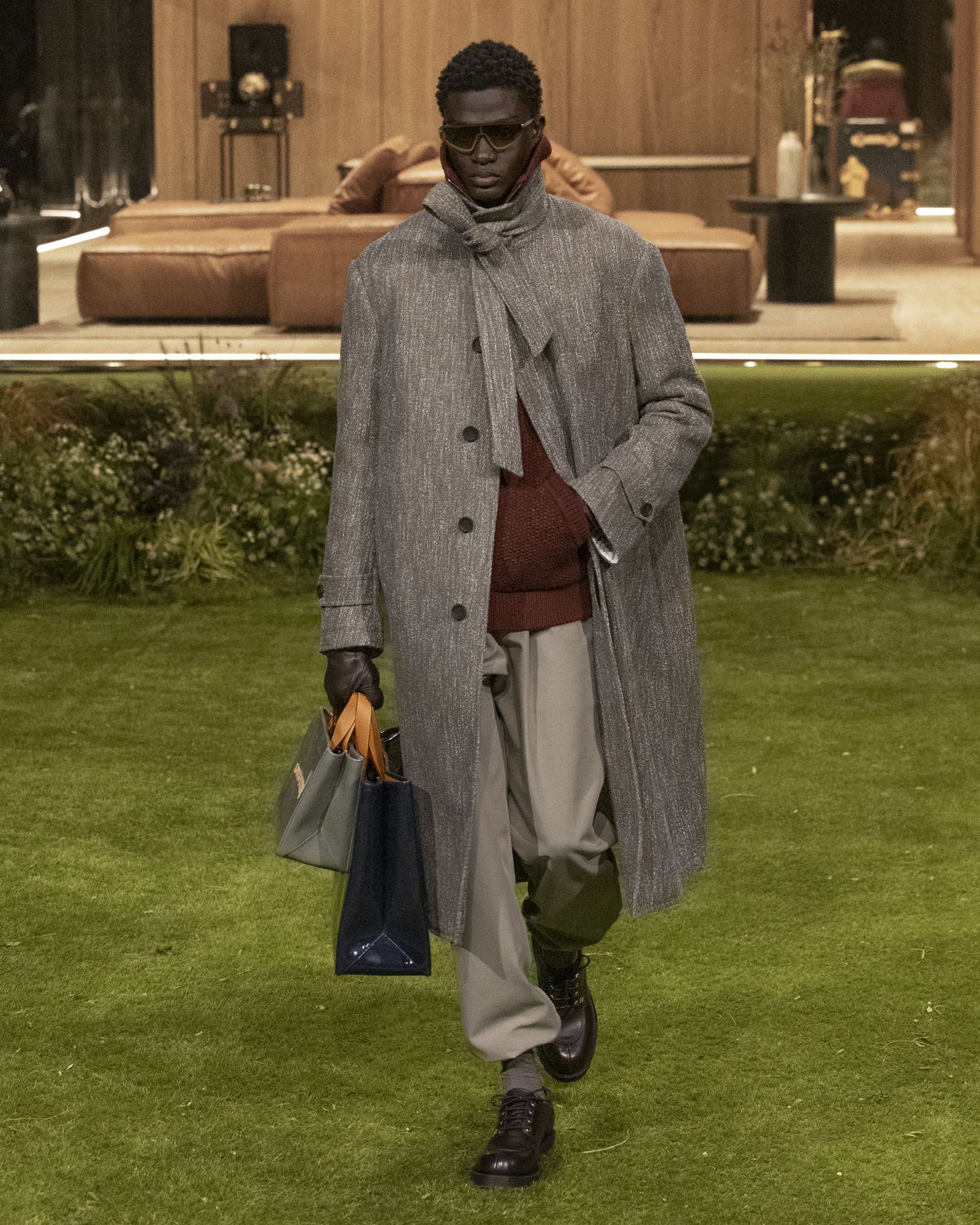
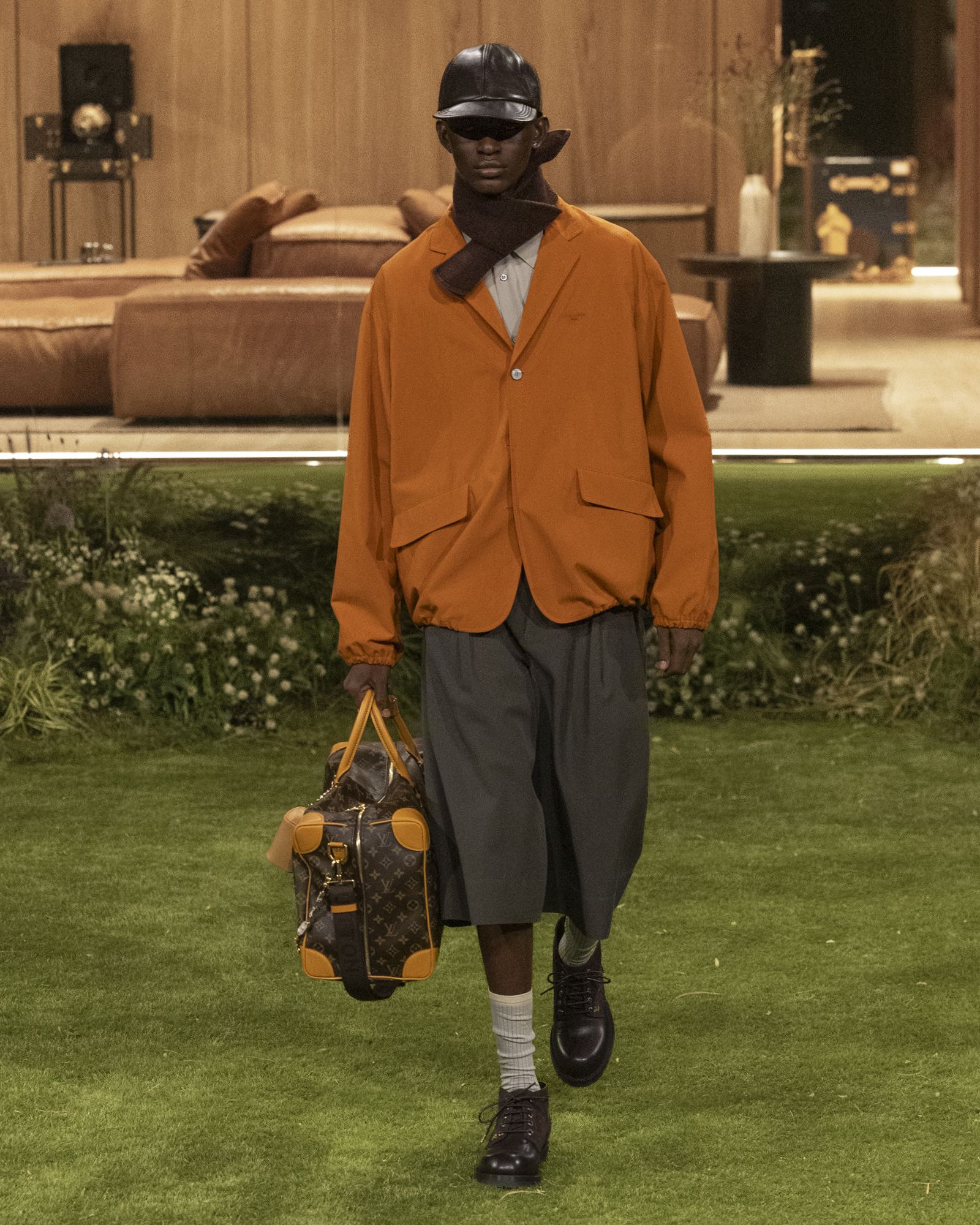
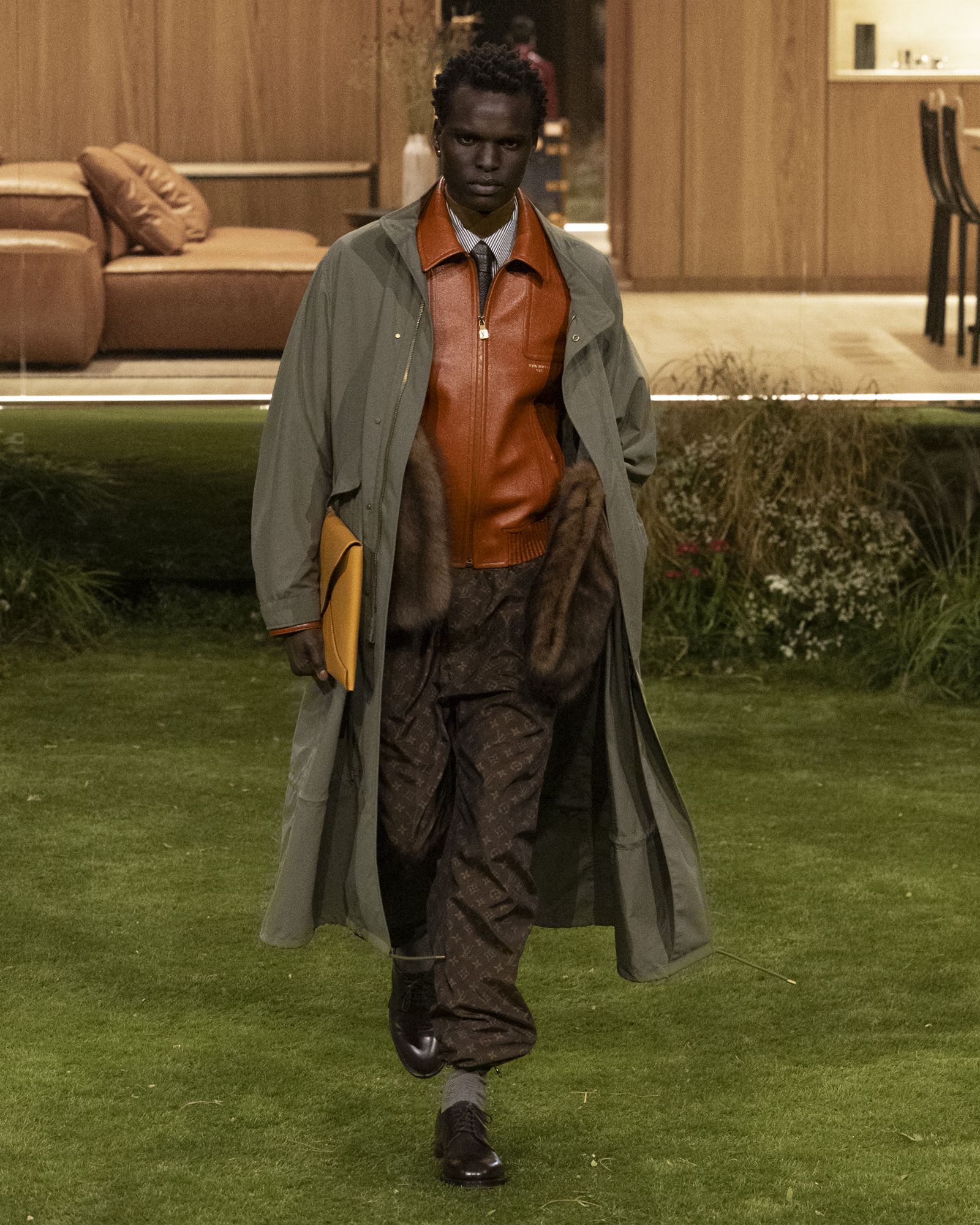
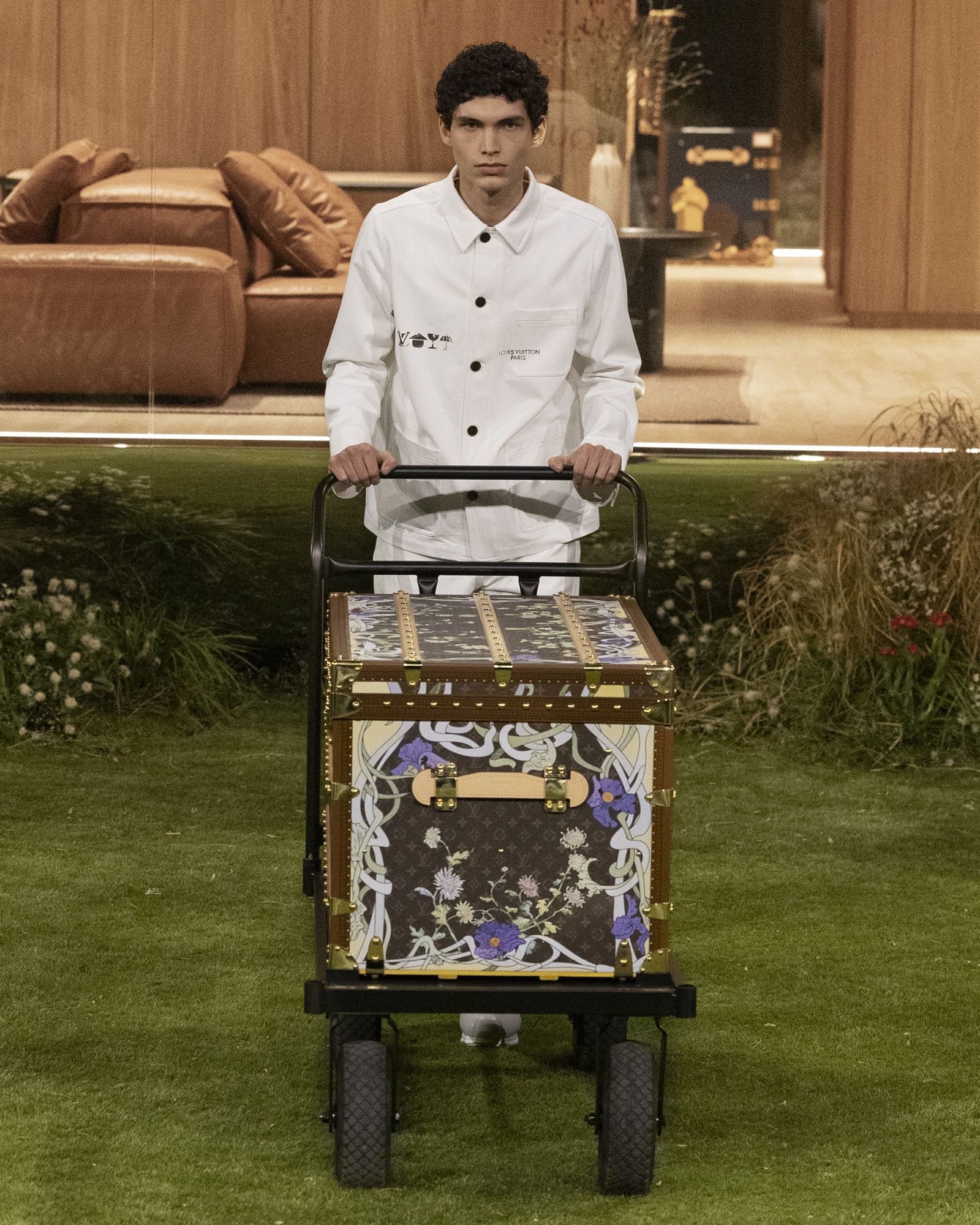
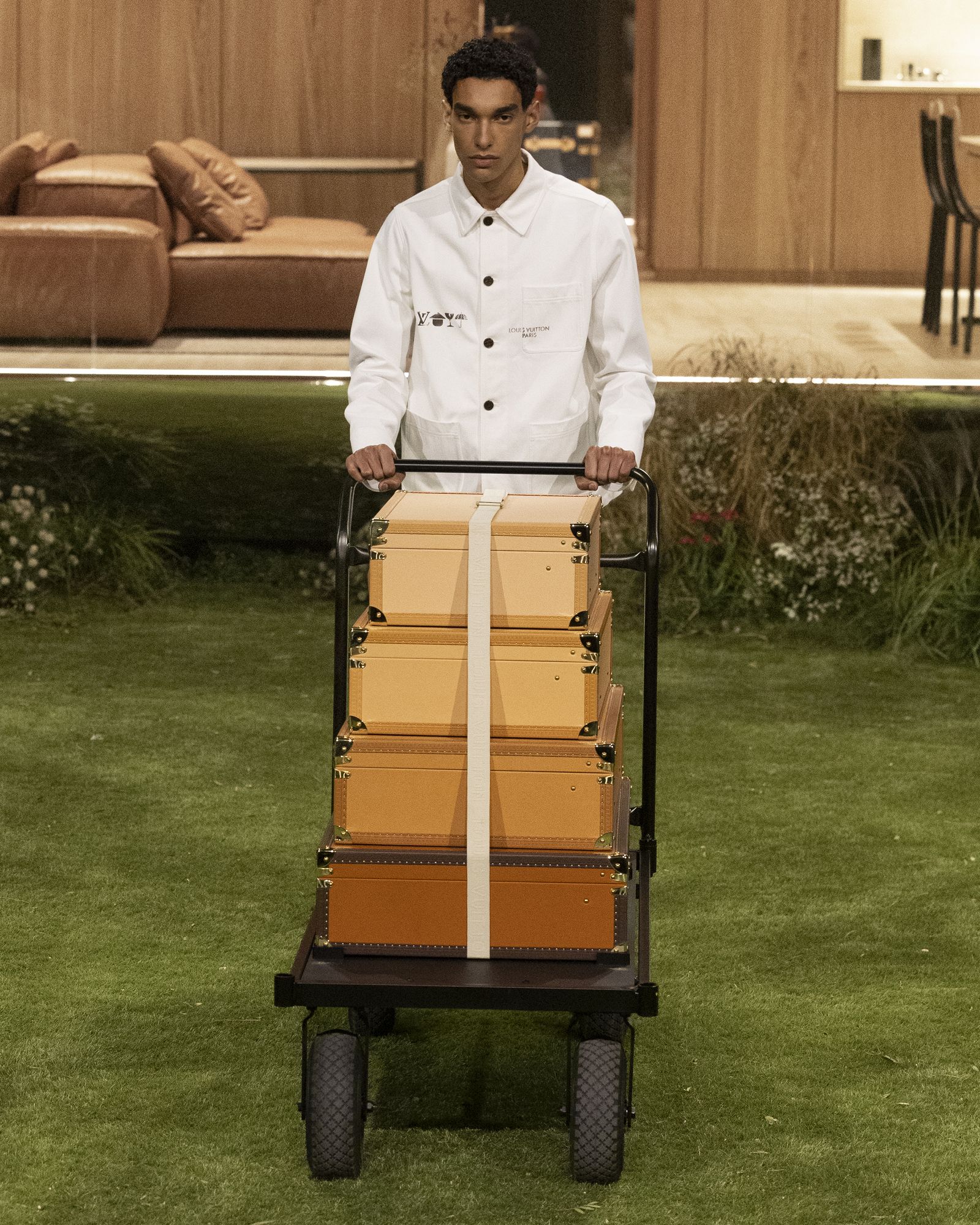
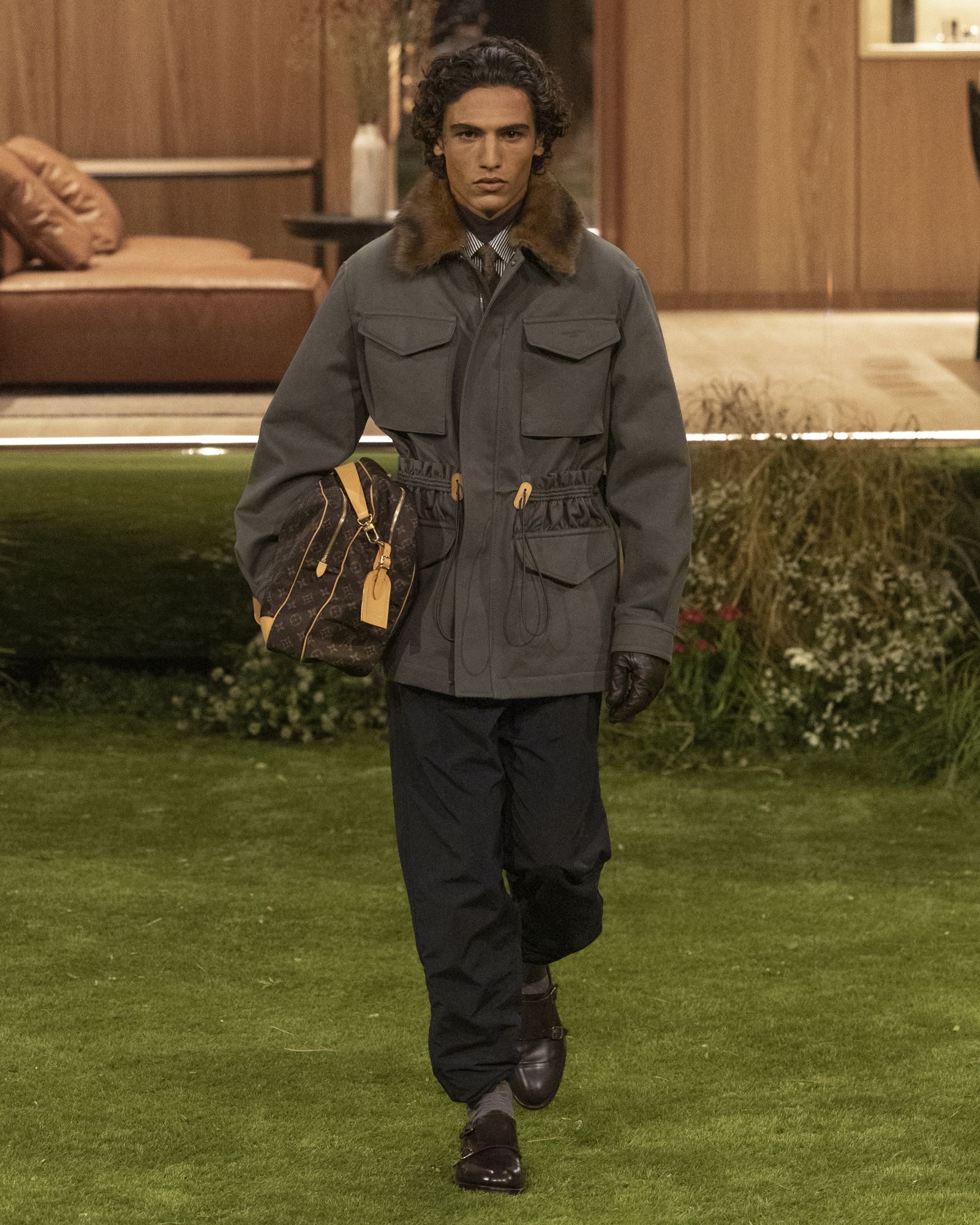
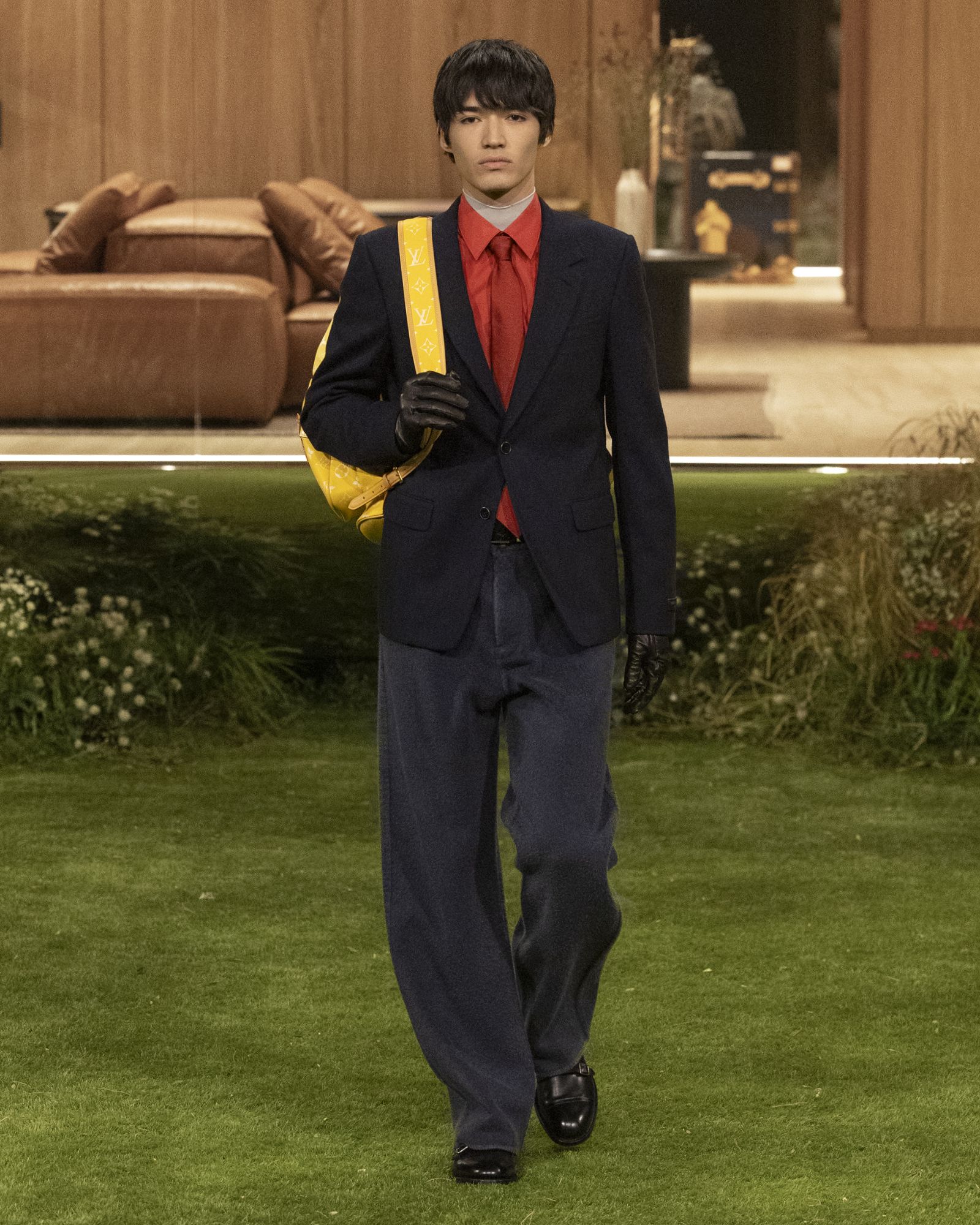
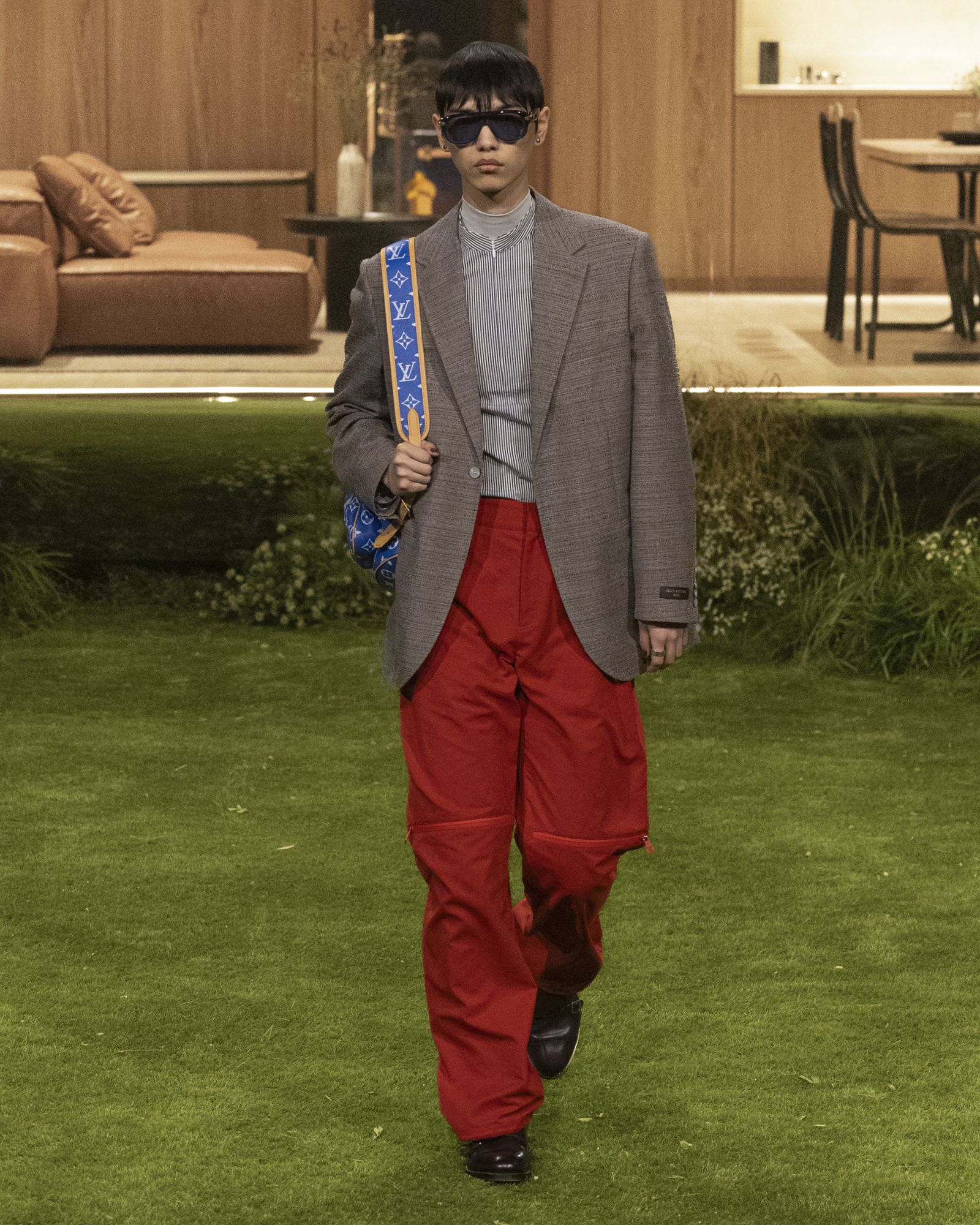
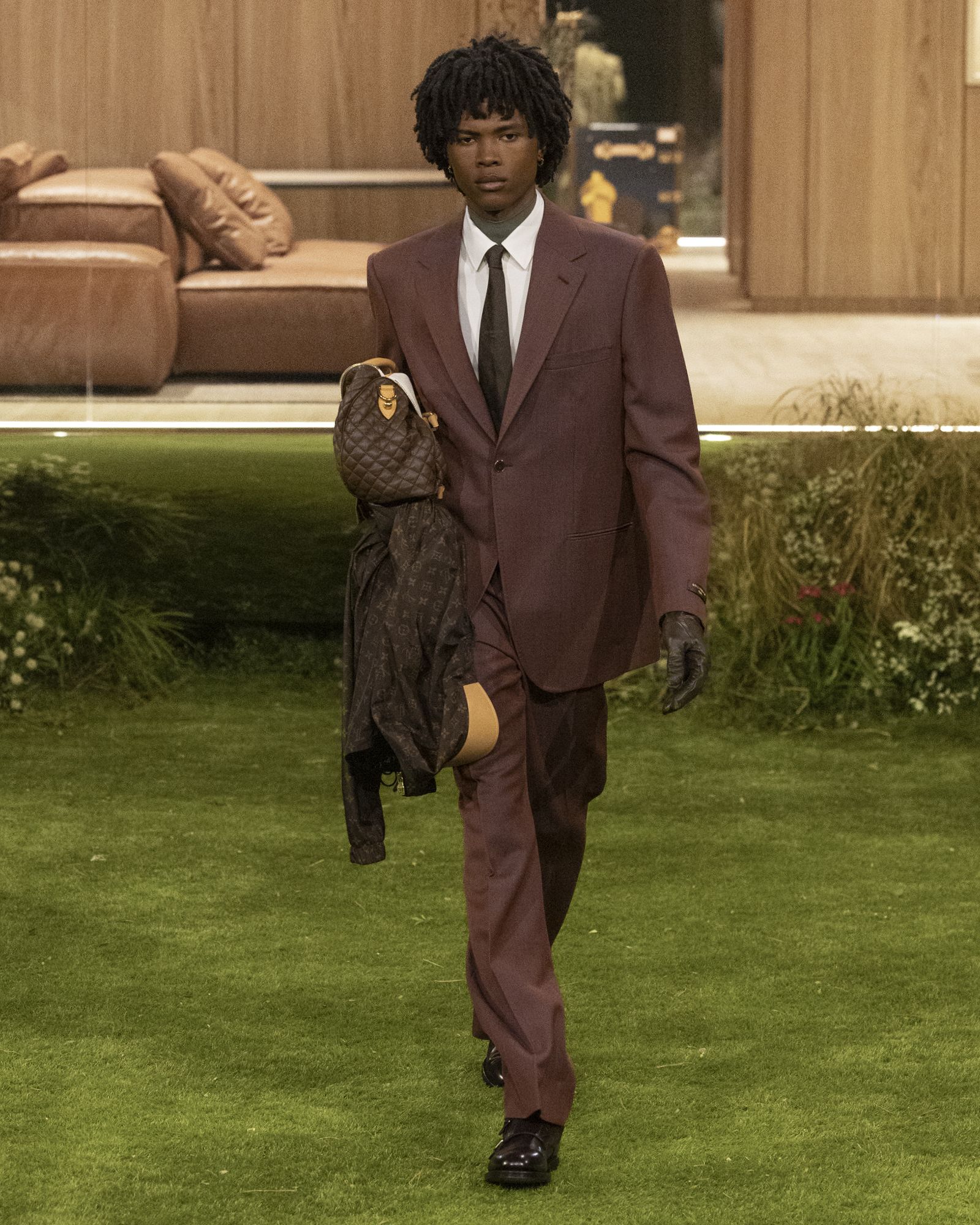
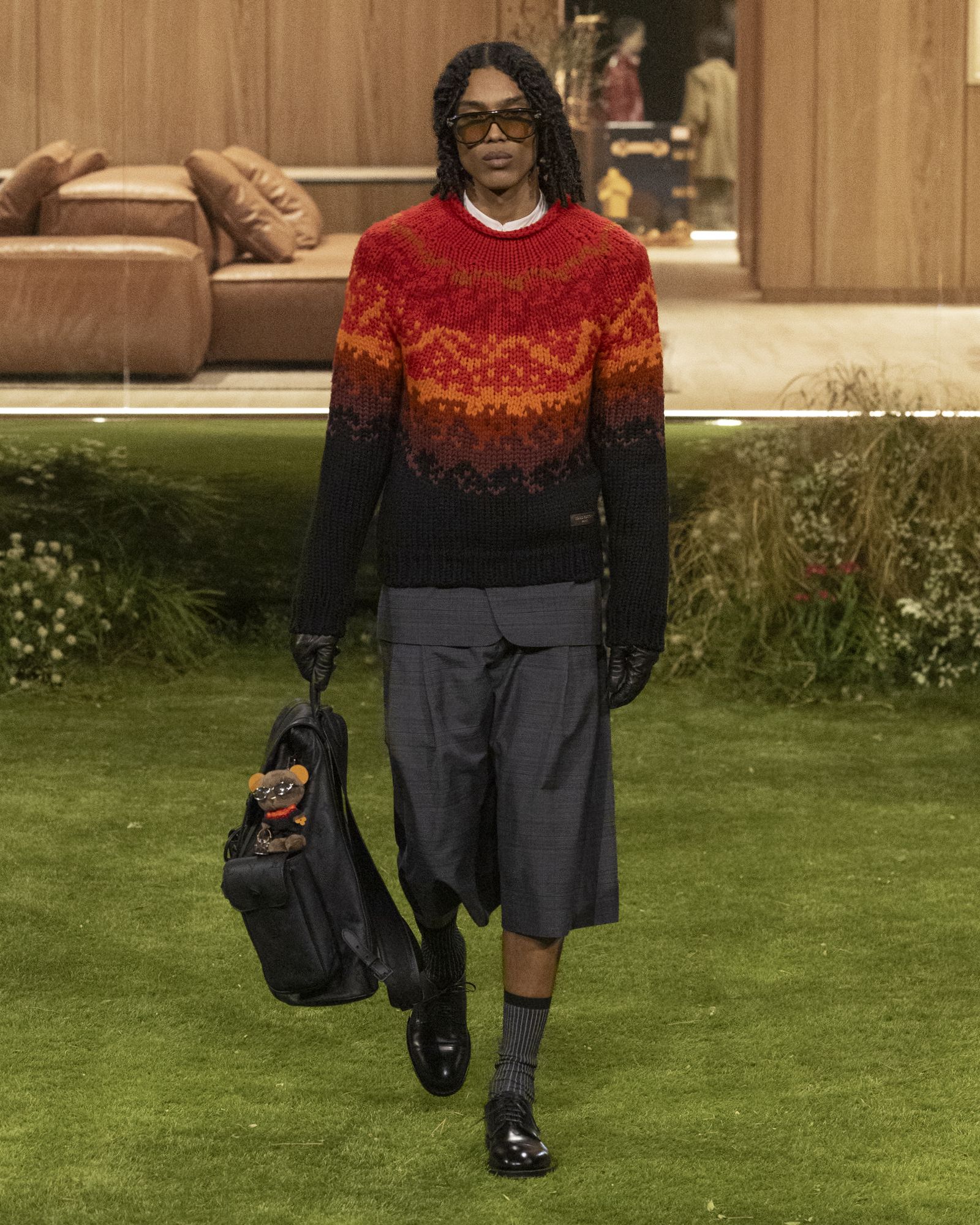
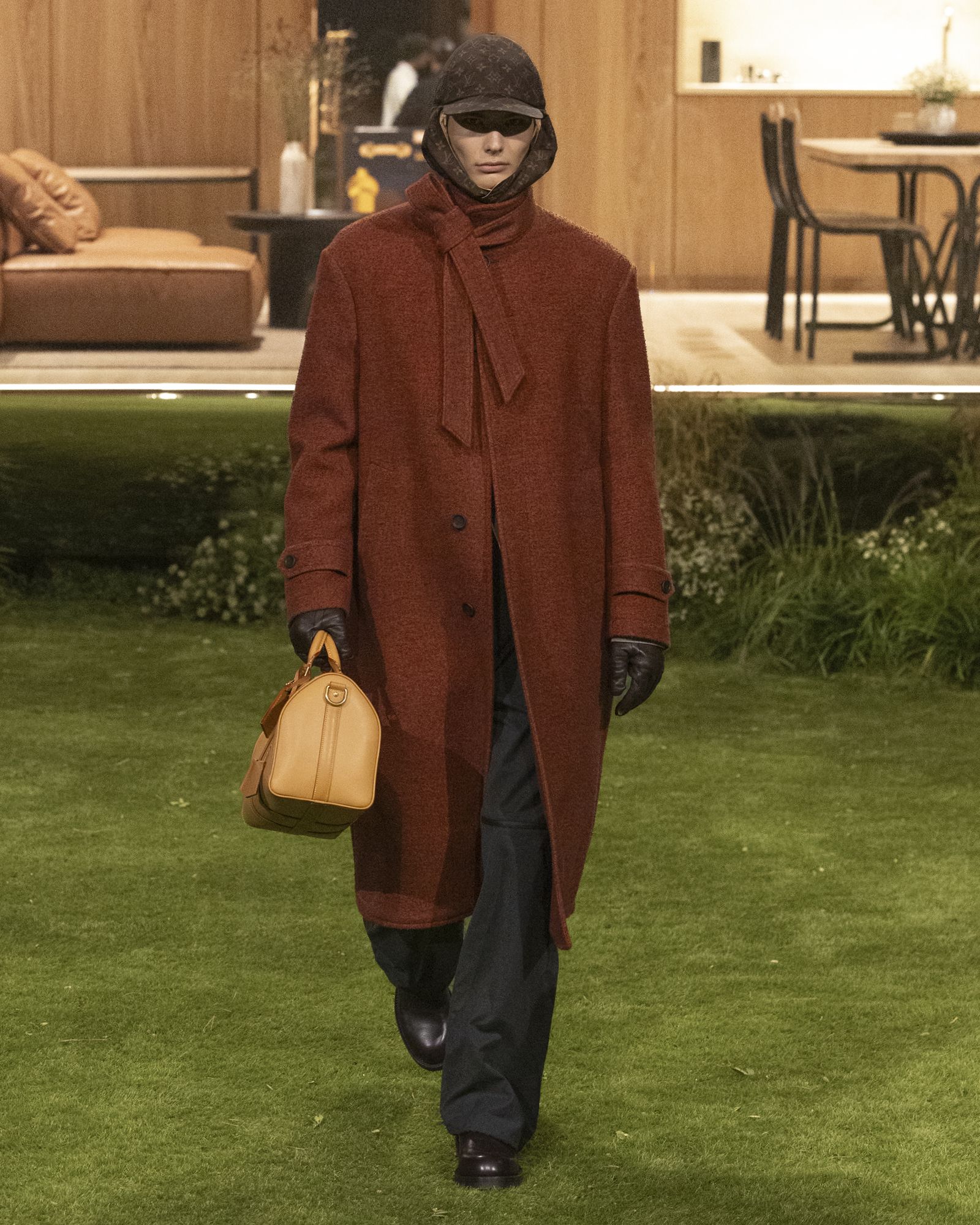
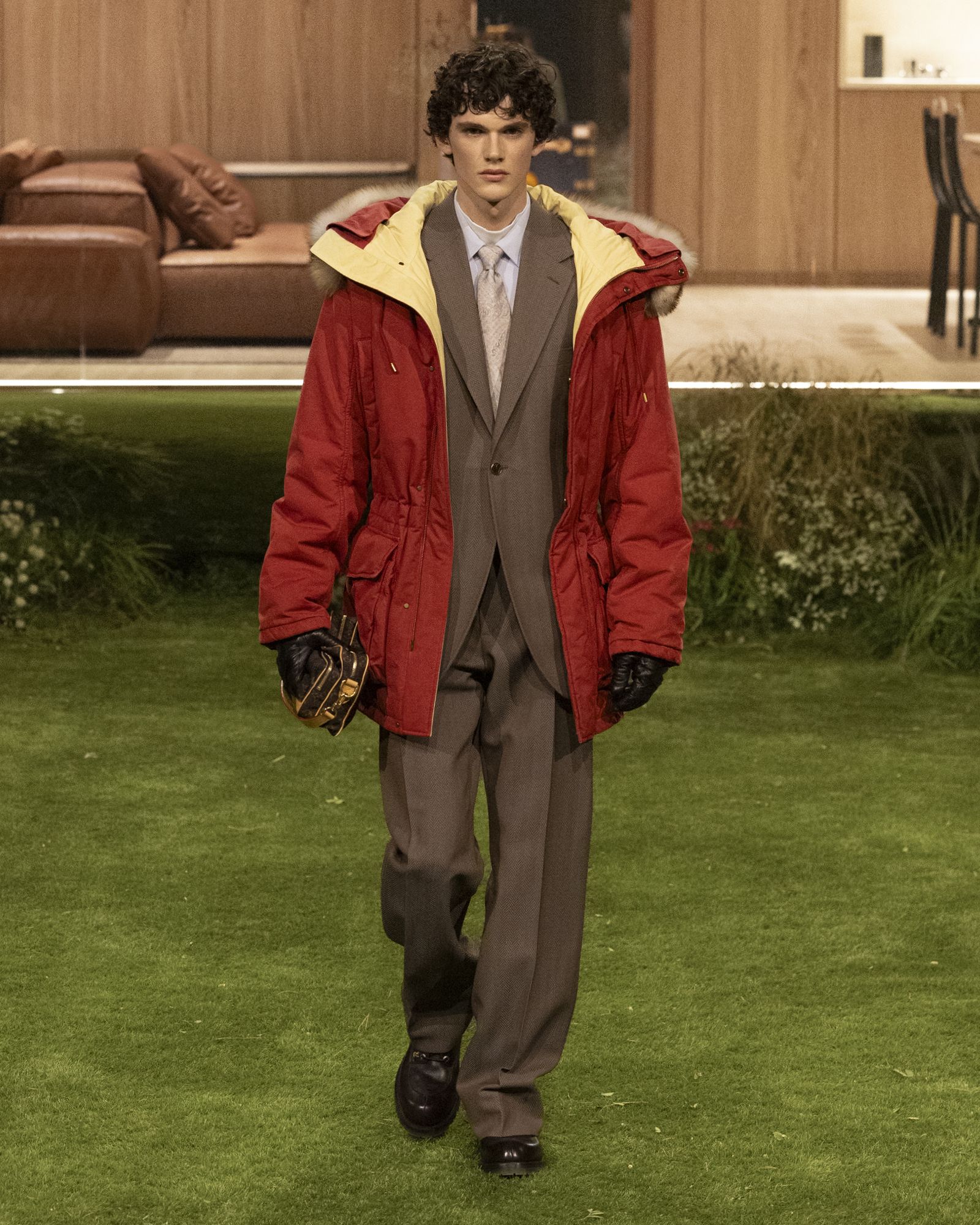
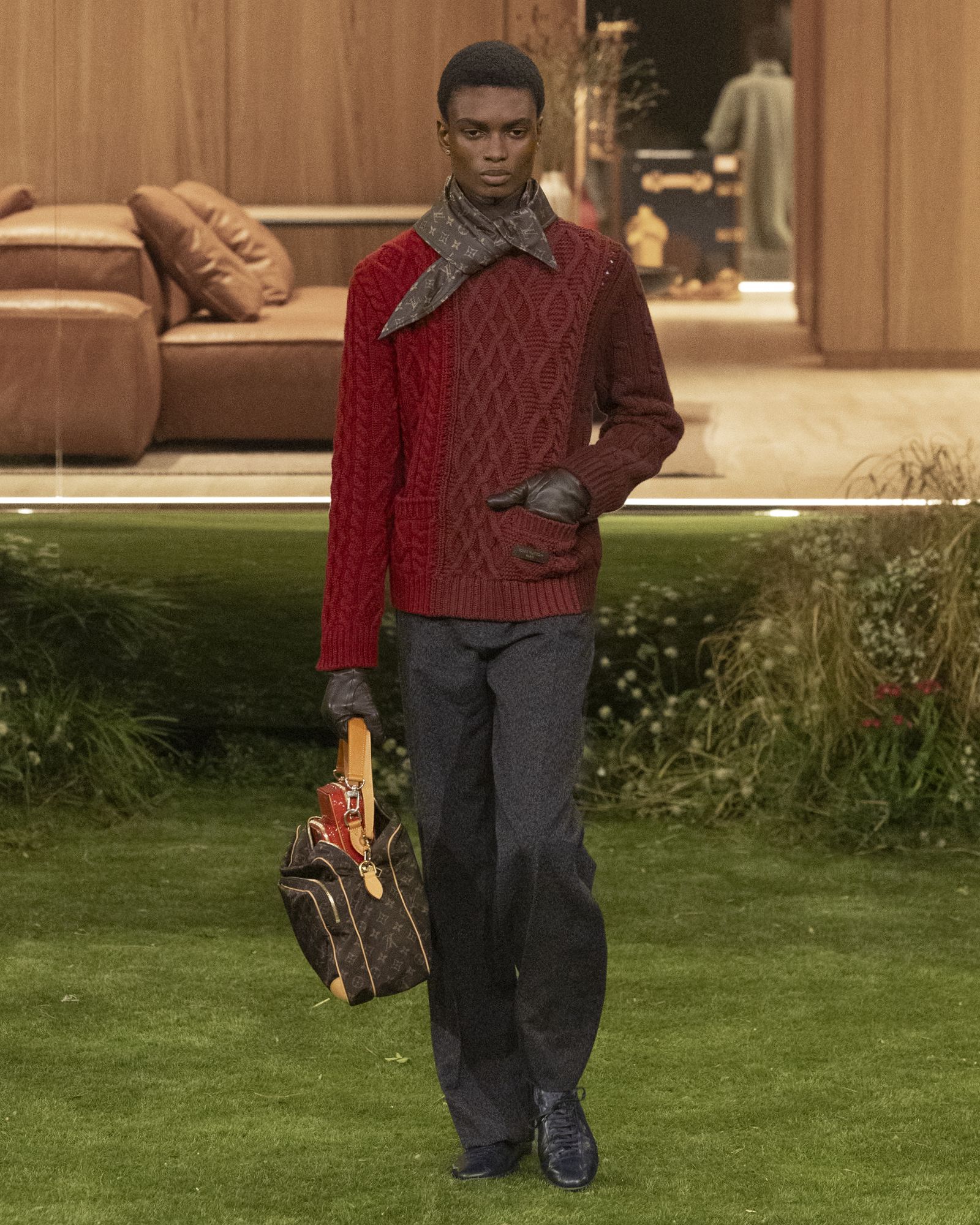
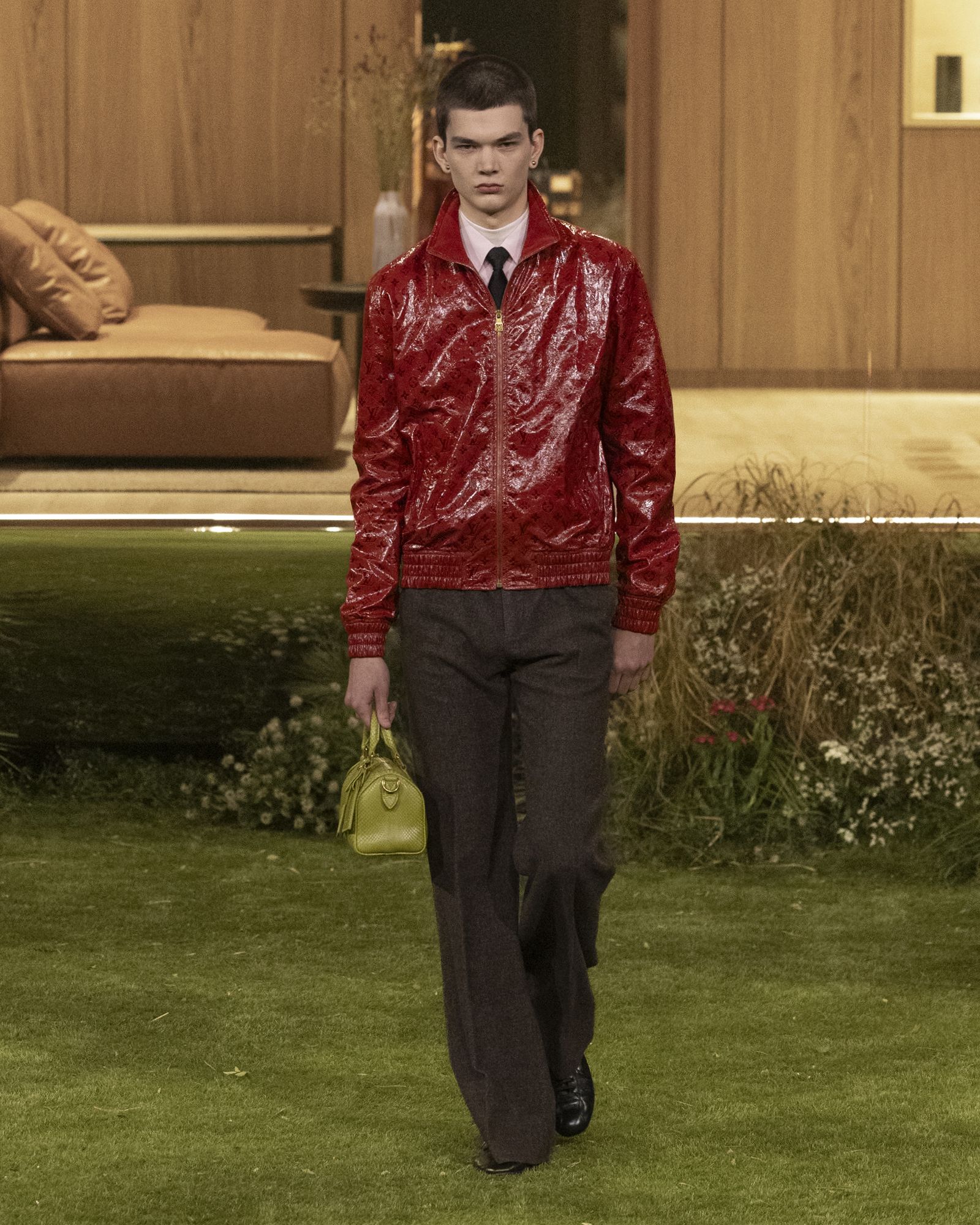
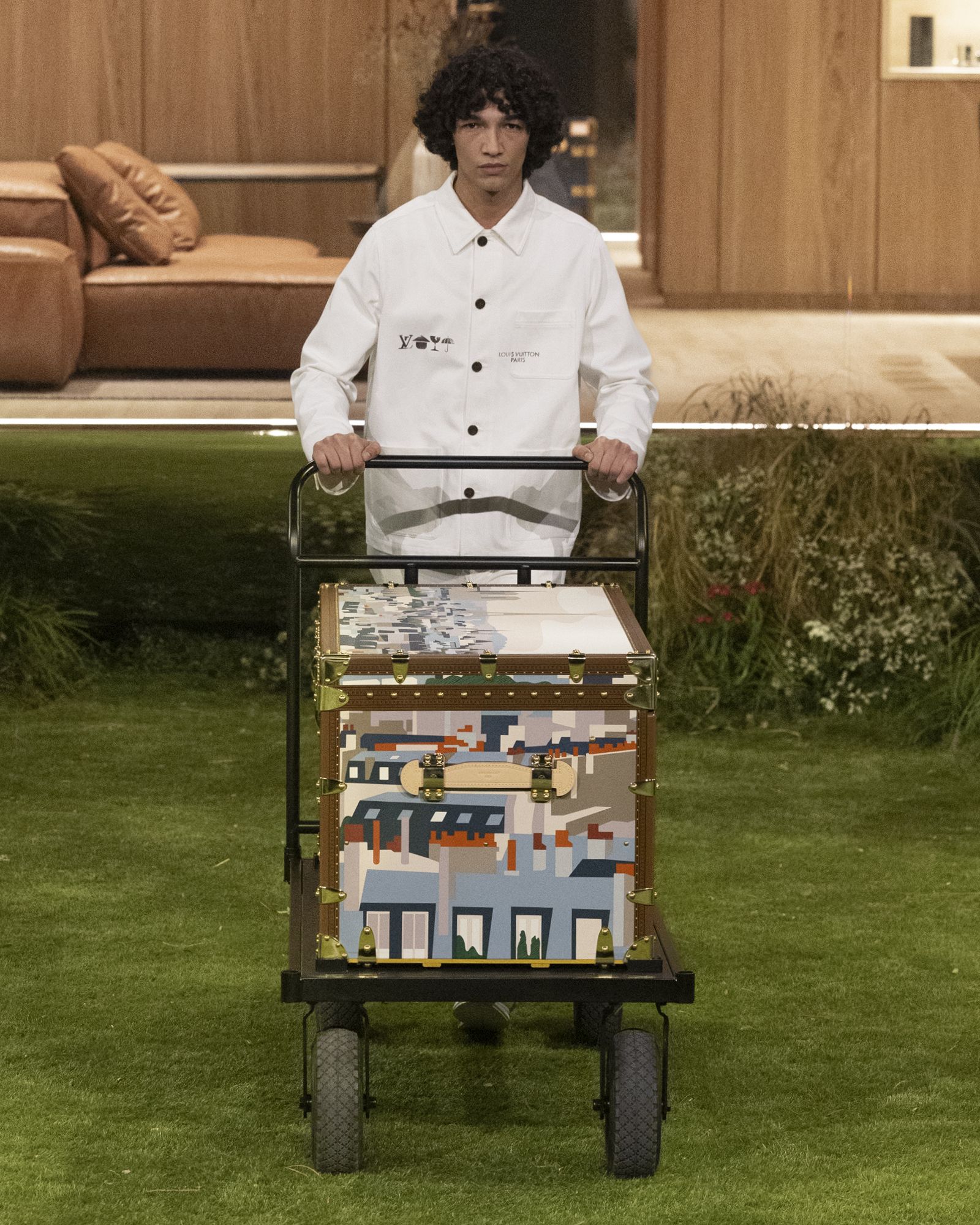
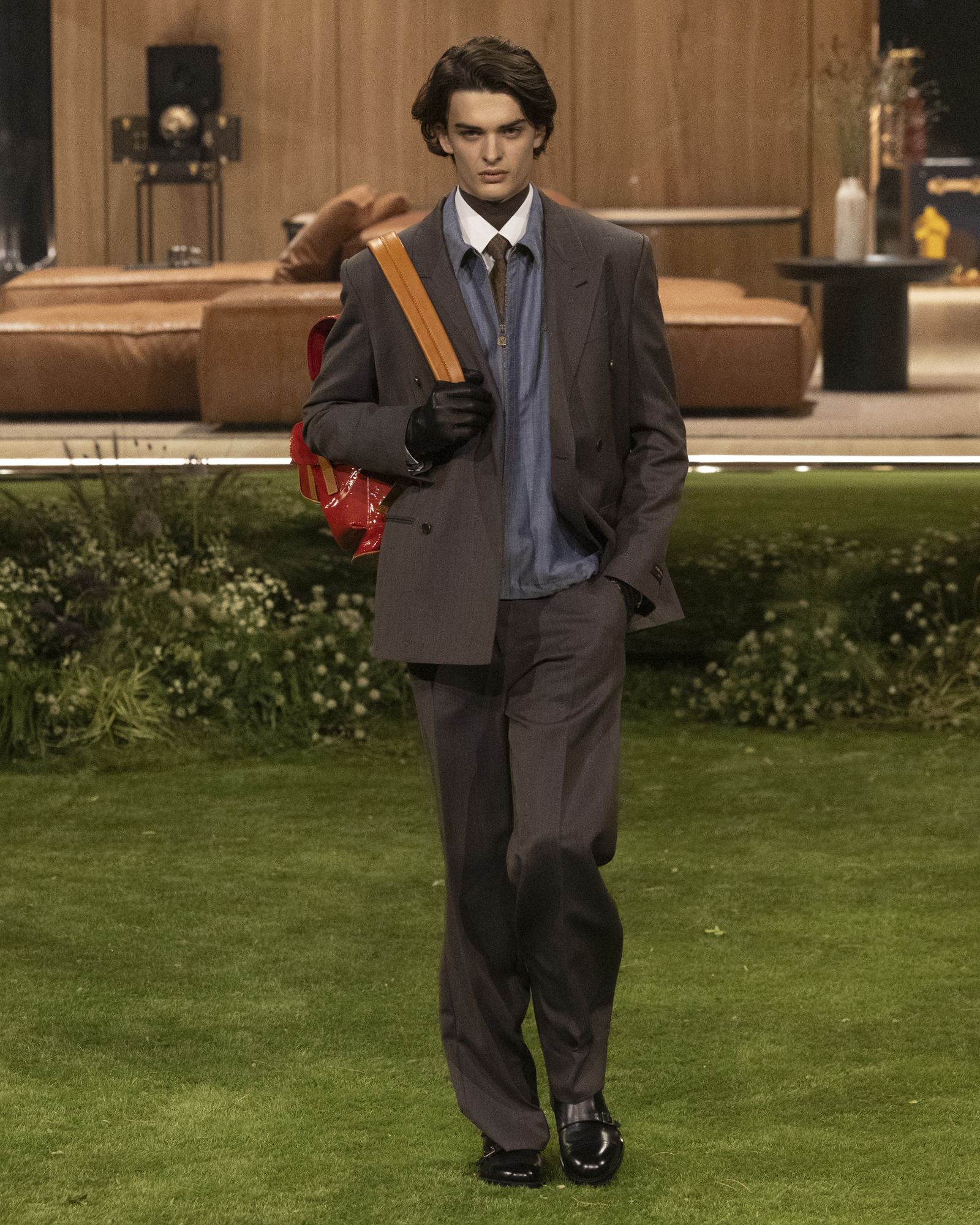
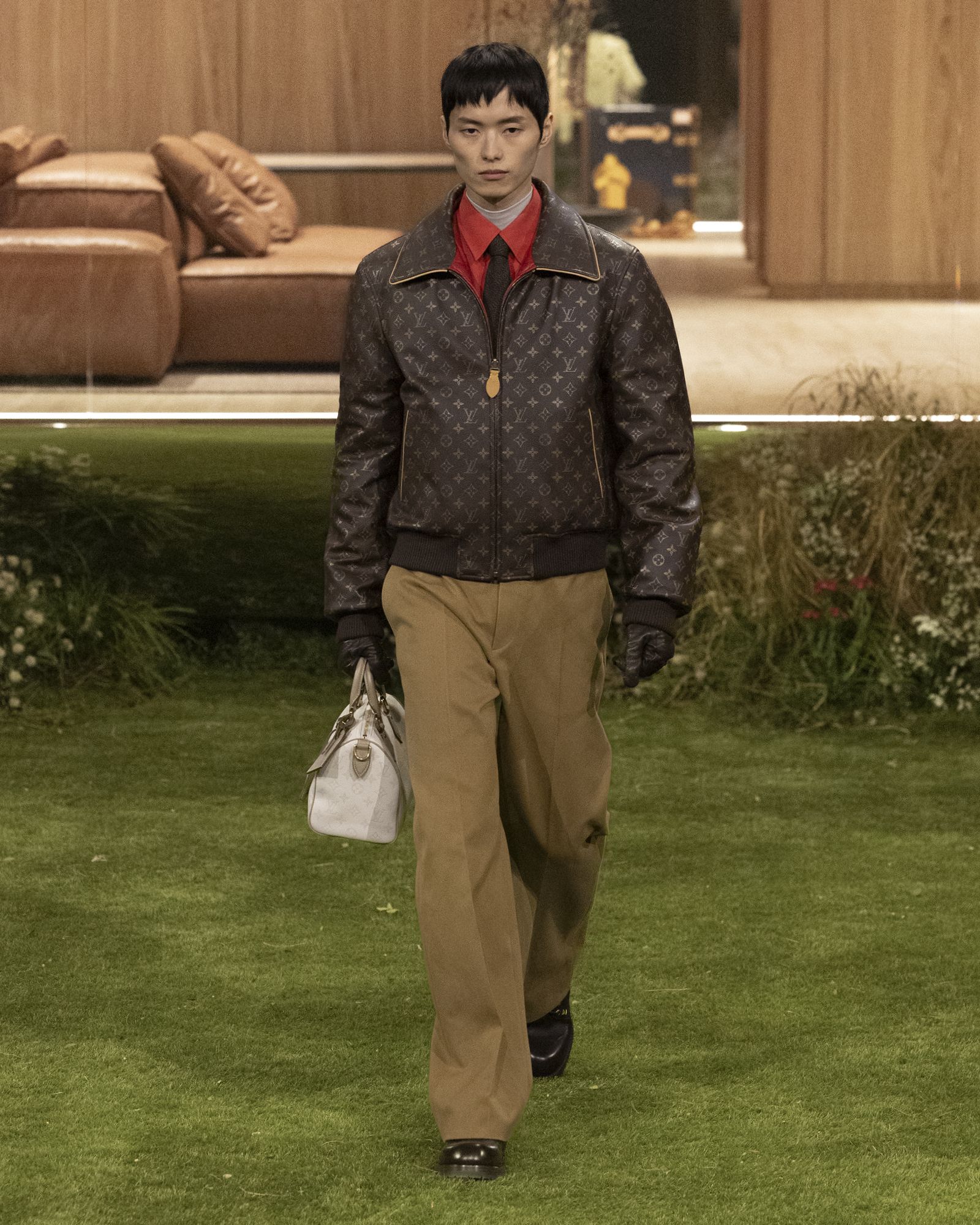
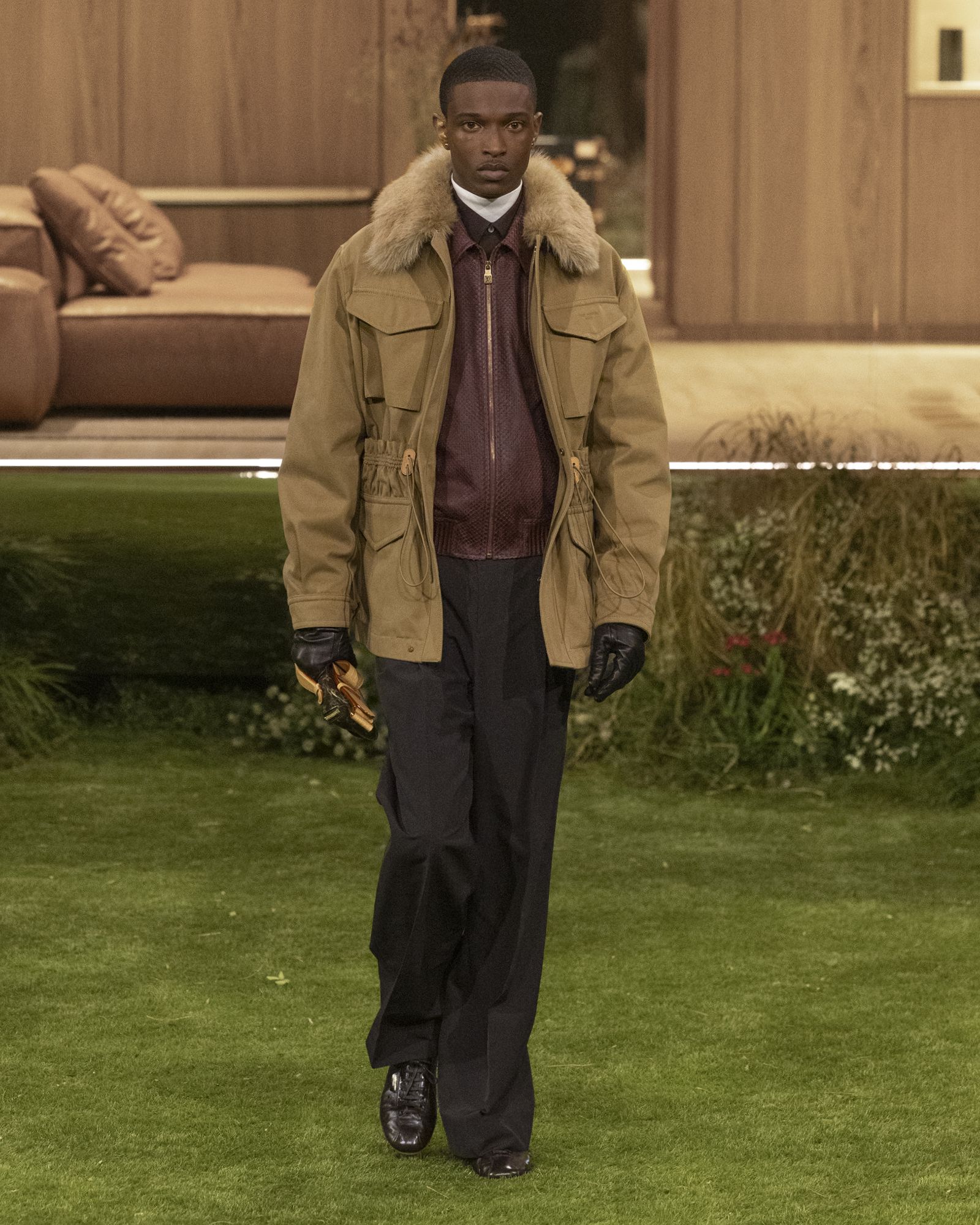
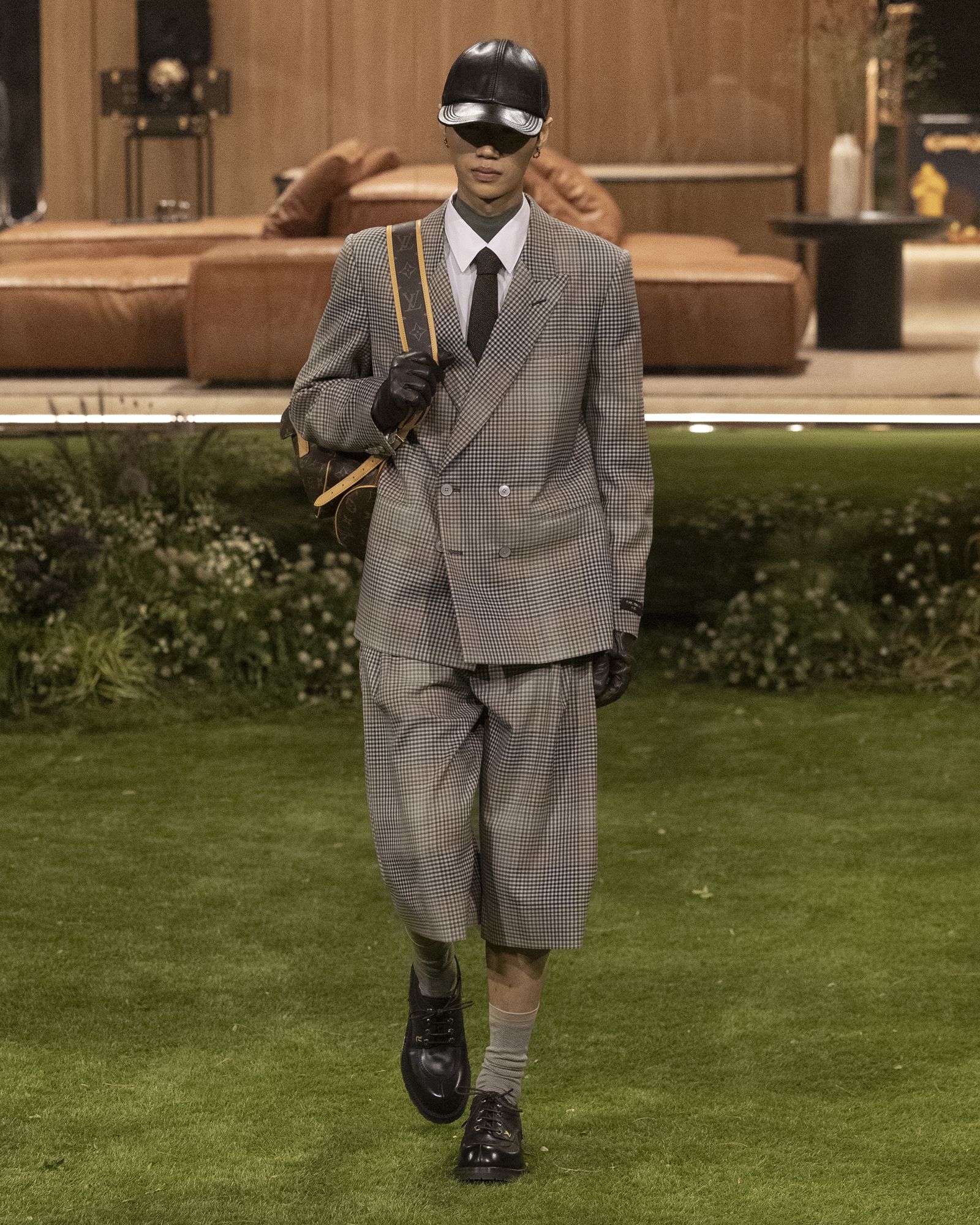
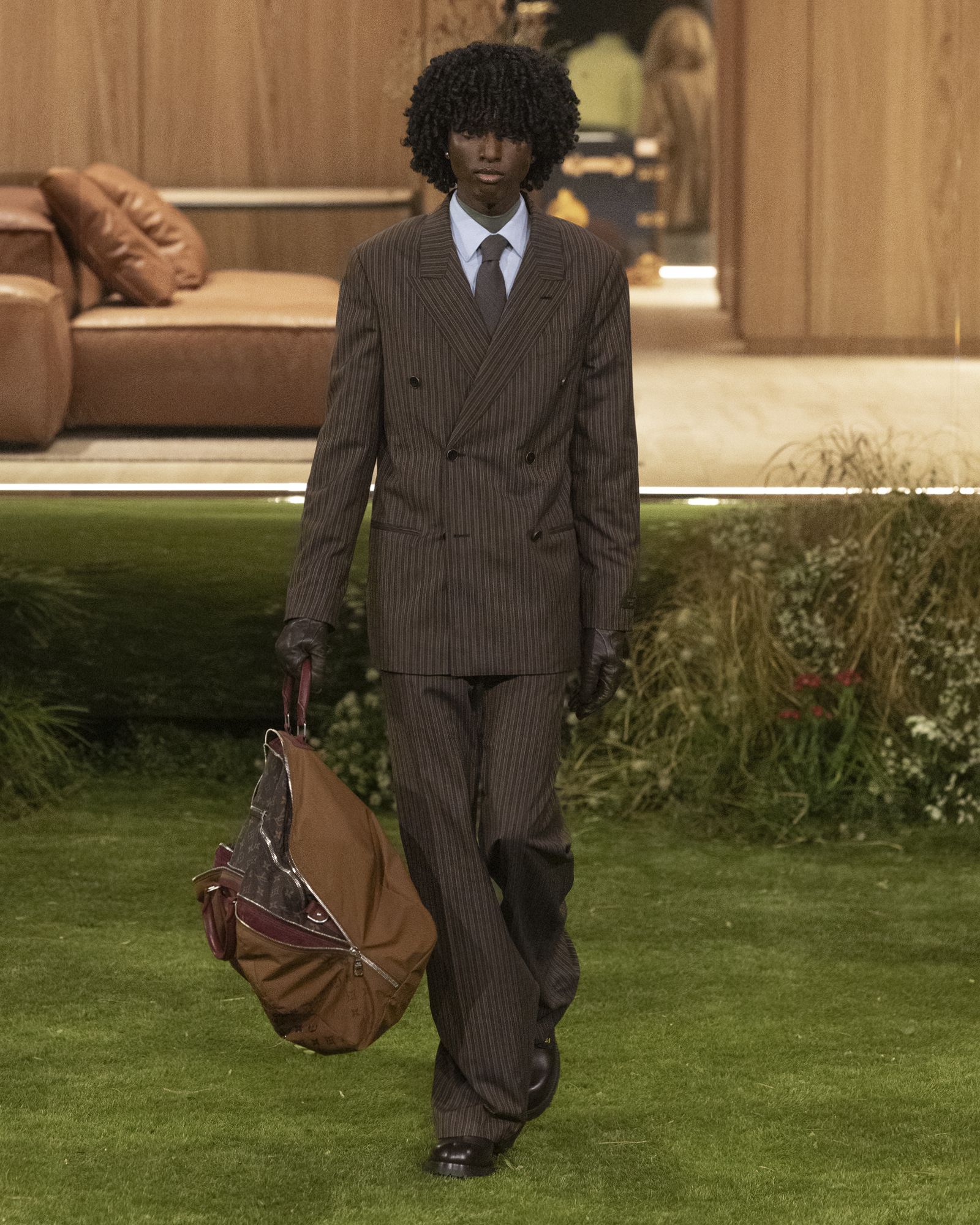
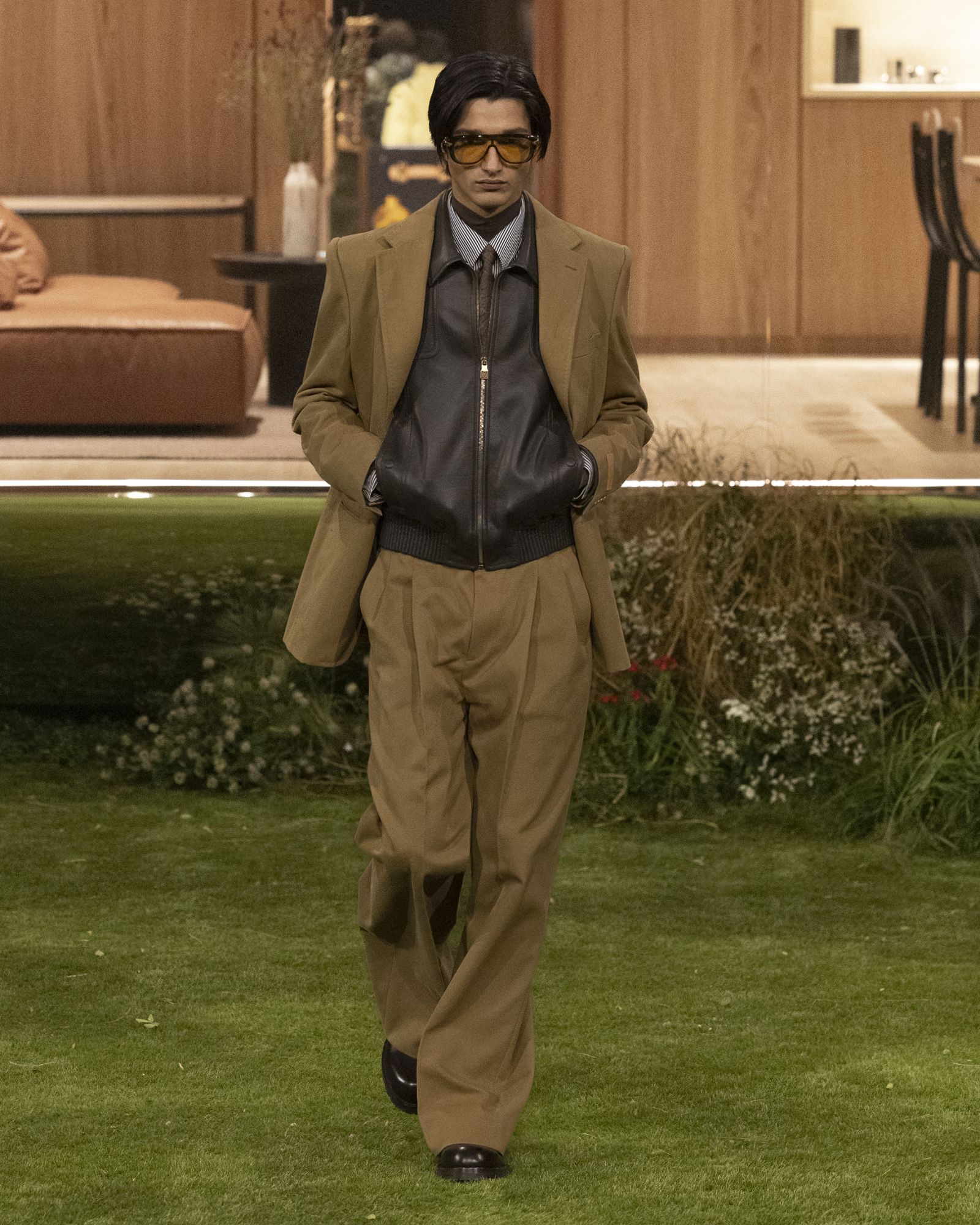
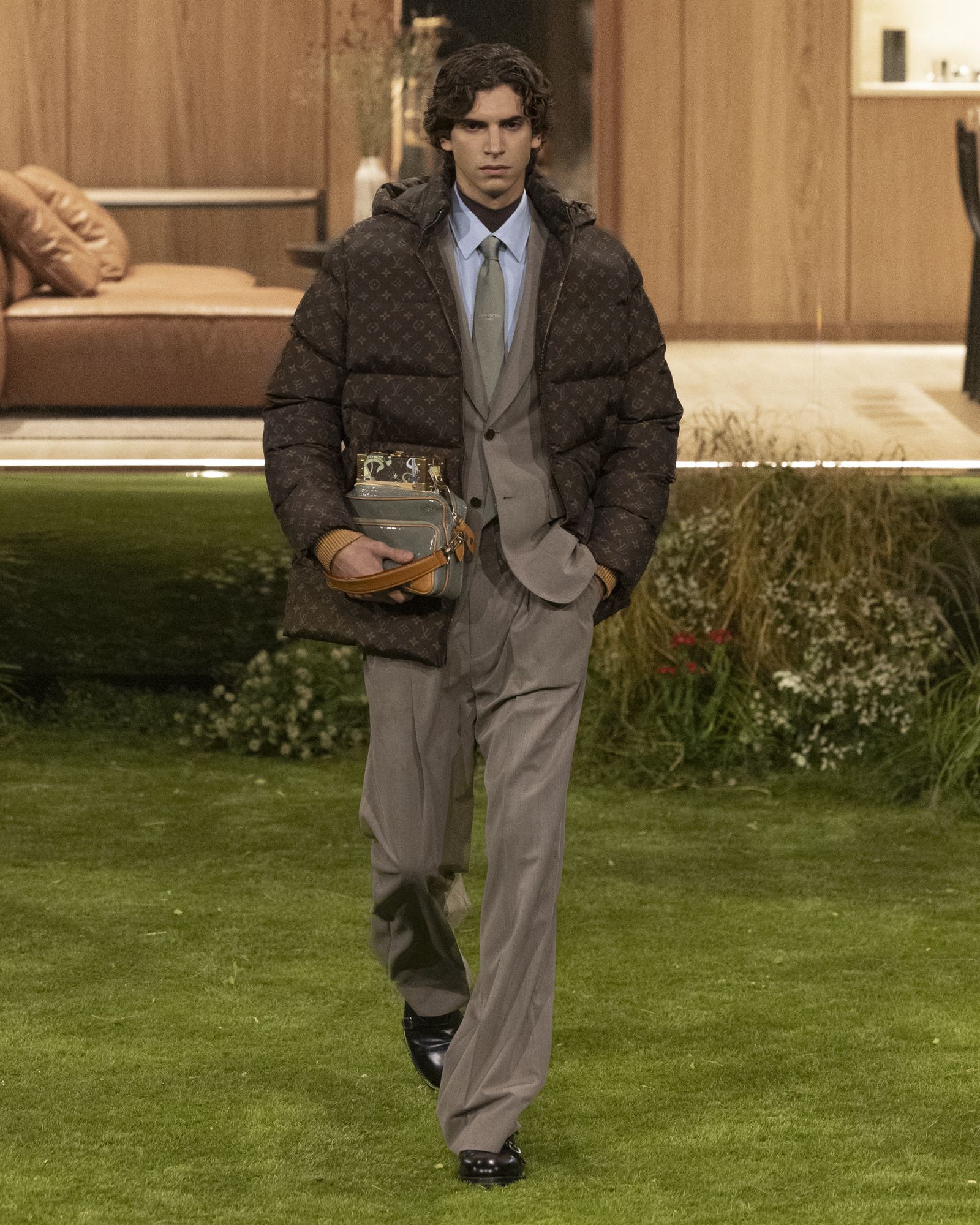
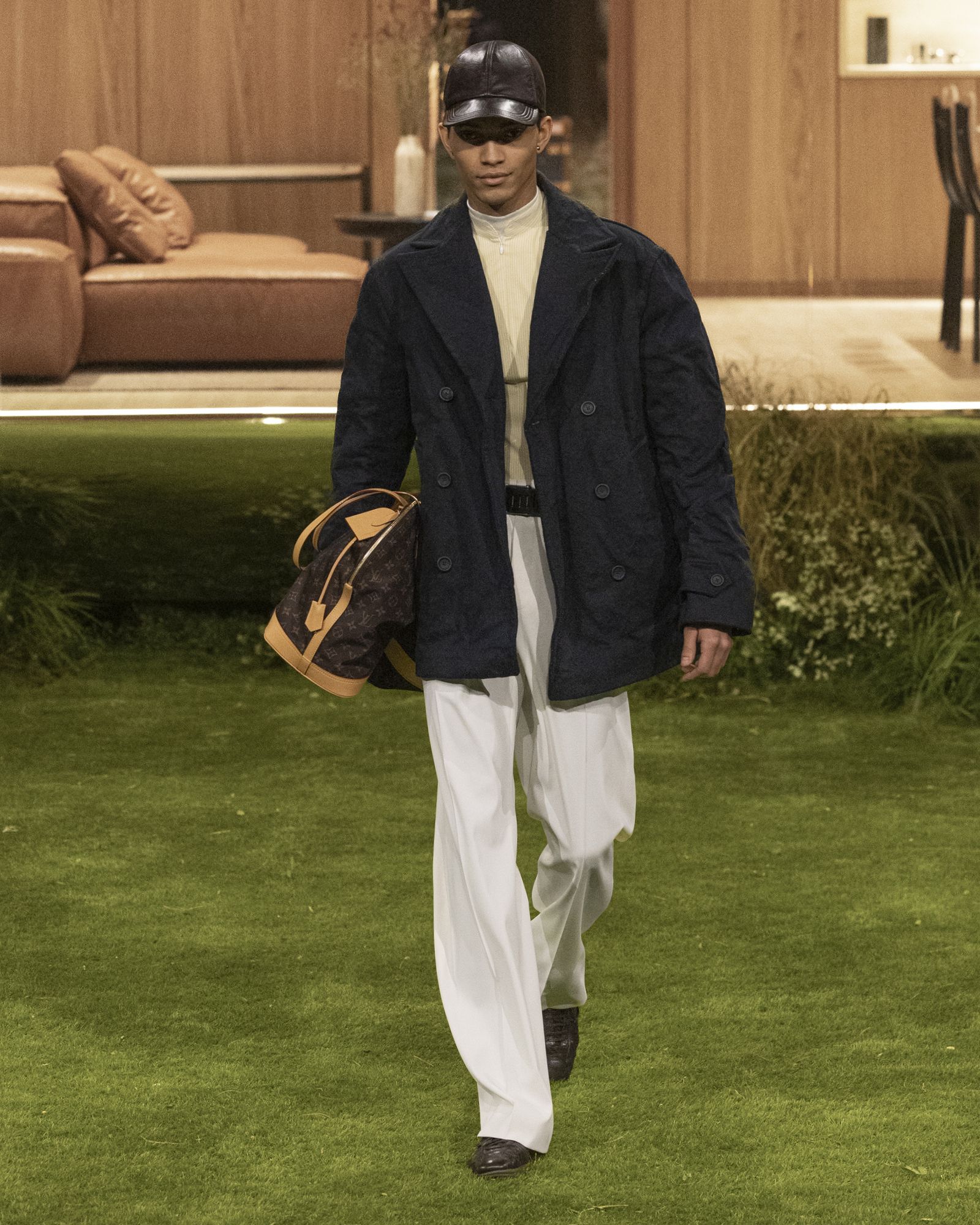
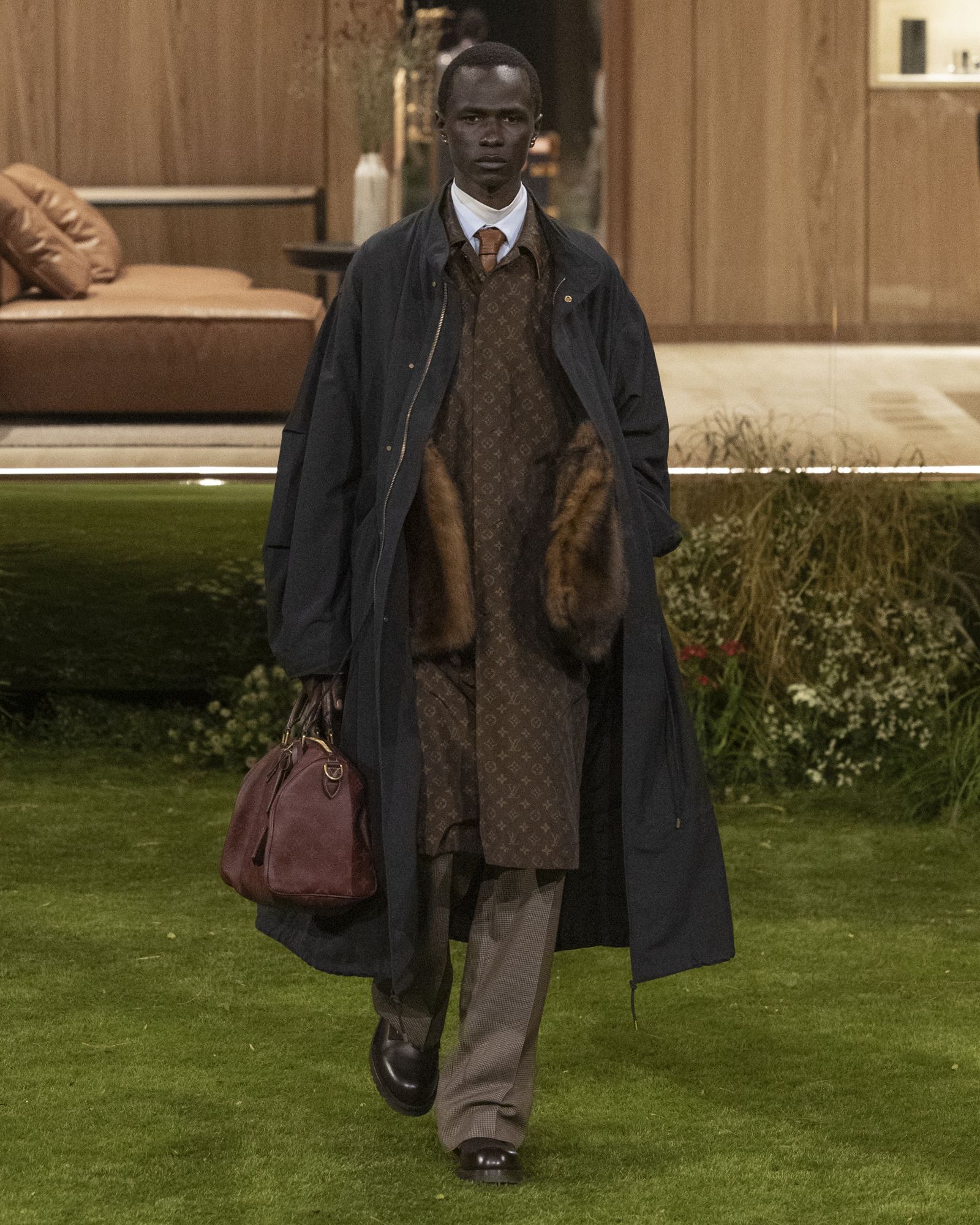
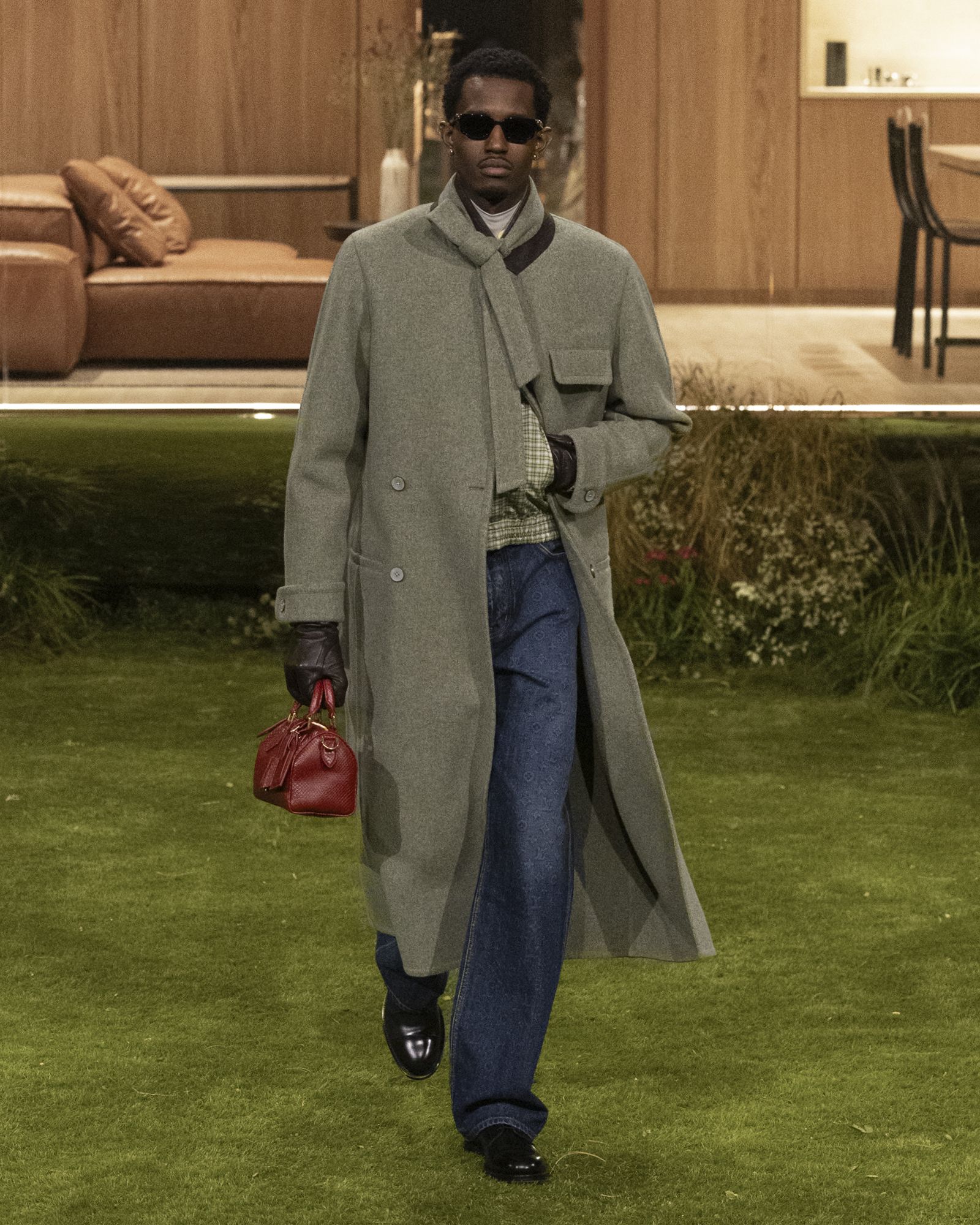
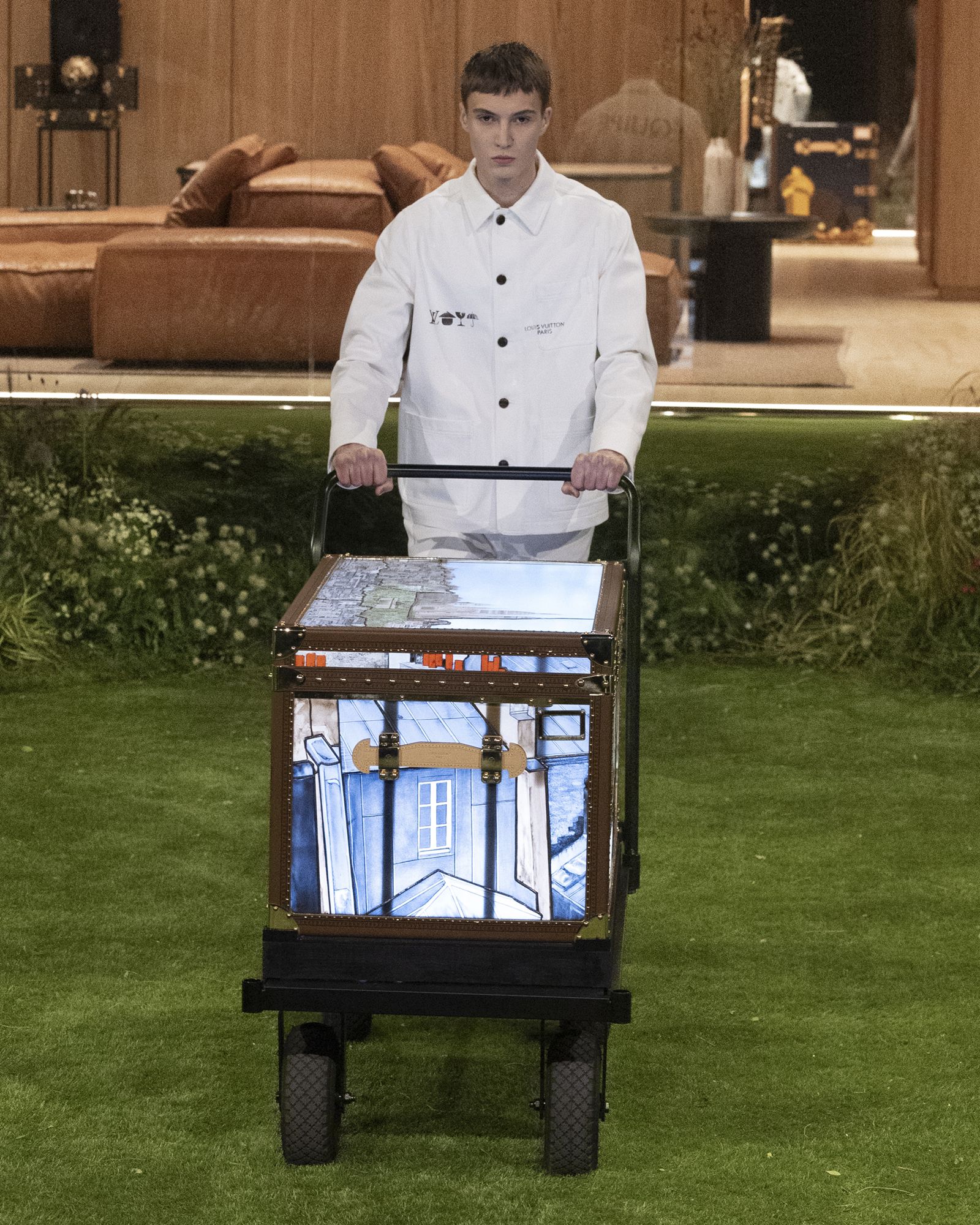
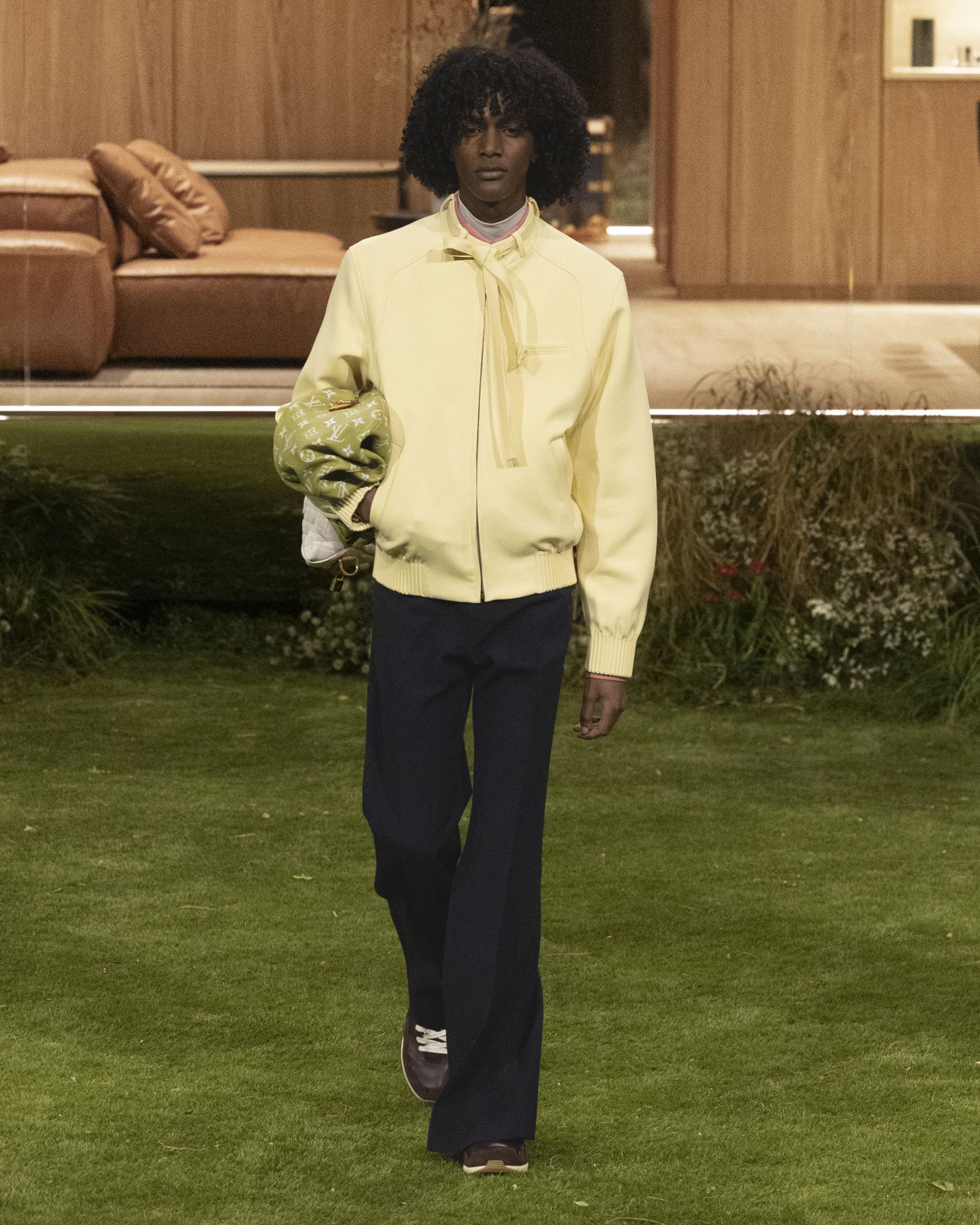
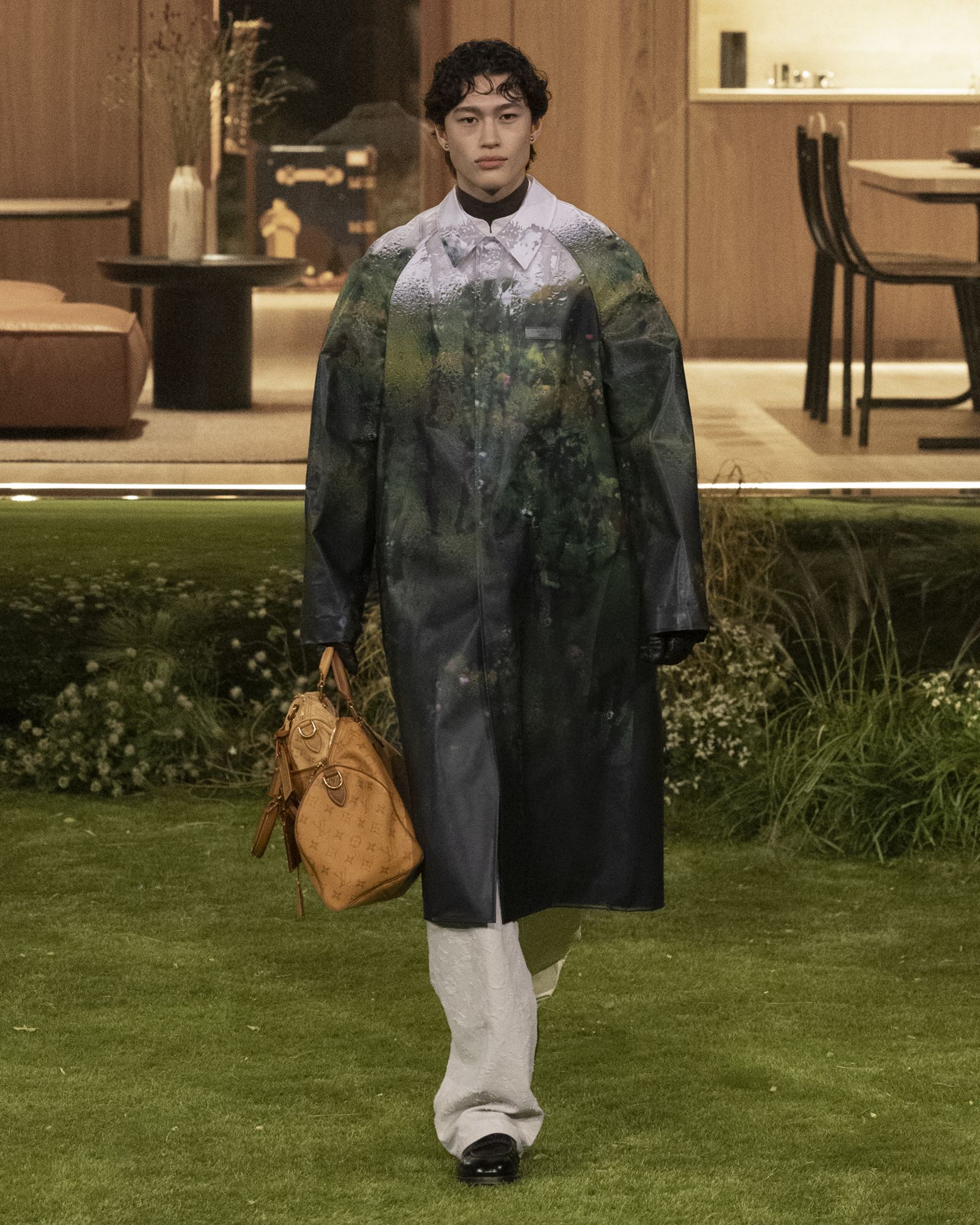
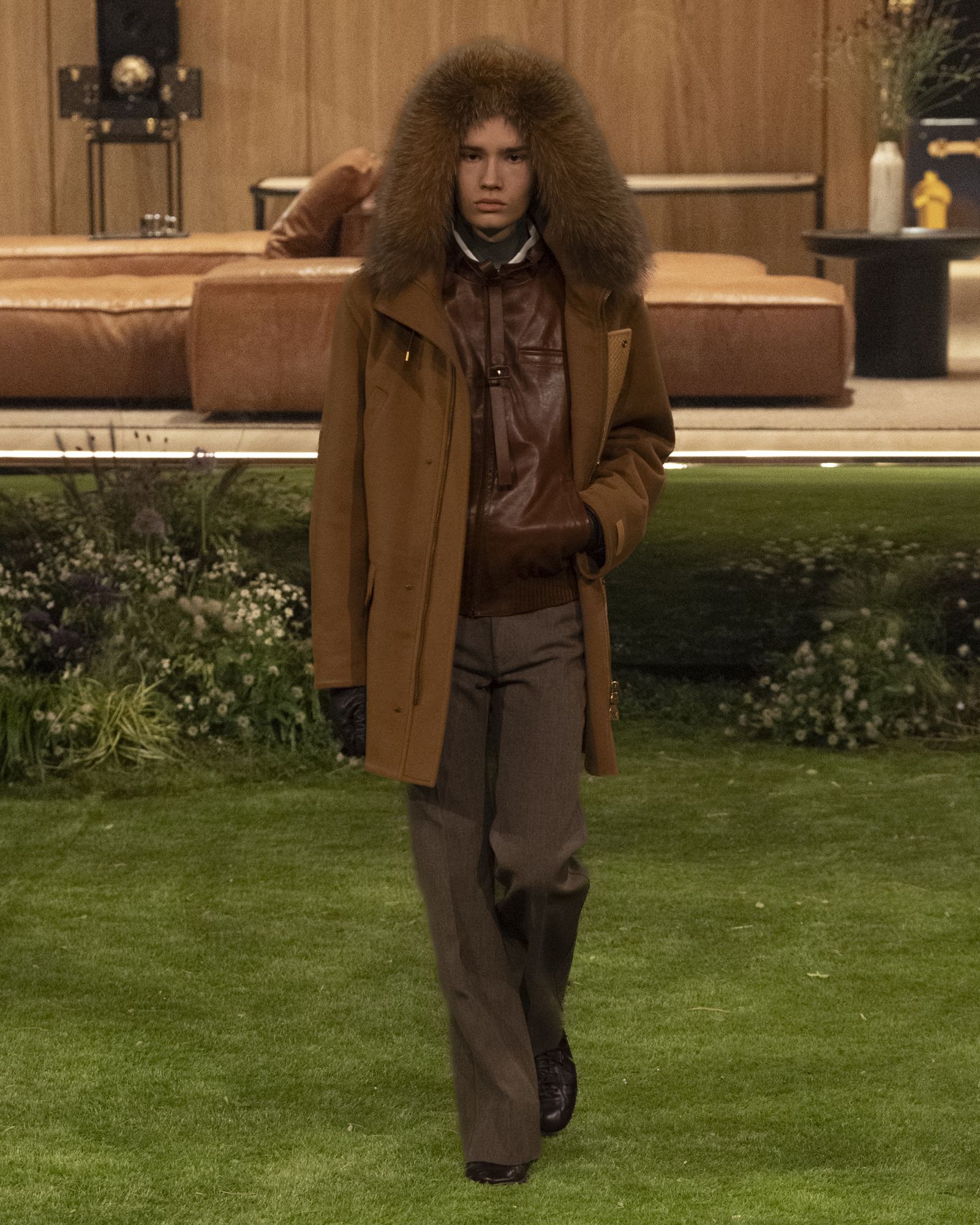
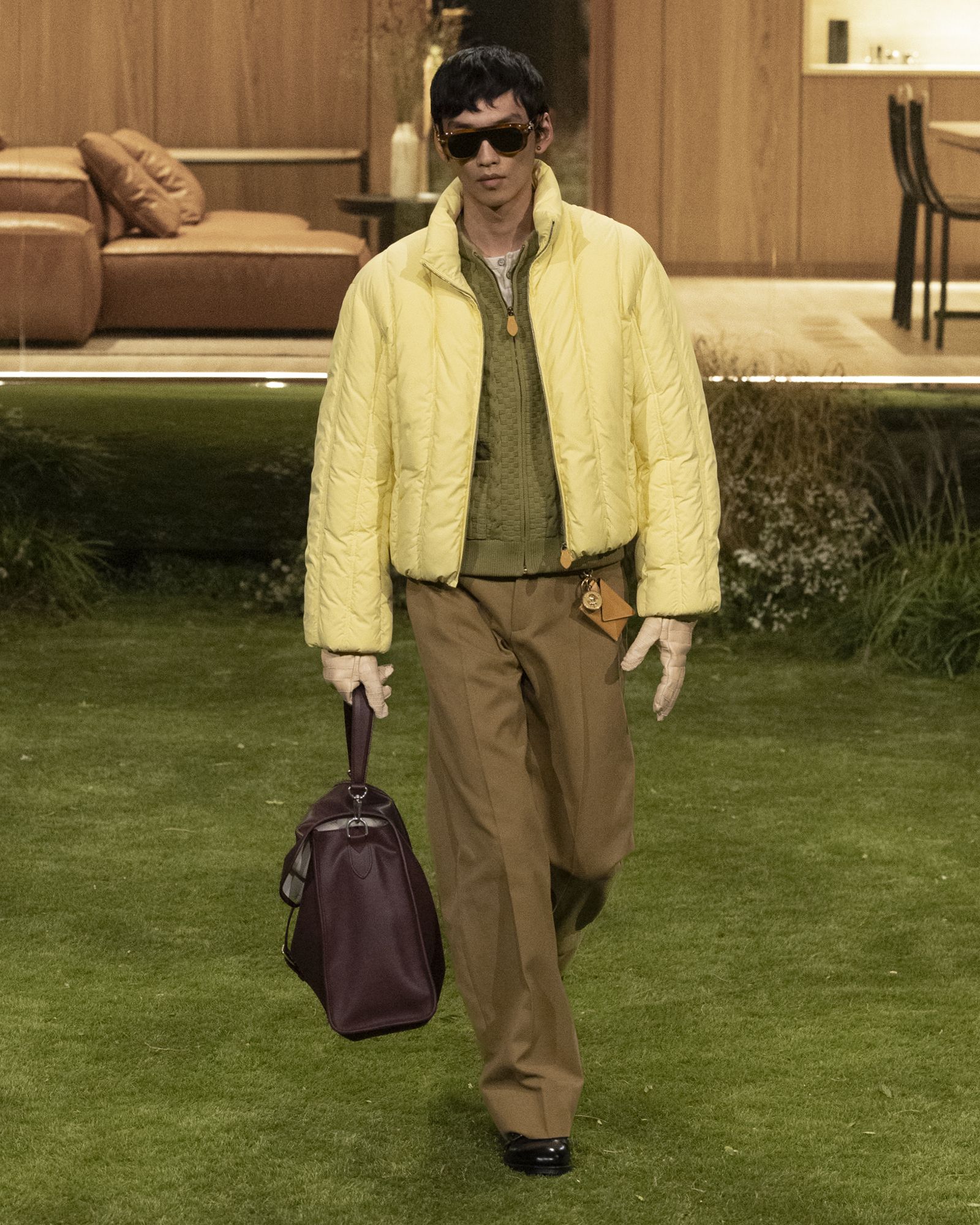
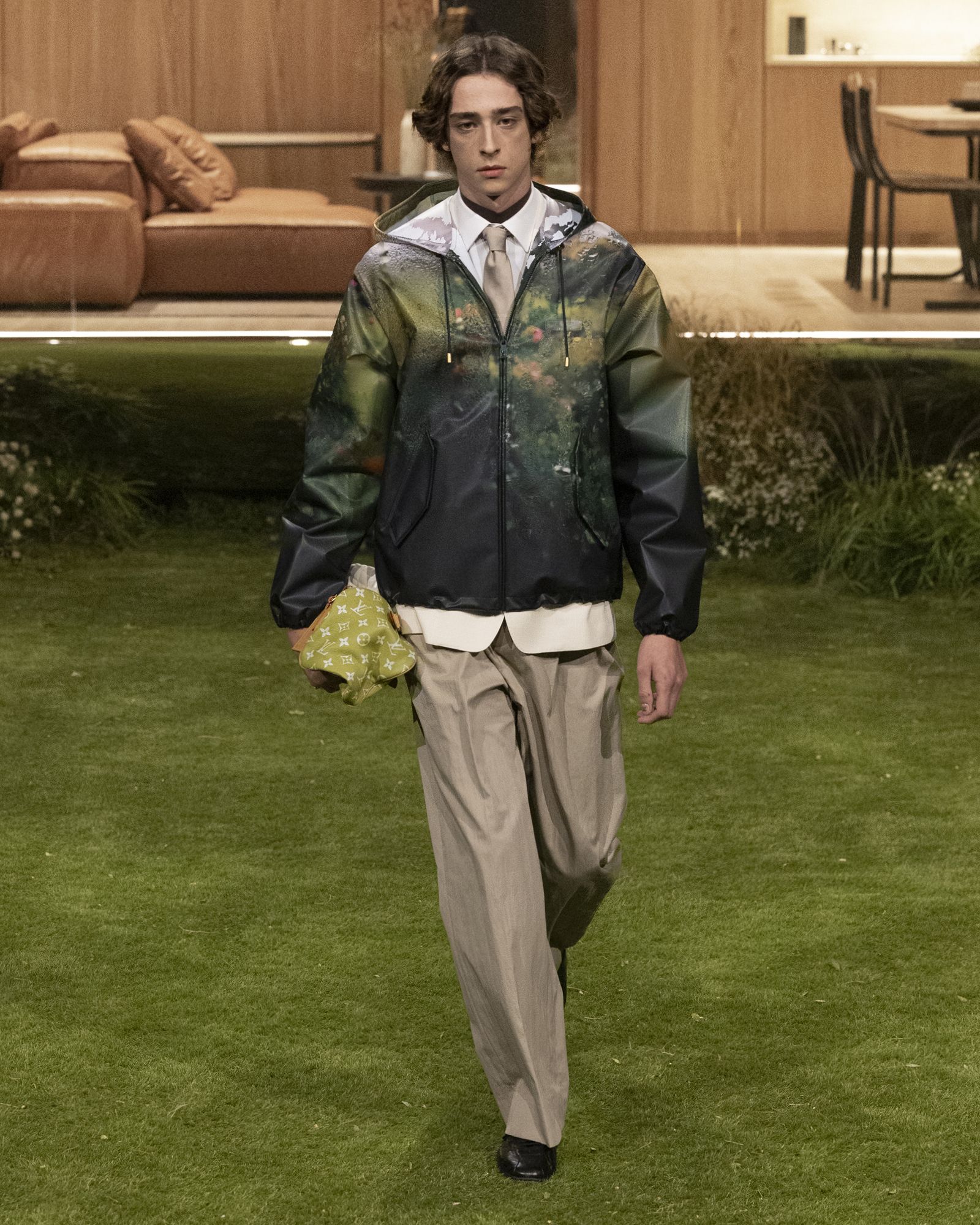
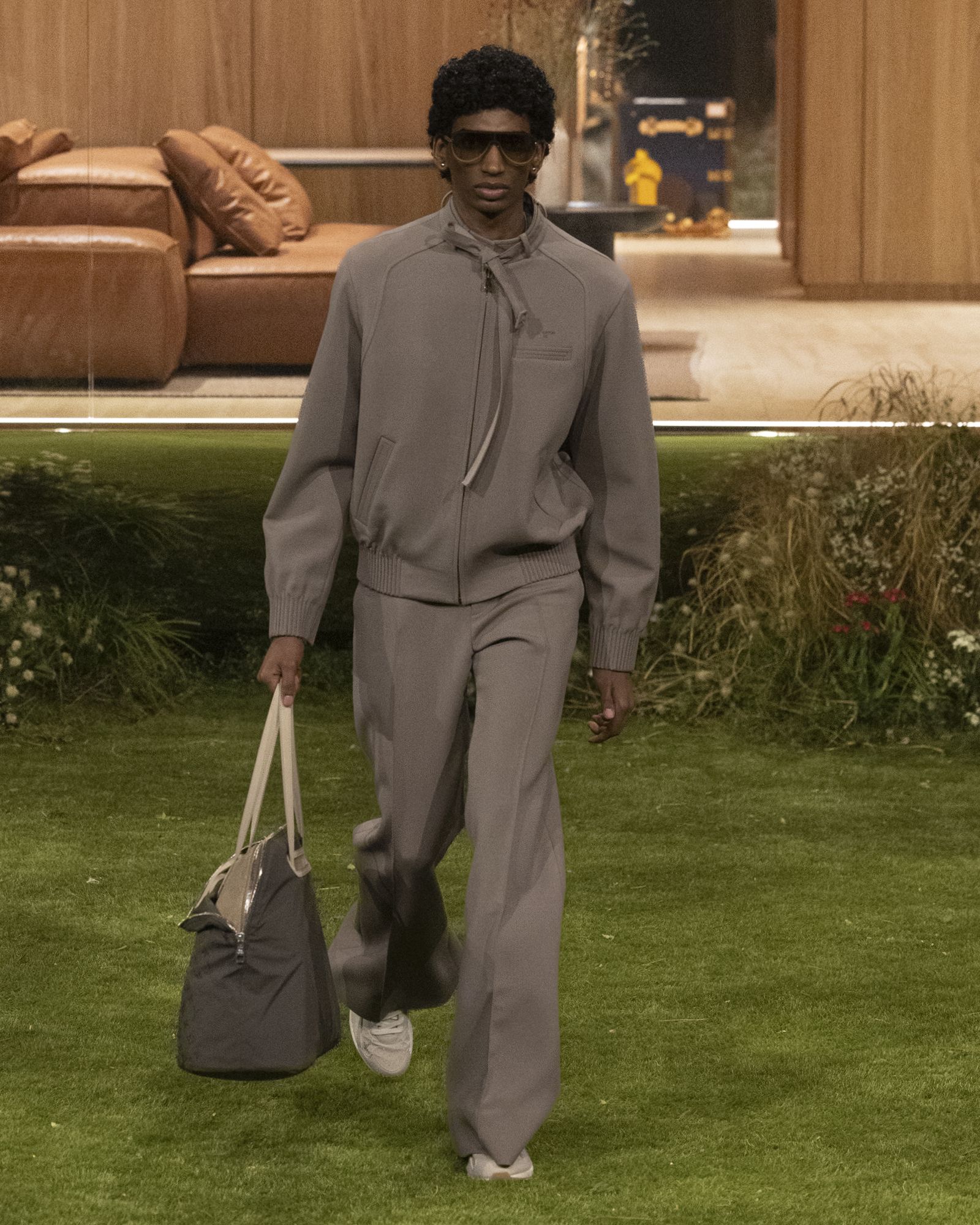
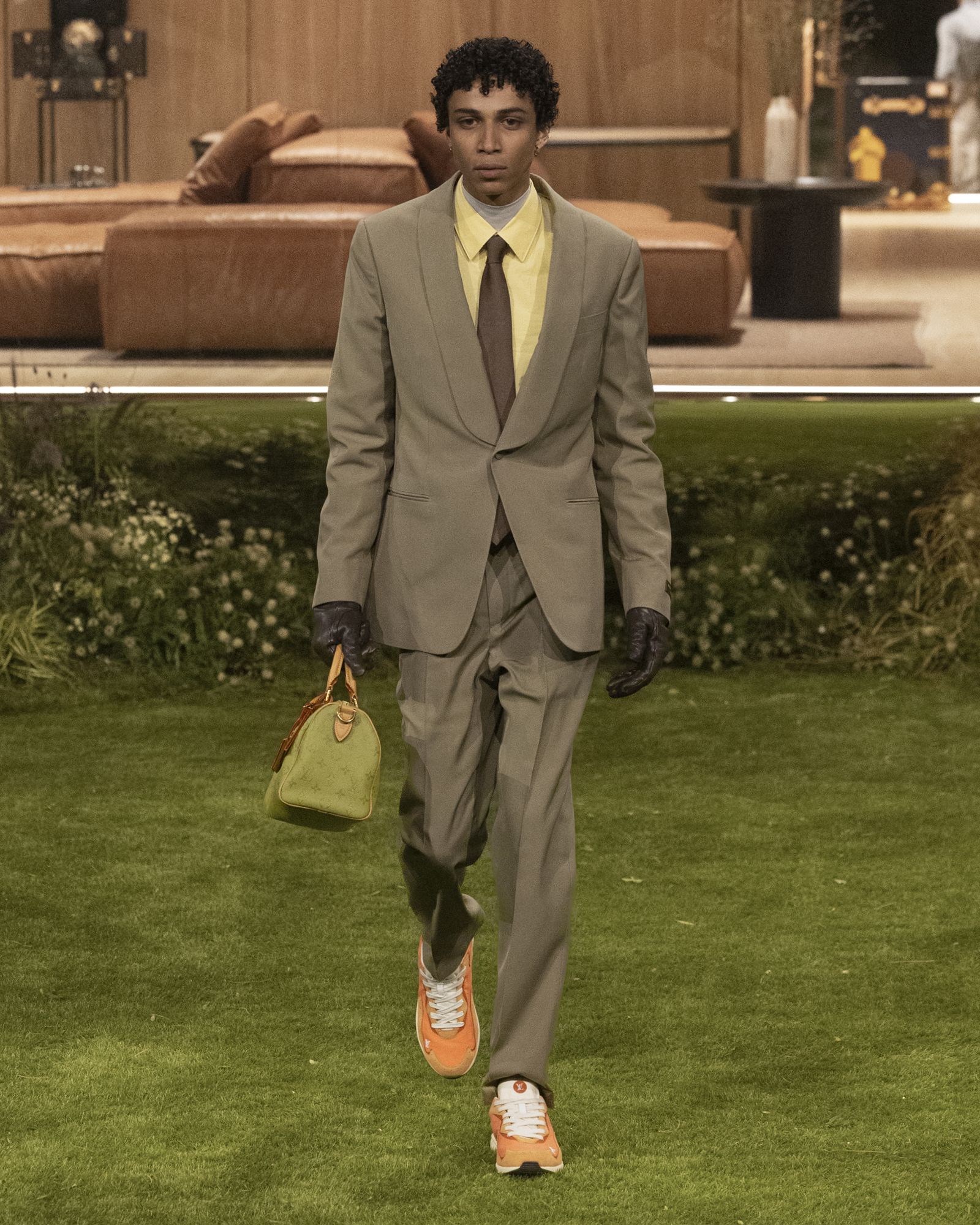
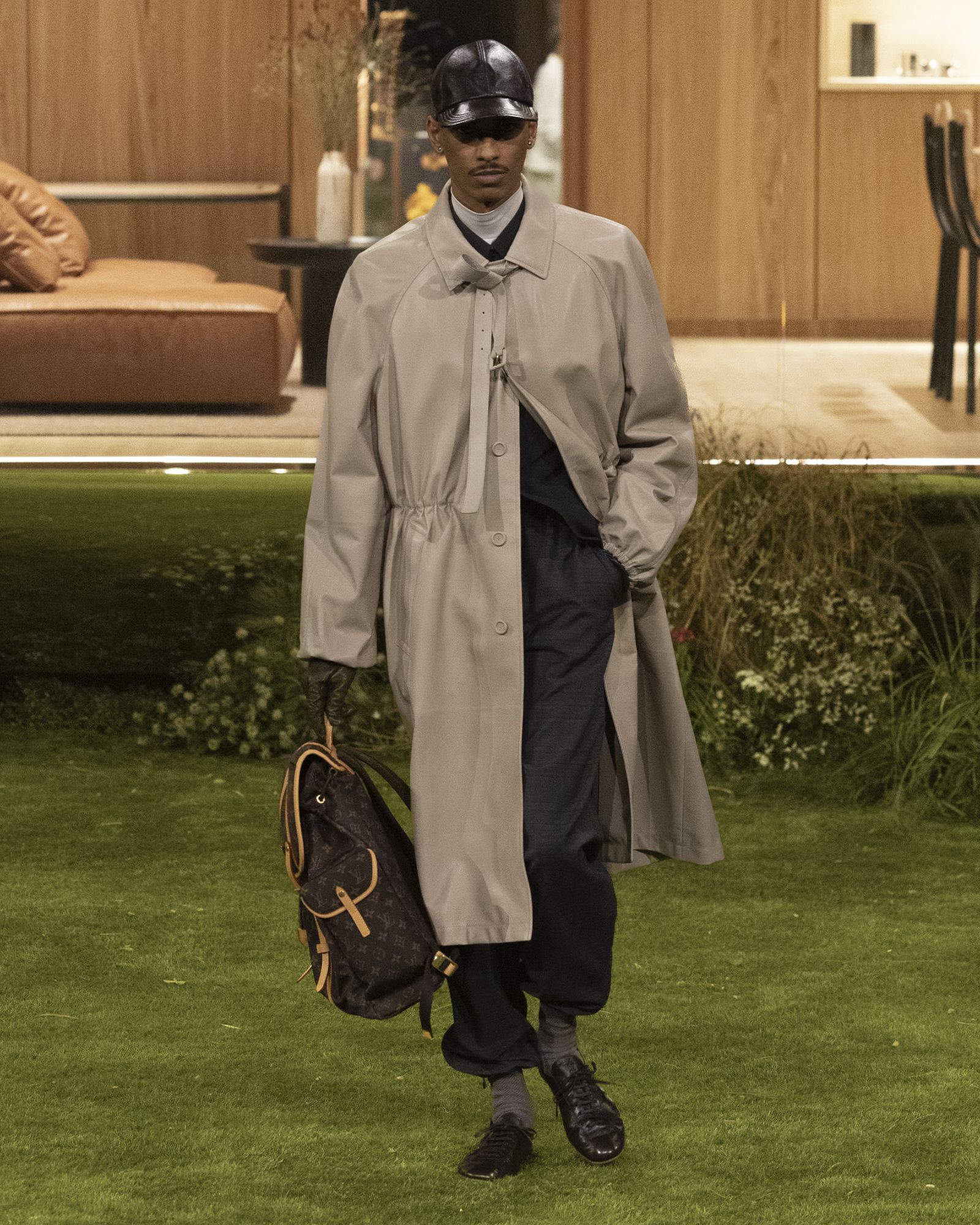
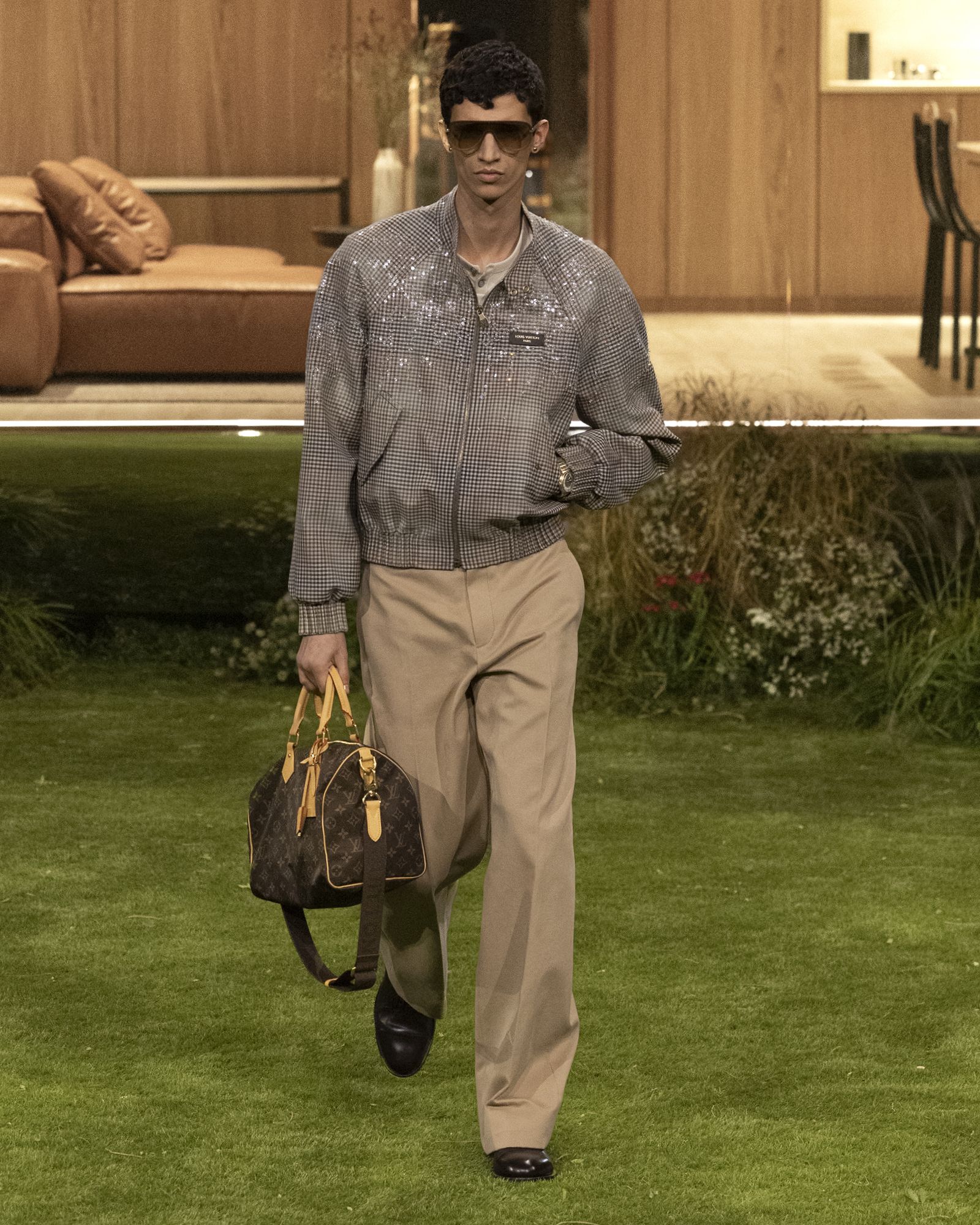
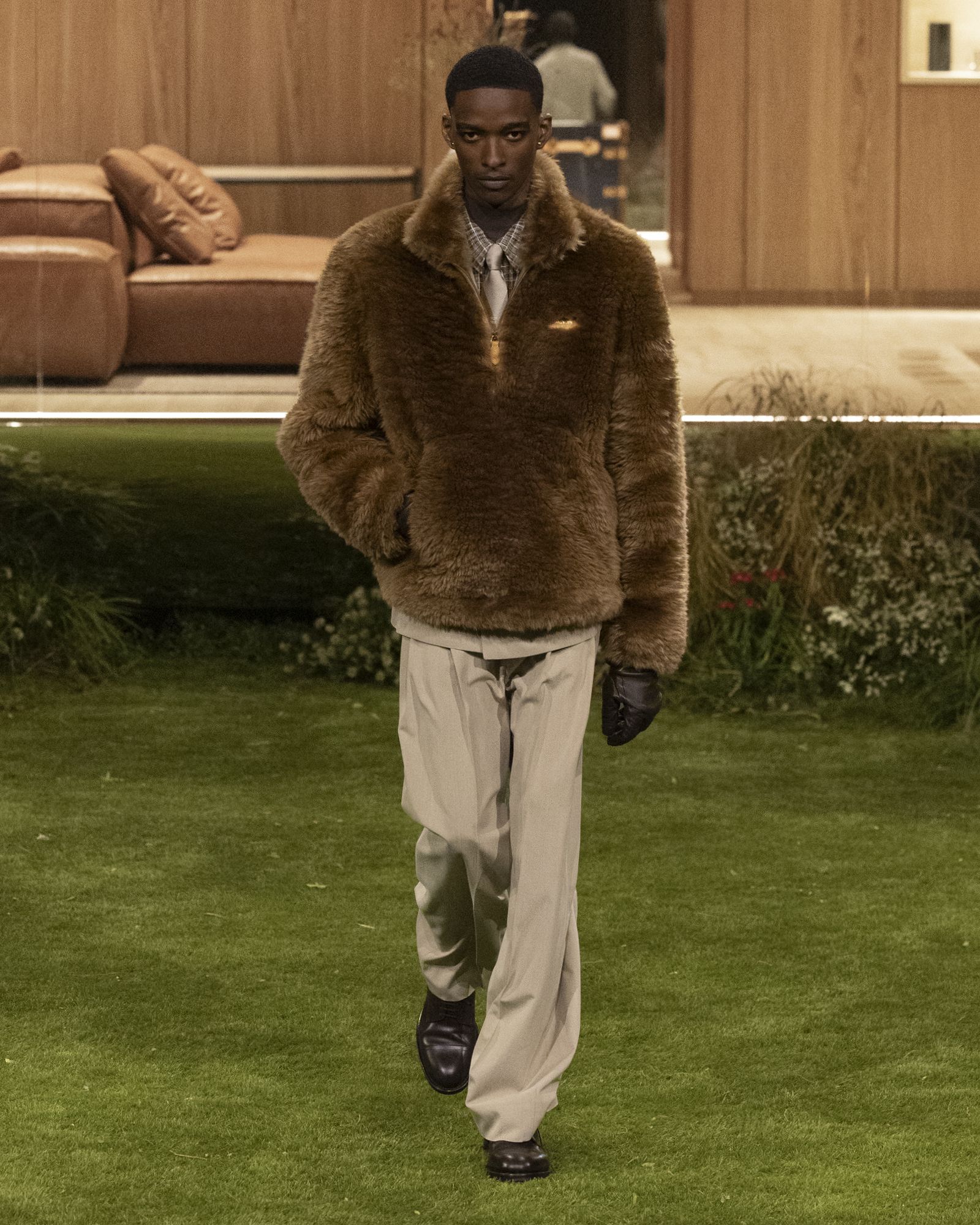
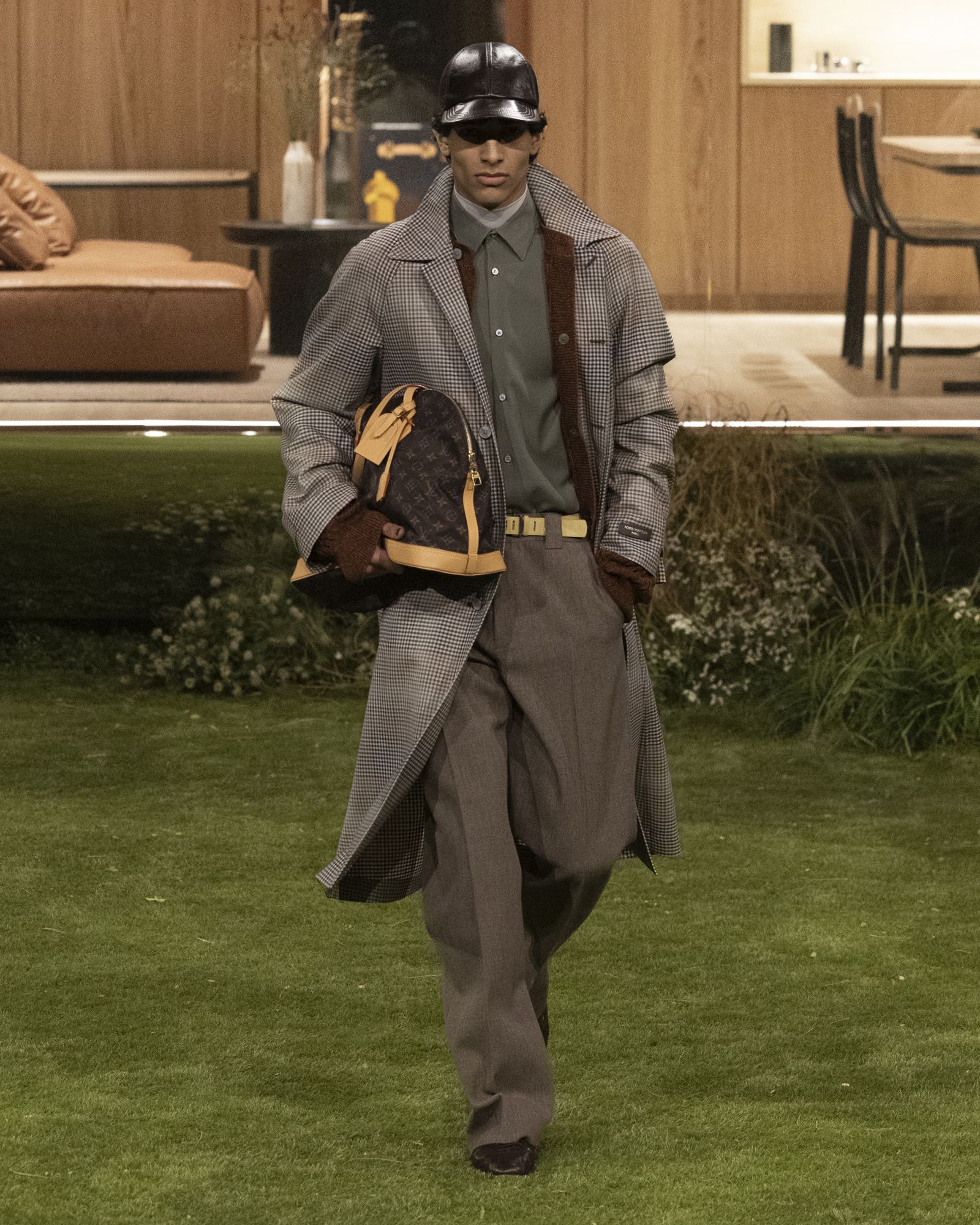
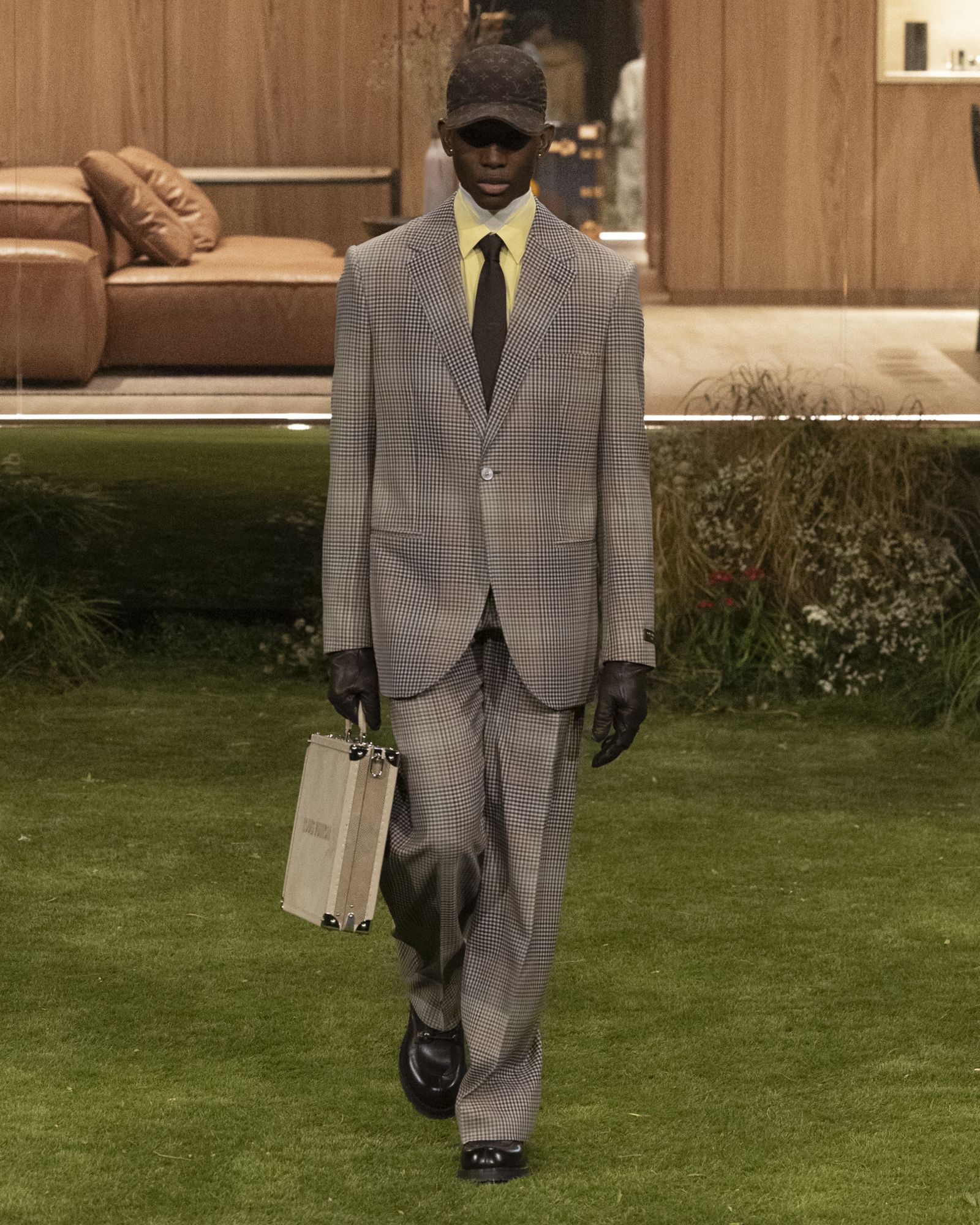
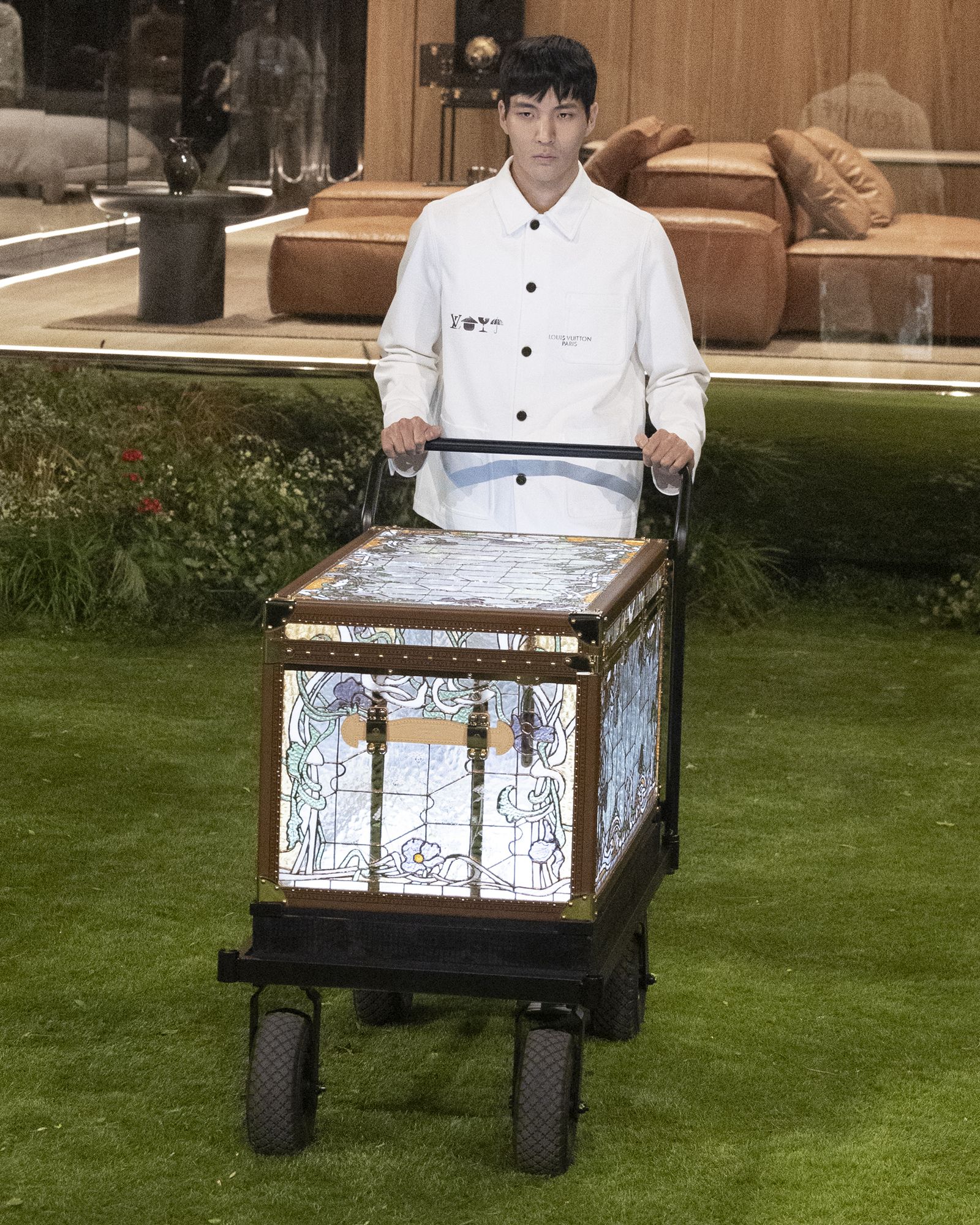
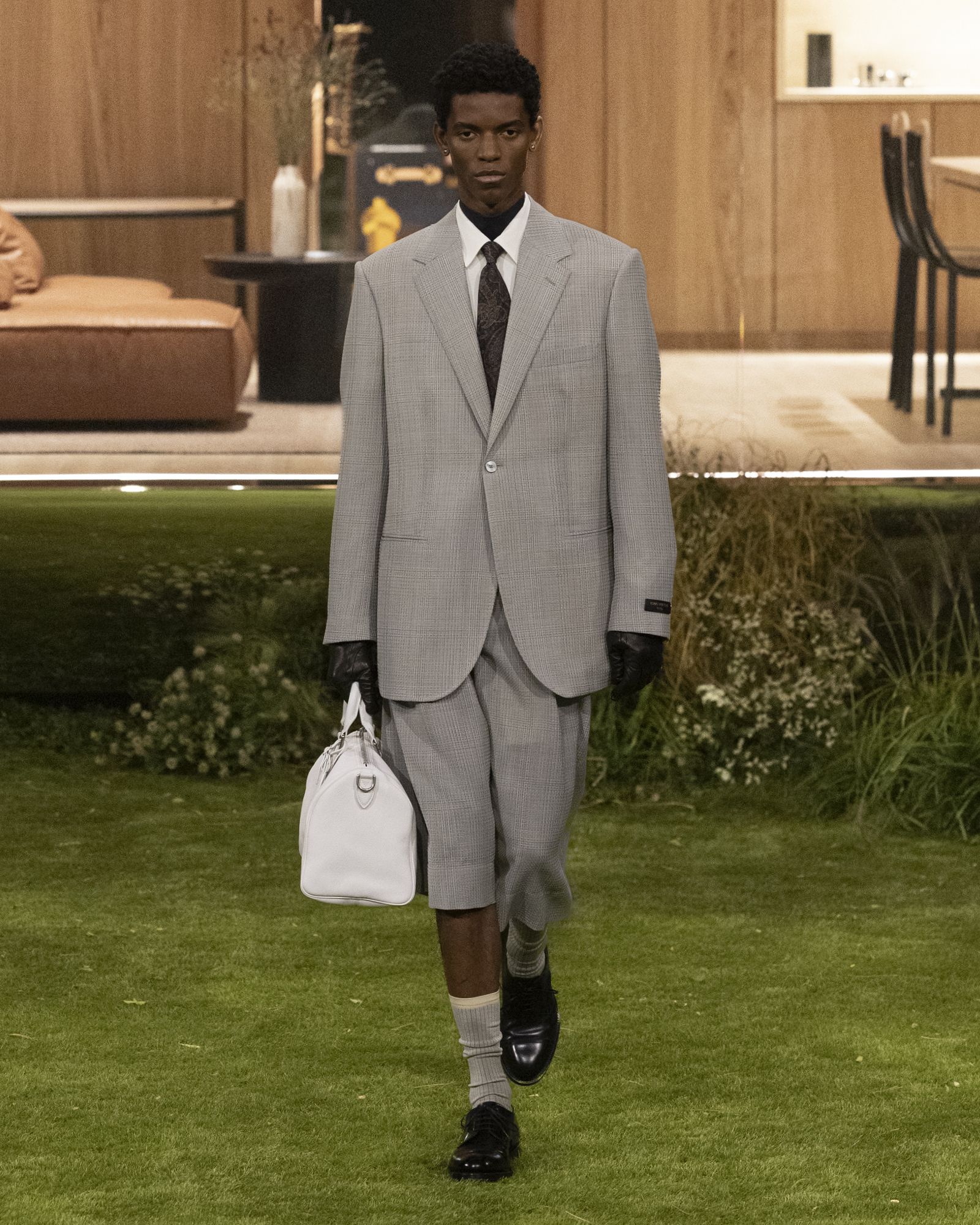
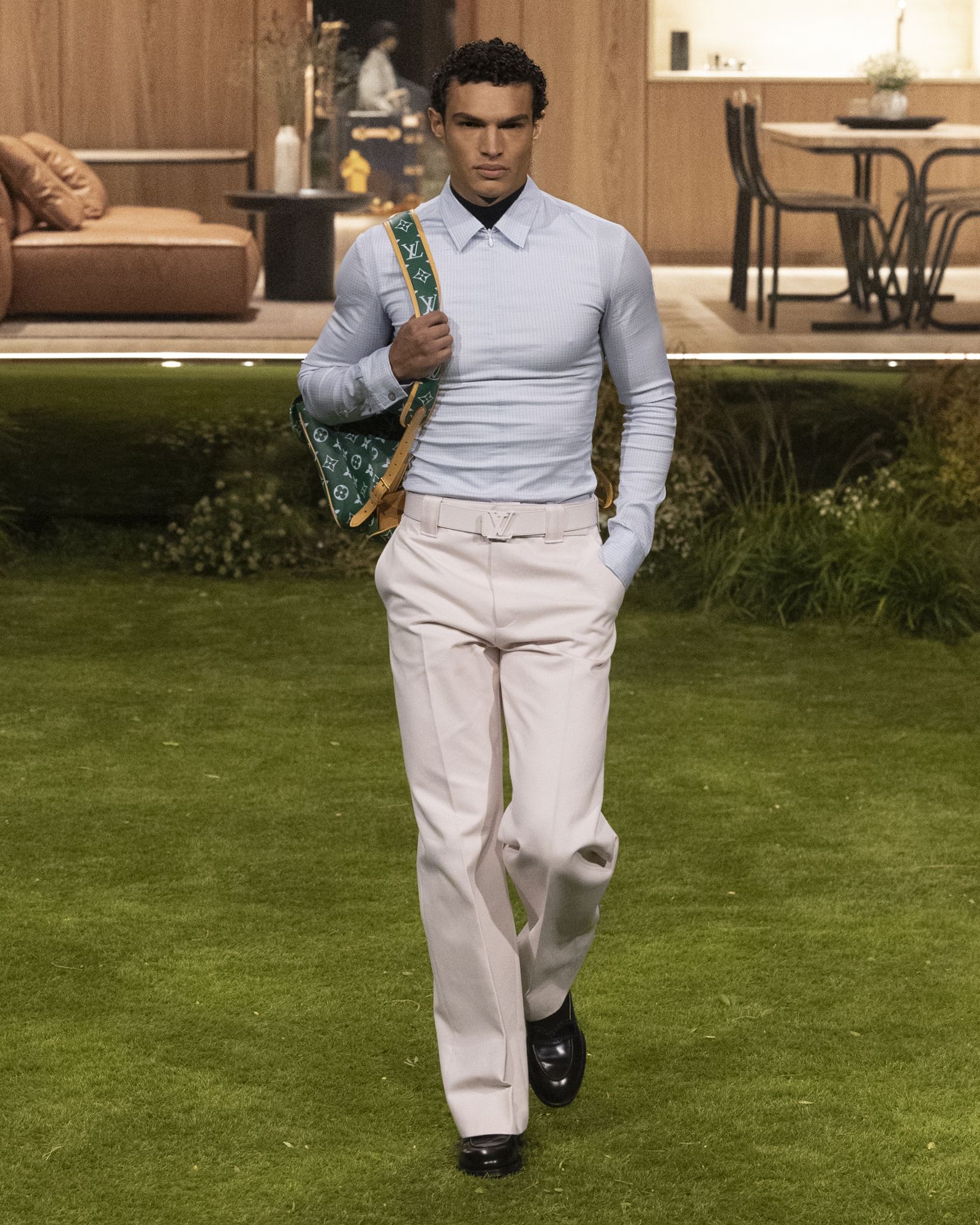
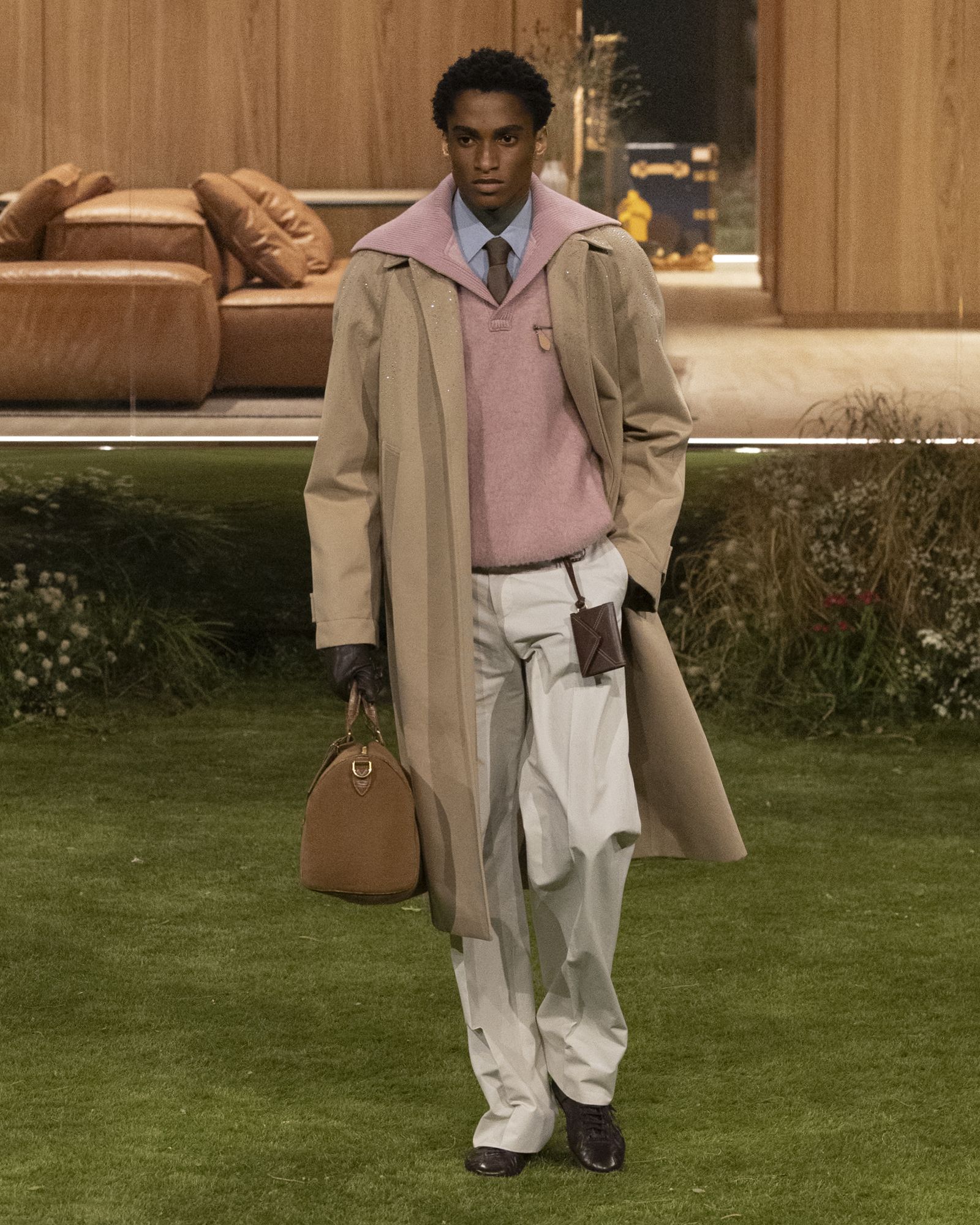
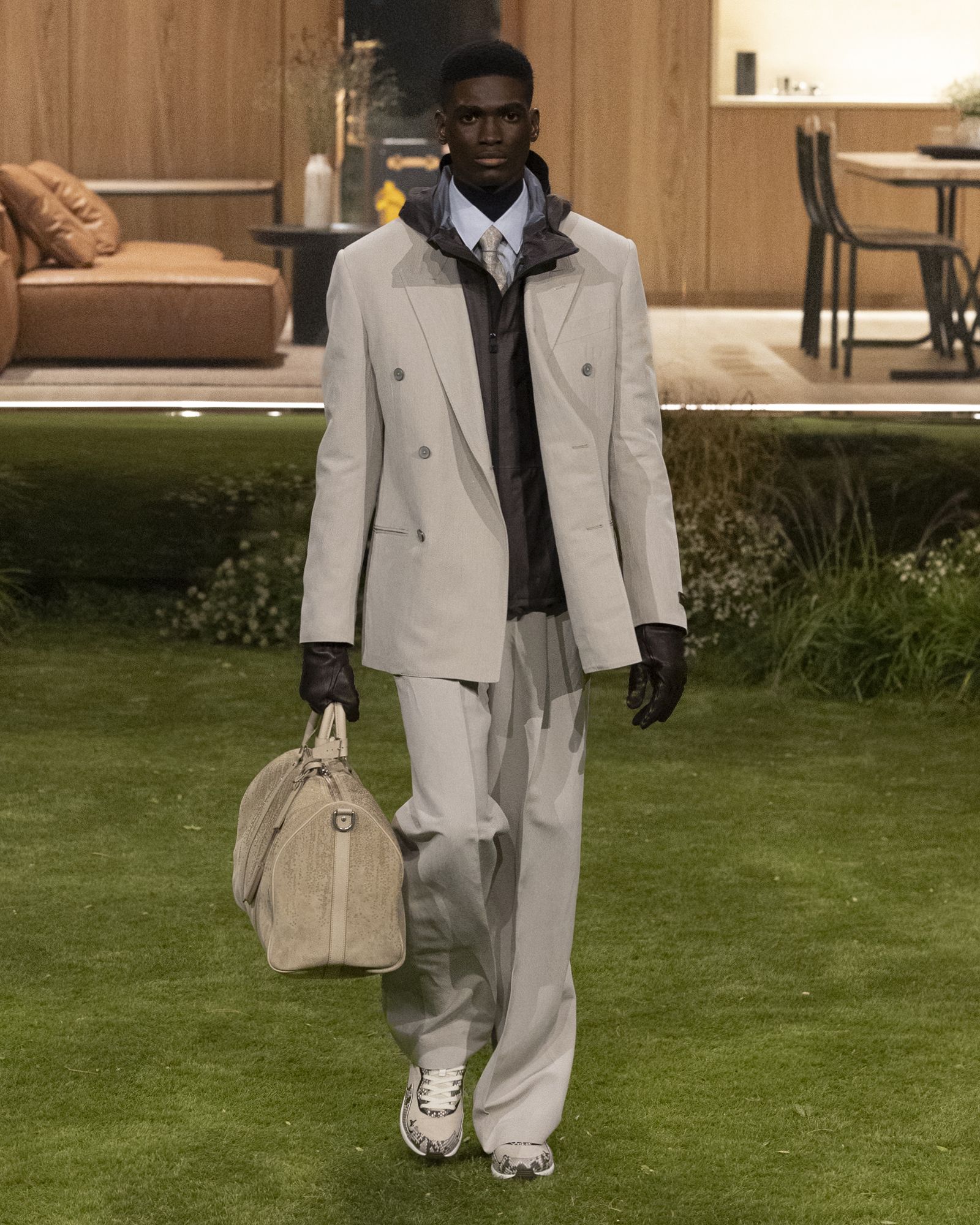
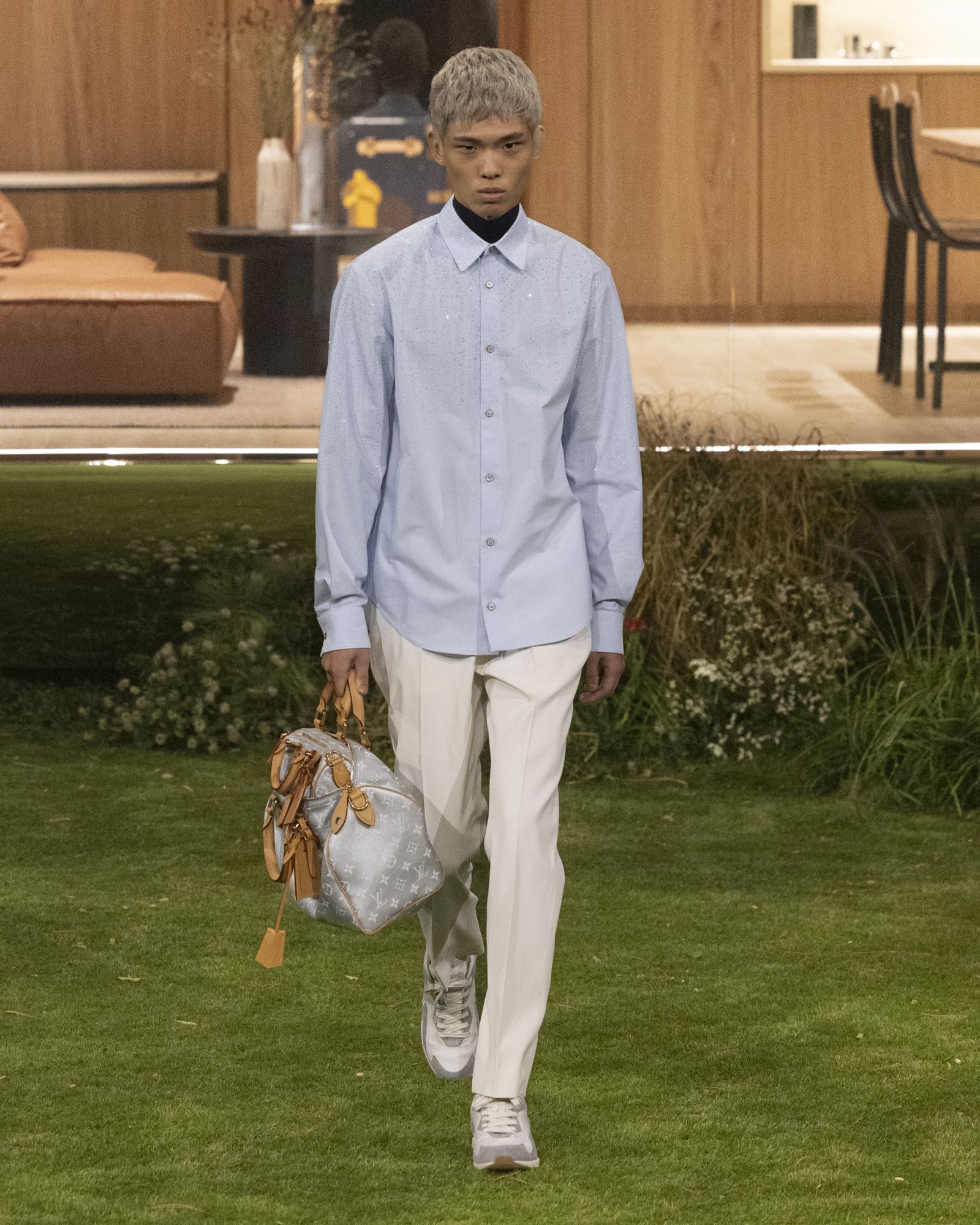
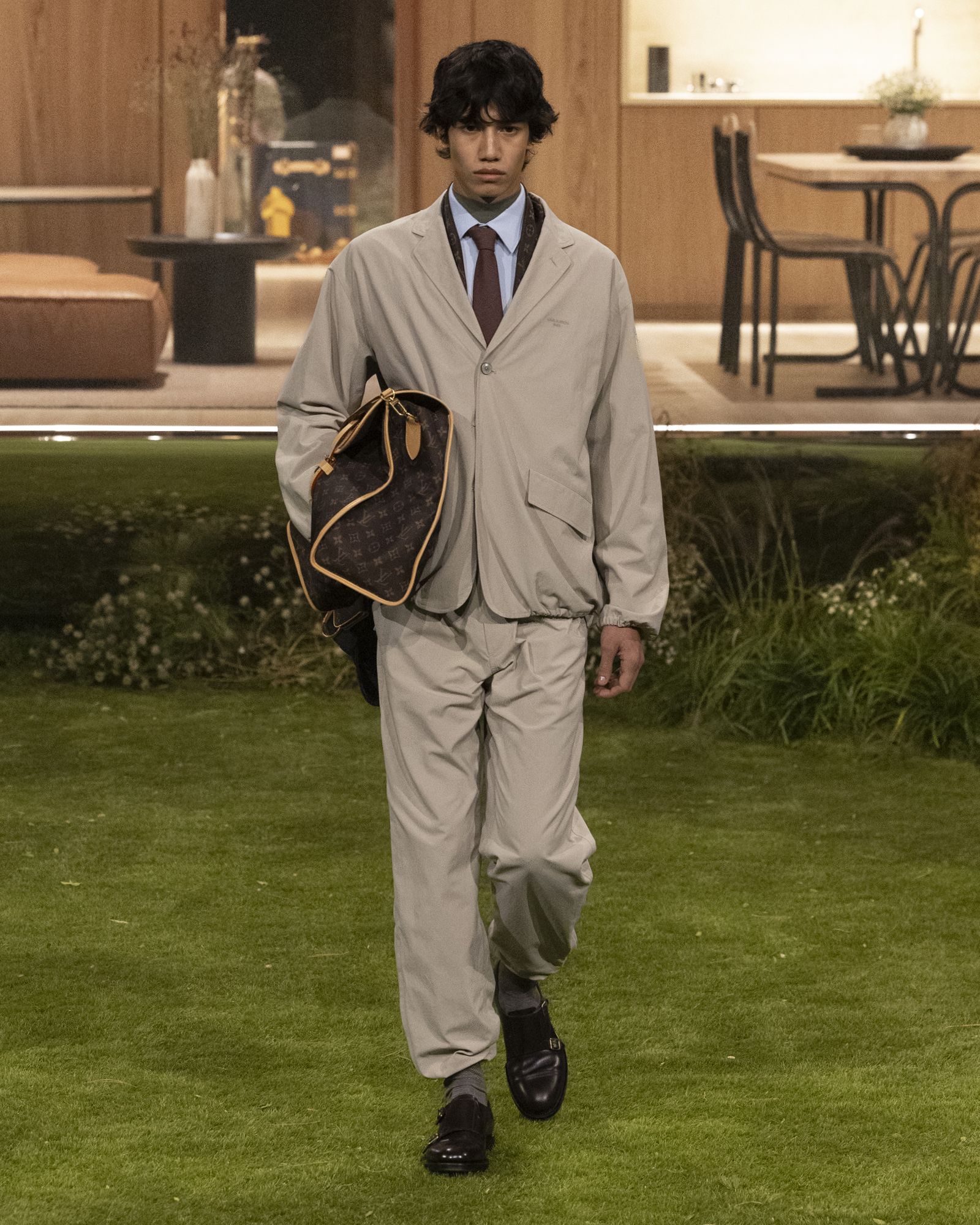
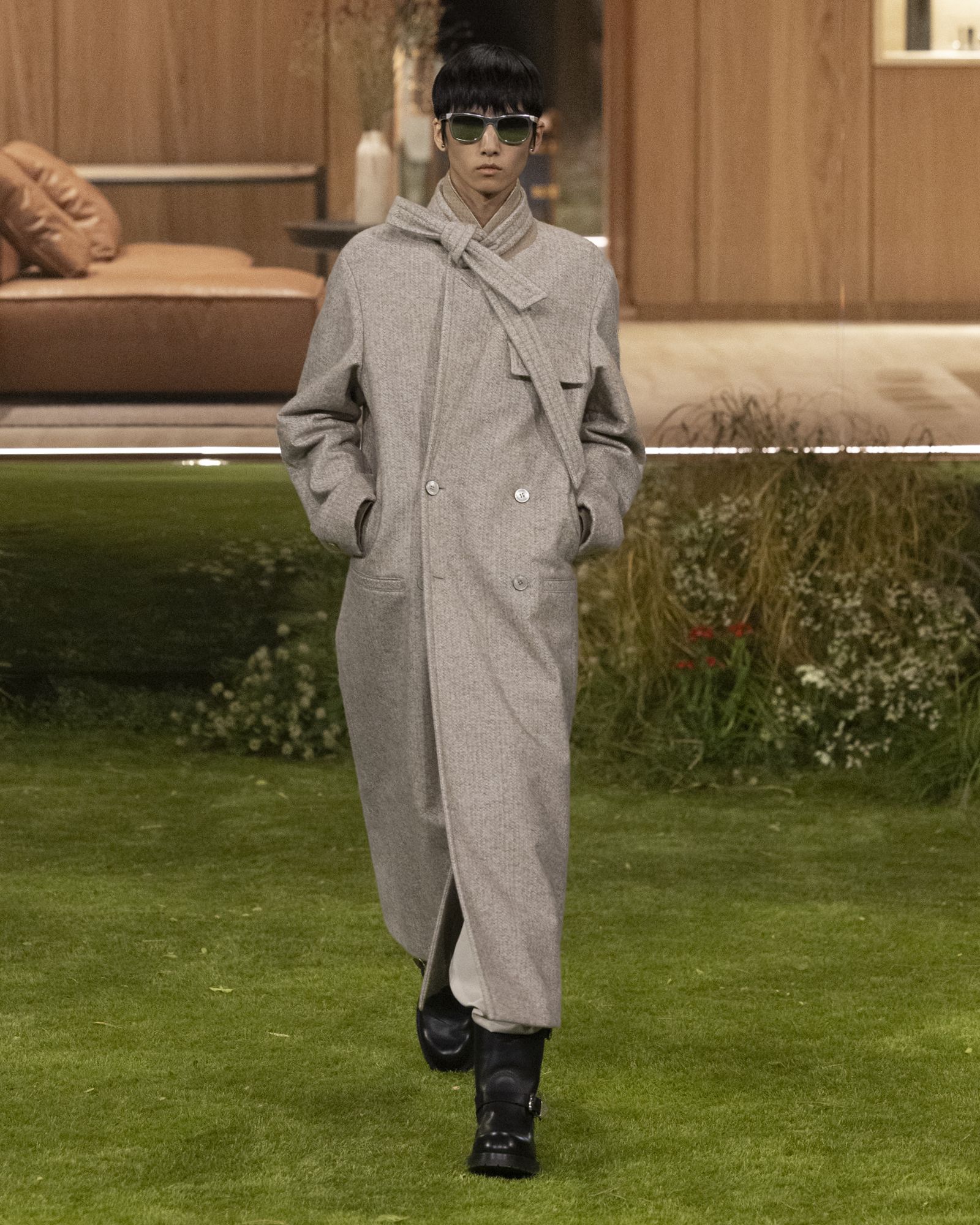
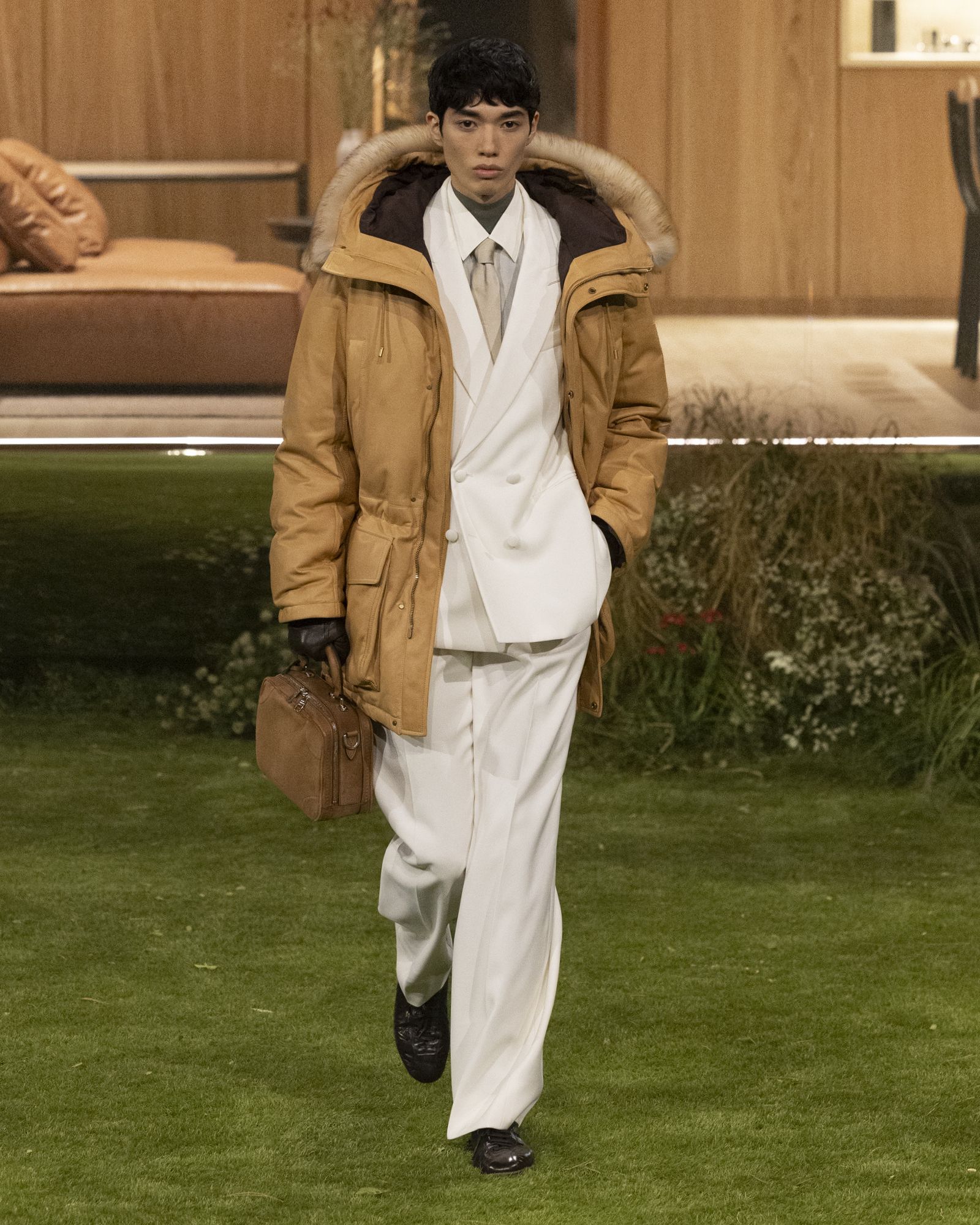
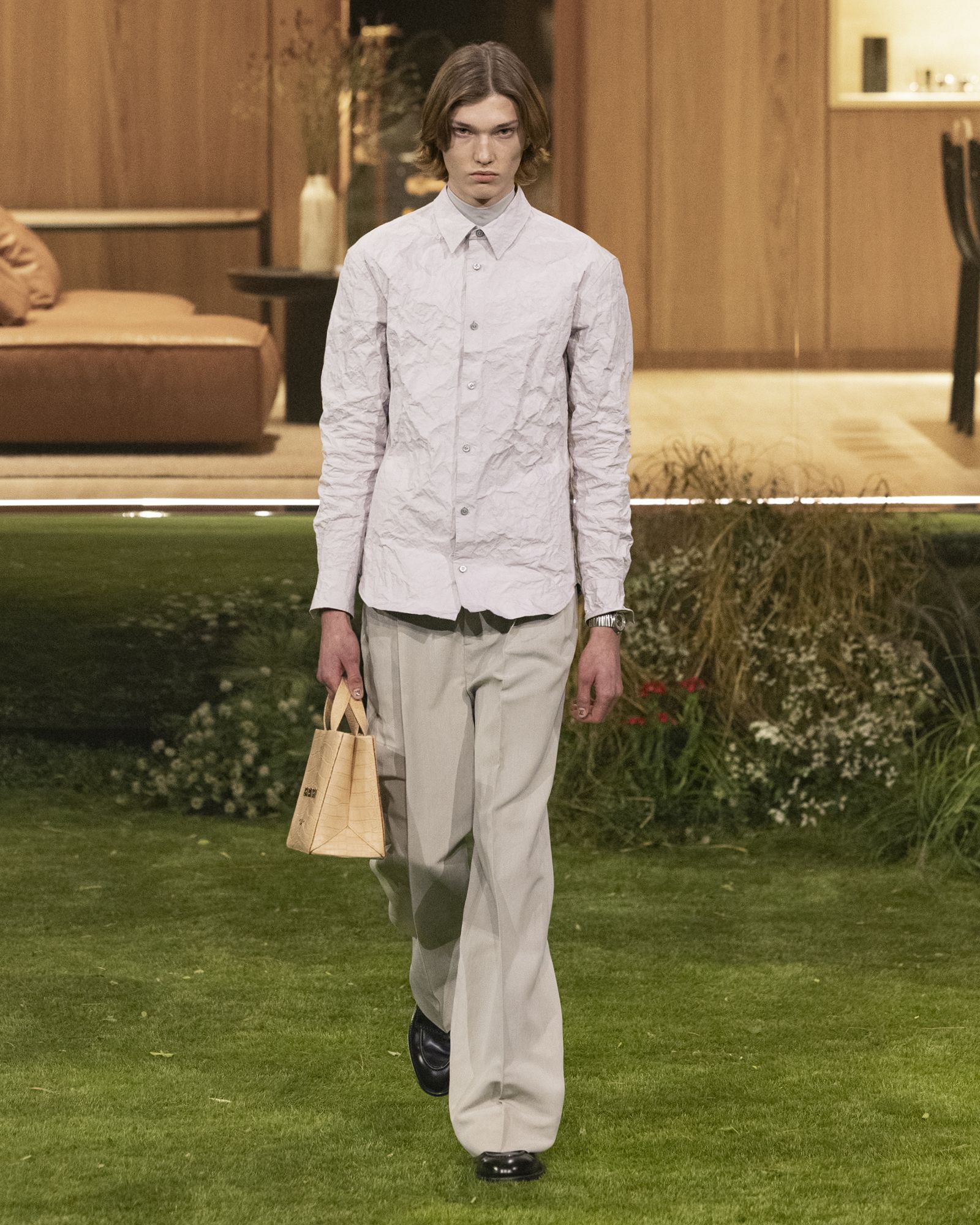
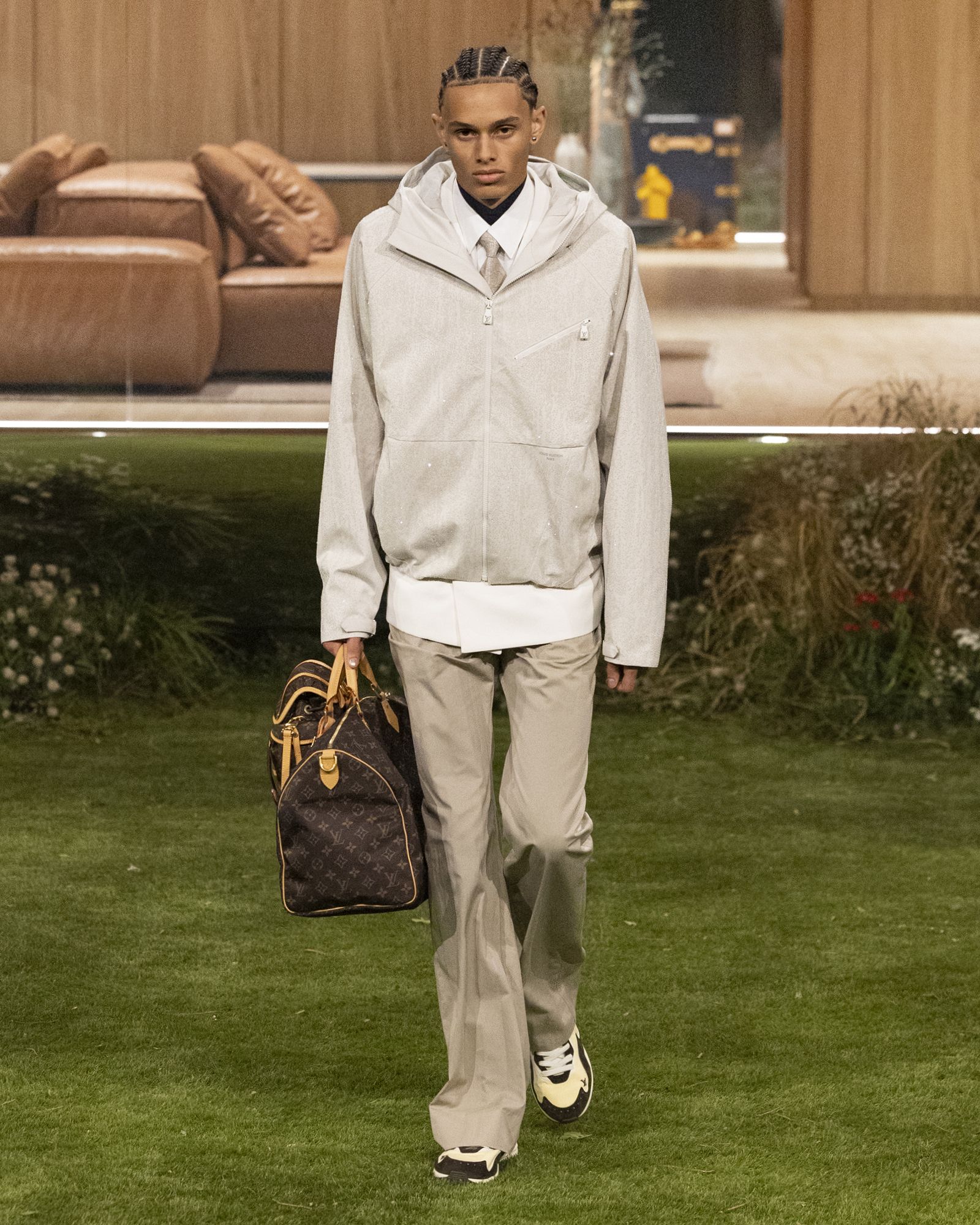
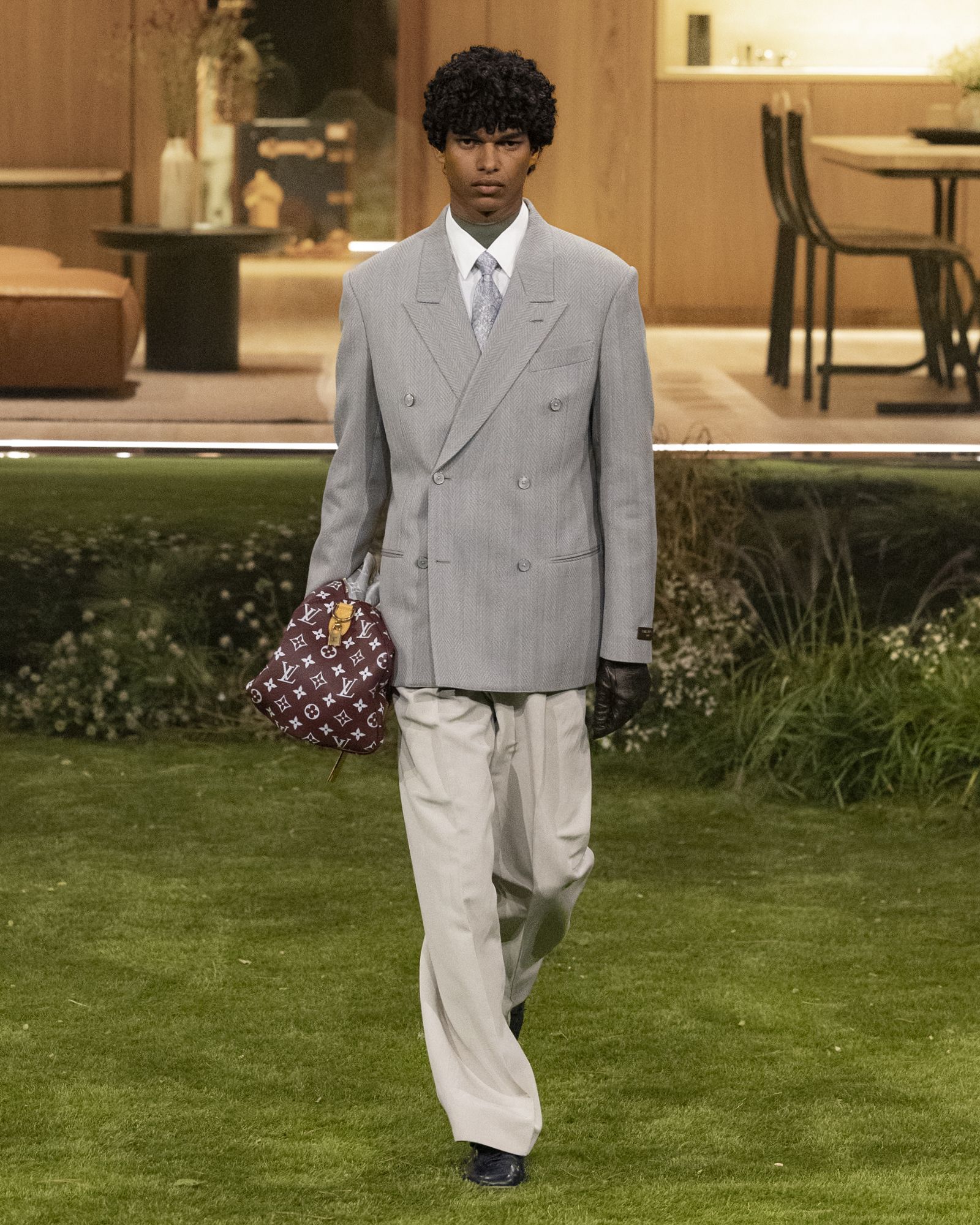
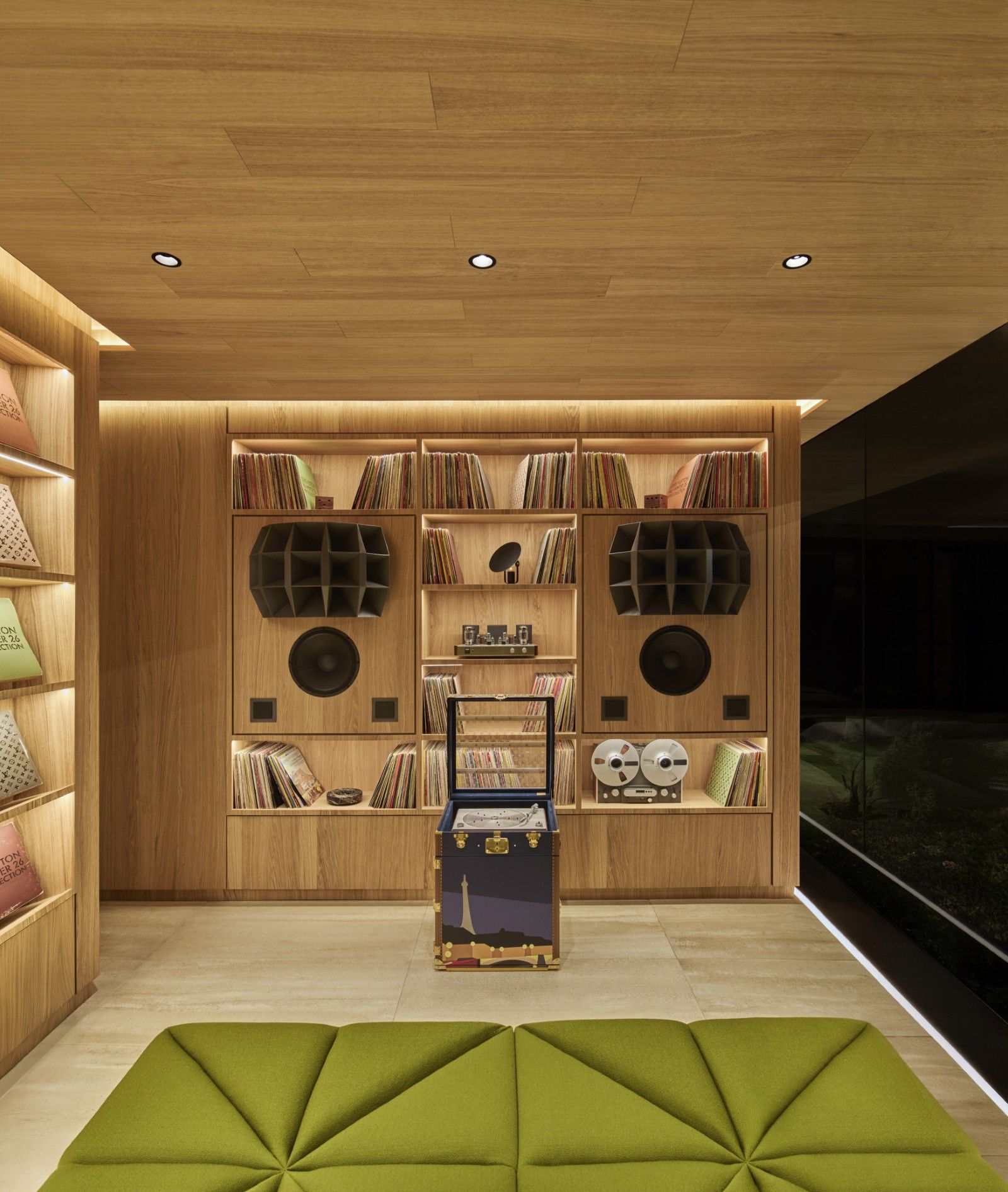
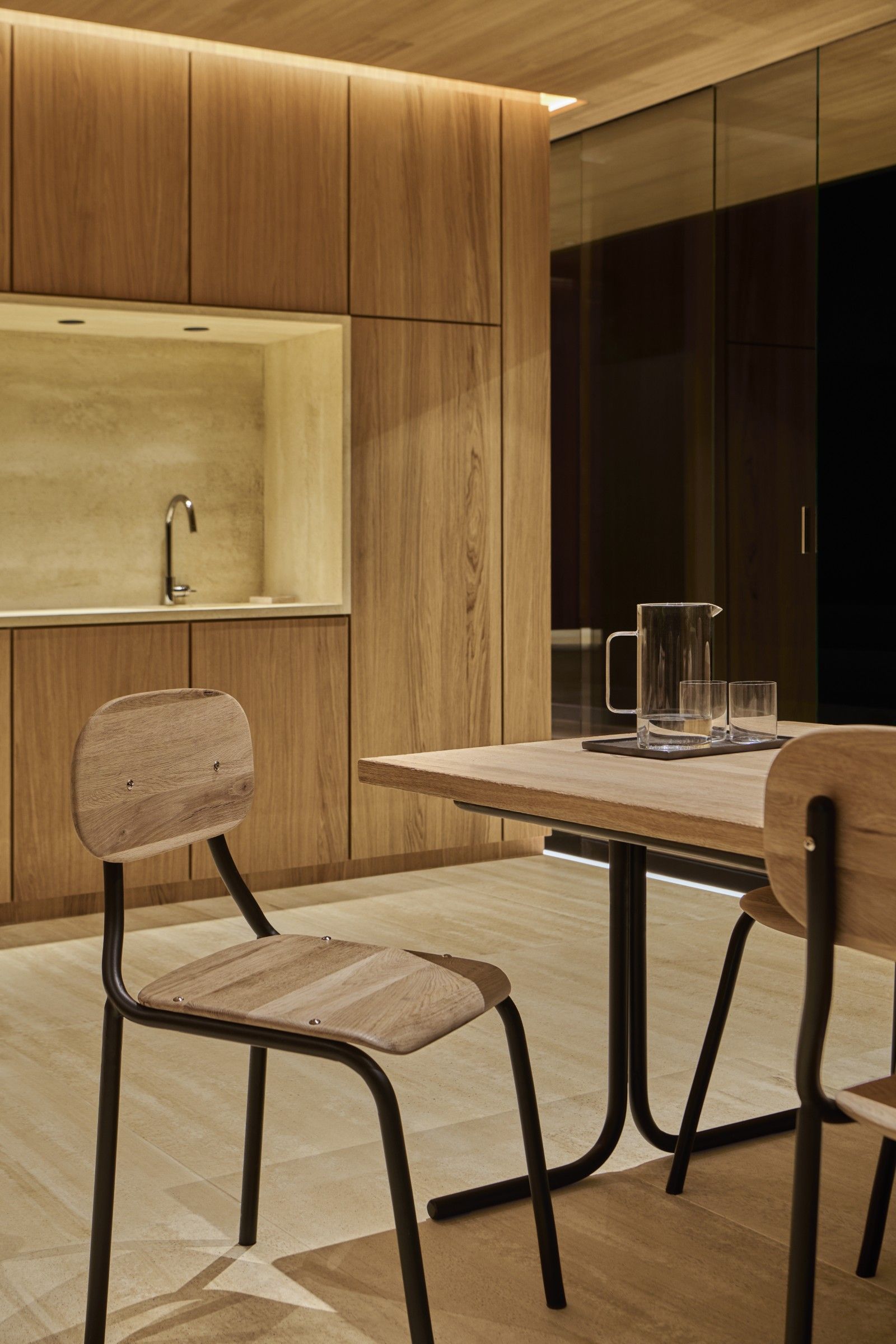
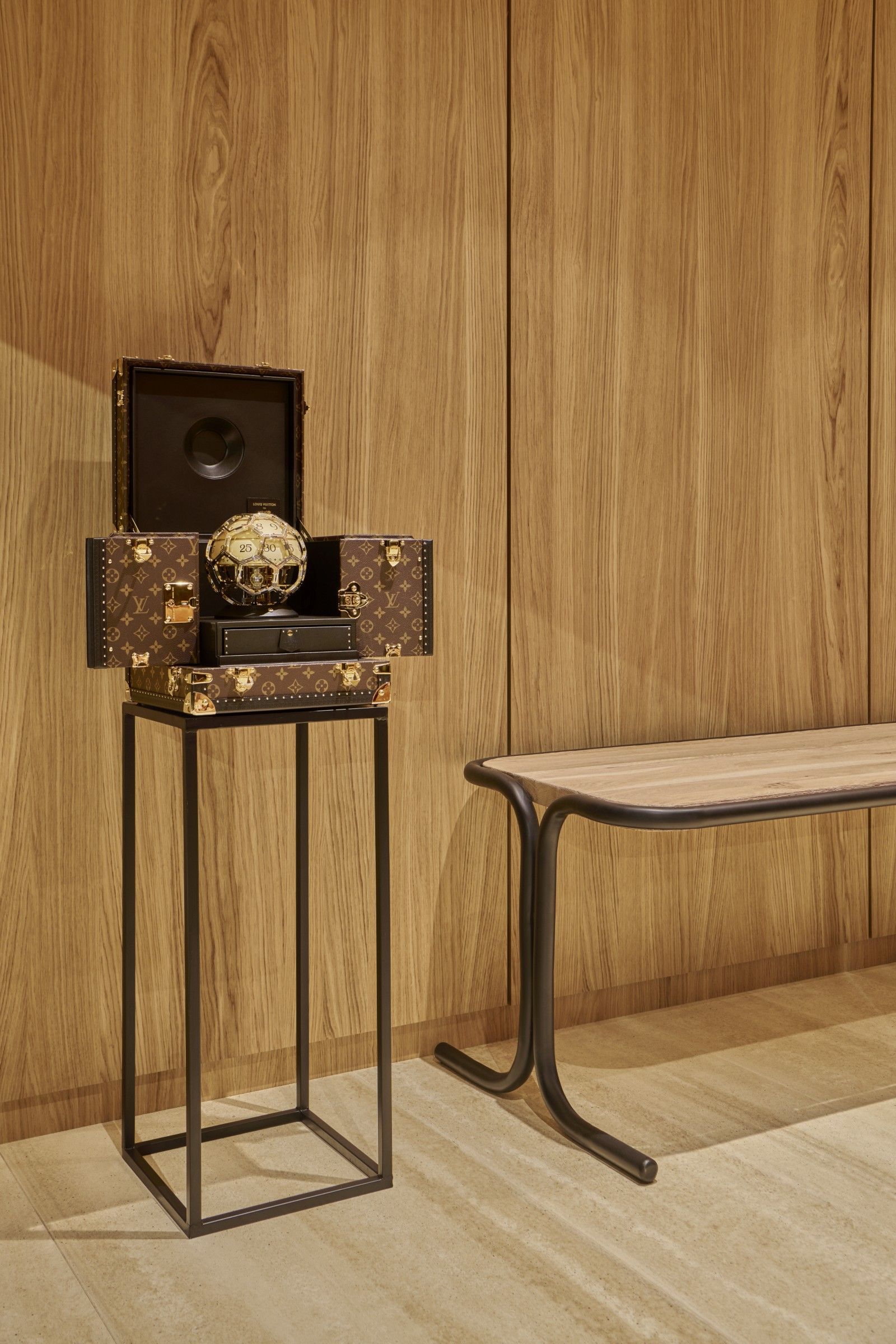
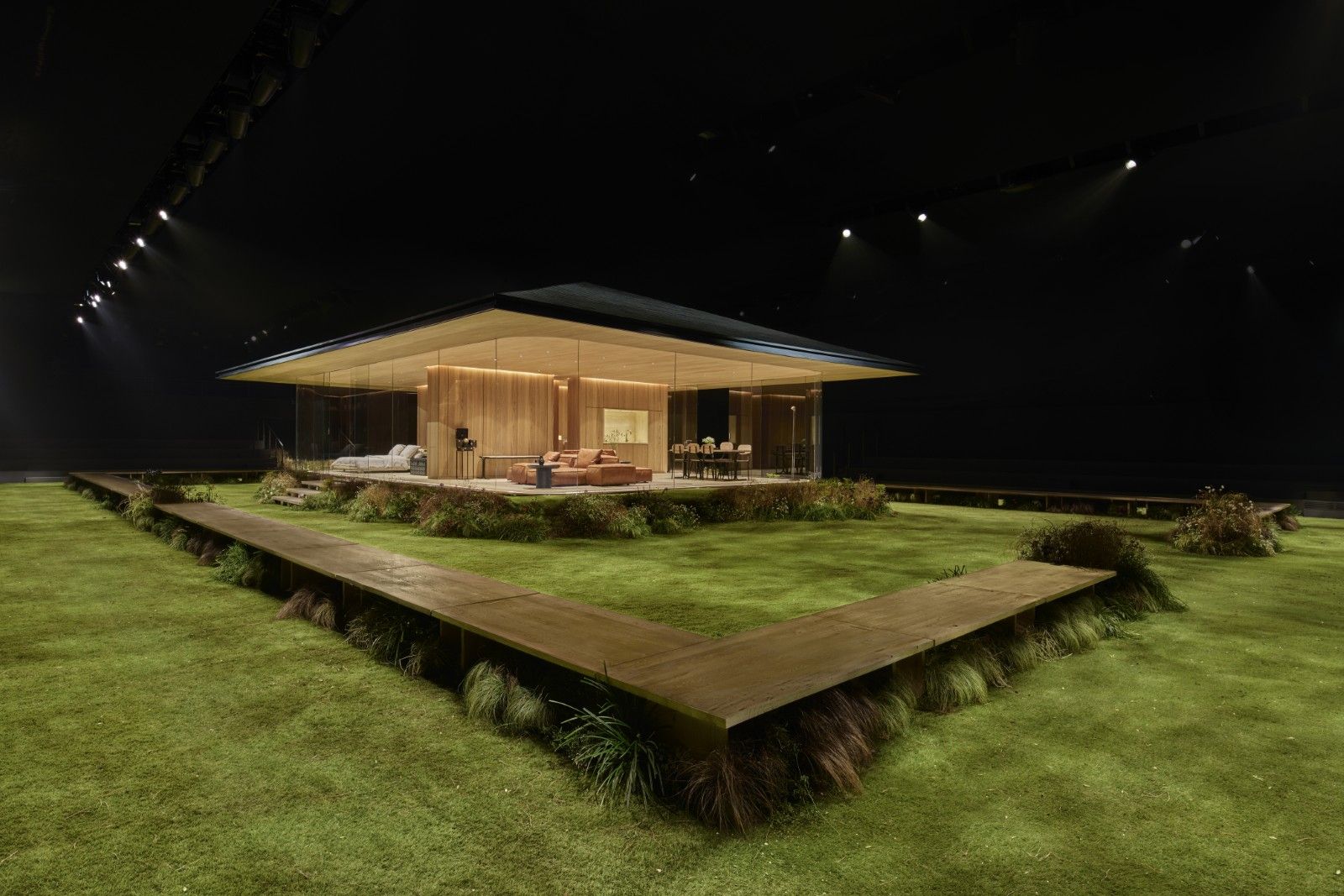
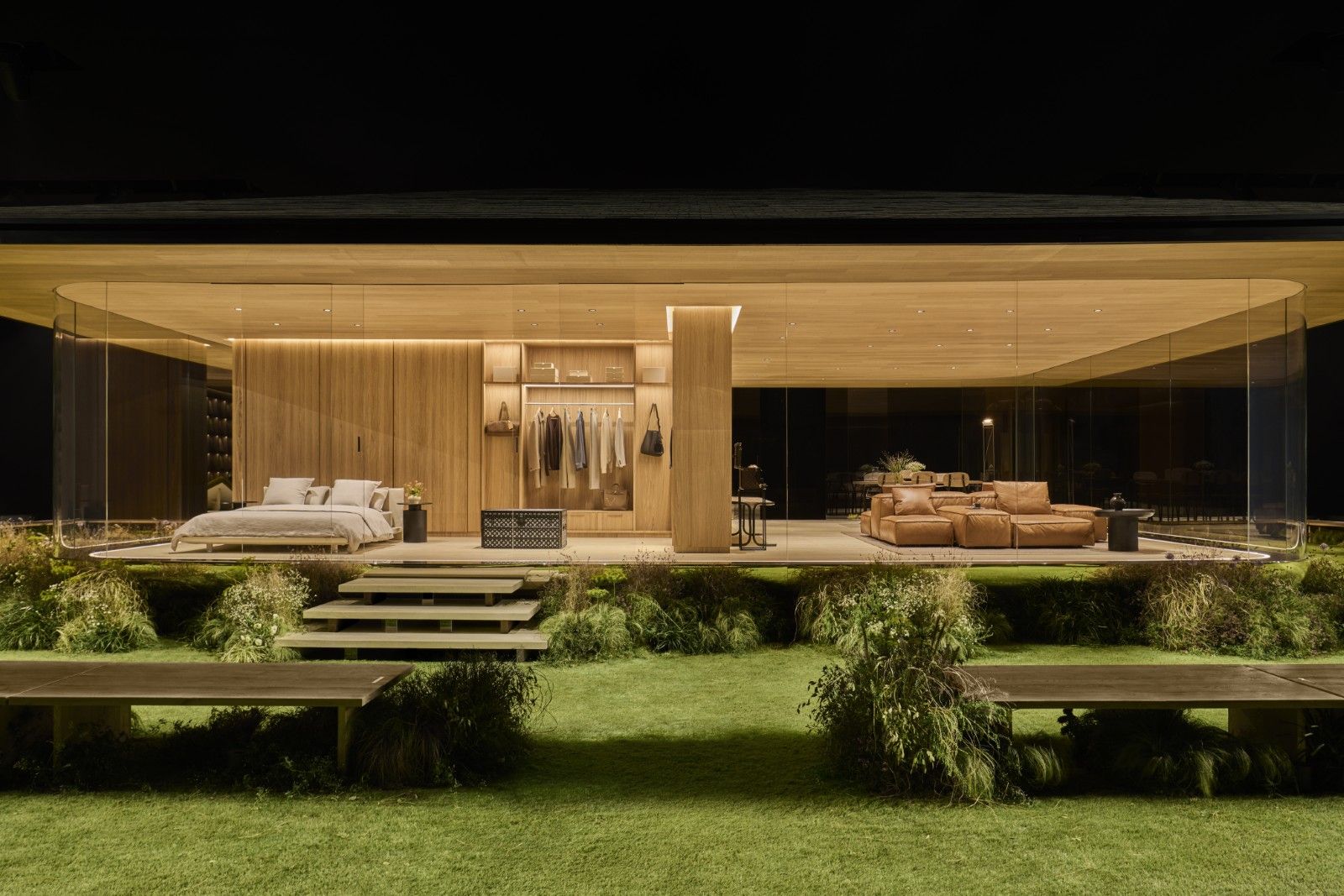
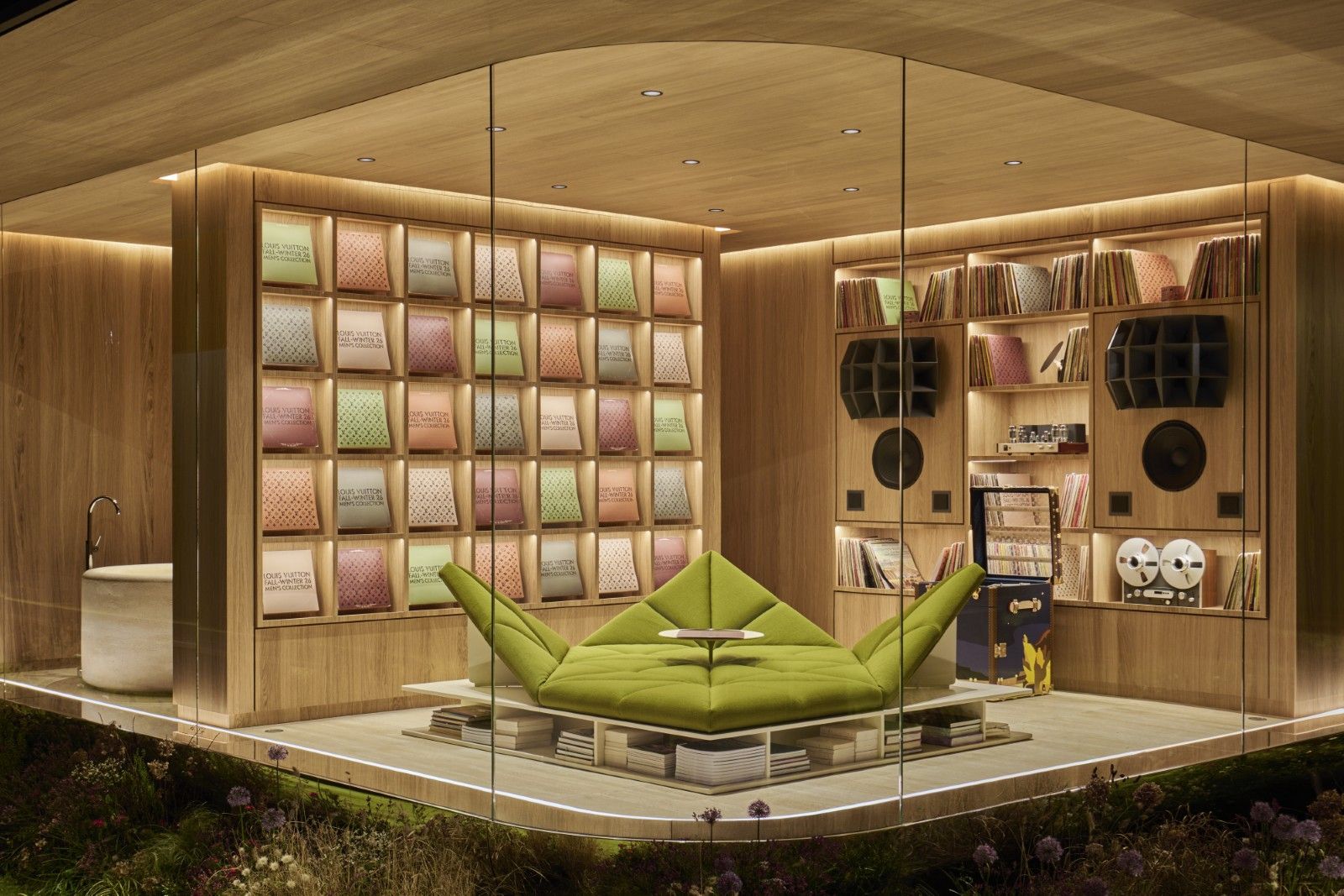
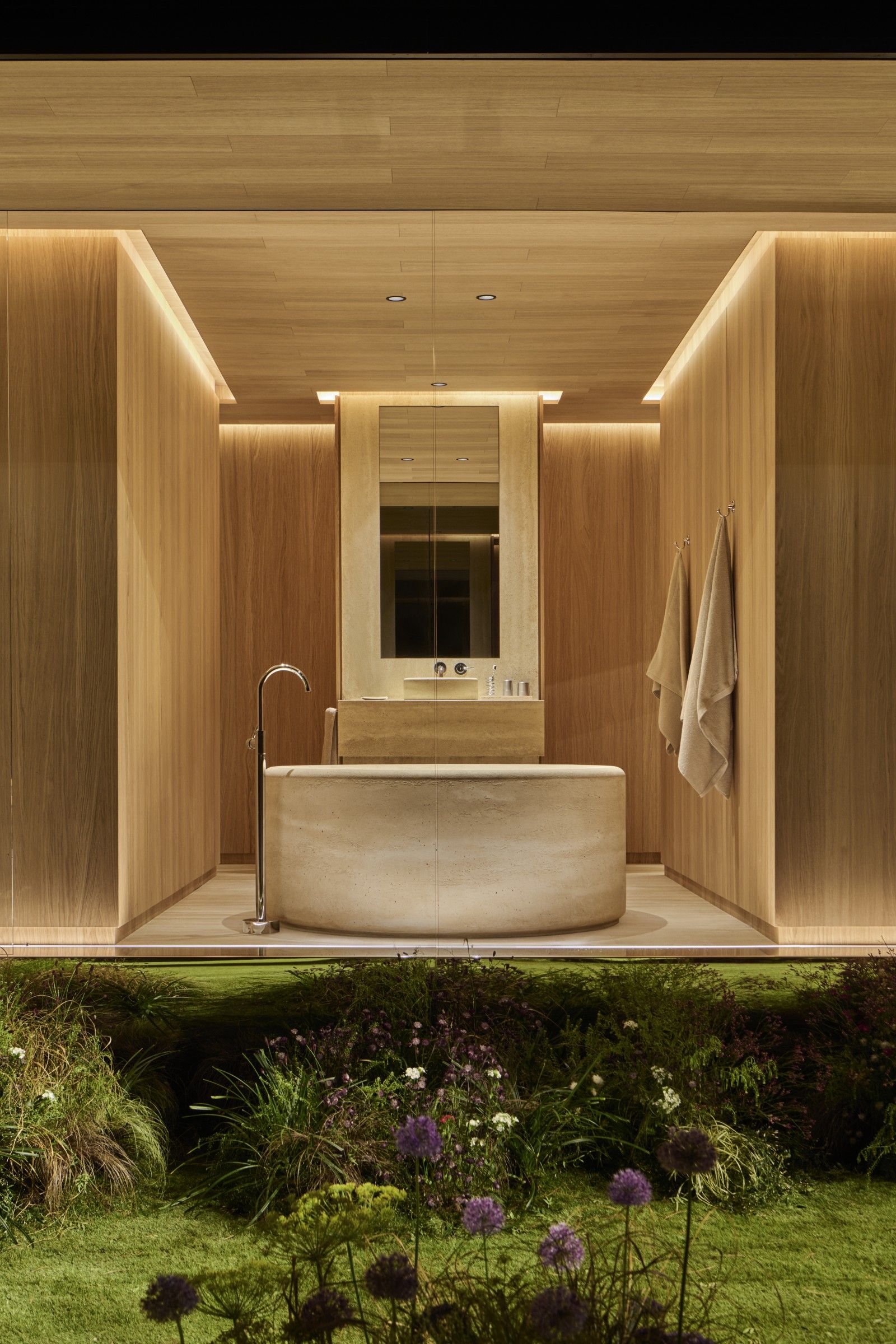
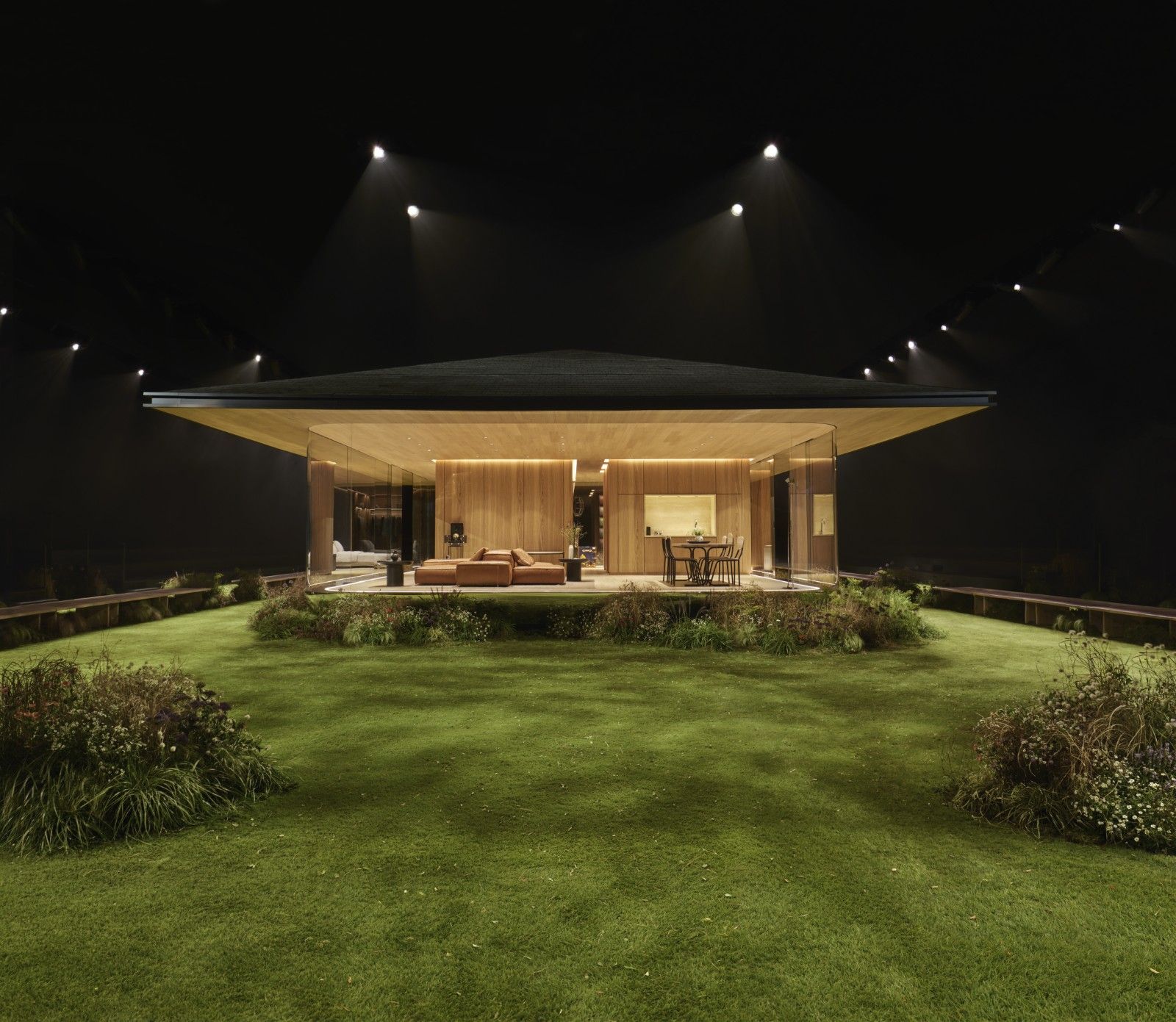
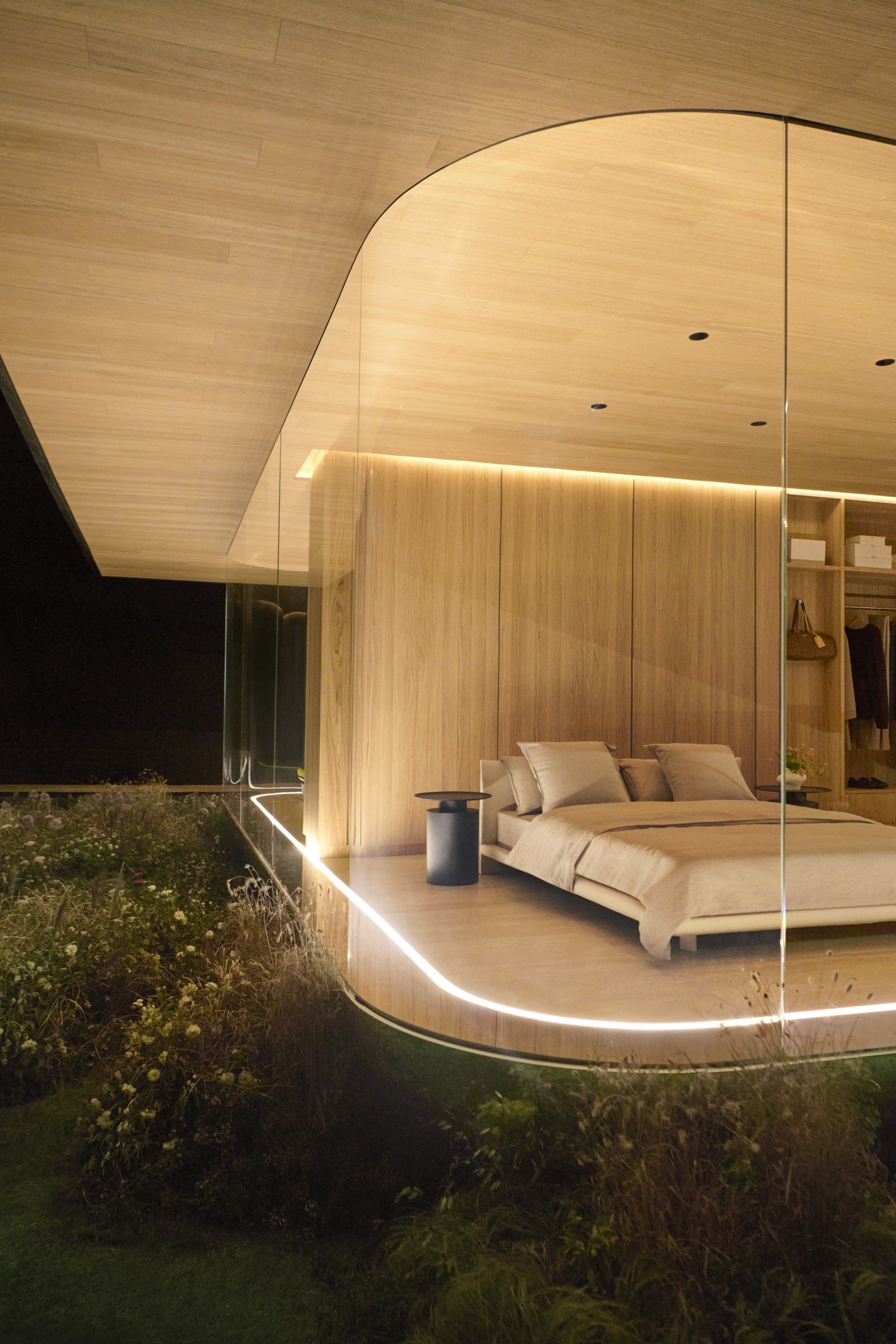
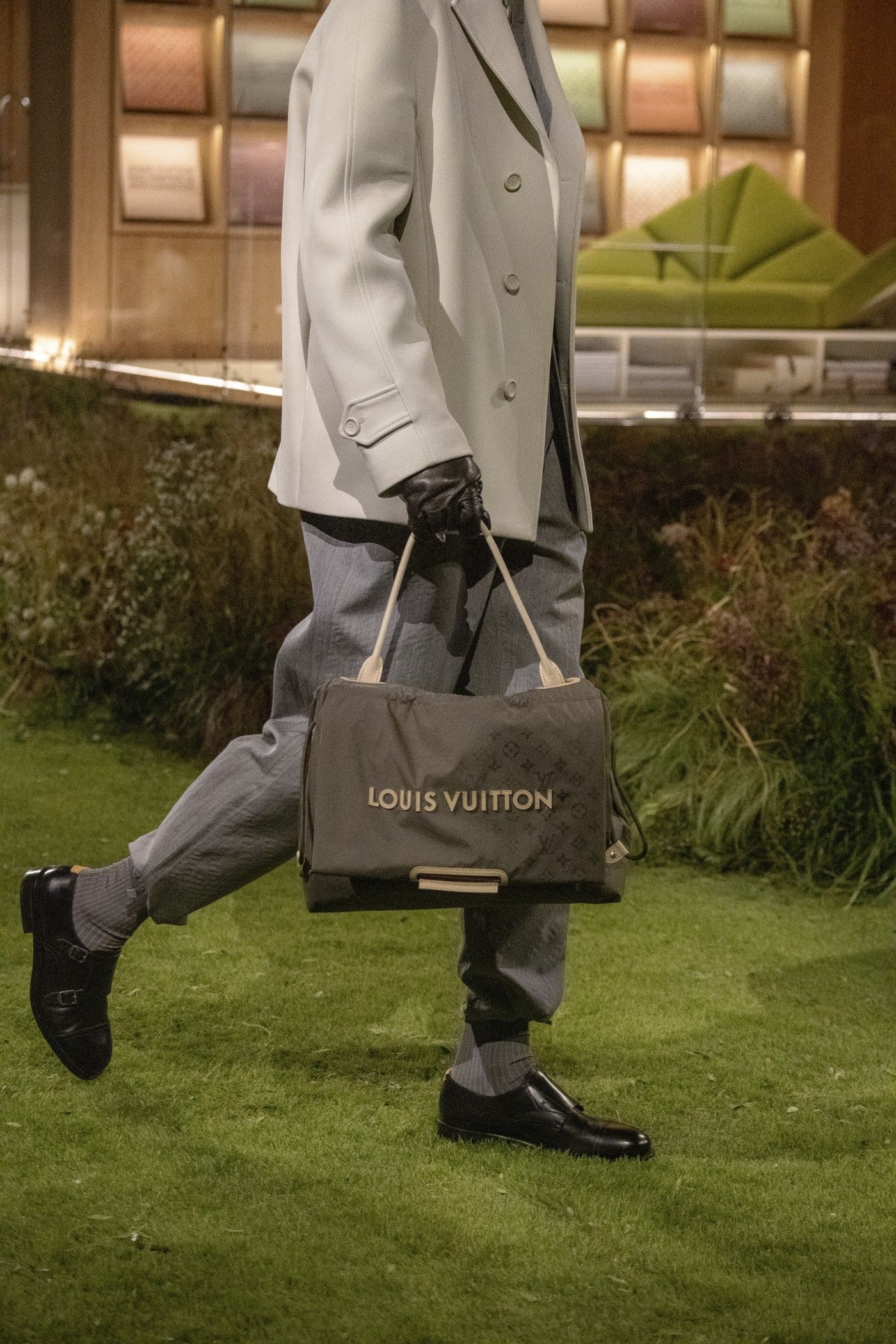
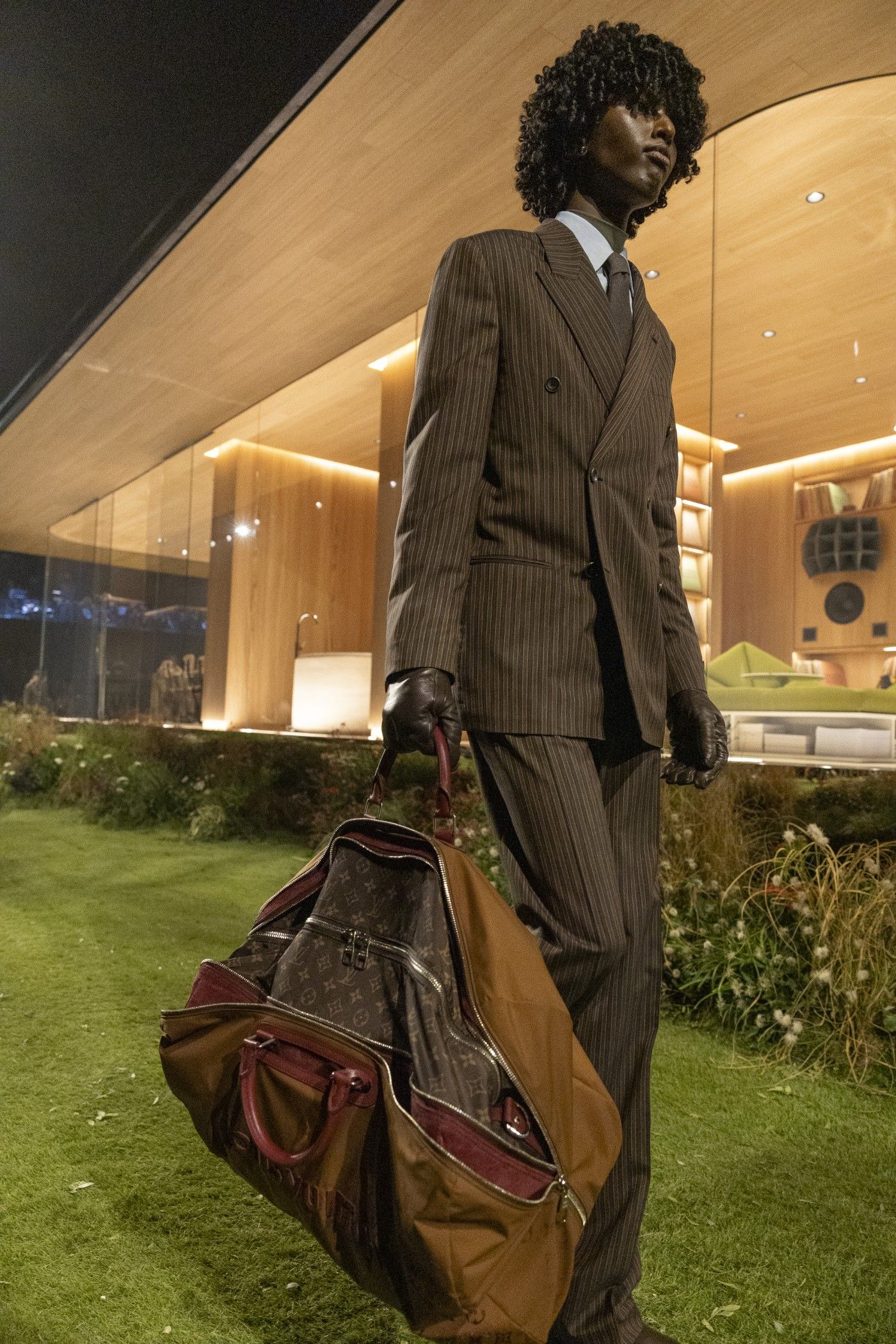
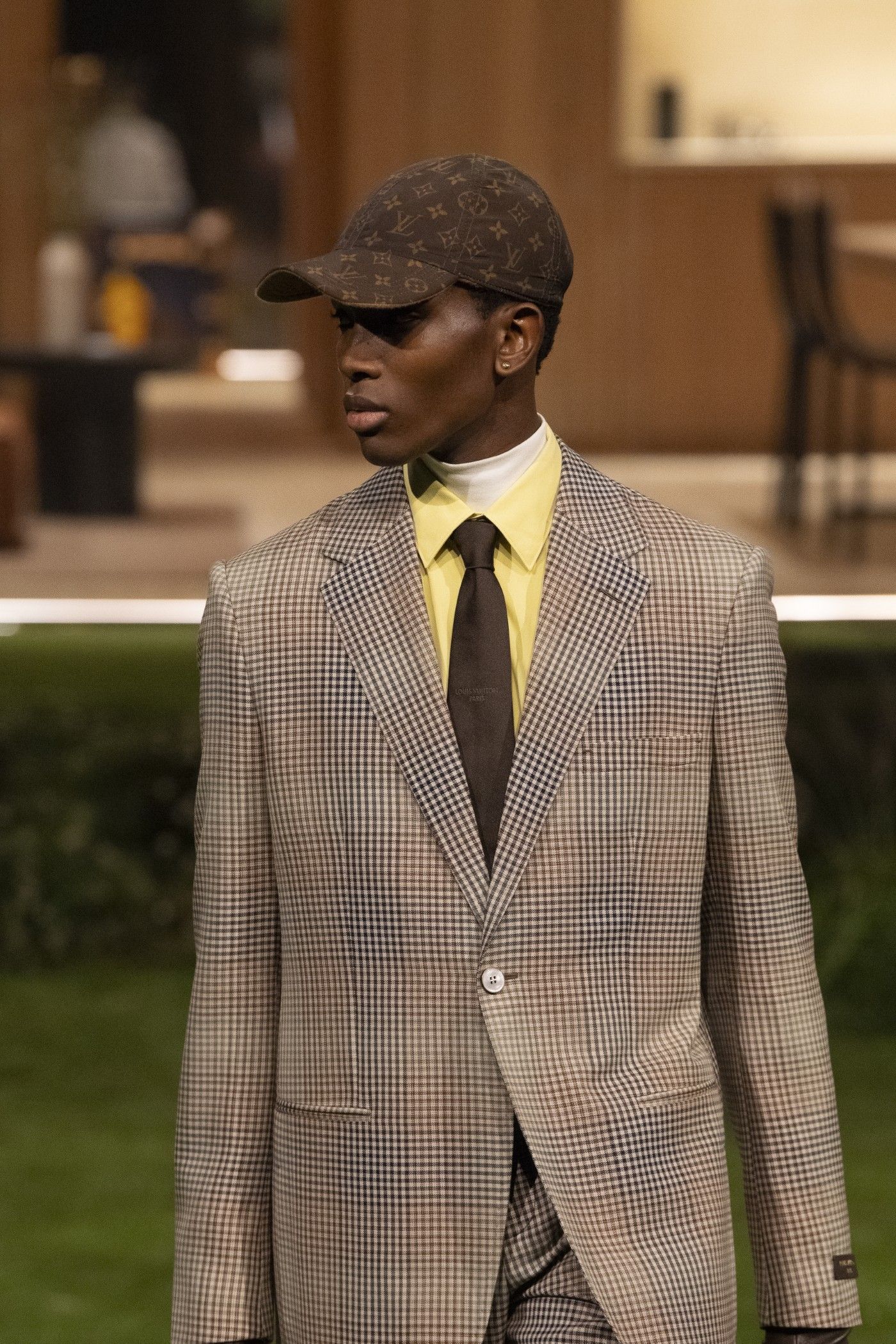
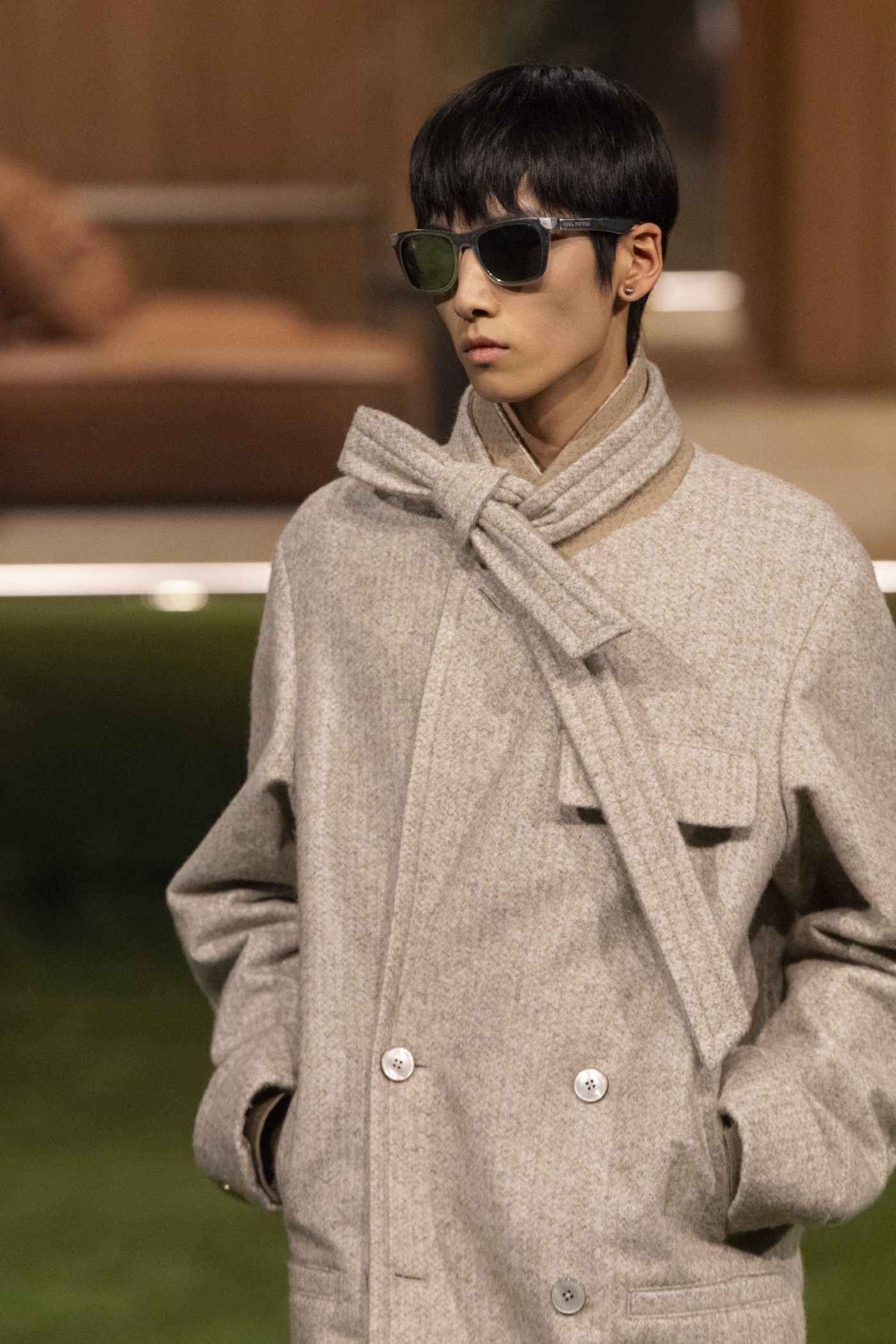
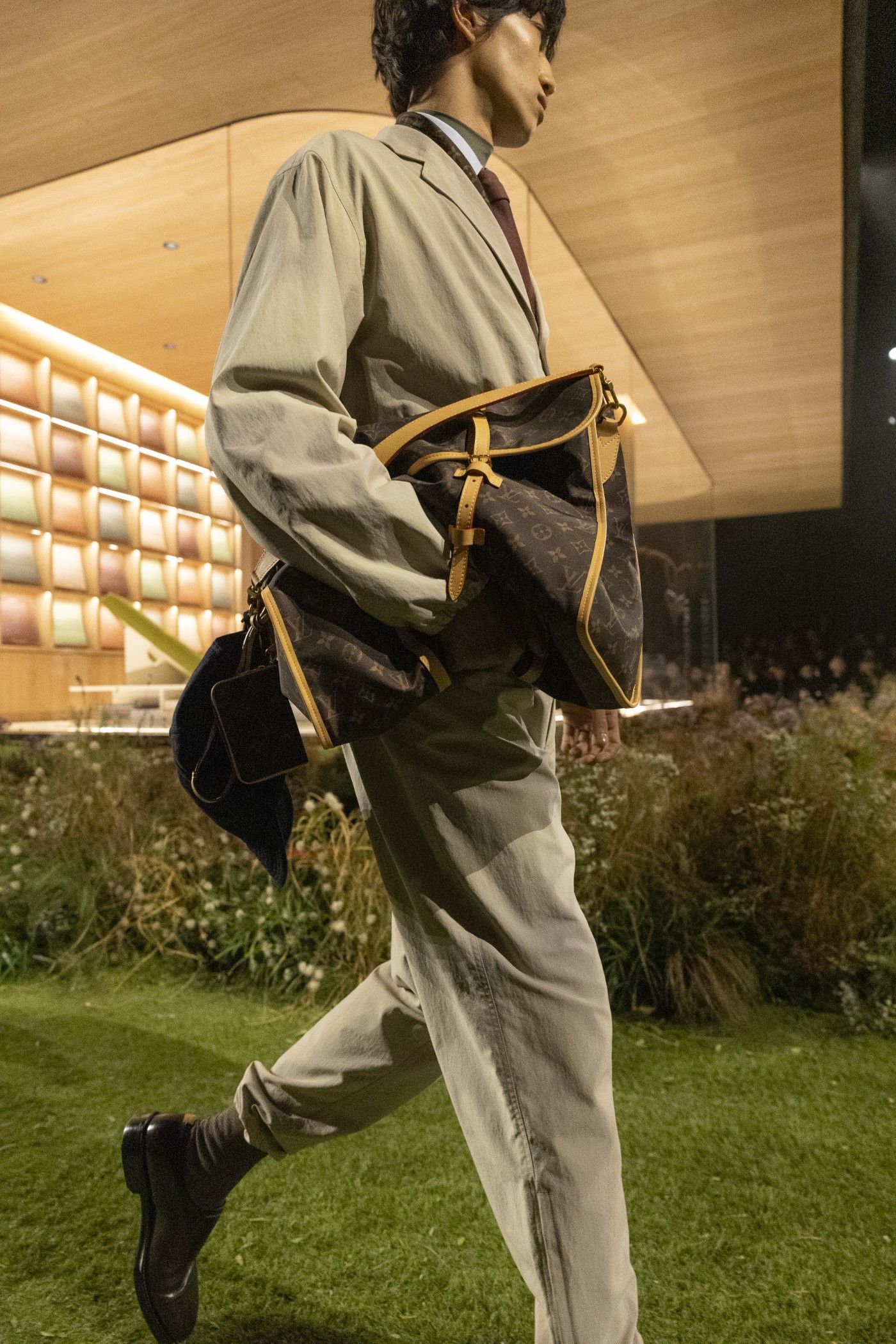
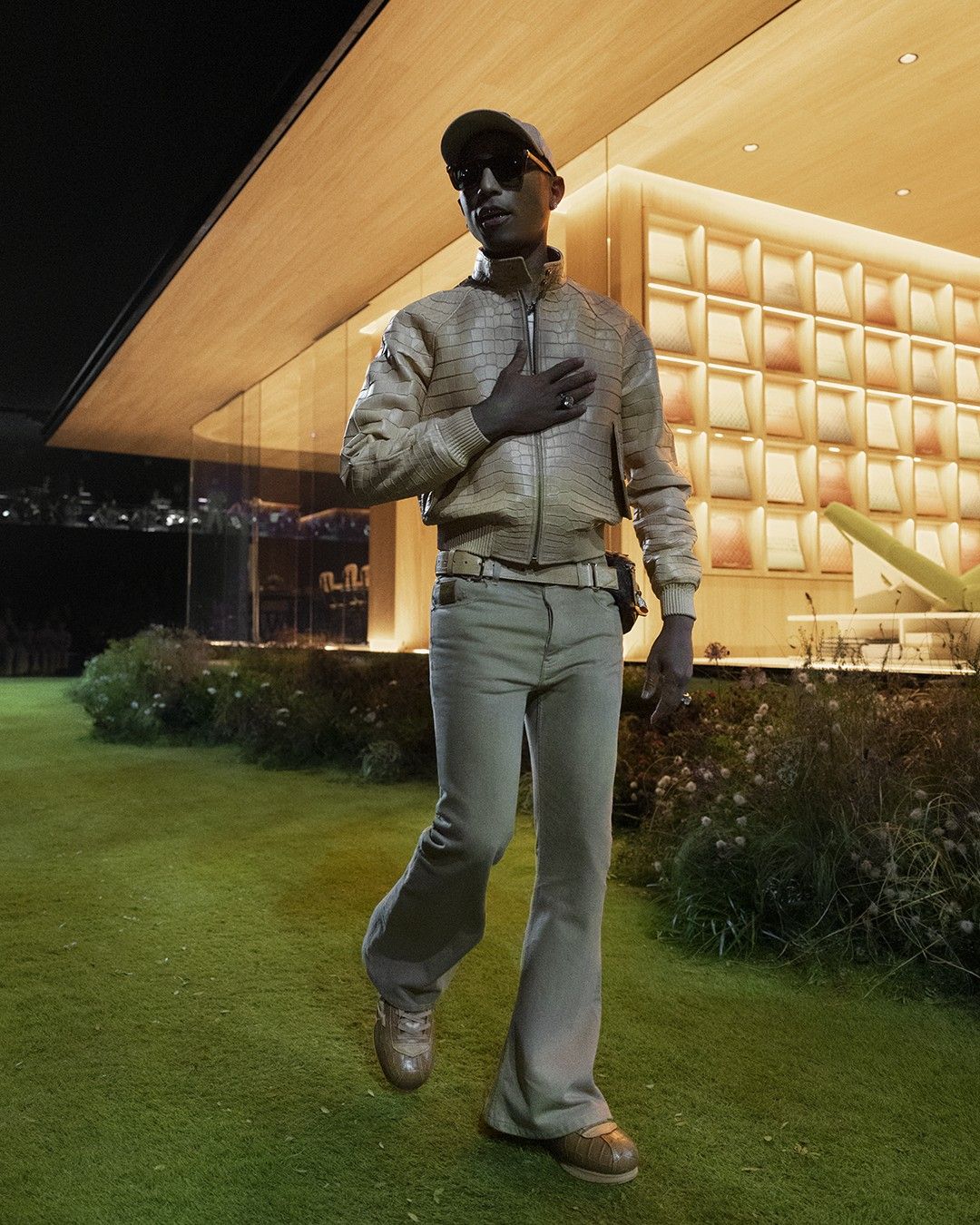
The thing that science fiction stories like Blade Runner, Akira, Alien or Cowboy Bebop have in common is their ability to make the future believable through a retro aesthetic. The same thought must have crossed Pharrell Williams' mind when creating Louis Vuitton's FW26 collection, which closed the first day of Paris Fashion Week, with a runway dominated by a “house of the future” called Drophaus: a prototype of a prefabricated mid-century style villa created by Williams together with the architectural studio Not a Hotel.
Why a Louis Vuitton-signed house?
The presence of this house prompts several reflections. The first concerns a metaphor for the concept of home or Maison in French: brands are commonly referred to as “houses” to imply a sense of institutionality and continuity over time. This house, however, is designed for the future: it is luxurious but also functional, it is a prefabricated construction and therefore modular and mass-reproducible, suggesting a future in which even architecture could become an accessory to order and have installed in the garden.
Going beyond potential broader social messages (prefabricated houses have always been at the center of the debate on mass housing accessibility), the presence of this Drophaus also reminds us how more and more brands have decided to sign, in addition to clothing and leather goods, also residential construction. Could the future of fashion not just involve huge penthouses in Dubai and Miami, but also head toward prefabricated villas produced by Louis Vuitton?
Given the many artistic collaborations, collections dedicated to art objects, and the brand's tendency to permeate every aspect of lifestyle, we wouldn't be surprised. The idea does seem to come straight out of a mid-century science fiction novel or a cartoon like The Jetsons, reminding us of an era and cultural atmosphere in which futurism was not an anxiety-inducing, dystopian Orwellian nightmare but the promise of a better future. Perhaps, then, the message we can take from the presence of this house is that even optimism toward the future has now become a luxury purchasable on the Champs-Élysées. But how did this idea translate into the collection?
The future that looks like the past
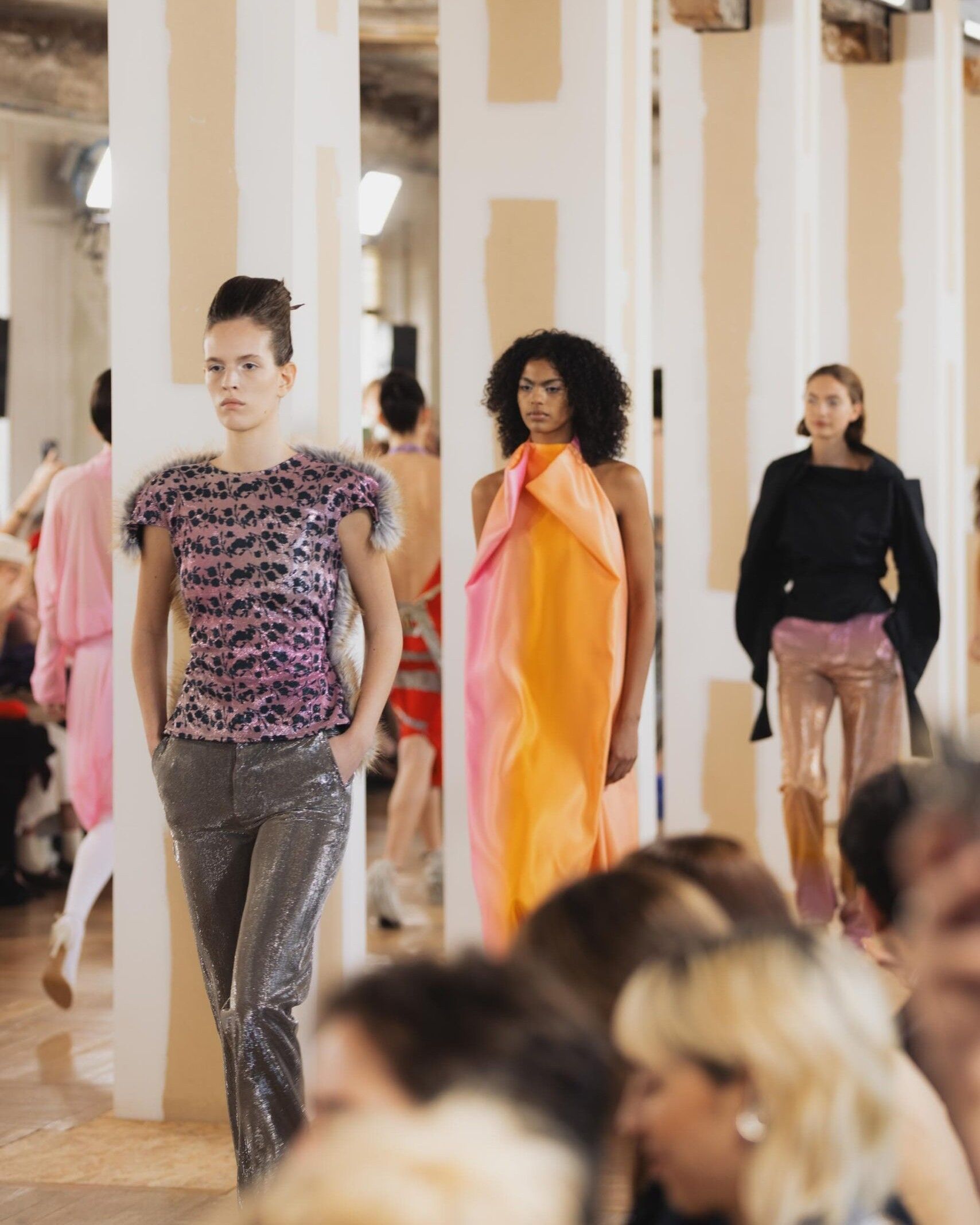
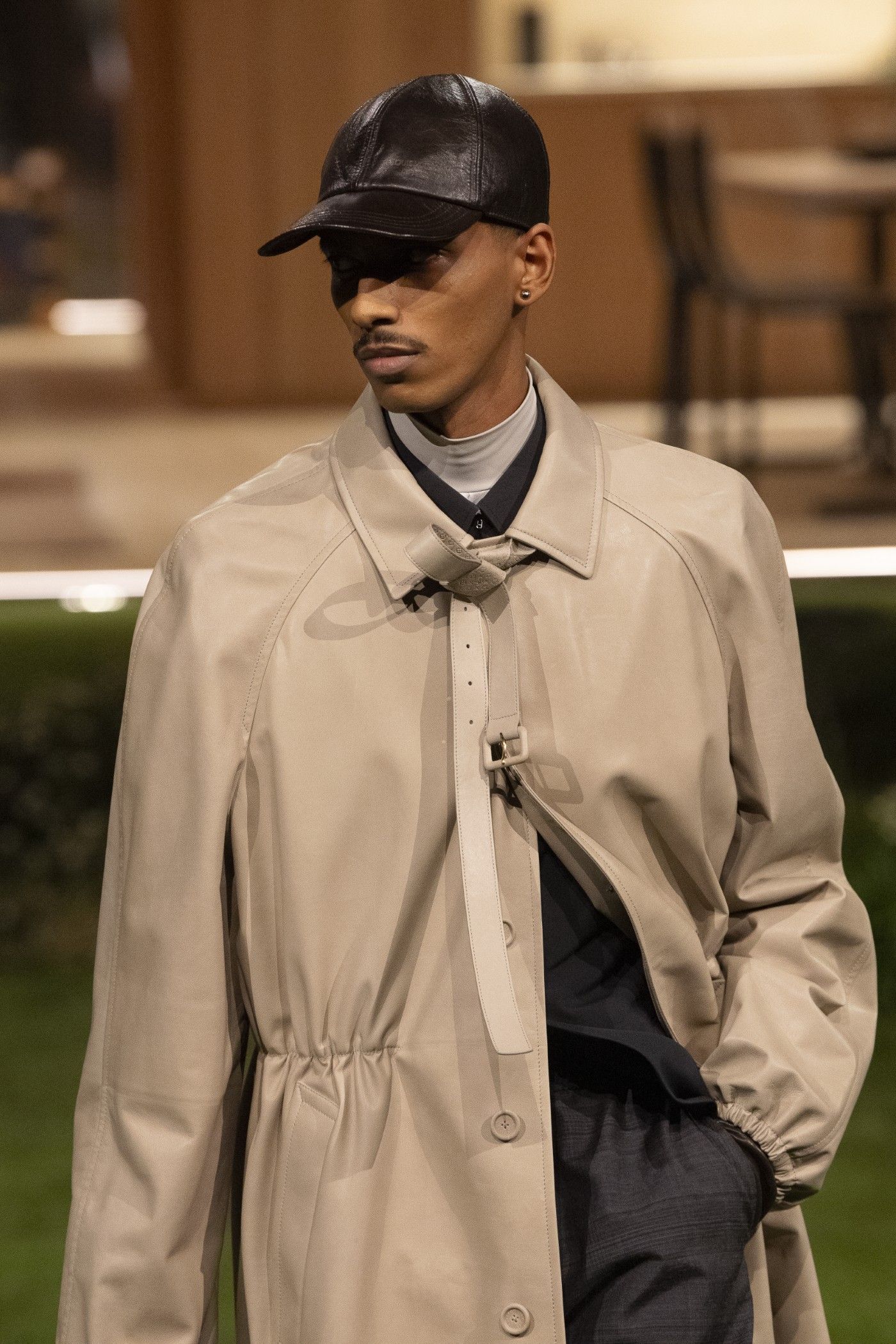
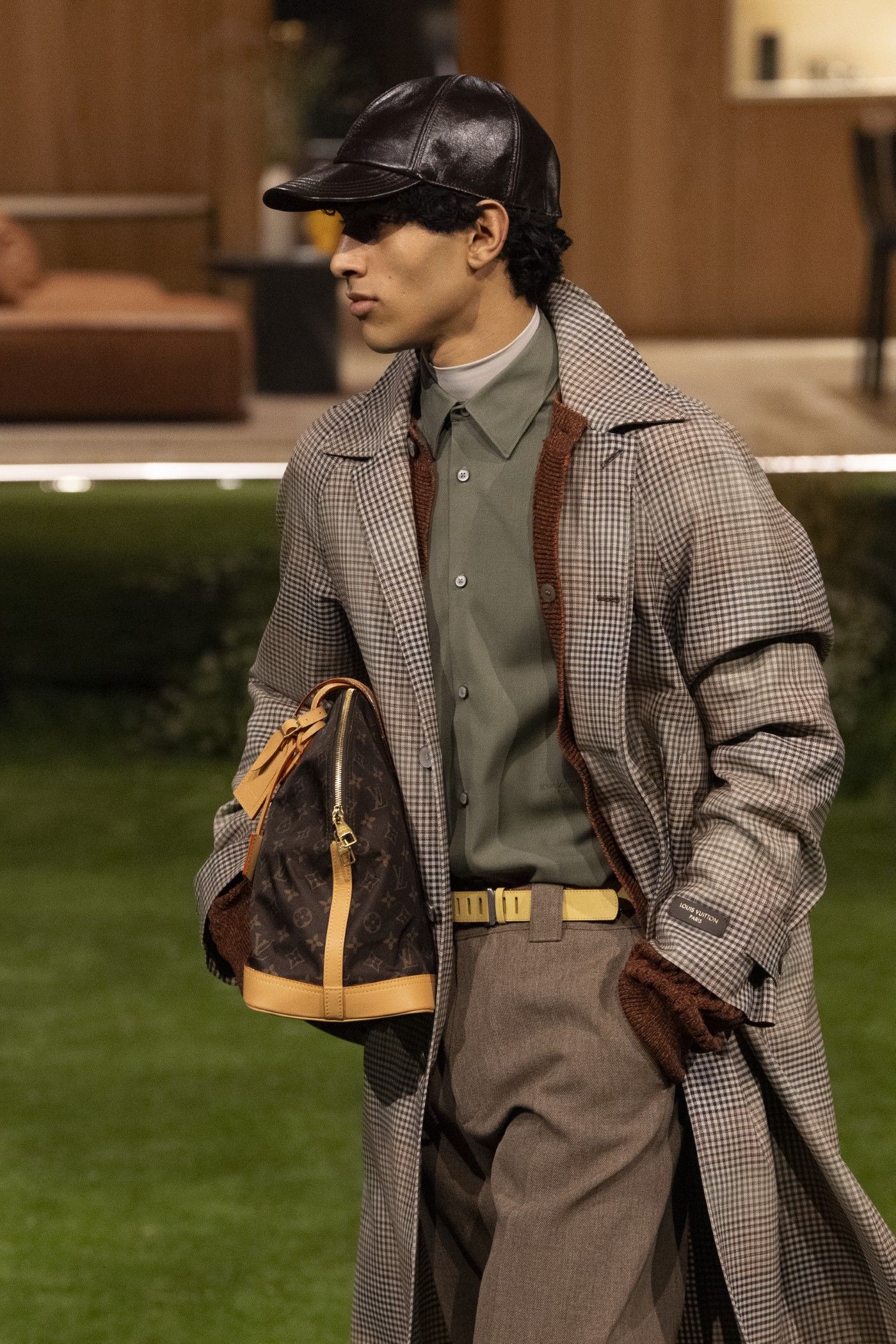
For several collections now, Pharrell has already made clear what his stylistic signature is for Louis Vuitton: a wardrobe that takes on the appearance of elegance from the past and speeds it up, making it agile and sharp, starting from the most familiar menswear archetypes but revitalized by an approach that insists heavily on craftsmanship and material value, without any debts to be paid to some centuries-old tradition that preceded it. «The future», say the show notes, «is defined as much by what lasts as by what evolves». The focus is therefore on tomorrow, evoked through the creation of innovative fabrics (defined by the brand as “timeless textiles”) that compose a wardrobe that is instead very classic, not to say gentlemanly.
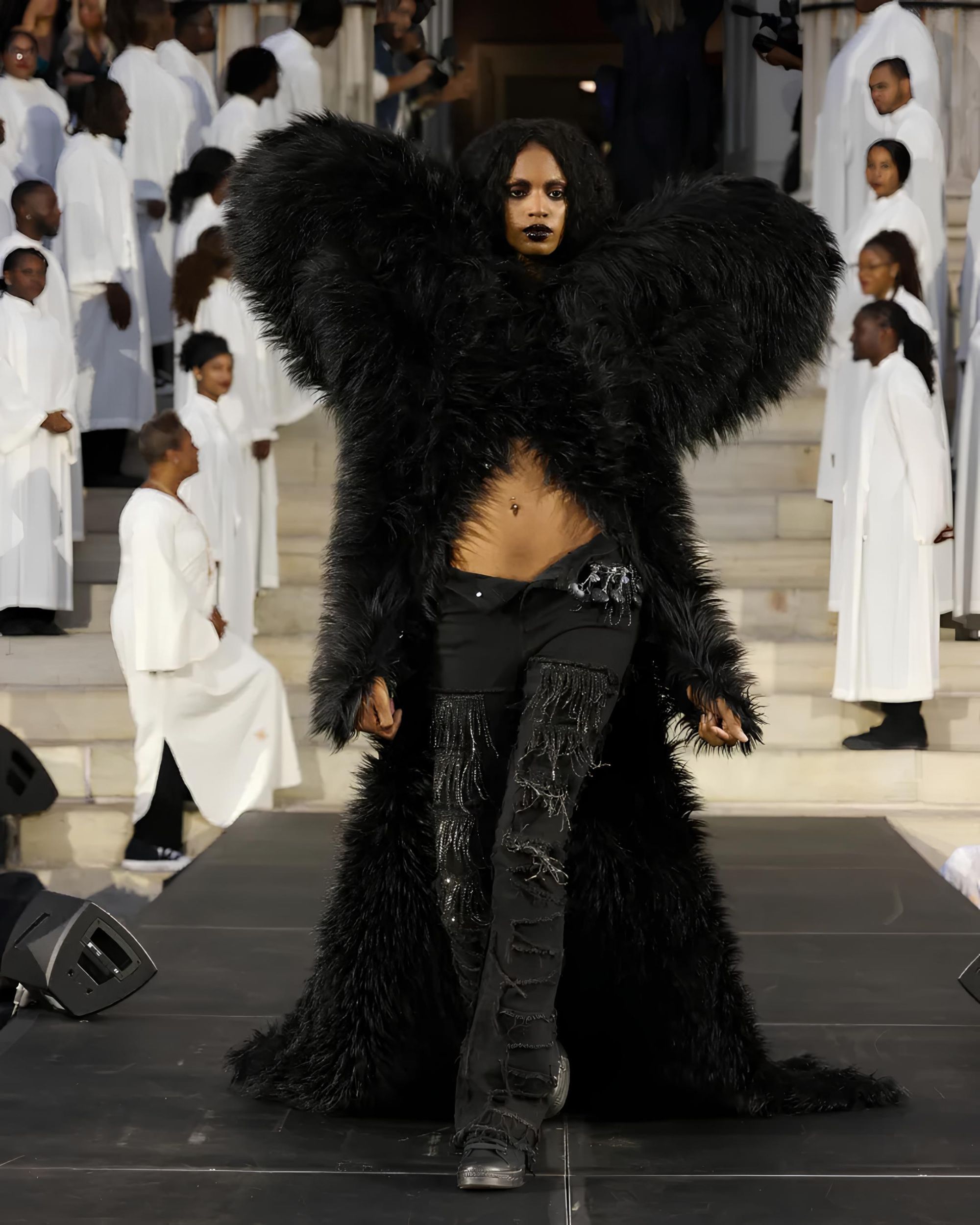
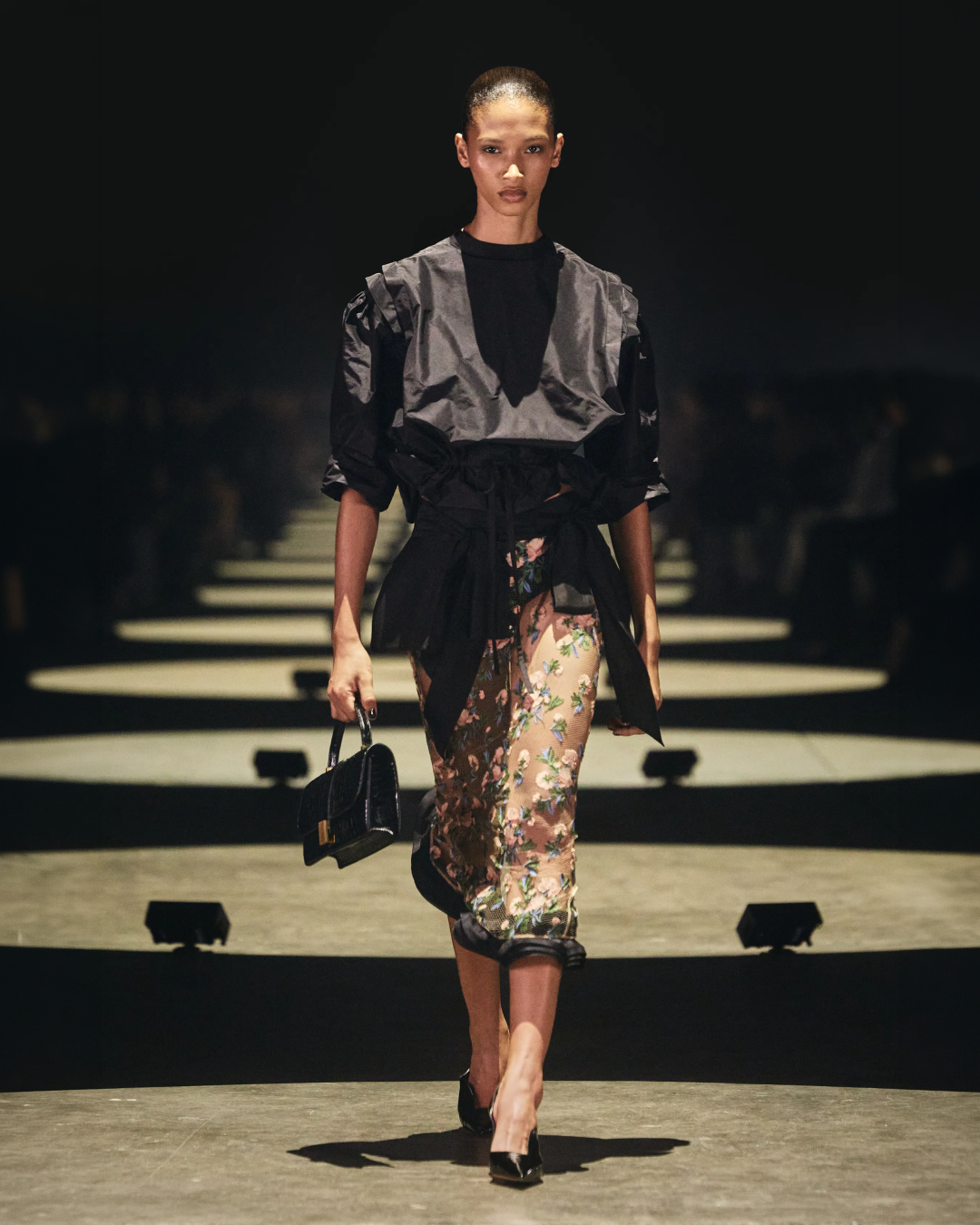
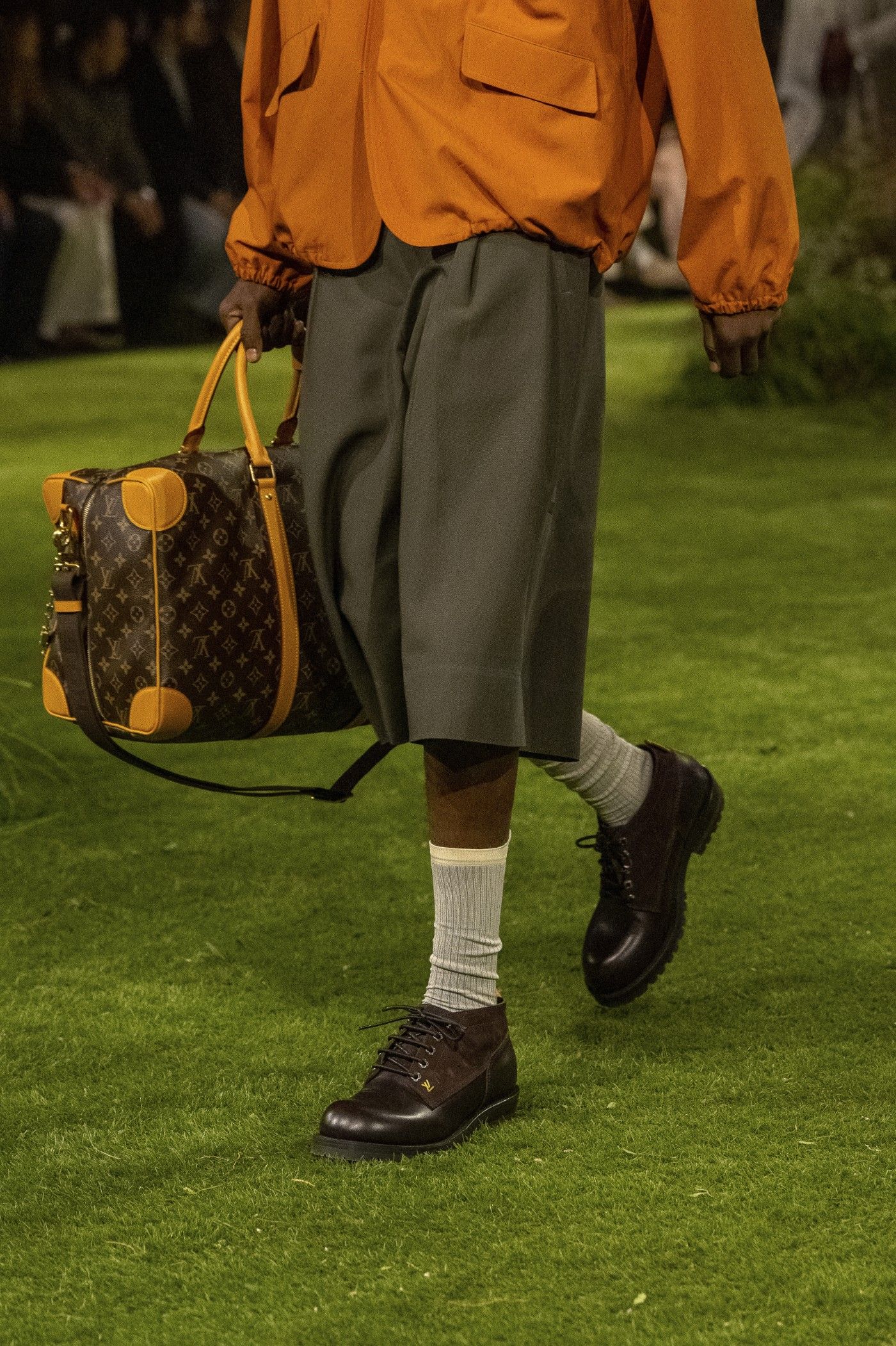
All the various “classic” looks with herringbone, houndstooth, checkered fabrics but also denim were actually made with reflective technical materials. Shell jackets in silk or chambray were created in thermo-adaptive and waterproof fabrics; shirts and outerwear were assembled with technical aluminum fabrics “moldable” to the body. Trompe l'oeil effects on a material like overdyed vicuña make it look like a workwear jacket fabric, silk-nylon bombers look like leather, what appears to be neoprene is actually wool, fur looks like terry sponge. Even the classic monogram produced in suede looks like patent leather.
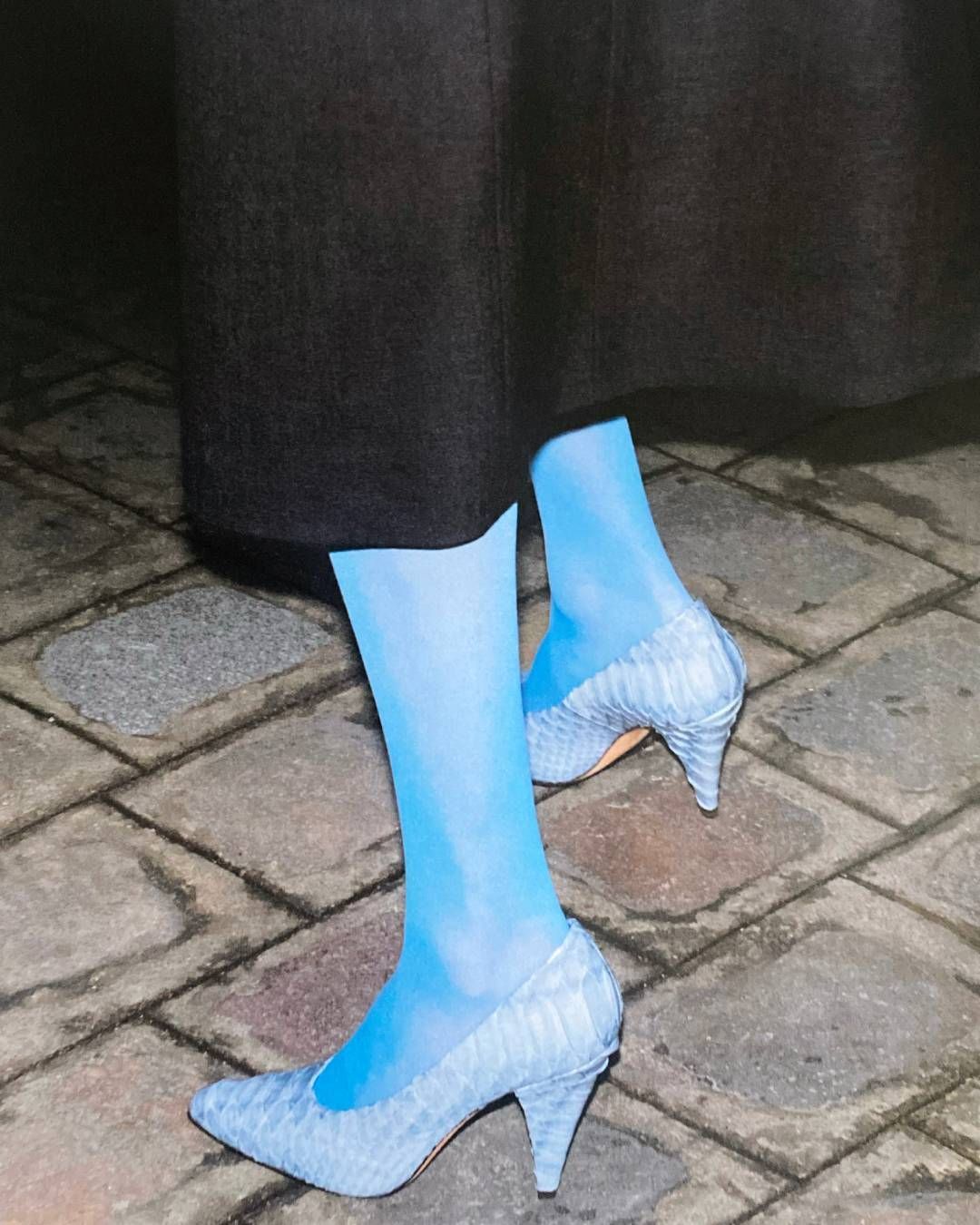
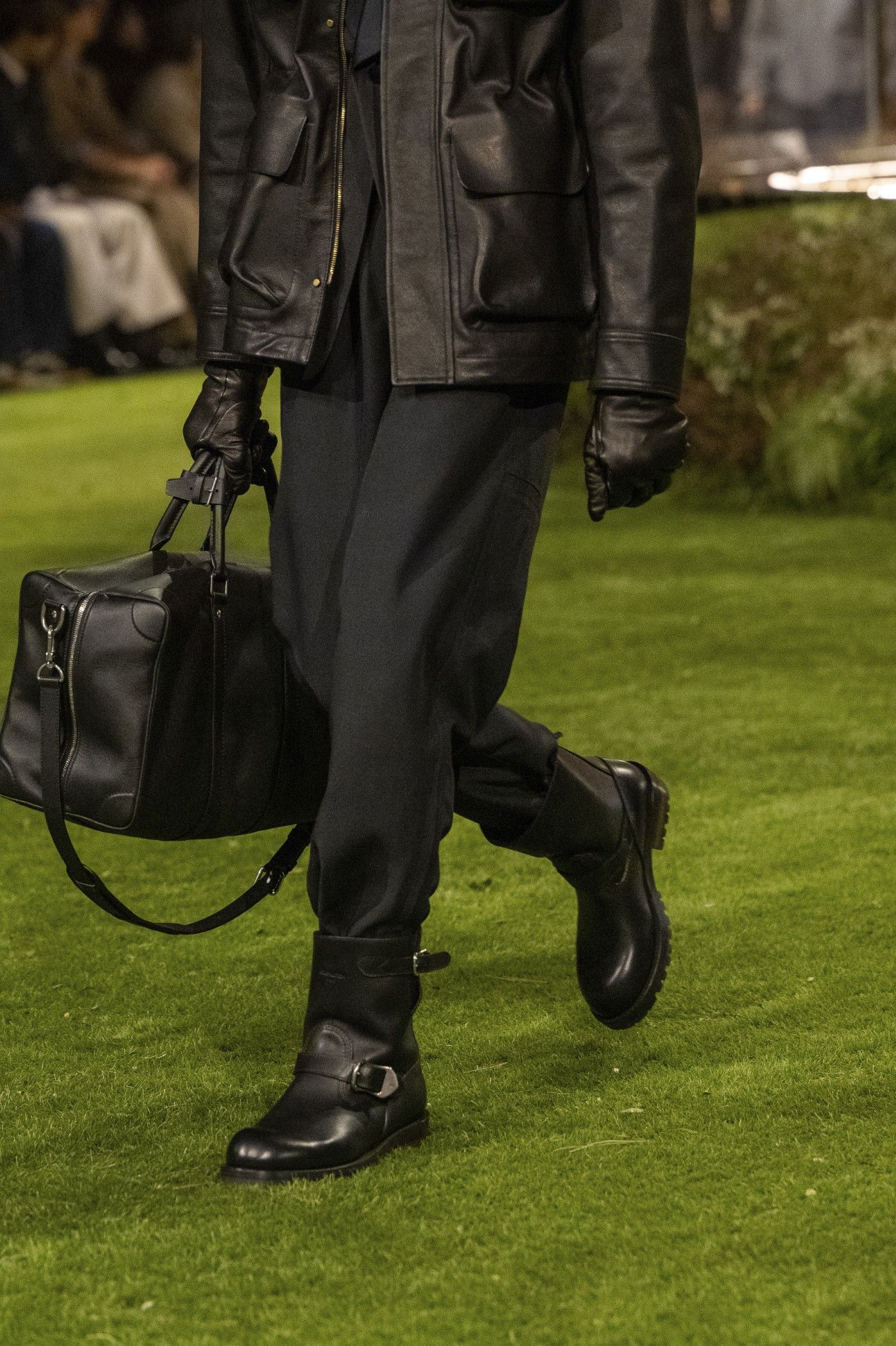
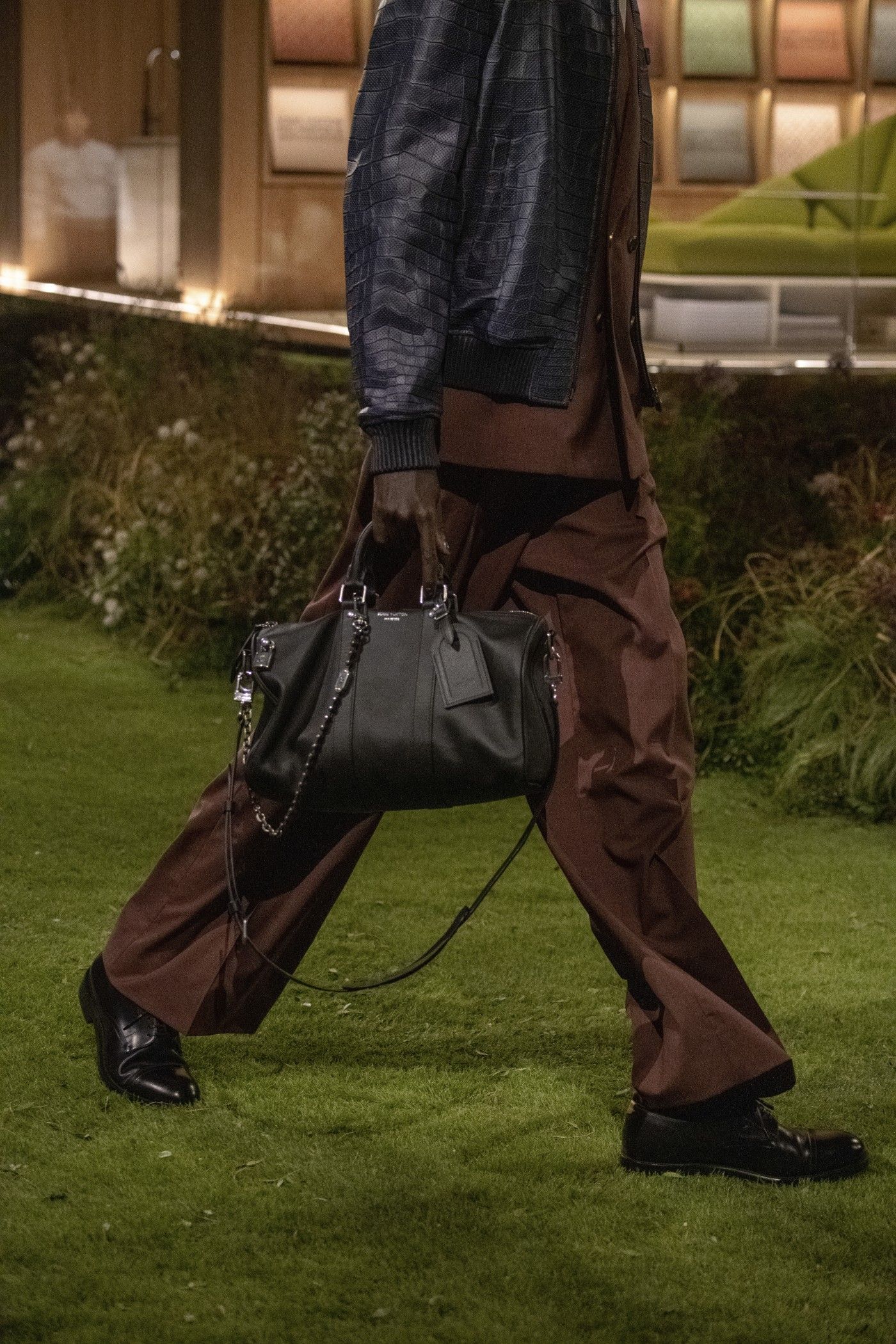
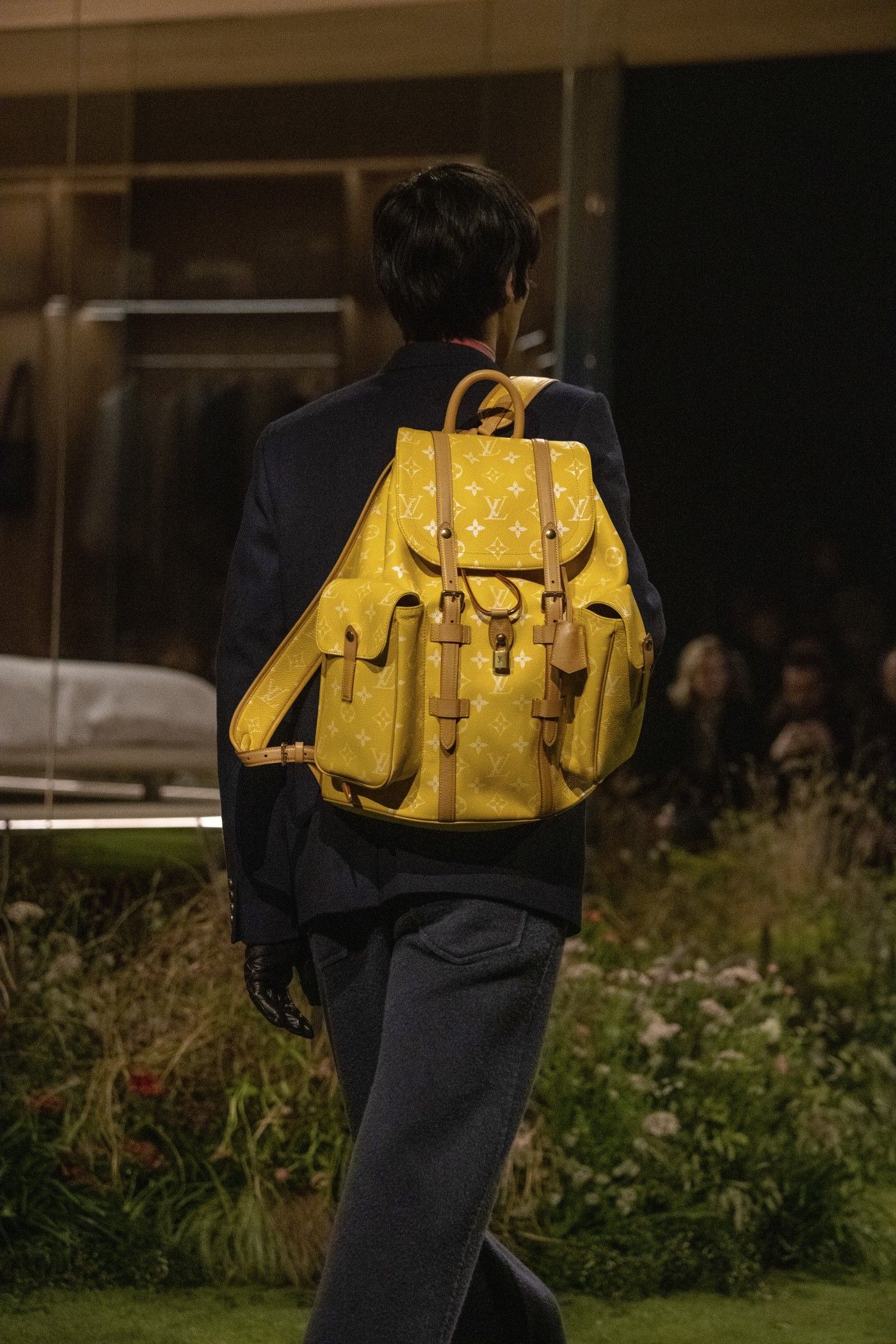
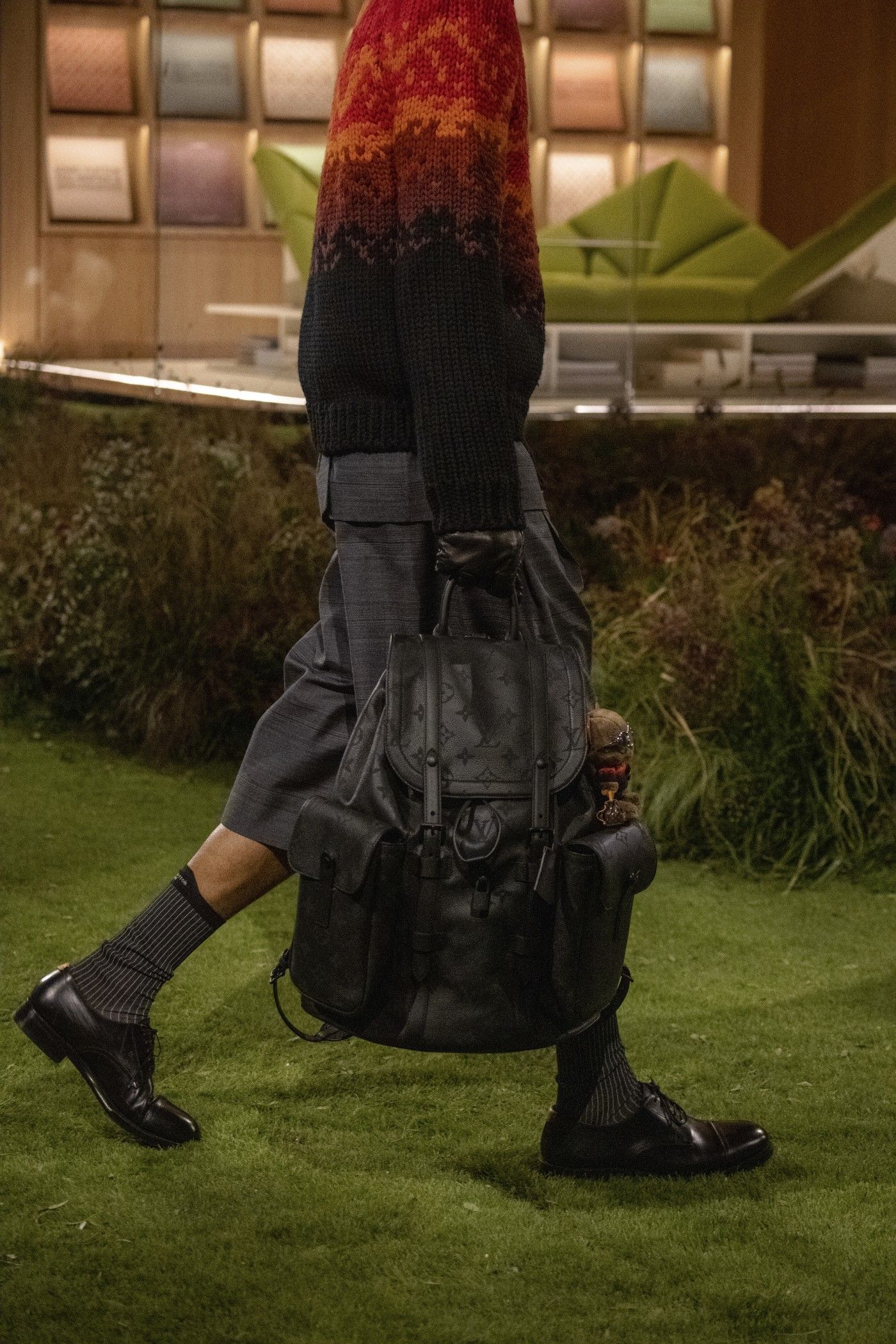
There are also reflective, micro-perforated bags, others that take on an iridescent silver color under flash, and others, like the Speedy P9, produced in materials that are both luxurious and hyper-processed such as black crocodile with jewel chains, super-light vicuña, shaved mink, perforated crocodile, and colored python. Also not missing are bags shaped like a TV, alarm clock, phone, and a mini boombox, but also one shaped like a rabbit in shearling fur. Micro-perforation and laser cutting also distinguish the footwear, designed by the ever-excellent Thibo Denis, while the rest of the accessories, jewelry, and sunglasses accompany the rest of the collection in a highly coherent assortment.