




















Ties are weirder than ever An accessory from the past returns with new shapes and rules
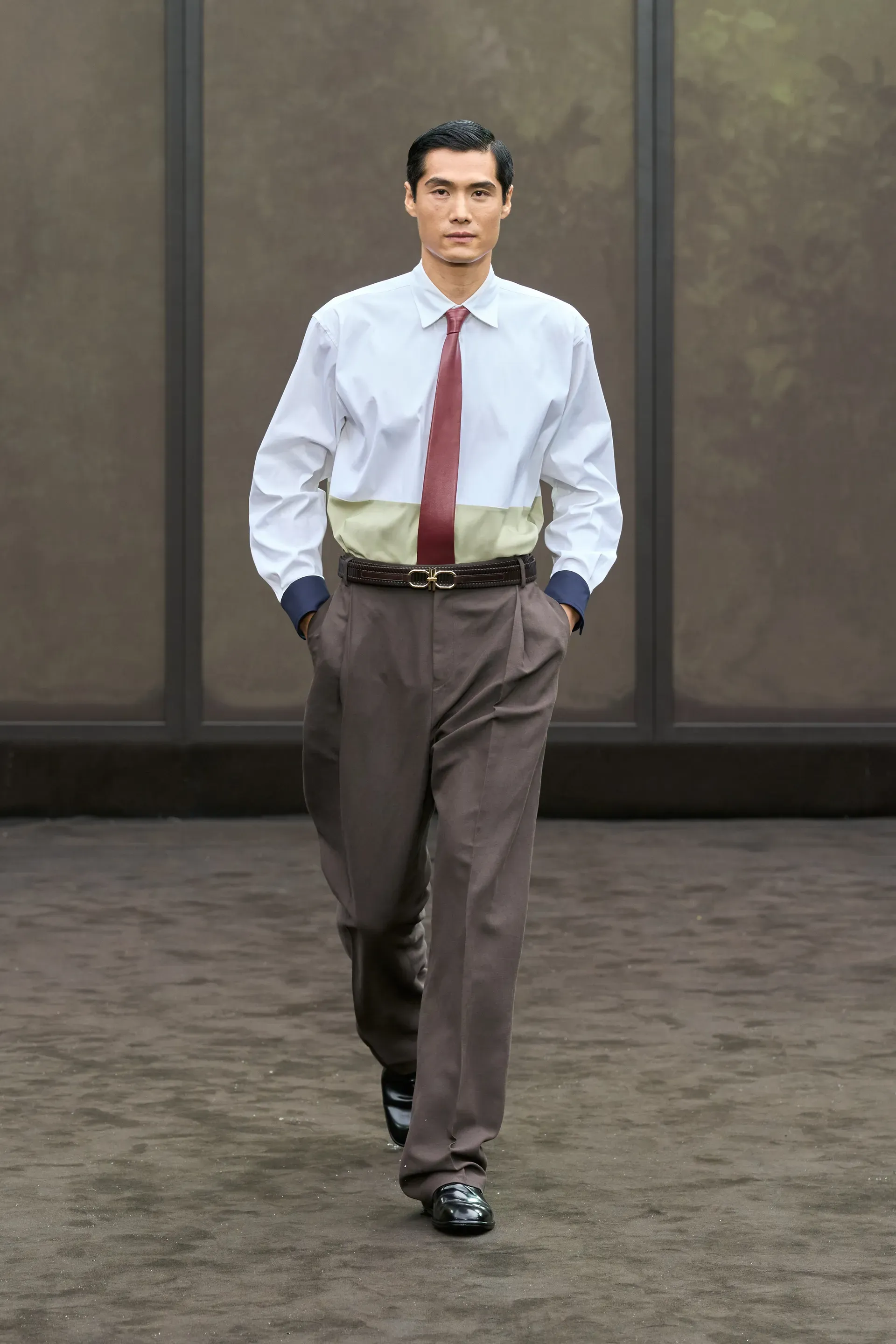
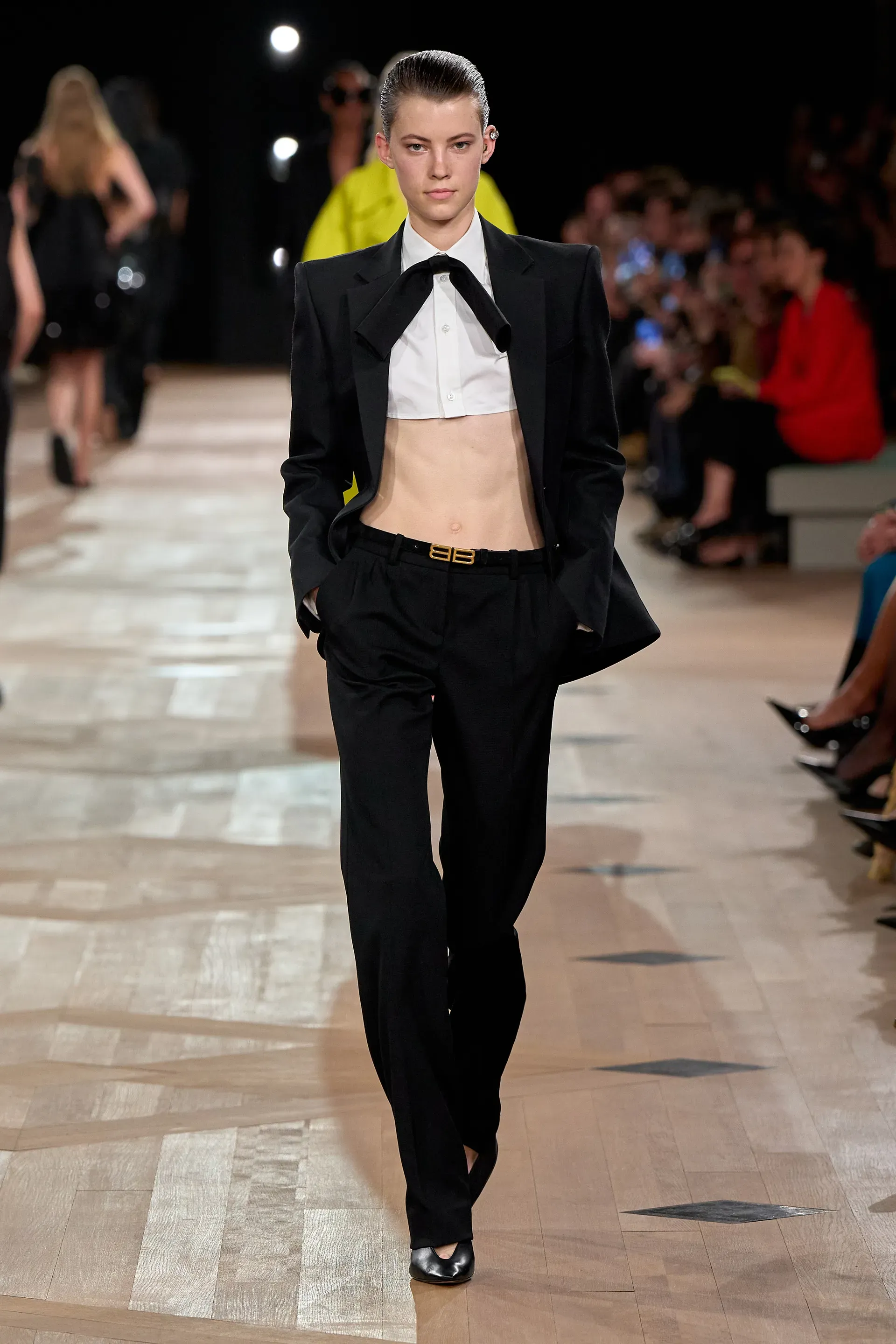
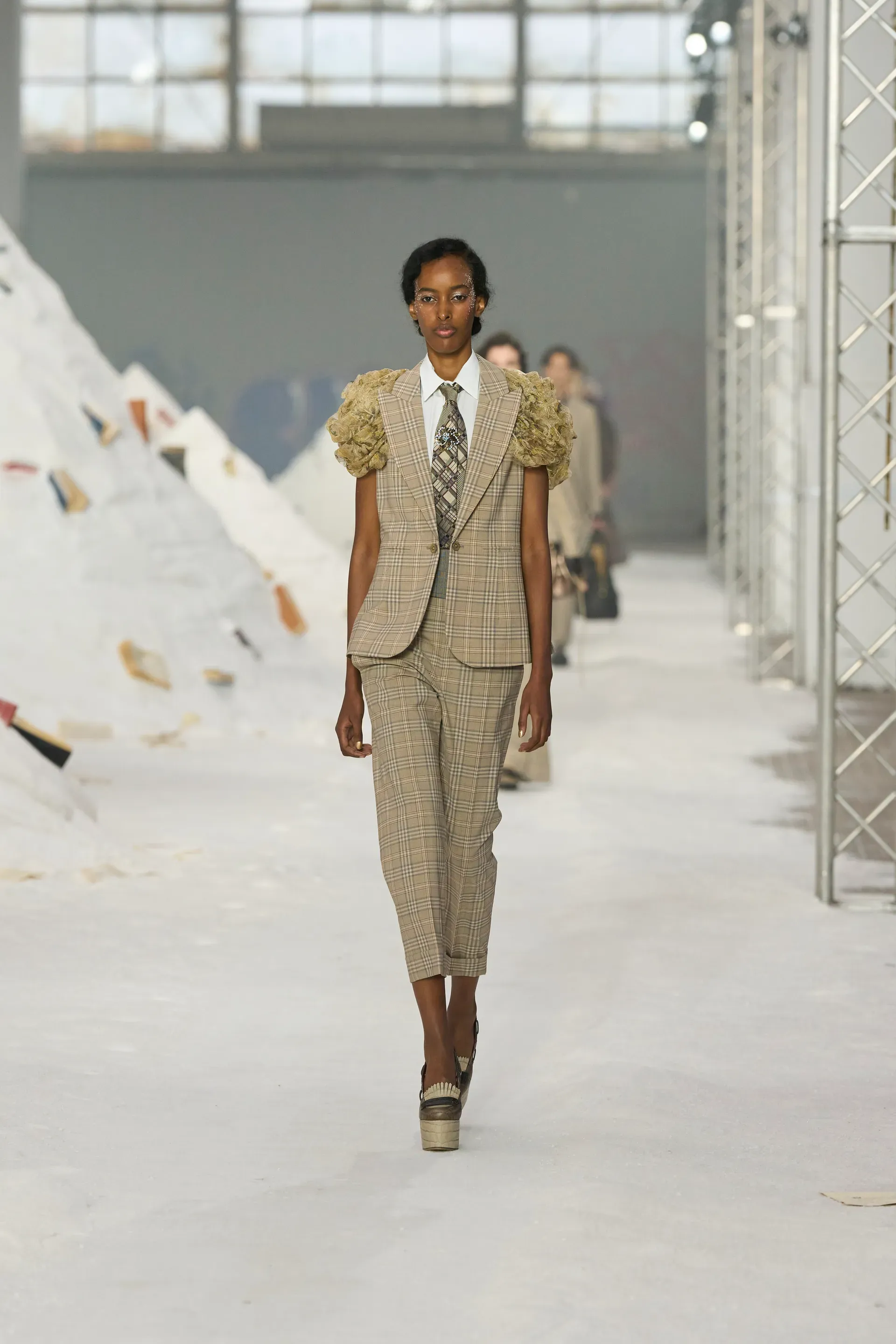
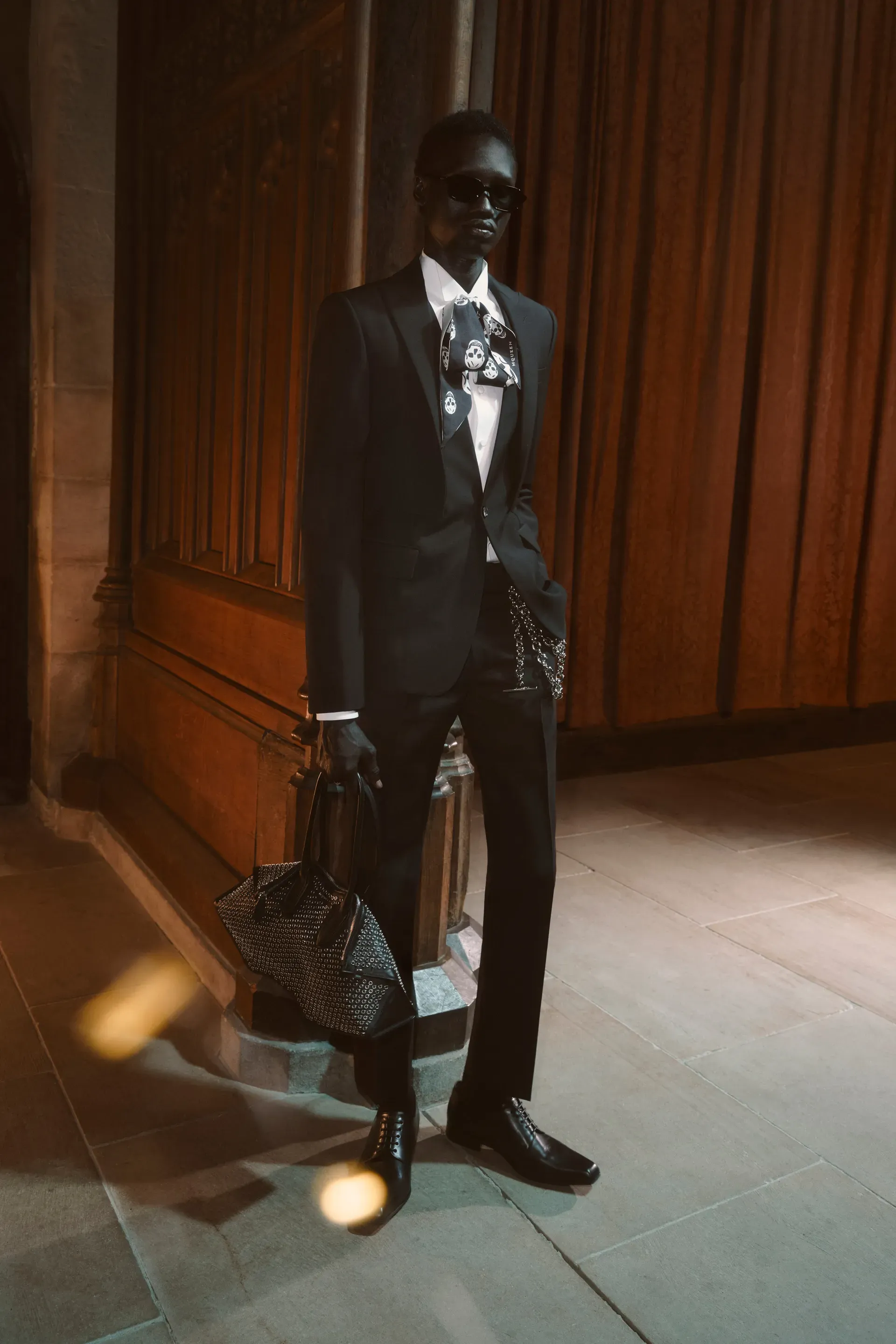
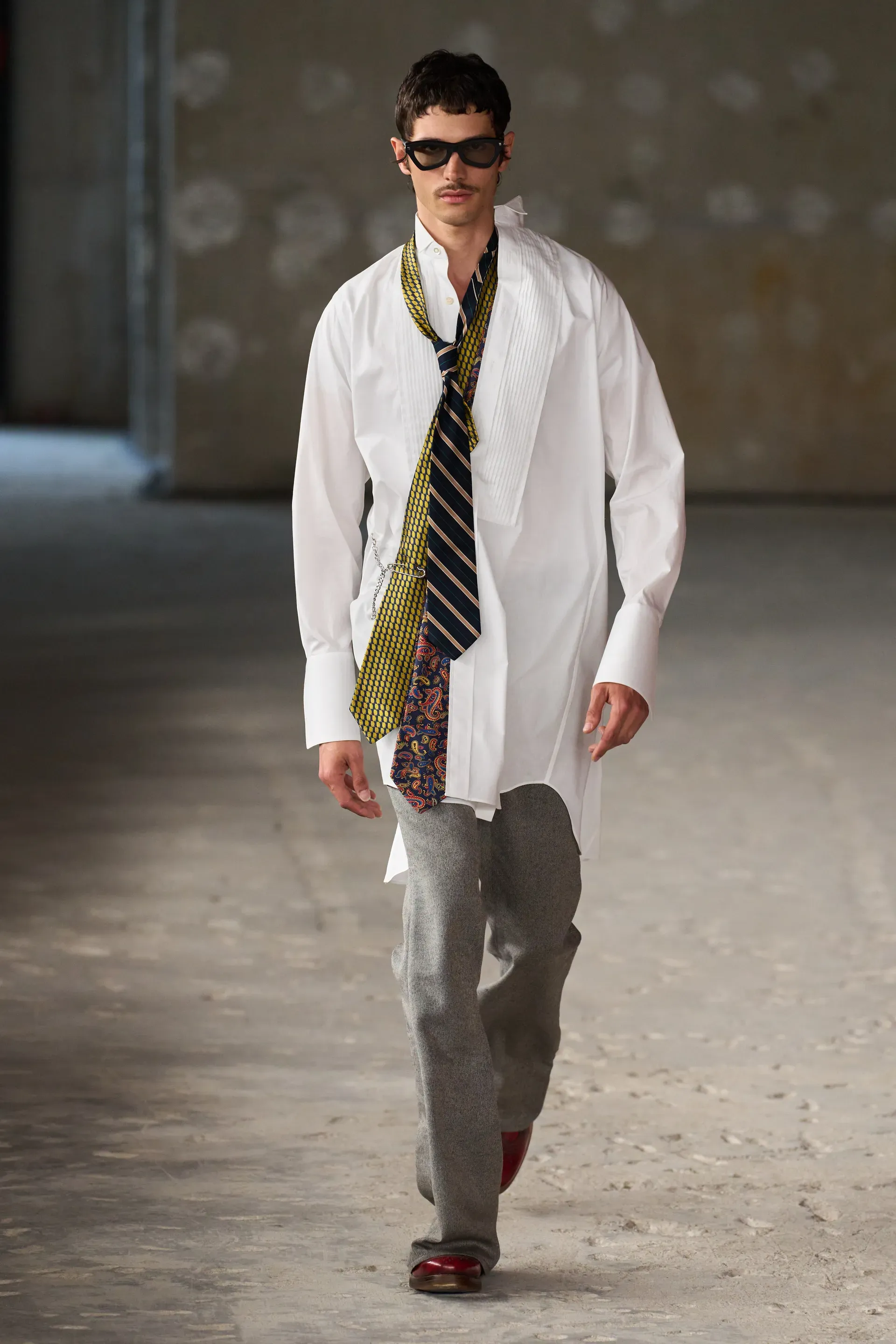
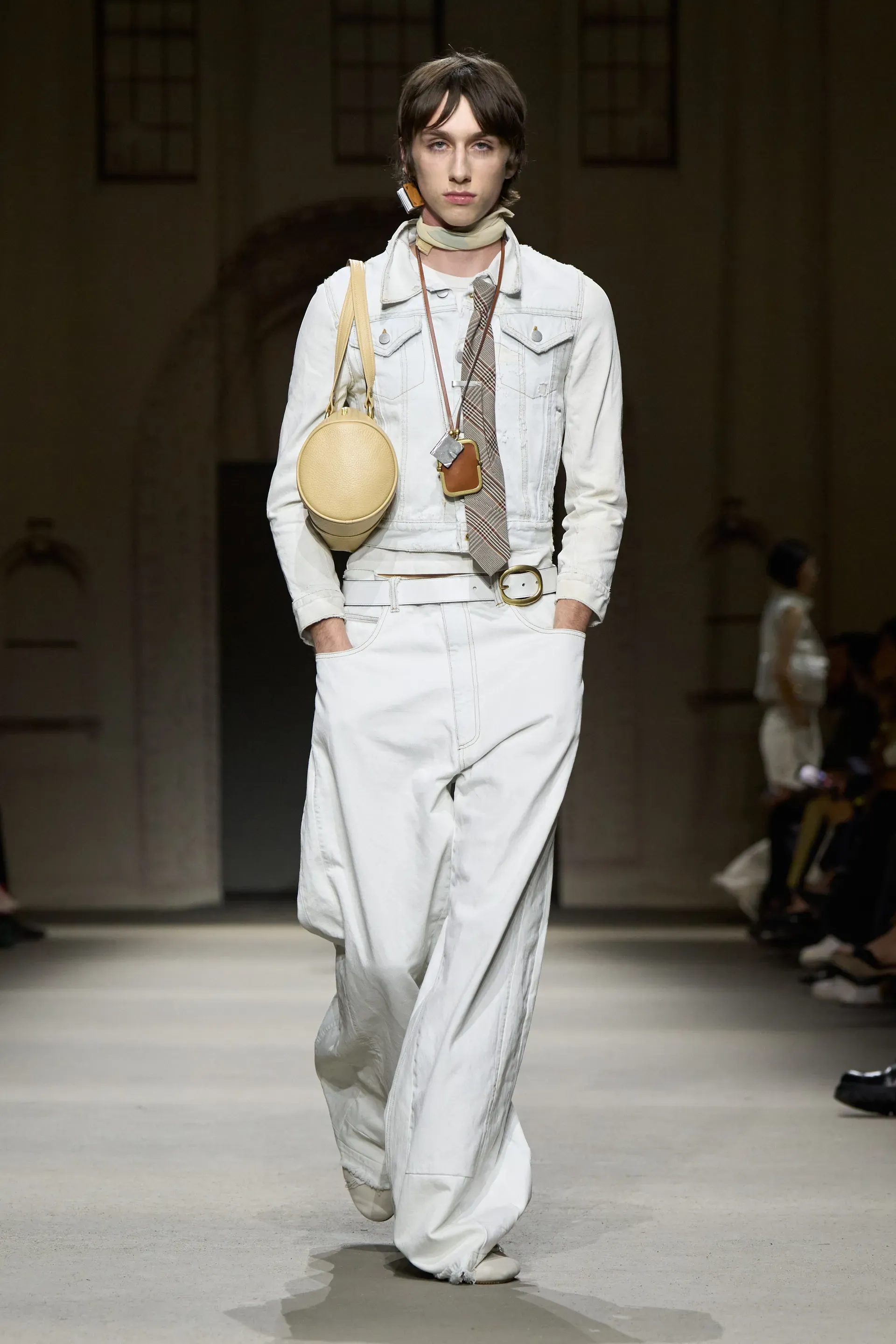
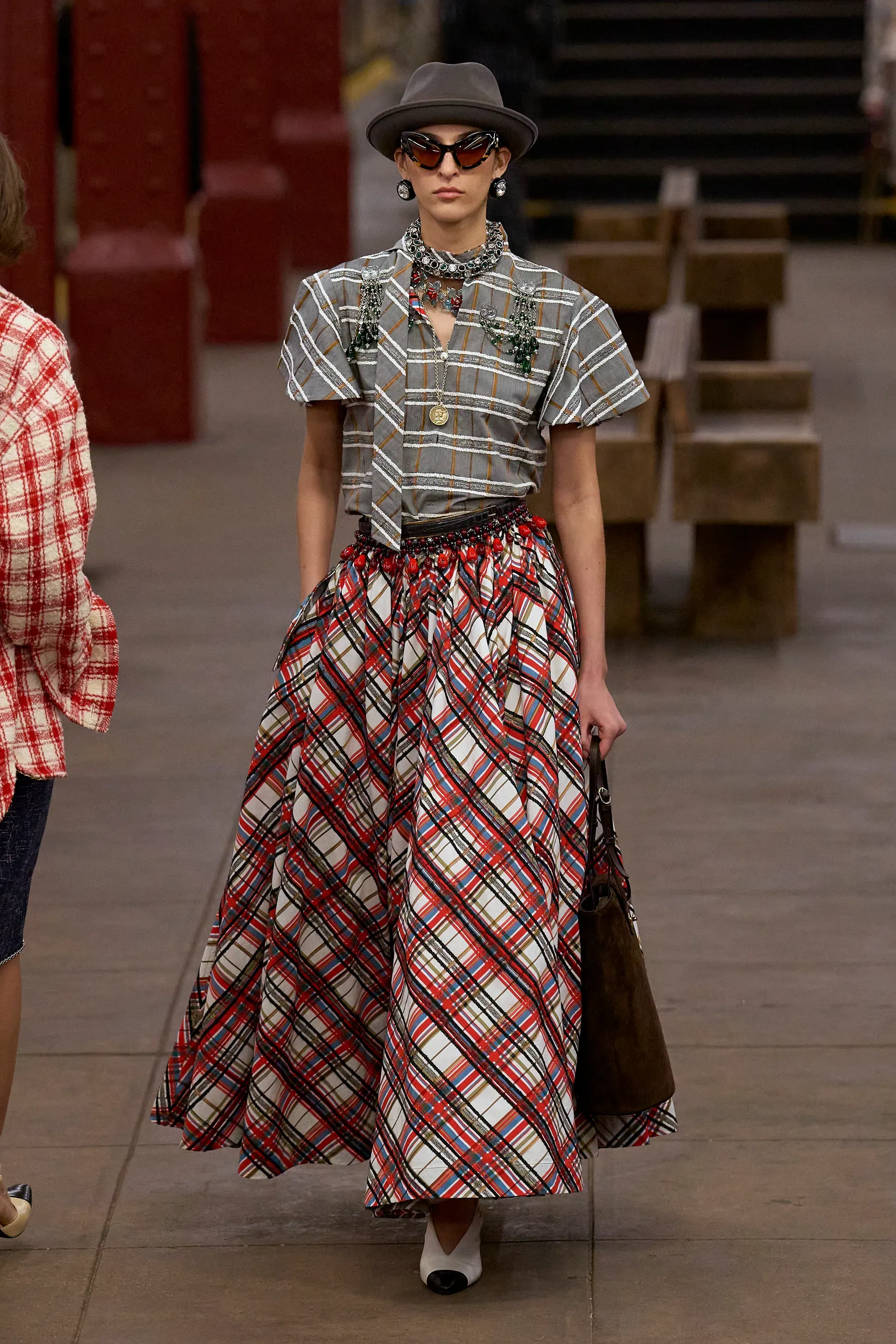
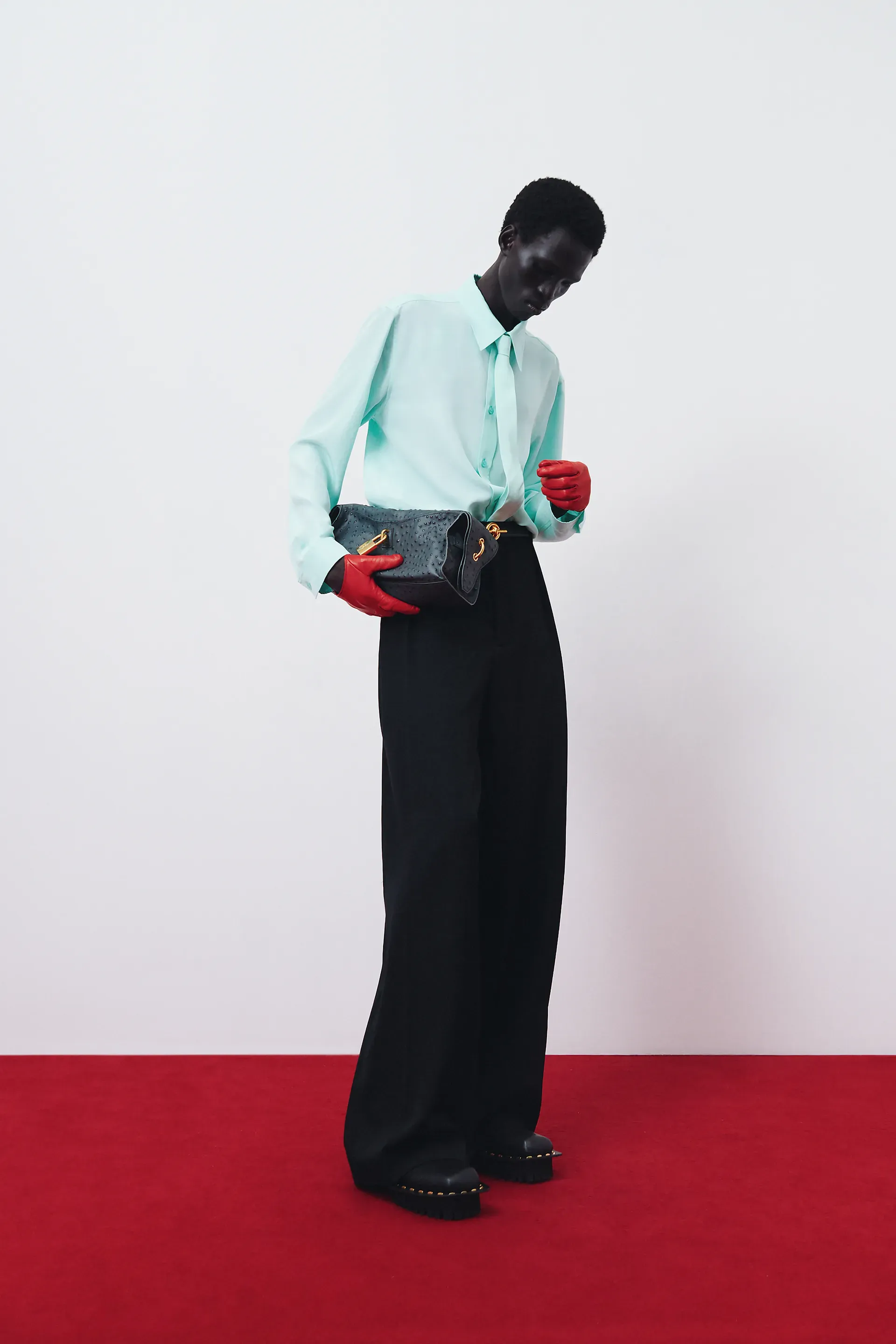
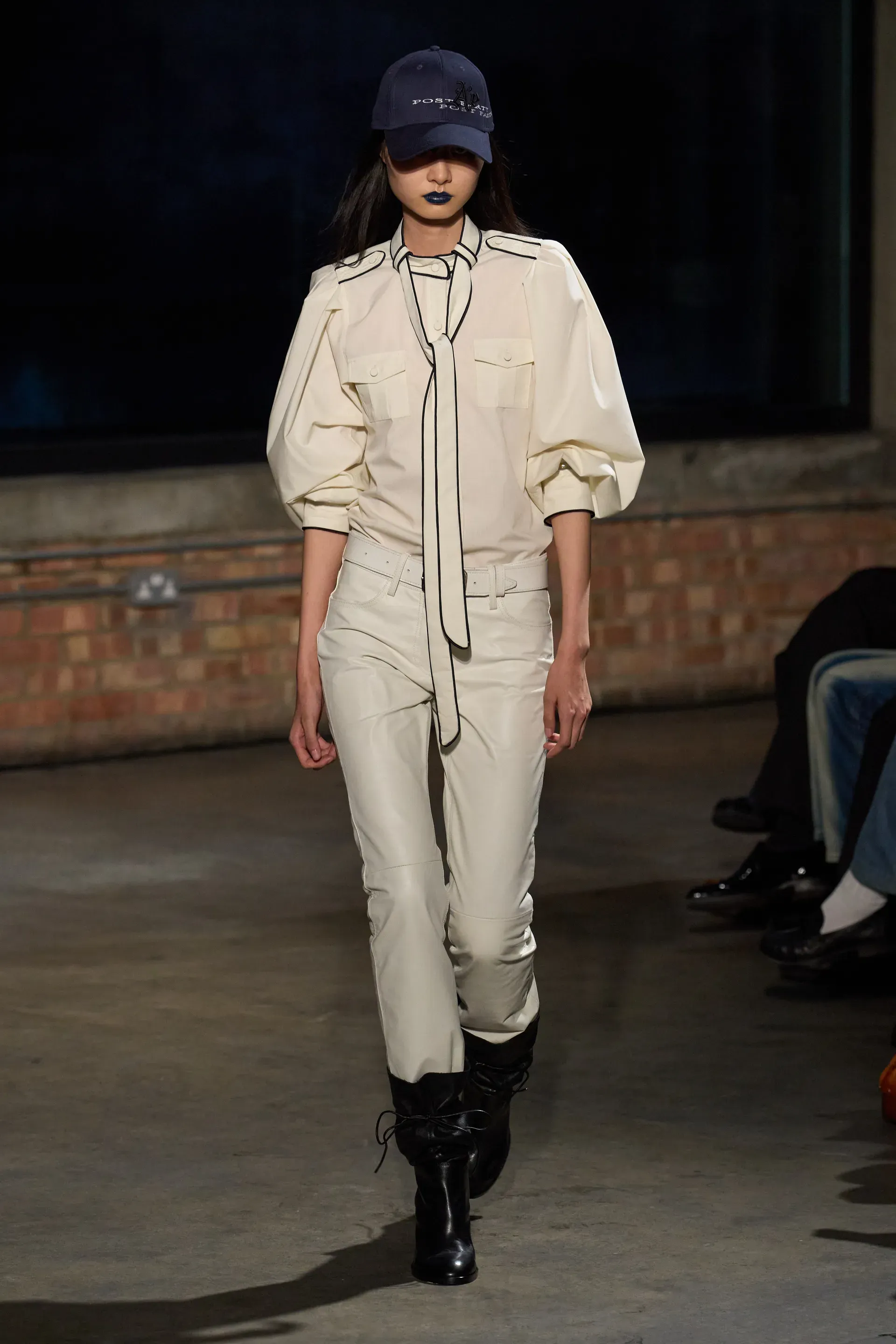
For some time now, ties have been making a comeback on the runways. No longer just silk and Windsor knots, the contemporary tie oscillates between deconstructed versions, alternative materials, and unexpected styling. It appears in formal looks as well as in street style, over oversized shirts, transparent dresses, or technical knits. The push toward hybrid elegance and identitarian fluidity fuels the idea of a “new tie”: no longer a symbol of conformity or social obligation, but an accessory capable of adapting to contemporary codes without losing its expressive charge. Today, the tie begs not to be merely worn, but interpreted.
Many maisons and historic brands have brought it back into vogue by re-proposing it in their collections as a sign of style, elegance, and above all, research. It is therefore not a nostalgic revival but a true innovation, a dialogue between fluidity, sartorial technique, and stylistic audacity.
Surrealism and proportions
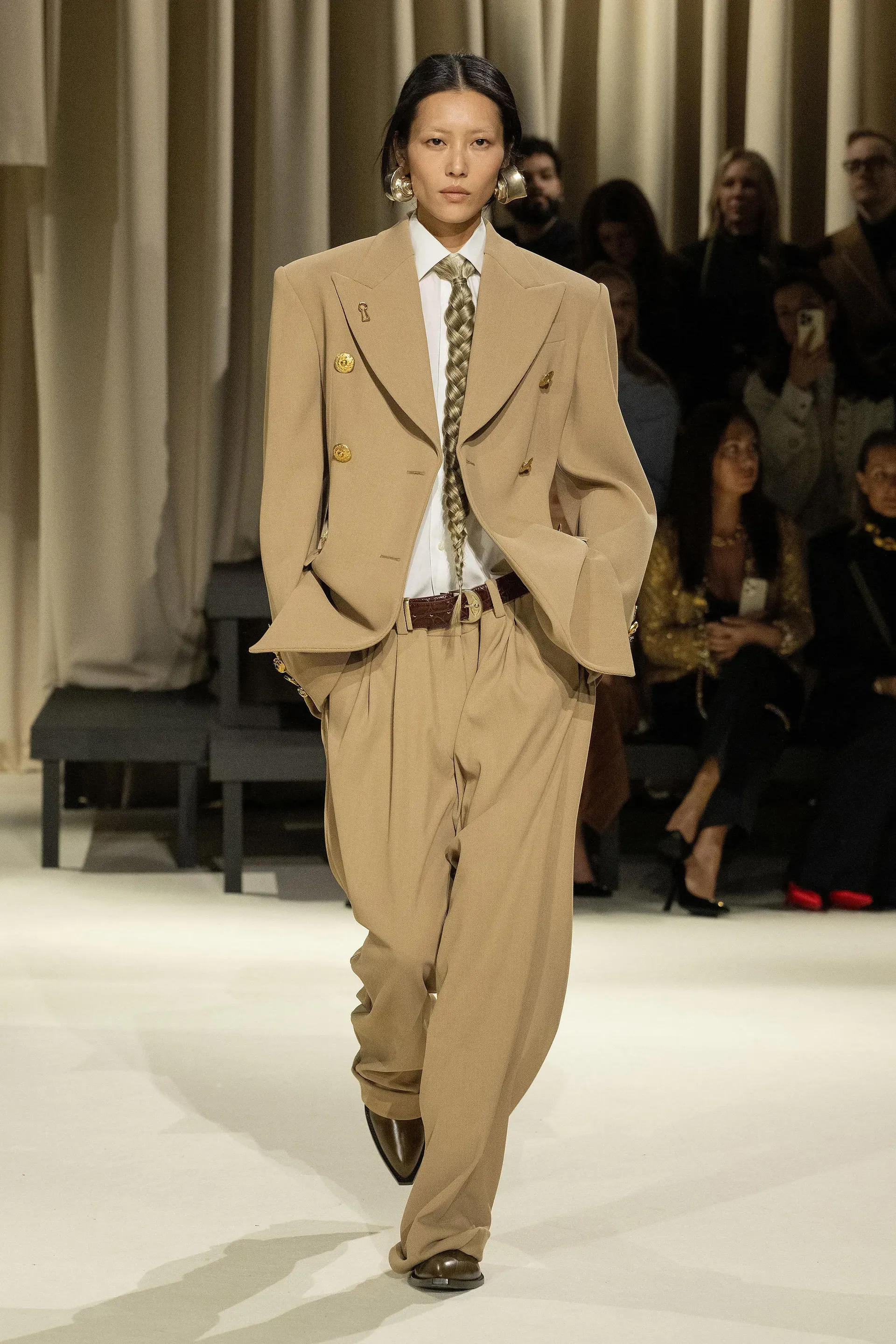
This new fertile ground is the result of a broader process, namely the hybridization of the wardrobe and the progressive breakdown of rules between masculine and feminine. In a landscape where tailoring softens and the body becomes a space for expression rather than discipline, the tie finds new legitimacy. An emblematic example came already in 2024 from the FW24 Schiaparelli runway, where the ‘Cowboy Tie’ debuted—a braided tie with a hair-like effect, modeled in nylon jersey with brass details. Halfway between couture and trompe-l’œil, this piece demonstrates how the accessory can transform into a conceptual, sculptural object that plays with the illusion of the very idea of mere ornament.
In the SS26 men’s collection by Saint Laurent, Anthony Vaccarello reduced the tie to its essentials, turning it into a sharp graphic detail: ultra-thin, black, glossy, paired with transparent shirts and elongated tailoring silhouettes, almost as if to draw a line of ink on the body—a minimal yet strongly sensual detail. On a measured but extremely conscious level is the proposal from Ferragamo for SS26. Here the tie re-emerges as a central element of a new sartorial language: extremely thin and unusually long, translated into leather, dry and matte, in a restrained palette that reinforces its silent presence.
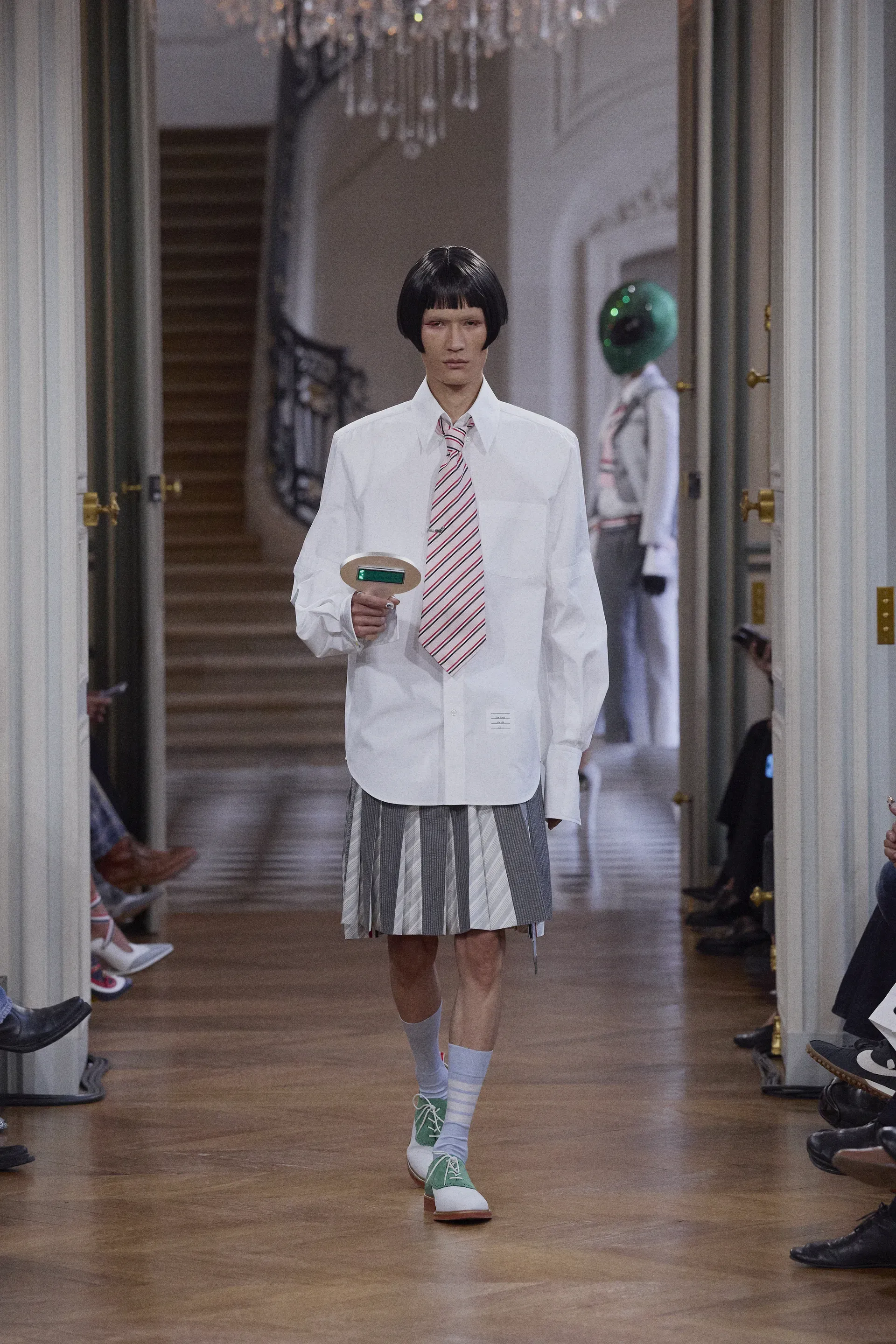
An opposite but equally declared approach is that of Thom Browne. In SS26, the American designer’s ties stand out for deliberately out-of-scale stripes and proportions; inserted into looks that subvert every idea of classicism, they become tools of visual estrangement. Antonio Marras, instead, drastically shortens the length of the tie, making it an optical accent rather than a functional element. Similarly, Pierpaolo Piccioli in his debut for Balenciaga made the accessory more like a deconstructed bow tie.
(De)construction of the tie
Junya Watanabe, in the latest men’s season, worked on combining different patterns, assembled into a single, long, and deliberately complex tie. A similar approach is that of Seán McGrirr during the Resort 2026 of McQueen: he reintroduced an apparently traditional tie, whose irregular knot immediately alters its perception. A more elegant but equally impactful transformation is the one Balmain presented for the Resort 2026 collection. The tie is constructed through two separate elements, joined by a golden knot that recalls a sailor’s knot.
In the latest collections, the tie has ceased to be an autonomous accessory and has become an integral part of the garment. In the Pre-Fall 2026 of Chanel, Blazy introduced a knotless knit tie that slides along the bust. More radical, however, was the approach of Aaron Esh in the SS26 collection, where the tie is structurally incorporated into the shirt. Meanwhile, at Coach, in the same season, apparently classic ties with retro references were shown, which were actually sewn directly onto denim jackets.
The reinterpretation of ties
In an almost complementary way, Julye Han in recent months has pushed the tie beyond already explored boundaries. First by incorporating the object directly into the structure of the garment with the Necktie Shirt and then transforming it into jewelry: the Silk Pillow Necktie Necklace, in fact, is a padded tie worn as a necklace. With these shifts, the hierarchy between garment and ornament completely dissolves.
Going even further, KidSuper, in SS26, transforms the tie into a full-fledged piece of jewelry assembled with metallic elements such as keys and buttons. Pushing reinterpretation even more is Mondepars, a newly born Brazilian brand, which presented the ‘Gravata de Madeira’, a handcrafted tie in muiracatiara wood with silver finishes, making it an accessory closer to jewelry than to clothing.
This redefinition finds echo in the market and among consumers. According to data from Business Research Insights, in 2025 the global tie market reached 2.11 billion dollars, with forecasts of growth up to 2.17 billion in 2026 and 2.75 billion by 2034, driven by a CAGR of approximately 2.97%. In short, in contemporary pop language, the tie has re-emerged as a symbol of personal expression. Deprived of fixed rules and structures, it becomes a fluid hybrid that adapts from body to body, responding to the laws of the person wearing it.