





















Why do brands keep opening and closing boutiques in Montenapoleone? The Quadrilatero is evolving at record speed amid new openings and mega-investments
Boredom and stagnation are the number-one enemy of fashion, not only on the product side but also when it comes to stores. That is why, even in a year marked by crisis and corporate restructuring, the major luxury players have continued to move and redesign their Milanese boutiques. As MF Fashion reports, 40% of the stores on Via Montenapoleone have changed this year in a market that, according to Bernstein, exceeds 8 billion euros.
How has the Quadrilatero changed in 2025?
@nssmagazine Last night, @Tiffany&Co. celebrated the opening of its new store on Via Monte Napoleone with an exclusive event at the Magma space in Milan. Between cocktails and the Maison’s iconic jewelry, the evening continued with a DJ set by Chloe Caillet, who closed the party. Among the guests were international faces like Mikey Madison and Aron Piper, alongside well-known names from the Italian scene such as Bresh, Tony Effe and Emma. Have you already visited the new boutique? #fashiontiktok #tiktokfashion #tiffany #milan #milano #event #emma #tonyeffe #aronpiper #interview #intervista suono originale - nss magazine
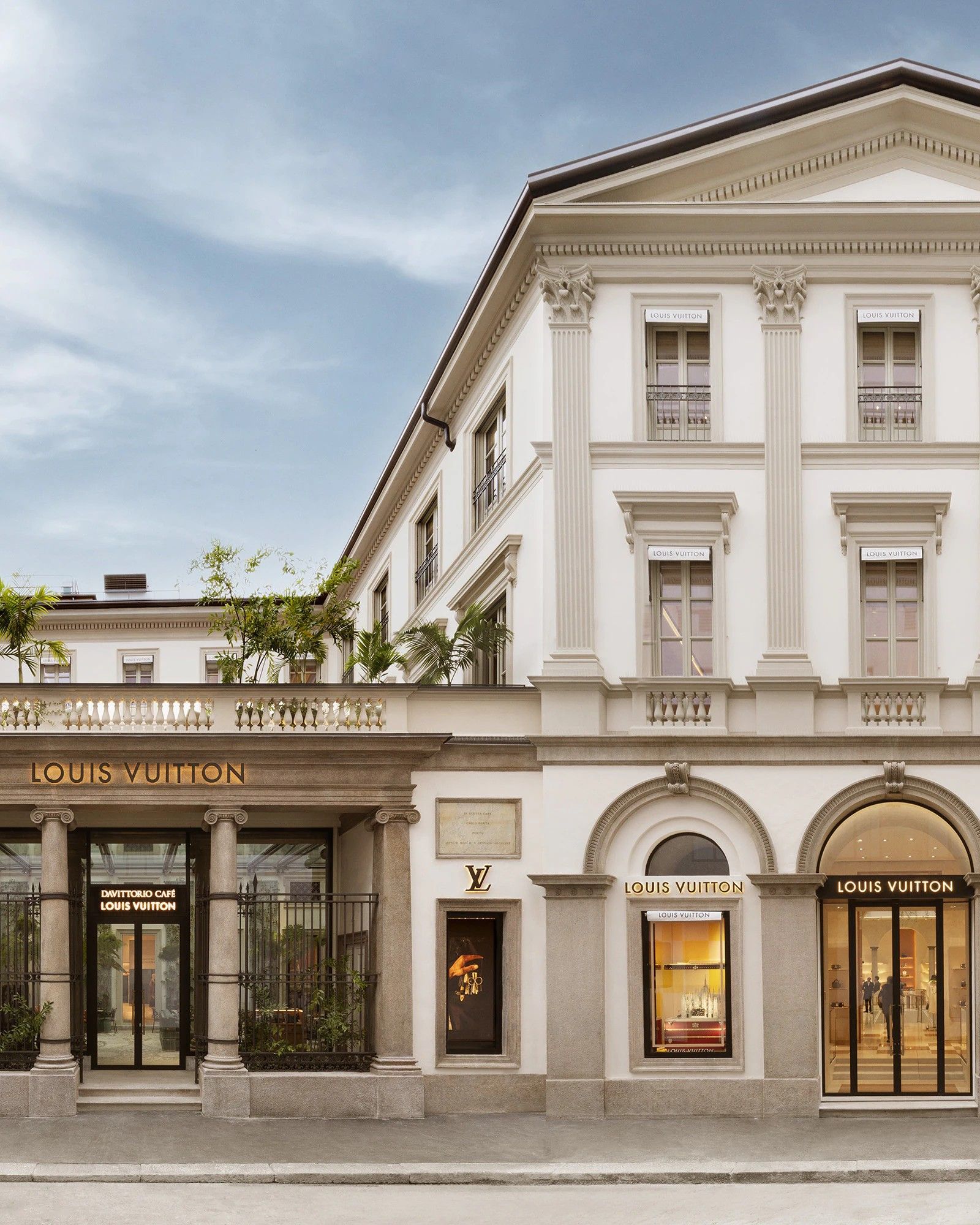
For an enclave of luxury where such large amounts are spent, Via Montenapoleone has essentially been an open-air construction site this year. From January to today, at least 25 different operations have taken place in the district, despite a 15% drop in summer revenues caused by the ZTL traffic-restriction zone. As usual, LVMH led the way. In April, Palazzo Taverna at number 2 reopened, hosting the new Louis Vuitton flagship (which now includes the Dav and Da Vittorio Caffè restaurants), the new mega-store of Tiffany & Co., and the three-floor Bulgari boutique that had already opened at the end of March.
In September, the new Fendi palace opened opposite Louis Vuitton, with its six floors including a boutique, leather goods atelier and three restaurants; in spring, Dior began renovating its mega-store at number 12, which will only be completed next April. Finally, Celine moved to number 25, at the corner of Via Sant’Andrea, leaving its former location at number 10 and expanding its space. Kering, meanwhile, relocated Saint Laurent from Piazza San Babila to number 8 — the building acquired in 2024 for 1.3 billion euros that later caused some headaches for the group’s management and is now co-managed with Kryalos.
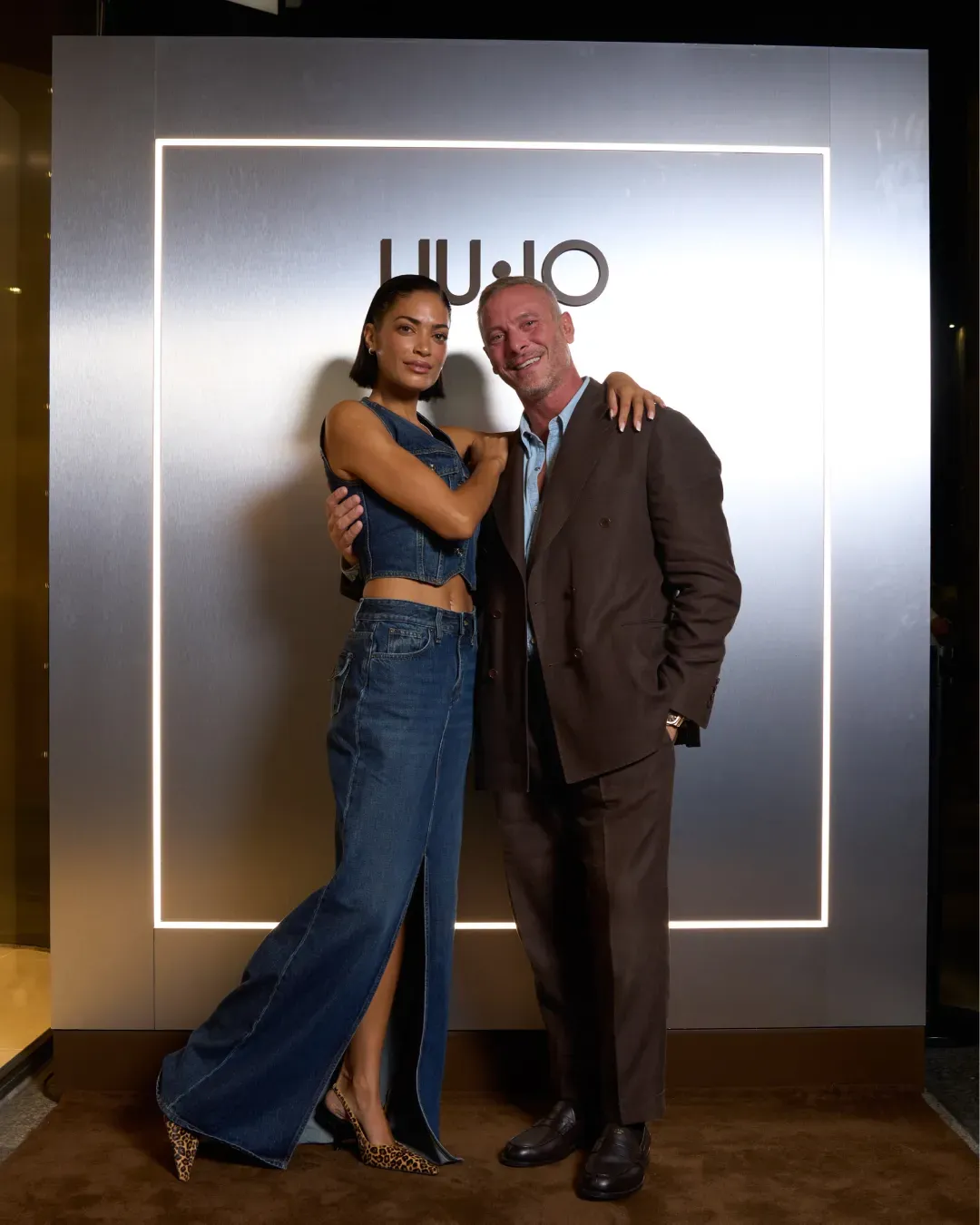
Just in time for the latest Milan Fashion Week in September, Valentino reopened its historic store at number 20, at the corner of Via Santo Spirito, also developed over three floors after a temporary location during the works. At the end of September, Dries Van Noten opened its first Italian store at Via Brera 11, just outside the strict Quadrilatero but still in the area, while the very next day Alberta Ferretti opened its doors at Via della Spiga 26. In October there was Umit Benan in Via Bigli. Finally, Plan C arrived at Via Manzoni 21 and Ports 1961 at Via Sant’Andrea 8. This week Amiri debuted at Via della Spiga 18 and today, at number 26 on Montenapoleone, Intimissimi and Iiuan have landed.
Why all these changes?
As we already discussed in 2023, towards the end of the post-pandemic consumption boom, luxury stores around the world were starting to become larger and larger. The idea was to turn them into reference points not only for shopping but also for fine dining, events, private client experiences and dedicated spaces. In recent years these enlarged stores have become venues for Design Week installations (with the inevitable queues outside) as well as operational hubs for brands and community gathering places.
And even though Via Montenapoleone has lost its crown as the most expensive luxury street in the world (the title now belongs to Bond Street in London), MF Fashion explains that Milan still boasts the highest average transaction value globally — which is why fashion has not only occupied the street but is redesigning it, expanding stores, adding floors, private rooms and more. One might even imagine that the constant cycle of changes and store switches generates news in itself, becoming part of that fashiontainment mechanism the industry uses to keep customers engaged.
That is also why, according to an Engel & Völkers study cited by MF Fashion, rents on Via Montenapoleone have risen 56.2% since 2020 and available spaces for new entrants are virtually non-existent. But the increases over the last five years have been even wilder in streets like Via Santo Spirito (+272%), Via della Spiga (+128.5%), the more “limited” Galleria Vittorio Emanuele II (+37.5%) and even Corso Vittorio Emanuele II (+57%).
Corso Como, on the other hand, has suffered with rents remaining flat due to the so-called “maranza effect” , while the no-longer-so-safe Piazza Gae Aulenti, another hotspot for both tourism and street crime, has nevertheless seen rents rise 23% thanks to openings by mass-market brands such as Nike, Under Armour and even Dyson. The 0.9% drop in rents on Corso Buenos Aires stands out, reflecting the decline in purchasing power of anyone who is not a wealthy tourist staying in one of the five-star hotels that dot the city centre.
Takeaways
- In 2025, Milan’s Quadrilatero della Moda has been one giant construction site: 40% of the stores on Via Montenapoleone changed appearance or ownership, with at least 25 expansions, renovations or new openings despite the sector’s downturn.
- The luxury giants (especially LVMH and Kering) have poured money into ever-larger, multi-purpose flagships, adding restaurants, private ateliers and experiential spaces to turn boutiques from mere shops into lifestyle and community destinations.
- Despite the ZTL causing a 15% drop in summer revenues, Milan still boasts the world’s highest average transaction value; as a result, rents have skyrocketed (+56.2% on Via Montenapoleone since 2020, up to +272% in Via Santo Spirito).
- The endless cycle of construction sites and grand openings is not just a reaction to the crisis but a deliberate “fashiontainment” strategy: keeping media attention and customer desire alive through the constant renewal of the city’s luxury landscape.