






















The Sanremo Giovani commercial made with AI is making everyone angry Rightly so
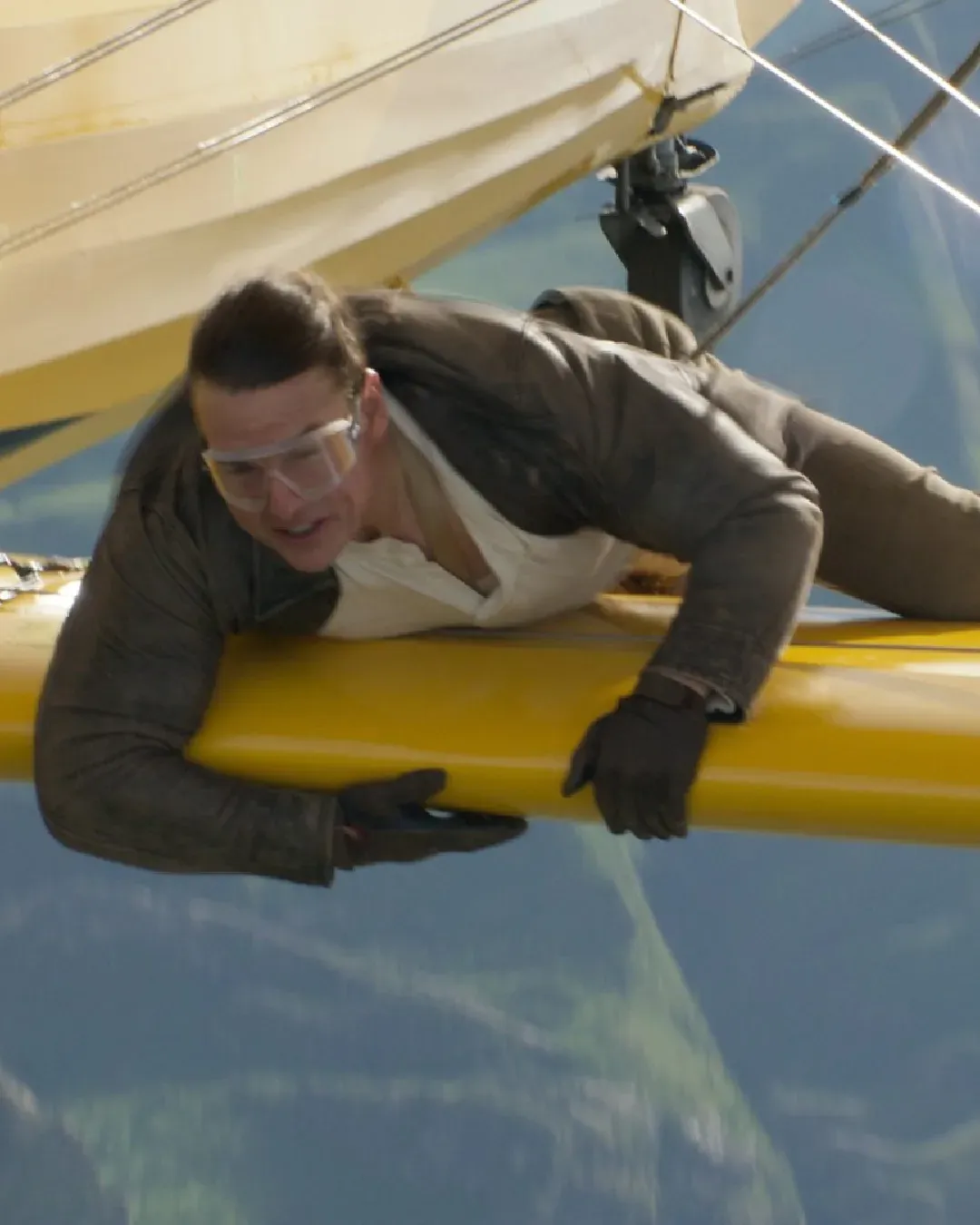
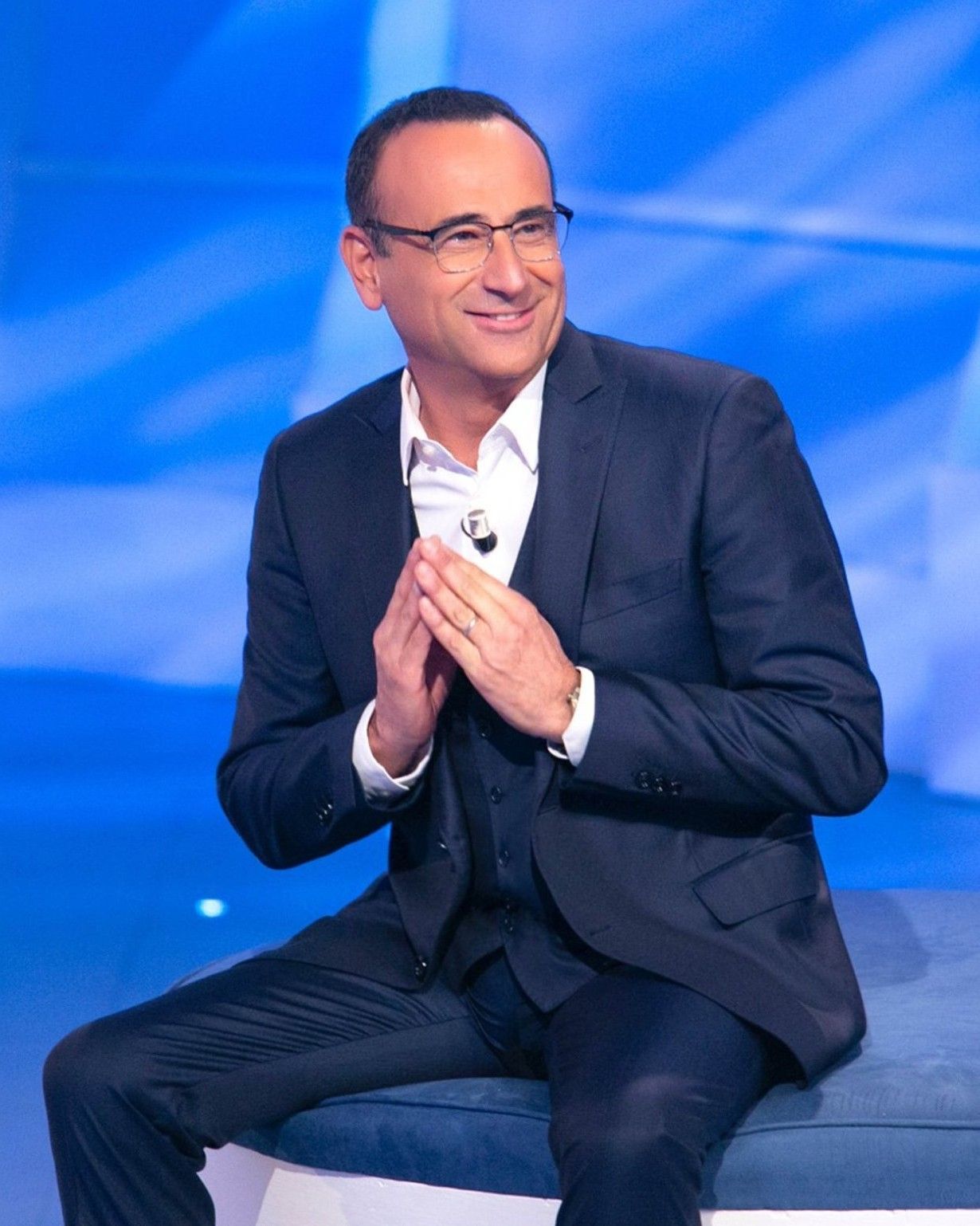
For a few days now, the new Sanremo Giovani spot has been circulating online: a fantasy-themed advertisement where Gianluca Gazzoli is portrayed as a knight receiving investiture from the "king" Carlo Conti. There's only one problem: the spot is made almost entirely with AI. The "digital" patina of the advertisement is in fact more than evident, with details in the foreground or background that change depending on the shot, dubbings that arrive late, and the profound artificiality of the footage.
Sto promo di #SanremoGiovani fatto con l'intelligenza artificiale grandissimo meh
— Edo (@rienneva_plus) November 5, 2025
Ci sarebbero fior fior di maestranze, filmmaker ma ho paura che l'intelligenza artificiale ci seppellirà (creativamente parlando)#sanremo2026 pic.twitter.com/ZJJP5xP9PC
The press has defined it (with a generous euphemism) as "divisive" but the truth is that the advertisement has really made everyone angry. In fact, seeing its abysmal, embarrassing quality, one wonders where the money we pay for the now infamous RAI License Fee goes, a tax that in Italy is imposed even on those who do not own a television. But the alarm it has generated in people is more related to the fact that perhaps a day of shooting would have sufficed to film it "in flesh and blood", and above all that the spot would have been useful to employ real professionals and real sets. The real problem is that this promo might be just the beginning.
No “RAI” without “AI”?
Nuovo giochino: “trova gli errori fatti dall’AI nel promo di Sanremo Giovani 2025”.#raislop #sanremogiovani pic.twitter.com/vmqz1CmJOS
— Alberto Carlo Macchi (@albertocmacchi) November 6, 2025
Before proceeding, a clarification: an X user had the video analyzed by the AI Grok, which responded that the video would not have been created entirely with AI but should theoretically be in CGI (so animated on computer but poorly) with several animation elements attributable to the AI Sora. RAI has not truly clarified this point, but during the spot an off-screen voice speaks of a «a real castle, a bit artificial» deliberately implying that the use of artificial intelligences was deliberate and almost programmatic.
According to some commentators, this spot is actually an indirect way for RAI to get the public used to an even more extensive use of AI that we will see in the future on the national television channels. A measure that one would like to pass off as revolutionary and futuristic but which perhaps in reality has much more depressing motivations: as always, one wants to save.
Has RAI run out of money?
Creating a spot like this live, in fact, would perhaps have been quite expensive: direction, various equipment, costumes, location, extras, makeup, and so on. And even if RAI already has certain internal resources (certainly sets and costumes), one wonders if the company behind the broadcaster, which is state-controlled and is effectively a public service, is not in cost-cutting mode. In fact, in June, the journalists and presenters of the broadcaster held a sit-in to protest against the cuts to the schedule.
According to an article from a few years ago by L’Espresso, RAI earns about 1.7 billion euros every year through the license fee. To these are added the advertising revenues (in 2021 they were 590 million to give an idea) and also the additional funding that the State occasionally sends. For this year we do not have precise numbers, but we know that the first six months of 2025 closed with an improvement in profits compared to 2024 also due to cost cuts.
If to this data (that is, that RAI is stable but not in open crisis) we add the latest budget law which not only imposes on the broadcaster not to increase spending but even to make cuts of at least 2% on costs in 2026 and the data that can be found everywhere that RAI is losing more and more audience, one might say that the Sanremo Giovani spot made with AI demonstrates that the coffers of Via Mazzini are, if not drained, at least quite empty. We remain curious to see what the first RAI fiction made with artificial intelligence will be like: considering their current quality, it will be difficult for AI to do worse.
What to read next
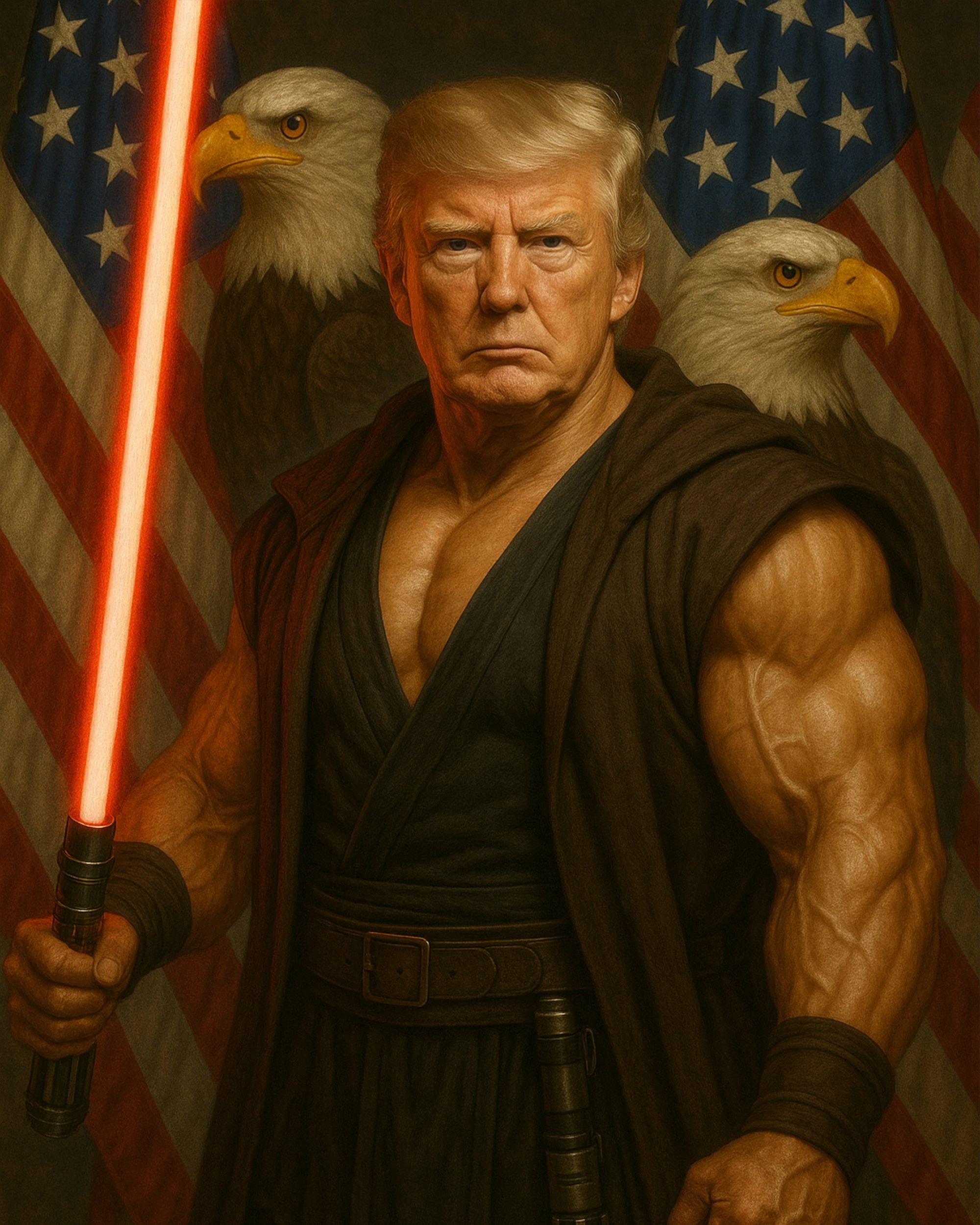
Why are there so many AI political propaganda videos?
We asked Donatella Della Ratta, communication professor at John Cabot University