











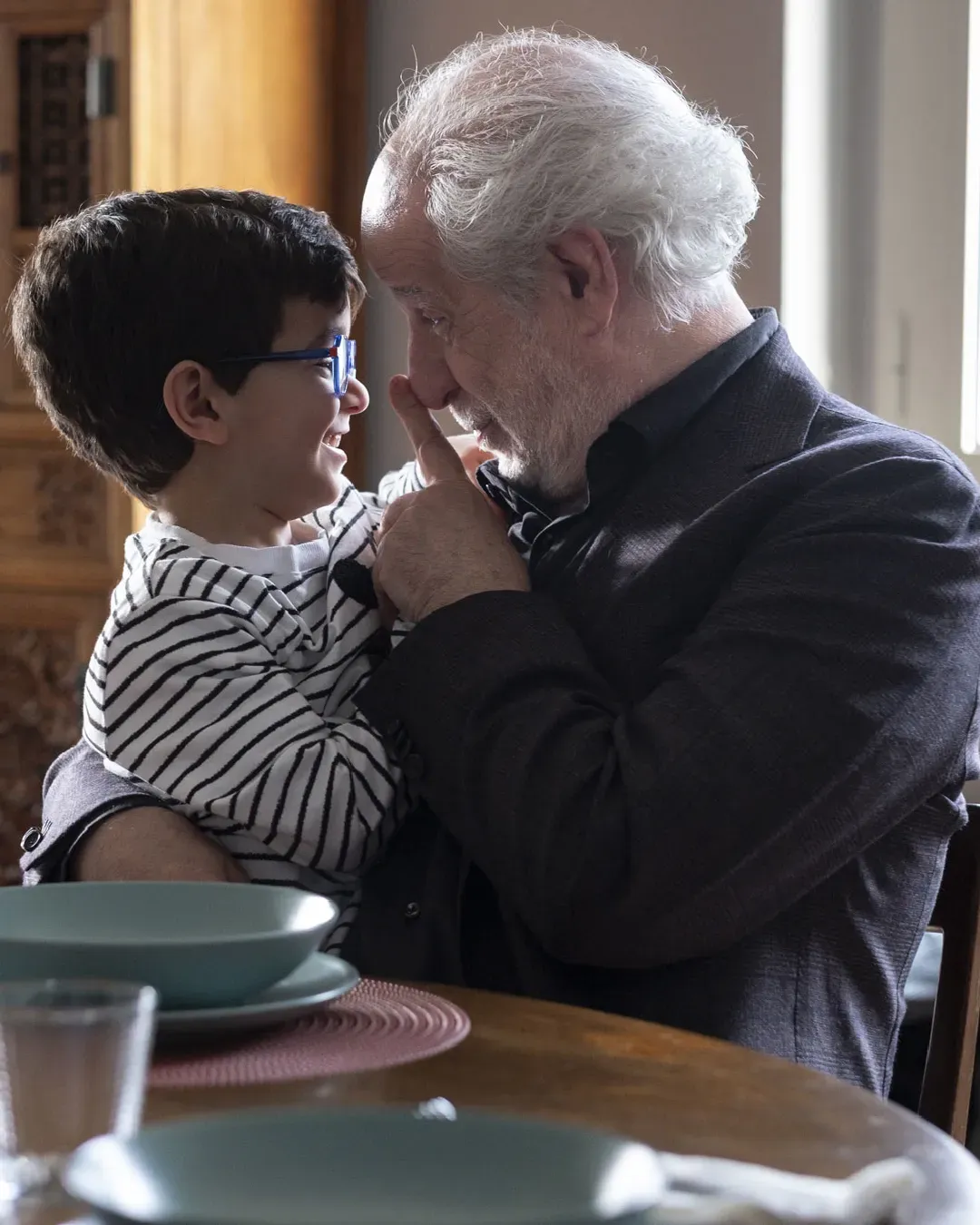























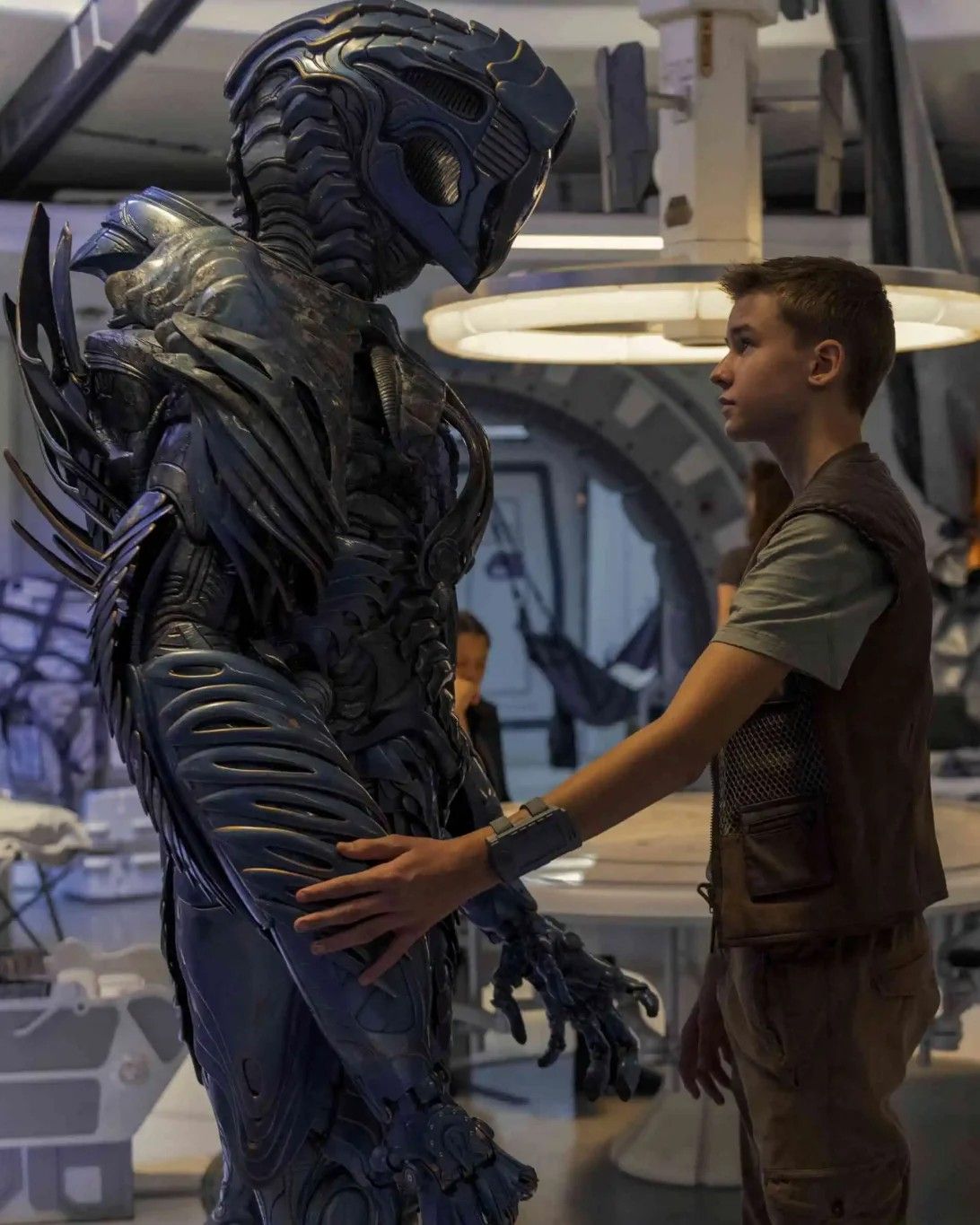
Artificial intelligence will influence an entire new generation It is Generation Beta—those born from 2025 onward—that will grow up in an “AI-native” world
In recent years, the idea has gained strong traction that historical, technological, and cultural changes move at such a speed as to have a decisive impact on the formation of individuals. According to this perspective, people born in a given period would share a set of common experiences and references – from access to technology to educational models, up to the experience of the most significant political or social events – which would ultimately influence their values, attitudes, and worldview.
However, this classification presents quite a few critical issues. First of all, it is an artificial construct that imposes rigid temporal boundaries on processes that, in reality, are gradual and discontinuous. For example, those born close to the transition between one generation and another may find themselves closer, in terms of experiences and sensibilities, to people born just a few months later, rather than to much older individuals with whom they are instead grouped by convention – a mechanism that risks producing poorly meaningful associations and arbitrary separations.
Moreover, such a strong focus on the year of birth tends to obscure other determining factors in the construction of individual identity, including the socio-economic context, place of origin, level of education, gender, and family opportunities.
When Generation Beta begins
Despite the many critical aspects, this way of reading society – which precisely organizes the population into well-defined generations – has enjoyed great popularity, especially online. In particular, in recent times generational labels ("Gen Z", "Millennial", "Boomer", and so on) have found renewed legitimacy and have asserted themselves more strongly in public debate. This happens because technological and social changes have not only become increasingly rapid, but have also directly affected daily habits, languages, and learning processes. As a result, even minimal age gaps can translate into profoundly different growth experiences: for example, being born before or after the spread of the smartphone, social networks, or, more recently, artificial intelligence often means developing skills, expectations, and forms of socialization that are not overlapping.
It is within this context that the introduction of the most recent definitions takes place. Children who will reach their first year of age in 2026, as well as those who will be born in the following fifteen years, are today included in the so-called Generation Beta, which is expected to grow up immersed in highly digitalized and automated environments. Preceding it is Generation Alpha, which includes those born between 2010 and the mid-2020s, while before that comes the well-known Generation Z.
What Generation Beta will be like
@meridithvaliandor Gen Beta and what to expect for this next generation #ai #genbeta original sound - Meridith Valiando Rojas
It is still too early to precisely outline the traits that will characterize Generation Beta, but some differences compared to those who came before are already beginning to emerge. One of the most significant concerns the relationship with an event that deeply marked the childhood of many children born in the early 2010s: the global pandemic and the related health emergency of 2020. Future members of Generation Beta will have no direct memory of that period of lockdown and isolation; on the contrary, for Generation Alpha, that experience contributed more or less decisively to normalizing the use of digital devices as tools for learning, entertainment, and socialization, as well as communication.
This different starting point is also reflected in the labels with which the two generations are often described. While Alpha children were long identified as “iPad kids”, raised with tablets and smartphones as almost natural extensions of play and education, Beta children are already being defined as “AI kids”. The expression deliberately refers to a context in which artificial intelligence will not represent something new for them, but rather a presence that is even more structured and widespread within society: from the organization of study to professions, from the production of informational content to forms of entertainment, AI will almost certainly be an integral part of the social environment in which they will be shaped.
As journalist Lorenzo Salamone notes on these same pages, Generation Beta – which by 2035 should represent 16% of the global population – will grow up in a context in which artificial intelligence will be “native”, while at the same time absorbing cultural references and values inevitably inherited from both Millennials and Generation Z. Moreover, for many of them, living in ethnically and culturally diverse societies will not be a recent step forward nor a change to remember, but a starting condition, to the point of making it difficult to even imagine a world organized differently.