





How did Fuorimoda go? The report on the first edition of nss magazine's phygital activation
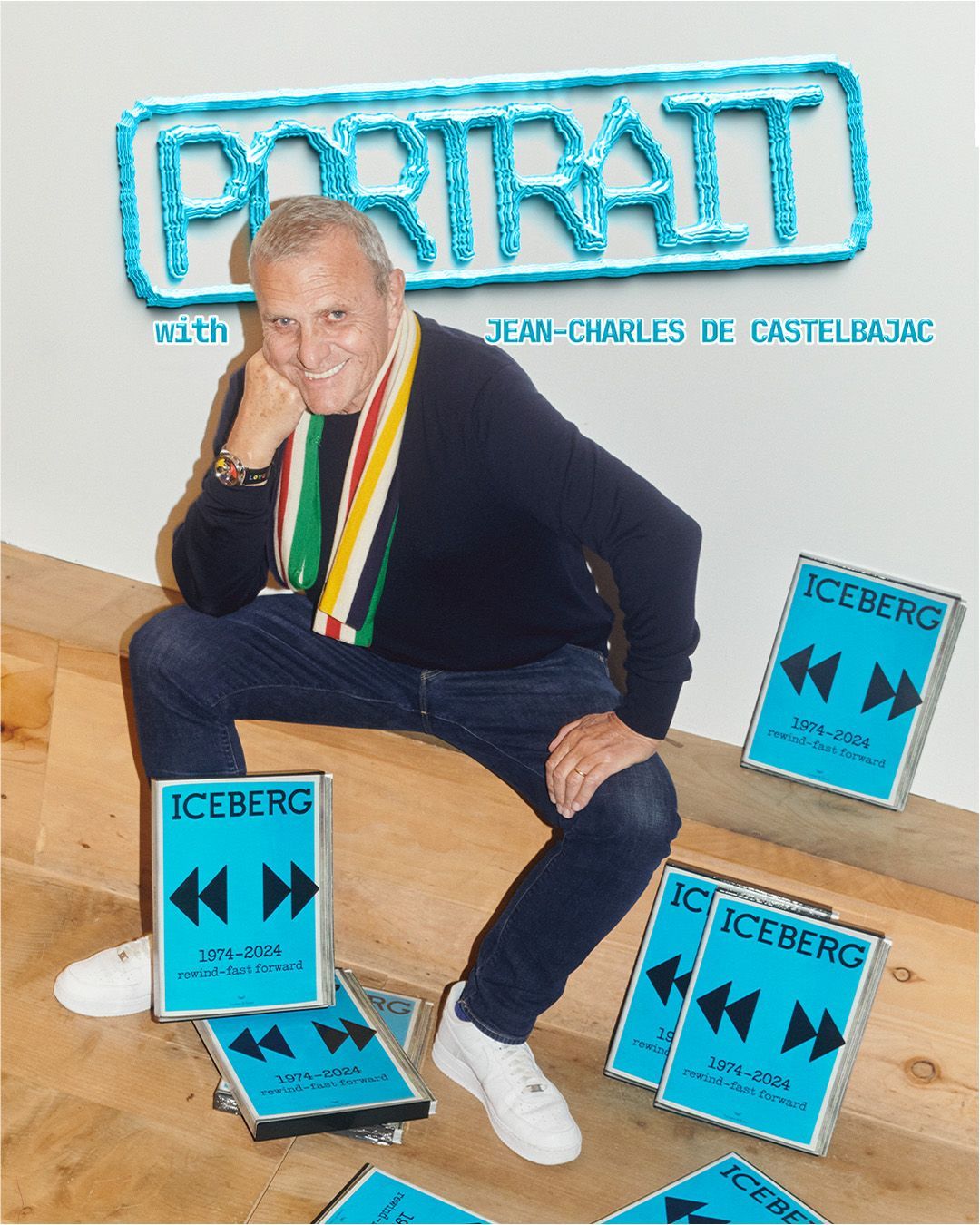
Several questions led to the creation of Fuorimoda. What does Milan Fashion Week really stand for today? And above all, who is it actually speaking to? In a fashion system that still operates through exclusive logics, outdated codes and dynamics increasingly detached from the real audience, nss magazine decided to open an alternative space, inclusive and accessible. Fuorimoda was created to return fashion to its public dimension, to bring it back to the streets, among the people, where creativity truly takes shape and evolves.
The idea is simple yet a form of cultural rebellion: to overturn the most closed week of the year and turn it back into a collective moment. For years, Milan Fashion Week has represented a destination for the few and a spectacle watched from afar by many. But if fashion is truly a universal language, why keep speaking it behind closed doors? Fuorimoda began with this question, with the goal of creating a parallel ecosystem to MFW where the city and its community could reclaim their voice.
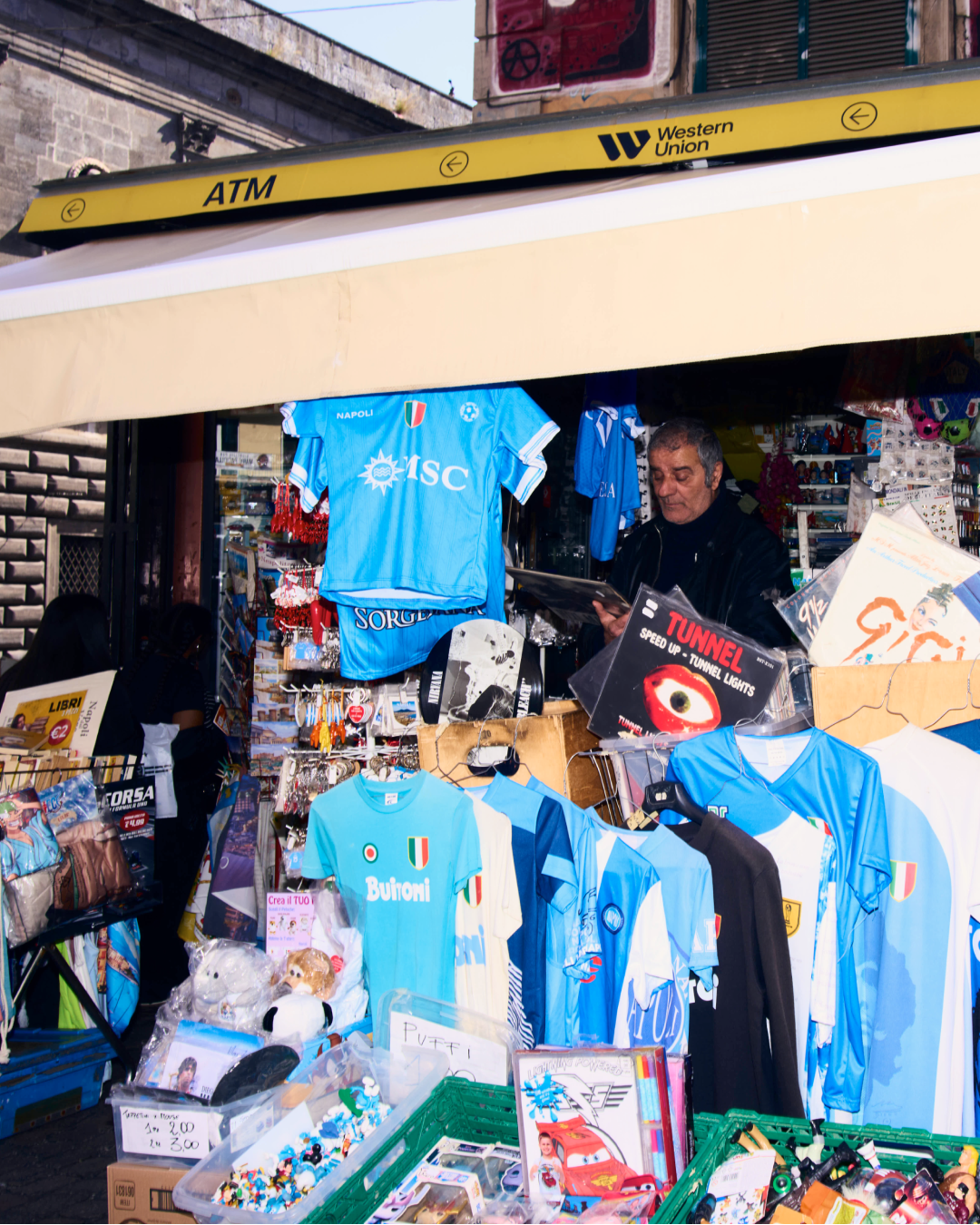
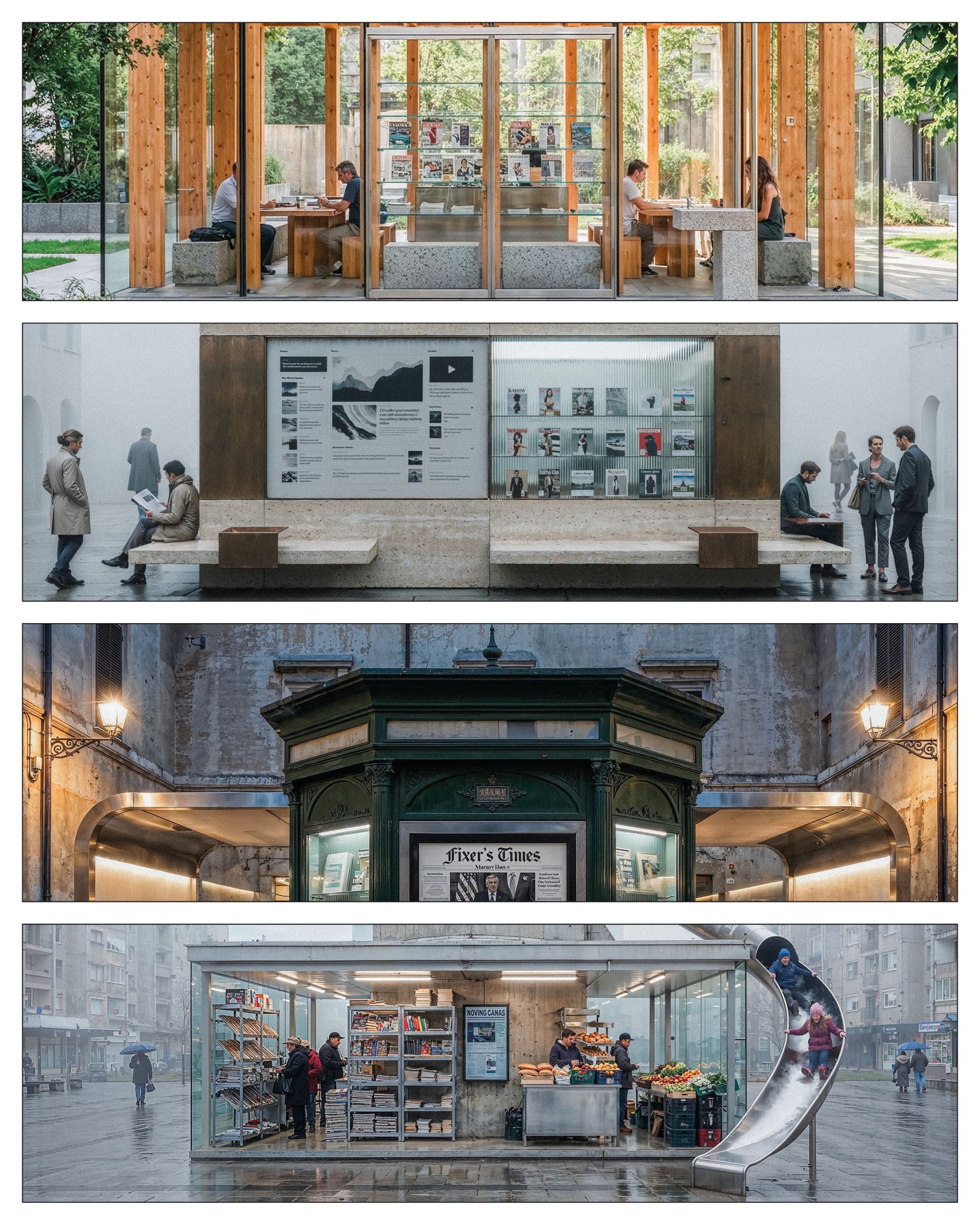
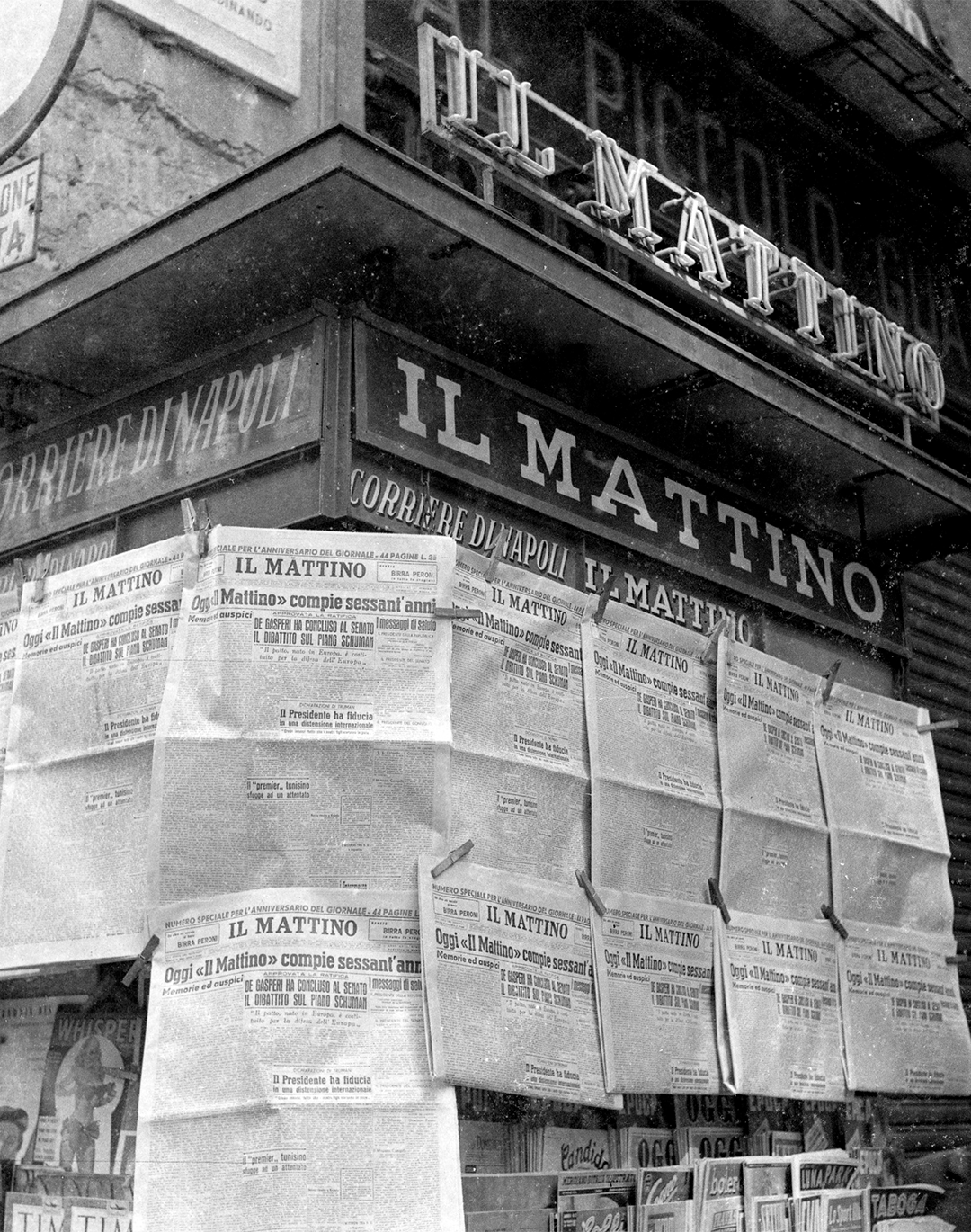
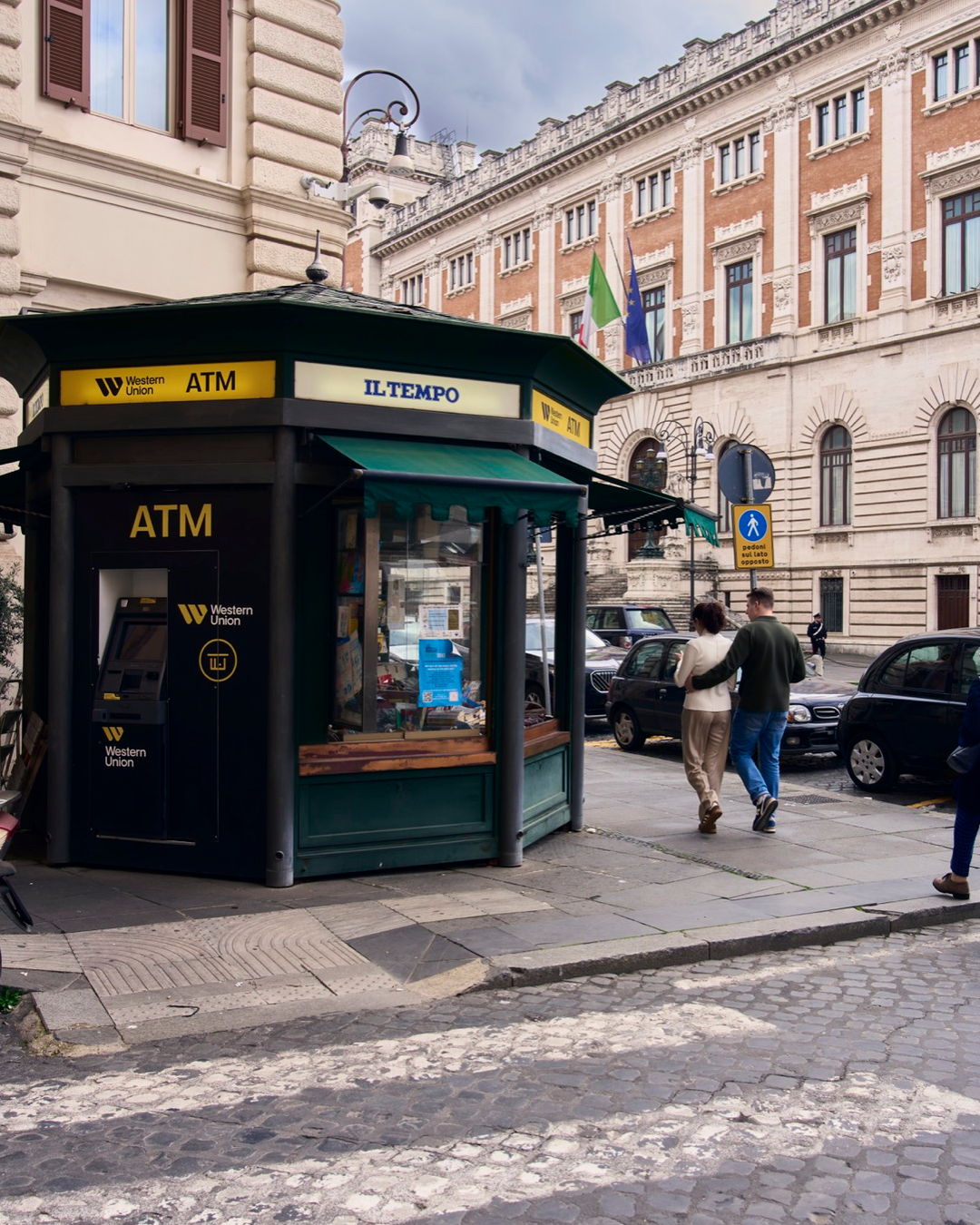
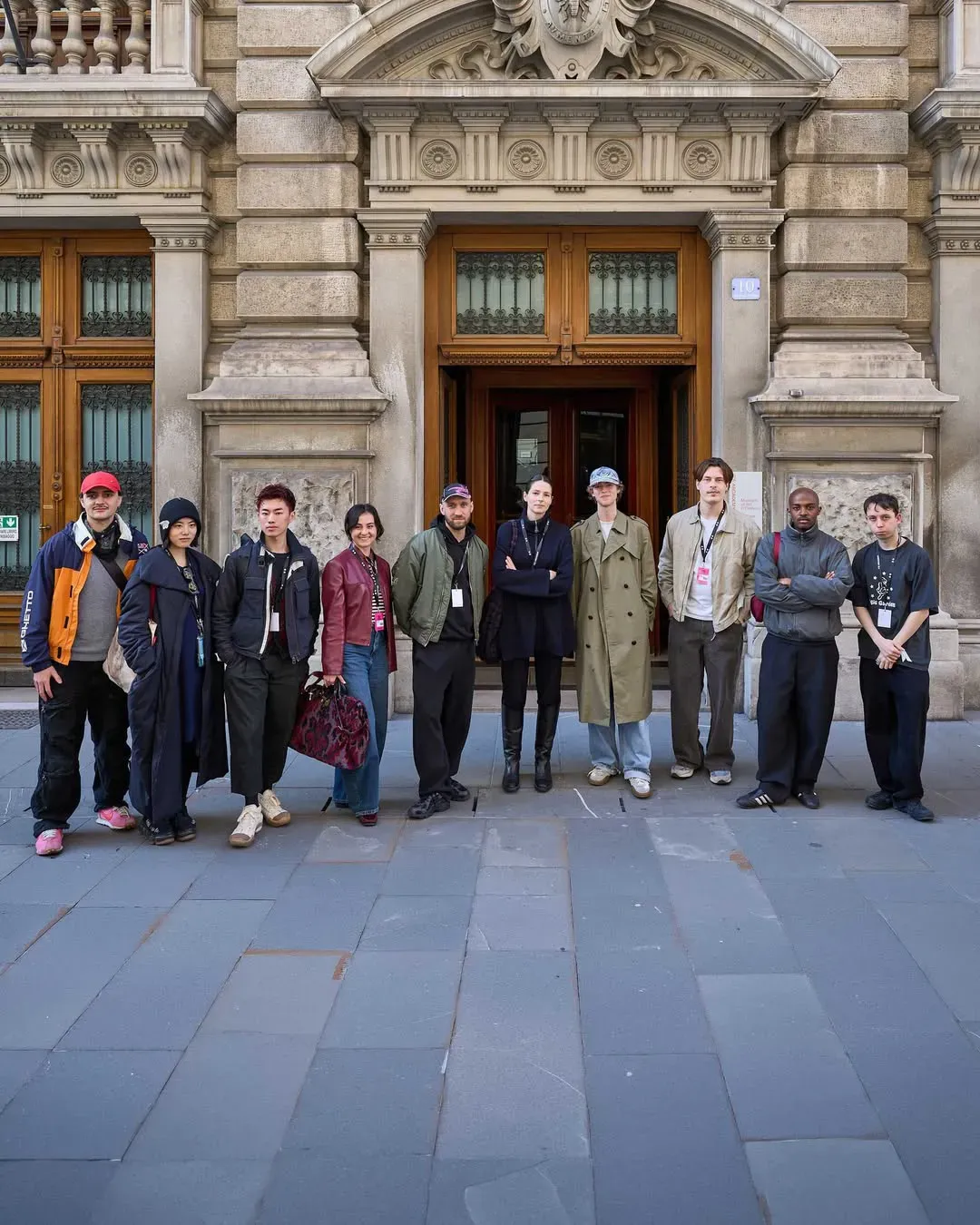
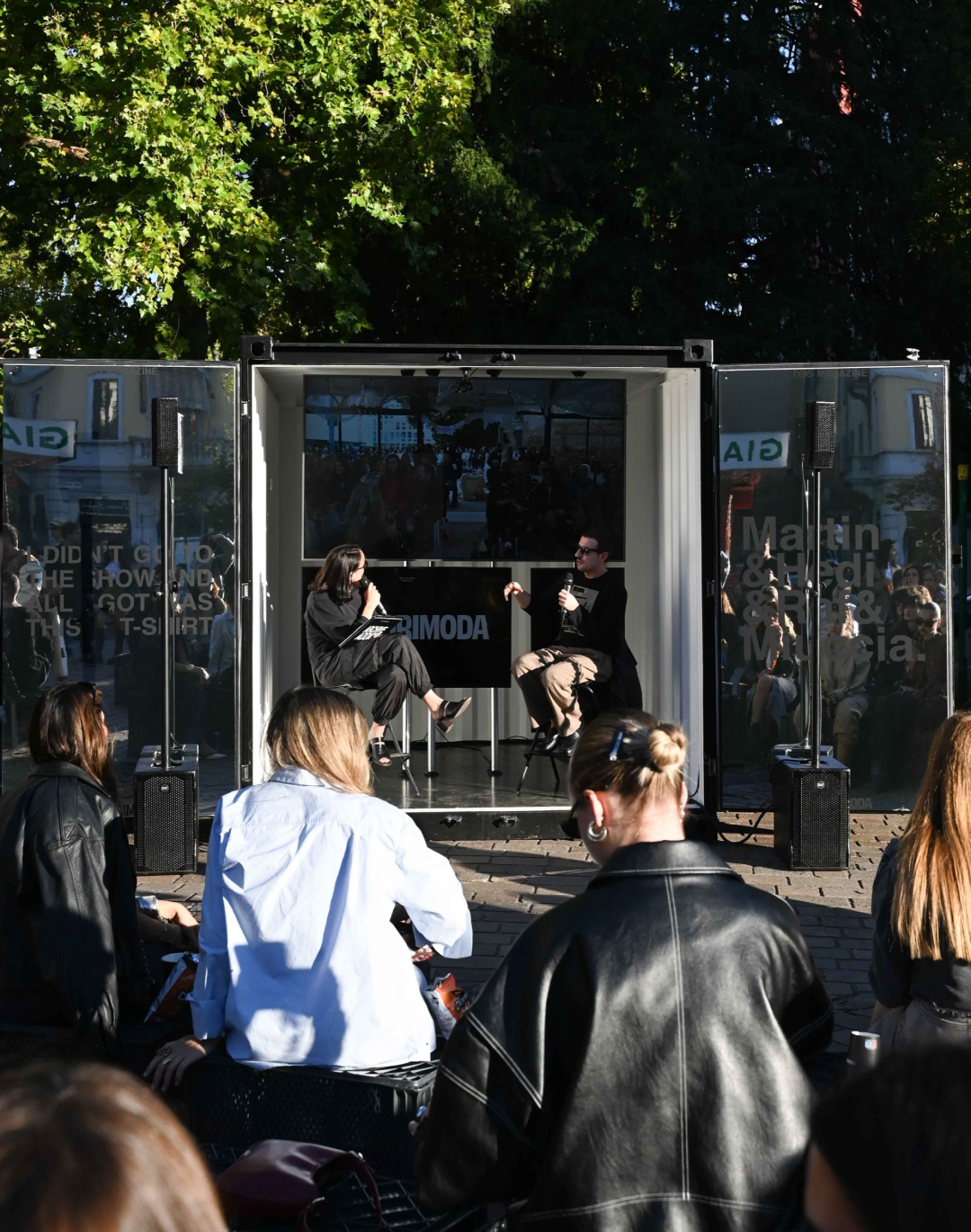
During the SS26 week, nss edicola in Piazza Bruno Buozzi became an open meeting point where students, professionals, creatives and curious visitors from different generations came together. In just a few days, more than 10,000 people passed through the activation space for talks, meetings and moments of exchange. The program featured four Fuorimoda Reviews Live and five Fuorimoda Meets, along with the launch of Fuorimoda Reviews, a digital platform where anyone could review the collections on the calendar. In total, over 2,000 reviews and live reactions were collected, proving that fashion can once again be something to take part in, discuss and share, not just something to watch from a distance.
What do the Fuorimoda Reviews data tell us?
While fashion has traditionally spoken from above, Fuorimoda Reviews set out to do the opposite: to listen from below. Launched during Milan Fashion Week, the platform collected more than 2,000 reviews and live reactions, allowing the public to rate and comment freely on the shows of the season. It was an experiment in cultural democracy that, for the first time, brought together two parallel worlds, the one shaped by media consensus and the one shaped by real perception.
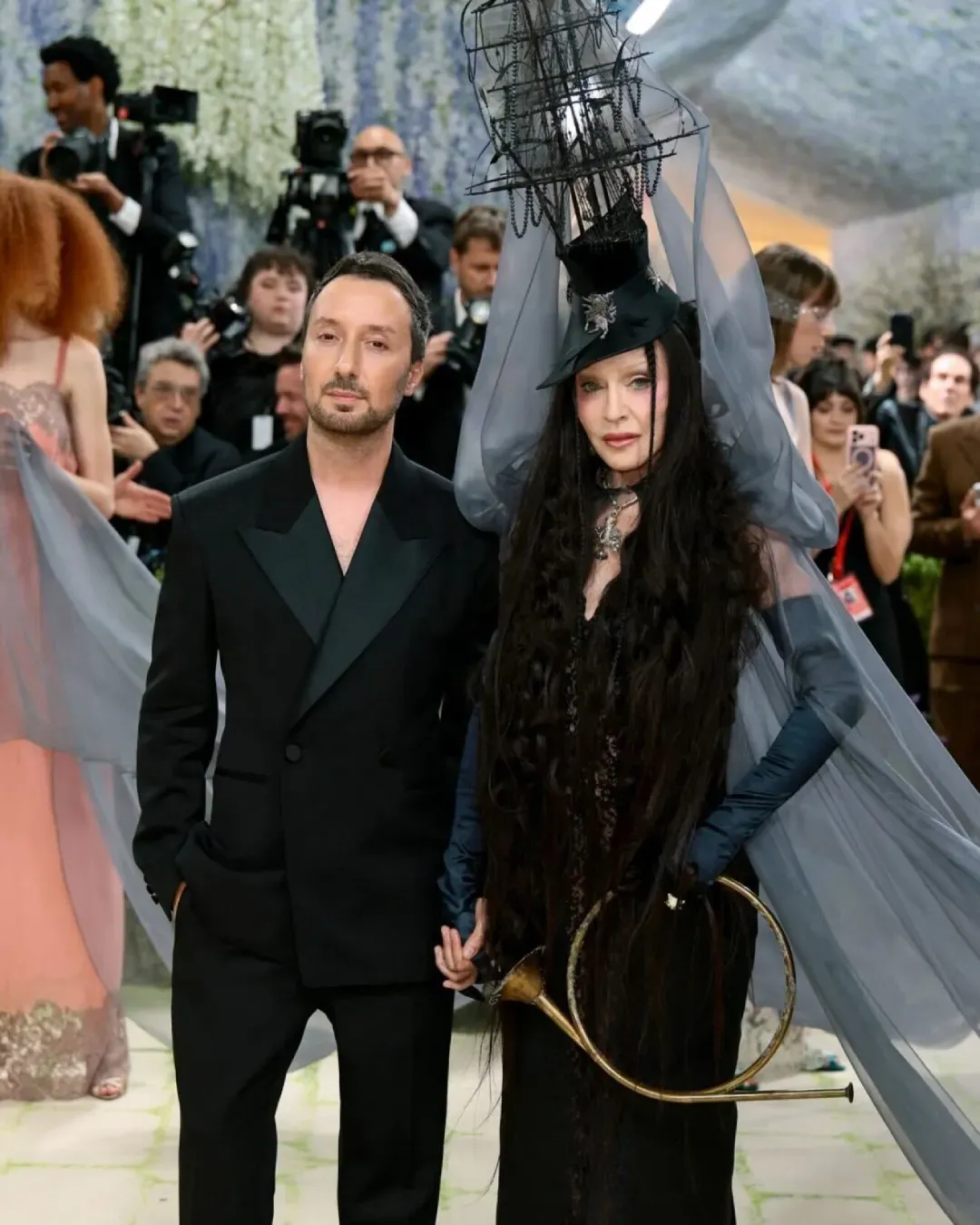
According to the data, Dior was by far the most appreciated brand, with a Fuorimoda Score of 1.4K, an average rating of 4.77 out of 5 and 798 total votes, 757 of which were positive (94.9% overall). Jonathan Anderson’s debut as the maison’s creative director was perceived as the defining event of the season. Following Dior, The Attico achieved an average score of 4.14 and 487 points, confirming how Gilda Ambrosio and Giorgia Tordini’s brand continues to represent one of Milan’s most contemporary and distinctive realities. Diesel, with an average of 3.17 and 430 points, proved once again to be a popular yet divisive phenomenon, capable of polarizing opinions between praise and criticism, especially this season without a traditional runway show.
According to the data, Dior was by far the most appreciated brand, with a Fuorimoda Score of 1.4K, an average rating of 4.77 out of 5 and 798 total votes, 757 of which were positive (94.9% overall). Jonathan Anderson’s debut as the maison’s creative director was perceived as the defining event of the season. Following Dior, The Attico achieved an average score of 4.14 and 487 points, confirming how Gilda Ambrosio and Giorgia Tordini’s brand continues to represent one of Milan’s most contemporary and distinctive realities. Diesel, with an average of 3.17 and 430 points, proved once again to be a popular yet divisive phenomenon, capable of polarizing opinions between praise and criticism, especially this season without a traditional runway show.
The picture changes, however, when looking at the data from Lefty x Karla Otto, which measure the media value (Earned Media Value) generated across social platforms during fashion week. In this case, Dior also dominates in terms of economic impact and visibility, with over 91 million EMV, followed by Louis Vuitton (49.9M) and Prada (47.3M). The top ten also include Chanel, Valentino, Saint Laurent, Gucci, Balenciaga, Bottega Veneta and Celine, all maisons supported by a system of celebrity endorsement and talent amplification that multiplies engagement online.
The contrast between the two rankings reveals a lot about how fashion is perceived today. On one side are the social numbers, boosted by the presence of talents, influencers, idols and celebrities, and by the visibility strategies that have become part of the game. On the other are the people who actually watch the shows, who care about design and want to understand what lies behind a collection. Fuorimoda Reviews was created precisely to give a voice to a community that does not seek spectacle but substance, to those who participate, comment and stay informed.
The contrast between the two rankings reveals a lot about how fashion is perceived today. On one side are the social numbers, boosted by the presence of talents, influencers, idols and celebrities, and by the visibility strategies that have become part of the game. On the other are the people who actually watch the shows, who care about design and want to understand what lies behind a collection. Fuorimoda Reviews was created precisely to give a voice to a community that does not seek spectacle but substance, to those who participate, comment and stay informed.
Fashion workers behind the scenes
And telling what happens behind fashion does not only mean analyzing collections or rating shows. It also means showing who truly makes fashion every day, far from the spotlight. This idea inspired the Fuorimoda Vlog, the first vlog by nss magazine, which follows the editorial team throughout Milan Fashion Week SS26, aiming to capture the behind the scenes of the system from a fresh and more authentic perspective.
Directed by Enrico Maspero, the Fuorimoda Vlog reveals the routine of those who make everything possible, from editors to producers, from the social media team to event managers. Between shows, presentations, talks and interviews, the video alternates moments of hectic pace and normality, quick lunches, spontaneous calls and taxi rides. There is no forced glamour, no staged backstage moments. It is a truthful portrait of fashion seen from the inside, but also a snapshot of life in Milan in your twenties, filled with ambition, excitement, exhaustion and dedication.
With the Fuorimoda Vlog, the project expands its mission further, not only bringing fashion into public spaces and making it more accessible, but also showing the reality of those who build it, narrate it and interpret it day by day, the people who make nss magazine what it is. Because democratizing fashion does not only mean allowing everyone to watch it. It also means helping people understand what happens behind the scenes, showing the faces, roles, processes and energy that sustain an entire ecosystem.
Directed by Enrico Maspero, the Fuorimoda Vlog reveals the routine of those who make everything possible, from editors to producers, from the social media team to event managers. Between shows, presentations, talks and interviews, the video alternates moments of hectic pace and normality, quick lunches, spontaneous calls and taxi rides. There is no forced glamour, no staged backstage moments. It is a truthful portrait of fashion seen from the inside, but also a snapshot of life in Milan in your twenties, filled with ambition, excitement, exhaustion and dedication.
With the Fuorimoda Vlog, the project expands its mission further, not only bringing fashion into public spaces and making it more accessible, but also showing the reality of those who build it, narrate it and interpret it day by day, the people who make nss magazine what it is. Because democratizing fashion does not only mean allowing everyone to watch it. It also means helping people understand what happens behind the scenes, showing the faces, roles, processes and energy that sustain an entire ecosystem.
Fuorimoda's mission
@nssmagazine Ieri, in Piazza Bruno Buozzi, si è tenuto da @nss edicola il primo appuntamento dei Fuorimoda Reviews con @Sifu e @Pollysfittingroom. Fino a sabato 27 proseguiranno i momenti in cui la community potrà riunirsi per recensire alcune delle principali sfilate della Milano Fashion Week, insieme a moderatori e host come @Hydra , @Rockandfiocc e @Claudia Potycki . Cosa state aspettando? #fashiontiktok #mfw #talk #event #milano suono originale - nss magazine
Even though the activation ended more than two weeks ago, this season was only the first step for Fuorimoda, the beginning of a journey that goes beyond the close of Milan Fashion Week and continues through the conversations it sparked. Fuorimoda was born as a response to a system that has for too long spoken only to itself, building barriers instead of bridges. What happened during those September days showed that there is a real community ready to question how fashion communicates, presents itself, and is told.
During the Fuorimoda Meets and Reviews Live sessions, the shared feeling was that this was more than just an event; it was an experiment in collective participation. For Rocco Iannone, Creative Director of Ferrari Style, Fuorimoda represented «the chance to open up our world, made of creativity but also of technical layers that deserve to be understood,» a way to give back complexity and depth to a language often flattened by the speed of social media.
During the Fuorimoda Meets and Reviews Live sessions, the shared feeling was that this was more than just an event; it was an experiment in collective participation. For Rocco Iannone, Creative Director of Ferrari Style, Fuorimoda represented «the chance to open up our world, made of creativity but also of technical layers that deserve to be understood,» a way to give back complexity and depth to a language often flattened by the speed of social media.
A thought echoed by Marco De Vincenzo, Creative Director of Etro, who described the initiative as «a way to bring fashion closer to people and escape the bubble,» emphasizing how the industry today risks becoming trapped in its own self-referential ecosystem. Others, like Marco Rambaldi, saw Fuorimoda as «a concrete attempt to make fashion democratic and real,» capable of reaching people rather than remaining confined to a small elite of insiders. Similarly, Giuseppe Di Morabito described it as «a way to bring the system into a public dimension,» while Francesco Murano highlighted its educational value as an opportunity to show outsiders «the dynamics behind a show, the coordination, the casting and the daily work that usually remains invisible.»
This first chapter in September proved that Fuorimoda was not just a physical space or a digital platform, but a new way of thinking about fashion, a collective one. It showed how urgent it is to rebuild the connection between the public and the system, between those who create and those who observe, between those who work behind the scenes and those who watch from afar. Because if fashion has always been a language, today it needs a new grammar, more honest, more open, more shared. Through its conversations, reviews, and collective storytelling, Fuorimoda marked only the beginning of a necessary change, a starting point toward a fashion industry that finally speaks with people, not above them.