























The real stars of Alaïa’s SS26 collection were its bags When futuristic 3D printing meets the 60s of Lucio Fontana
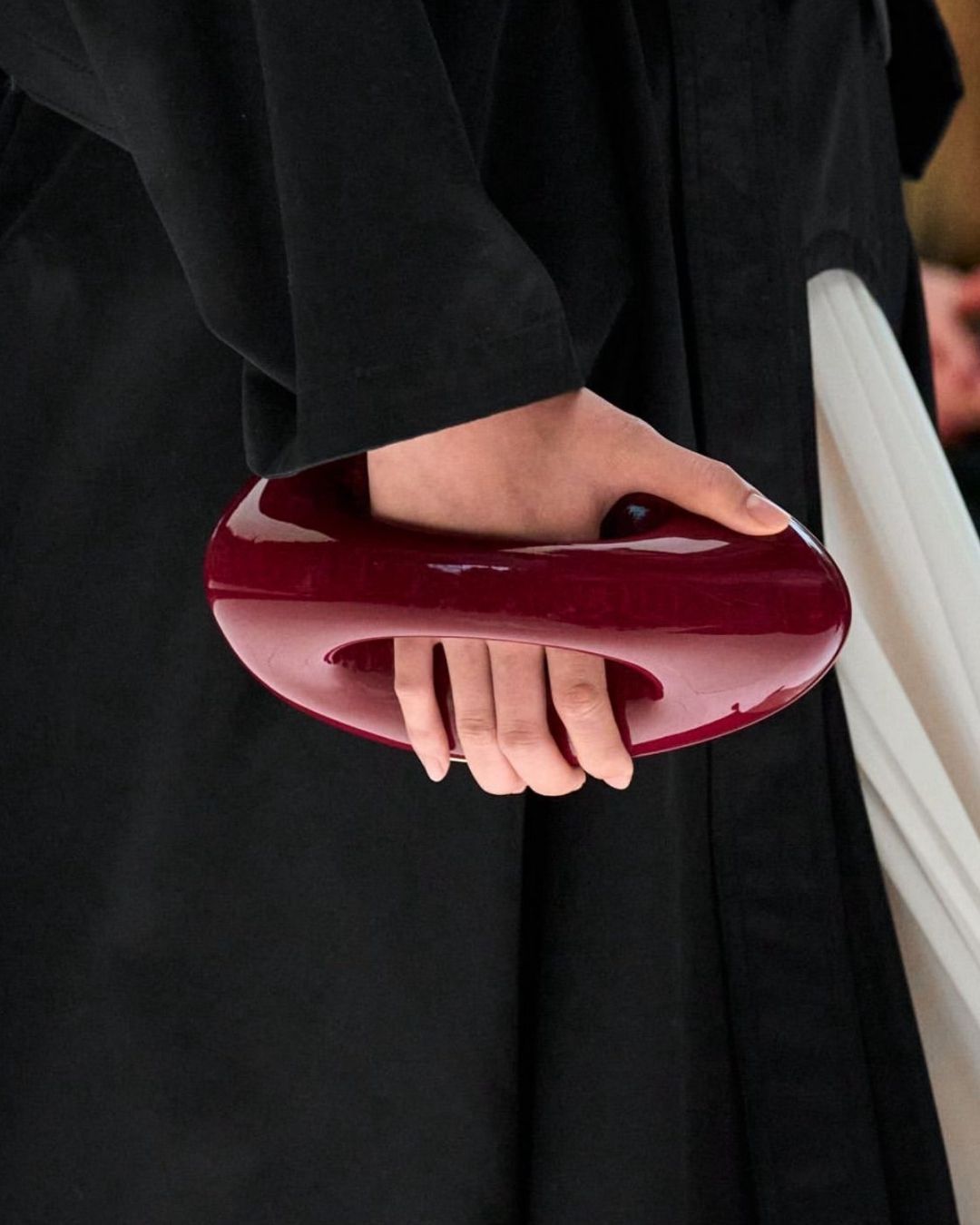
Once again, Pieter Mulier orchestrated a dazzling show for the House of Alaïa with his SS26 collection presented a few days ago on the Paris runways. A show which, as we have come to expect from Alaïa, did not merely offer a succession of looks, but stood as a vibrant dialogue of forms, colors, movement, and bold innovation. Among the countless sculptural cocoon dresses, in an almost monarchical homage to Azzedine Alaïa’s ancestral codes, the fringed boots and ruffled skirts floating as if weightless to the rhythm of the steps, one detail in particular also took our breath away: the bags, especially the clutches. The hands of some lucky models no longer traced arabesques in the air, but held mysterious lacquered eggs in deep burgundy, abyssal black, and glossy white that instantly caught our attention.
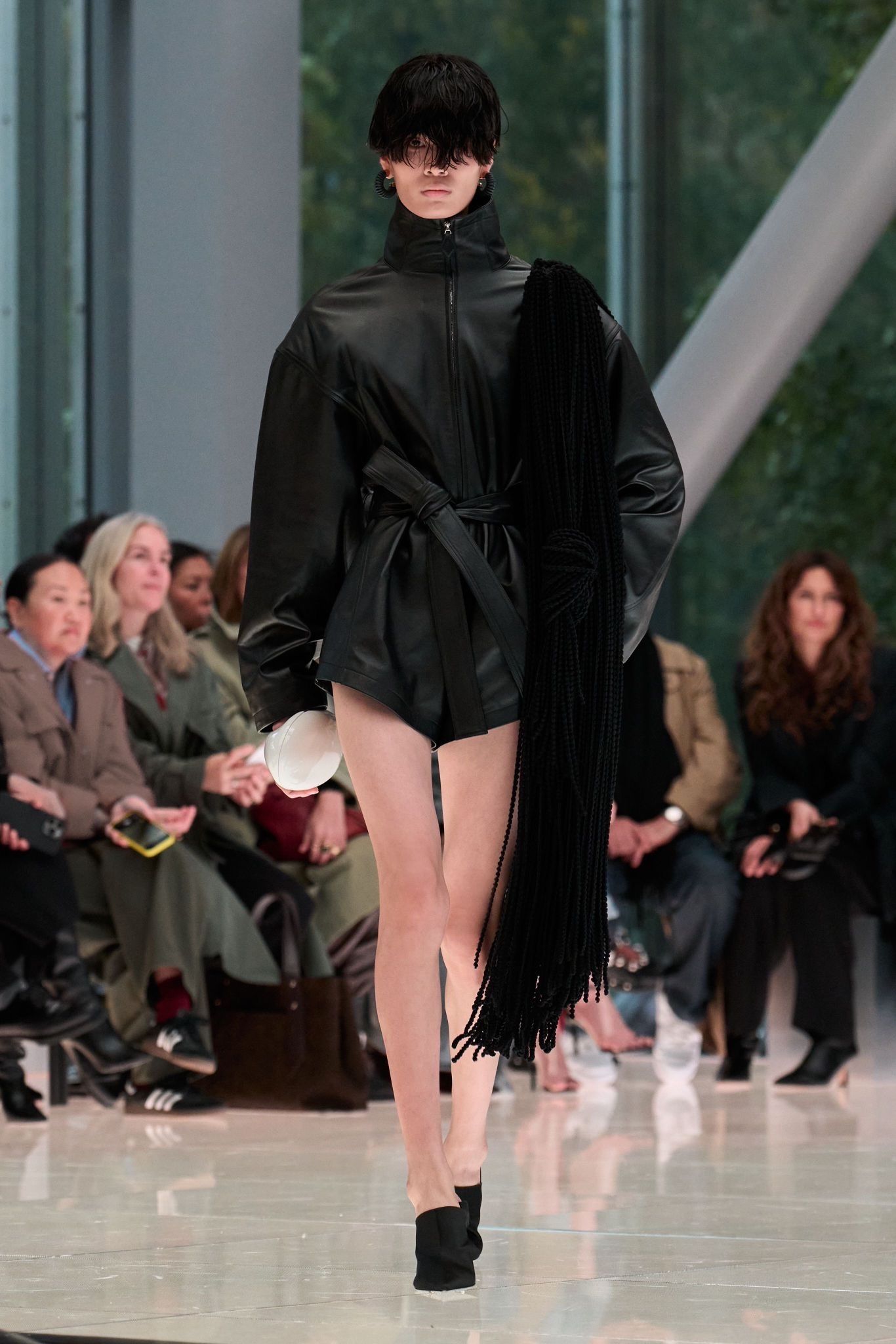
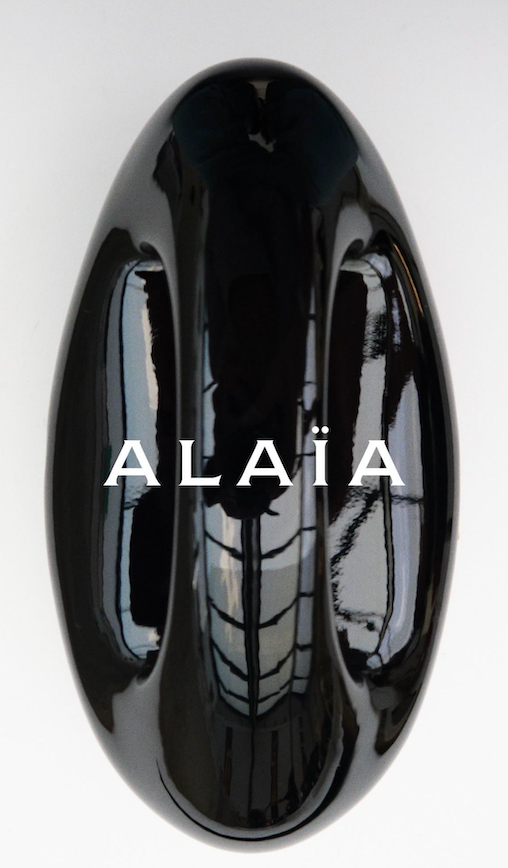
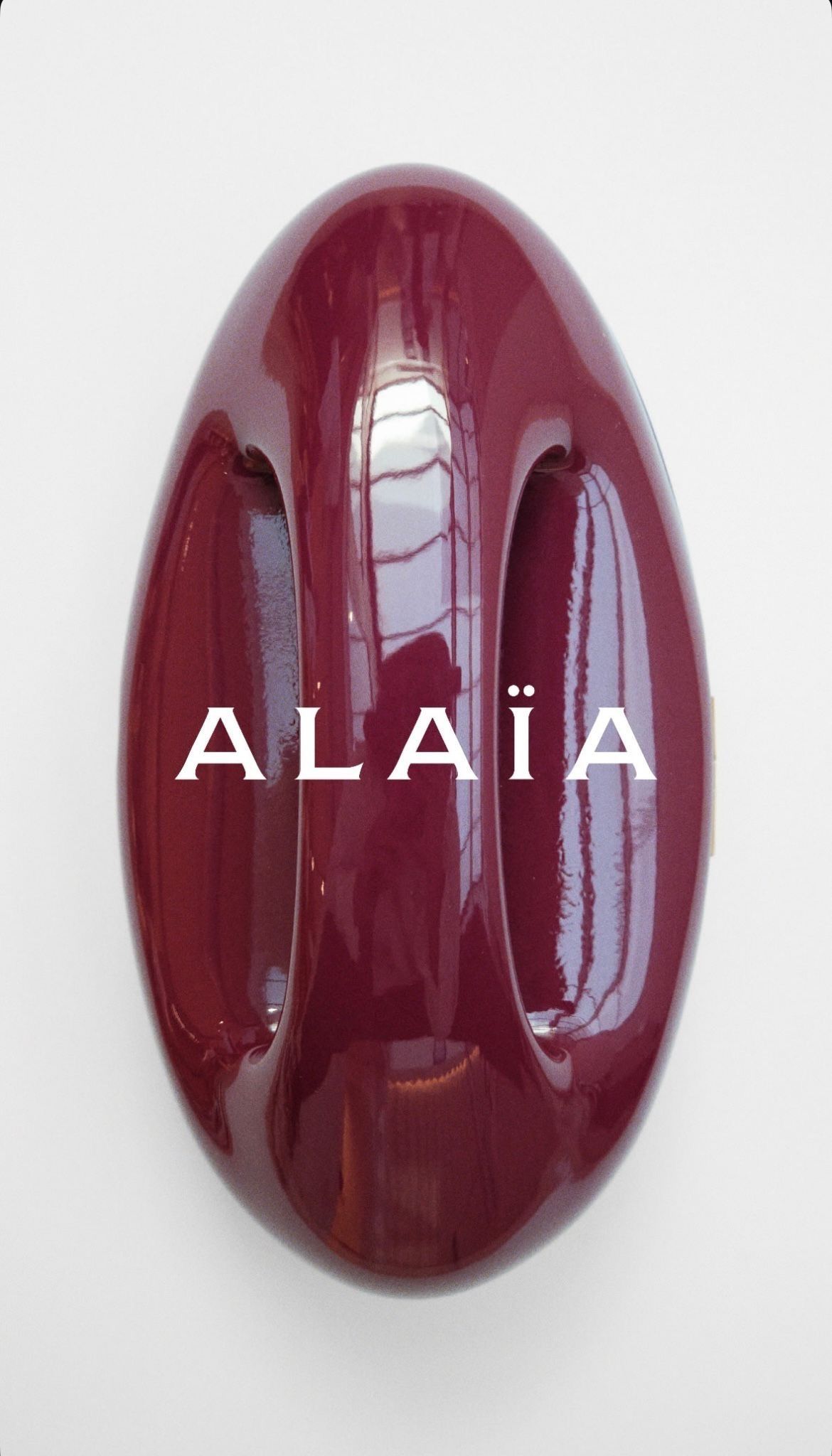
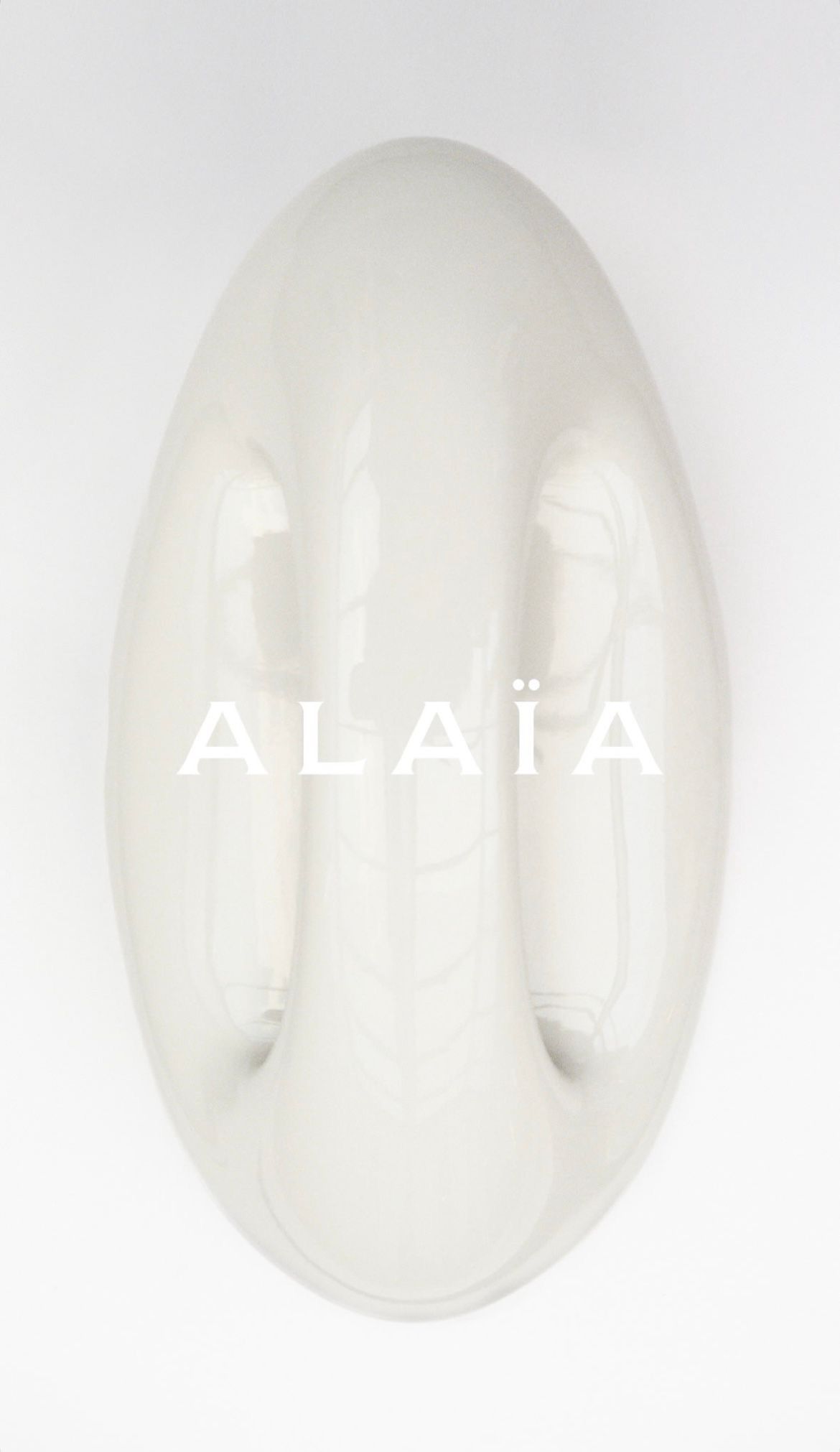
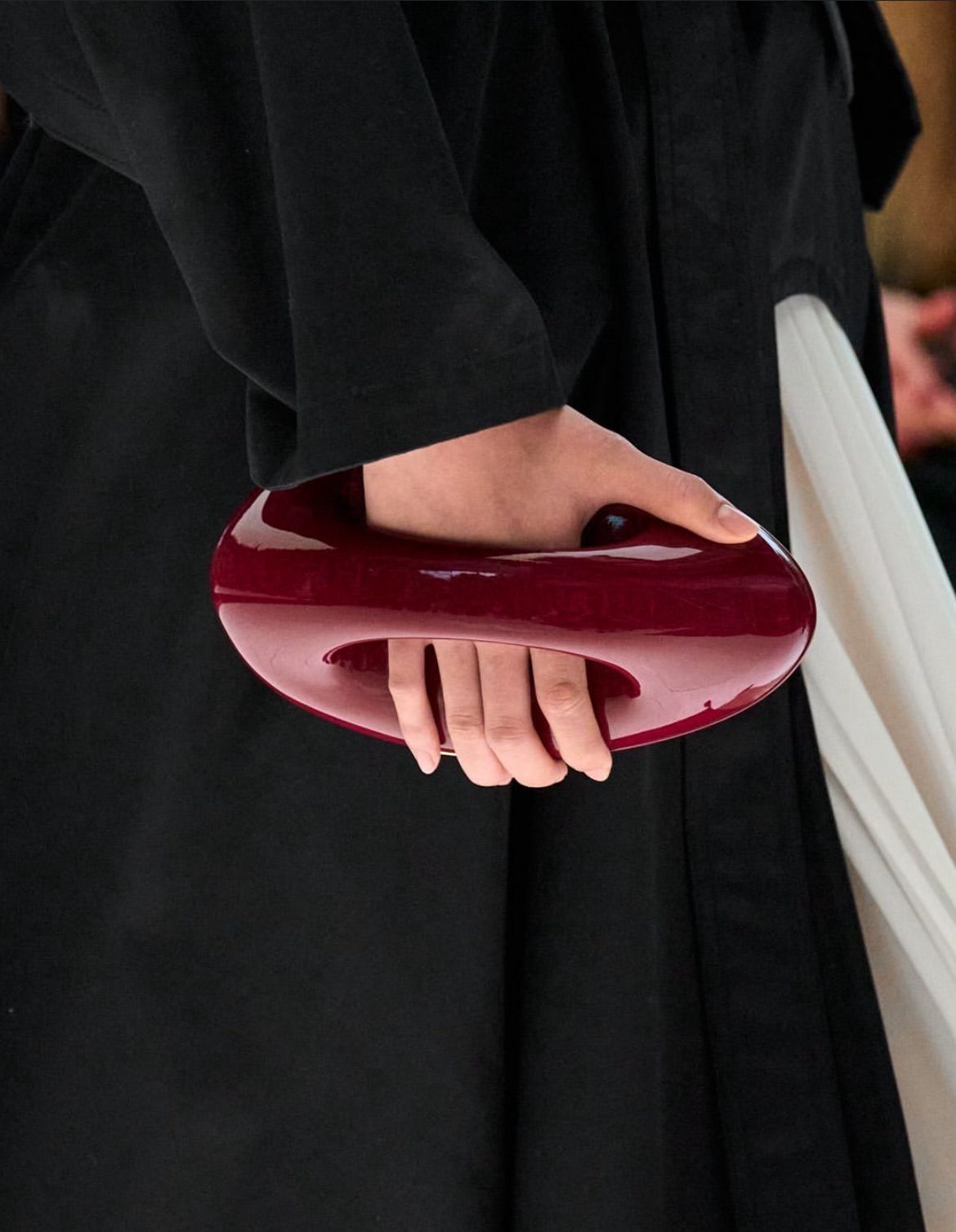
Three bags that seem to come straight from Sarah Jessica Parker’s wardrobe in Mars Attacks!, but are not the result of anticipation. Their genesis is actually a powerful return to cultural and artistic heritage, more precisely to the year 1967, when Italian artist Lucio Fontana unveiled his iconic work, Concetto Spaziale. Describing this avant-garde concept means evoking the ambition to tear through the plane, to break free from the two-dimensional surface of the canvas to engage with real space, time, and movement. An art expressed through slashes and cuts on immaculate canvases, but also through sculptures, such as the one that inspired the idea for the SS26 bags.
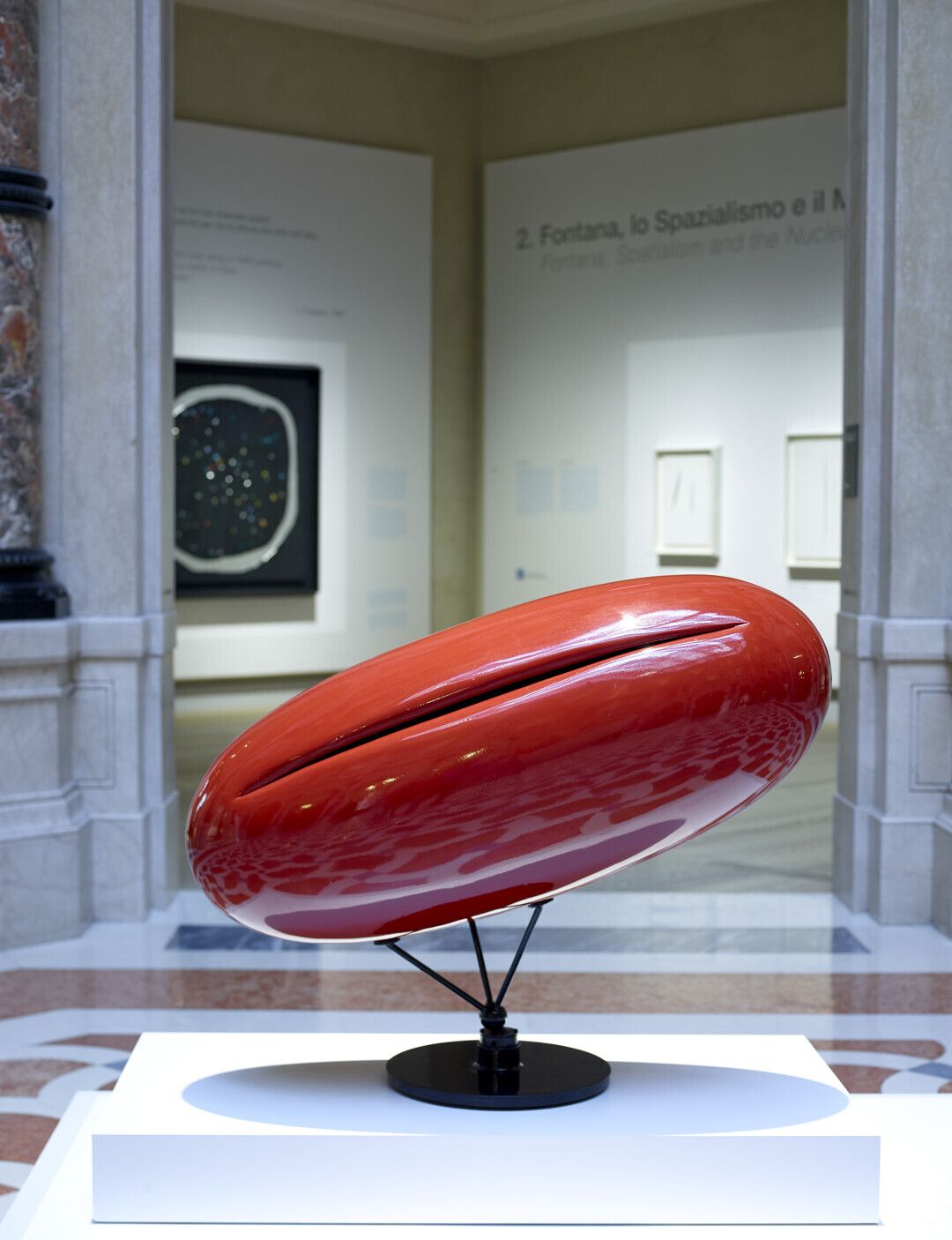
For this project, everything began with Italian craftsmanship, particularly through the work of glass, drawing inspiration from figures like Carlo Scarpa, Venini, or Gio Ponti. Yet as the collection took shape, even though the team achieved fascinating forms, the glass theme faded away, leading the House to refocus on its sculptural essence, a theme dear to founder Azzedine Alaïa’s heart. This is how the team drew from Lucio Fontana’s Spatial Concept. They reinterpreted his work of spatial opening, translating it conceptually and tactically onto their bags. This aesthetic futurism is more than a façade: it is anchored in cutting-edge design. The creation of these clutch artworks relies on 3D laser printing technology using PA12 nylon powder. Unlike filament extrusion (classic PLA), this technique uses a laser to sinter and solidify the nylon powder in situ, creating the material without supports. The bags are then meticulously varnished and lacquered before being mounted on metal frames. This model, available in three colors, is the only piece of the collection born from a true sculptural approach, aiming to tell a story rooted in a founding artistic principle.
The House of Alaïa, with the help of a design team carrying innovation at their fingertips, also presented two other key pieces. The Doctor Bag in python, a reinterpreted pouch, is a respectful nod to Azzedine Alaïa’s archives, the pioneer who loved exotic materials and glossy python. The House and its current design team thus revived this approach, while maintaining a demanding research for materials and ensuring perfect coherence with the House’s heritage and contemporary market needs. Finally, there is the Click bag, embodying a new commercial vision. Less artistic but no less innovative, it is designed to embrace the body. With its metallic zipper and leather structure, it seems to wrap around, embrace, almost protect the wearer, serving as a kind of shield. Inspired by New York’s Guggenheim, the iconic venue of the SS25 show, it extends the spiral belt concept seen on the dresses. Following their success, Alaïa transformed this dynamic into an accessory, creating the Click bag on a principle reminiscent of Fendi’s famous Peekaboo.
It can therefore be said that Pieter Mulier and his team do not merely dress — they sculpt. The SS26 collection proves that the House of Alaïa is not imprisoned by its heritage but uses it as a springboard toward the unprecedented. By marrying Lucio Fontana’s echo with 3D printing avant-garde, the egg clutch stands as far more than an accessory: it is a manifesto, a perfect fusion between the art of the past, the technology of the present, and the vision of the future. Whether through the revisited python heritage or the protective spiral of the Click bag, the new guard, embodied by its leather goods design team, infuses a conceptual vitality that ensures Alaïa’s rightful place not only in fashion history but in the ongoing story of art in motion.