



























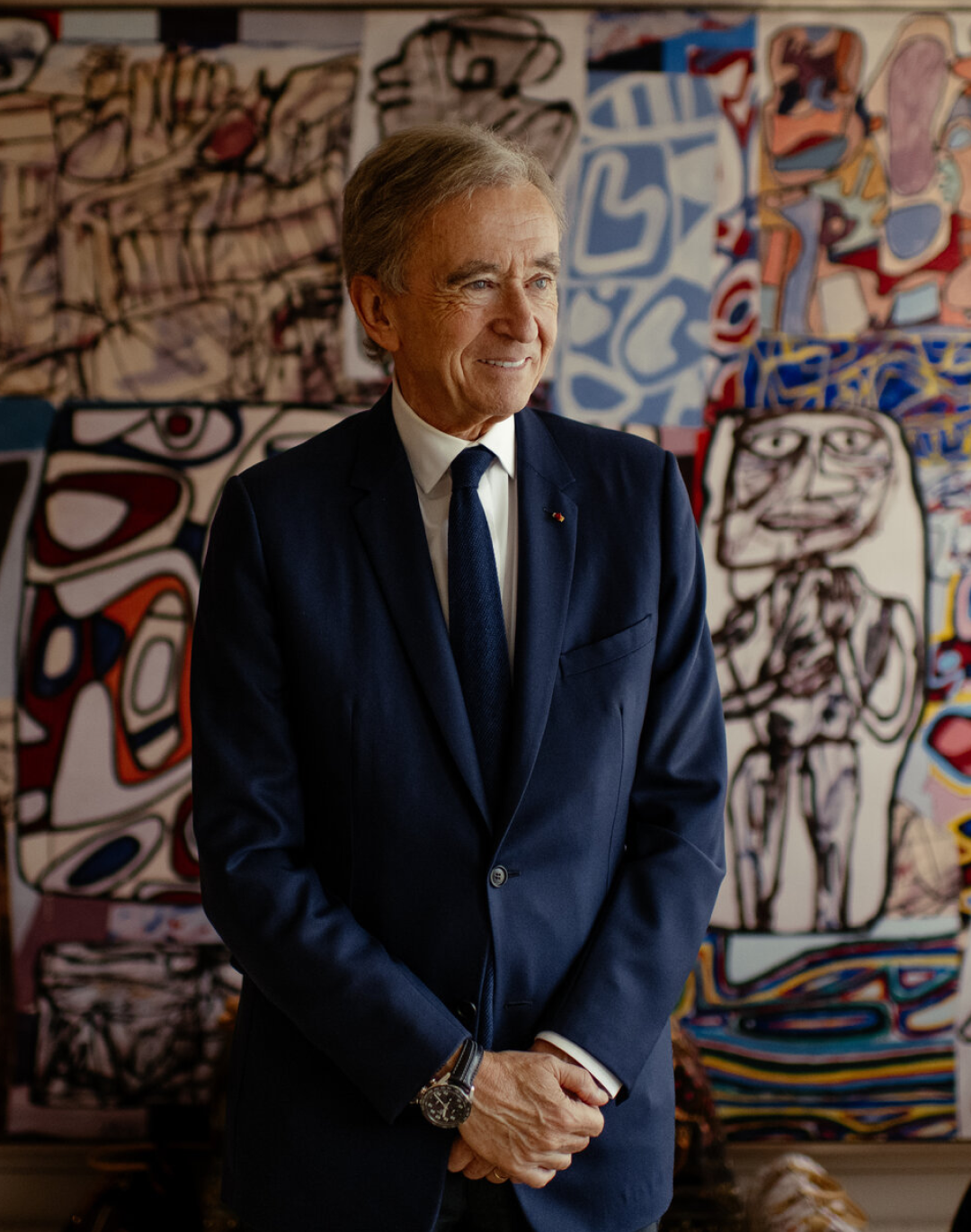
Bernard Arnault refuses to be taxed He's the richest man in France
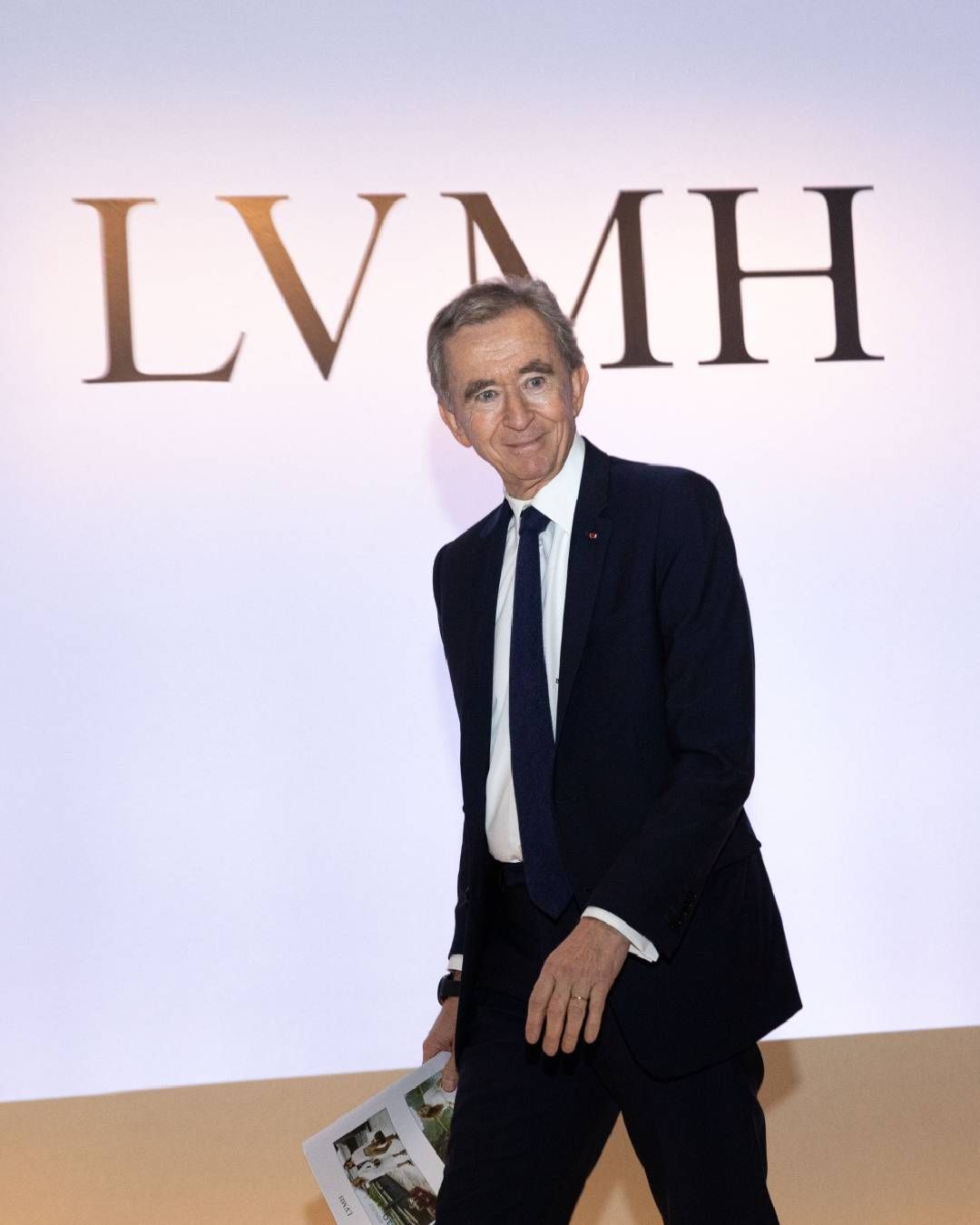
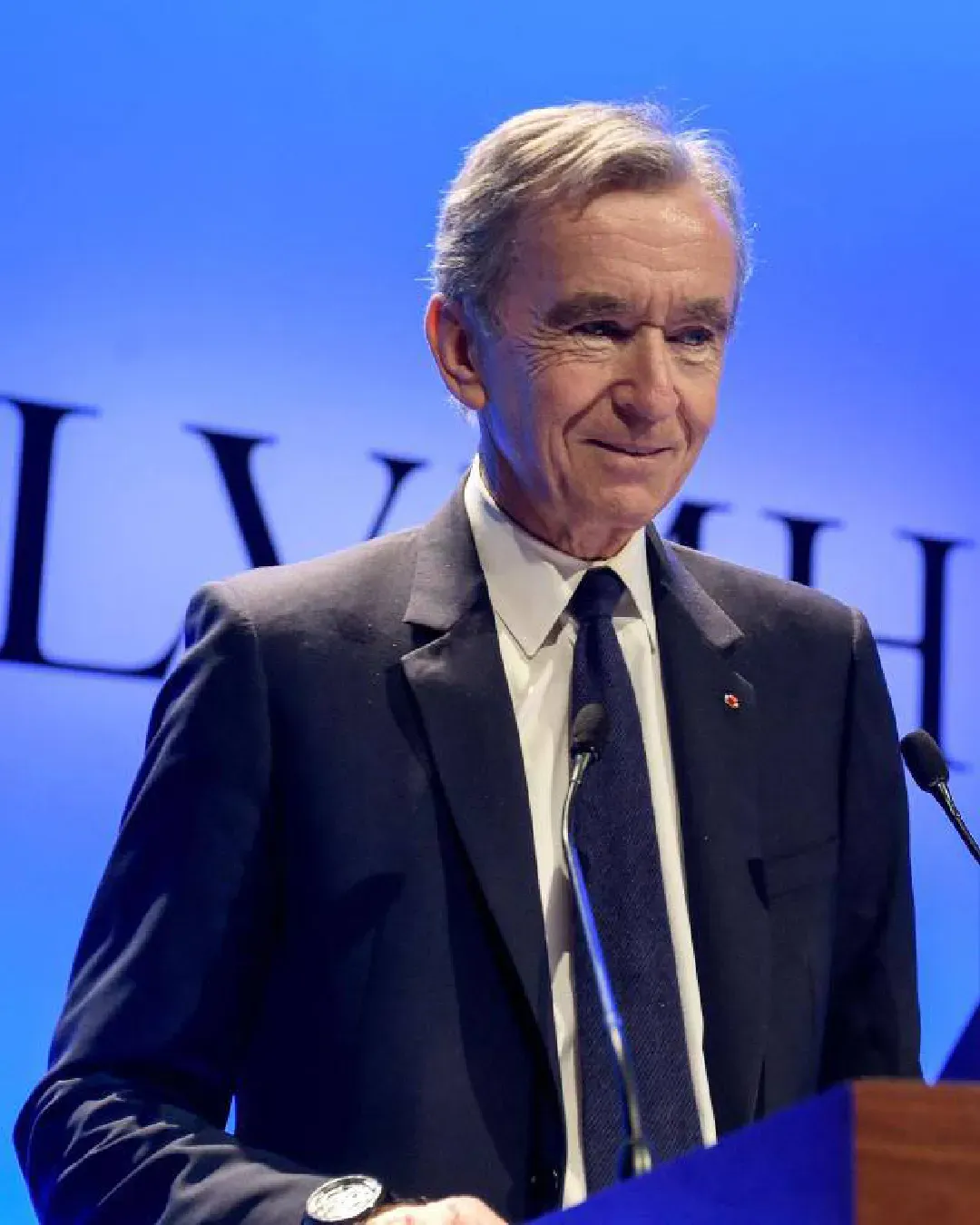
The fifth richest man in the world, Bernard Arnault, has in recent days spoken out strongly against the new proposal for a 2% tax on France’s ultra-wealthy. The law, put forward by economist Gabriel Zucman, is at the center of heated debate within a French government that already finds itself in troubled waters. The measure would exclusively target UHNWIs (Ultra High Net Worth Individuals), meaning those with a net worth exceeding €100 million. Although the proposal has not yet been approved, as reported by Business Insider, the Socialist Party is putting strong pressure on newly elected Prime Minister Sébastien Lecornu to ensure the tax is included in next year’s budget.
According to polls, 86% of voters support Zucman’s initiative. The new levy, which would affect just over a thousand families, is expected to generate around €20 billion, an amount sufficient to cover almost half of France’s public debt. Arnault, on the other hand, argues that such a measure would strangle the country’s economy, as he stated in an interview with the Sunday Times: “This is not a technical or economic debate, but rather a clearly expressed desire to destroy the French economy.” For the richest man in France, it is therefore an ideological maneuver by the radical left rather than a genuine attempt to restore public finances. Arnault labeled Zucman an “extreme-left activist who uses his ideology (aimed at destroying the liberal economy, the only one that works for the good of all) in service of a pseudo-academic expertise that is itself widely contested.” With an estimated fortune of $178 billion and a luxury empire behind him, one wonders if a 2% tax could really put the Arnault family in crisis.
Is the problem the tax or LVMH’s results?
Bonjour M. Bernard Arnault, la fébrilité n’autorise pas la calomnie.
— Gabriel Zucman (@gabriel_zucman) September 20, 2025
Les milliardaires ne paient pas ou presque d’impôt sur le revenu et 86% des français ont raison de vouloir mettre fin à ce privilège https://t.co/WbtjKI30Q6
Zucman responded via his X profile, stressing that he has never had political affiliations and pointing out that his economic expertise is slightly more solid than that of the billionaire, as he was awarded the Clark Medal, one of the most prestigious honors in the field. The economist also described Arnault’s accusations as dangerous: “This rhetoric coming from one of the richest men in the world, at a time when academic freedom is under threat in an increasing number of countries, is disturbing.” After all, the proposal would simply align billionaires’ tax regimes with those of ordinary citizens, proportioning taxes to wealth. Arnault, however, argues that such a measure would act as a deterrent for French companies, which might relocate to tax havens. Zucman countered that the relocation of entire multinationals would be unthinkable, as is the case with LVMH itself.
Perhaps, just perhaps, what worries Bernard Arnault is not so much the tax itself, but rather how a -2% could further strain his finances, which in the past year have proven not immune to the luxury downturn. In fact, according to year-end reports for 2024, even LVMH ended in the red, after having lost its place among the five strongest stocks in Europe. In June, it was reported that in just one year Arnault’s fortune had dropped to $149 billion, a collapse that sparked rumors the French luxury group was considering splitting its fashion and beauty division from its wines and spirits division, separating LV from MH. So far, none of these speculations have proven true, but what is certain is that the world’s largest luxury conglomerate continues to live with uncertainty. Could the new tax be the final straw?