











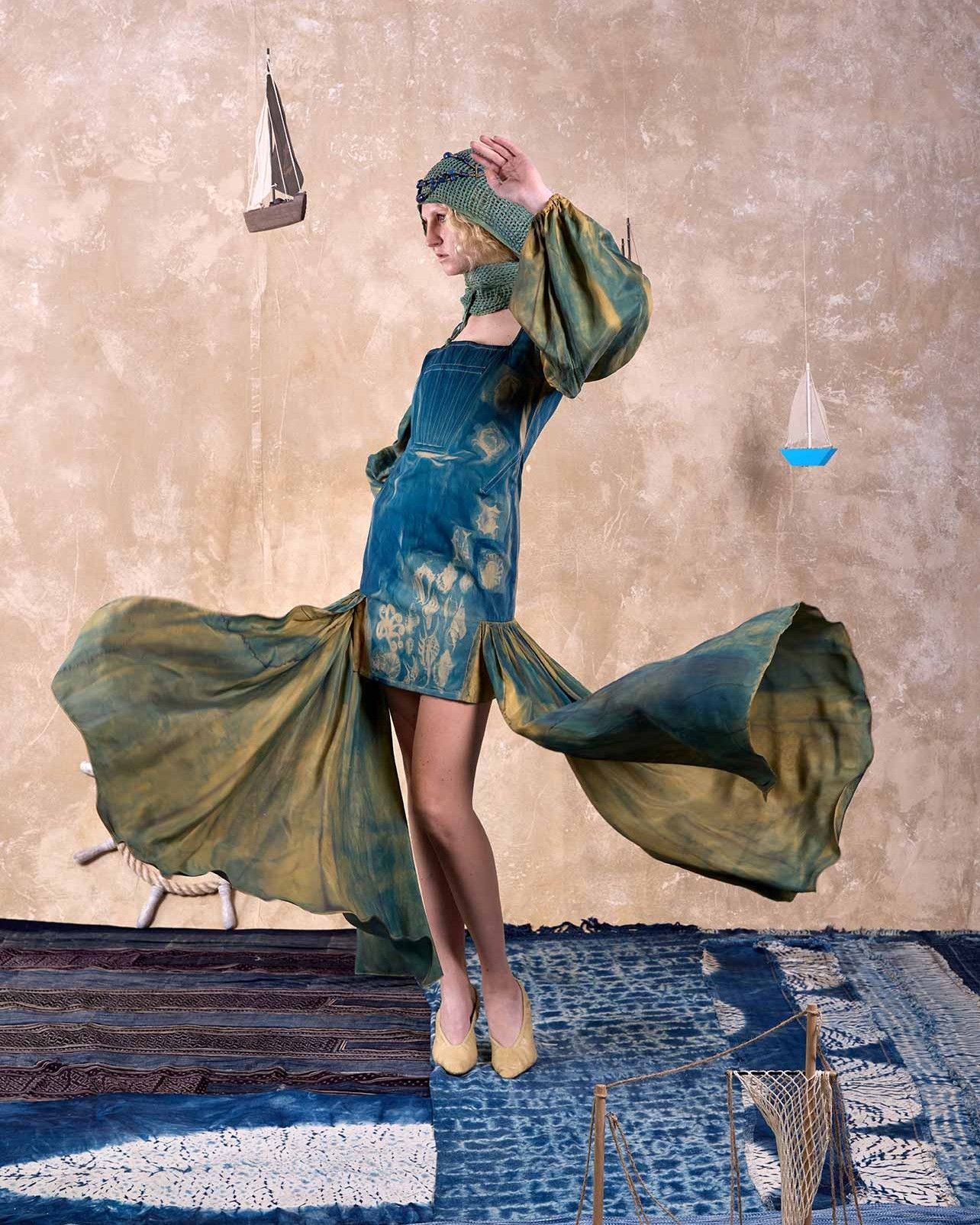









The big comeback of conservative skirts Much more than a question of hems
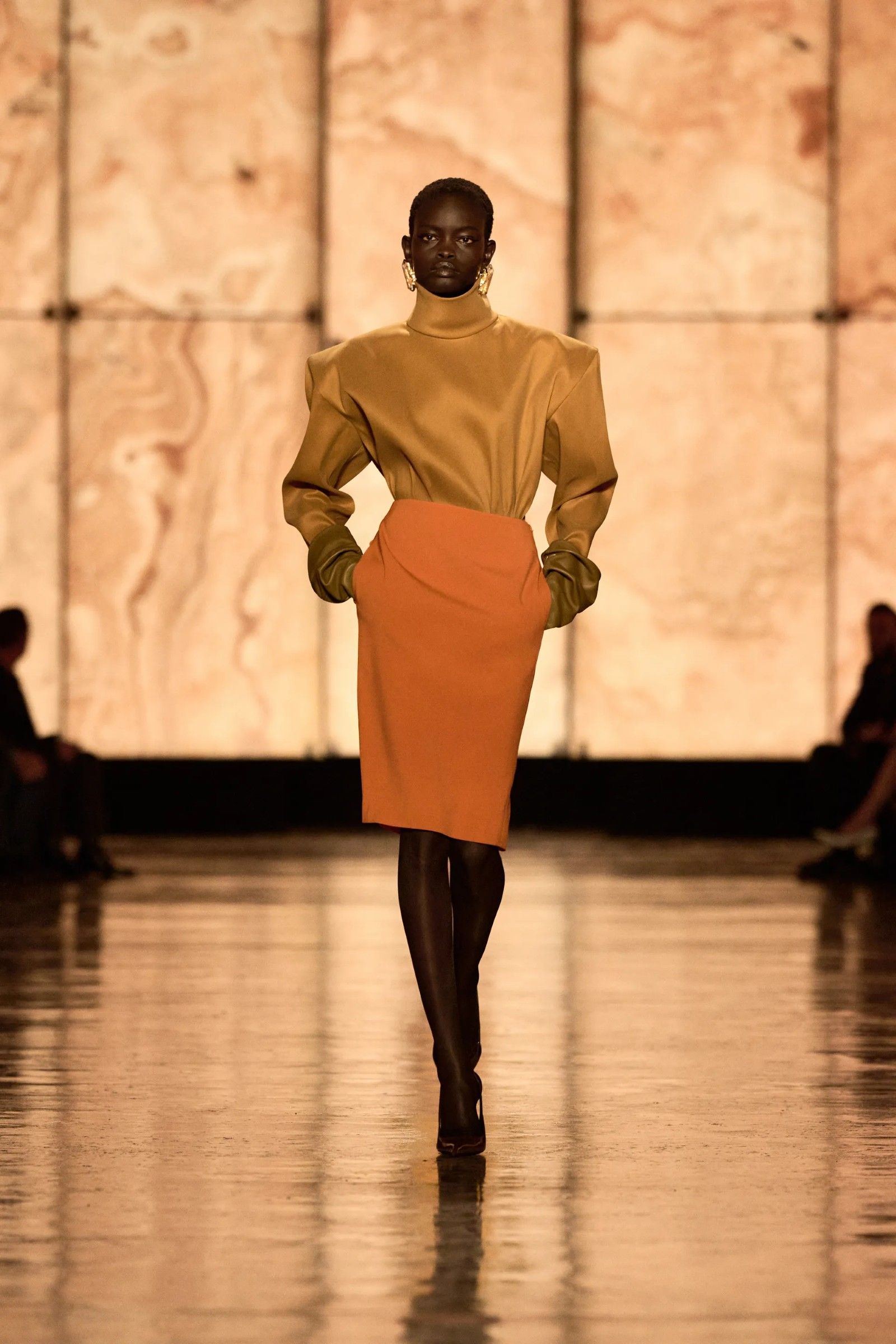
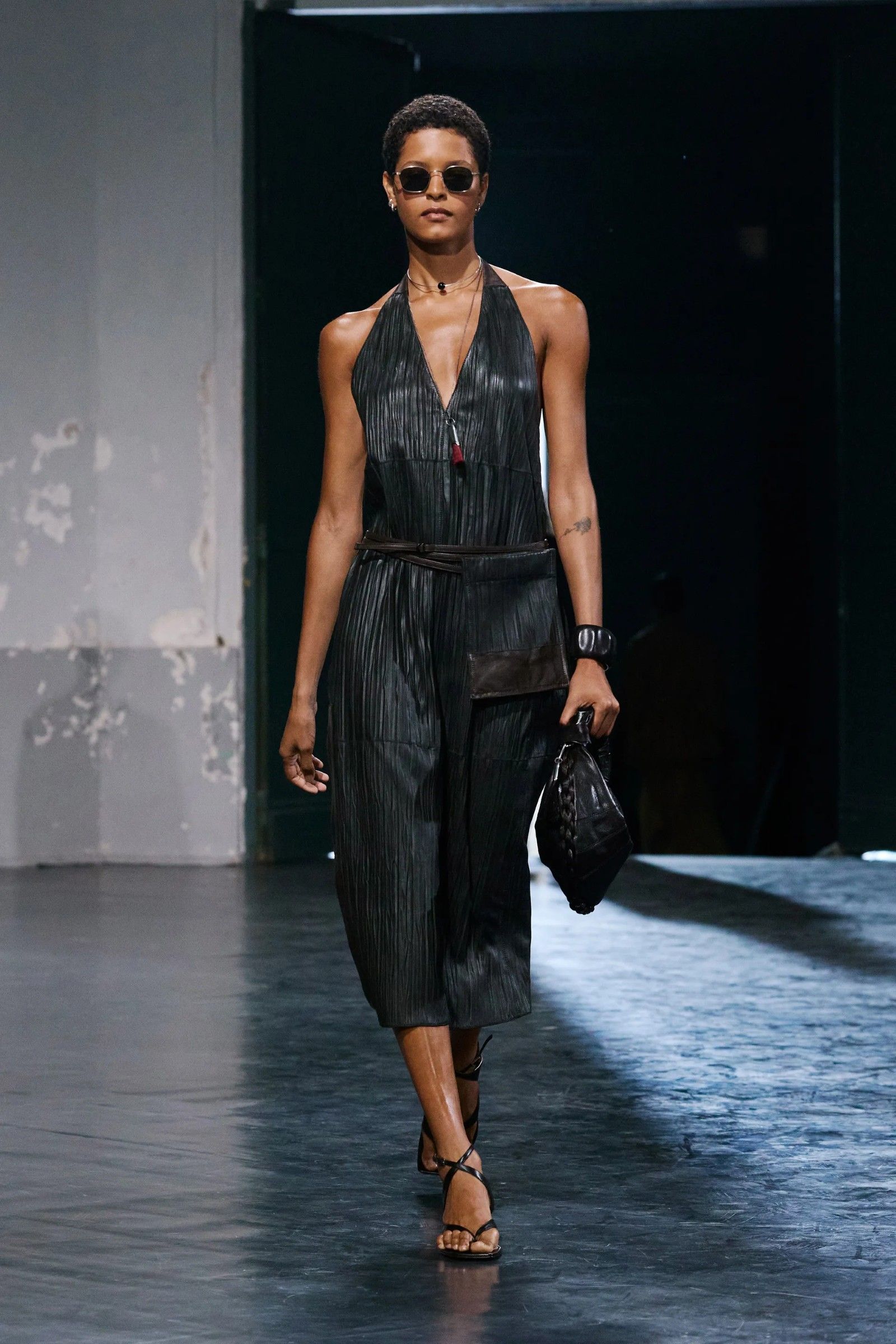
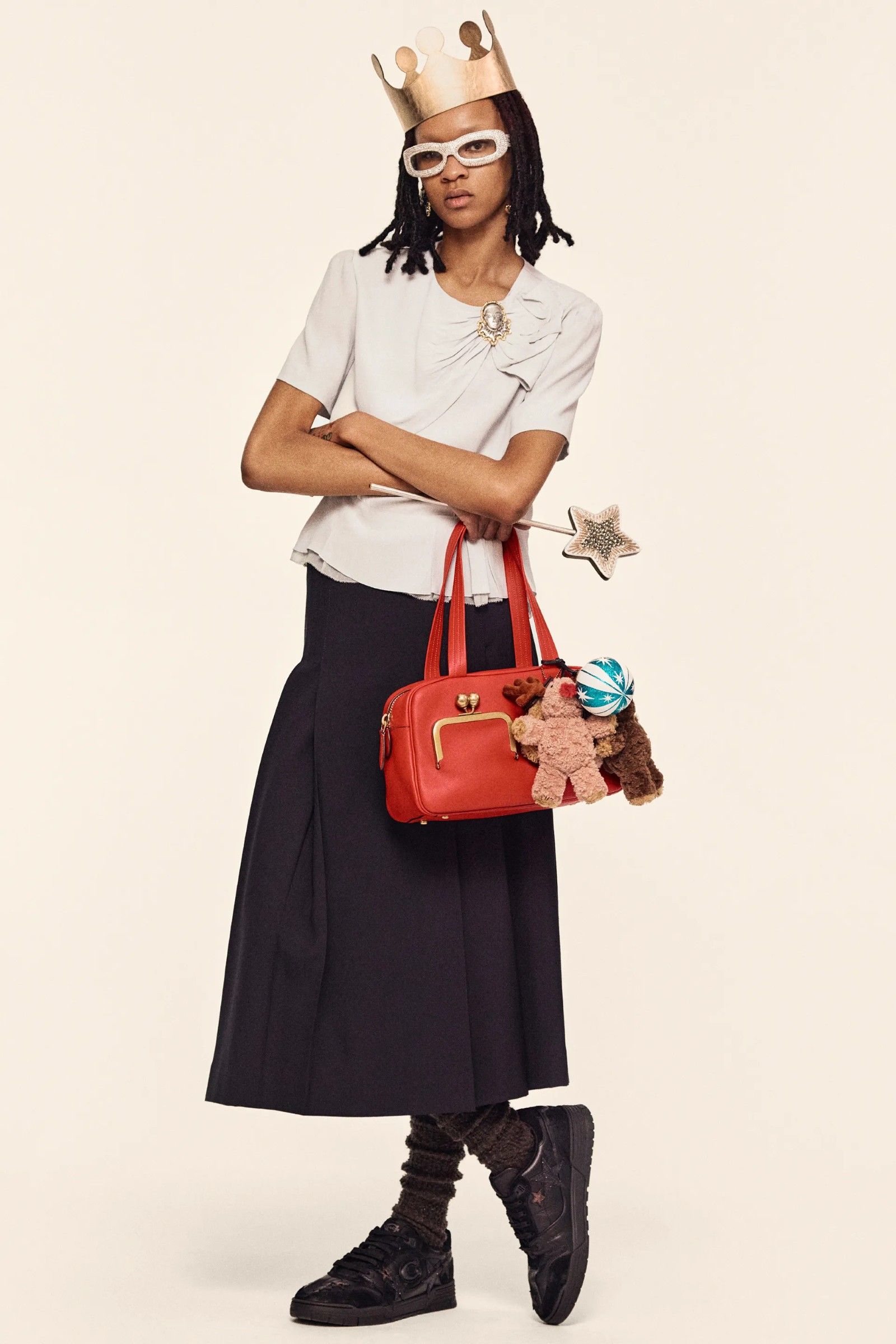
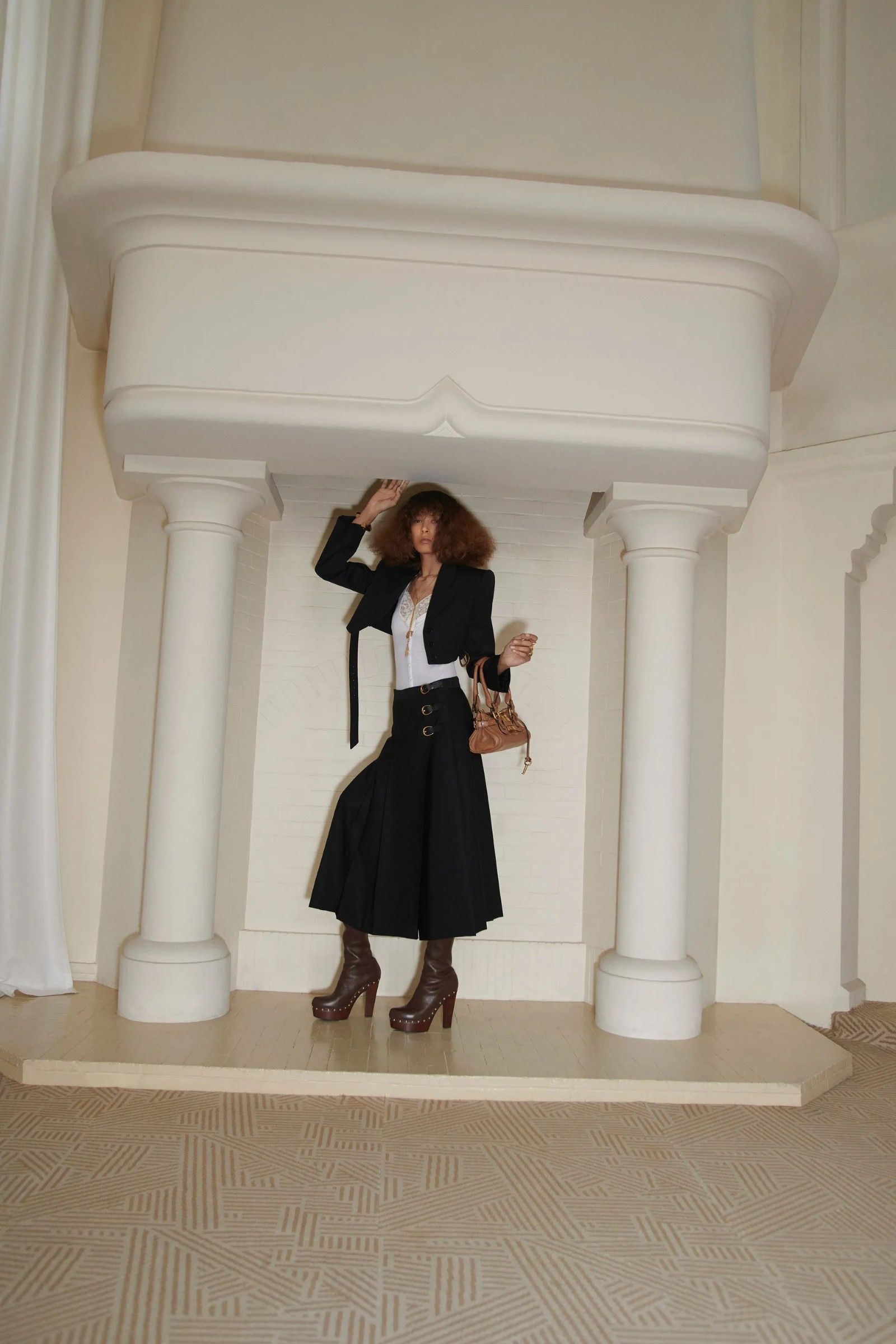
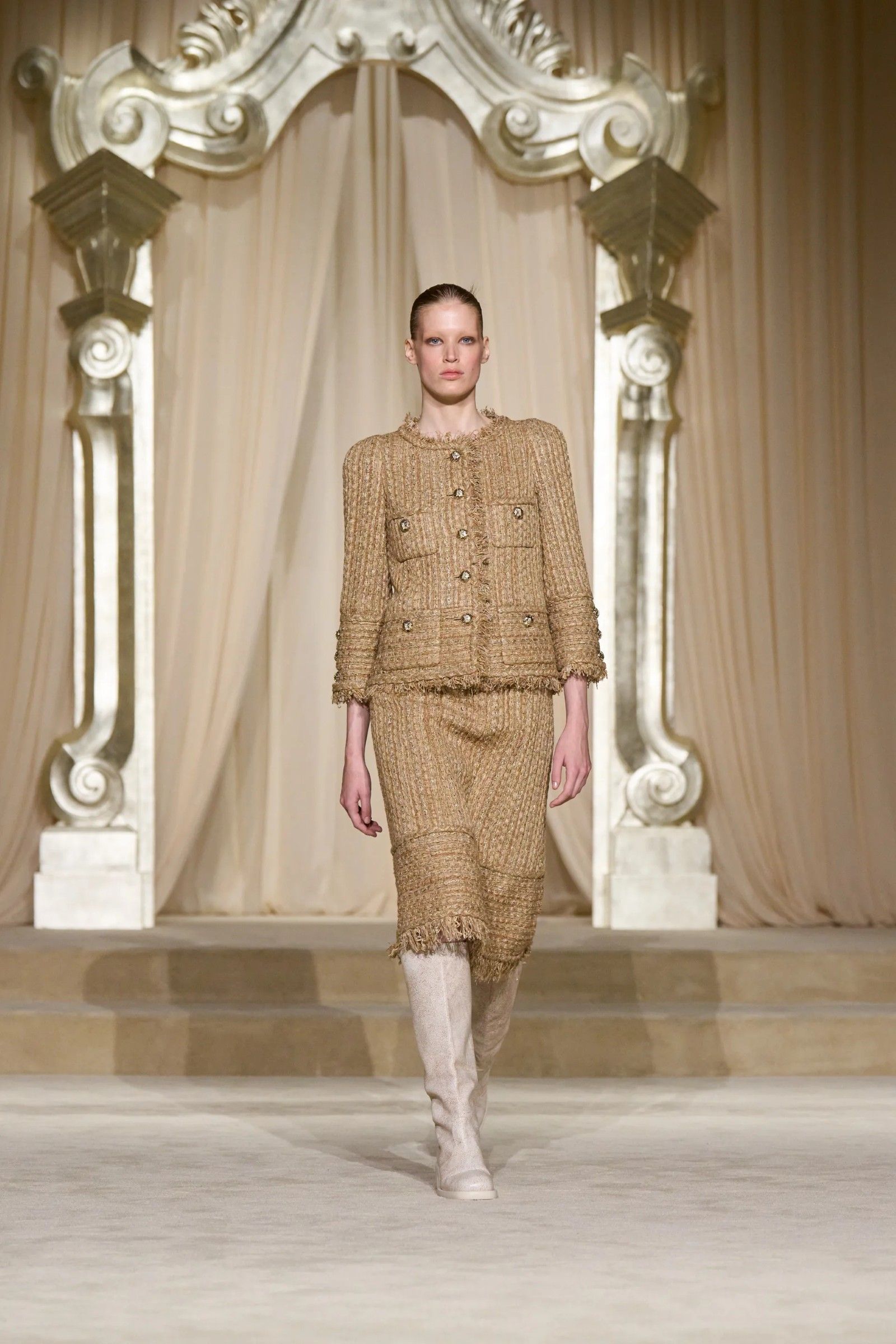
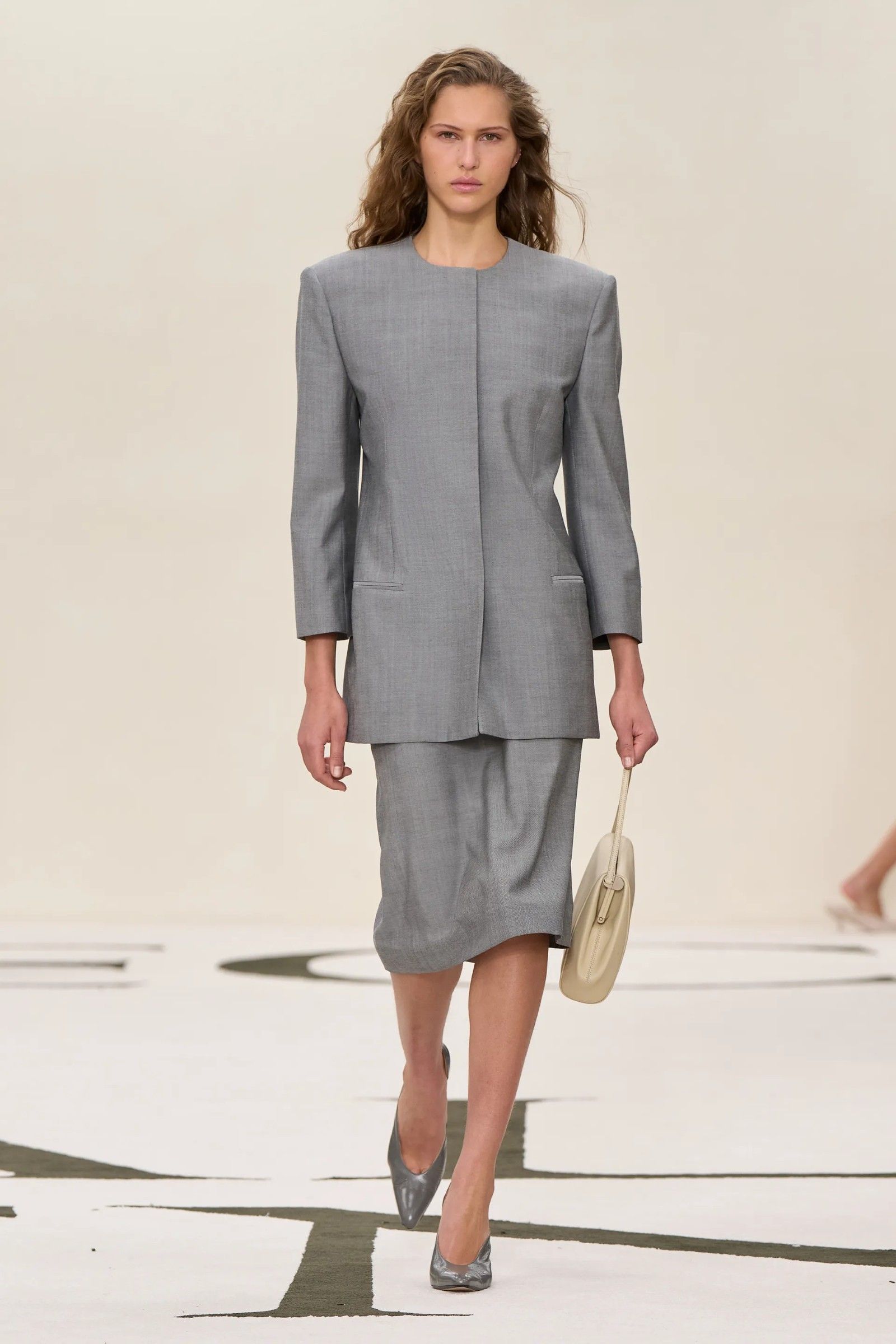
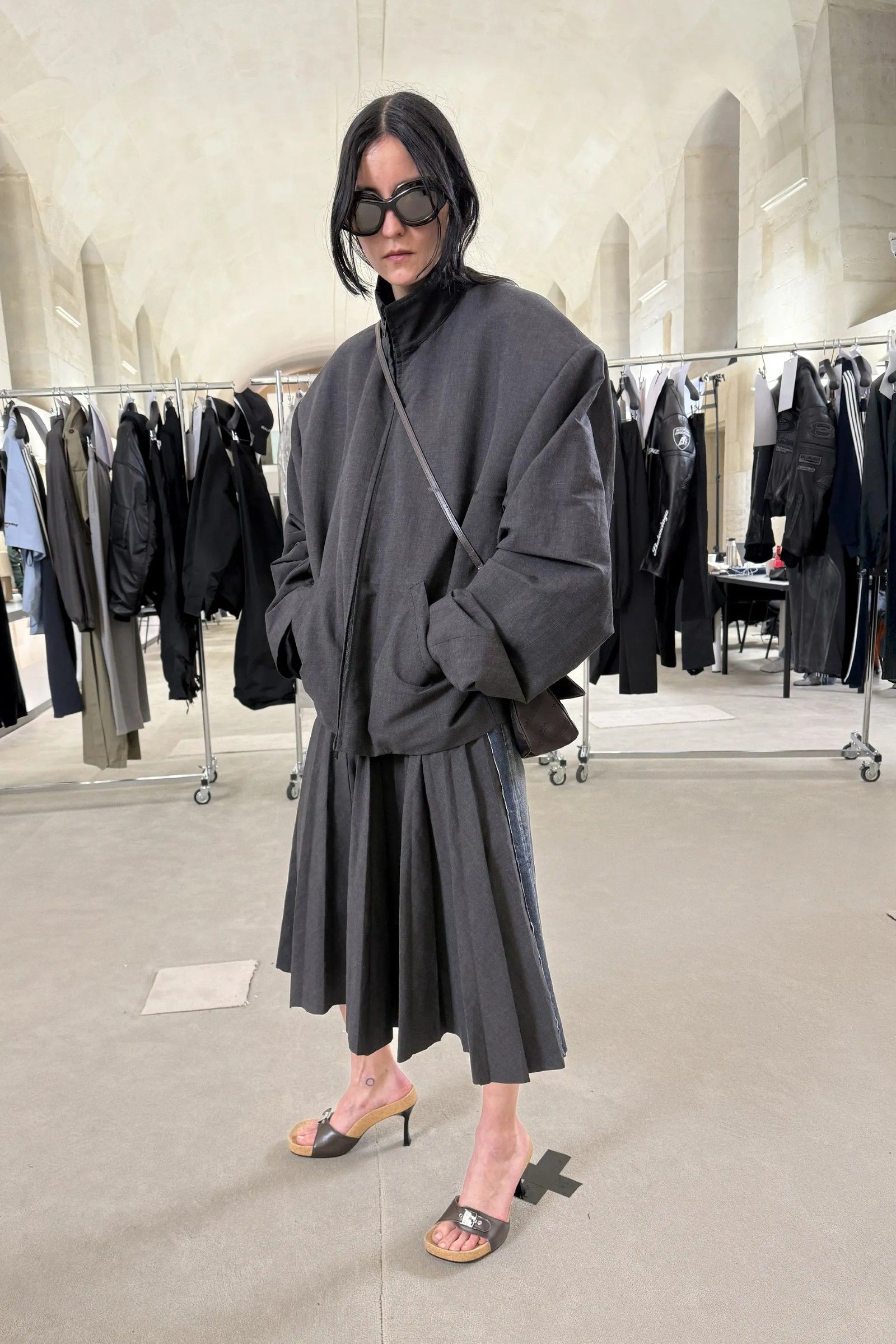
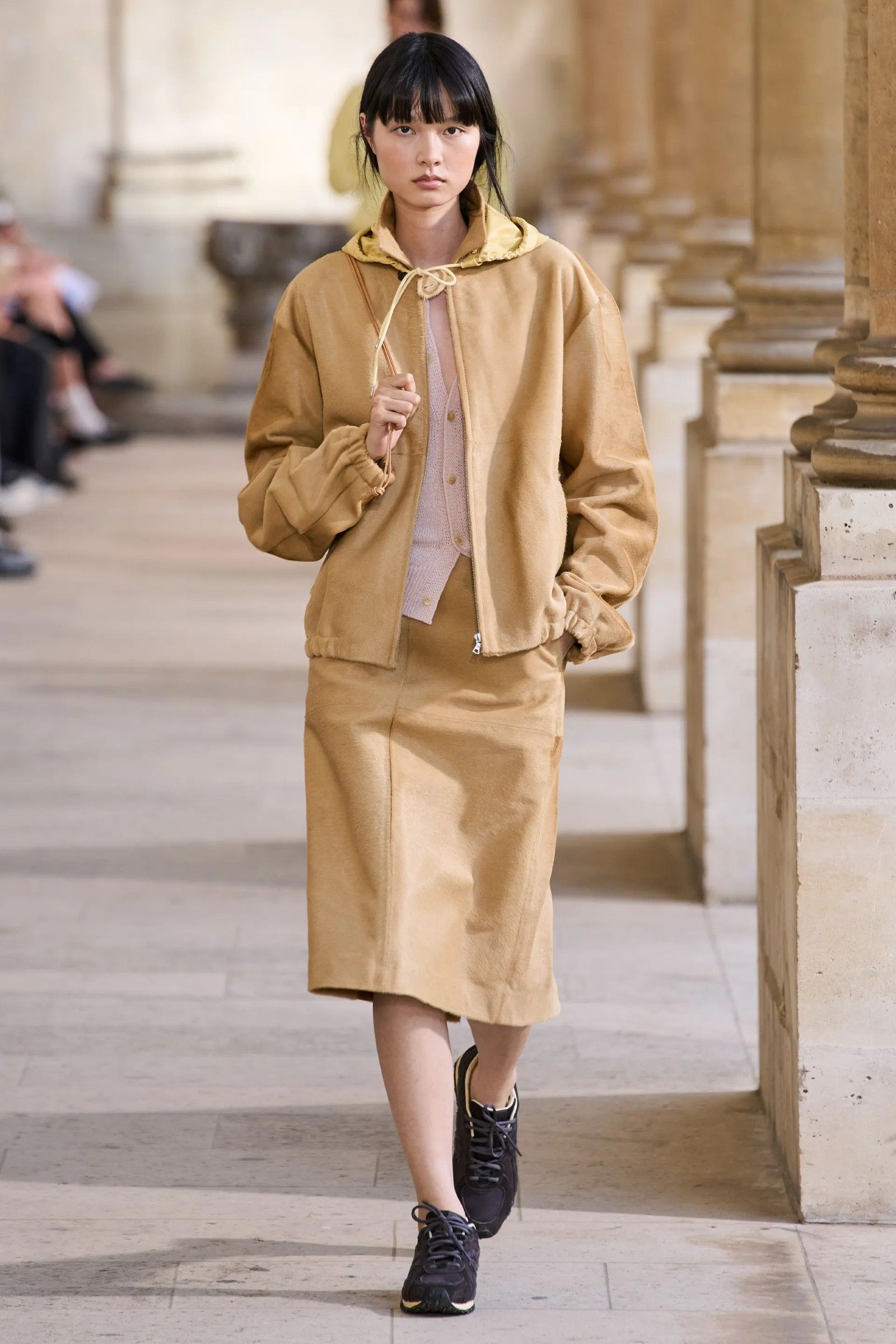
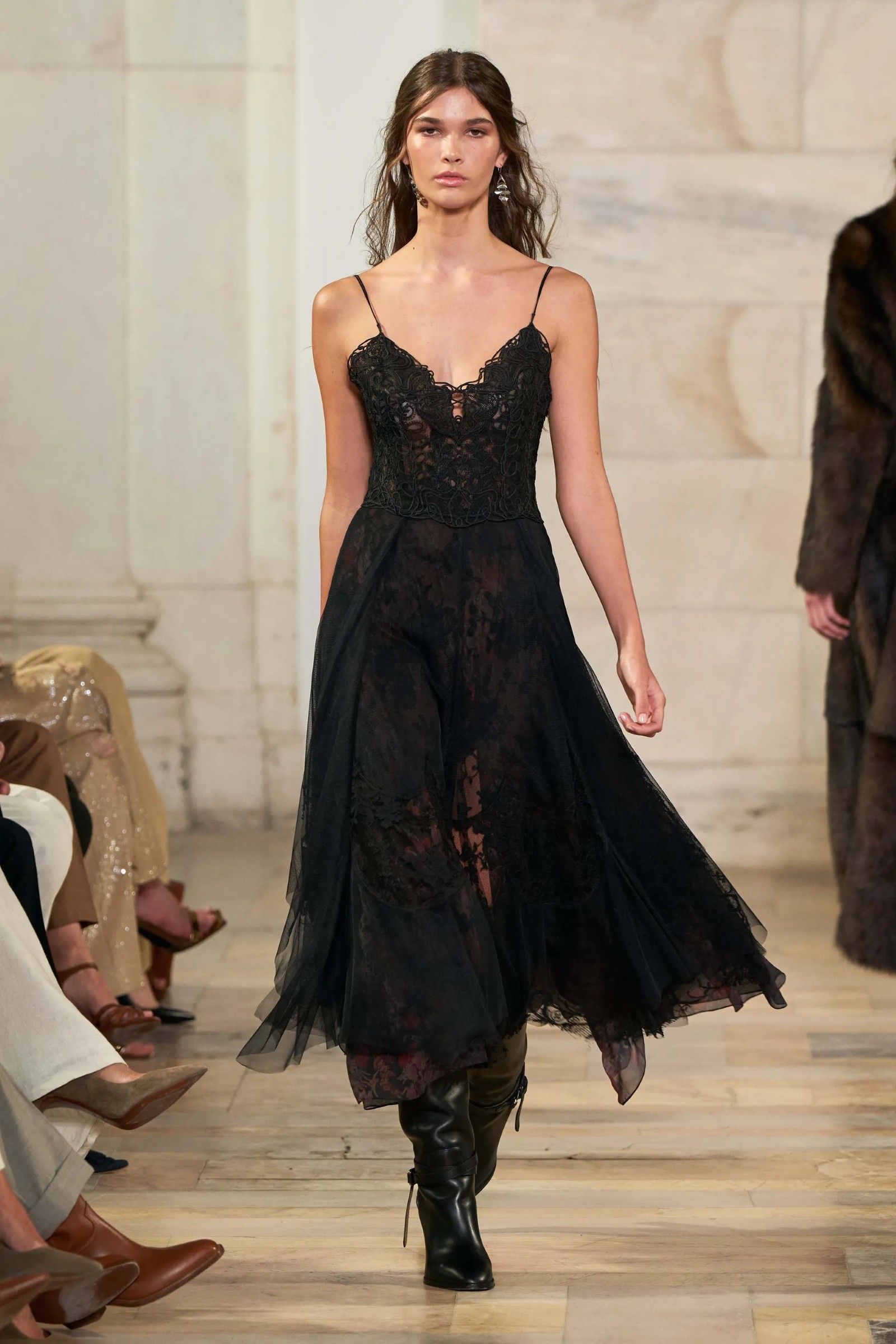
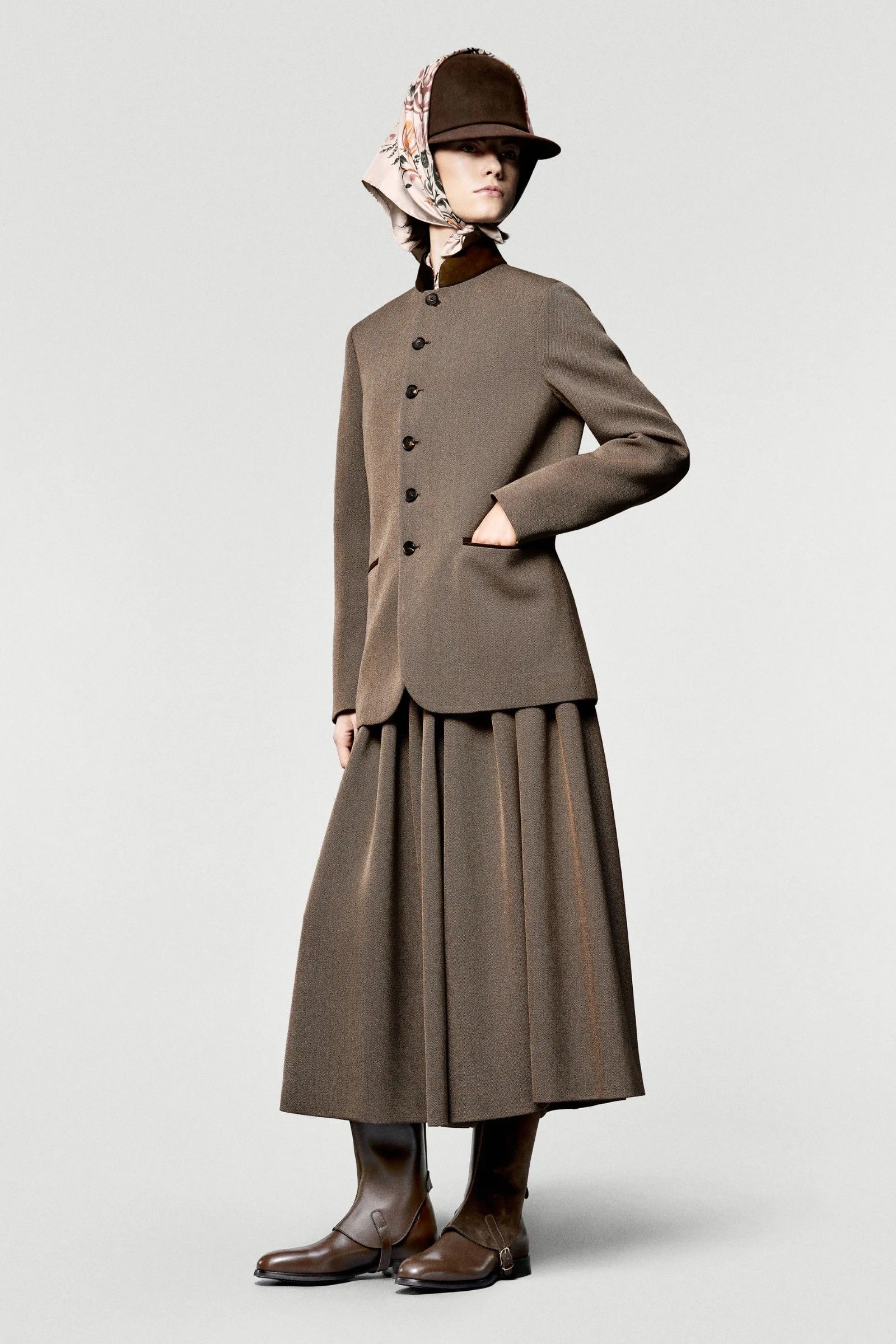
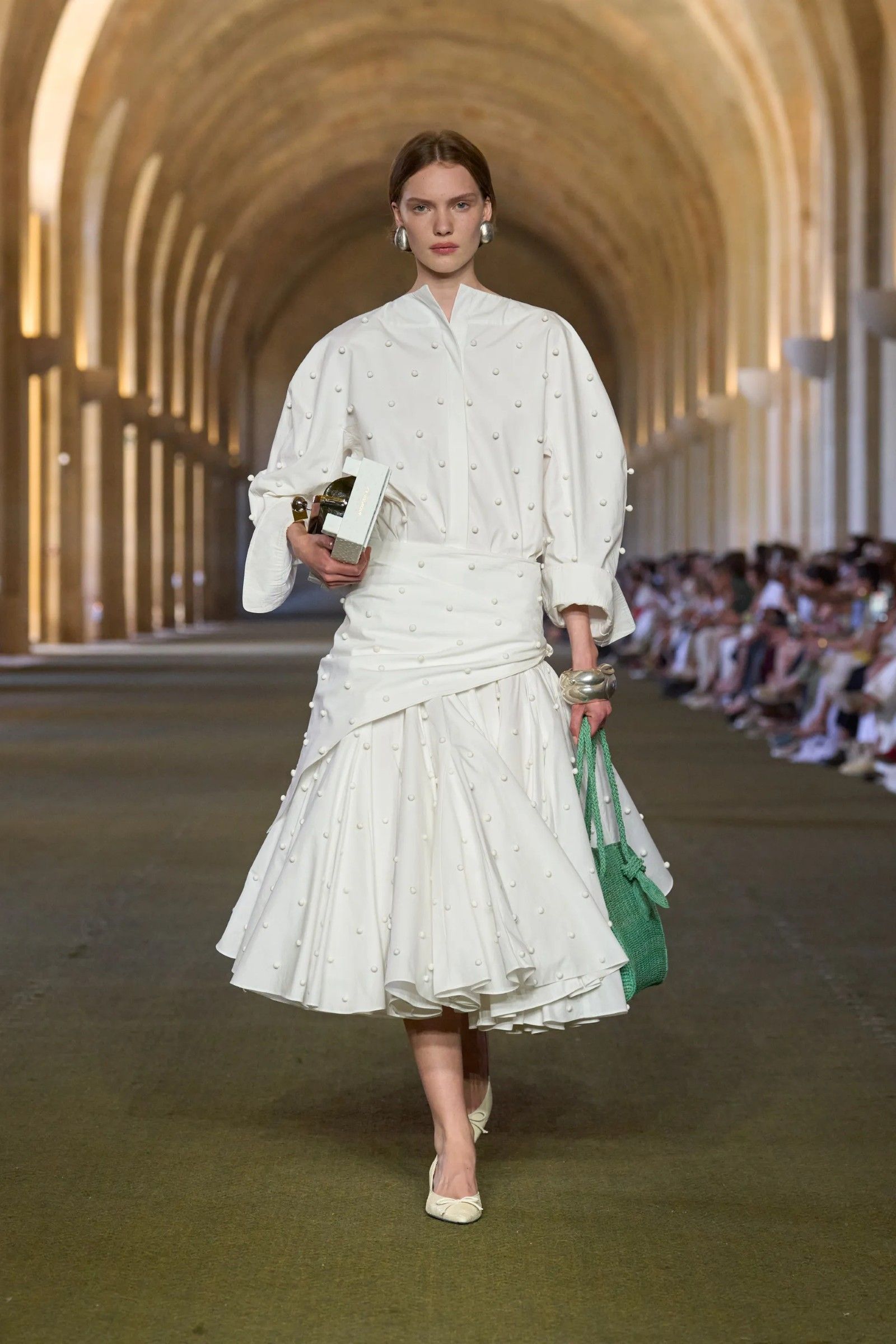
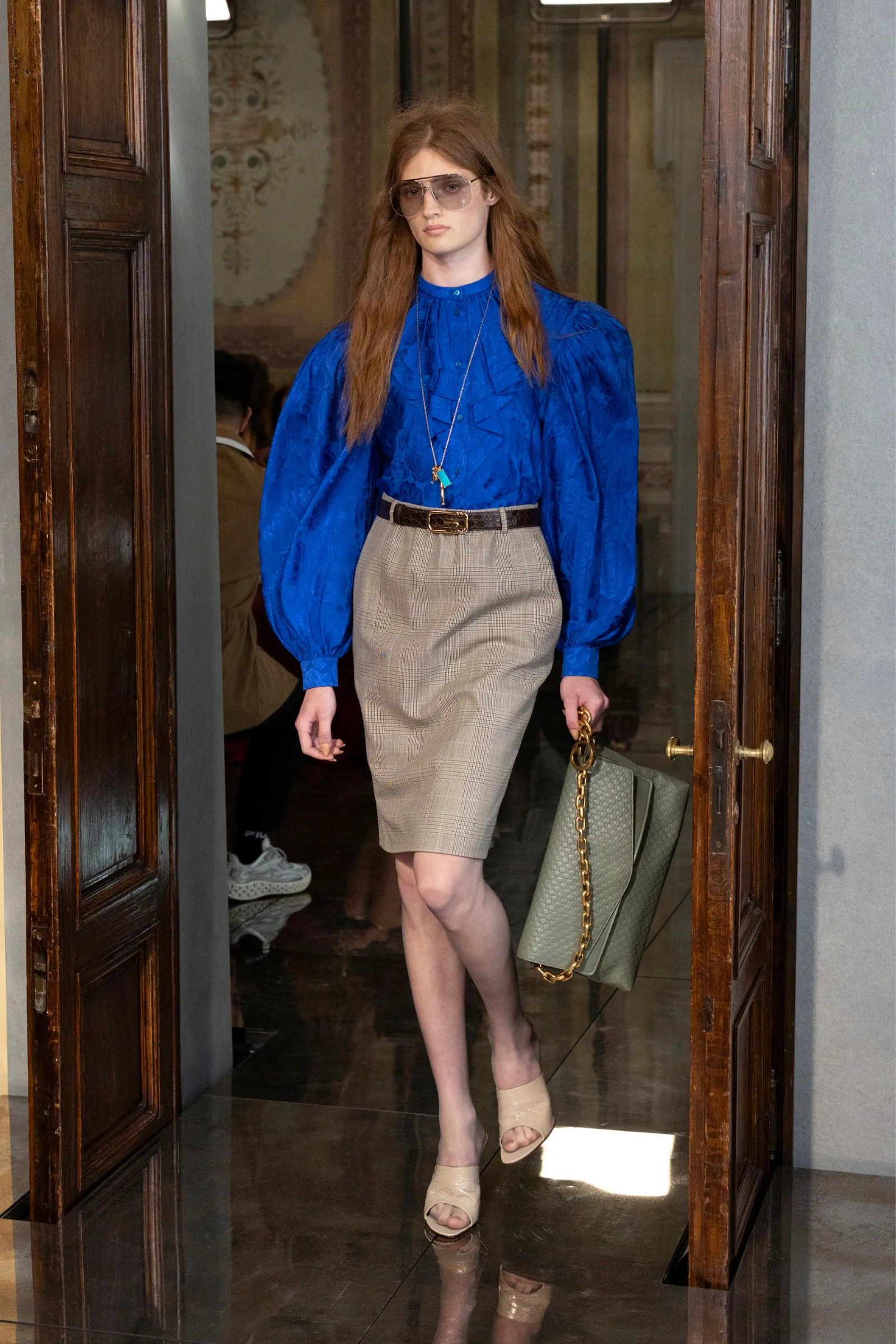
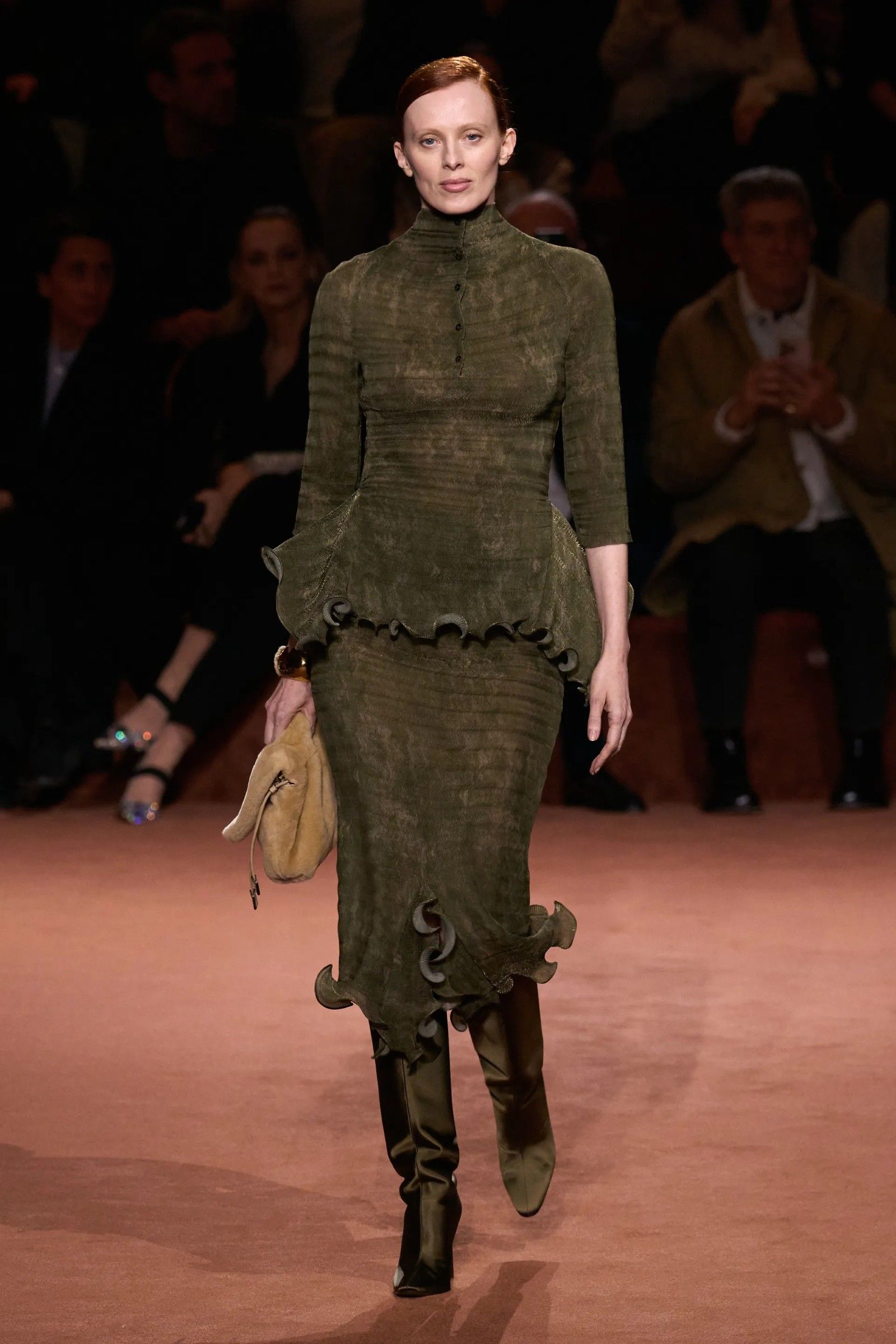
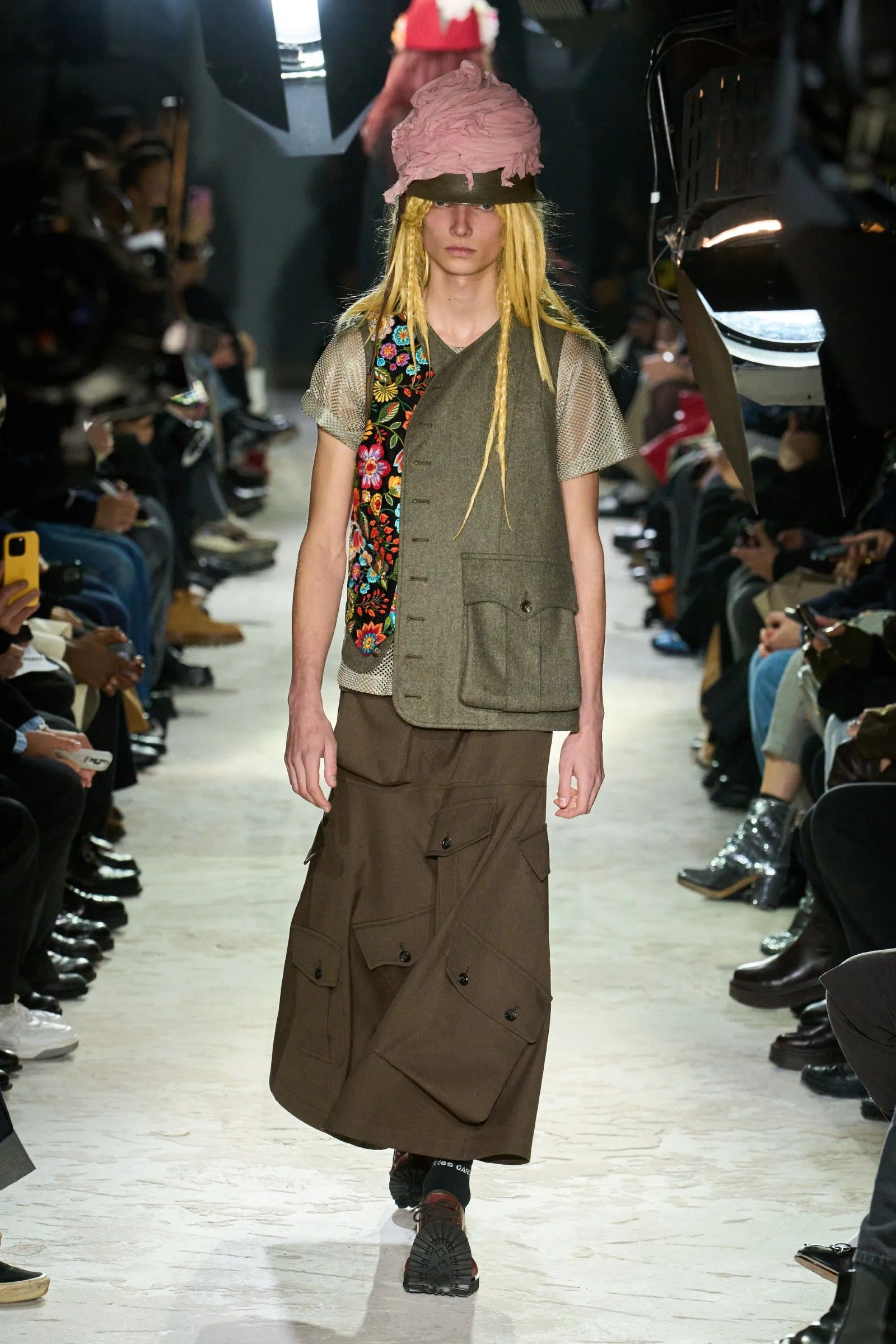
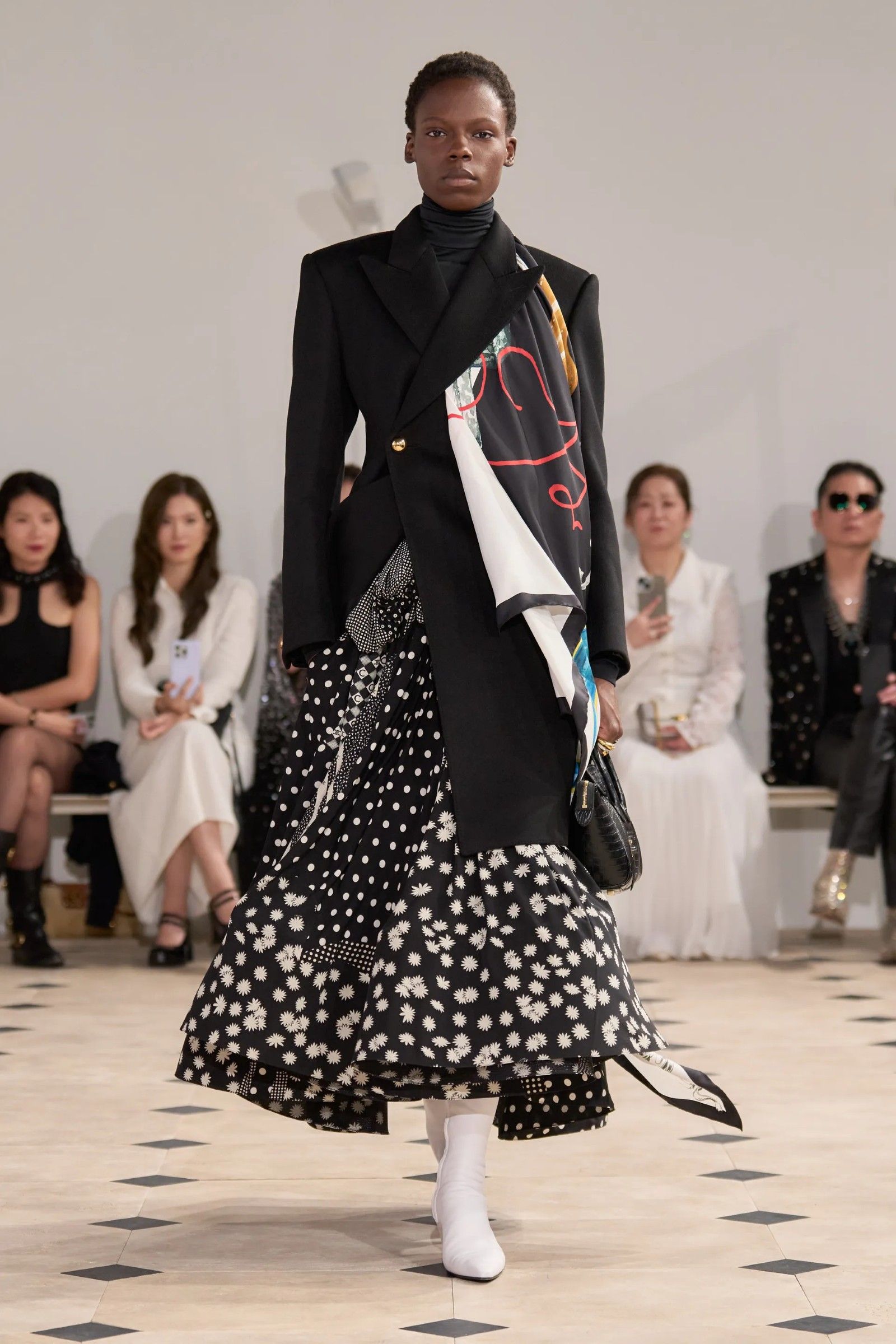
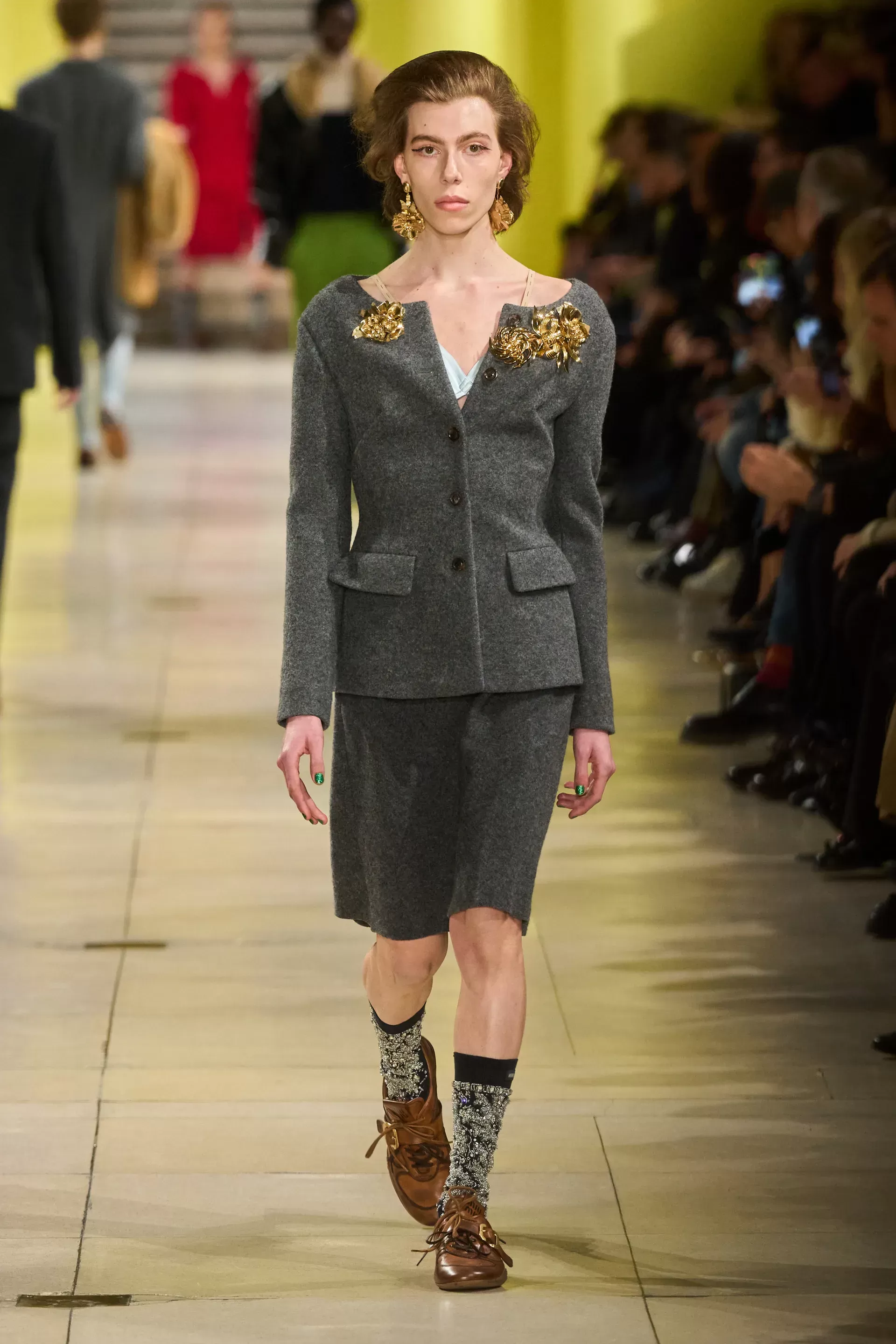
In the 1960s, the revolution happened through the hemline of skirts, especially the ultra-short ones by Mary Quant, who turned them into a symbol of self-determination and sexual freedom. Yet in a culture increasingly liberated but still affected by undercurrents of conservatism, things are changing: on the runways of recent fashion weeks, the miniskirt is retreating while the hemline is dropping. Many designers have indeed featured in their collections dresses and, in particular, suits with skirts below the knee—some even reaching the ankles—more structured and austere. If Charli XCX opted for a knee-length skirt for her latest shopping session at Nordic Poetry, and Kylie Jenner has tucked her tight microskirts away to make room for Miu Miu girl-style midi skirts she wears in the brand’s latest campaign, what is happening to the miniskirt?
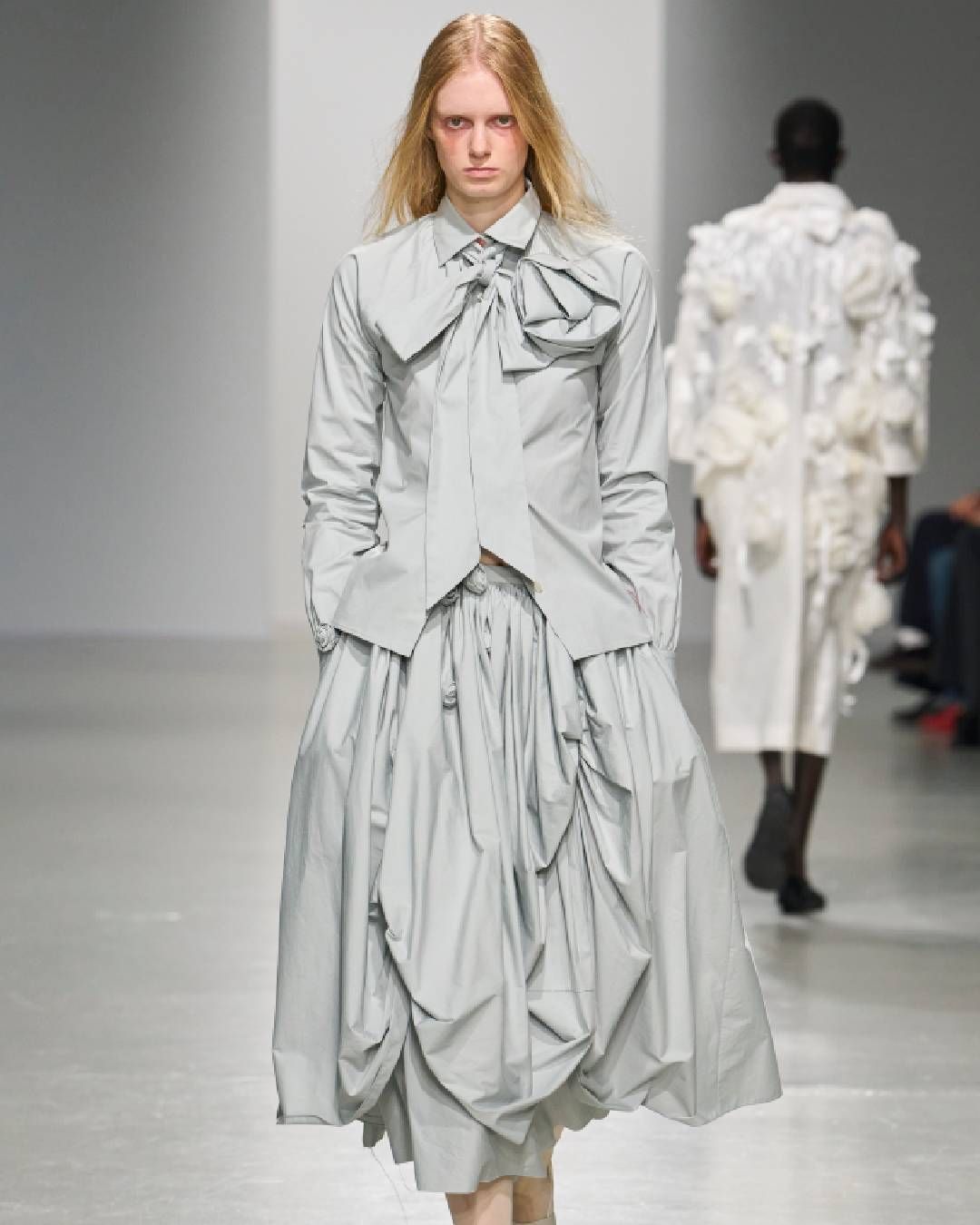
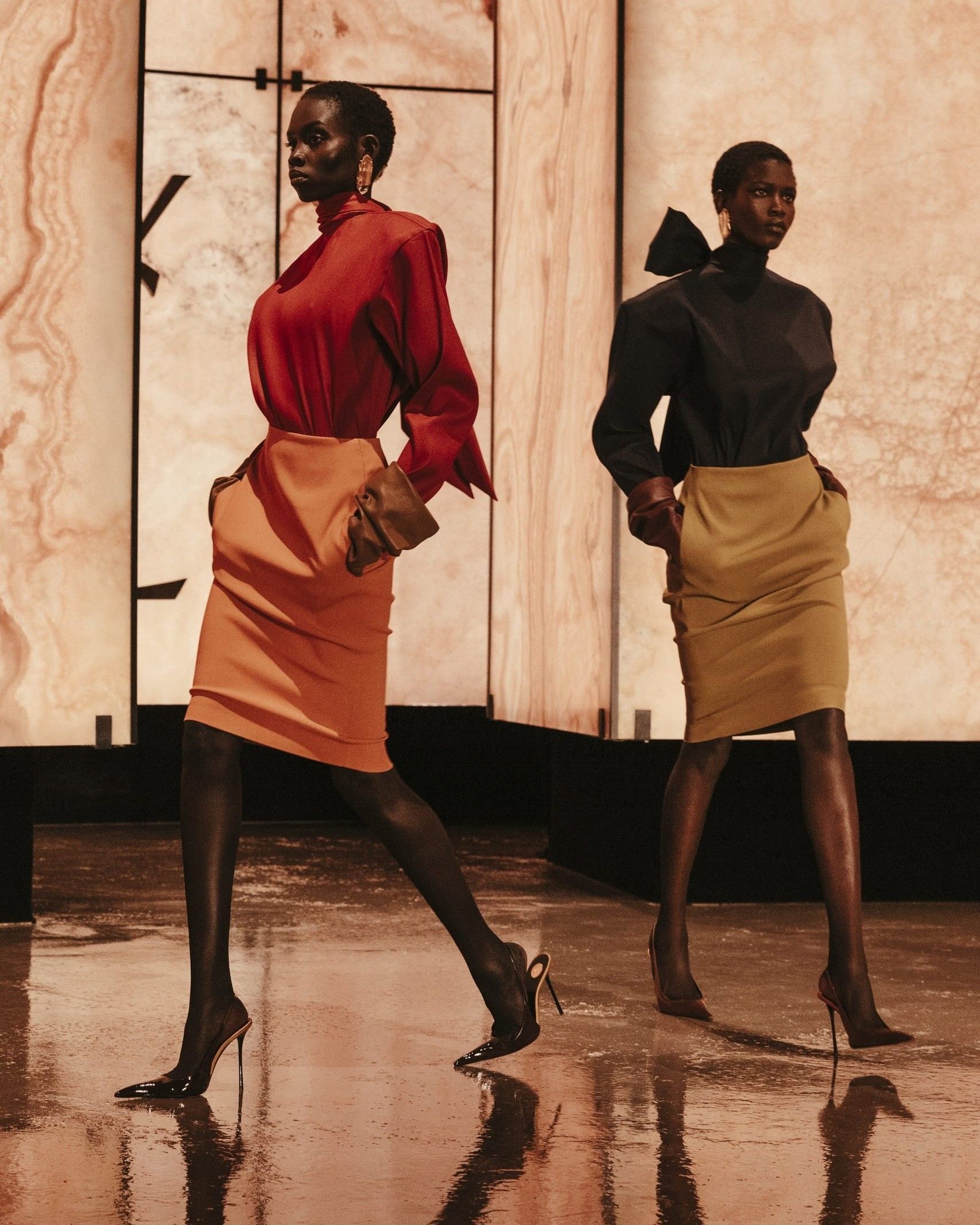
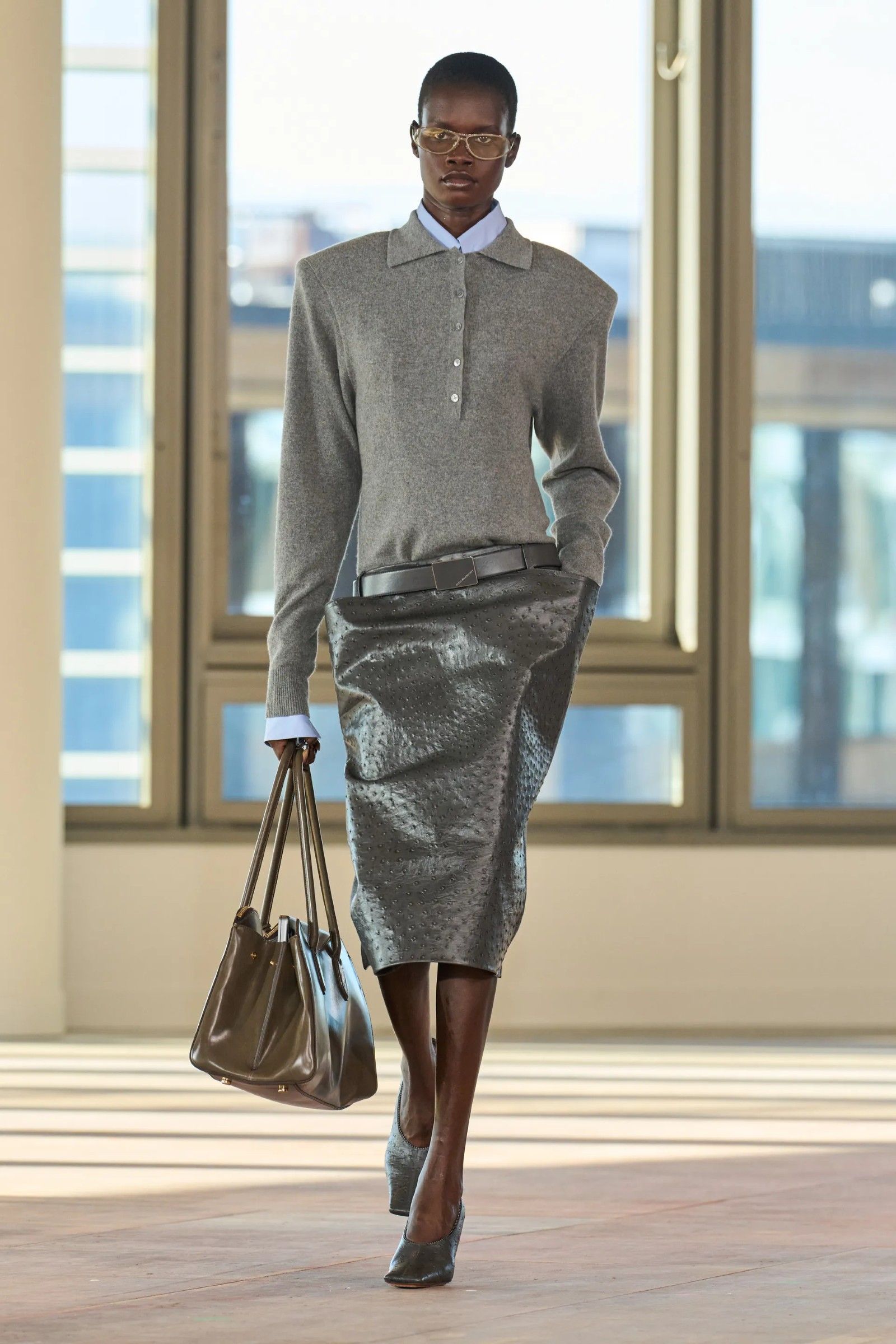
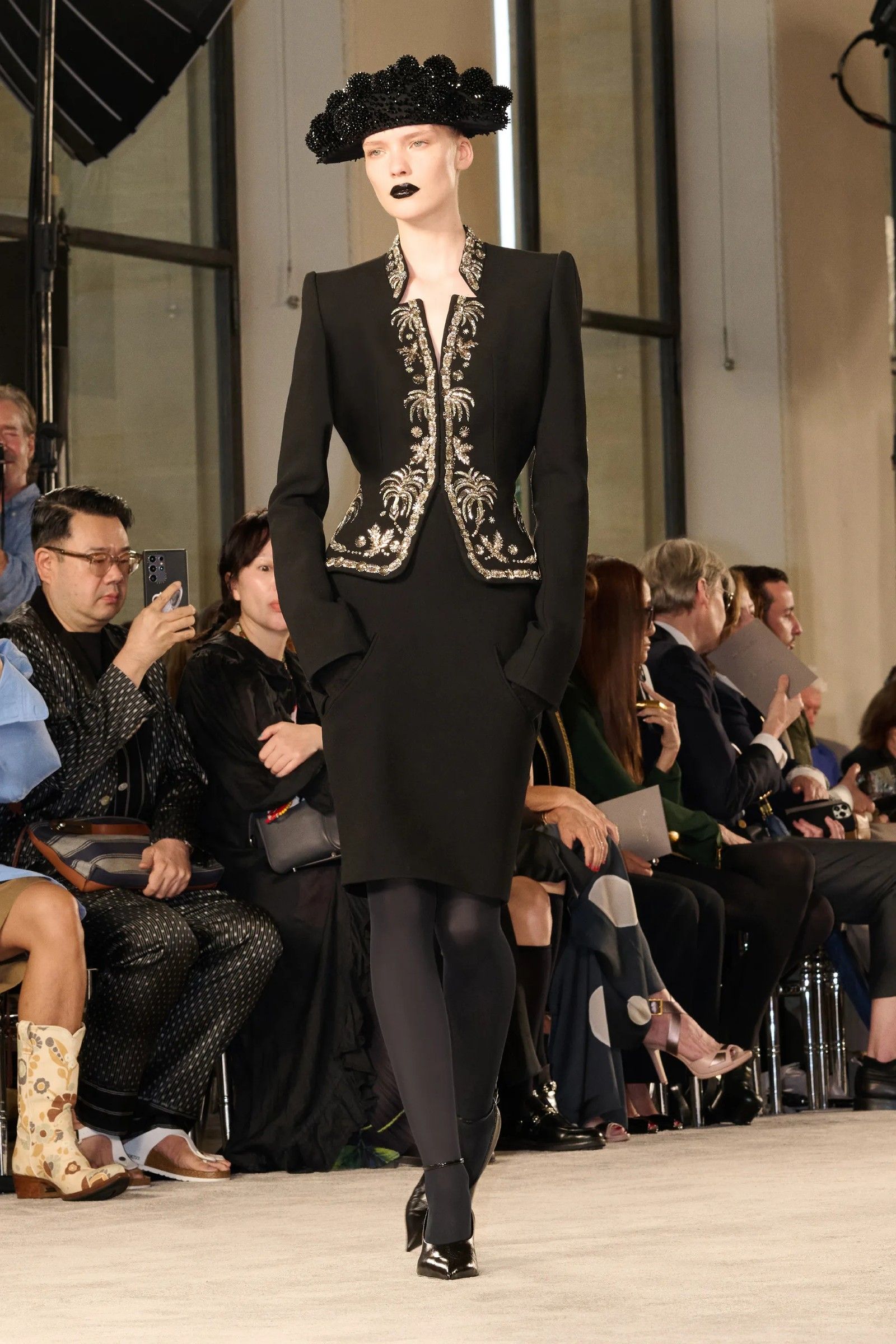
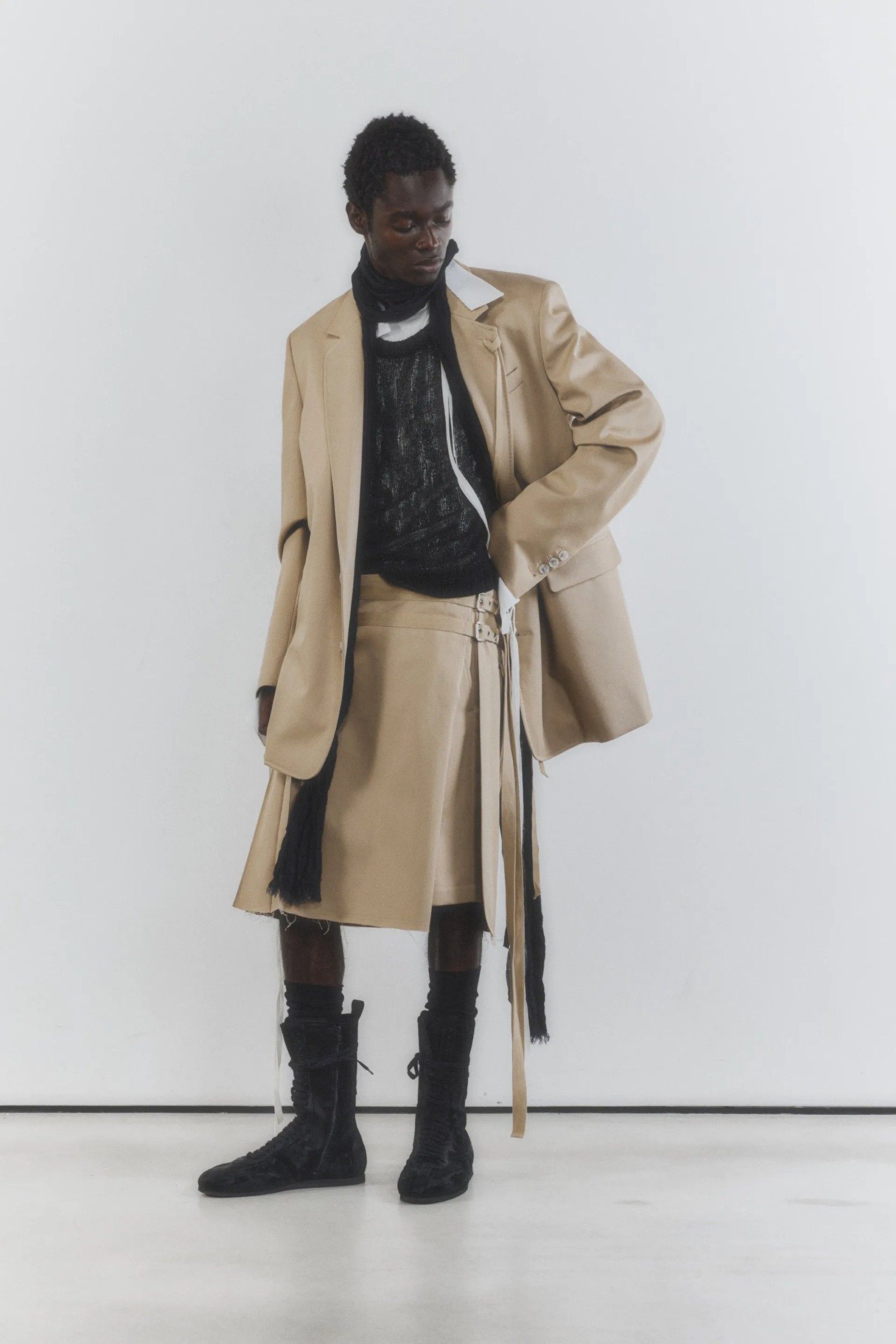
Sober and modest skirts took center stage in the latest fashion season. For Calvin Klein and Stella McCartney, the office suit with a skirt is the epitome of sexy; at Coach and Loro Piana, wool pleated skirts are monastic, cut below the calf; Rick Owens presents his own version of the gothic, tattered midi skirt in FW25, and even Anthony Vaccarello, in his latest winter collection for Saint Laurent, abandons the nude look, offering pencil skirts paired with high-neck blouses. In some cases, the hem is so long it brushes the runway. In Balenciaga’s Pre-Fall 2025, maxi skirts are the new joggers, paired with sweatshirts and technical jackets; at Ann Demeulemeester and Chloé, boho skirts dominate: in the first case, they’re witchy, Stevie Nicks-style, made from scraps of chiffon and leather; in the second, they’re more romantic and vintage-inspired. The midi skirt has also won over niche Parisian fashion brands: Auralee features skirts with plaid prints and suede fabrics, while at Lemaire, we see balloon skirts merging with opaque tights. Not to be outdone, some Haute Couture maisons also seem to have embraced this more austere femininity. At Schiaparelli, Daniel Roseberry presented his haute couture take on the “hard chic” suit from the 1931 collection titled “Wooden Soldier”; likewise, at Chanel, midi skirts paired with cuissardes are not lacking. The return of the midi skirt is also evident in the fascination many brands have with historical silhouettes.
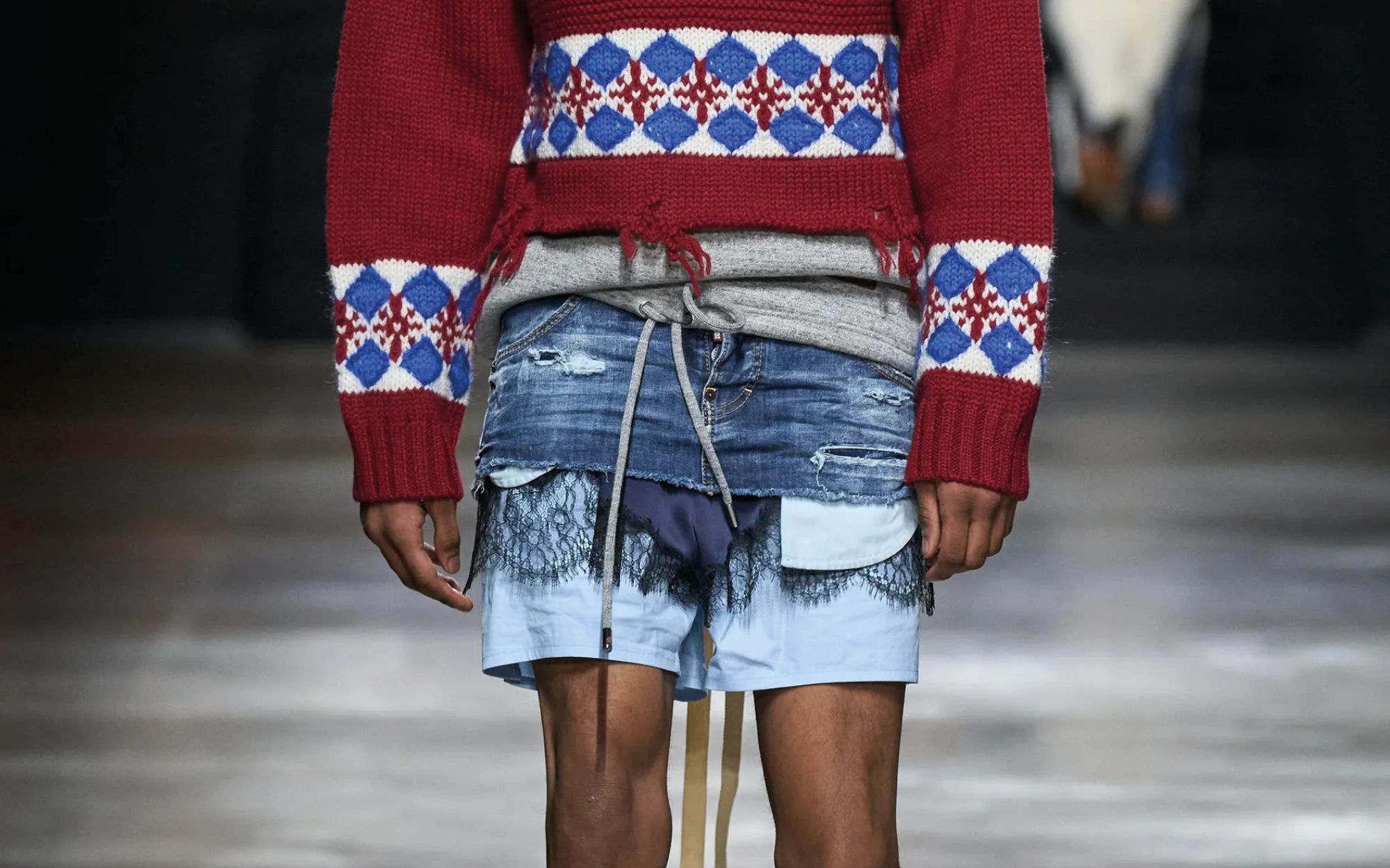
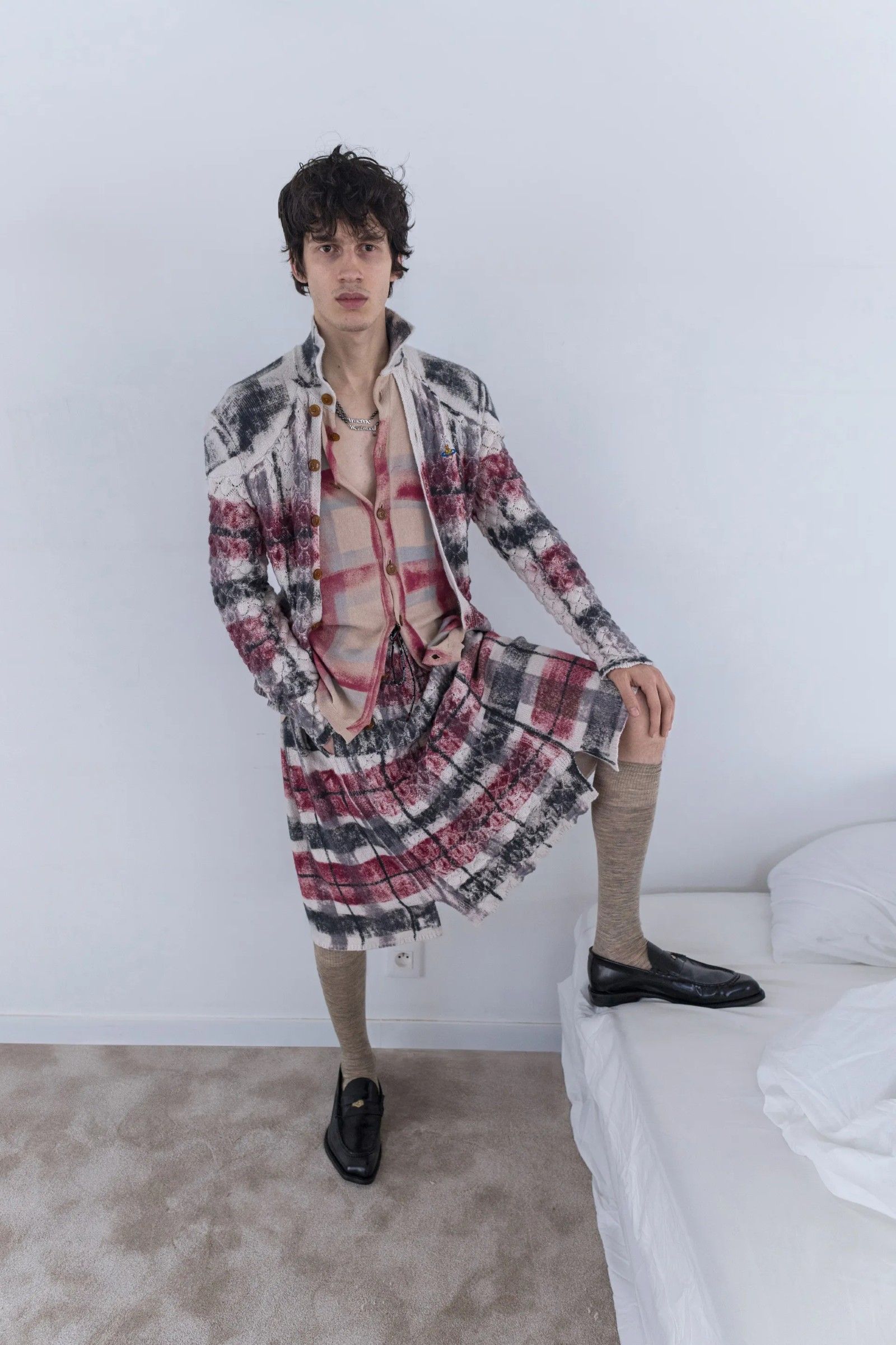
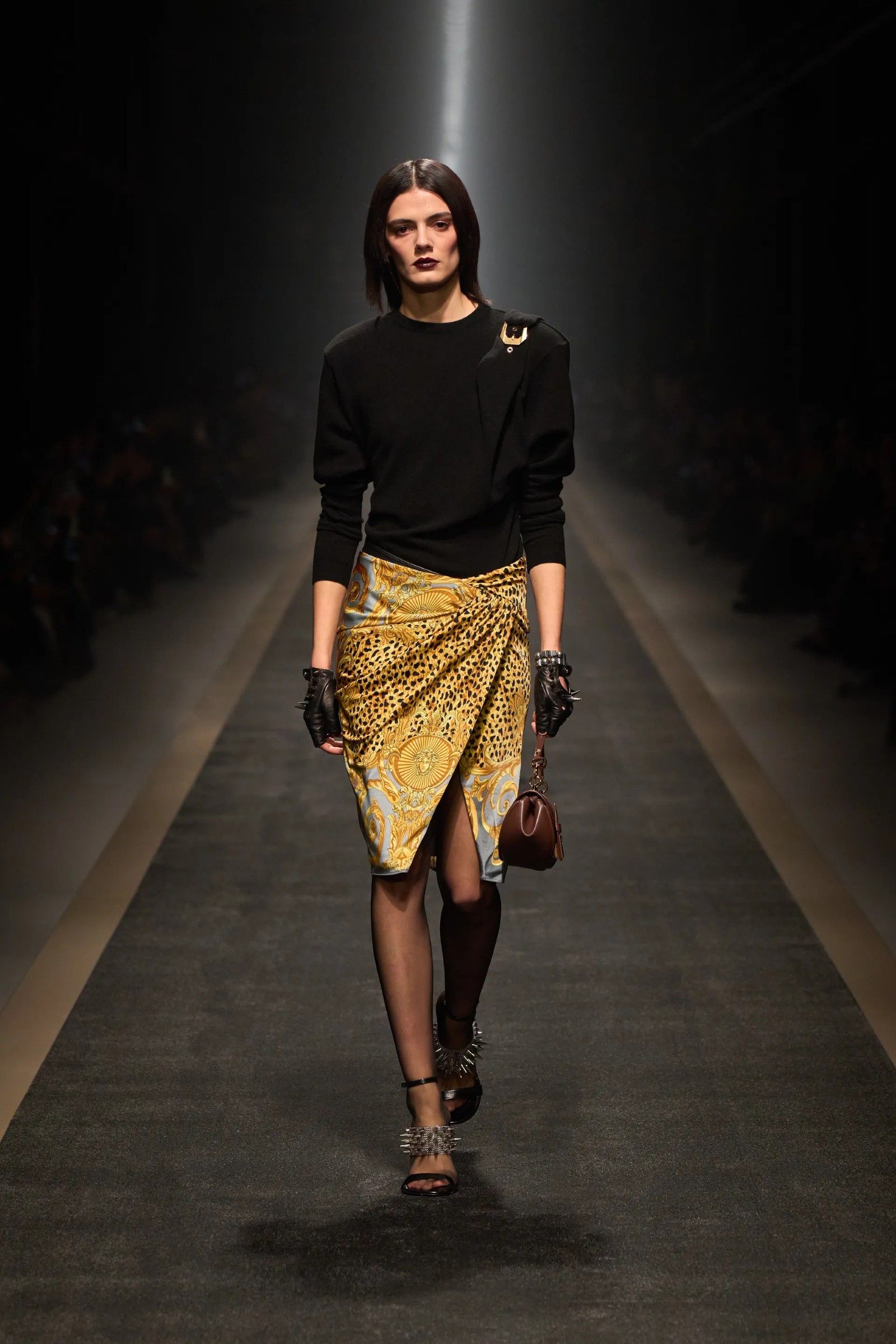
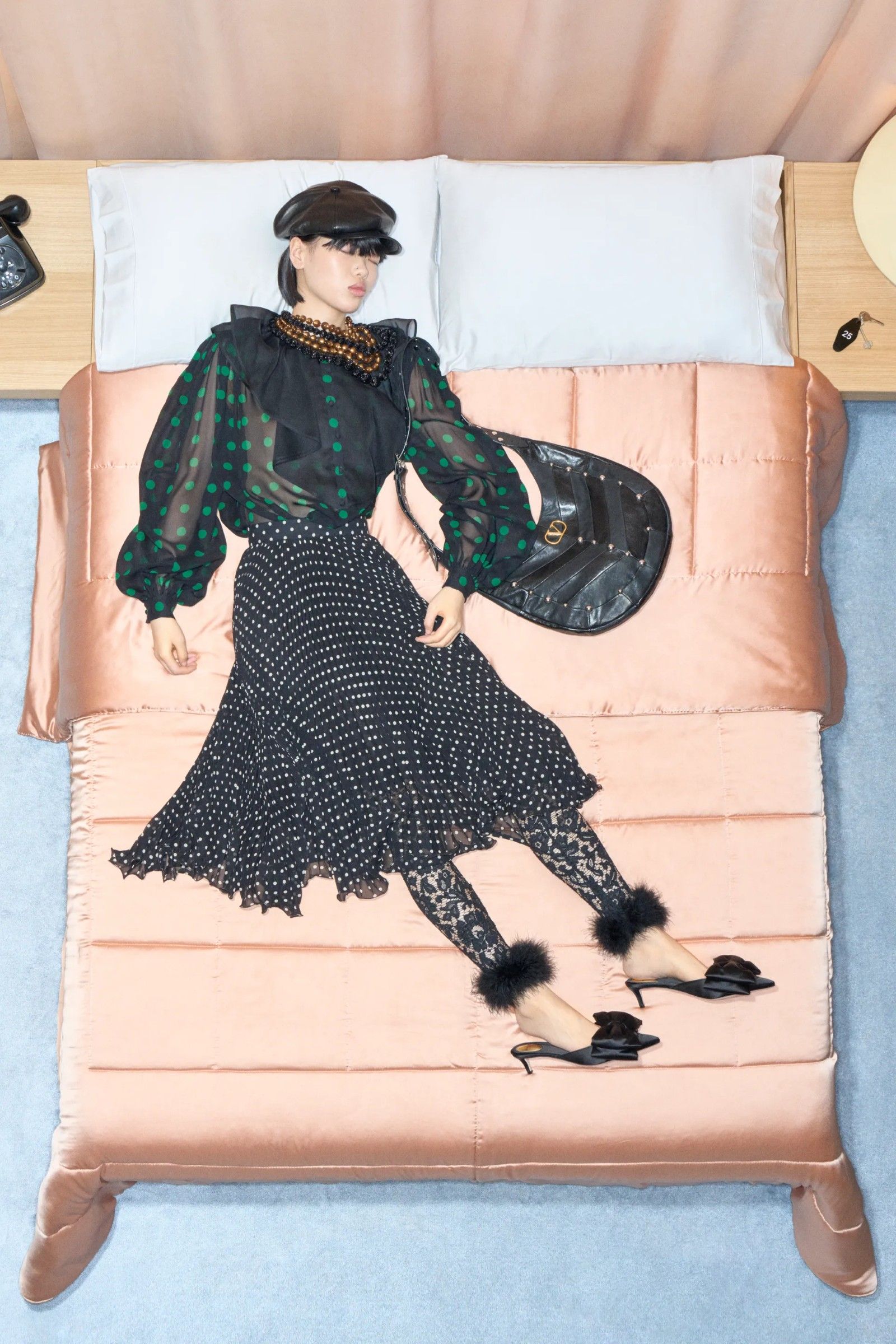
At Gucci, we find retro suits reminiscent of Jackie Kennedy, while at Fendi, there’s a nod to the past with below-the-calf skirts that evoke the classic wardrobe of Roman high-society women. In this regard, some designers are reviving the circle skirts of the 1950s: Celine and Valentino offer a polka-dot version, while Jacquemus turns the circle skirt into part of his countryside uniform. Others, like Miu Miu, have made the bourgeois below-the-knee skirt their canvas and signature—an item consistently subverted with irony in classic “sciura” outfits, deconstructed through unexpected and unsettling details like randomly buttoned jackets and wrinkled skirts. Even brands typically known for portraying a more carefree and leggy woman have, this time around, been seduced by the sobriety of the midi skirt. In the SS25 collection by Versace, we see denim or metallic knit skirts falling below the knee, while Dolce&Gabbana, in their spring-summer show, did not hold back in presenting more “severe,” discreet, and less daring sheath dresses. Men's fashion has not been immune to this shift in length either. Comme des Garçons Homme Plus presents a deconstructed “skirt version” of cargo pants, and Andreas Kronthaler at Vivienne Westwood stays true to the genderless skirt—sometimes long and asymmetrical, other times a classic kilt.
Beyond the well-known Hemline Index theory, which links skirt lengths to the rise or fall of financial markets, today’s lengthening hemlines also seem to reflect a broader conservative climate increasingly influencing the agendas of international governments. The political resurgence of traditionalist ideologies is driving a renewed appreciation for modest and conformist social roles and uniforms, and a rediscovery of a more deliberately classic elegance. On the other hand, the reintroduction of the “discreet” skirt can be seen as a consequence of the rise of modest fashion, an aesthetic that presents itself as a critical response to homogenized beauty ideals and the hypersexualization of women’s bodies. Through uniform standards, loose cuts, and elongated silhouettes, it offers a safer wardrobe, both in terms of inclusivity and sales versatility, serving as an alternative that can represent different cultural, bodily, and religious identities. Especially on this last point, the presence of longer skirts on runways may also be a strategic move by brands aiming to appeal to international markets that frown upon bare legs and exposed skin. More than a political or cultural issue, the lengthening of hemlines responds to commercial and demographic concerns: an aging clientele, a more cautious consumer, and brands that prefer safe bets. Miniskirts, however, still exist—mostly in the streets rather than in recent collections—highlighting a weak and distant dialogue between new generations and the fashion system, which now speaks increasingly to a pragmatic audience interested in functional garments rather than runway provocations.