
































Chitose Abe, Levi's® and smart collaborations The Japanese designer once again demonstrates her design intelligence
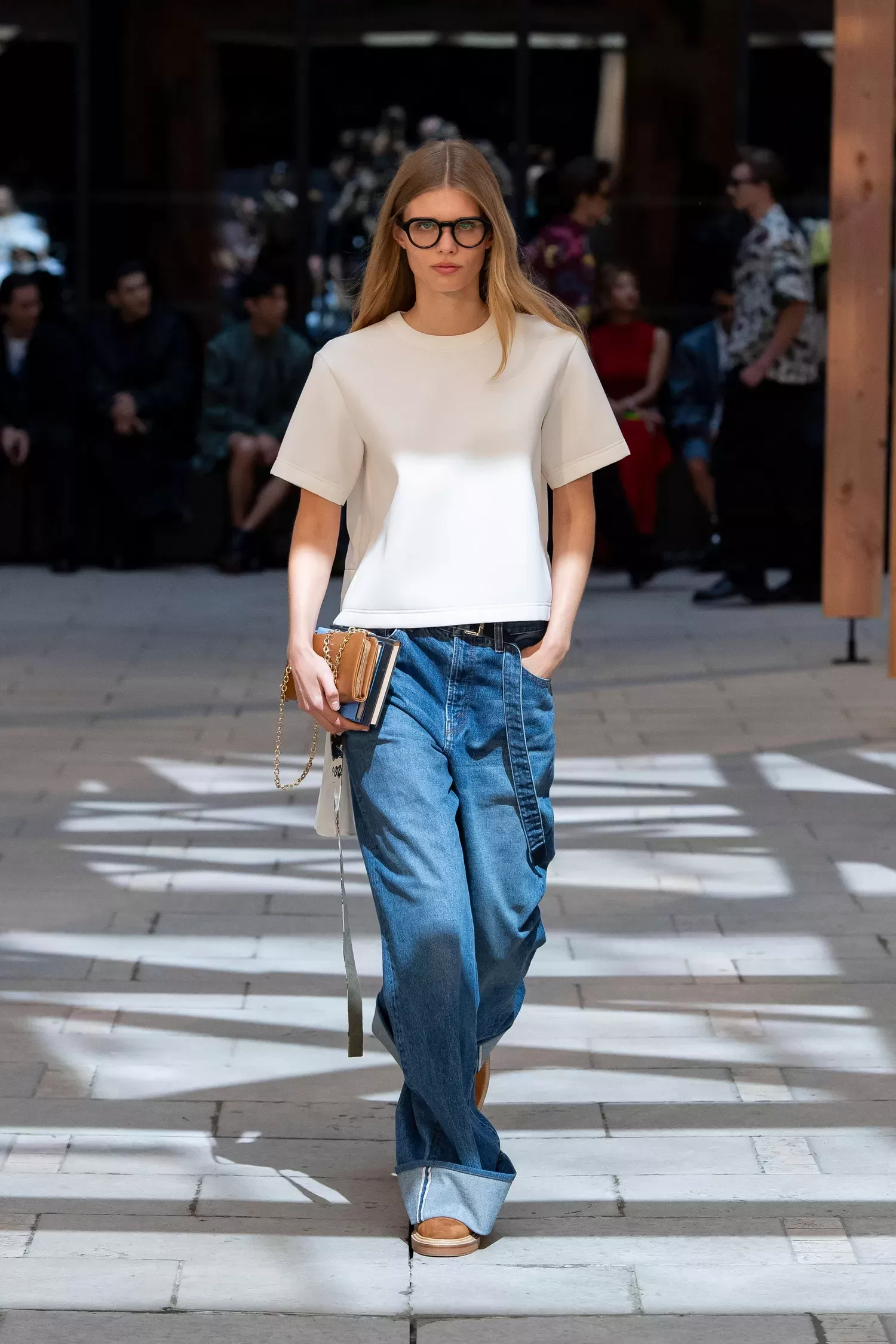
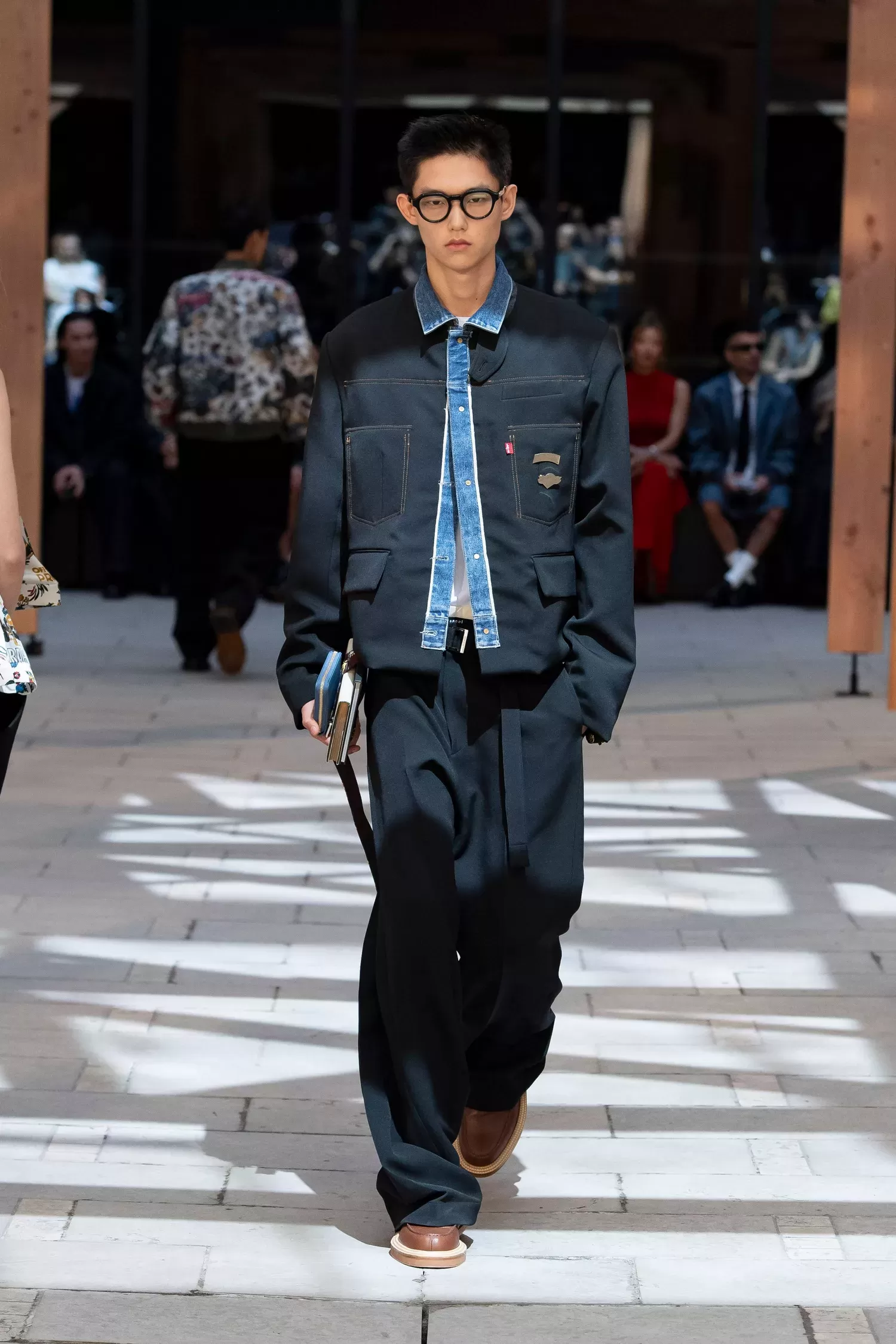
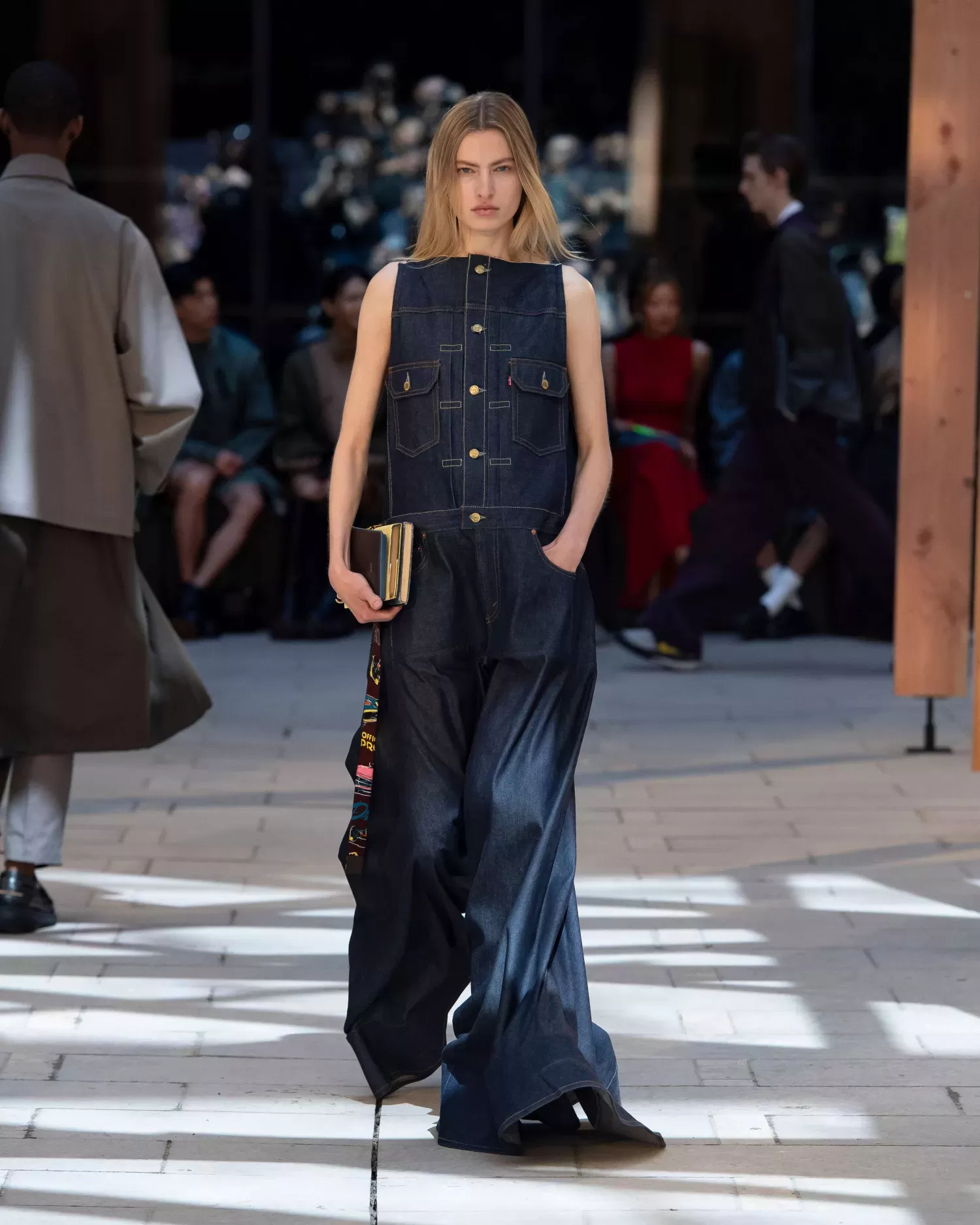
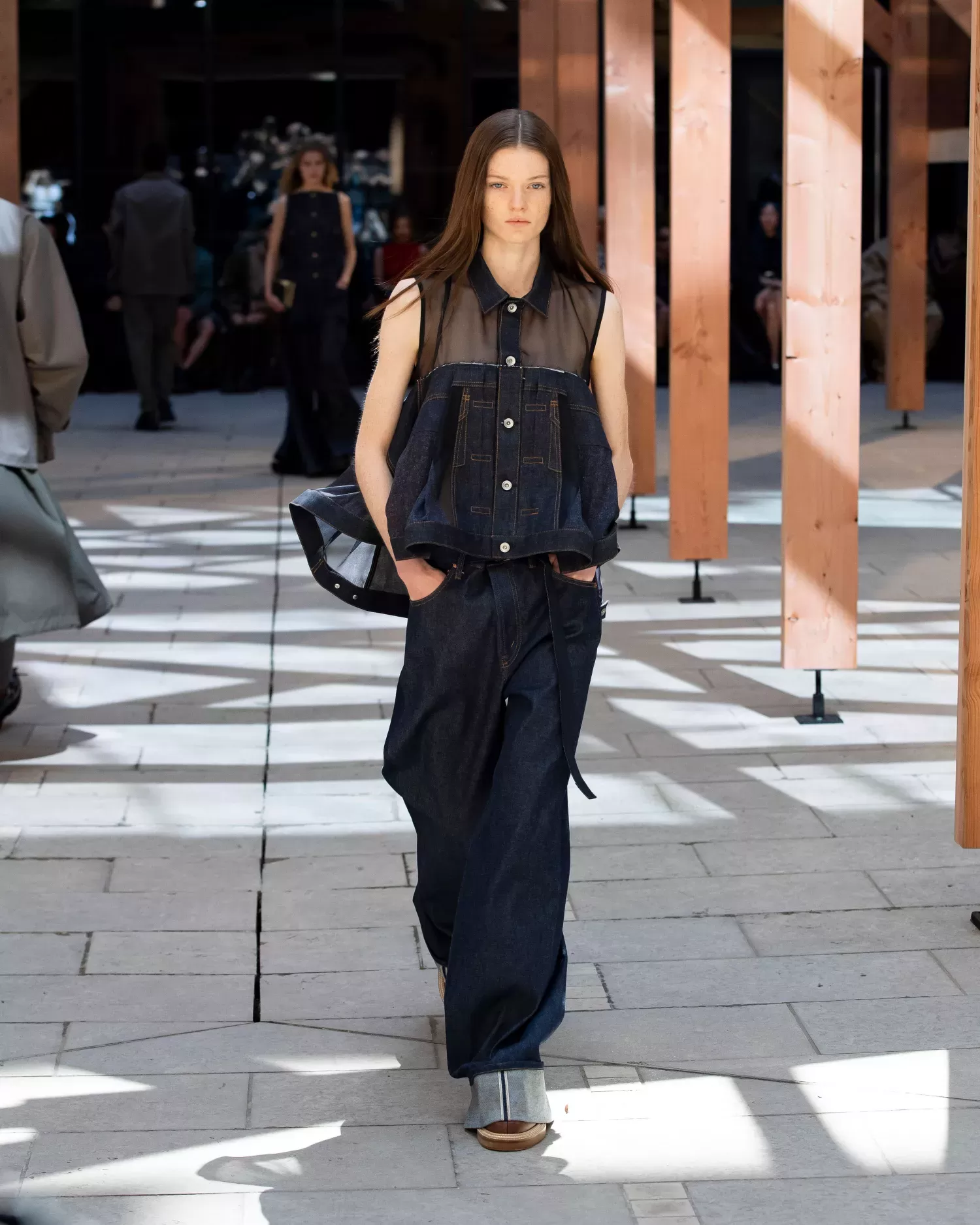
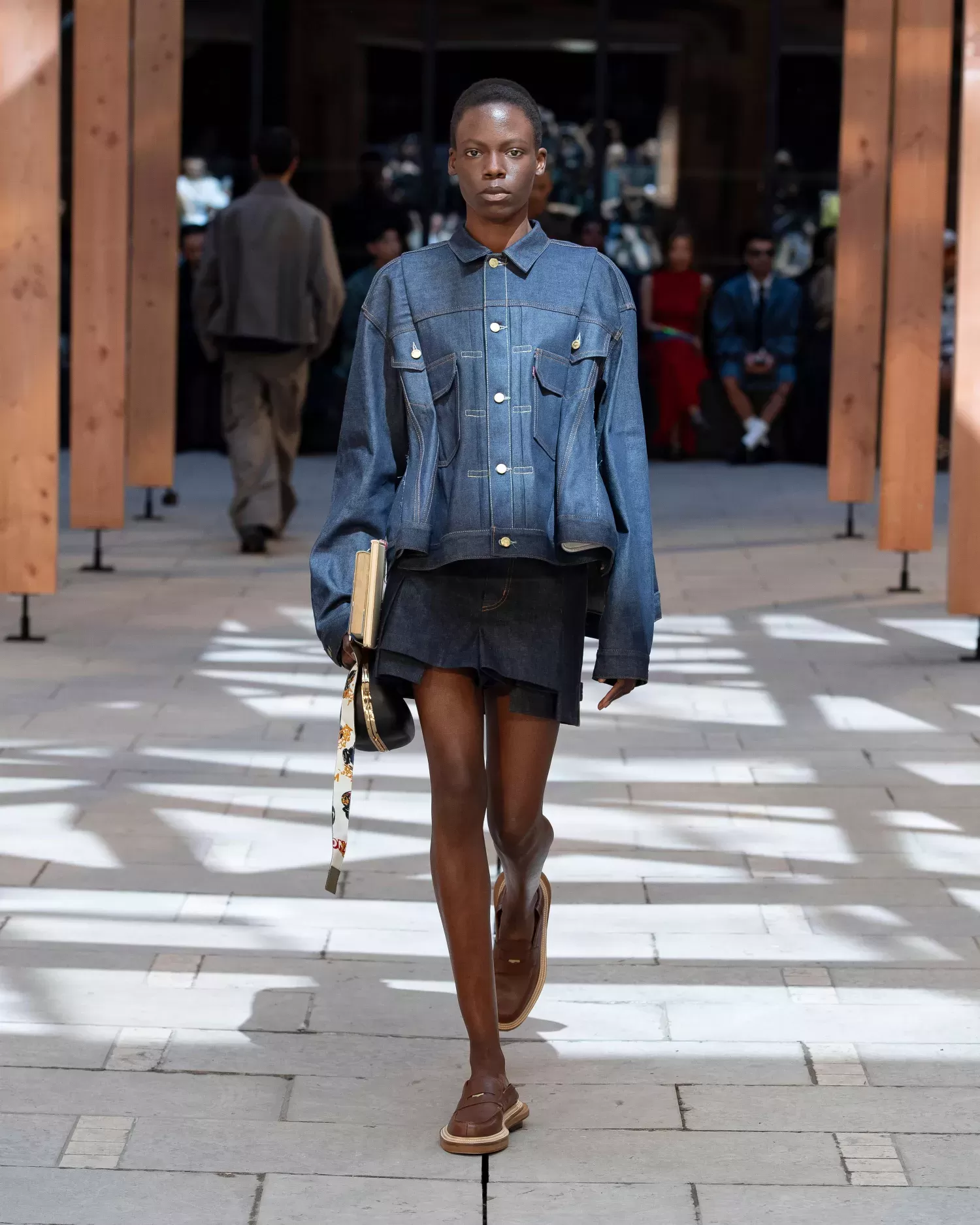
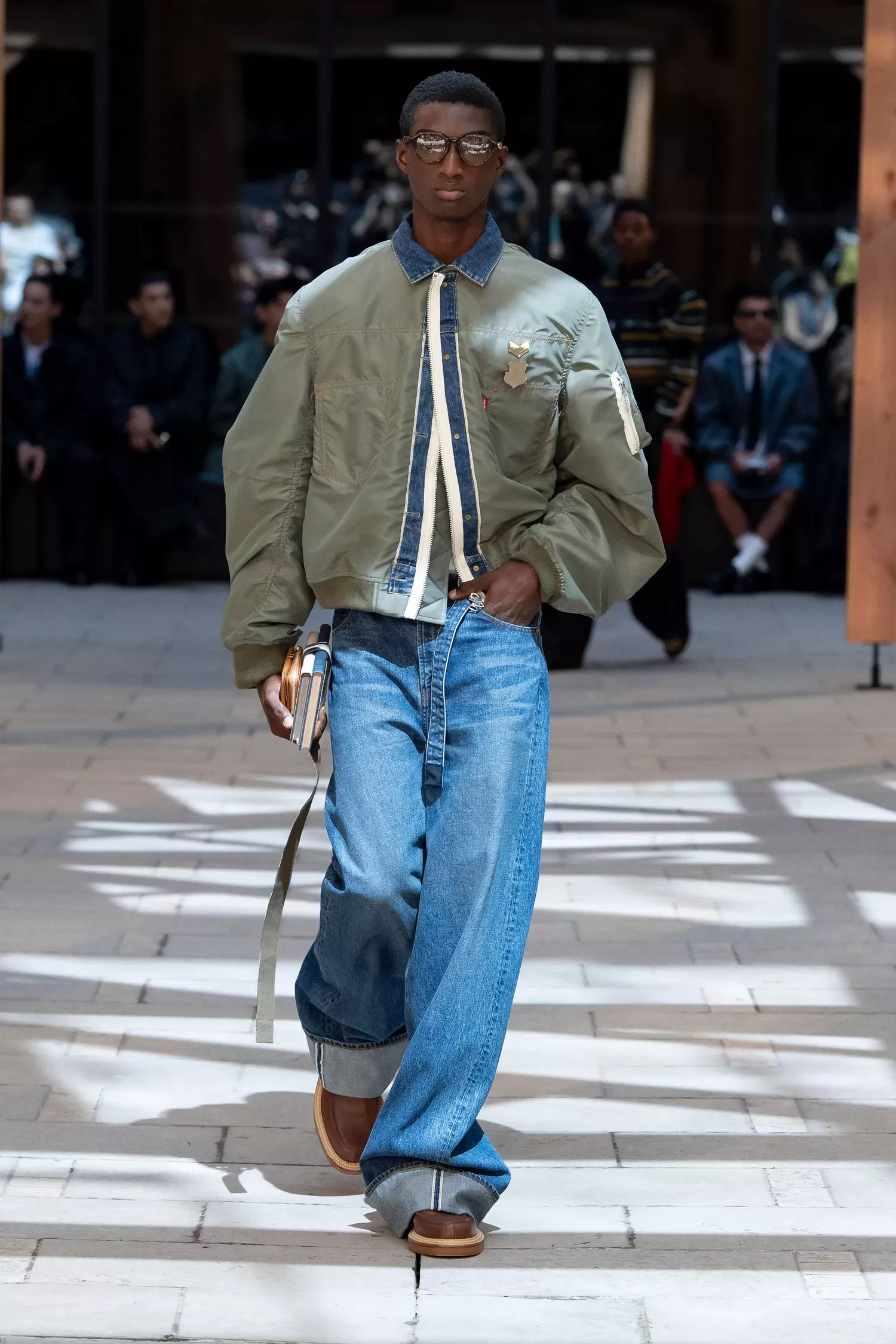
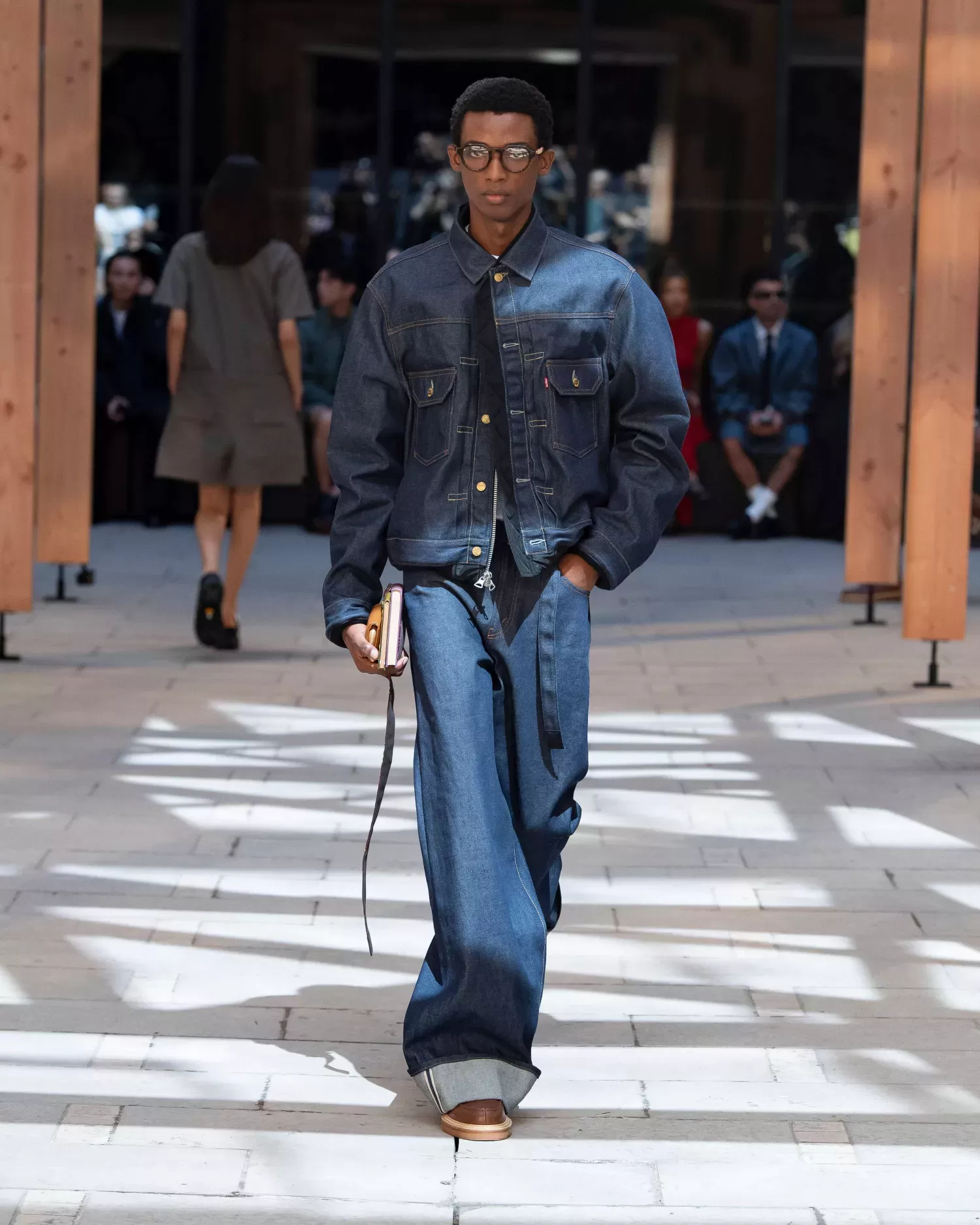
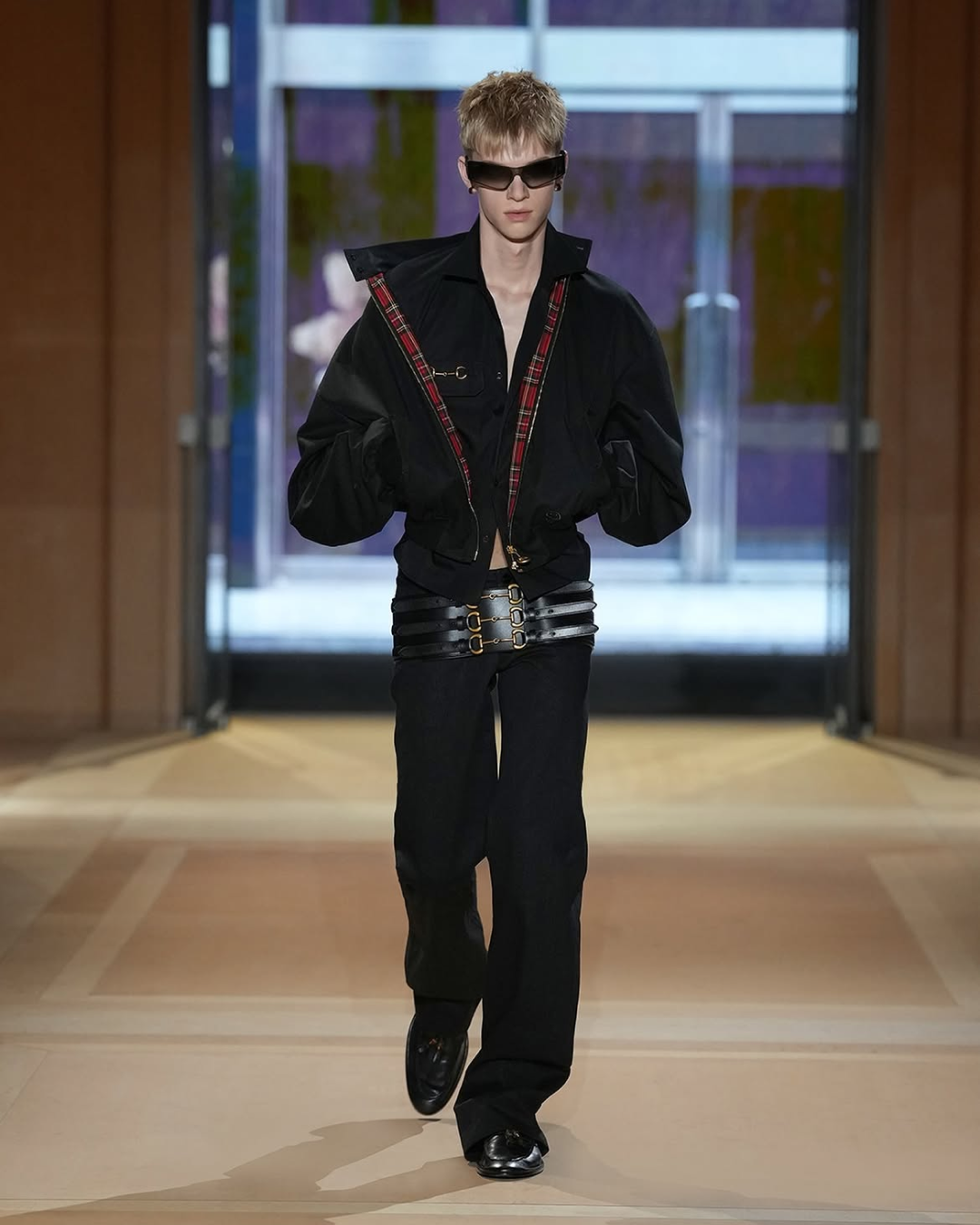
Sacai continues on its consistent path even when it collaborates. The refined, distinctly Eastern ability to balance the old and the new in perfect harmony is once again highlighted in the collaboration between the Japanese brand and denim giant Levi’s®. We have witnessed the rise, saturation, and eventual slowdown of the brand collaboration phenomenon: luxury and streetwear, couture and sportswear. A trend that was initially explosive, then often emptied of meaning, driven more by marketing than by any real creative or design need. Yet, in this increasingly chaotic and saturated scenario, Chitose Abe, founder of Sacai, continues to stand out for her consistency and design intelligence. Her collaborations—from Nike to Pendleton, from A.P.C. to Carhartt WIP, from Apple to Dior—are never mere commercial crossovers, but true dialogues between aesthetic and functional codes.
Abe needs no introduction. From a very young age, she began experimenting with pattern making; the daughter of a seamstress, she studied fashion design, and among her first significant jobs she spent more than ten years under the wing of Rei Kawakubo. First, she mastered the language and extreme pattern making, then assisted Junya Watanabe during the years he was launching his namesake label, the first designer brand under the large Comme des Garçons umbrella. She learned the language of deconstruction from the start—not only through her personal approach from a young age, but also through a long period spent with those who taught the world how to apply a philosophy to fashion. In fact, her career is full of successes and important admirers — such as when Jean Paul Gaultier asked her to be the first guest designer for the couture line of his brand, which each year will feature a new creative designing the haute couture collection after JPG's retirement from the scene. On May 28, 2025, Abe’s latest collaboration came to light. The partnership with Levi’s® is yet another proof of the difference between those who work with image and those who work with substance. The understanding of materials as a starting point for every creation has always been fundamental in Abe’s work. Even at the beginning of Sacai, a brand founded in 1999, the designer didn’t want to work with pre-existing fabrics, but rather to create fabrics in collaboration with other companies to have complete control over production. In the collaboration with Levi’s®, denim and the typical workwear of the American brand are not only enhanced, but never seem overwhelmed by cuts and hyper-construction: a perfect harmony is evident throughout.
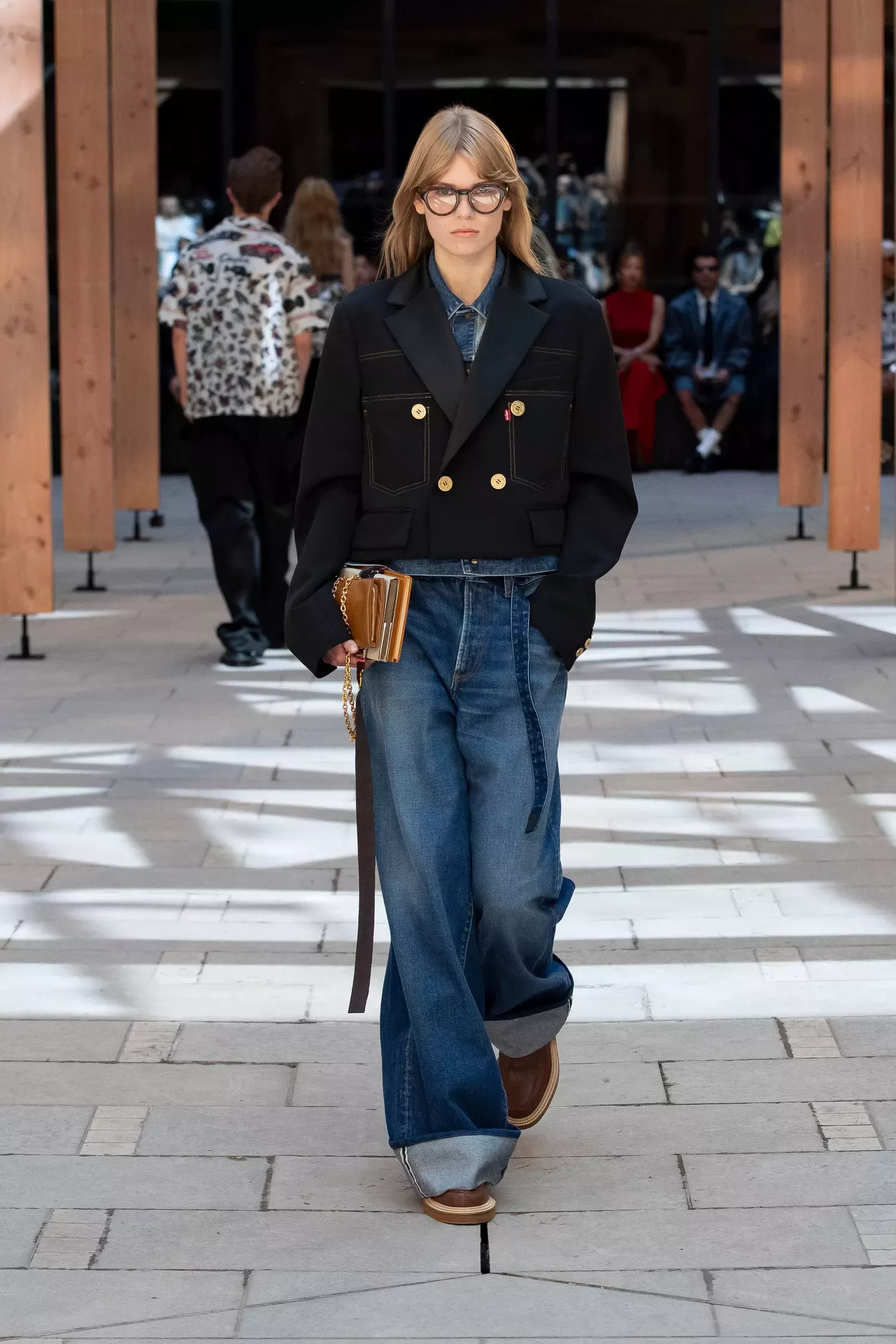
The collaboration was unveiled in Paris during Sacai’s SS25 show, and has now launched on the market along with a campaign shot by the iconic photographer Craig McDean. All the finishes respect Levi’s®’s signature elements, with some classic pieces re-edited. At the heart of the collaboration is the denim jacket that merges three iconic Trucker jackets — Type I, Type II, and Type III — into a single, original form. The result is a boxy, slightly flared silhouette, featuring on the back the characteristic cinch detail from the Type I, while the front blends elements from both Type II and Type III. The piece is, of course, made of denim, confirming the two brands’ shared focus on durable materials and quality craftsmanship. Among the most surprising pieces from the Levi’s® x Sacai collection is a reversible blouson that best embodies Chitose Abe’s beloved play on duality. On one side, a surface in technical nylon twill, exclusive to the Japanese brand, with sleeve pockets and functional zippers that nod to Sacai’s utility universe, reinterpreted with cleverness. Abe places herself at the center of the collaboration, pushing her ideas of silhouette and construction, but does so with respect, technical precision, and material curiosity. In a landscape where collaborations often amount to marketing stunts, Abe reminds us that collaboration can still be a serious design exercise, not just a commercial strategy: an opportunity to rethink shared codes, explore new forms, and truly engage with the other’s identity.