



























Can Paris still be the capital of fashion dreams? Despite its timeless aura, Paris hides a less glamorous reality for aspiring fashion workers
For decades, Paris has stood as fashion’s shining mecca—the place to be, where your dreams of becoming a fashion intern could potentially turn into a very real reality. But for those who arrive wide-eyed and inevitably underpaid, the dream curdles fast, as the truth behind these internships is far less polished. The dream many chase down the cobbled streets of the French capital is one of underpayment, if you get paid at all. Across the industry, there are countless fields to intern in: design, media, PR, and more. But one similarity shines through: underpaid internships are treated like a rite of passage, a badge of hustle, a glamorous struggle that supposedly weeds out the weak. However, what it really weeds out is anyone without a financial safety net, because living in Paris is costly and unpaid labor is unsustainable.
@chez.amelie That one intern #parisfashionweek #ameliestanescutiktok #ameliestanescu #pfwlook #ameliestanescutiktok #pfwshowadresses #rokh #whatiworeinparis #00sstyleinspo #parisfashionweek2023 #parisfashionshow2023 #parisiansinparis #modelrunway #fashionmomentsof2023 #fashionshowsbelike i love Hajzah - Gone.
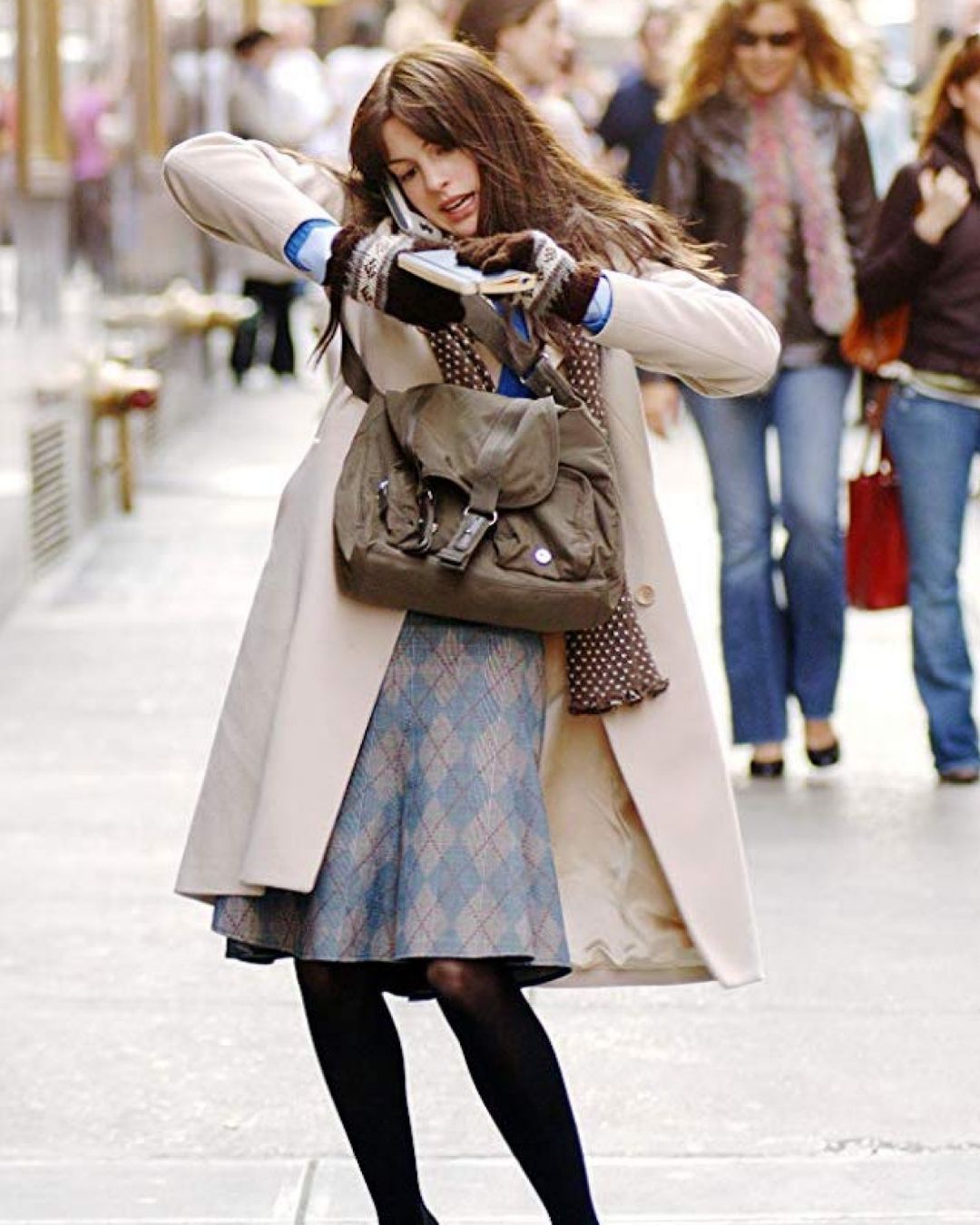
Some of the most prestigious fashion brands regularly advertise internships with little or no pay, and the harsh truth for many is that these internships don’t necessarily lead to employment. While specific statistics for France are limited, according to the National Association of Colleges and Employers in the United States, paid internships result in full-time offers 65% of the time, while unpaid ones only 39%. So you're not getting paid, and you’re also not getting hired. Though France has rules in place requiring internships longer than two months to be paid, some countries, like Italy, have already outlawed unpaid internships altogether. But in the fashion industry, where elbows are sharp and where the devil wears Prada’s quote, “a million girls would kill for this job,” echoes again and again, the hunger to “make it” is so strong that exploitation is often rebranded as opportunity. Unpaid interns sustain the system, and they make it profitable.
Behind the financial curtain is the reality that most fashion internships are not very glamorous. A lot of it is logistical tasks, scheduling, and being at the bottom of a very obvious hierarchy. While the tasks can offer valuable industry insight, the workload tends to be high, and days can swing from total quiet to last-minute demands that extend well beyond expected hours. In smaller teams, interns may find themselves covering for staff, taking on responsibilities that go far beyond what was stated in their brief. But even before this begins, simply landing an internship is a challenge in itself. Fashion remains one of the most competitive, and opaque, industries to break into. The gates are actively gatekept. Knowing the right people in the industry can catapult you to the front of the line, while those without existing connections—especially international students or applicants from underrepresented backgrounds and schools—often don’t even make it past the first round. For the few who do secure a coveted internship, the reality often falls short of the dream, as many are met with minimal guidance, unpredictable expectations, and the not so quiet understanding that they’re easily replaceable.
@nataliezipfl They were so proud for no reason #fashionintern #fashioninternship #designersoftiktok #fashionweek #couturetiktok #fashiondesigner #fashionschool #fashioneducation #internshiplife original sound -
It’s notable that many of these dynamics exist across industries, from law to diplomacy. But fashion is an industry that thrives on image, and appears shiny and glamorous to many, yet often relies on invisible labor behind the scenes. Unlike other fields, there are also fewer scholarships, grants, or institutional pathways to support fashion interns, making access even more dependent on personal resources. So where does that leave us? Paris is still the capital of fashion, but the Paris fashion dream is a paradox. While it continues to attract aspiring creatives from around the world, the path to success remains narrow—shaped by economic barriers and informal networks. Until the industry addresses these structural limitations, the promise of opportunity will remain unevenly distributed, and for many, the dream will remain just that.