























Addison Rae A
[Àd-di-son Rae] proper n. American singer, known for her content on social platforms and now a key figure of contemporary digital pop culture.
Bad Bunny B
[Bàd Bùn-ny] proper n. Puerto Rican singer-songwriter, leading figure of Latin urban music, especially reggaeton and Latin trap.
Chat GPT C
[Chat–GPT] proper n. Artificial intelligence language model able to generate text and reply in natural language, used in both professional and everyday contexts.
Debuts D
[De•bùts] Eng. pl. n. First public or professional appearances, especially in fashion, entertainment, or music.
Eighties (80s) E
[Èight-ies] Eng. n. The nineteen-eighties, a decade marked by intense cultural expansion, bold aesthetics, and pop experimentation.
Fragrances F
[Fràg-ran-ces] Eng. pl. n. Aromatic compositions used in perfumery and cosmetics.
Giorgio Armani G
[Giór-gio Ar-mà-ni] proper n. Italian designer, among the most influential of the 20th and 21st centuries, known for elegant minimalism and innovation in tailoring.
Hedi Boys H
[Hé-di Bòys] Eng. pl. n. Followers or imitators of the aesthetic created by Hedi Slimane, defined by slim silhouettes and rock influences.
Inditex I
[In-di-tèx] proper n. Spanish multinational fast fashion group, owner of brands such as Zara, Bershka, and Massimo Dutti.
Jonathan Anderson J
[Jo-na-than Àn-der-son] proper n. Northern Irish designer, founder of JW Anderson, former creative director of Loewe, and current creative director of Christian Dior.
Kering K
[Kér-ing] proper n. French luxury conglomerate that controls Maisons such as Gucci, Saint Laurent, and Bottega Veneta.
Labubu L
[La-bù-bu] n. Designer toy character highly sought after by collectors, defined by a naïve and ironic aesthetic.
Matcha M
[Màtch-a] n. Finely ground Japanese green tea, used in traditional ceremonies or as an ingredient in drinks and desserts.
Napoleon Jacket N
[Na-po-lè-on Jack-et] Jacket inspired by Napoleonic uniforms, with embroidery, metal buttons and a military cut.
Overtourism O
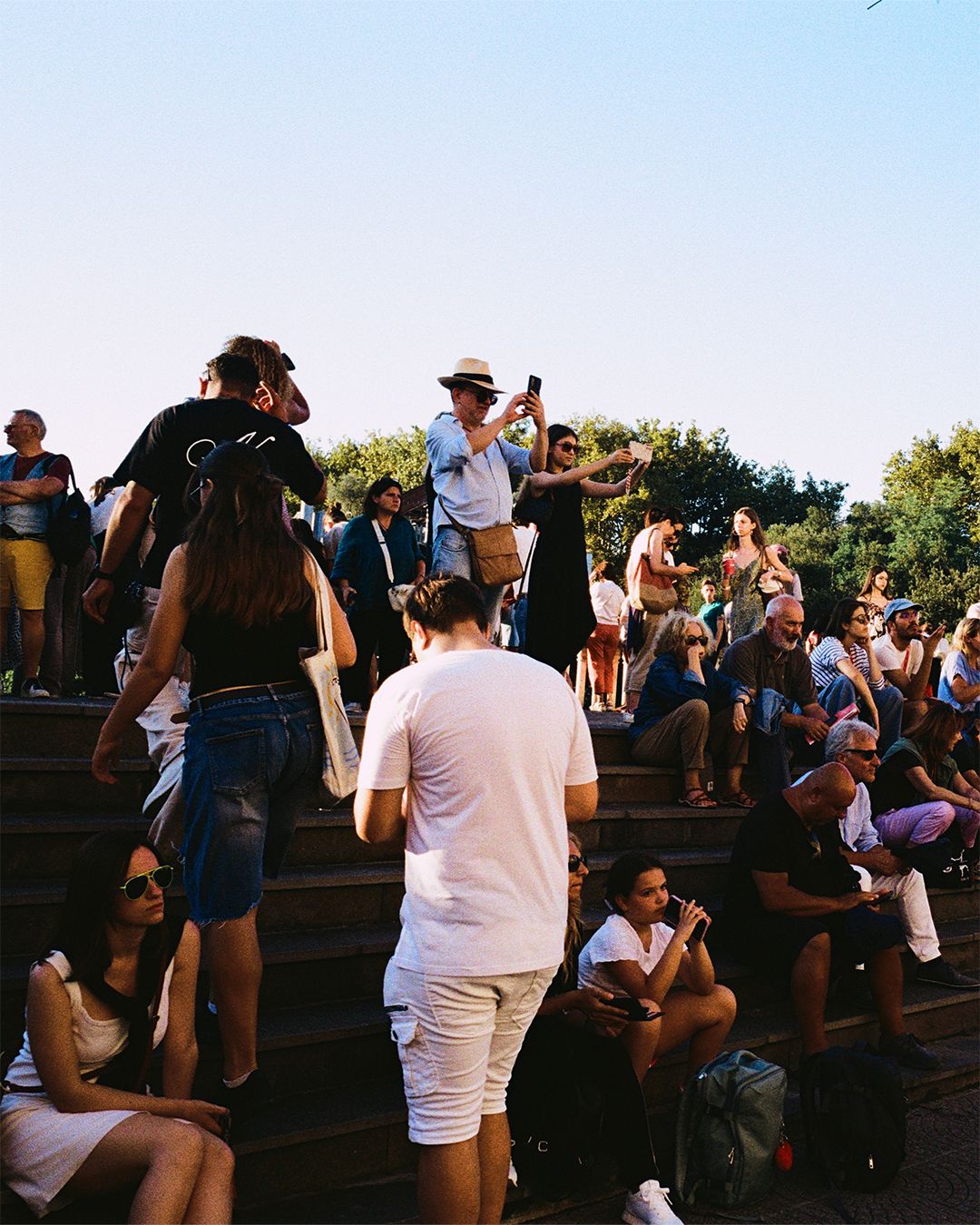
[O-ver-tour-ism] Eng. n. Phenomenon of tourist overcrowding that undermines quality of life, environment, and local identity.
Performative P
[Per-for-mà-ti-ve] Eng. adj. Said of male behaviour that is flaunted or displayed more for social conformity than genuine personal conviction.
Quiet Quitting Q
[Qui-et Quìt-ting] Eng. n. Work attitude characterized by doing the bare minimum required by the role, avoiding any extra effort.
Ray-Ban R
[Ray-Ban] proper n. American eyewear brand, known for iconic models such as the Aviator and Wayfarer.
Sinner S
[Sìn-ner] proper n. Italian tennis player of international relevance; by extension, media reference to his sporting persona.
Thai idols T
[Thài I-dols] Eng. pl. n. Celebrities, singers, or actors from Thailand with a strong following, especially among young Asian audiences.
Ultramarathon U
[Ul-tra-ma-rà-thon] n. Running race covering a distance longer than a traditional marathon, often held in challenging environmental conditions.
Versace V
[Ver-sà-ce] proper n. Italian fashion Maison founded by Gianni Versace, known for a sensual, baroque and highly iconic aesthetic.
Wales Bonner W
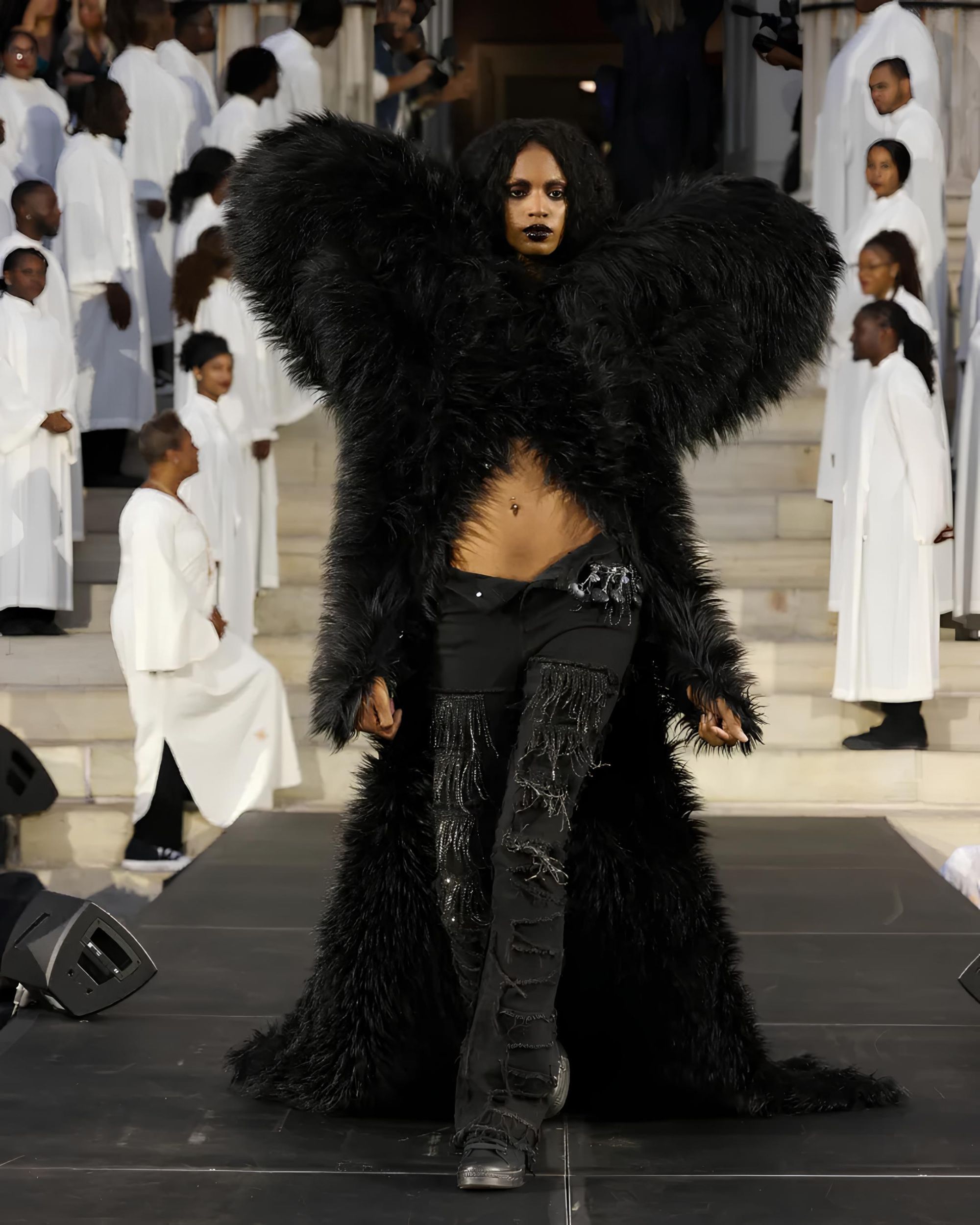
[Wa-les Bón-ner] proper n. British designer whose work merges Afro Caribbean references, cultural research and contemporary tailoring.
Xiao Hong Shu X
[Xiao–Hong–Shu] proper n. Chinese social platform that combines community, creator economy, and shopping, highly influential in fashion and beauty trends.
Yorgos Lanthimos Y
[Yòr-gos Làn-thi-mos] proper n. Greek director known for his visionary style and surreal atmospheres, active in international cinema.
Zero Z
[Zè-ro] n. Absence of quantity; by extension, the starting point or minimum level on a value scale.
Overtourism
Both a blessing and a curse for Italians, tourism was the hottest topic of the summer. Is it fair for Airbnbs to snatch homes away from potential residents? Or that entire regions depend economically on endless waves of visitors? Officially, we do not know. Unofficially, we know it is not. The oceanic crowds have ruined what once were poetic seaside towns. The spaces once used for markets are now dedicated to restaurants, and historic centres have been disfigured by the uncontrolled proliferation of horrible little tourist shops. Yet without those crowds, many cities would be on their knees. We cannot live with tourists, but you cannot survive without them either.