


































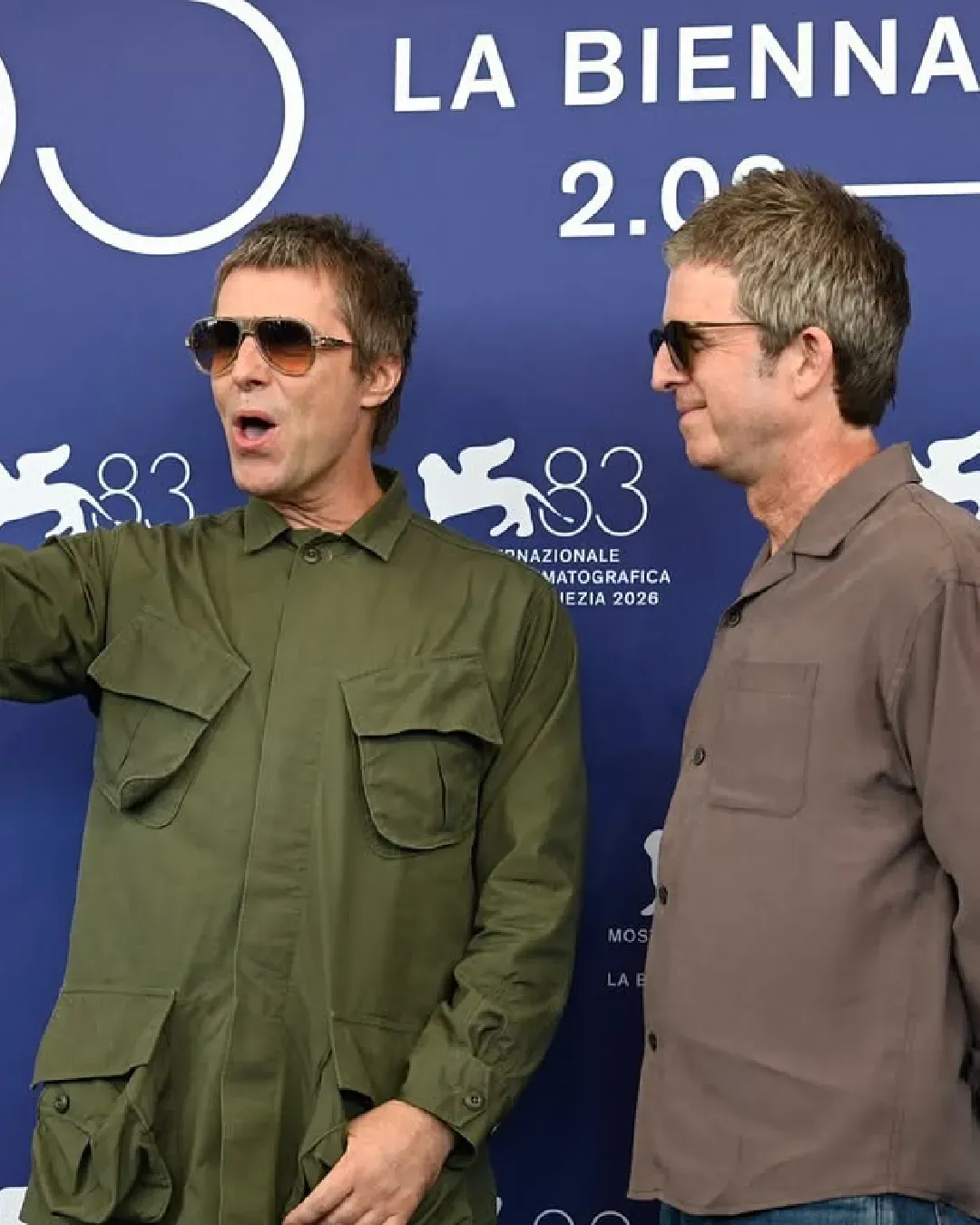
The protagonists of "Oasis: Don't Look Back in Anger" are the band's fans The documentary had its premiere at Venice 83 and will be released in cinemas from September 10
"The Gospel According to Liam and Noel". There is something of the holy scriptures about the documentary Oasis: Don't Look Back in Anger, premiered at the 83rd Venice Film Festival, complete with a priest delivering a sermon in a church on forgiveness and reconciliation. That is precisely what the work of Will Lovelace and Dylan Southern set out to capture, written and produced by one of the most influential figures in the British industry, Steven Knight: the story of the English band's reconciliation, which led them in 2025 to a reunion witnessed by millions of fans through a world tour.
Some people in the documentary have likened what happened to the resurrection of Jesus, if he had ever existed. And given the vast crowds that made their pilgrimage to the stadiums, the sense of being in the presence of a religious ritual only heightens the aura of significance that the band's reunion has held for an infinite number of people in every corner of the globe. Just like the concerts themselves, this documentary is a gift for fans. It speaks about them, describes them and tells their stories. It places them centre stage as they recall the impact the Gallaghers have had on their lives, often in transformative ways.
There is no room for anything else. The split is a forgotten matter, attested only by a 2009 video of the Paris concert at which they disbanded. The rest, in keeping with the title of the song chosen for the documentary (Don't Look Back in Anger), has been left behind, with no intention of raking it back up. This only adds to the convivial atmosphere that Lovelace and Southern have established for a tribute that amounts to nothing more than yet another moment of sharing a common creed.
Liam and Noel come out of it remarkably well. With just a handful of clips from past tours and photographs tracing their career, the documentary's focus is primarily on the recent present the two have lived through, which seems to promise a more or less bright future — as well as an Italian tour date for next year. This is a work with no intention of delving into the depths of their falling-out, nor of explaining how they found their way back to each other. The entire endeavour centres on what this decision has meant, and it imparts a sense of relief and liberation through the enthusiasm of all those who have gathered to welcome them back — displaying a force that truly belongs to quasi-religious movements, where participation is a collective ritual from which one emerges blessed and renewed.
LIAM AND NOEL GALLAGHER ARRIVING AT THE VENICE FILM FESTIVAL TODAY pic.twitter.com/xHy9s4P02X
— Oasis World Fan Page (@oasisworld_) September 5, 2026
And, just as happened with the duo on stage, there are no words needed to unpick what these fifteen years of silence entailed. If Noel and Liam had no need of them, then neither do the viewers. What does come through, however — and what shines out from the interviews conducted specifically for the documentary — is that even without ever having said it to each other, even without over-analysing themselves, the Gallagher brothers have grown up, keeping their spirit intact all the while, yet reaching a deeper understanding of the time that has passed and of who they were when they were young.
Wild, unmanageable, temperamental. Insufferable to many, arrogant even, as they themselves admitted. Although the qualities that helped make them the nineties icons they remain to this day appear unchanged, there is an awareness of advancing age that is sincere and unavoidable. It wins you over because you can still glimpse the boys of Stand by Me and Wonderwall, but also see what they have become after more than a decade apart. Then there is what has happened with the fans, whose demographic base has not only grown but has welcomed new converts who continue to carry the myth forward — when you think about it, we are talking about a band that has not released new material in years, and whose greatest legacy is hearing their music sung in as many languages as possible, making clear just how vast this phenomenon is, handed down from generation to generation and reaching every corner of the world.
Noel Gallagher wipes away tears as Oasis: Don’t Look Back in Anger gets a standing ovation at the end of the film’s premiere pic.twitter.com/grSLnf5h0v
— Oasis Mania (@OasisMania) September 6, 2026
All of this, however, inevitably places Oasis: Don't Look Back in Anger in an entirely accommodating light — born for the fans, made for the fans, and destined for them. It is an act of celebration that there is no point in challenging, yet one that unavoidably ends up being a holy card for the two musicians. The suggestion, if anything, is to seek it out to enjoy some footage from the 2025 world tour, but only after watching a fine 2016 documentary that offers a less beatifying and more wide-ranging perspective. That is Mat Whitecross's Oasis: Supersonic, for which the Gallaghers served as producers and which premiered at the time at the Cannes Film Festival — a film that accurately chronicles the duo's rise and how the music and personalities that defined them are the very same qualities that make them the rock stars we still know today.
What to read next

In "The Debut" Julianne Moore gives a masterclass in acting
The film, premiering at the Rome Film Fest, hits theaters on January 1, 2027
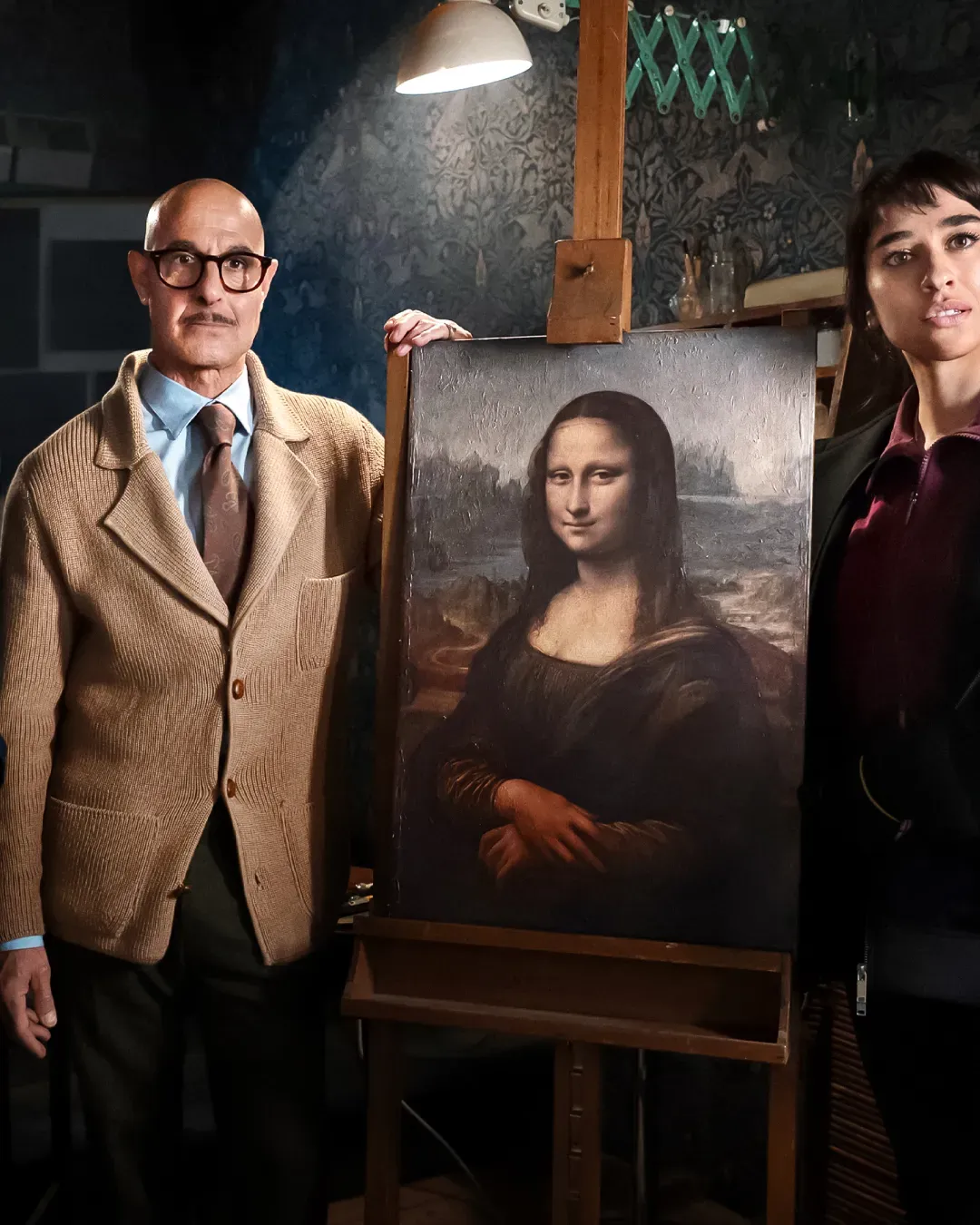
"Masterplan" is everything a heist movie shouldn't be
The film starring Stanley Tucci, Simona Tabasco and Victor Belmondo is available on Prime Video
"Fjord" is an impressive piece of writing
Cristian Mungiu's film, winner of the Palme d'Or at Cannes, arrives in cinemas on November 19