

























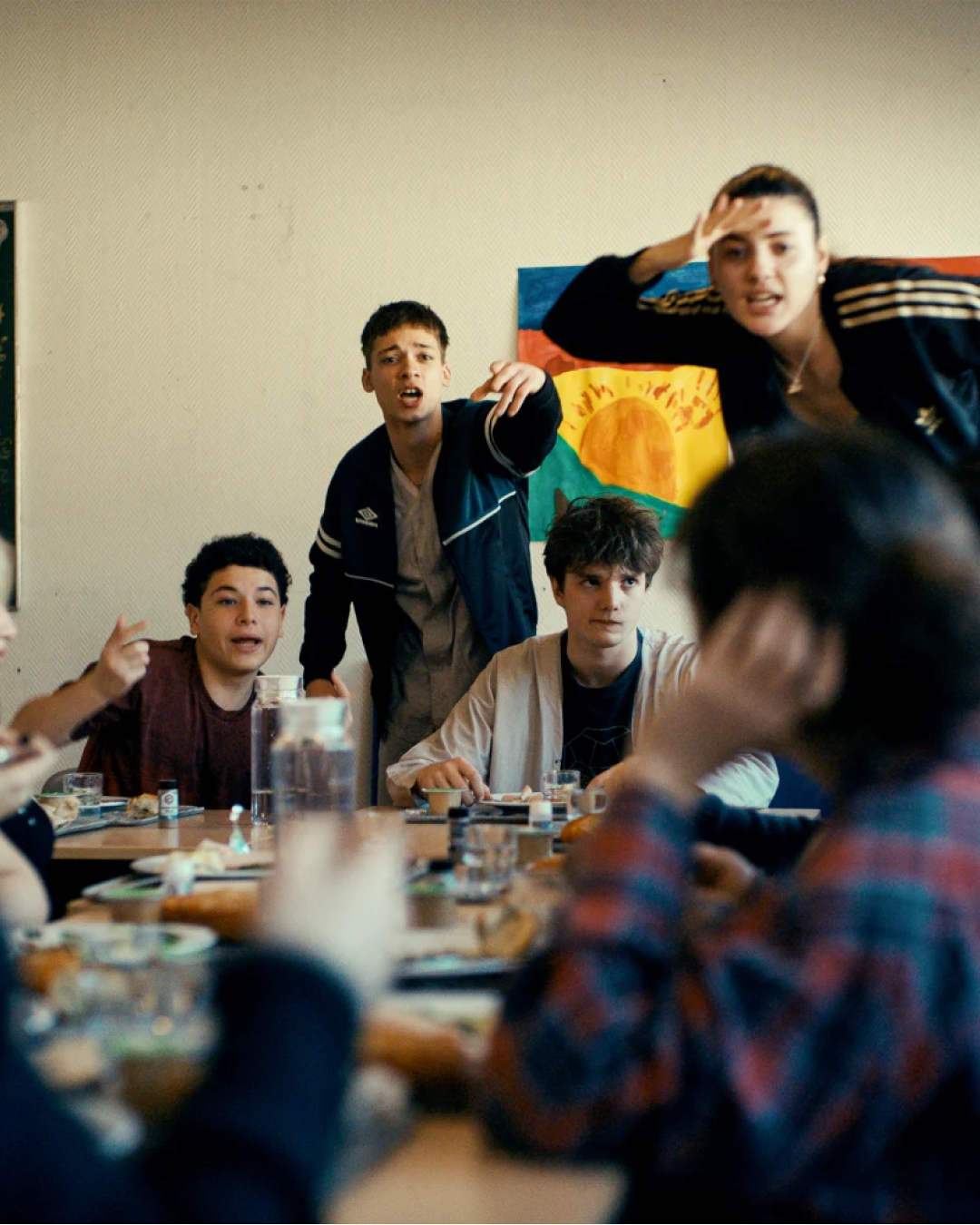
Is "15/18" by Cédric Kahn the most fragile film at Venice83? The film tells the stories of the young protagonists of a child and adolescent neuropsychiatry ward
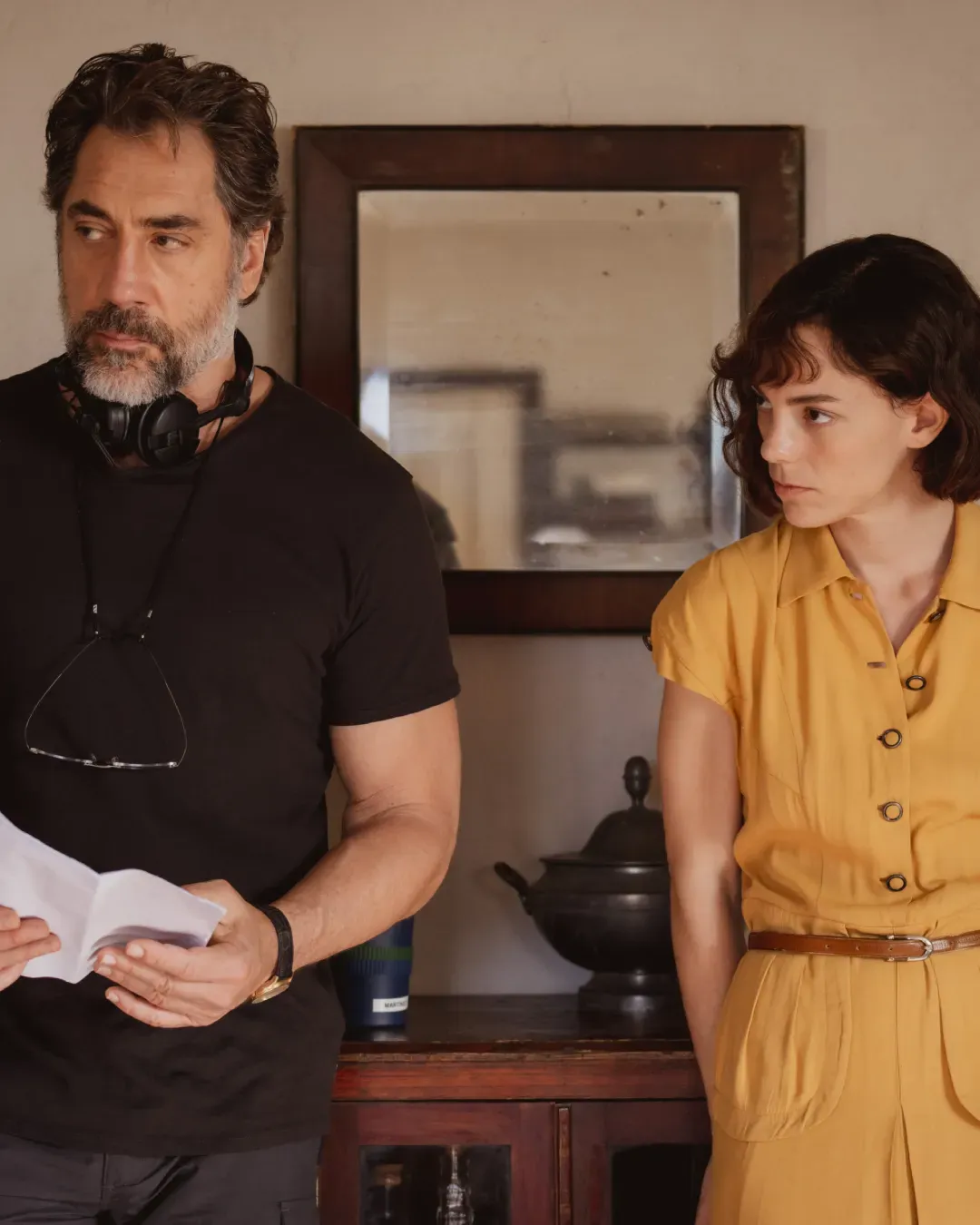
15/18 is the title of the new film by Cédric Kahn, an auteur featured in the official selection of the Venice Film Festival, among the four French directors competing for the Golden Lion. But 15/18 is also the age range of the patients in the child neuropsychiatry ward where they spend their days — between meetings with their parents and moments of often unwanted togetherness — waiting to go home. The disorders they suffer from are of every kind: some struggle with eating problems, some have suicidal impulses, some are schizophrenic, and some cannot overcome the grief of losing their mother. Boys and girls are mixed together. This adds several layers of tension, particularly to the delicate balance that such a complex environment demands — a balance the viewer is invited to observe with a privileged eye through the screenplay, written by the director together with Kahina Le Querrec, as the stories of its protagonists unfold alongside the difficulty they face in living them.
15/18 at Venice 83: a review of Cédric Kahn's film
With well-defined auteur sensibilities and a command of direction and mise-en-scène that never misses an opportunity to be caught off guard by moments of explosive vitality, Kahn's film conveys the joy of living of its young protagonists alongside the profound pain of being unable to fully embrace it. The themes are serious, but the tone is never heavy. The affliction and frustration — of both the teenagers and the adults who work with them — are tempered by a hilarity that can arise even in the most forbidding of places. A dynamism within a setting where stillness is dictated by the effects of medication and is always, invariably, the harbinger of an imminent and yet another storm. When everything is calm, it is because something is about to erupt: a relationship, a conversation, a fire.
It is with a keen sensitivity that Cédric Kahn frames his characters, with a script that at times underlines the traumas inhabiting these young people with little subtlety — less out of a lack of tact than out of the need to introduce and explain their conditions. Yet despite this straightforwardness in the pen with which the director describes his protagonists and situations, the heart beats so strongly that one senses he has taken these patients under his wing. Caring for them deeply without excusing the actions they carry out, in keeping with their nature and the demons that stir within them — demons that care alone may never be enough to smooth away.
Why 15/18 is above all about the impossibility of adolescence
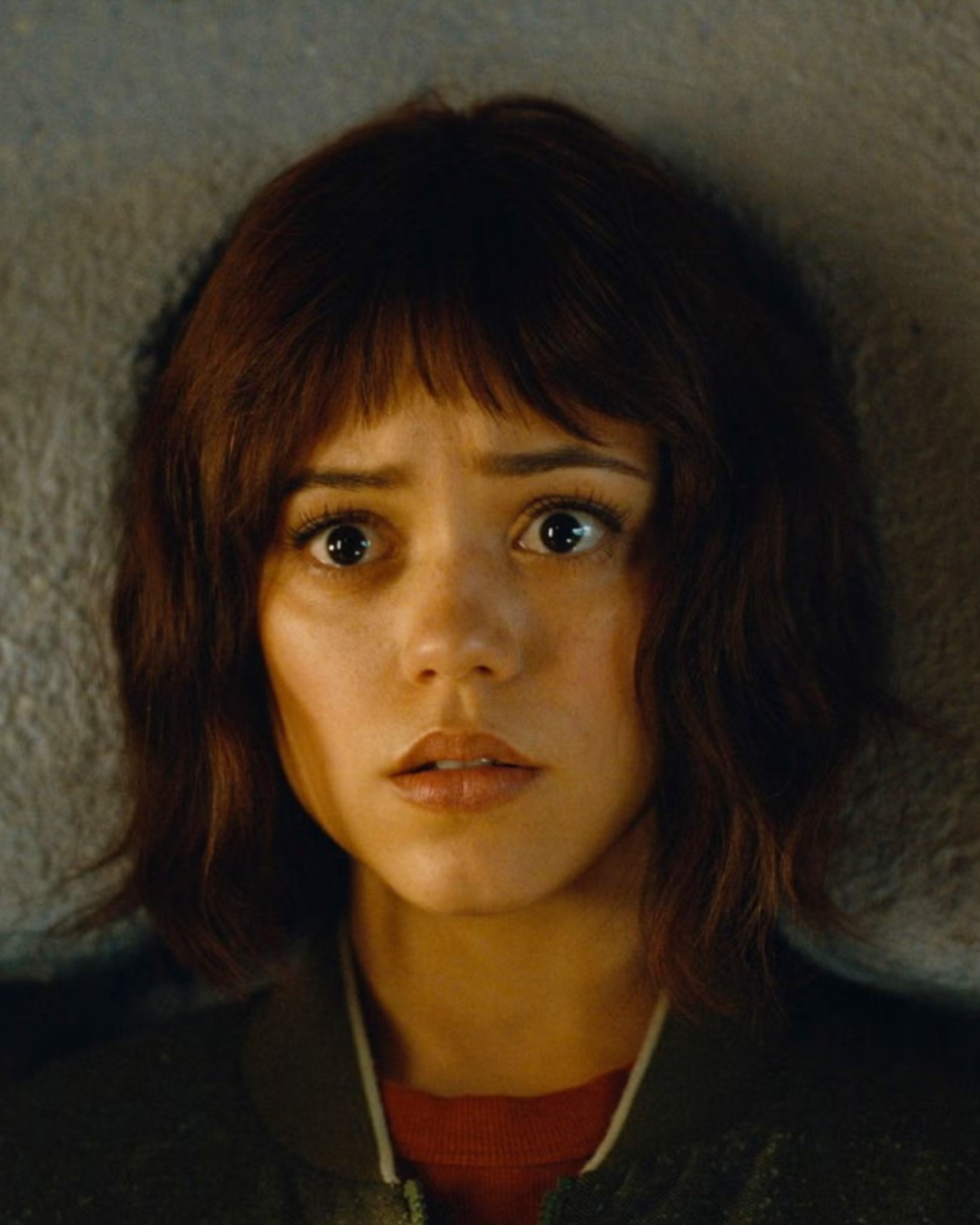
The young cast Kahn assembled has been a tremendous asset to the film. Their cohesion and the freedom they bring turn the ward into a space where the performers can fill every inch available to their characters, however confined. The corridors and rooms are saturated with their presence, spilling into every corner. They infuse it with a madness full of the tenderness that belongs only to those years, showing us that behind the mask each of them wears lies an infinity of suffering and hope that cannot coexist, yet take turns yielding to one another. The performances sustain this delicate ache. They wrap around it like the embrace the doctors and nurses employ time and again for different purposes: sometimes to restrain, sometimes to soothe.
If adolescence is already an impossible passage to navigate, in 15/18 it becomes the unbearable awareness — acquired, sadly, far too soon by its young men and women — that life will not necessarily go according to plan. That your parents won't always want you with them, that the person you're drawn to may not return your feelings, and that ending it all is not the answer, yet perhaps the only one that feels within reach. Every now and then, however, a light at the end of the tunnel may appear — but if it does, it is because it has begun to shine from within, when one decides the time has come to take care of oneself.
What to read next
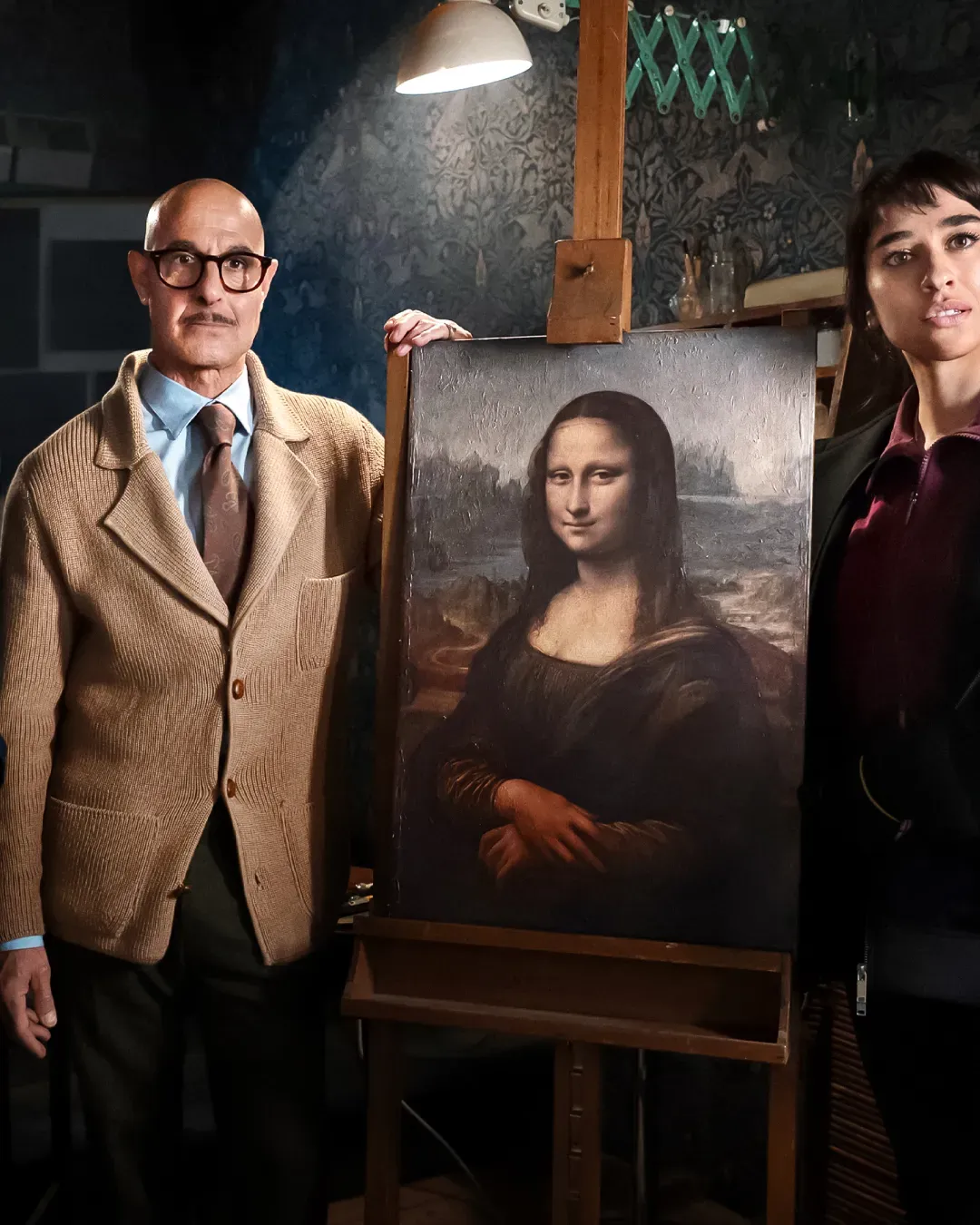
"Masterplan" is everything a heist movie shouldn't be
The film starring Stanley Tucci, Simona Tabasco and Victor Belmondo is available on Prime Video
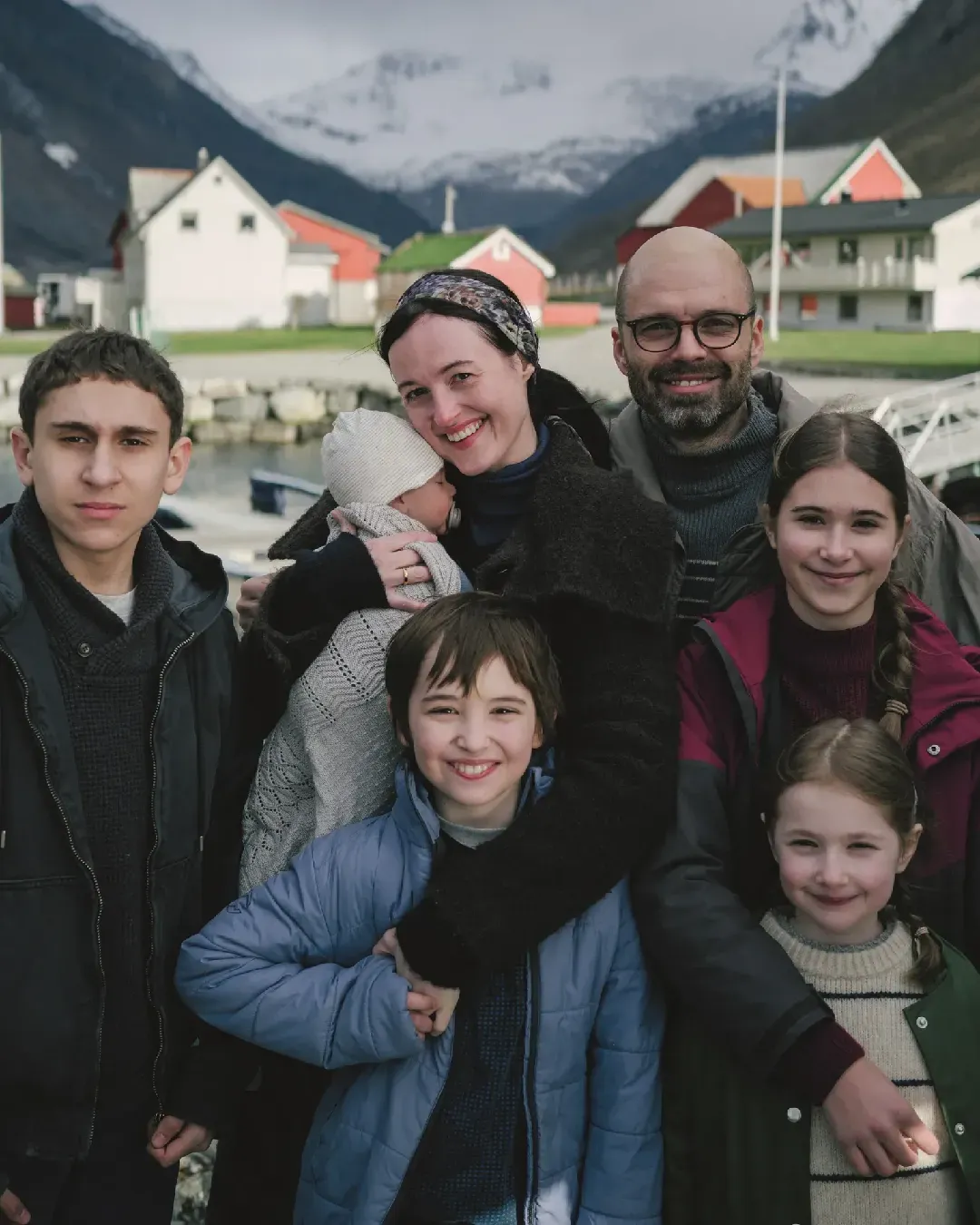
"Fjord" is an impressive piece of writing
Cristian Mungiu's film, winner of the Palme d'Or at Cannes, arrives in cinemas on November 19
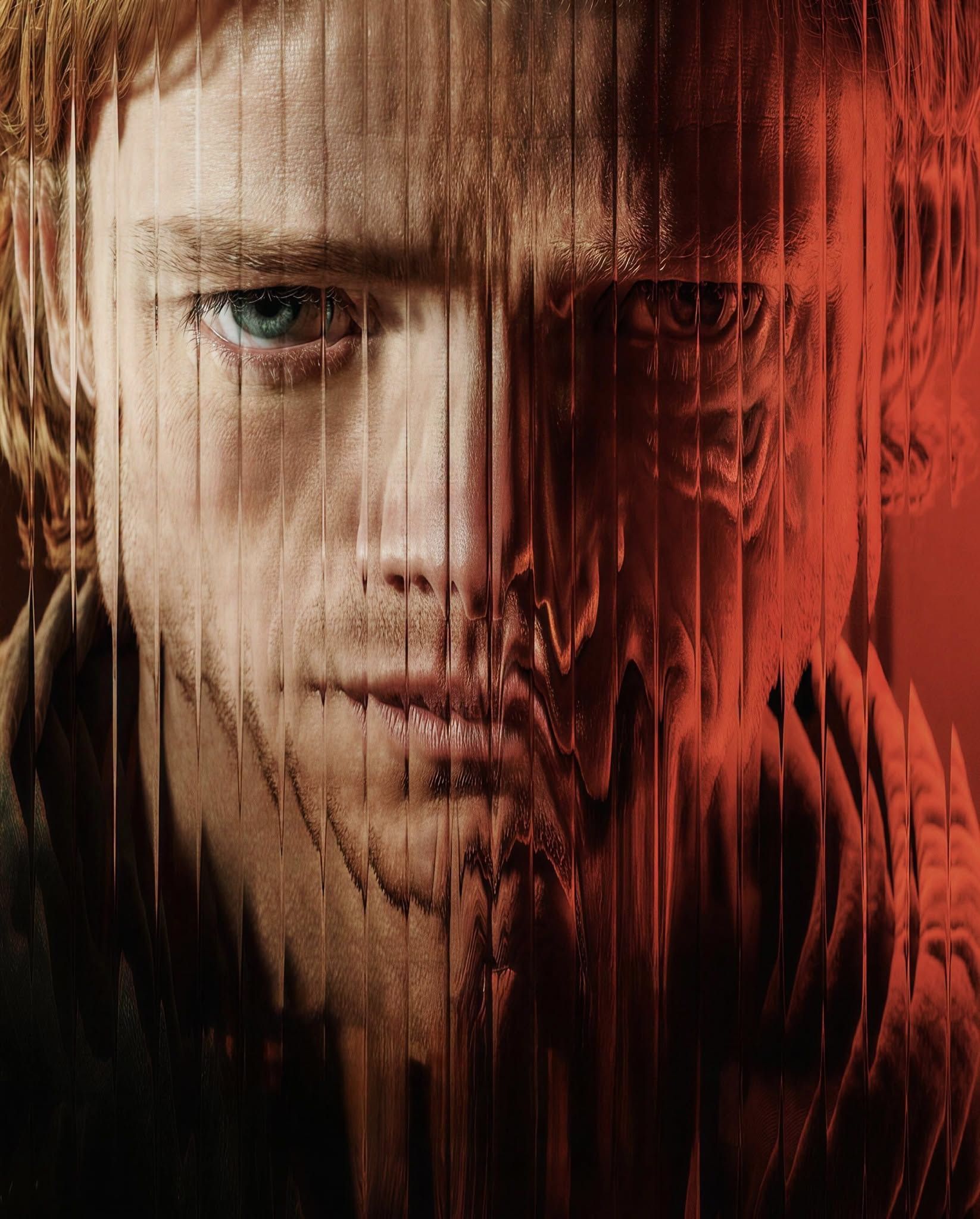
Clayface is the first truly horror superhero film
The lead is Tom Rhys Harries, and the story concept comes from Mike Flanagan of "The Haunting"