




























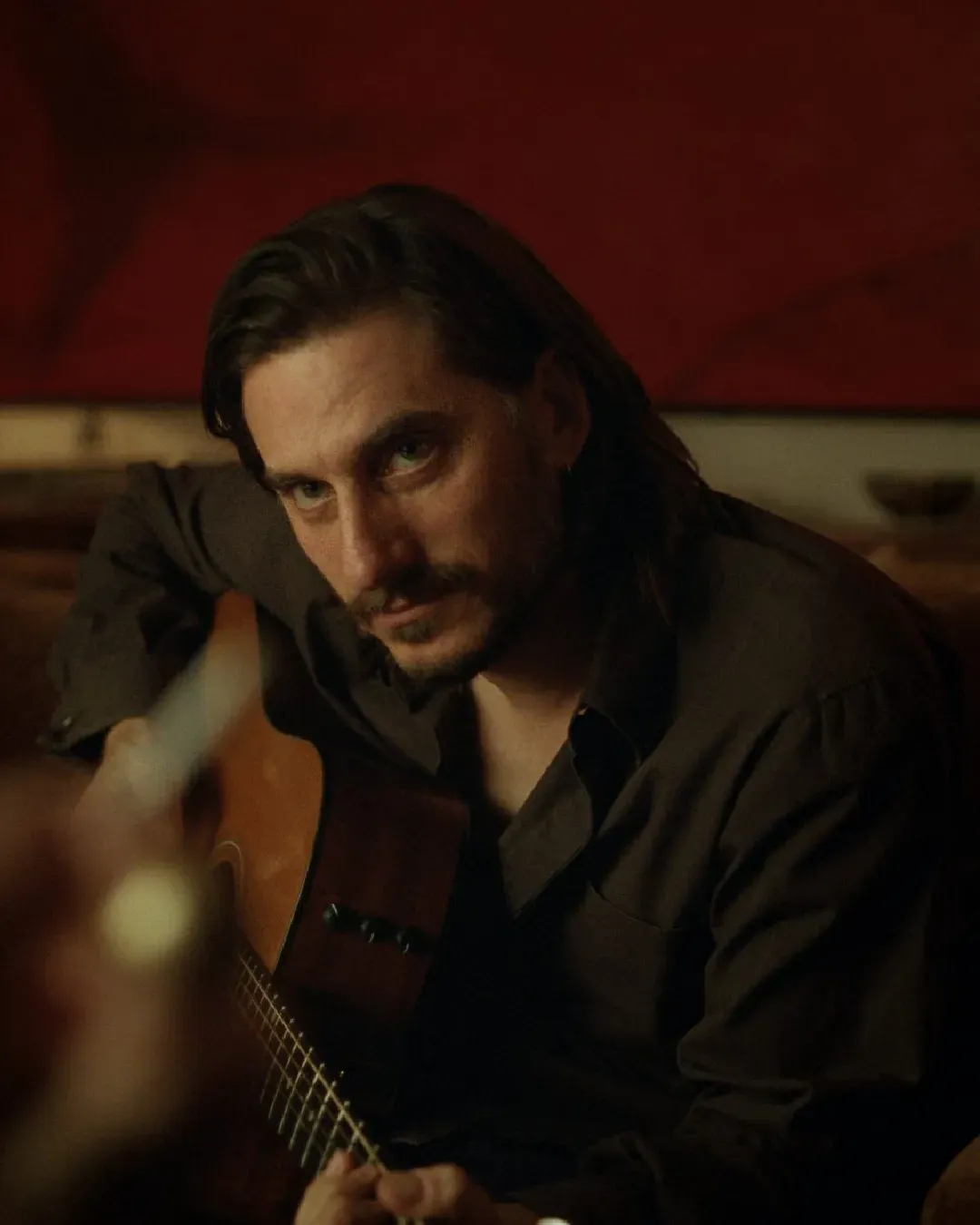
The whole world in the apartment of "The Echo Chamber" Andrea Pallaoro's latest film is a love story that plays with space and time
In The Echo Chamber, the new film by Andrea Pallaoro in competition at the Venice International Film Festival and in theaters from September 10 with 01 Distribution, space and time are one and the same. And if the former seems more defined, confined as it is to a precise dimension made up of walls, furniture, and various objects, filled with musical instruments and paintings, the latter alternates rapidly between past and present. There are no title cards or signposts: The Echo Chamber moves in a fluid and dynamic way, in a state of constant becoming. What it tells is, essentially, the love story of a man and a woman who meet, are drawn to each other, and end up unable to live without one another.
The Echo Chamber is the last screenplay by Bernardo Bertolucci, written with Ludovica Rampoldi and Ilaria Bernardini, and this is more than evident in its approach and vision. Especially when we reflect on what his cinema had become in recent years. More domestic, intimate, not in pursuit of grand spaces or ostentatious visual spectacle, but restrained, deliberately smaller in scale. Think of The Dreamers or even Me and You, adapted from the novel of the same name by Niccolò Ammaniti (published in Italy by Einaudi).
The two leads are played by Luca Marinelli and Alicia Vikander: he is Leo, a music producer; she is Anne, a physiotherapist. They meet because Leo suffers from back pain and needs someone to help him get through — or rather, to endure — the pain.
From this very first encounter, an intense and passionate story unfolds, built on glances, silences, and mutual understanding. While Leo works on the album of a famous singer, played by Susan Sarandon, Anne learns to know him, to respect his space, to inhabit the vast rooms of his apartment. The Echo Chamber never changes its setting; at most, the camera lingers on the street outside, where Leo parks his car. The very world of the story coincides with the protagonist's world, with his daily life, with the studio he has built for himself in one room, with the routine of the bathroom, the shower, and physiotherapy. Gestures become the punctuation of a far broader score, one that Bertolucci, Bernardini, and Rampoldi have carefully mapped out.
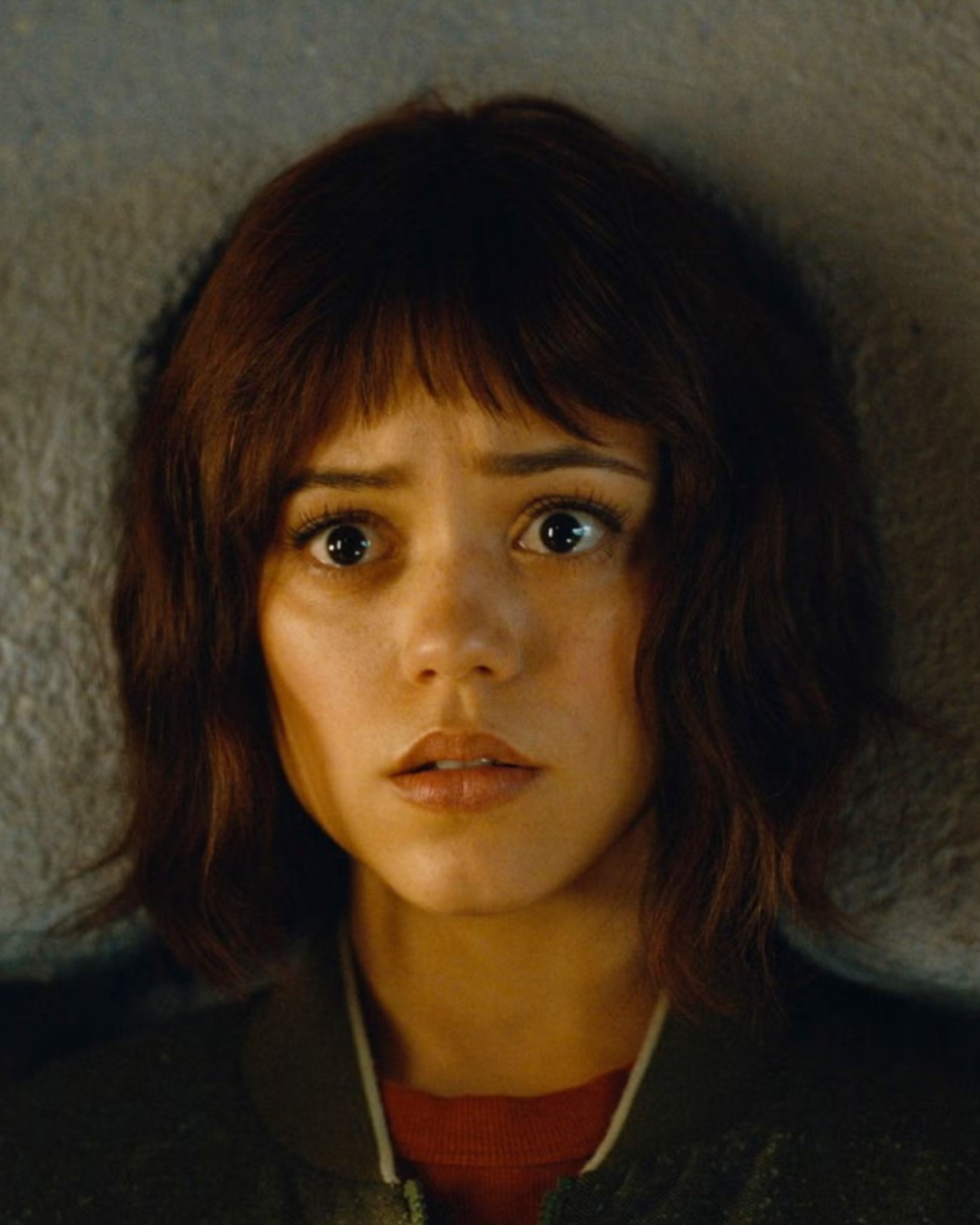
Visually, Pallaoro pays close attention to every single frame, highlighting shapes and figures, focusing on faces, on parted lips, on expressions full of desire and fear. The Echo Chamber, however, is also a story about obsession and dependency. And it handles these themes intelligently: gradually, without insisting, without falling into cliché.
Once again, it is the gestures that matter. The work of the actors, Marinelli and Vikander above all, is extremely precise: you believe him when he grits his teeth, when he smiles, when he slips a few Italian words into his English; and you believe her — that full, bright laugh, the melancholy that fills her voice, the worry that crosses her eyes. They live in each other's absence, like two complementary silhouettes, pieces of the same puzzle.
Sarandon's character is a kind of guide: someone who has seen and done everything, who has given her life to art and to music, who then chose to withdraw, and who, precisely because of her experience, is able to see through any given moment with X-ray clarity. For three-quarters of its running time — and then some — The Echo Chamber is exactly this. It weaves together moments from the past with those of the present, reaching into the near future before immediately pulling back again. Multiple timeframes interlock and overlap, and this rhythm, driven more by editing and writing than by direction, works.
Toward the end, however, Pallaoro's film takes a different turn: it isolates the present and narrates it linearly, losing, in part, its propulsive energy. Suddenly, a story that had branched across multiple periods simultaneously narrows and becomes transparent — and, as a result, flat. This is a shame, given everything said above: the role that space plays, the demands of the screenplay, and the performances of the actors. The Echo Chamber could have been a cinematic experiment: one in which form and content coincide and sustain each other, in which there is a careful study of space and of the actors' physicality, and in which there is the possibility — right up until just before the end — of reflecting on time and its narrative function.
What to read next
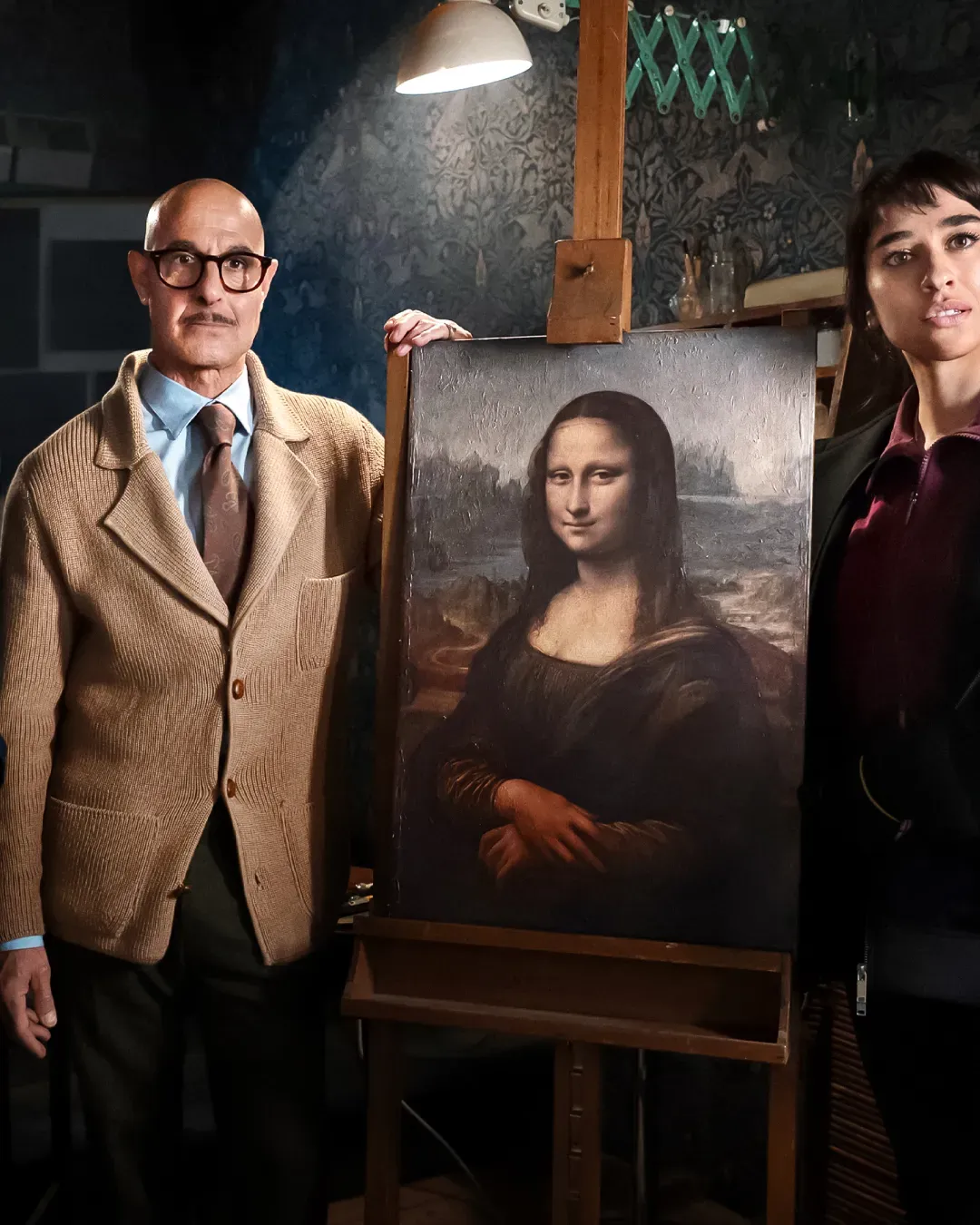
"Masterplan" is everything a heist movie shouldn't be
The film starring Stanley Tucci, Simona Tabasco and Victor Belmondo is available on Prime Video
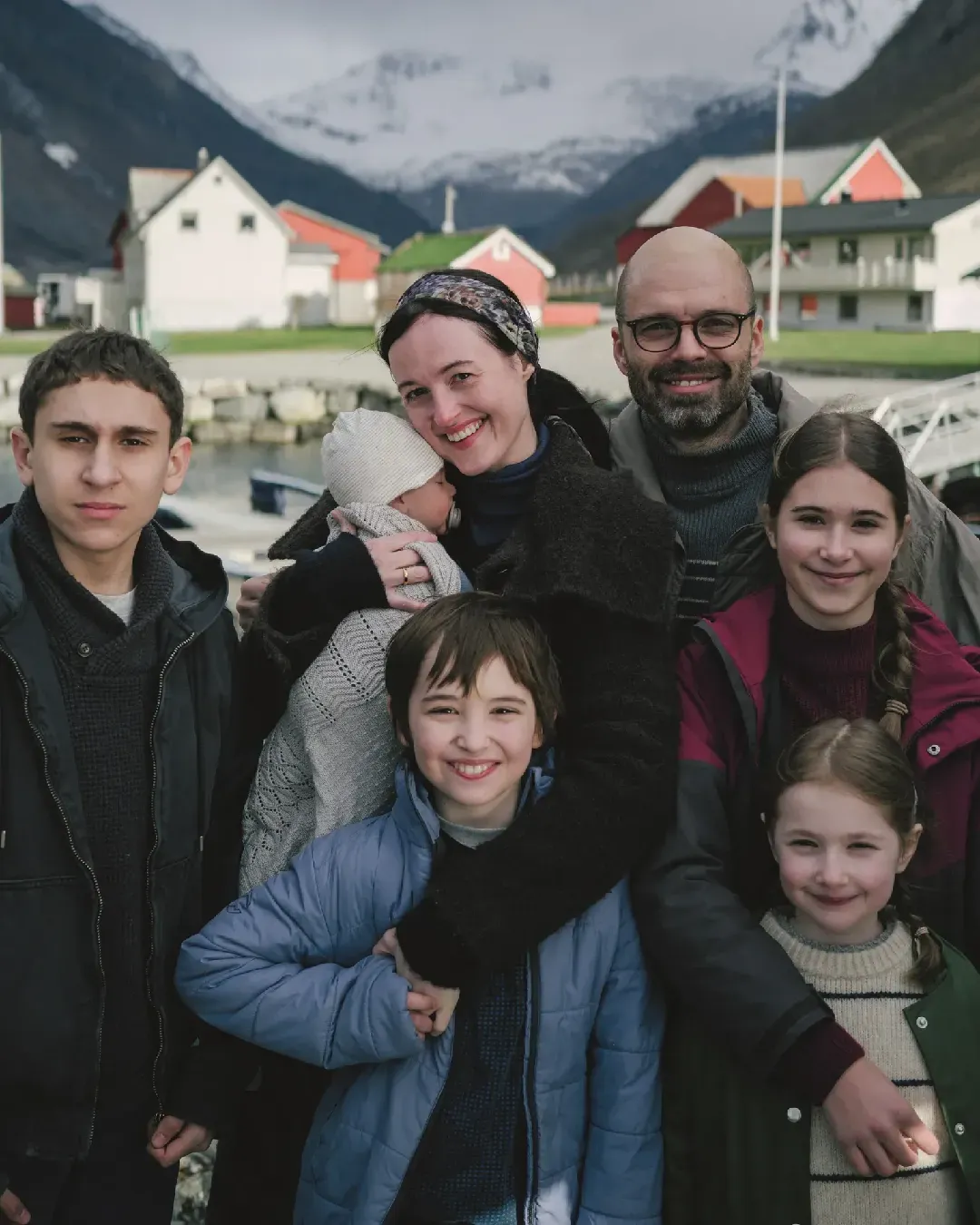
"Fjord" is an impressive piece of writing
Cristian Mungiu's film, winner of the Palme d'Or at Cannes, arrives in cinemas on November 19
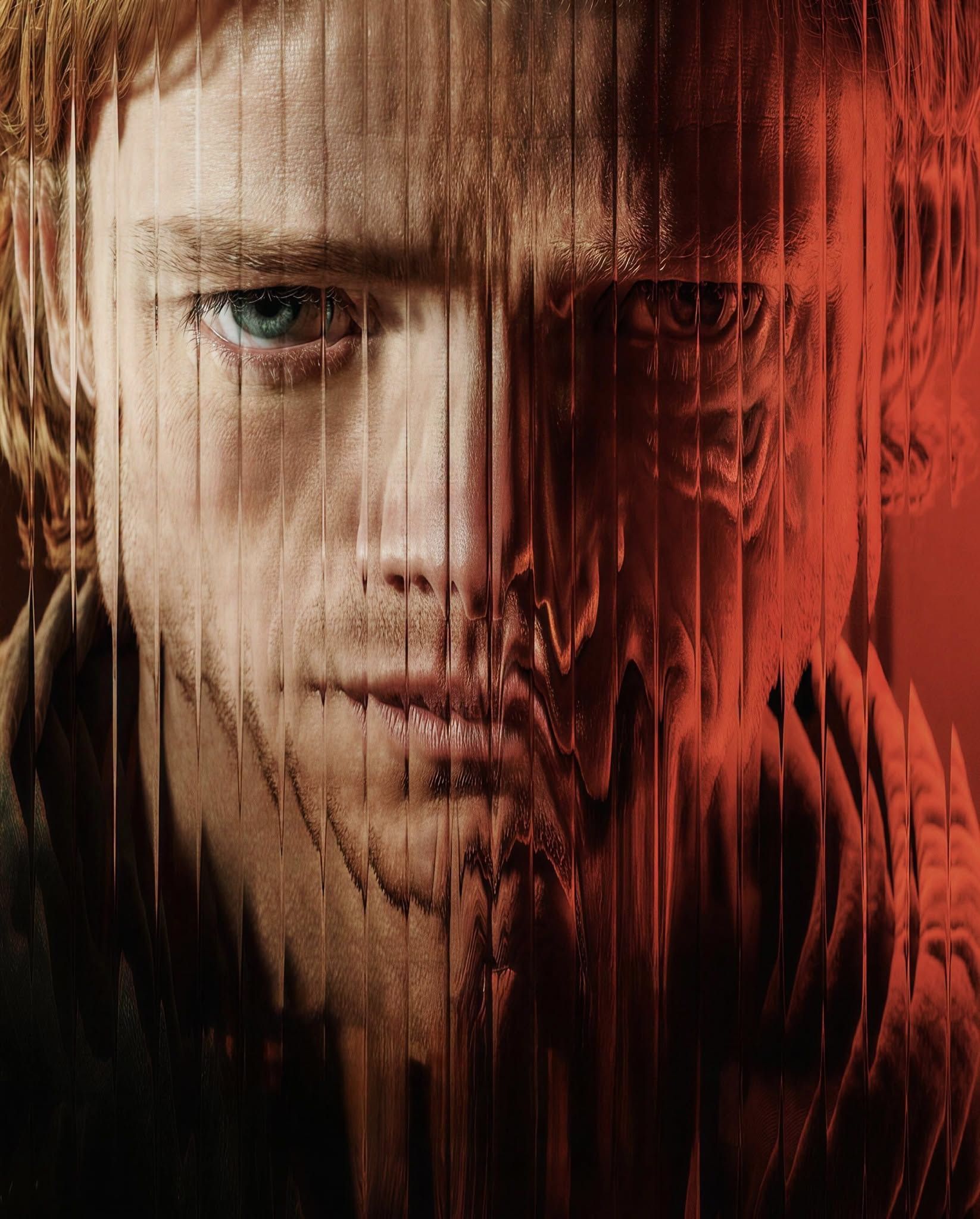
Clayface is the first truly horror superhero film
The lead is Tom Rhys Harries, and the story concept comes from Mike Flanagan of "The Haunting"