





























"Serpenti" by Roberto De Paolis Maino Is the True Surprise of Venice 83 Leonardo Lidi, Alessandro Borghi, Pietro Castellitto and Valeria Golino deliver some of the best performances of the year on screen
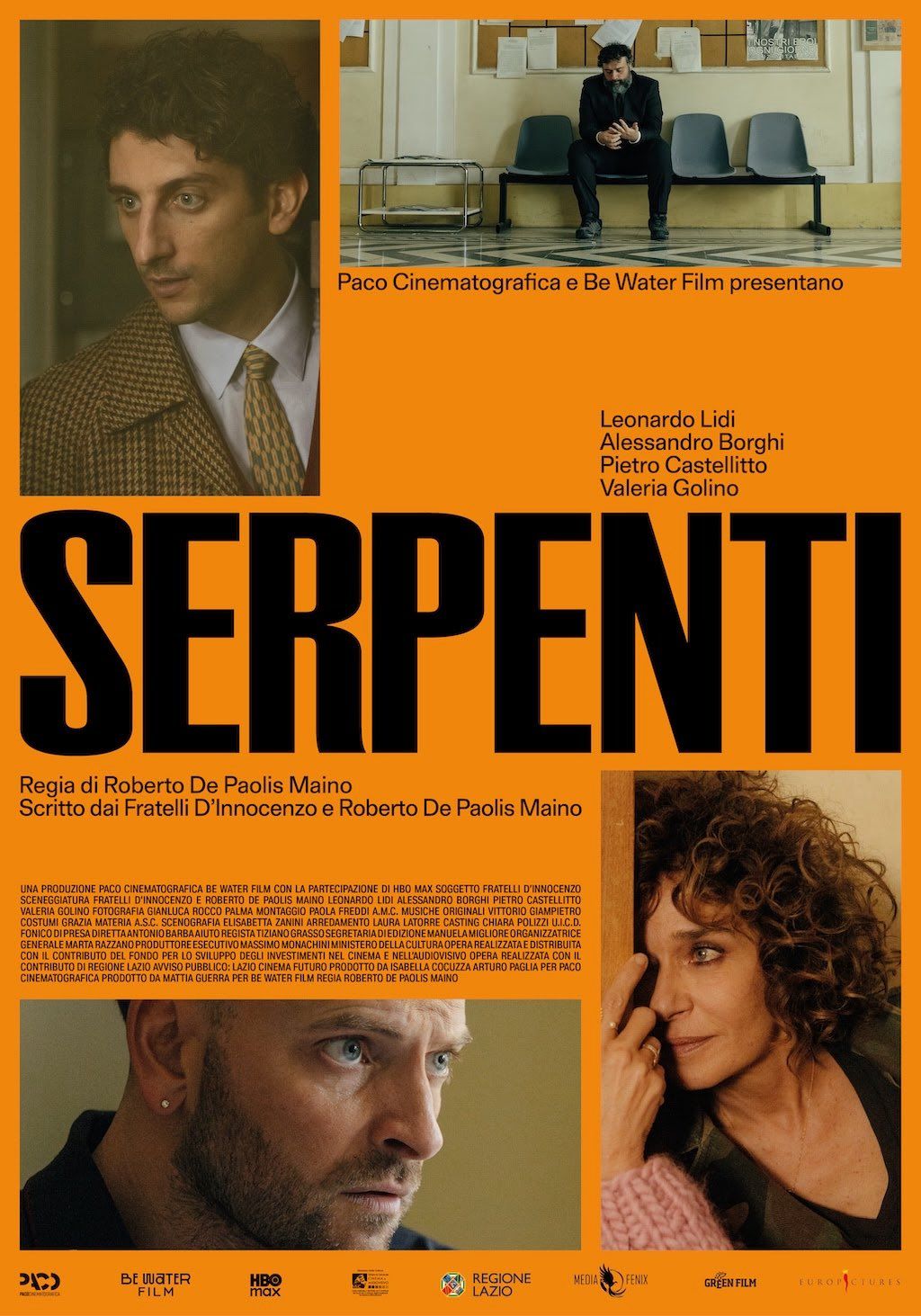
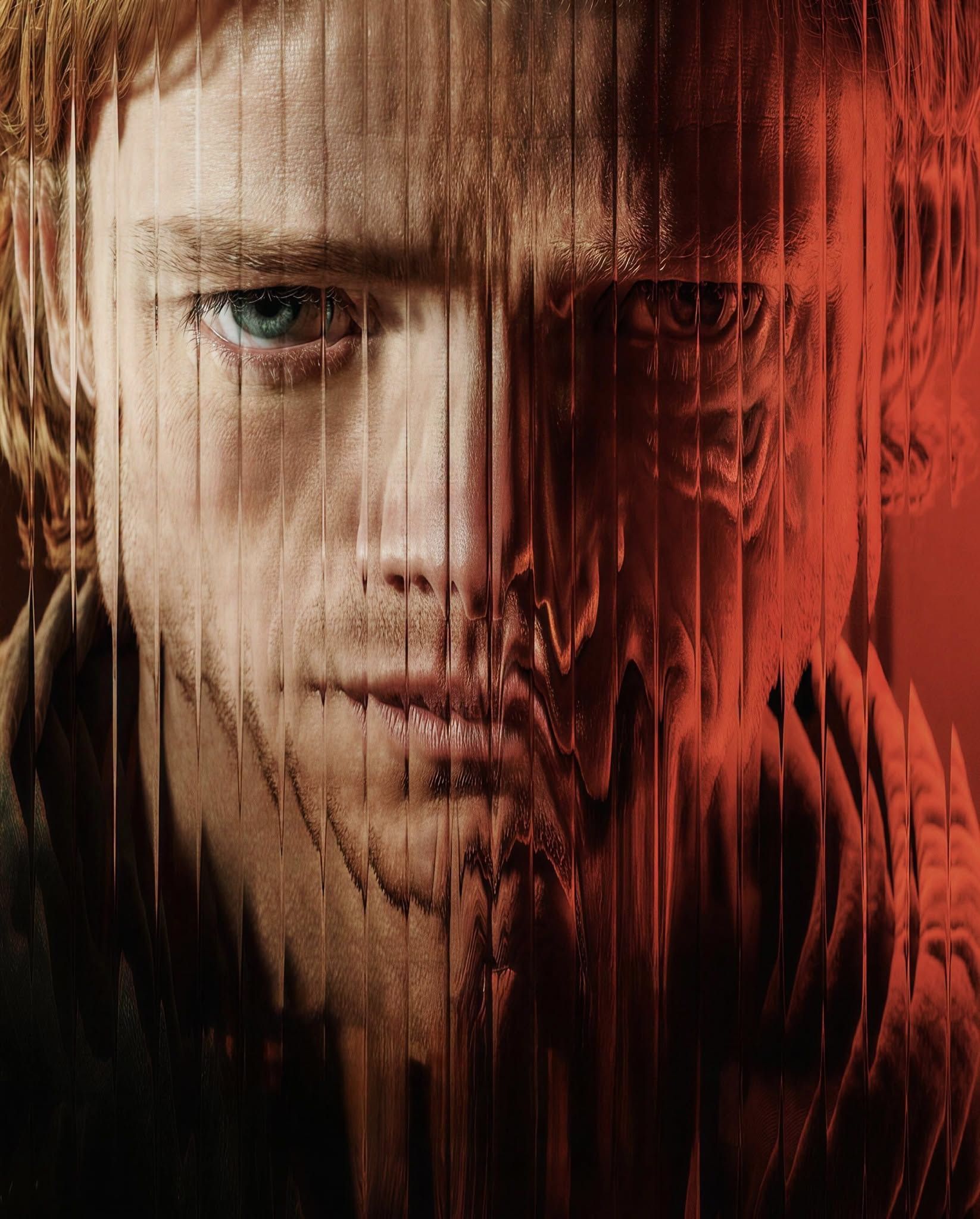
Serpenti by Roberto De Paolis Maino is one of the best films from this latest edition of the Venice International Film Festival. Presented in the Venezia Spotlight section, it will be released in cinemas on September 10th, distributed by Be Water in collaboration with Europictures. It is a paradoxical film, and its beauty lies precisely in this: it finds its own form and rhythm, makes the most of the absurdity of the situations it creates, relies on its actors (Leonardo Lidi, Alessandro Borghi, Pietro Castellitto and Valeria Golino, all outstanding) and tells a story that speaks about us, about our present, about violence and the contradictions of justice.
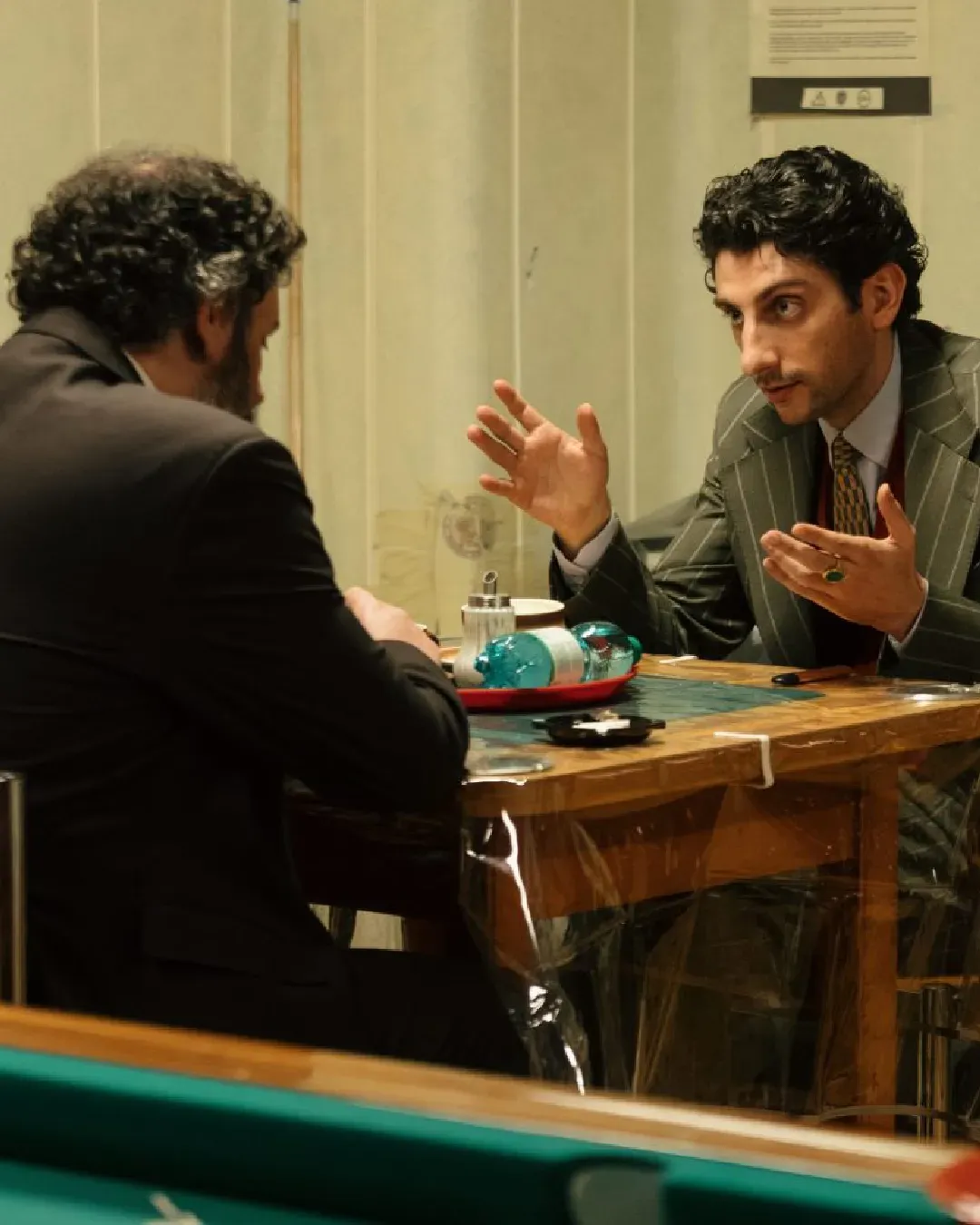
The protagonist, played by Lidi, decides to turn himself in after killing his wife. But the film never shows the body, and there are no scenes reconstructing the act of violence. At the beginning we see the protagonist at home, alone, washing the floor. And shortly after, at the police station, where he confesses. The officer on duty, however, does not arrest him or take him to another room, but asks him to wait his turn. And so begins this near-surreal, almost Kafkaesque tale, in which a man wants to be punished, crushed by guilt, but cannot manage it.
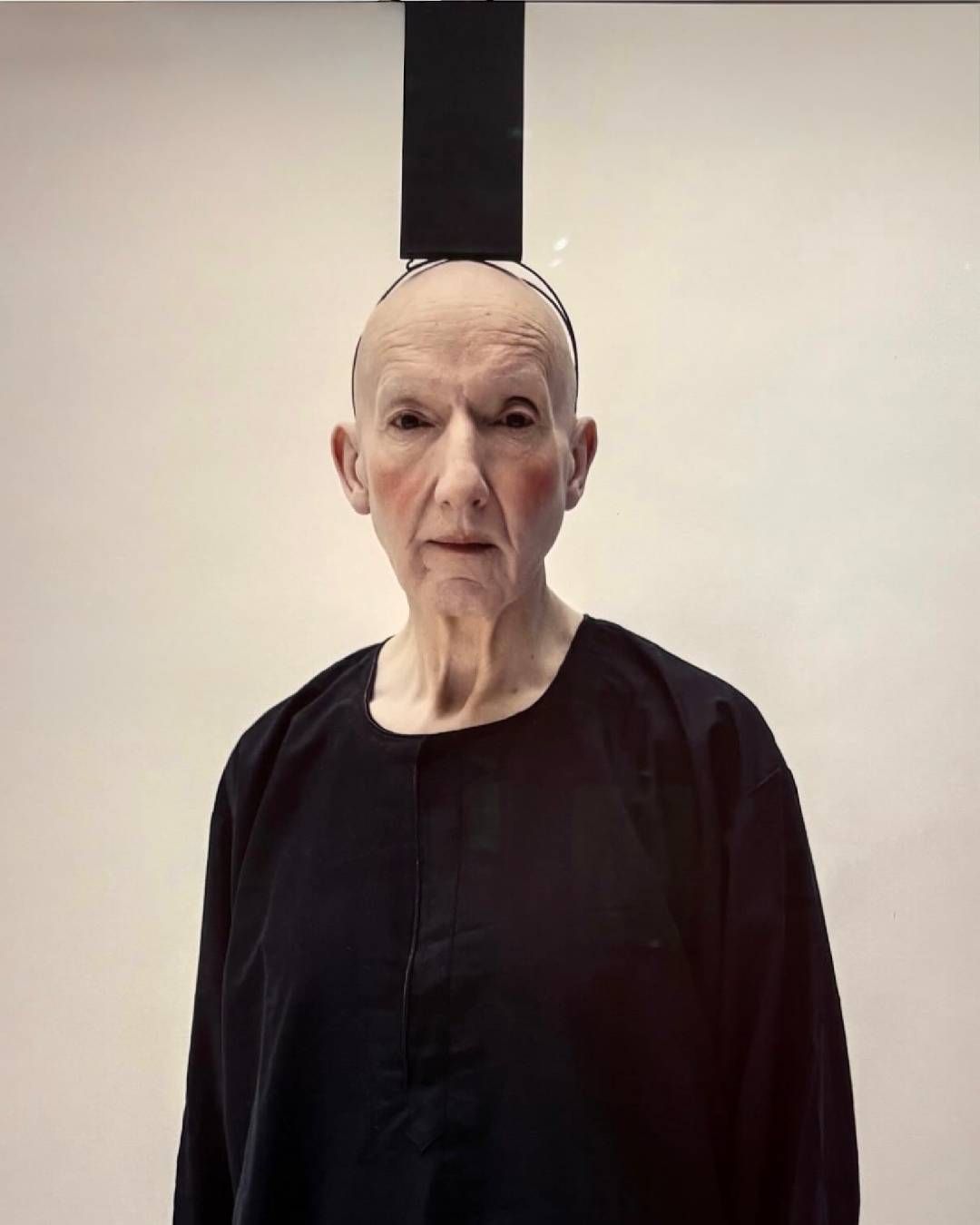
What De Paolis Maino stages is an emotional and judicial journey: from the encounter with the first officer to the deposition (Alessandro Borghi, here, is phenomenal); from the assignment of a court-appointed lawyer (Castellitto perfectly embodies yet another crooked cog in the system) to a session with a fortune teller (Golino constructs a story within a story, like a matryoshka doll).
Serpenti, which De Paolis Maino co-wrote with the D'Innocenzo brothers, is just the latest example of an Italian independent cinema that is nonetheless neither lacking in quality nor short on ambition. It is a kind of cinema that, in recent years, has been championed by a handful of auteurs: from Castellitto himself to the D'Innocenzos, by way of Matteo Oleotto and Carolina Cavalli. A cinema that is not farcical, but on the edge of the surreal, closer in spirit to the Coen brothers' films than to the Italian commedia. A cinema, in short, that is potentially international in scope, aimed at the broadest sensibility and audience. Perhaps it deserved more at Venice: a different section, a different placement.
Another fundamental element of Serpenti is its visual framework, with cinematography by Gianluca Palma (Lovely Boy, Ultras, La gioia, Gloria!) and editing by Paola Freddi. The editing in particular allows the story — a chapter-based narrative divided into acts — to unfold naturally. There is a precise progression, like a musical crescendo, adding detail upon detail. Serpenti does not overwork its central conceit; it does not belabour the same idea (a problem that, as we have already noted, afflicted other films at Venice). It is compact, and runs just over an hour and a half. Time more than sufficient to achieve a synthesis between direction and writing, to bring out the best in the actors' performances by giving each one the space it deserves, and to bring the story full circle.
There is a beginning and there is also an end in Serpenti. And this cyclical quality makes sense within the story that De Paolis Maino wrote together with the D'Innocenzo brothers: the paradox, over time, does not diminish but grows; the man who declares himself guilty has the opportunity to leave, to walk away, to catch a bus, to imagine another murder. If they didn't notice you, Valeria Golino's character tells him, try again. With films like Serpenti there is always the risk of going too far, but not here: everything is calibrated and coherent, and the film contains some of the finest performances of this cinematic year.
What to read next
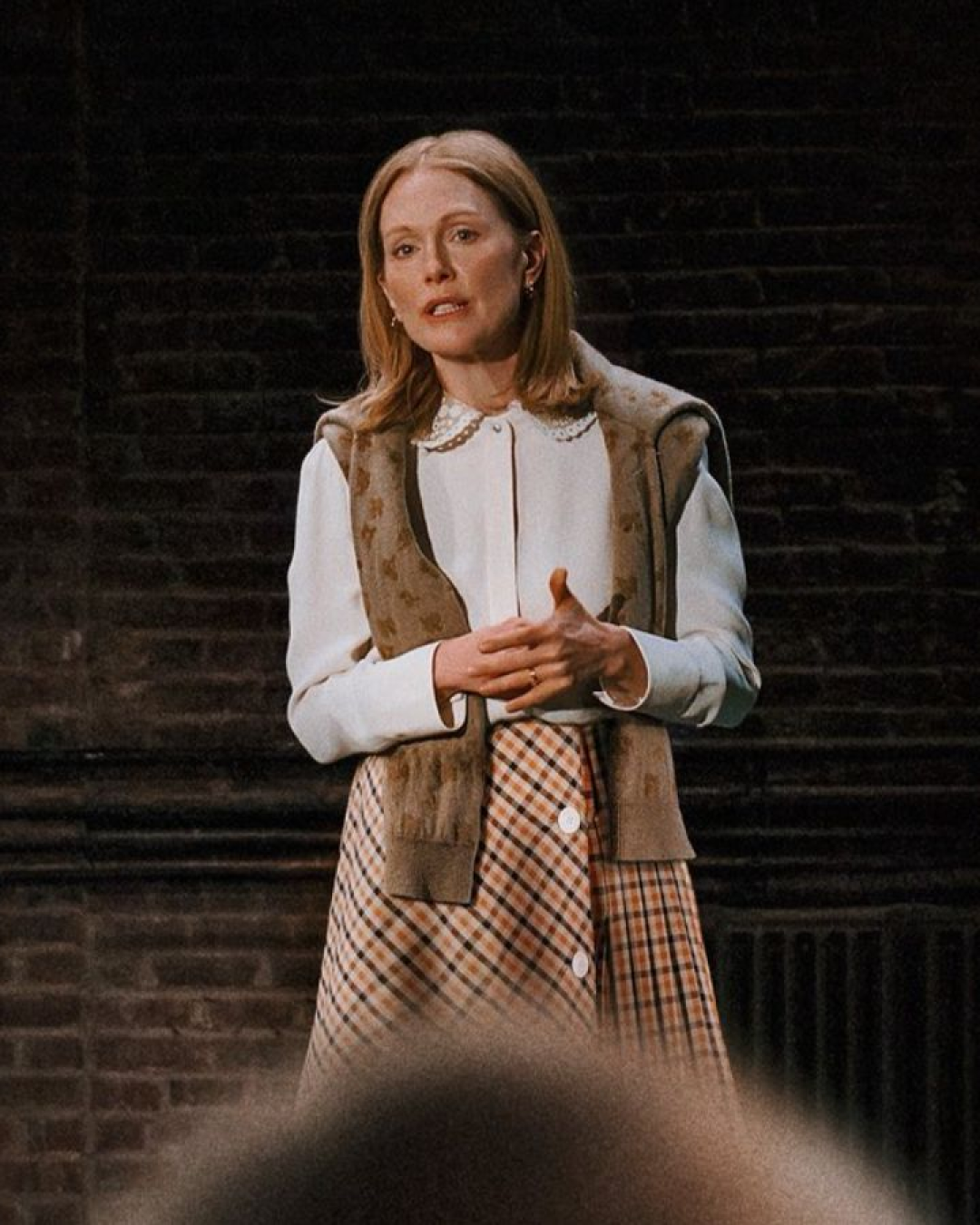
In "The Debut" Julianne Moore gives a masterclass in acting
The film, premiering at the Rome Film Fest, hits theaters on January 1, 2027
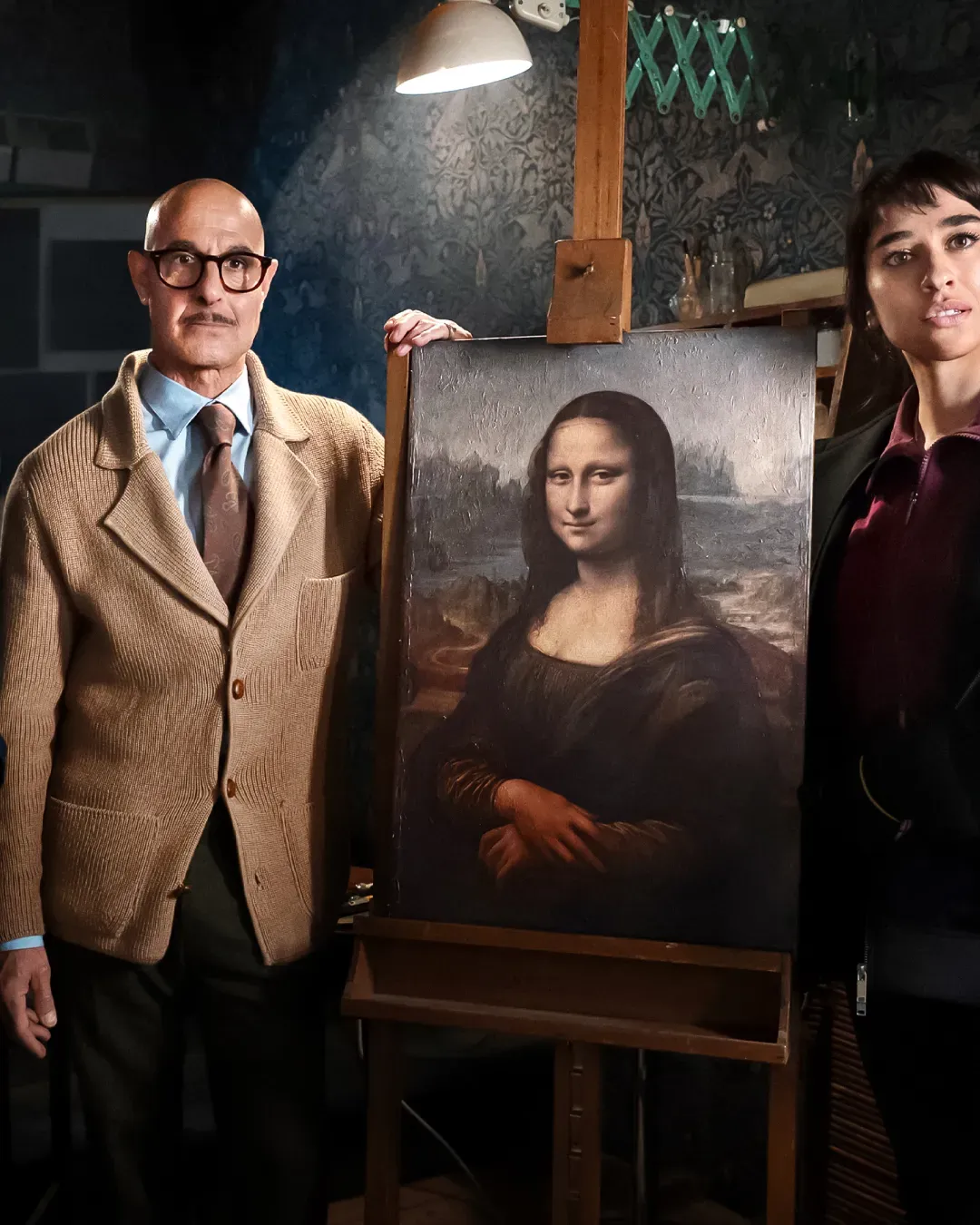
"Masterplan" is everything a heist movie shouldn't be
The film starring Stanley Tucci, Simona Tabasco and Victor Belmondo is available on Prime Video
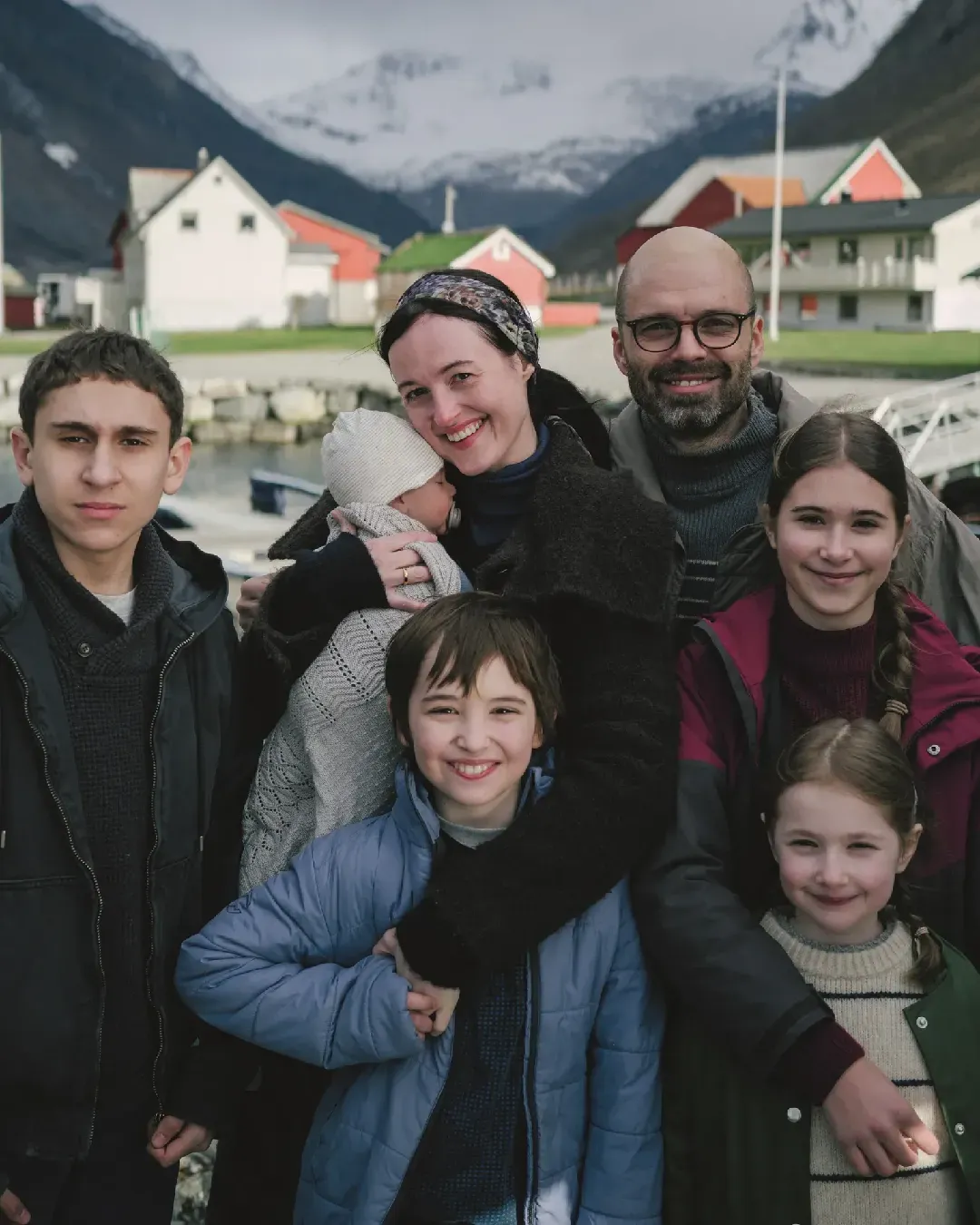
"Fjord" is an impressive piece of writing
Cristian Mungiu's film, winner of the Palme d'Or at Cannes, arrives in cinemas on November 19