




















Is it wrong to unmask artists who want to remain anonymous? From Banksy to Elena Ferrante, and even Liberato and Tony Pitony
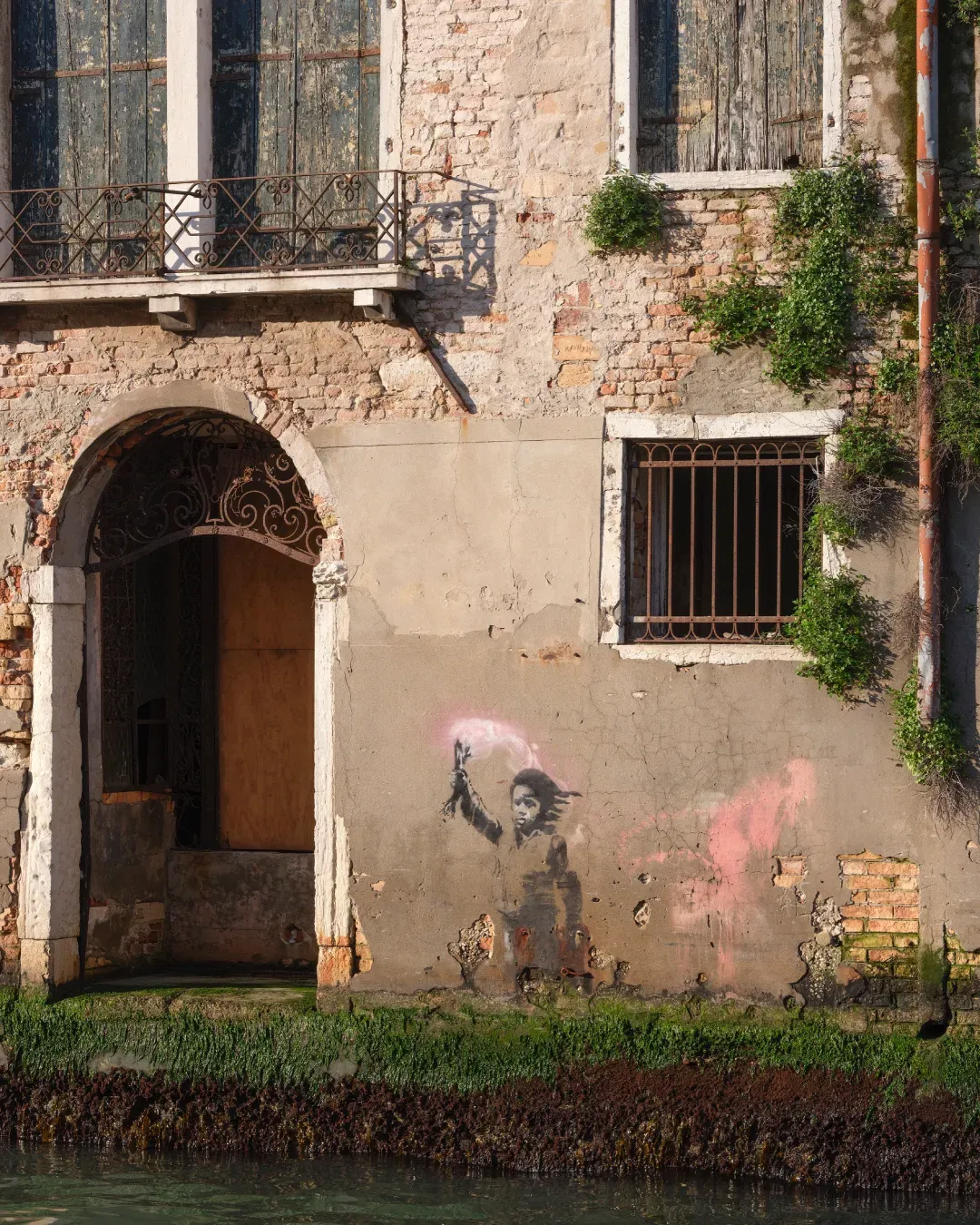
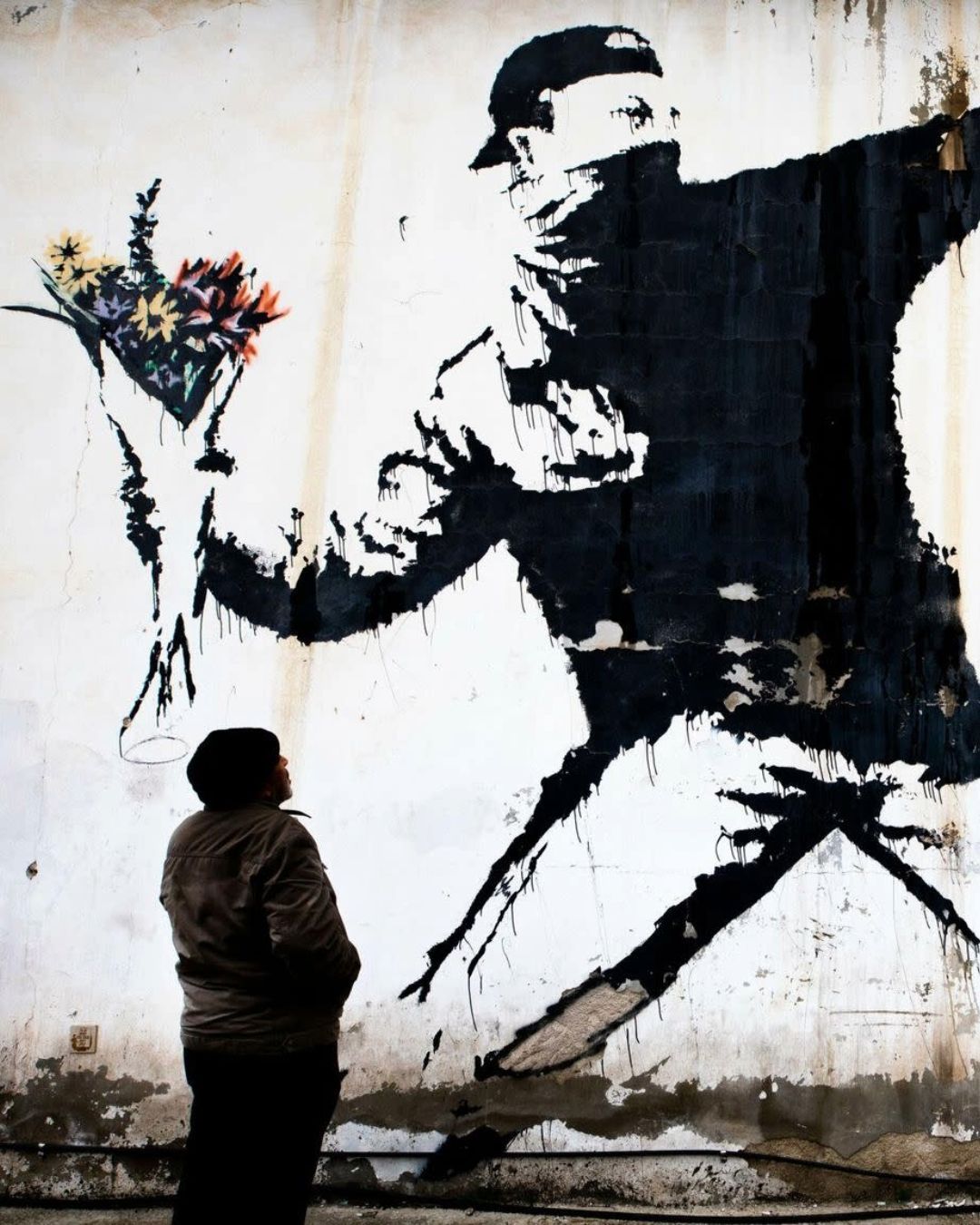
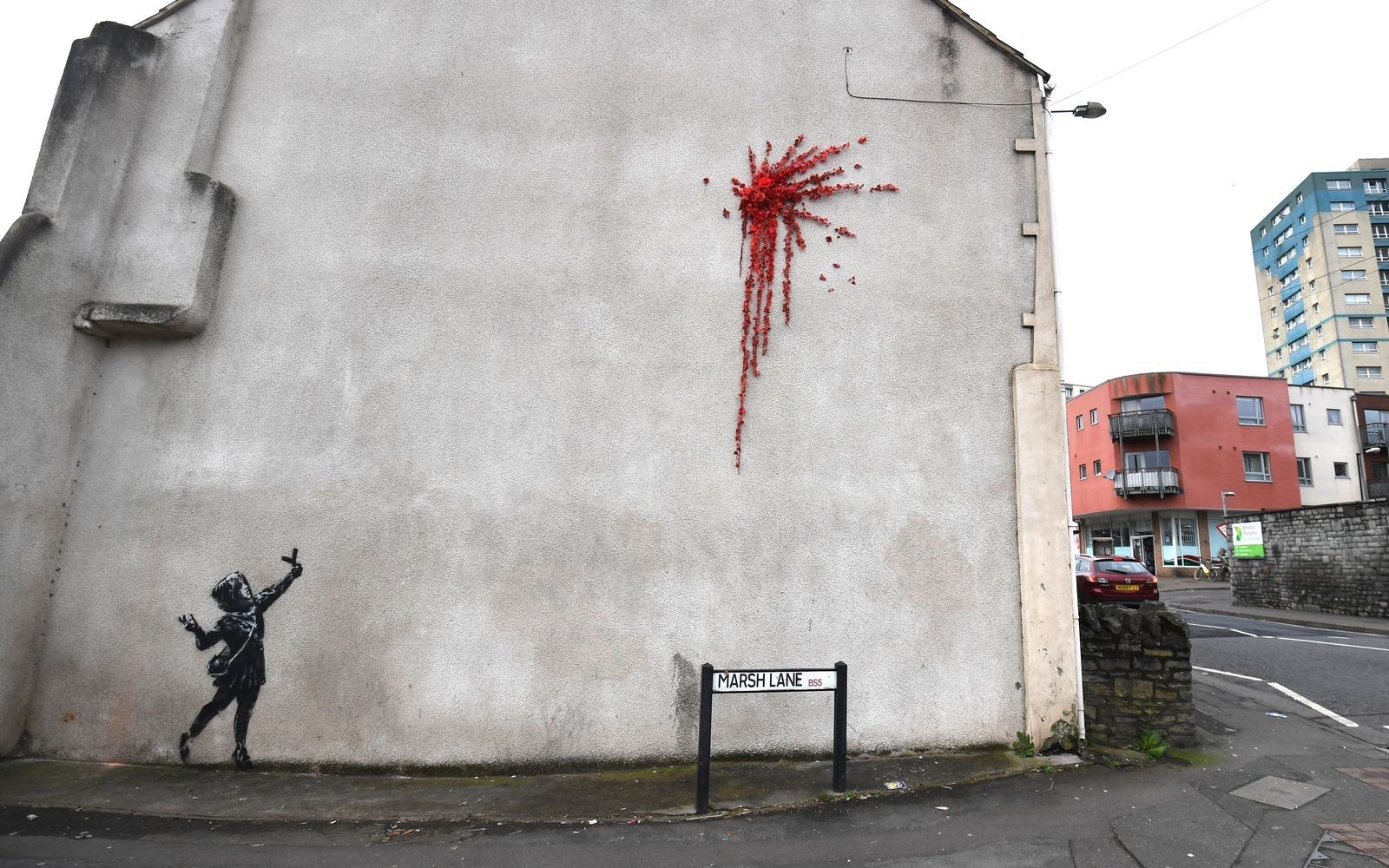
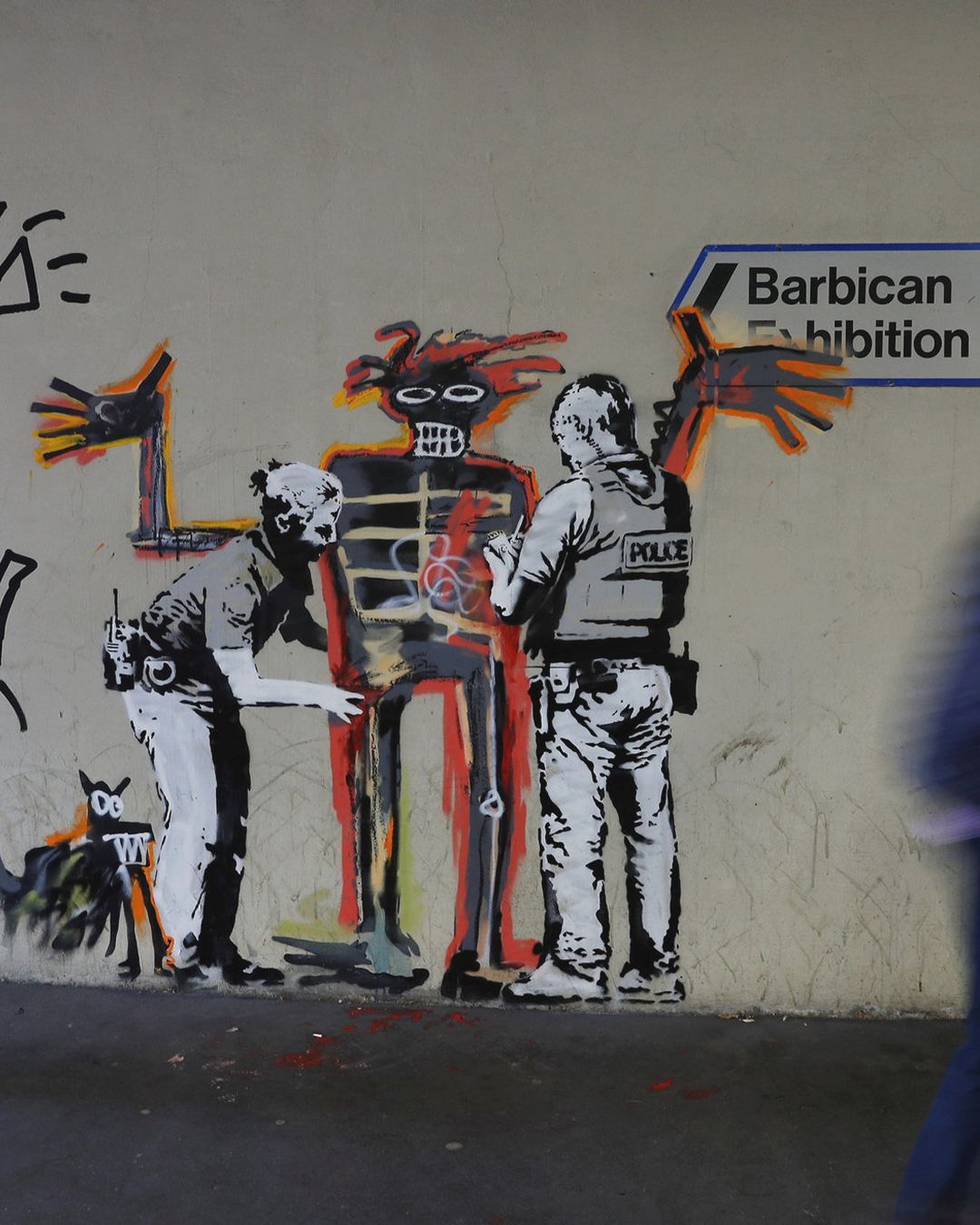
Recently, the authoritative British news agency Reuters published a long and detailed investigation that would definitively demonstrate the identity of Banksy – who would be Robin Gunningham, an English man born in Bristol in 1973, whose name has been associated with the famous street artist for several years.
In 2000, Banksy was arrested in New York for defacing a billboard. Police records held a handwritten confession. Hear how Reuters reporters found his true identity in the latest episode of our On Assignment podcast with @cwalljasper https://t.co/7UkVZXhR21 pic.twitter.com/f3rWOP10zS
— Reuters (@Reuters) March 21, 2026
The three journalists who conducted the investigation wrote that they took into account the desire of Banksy to remain anonymous – a choice that many of his supporters continue to respect and defend. At the same time, the authors of the investigation stressed that there is also a portion of the public interested in knowing the identity of a figure capable of exerting such significant cultural influence. The three also clarified that they applied the same journalistic criteria that the agency Reuters normally adopts when deciding whether to publish its news – even the most delicate ones. Despite this, as expected, the investigation sparked a heated debate.
The issues with revealing the identity of those who choose anonymity
@mamamiaaus After decades of mystery, we finally have hard evidence of who Banksy is #banksy #robingunningham #streetart #investigation #unsolvedmysteries The Champion - Lux-Inspira
The question of whether it is legitimate to reveal the identity of authors who deliberately choose anonymity periodically resurfaces in the public debate. A similar case occurred a few years ago with the writer Elena Ferrante, the pseudonym of one of the most widely read Italian authors of the last decades. In 2016 the newspaper Il Sole 24 Ore published an investigation based on the analysis of financial documents to argue that behind that name was the translator Anita Raja. That revelation also provoked very heated reactions and accusations of having violated a conscious choice of anonymity.
According to several commentators, in the case of Banksy, as with that of Elena Ferrante, there was no element of newsworthiness that made the publication of the investigation truly urgent. Moreover, the investigation does not reach a new conclusion but confirms a theory that had been circulating for some time, since it was published in 2008 by the British tabloid Daily Mail – in the meantime, some had also suggested that he might be the singer Robert Del Naja of Massive Attack. Another objection concerns the use of investigative tools and very rigorous verification methods that, although legitimate from a journalistic ethics standpoint, according to some should instead be used to investigate the actions of figures who are truly influential in political terms.
The pros and cons of anonymity
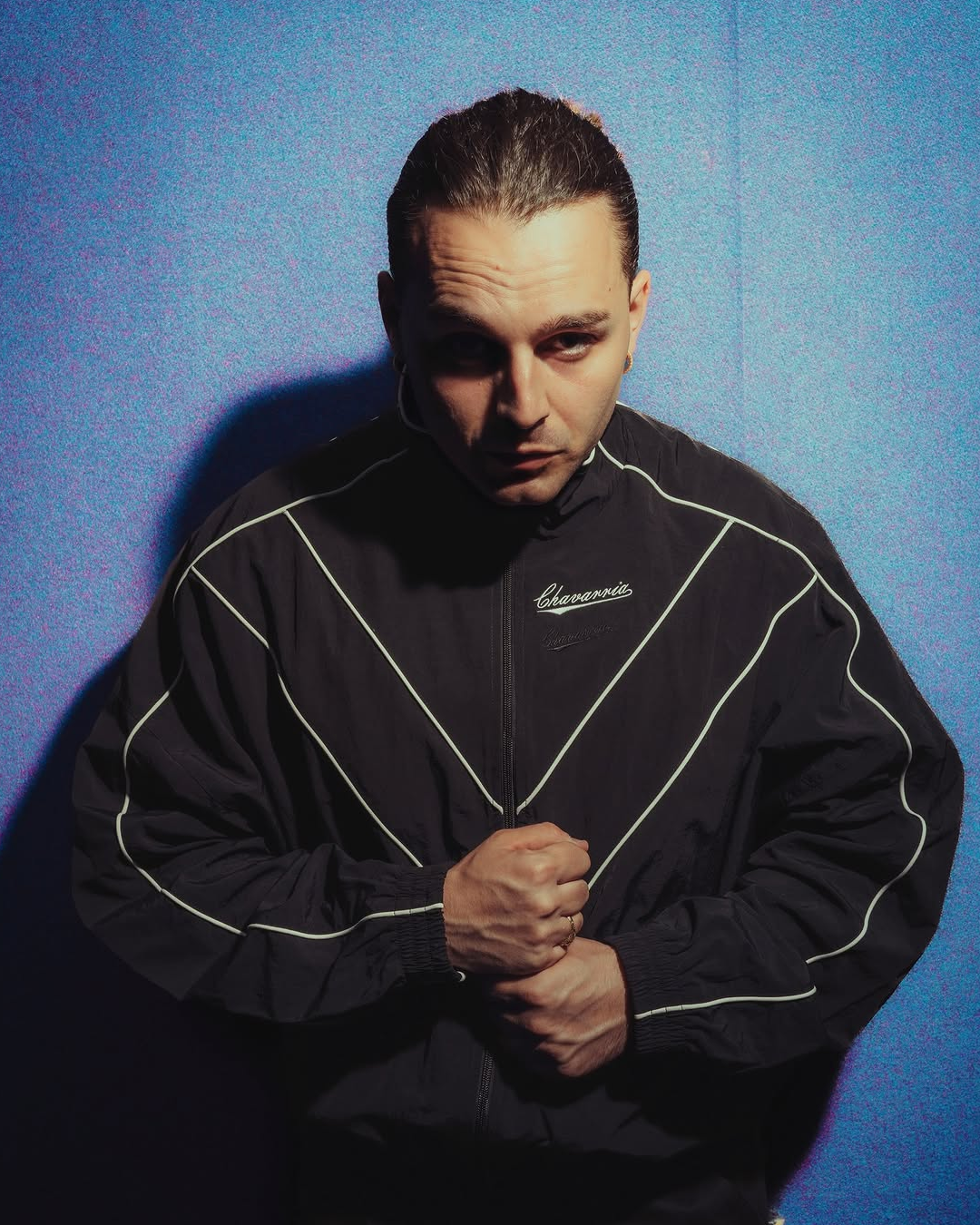
Over time, the tools and methods available to those who want to unmask a certain author have increased and become more accessible. Essentially, for a successful artist today, maintaining anonymity has gradually become more difficult than in the past. This was seen, for example, recently in the case involving the Italian singer Tony Pitony. The few times that very popular artists have managed to keep their identity secret – as is happening with Liberato – this choice has often further boosted their notoriety, strengthening public interest and the circulation of their works.
On the other hand, some fear that making public the identity of an author who has chosen anonymity could definitively undermine their freedom of expression. Over time, many people have adopted pseudonyms precisely to be able to work with greater ease, at all levels, without the burden of personal exposure. In the case of Elena Ferrante, however, the author later reaffirmed her desire to remain anonymous and continue publishing her books using the same pen name; even Tony Pitony – on a smaller scale – for the moment has not been overwhelmed by the issue, instead feeding a narrative that aligns with his persona.