





















Chappell Roan and the pressure to be nice The row between the singer and Jorginho has sparked a debate about celebrities’ freedom
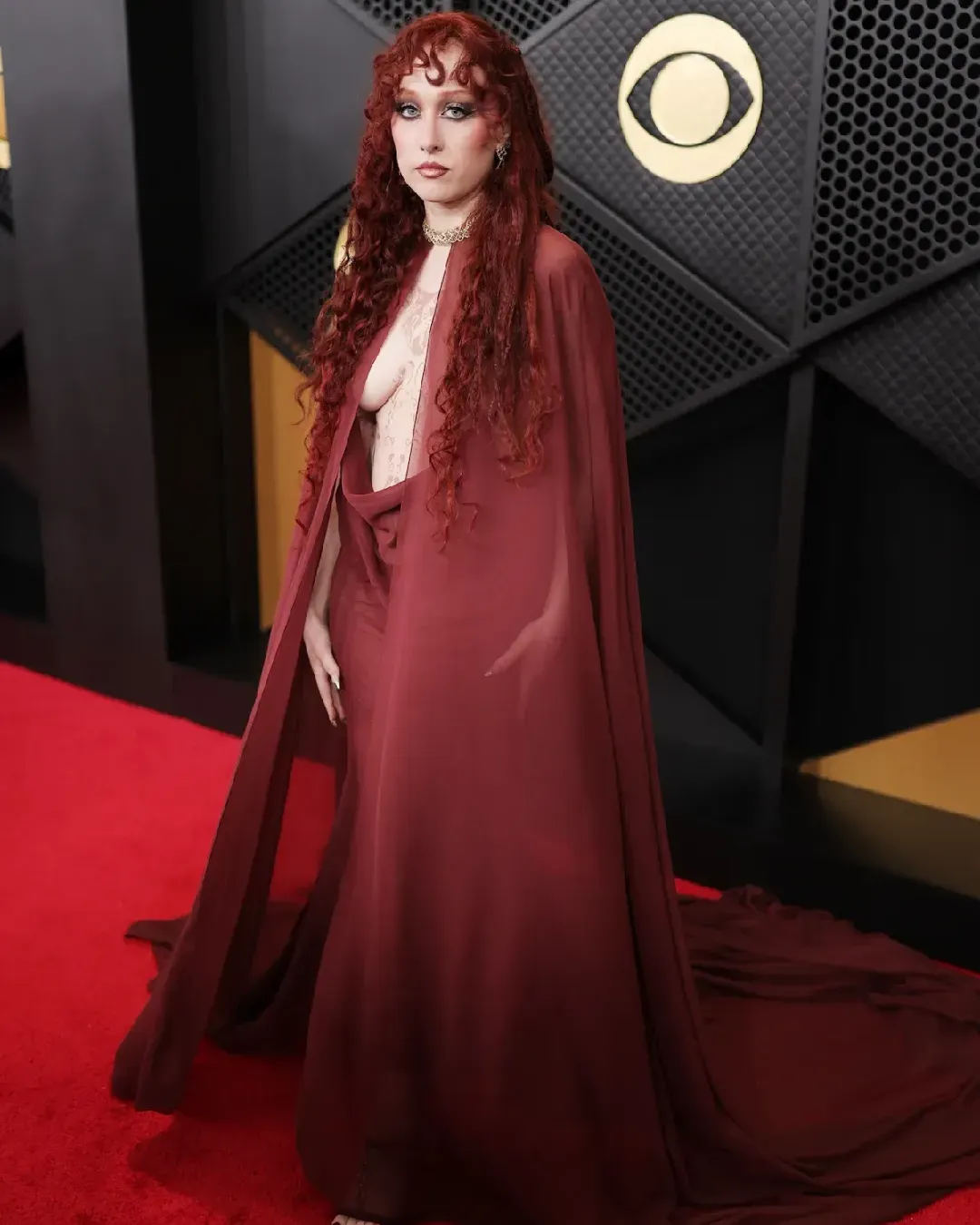
Since rising to the Olympus of international pop culture, Chappell Roan hasn’t had a moment of respite. After several run-ins with the paparazzi and an ongoing battle against haters on social media, the author of The Rise and Fall of a Midwest Princess now finds herself at the center of a new controversy. This weekend, footballer Jorginho Frello shared on Instagram stories an unfortunate encounter with the singer at a hotel in São Paulo, Brazil. His stepdaughter reportedly smiled at Roan as she walked by during breakfast, but the singer’s security guard allegedly reacted aggressively to the interaction, bringing the child to tears. Jorginho’s story sparked a social media controversy, to the point that the mayor of Rio de Janeiro banned the singer from events of Todo Mundo no Rio via a post on X.
Rudeness is unacceptable for anyone, especially public figures who achieve success precisely thanks to the support of the public and fans. But how far should a singer go to avoid jeopardizing their career?
Chappell Roan’s Response
Chappell Roan addresses Jorginho’s recent post about his stepdaughter and wife.
— Pop Base (@PopBase) March 22, 2026
She clarifies that the security guard wasn’t her personal security and agrees it was unfair of the guard to assume the child had bad intentions. pic.twitter.com/YNcXlqAvq2
Chappell Roan also shared a response on Instagram addressing the footballer’s accusations with a comment that appears to be honest and transparent. The singer stated that she didn’t see the child during breakfast and that the security guard who was with her during the meal was not part of her team. «No one came up to me, no one bothered me», the star wrote. «I’m sorry to the mother and child that someone was assuming something, that you would do something. If you felt uncomfortable, that makes me really sad. You did not deserve that».
Perhaps against her will, or perhaps on her own initiative, Chappell Roan has faced the malice of the press, media, and paparazzi since the success of her first album. Just scrolling a few times through social media reveals chilling comments about her appearance, sexuality (Roan is openly queer and discusses it in her songs), and personality, or videos where she is forced to shout at photographers to leave her alone. All of these incidents have led to labeling the singer as moody and unfriendly, qualities that have simultaneously brought her closer to a fan community that enjoys supporting an artist who is not only self-assured but also resolute.
Our Biases About Pop Singers
If we consider any pop artist - like Taylor Swift, Dua Lipa, Zara Larsson, and many others topping global charts - the first traits that come to mind are hardly unfriendly or irritable. The dominant image is of a sunny and approachable figure: glittery outfits, smiling, and always ready to give autographs. Only when experiencing heartbreak does the quintessential pop star express sadness - see Katy Perry’s documentary where she bursts into tears seconds before going on stage due to a troubled divorce, a scene that continues to go viral for its emotional intensity. But sadness tied to romantic disappointment, as shown by Taylor Swift’s success, is far more accepted and marketable than anger.
In an interesting analysis of the controversy involving Roan and Jorginho, Halima Jibril writes in Dazed that the singer, «unlike other celebrities who signal virtue their progressiveness and say the right things» to gain public approval, «demonstrates through her actions what she claims». Roan continues to make substantial donations to associations supporting LGBTQ+ communities worldwide and mental health organizations. Citing a newsletter by Haley Nahman on Substack, Jibril notes that Roan is kind but not “nice.” This is a profile rarely associated with the public perception of a pop singer and, for that reason, makes it difficult to recognize other positive qualities.
The Obsession with Justice
honestly, I think one of the biggest problems in society today, especially in america, is that being controlling and doing surveillance are seen as moral and good things now. social policing is normalized. and if you don’t participate, you have something to hide.
— jourdain searles (@judysquirrels) June 15, 2025
At this point, we can only ask whether pop stars are obliged to always be kind and available. Given that Jorginho shared an honest post about his encounter with the star, and that no one should ever attack a child under any circumstances, the fact remains that a star, in a personal moment like breakfast, is not required to offer affection and attention to the first person who happens by.
On social media, especially regarding pop stars, we are increasingly witnessing a generalized obsession with justice. Perhaps it is the return of woke culture, which pressures stars to do the right thing and fans to hold accountable those who don’t. Or perhaps our society has reached a level of surveillance where it can no longer distinguish performance from real life, like a Big Brother scenario where celebrities are never off duty.