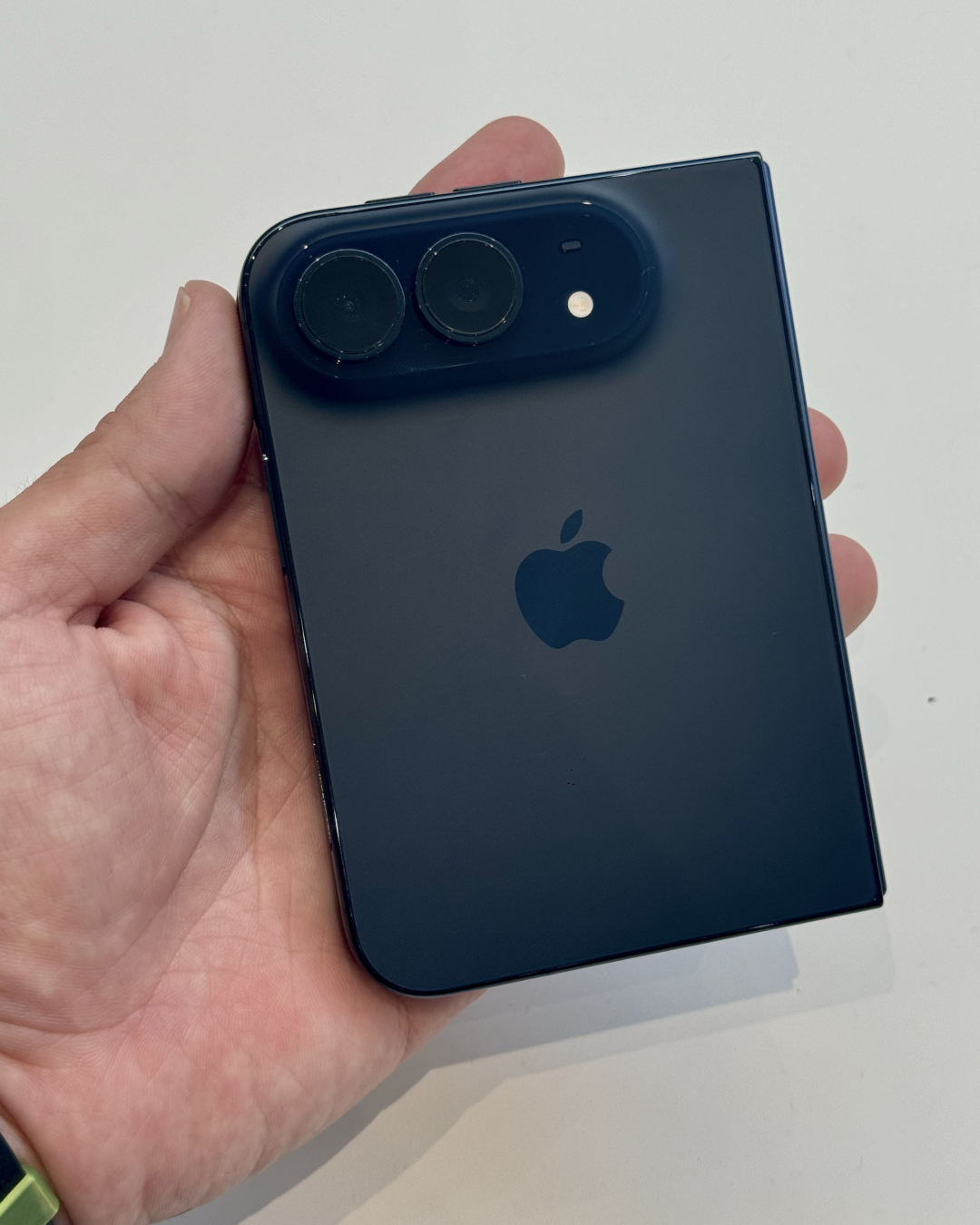








































Real-time translation through AirPods is a game changer Apple announced that starting in December it will also arrive in Europe
Starting from December, the system for automatic translation of conversations through AirPods will be available throughout the European Union. The feature allows for simultaneous translation of what the other person is saying in another language, carried out via the iPhone, which handles translation using a voice recognition system. The new feature had been announced a few months ago by Apple during the presentation of iOS 26, the operating system known among other things for the new visual language called Liquid Glass, released in September. Despite the update, the feature had not initially been rolled out in the European Union due to strict personal data protection regulations in force in the region. The Cupertino company therefore delayed the release of the feature while waiting to carry out further legal checks, but has ultimately decided to enable automatic translation for European users as well.
Apple’s new AirPods Pro 3 have live translation between languages,
— Adrian Weckler (@adrianweckler) September 9, 2025
On one hand, handy. On the other hand, a bit science-fictioney? pic.twitter.com/l9MFDXafsK
The new iOS 26, along with updates to the operating systems for Mac, iPad and Apple Watch, has not received particularly enthusiastic reviews. Although the interface – considered by many experts to be a notable example of visual design, has been judged technically refined, a large portion of users find it not very readable and less immediate compared to previous versions. The automatic translation feature, on the other hand, has been met with generally positive feedback. It is appreciated both for its ease of use and for its attention to privacy: the feature, in fact, is executed directly on the user's device, without relying on external tools.
All about AirPods automatic translation
Automatic translation is available on AirPods Pro 3, AirPods Pro 2, and AirPods 4, provided that the iPhone management software is updated to the latest version. At the moment, the languages supported for real-time translation are Italian, English, French, Portuguese, Spanish, German, Korean, Japanese, and Chinese, although Apple has announced plans to add more in the coming months. The system can be used whether both speakers are wearing AirPods or only one person is using them. In the first case, the earbuds activate noise cancellation to reduce the other person's voice and make the translated audio clearer. In the second case, the person wearing the AirPods can see the real-time transcription and translation of what the speaker is saying directly on their iPhone.
Apple had already offered simultaneous translation tools through its Translate app, which was largely designed to display the translated transcription of the conversation on the screen, albeit in real time. With the introduction of AirPods translation, these functions have been expanded and integrated more deeply into the operating system. It is now possible to translate conversations directly from the iPhone's Messages app and Phone app, during both voice calls and FaceTime video calls. Android, the main competitor of iOS, has long offered similar simultaneous translation features, including conversation modes in which the translation is read aloud after being transcribed, but with real-time translation via AirPods, Apple appears to have taken a step forward.
@flourishwithkrish @apple please add other languages ASAP pretty cool feature and can’t wait to use it when I travel! #apple #iphone #airpods #livetranslation #applestore original sound - Krish | LUNAIRE
In recent years, automatic translation systems have become much more accurate and faster, raising some questions about the usefulness and meaning of studying foreign languages. Not by chance, in various countries, including the United States, Australia, and South Korea, a decrease has already been observed in the number of students choosing to learn a foreign language. But knowing a language well does not just mean being able to translate the words that compose it: it also means, above all, engaging with and exploring a specific culture, with its own way of seeing the world, nuances that automatic translation does not always manage to fully understand or convey.
What to read next
What to expect from Apple Home's new solutions
Everything you need to know about the tech giant's new home initiatives
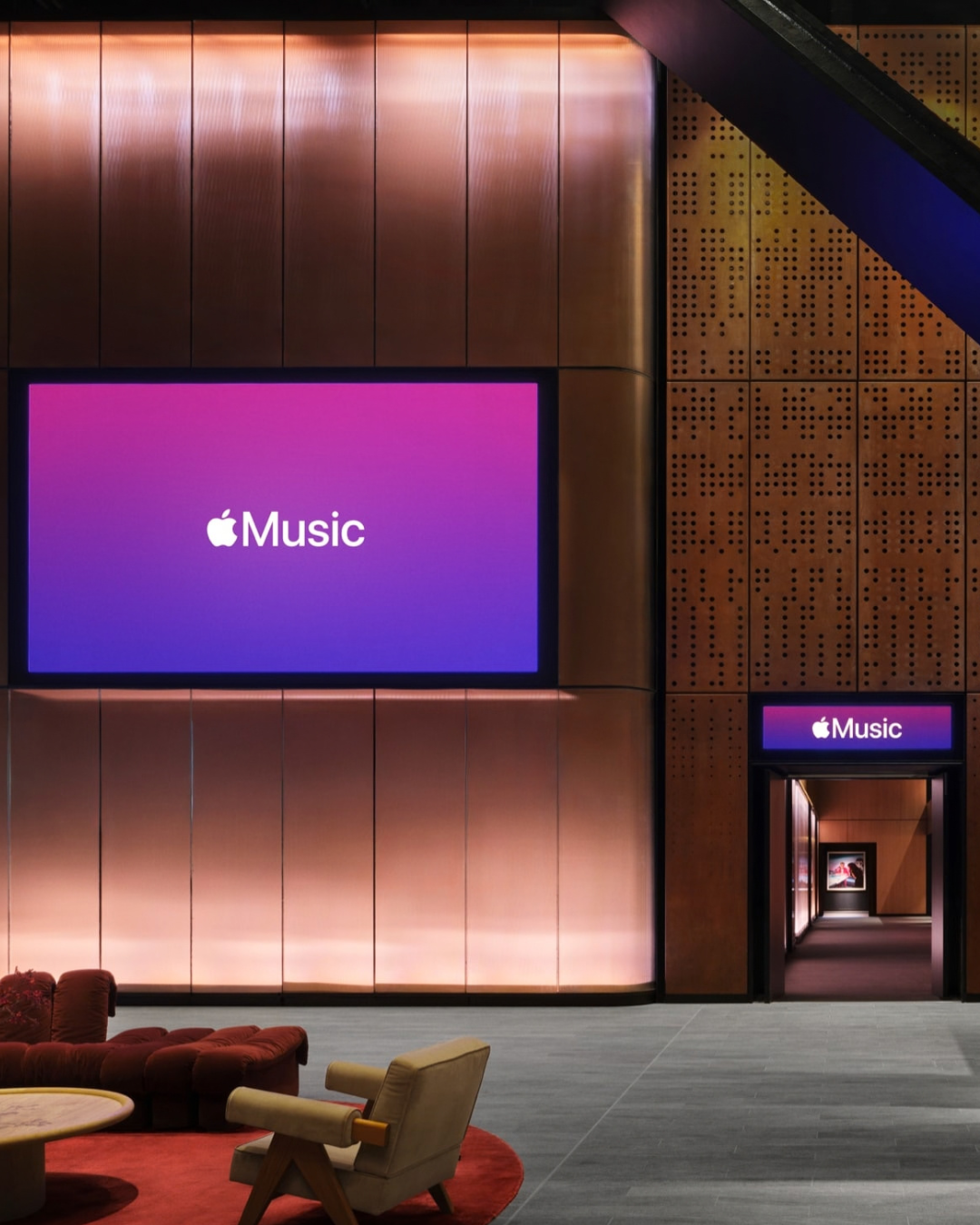
Apple Music now has a venue too
Apple Music Hall tries to combine the intimacy of a live show with Spatial Audio technology

Is leasing the future of tech devices?
Apple was the first major company to take a step in this direction