































Primark and the paradox of affordable fashion Someone explain to us why he needed a fashion show
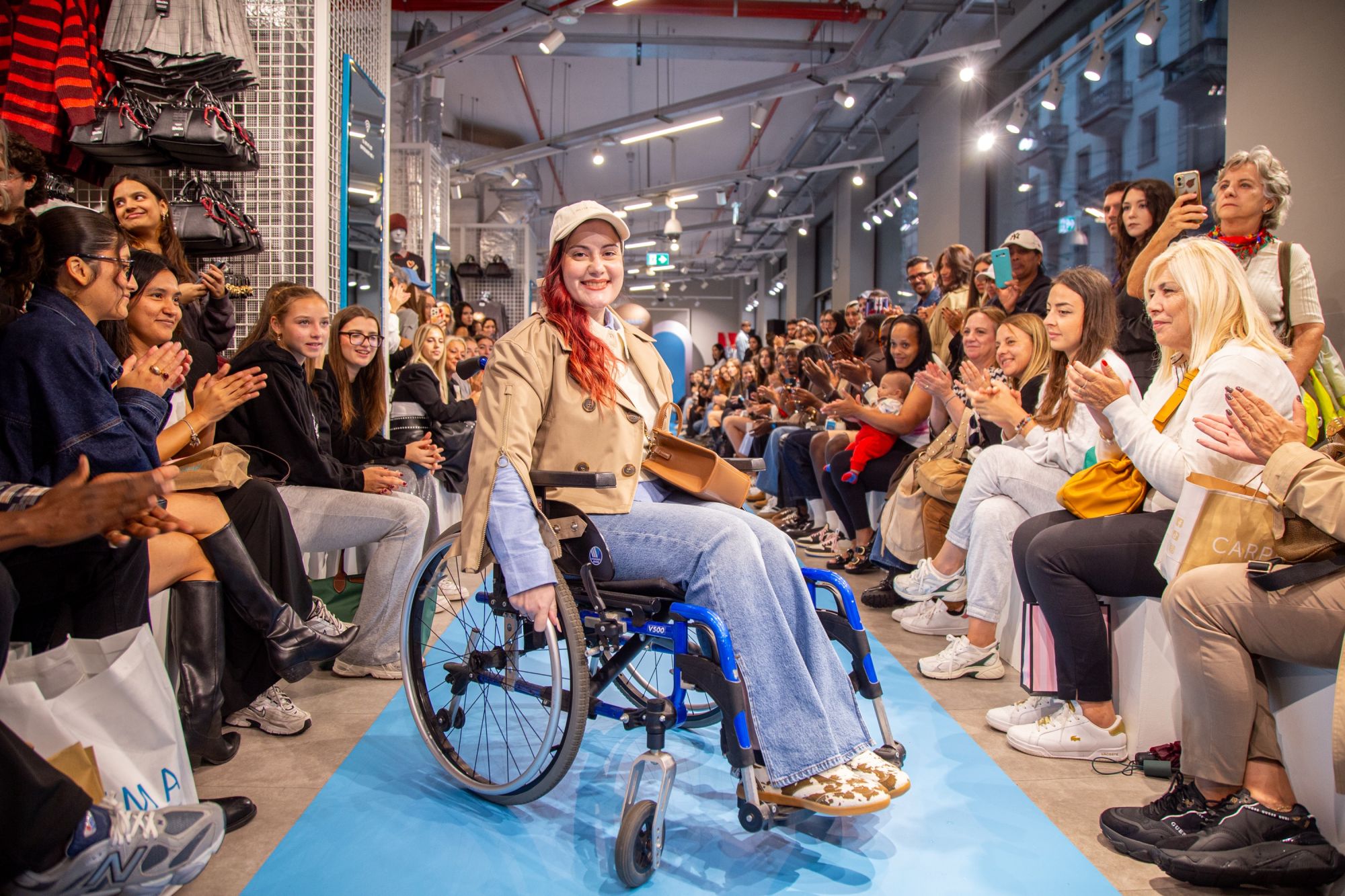
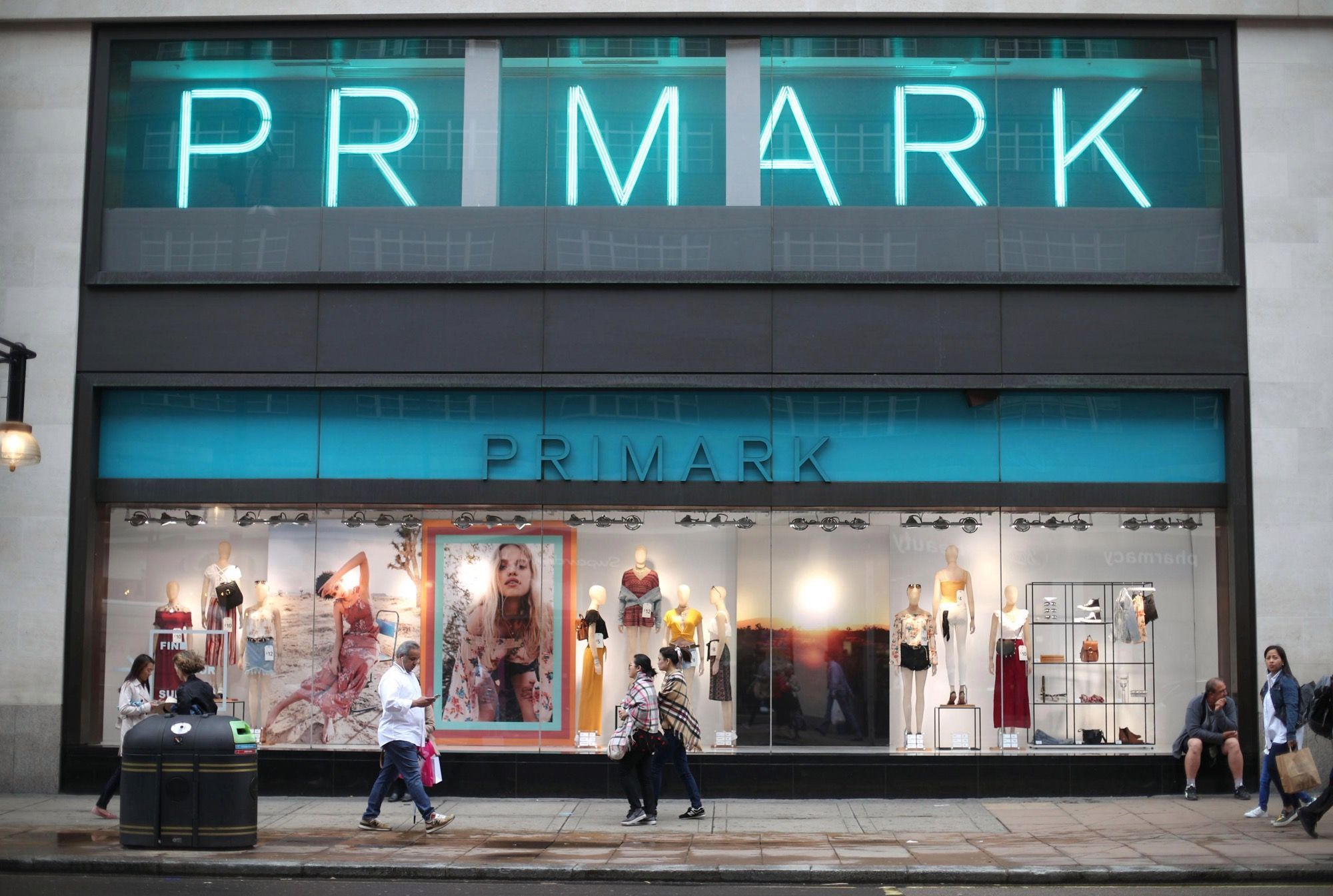
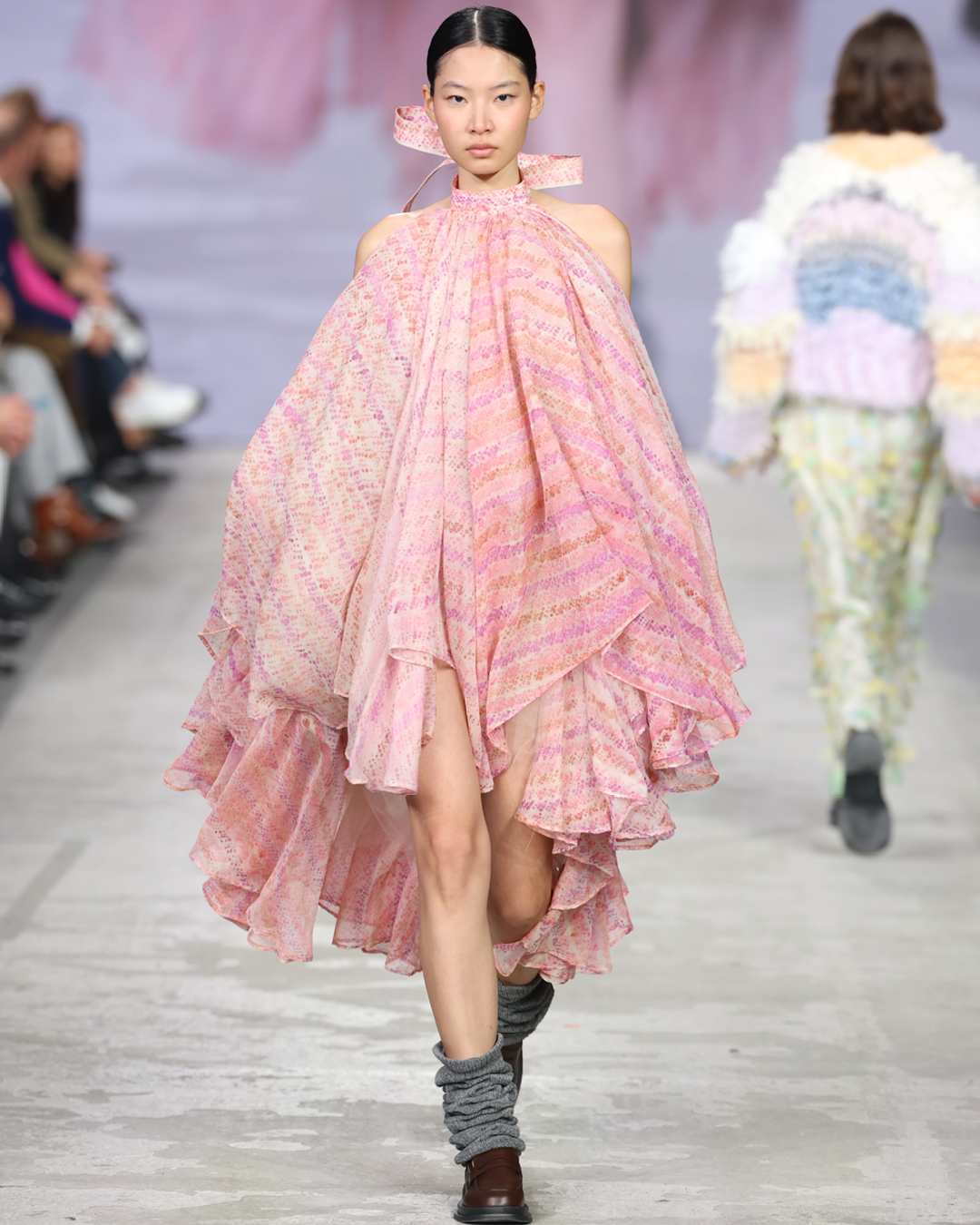
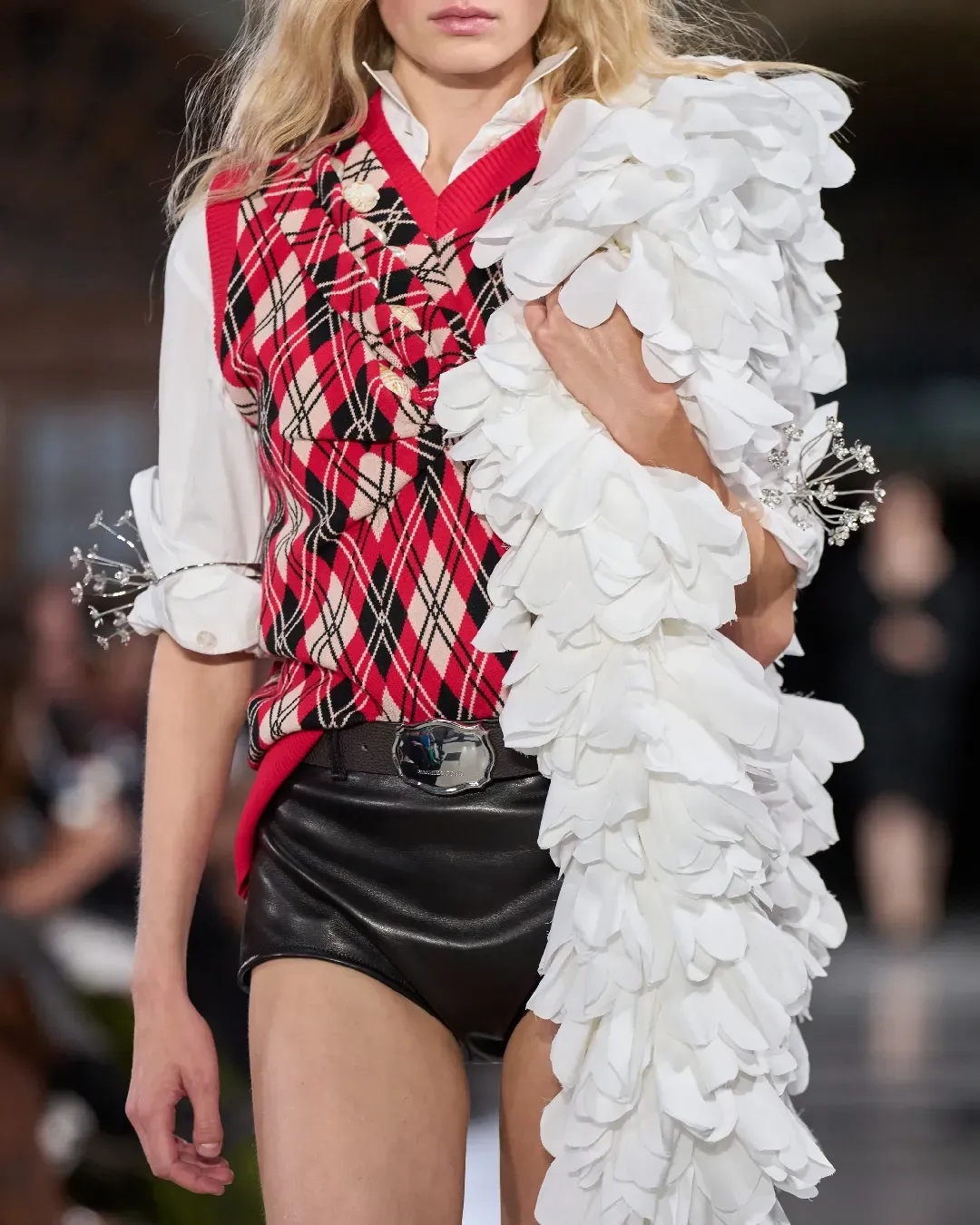
Lately, Primark has been working to clean up its image. On the official website, the brand claims to have set up an “environmental sustainability team that works in the field to highlight ecological issues with our suppliers and within their facilities.” In January 2020, moreover, environmental sustainability guidelines for suppliers were launched. However, while a company that produces every year a quantity of clothes and items comparable to fellow brands like Shein (which in 2024 listed as many as 1.3 million items on its platform), Temu, or Zara may declare its commitment to reducing its environmental impact, it still remains part of the fast fashion system. In this context, yesterday Primark debuted for the first time in Milan with a fashion show defined as “accessible”, hosted inside its store and open to the public.
The event featured a model and content creator who uses a wheelchair, and marked the launch of the brand’s adaptive line: a collection designed for those who need specific garments for mobility needs. “We are excited to bring our accessible fashion to the runway, making it within everyone’s reach,” said Luca Ciuffreda, Director of Primark Italy. A step forward, at least on the surface, toward greater attention to people with disabilities. But the accessible fashion so highly praised by the fast fashion brand is not as inclusive as it has been portrayed.
Primark’s choice to appear at Milan Fashion Week with a show defined as “accessible and inclusive” raises more than a few doubts about the real intent of this operation. How can we talk about inclusivity when the brand itself contributes to perpetuating an unsustainable production model, with high social and environmental impact? Primark, in fact, does not disclose the exact number of garments produced each year (a figure that would make clear the impact of its supply chains), given that 98% of production is outsourced to external suppliers, with as many as 407 factories in China alone (October 2024), not counting those active in Bangladesh, India, and other countries where social and environmental costs are extremely high.
The seemingly ethical show claiming a “close to the public” approach turns into an obvious paradox. The rhetoric of “democratic” fashion thus proves to be partial and contradictory: how can you claim to be on the side of consumers when it has been proven countless times that the entire fast fashion business system is harmful to people as much as to the environment?
What to read next
What the success of Primark in Milan teaches us
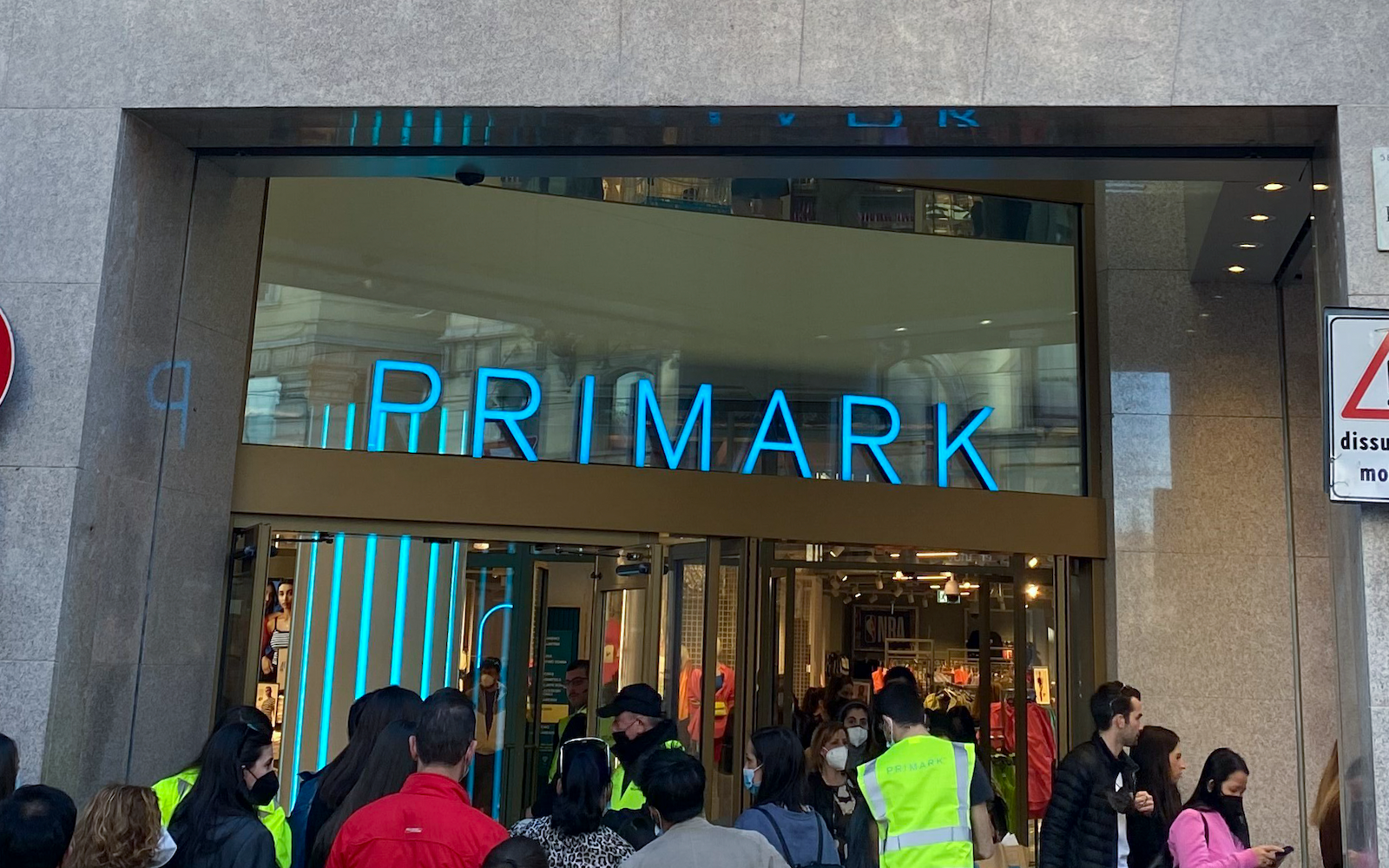
Long queues and a new megastore in the centre of the city
Does it really make sense to boycott fast fashion?
Why online activism fails to translate into concrete actions