






























The Holy Boy shows how to do horror, Italian-style Folklore, mountain villages, and saints, for a perfect genre cinema
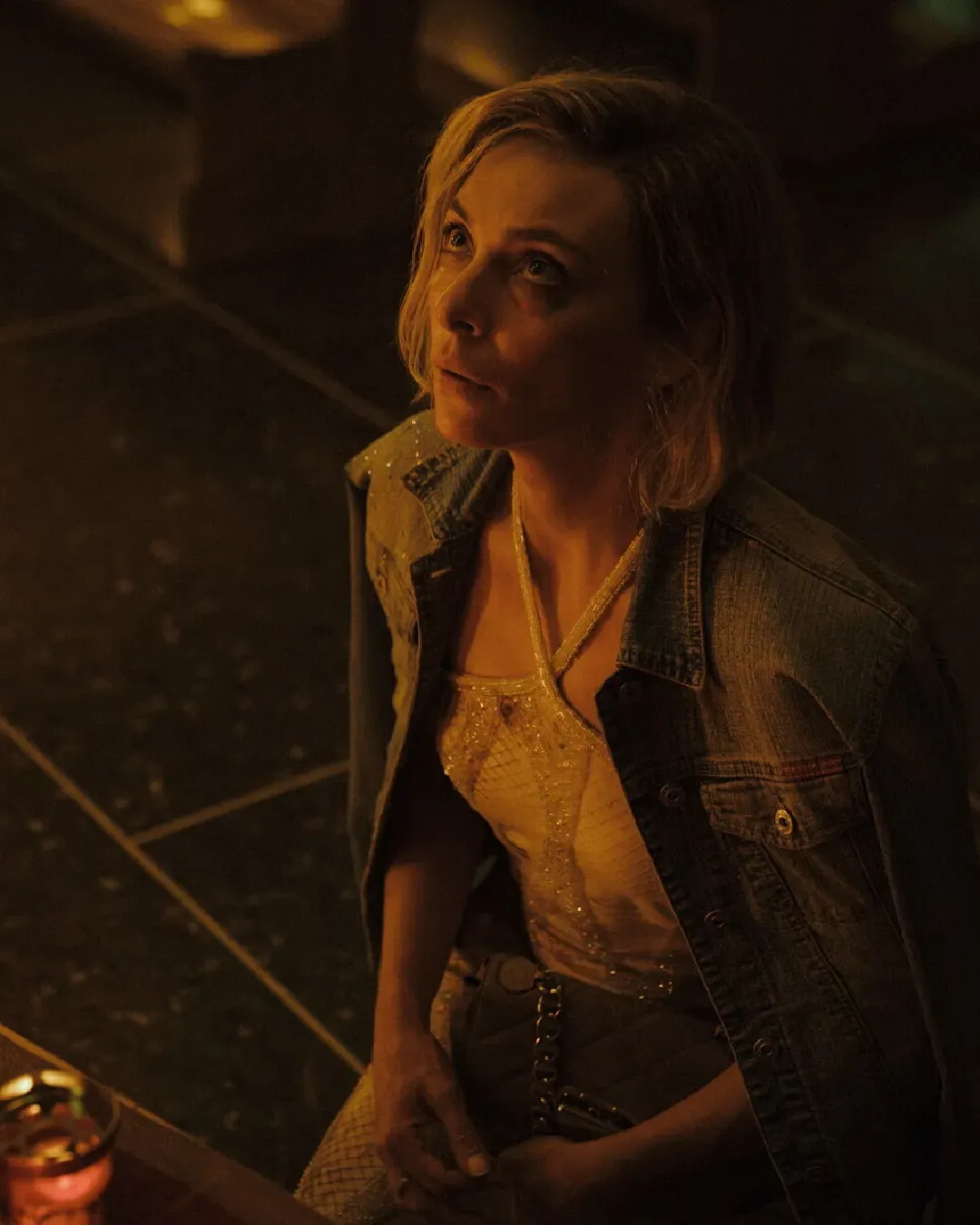
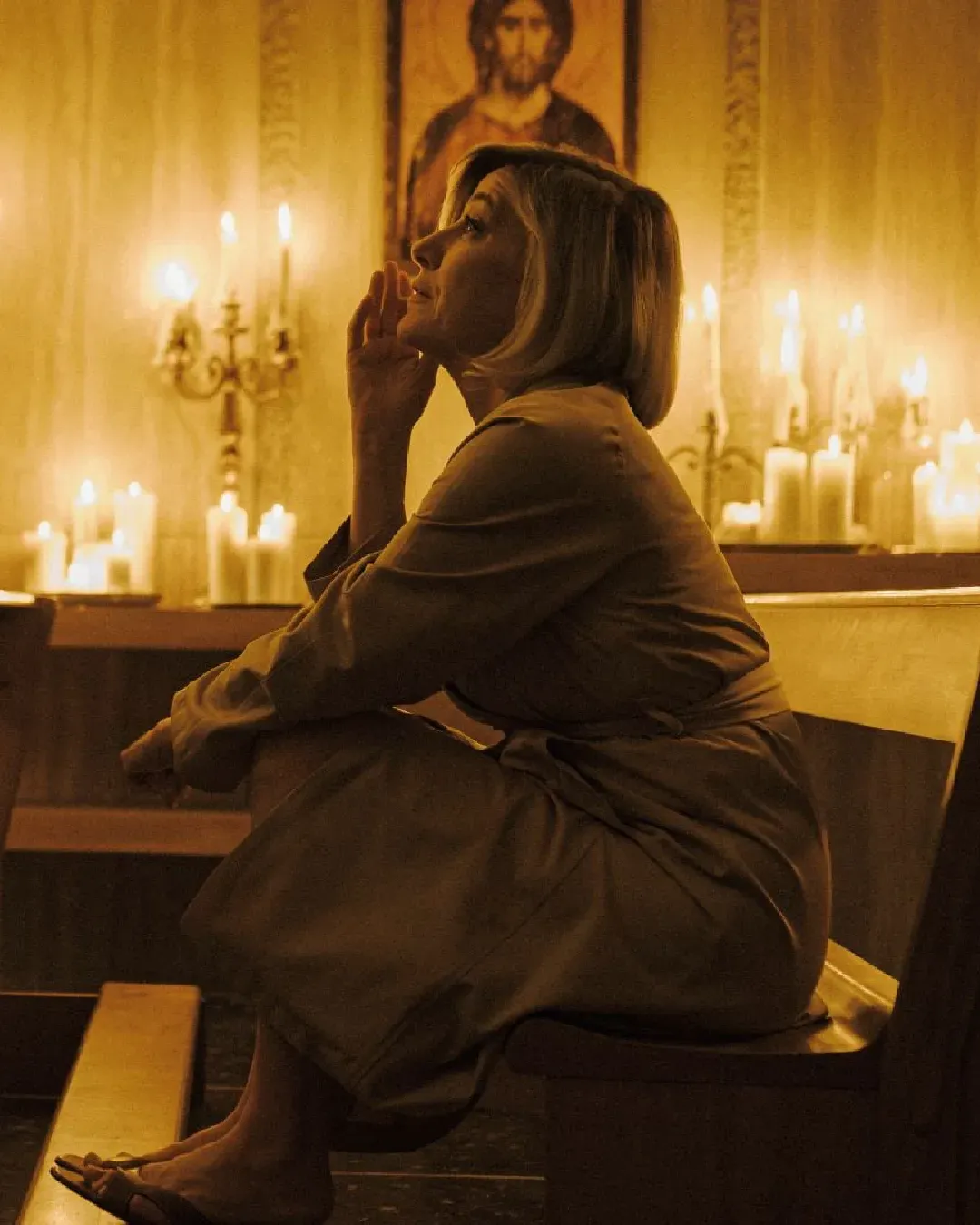
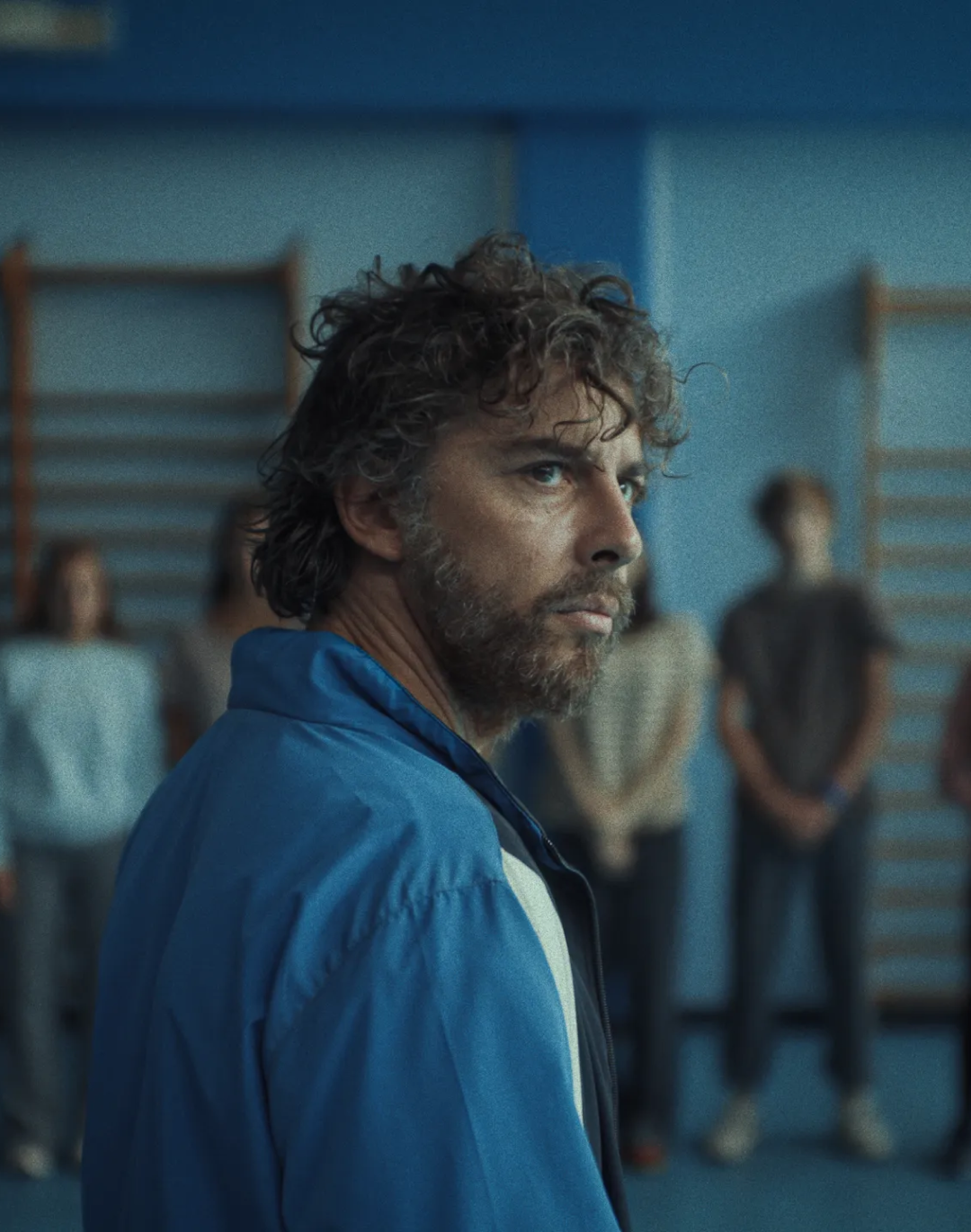
In the ears of Matteo Corbin, the young actor Giulio Feltri, play the notes of Mia Martini’s song, whose poignant and romantic lyrics amplify the “angelic” condition of the little saint of the village of Remis, hidden among headlands and mountains in northern Italy. The teenager, with a slender body and a faded eyebrow, is a deity for the protagonists of The Holy Boy by Paolo Strippoli, a living miracle capable of generating miracles in turn through a simple hug. By embracing the reluctant Matteo, each person is lifted from their pain. No more trauma, no more memories, no unpleasant sensations gnawing at the stomach.
A placid, anesthetizing, all-encompassing peace that, if once again shaken or disturbed, can be revived with another hug. Written together with Jacopo Del Giudice and Milo Tissone, who also co-created with Strippoli the story that won the Solinas Prize in 2019 under the original title L’angelo infelice, The Holy Boy is the horror film presented at the 82nd Venice International Film Festival out of competition, with a special midnight screening reserved for those titles deemed worthy of such a grim yet symbolic time slot. The programming choice by artistic director Alberto Barbera is a source of pride for the Italian production, with Italian horror considered worthy of such placement at one of the world’s most prestigious festivals.
The Holy Boy fully deserves it. As does its director Paolo Strippoli, who, since 2021, has successfully handled in feature films a genre periodically put on standby in the Italian scene, never fully trusted, yet capable of proving everyone wrong, as shown by the works that have so far marked the career of the ’93-born filmmaker. What the director resorts to is a formula, not a mandatory solution, but one suitable for any type of genre that may not feel particularly aligned with the industrial logic of its country. It is the drawing from an imaginary such as folklore, capable of offering a multitude of characters and atmospheres adaptable to the mechanisms that horror requires. Myths and traditions drawn from the territory of reference are reinterpreted and reworked to mix with the paradigms of terror the legends handed down through time.
It is a real horror that Strippoli’s filmography aims for, and with which other colleagues have also experimented. A Classic Horror Story, co-directed with Roberto De Feo (himself making his debut in 2019 with The Nest), was the apotheosis of the rules and codes of the genre, assembled and then dismantled one by one to insert the idea of Hollywood industrial horror cinema into an Italian setting and container. A slaughterhouse under the sun of an unfamiliar Calabria, made to pass as the deepest America, a stage of brutality and atrocious deceptions for a film with a bold and insane imprint, auspicious for the path undertaken by Strippoli, continued solo in 2022 with Piove.
La valle dei sorrisi (2025)
— B(enni) (@mightasmaayrkas) September 16, 2025
by Paolo Strippoli pic.twitter.com/e9F45S67pv
Here too, although less folkloric than the previous and following films, the writing technique remains similar. It does not stray from what is known, nor does it attempt to mimic what has been done elsewhere, but rather assimilates, with the cultural and cinephile background imbued in the pen of Strippoli and his collaborator Del Giudice (also alongside him in Piove together with Gustavo Hernández), filling his films with thematic and visual references. The director’s second feature ends in a family setting, a son and a father whose resentments literally turn into monsters, thus telling something familiar to Italy, the so-called “traditional family”, and seasoning it with the contempt, pain, and inability to understand each other that often occurs between parents and children.
Remis is a fictional place created by Strippoli, Del Giudice, and Tissone. An invented location yet one that feels utterly real, as if one might experience déjà vu of having already visited it. The Holy Boy never strays from the land and its inhabitants, which is its strength, the element that creates authenticity in the story, even though it is entirely a product of the authors’ imagination. The horror clings as tightly as the snow on the Dolomites that serve as a backdrop and upon leaving the theater, one would have no trouble believing that what they just witnessed could very well be some urban legend from a small rural town that the director and screenwriters heard of and decided to bring to the screen. Roots, folklore, above all identity: these are the cues that can grant Italian horror a well-defined personality. This is certainly the case for The Holy Boy, perhaps less so for other films, but with a clear common thread.
@artesettima Fare un film horror in Italia di qualità e con la consapevolezza autoriale di tutti i grandi livelli che questo genere porta con sé, sulla società, sull’essere umano. Paolo Strippoli l’ha fatto, con Michele Riondino, Giulio Feltri e tanti altri che portano una storia di mistero, di dolore, di santi e di paura. La Valle Dei Sorrisi dal 17 settembre al cinema. @Vision Distribution #artesettima #LaValleDeiSorrisi #paolostrippoli #micheleriondino #CinemaTok suono originale - artesettima
It happened in 2015 when Stefano Lodovini directed In fondo al bosco, which drew on the figure of the Krampus and the celebrations of the demonic figures, reincarnations of Saint Nicholas, again among the mountains of Val di Fassa. While in 2020 it was repeated in the opposite setting, in the warmth of Puglia, with Il legame by Domenico de Feudis, which sketched its screenplay on Ernesto de Martino’s essay Sud e magia. A change of pace compared to the horrors that triumphed for Italy in the 1960s through the 1980s, where films excessively and imaginatively explored evil and its origins, whose craftsmanship today belongs to an overly specific imagery that would likely no longer resonate the same way with contemporary times.
So much so that another Italian horror drawing directly from that bloody and golden era, but presenting American influences, is Suspiria by Luca Guadagnino. Very different from the original by Dario Argento, and instead, rather than focusing on the customs of a single country (though set in a specific place, Germany), it confronts something that concerns everyone: History with a capital H. So head to Remis and lose yourself in the embrace of The Holy Boy. An analgesic for those who believe horror in Italy is doomed, even if it only lasts for its two-hour runtime.