



























Hanging out while playing chess is getting cool Especially if there's a DJ set involved
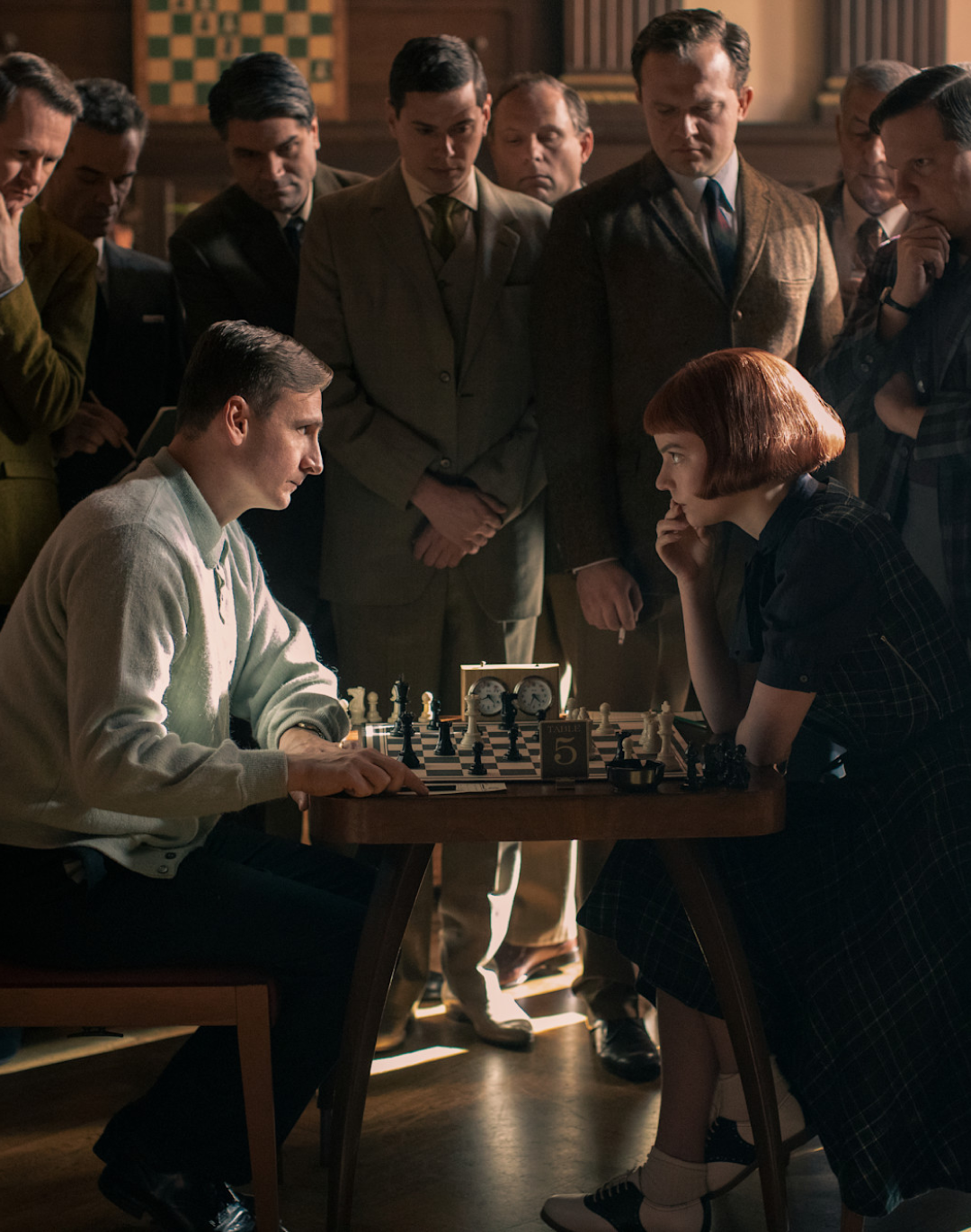
Chess is no longer a pastime for dusty clubs or solitary intellectuals. After the The Queen’s Gambit effect in 2020, which recorded 62 million viewers on Netflix and a 1,000% increase in chessboard sales, the world's oldest game has entered the global pop imagination. But today, in 2025, it's no longer just a revival: chess is becoming the center of a new way to live the night and sociality, often defined as soft clubbing.
In Europe, from London to Lisbon, formats that mix DJ sets and chess matches are increasingly widespread. Knight Club in East London, Acid Chess Club in Stoke Newington or Pieces Chess Club, born in Portugal and already active in five European cities, propose hybrid evenings where the chessboard is at the center of the table and the music creates connection rather than distraction. The idea is clear: shift the focus from alcohol consumption and exasperated clubbing to more inclusive, accessible, and social entertainment.
These events are designed as new "third places", cultural arenas where the game offers deep and meaningful interaction, healthy competition, and an opportunity for learning—elements often missing in the superficial sociality of social media and the logic of traditional clubbing. According to Eventbrite, events like Coffee Clubbing have grown by 478% in the last year, while Morning Dance Parties have recorded a +20%. Data that confirms the trend toward preferring cultural and playful moments less tied to consumption and more to well-being.
The phenomenon responds to a precise need. From 2020 to 2023, 31% of British clubs have closed their doors, and in Italy the situation is not much different: according to SIAE, attendance at nightclubs has dropped by 27% in the last decade, while the search for alternative spaces for aggregation grows. Chess works as a perfect device to address this crisis: it forces two people to look into each other's eyes, put down their smartphone, and share time and attention. In Milan, Turin, and Bologna, independent formats that combine chess, electronic music, and urban culture are emerging. From the rap scene to social centers to listening bars, the game becomes a pretext for a new type of community, where competition blends with aesthetics and sociality.
The boom is not just youthful. The International Chess Federation (FIDE) reports that in 2024, active online players exceeded 100 million, with a 35% growth in two years. In Italy, platforms like Chess.com and Lichess have doubled their subscribers from 2020 to today, with peaks during the pandemic that have never subsided. The difference is that now those players are seeking physical spaces, not just digital ones. Chess thus becomes a bridge between analog and digital culture, between the slowness of the game and the rapid aesthetics of TikTok. Hashtags like #chessclubbing and #acidchess are populating feeds, while on Italian social media, the #scacchi hashtag counts over 250,000 posts, often linked to musical events or artistic performances.
In a country where traditional social spaces are shrinking and cultural spaces are increasingly under pressure, checkmate might just come from a chessboard. It's not nostalgia, it's hybridization: the club becomes a gaming space and the match becomes a pretext for new urban connections. Perhaps the next social revolution won't be on the dance floor, but on 64 squares lit by a strobe.
What to read next
Rollover DJs celebrate cosmic disco with "Mr Johnny"
The new track weaves together vintage references, exceptional musicians and a contemporary vision of clubbing