
































François Ozon's adaptation of "L'étranger" is an assignment well-done, but still an assignment Benjamin Voisin leads in film premiering at Venice Film Festival’s 82nd edition
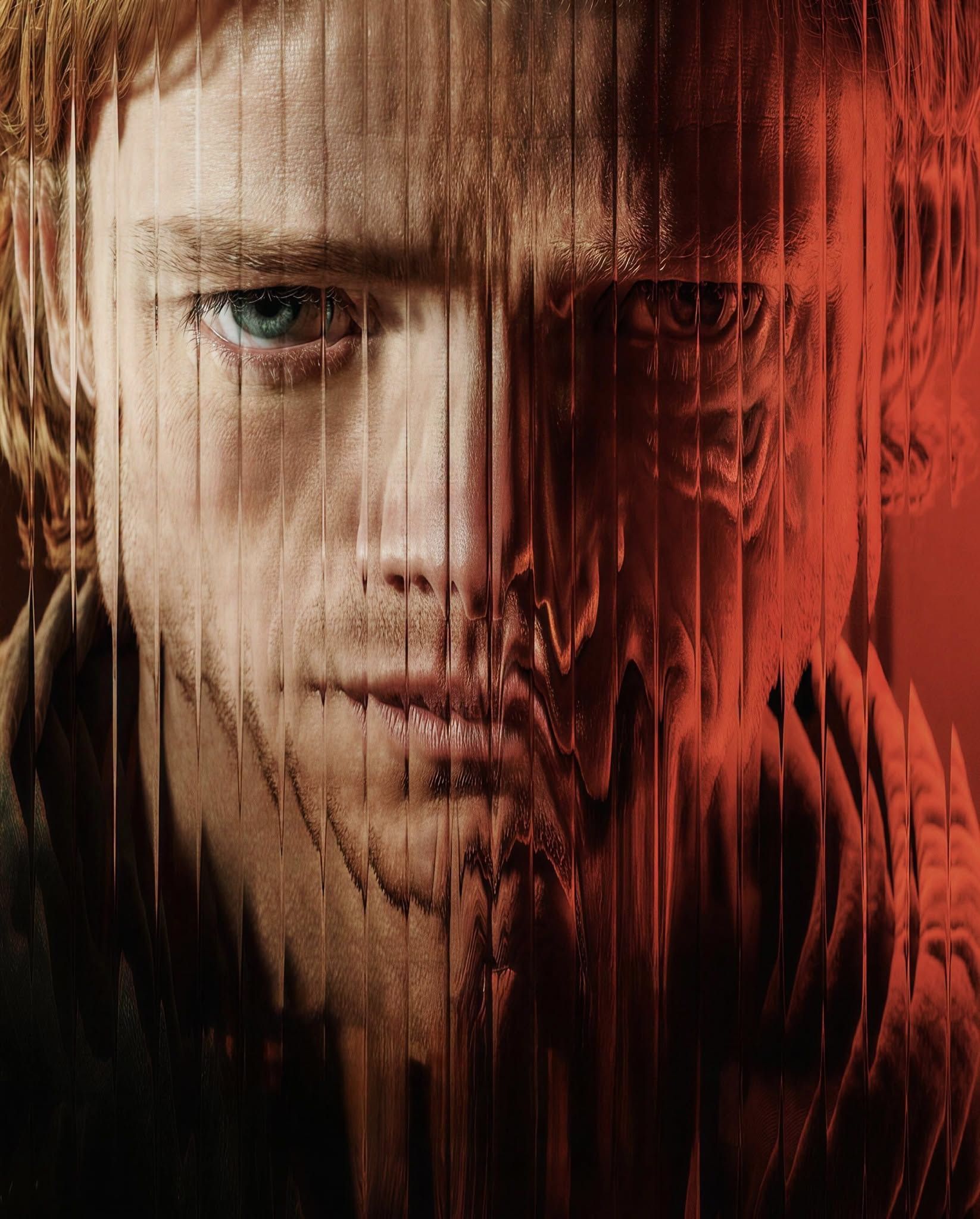
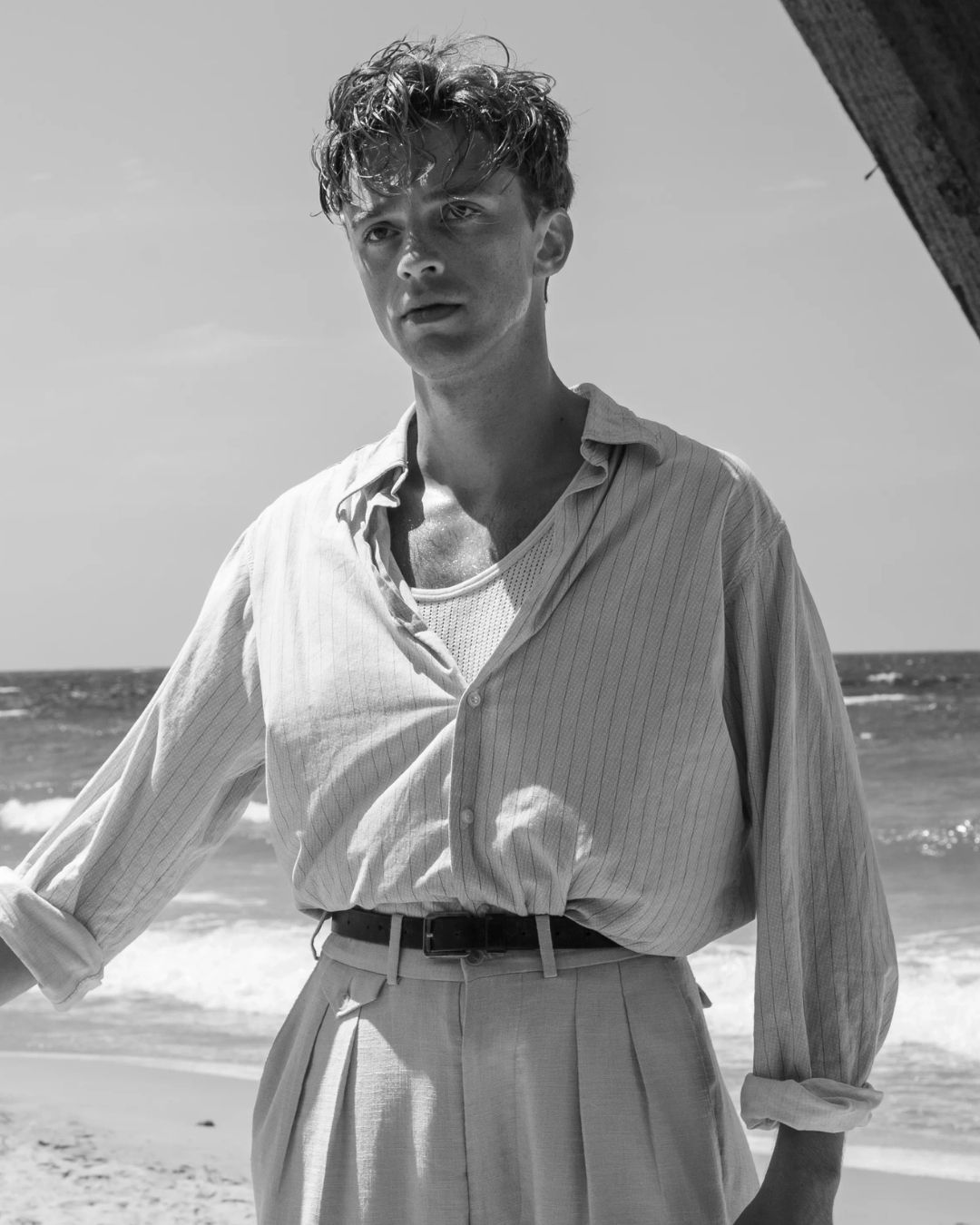
François Ozon decided to take the novel The Stranger by Albert Camus and bring it to the big screen. He does so in a way consistent with the book published in 1942, restoring that sense of nihilism and apathy that drives the protagonist Meursault, played by young Benjamin Voisin, whose presence is becoming increasingly prominent on the French (and global) scene as well as in festival circuits. The actor returns to the Venice Film Festival after competing last year with Playing with Fire by sisters Delphine and Muriel Coulin, and once again finds himself in front of Ozon’s camera, who had directed him in his first work of real significance, Summer of 85. A film in which Voisin was only twenty-four years old and unleashed the juvenile torments that inflamed the protagonists’ story, cooled down in this film that once again reunites actor and director, and which, instead of the loud colors of the eighties, preferred a cold and glacial black and white. A film that, through its subject and settings (though different), confronts Ripley, another adaptation project, another story of crimes and misdeeds, with another cinematography that abolishes colors to give way to shadows.
The episodic adaptation of the series by Steven Zaillian was released in 2024 on Netflix, imbued with the drama of the disturbing and calculating personality of the protagonist played by Andrew Scott, perfectly matching the absence of chromaticism. Exactly as in The Stranger, where Meursault’s flat, aseptic, and impenetrable mood permeates the entire film with a (voluntary) weariness, which moves forward unperturbed without peaks or falls, keeping the narrative tone constant and uniform, centered on the protagonist and radiating outward into the structure that surrounds him. From the architecture of Algiers, to the deafening calm of the young man’s days, to the relationships he establishes with those around him, especially with Rebecca Marder’s Marie Cardona, with whom he maintains a relationship full of meaning for her, but empty for Meursault. Because nothing matters and nothing is interesting. In this life, in the previous one, in the next. It is a limbo, the spiritual place where the protagonist finds himself, even and perhaps especially after having shot a man and consequently being imprisoned. A very simple device through which the film retraces the life lived just before by the young man to discover what triggered him. And here again, the answer is, disconcertingly, the same: nothing.
In the disarray of meaningless actions for Meursault himself, Ozon practices a adherence between the written word and the image, transposing literature to the screen with a capacity that belongs only to cinema: that of managing to strip a novel of its words, without which it could otherwise never exist, while still restoring both its soul and intentions. An operation perhaps too clean, lacking in momentum except for a finale which, precisely to make it clear that the protagonist must finally appear shaken, is overloaded. An essay for the screen, a task carried out carefully. An understanding that does not always equate to emotion, but that completes its mission.
What to read next
«Club Kid is a once-in-a-lifetime opportunity», interview with Jordan Firstman
Everything about the directorial debut of the American actor and screenwriter
"Cambogia" teaches actors that you have to care about your own characters
Valerio Lundini's directorial debut premiered at the Rome Film Festival
In "The Debut" Julianne Moore gives a masterclass in acting
The film, premiering at the Rome Film Fest, hits theaters on January 1, 2027