




































Is alert fatigue a problem for information? The number of people who disable notifications is growing
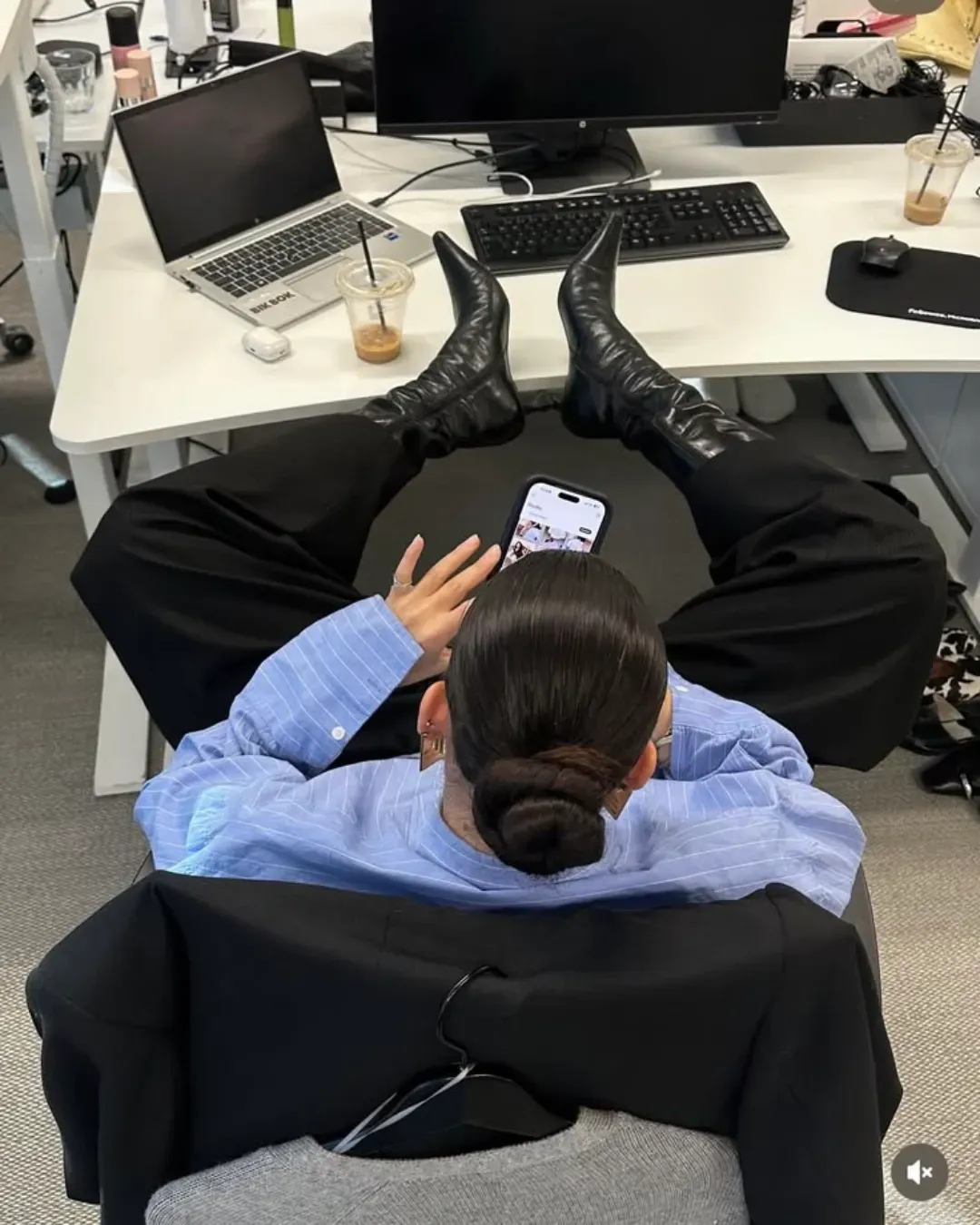
Every day, at any hour, somewhere in the world a phone receives a notification, a call, or a message. It's a hallmark of our times, or at least since the smartphone entered our lives: always connected, always reachable, always online. For this reason, a growing number of people are experiencing symptoms of what is called alert fatigue, and this is confirmed not only by personal testimonies but also by real research data. According to a global study by the Reuters Institute for the Study of Journalism, 79% of respondents have chosen not to receive any news alerts on their phones during the week. Even more telling, 43% of those not receiving alerts have actively disabled them. Many complain about receiving too many or finding them not useful. The use of notifications by newspapers and news outlets has grown exponentially over the last decade: as reported by the Guardian, in the U.S. the percentage of users receiving alerts has increased from 6% to 23% since 2014. Similar figures are seen across Europe: in the UK, it's estimated that every time the BBC sends a notification, around 4 million people receive it. The Financial Times, according to the Guardian, «sends no more than four alerts per day», but «sends a series of general news alerts to everyone, and then a personalized notification at the same time each day to those who opted in.» In other countries, the frequency is even higher: The Jerusalem Post and CNN Indonesia send up to 50 notifications a day, according to Reuters, while some news aggregation apps send even more.
Cybersecurity vendor email fatigue is just as bad as, if not worse than, alert fatigue
— SecInterviewHub (@sec_hub93028) June 25, 2025
«This is definitely alert fatigue,» Nic Newman, lead author of the report, told the Guardian. «Users want to protect themselves during the day, so they are not constantly distracted and can do other things. It doesn’t mean they’re not interested in the news, it just means they don’t want it coming in all day, 24/7.» The study also highlights another issue directly linked to alert fatigue: news alerts compete for the user’s attention alongside social media, games, and other entertainment apps. This leads to a real addiction to digital stimuli, which ends up making even major news alerts feel irrelevant. It becomes a sort of «boy who cried wolf» scenario that risks damaging journalism, as news content gets pushed out of the most valuable media space: the smartphone lock screen.
Everything happening is so exhausting and draining. You feel like you want to take a break from the news but then realise the least you can do is speak up. So you feel guilty for turning away for just a second. We’re stuck in a cycle of wanting to do more and feeling helpless.
— Karim Wafa-Al Hussaini (@DrKarimWafa) June 10, 2025
Finding the right balance between the desire to stay informed and the need to protect one’s peace of mind from a relentless stream of alerts - often emotionally charged, considering the current global climate - seems an increasingly complex challenge. The risk is that excessive notifications could undermine the entire news sector. Major smartphone software companies like Apple and Google have already warned publishers against sending too many alerts, fearing the backlash of alert fatigue. This has raised concerns that platforms may take stronger action in the future, potentially limiting or controlling alerts and, in turn, impacting press freedom. The message is clear: to avoid being ignored, news must be delivered in new ways. Otherwise, journalism itself may risk becoming just background noise.