




































Is Starbucks about to go bankrupt? What to expect from the “Back to Starbucks” initiatives promoted by the new CEO
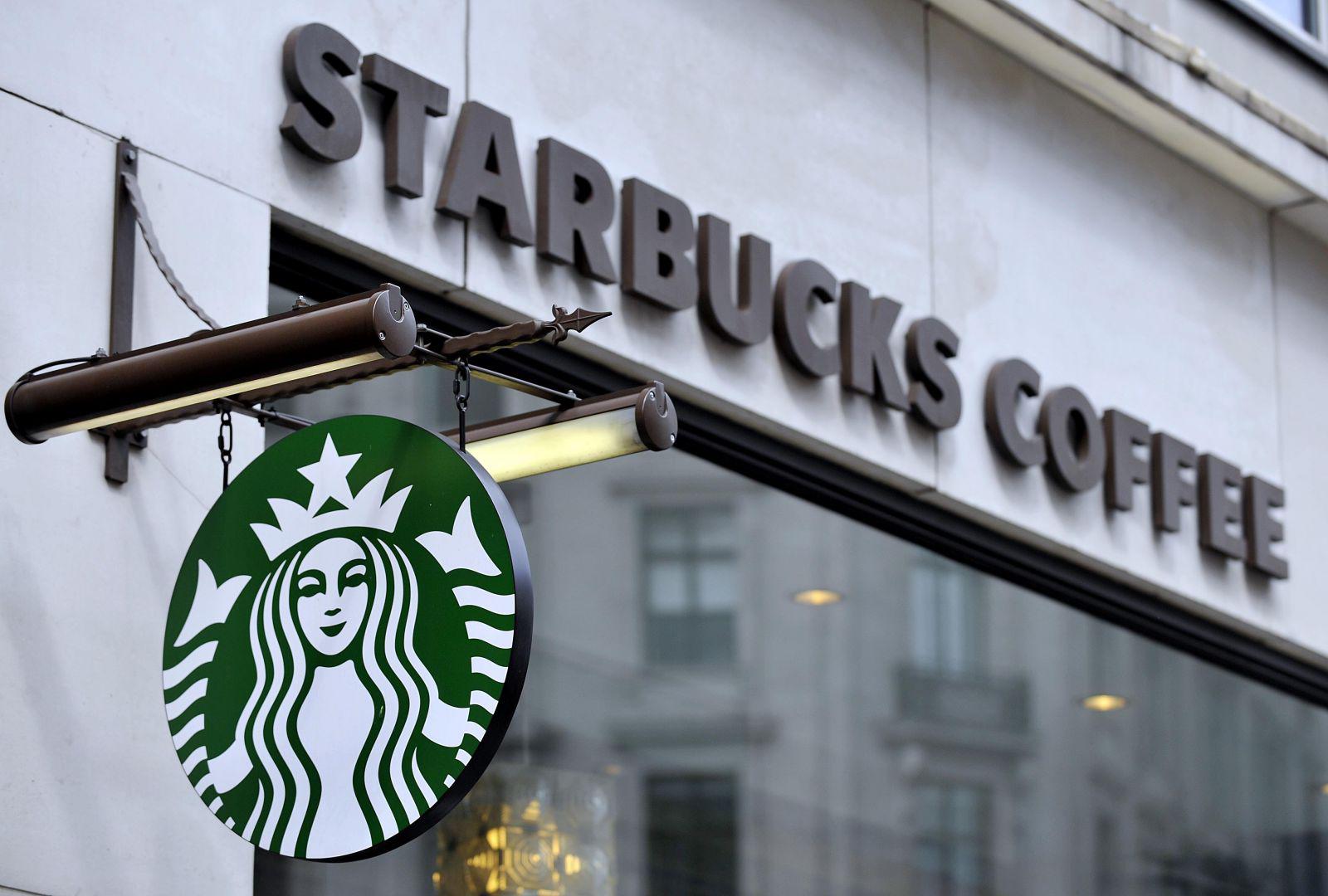
The latest financial results from Starbucks show that the chain has reported a sales decline for the fifth consecutive quarter, confirming a challenging period for the company. Total revenues fell short of analysts’ expectations, signaling weaker-than-expected performance: global sales decreased by 1%, while in the United States—the chain’s main and most profitable market—sales dropped by 2%. This scenario has also impacted the company’s stock value, which over the past six months has experienced a decline of around 25%. Currently, one Starbucks share is trading at approximately 79 euros. Several factors underlie this downturn, including the significant increase in the price of coffee, which in 2025 has reached its highest levels in the past fifty years. In essence, this is a cost increase that the company cannot easily pass on to final customers without risking further market share loss. To address the situation and revitalize the brand, the company’s new CEO, Brian Niccol, has announced a plan called “Back to Starbucks.” The goal is to return the company to its roots—that winning model that made it a reference point for millions of consumers worldwide. The plan includes simplifying the offer by reducing the number of products on the menu, aiming to give more space to the brand’s classics, such as its various coffee varieties and breakfast options. Other planned initiatives include updating store interiors and introducing new forecasting models based on customer consumption behaviors, aiming to manage orders more efficiently and reduce wait times.
One of Niccol’s most ambitious goals is to ensure that every customer receives their order within a maximum of four minutes. To achieve this target, the company has launched a major hiring campaign, increasing the number of employees in stores with the aim of improving service quality and re-establishing a more direct relationship with customers—an aspect that, according to several internal analyses, had progressively deteriorated in recent years. Niccol believes that Starbucks’ real strength is not so much its elaborate beverages or the seasonal products introduced in recent times, but rather its café staff: according to the new CEO, it is the contribution of frontline workers that largely determines the customer experience and, consequently, the brand’s success. At the same time, Starbucks has also ramped up its communication and marketing activities, focusing on advertising campaigns that reintroduce the image of its cafés not just as places to grab a quick coffee, but as welcoming spaces where people can potentially spend a lot of time, even studying or working. This new narrative is part of an attempt to recover the brand’s original identity, which over the years had successfully positioned its cafés as “third places.” However, in recent years—also due to the pandemic—this perception has faded, particularly in the United States, where fewer and fewer customers tend to see Starbucks as a place for a long coffee break.
all the girlies in line at starbucks now that the pumpkin spice latte is back pic.twitter.com/28V3bn7VPf
— The Notorious J.O.V. (@whotfisjovana) August 24, 2023
The approach adopted by Niccol focuses on a deep internal reorganization, aiming to redefine corporate priorities and make the operational structure more agile. Among the first measures taken was a significant reduction in work teams, which last February led to the layoff of over a thousand employees working in the company’s central offices. A decision that, while generating many criticisms, is part of a broader strategy aimed at streamlining processes and increasing the company’s operational efficiency. At the same time, Starbucks has decided to ease its focus on market fluctuations and short-term financial results. In this perspective, the company has suspended its economic forecasts for 2025, acknowledging the possibility of reduced profits in the short term due to the implementation of the new strategic plan. The intent is to look beyond quarterly results, investing in the long term to relaunch the brand’s identity and positioning. With a long career in the U.S. restaurant and food retail sector, Starbucks’ new CEO previously led the turnaround of major chains such as Pizza Hut, Taco Bell, and especially Chipotle, where he stood out for bringing the brand back to sustainable growth after a crisis period. However, the company’s challenges are not limited to the United States or, more generally, to Western food & beverage markets. In China—one of the company’s most important markets—Starbucks is also facing a decline in competitiveness due to the rapid rise of local rival chains. In this context, the international relaunch looks just as challenging and crucial for the chain’s future.
What to read next


Why are American tourists disappointed by coffee in Europe?
Spoiler alert: it's hard to find iced-coffee that contains more sugar than caffeine on every corner