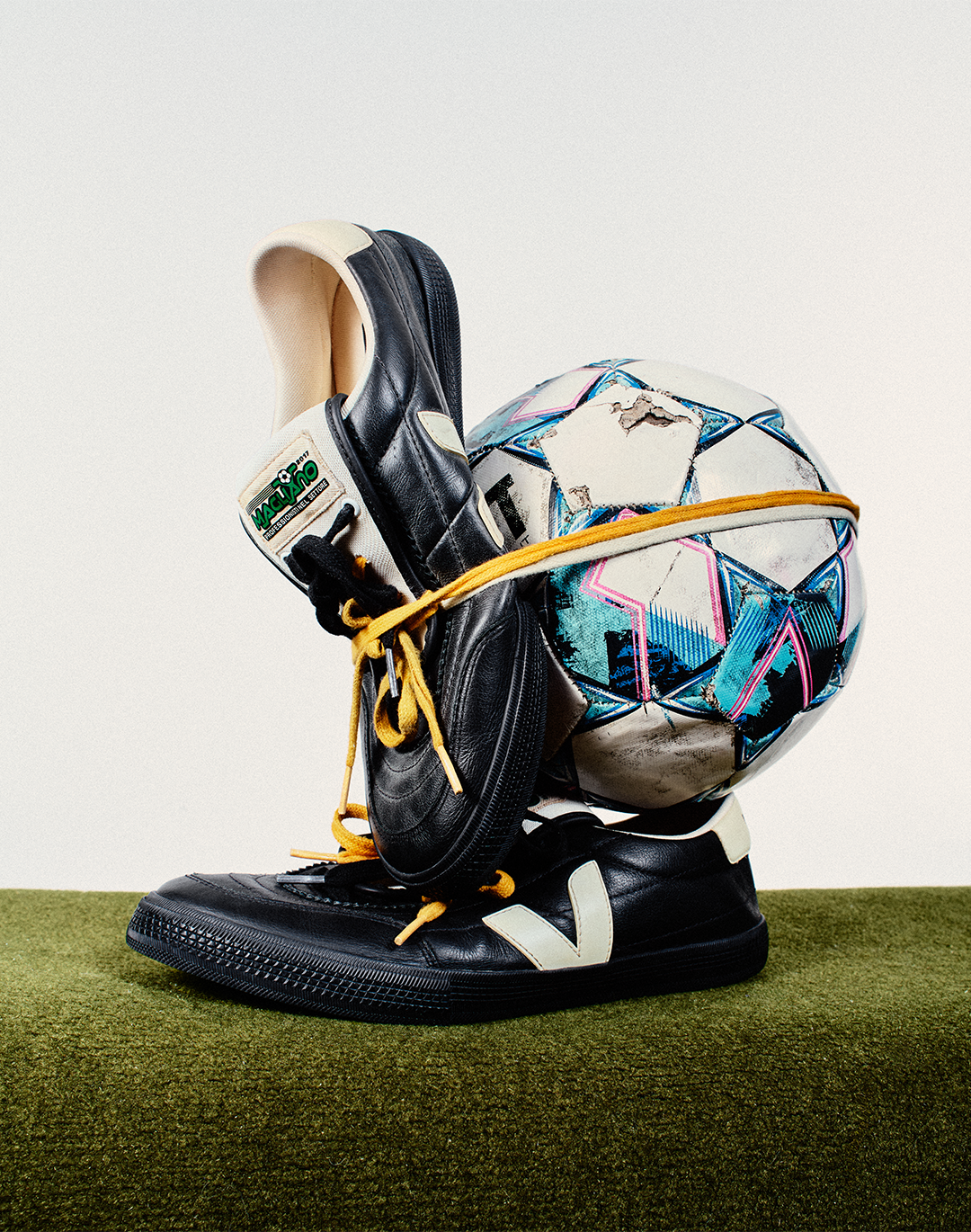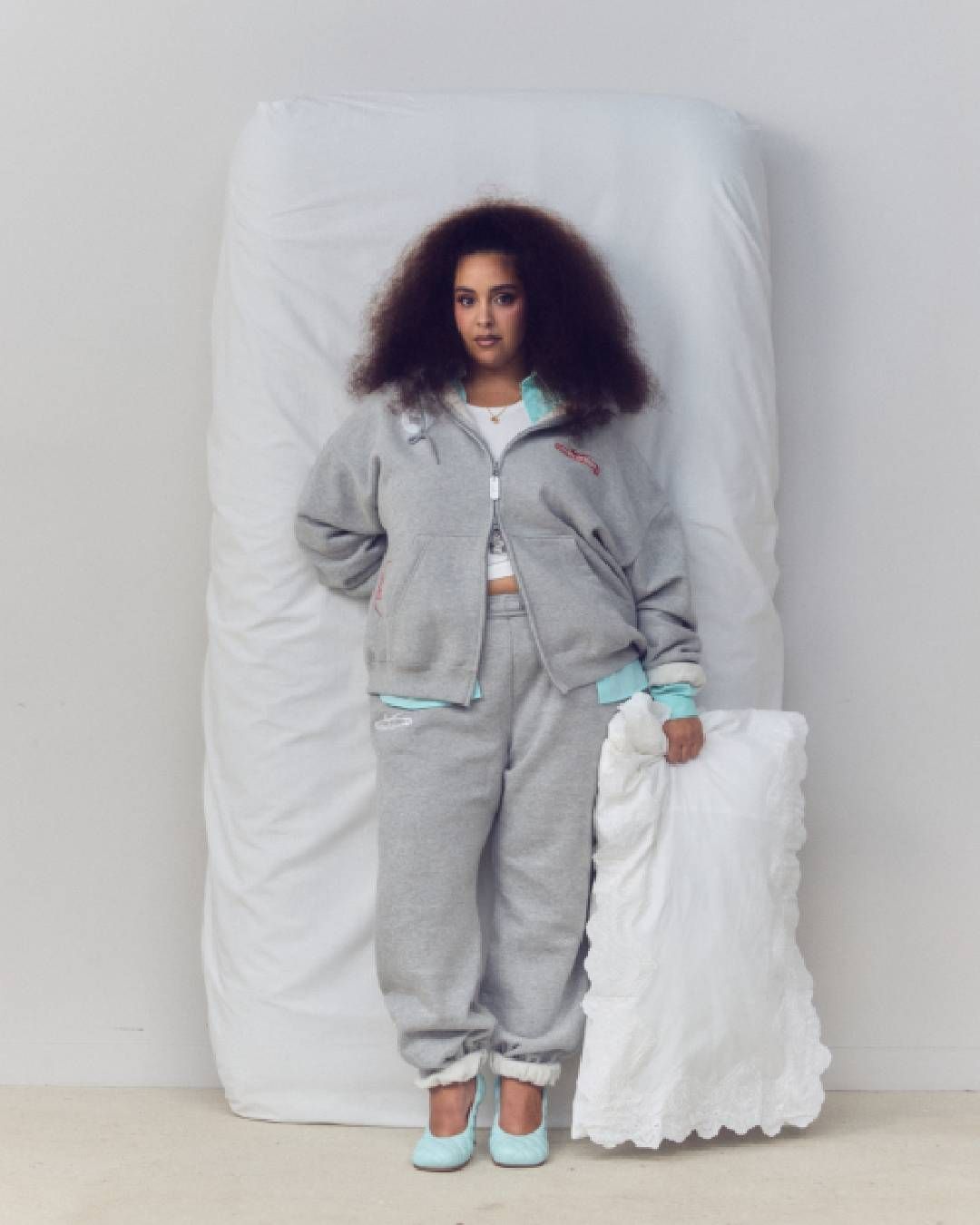
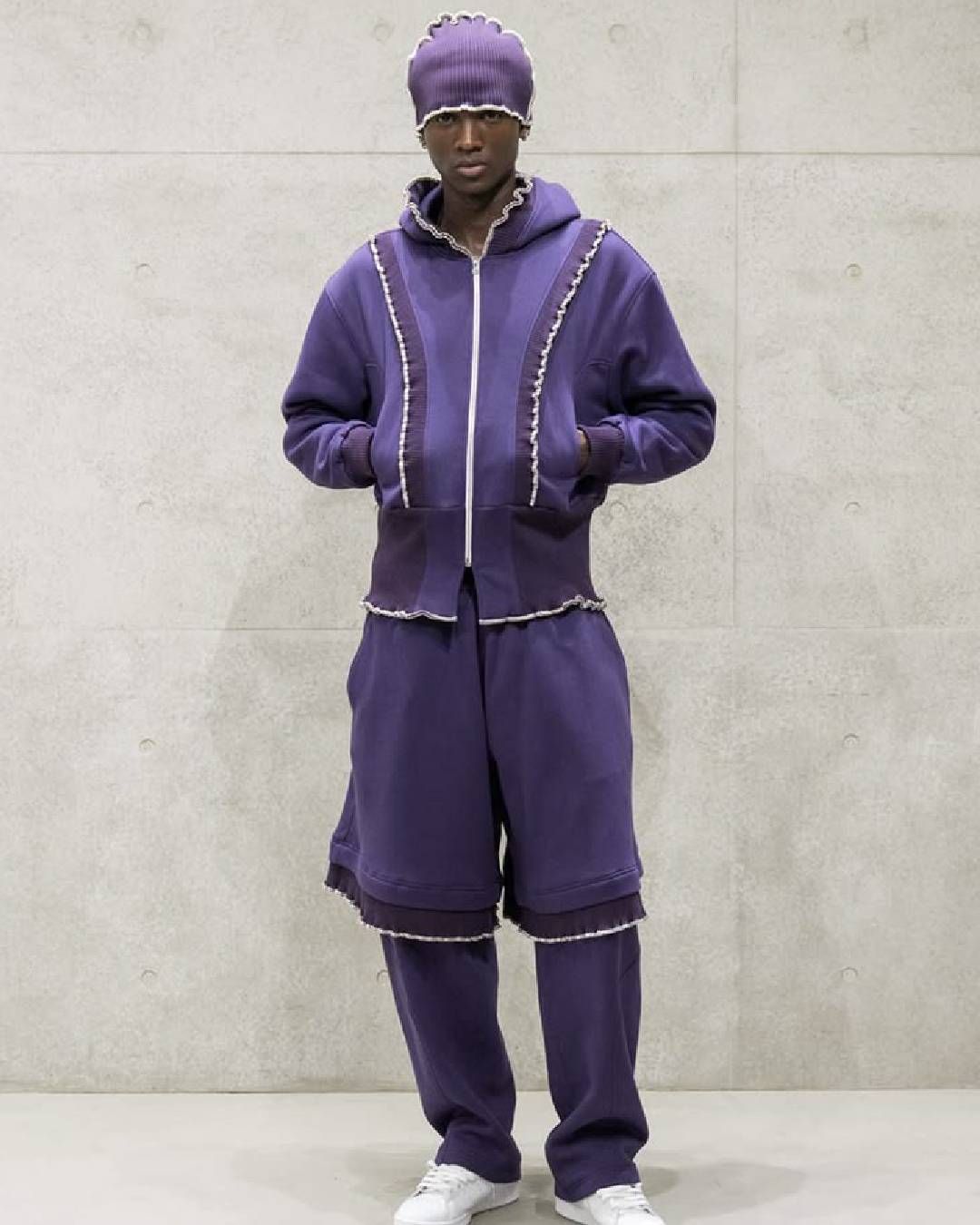
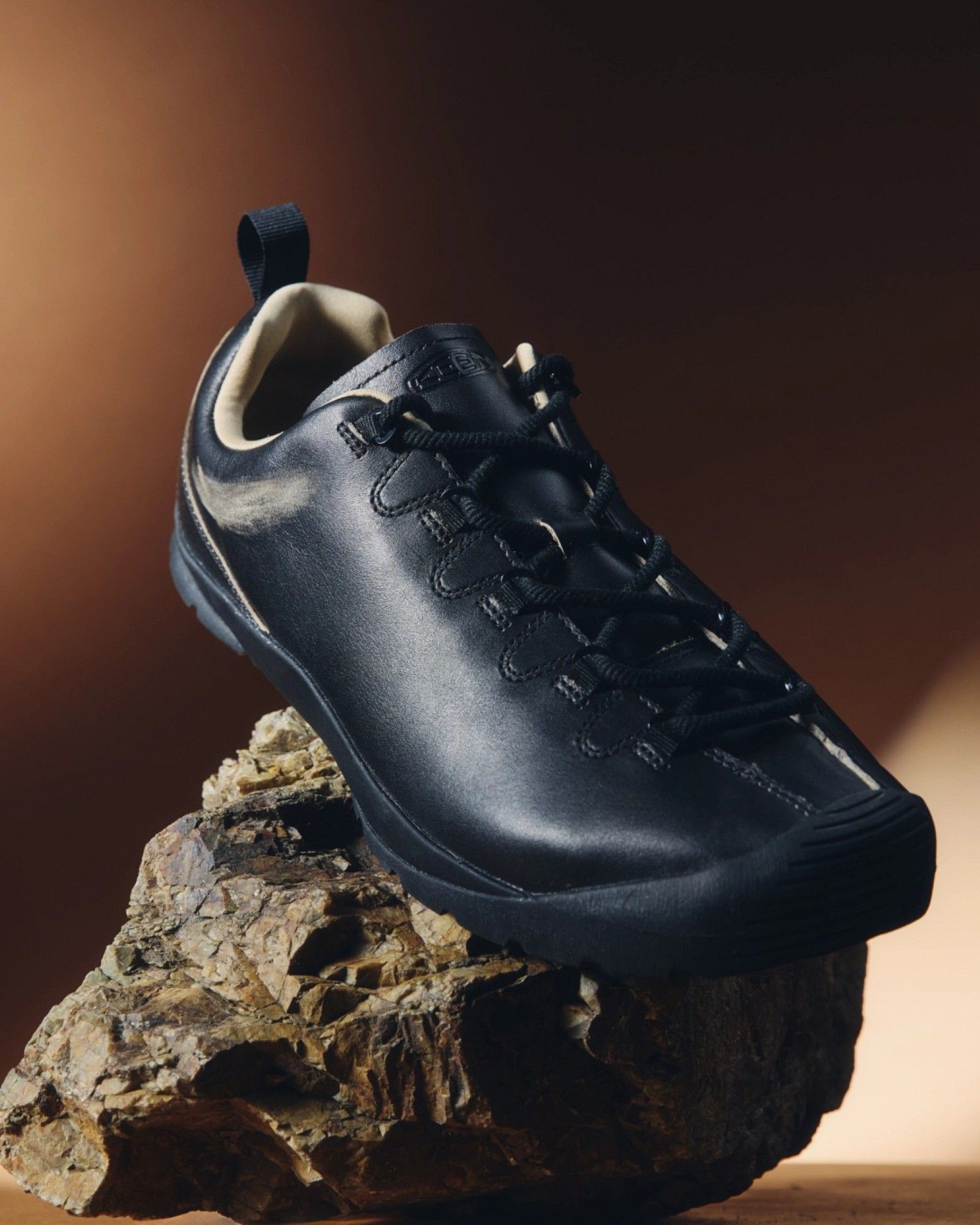


























Spring is still the season for skinny sneakers A space that the fashion industry wants to enter, but where it might face some resistance
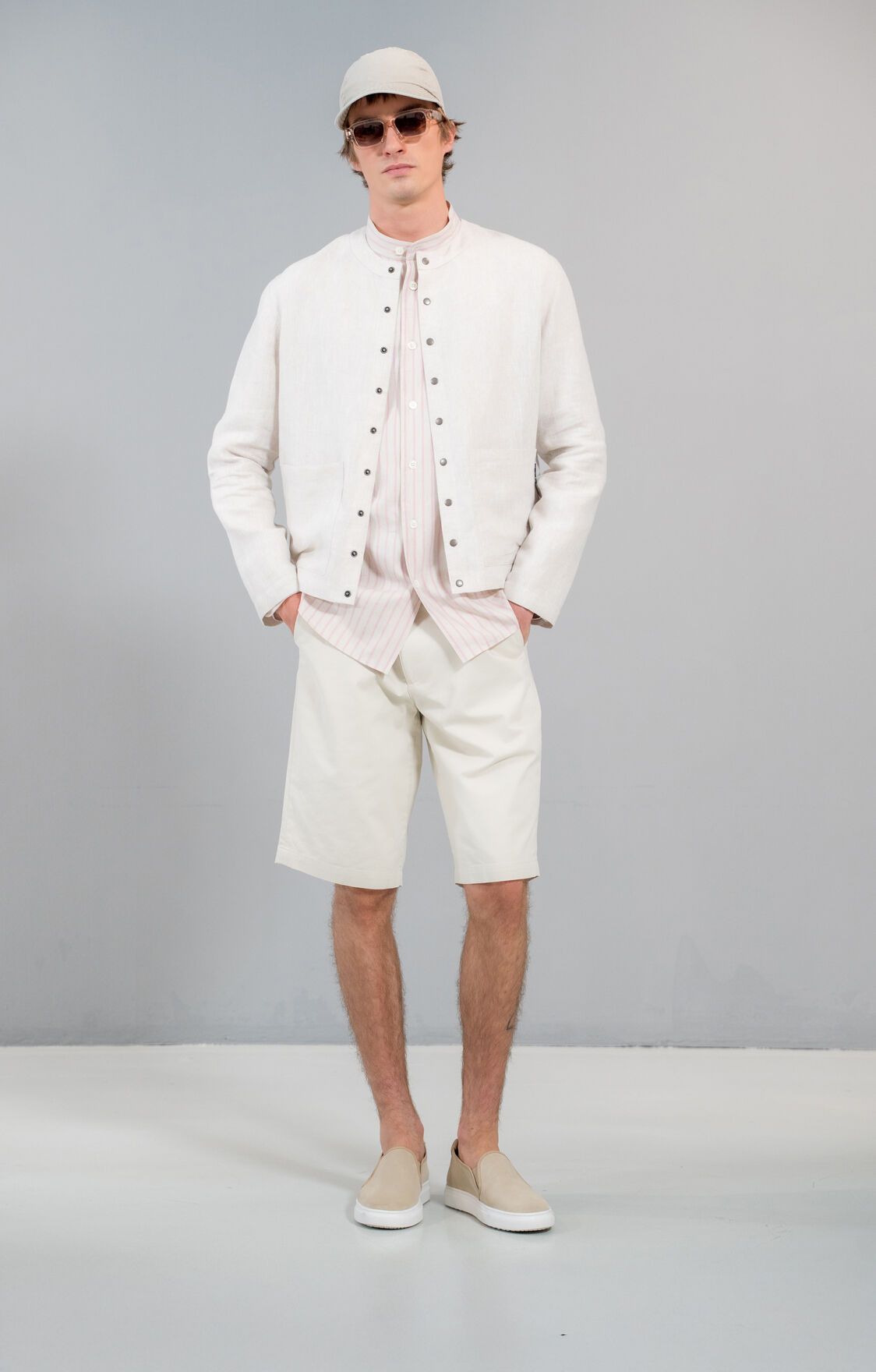
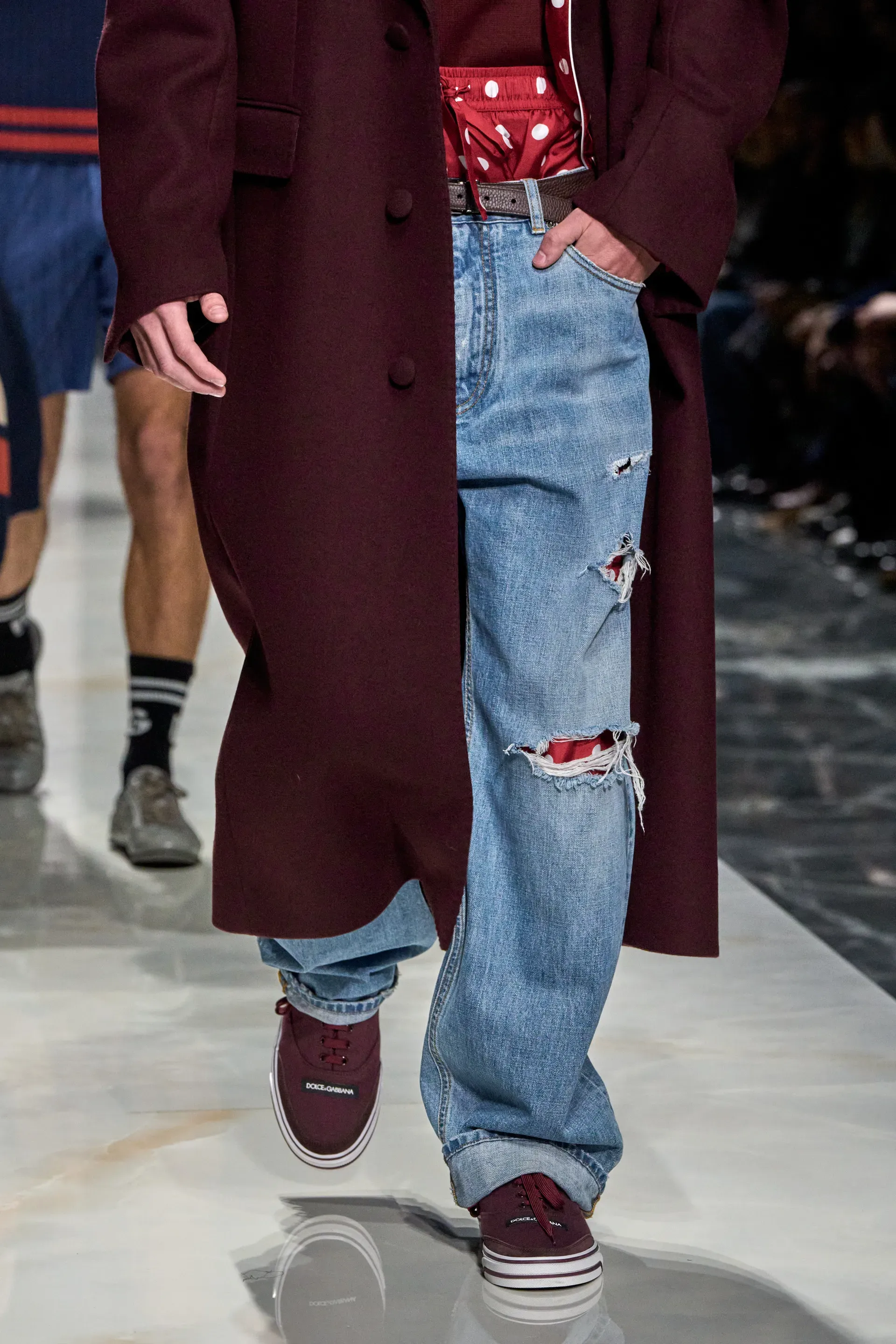
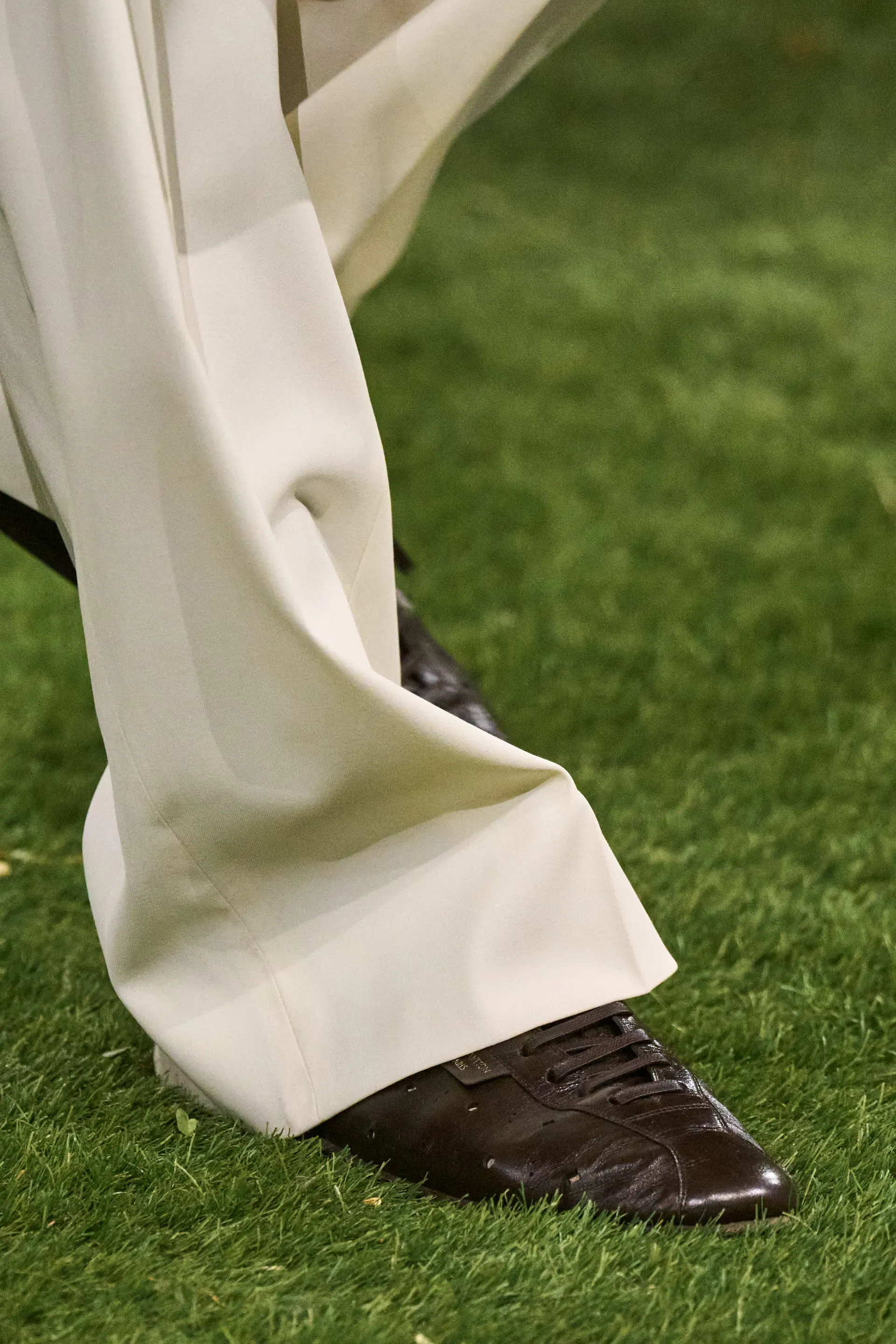
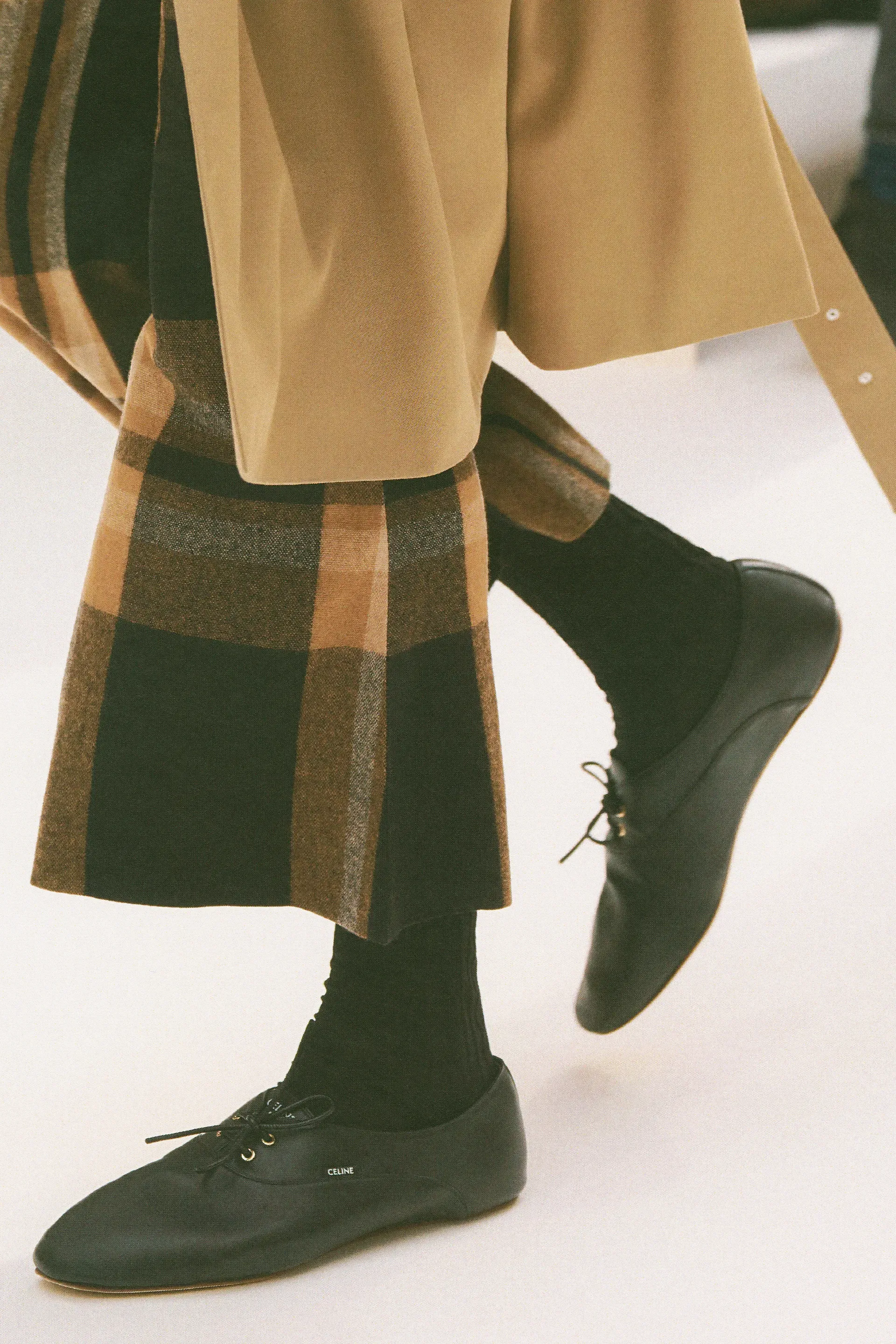
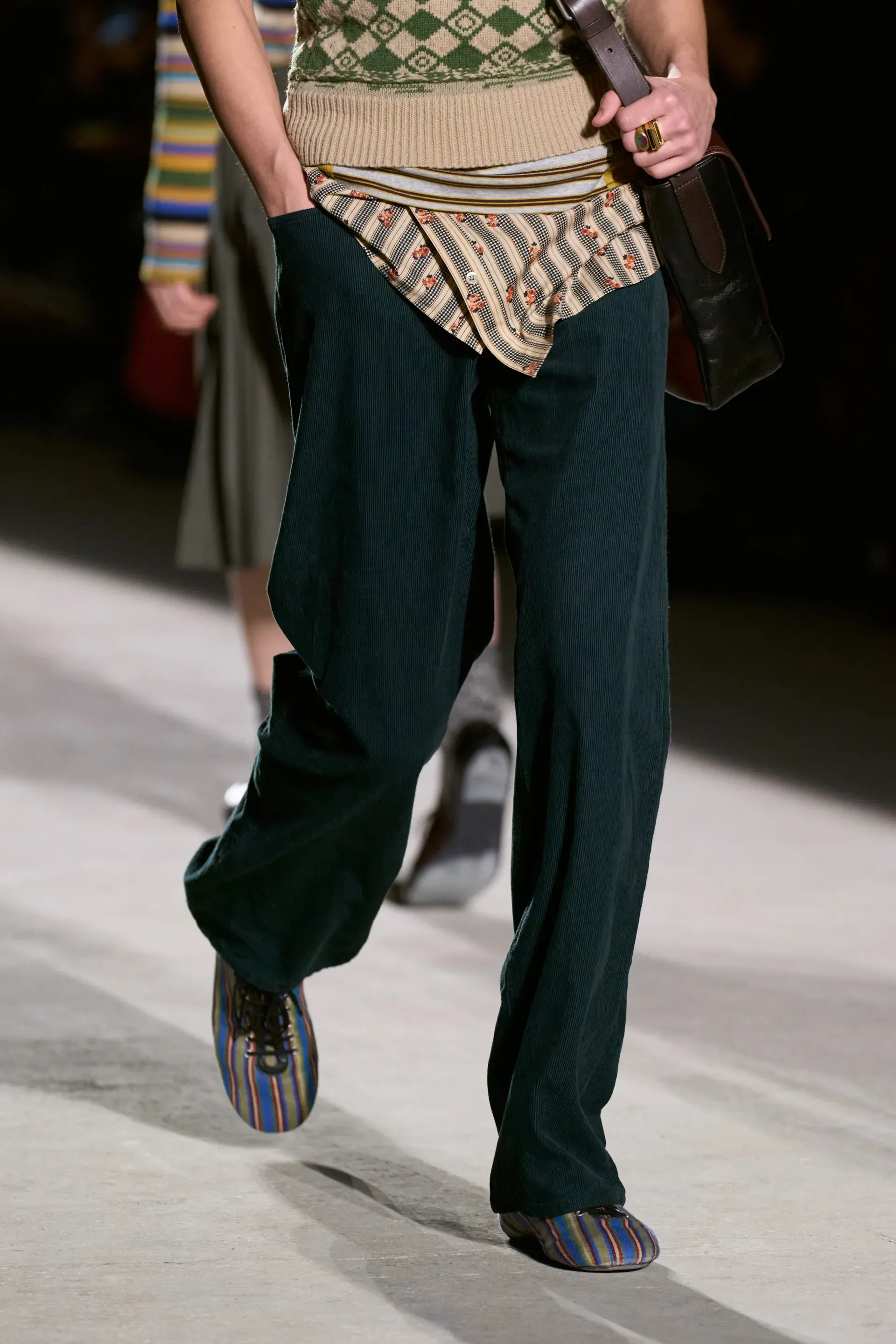
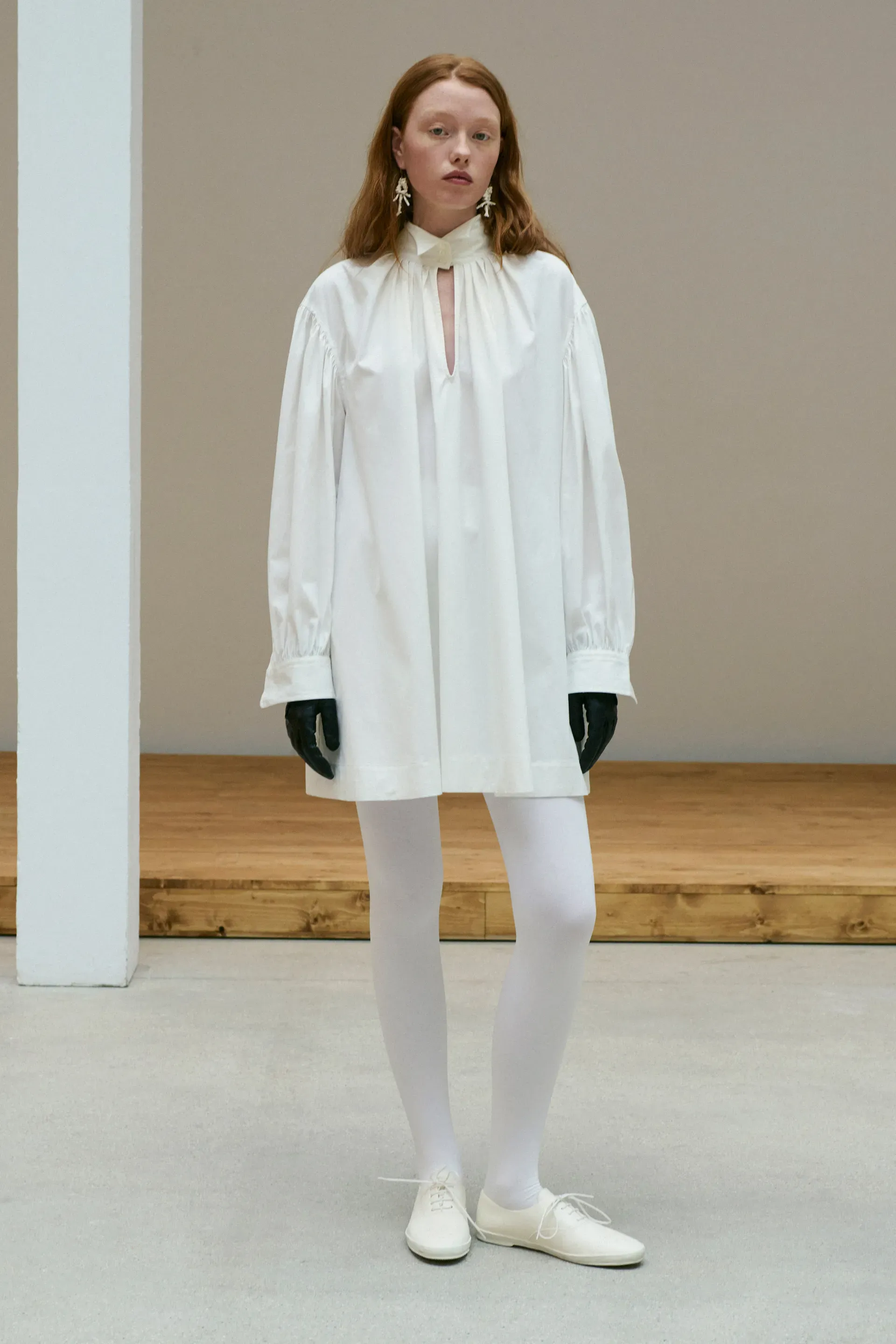
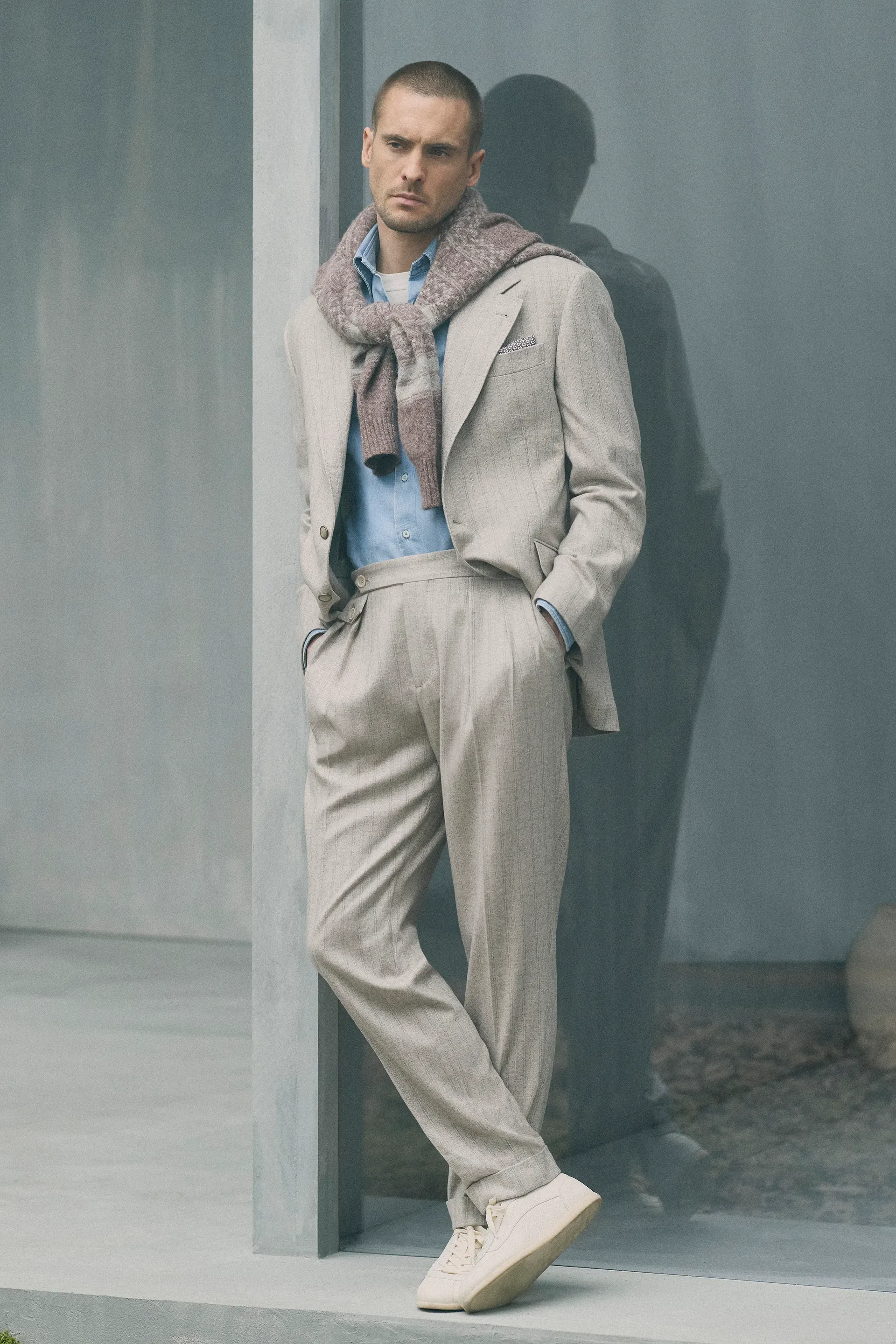
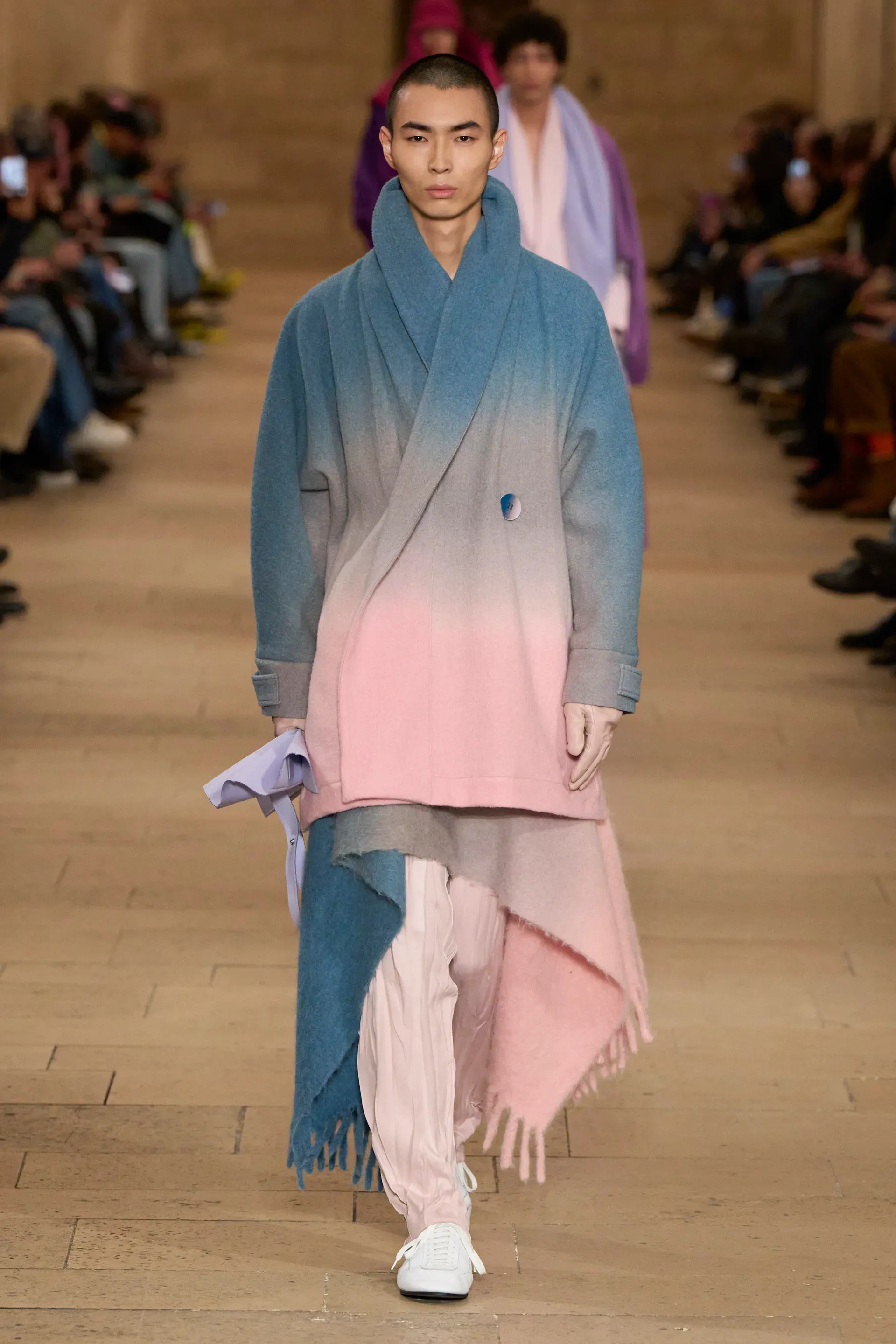
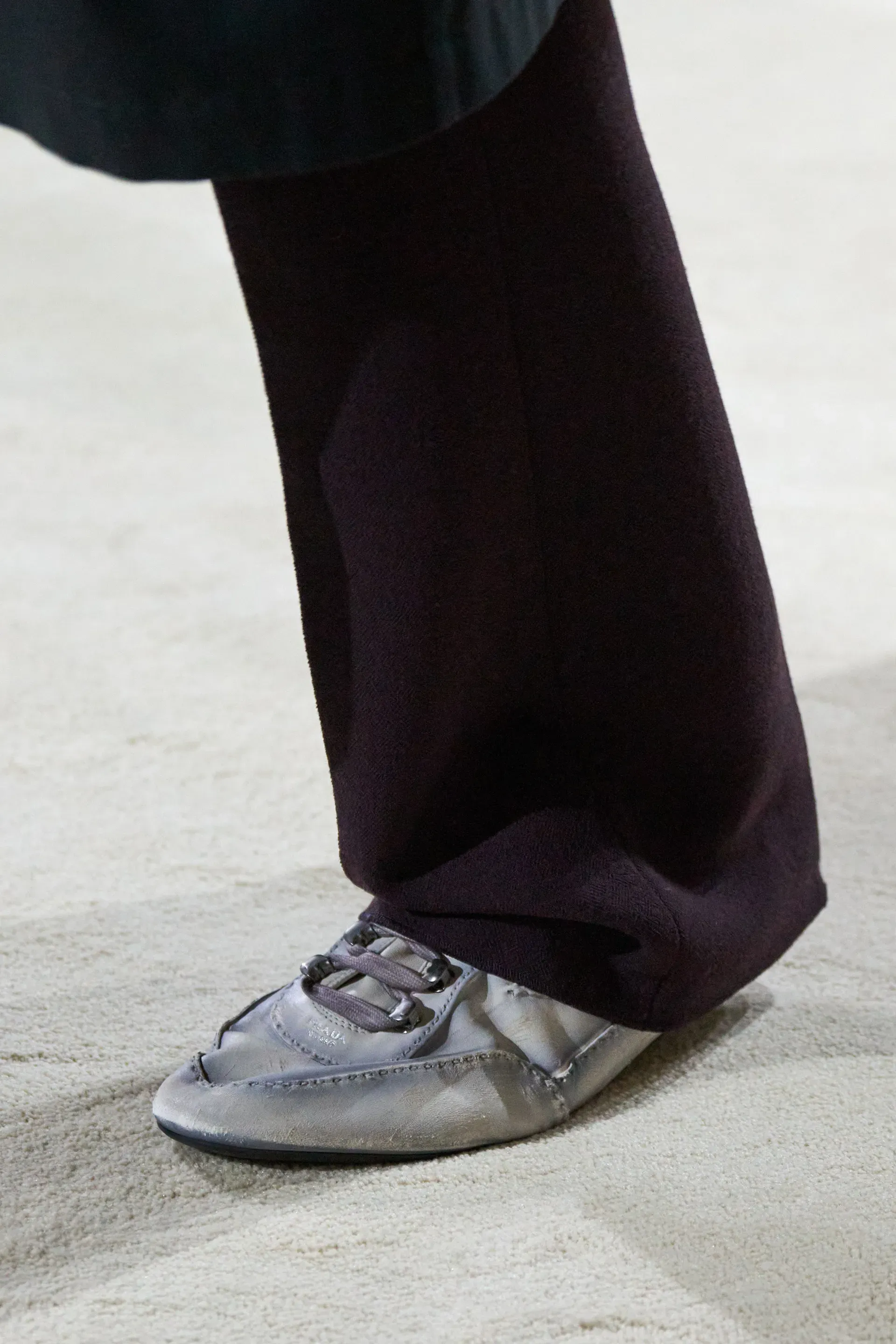
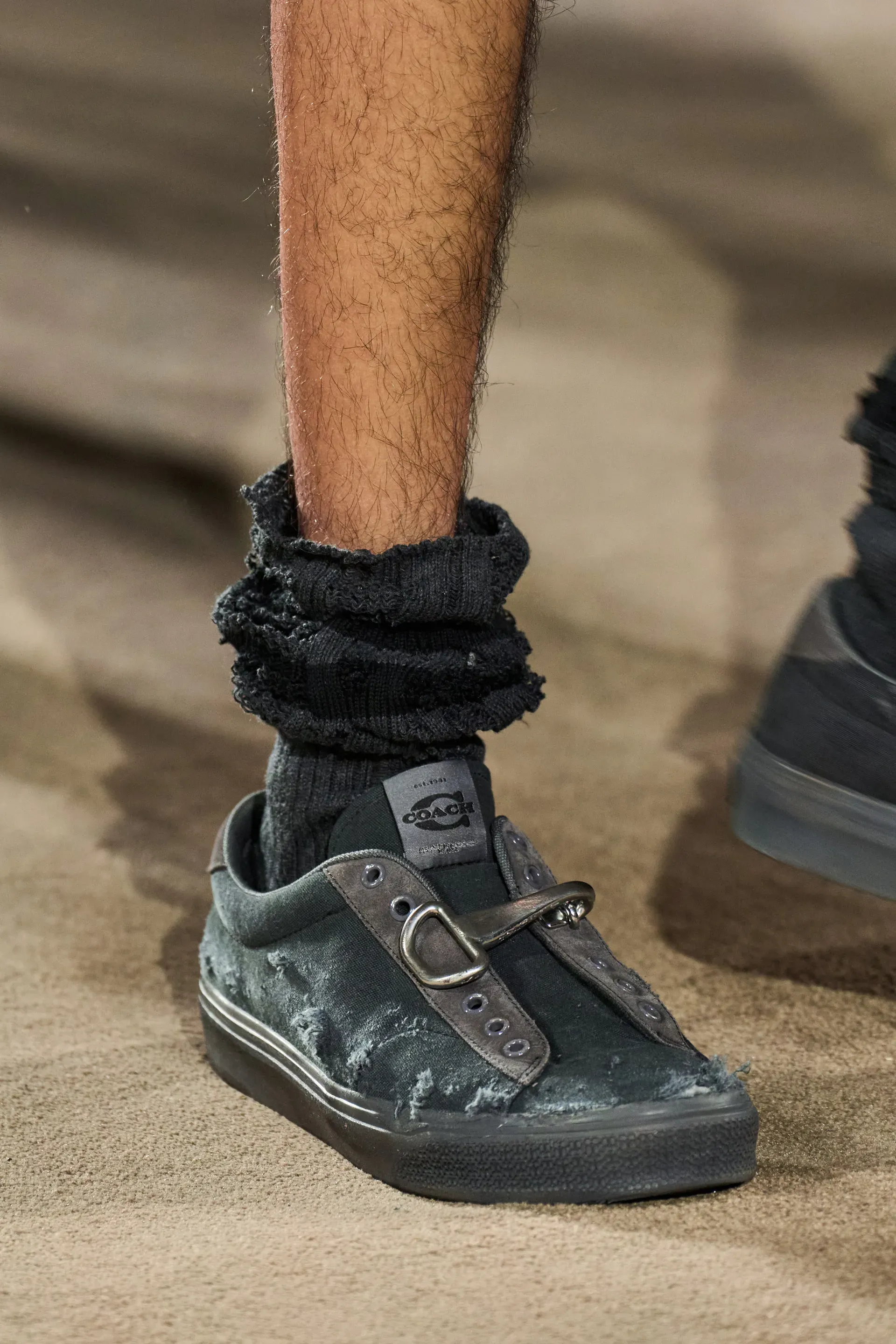

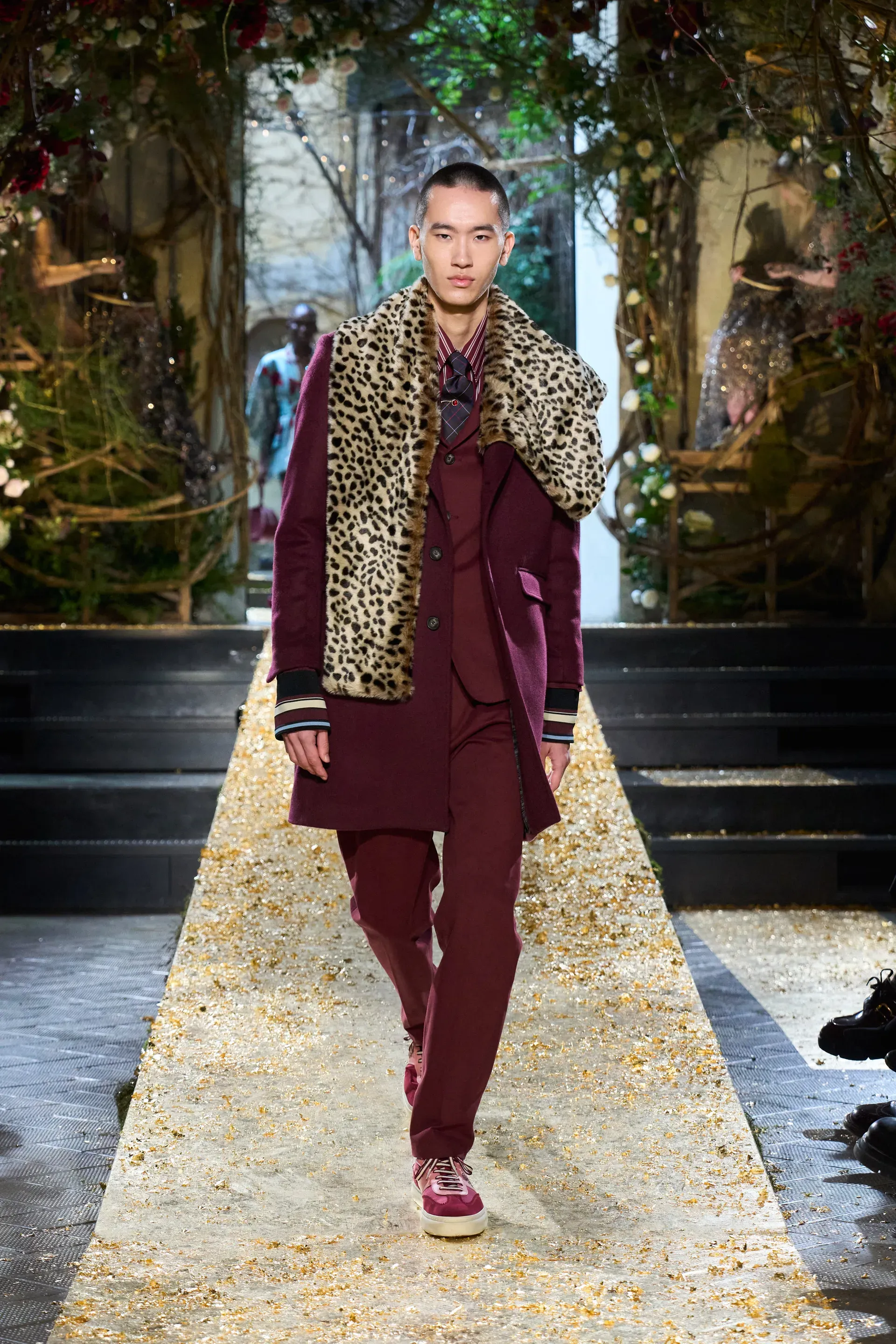
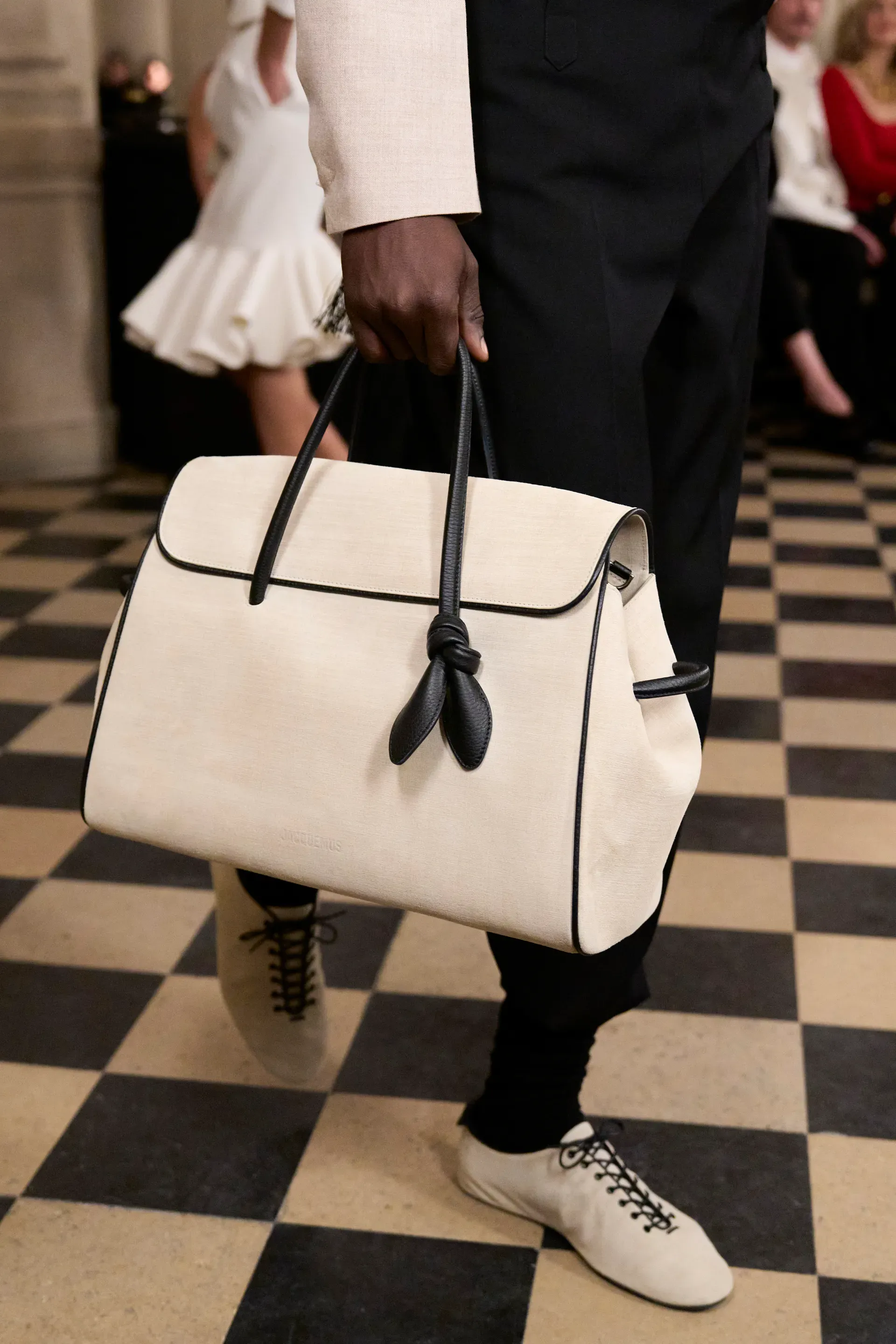
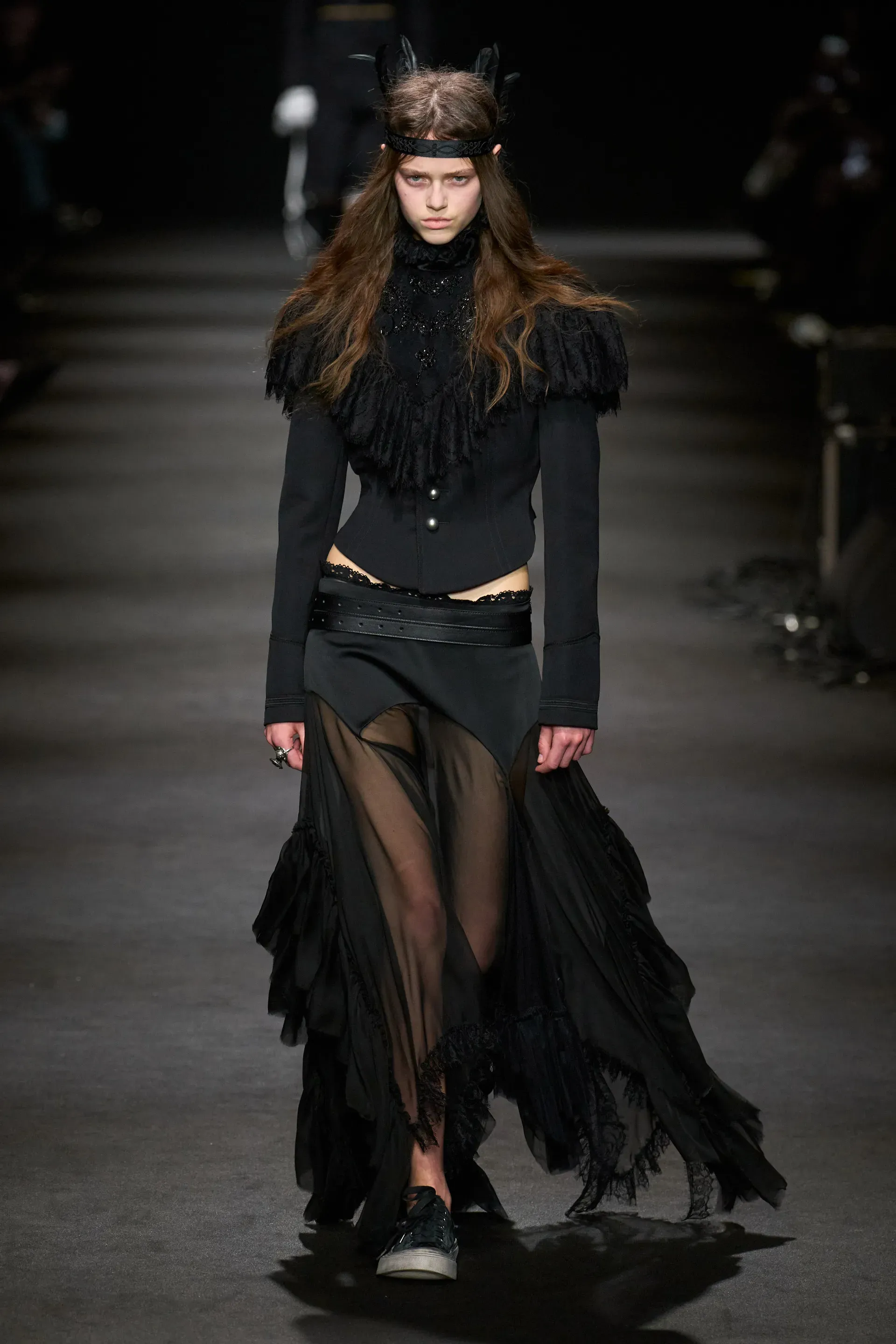
The skinny sneakers trend is strange: on one hand it lends itself to numerous reinventions and doesn’t seem to want to go away, while on the other some brands like Valentino, Dior and Off-White appear ready to leave it behind for the upcoming seasons. At the same time, it is pushing luxury and middle-market brands into a curious competition to see who can produce the most marketable model on the market.
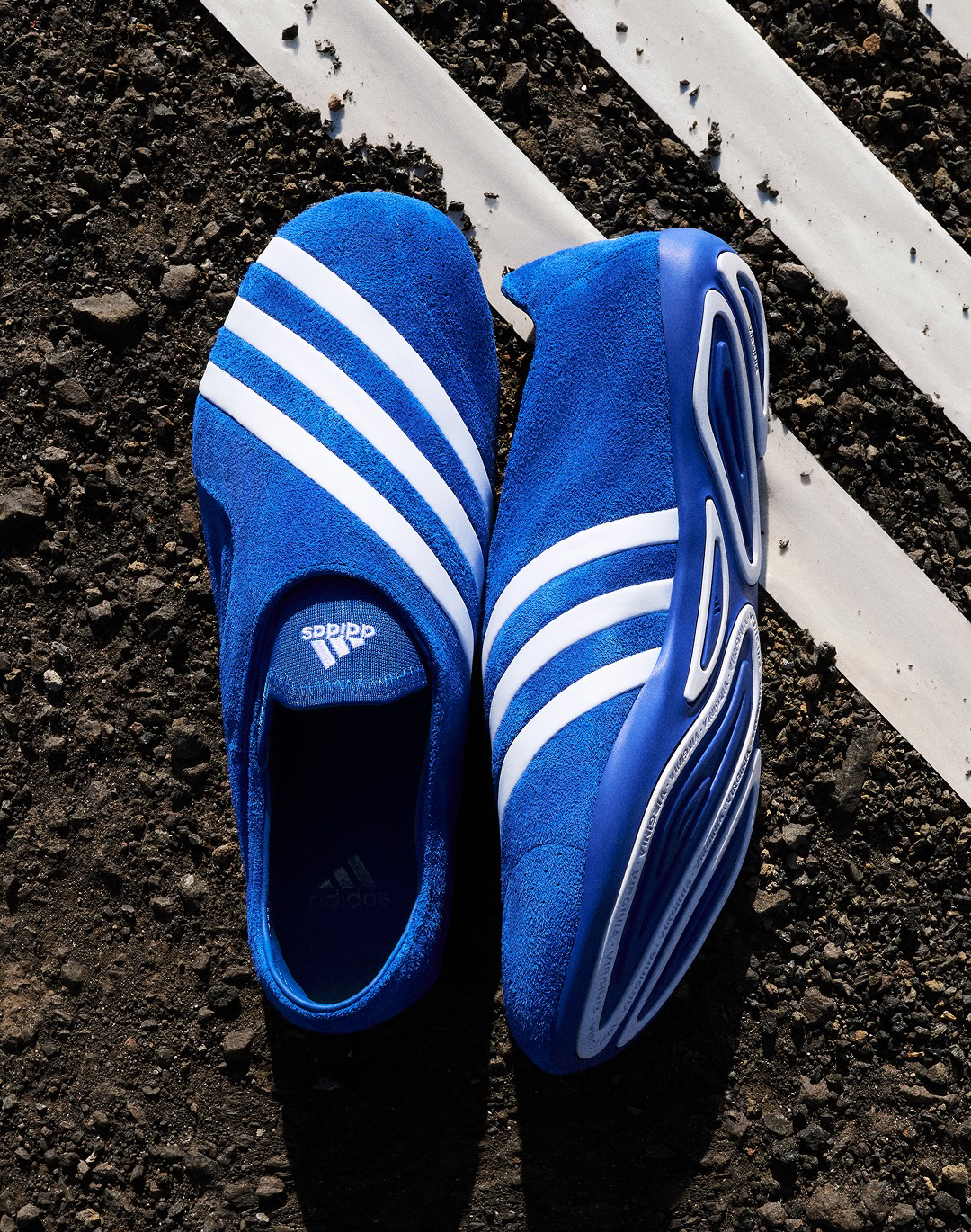
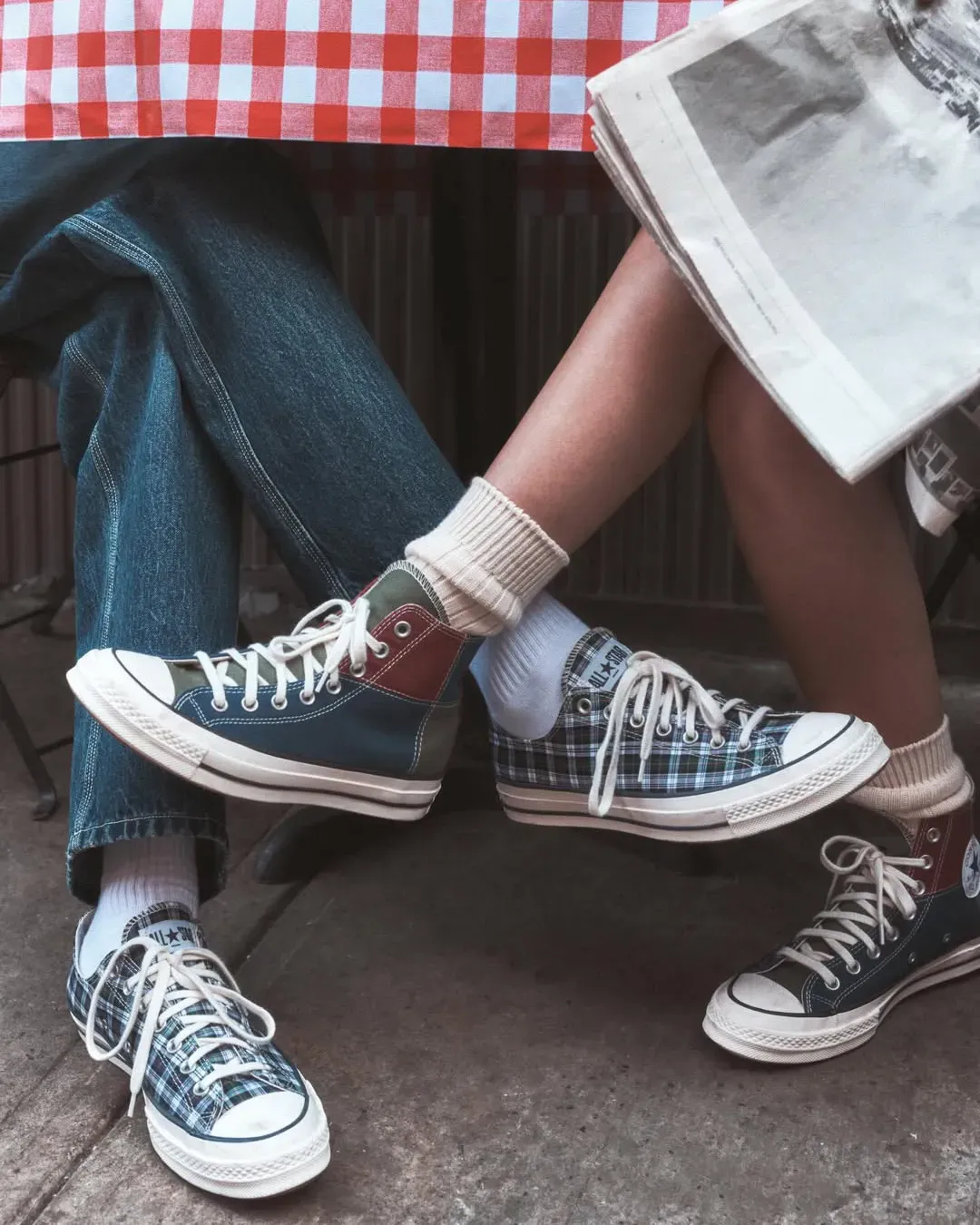
The two brands that dominate the world of skinny sneakers, namely Converse and Vans, have both introduced new lines and collaborations that offer premium versions in leather, nubuck or with animalier finishes of their most classic designs — precisely while the luxury world is descending on the sector with a full arsenal of sneakers so thin they look like gloves. This leads us to believe that in the coming months it won’t just be jeans or Hollywood celebrities going skinny again, but plenty of shoes too.
Beating the competition to the punch
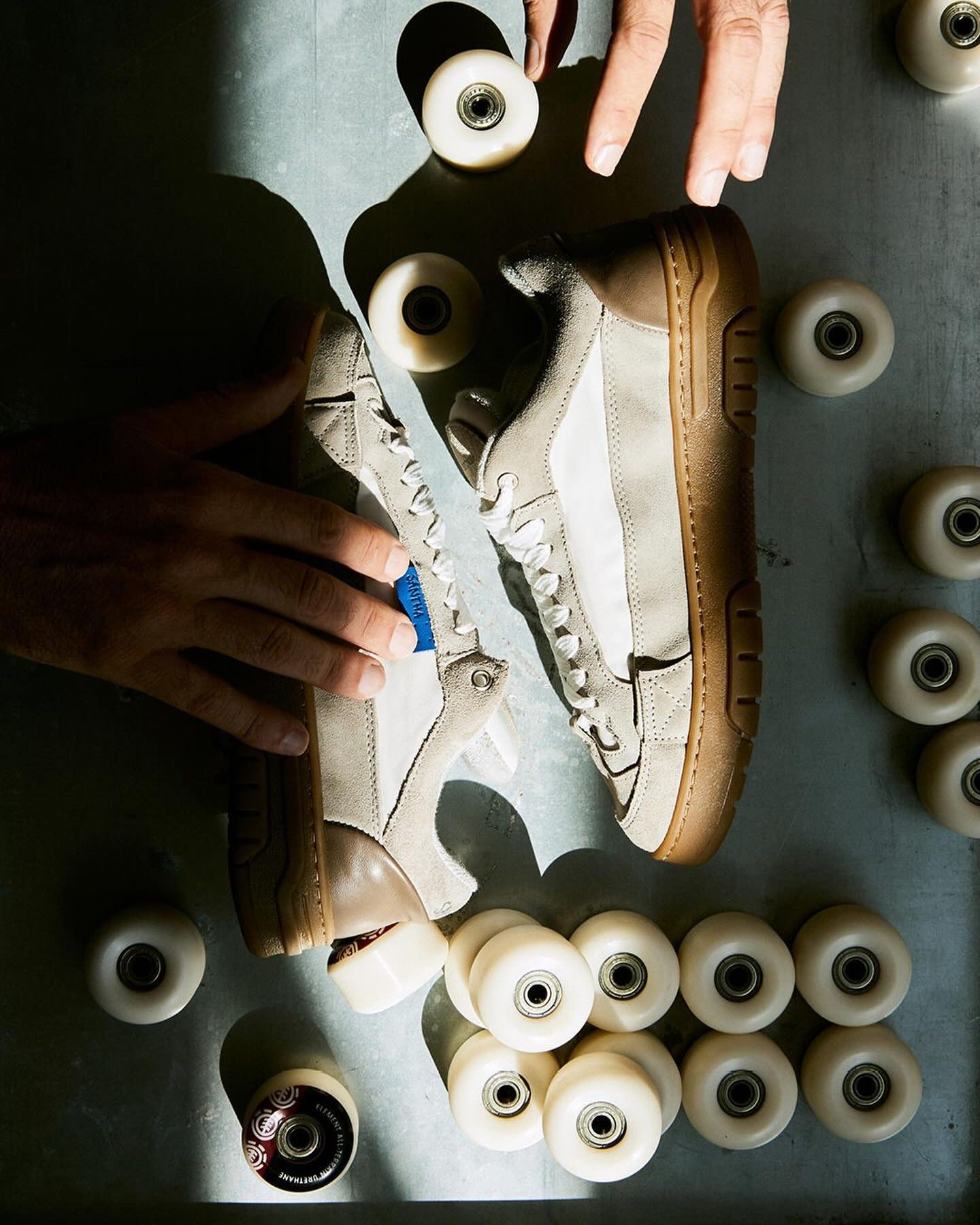
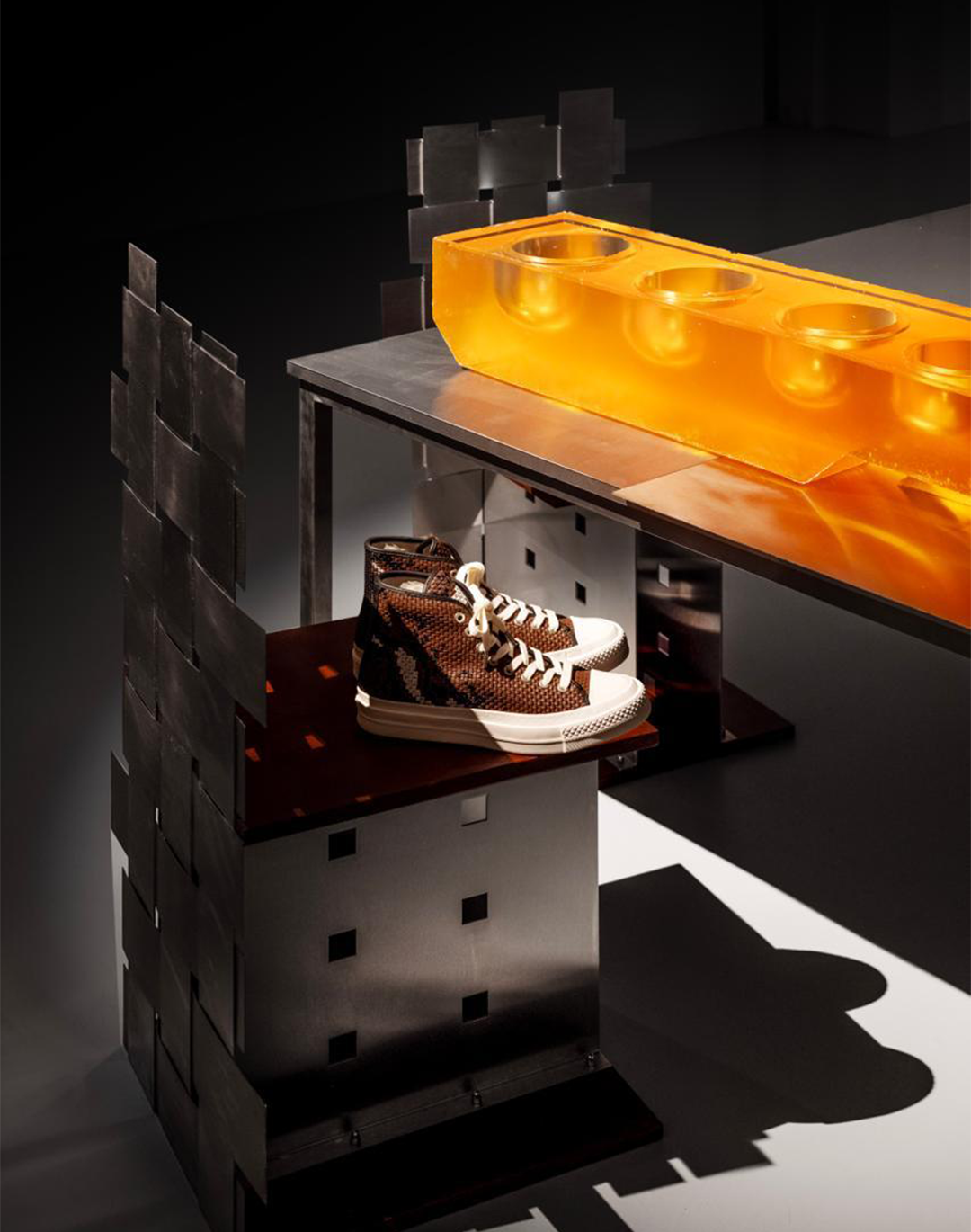
It is very interesting to see how, in recent months, both Converse and Vans have expanded their offerings with proposals aimed at higher market segments. Converse, through the new First String line and the triple collaboration with Undefeated and the Los Angeles Dodgers, has essentially recreated its All Stars in every imaginable exotic leather finish, from python to ostrich. Vans, on the other hand, collaborated with Haven on the 44 Vibram model in suede and nubuck; with Engineered Garments on a Slip-On 98 with suede and leather panels; and in January released both its collaboration with Valentino and a suede slip-on called the Vans Harbor Mule.
All these releases share the same elevation of the classic models from both brands, intended to respond both to the many luxury versions proposed by fashion brands during Fashion Week and to the more or less hybrid versions — between ballet flats and deck shoes — that, for example, Celine has strongly championed. To differentiate themselves from the two more mass-market brands, labels like Jacquemus or Dries Van Noten have evoked sneakers that are still flat and low, still very simple, but with a more “unusual” vintage inspiration.
The difficulties of reinventing the wheel
A well-chosen pair of sneakers can become a highly profitable piece for any brand’s business. Just think how McQueen’s sneakers kept the brand afloat, at one point representing up to 80% of total revenue, or — on a definitely more positive note — how the handover at Dries Van Noten was aided by the extraordinary success of the brand’s low sneakers. At Prada, the success of the beautiful Collapse sneakers certainly encouraged both a new line of white canvas sneakers seen at the SS26 show and the launch of the new Miu Miu sneakers in the recent FW26 show.
But reinventing the wheel is difficult: the OG brands of skinny sneakers may have a slightly teenage or old-sailor vibe (let’s include Superga and Sperry in that group too), but the fact that they have chosen to offer their original models in more elevated materials suggests they honestly believe they can give real luxury brands a run for their money. They are counting both on the mass of aspirational customers who will opt for their premium versions and on a very clever positioning, since it is possible to buy them only in physical stores at the same multi-brand retailers that sell indie luxury brands like Slam Jam, Le Bon Marché, or Dover Street Market.
Intercepting the new customer
The bet here concerns a logic of scarcity and a focus on the in-store physical experience that not only mirrors a typical luxury attitude — namely the emphasis on the in-store transaction — but also tries to intercept that audience in the very locations where it would be more natural to purchase products from more luxurious competitors. Among the other smart details of the new model is also a new insole that aims to overcome the resistance of those who cannot wear low-profile shoes.
Even on the brand equity front, when talking about brands like Vans and Converse, there may not be the aura of luxury involved, but the playing field between the various options is almost levelled, given that shoes of this kind are also quite transversal across social classes: Carolyn Bessette-Kennedy literally wore Converse, as did her father-in-law John Kennedy before he became president.
The fact that the OG skinny sneaker brands and those from the fashion world will end up competing with each other on common commercial ground suggests that, given the conditions of the luxury industry and the hollowing out of that middle market where these sneakers still sit, that very common commercial ground is a territory to be reconquered. Its customers, however wealthy they may be, might still see better deals than those offered by luxury and hand the crown of true summer sneaker brand to names we wouldn’t expect.