





















Luxury brands are racing to open stores across Europe The unexpected return of physical retail
Rising rental prices and the gradual reduction of available spaces to build new flagships are just some of the factors pushing brands to compete ever more aggressively to secure the most visible locations. Retail spaces in major European cities are becoming increasingly scarce, forcing brands into fierce competition for strategic positions and leading to the creation of increasingly spectacular and immersive retail environments, designed to maximize visibility and commercial impact.
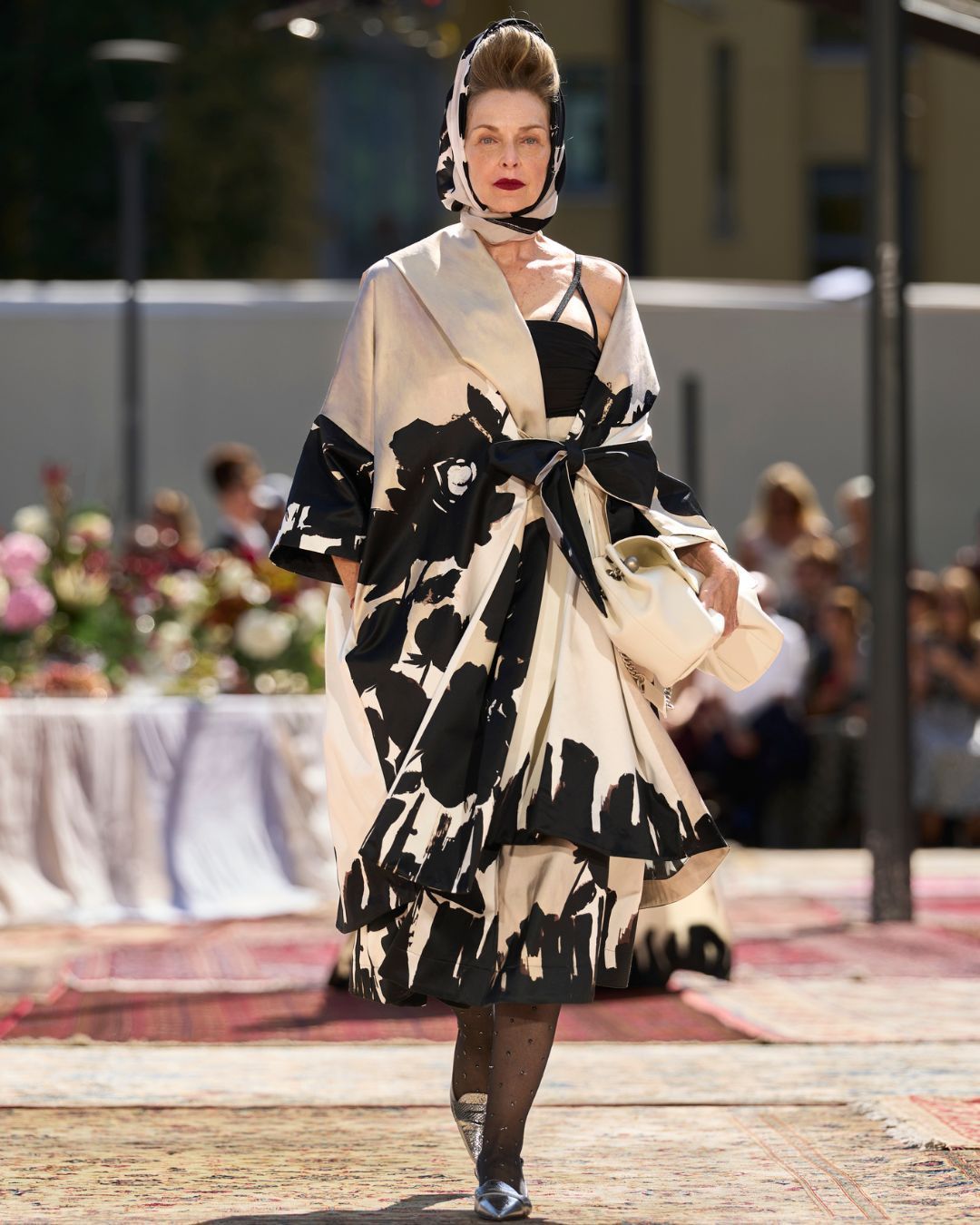
Just think of the endless queues outside Chanel stores at the beginning of March, made up not only of buyers but also of onlookers willing to wait for hours just to come into contact with the new proposals by Matthieu Blazy. According to the latest report European Luxury Retail by Cushman & Wakefield, a company specializing in commercial real estate, in 2025 there were 96 new luxury store openings in Europe, marking a 13% increase compared to the previous year.
A battle for every square meter
@larisabucur_ In all honesty I would have just gone home with all 3 #chanel #chanelruecambon31 #chanelhaul #parisvlog Syncopated Swing - Kairo Vibe
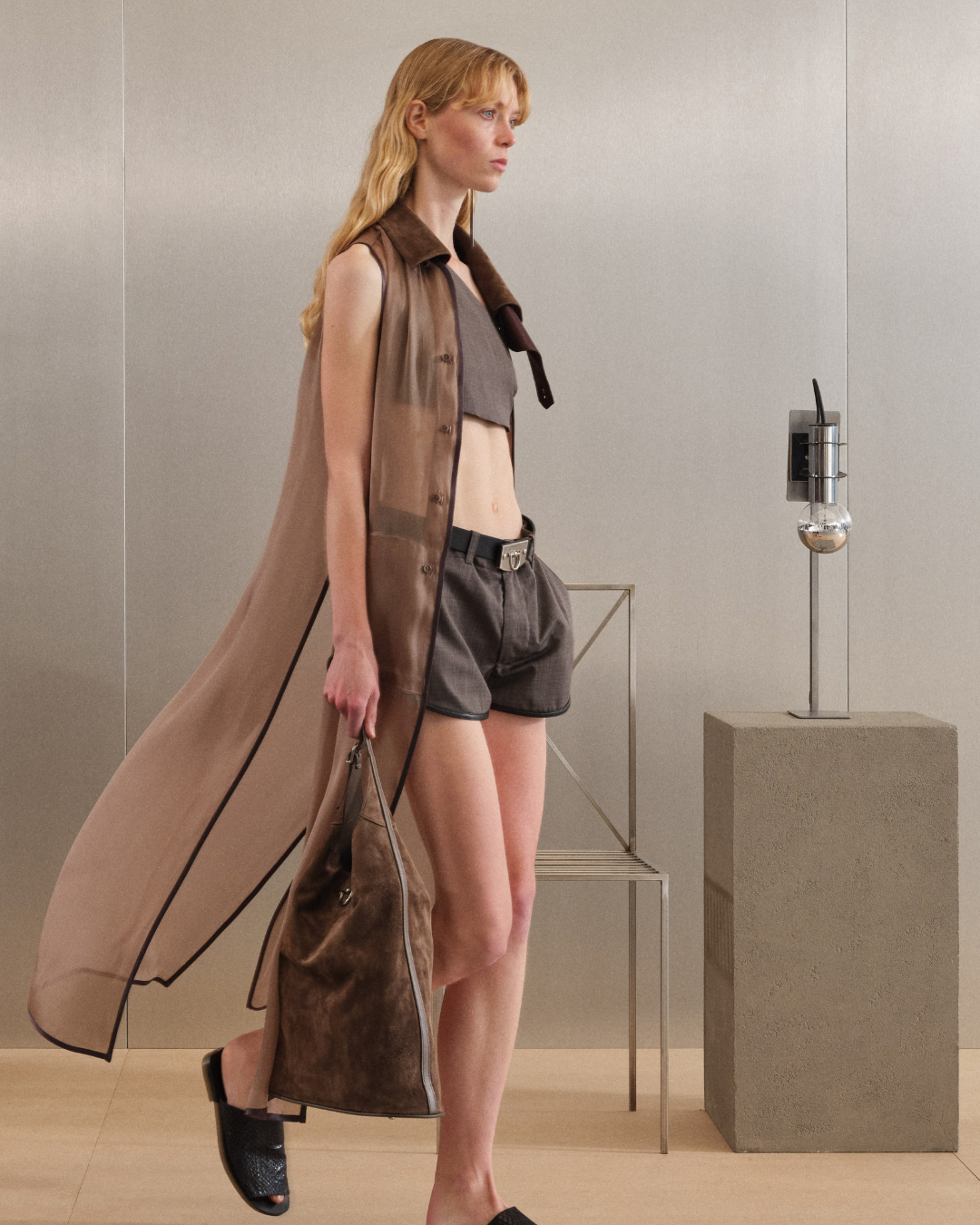
Driving this growth are brands belonging to groups such as LVMH Moët Hennessy Louis Vuitton, Kering and Richemont, responsible for nearly one third of new openings. A 70% share was generated by another 57 brands and groups, including Toteme, which in 2025 opened three stores in some of the key streets monitored by Cushman, in cities such as Milan, Paris, Geneva, Madrid, Lisbon and London.
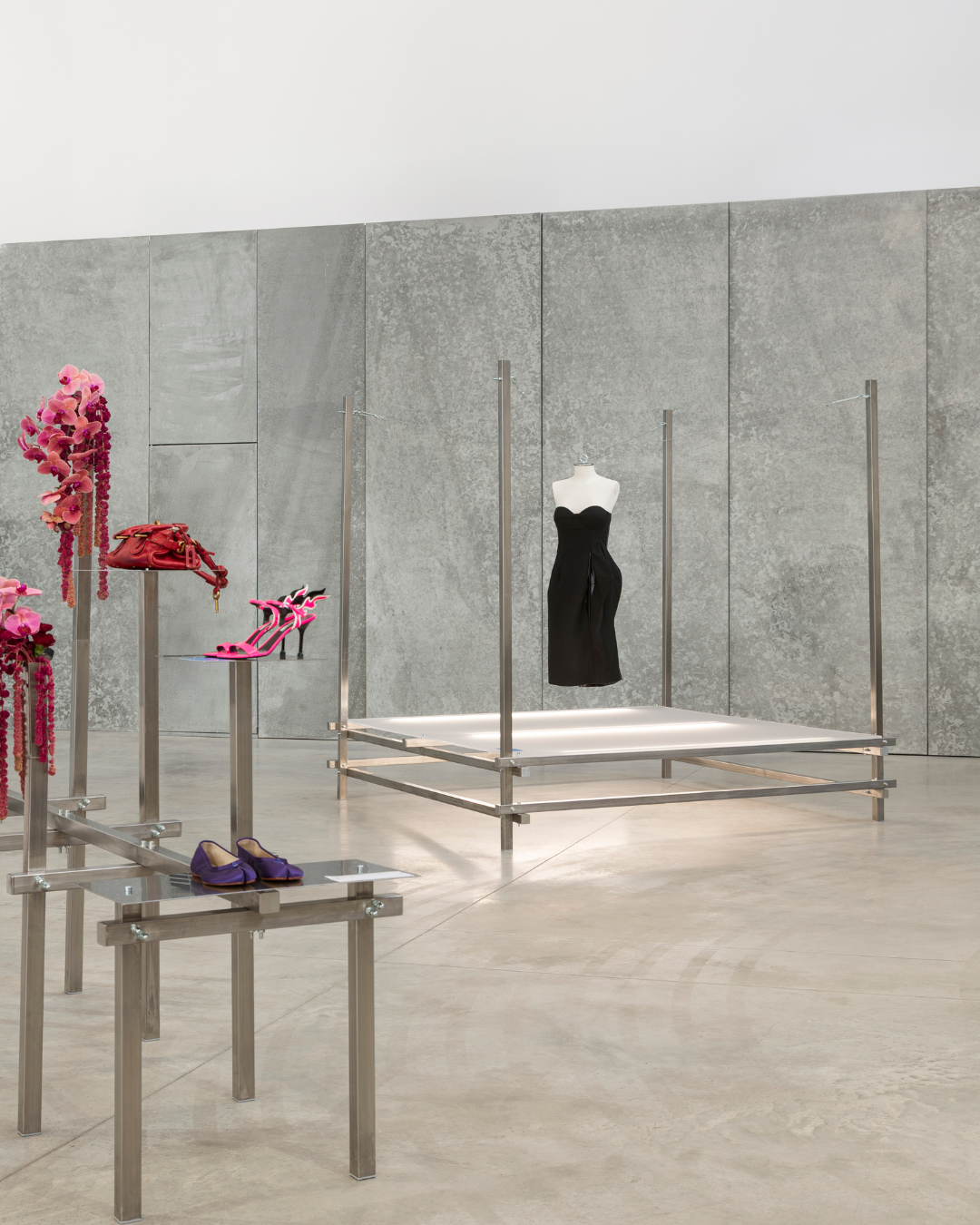
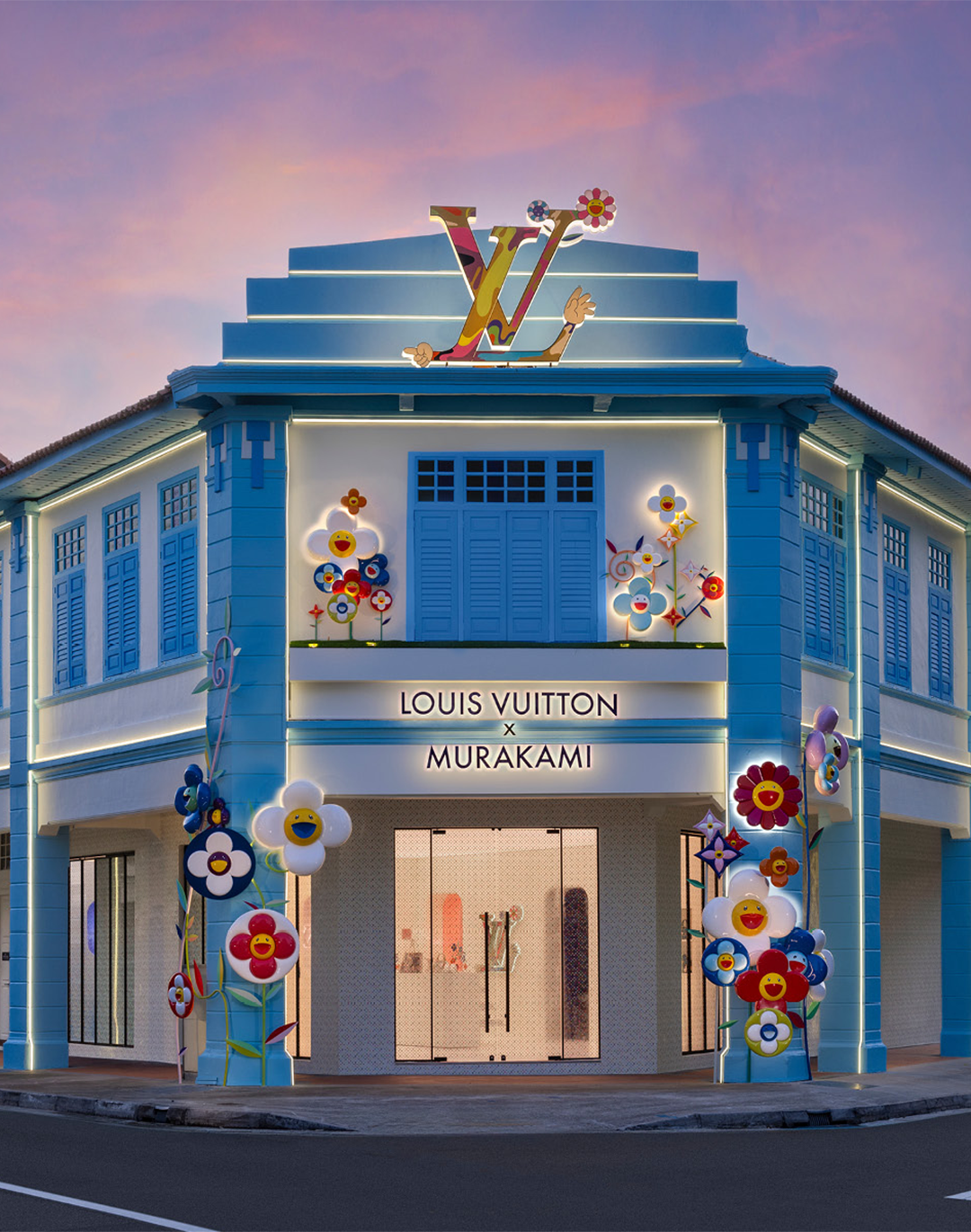
For this precise reason, the flagship store becomes a physical manifesto: a space that encompasses the brand’s identity and responds to the shared desire, among both big spenders and a wider audience, to experience an immersive shopping journey. An experience that, in the collective imagination, should distinguish luxury from more generic apparel. Stores thus become totalizing environments, designed to transform the time spent inside them into desire to purchase.
Also on the sidewalks
With the most coveted streets now nearing saturation, as highlighted in the report, many brands are turning to adjacent neighborhoods to central areas, both to reach more consumers and to reduce rental costs. In 2025, rents in luxury streets increased by 3.5%, while non-luxury high streets recorded a 3.3% rise, signaling renewed demand for high-end physical retail.
It is primarily accessories that are driving consumers. In 2025, 48 stores dedicated to this category were opened by 40 different brands, accounting for half of total activity and marking a 17% increase compared to 2024. It is therefore no surprise to see queues outside Chanel boutiques, as bags and shoes dominate Instagram and TikTok feeds, attracting even those without real purchasing power and turning places like the Rue Cambon boutique into true shopping pilgrimage destinations.
Building the future of a brand
@yararezaeii Dior Galerie in Paris, France. If you love fashion design and history this is a must. They show Dior’s story, the inspiration behind his designs, and real archival pieces and sketches. #archivefashion #designer #fashion #paris #thingstodo original sound - 2000smodels
The race for space is no longer just a commercial matter, but a narrative strategy of a brand’s evolution and an assertion of dominance over competitors. Paris confirms itself as one of the epicenters of this dynamic, attracting not only fashion but also related sectors such as beauty and niche perfumery, with new openings expected and a constantly expanding market.
The scarcity of space, with entire streets showing zero vacancy rates, forces brands to reinvent their modes of presence: expanding vertically, occupying as many units as possible within the same building and gentrifying nearby districts. Above all, it compels them to redefine the very meaning of the store. No longer just a point of sale, the flagship becomes a symbolic device, a place where value lies not only in the product but in the experience and in the construction of a shared imaginary. In an increasingly saturated and competitive market, it is precisely this ability to transform space that determines who truly manages to exist and remain visible.