



































What does the US shutdown mean for fashion? Short answer: nothing good
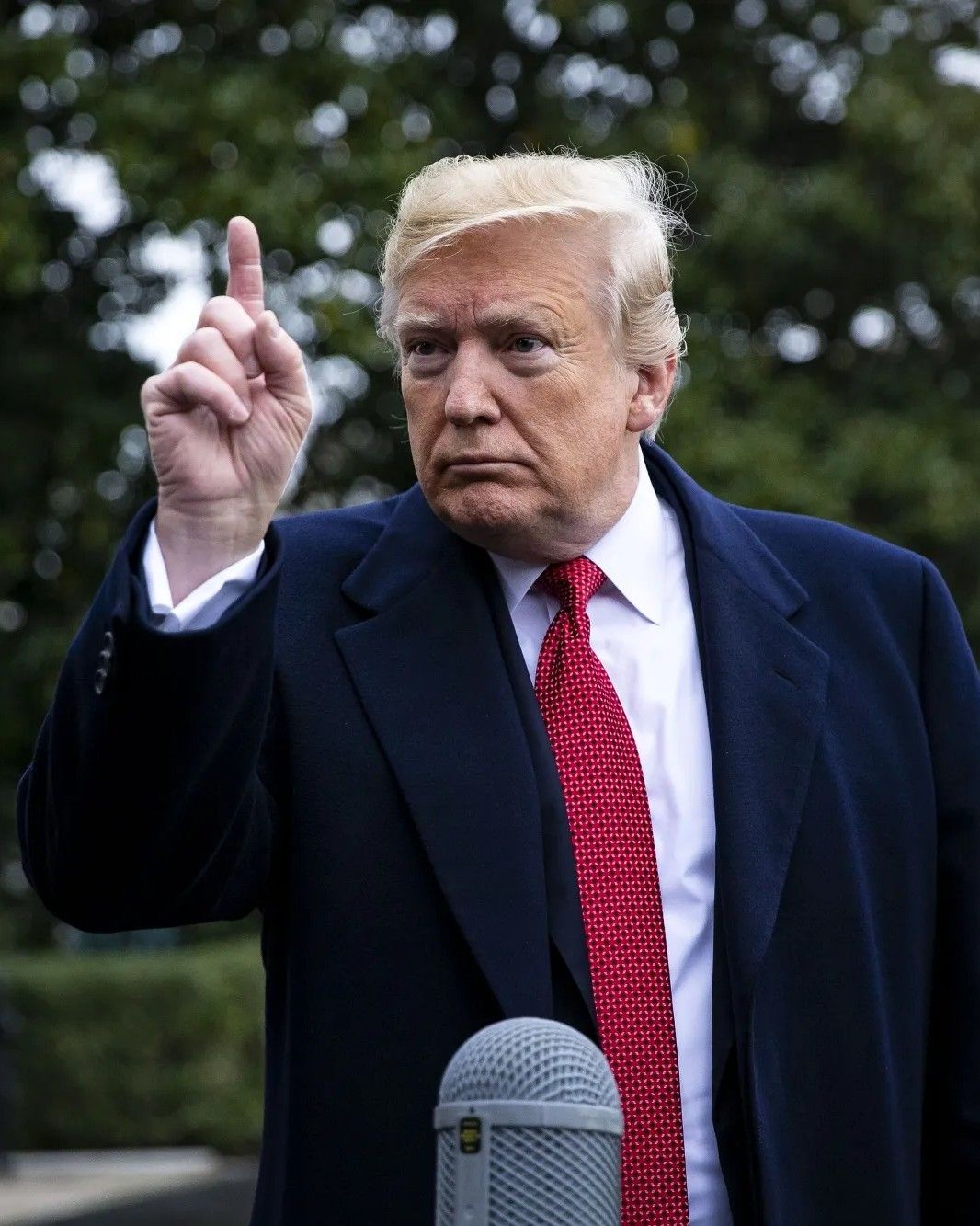
In the increasingly long string of news that's giving the world a headache, the US federal government shutdown couldn't be missing, triggered by an impasse in Senate discussions that didn't approve the budget bill. To put it briefly, the federal administration system of the most powerful country in the West is paralyzed, with essential services on hold, a huge number of employees stuck in a sort of work limbo if not technically unemployed, and broader economic ripple effects that don't promise anything good. There's only one problem this time: the metaphorical lights went out right in the middle of the tariff chaos created by the Trump administration. Which creates not a few problems for European fashion.
What happened in the US government?
@10newsau The US government has run out of money and that means it has now shutdown - leaving hundreds of thousands of workers without pay and bringing crucial services to a halt. 10’s Late News explains. #trump #congress original sound - 10 News
Among the thousand problems plaguing the US system, the one that caused the shutdown is the failure of negotiations to strengthen medical subsidies under the Affordable Care Act, which Democrats want and Republicans don't. Without a budget bill, essentially, the coffers of the US federal government (distinct from individual state governments) "dried up" at midnight on October 1st, non-essential operations stopped, rendering over 2 million employees practically unemployed and obviously each side is blaming the other.
The event isn't epochal in itself: this is the third shutdown under the current administration. According to WWD, a brief interruption could reduce quarterly GDP growth by 0.2%, while a long one could do more damage. But for businesses dependent on federal approvals, and thus all discussions on customs and exports/imports, the paralysis often means immediate disruptions.
What does the shutdown mean for European fashion?
The tariffs introduced by Trump in July and effective in August after a brief delay represent the most immediate threat to European fashion. For fashion goods originating from the European Union, which traditionally enjoyed low rates of 5-10%, now a flat duty of 15% applies. A taxation that mainly hits clothing, footwear, and accessories, sectors in which Italy, France, and Spain dominate exports to the US, which, as explained by Grassi Advisors, have an annual value of about 15 billion euros just for Italy). Many Italian brands are absorbing these additional costs to keep prices competitive even in the US, a market that roughly represents 20% or 25% of worldwide sales (for the Prada Group, according to Statista, it's 32%) even though local retailers are pushing for cost-sharing agreements or contract renegotiations.
According to J.P. Morgan, a 15% duty could reduce EU fashion exports to the US by 5-8% by 2026, with ripple effects on textile suppliers in Lombardy and Tuscany. LVMH and Kering could see a disastrous drop in sales, made even worse by threats of tariffs up to 30% on EU industrial goods if negotiations fail, and now the shutdown further complicates the situation. All congressional discussions on tariffs, based on the International Emergency Economic Powers Act, are now suspended. Without an operational Congress, there are no immediate hopes of exemptions or reductions, and thus the uncertainty for European brands planning the SS26 collections currently on display in fashion week will continue further.
A strange positive side
The government shutdown gala
— Go Kick Rocks ( ಠ ͜ʖಠ) (@KickRocks2025) September 30, 2025
is happening, what are you wearing?? pic.twitter.com/3KkOFsrbS6
There's little to celebrate, but this shutdown has frozen two important trade agreements that the US had with various African countries and Haiti. At the moment, 32 sub-Saharan countries no longer have duty-free access to the US market for 1,800 product categories, including clothing and textiles. A block that, according to Reuters, will reduce African exports to the US by 8.7% by 2029 with drops up to 25% in apparel alone. Which creates a vacuum in global sourcing for American brands accustomed to supplying from countries like Kenya and Lesotho, hubs for low-cost production, which now face duties of 20-30%, pushing mega-brands like Gap and Levi's to seek alternatives. Alternatives that could be European.
Potentially, in fact, the EU, with its low-cost production hubs in Portugal, Romania, and Bulgaria, could find itself with a larger share of medium-high production orders. A recent study published again on Reuters indicates that 30% of US companies are already reducing African sourcing and seeking alternatives in Europe. Of course, if Asian countries like Vietnam and Bangladesh, which already absorb 40% of global American sourcing, turn out to be more competitive, Europe could lose ground and impoverish itself. It doesn't help that the legal framework within which these new partnerships should take place is more fragile than ever, with congressional activities on hold.
The macro-effects on consumption
@rachelcruze 32% of Americans spend 60% or more of their income on food.
original sound - Rachel Cruze
Beyond tariffs and sourcing, the shutdown can affect the US economy in general, triggering a chain reaction of layoffs, economic contractions, welfare malfunctions, and long-term consumption crises. CNBC recently wrote that prolonged shutdowns (the average is 8 days, but the last one under Trump lasted 34) could damage European industries, including fashion, through a drop in demand and market volatility. Already in April, Reuters noted that the global market turmoil is already hurting luxury groups, with a possible 10% drop in summer sales.
If the hypothesis is correct, we'll see it in the third quarter reports of the year. In the meantime, in Brussels, new alliances are being sought to manage US tariffs, Chinese competition, and new agreements with Africa now that trade pacts with America have expired. But one thing is certain: without a quick resolution to the shutdown, European brands risk seeing their important US expansion plans completely frozen.
What to read next
Everything you need to know about the Elon Musk documentary
Directed by a highly experienced filmmaker, it has already been criticized by the founder of Tesla and SpaceX

Why was a naked Trump golden statue displayed at the European Parliament?
It's called "The Orange Plague" and is the latest work by Danish sculptor Jens Galschiøt
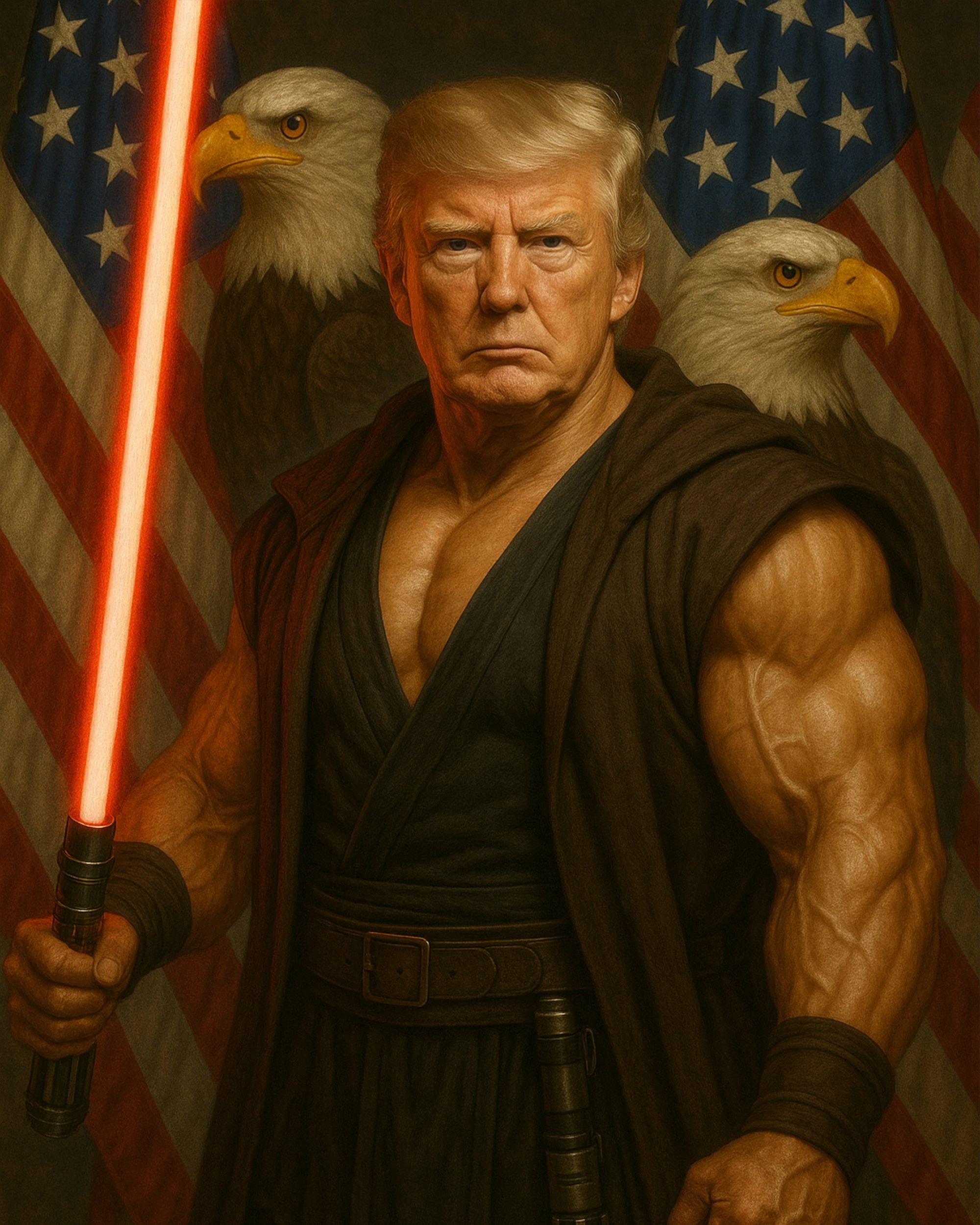
Why are there so many AI political propaganda videos?
We asked Donatella Della Ratta, communication professor at John Cabot University