

























How did Giorgio Armani change the way we dress A revolution that starts from afar
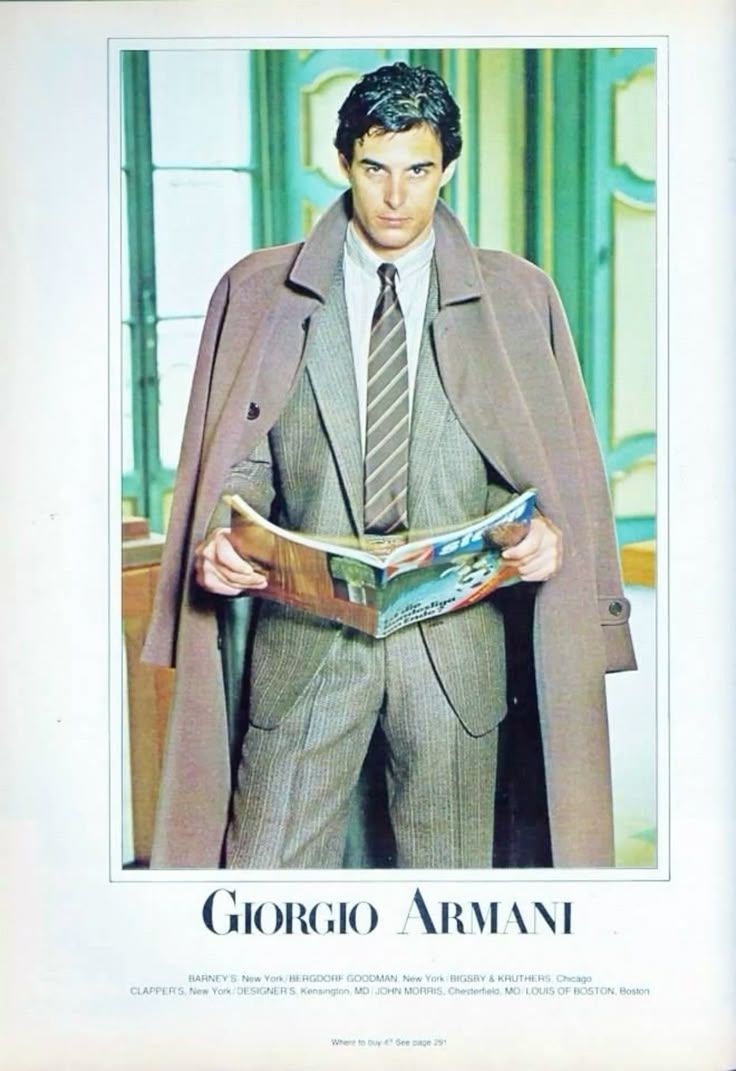
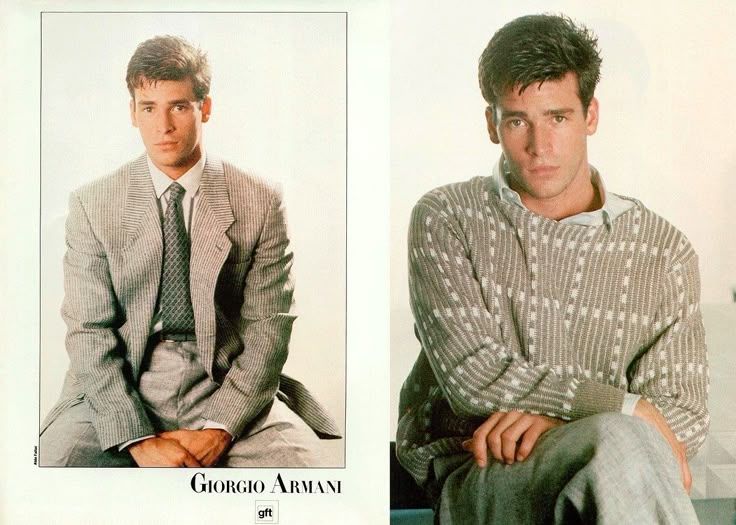
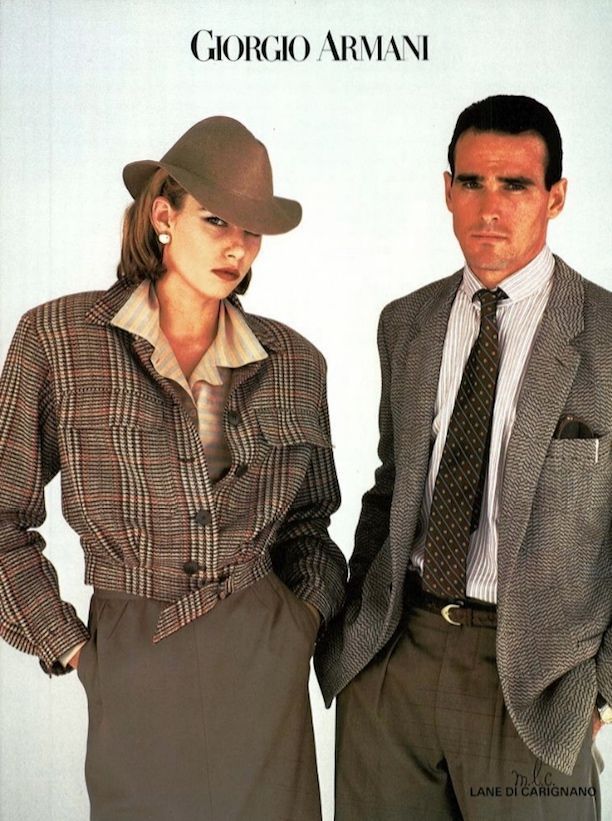
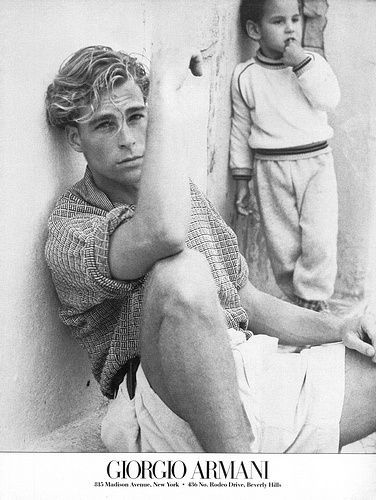
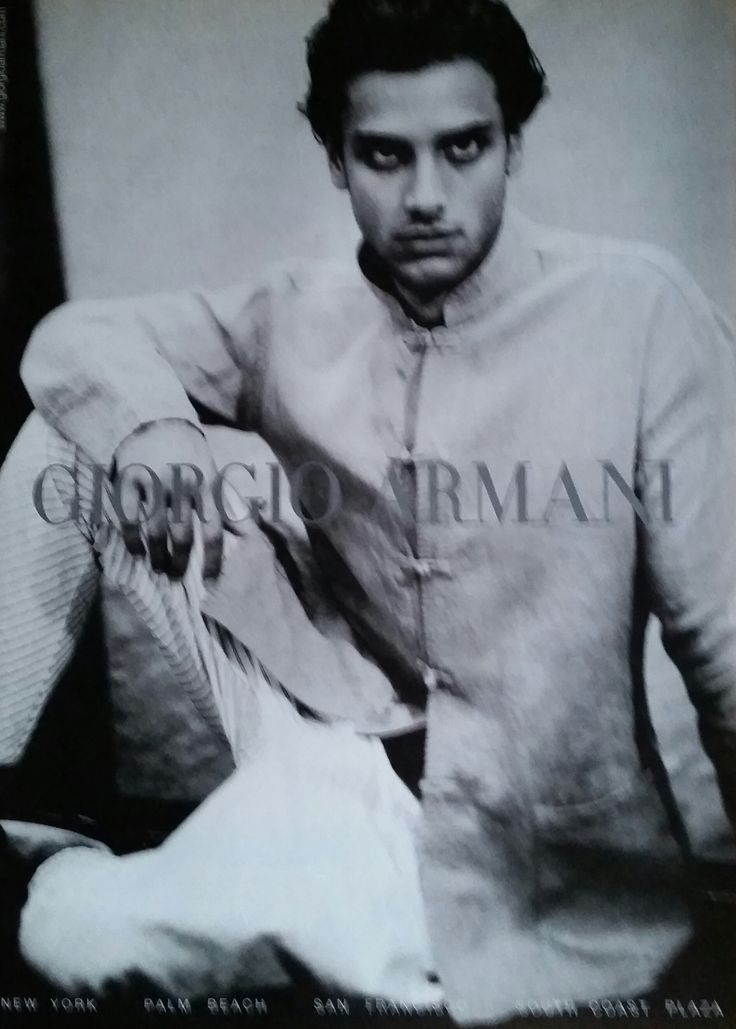
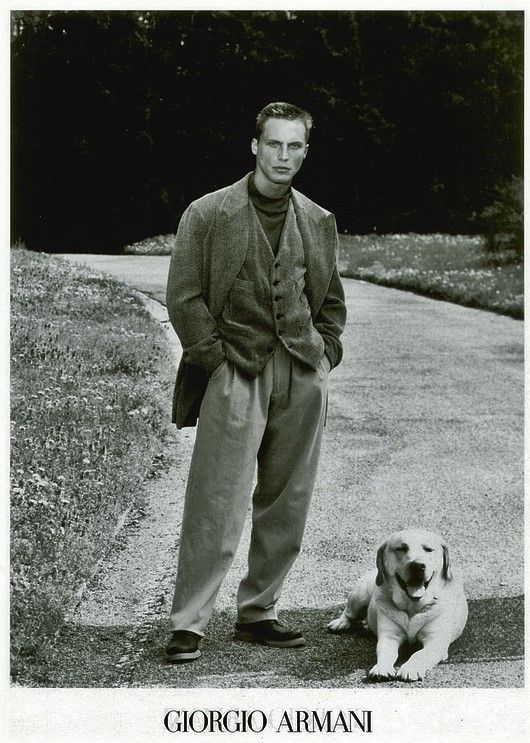
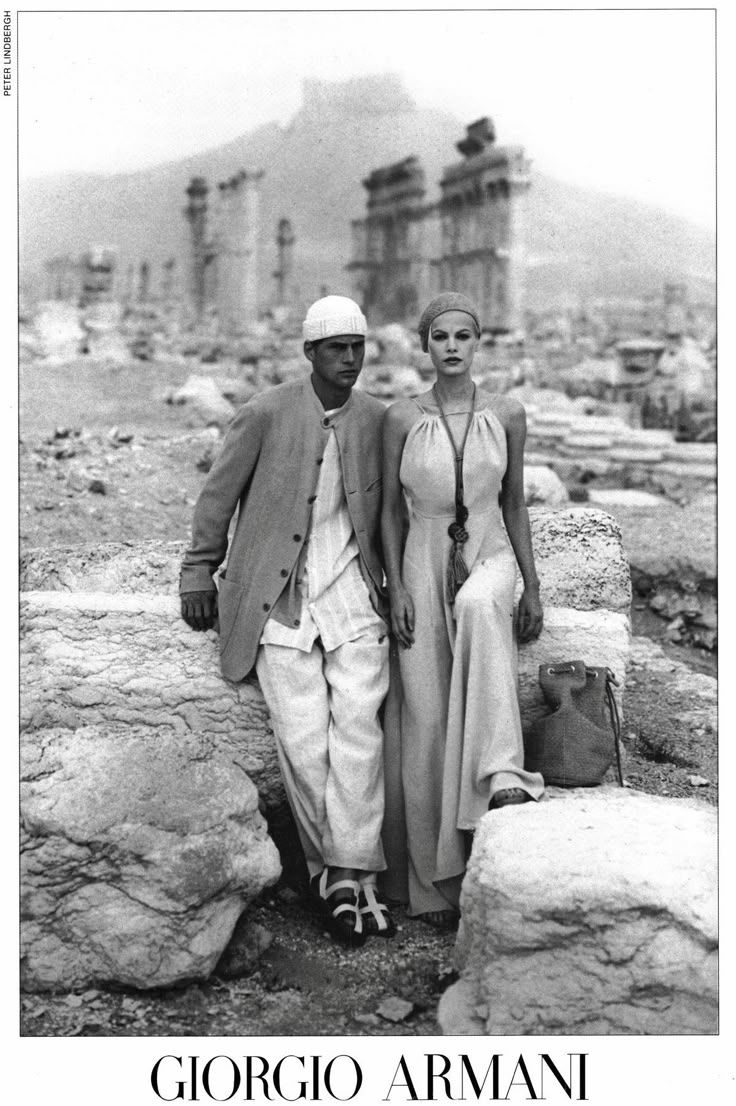
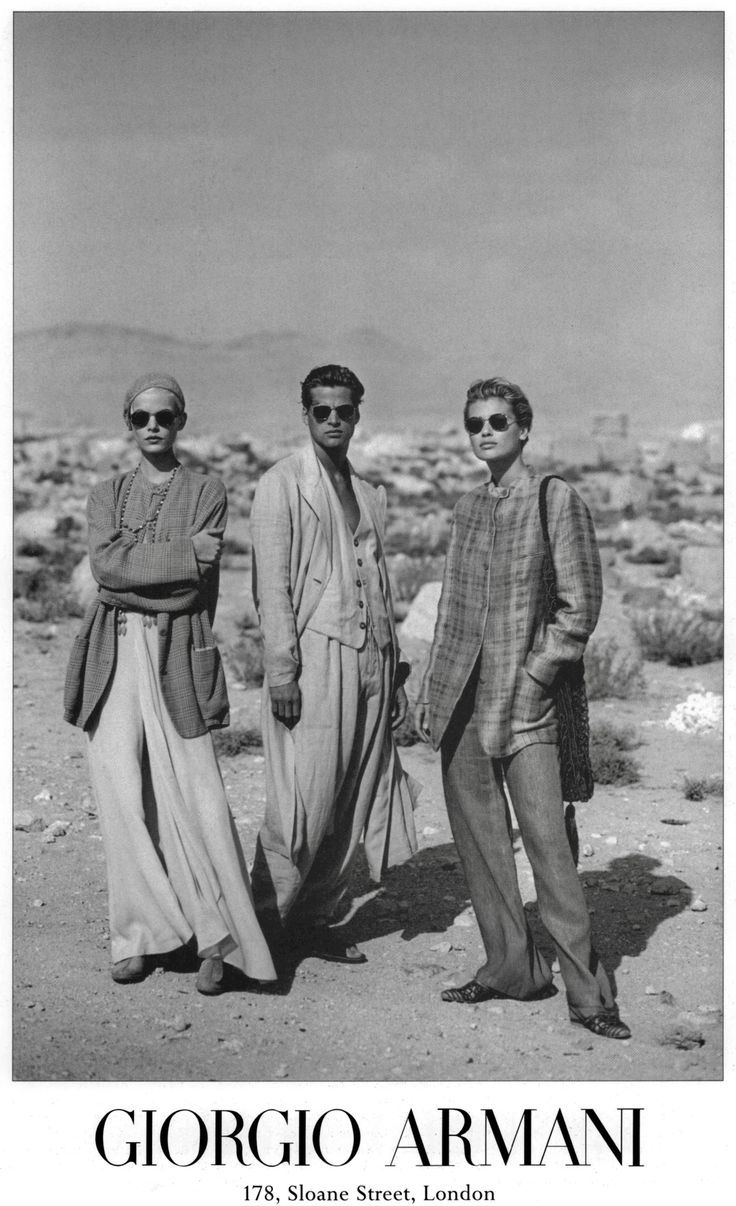
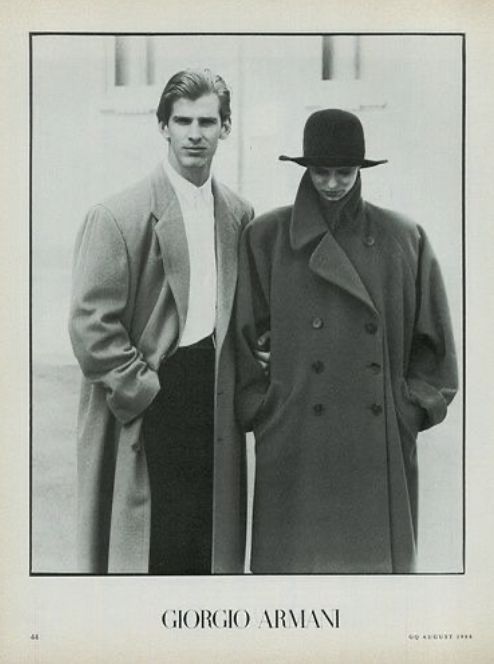
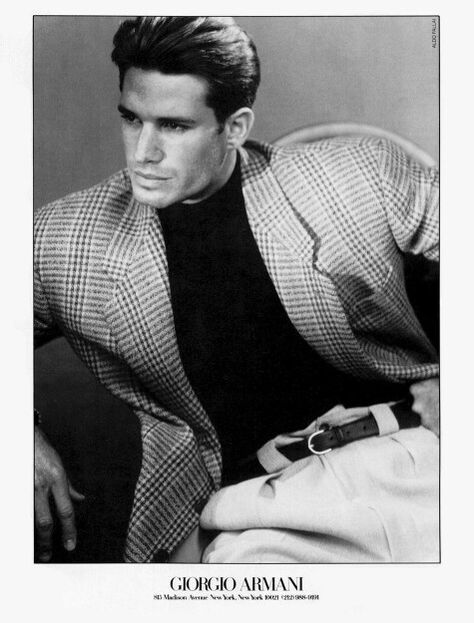
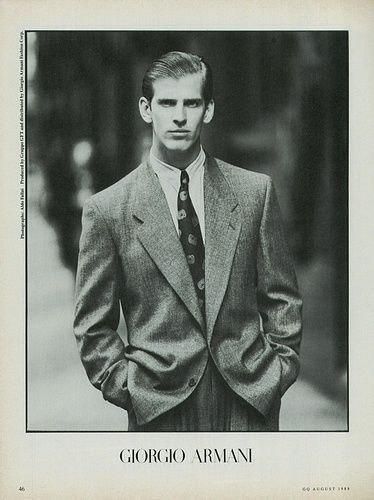
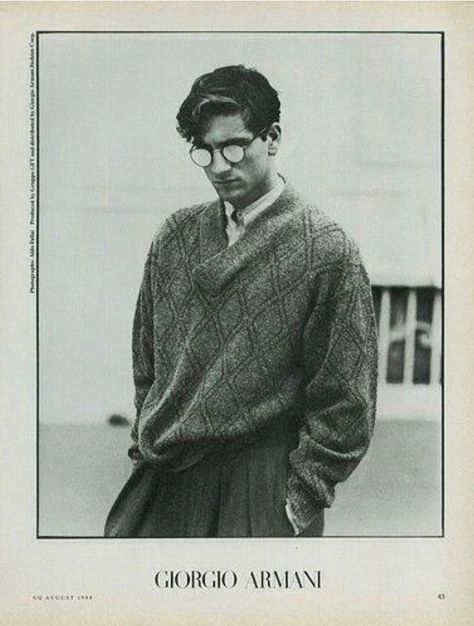
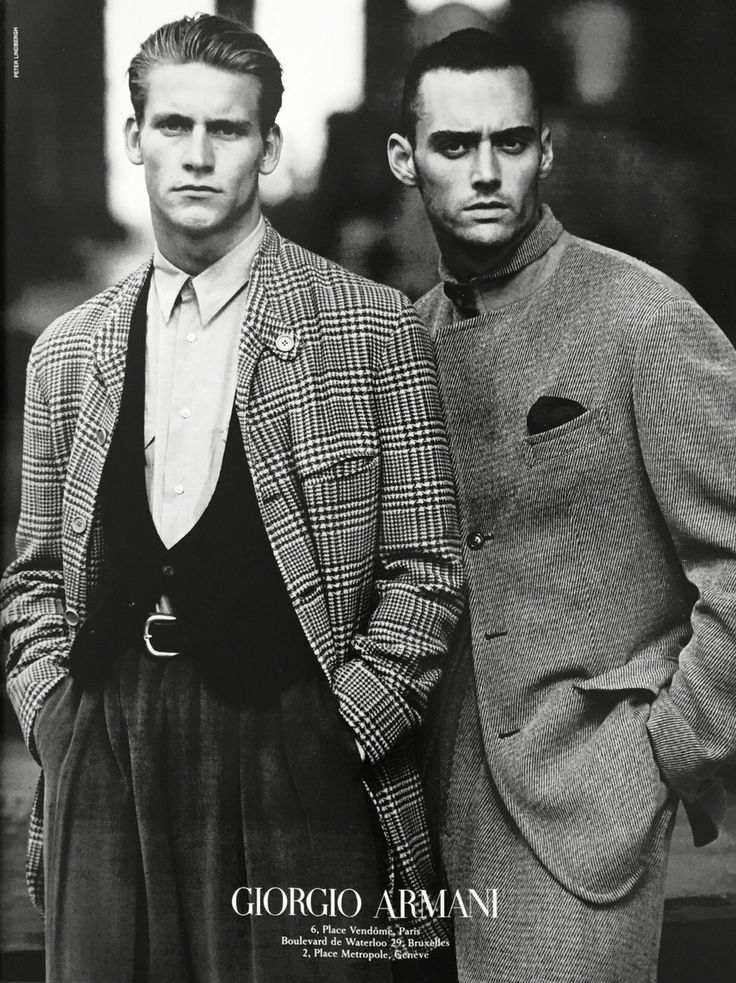
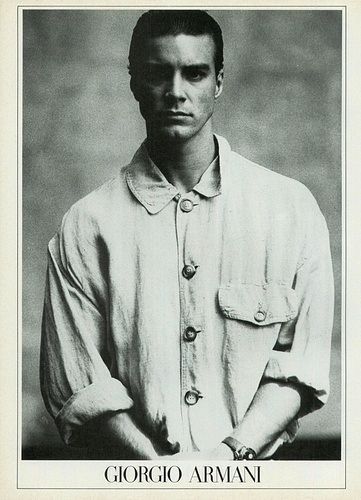
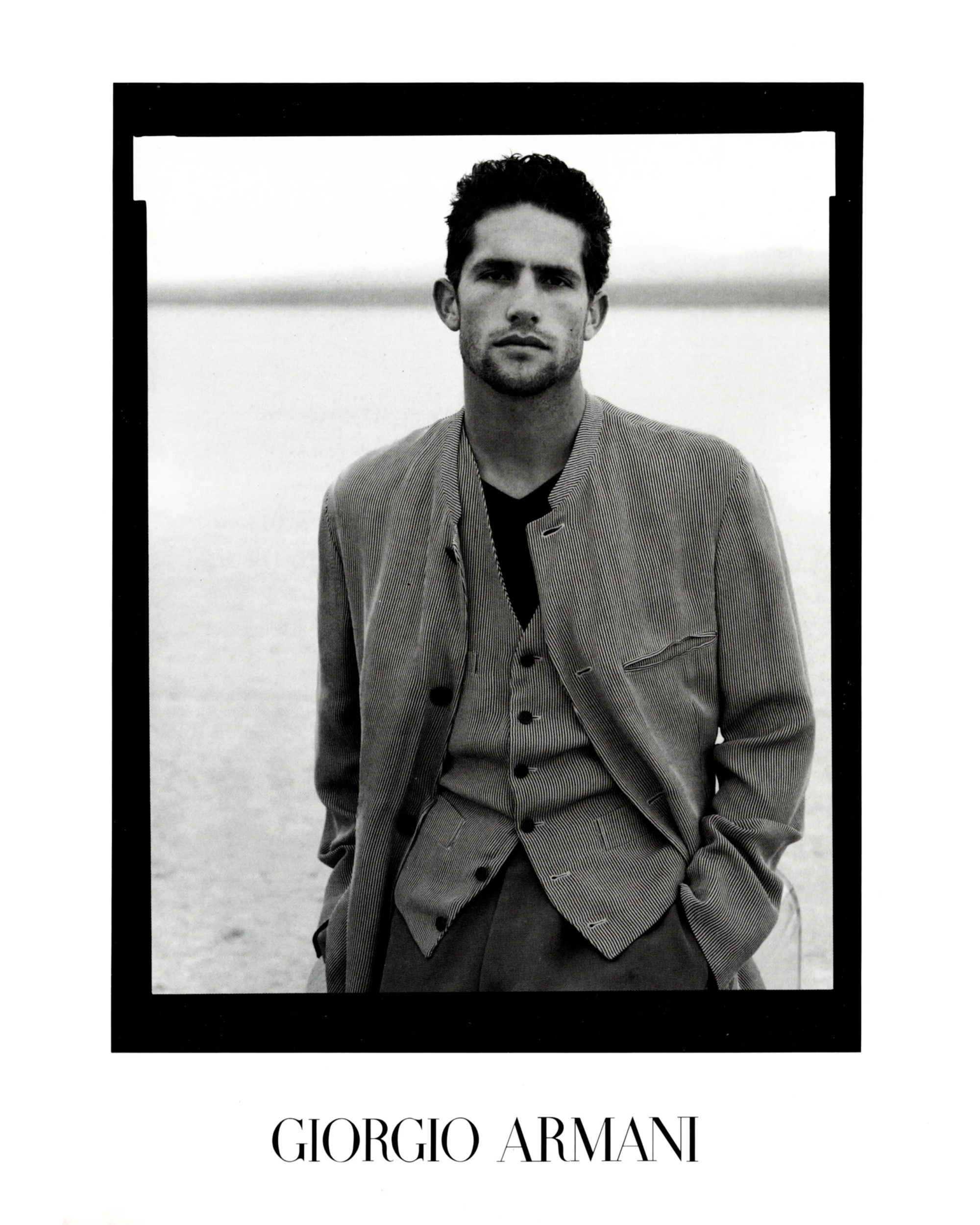
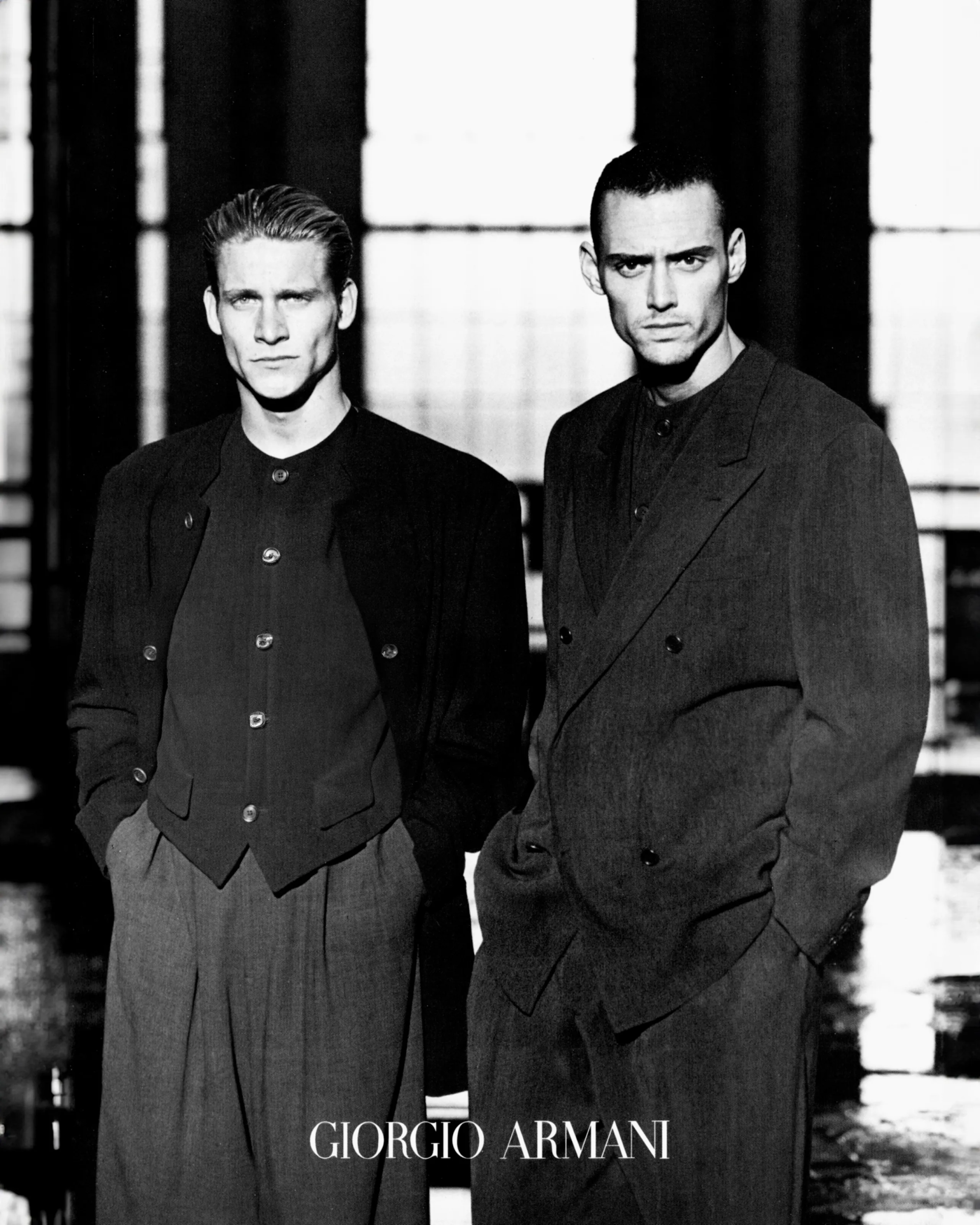
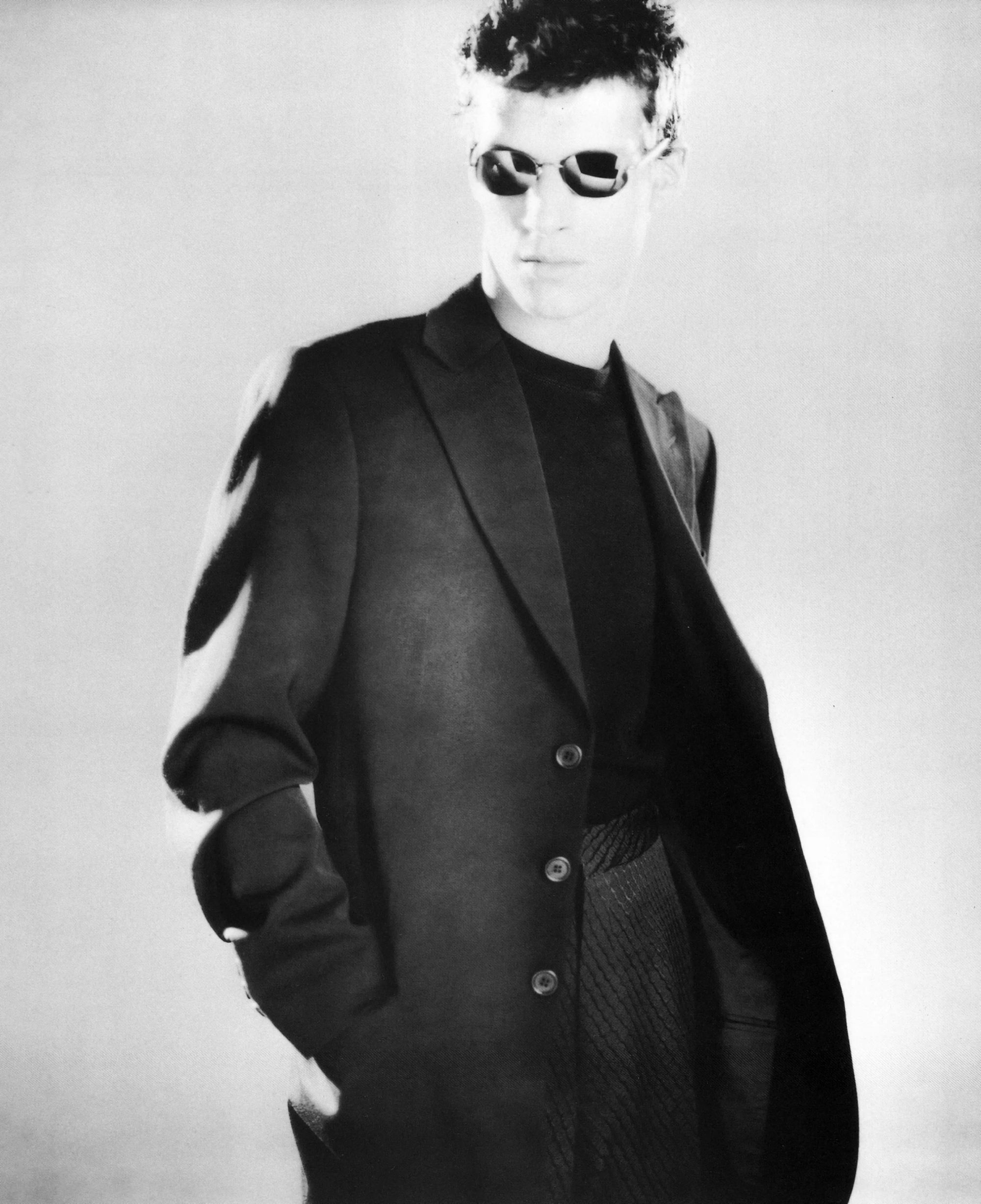
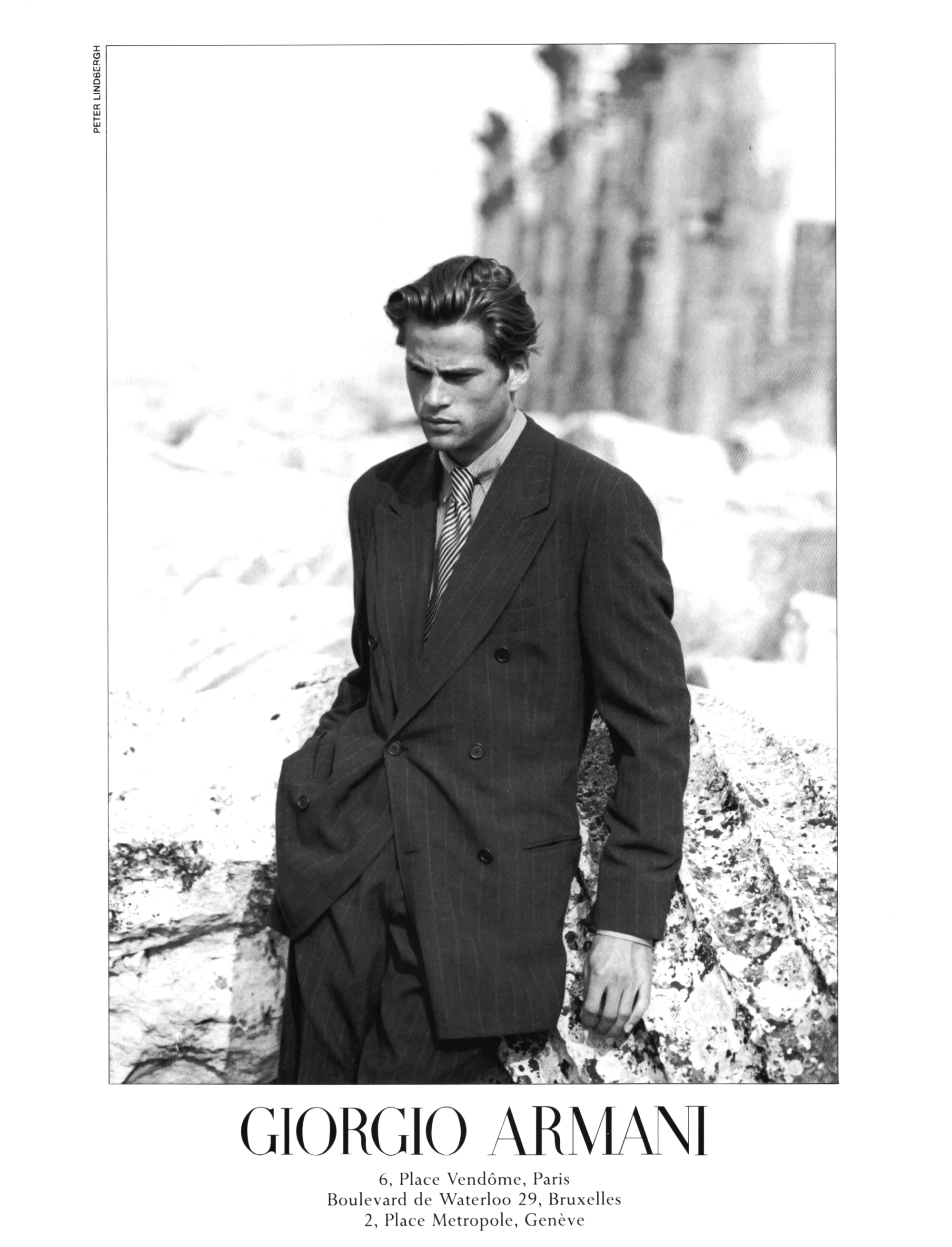
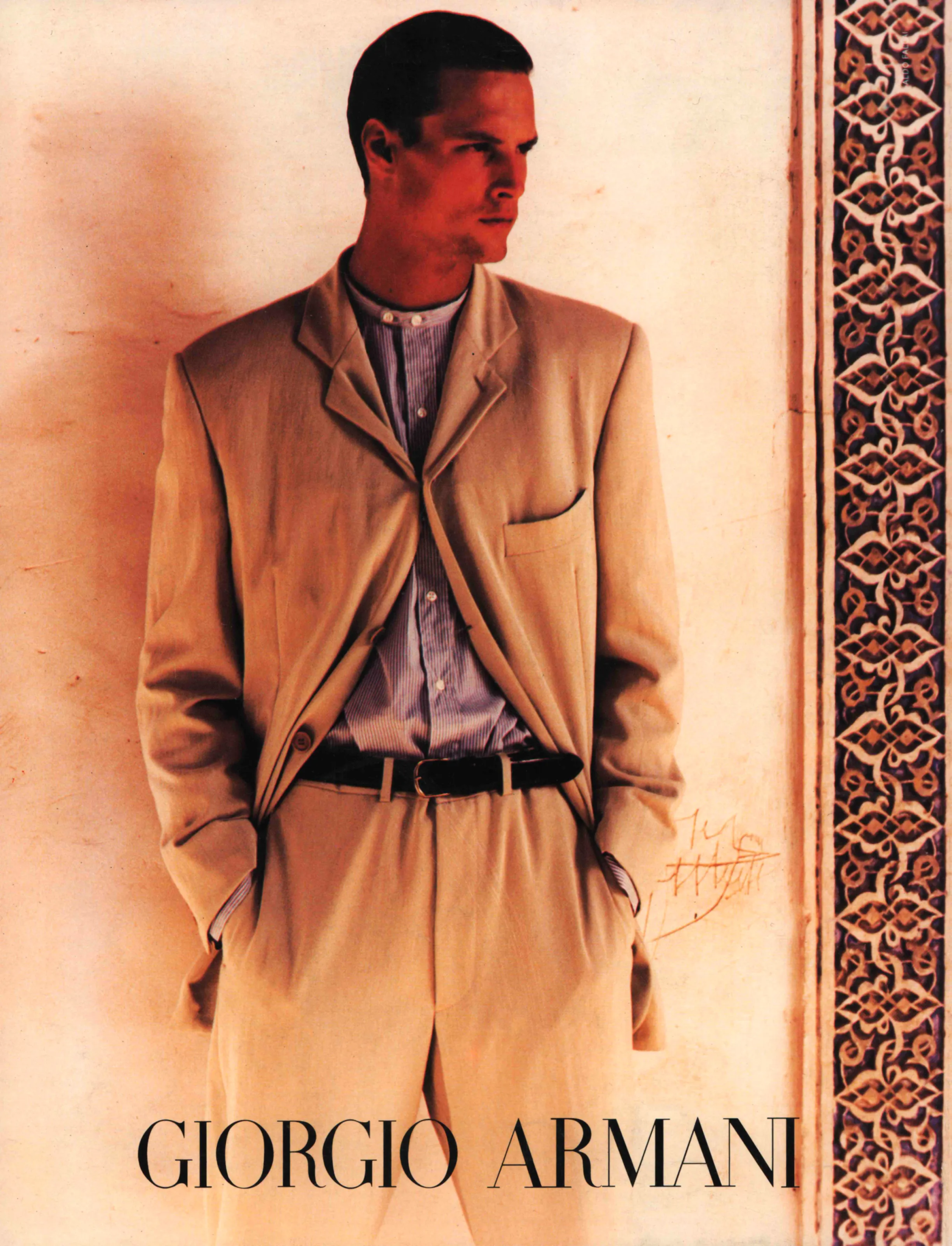
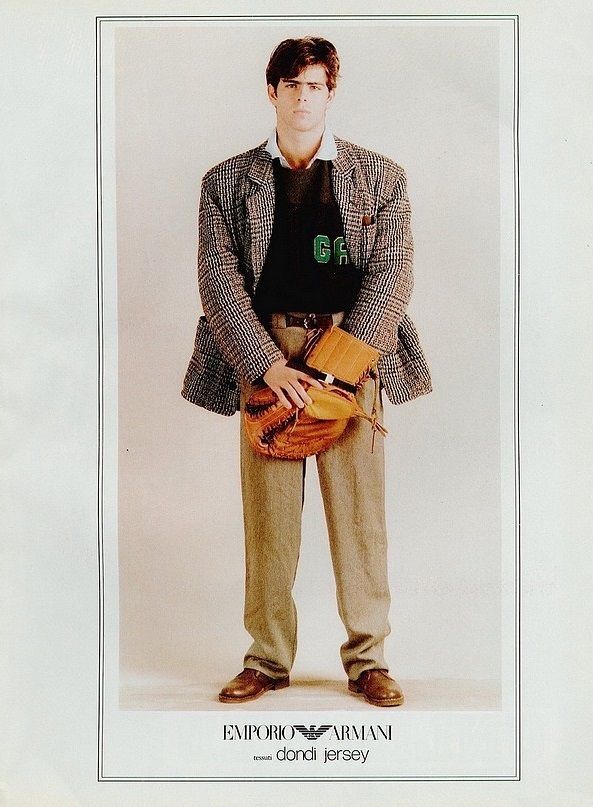
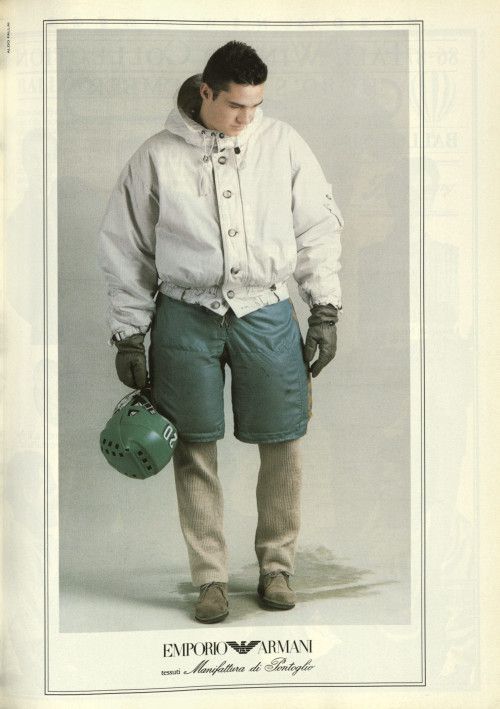
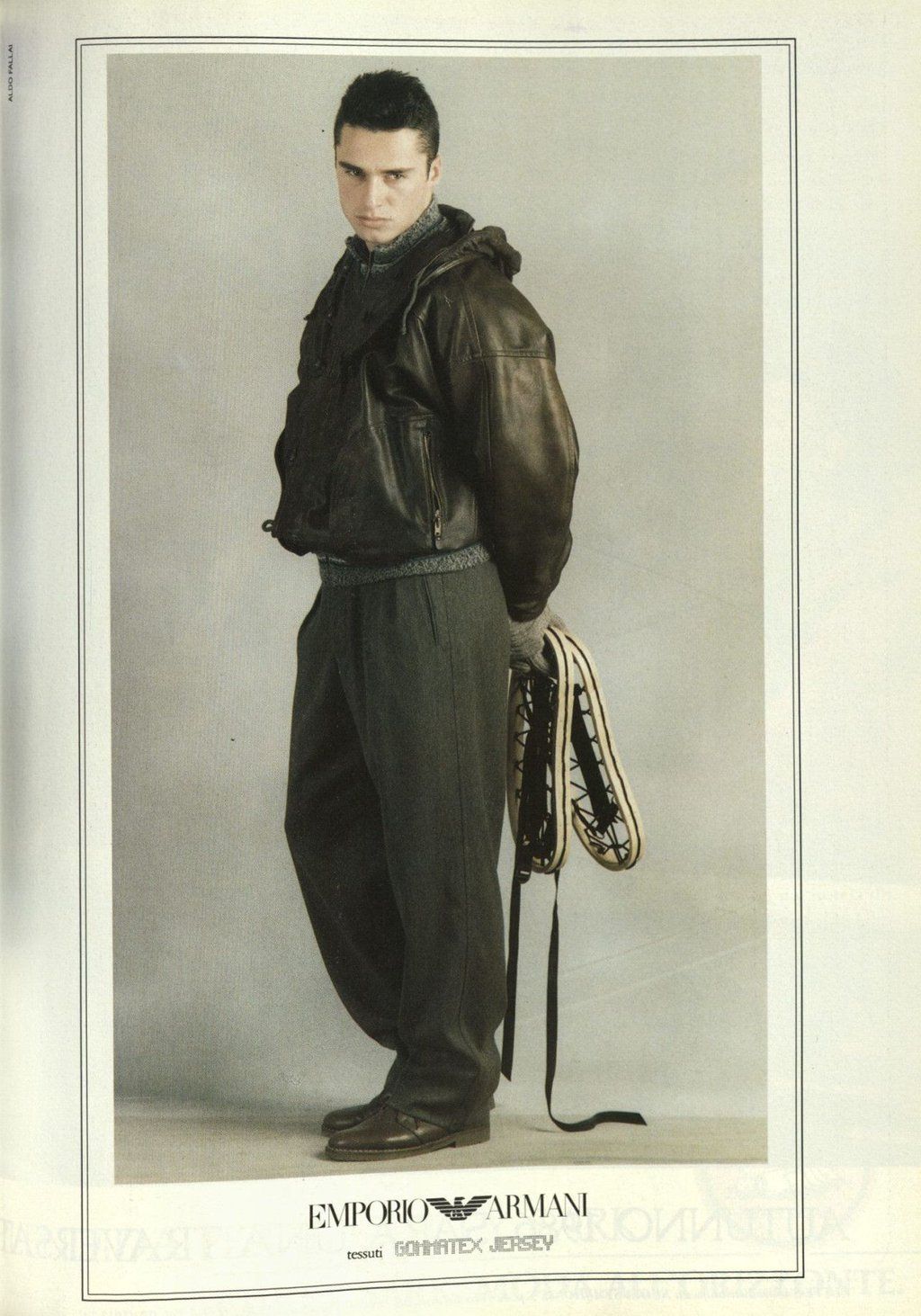
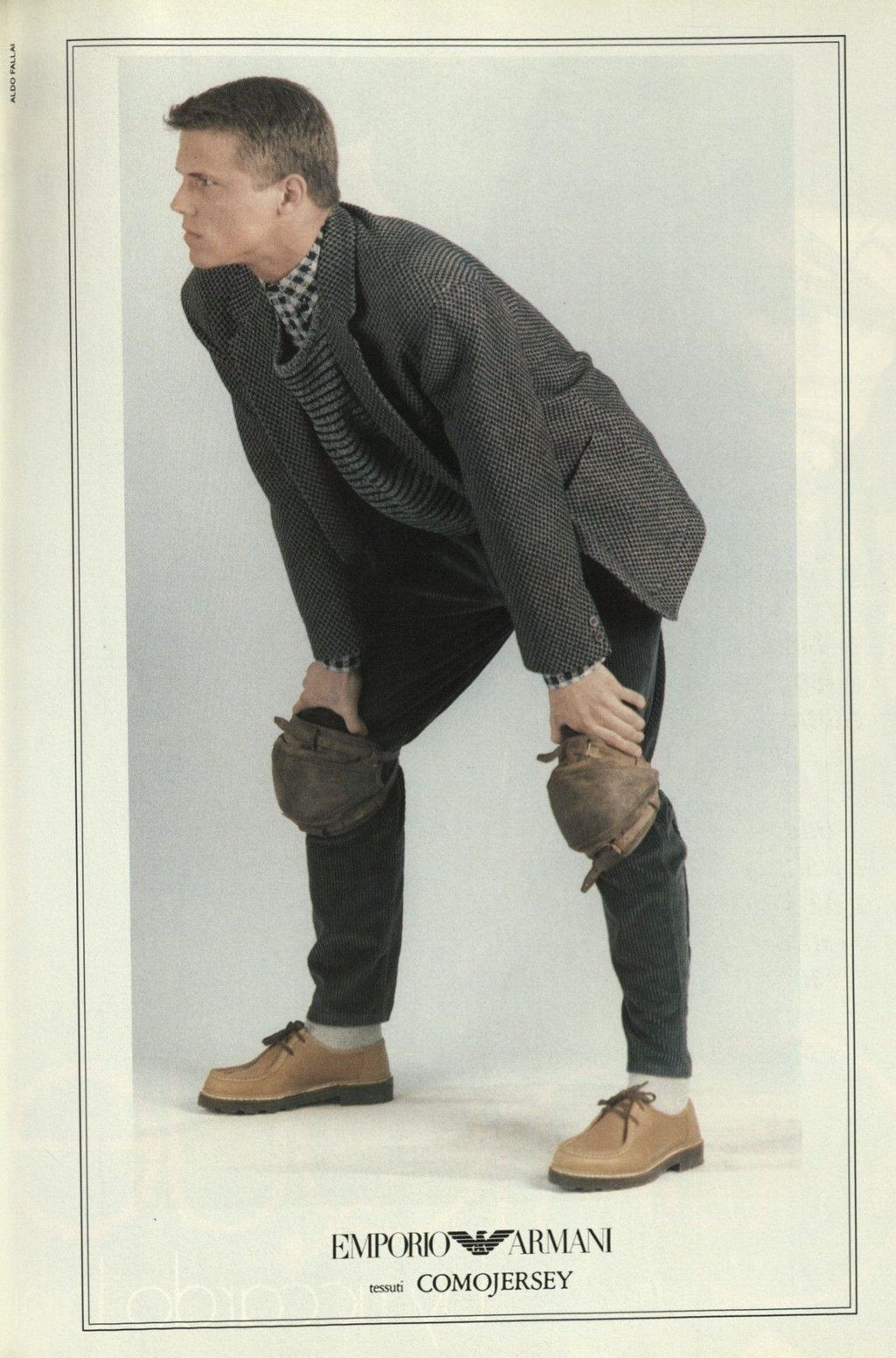
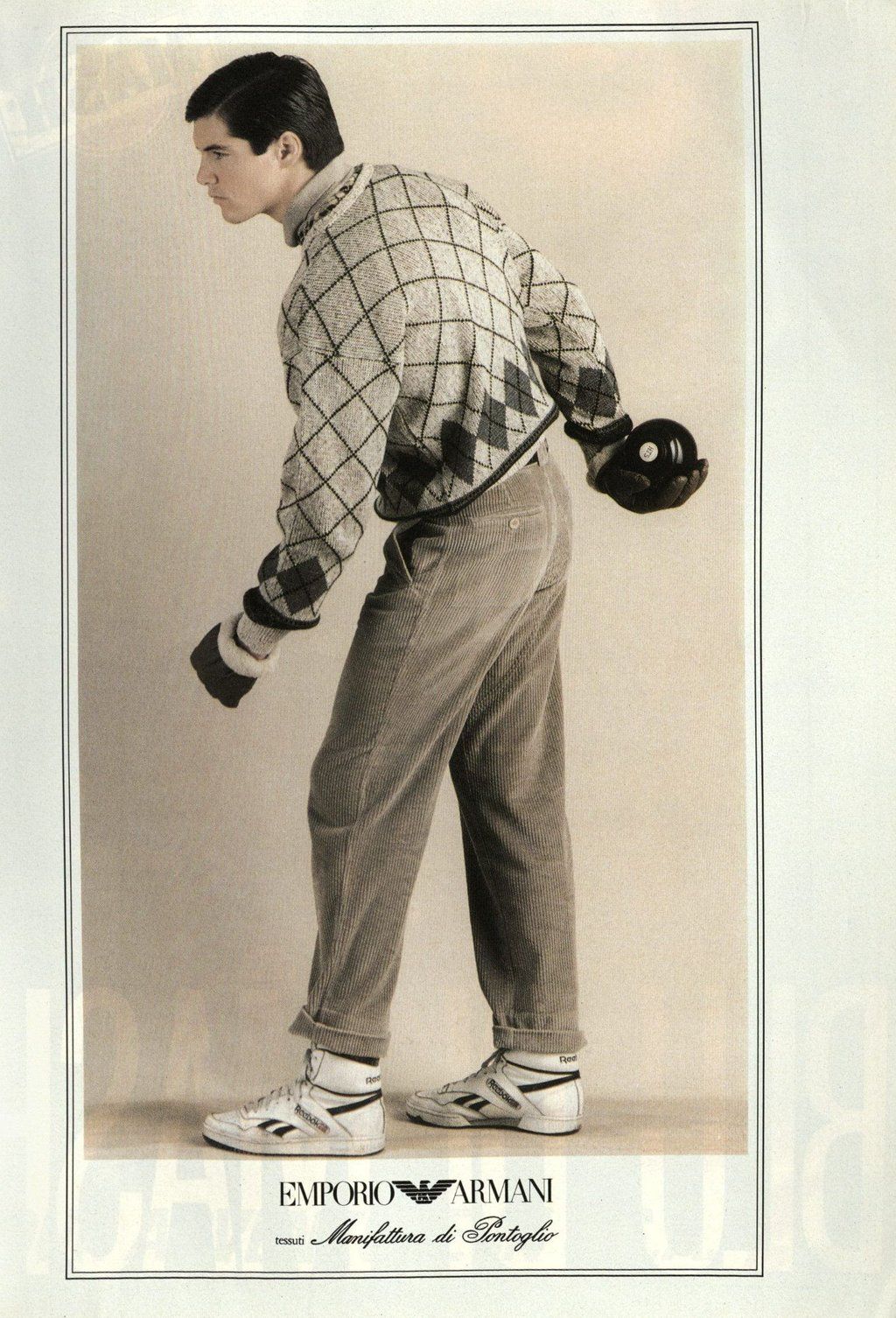
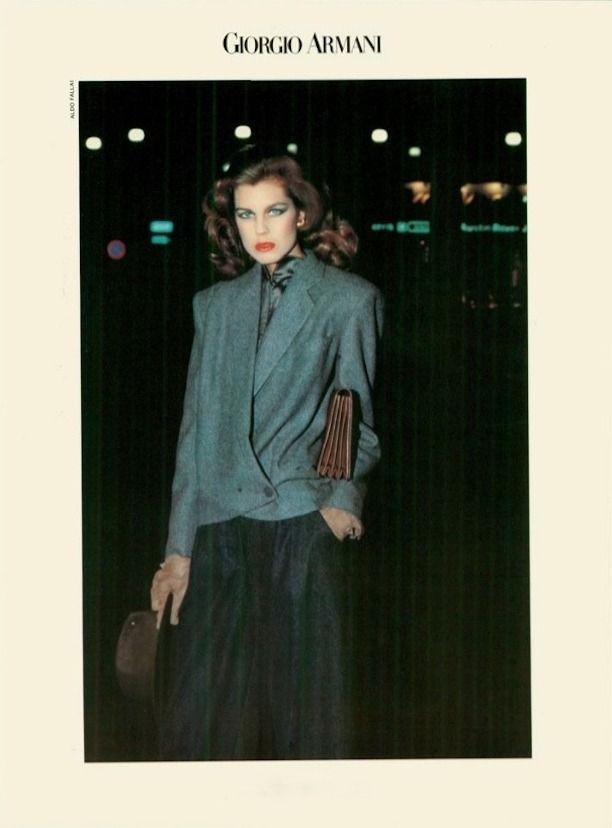
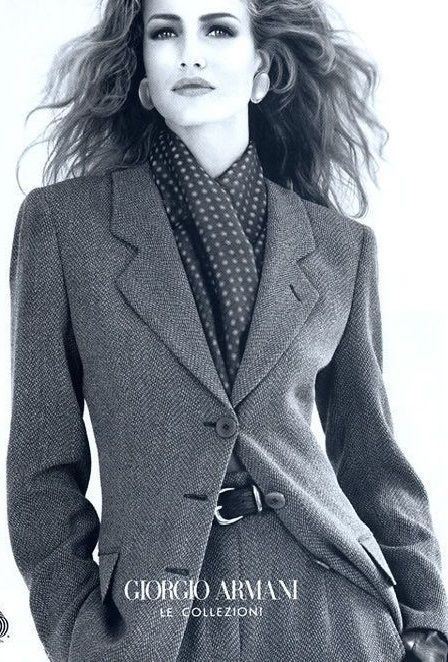
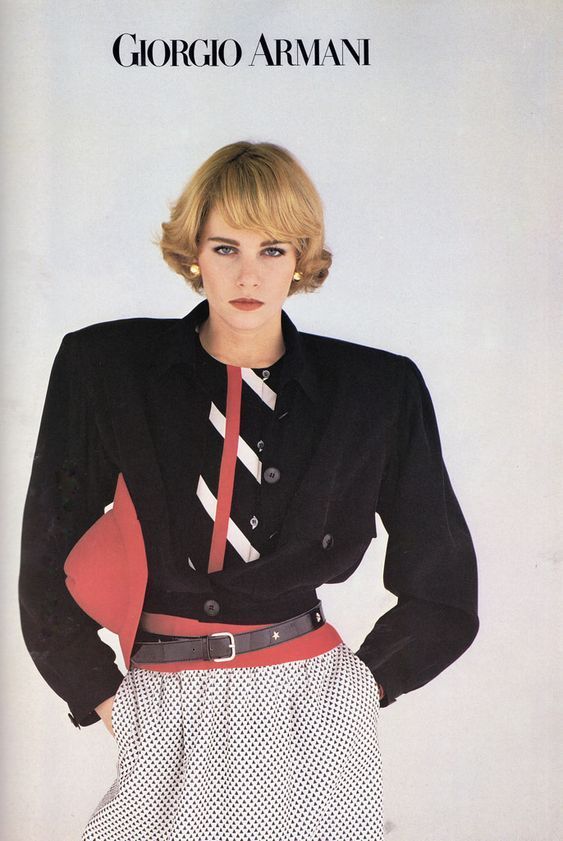
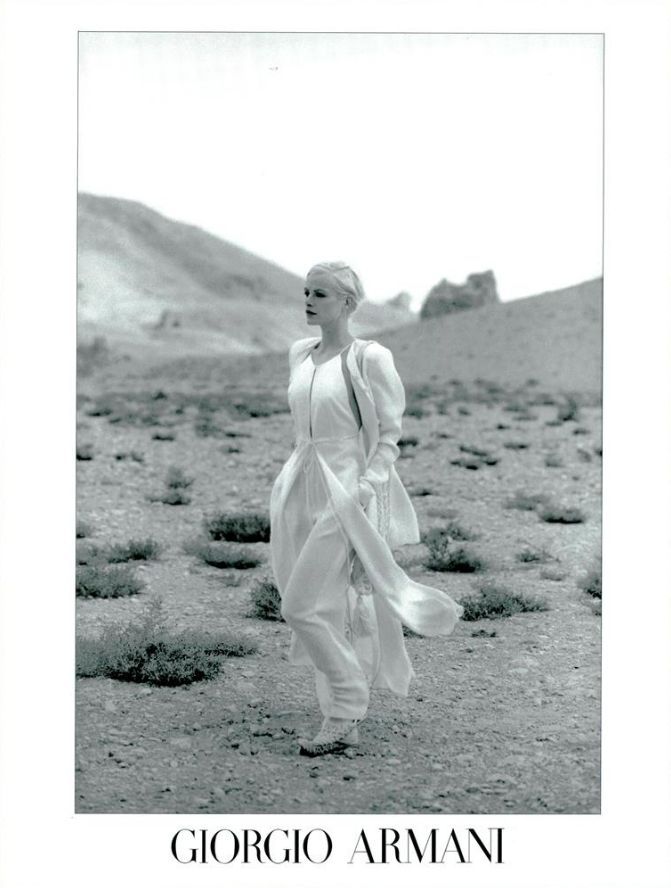
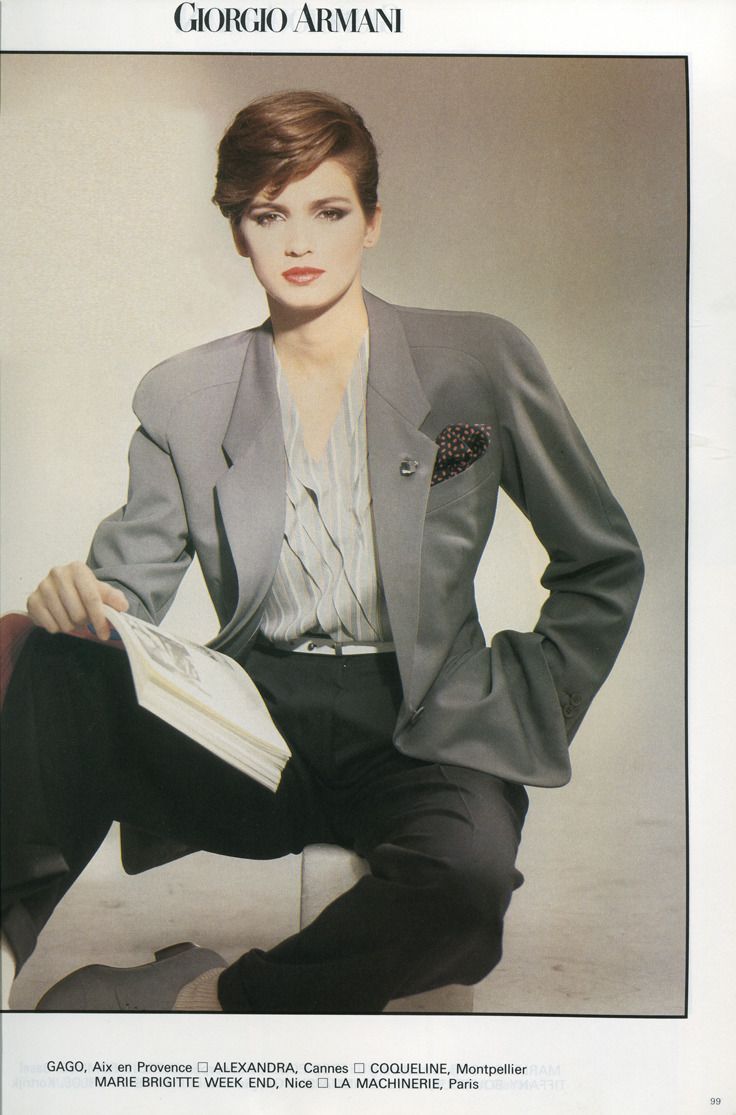
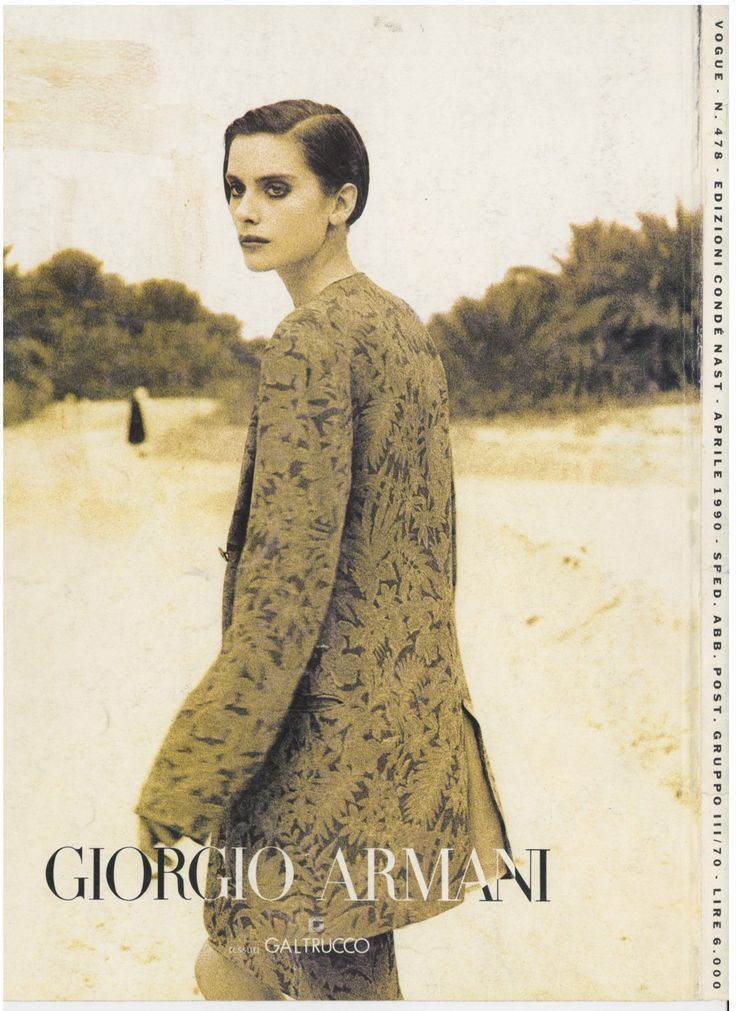
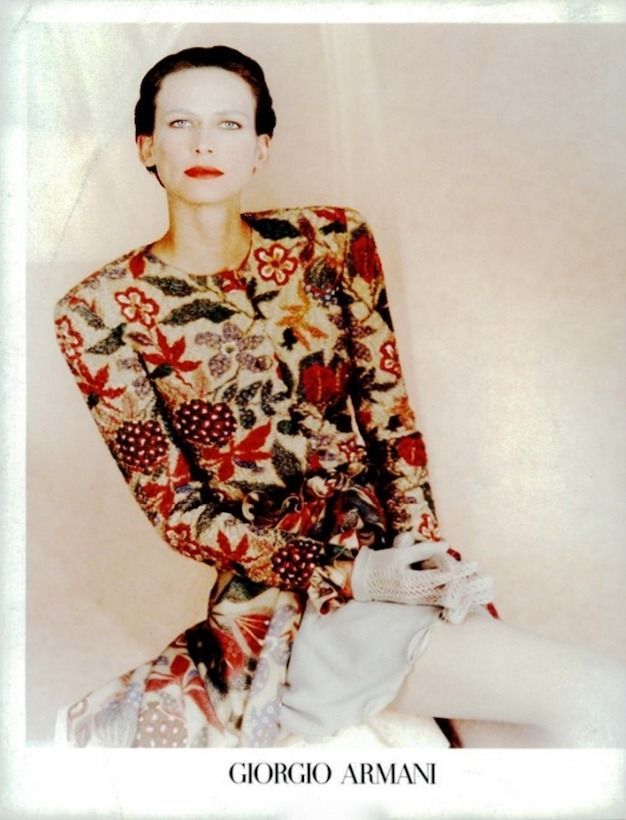
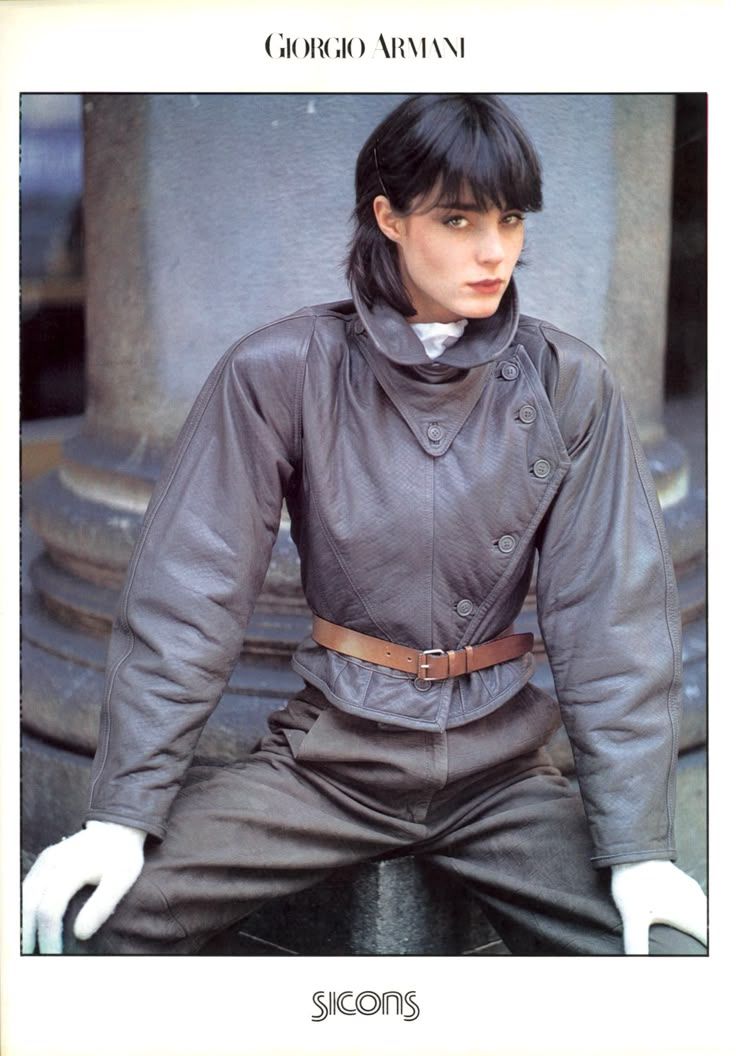
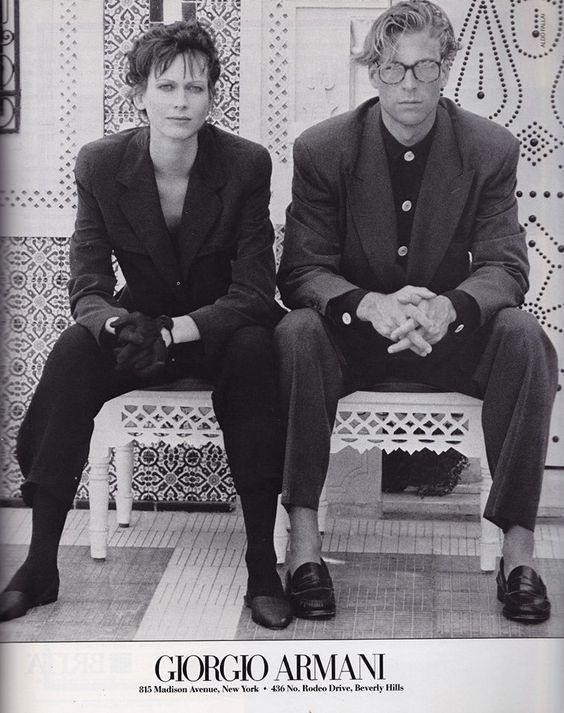
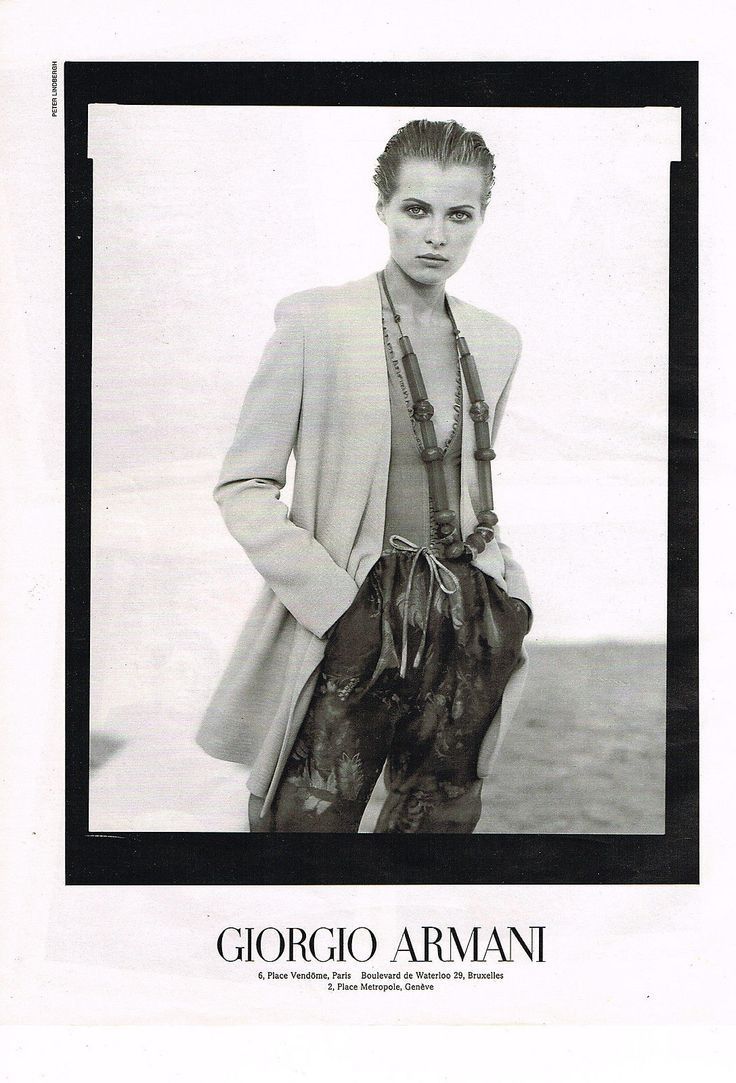
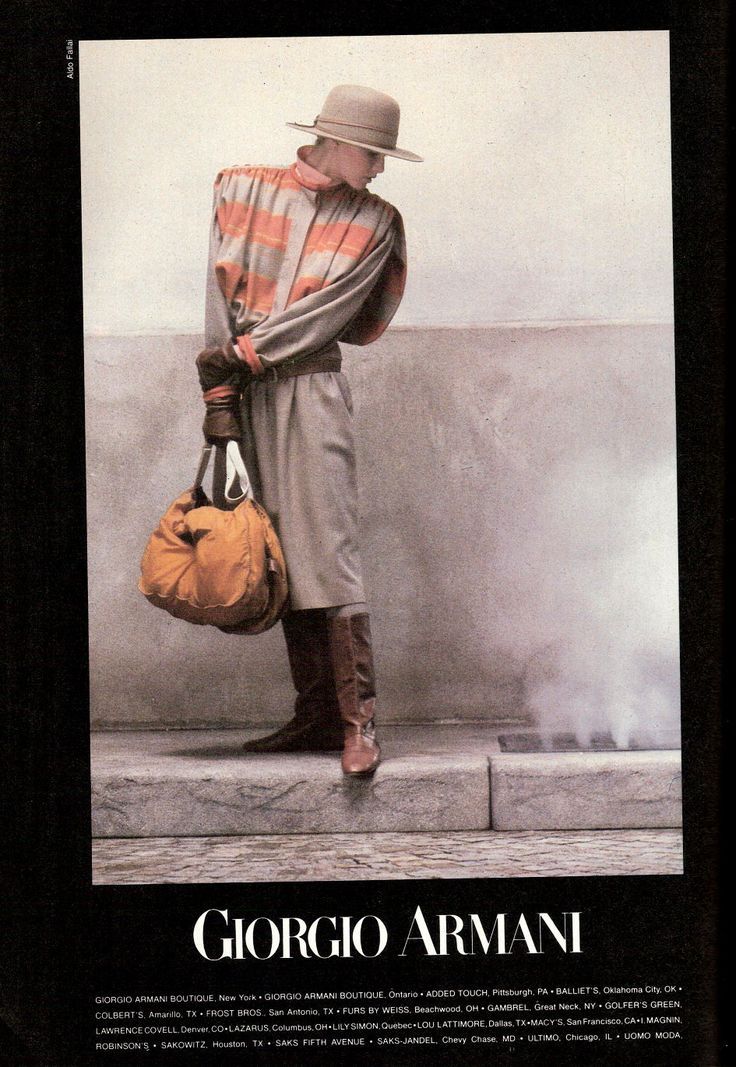
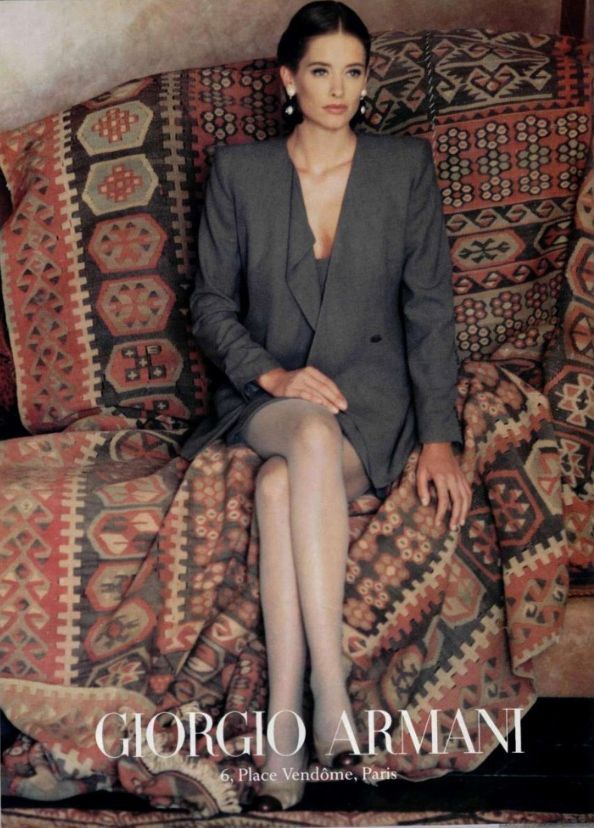
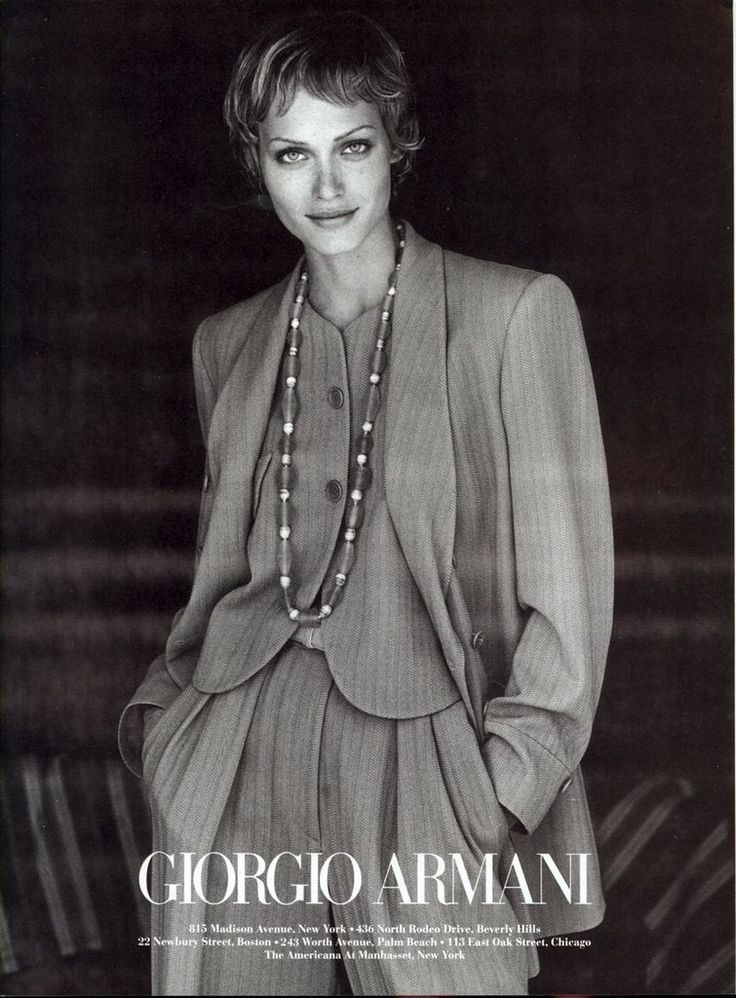
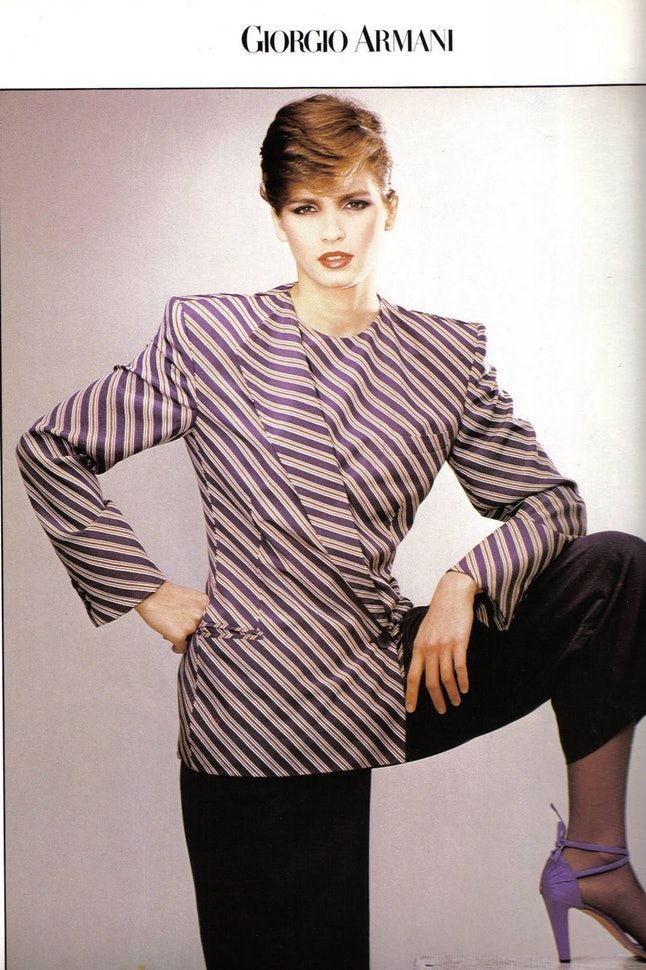
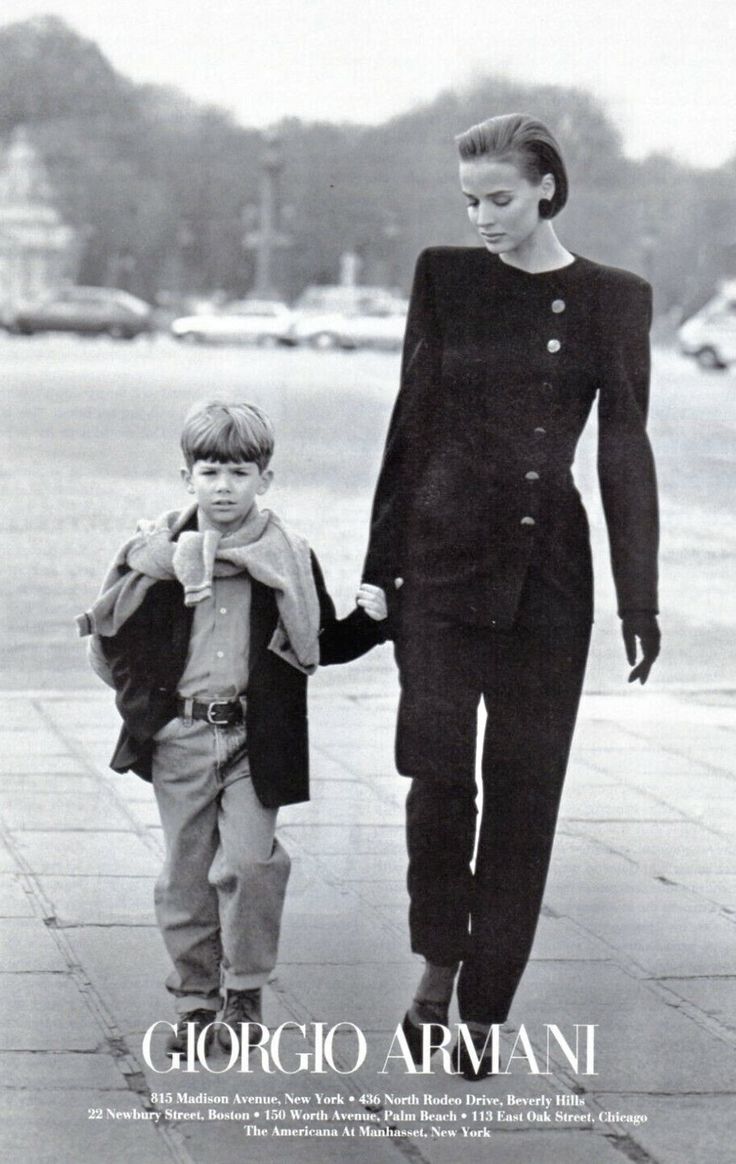
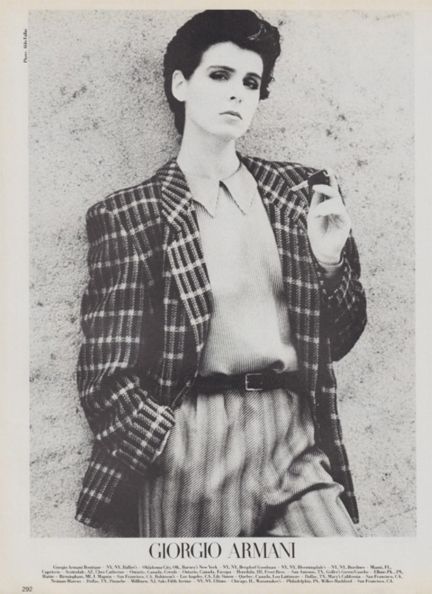
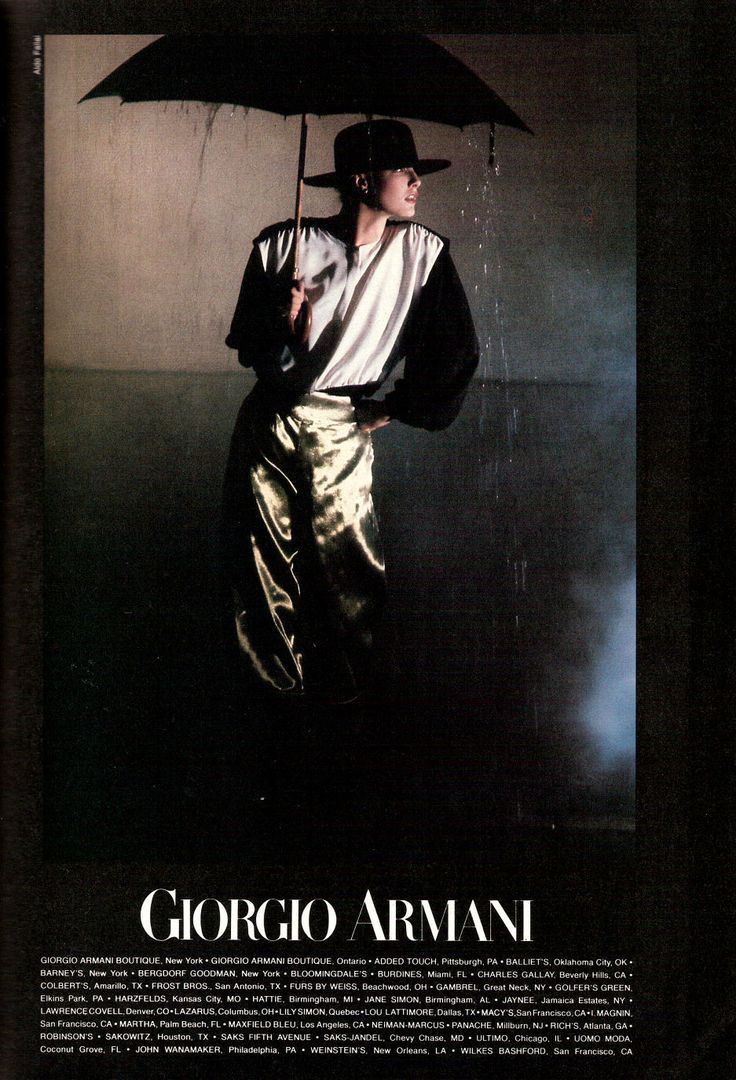
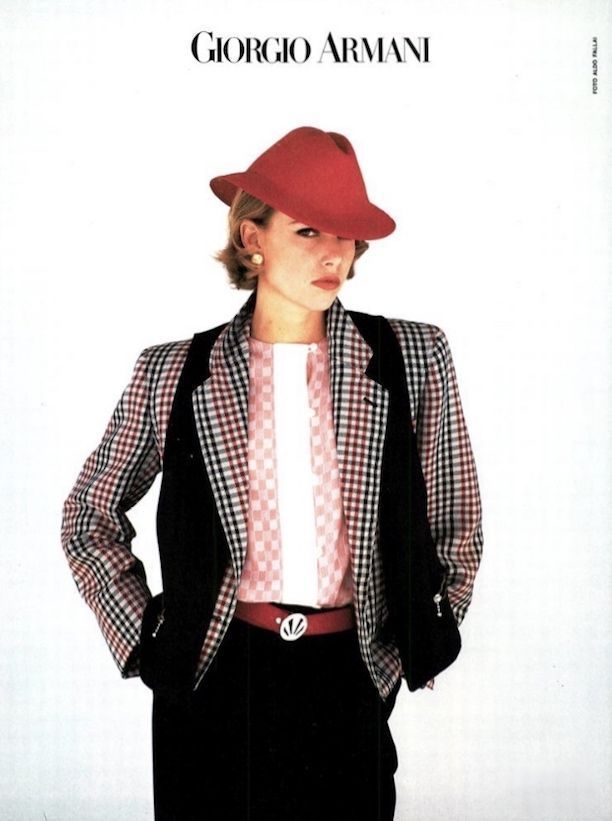
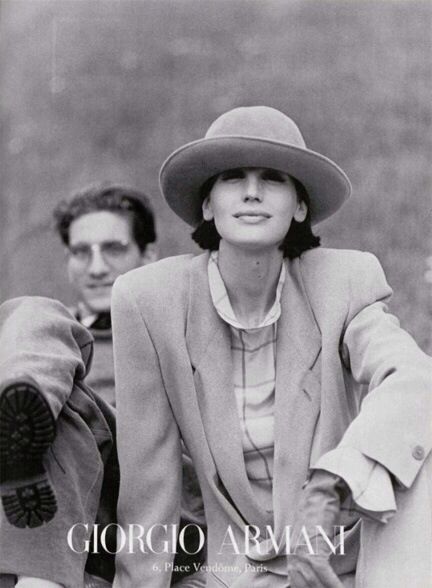
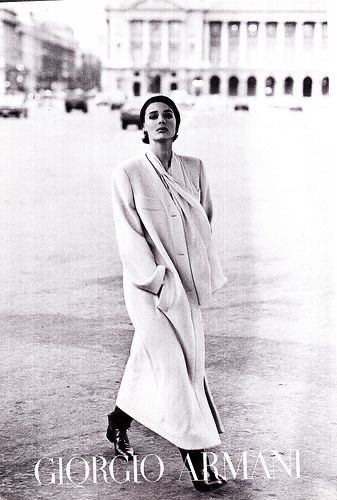
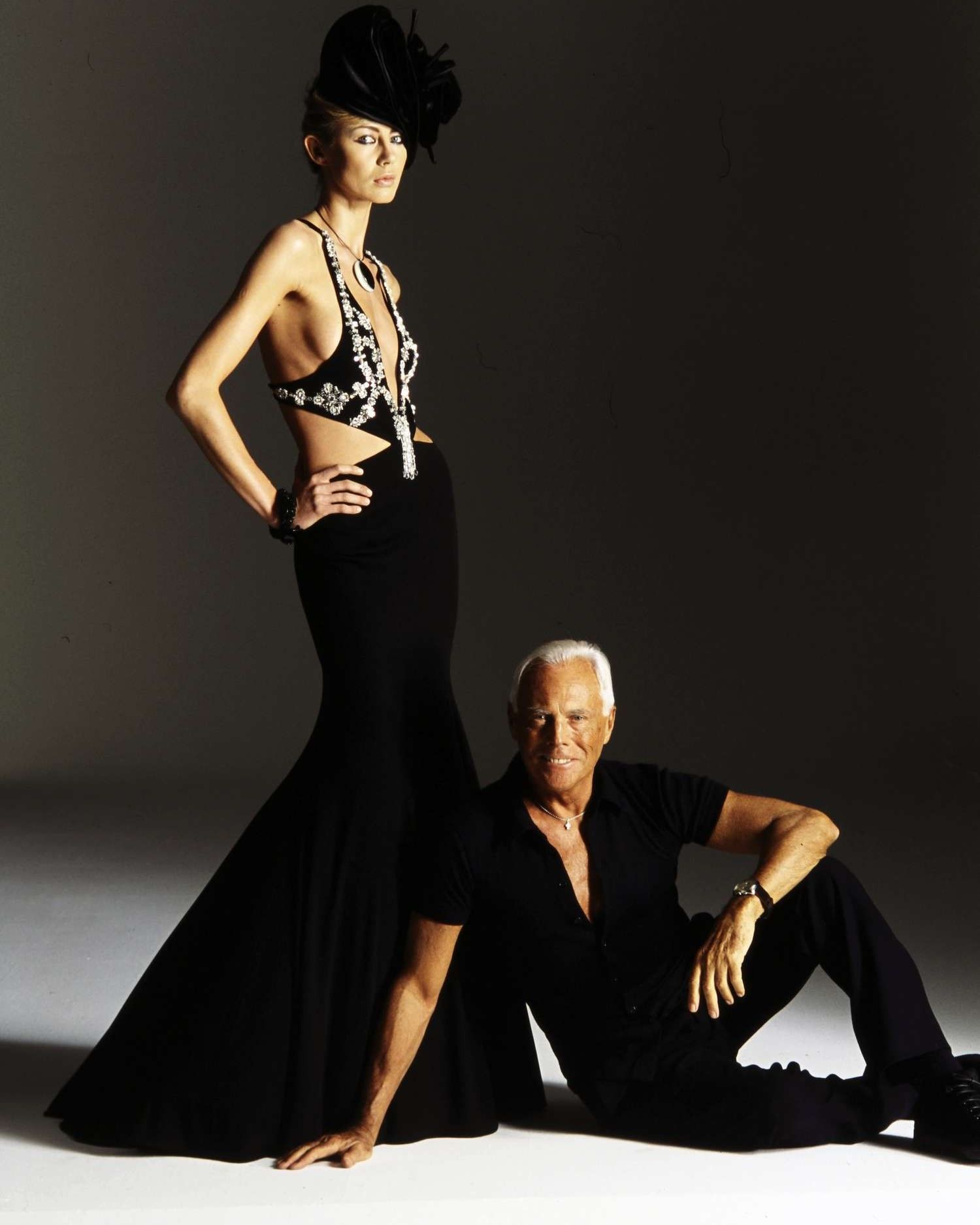
Giorgio Armani was not in the fashion business but in the empire business. Today, fifty years after the emergence of his brand, we may take his influence on fashion for granted, but in the 1970s, his arrival was like a new sun rising on the horizon of a fashion world anchored to outdated models, in need of an interpreter of its most contemporary demands. In short, in the three decades from the late 1970s to the early 1990s, Armani was the most modern and forward-thinking of designers, the last of his kind when considering the way he designed, created, and personally managed every single look of his numerous annual fashion shows: four a year for the eponymous mainline, another four for Emporio Armani, and two for Armani Privè – a workload that grows even larger when considering the vastness and ramifications of his international empire.
An empire whose founding myth lies in tailoring, which was truly the lever that allowed the designer to lift the world. Amid the multitude of his projects and initiatives, the single most significant contribution Armani made to fashion was the updating of the classic tailored suit, both for men and women, and the establishment of a new canon for menswear that was uniquely capable of expressing the transition of Western culture from the formality of the 1960s and the exuberance of the 1970s toward the new consumer society of the 1980s and 1990s. His tailoring, which we will analyze shortly, brought pleasure to formality and formality to pleasure, grounding the dream of fashion in the real and daily life of a changing world. But how did Armani revolutionize tailoring?
Why is Armani’s suit so important?
Academics and theorists of dress and fashion, far more expert than this writer, point to the fundamental relationship between the human body, the clothes that cover it, and the empty space between the two as the starting point for many considerations and analyses. This empty space is the same in which the cultural significance of design often unfolds, as it represents the connective tissue between the architecture of the garment itself, its materials, and its construction; and the physical appearance of the wearer, which can be concealed or revealed, tightened or widened, weighed down or lightened. The interaction between these three elements determines the expressive capacity of the clothes and their creator, as well as the construction of their meanings. And if, before Armani, the men’s tailored suit tended to cover, structure, and in some ways armor the body and identity of the man, it was with him that the suit, by softening, lowering its center of gravity along with its buttons and shoulders, began to work with the body, drape over it, and, in doing so, narrate it in a new way.
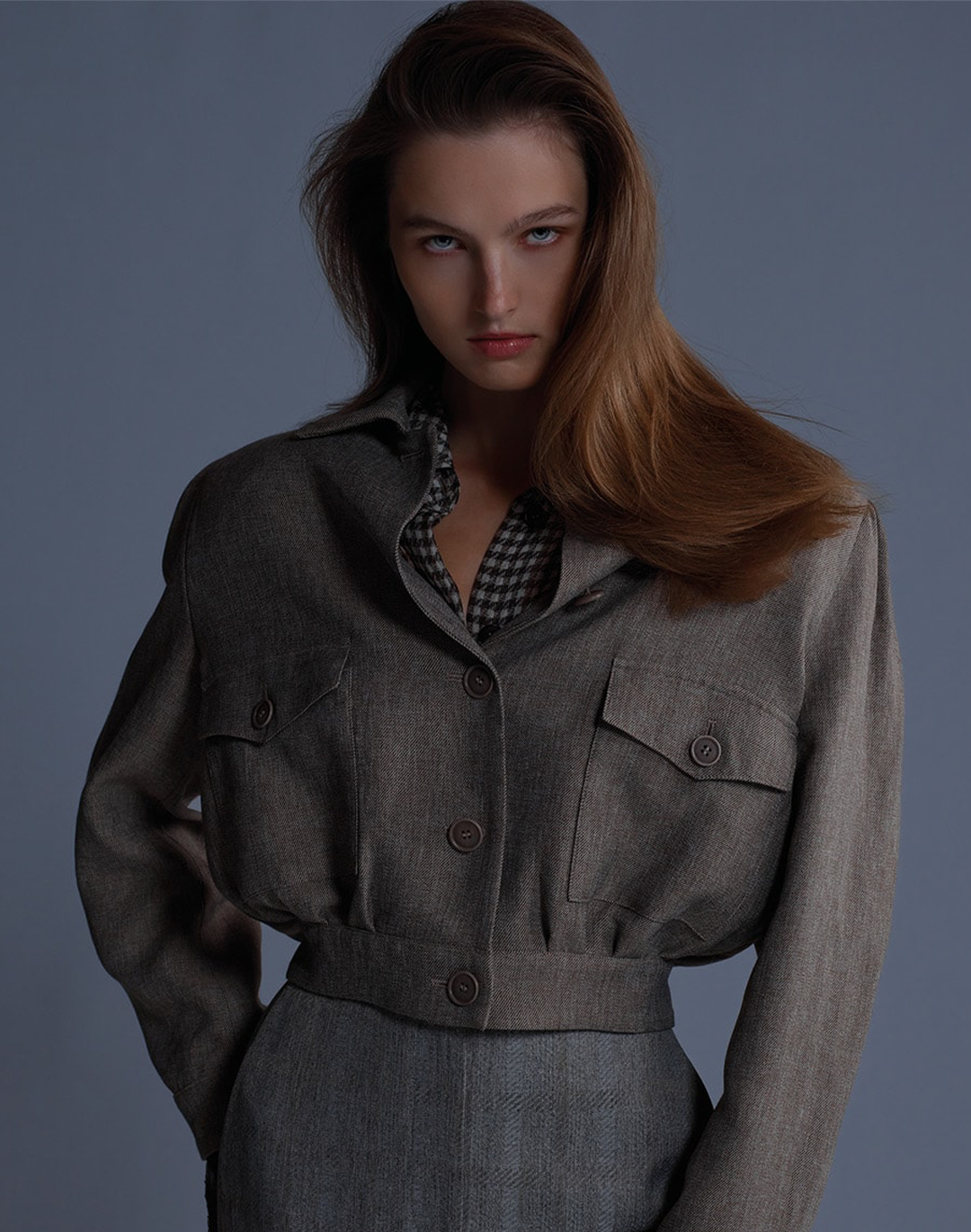
Armani’s sartorial revolution began with the men’s jacket, which he reimagined as a fluid and body-conforming garment. In modernizing it, Armani approached the jacket with a radical mindset: removing shoulder padding, eliminating inner linings, adjusting button placement, and reconfiguring proportions to create a jacket that fell soft and light, in a way that was more than relaxed—it was natural. This deconstruction, first showcased in his 1975 menswear collection, drew inspiration from the Neapolitan tailoring tradition, which favored lighter constructions, and the simplicity of Japanese kimonos, which emphasized natural draping. Crucially, this revolution of the jacket (but also the trouser) reflected not only an era of renewed social mobility but also a new culture in which material and financial success no longer corresponded to a defined social role: those who were elegant could dress simply, and those who were simple could dress elegantly.
Armani’s choice to use fine and luxurious fabrics such as soft wools, velvets, and leathers allowed for precise cuts that maintained elegance while enabling mass production. When he brought his leather blousons to Florence’s Sala Bianca for the 1973–1974 season, what struck critics was the lightness of their material, usually rigid and thick. A removal of rigidity that then became the key node of a work on proportions and constructions that, in the 1980s, during the era of the power suit, led to wider shoulders and broader lapels, evoking a certain 1940s cinematic tailoring (Armani never cited them, but the suits worn by Fred Astaire and Gene Kelly as they danced on screen allowed the same mobility as a tracksuit, despite their extremely precise cut) yet possessed a certain softness that became his signature. His “The Natural” suit, presented for the collection, brought further changes: a three-button design with high lapels and narrow shoulders that draped very naturally, as the name suggests.
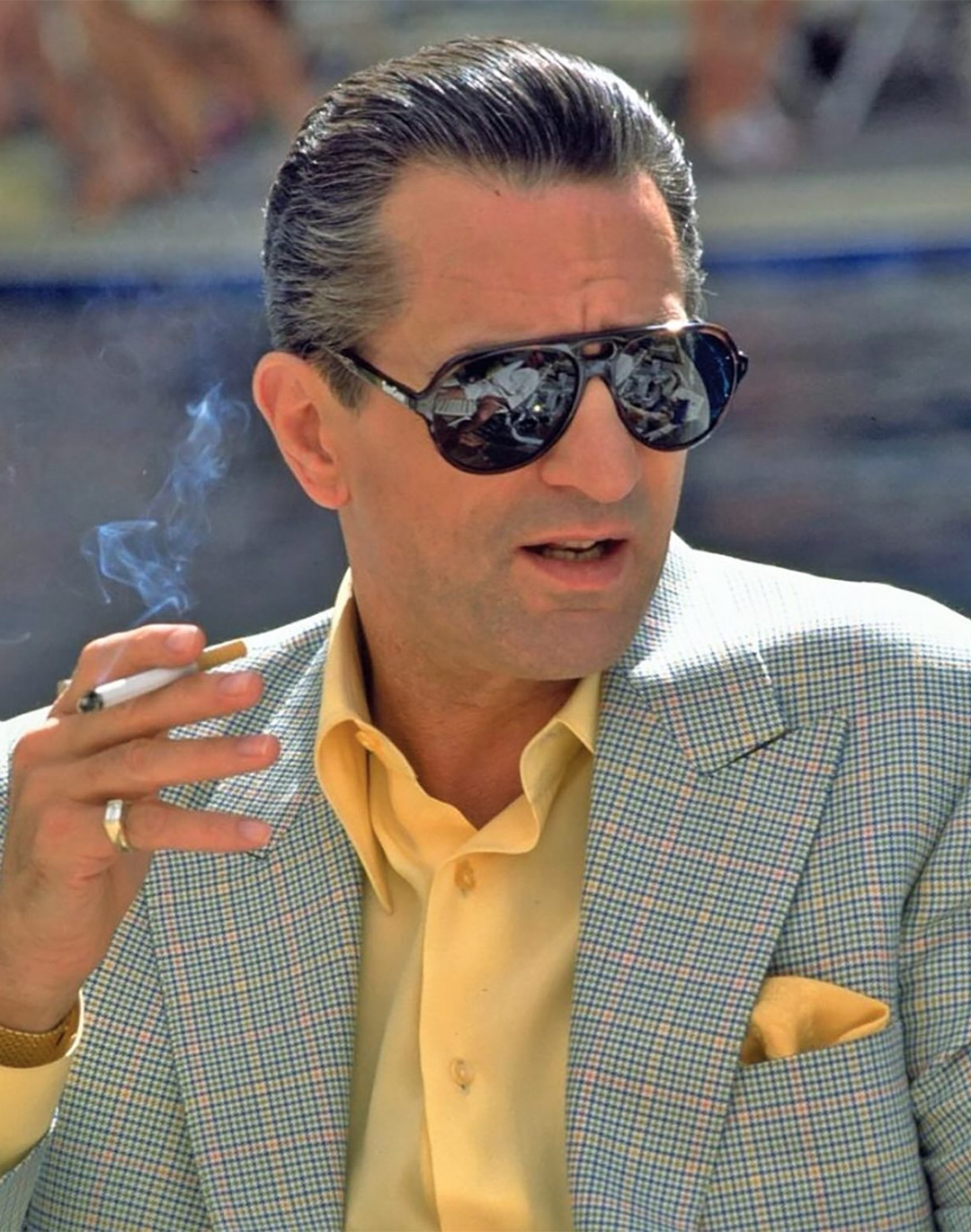
His updates also included scalability: the 1978 partnership with GFT allowed him to produce luxury prêt-à-porter garments in high volumes, making his designs accessible to the middle class who craved the sophistication of haute couture but could not afford it. This democratization of style, combined with his minimalist approach, made Armani’s suits a staple for professionals worldwide, from Milan to New York. In the 1980s, his power suits became synonymous with the economic boom: more than Richard Gere’s wardrobe in American Gigolo, which was a true cultural reset, we find it more indicative of the changes in style that in the legendary series Miami Vice, Don Johnson wore, for the first time (if not the first, certainly the most significant), a tailored suit with a white t-shirt. The suit was, of course, Armani, and in the series, it spoke eloquently of the hedonism and sense of modern opulence typical of the 1980s.
Emporio Armani and the idea of democratic fashion
At the time of its birth, Emporio Armani meant a lot for Italian youth fashion: the first store opened in 1981 in Via Durini in Milan, a stone’s throw from San Babila, which would become the cradle of the paninari but above all the yuppies, the first two Italian youth subcultures. This is highly significant because the yuppies represented the first generation of Italians who assigned to fashion and luxury the task of defining their identity, breaking sharply from the rigidity of a tradition made up of tailoring that often reduced to a monotonous bourgeois uniform.
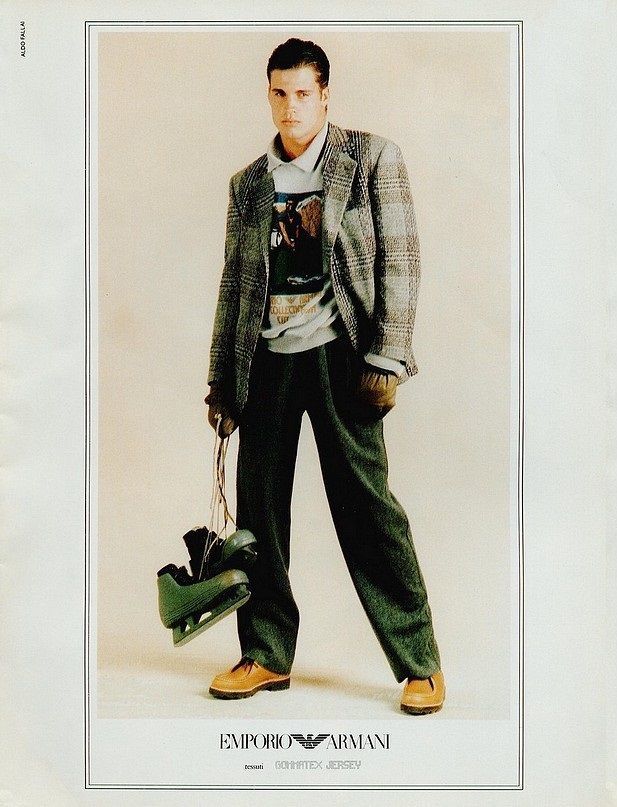
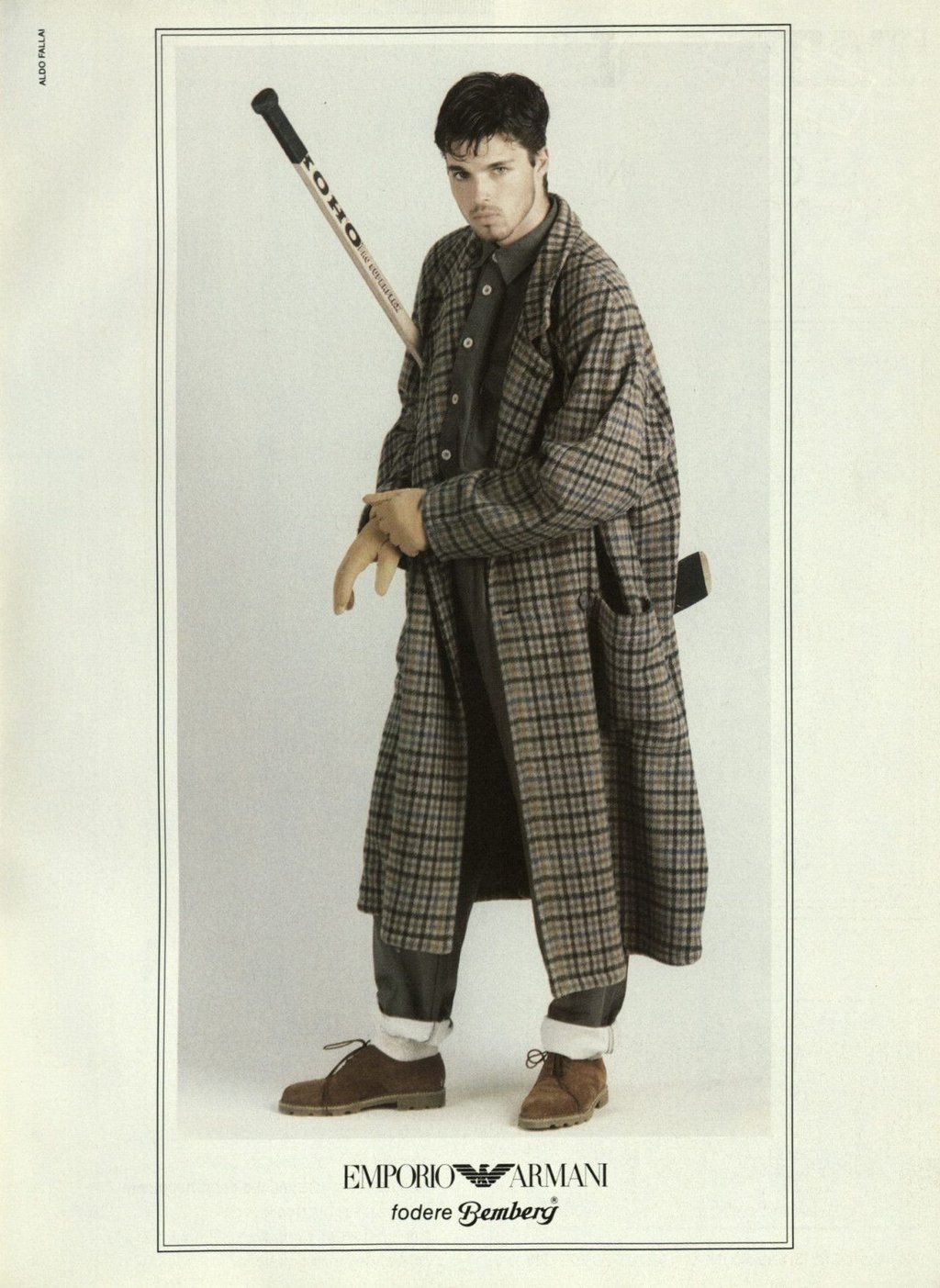
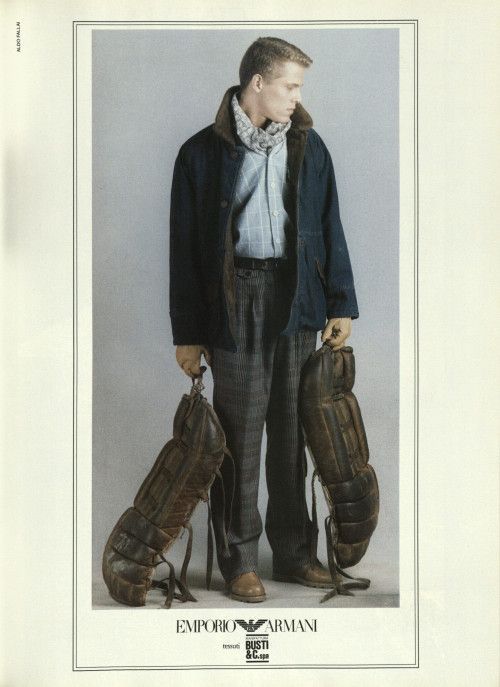
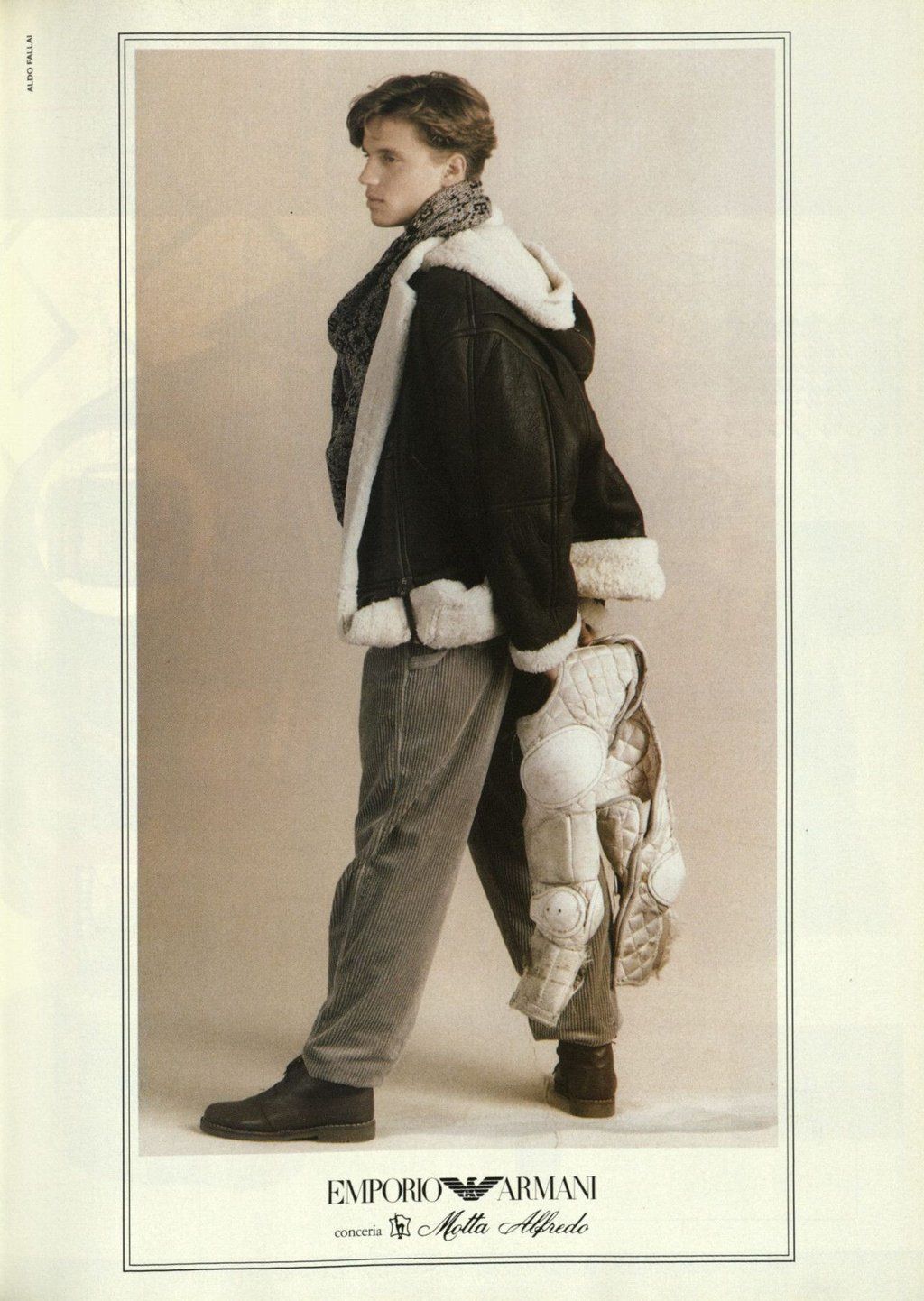
Armani had intuited that those young people would all be his customers if he could conceive an approachable yet elevated luxury – the success of Emporio Armani was planetary. If the campaigns and editorials dedicated to Giorgio Armani’s mainline represented a more classic luxury, always characterized by the typical softness and minimalism of the designer’s suits, the storytelling that brought Emporio into the collective consciousness was different: through the lens of the legendary photographer Aldo Fallai, the brand’s posters and campaigns proposed a new, eclectic aesthetic that anticipated many elements of today’s style by years, so much so that these pieces are highly sought after by archive enthusiasts: the functional constructions, clean cuts, and proportions are still absolutely modern today.
Speaking with System Magazine in April 2014, Armani spoke about Emporio and Aldo Fallai’s photos: “The models had to be natural, clean, and expressive. I wanted faces that showed quickness of thought and solid characters. For many years, clothes had been constructed with rigid fabrics that boxed the body. I preferred naturalness, nonchalance, small imperfections – and that’s why I chose soft fabrics and materials that could caress the body as nothing had managed to caress it since the Industrial Revolution. It was a new sensitivity that went beyond the stereotype of the all-muscle man because it revealed a sense of rigor and precision that did not compromise male sensuality.”
Armani and the new world of womenswear
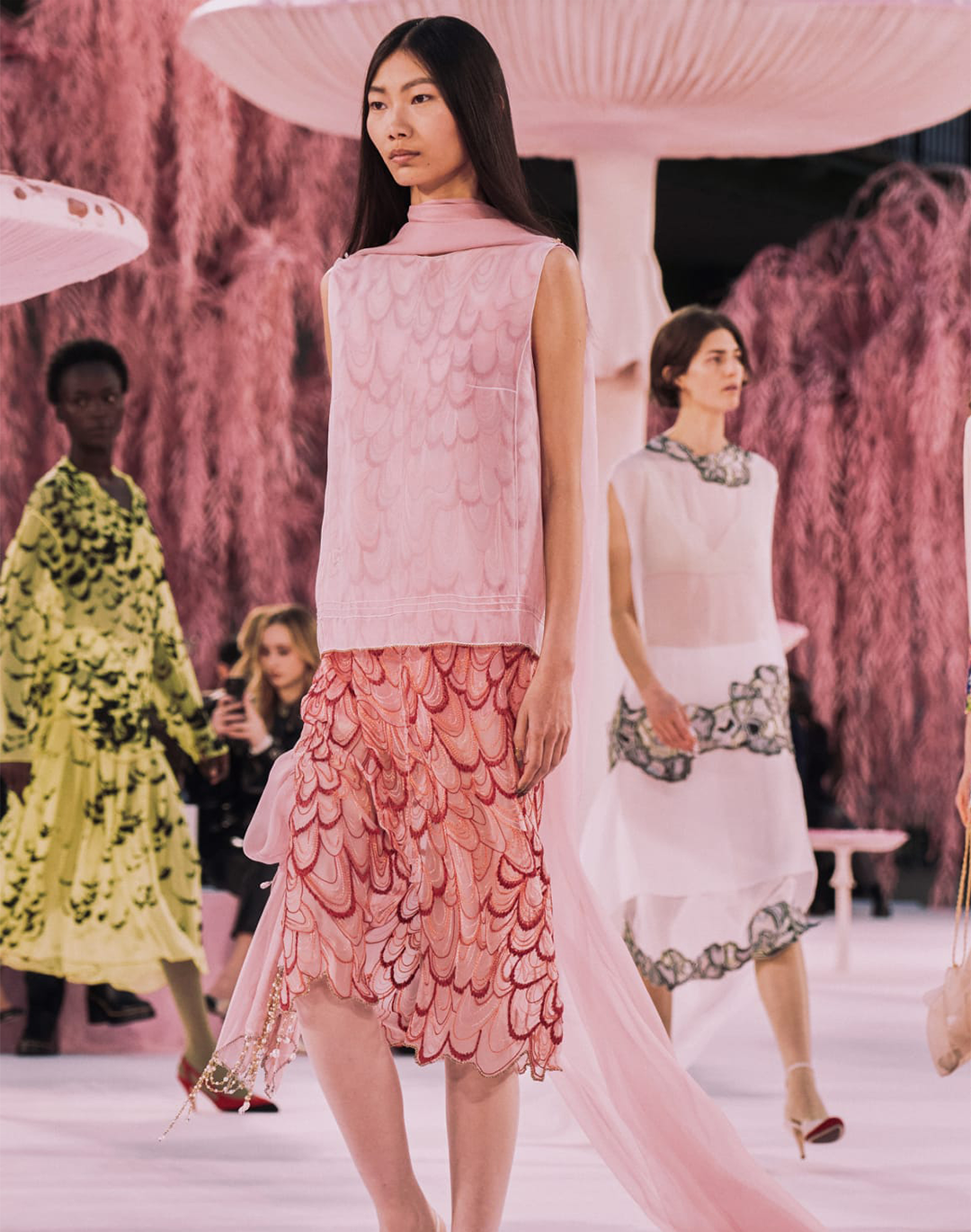
Of course, Armani extended his deconstructed approach to womenswear, addressing the needs of women entering professional roles in the 1960s and 1970s. The traditional clothing for women at the time, made of rigid or somewhat baroque dresses, was too outdated and frivolous to express the professionalism of a generation of women finally entering the workforce with the intent to prove themselves. For this reason, Armani adapted the designs of his men’s jackets, creating the famous power suits that a woman could wear without being overwhelmed by them (if you’ll pardon the expression) but expressing a sense of seriousness and a still feminine taste. Not a costume, in short, but a new way of dressing for a new way of being.
Introduced as early as the debut of the women’s line in 1976, these jackets were always unlined and relaxed but were shaped to enhance the female form. He used soft and luxurious fabrics such as silk, velvet, and satin, favoring clean lines over heavy decorations. “I realized that they needed a way of dressing equivalent to that of men,” he once said. “Something that would give them dignity in their work life.” Armani’s sartorial innovations were both technical and aesthetic. He pioneered the use of lightweight, high-quality fabrics. The removal of linings and padding reduced weight and bulk, enhancing comfort and movement, especially for velvet suits, one of the best-sellers of the time. He also experimented with button placement, often lowering or repositioning them to create a more relaxed silhouette, and adjusted the width of lapels to dynamically balance proportions. These technical changes made his jackets adaptable to both genders, blurring traditional sartorial boundaries and aligning with the changing gender norms of the era.
Armani altered this paradigm by “softening the image of men and hardening the image of women,” as he himself stated. His 1978 women’s collection, with slightly lustrous jackets paired with layered skirts, marked this shift – for those who don’t recall, Diane Keaton wore one at the 1978 Oscars. In the 1980s, the introduction of wider shoulders and broader lapels for women reflected the androgynous glamour of the 1940s, aligning with the economic and social empowerment of the era. The use of neutral colors eliminated the need for ostentatious patterns, emphasizing confidence through simplicity. This was in stark contrast to the colorful and decorative trends of the 1980s, so much so that three of his suits, those worn by Diane Keaton at the 1978 Oscars, Julia Roberts at the 1990 Golden Globes, and Jodie Foster at the 1992 Oscars, marked the end of the era of sequins and lace that we now associate with the campiness of Elizabeth Taylor and Joan Collins in Dallas, to name two examples.
How to build an empire
@thehotelstorybybellish Step inside one of Armani Hotel Dubai’s signature suites—an invitation to unwind this summer in composed elegance and considered comfort. #BeInspiredByTheDolceVita Follow for more! Visit our website - Explore our selection of the most Exquisite Listings Link in bio THE HOTEL STORY #TheHotelStory #luxuryhospitality #TheBestLuxuryHotels original sound - THE HOTEL STORY
Saying that Armani was the first true fashion brand to expand into lifestyle in a plausible way is not entirely accurate, as predecessors like Chanel, Yves Saint Laurent, and Pierre Cardin had already paved the way for lifestyle branding in different ways. Ralph Lauren himself had created a home line in 1983, and Versace in 1992. But Armani was the one who did it with greater ambition, aesthetic coherence, and creative control. His ability to maintain a minimalist and sophisticated identity across clothing, perfumes, home furnishings, hospitality, and even floristry remained unique for its era, especially among Italian brands. Unlike Pierre Cardin or Yves Saint Laurent, whose licensing strategies often diluted the brand (think of the branded cigarettes licensed by Saint Laurent), Armani always maintained total control, making his expansion more “plausible” in terms of quality and vision.
Moreover, Armani was among the first to bring the concept of a lifestyle brand to a global scale, with a strong presence in markets like Asia and significant cultural influence through Hollywood. His move into hospitality with the Armani Hotel Dubai was particularly innovative, distinguishing him from many contemporaries who limited themselves to more traditional categories like perfumes and accessories. With the launch of lines like Armani Casa in 2000 and the Armani Hotel Dubai, Armani created a coherent universe that redefined the concept of a lifestyle brand, standing out for its creative control and global reach, placing Milan at the center of the fashion world.