

































US tariffs will cost Adidas €200 million Despite this, the brand has continued to grow well this year
Trump is back on the offensive and has announced new tariffs against dozens of countries. And the new tightening of tariffs (which still needs to be understood in terms of if, how, when, and for whom it will be implemented) has deeply concerned adidas, which announced that the new import duties imposed by the United States could cost the company up to 200 million euros by the end of 2025. The announcement comes just as adidas is experiencing a commercial recovery, with net sales reaching 12.11 billion euros in the first half of the year and operating profit growing 57.7% year-on-year, reaching 1.16 billion euros. Speaking at a press conference in Germany, CEO Bjørn Gulden gave a mixed assessment: «We have achieved these results despite all the challenges», he said. «Our brand is strong. I believe this is due not only to 76 years of history and accumulated marketing, but also to the work of our teams, both globally and centrally, who have brought us back in front of the consumer». During the same conference, Gulden confirmed that the new tariffs imposed by the United States on goods from Vietnam and Indonesia — two of the brand’s main manufacturing hubs — will inevitably increase costs in what represents adidas’ second most important market.
adidas has estimated that, for example, tariffs on footwear produced in Vietnam could rise from 14% to 34% in the coming months. In Pakistan, from zero to 30%; in Cambodia, from 13% to 49%. «All this shows just how volatile the situation is», said Gulden. «If the same product arrives in March, April, May, or July, it could be subject to three or four different duties, which directly affect the cost». As a result, there will be a pricing review as soon as the actual tariffs become clear. Any increases will only affect the North American market and will mostly be applied to new products, not existing lines. Moreover, any price increase will not occur before 2026. «We won’t be the first to raise prices», said Gulden. «And if we do, it will be done carefully and only in 2026». Early increases would also require renegotiating many agreements with retailers who have already placed orders for the current year. All this will have a direct impact on consumers, although it is first necessary to understand how these increases will affect demand. «We still don’t know what the impact on customers will be if these tariffs generate significant inflation», said the CEO. Furthermore, Gulden clearly stated: «We cannot produce most of our products in America».
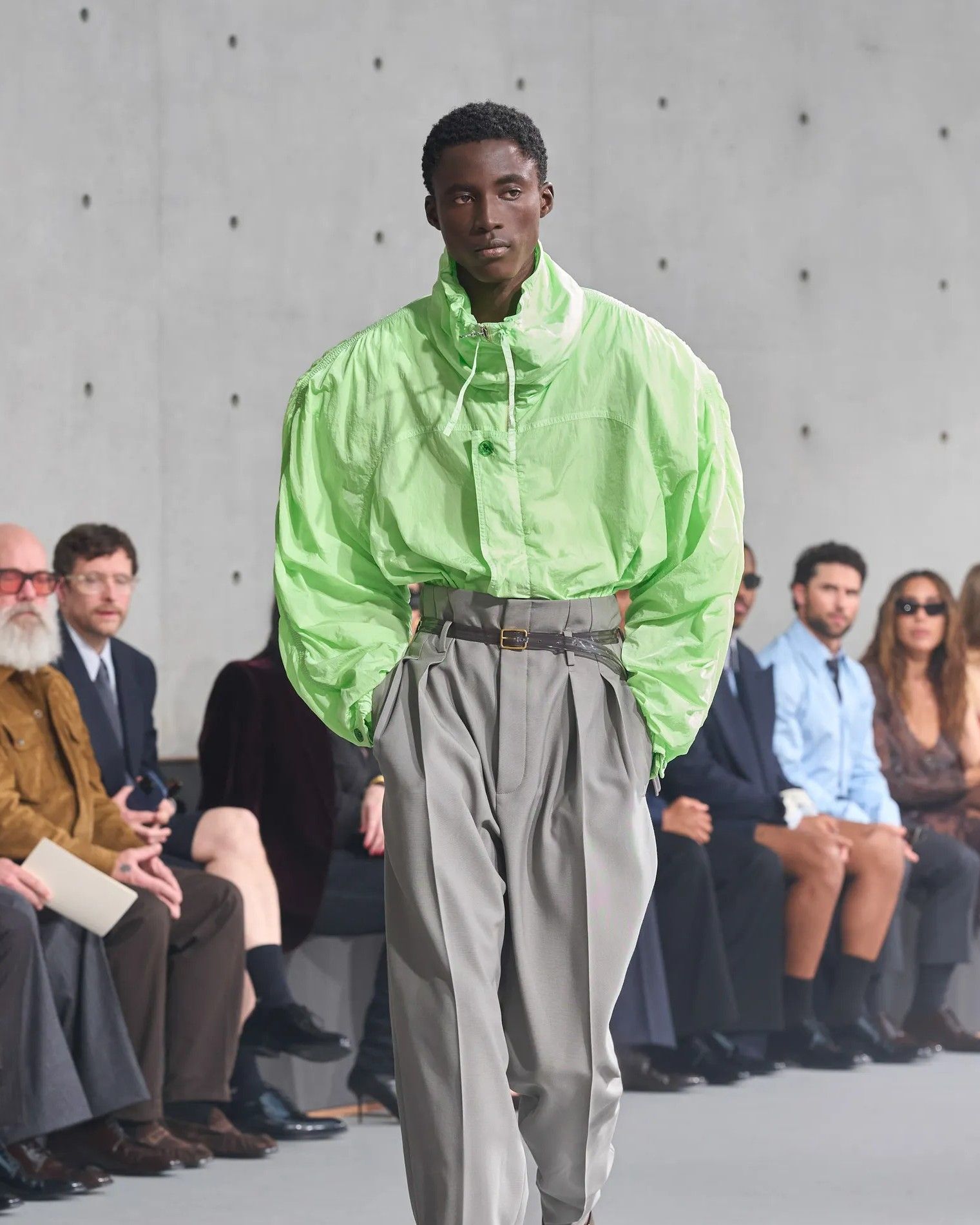
@adidas I want a Miss Emma shirt pls #emmachamberlain #pfw #adidas @emma chamberlain 搞笑滑稽搞怪 - MrM
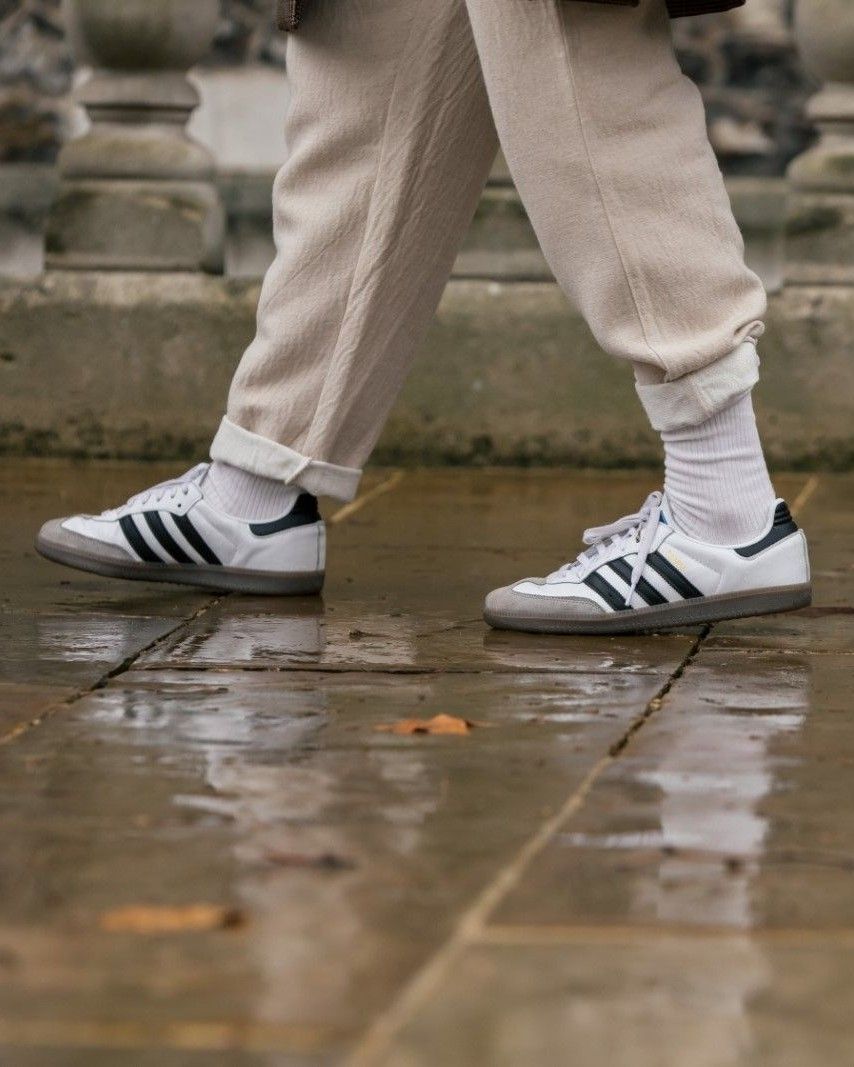
The threat of these risks comes, however, at a time of recovery for adidas, driven by successful products, well-chosen collaborations, and a renewed cultural relevance. In the second quarter alone, net sales were 5.95 billion euros, up 12% on a currency-adjusted basis. The footwear segment, which represents about two-thirds of the brand’s sales, grew by 9%, while apparel posted +17%. Accessories rose by 7%. Categories linked to sports performance are also growing, with running up 25% and training up 20%. Basketball shoes for professional athletes also recorded double-digit expansion. Gulden attributed part of this momentum to the continued success of lines inspired by the “terrace” look, also driven by the Oasis phenomenon, such as the Samba, Gazelle, and Handball Spezial models. «In all markets, when we make terrace shoes more fashionable — with metallic effects, animal prints or collaborations — the sell-through is huge, as if it were a new franchise», he explained. Coming soon are also “low-profile” sneakers and football boots with studs, which Gulden sees as the two upcoming trends that will dominate the next year. For the rest of the year, the brand expects revenue to grow at a high single-digit rate and operating profit to be between 1.7 and 1.8 billion euros, with margins now close to 10%, although current uncertainty has led brand executives to refrain from raising forecasts too much. But considering its incredible comeback in popularity (the company had been in trouble when it ended the Yeezy line), if it manages to overcome the economic turmoil while continuing to win over the public, adidas might even exceed its own expectations.
What to read next
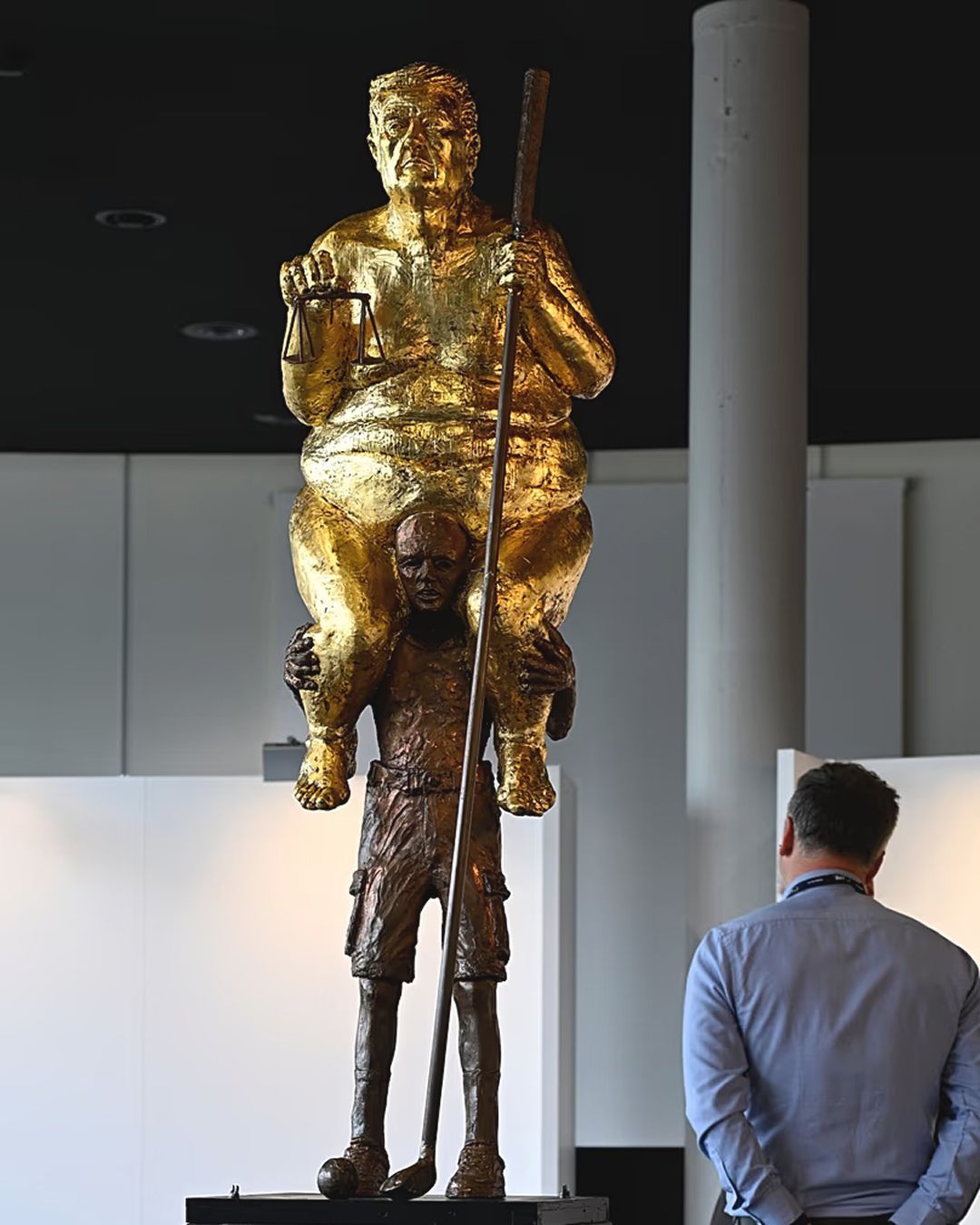
Why was a naked Trump golden statue displayed at the European Parliament?
It's called "The Orange Plague" and is the latest work by Danish sculptor Jens Galschiøt
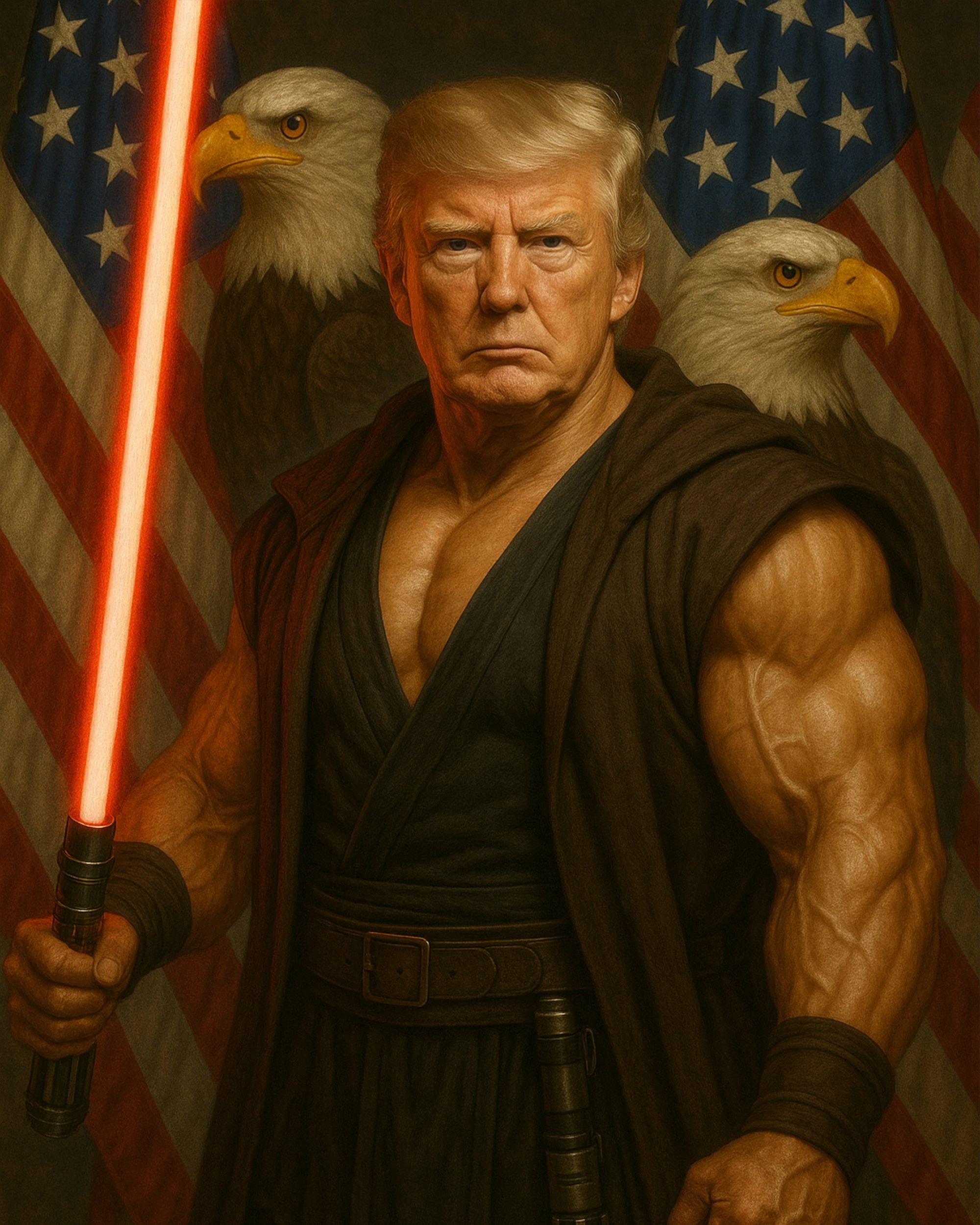
Why are there so many AI political propaganda videos?
We asked Donatella Della Ratta, communication professor at John Cabot University

Song for the Mute and adidas run for love, not to break records
With RUN02, the Australian brand and adidas Running tell the story of everything that happens around running