



















Noise as the language of fashion according to GR10K The brand's designers told us about the concept behind their latest Paris presentation
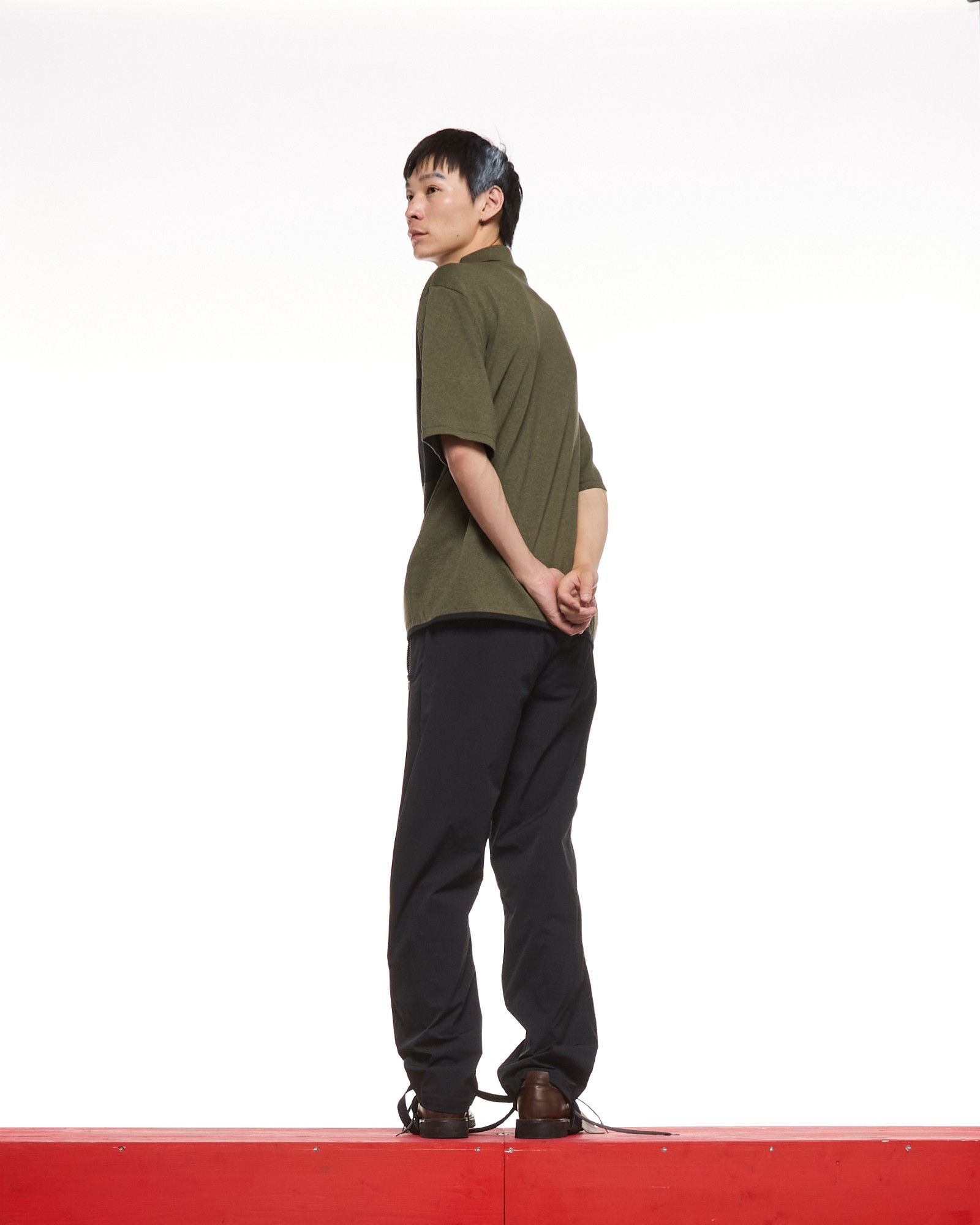
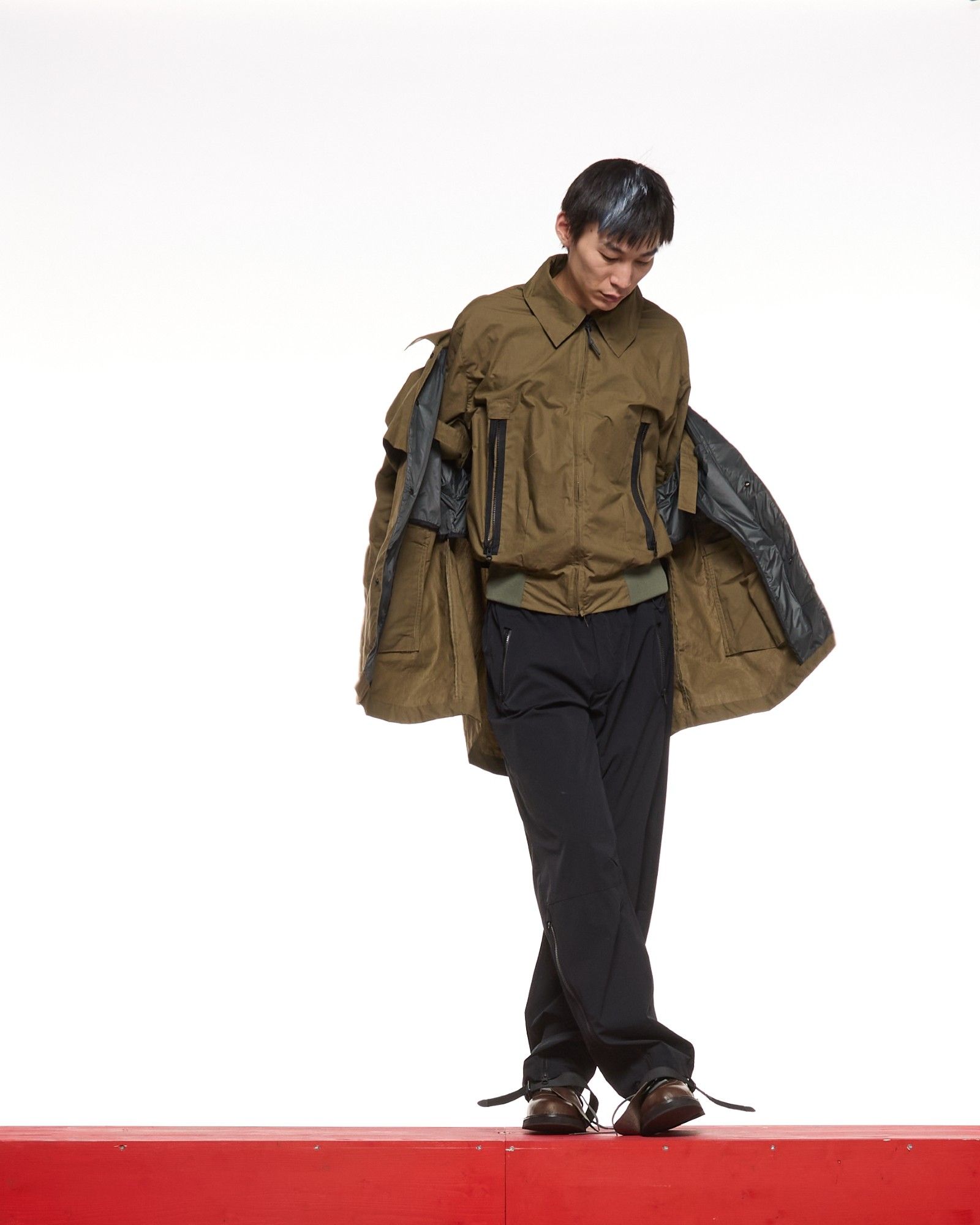
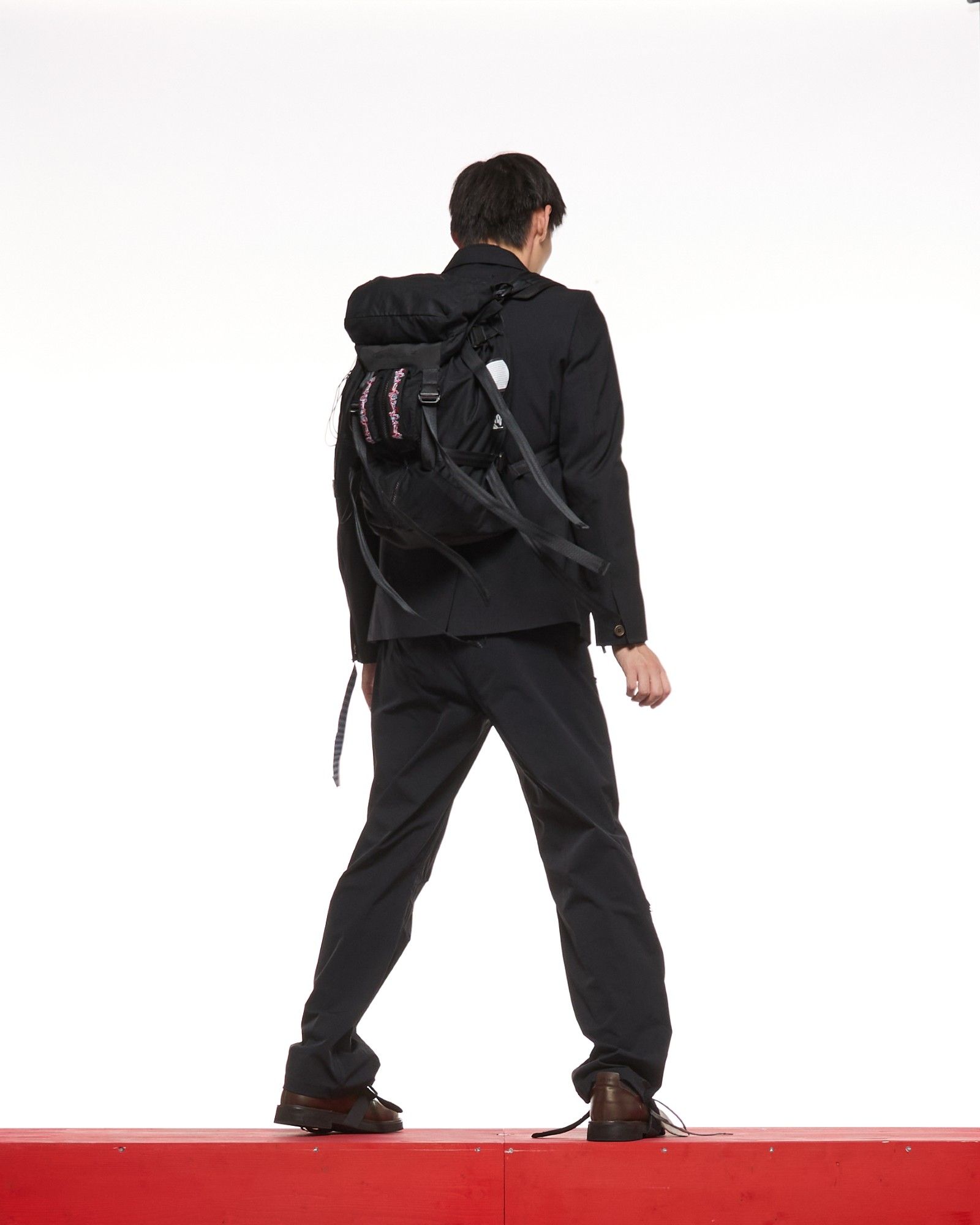
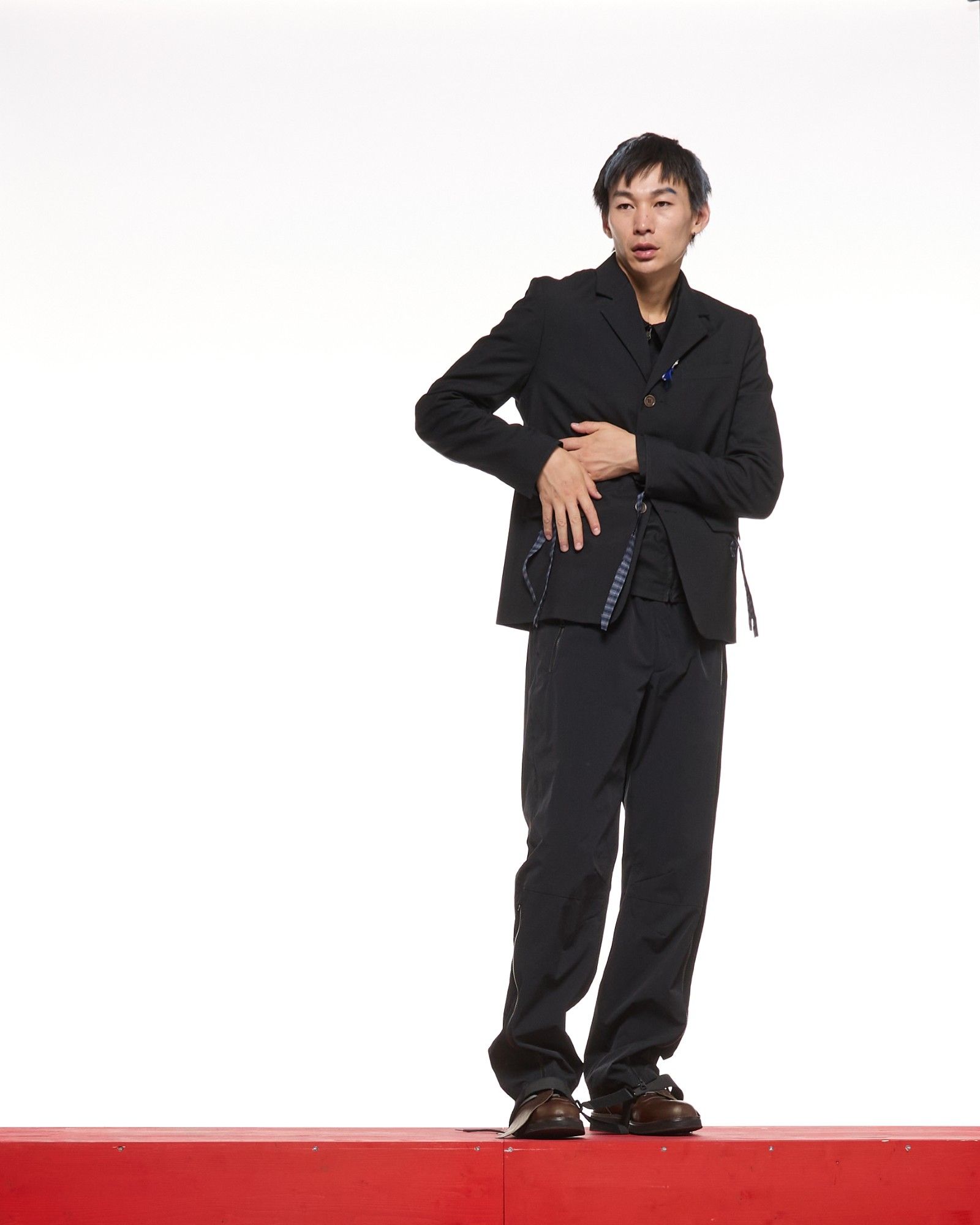
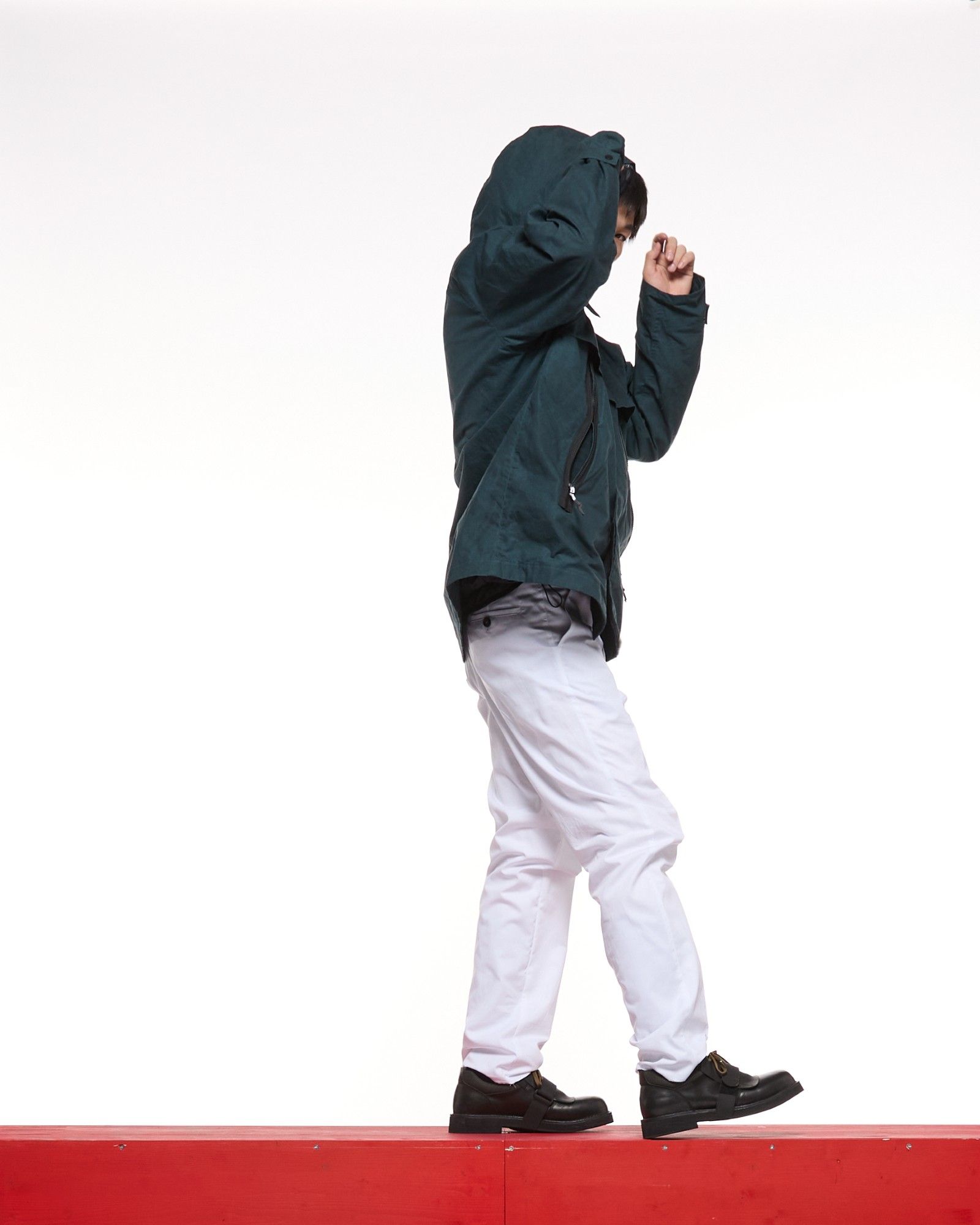
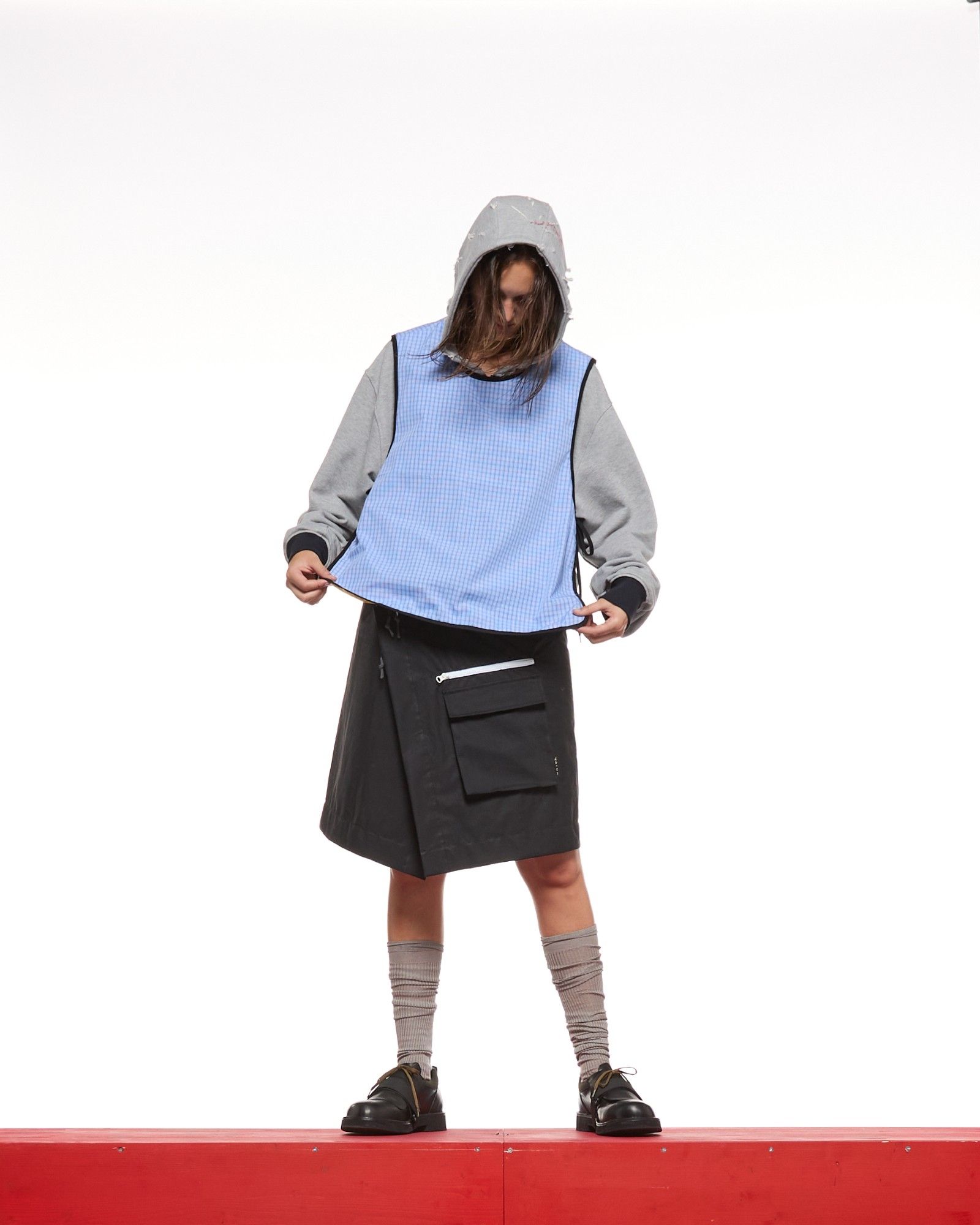
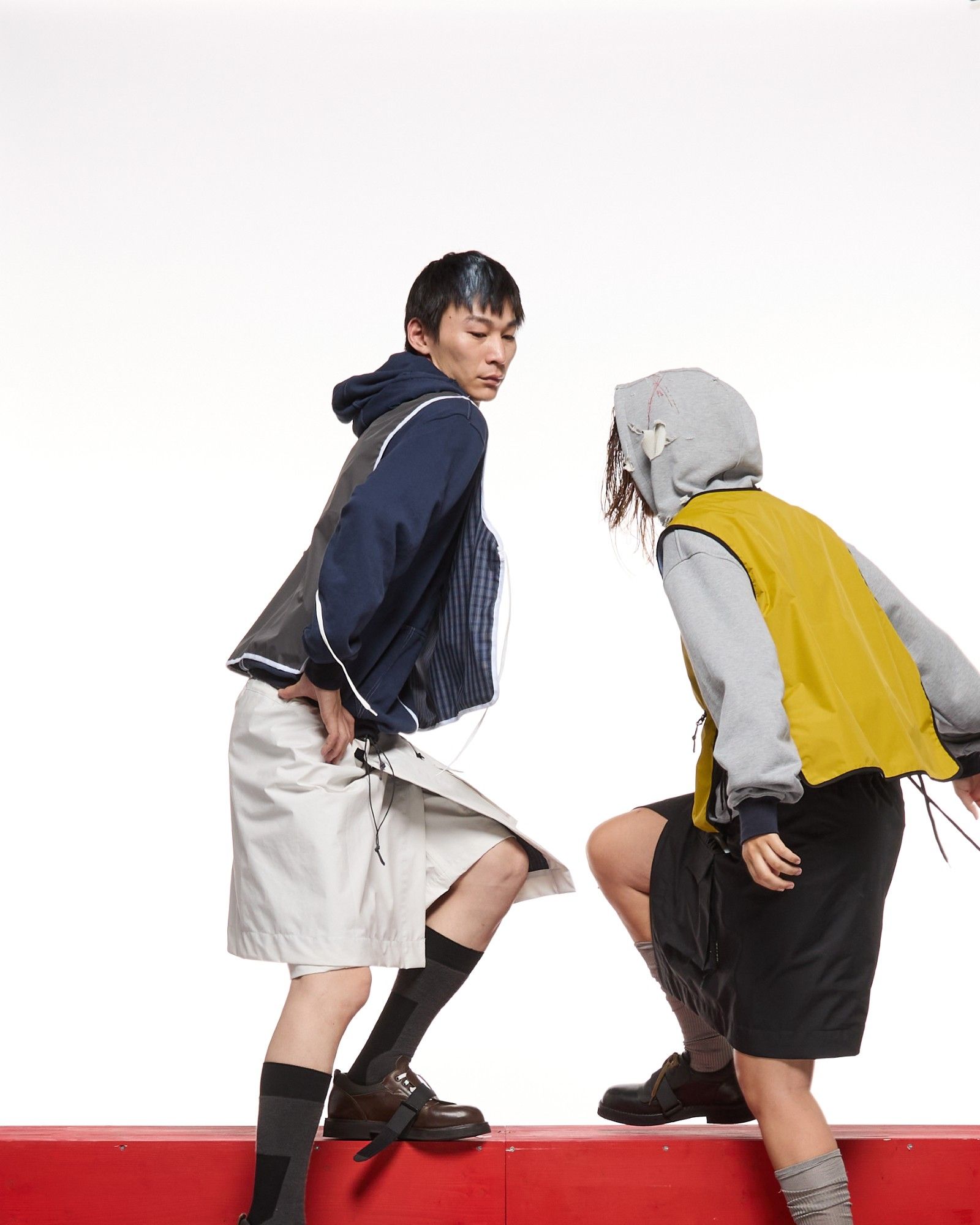
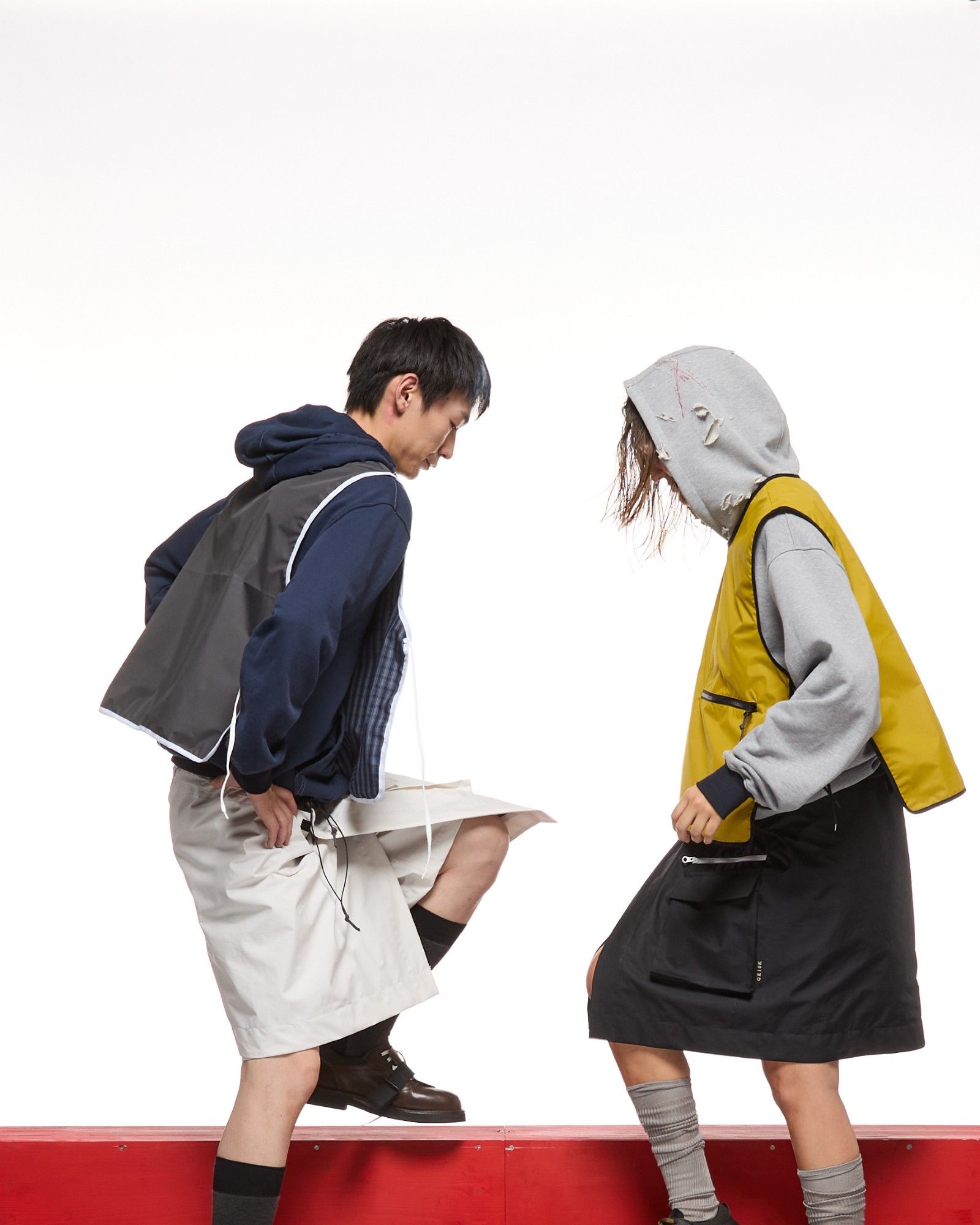
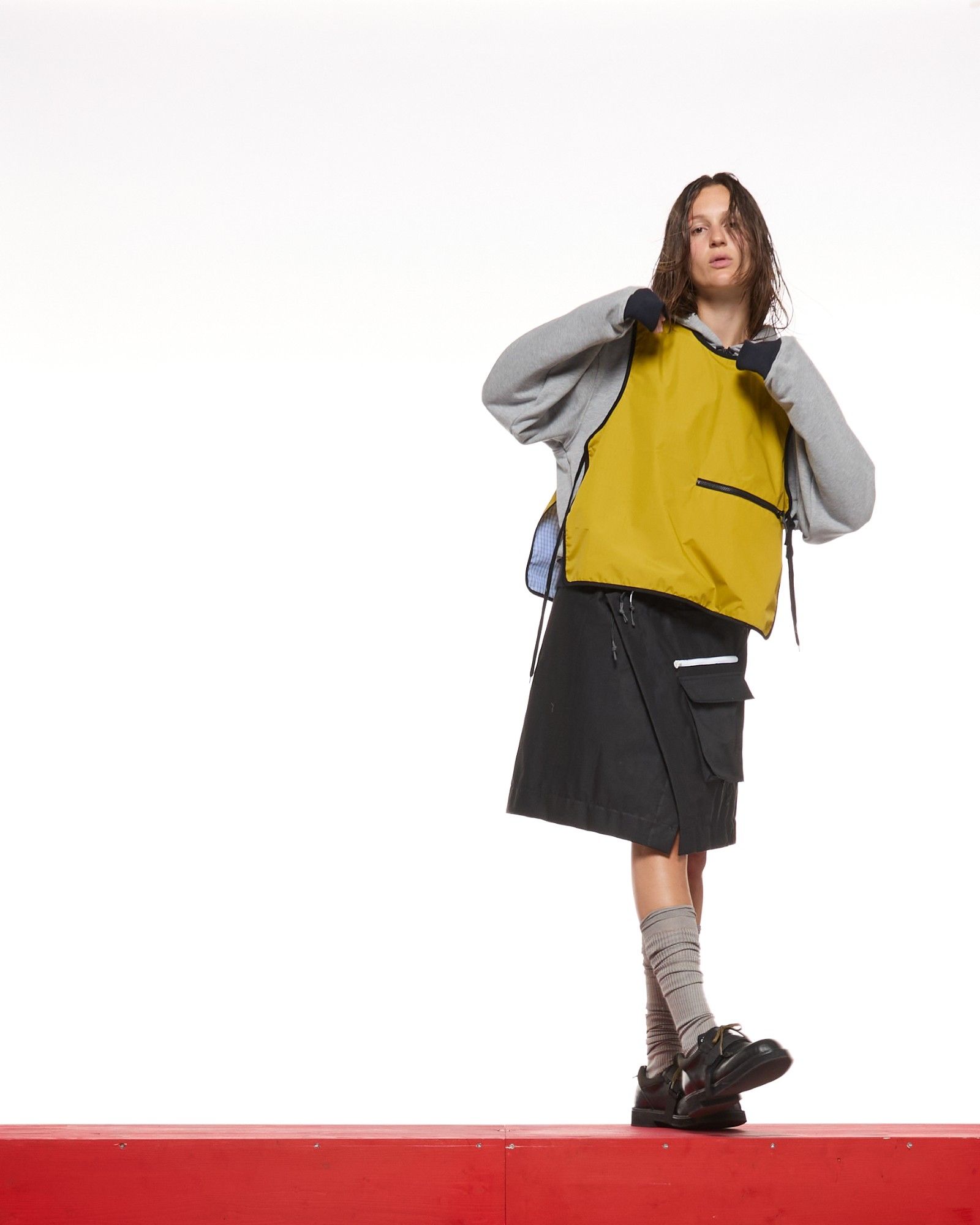
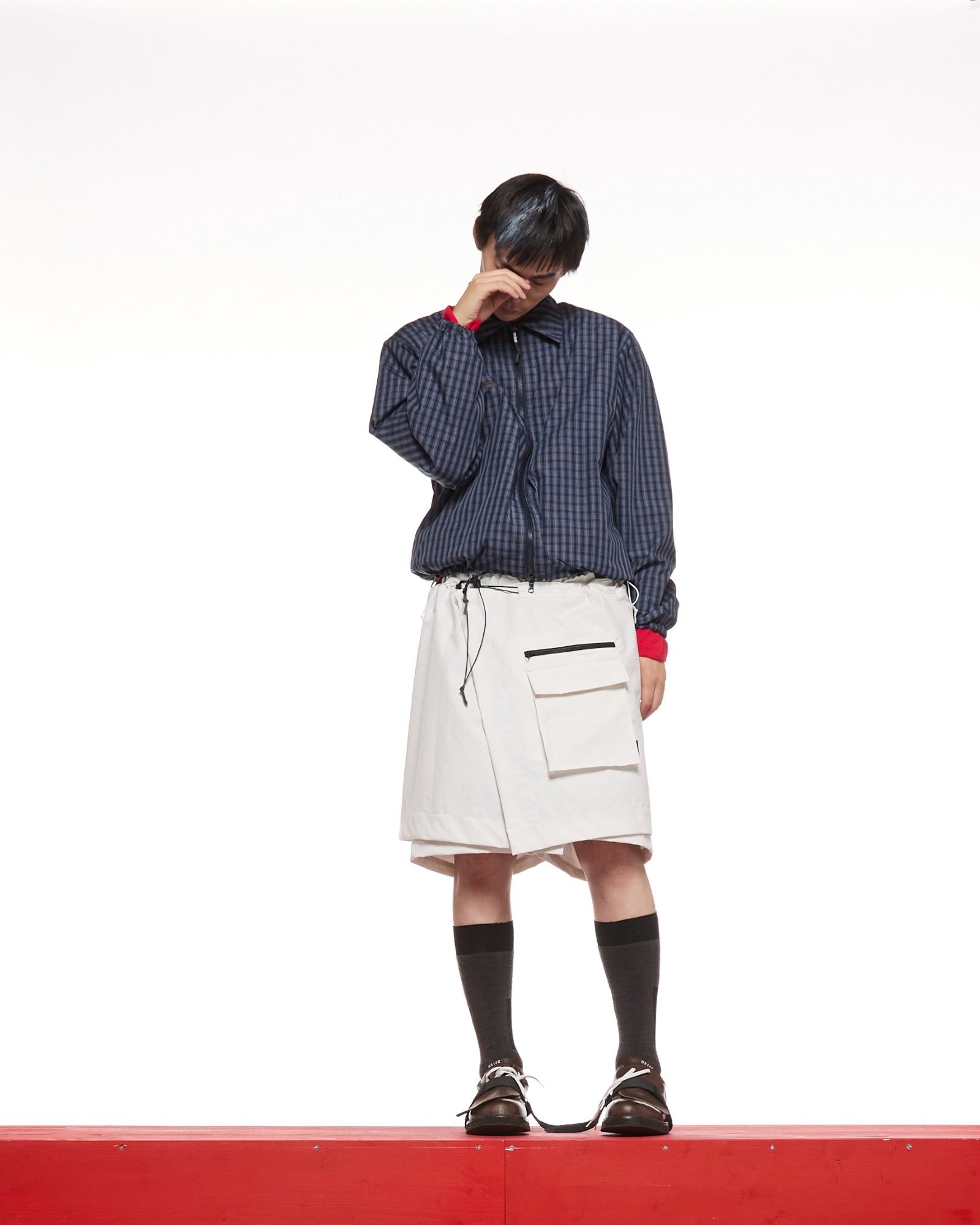
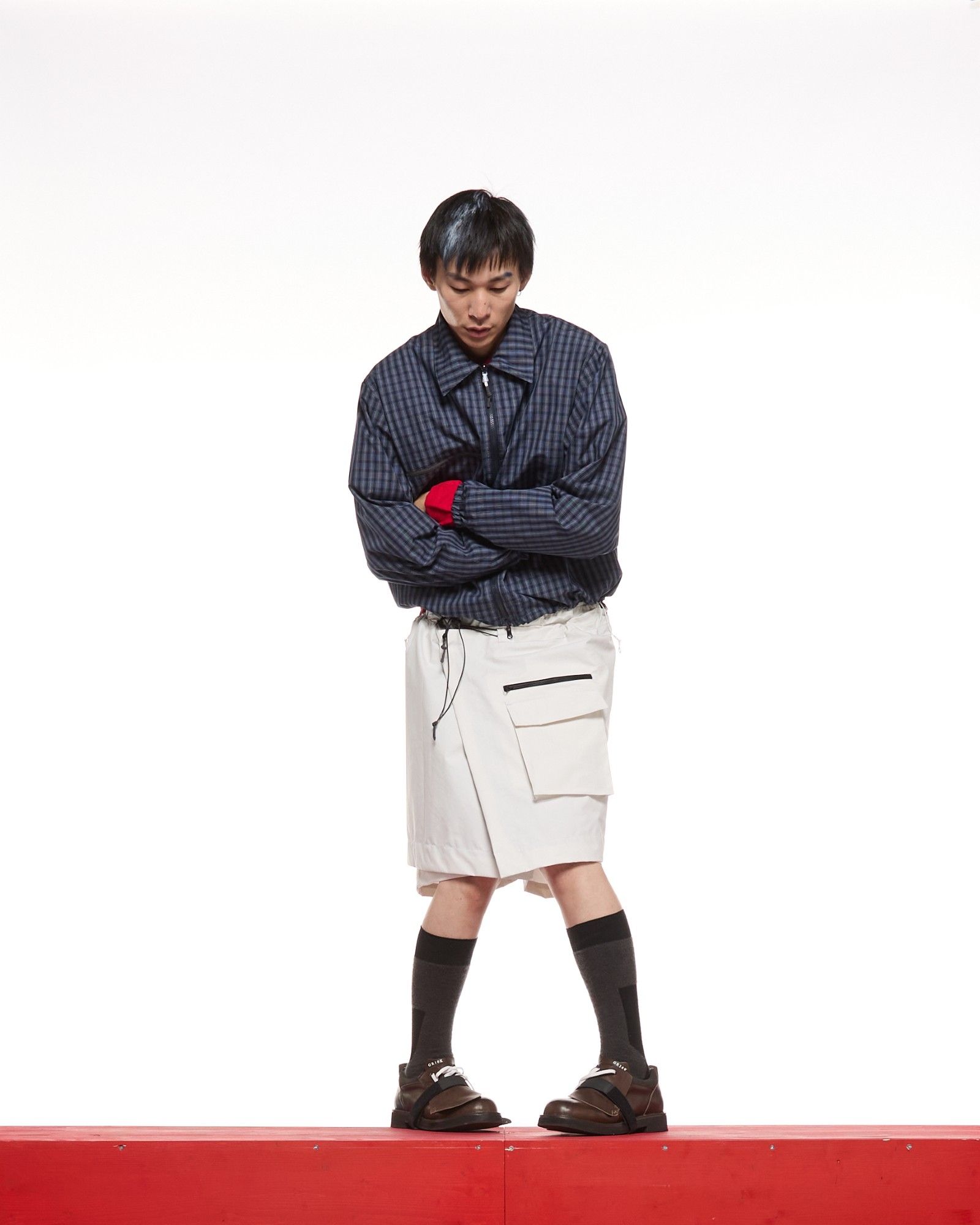
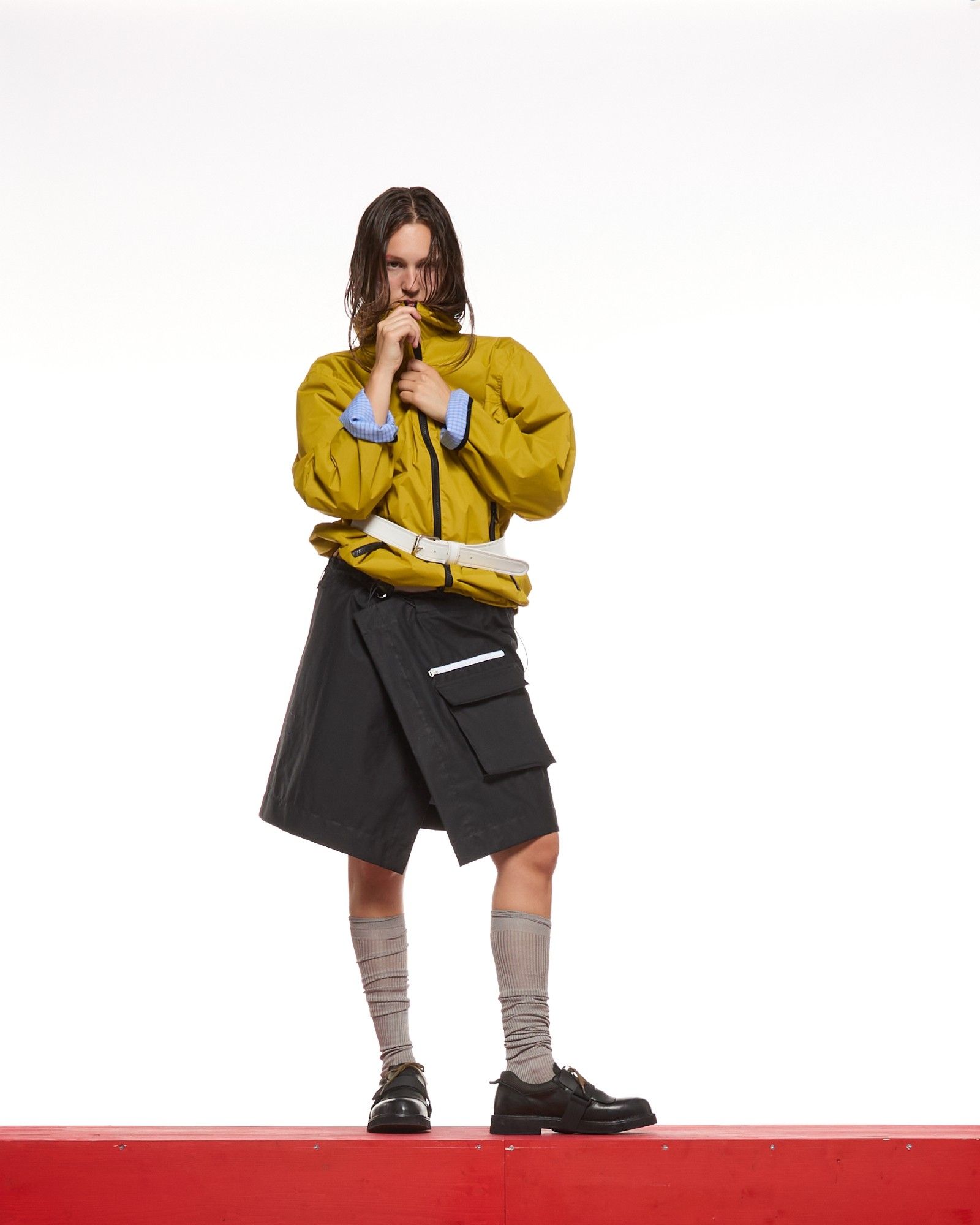
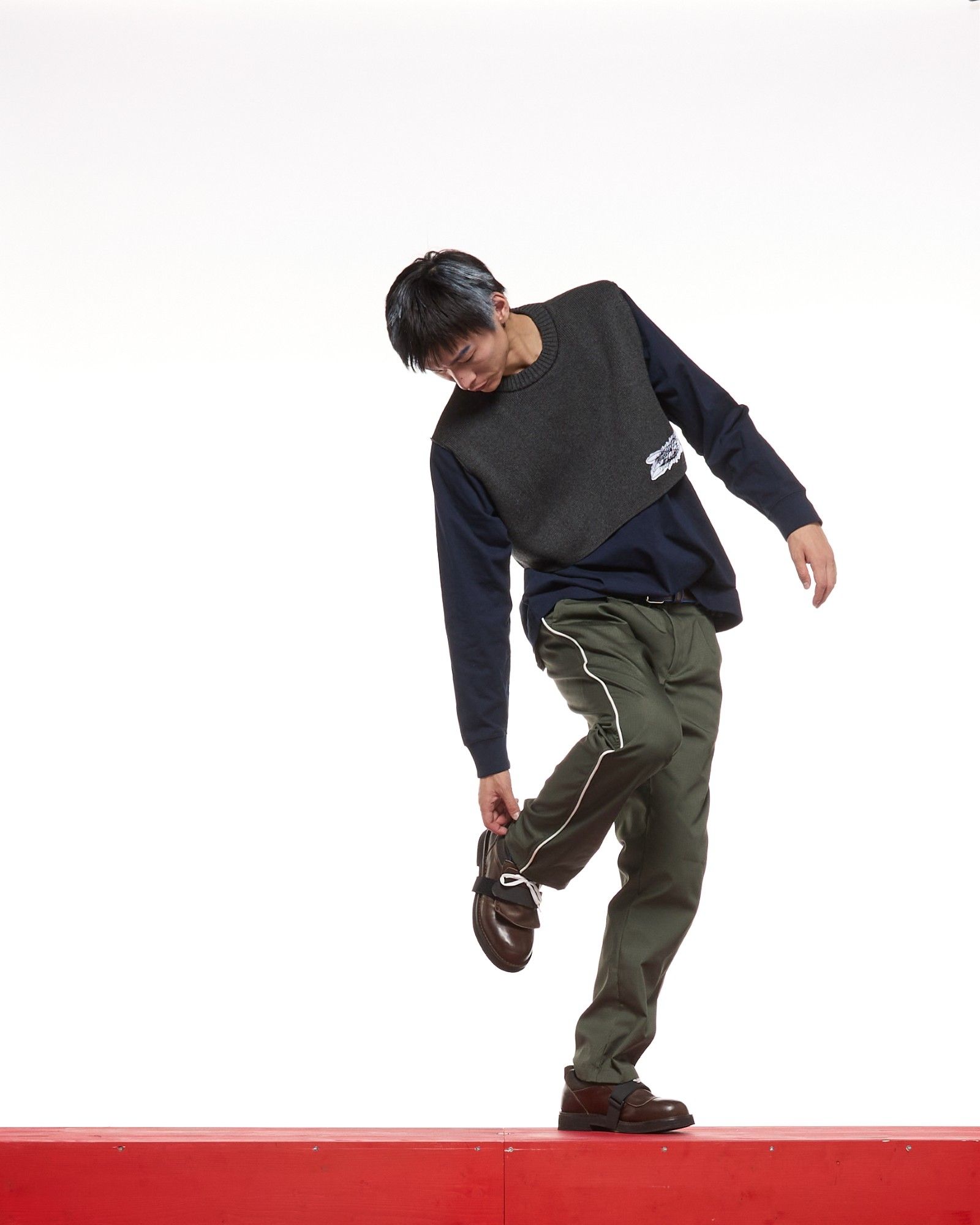
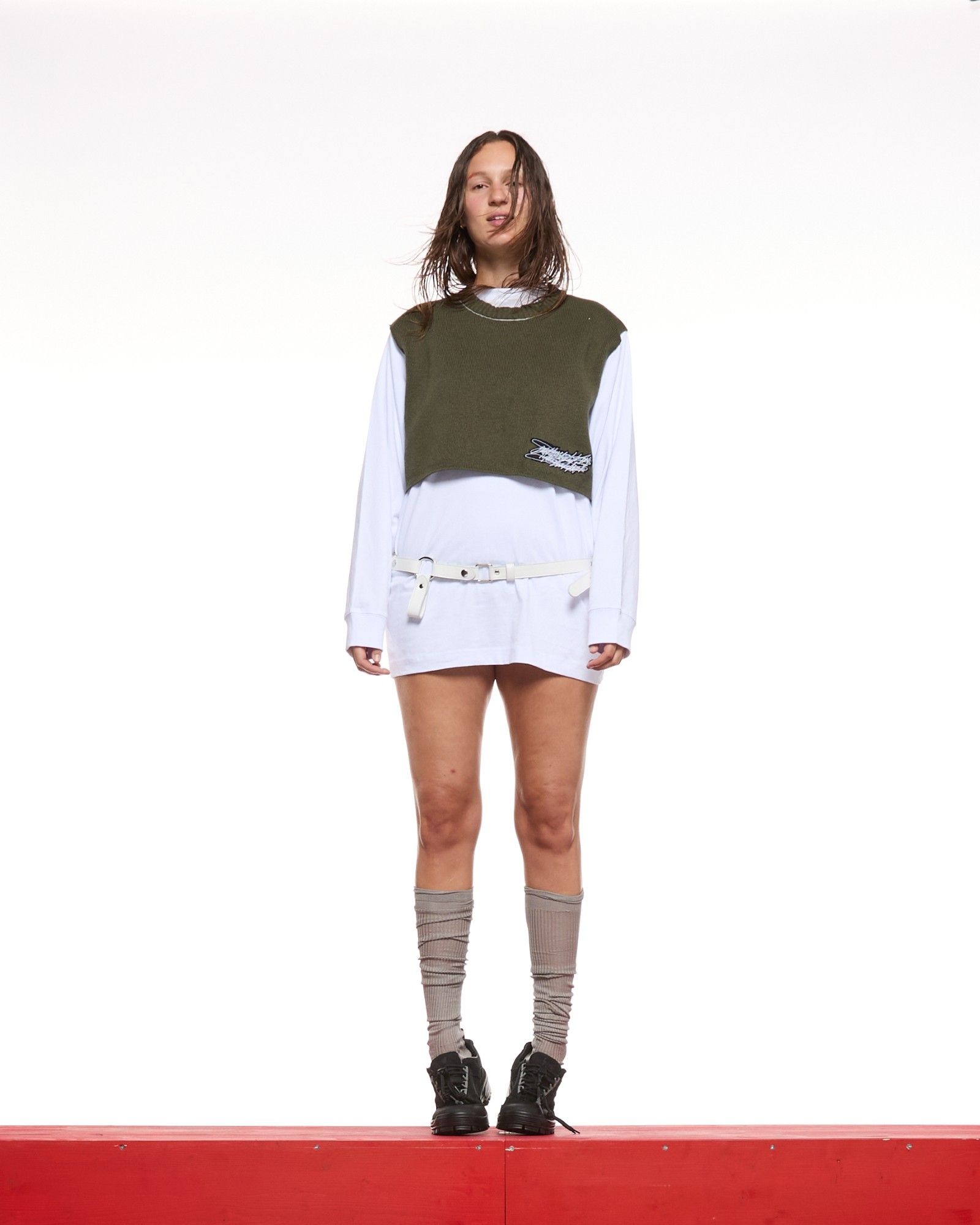
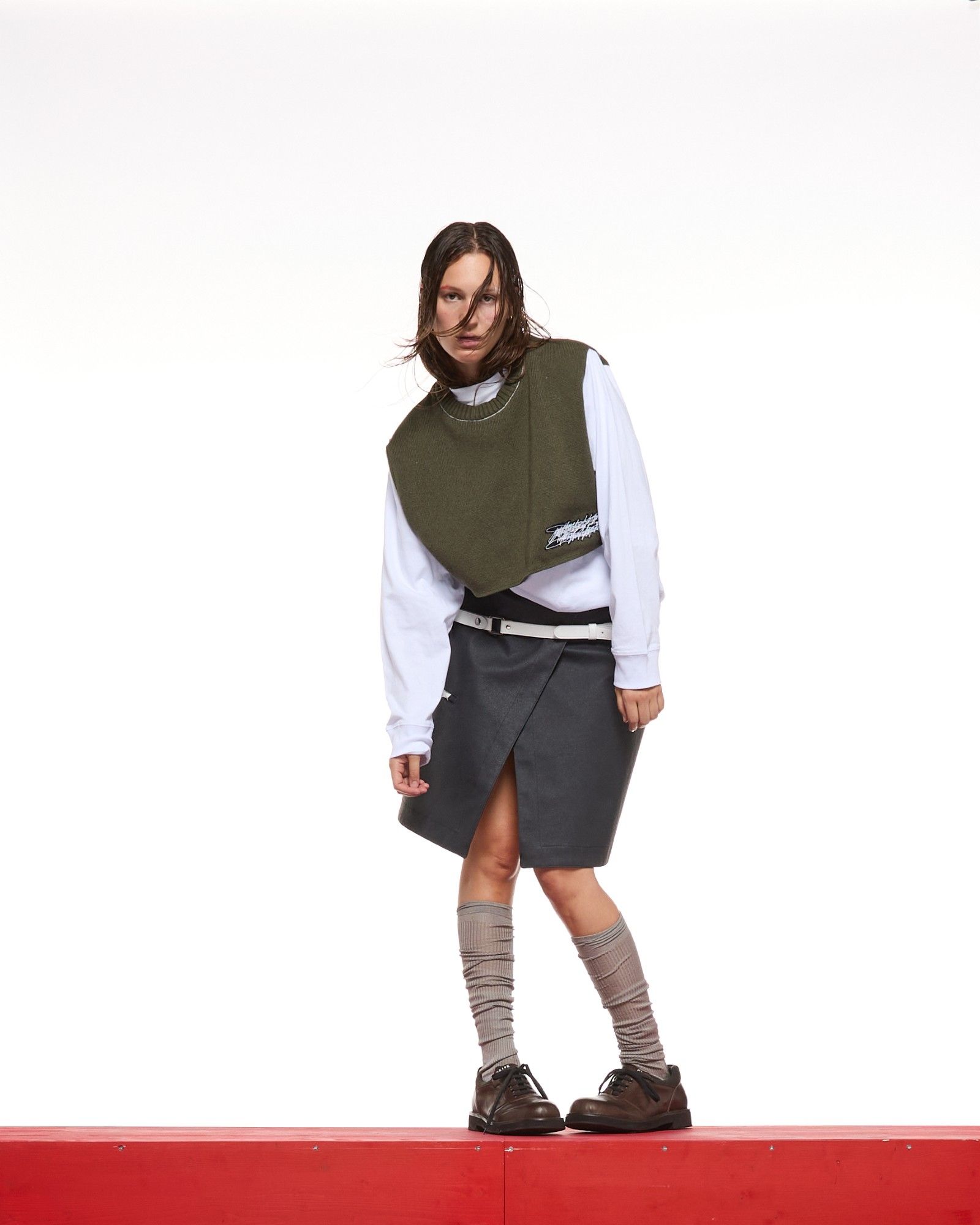
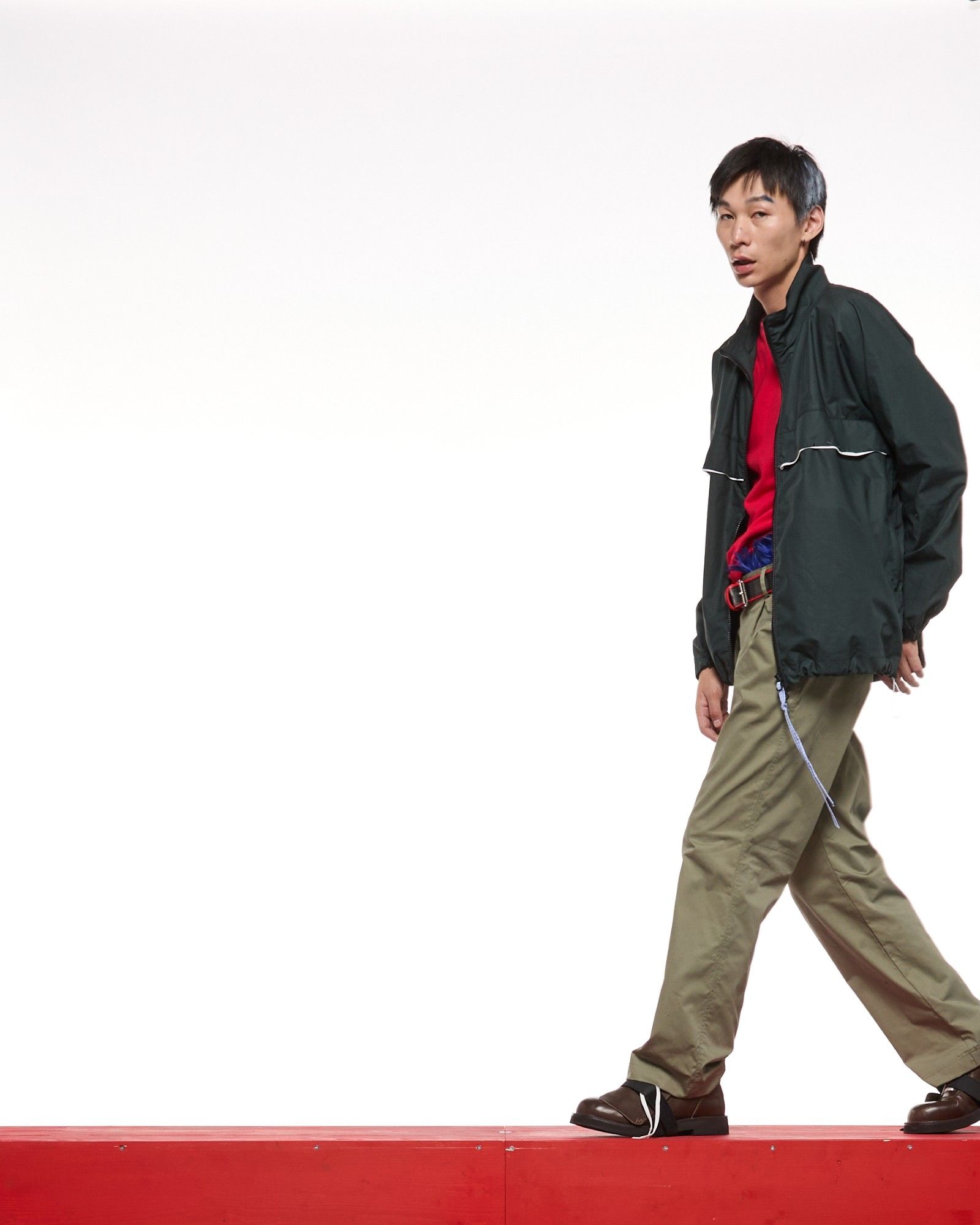
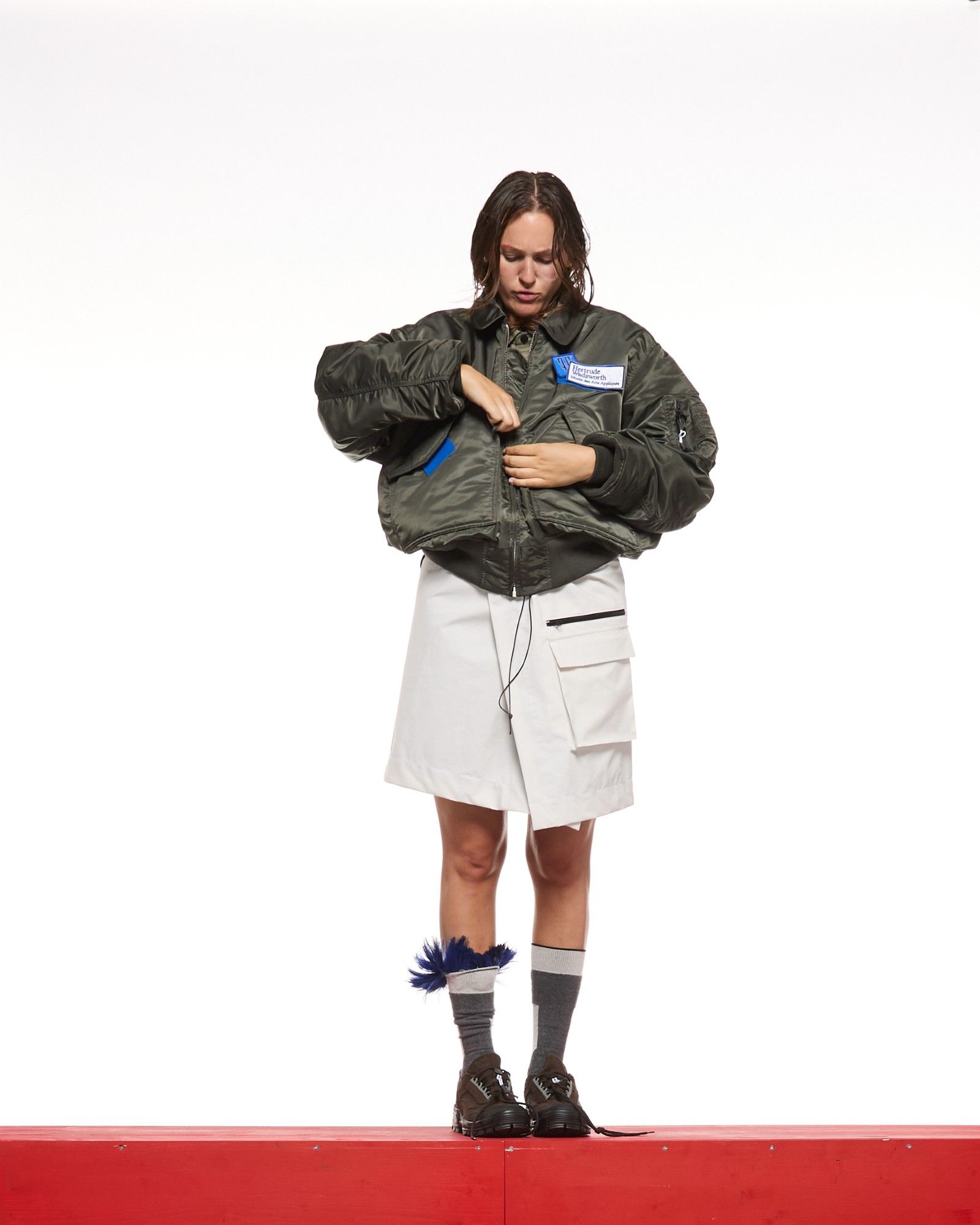
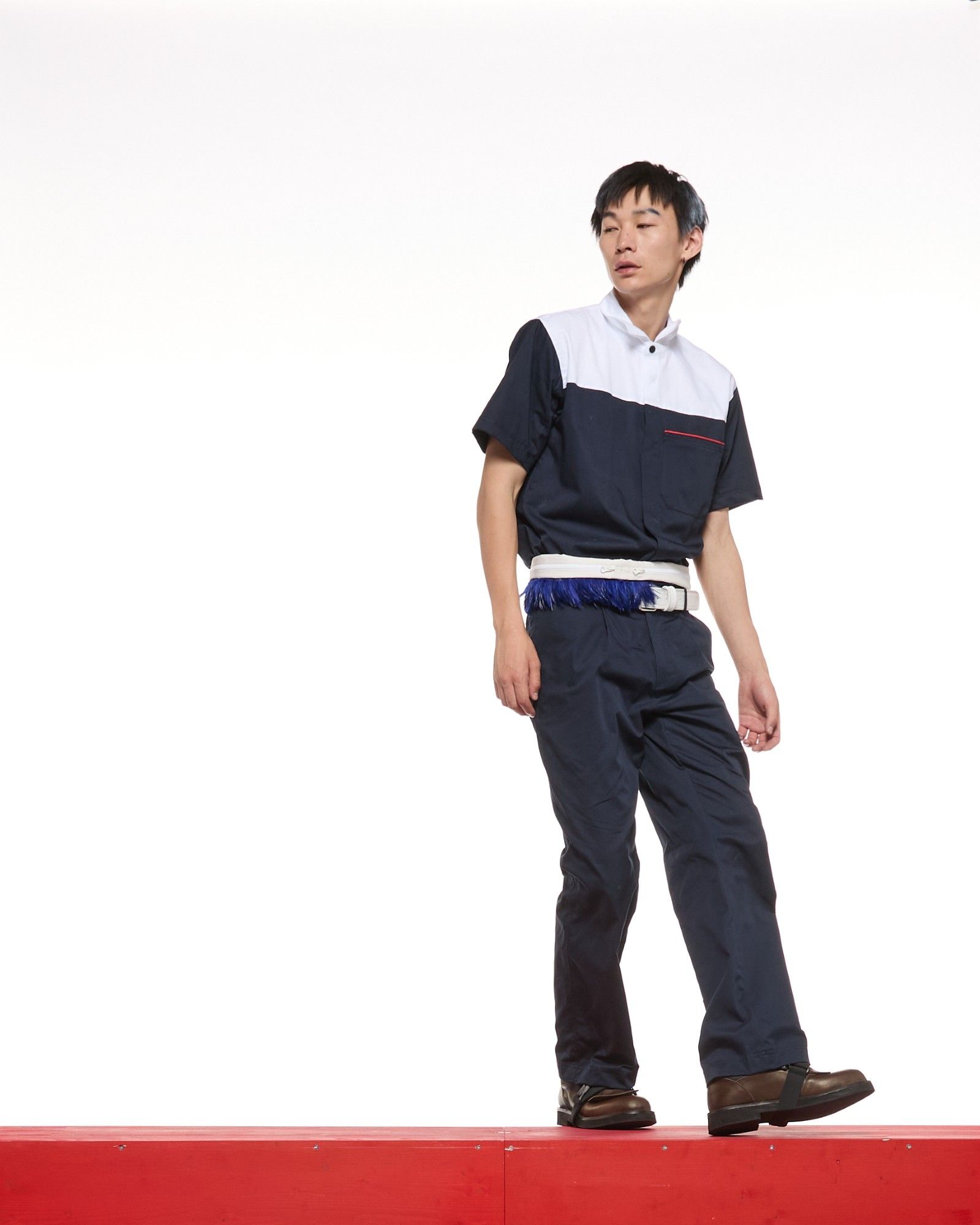
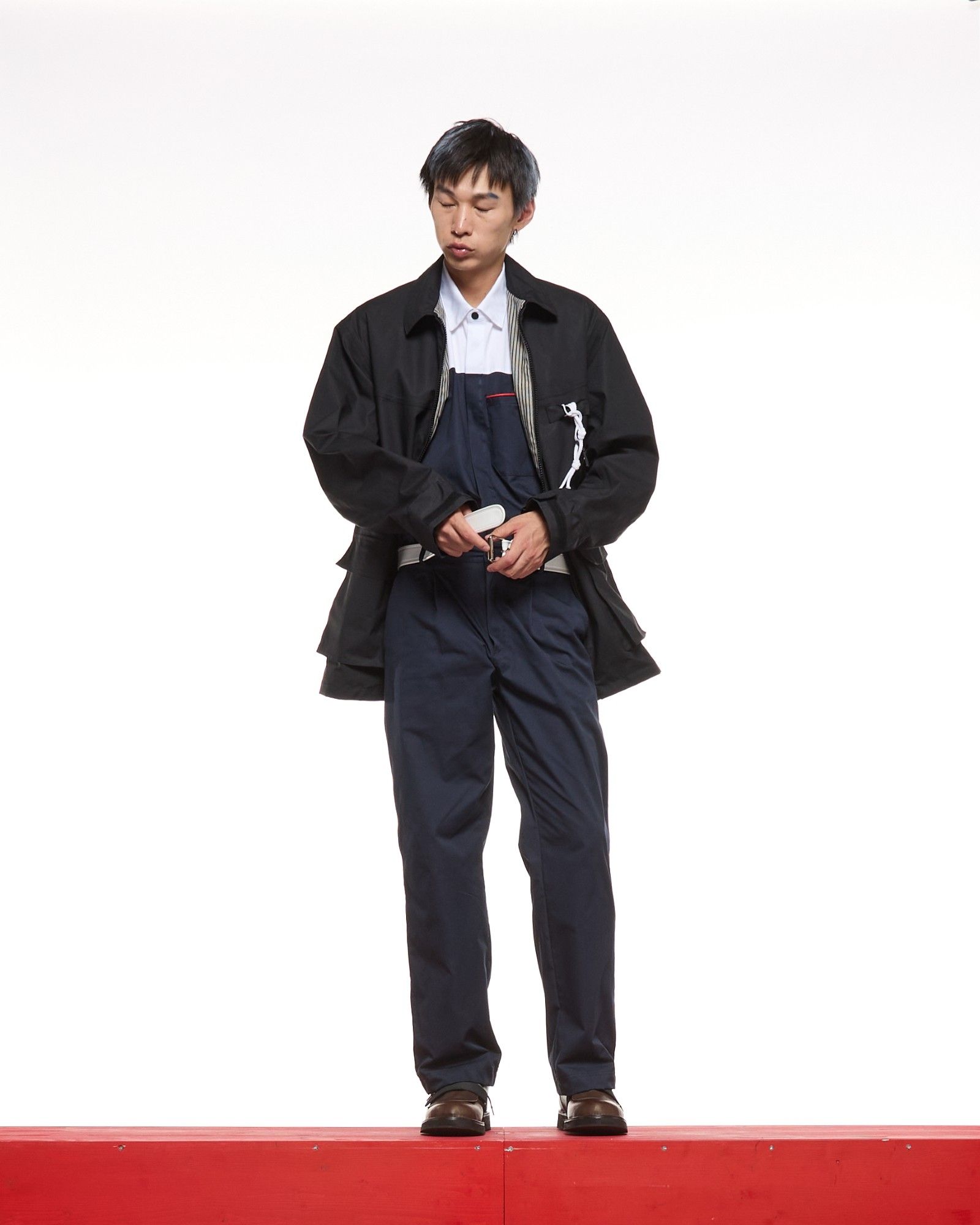
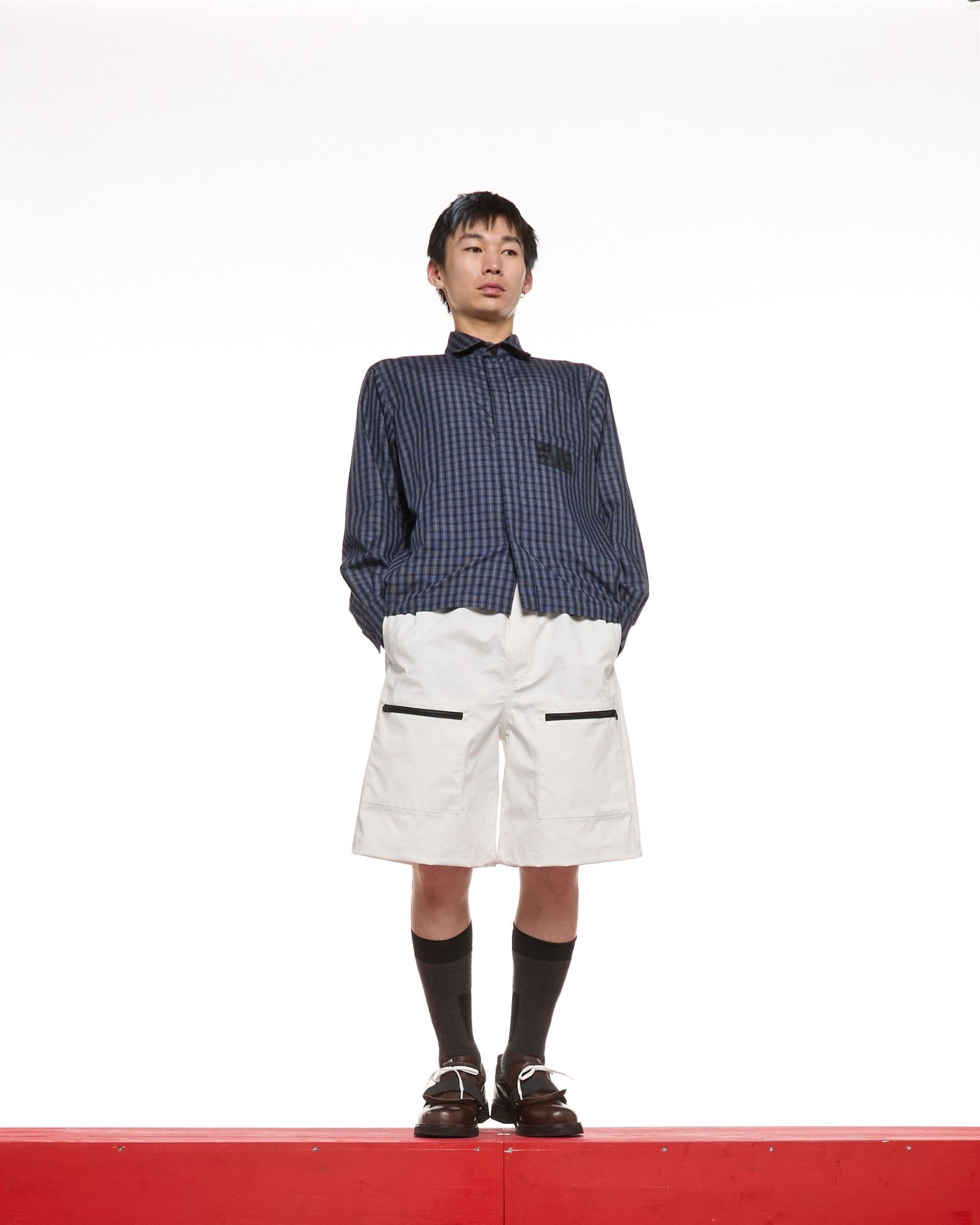
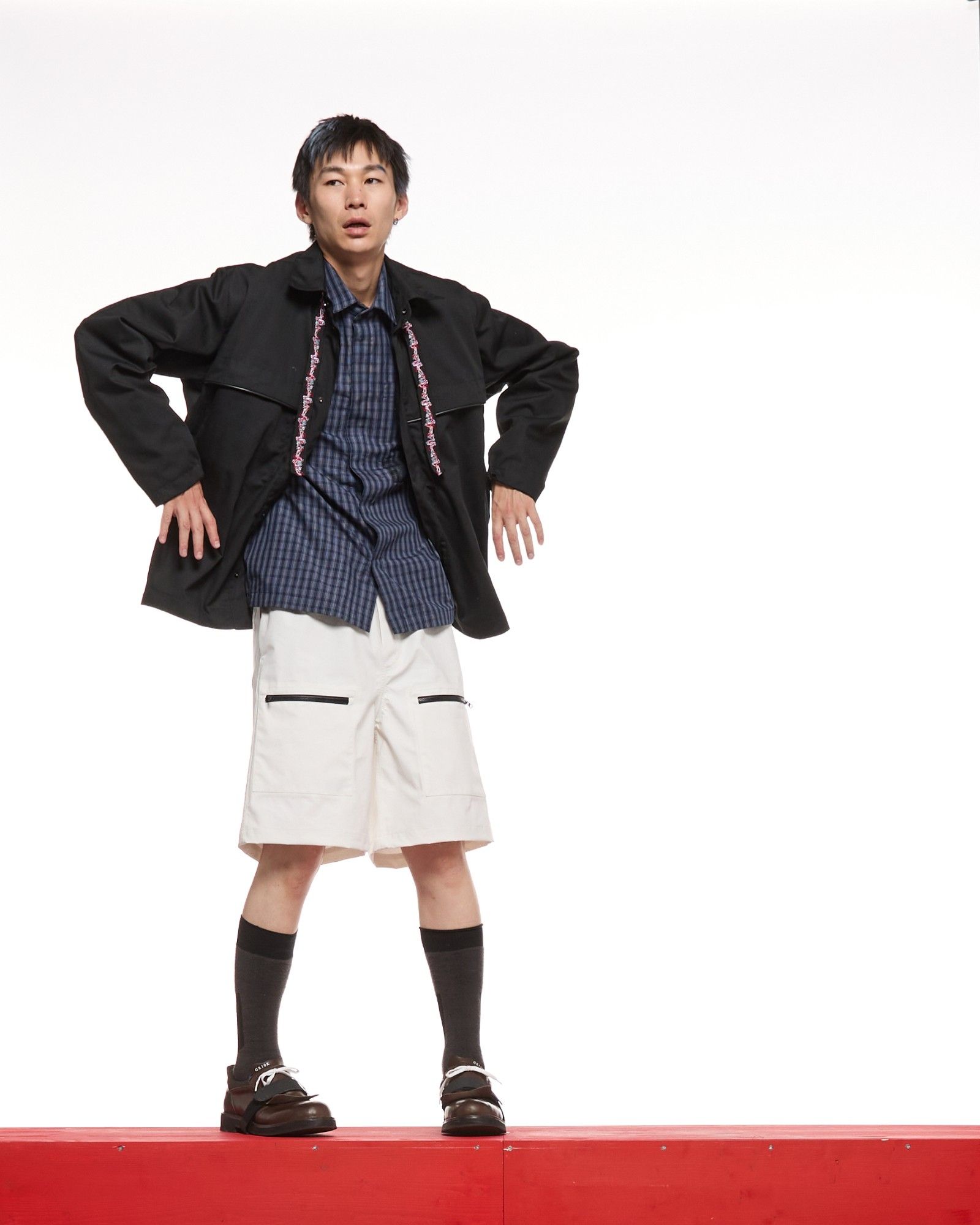
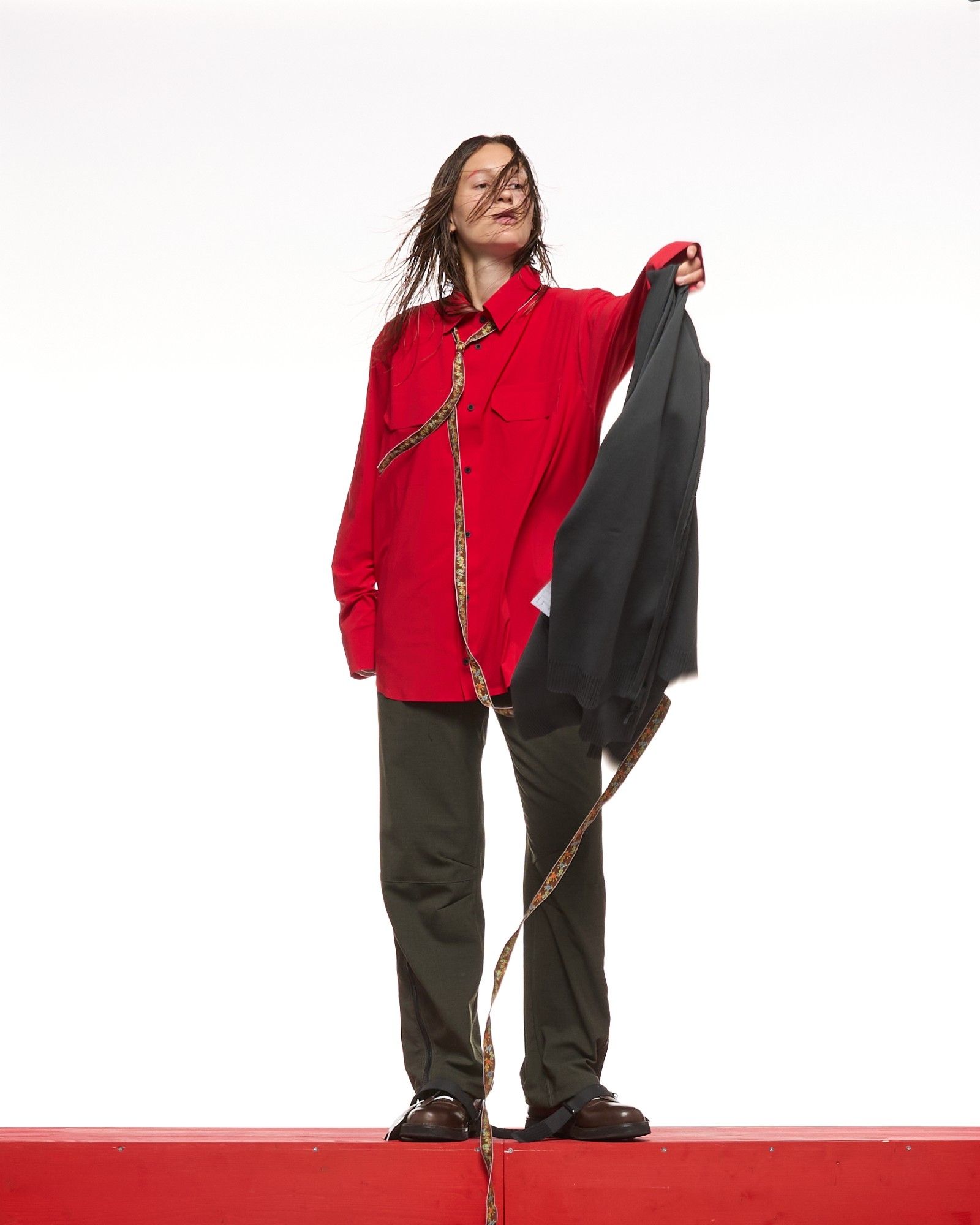
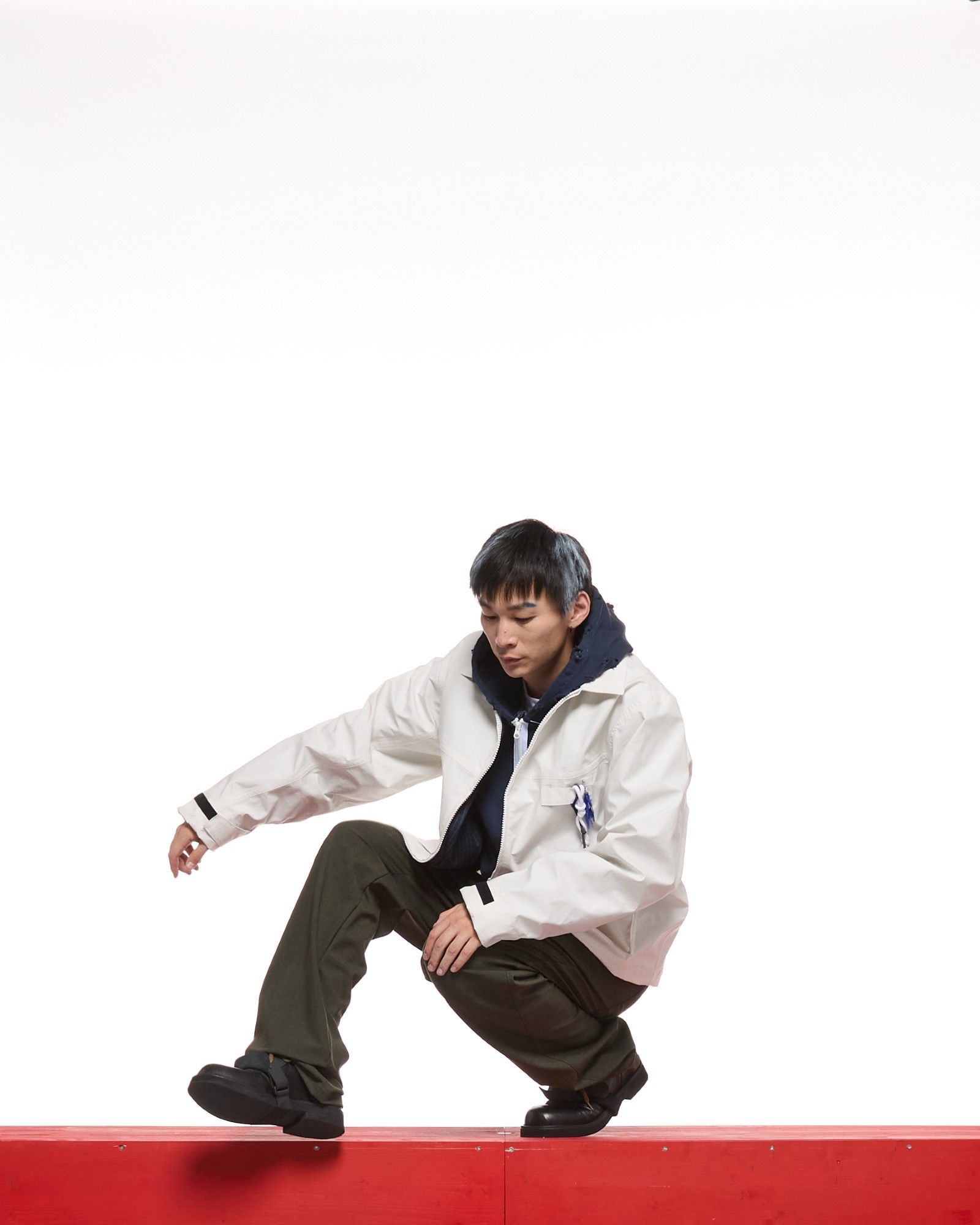
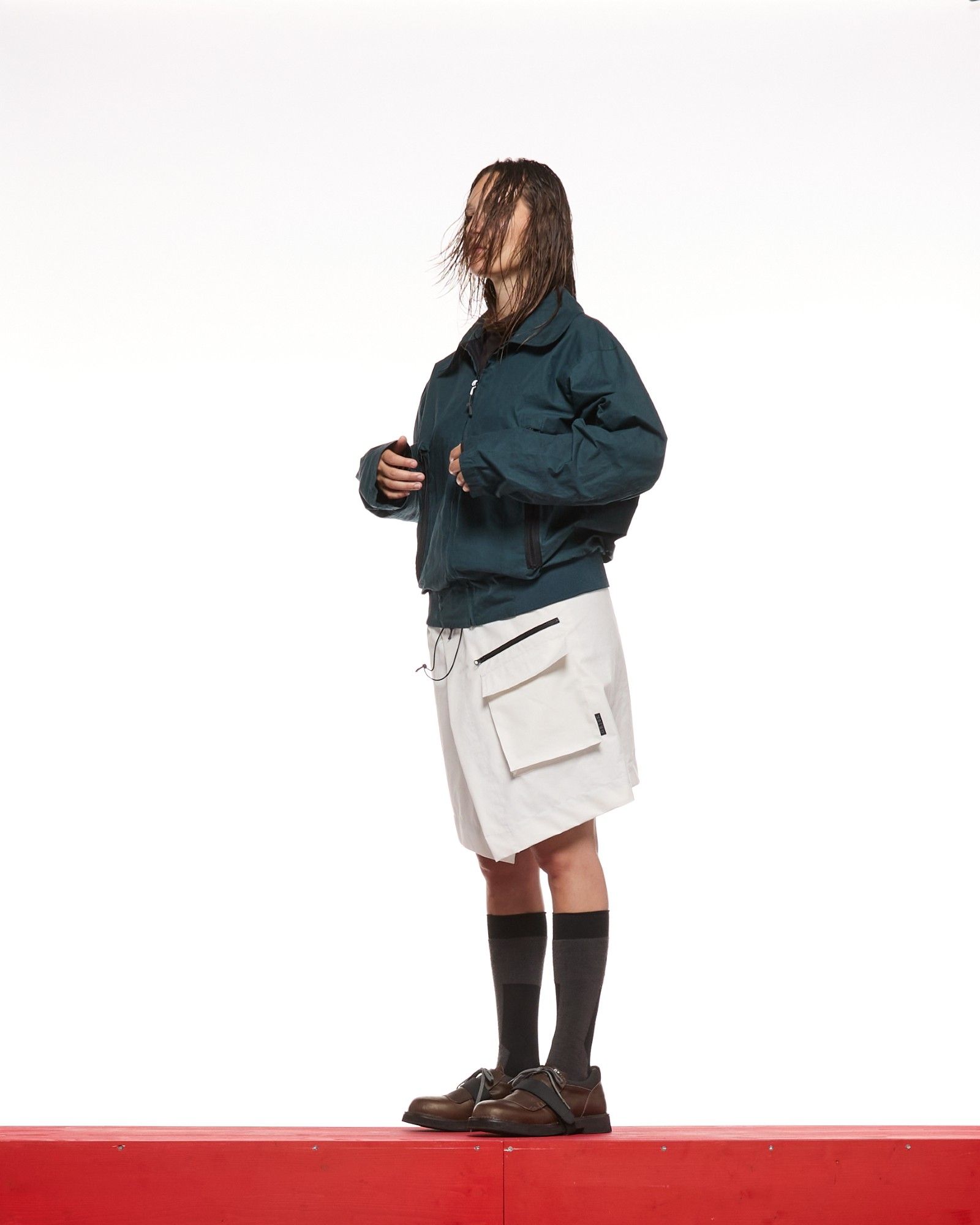
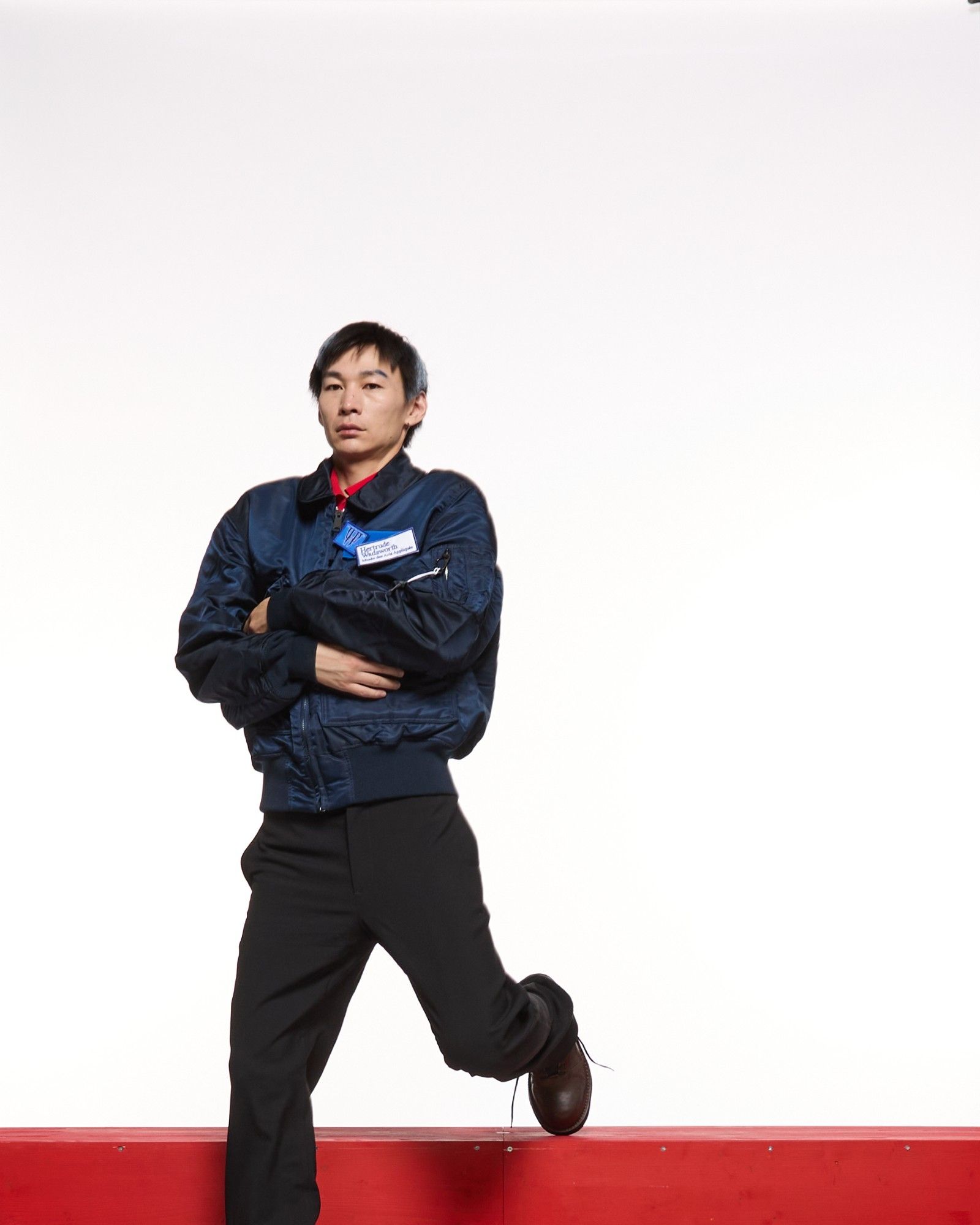
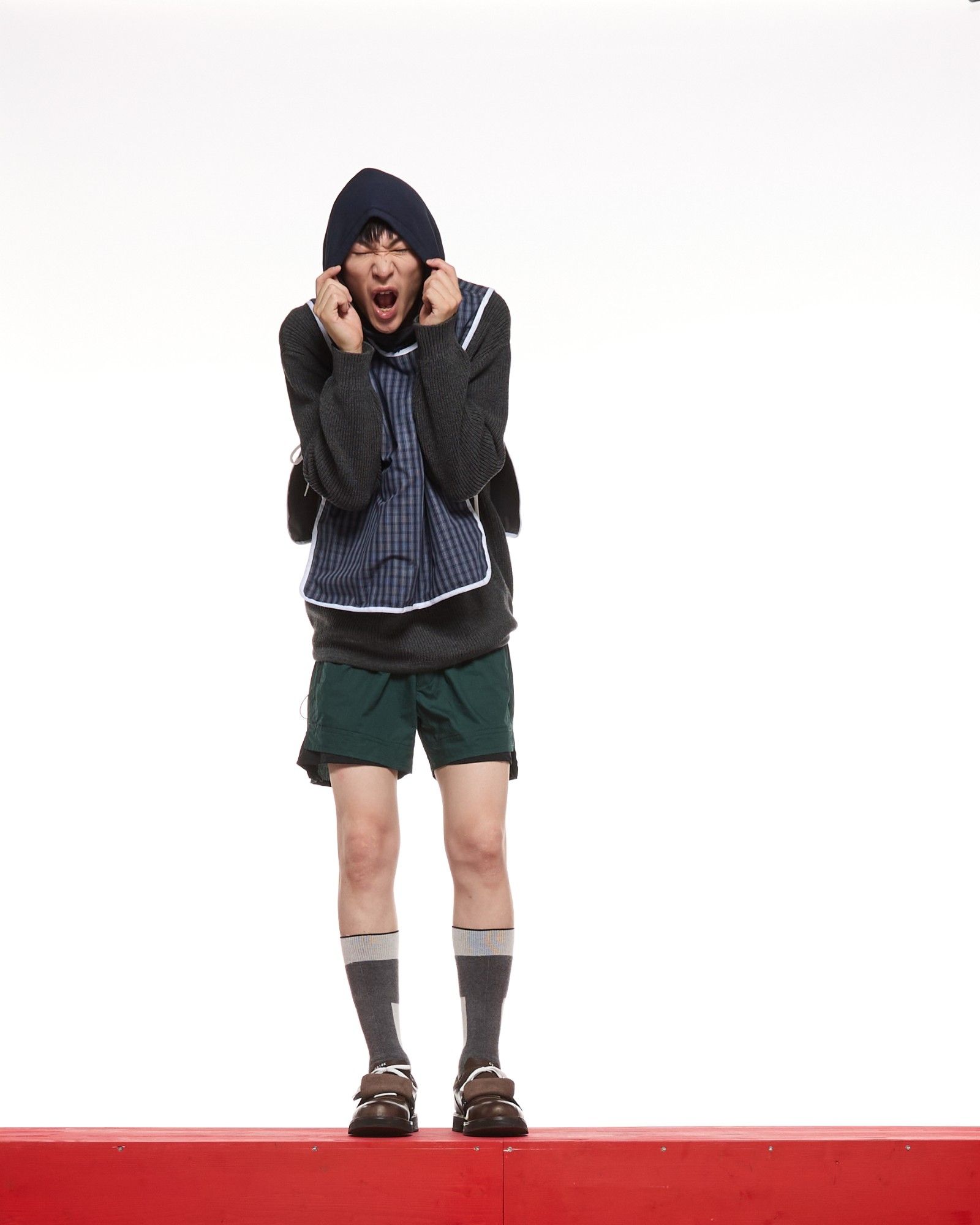
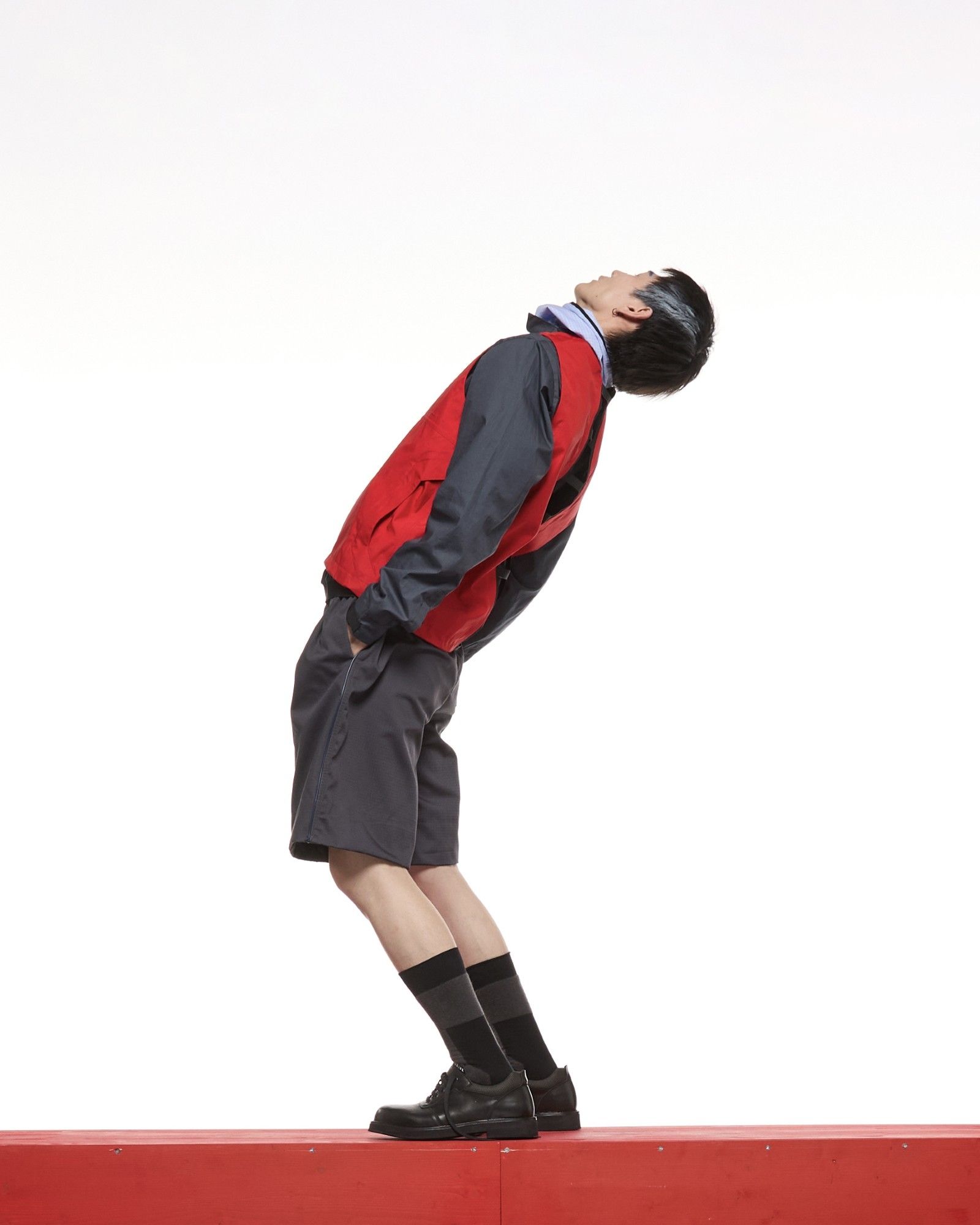
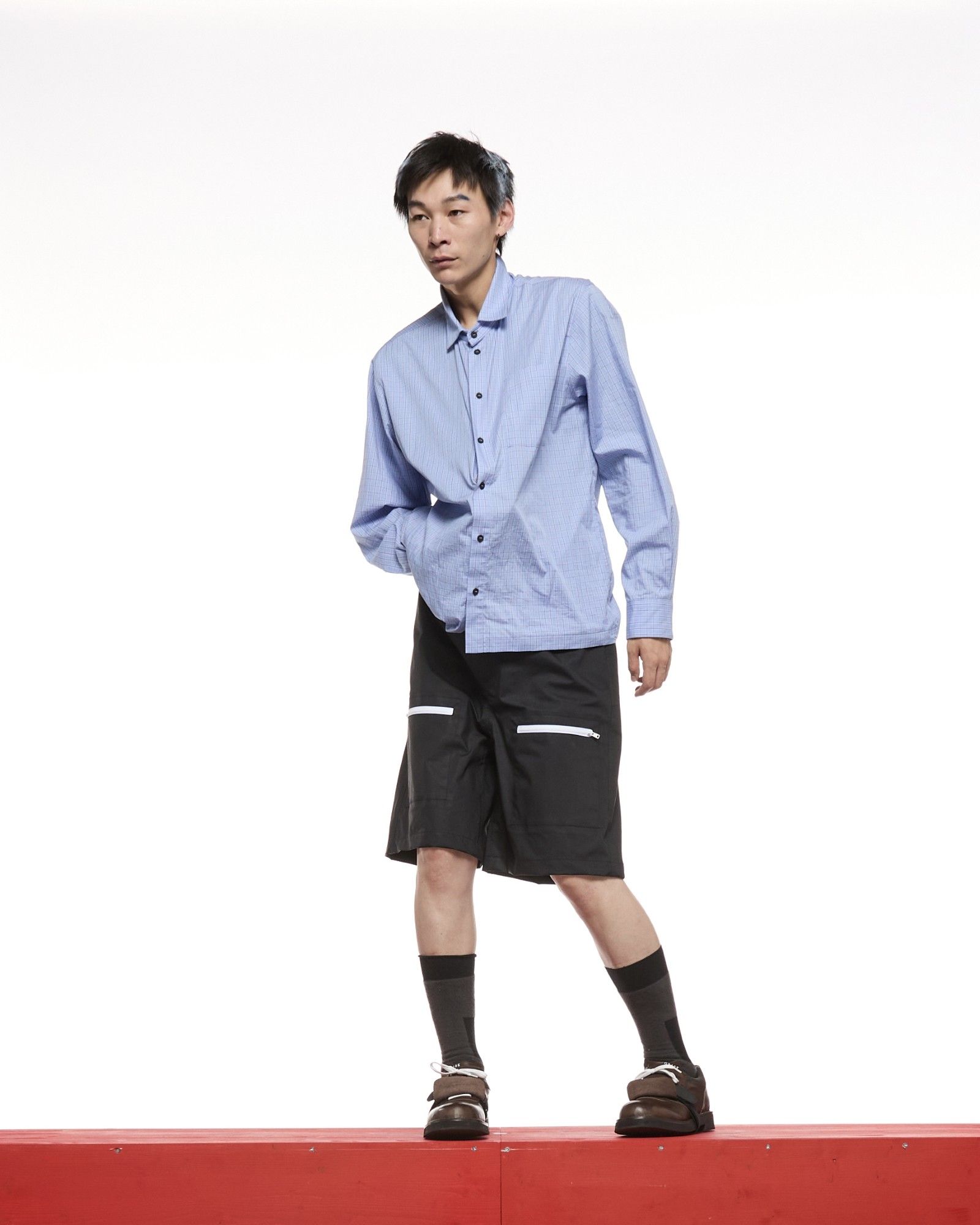
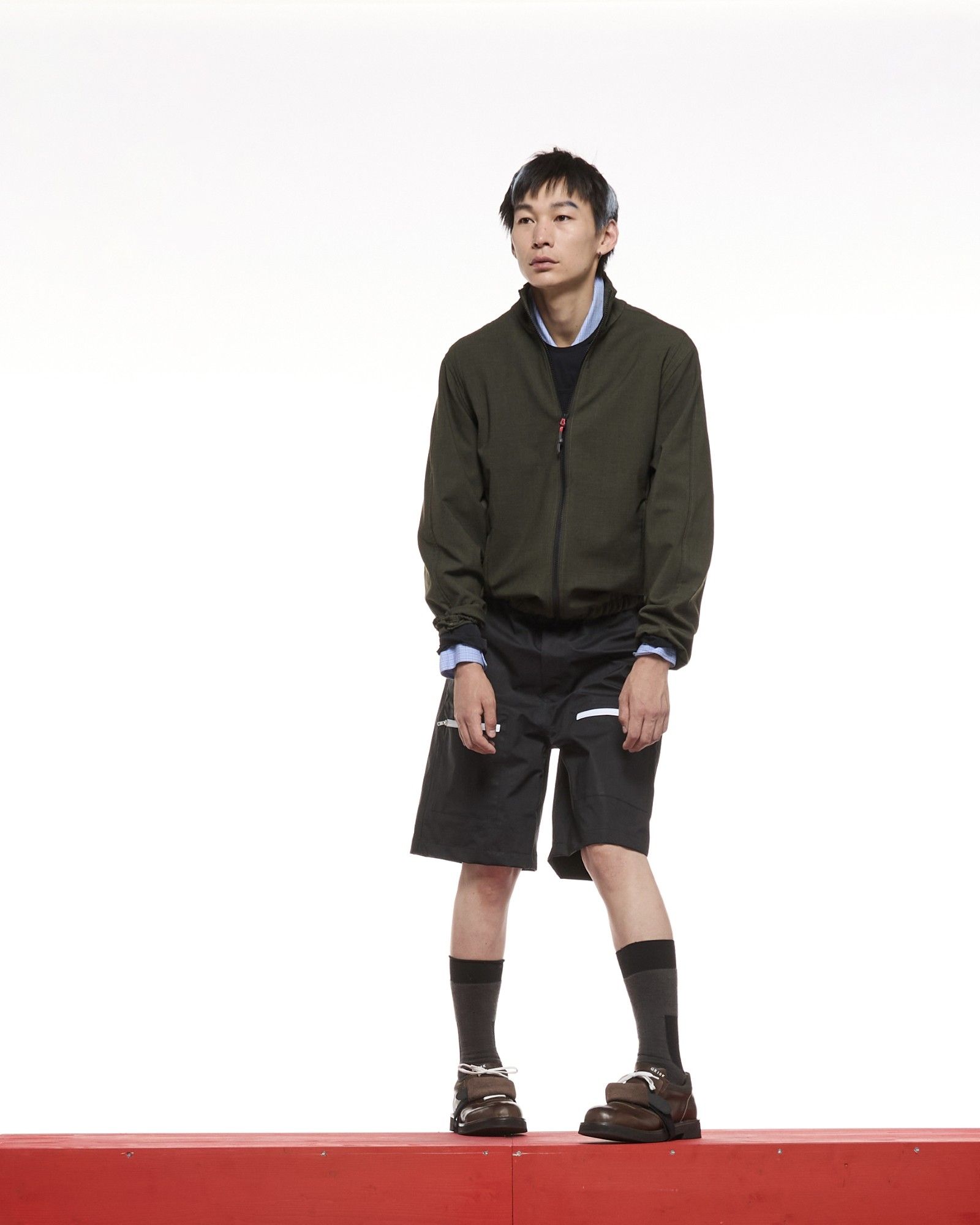
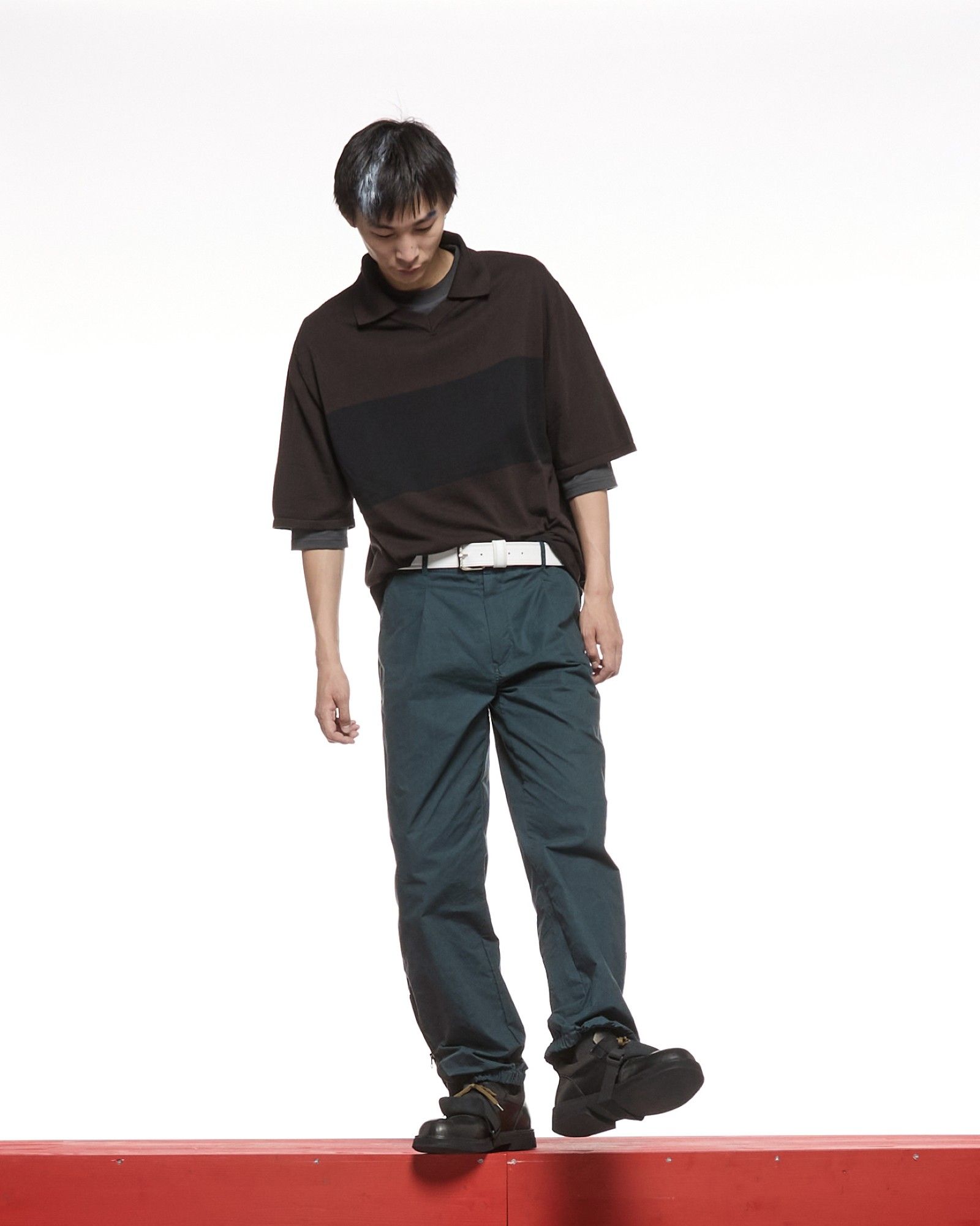
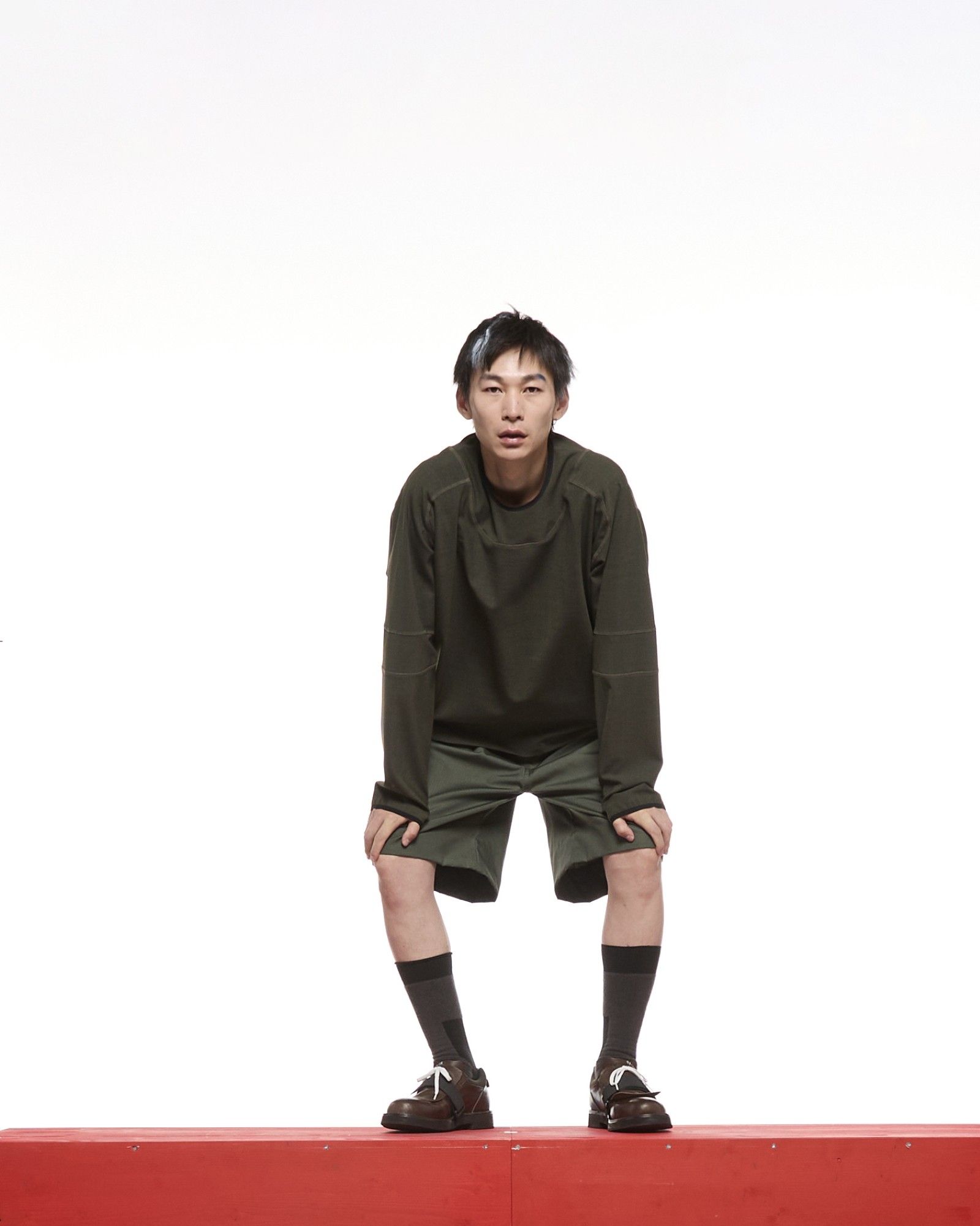
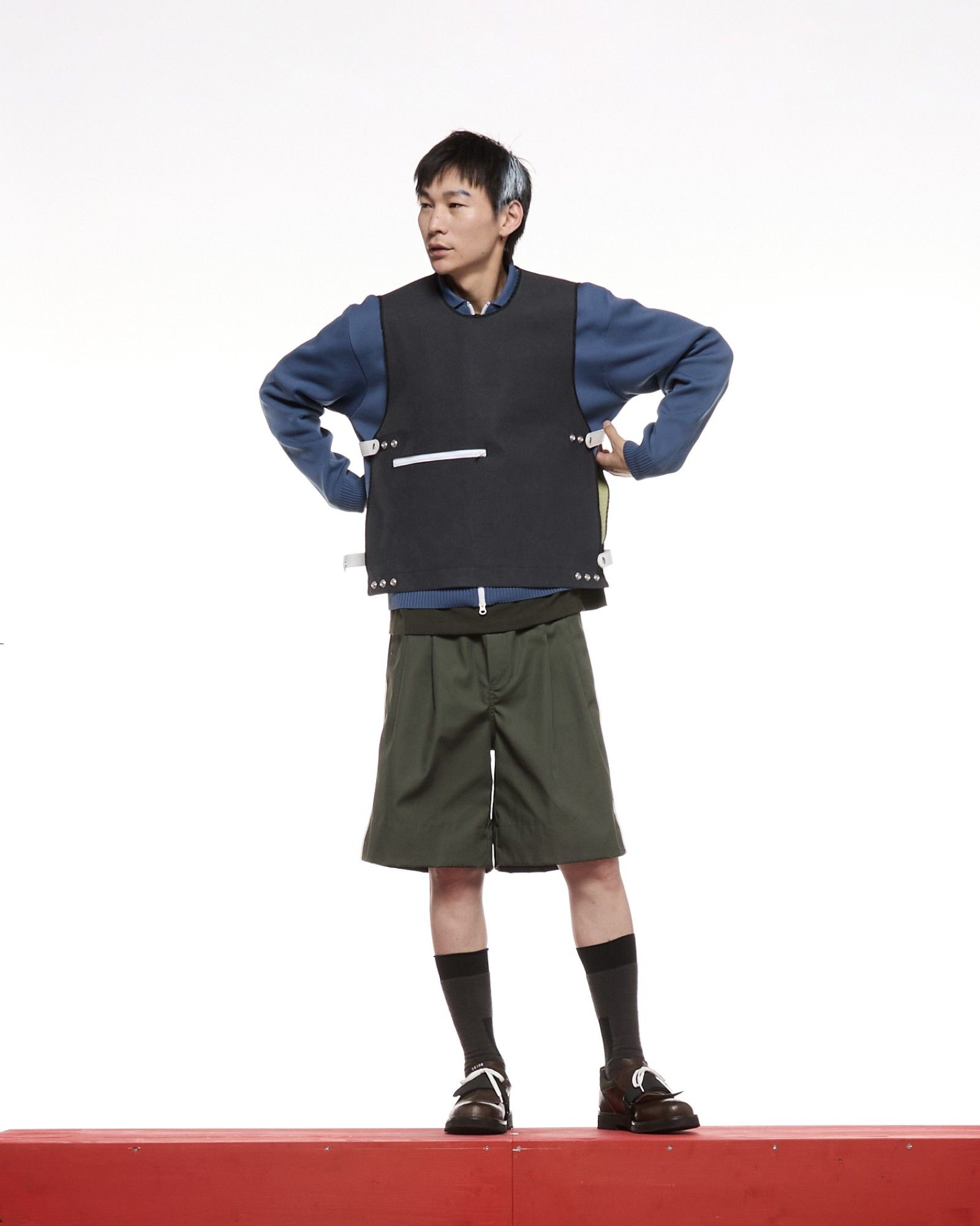
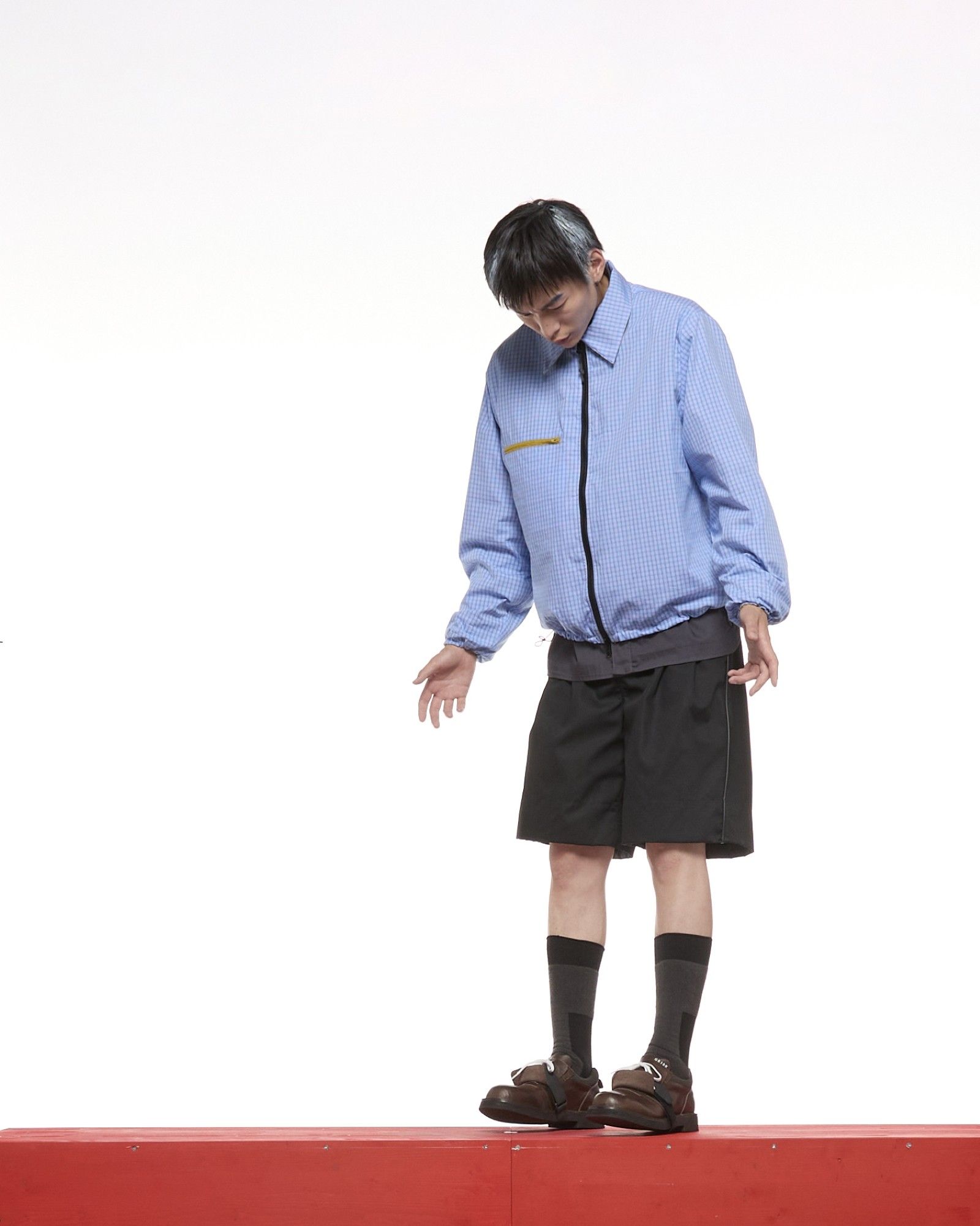
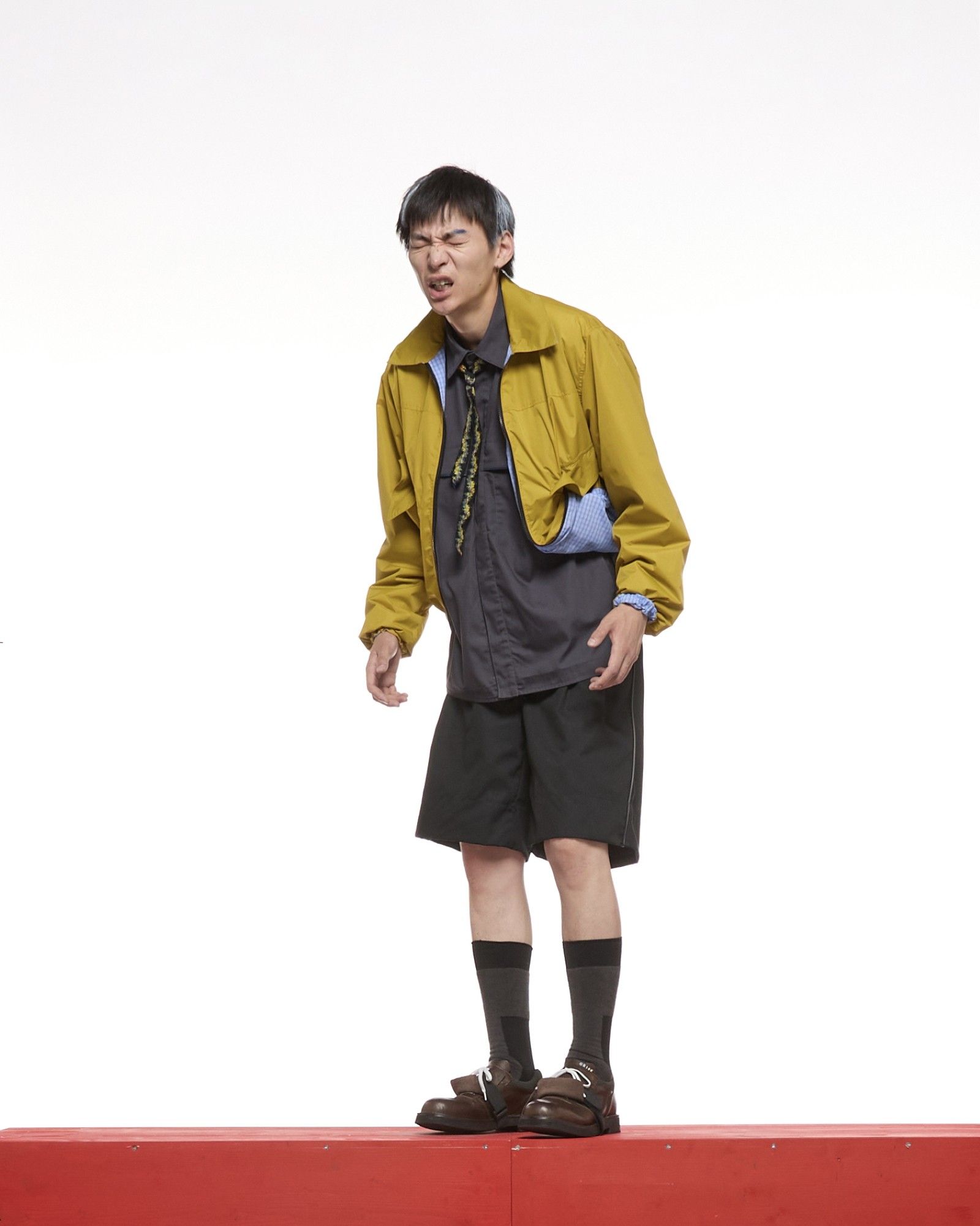
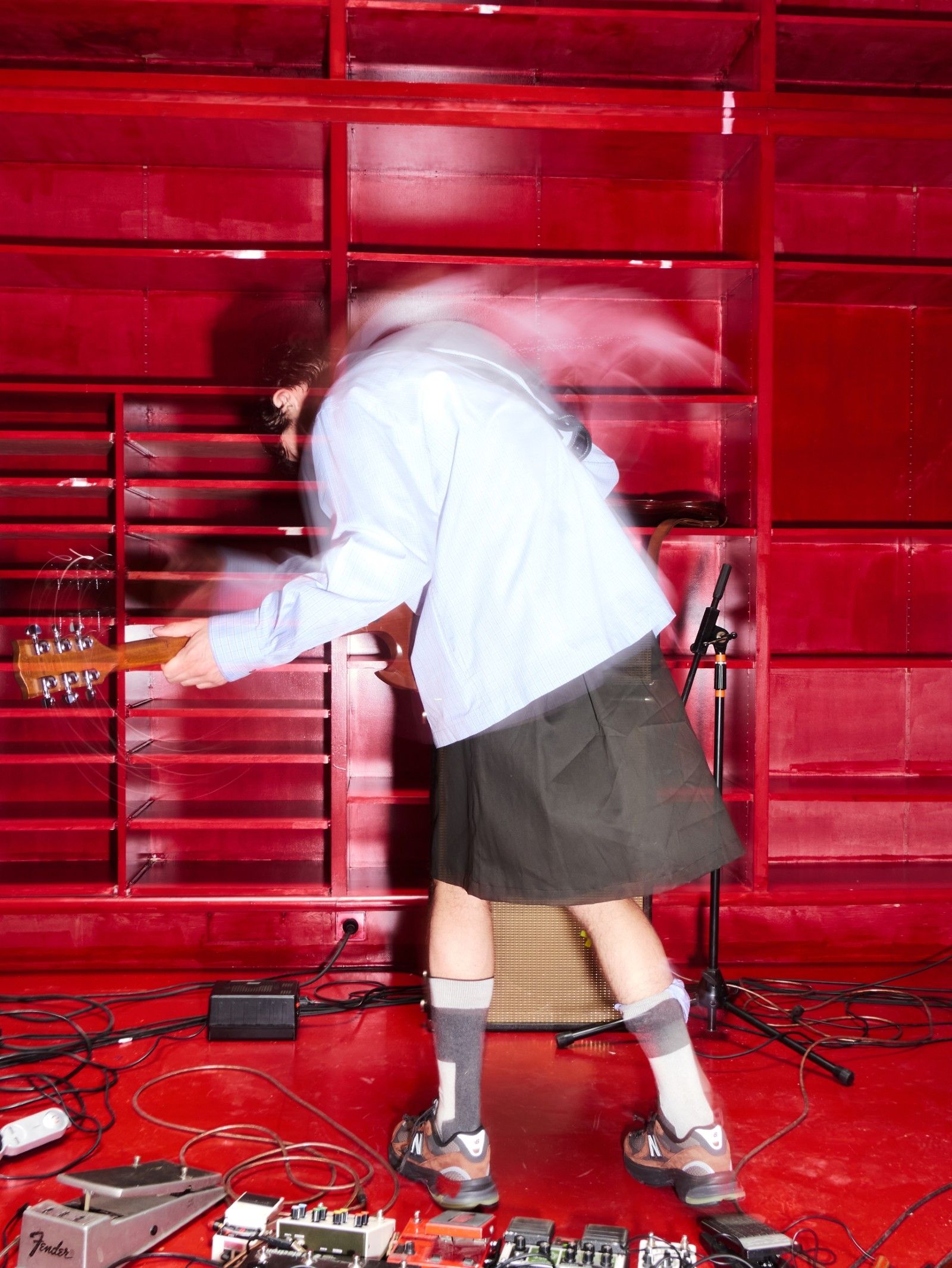
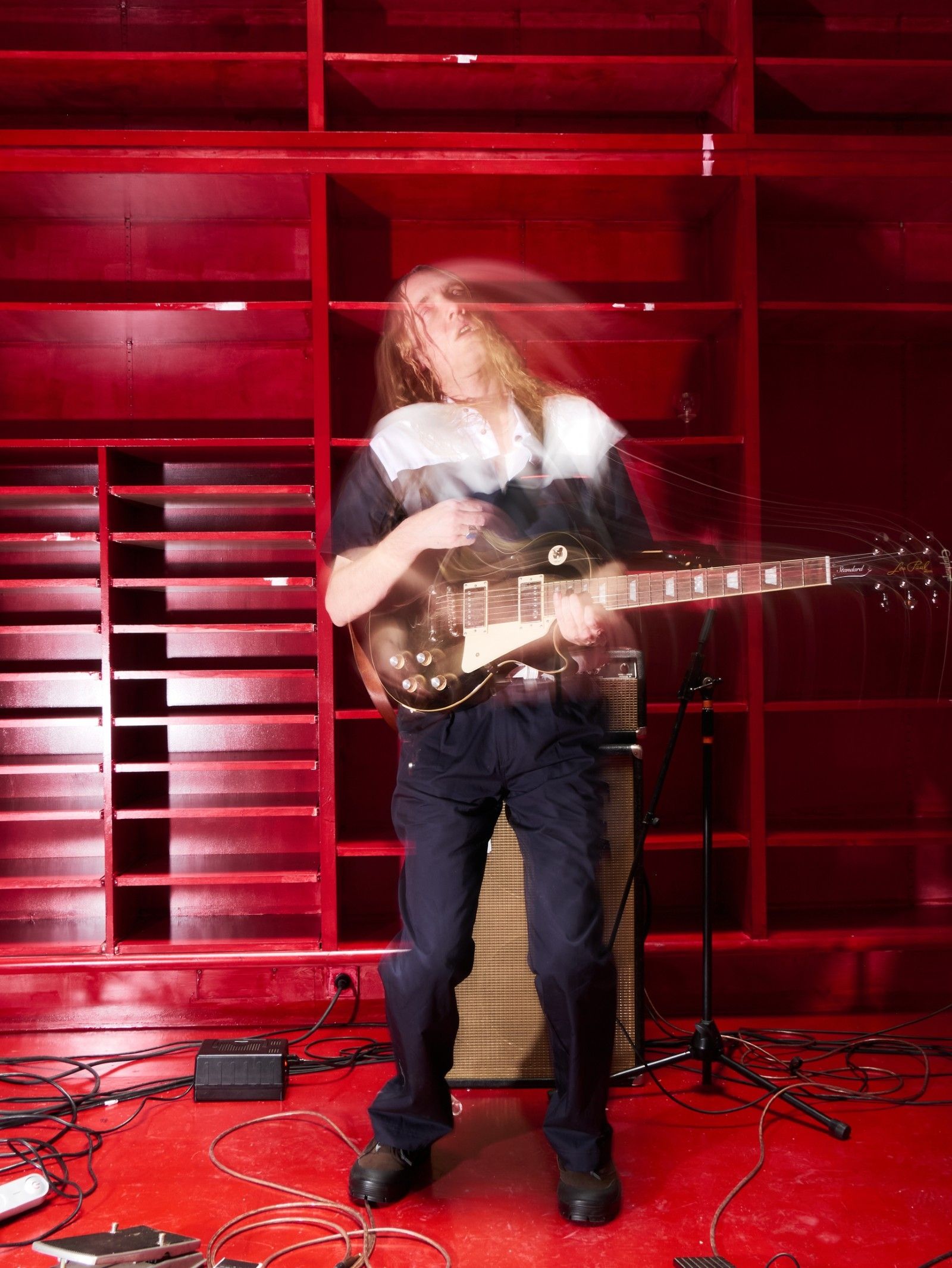
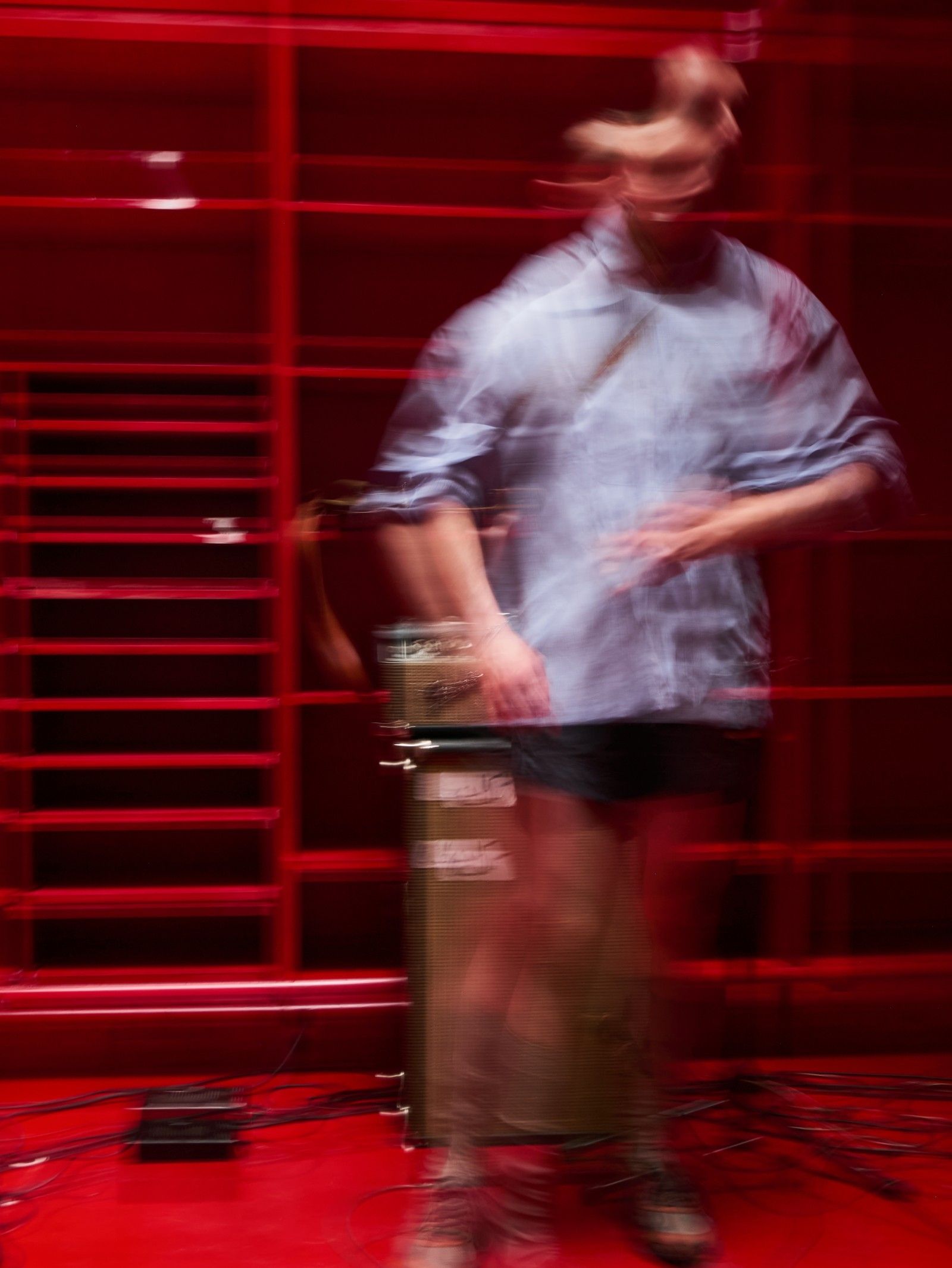
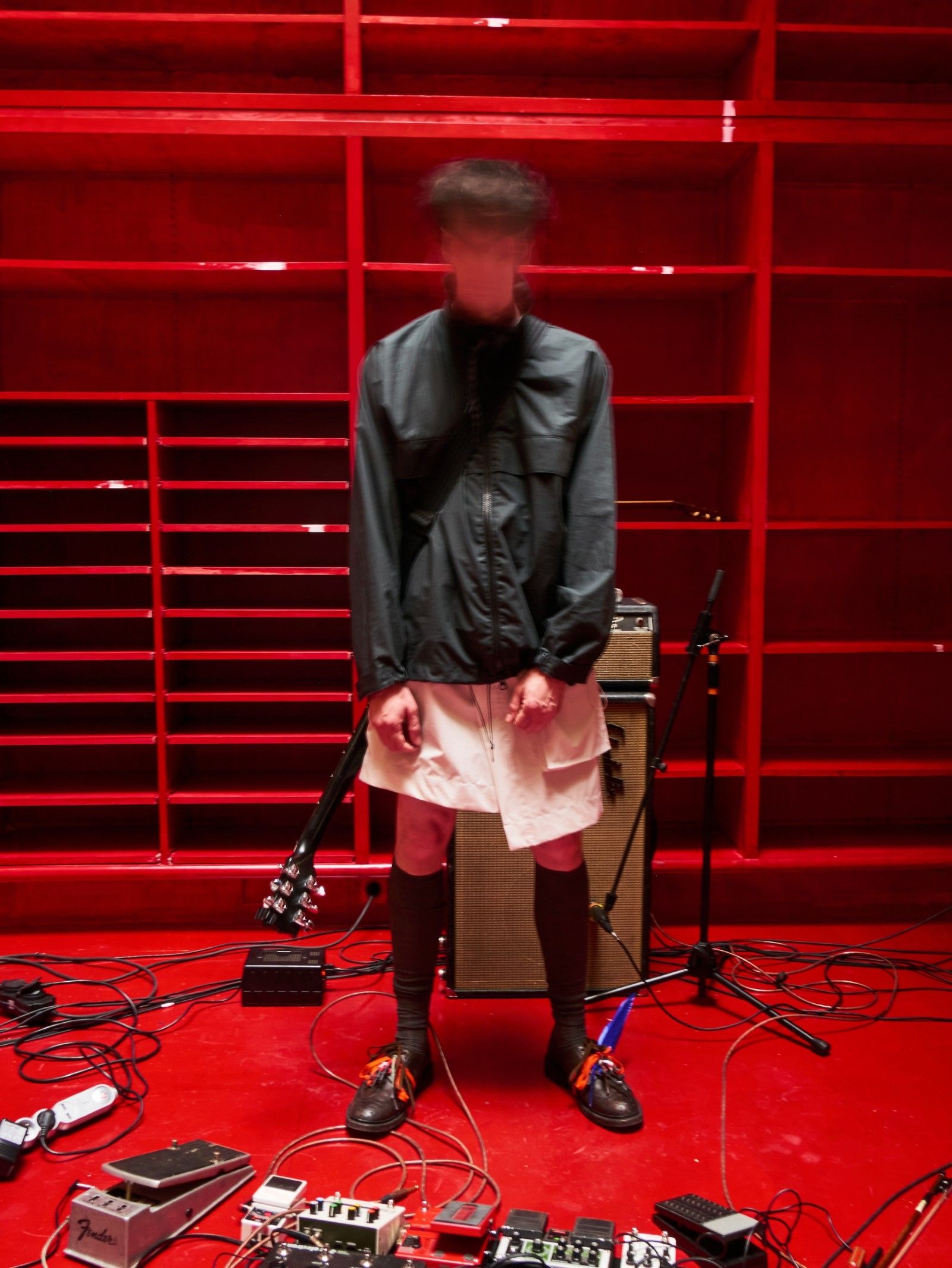
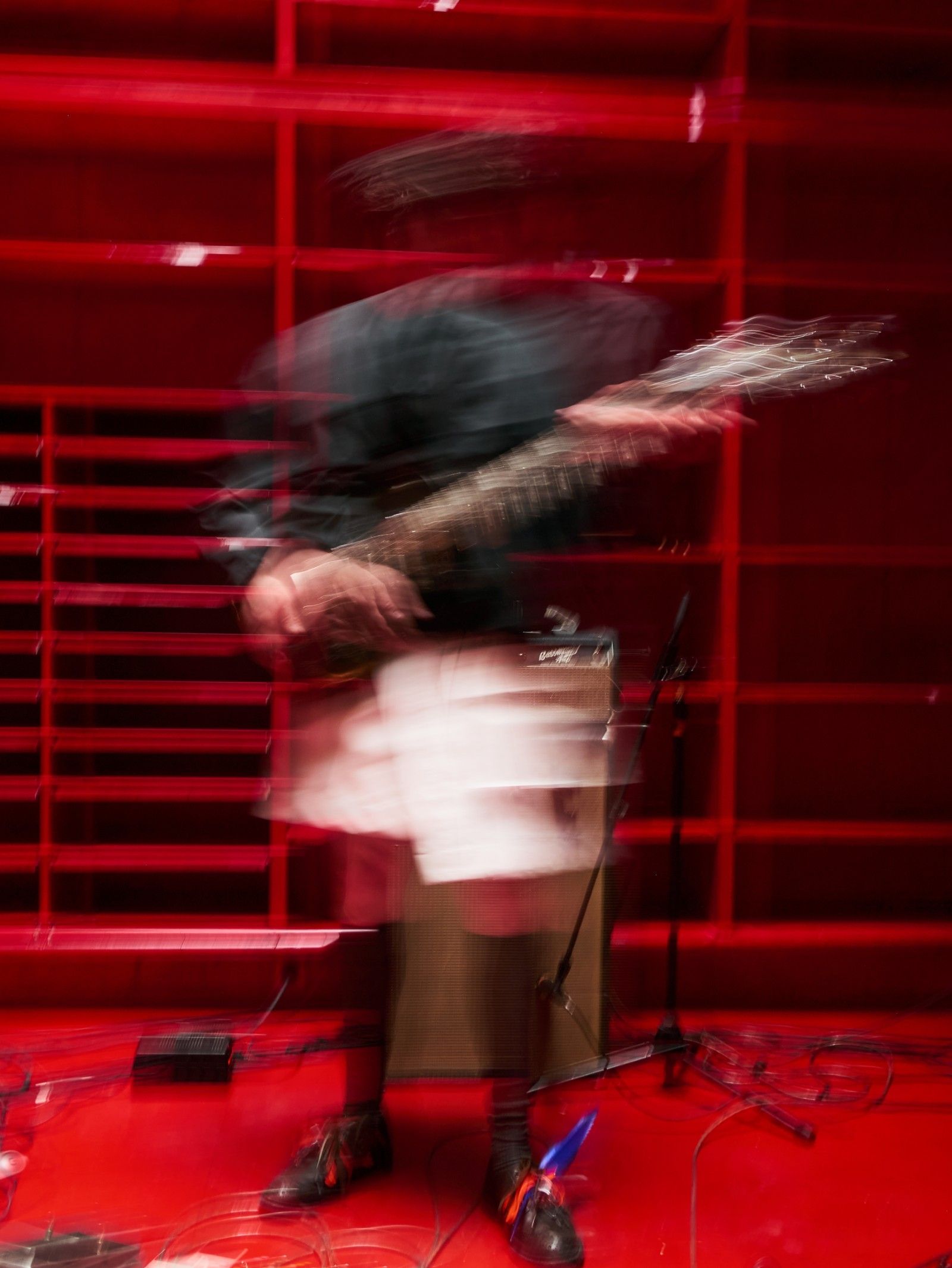
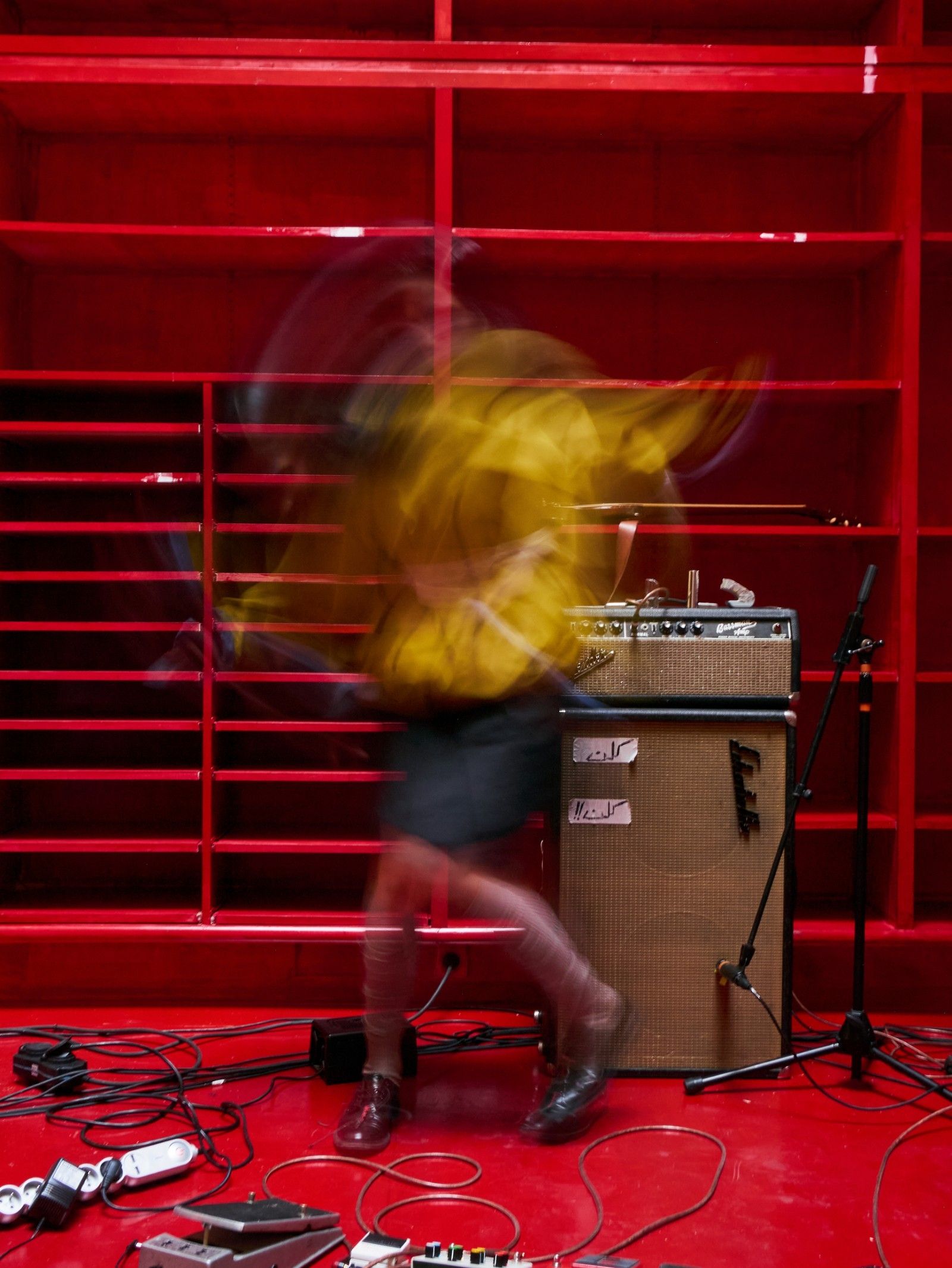
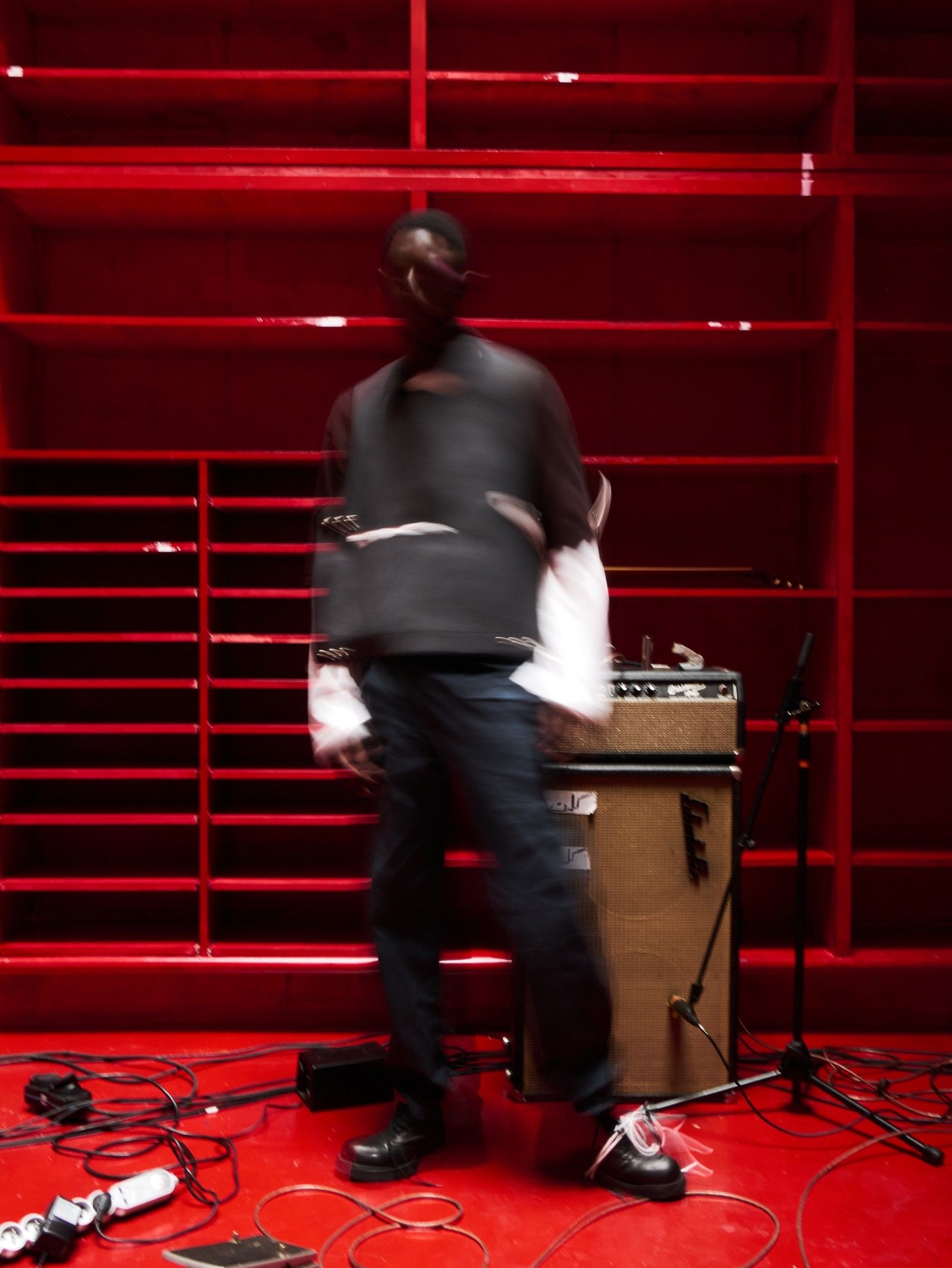
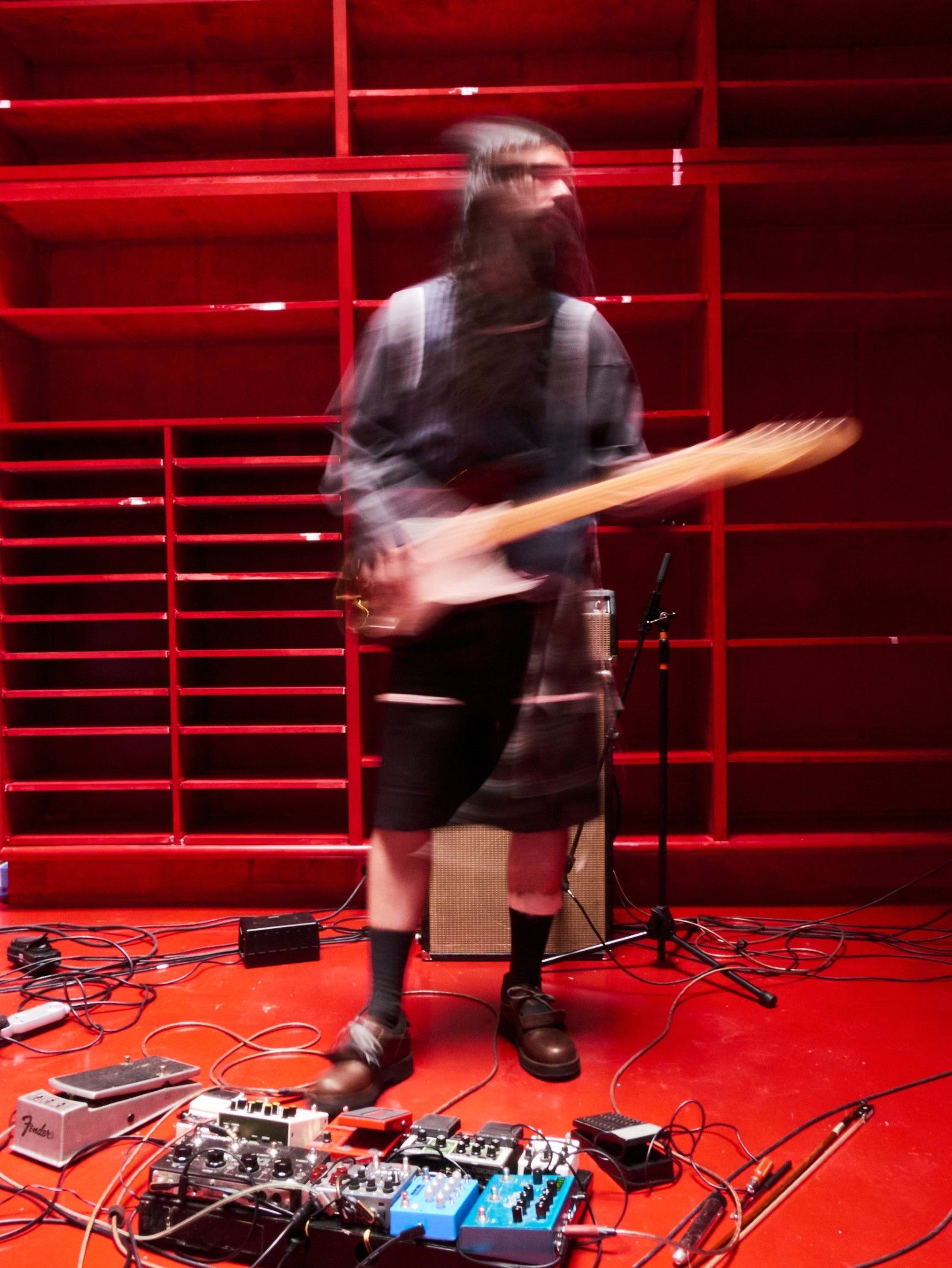
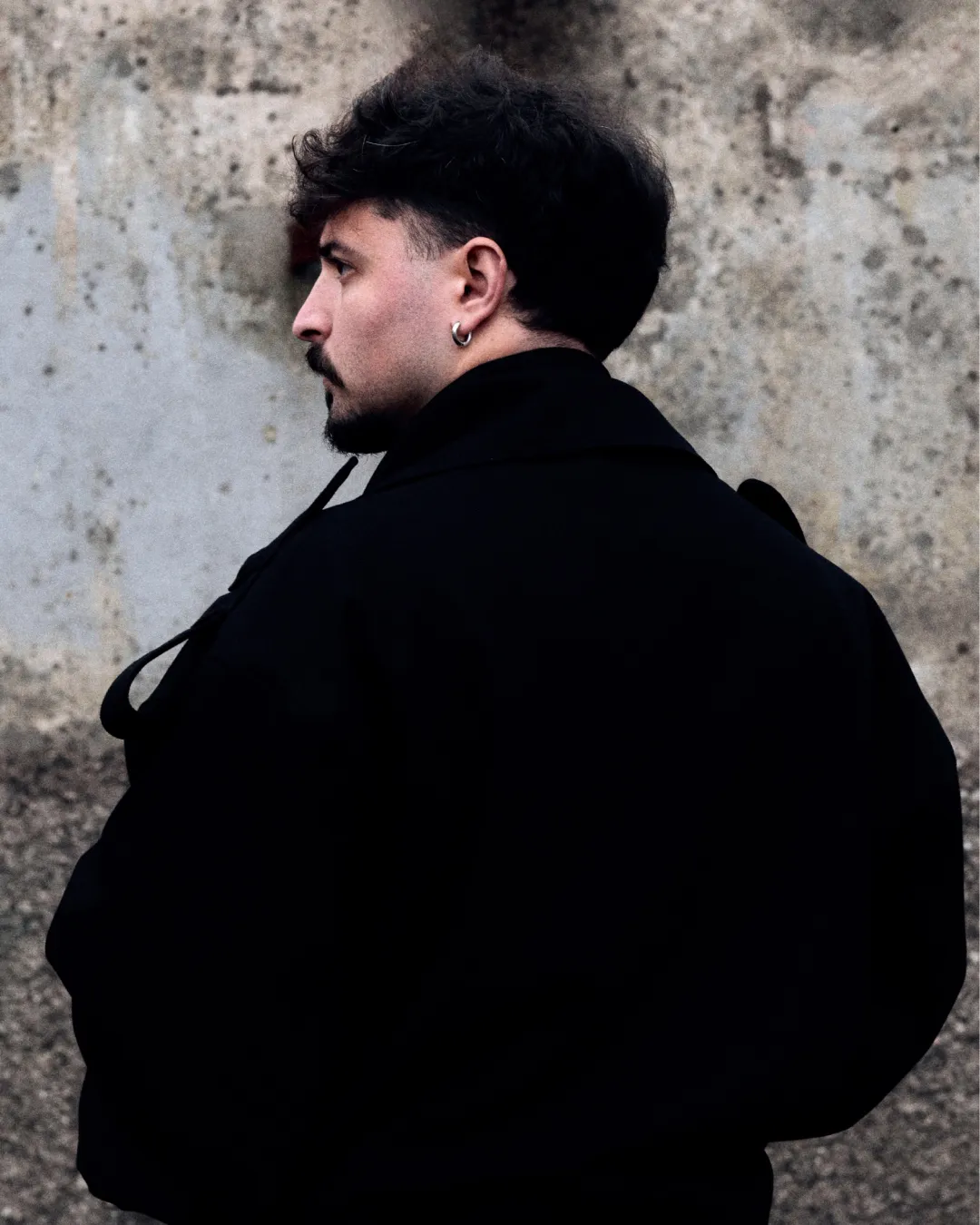
With the SS26 collection, GR10K has completed an informal trilogy of performative events and aesthetic experiments that have progressively brought the brand closer to the avant-garde and art world by analyzing «the relationship between niche music, media culture, and spectatorship». In its latest Parisian presentation, titled Cramp’d, the brand officially debuted in the French capital, condensing a rich aesthetic and an apparently simple but layered language into a three-hour performance. Cramp’d is much more than an evocative name: it is a mental state, a productive mode, a critical device that embraces compression, saturation, and sensory overload. «Cramp’d evokes a sense of compression, of physical, mental, and visual oppression», the designers told us when we contacted them. «To us, it suggests a static image full of tension. Moreover, the creation process itself reflected the concept of Cramp’d: we had to develop two collections in parallel, the main one and the one for Replicated, our second line, under tight deadlines». The title, as they explained, was originally conceived as the name of the performance and was only later extended to the entire collection because it perfectly represented the whole creative process. «Everything was condensed, accelerated, compressed. It was a sort of endurance exercise, almost a performance of resistance, similar to the presentation itself».
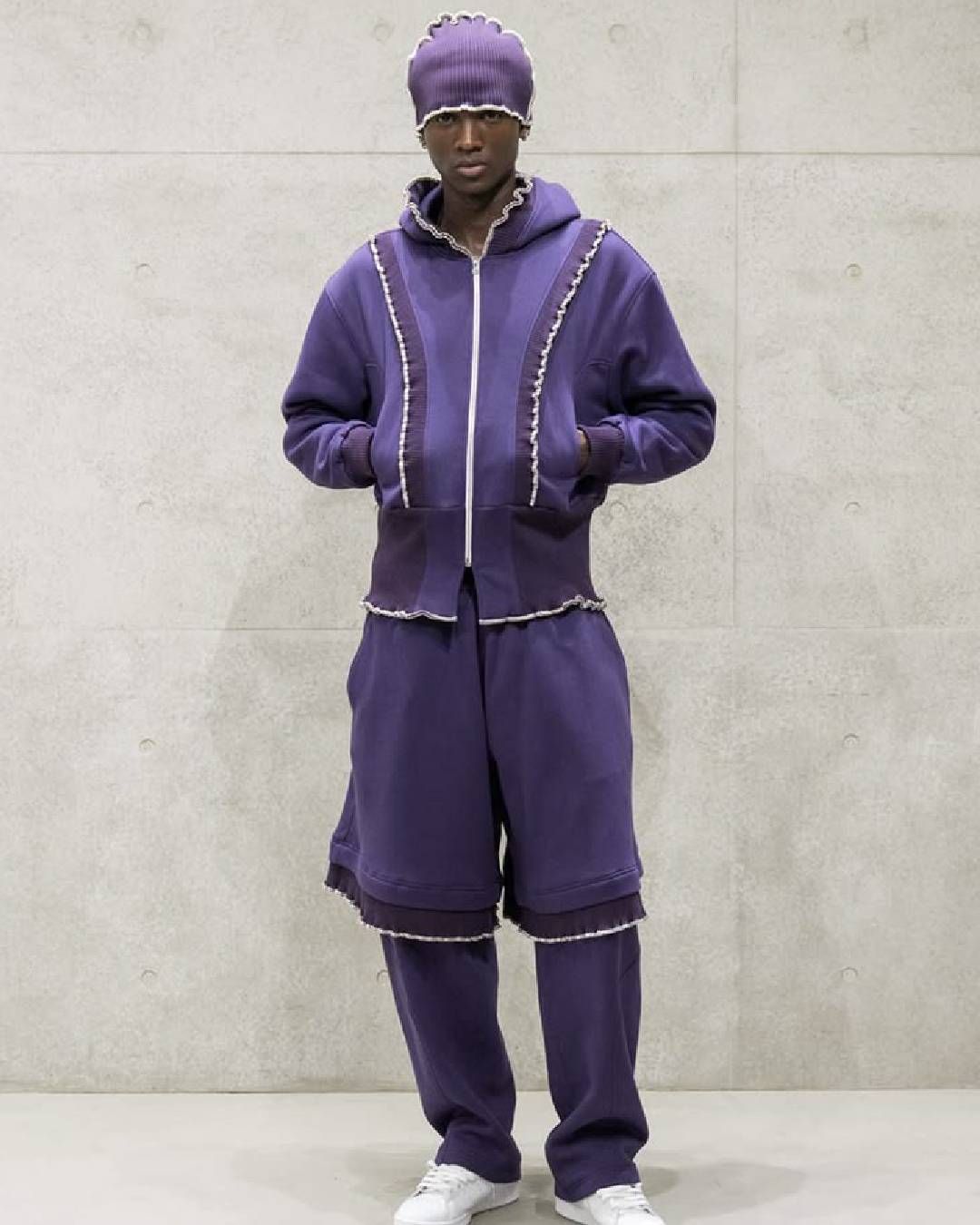
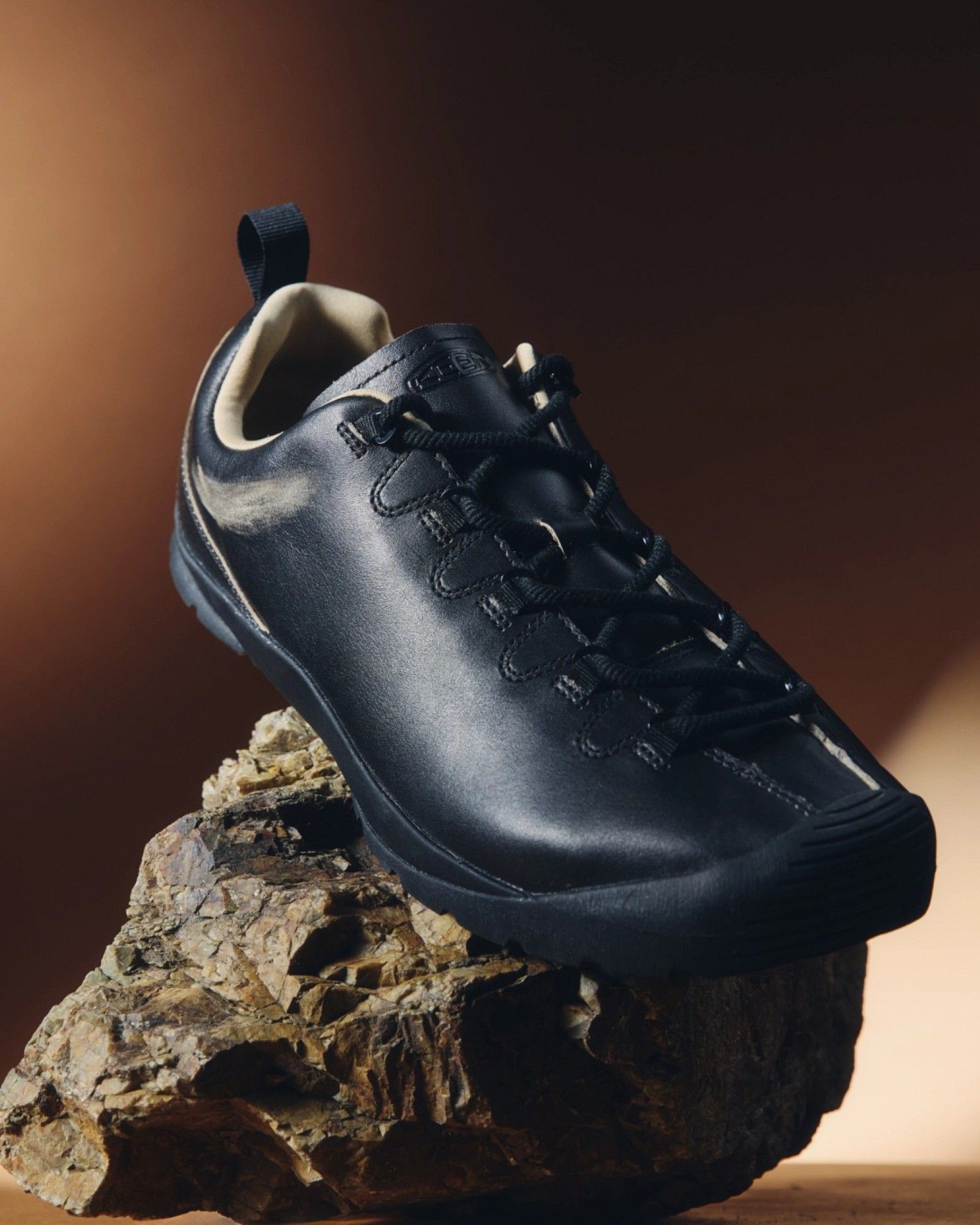
The garments of Cramp’d present themselves as unstable prototypes, in a state of continuous mutation. The constructions are highlighted, deliberately raw: zippers sewn visibly on top of fabrics like surgical cuts, sweatshirts punctured, stained, disarticulated. Hoodie parts are fused onto knitwear like foreign grafts; fragments of sweaters appear pinned or embroidered onto long-sleeve T-shirts; checked poplin is used as a dissonant lining inside waterproof technical fabrics. Nothing is hidden: every element is exposed, visible, raw. Each garment appears to be built on the edge between function and collapse. «In truth, there was no real concept behind the collection, nor the intention to express a critique», they told us. «We simply gathered images, references, and suggestions that we liked, without forcing them into a coherent narrative». What emerges instead is a visual system that operates through friction, a flow of references that overlap and disturb one another. «Within the flow of Cramp’d, the collection formed as an instinctive montage of visually stimulating things». Among the references shaping this fractured grammar: the canvases of Sigmar Polke, the sonic chaos of the FMP Free Jazz collective, Japanese flat-track motorcycle vests, the destroyed hoodies of GG Allin, police riot gear, workwear utility kits, and even the ornamental trimmings of Tyrolean villages. All these fragments were translated into technical materials and precision constructions: three-layer laminated cotton, ultra-compact Italian jersey, industrial ripstop, waxed cotton, and technical poplin. The palette is stark: black and white dominate, interrupted by sharp accents of fluorescent yellow, deep navy, and vivid red. Even the footwear becomes part of the formal and conceptual language of the collection. Robust, sculptural, treated like real armor: anti-fragility shields. Similarly, functional inserts such as multiple pockets, reinforced stitching, visible laces and layers suggest a defense against the instability of the present.
One of the most fascinating aspects of the collection is the use of visual data. Macro photographs of threads on industrial looms were used to extract “fake data,” visually significant yet conceptually arbitrary information, later transformed into embroidered texts and patterns. It’s an exercise that seems to transform visual noise into language. «The collection took shape as an instinctive montage of visually stimulating things», they explain. «It’s a visually coherent collection, but built on layering and contrast. No clear message, no theoretical intent — just a personal way of shaping what visually and culturally attracts us». Within the collection sits a parallel project that deserves attention: Heritage, Reconstructed, created in collaboration with Alpha Industries. The CWU-45 bomber, an icon of American military imagery, is here dismantled, emptied, and reconfigured as the uniform of a fictional institution: HERTRUDE WADSWORTH – MUSÉE DES ARTS APPLIQUÉS, an entity suspended between bureaucratic order and modernist decay. Industrial zippers give way to a system of braided cords with matte Nite-Ize® carabiners and rubber tips, the padding is removed and archived, and the inner linings take on bright pop colors in contrast with the garment’s sternness. With the Replicated line, instead, the brand reflects on the concept of the uniform «understood as structure, as daily repetition, as a stance», they tell us. «The uniform is less a visual symbol and more a mental form, a life practice».
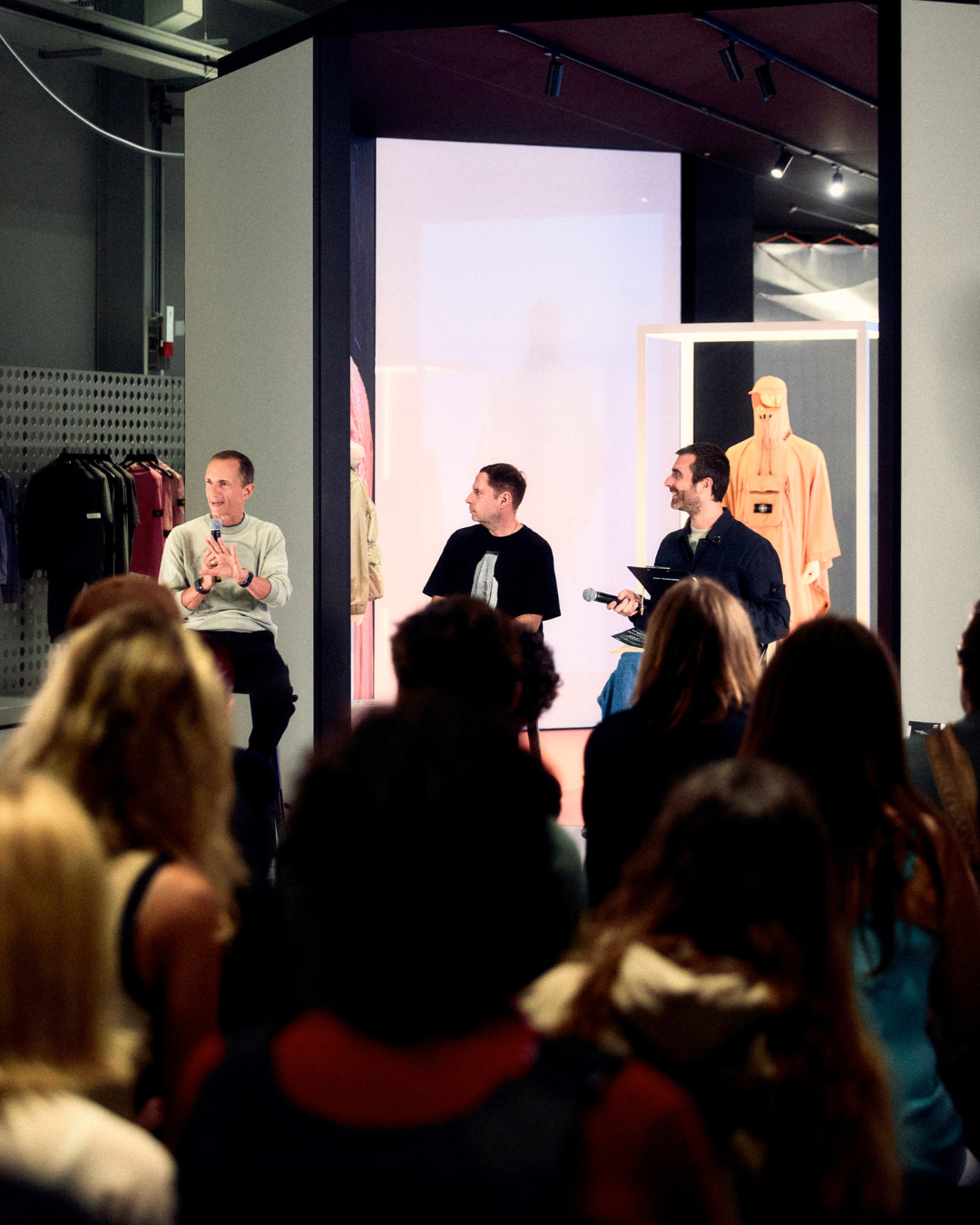
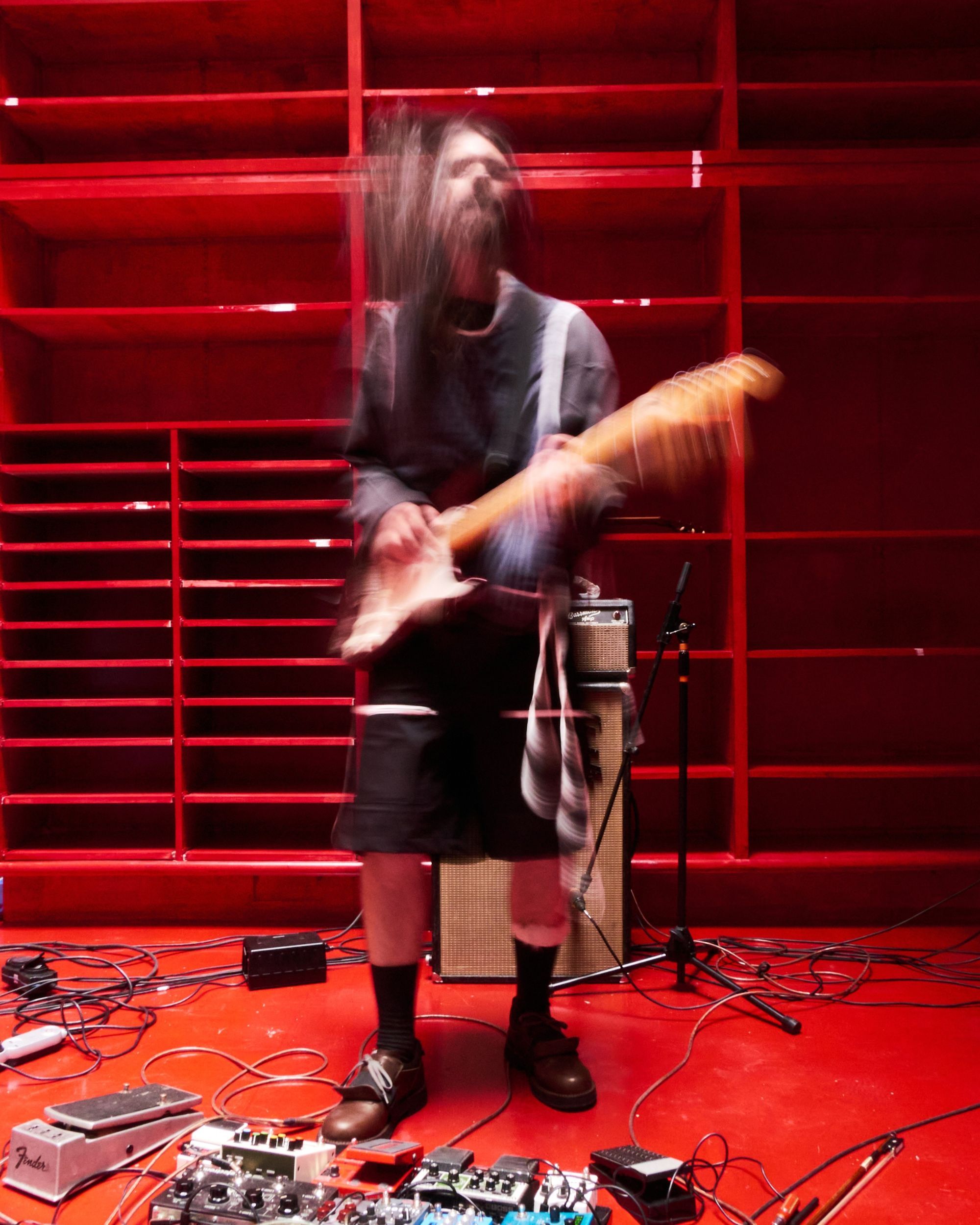
What gives shape to the idea of Cramp’d is not only the clothing itself but also the way it is presented. The Paris performance unfolded like a distorted sitcom, designed to suspend the viewer in a state of deep passivity and anesthetic immersion. «The Paris performance created a true experience of deep and passive immersion, just like when you get lost in binge-watching», the designers recount. «In the end, those watching it feel like they’ve taken a regenerating break». Fashion becomes visual choreography, the garments move in a rarefied, elusive time, while music and art engage in seamless dialogue. The stated goal was to overcome the compartmentalization of disciplines between music, art, and fashion: «We wanted music, art, and fashion not to remain separate languages but to contaminate each other in an explicit and performative way. Clothing is an integral part of the performance. The garments are costumes, and the costumes are part of the scenic narrative». That’s why GR10K has orchestrated a collection that embraces the tension between excess and emptiness, between structure and collapse. The garments do not convey clear messages nor seek immediate answers: they are tools of aesthetic and symbolic transmission, condensations of time, material, and culture. «No clear message, no theoretical intent — just a personal way of shaping what visually and culturally attracts us».
What to read next

«This collection doesn't look for answers, but lives with the fact of not having them», an interview with Emilie Wenckstern