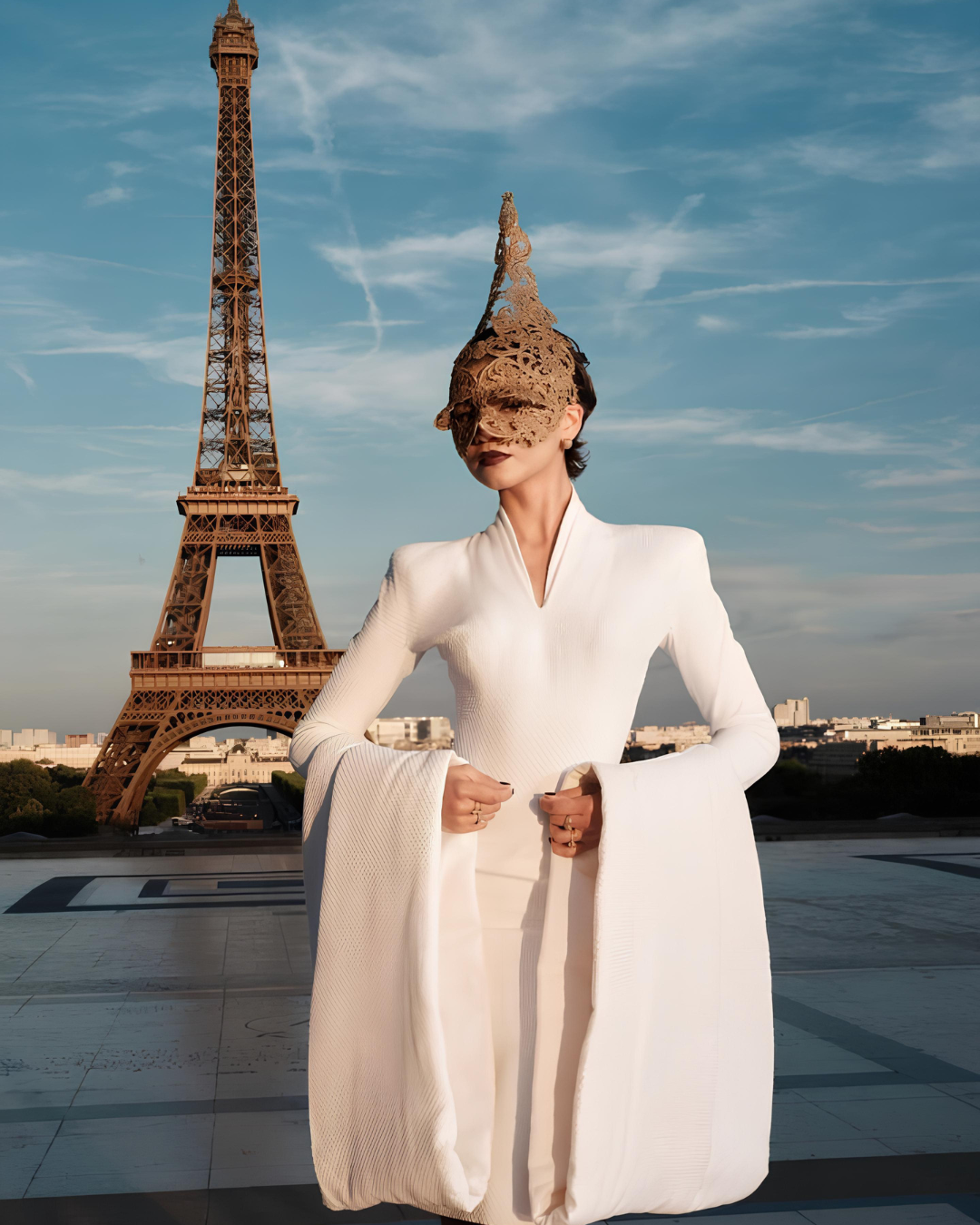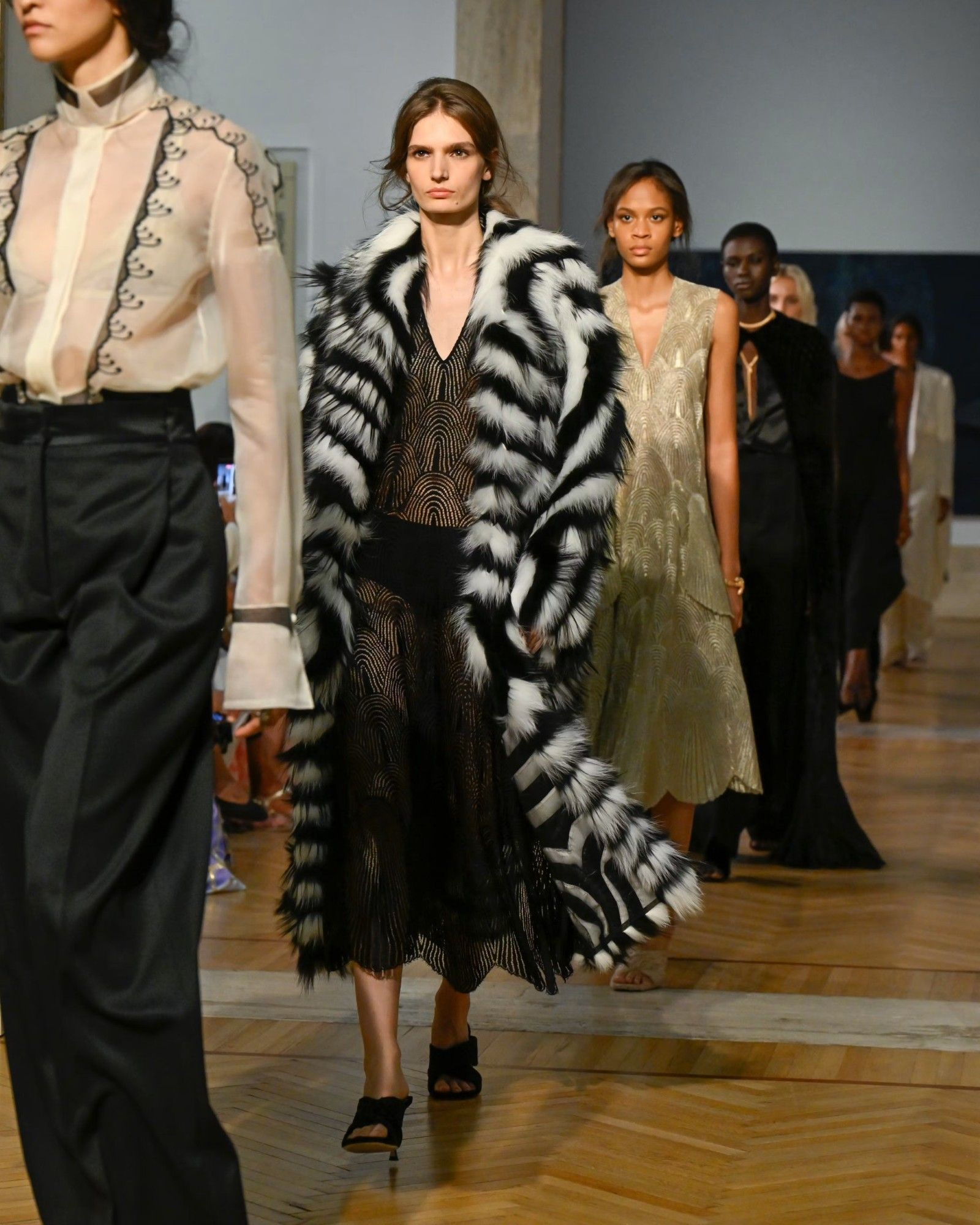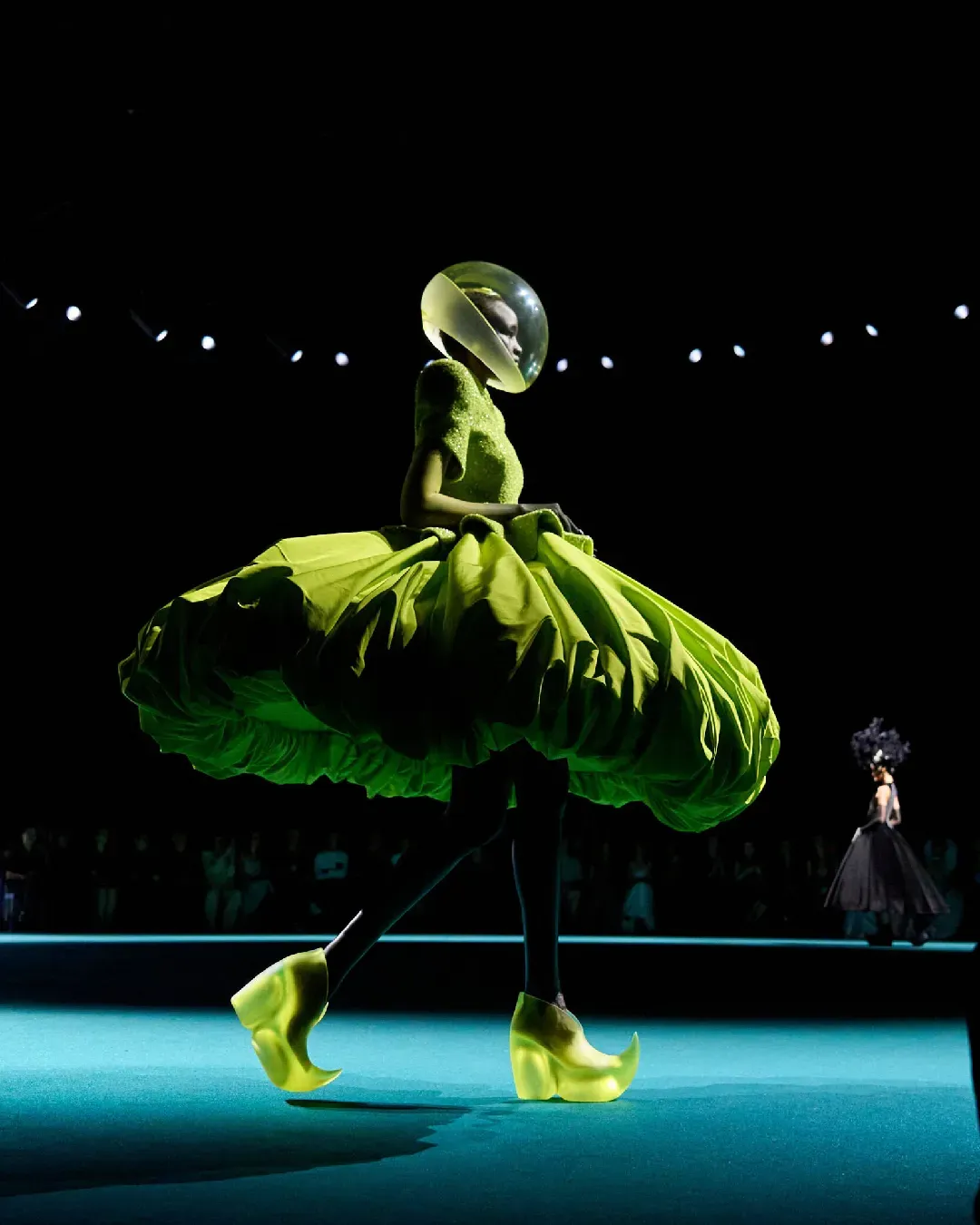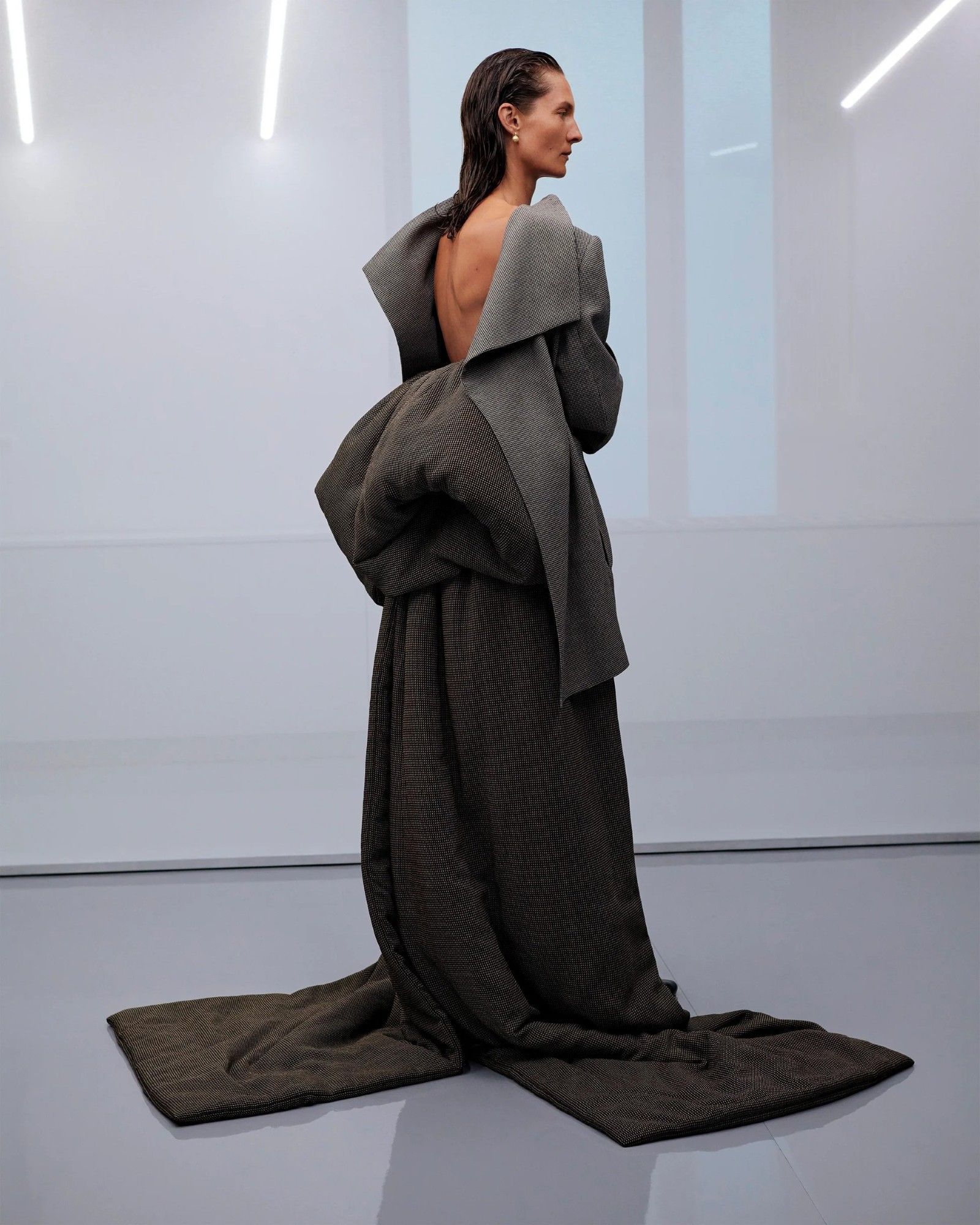
























Haute Couture could soon be listed as a UNESCO World Heritage site According to Bruno Pavlovsky and Pascal Morand, president and executive chairman of the Fédération de la Haute Couture et de la mode
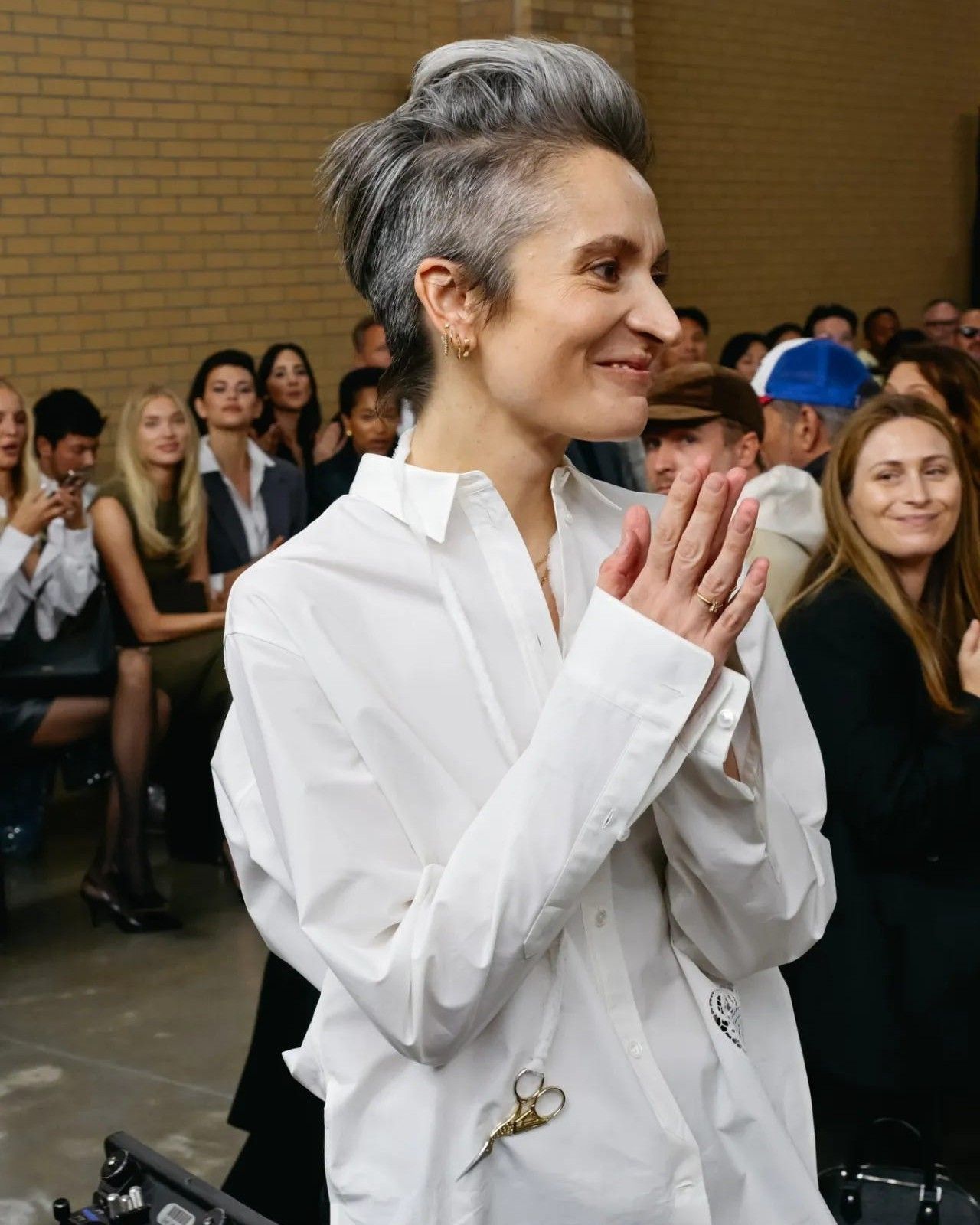
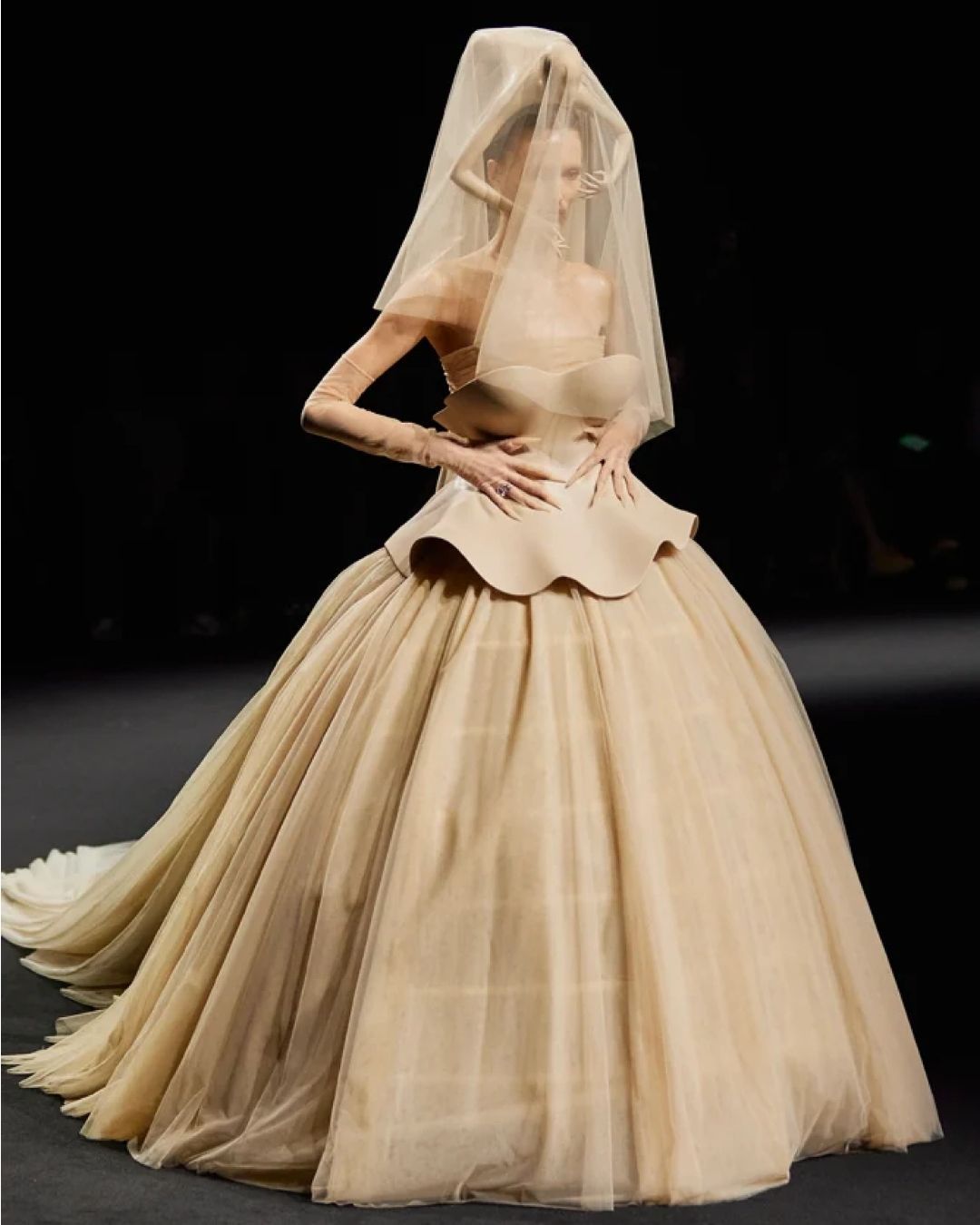
On this final day of a week that has been nothing short of remarkable, between Demna's farewell show at Balenciaga and Glenn Martens’ debut at Maison Margiela, the word Couture is on everyone's lips. Synonymous with quality, craftsmanship, and boldness all at once, French Haute Couture is much more than just a branch of fashion — it is a true institution. Regulated by the Fédération de la Haute Couture et de la mode, heir to the Chambre Syndicale de la Couture Parisienne founded in 1868 by Charles Frederick Worth, not everyone can claim the title of Couture. Candidates must meet a number of conditions: they must present biannual collections made by hand in their own atelier located in Paris, employing at least 20 people, including specialized artisans in various sewing techniques. Each collection must include at least 25 looks, created with particular attention to detail and quality. These strict and specific criteria make Couture and its status special, privileged, exclusive — something that must be protected at all costs.
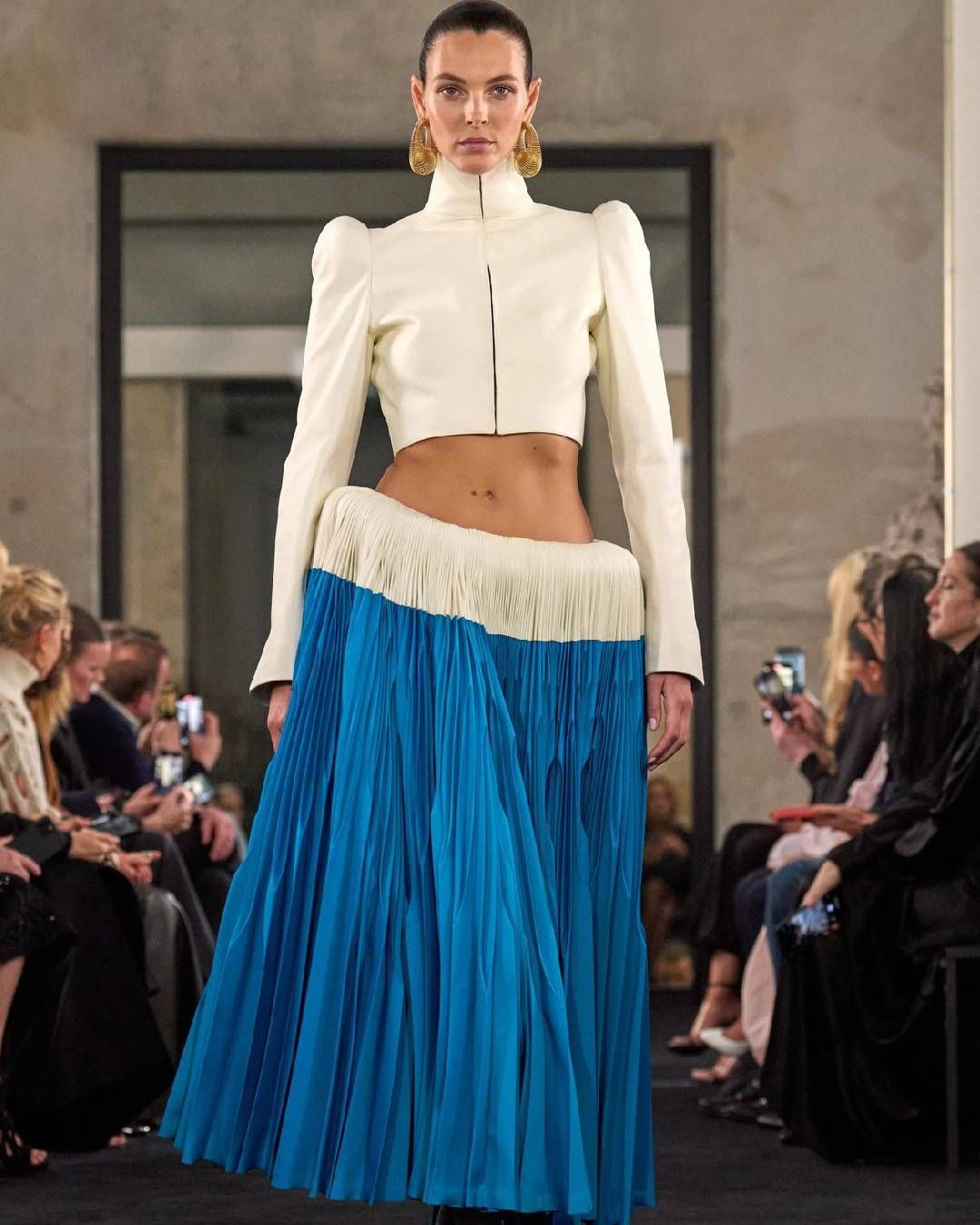
Whether we look at the collections shown this week, last season, or ten years ago, Couture continues to honor French fashion and its unique, unparalleled craftsmanship. 160 years after its creation and 80 years after its official designation, Haute Couture still has the power to surprise us, as we explained already a few weeks ago. And this week, while Schiaparelli presented a spectacular futuristic collection, Chanel reinterpreted nature with elegance, and Glenn Martens delivered a promising debut collection for Maison Margiela, one question stands out: could — and should — Couture be inscribed as a UNESCO World Heritage? A question that Bruno Pavlovsky and Pascal Morand, President and Executive President of the Fédération de la Haute Couture et de la mode, addressed in an interview with Le Figaro, in which they made a point of highlighting the uniqueness of this trait of French culture before confirming that a proposal to register Haute Couture as part of UNESCO’s intangible heritage is currently being prepared. Haute Couture and its 13 carefully selected members (Adeline André, Alexis Mabille, Chanel, Christian Dior Couture, Franck Sorbier, Giambattista Valli, Givenchy, Jean Paul Gaultier, Julien Fournié, Maison Margiela, Rabih Kayrouz, Schiaparelli, and Stéphane Rolland) may soon receive not only a higher status, but above all, crucial protection. To be continued.
What to read next
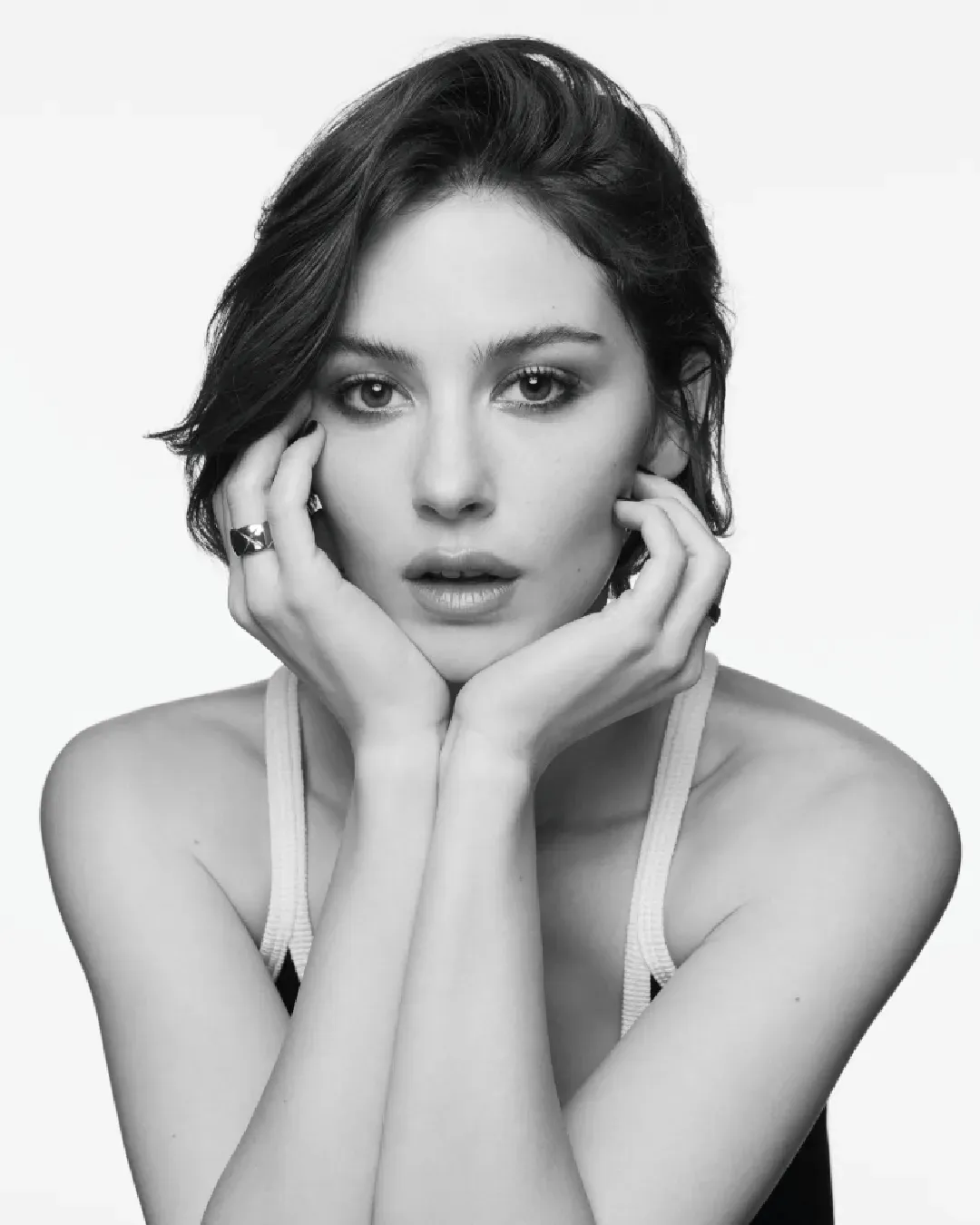
Gracie Abrams is the face of COCO MADEMOISELLE CRUSH ABSOLU
The American singer-songwriter embodies the natural elegance of the new CHANEL fragrance
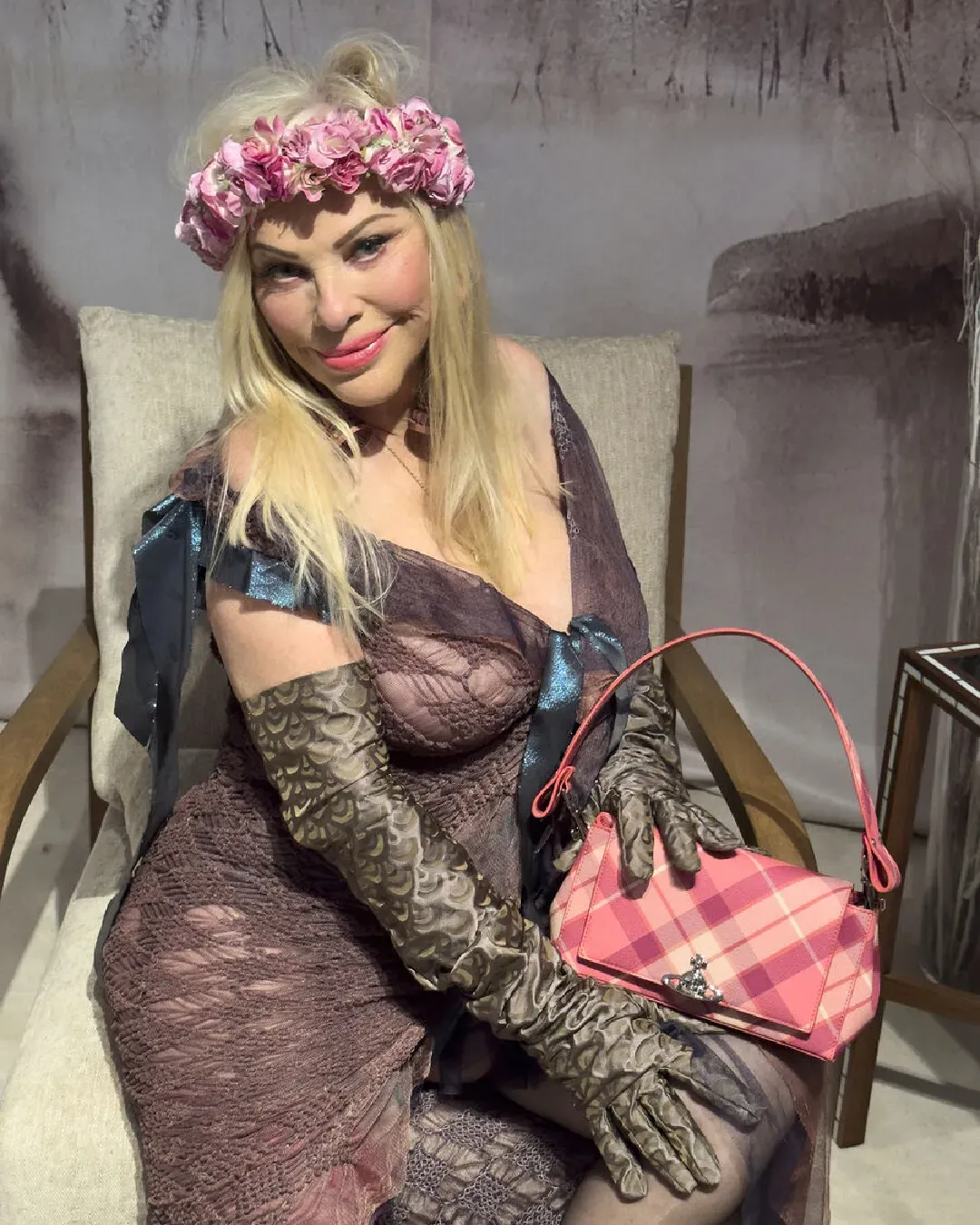
Vivienne Westwood's new campaign explores Italian punk with Ilona Staller
Juergen Teller shot it in the showroom of Belloni, a centuries-old Lombard furniture company