





































Fashion internships are still awful Is there not enough to learn?
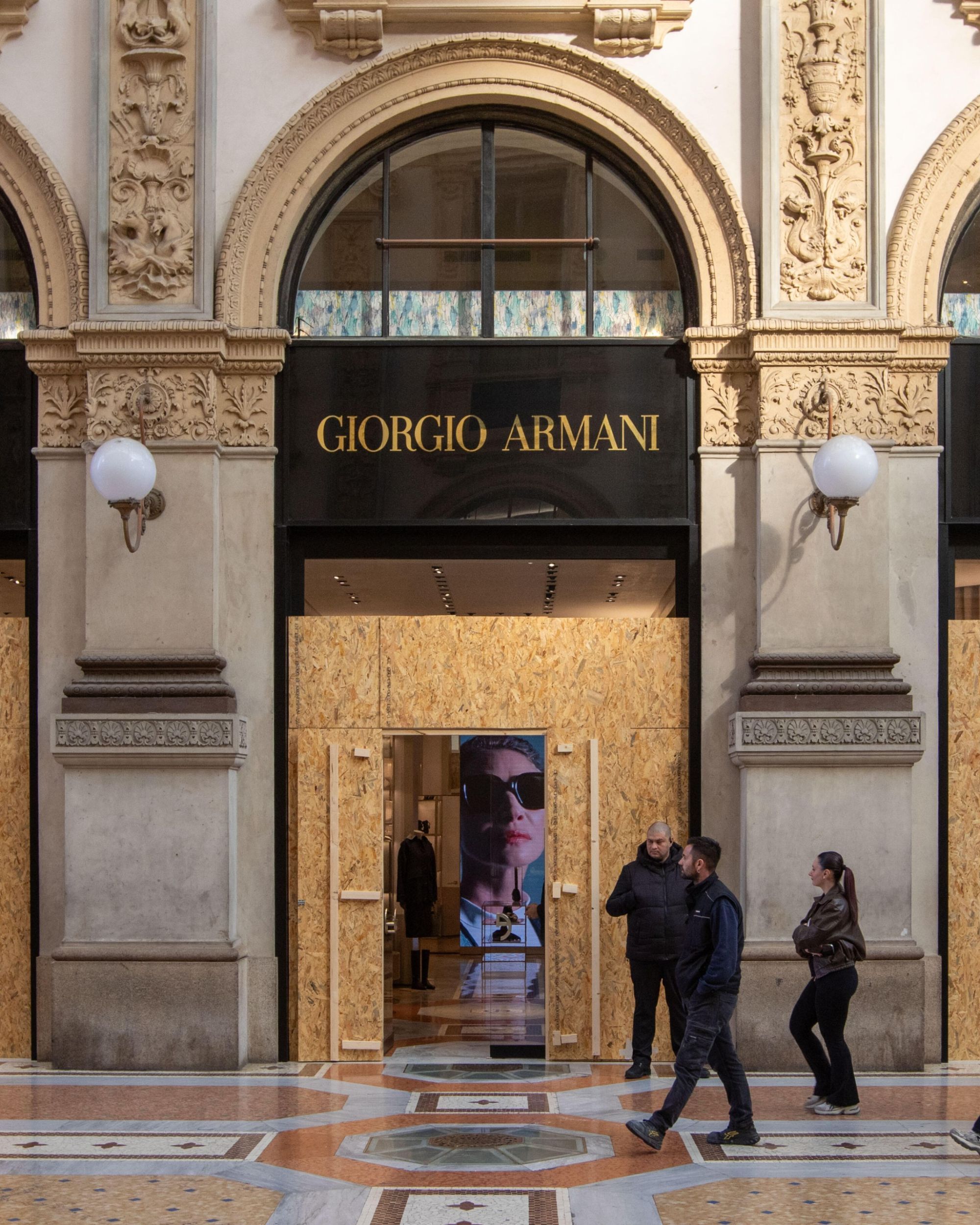
«At the beginning, it was difficult to find a good balance between work and private life because all communication took place via WhatsApp and no precise working hours had been established», says an anonymous testimony. «I received work messages from 6 a.m. to 2 a.m. most days, and there was no office to work in, so I had to work alone in cafés». On Design Interns Club, a Google Doc created in 2020 to give a voice to students and young designers who have experienced internships, hundreds of similar examples show that internships in fashion continue to present traumatic, unpaid, and devoid of real training professional experiences as an unavoidable step to access the industry. The site was created as a collective reaction to gather testimonies in order to give other young creatives the chance to know what they are getting into before accepting any internship with fashion brands and companies. Too often, in fact, fashion students are enchanted by well-curated Instagram pages, only to be crushed by useless or, worse, exhausting internships.
The issue of unpaid internships in fashion is a widespread short circuit that universities – both public and private – struggle to intercept. Indeed, it is hard to assess the value of an activity when the only concrete data are a curated feed and associated business details. Yet in many faculties, internships are bureaucratically recognised, signed, and certified as if they were truly fruitful professional experiences, even though they offer no compensation nor any real mentoring dynamic. This phenomenon is not only aesthetic, but has deep roots throughout the creative sphere: as highlighted by the Guardian in an article last February, «The creative sector has used unpaid internships for so long, without consequences, that it has become an established method […] But in reality, they are just exploiting young people». All of this, even though Italian and European regulations stipulate that postgraduate internships must include a minimum compensation and a structured training program.
After the boom of remote work and study in recent years, the idea that one must do in-person internships to learn may seem a bit outdated, yet it’s not WhatsApp messages at 1 a.m. or Zoom calls with a constantly traveling mentor that leave a lasting impression. The memory forms elsewhere: in a real presence, in a lived space, in a tangible detail that remains in the memory. Today, however, it is increasingly common for internships to be done in solitude, without place or presence. A side effect of an onlife culture where everything is fluid, mobile, delocalized — which is fine only once a certain level of experience has been accumulated. At the learning stage, presence remains crucial. You don't grow by ticking off small remote to-do lists, and design is not just about aesthetics. A paradigm shift is needed: to distinguish between visibility and professionalism, between authentic creativity and narcissistic showcases that ask for “support” only to feed the ego of those who manage them.
What to read next

5 trends that Trainspotting anticipated Back in 1996
There is much more to the film than the famous Helmut Lang tank top