





































Why are fashion brands increasingly targeted by cyberattacks? The luxury industry is facing a data war
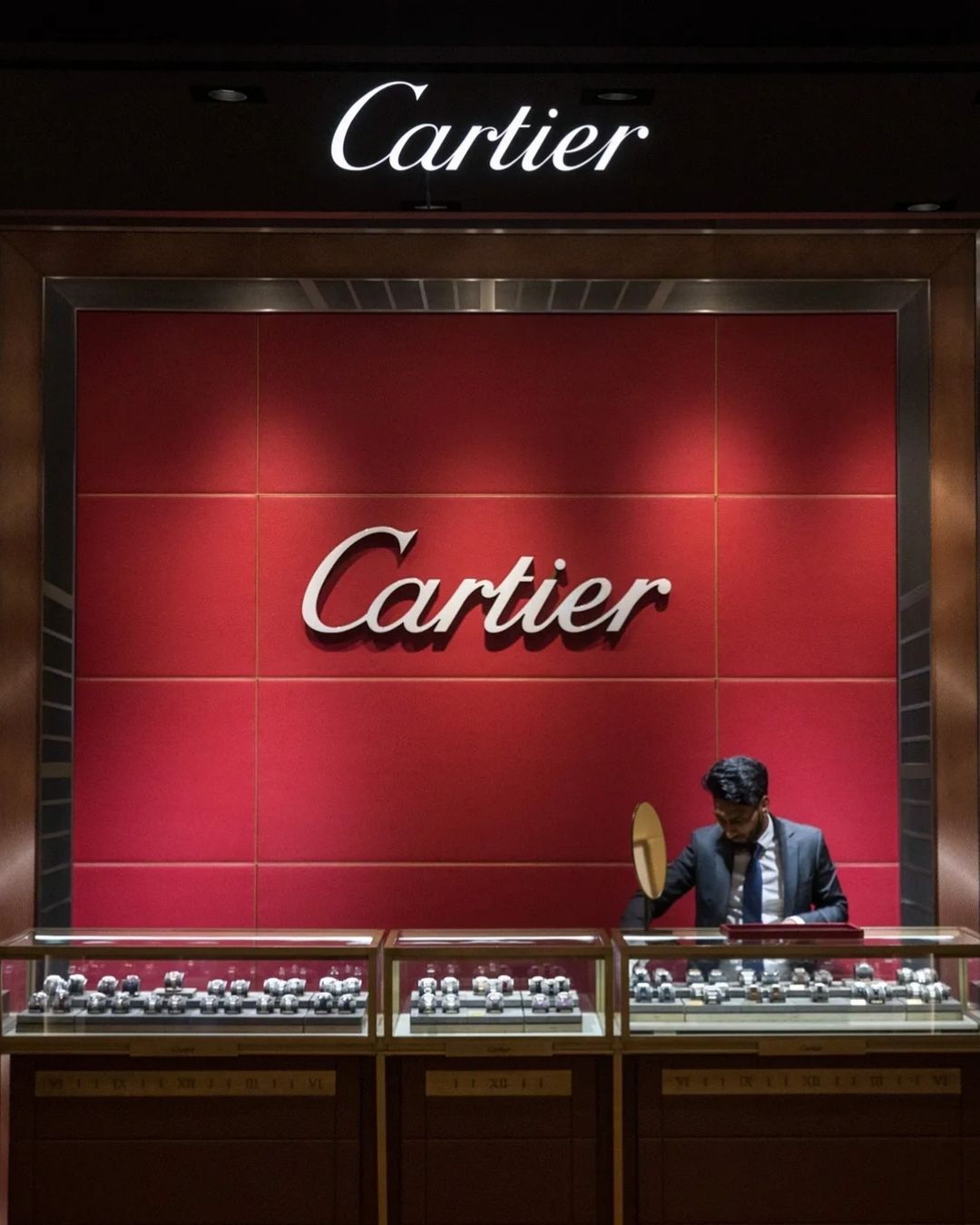
Dior, adidas, Tiffany, Victoria’s Secret, Cartier and today Louis Vuitton: the list of fashion houses falling victim to cyberattacks keeps growing. All of them claim the breaches were quickly contained with limited impact. Still, these intrusions damage the image of luxury and trust these brands represent. But why are cybercriminals suddenly targeting these symbols of global prestige? First, the most obvious reason is that fashion labels hold a wealth of data on their clients, not limited to names and financial information. Especially luxury houses, which store sensitive information about high-profile individuals. Stolen client data can be used to impersonate legitimate businesses and lure victims into providing more sensitive data in the future. Cybercriminals “often plan to play the long game,” explained James Hadley, founder of the cybersecurity firm Immersive, to the BBC.
Cartier disclosed a data breach exposing customer names, emails, and countries after a cyberattack. No passwords or payment info were compromised, but this adds to a growing trend of luxury brands falling victim to cyber threats. #CyberSecurity #DataBreach #LuxuryBrands pic.twitter.com/tGbmySFqFd
— ShiftSix Security (@Shift6Security) June 5, 2025
Another, less obvious reason lies in the rapid digitalization of the fashion industry. Indeed, the digital boom within brands has created security vulnerability zones. These gaps benefit criminals seeking sensitive data. The breach at Cartier—one of the latest victims—shows that even renowned companies with strong cybersecurity systems are not safe from cybercriminals. Moreover, the techniques used by hackers are becoming increasingly sophisticated. According to Somniac, a UK-based cybersecurity firm, AI-enhanced malware adapts and evades detection, rendering traditional security systems obsolete. Somniac also states that the use of AI in cyberattacks has made system breaches easier, even allowing inexperienced hackers to launch elaborate attacks. This trend is expected to continue in 2025, with AI-powered threats becoming a major challenge for all companies, not just in fashion.
@tosintobaa Don’t lie now - do you reuse the same password ? #northface #cybersecurity #cyberattack original sound - Aura
Added to all this, the fashion and textile industry relies heavily on extensive supply chains, which can be exploited by hackers. Weak security measures among third-party vendors can serve as entry points for attackers to infiltrate manufacturers' systems. Additionally, the rise of remote work has increased cloud dependency, widening potential entry points for malicious actors. As such, all these characteristics make the fashion industry a prime target for cybercriminals. The rise of artificial intelligence will only intensify attacks. Brands must become more vigilant and strengthen their security, or risk losing credibility in the eyes of their customers.