































How Martin Margiela revolutionised fashion From deconstruction to tabis
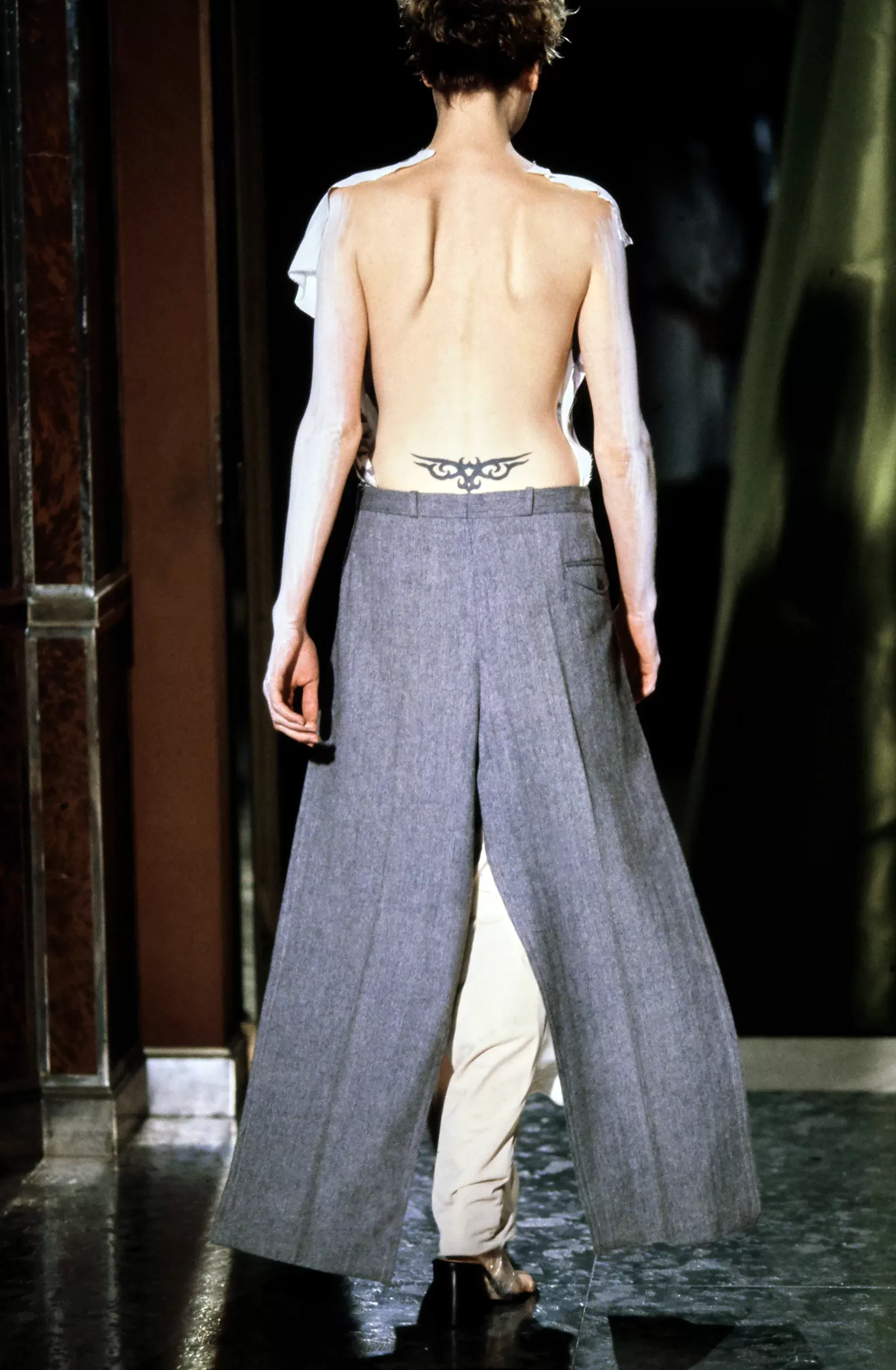
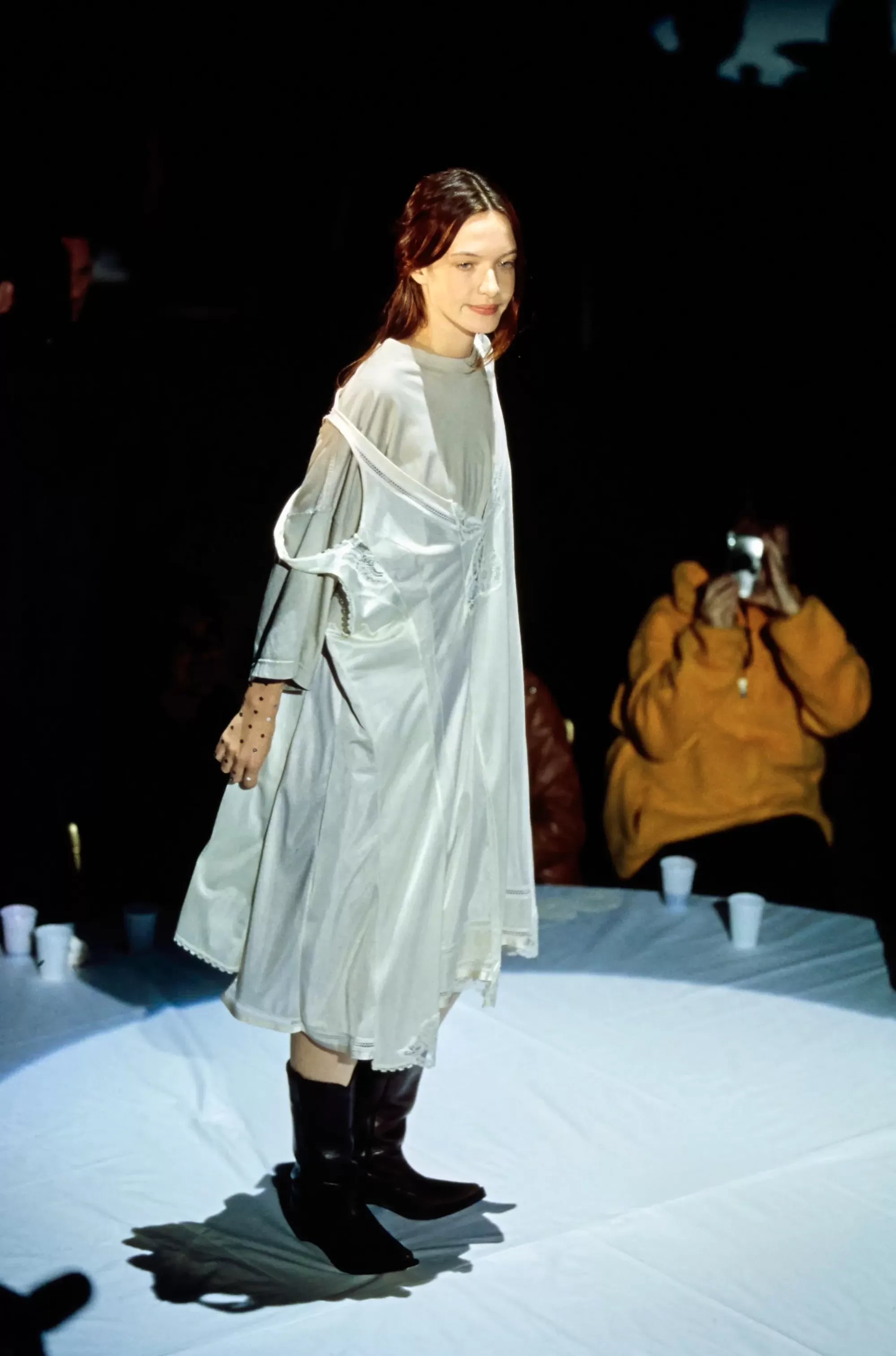
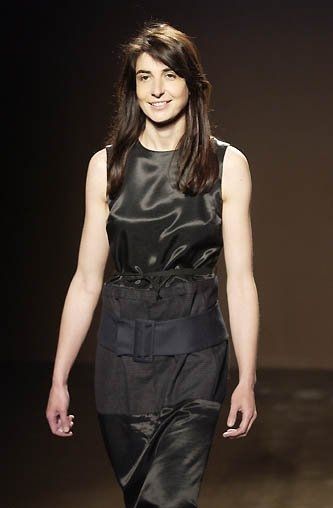
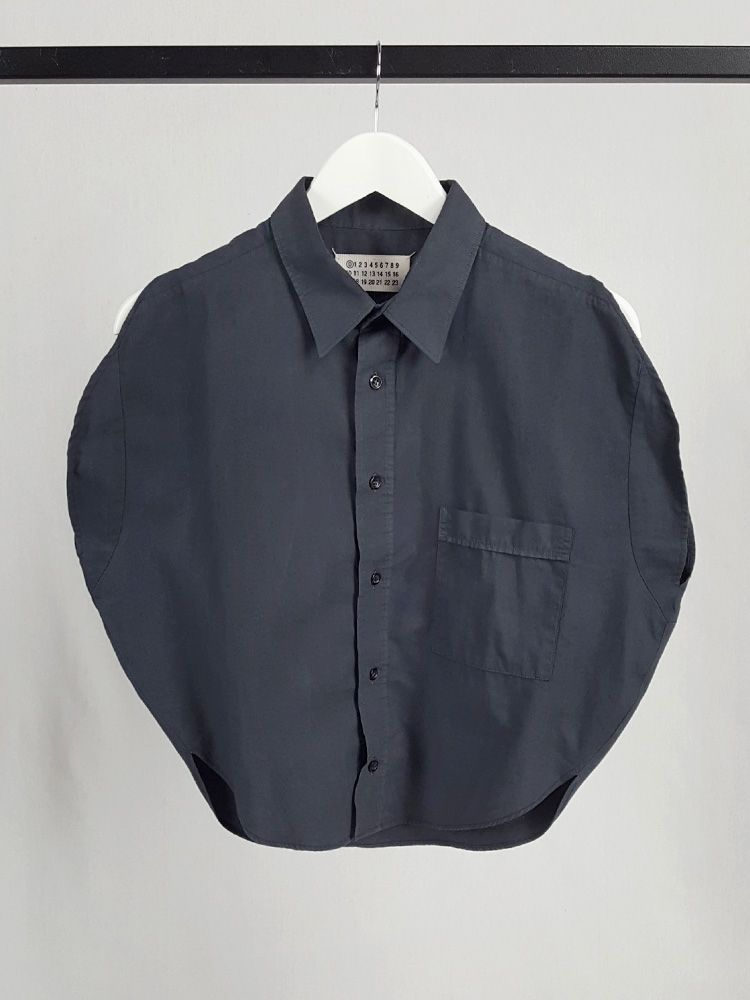
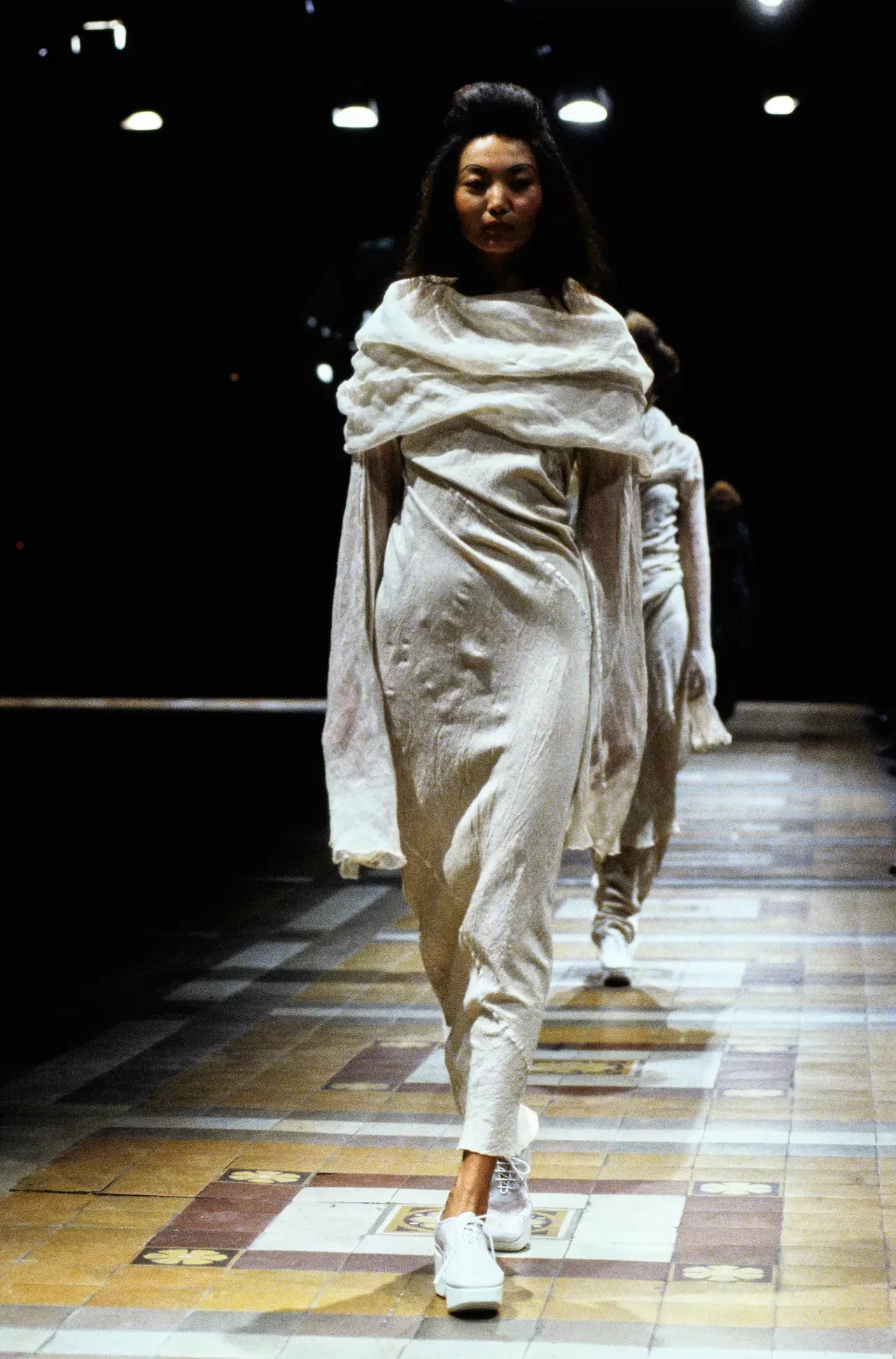
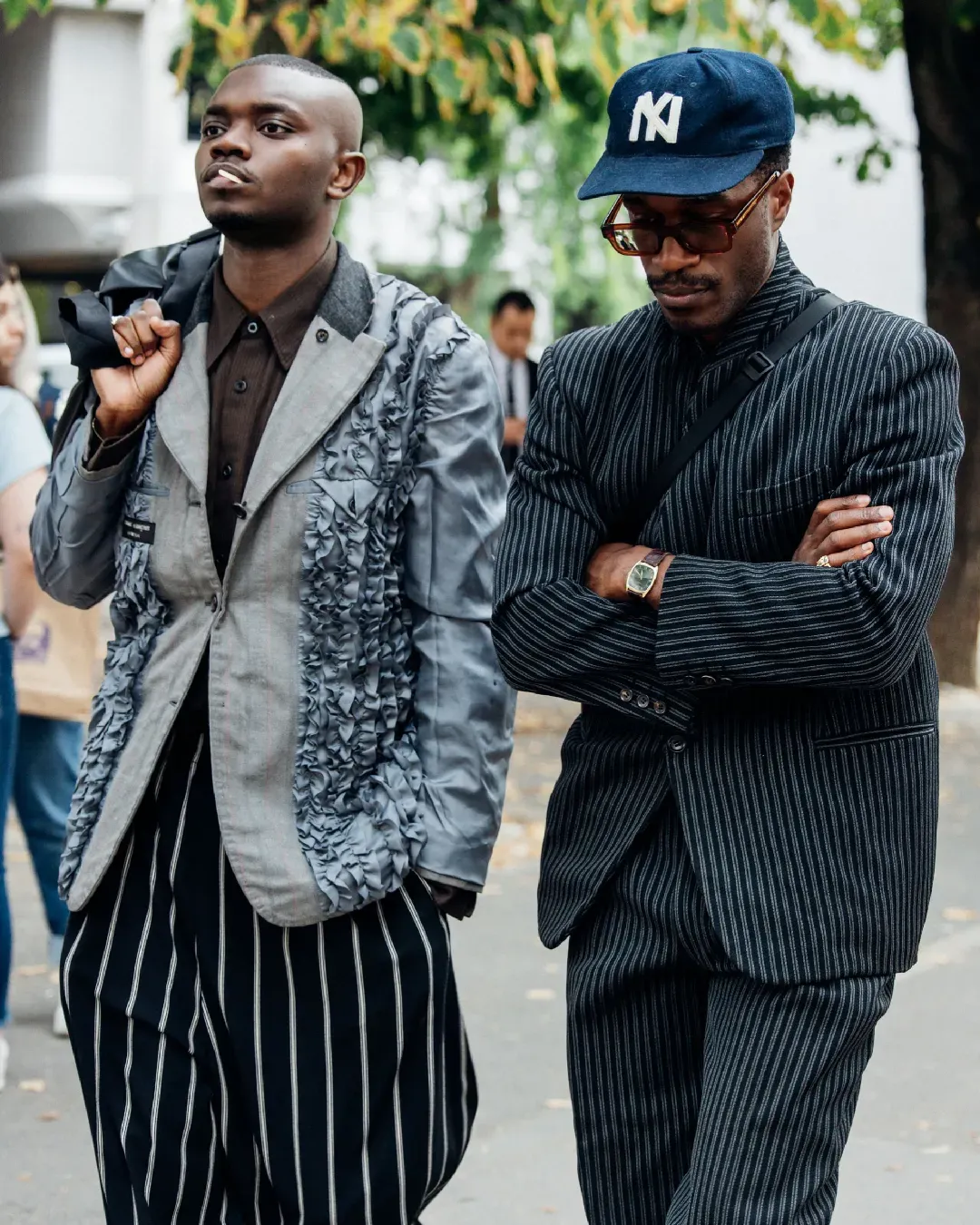
Today, the undisputed king of Belgian fashion, anonymity, deconstruction, and innovation celebrates his 68th birthday. Ineffable, invisible, and unreachable, Martin Margiela continues to haunt the minds and lives of fashion insiders, even 15 years after leaving the spotlight of the fashion world—where he was already hiding during his career. From his role as assistant and right-hand man to Jean Paul Gaultier in 1984 to the creation of his eponymous brand, and now to his devotion to the art world, the designer never ceases to prove he can wear many hats—while carefully never revealing the face behind the visor. Between a modest ego, a love for creation that surpasses the creator himself, and a contagious innovative spirit, let’s use this birthday as a good excuse to celebrate three of the many innovations Martin Margiela brought to fashion in Belgium, France, and beyond.
An innovative approach to materials
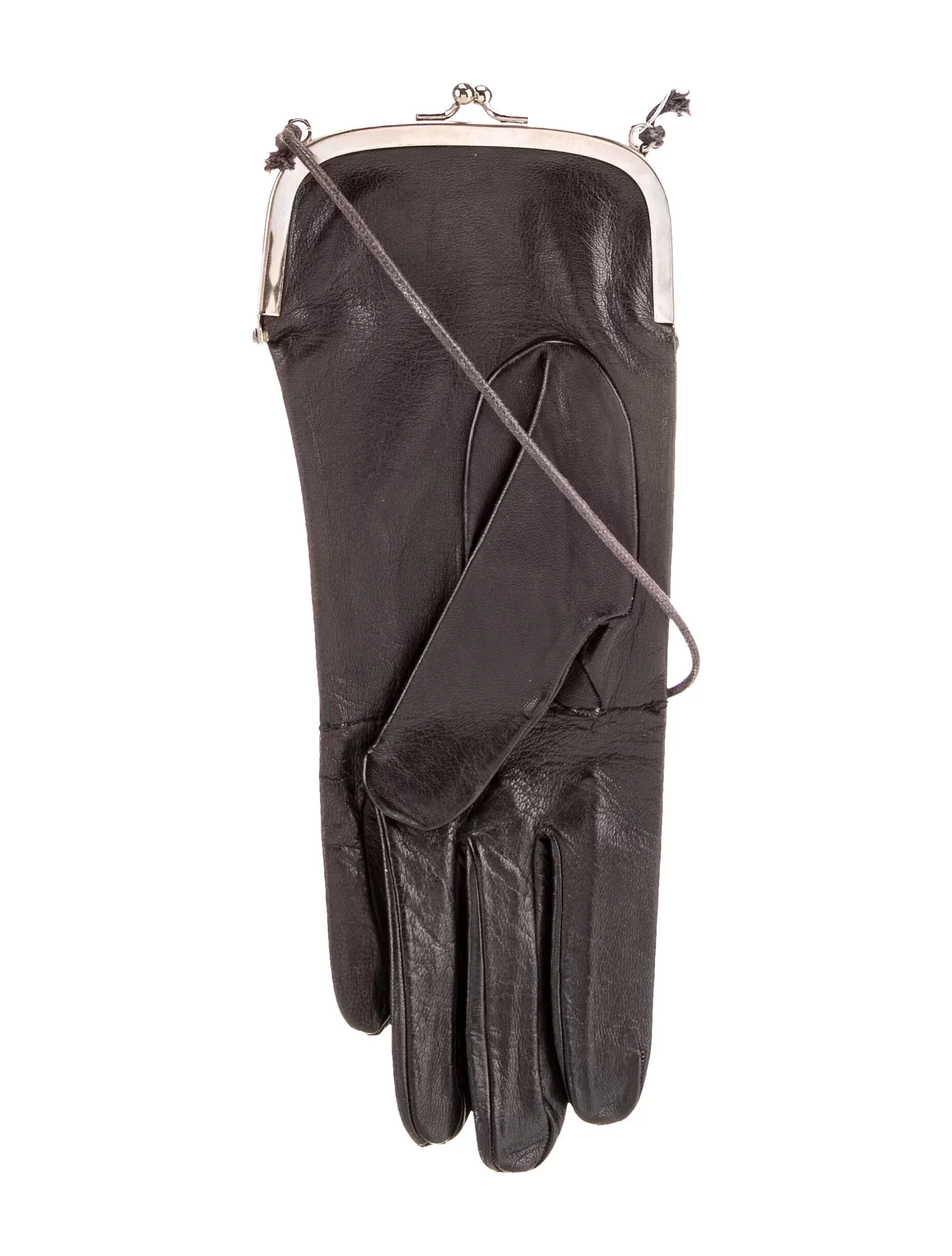
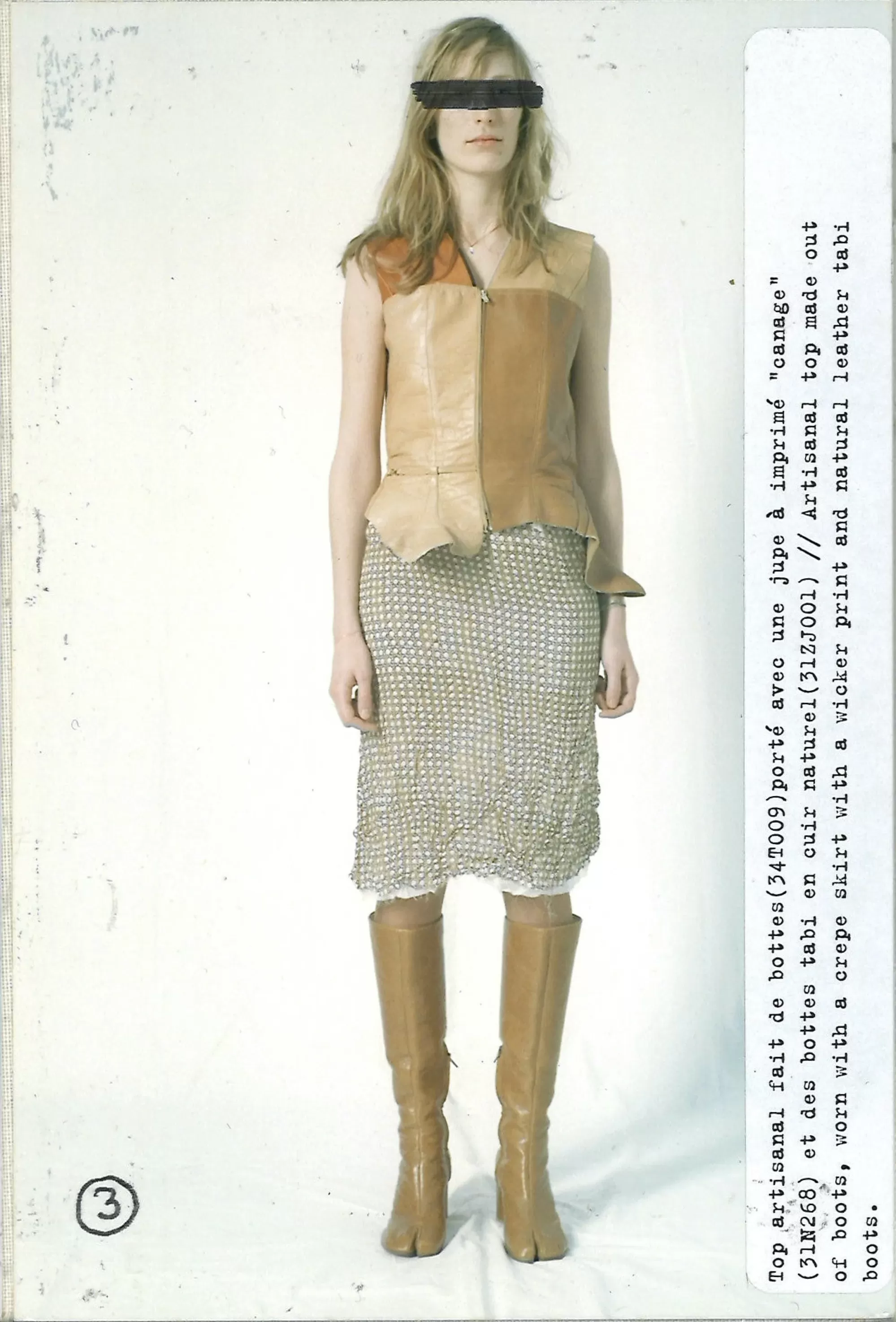
From his earliest collections, between 1989 and 1994, Martin Margiela stood out with a different relationship to form and the body, but especially with his use of materials no one would have thought to incorporate into fashion pieces. Through his Artisanal collection, created for Spring-Summer 2006, Martin Margiela offered a new interpretation of traditional haute couture by using the inherent qualities of found materials. With his rigorous craftsmanship and bold vision, old materials and forgotten objects were given new life through Margiela’s hands. Old leather gloves were transformed into an elegant top, bits of porcelain plates were linked together to become a sleeveless vest, champagne corks were recycled and hung beautifully around models’ necks, and even unglamorous plastic bags were turned in a blink into elegant couture pieces. And why bother stitching everything together with neatly sewn thread when you can simply patch the pieces with adhesive tape? While this list might sound like DIY and far from elegant, through these textile innovations, Margiela managed to offer fashion a new perspective, a novel status, an unexpected identity. Martin Margiela’s fashion is both humble and resonant, grotesque yet meticulous, complex yet so simple.
The deconstruction of silhouettes and the aesthetic of the left unfinished
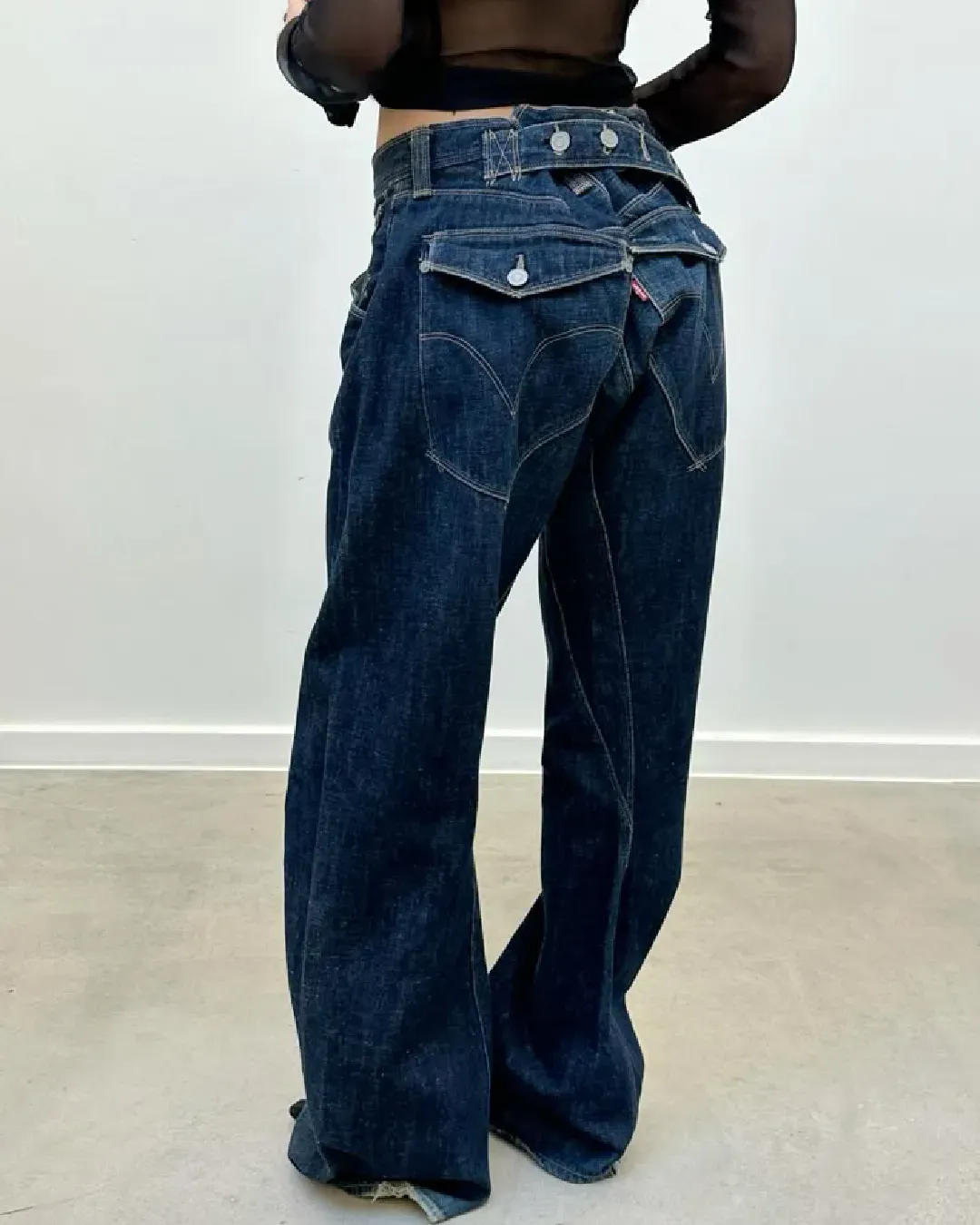
Speaking of broken plates and scattered pieces glued together, the materials used by the Maison Margiela pioneer weren’t the only things shattered into a thousand pieces to be reassembled better. The Belgian designer introduced into fashion an aesthetic of the broken, the maimed, and the unfinished, which still flourishes on the backs of models from top fashion brands around the world. Inside-out garments, exposed linings, torn fabrics, and visible seams—at Martin Margiela, nothing is hidden, nothing is wasted, everything is transformed and revealed. A fact officially confirmed by the designer, who once stated, "I stick to two principles: not to hide and not to rely on wealth." Indeed, Margiela’s silhouettes don’t evoke wealth, they evoke authenticity—the raw, twisted truth we show only when we’re alone and no longer afraid of being judged. This deconstruction of self and external expectations is reflected in his dismantled cuts, irrational shapes, his near-obsessive use of white, and total rejection of recognition. Inspired by the work of Marcel Duchamps, the complete deconstruction of Margiela’s pieces aims to decontextualize his fashion, the conventions it’s expected to follow, and the predictions it's supposed to meet.
The Tabis
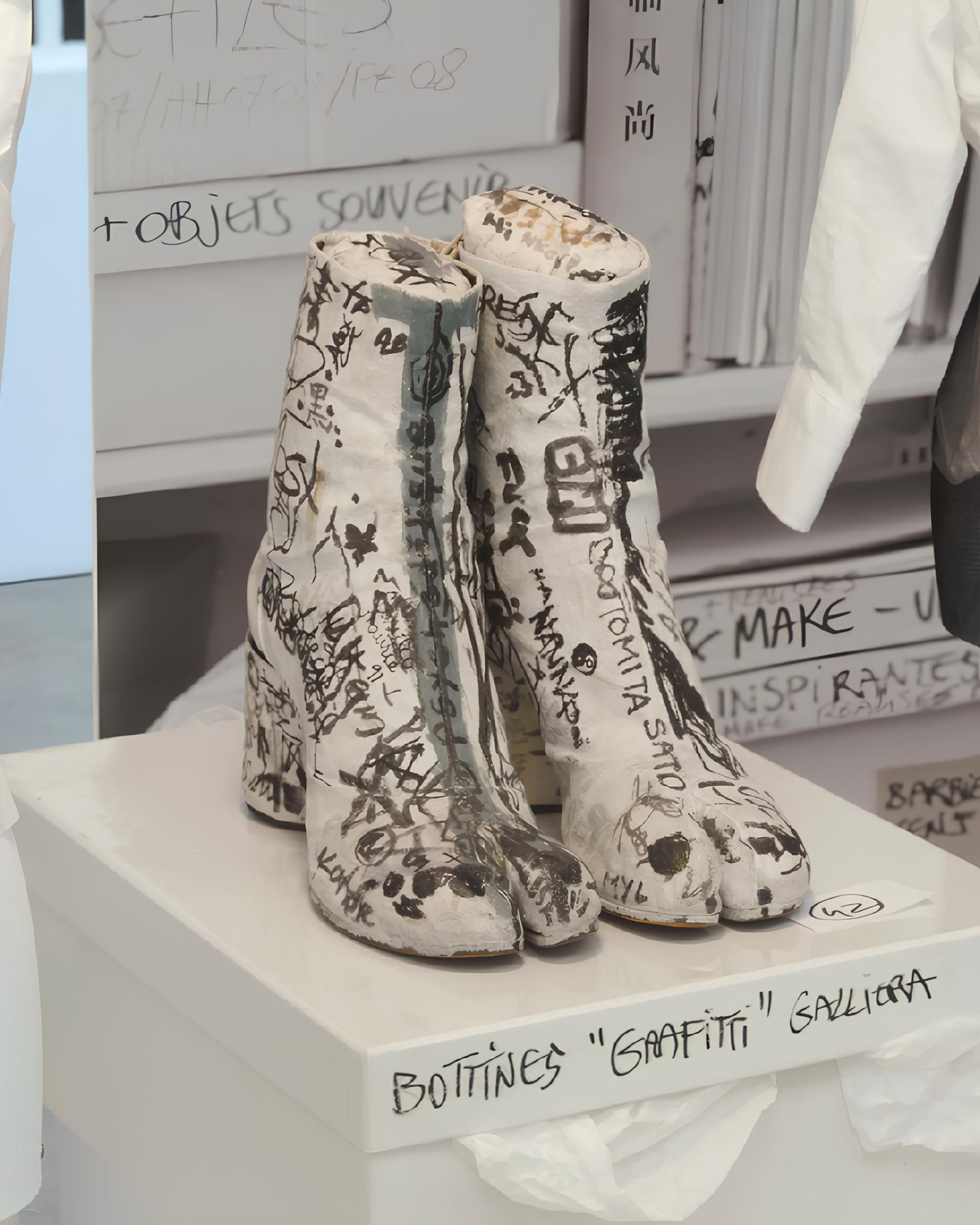
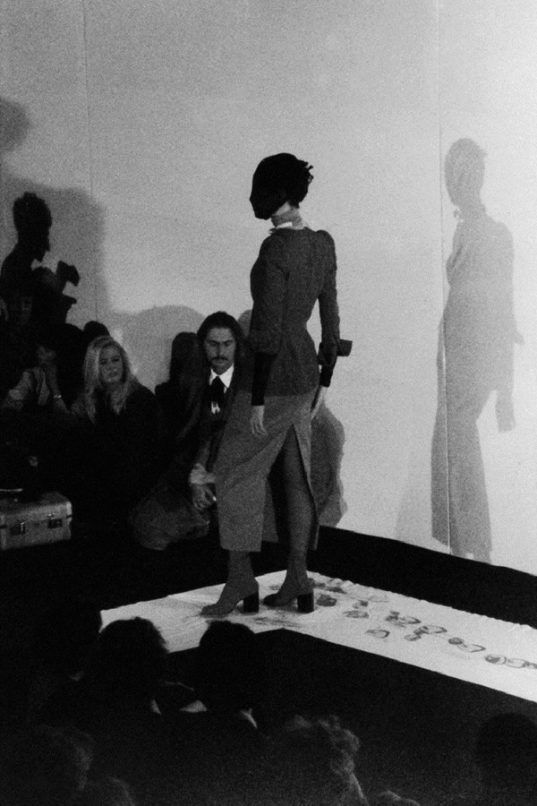
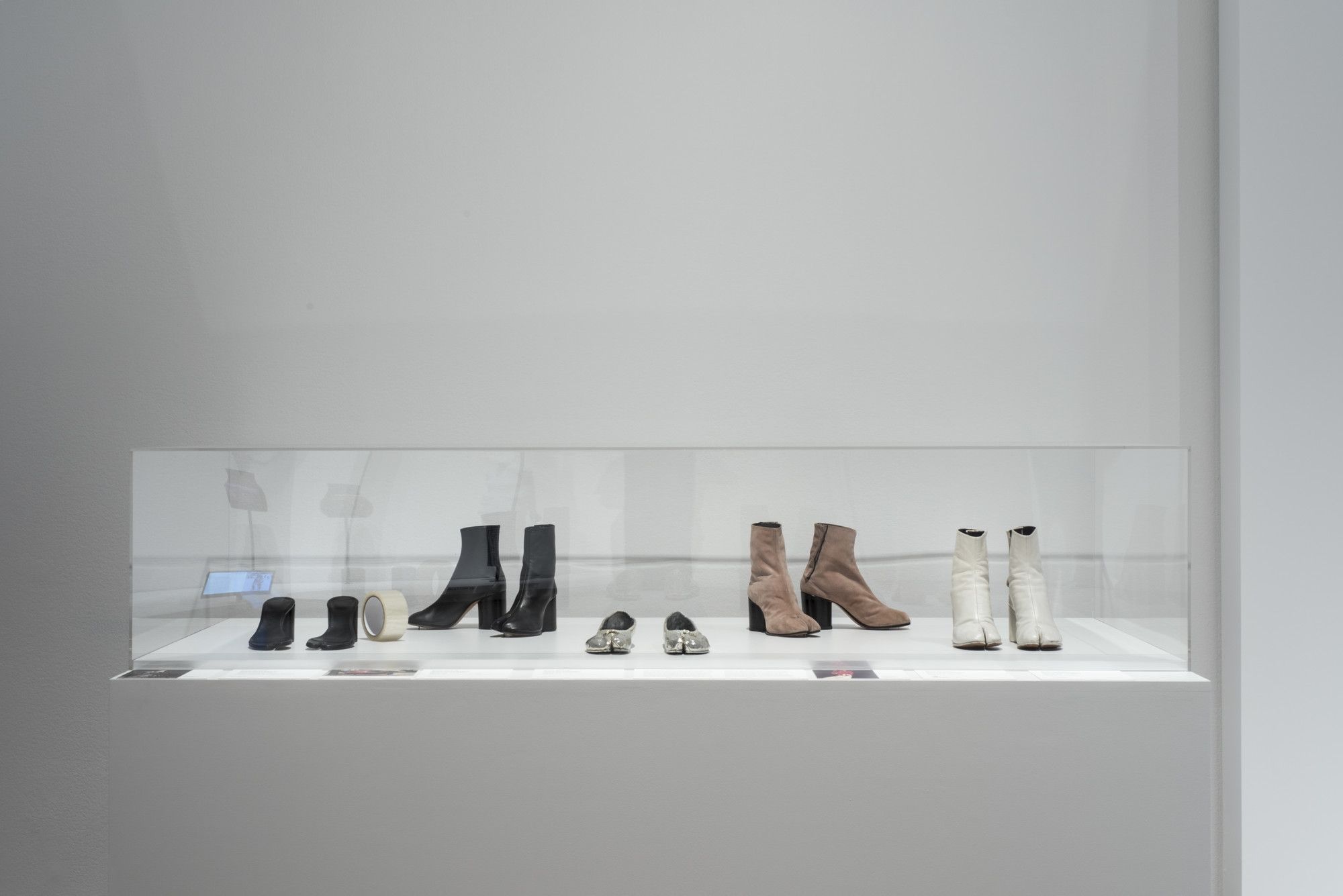
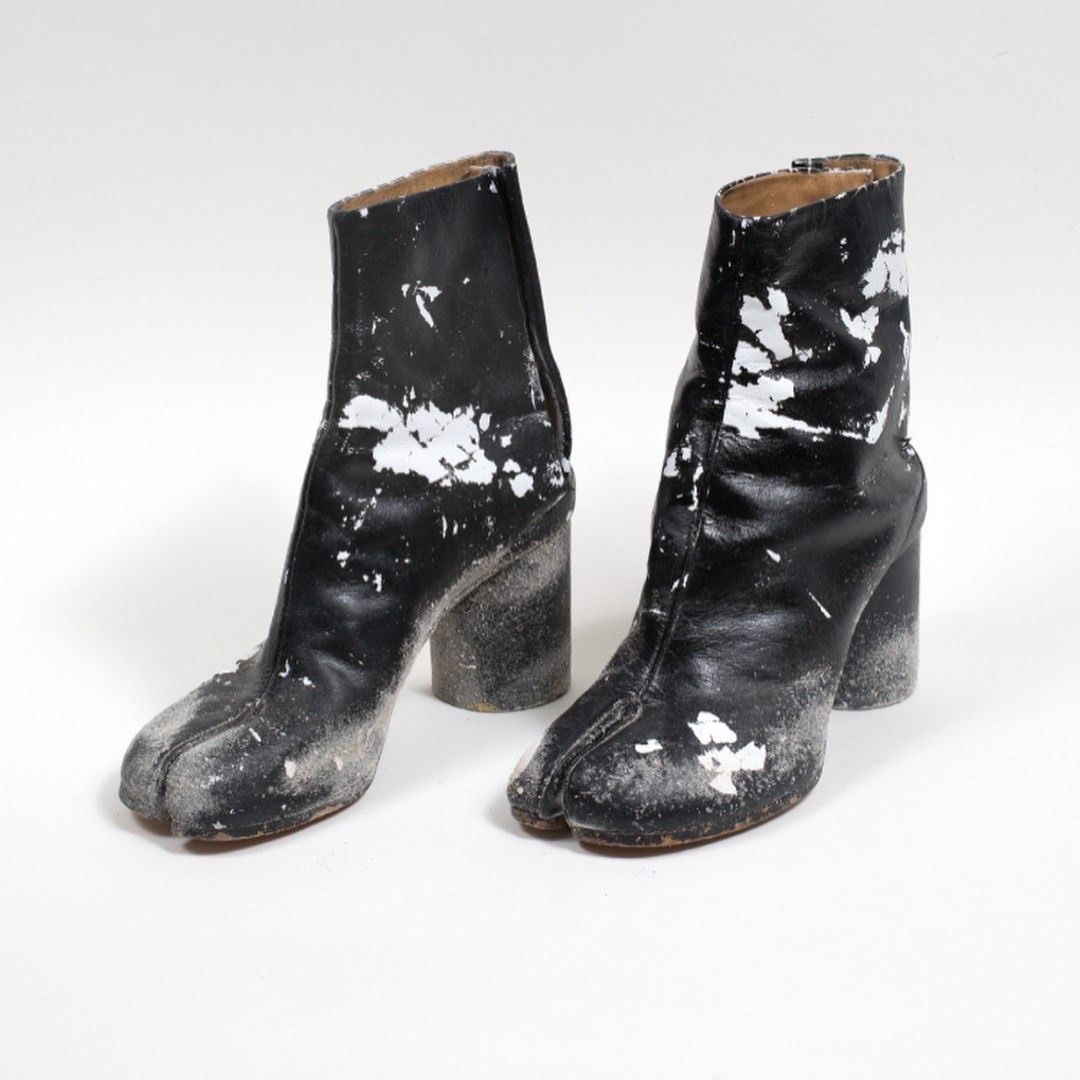
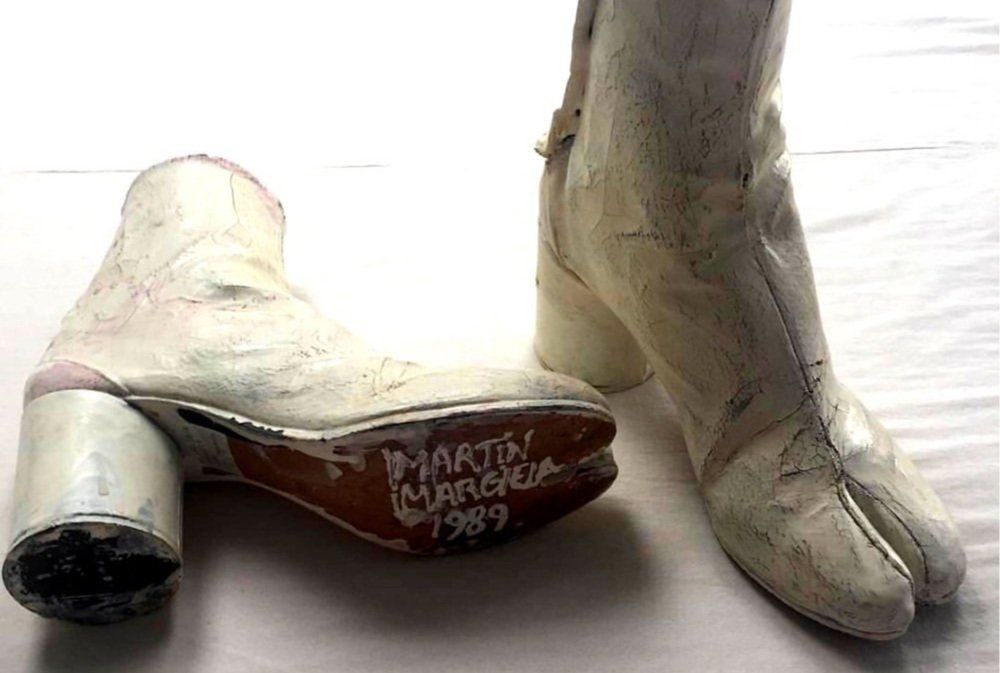
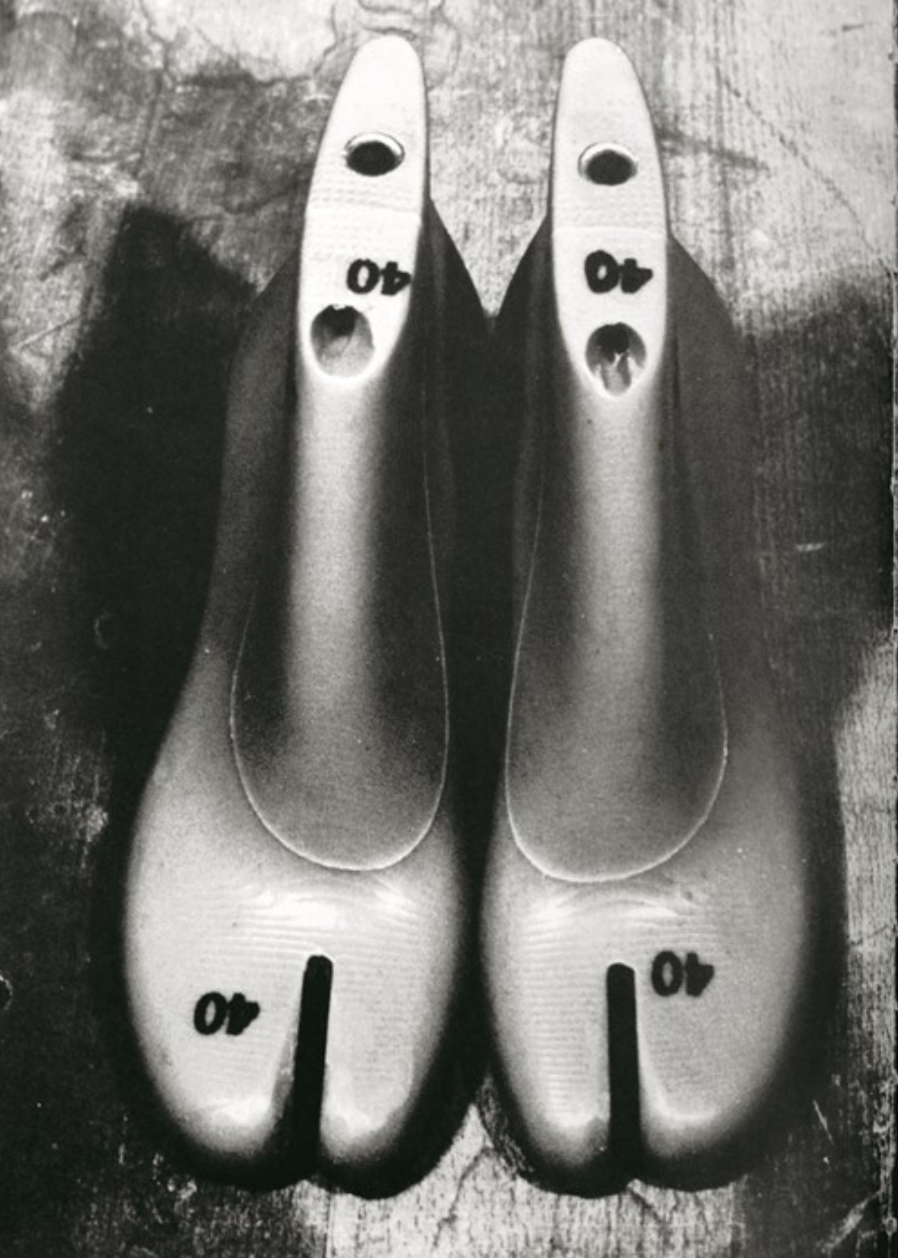
While we’ve mainly focused on the concepts and abstract innovations the designer introduced throughout his career, it’s time to highlight one item—or rather *the* item—by Martin Margiela that revolutionized fashion and footwear in its own right: the Tabi. It’s impossible to discuss the Belgian designer’s work without mentioning the split-toe shoes, which by 2025 are a staple in the wardrobe of any self-respecting fashion lover. In 1988, at the dawn of the Maison’s first runway show, Martin Margiela, eager to create a never-before-seen shoe, drew inspiration from Japanese workers and their flat cotton shoes, observed during a prior trip to Tokyo. He reimagined the silhouette—resembling an animal hoof—as a leather boot with a block heel, and to give it a striking twist, he coated the shoes in red paint so that models would leave split footprints on the runway. This staging gave the Tabi its reputation as a symbol of anti-fashion, but while initially seen as niche, they remained beloved by followers of that aesthetic until a resurgence in 2021, and then a true revival in September 2023 when a storytime about a stolen pair went viral. Since then, Maison Margiela’s Tabis—available in ballet flats, Mary Janes, loafers, and brogues—have experienced explosive popularity, topping the trend charts according to Lyst.