What do the American Midterms mean for fashion? The markets, if nothing else, reacted well
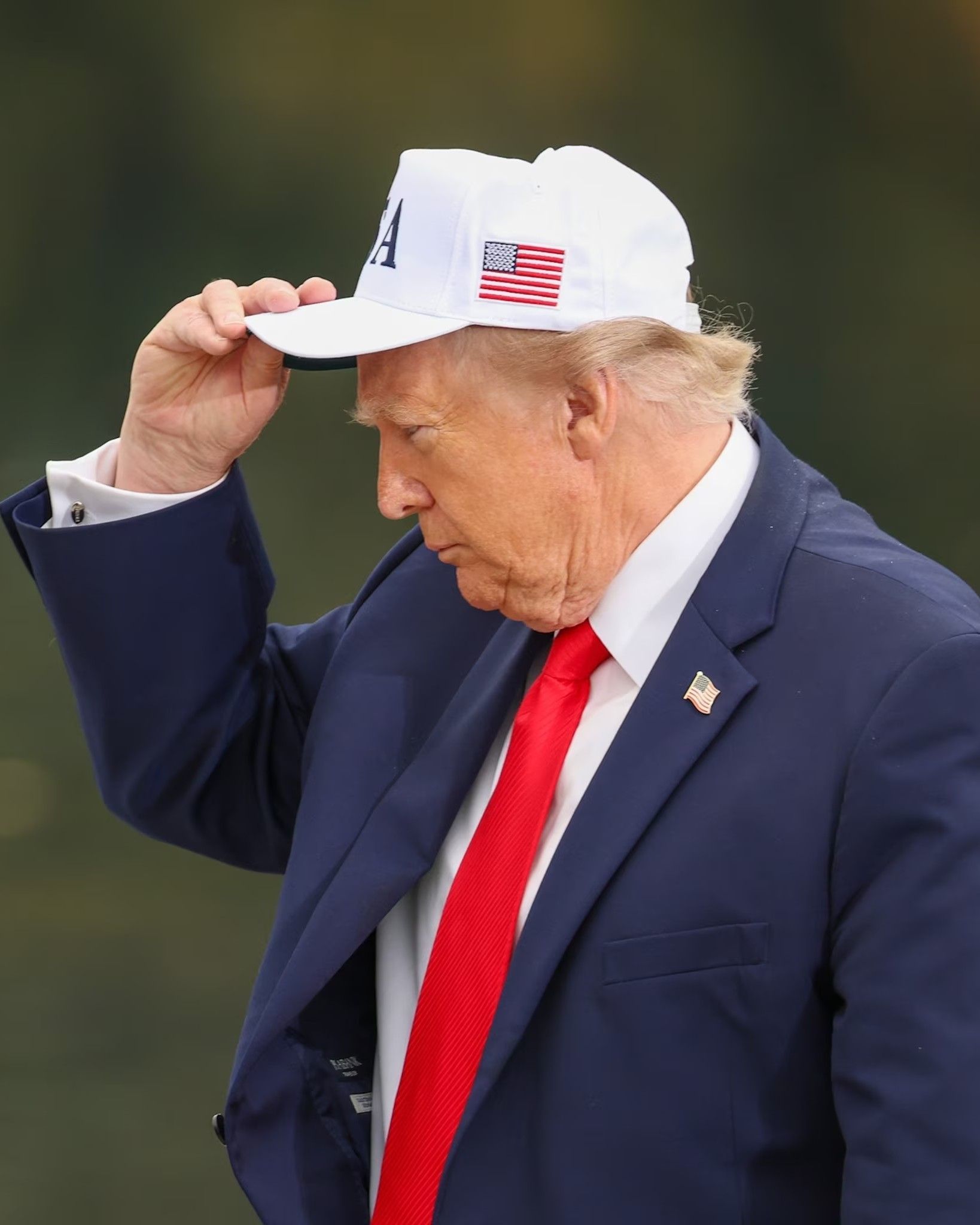
Fashion is political, but fashion undeniably dislikes dealing with politics. And Donald Trump has given fashion far too much to think about over the past two years. From the absolute circus of Trump's famous tariffs (a genuine torment even for the nss magazine editorial team, which had to write about them) to the return of conservatism, the antics of Elon Musk, the tech oligarchs, the controversies that erupted around every Sydney Sweeney marketing project, the Ozempic bodies and the Mar-a-Lago faces, the past two years have been a genuine headache for fashion culture, for those who make it and for those who comment on it. Without, moreover, advancing the culture of our times by a single inch.
But in the wake of the American midterm elections, which handed Democrats control of both chambers of Congress, fashion finds itself implicated in many ways, first and foremost in terms of stock markets. Though further implications undoubtedly exist. But which ones?
The blue wave lifts the markets
As MF Fashion explains, European luxury markets recorded a decidedly positive reaction to last night's results. On Wednesday morning, the main European fashion indices saw widespread buying in sector stocks, as the outcome signals greater stability for luxury companies, as well as a prospect of easing commercial and geopolitical tensions in recent months.
Following the announcement of the election results, Kering saw its shares rise by 3%, followed by Hermès up 1.9% and LVMH posting a gain of 1.1%. In Milan, Moncler and Salvatore Ferragamo gained around two percentage points, while Brunello Cucinelli recorded a slightly negative performance in the early hours of trading. In London, Burberry accelerated by 2.7%, and in Zurich Richemont posted a +2.3%. Going against the trend, on the Hong Kong exchange, Prada closed the day down 1.17%.
In US pre-market trading, Estée Lauder showed a rise of around 1.2%, also supported by the presentation of new financial targets through to 2030. In subsequent sessions, American sector stocks, which had appeared little changed at the open, then recorded significant gains: Ralph Lauren closed up 4.48%, Capri Holdings around 5.8%, Tapestry up 3.54%, and Zegna with a gain of close to 7%.
As we anticipated, this exuberance in the markets stems from the fact that, with the Trump administration losing control of Congress, the ability to unilaterally impose new tariffs or to abruptly alter trade policies has more or less disappeared. Indeed, we have seen in recent months how the US had become the primary engine of luxury growth on a global scale: Hermès had reported an 8.8% increase in the Americas, Zegna had spoken of double-digit growth in the region, and Kering had identified North America as the only area of expansion. The resilience of high-end consumer spending, despite the climate of uncertainty, had already demonstrated a degree of robustness. Investors are now betting that a divided Congress could foster a more favourable environment for premium companies and consumers.
But beyond the stock markets?
One silver lining from election night? Free trade was the biggest winner.
— Stephen Moore (@StephenMoore) November 4, 2026
Voters hated tariff policies, especially in the South and in rural America. pic.twitter.com/AULQyyZ899
The midterm result has not so much delivered as at least allowed a glimpse of decompression from the many geopolitical problems that have weighed on fashion's finances, on all other industries, and on citizens around the world: the conflict in Iran, the oil blockade, tariffs and trade policies, and also the advancement of the AI industry. This particularly concerns key states such as Texas, which accounts for roughly a quarter of the data centre capacity planned in the United States, and whose new Democratic governor Gina Hinojosa is strongly opposed to the deregulated development of data centres and is calling for moratoriums and stringent rules. And indeed, as Morning Star explains, shares in Asian chip manufacturers have plummeted.
As far as fashion in the strict sense is concerned, however, changes could be on the way. The recent push in American wealth creation, which has partly underpinned the recovery in luxury demand in the United States, is in fact tied to the newly wealthy generated by the artificial intelligence boom and, to a lesser extent, by cryptocurrencies. Analysts and industry reports cited by Reuters highlight how IPOs and the revaluations of AI-linked companies (from SpaceX to OpenAI and Anthropic) have created thousands of new millionaires and billionaires, many of whom are directing a portion of that liquidity towards watches, jewellery, handbags, luxury real estate, jets and yachts.
Bloomberg has stated outright that the new AI wealth can fill the void left by the previous cryptocurrency cycle and give the luxury sector breathing room, provided that the recent sell-offs in chips and concerns over data centre funding do not turn into a broader collapse. Similarly, Business Insider reports that, as long as AI valuations do not crack, this new wealth remains an important driver of the current American luxury upswing. If, however, those segments were to come under severe pressure, the spending base of the tech "newly rich" would shrink and luxury would feel the impact directly. And then the problems would be of a far greater order.