





































« Histoires de la nuit » is a Party We Wouldn't Want to Be Invited To Léa Mysius's thriller was presented in competition at the Cannes Film Festival
The ongoing debate surrounding the access that genre films usually have to the competitions of major festivals remains wide open. There are, of course, exceptions, and in recent years, the barriers have been broken down thanks to major wins like the Palme d'Or for Titane or cinematic phenomena like The Substance. At the 79th edition of the Cannes Film Festival, the presence of a title like Hope in the official competition is surely a sign of changing times. It is with this awareness, therefore, that any criticism leveled at another film in competition, Léa Mysius's Histoires de la nuit, is not directed at its nature as a thriller, but simply at its craftsmanship.
The work is an adaptation of Laurent Mauvignier's 2020 novel of the same name, written for the screen by the director herself, and featuring a cast of well-known faces from the French and international scene, from Hafsia Herzi to Benoît Magimel, along with Bastien Bouillon and Monica Bellucci. A celebration turns into a nightmarish evening for the characters of Nora (Herzi), Thomas (Bouillon), and their young daughter Ida (the young Tawba El Gharchi), when criminal and dangerous memories from the woman's past show up uninvited. Offered as gifts are a series of revelations that unveil unspeakable secrets and bloody deeds. This invasion of the family’s privacy further fractures their already strained dynamics and contributes to escalating tensions among its members.
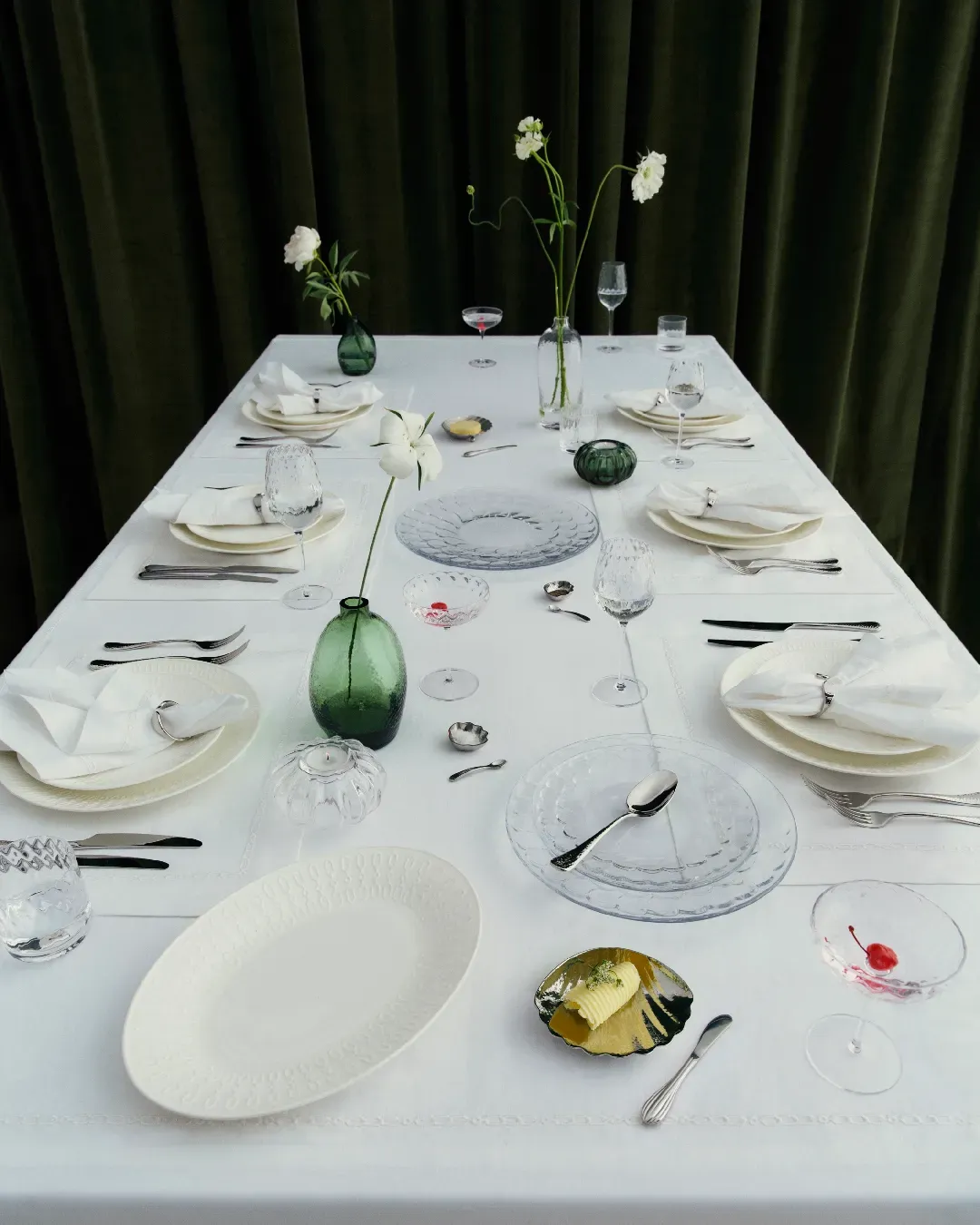
However, it cannot be said that this tension translates to the audience. Welcomed into the cluster of houses where Nora and her family live—neighboring the unfulfilled artist played by Bellucci—the viewer is invited to sit back and watch a sadistic game unfold during dinner, one that for a long time seems to lead nowhere. Even when the cards are laid on the table, the film remains superficial, revealing a writing flaw rooted in the belief that a few unsavory mysteries are enough to carry the weight of an entire film. It is a screenplay where the actors run on a loose leash—perhaps too loose—and their performances do not always mesh with one another or with the atmosphere of the perilous party they are attending.
There is a strong urge to get down in the mud, but this obsession with shocking the audience ultimately disrupts the direction of the tone, the performances, and the intensity required for Histoires de la nuit. In the end, everything feels preordained, and even those few elements that deserved deeper exploration fail to get to the core—or at least, not in a visceral or original way. Take, for example, the relationship between Nora and her daughter Ida: while it is certainly a crucial axis within the story's more intricate threads, a deeper analysis and a more detailed development would have benefited the characters' psychology, shedding light on their behaviors and decisions.
Unfortunately, the acting also ends up being constrained by the script, and the actors fail to take control of it. The characters are never truly in focus; much like the past that comes knocking at Nora's door, they are merely sketched out, leaving it up to interpretation to find any semblance of introspection in the roles. These are people we certainly wouldn't want to spend a party with, and we would probably turn down an invitation to go to the movies with them too—especially if the film on offer is Histoires de la nuit.
What to read next
Cannes Films Land in Paris
Exclusive catch-up screenings to discover the hidden gems of the Croisette

"Roma elastica": Don't Try to Understand It, Feel It
Bertrand Mandico's new film was presented out of competition at the Cannes Film Festival
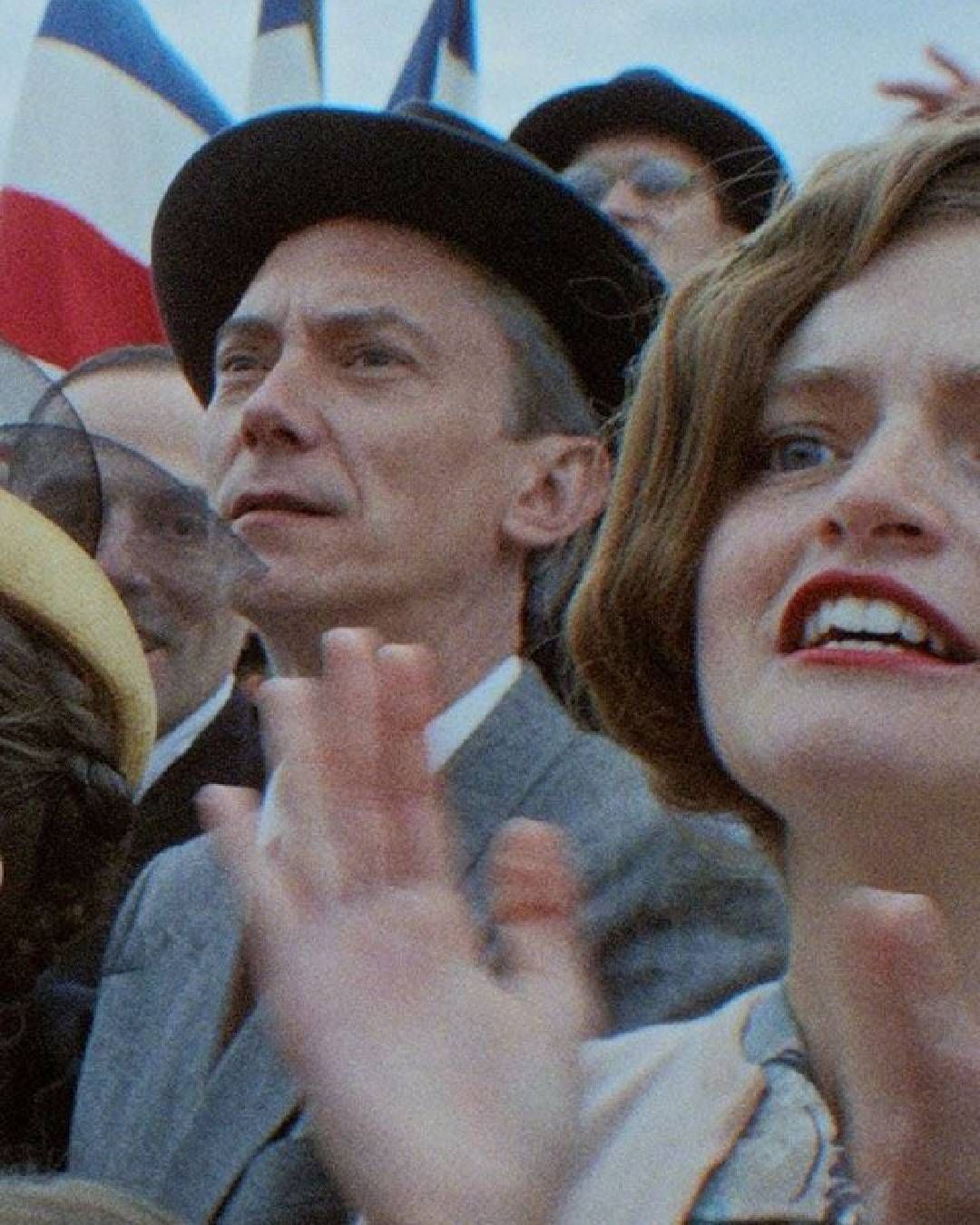
"Notre Salut" is Emmanuel Marre’s imposing period reconstruction
The story is inspired by letters from his great-grandfather, set against the backdrop of the Vichy regime in the 1940s