

























Where are the women in Paris galleries? Parisian Art: A gentlemen’s club that forgot to change centuries
While the Grand Palais was dazzling the "Tout-Paris" during the Art Paris fair, the collective La French took care of decorating the restrooms. Between two glasses of champagne, visitors discovered the stomach-turning figures of gallery parity. The verdict? Must do better. Much better.
A Stain on the Numbers
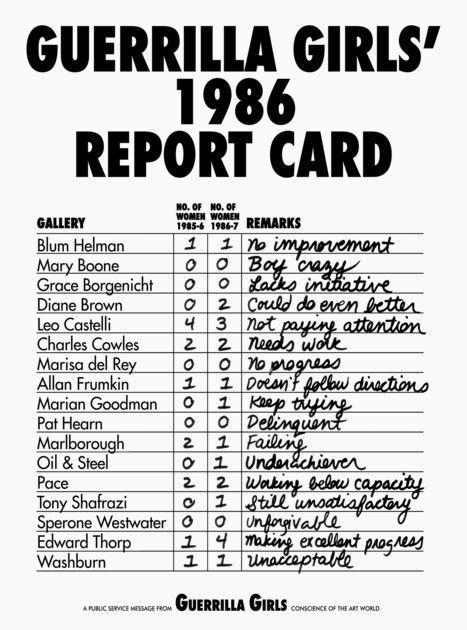
While gallerists were busy adjusting their tortoiseshell frames, activists from La French plastered the raw reality onto the bathroom walls: a scathing report card for the biggest names in the Parisian market. At Galerie Claude Bernard, they cultivate a record-breaking patriarchal nostalgia with only 6% women (84 men for 5 female artists). At Yvon Lambert, minimalism doesn’t stop at the artworks; it clearly applies to the roster, which caps at 10%. As for Galerie Templon, it barely exceeds 15%, confirming that in these bastions of Parisian chic, parity is still treated as an optional extra rather than a cultural necessity.
Daniel Templon, interviewed by Télérama, didn’t miss the chance to pour fuel on the fire: "I am against parity and I refuse to systematize: just because a painter is a woman doesn’t mean she paints well." A statement that reeks of the 19th century, proving that some gallerists still haven't digested Linda Nochlin’s seminal essay: "Why have there been no great women artists?" Spoiler: it’s not a question of talent; it’s a question of the system.
The paradox is even more violent given that in art schools, women are the driving force, representing 70% of students. Yet, once they have their diplomas in hand, the glass ceiling turns into a concrete wall. Only 23% manage to cross the threshold of a gallery. Where do the other 47% go? Evaporated into the depths of a milieu that still prefers the term "genius" in the masculine form.
From New York to Paris: The Legacy of the Guerrilla Girls
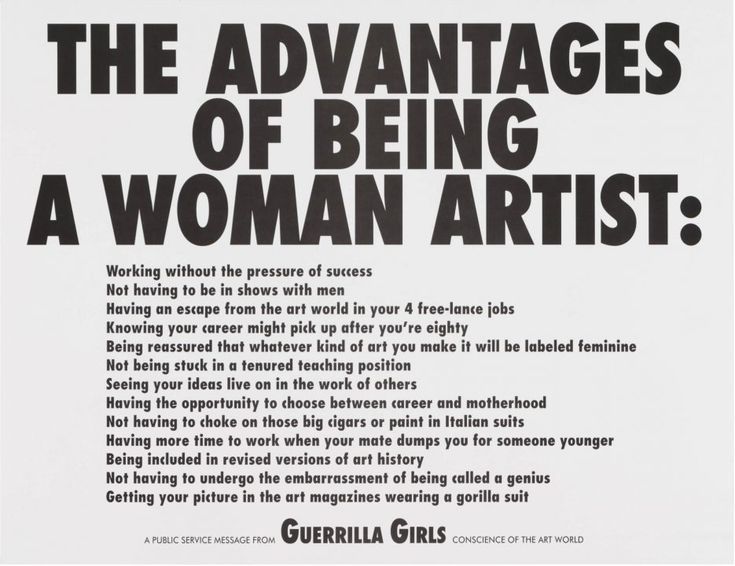
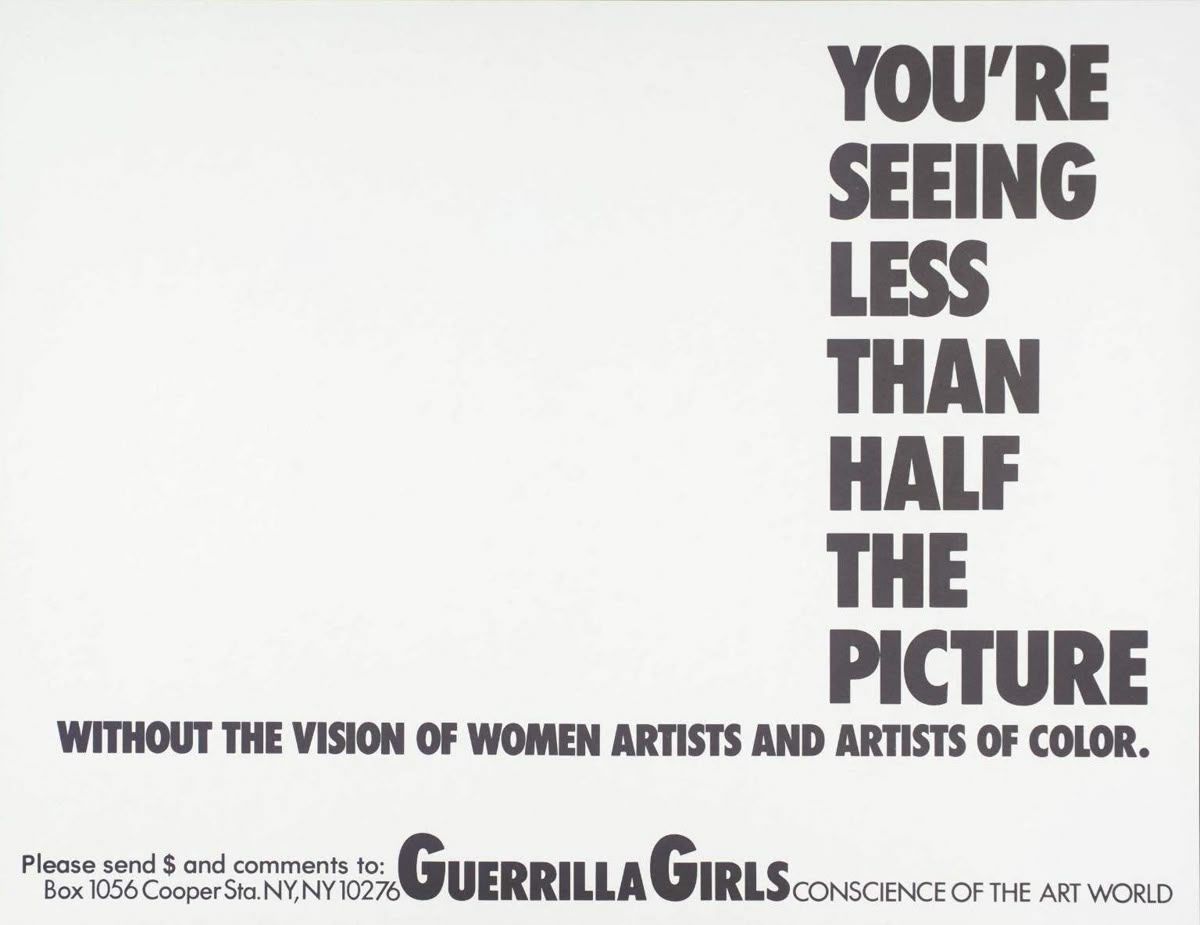
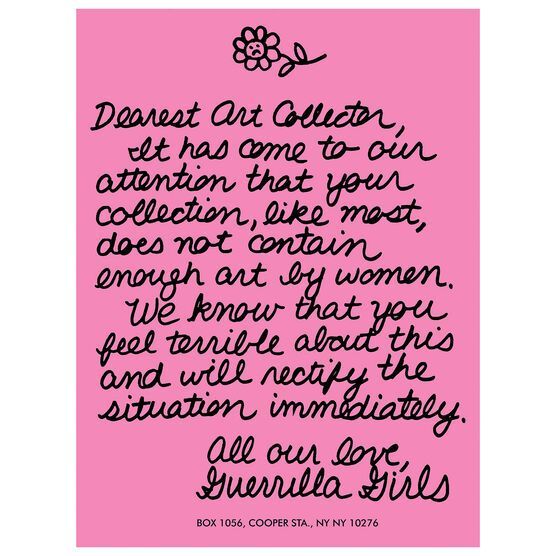
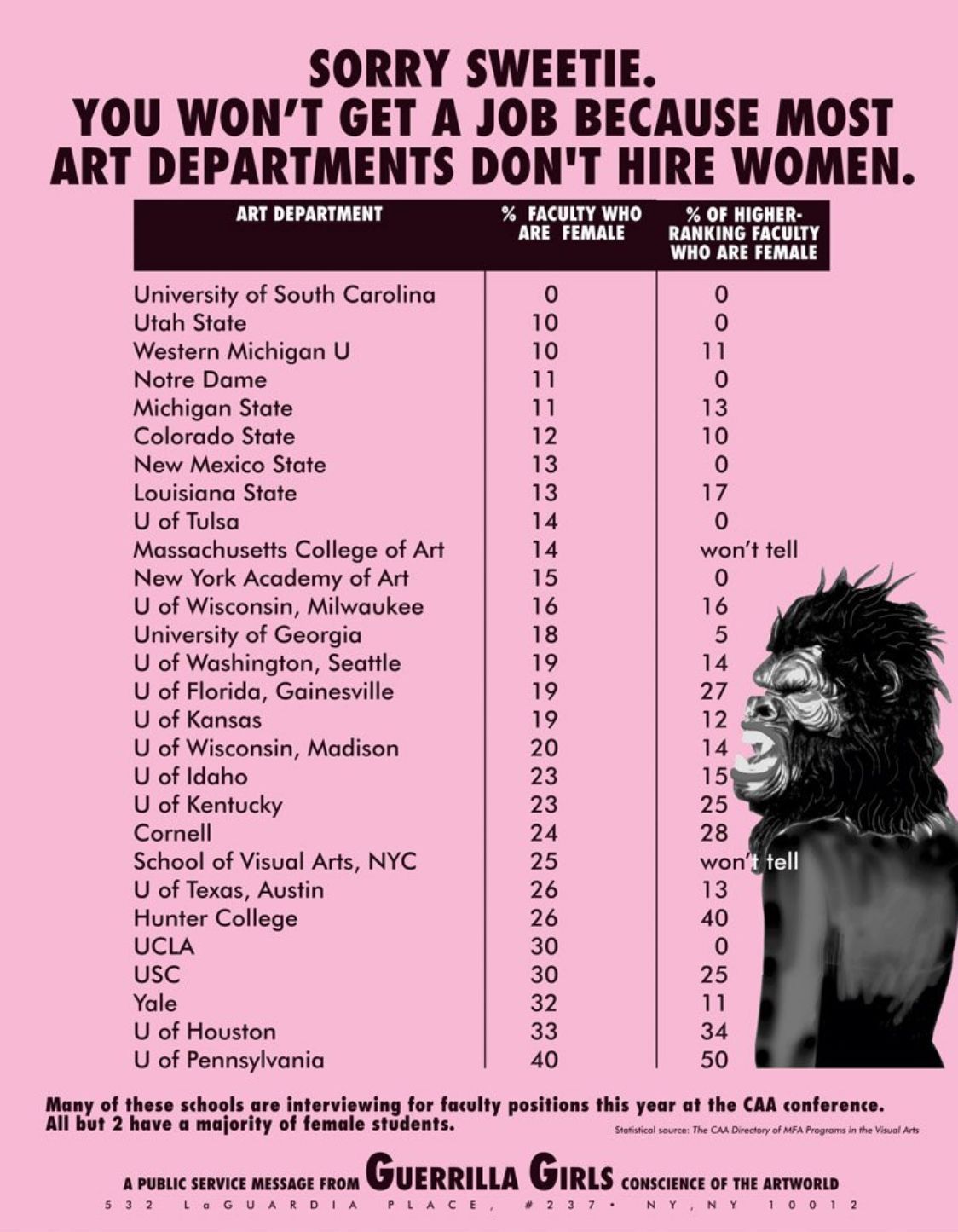
This fight wasn't born yesterday. La French follows directly in the footsteps of the Guerrilla Girls, those New York activists who, as early as 1985, donned gorilla masks to denounce the boys' club at the MoMA (13 women out of 169 artists at the time). Forty years later, while the masks have changed, the observation remains bitter: the very structure of artistic institutions continues to validate the pattern of woman as an object of creation (female nudes saturate museums) rather than a creative subject.
The Exception that Proves the Rule: The Her Art Prize
In the face of this parity desert, an oasis finally emerged in 2025 with the creation of the Her Art Prize, the result of a partnership between Art Paris, Marie Claire, and Maison Boucheron. The goal? To reward the career of a woman artist whose unique work has finally managed to move the needle. For this edition, the jury -including Louise Bourgoin, Michèle Lamy, and Alice Diop-chose an international and committed selection.
The spectrum is broad: talents aged 32 to 79 tackling burning issues. Themes include environmental urgency and the relationship with the living world (Alice Bidault, Janet Laurence, Christiane Löhr), as well as the denunciation of violence against women (Otobong Nkanga, Nazanin Pouyandeh, Shilpa Gupta, Mary Sibande). Others explore the quest for identity and the memory of ancestral gestures (Sandra Vásquez de la Horra, Juanita McLauchlan, Elsa Sahal, Kenia Almaraz Murillo, Sara Ouhaddou). A necessary prize, certainly, but one that above all highlights that in 2026, we still need exceptional measures for the work of women to emerge from the shadows.
From the Canvas to the Catwalk
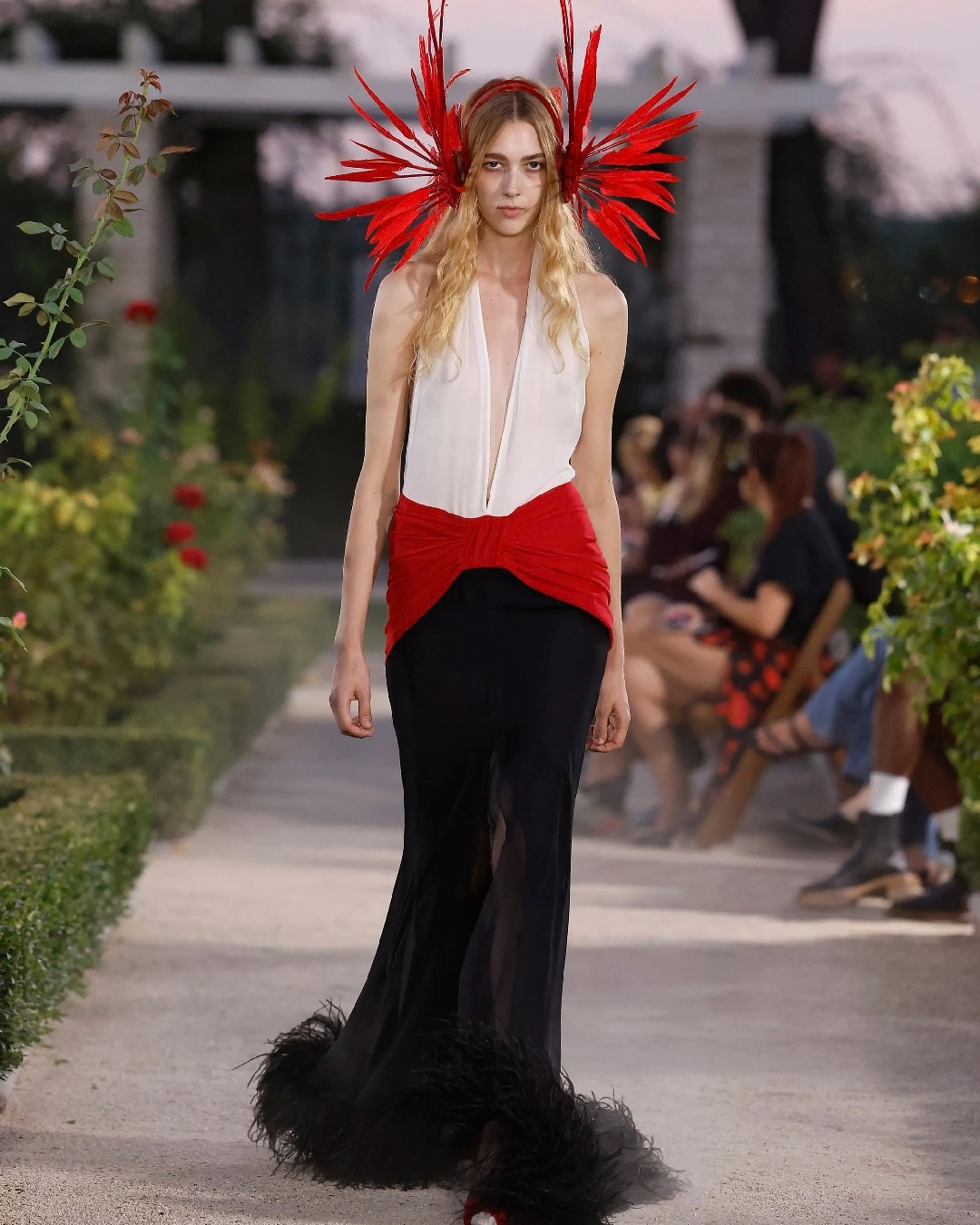
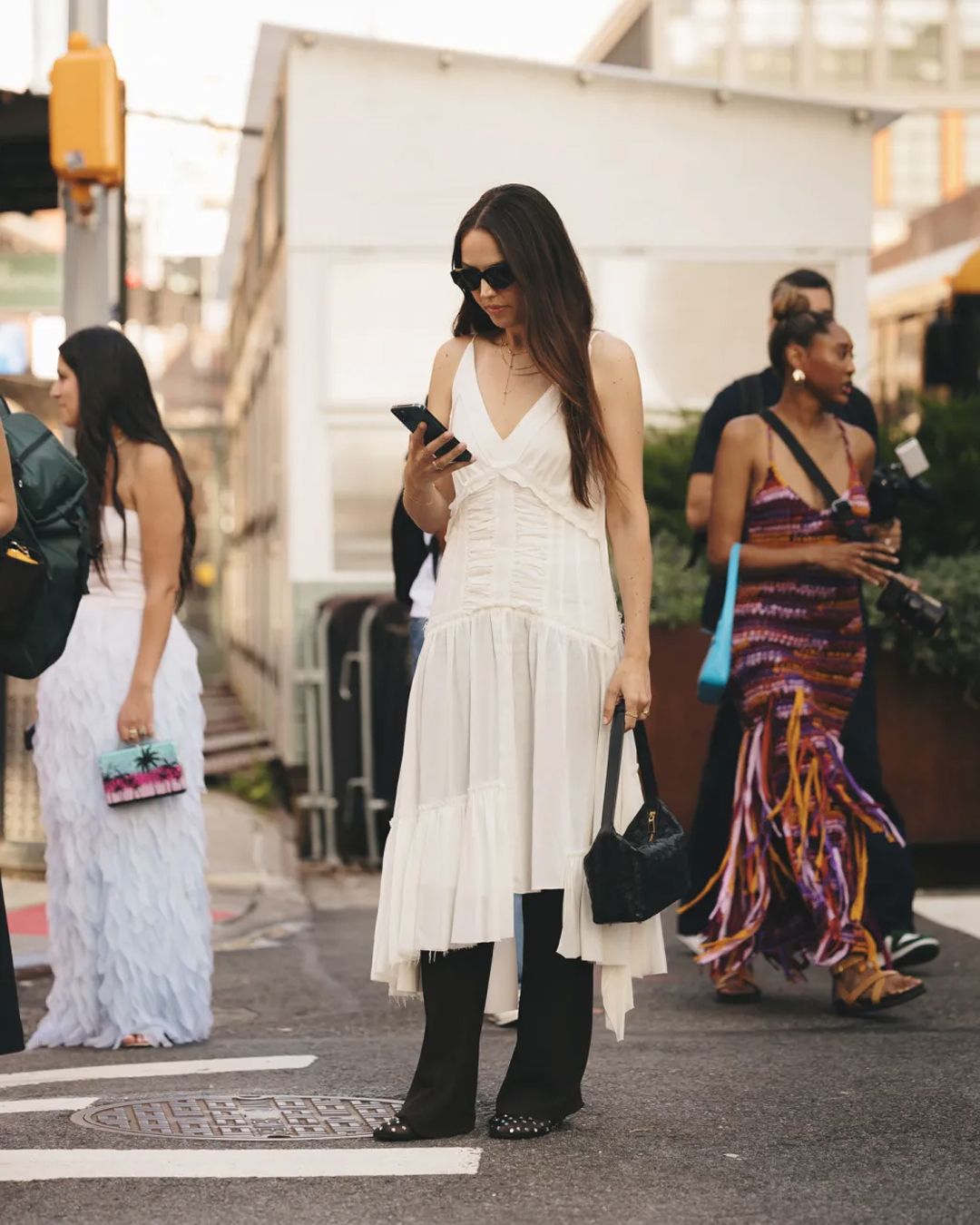
This systemic contempt is not exclusive to galleries. It finds a striking echo in the couture houses. There, too, the paradox reigns supreme: while fashion is an industry that primarily targets women and relies on their labor (seamstresses, marketing, purchasing), Creative Director positions remain a male-dominated stronghold.
Just as in art, we rave about female "sensitivity" only to better entrust the reins of power to men. Between 2024 and 2025, the game of musical chairs in fashion reminded us that on the runway as on the canvas, women are accepted as muses, as customers, or as executors -but rarely as the ones who hold the power of creation.
Whether at Templon or on Avenue Montaigne, the rhetoric remains the same: "talent" or "vision" is invoked to mask crude conservatism. As long as we continue to mistake "neutrality" for "masculinity," the report cards will continue to flirt with a failing grade.
Cover credits: Sophie d'Herbecourt