










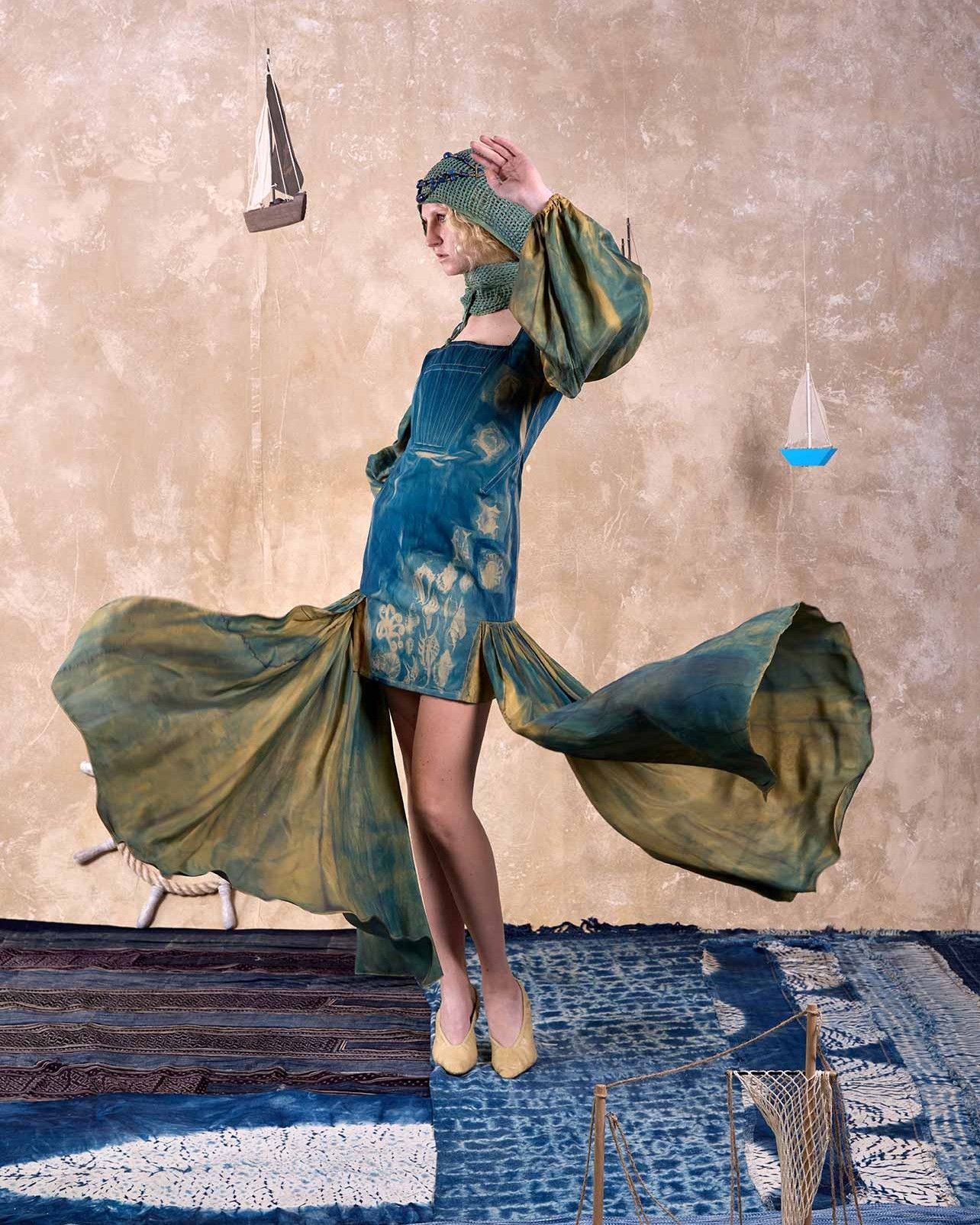









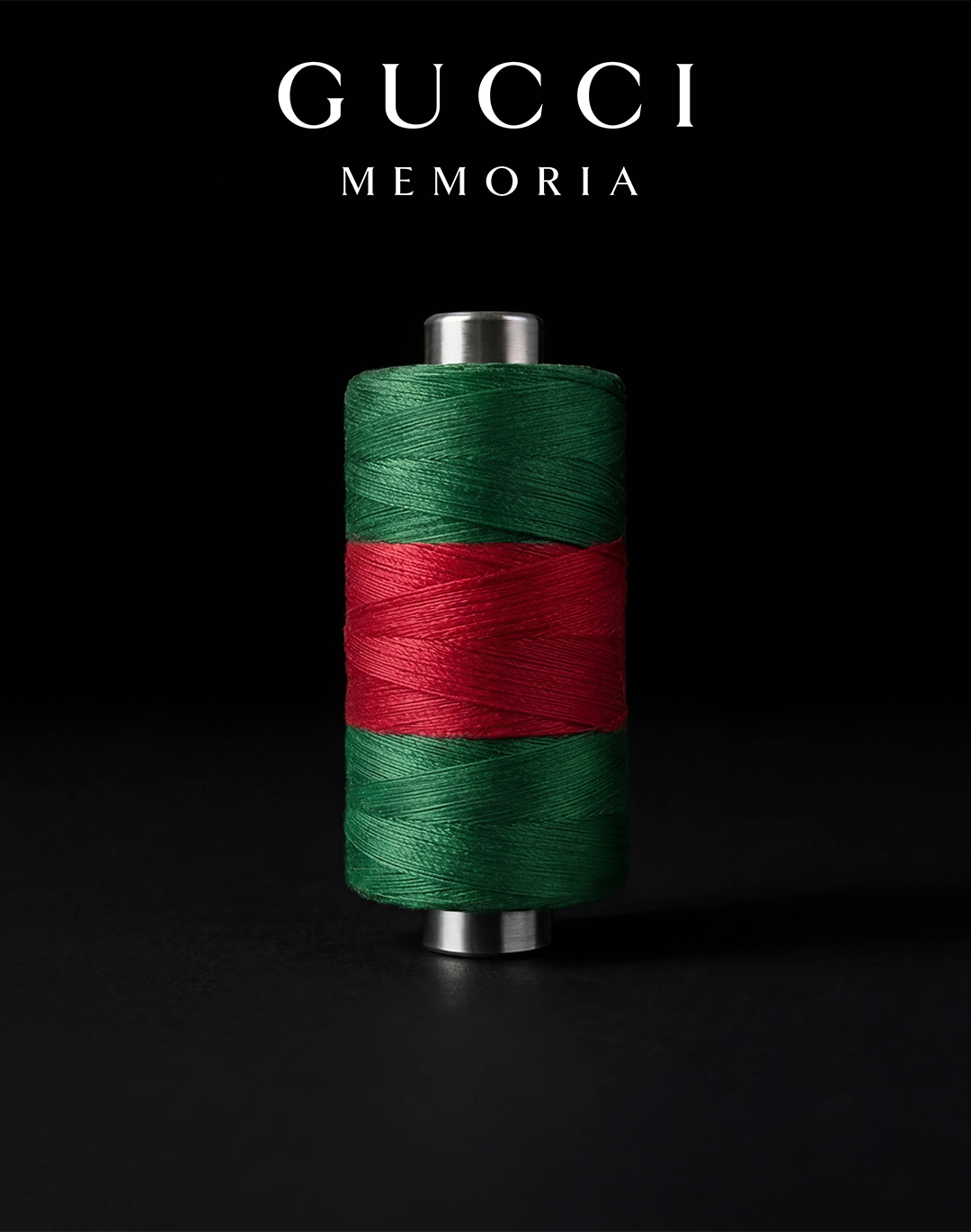
Gucci by Demna is coming to Milan Design Week A storm is expected at the Milanese Fuorisalone
The Milan Design Week 2026 is just around the corner and, as expected, a storm named Gucci Memoria is on the horizon, marking the debut of the brand’s new creative director Demna at the Fuorisalone. Expectations are already so high that people are talking about a complete sell-out, with queues that, in perfect Demna style, could become an integral part of the work itself at the Cloisters of San Simpliciano. As also highlighted in reports by the Salone del Mobile, operations like this help turn Milan into a widespread stage, generating phenomena of urban festivalization, though not without its downsides.
What is "Gucci Memoria"
Gucci Memoria, curated by Demna and part of the Milano Moda Design project by Camera Nazionale della Moda Italiana, presents itself as a symbolic reinterpretation of the brand’s 105-year history. Not a traditional retrospective, but a layered reflection on the identities that have shaped the brand over time. Demna appears to revisit and simultaneously rewrite Michele’s “Guccification”: the choice of location, the Cloisters of San Simpliciano, is no coincidence, as it is a space rich in memory and spirituality. According to the official press release, the complex will become the ideal container for a project that treats heritage as a living material, something that can be traversed and transformed.
The installation unfolds as an immersive journey where past and present, along with the respective ghosts of those who helped anchor Gucci in the collective memory, are in constant dialogue. Archival elements, iconographic references, and contemporary design interventions intertwine to build an almost dreamlike narrative. It is not just about observing, but about moving through, both physically and symbolically, the memory of Gucci.
The invasion of fashion
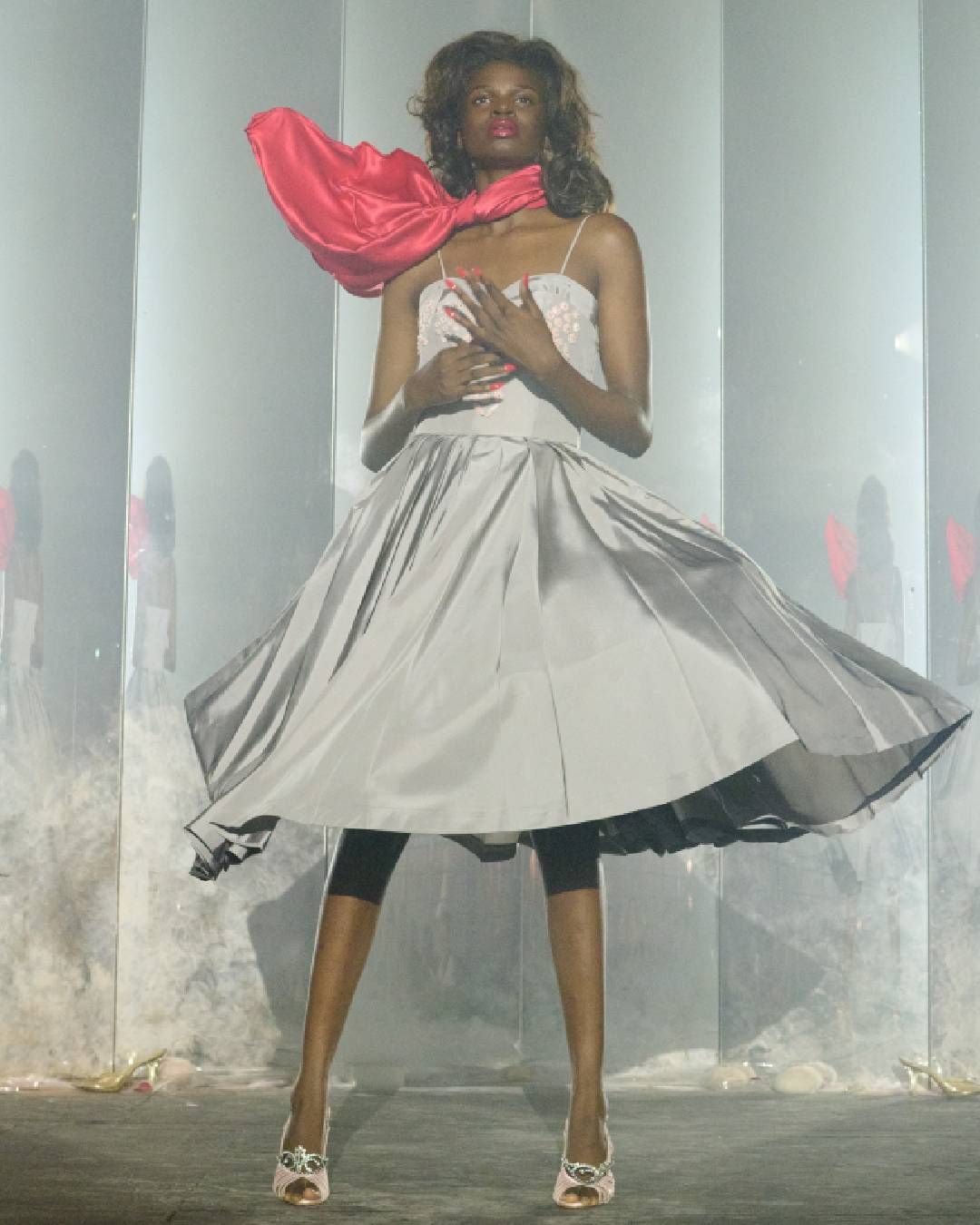
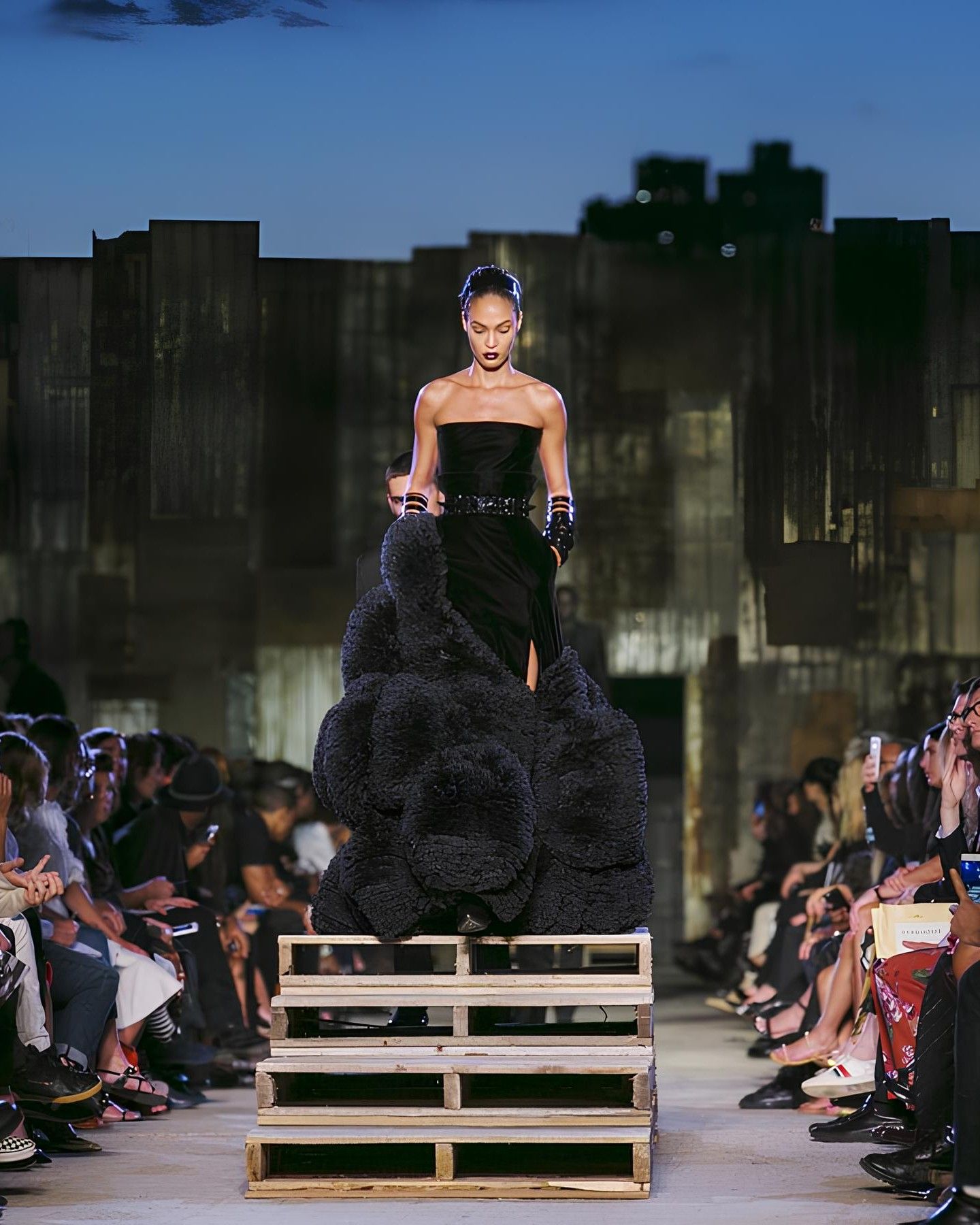
Gucci Memoria will be neither the first nor the last intervention, or incursion, of a fashion brand into the design universe. Rather, it fits into an increasingly evident dynamic. In a historical moment marked by a sector slowdown, maisons seem to respond with a clear strategy: occupying the cultural space of design, turning it into a narrative territory. Demna has already proven his ability to stimulate critical thinking and, more simply, capture the attention of his audience through hybrid forms of presentation.
In the case of the La Famiglia collection, some content appeared as pseudoinstallations with a strong narrative and ironic component, sparking both positive and negative reactions among insiders and beyond. Yet Demna has consistently tapped into the spirit of his audience and, more broadly, that of the contemporary fashion landscape. For this reason as well, Gucci’s event is shaping up to be one of the most discussed, given the radical approach with which the creative director may disrupt the perfectly regulated balance of design.
This process of guccification demonstrates how fashion has carved out its own space within the most important week for design, being itself part of design culture — which is why it comes as no surprise — and now claims its place. What we are witnessing is a shift in paradigm: brands are no longer simply exhibiting products, but building experiences, with installations, immersive environments, collectible objects, and visual devices that become tools to tell stories, evoke identities, and above all, capture attention.
The critical issues
@nssmagazine “Vieni a Vedere”, an installation by Bottega Veneta and Gaetano Pesce 15-22 April, via Montenapoleone 27/A (Milano) #bottegaveneta #bottegavenetabag #matthieublazy #store #exhibition #installation #art #gaetanopesce #fashion #design #milan #milano Body Language - Intro - Kali Uchis
However, this is not a phenomenon without its drawbacks. The increasingly spectacular expansion of Design Week brings with it several evident tensions: cultural exclusion, visual saturation, gentrification and, not least, a growing difficulty in interpretation even for industry insiders or, more likely, a trivialization of design. Added to this is another risk: homogenization. Different installations often end up resembling one another, sharing the same immersive language and the same need to capture attention, turning storytelling into something already seen. And yet, this is precisely the formula that works. Audiences continue to respond because these experiences are immediate, accessible, and designed to be understood even outside industry logic.
A terrain where more “niche” design still struggles to compete. Within this fragile balance between openness and saturation, Gucci Memoria takes shape, also embodying the natural duality of contemporary culture and, more broadly, of all those devices, such as fashion, that speak to the masses. On one side, the ability to be engaging, to stimulate thought and trigger new suggestions; on the other, a predictable risk: making a discipline like design more superficial, stripping it of its narrative, structural, and disciplinary depth. After all, contemporaneity is built precisely on these contradictions. And fashion, more than other languages, seems capable of navigating them, absorbing them, and inevitably giving them back.