

































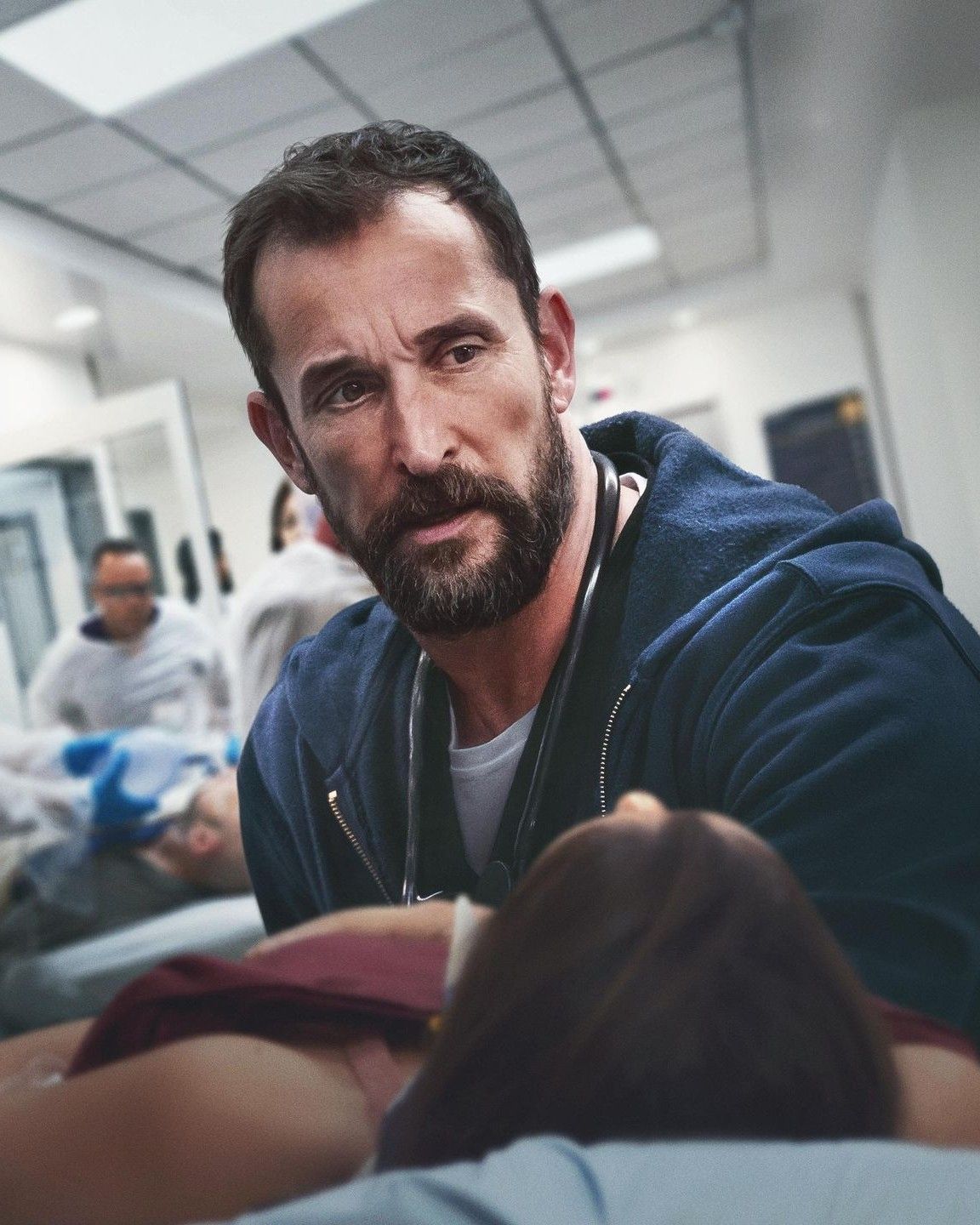
Why is everyone loving "The Pitt"? The series has an original structure and classic storytelling, as well as the familiar face of Noah Wyle
What a wonderful moment for The Pitt. The series is one of the most straightforward medical dramas, with its originality lying in the episode structure that, with a volume not seen in a long time, paces its story across fifteen episodes. That's a lot by today's serial standards, and it even resorts to weekly releases, which have borne fruit given the buzz that has developed around the show—first among doctors, then among a broader audience (another recent example? Heated Rivalry)—whose most original feature is not only what each episode aims to tell, but how it connects to the others to paint a bigger picture.
What is The Pitt about?
@hbomaxnordic And so it begins. Season 2 of the Emmy Award-winning Outstanding Drama Series #ThePitt original sound - HBO Max Nordic
The Pitt takes its title from the nickname for the Pittsburgh hospital where the story is set (“pit” also meaning “hole” or “pit,” but adding a letter turns it into “pity,” or “compassion”). The narrative structure is marked by every hour that makes up a work shift for the characters, who will therefore be followed by viewers through the fifteen hours they must spend dealing with cardiac arrests, domestic accidents, and other fatal incidents.
We never leave the confines of the building; at most, someone steps just outside the main door for a phone call or goes up to the roof to receive a patient from an air ambulance. The audience’s proximity to the characters is the same as the characters’ proximity to the patients, remaining trapped in that “pit” where behind every door hides the (clinical and beyond) story of one or more people.
The handheld camera follows the doctors through the corridors of a hospital that makes no secret of its shortcomings, the few available beds, and the even fewer nurses it would need, exploring both the structural difficulties of a hospital system and the concepts of life and morality that doctors must confront every day (or rather, every hour).
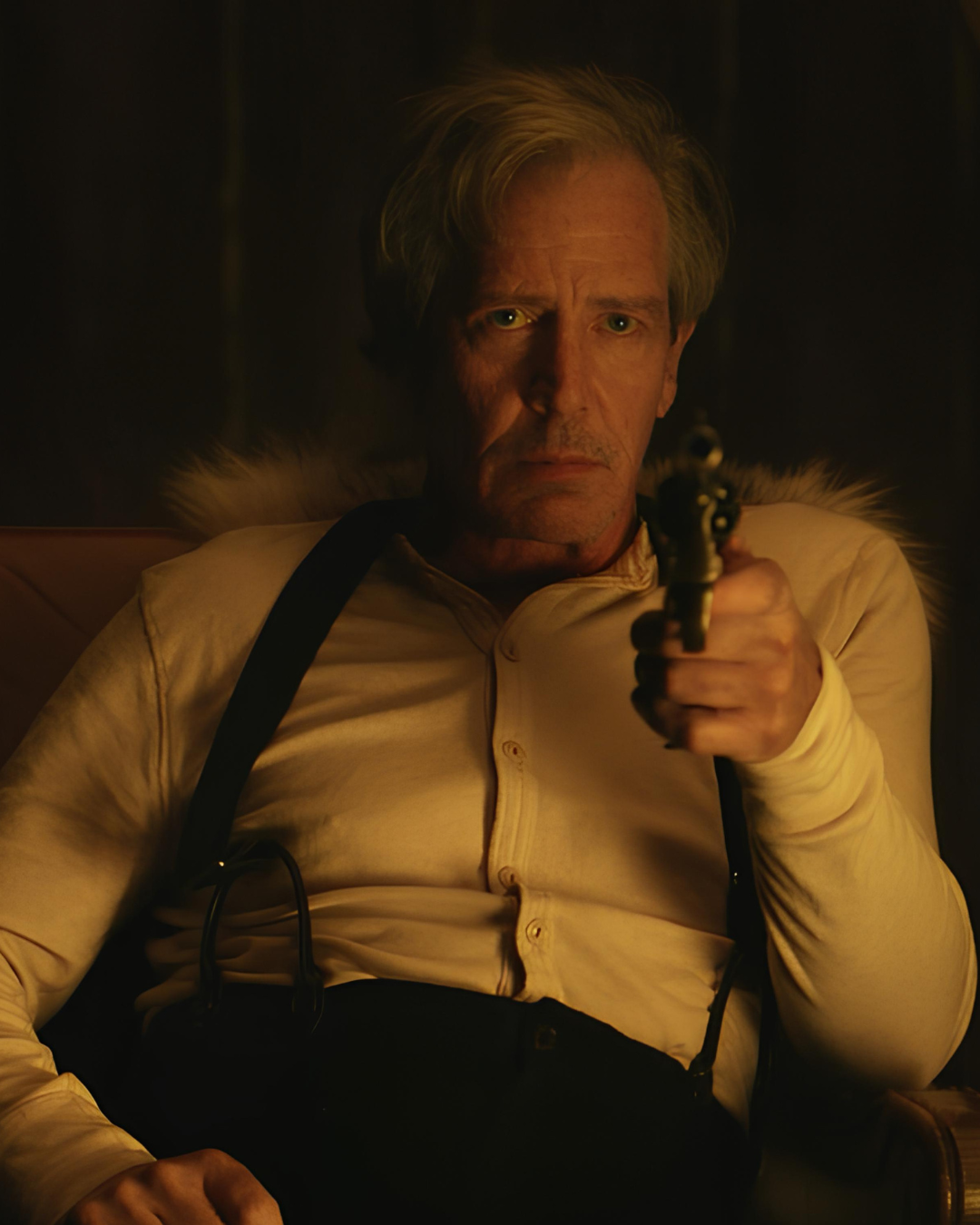
Practical problems intermingle with patients’ stories, creating a constant back-and-forth whose coordinates are held by the core of the series: Dr. Michael "Robby" Robinavitch, played by Noah Wyle, who nearly thirty years after his scrubs in E.R. - Emergency Room now wears those of The Pitt (even though the 1990s series continued until its fifteenth season in 2009). Another element that has surely contributed to the resonance the show has received, along with a certain affinity with classic, therefore reassuring, serial narratives for the audience. Paradoxically, given the themes addressed, and with a crew that includes several figures who actually came from E.R..
So, how is the series?
There are few certainties when producing and distributing a film or show, but that the public will always warmly welcome a comeback is fairly certain, especially when the connections to what was remembered or loved in the past are sentimental and/or vivid. Wyle continued his career after and during E.R., but finding him again in the mentor role for young residents is like watching the growth of a friend you knew at the beginning and haven’t heard from since, now able to update you on how their personal and professional life is going.
And with The Pitt, he has been able to step forward no longer remaining in George Clooney’s shadow, but becoming the star of the medical drama. It’s a reunion that happens with the actor on screen and the viewers watching from outside. A certainty that has helped shine a spotlight on the show and that is also—and perhaps even more—demonstrating the abilities of an interpreter who, after all these years, may not have earned a medical degree, but has certainly earned an Emmy Award and a Golden Globe.
And so fifteen episodes, fifteen hours of shift, and as many patients with whom the series has chosen to represent, in its first season, some of the symptoms of contemporary America (and the world): from lethal fentanyl overdoses to abortion practices to the creeping danger of incels. We therefore look forward to seeing what the episodes of the second season—already airing in the US and arriving on HBO Max Italy on January 13, with a confirmed third season—have in store, where the theme of artificial intelligence in medicine appears to be central and demonstrates the writers’ sharpness in turning the confined circle of The Pitt into a mirror reflecting what is happening in the world outside.