




























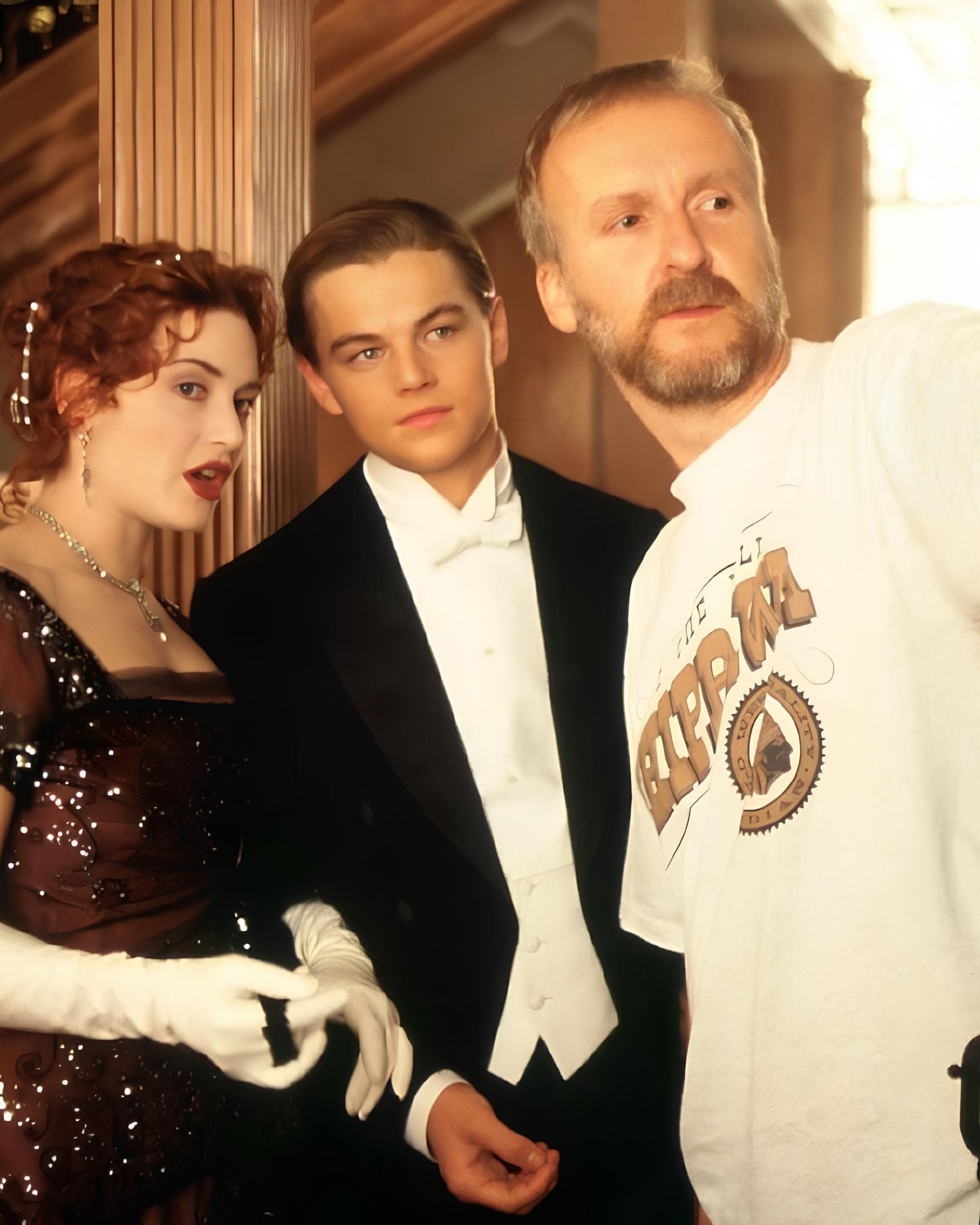
How did Hollywood react to the Netflix-Warner Bros. Discovery deal? From James Cameron to Jane Fonda, why the industry is unhappy with the deal of the century
James Cameron vs. Netflix
A few days before the future Netflix–Warner Bros Discovery deal, during the promotional tour for Avatar – Fire and Ash, James Cameron described a possible acquisition by the streamer as a disaster. «They put movies in theaters for a week, maybe ten days, just so they can qualify for the Oscars,» he said on Matthew Belloni’s podcast The Town. «It’s a practice that is rotten at the core. The Oscars, to me, have no value if cinema isn’t brought to theaters.» The director and screenwriter from Kapuskasing, Canada, knows this well, having spent around 400 million dollars on the third chapter of his legendary saga, a titanic undertaking for which it is only natural to expect audiences to watch it on the biggest screen possible.
Even though it’s true that Titanic, Cameron’s 1997 project, managed to build its own mythology by airing on television at least once a year, when the film returned to theaters in 2023 for its twenty-fifth anniversary, it topped new releases, with a debut of 120,000 euros that grew in the following days.
Netflix's consumer-first philosophy
The fucking Netflix Warner Bros news…pic.twitter.com/hWlpeaMEL5
— Bri (@BriAnimator_) December 5, 2025
A figure, although from a couple of years ago, that would seem to go against what Ted Sarandos, CEO of Netflix, stated some time ago, claiming that theaters are «an outdated model». He said so during the Time100 Summit held in April 2025 in New York, long before Netflix’s potential purchase of the historic Warner Bros for a value of 82.7 billion dollars. «Netflix is a consumer-oriented company» - notably, Sarandos does not use the word viewers. «Our goal is to offer content in the way the public wishes to enjoy it.» According to the co-CEO, this no longer corresponds to the forty-five day window between a film’s theatrical release and its home video and/or streaming release. And considering that, over the years, this window has increasingly shrunk, there is the risk that Netflix’s acquisition of Warner Bros. might eliminate it entirely.
What happens if the transition from theater to streaming disappears?
According to Sarandos, audiences today want to watch films at home and in a more flexible way, a model to which studios and distribution chains should adapt. One could argue that if you promise a title on television, it is plausible that viewers will prefer to save their cinema money, especially considering the ever-rising cost of streaming platform subscriptions. But to keep the industry alive, shouldn’t interest be maintained precisely by not promising such a quick transition from the big screen to the small one? Couldn’t theaters regain their centrality, taking the whole chain into account and not just one’s own backyard?
This vision clashes with the sole desire for profit of Netflix and its associates, willing to strike a mind-blowing deal with money that could instead be invested in better, more significant works or to continue series that were canceled with impunity due to a lack of foresight in choosing original titles for their library. On the distribution front, a conversation should also be opened on piracy, which affects sometimes significantly the ways audiences consume content.
Jane Fonda rings the alarm
the idea of every warner bros. title being inaccessible through dvd bc it's on the fucking netflix platform is making me go crazy pic.twitter.com/uxzVCRpGia
— geryon (@R0SYLNS) December 5, 2025
Hollywood and its surroundings have not remained silent. Among the first to denounce the risk of the monopoly toward which the industry was heading was actress and activist Jane Fonda, who, during a discussion with The Ankler, expressed concerns and repercussions that such a merger could entail. Just like Cameron, Fonda’s statements also precede the news of Netflix’s possible acquisition, as she believes the future of the audiovisual sector would be in danger regardless of which player managed to secure Warner Bros. Discovery, which must sell due to a significant debt accumulated over recent years.
Netflix had enough cash to buy Warner Bros., but cried poor when we shared passwords with our mom.
— Thrilla the Gorilla (@ThrillaRilla369) December 8, 2025
«A consolidation of this magnitude would be catastrophic for a sector founded on freedom of expression, for the creatives who power it, and for the consumers who depend on a free and independent media ecosystem to understand the world. It would mean fewer jobs, fewer opportunities to sell works, taking fewer creative risks, having fewer sources of information, and far less diversity in the stories Americans hear,» Fonda told The Ankler. «For actors, writers, directors, editors, designers, animators, and crews already struggling for work, the merger will reduce the demand for their skills. And when only a handful of mega-companies control the entire process, they gain the power to crush every guild, making it harder for workers to negotiate, protect themselves, and make a living.»
Christopher Nolan, James Cameron, and Steven Spielberg on their way to stop Netflix from buying Warner Bros: pic.twitter.com/pnCAU4kclM
— BLURAYANGEL (@blurayangel) December 5, 2025
To conclude, reiterating the economic aggravating factors, the actress also highlights the political and social repercussions: «What terrifies me and should terrify anyone who cares about free society is the way this administration has used projected mergers as tools of political pressure and censorship.» If Jane Fonda’s tone sounds catastrophic in its own right, it nevertheless captures a truthful and alarming picture of an industry on its last legs. The reduction of creative departments, rising costs, and the shrinking window between theatrical release and home release could deliver the final blow to the entire sector.
Nolan's DGA, the directors, and the anti-acquisition front
The DGA (Directors Guild of America), whose president is Christopher Nolan, also acted quickly by requesting a meeting with Netflix, while several Hollywood directors sent a letter to Democratic and Republican representatives in the U.S. Congress urging them to intervene to safeguard the future of cinema. Even President Donald Trump weighed in - though only for antitrust concerns, not out of genuine interest in art.
If Netflix were to succeed, even with the not particularly edifying specter of a Paramount Skydance acquisition, things could become more tense under the iconic Hollywood sign in Los Angeles. Disagreeing, though respectfully, with James Cameron’s remarks about the streamer was Joel Edgerton, star and executive producer of the platform’s Train Dreams. The Australian actor said that Netflix original titles should not be demonized, because not everyone has the opportunity to reach major studios to develop their ideas. Which is absolutely reasonable and correct - except that, as Cameron pointed out, the very film in which he stars, directed by Clint Bentley and written with Greg Kwedar, only had a minimal theatrical run to end up among the nominees at the Critics Choice and the Golden Globe awards, aiming for the Oscars. Train Dreams was also released in Italy, but no one knew. In the capital, it was shown by only one cinema, the Nuovo Olimpia.
That Netflix thinks more about its own gain than its «consumers» does not seem like such an inaccurate assessment, and therefore it should not be surprising to see its acquisition of Warner Bros. Discovery as the beginning of a slow - perhaps temporary, but in some way predictable (and hopefully short) - end.
What to read next
«Club Kid is a once-in-a-lifetime opportunity», interview with Jordan Firstman
Everything about the directorial debut of the American actor and screenwriter

"Cambogia" teaches actors that you have to care about your own characters
Valerio Lundini's directorial debut premiered at the Rome Film Festival
In "The Debut" Julianne Moore gives a masterclass in acting
The film, premiering at the Rome Film Fest, hits theaters on January 1, 2027