



































They don't make pilot episodes like “Pluribus” anymore Vince Gilligan, creator of “Breaking Bad,” returns to the screen
The father of Breaking Bad is back. Vince Gilligan, whose professional life from 2008 to 2022 oscillated between the world of Professor Walter White and the spin-off Better Call Saul, lands on AppleTV+ with Pluribus, a new story that travels back in time to the years when he worked on X-Files. Thirty episodes written, two directed, and more than eighty co-produced over just under a decade during his collaboration with the show created by Chris Carter. For Gilligan, Pluribus is almost a return to the origins of his career - later invaded by dealers, lawyers, and methamphetamine.
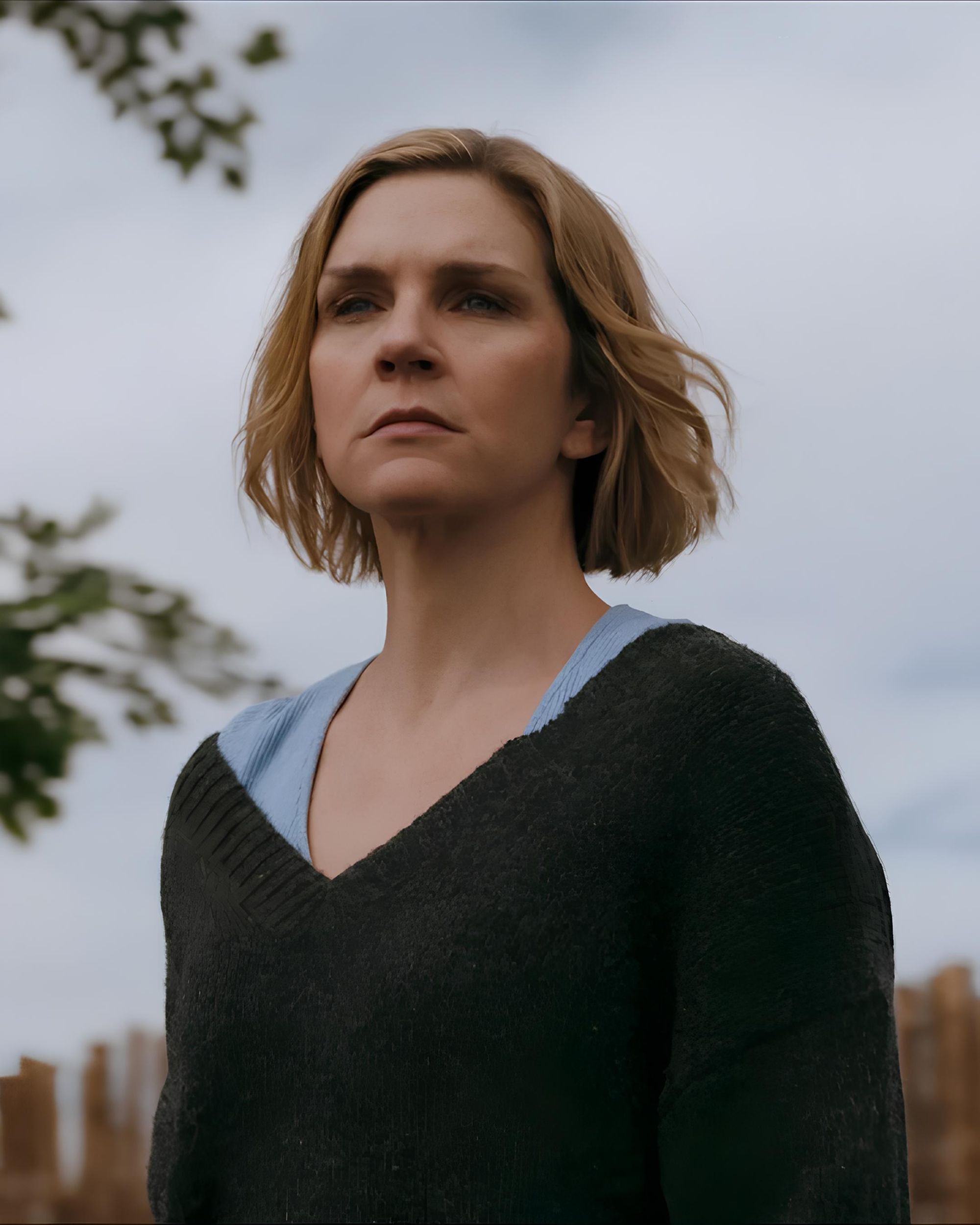
The series, as its protagonist Carole (Rhea Seehorn) says, feels like a science fiction movie we’ve already seen, although for viewers it’s a breath of fresh air within an audiovisual landscape (particularly in TV series) that often risks offering the same things over and over. Or at least, that’s what the first two episodes suggest.
First two episodes of Pluribus pic.twitter.com/Mpfo9wk9a4
— better call saul out of context (@nocontextbcs) November 7, 2025
Based on the release of the first episodes, the feeling one gets while watching Pluribus is that of being catapulted back into the era of television’s golden age. The same era of Breaking Bad and all the great serial masterpieces that helped legitimize TV productions. The same era that streaming has seen wither away - whether because of the frenzy of modern productions or the introduction of binge watching - something Gilligan shows no desire to give up and, in fact, draws from extensively.
The pilot episode of Pluribus is masterful, the kind they don’t make anymore. And also one of the few things we can actually discuss right now, as we wait to see how the story unfolds over its nine episodes. But it perfectly exemplifies what we’ve lost in serialized storytelling and what Vince Gilligan, at least in this initial stage, has given back to us.
the entire world conspiring together to find the woman on the planet you’d be most attracted to is crazy work #pluribus pic.twitter.com/SugjpZJHYD
— Cris (@lionesspike) November 7, 2025
It must be said that the Pluribus project remained mostly secret until the release of the official trailer, two weeks before the debut of the first episodes. This helped increase curiosity around a project whose potential could be sensed, but that left viewers mostly eager to discover what Vince Gilligan had invented.
Calling back Rhea Seehorn from Better Call Saul, the showrunner imagines the arrival of an alien species that, «like a single Body Snatcher,» invades the planet, wiping out humanity and using people’s bodies as shells. A collective mind that begins to inhabit Earth while trying to maintain peace. The one who does not become part of it, however, is romance novelist Carole, immune to the contagion that radically transformed the world’s population. She’s left with only two options: accept what has happened or try to reverse it.
What can be felt in Pluribus is a sense of calm that modern TV series no longer seem to allow. Gilligan isn’t obsessed with saying everything right away; he doesn’t make sure the audience immediately has all the clues to decipher the mystery behind the human takeover. With the first episode, he does something unthinkable nowadays: he takes his time.
He tells us who the protagonist is, again without revealing too much. He describes her in her work environment, in her relationship with her manager Helen (Miriam Shor), which seems to hint at being something more than a simple professional partnership. He shows a contact with a signal that seems foreign, a code used for experiments in the lab, which eventually spreads across the continent, from America to the world. And, above all, he gives Pluribus an atmosphere. A mood. He leaves the audience with a sense of confusion and panic, the same Carole feels and with an immense desire to know more.
@appletv Jarmell Gurky says it's okay. Pluribus — Now Streaming #Pluribus #RheaSeehorn #KarolinaWydra #VinceGilligan #AppleTV Pluribus - Apple TV
Through all this, he does not neglect the visual aspect. The direction enhances the writing’s refinement, the shots aren’t merely at the story’s service, as we often see in streaming titles (especially in cinematography), but instead narrate their own universe. They scare and unsettle, attract and fascinate at the same time. And, above all, they show Gilligan’s desire to leave his signature on this new AppleTV+ project, once again making Albuquerque the stage for his story.
The architecture speaks to the creator’s fans, reminding them where he comes from (artistically speaking) and creating a bridge between Vince Gilligan’s previous works, although, by the second episode, the show already moves elsewhere, and who knows how far it will go. What’s certain is that we can’t wait to find out, keeping in mind the show’s motto: happiness is a state of mind.