


































How did Italo Disco make it to Coachella The quintessential 1980s music genre is increasingly popular among young people
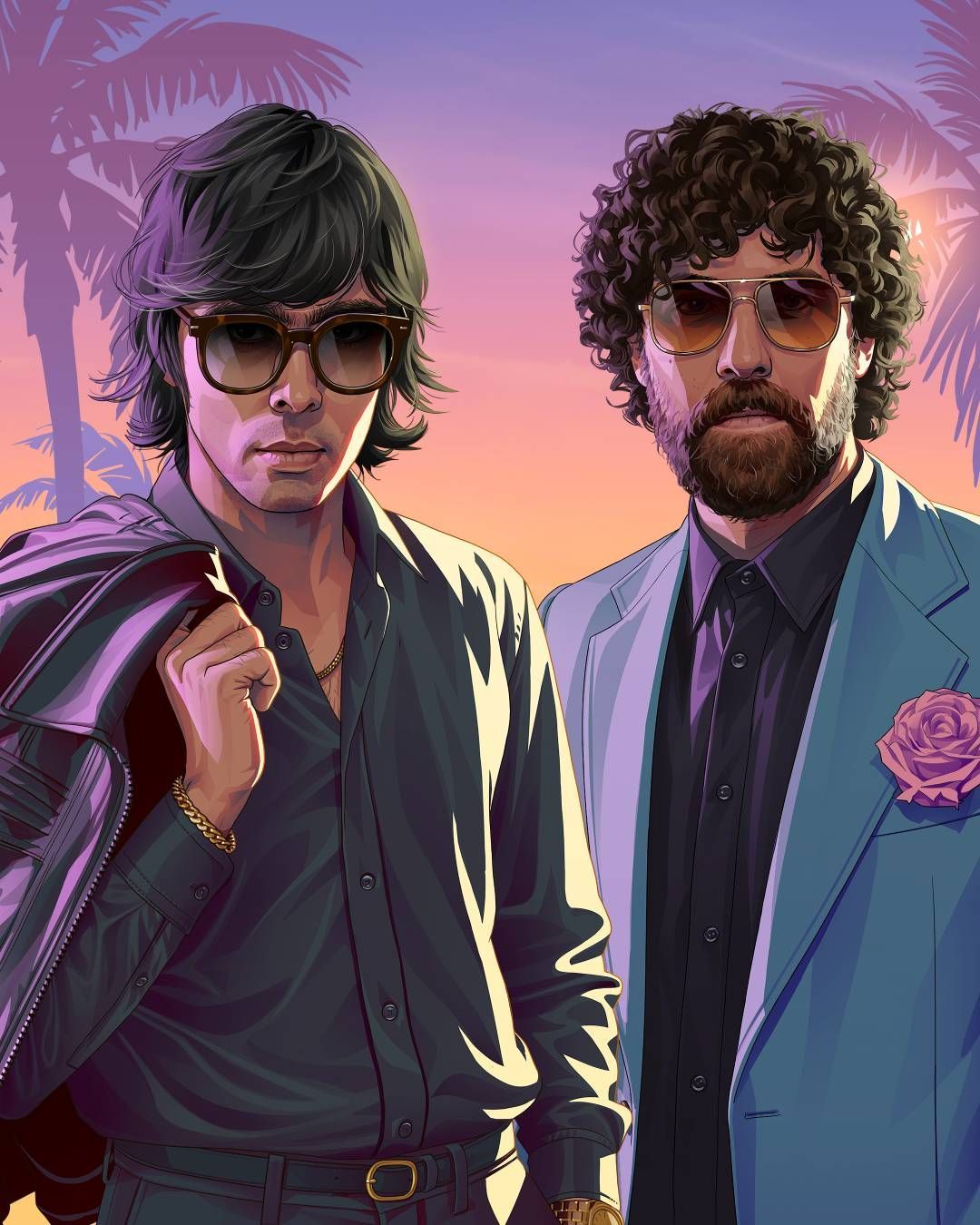
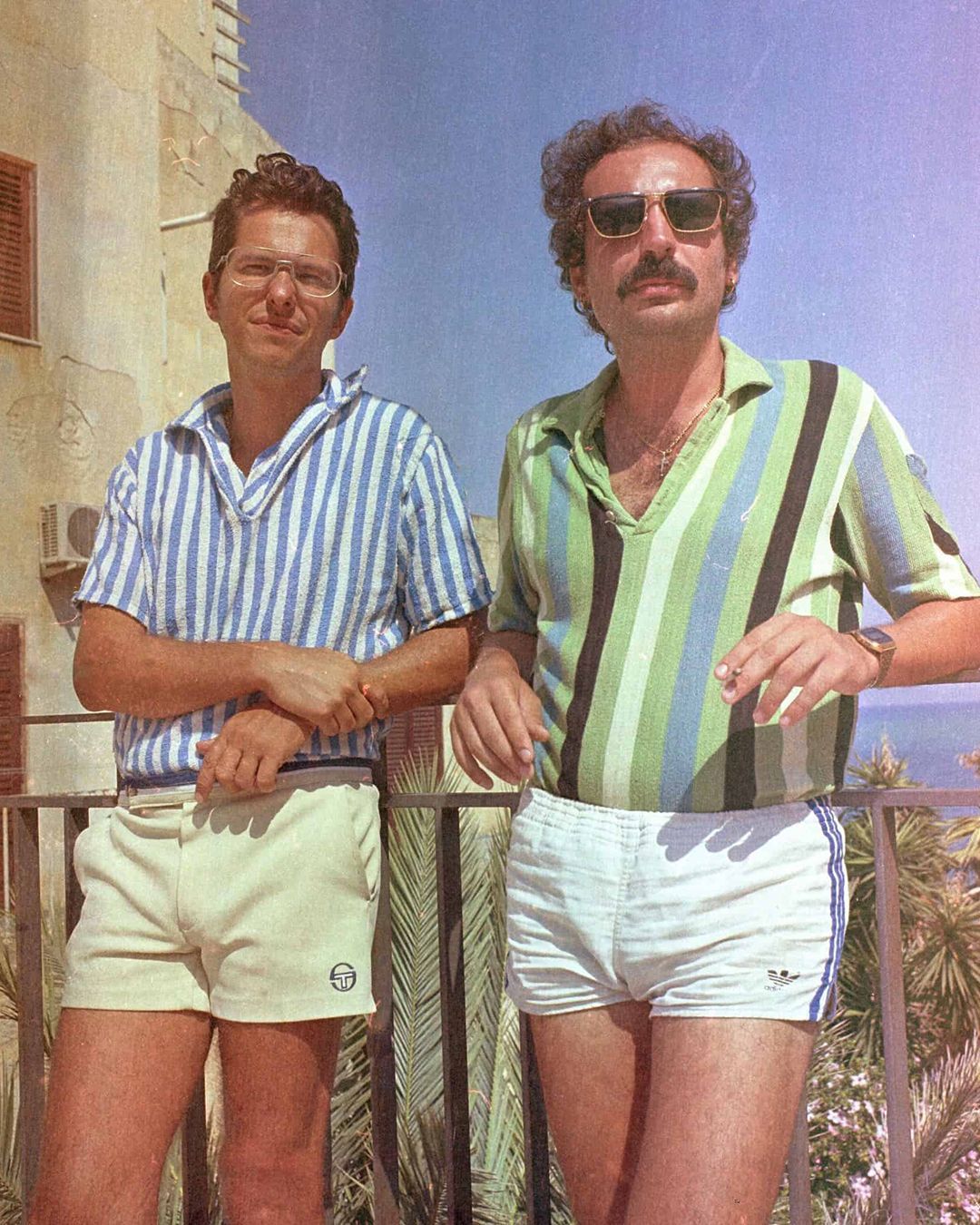
Recently, the line-up of Coachella was announced, the music festival held every year in Indio, a city in California about 200 kilometers from Los Angeles, and which is probably the most famous in the world along with Glastonbury. Among big names such as The Strokes, Justin Bieber, The XX and many others, the Coachella bill also includes Mind Enterprises, an Italian duo highly appreciated abroad for their 1980s aesthetics and their typical italo disco sound. «The real name of the duo’s founder is Andrea Tirone, with a background as a sound engineer and a passion for vintage acetate tracksuits, T-shirts, and accessories scavenged from old bars. He is joined by Roberto Conigliaro, former drummer and DJ set partner. Their success comes after more than a decade of grinding on the London music scene and a contract with Because Music, a cult label», explains Rivista Studio. The musical genre that Mind Enterprises draw upon has to do with the disco music produced in Italy between the late 1970s and the early 1980s. At that time, artists such as Giorgio Moroder and the Righeira (those of “Vamos a la playa” or “L’estate sta finendo”) helped spread and define the sound of italo disco internationally.
Songs related to italo disco still share a number of distinctive traits that make them quite recognizable today. The basslines and the rhythm – drawing inspiration from the funky genre – are “warm,” driving, and repetitive, while the melodies are almost always very catchy and enriched by vocals or choirs. Today, as in the past, songs belonging to this strand are designed to work especially well on a dancefloor. When it comes to italo disco, its “technological” character is often emphasized: in most tracks, the use of synthesizers was predominant, and instruments such as the vocoder – capable of making singers’ voices sound almost “robotic” – and the drum machine were often employed. In the documentary “Italo Disco. The sparkling sound of the ’80s,” released in 2022, it becomes clear how crucial the focus on new musical technologies was for the genre’s success. This interest was not limited only to sound aspects but was often reflected in the lyrics as well, which in many cases addressed themes related to science fiction.
Where italo disco comes from
The origins of italo disco are the subject of differing opinions. The most widely accepted theory is that the expression was coined by a Polish producer who in the early 1970s founded the independent label ZYX Records in Germany. The label soon became a reference point for the import of Italian music in Northern Europe: initially, therefore, the term had a purely geographical meaning, and was precisely used to refer to disco music produced in Italy, which this German record label intercepted and republished through dedicated compilations. Starting in the 1980s, with the international success of artists and groups such as Pino D'Angiò or Jo Squillo, among many others, the term “italo disco” ceased to refer only to a specific geographical origin, and the movement established itself as a true musical genre. The popularity of the phenomenon grew to the point that, over time, the label “italo disco” was also applied to non-Italian musicians. Among them were big names such as the German Boney M.
At the same time, many artists from other genres chose to approach this style, attracted above all by its strong commercial potential. But contributing to the definition of the italo disco sound were also initially little-known artists whose productions did not immediately achieve international recognition but were rediscovered years later, proving to be highly influential. Today, in fact, the genre has been fully re-evaluated and is considered one of the main sources of inspiration for European dance music. Contemporary groups and artists, such as Mind Enterprises or Nu Genea, have been able to reinterpret and rework the characteristic elements of this style, achieving wide success internationally as well. Not surprisingly, Mind Enterprises’ European tour is already almost entirely sold out.
What to read next

What does it actually take to sell Boho Chic as a luxury?
An aesthetic that comes back every year, but with fewer and fewer fans