






















The history of watch parties From the coronation of Queen Elizabeth II to fashion week
The history of watch parties weaves through the many stages of mass media evolution like a thread through a string of pearls. The phenomenon has deep roots, originating in the years when television was still a rare luxury and became a catalyst for social gatherings. From the 1940s and 1950s, when entire neighborhoods gathered around a single screen to enjoy the first TV programs, to the streaming era, these gatherings have reflected the cultural, technological, and social changes of Western societies. In the United States and Europe, watch parties, which began as a practical necessity, transformed into cultural rituals for epochal events, from sports matches to the finales of generation-defining TV series. And, for many years, the fashion world has also begun to harness their power in various ways. But how did it all begin?
The contagious charm of television
@ilovelucytv How dare you, Ricky! #ilovelucy Now Streaming on Paramount+ #lucilleball #1950s #classictv original sound - I Love Lucy
Starting in the 1940s but especially in the 1950s, television burst onto the scene as a revolutionary novelty in society. In the USA, where it arrived first, only 9% of households owned a television in 1950, and entire neighborhoods gathered in the homes of those who had one to watch shows like I Love Lucy or baseball games. The evening habits of Americans were changed forever. In Great Britain, watch parties were famously organized for Queen Elizabeth II’s coronation or the first soap operas, particularly, as The Guardian recalls, Coronation Street. In Italy and France, state television limited broadcasts, but people gathered to watch programs like Carosello starting in 1957, aimed at younger audiences, or events like the 1956 Olympics.
The 1960s saw the consolidation of TV as a mass medium, and the first global live broadcasts began. The Apollo 11 moon landing in 1969 drew over 650 million viewers worldwide. In the USA, "moon-ins" were organized in parks and homes, like the gathering of thousands in Central Park. Also in the USA, beyond classic football, the true media event of the era was JFK’s funeral in 1963, which saw 125 million Americans glued to screens in homes opened to neighbors.
The reign of sports and the boom of TV series
I mean...NFL Films
— Kevin Gallagher (@KevG163) January 17, 2025
The brilliant cinematography set to a dramatic Sam Spence score
The metaphoric script, every word precisely placed
The cigarette-coarsened narration of John Facenda
Super Bowl VI
January 16, 1972 pic.twitter.com/7C5ivCq164
In the 1970s, watch parties became inextricably linked to sports and miniseries, thanks to the rise of bar culture. In the USA, the Super Bowl became an unofficial "national holiday" from 1970, with people gathering to watch it, organizing barbecues and dinners; in 1972, the Miami Dolphins’ victory drew 100 million viewers, and the NFL noted that fans organized to watch games together, much like in Europe, where, with the 1974 World Cup in England, fans crowded into pubs for the final against West Germany, as The Guardian recalls. Entertainment followed soon after. The 1977 miniseries Roots was watched by 130 million Americans over eight consecutive nights. Some churches even organized watch parties for a series that sparked numerous debates at the time. In Europe, similar shows like World at War generated analogous gatherings, but sports remained dominant.
In the 1980s, watch parties became true cultural events. In the USA, the finale of M*A*S*H in 1983 attracted 106 million viewers (77% of households), with hundreds of parties organized across the country, from living rooms to public squares. The Guardian in 2023 recalls how cities like Fairfield, Ohio, declared a state of emergency due to the traffic generated by these gatherings. In Italy, at that time, RAI was already promoting gatherings for the Sanremo Festival, but it was the USA that innovated with the first sponsored "viewing events."
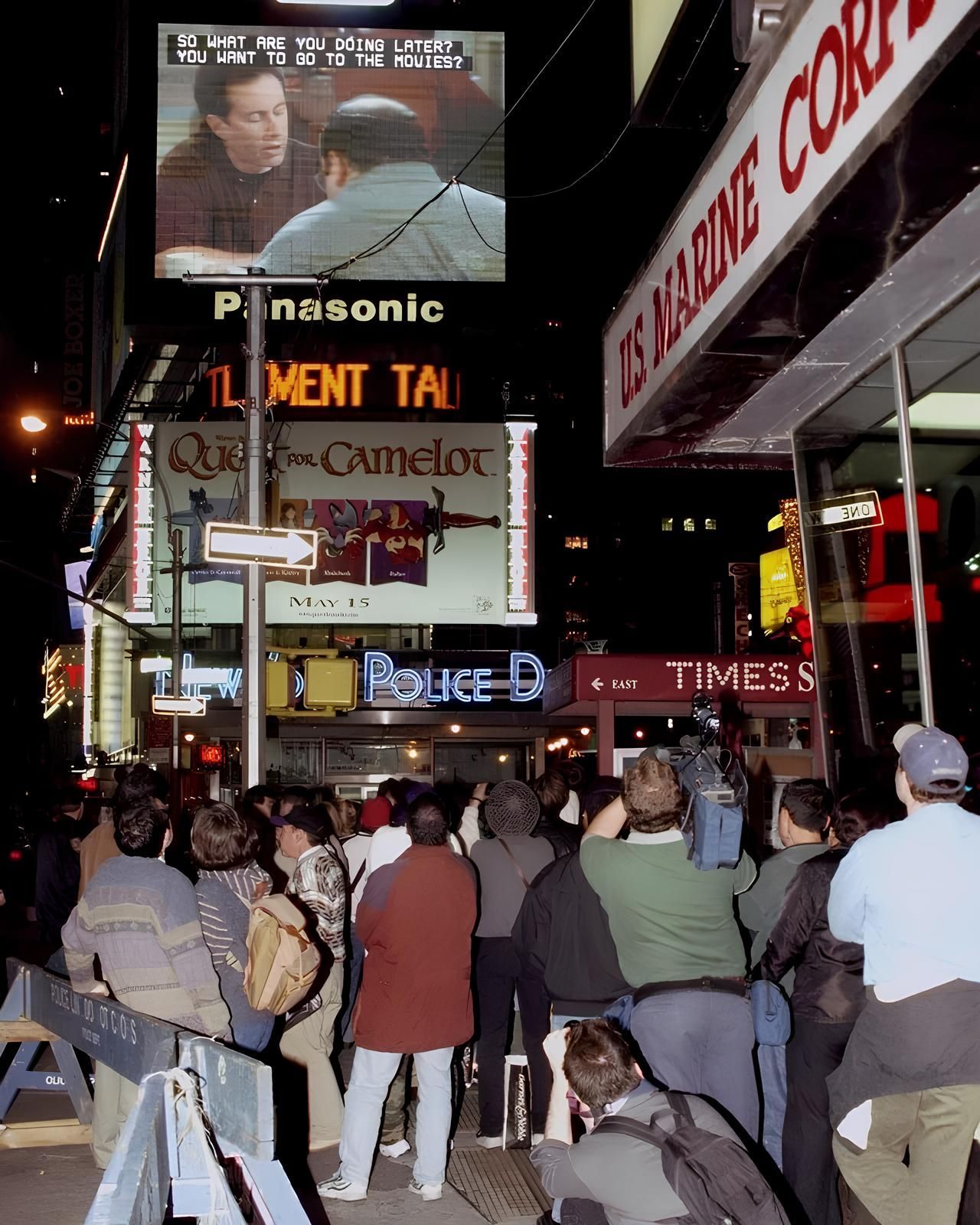
In the 1990s, watch parties became democratized with the widespread adoption of cable TV. In the USA, the finale of Seinfeld in 1998 drew 76 million viewers with themed parties in bars and homes, even projected in Times Square. The New York Times in 1998 described these events as outlets for the end of a television era. In Europe, the Premier League turned pubs into "second screens" for football, so much so that, according to a 2019 Guardian article, these gatherings were the first to create a betting and bookmaking subculture.
New Millennium, new media
19 years ago today, may 6, 2004, the last episode of friends was broadcasted live in times square pic.twitter.com/58wK6dFqti
— Friends Addiction (@friendsadiciton) May 6, 2023
Everything began to change in the 2000s, which ushered in the digital era. In the USA, the finale of Friends in 2004 drew 52 million viewers with parties in Central Perk-style cafés, and thousands of fans gathered in Times Square for collective viewing, reaching an estimated 52.5 million viewers. The Lost phenomenon, starting in 2004, generated fan clubs for weekly viewings, as noted by Ringer in retrospectives on the decline of "TV monoculture." In Europe, Big Brother in 2000 inspired similar gatherings in English pubs.
The 2010s marked the peak of prestige TV, with Game of Thrones as the emblem of modern watch parties. From 2011 to 2019, the HBO series created a global cultural phenomenon: in the USA, bars and homes filled up for episodes like the 2013 "Red Wedding," with 7 million live viewers discussing theories in real-time. The New York Times in 2019 described these gatherings with themed costumes and food, signaling what appears to be the last great "TV monoculture" of recent history. The finale saw 13 million US viewers, with watch parties going viral on social media.
The lockdown and digital watch parties
@jackiecwolf Forced my parents to watch Tiger King today. This was their reaction. #tigerking #fyp #foryou #foryoupage #keepingbusy #happyathome #petlife original sound - Jackie Wolf
During the COVID-19 pandemic, between 2020 and 2021, watch parties represented one of the most creative and widespread responses to social isolation imposed by lockdowns. These sessions, enabled by browser extensions like Teleparty (formerly Netflix Party) or features integrated into streaming platforms, allowed people to share movies, TV series, and even concerts in real-time, with live chats for comments and reactions. According to The Diffusion Group in 2020, the use of these tools exploded in the early months of the crisis, with a 300% increase in Google searches for "watch party." Google reported a 90% increase in "watch party" searches in 2021 compared to 2020, cementing the concept as a permanent fixture in pop culture.
In the United States, one of the first and most iconic examples of a watch party was for the Netflix docuseries Tiger King, which in March 2020 catalyzed thousands of virtual sessions among friends and strangers. Some synchronized marathons garnered over 64 million global views. Celebrities and influencers on Instagram promoted these gatherings, using the Teleparty extension to sync streaming and chat in overlay. According to The Diffusion Group, by April, over 40% of Hulu subscribers were using it for shows like The Handmaid’s Tale, with families separated by quarantine reuniting virtually every Wednesday night.
Disney+ followed suit in April, organizing watch parties for Marvel films, while in the UK, the BBC promoted virtual sessions for classics like Doctor Who. A 2021 BBC report recorded a peak of 2 million active users for these events. In Italy, where the lockdown was among the strictest in Europe, RaiPlay introduced the "Watch with Friends" feature in April 2020, enabling synchronized sessions for dramas like My Brilliant Friend. A notable example was the University of Bologna’s cineclub, with over 200 students per event. Nor can we forget how Fedez and Chiara Ferragni promoted personal watch parties on Instagram Live for shows like X Factor, attracting tens of thousands of followers in synchronized chats, contributing to a trend that, according to Variety, saw Italy among the European countries with the largest increase in these events (+250% in 2020).
Watch parties and fashion
@digitalgirlirl and we had TOO good of a time
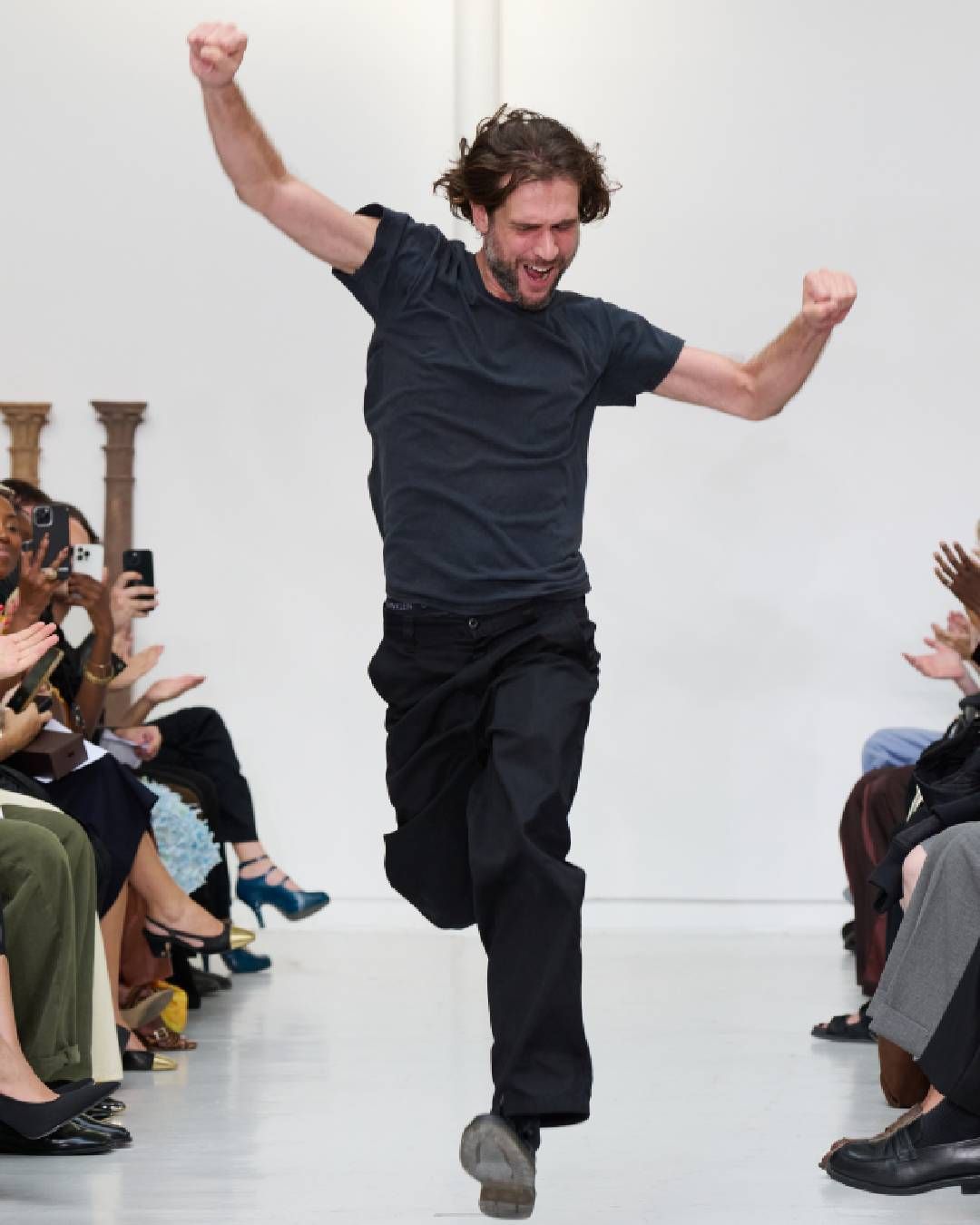
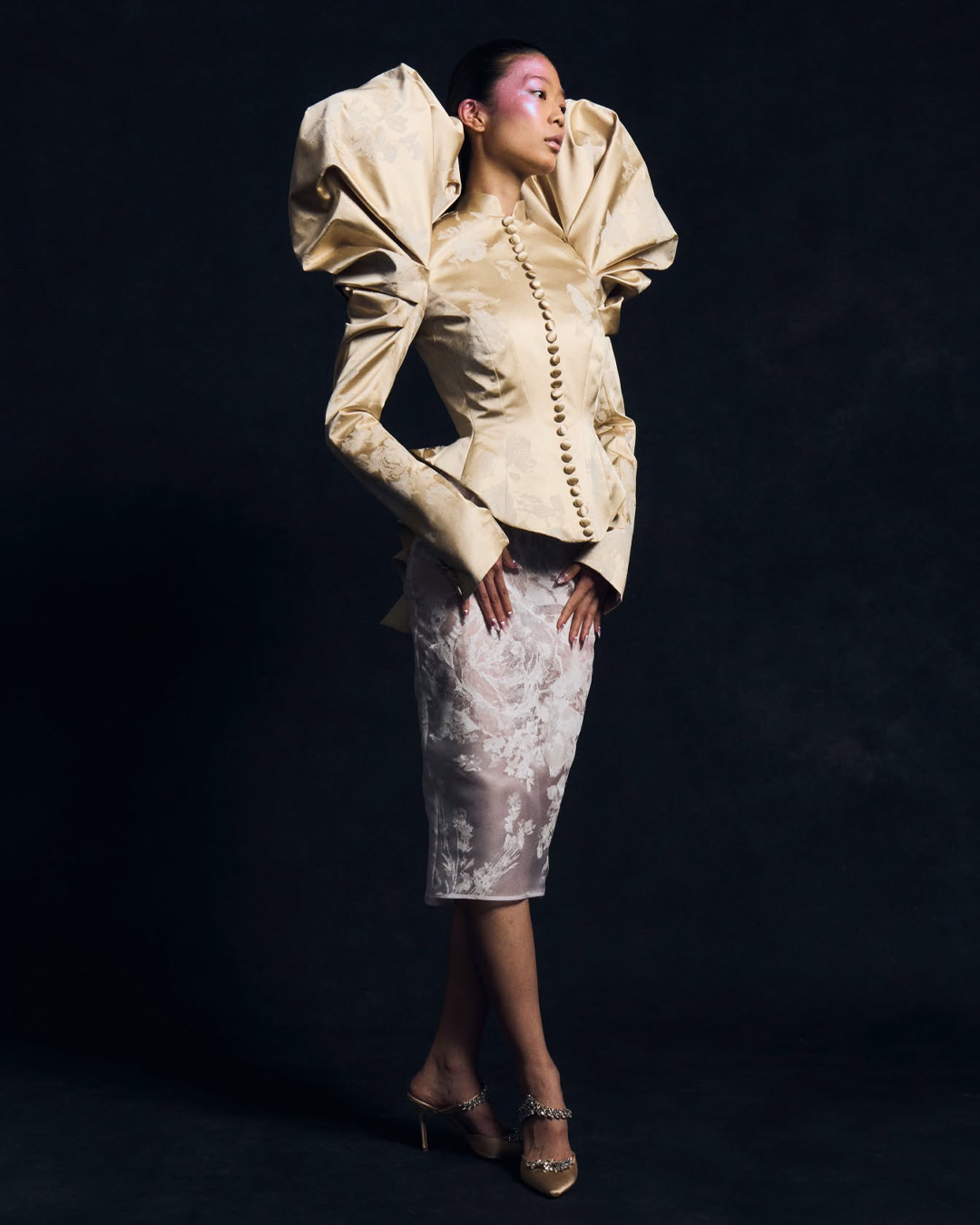
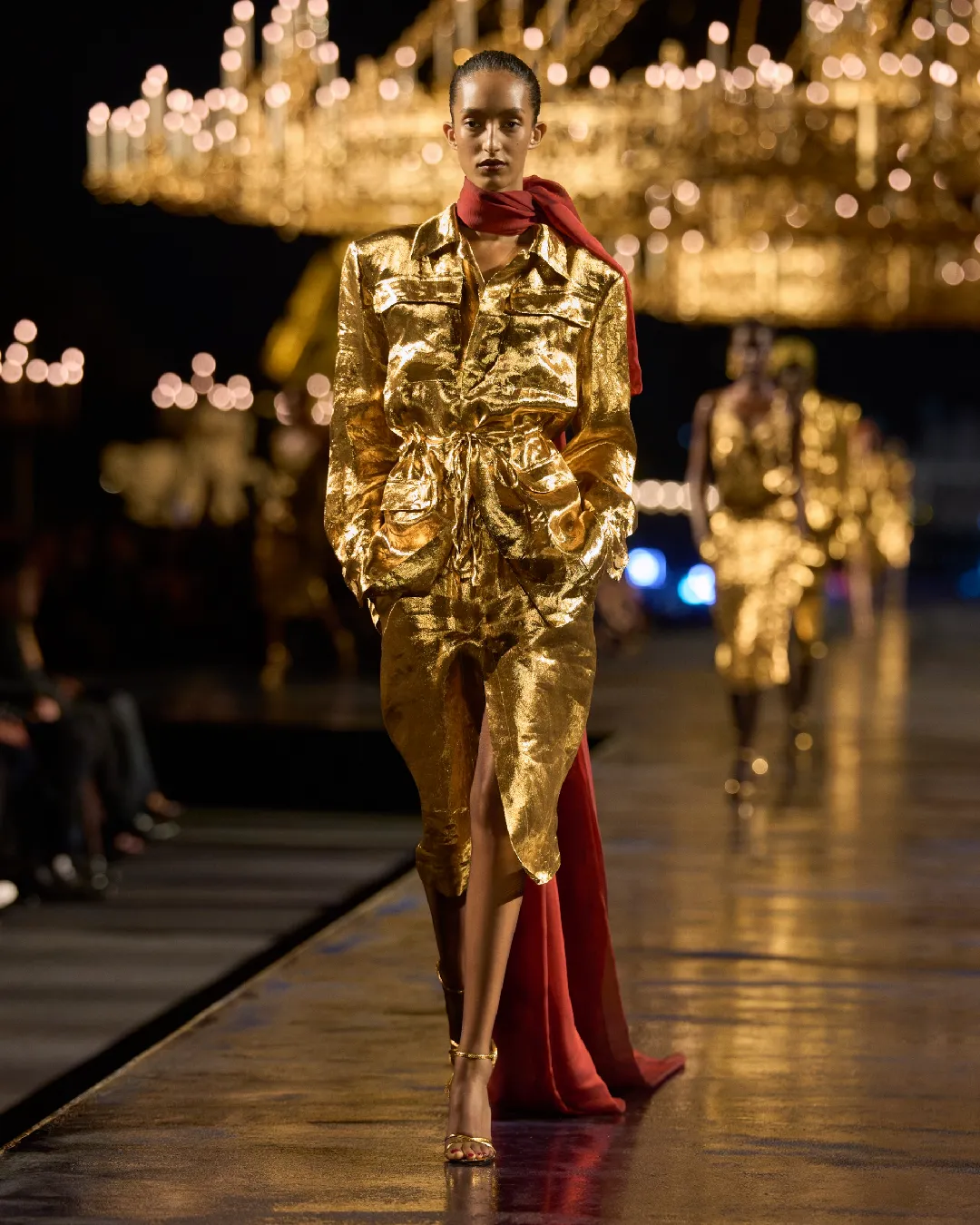
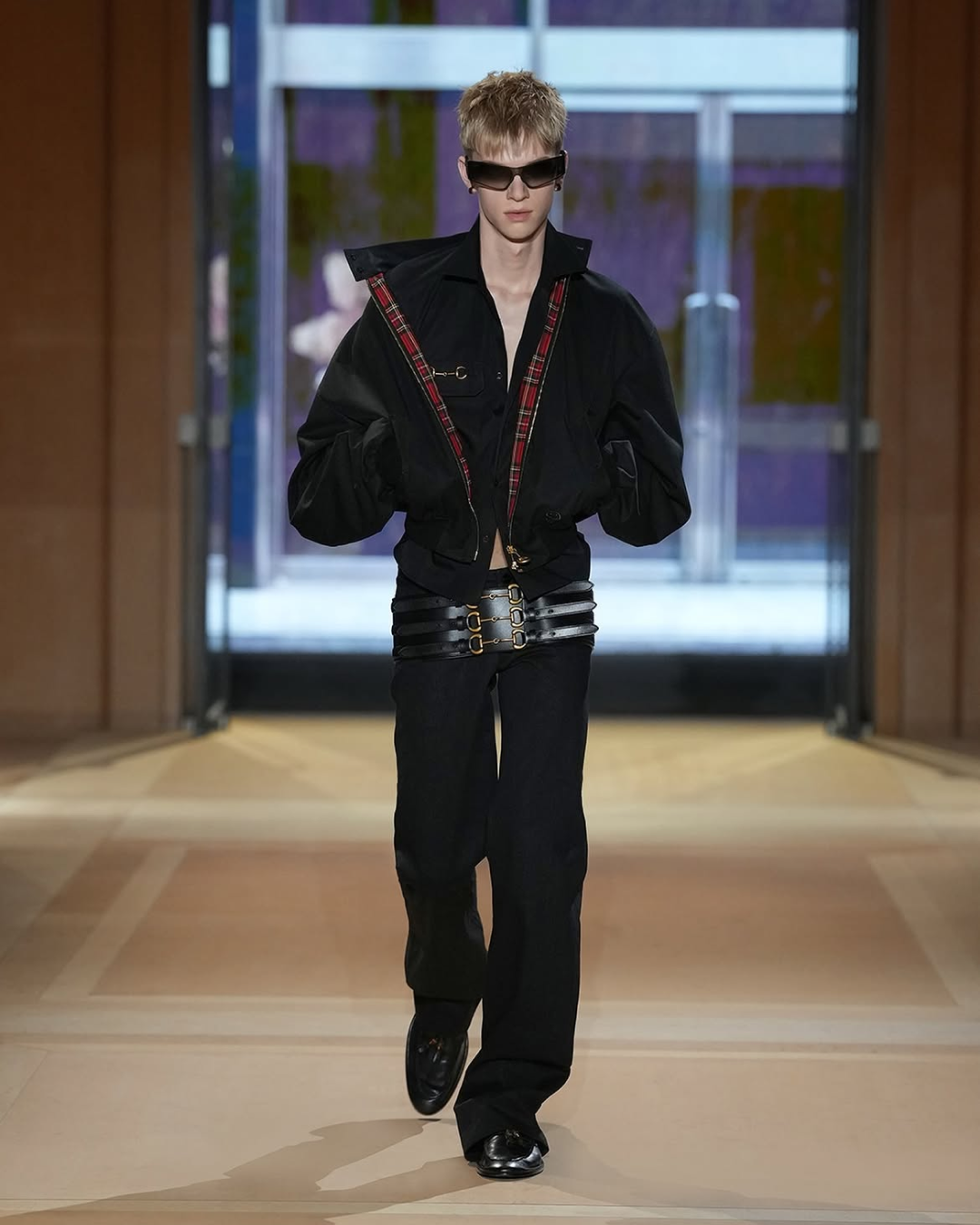
Fashion-themed watch parties represent a “grassroots” subgenre of these gatherings. From the 2000s onward, with the spread of live Fashion Week broadcasts and dedicated TV programs, these parties gained popularity among fashion enthusiasts, influencers, and online communities gathering physically or virtually. The first fashion week streamed live, as Fashion Week Online recalls, was London’s in 2010—a city full of fashion students, especially those at CSM, who have an unofficial tradition of sneaking into local fashion week shows. The phenomenon seems poorly documented in a structured way, likely because it emerged organically in the 2010s, tied to the rise of live streaming and social media, without a precise founding moment.
One could trace the concept of fashion-themed watch parties back to older traditions of "viewing parties" for red carpet TV events like the Oscars, commented on by Joan Rivers and her Fashion Police, where groups of friends gathered to discuss celebrity looks live. This model evolved with the rise of live streaming, culminating in watch parties for the Met Gala: since around 2015, with live streams on Vogue.com, fans and influencers began organizing such gatherings to analyze various looks and comment on them live on social media like Instagram or X/Twitter, making the event a participatory extension of fashion culture.
Also is nobody having a Met Gala watch party?
— The Kategory Is… (@King__Kat__) May 4, 2025
As The Impression recalls, this format saw a resurgence in 2020, when the pandemic forced the fashion industry to rethink collective experiences, transforming digital shows into opportunities for virtual gatherings among insiders and enthusiasts. It was during this period that a fashion week accessible through digital media began to take shape, while brands like Balenciaga or Burberry experimented with gaming platforms to broadcast collections, attracting viewers to interactive sessions reminiscent of past TV marathons. Influencers and brand ambassadors began hosting these online gatherings, often on social networks, to guide audiences through live streams and spark immediate conversations about the presented looks.
This evolution paved the way for innovative marketing strategies: as The Impression reports, in the context of European fashion weeks, events like those of Miu Miu and Louis Vuitton tested hybrid formats, combining in-person screenings with distancing (e.g., in cinemas) with digital interaction elements to engage remote editors and clients. The magazine identifies Susie Lau as one of the trend’s pioneers, an influencer who began live-commenting on Zoom and Instagram Live during haute couture presentations, offering insider perspectives that would otherwise have remained inaccessible. By the SS21 season, as The Impression notes, brands were creating augmented reality filters specific to individual streams to boost user engagement.
In the post-pandemic era, the concept has solidified as a tool for democratizing fashion: especially for the short-lived “see-now-buy-now” runway phenomenon, but also with events like the Victoria’s Secret and Savage x Fenty shows. Today, in an era where social metrics determine a collection’s success, brands have normalized live streaming, and watch parties represent a way to break down the walls hiding runway shows from the wider public, capable of keeping the fashion community alive in an age of increasingly fragmented media and commercial consumption, with the perhaps obvious potential to fit into the broader movement toward offline activities—from book and chess clubs to nighttime running groups and soft clubbing—that are driving Gen Z’s escape from the kaleidoscopic abyss of the internet.