




































Thanks to AI, you can now chat with the statues of the Palace of Versailles The statues tell you their story in three languages
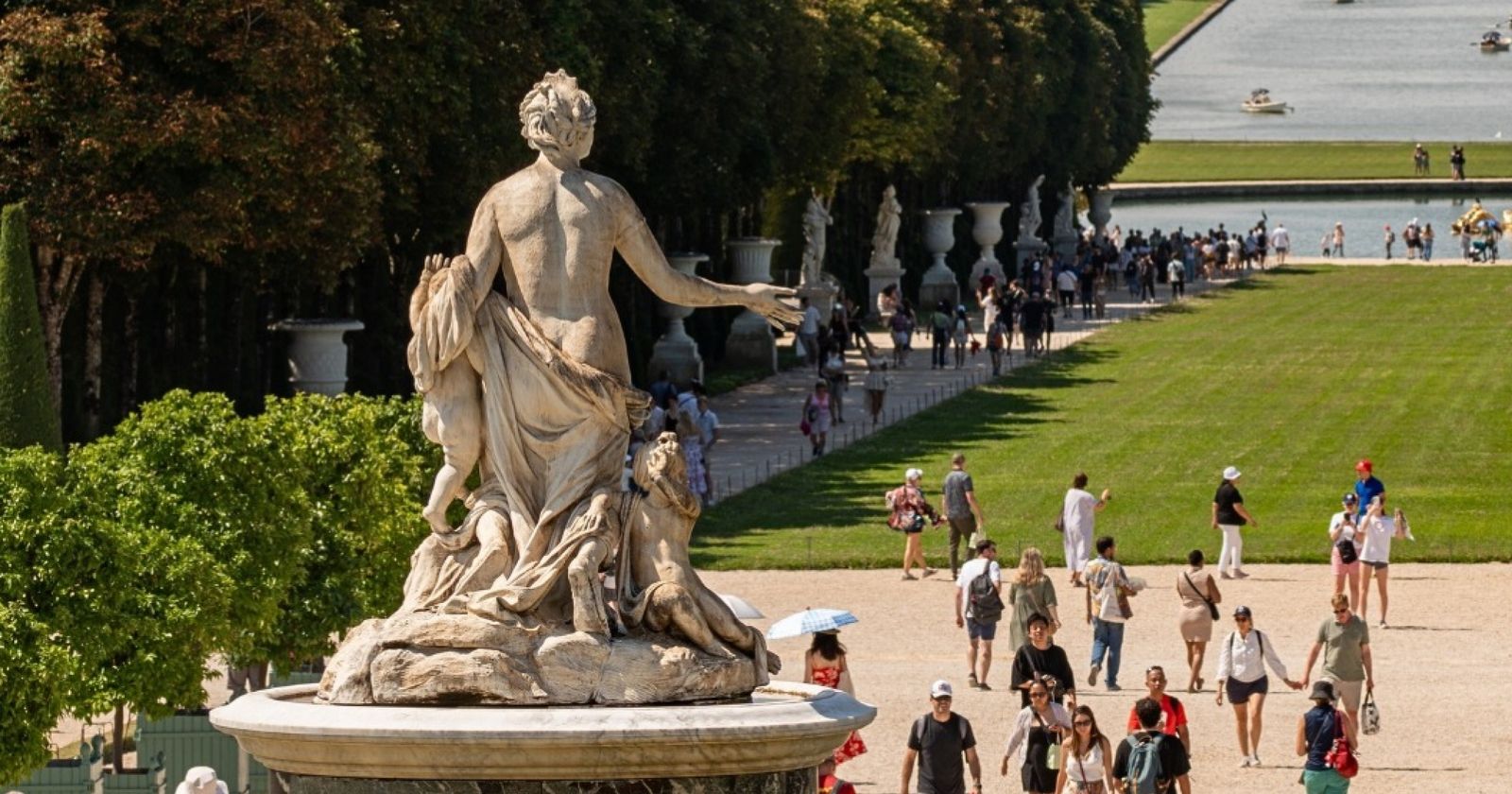
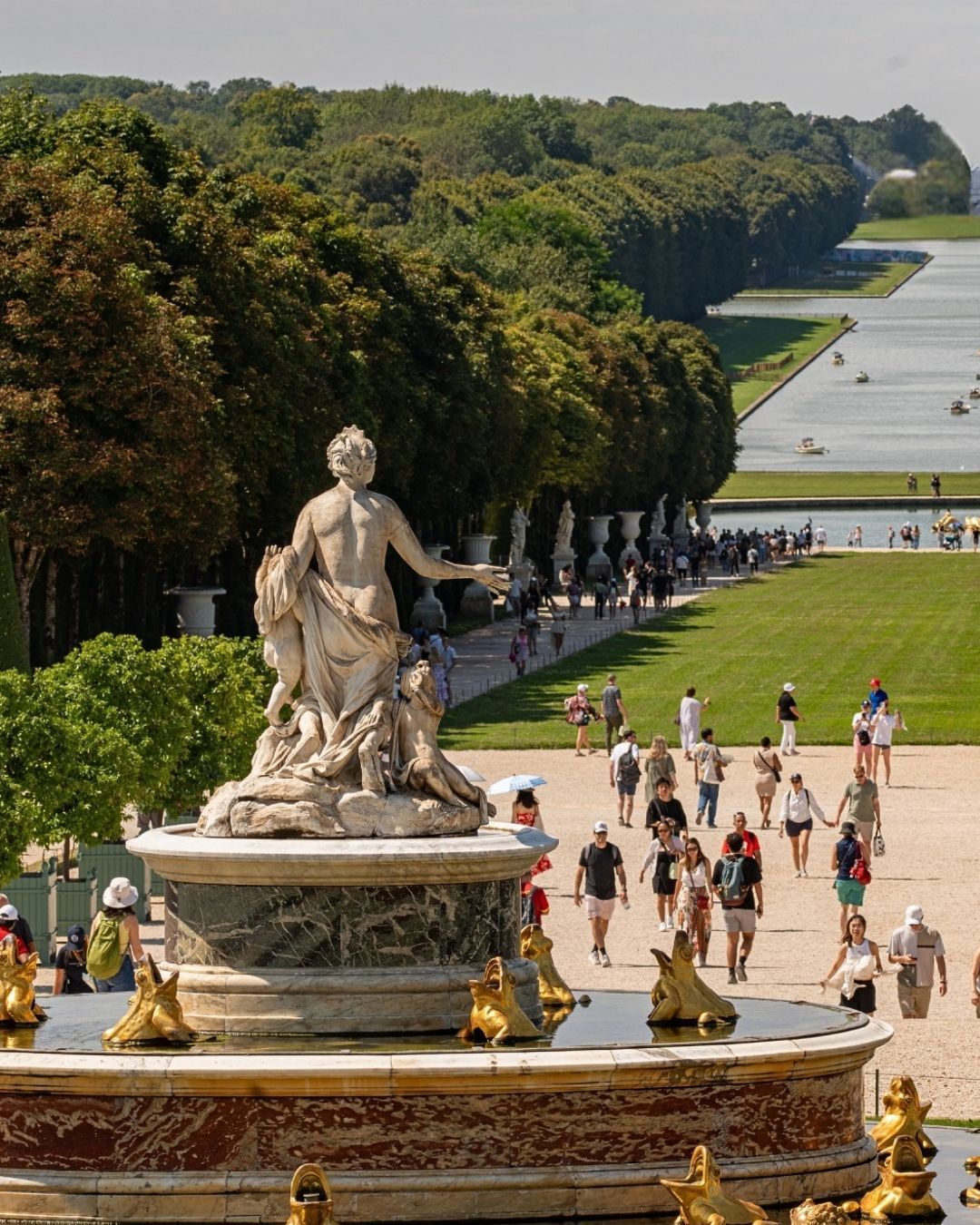
It’s official, artificial intelligence is now everywhere. The Palace of Versailles proves it with its app, which has just gained a new feature. Visitors to the palace and its gardens can now chat with 20 statues located on the Versailles grounds in three different languages, thanks to a partnership with OpenAI, the parent company of ChatGPT. Visitors can directly ask the statues to tell their stories, or even talk about their daily life as residents of Versailles—just like a journalist from the New York Times, who asked Apollo what happens if a pigeon decides to settle, or worse, relieve itself, on his head. But that’s not all: the Versailles app now also includes an augmented reality option, allowing characters to perform dance steps in the gardens or appear dressed in period clothing. Once inside the palace, visitors can also use virtual reality headsets to experience a unique tour of Versailles, including a royal menagerie of exotic animals, with flamingos, tropical parrots, and an elephant; a labyrinth; and a grotto that was demolished to make way for a new wing.
A technological innovation that once again proves the Palace of Versailles’ desire to stay current and offer visitors a complete, memorable experience. Though it remains a true historical treasure, Versailles is increasingly becoming a technological showcase. This evolution makes sense, considering the 8.4 million visitors the palace receives annually—many of whom are young and part of Gen Z, eager to discover this piece of history in a playful and interactive way. “The public has a curiosity we must respond to and anticipate,” said Christophe Leribault to the New York Times, president of the site. “What visitors get from the A.I. experience is not a gimmick but an informed tool co-designed with our expert teams, which is artistically sound and doesn’t say meaningless things.” Versailles was also the first cultural institution to work with the Google Arts & Culture platform and is becoming increasingly present on social media. The palace even welcomed French YouTuber Amixem to film one of his hide-and-seek videos, which reached three million views, attracting a young—and also local—audience. All these initiatives appear to be paying off: the addition of the AI feature to the app has so far drawn 1,000 interactions per day, both from on-site visitors and remote users.