





































Where do the super rich live? And how some countries try to lure them
In recent years, several countries around the world have adopted targeted policies to attract so-called “ultra-high-net-worth individuals” (i.e., people with a net worth exceeding $30 million), by introducing favorable tax regimes and residency programs specifically designed for this highly affluent niche, with the aim of encouraging investment, spending, and capital transfers within their borders. Recently, a study ranked the countries that – in this regard – offer the most incentives for the super rich, using a composite index (which combines different variables, sources, and parameters) called the Wealth Comfort Index. This indicator considers seven distinct criteria, weighted according to their relevance: level of safety, quality of life, personal income taxes and taxes on capital gains from financial or real estate investments, inheritance and gift taxes, cost of living, and the availability of visa or residency programs for high-income individuals.
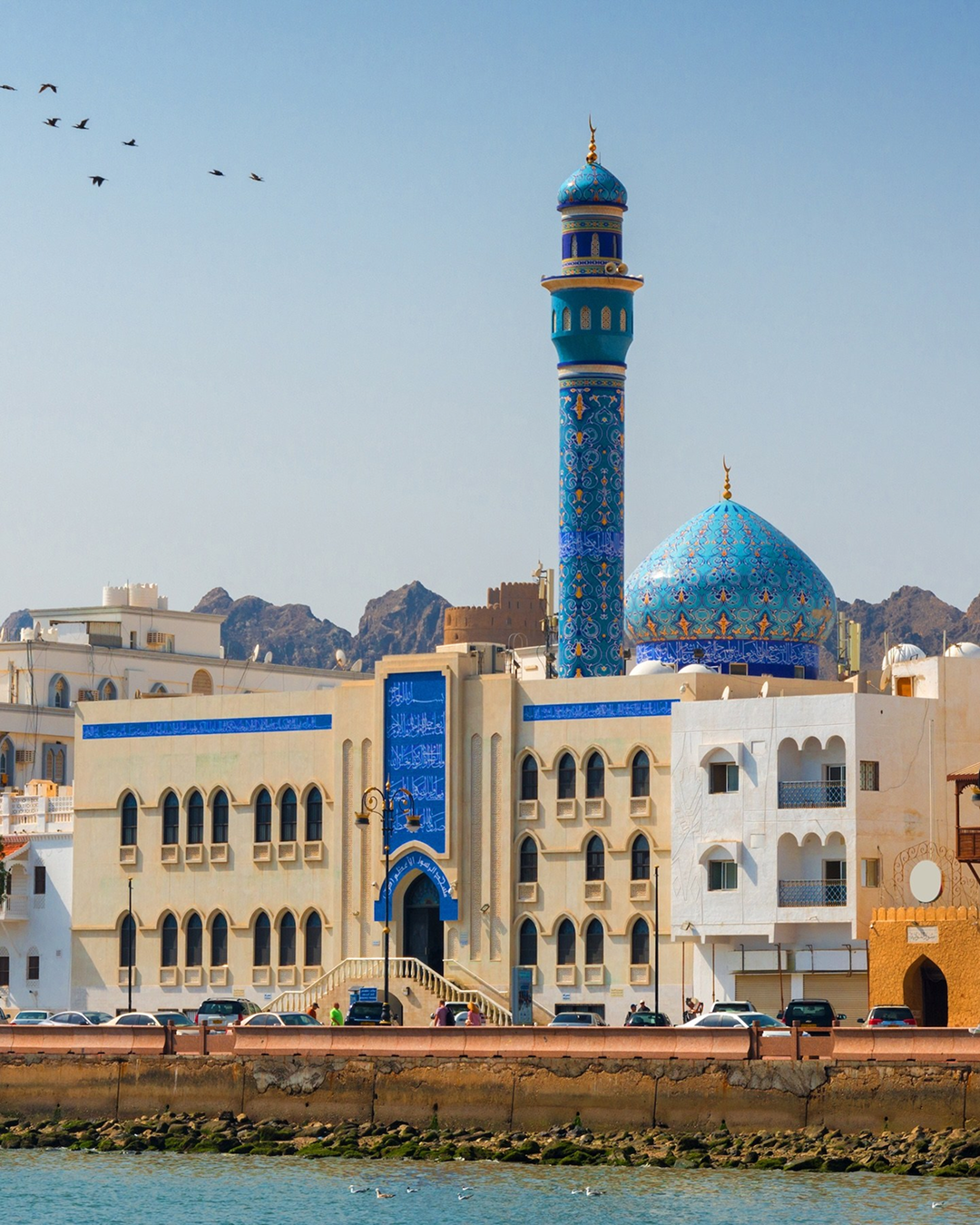
At the top of the ranking is Oman: unsurprisingly, the Arab Peninsula country – in addition to having good quality of life and safety standards – imposes very few taxes on higher incomes; furthermore, the cost of living is relatively low, and the central government has introduced highly favorable programs for high earners. Following Oman are Andorra (the small independent principality between France and Spain), Qatar, and Brunei in Southeast Asia. The study also found that both the United Arab Emirates and Saudi Arabia offer potentially very favorable tax regimes for the super rich, also due to lower living costs compared to the Western average. Estonia and Luxembourg are the only European countries included in the top ten. Rounding out the ranking are Bahrain, another country on the Arabian Peninsula, and the Isle of Man – a self-governing possession under the sovereignty of the United Kingdom, located in the Irish Sea.
Another popular yet increasingly criticized mechanism for attracting foreign capital is the so-called “golden visa” practice, which involves granting citizenship in exchange for substantial investments in the country. Until not long ago, this scheme was widespread in several European countries, including Hungary, which until 2017 allowed hundreds of thousands of foreigners to obtain a visa of at least five years in return for large inflows of money into the country. Since 2013, about 20,000 people were granted special permits by Hungary, allowing free movement within the Schengen area and the transfer of capital into the country after the purchase of government bonds worth more than €250,000. Most of the beneficiaries came from China, Russia, and various Arab countries, including Syria. Among those who obtained these benefits were also individuals subject to sanctions by the European Union and the United States. Names that emerged included, for example, Dmitry Pavlov, former leader of one of Moscow’s most prominent criminal organizations, as well as close relatives of Sergei Naryshkin, head of the Russian intelligence services and a close associate of Putin. Many of these individuals would not have been able to obtain a visa through standard bureaucratic procedures: the Hungarian government is therefore believed to have tolerated irregularities by granting exceptional authorizations that effectively compromised national and continental security. The system was heavily criticized by the European Union also due to the high risk of international money laundering.
Why spend $500,000 to send 2 kids to college in the States
— My Latin Life (@MyLatinLife) March 13, 2025
When you can invest $500,000 in a Portugal golden visa and your kids can go to school in Europe for free while working towards a second passport
For this reason, recently, even Malta had to terminate its program after the European Union’s top court – the European Court of Justice – ruled that the mechanism was unlawful. In July, the Maltese government therefore officially abolished the program, which had generated revenues of €1.4 billion since 2015. To obtain citizenship in the country south of Sicily, a minimum investment of €600,000 and residency on the island were required. This initiative will be replaced by a new system – partially active since 2017 – that allows for the granting of citizenship to individuals deemed to make essential contributions in sectors such as science, culture, economy, or employment. The creation of new jobs, in particular, will be one of the evaluation criteria, and individual applications will be reviewed by a dedicated committee.