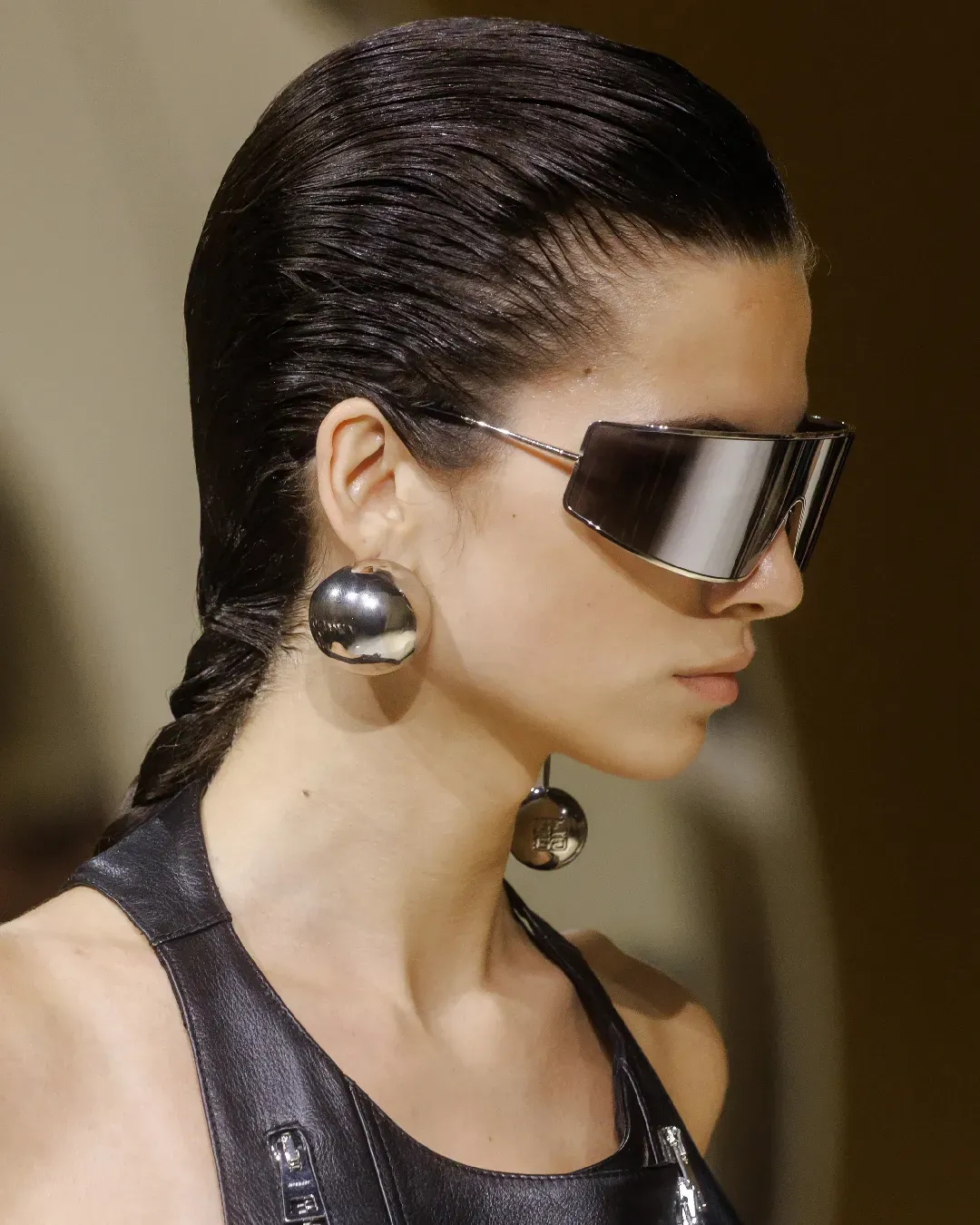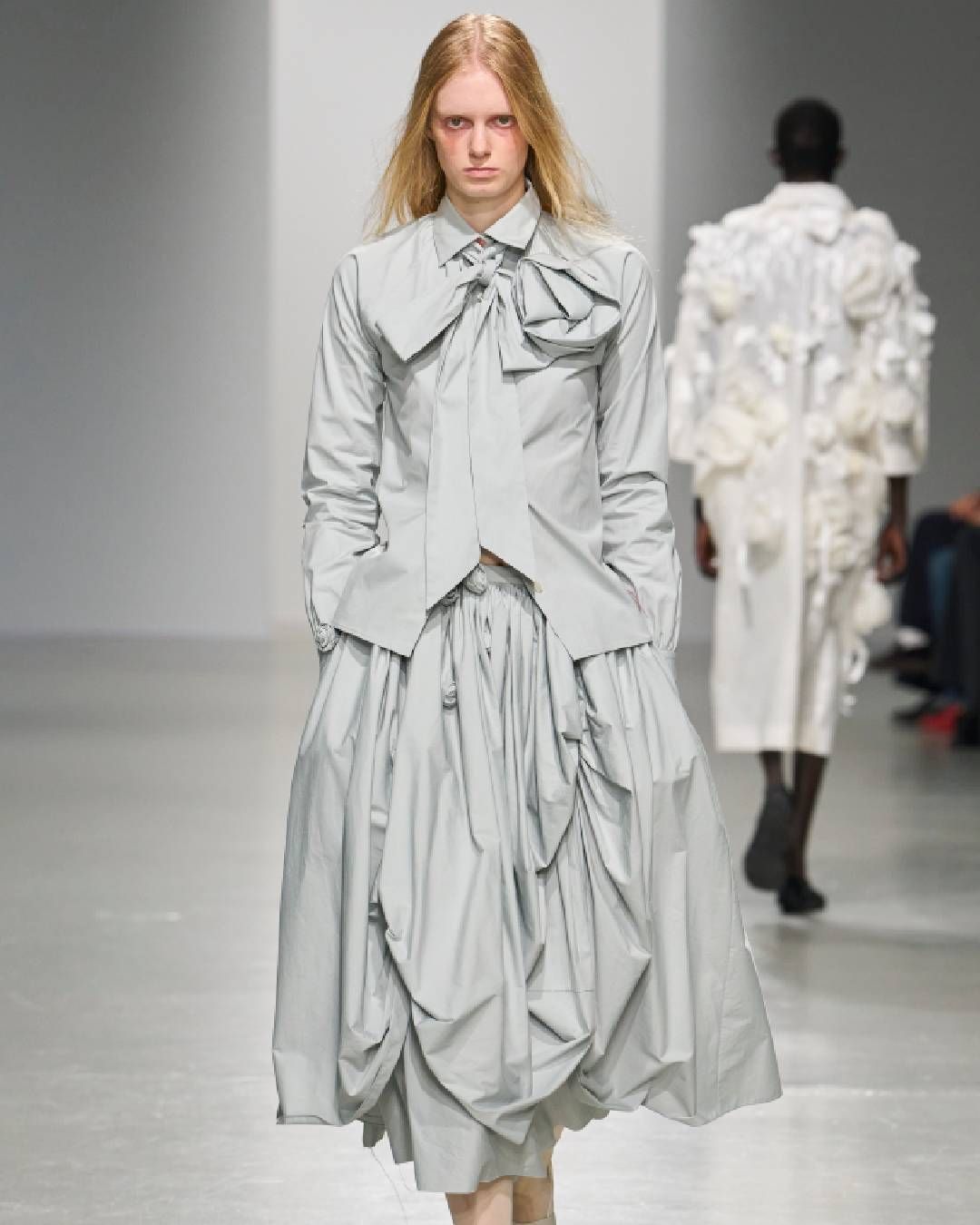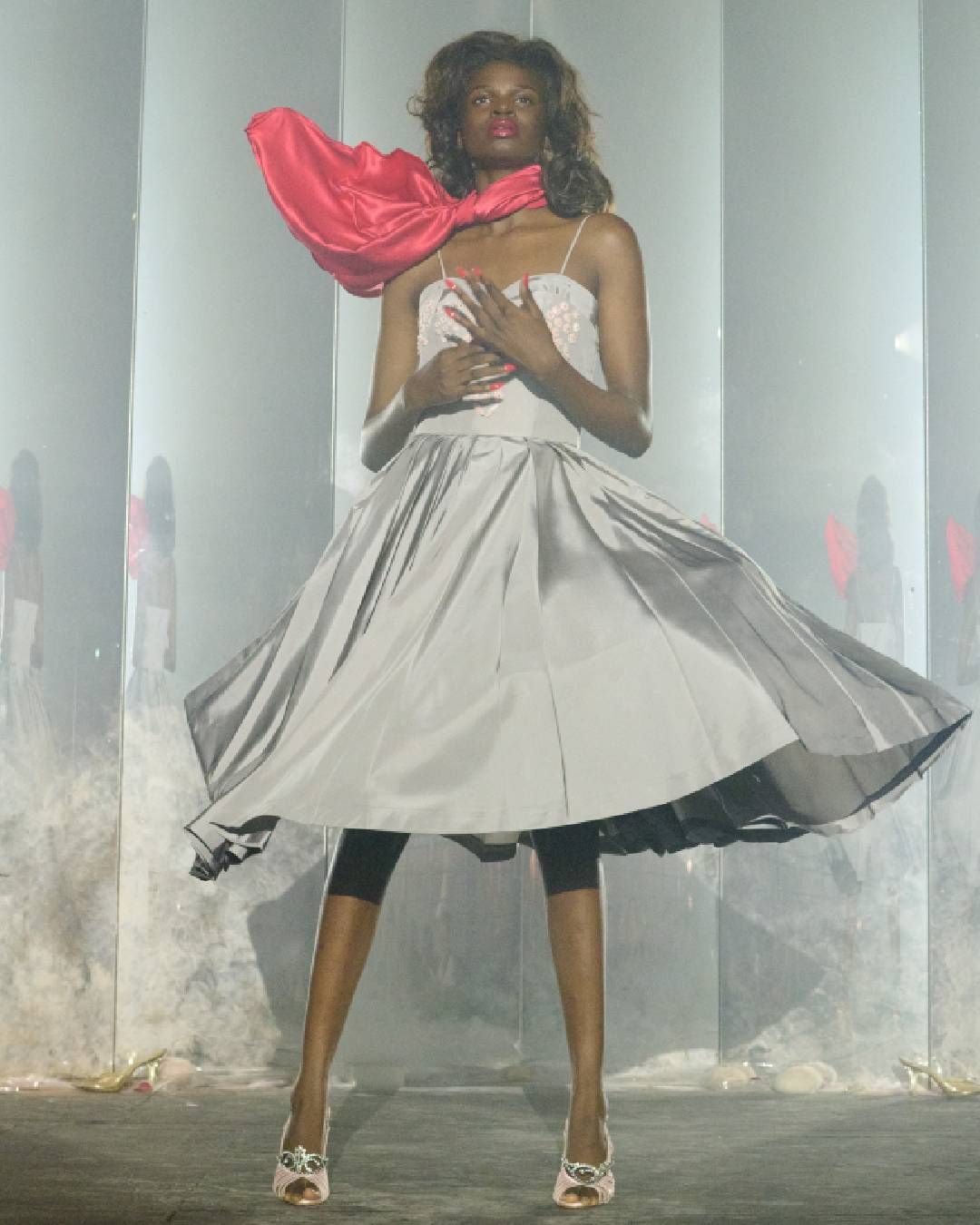













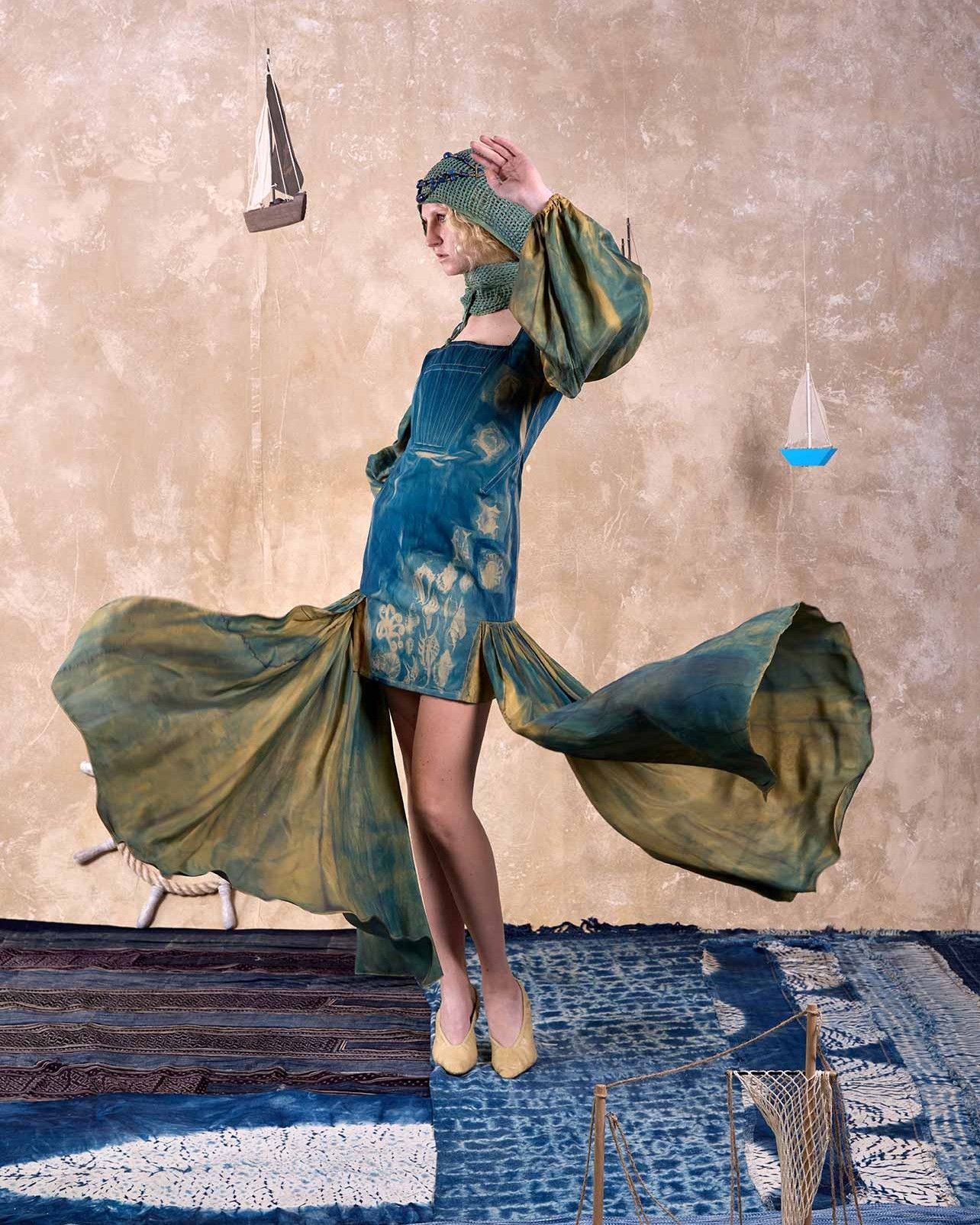









Can fashion shows still be enjoyed without phones? Faced with the flood of screens dominating the front row, some designers are daring to make phones disappear
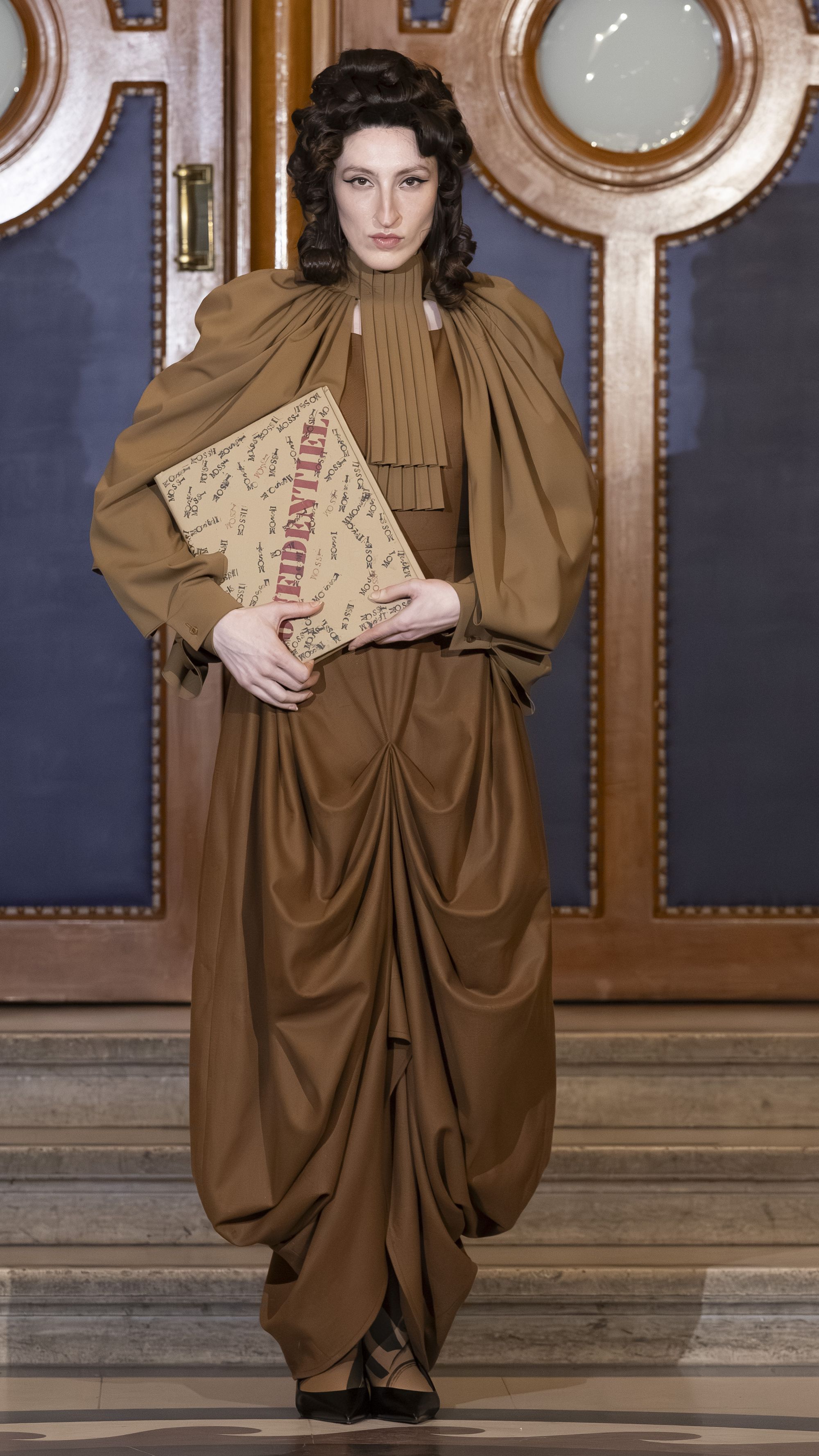
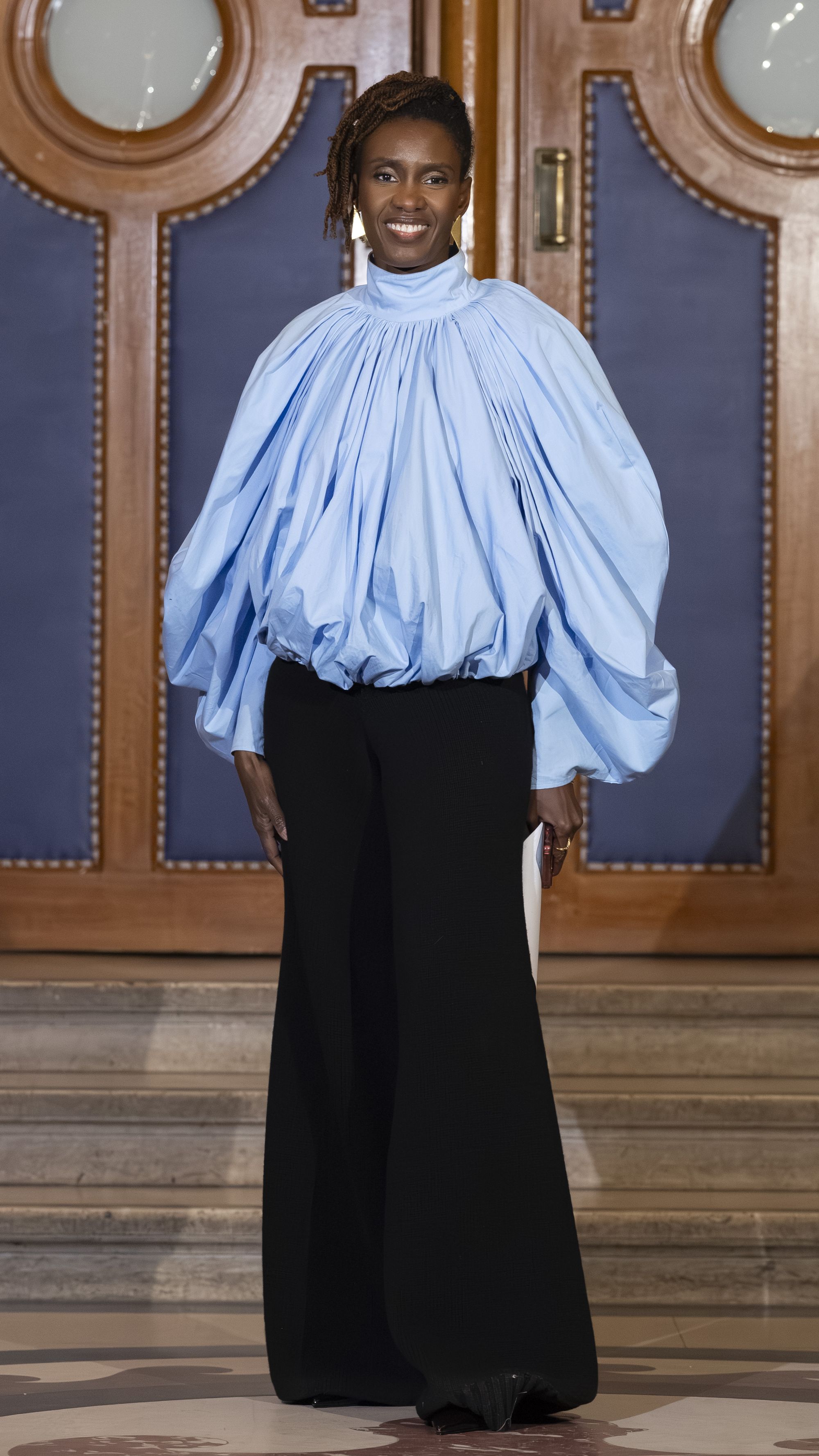
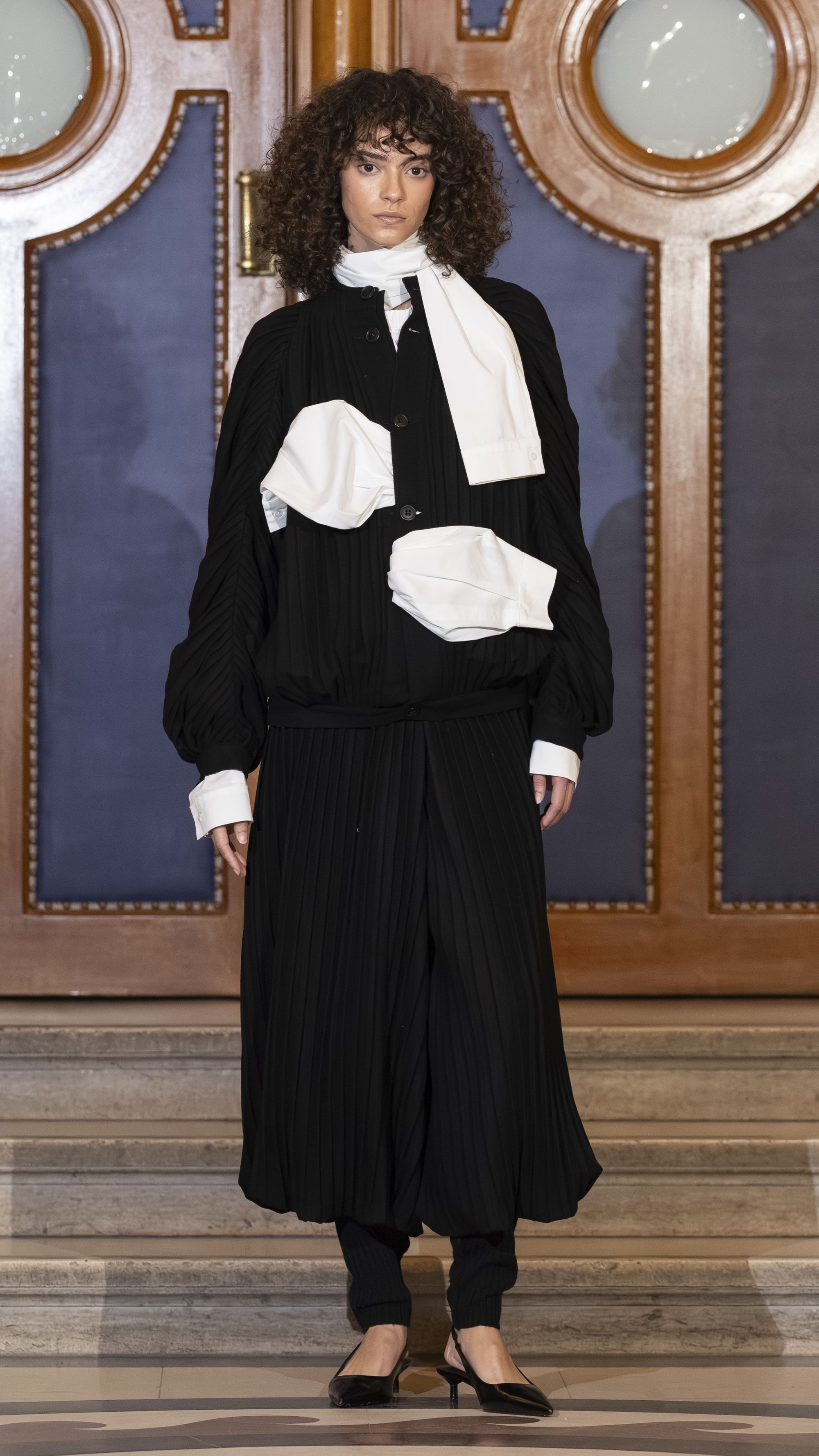
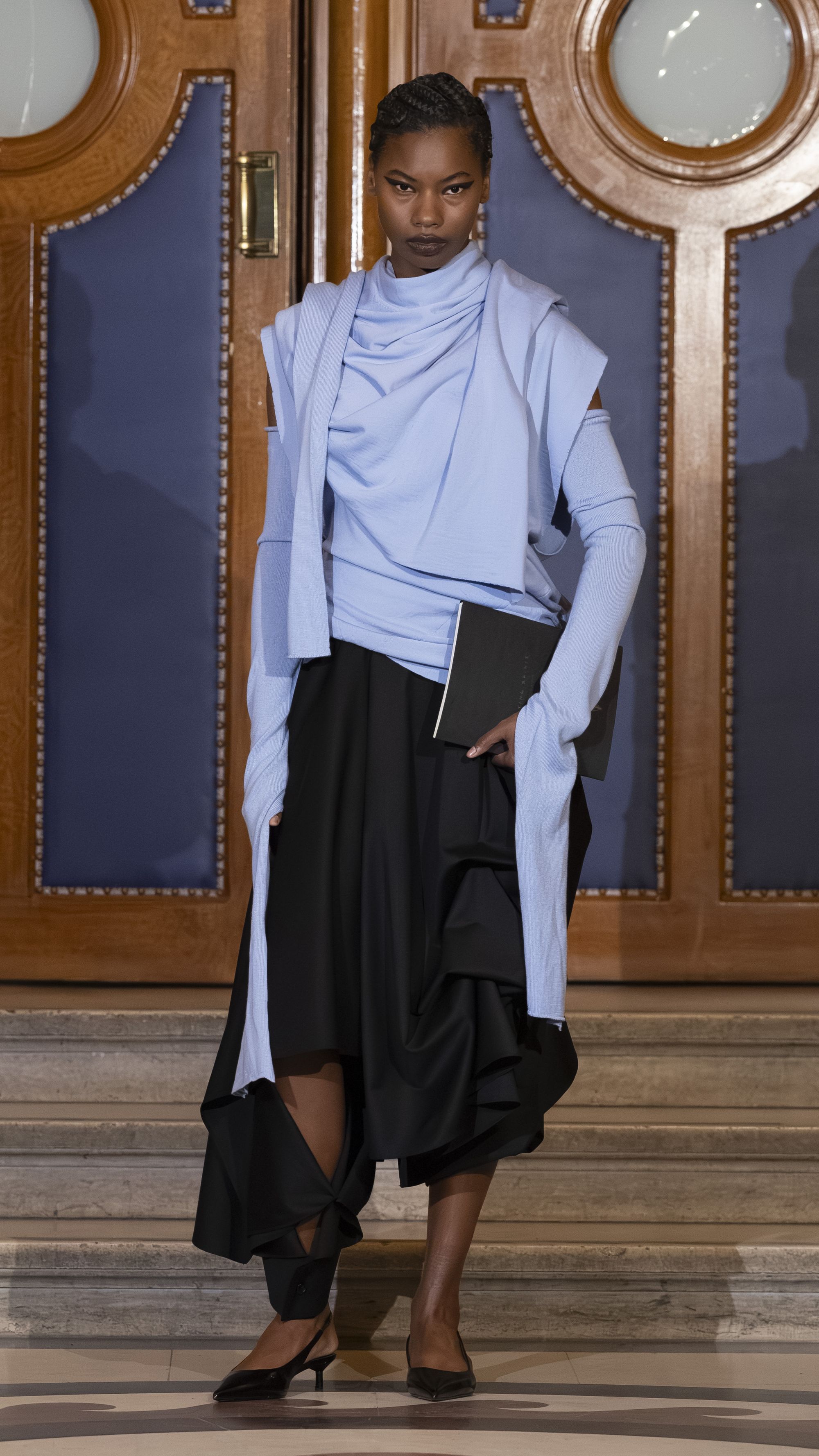
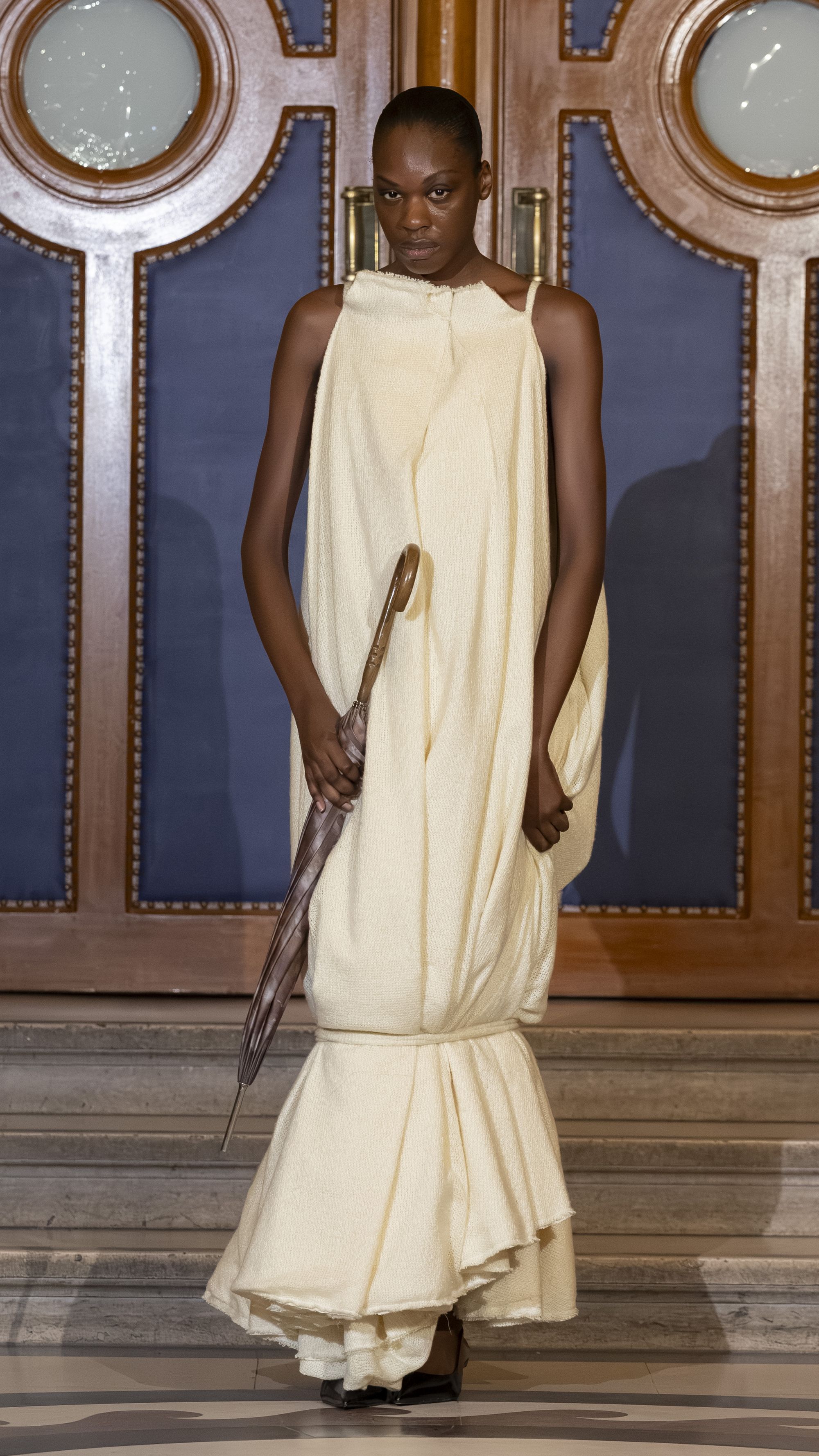
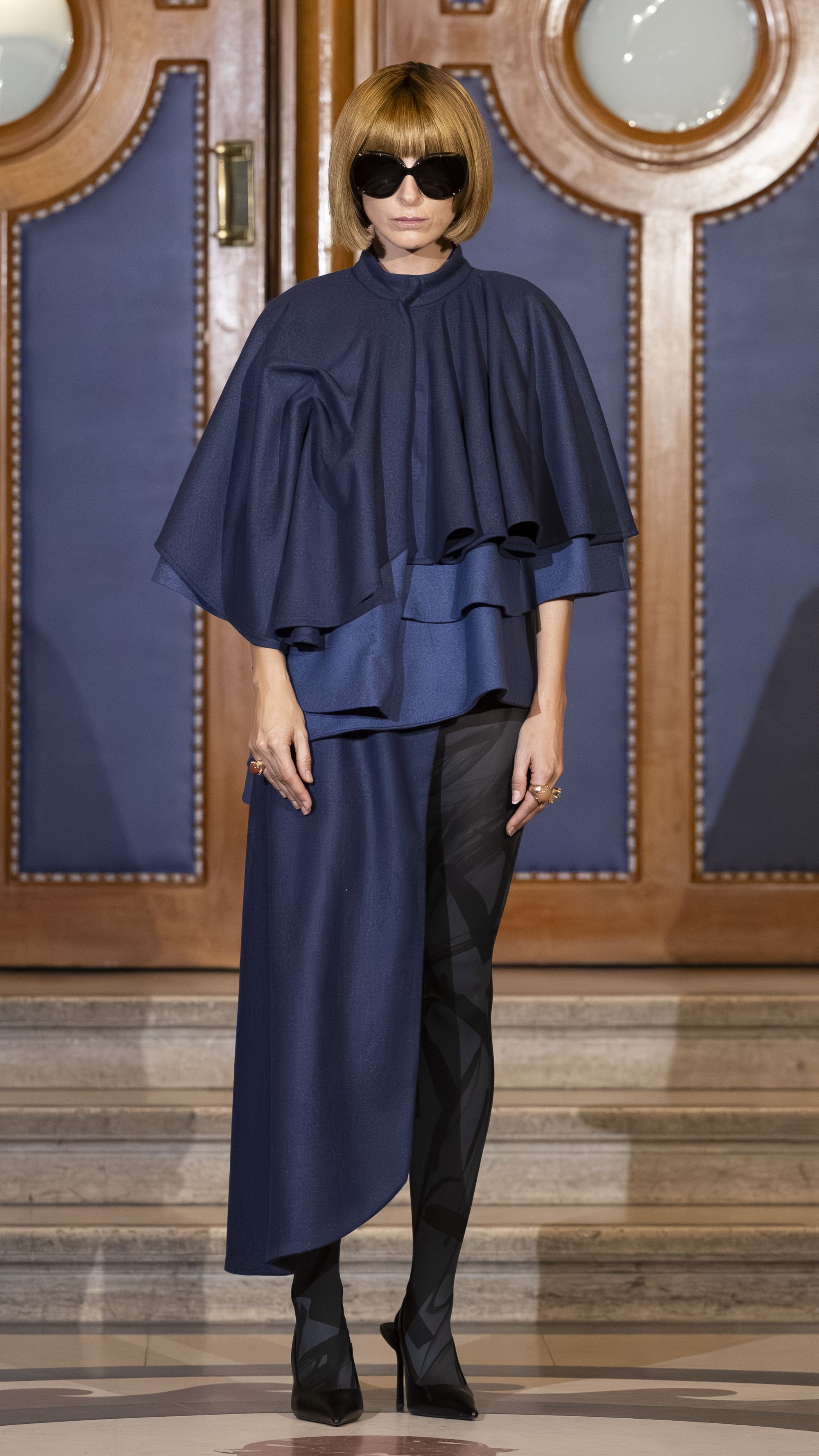
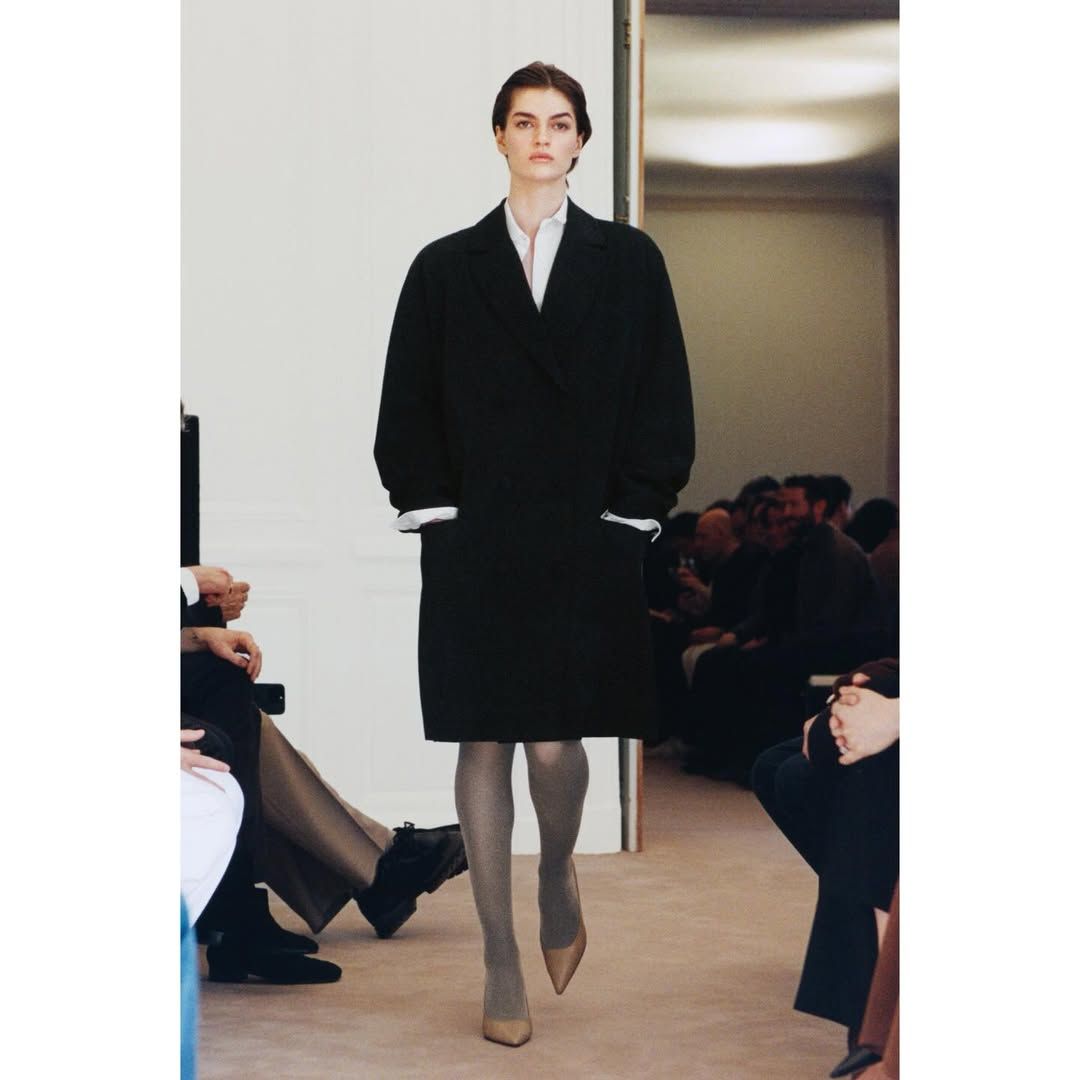
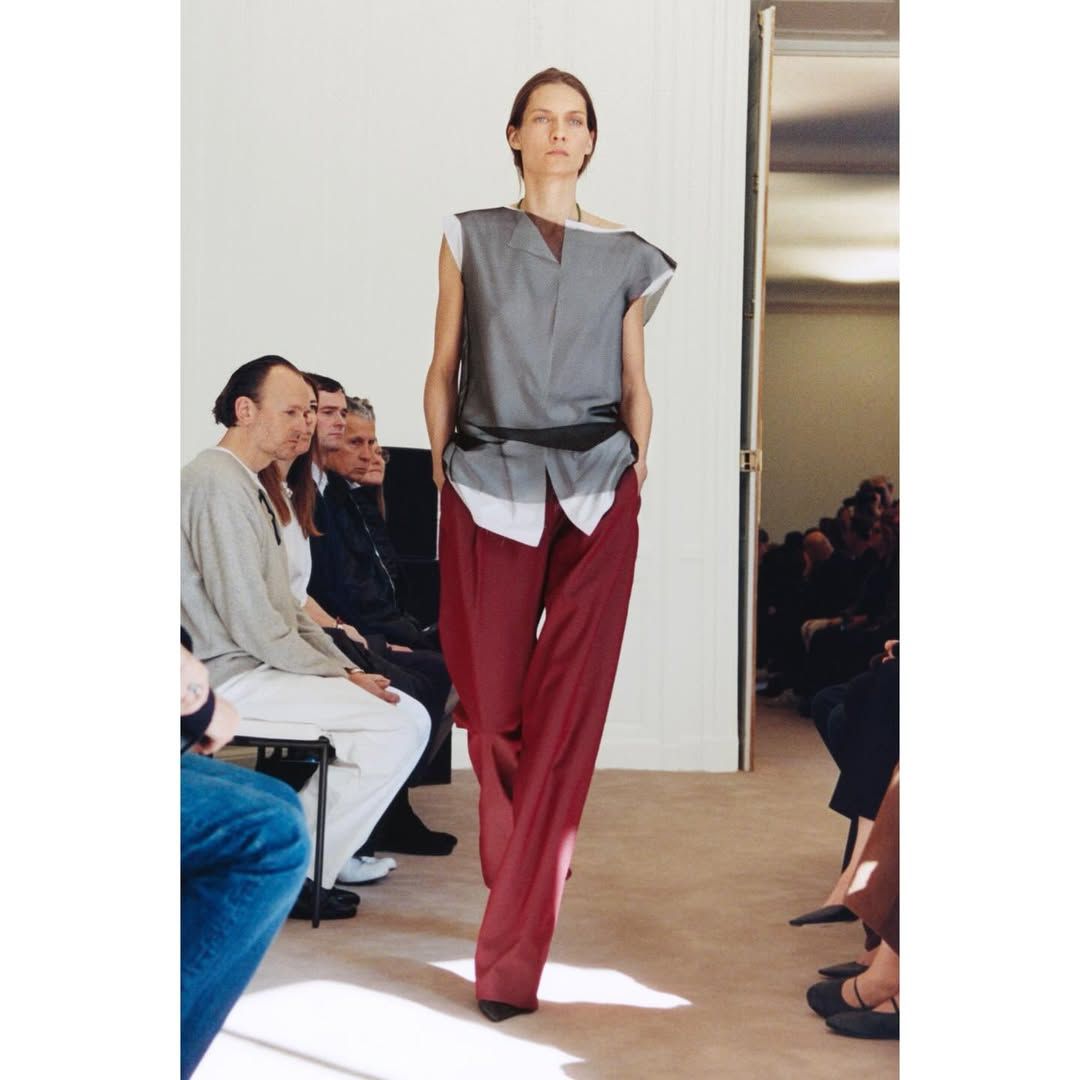
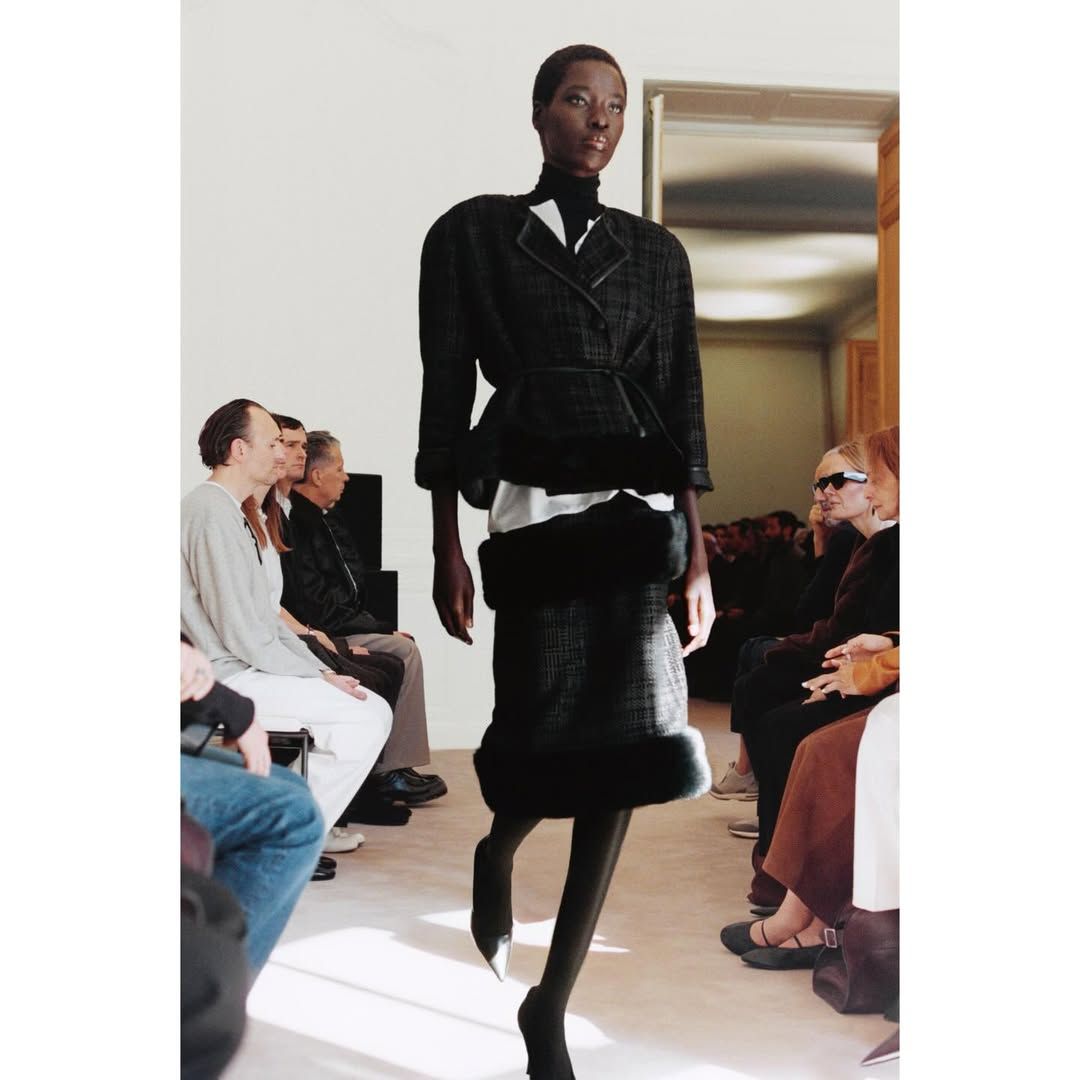
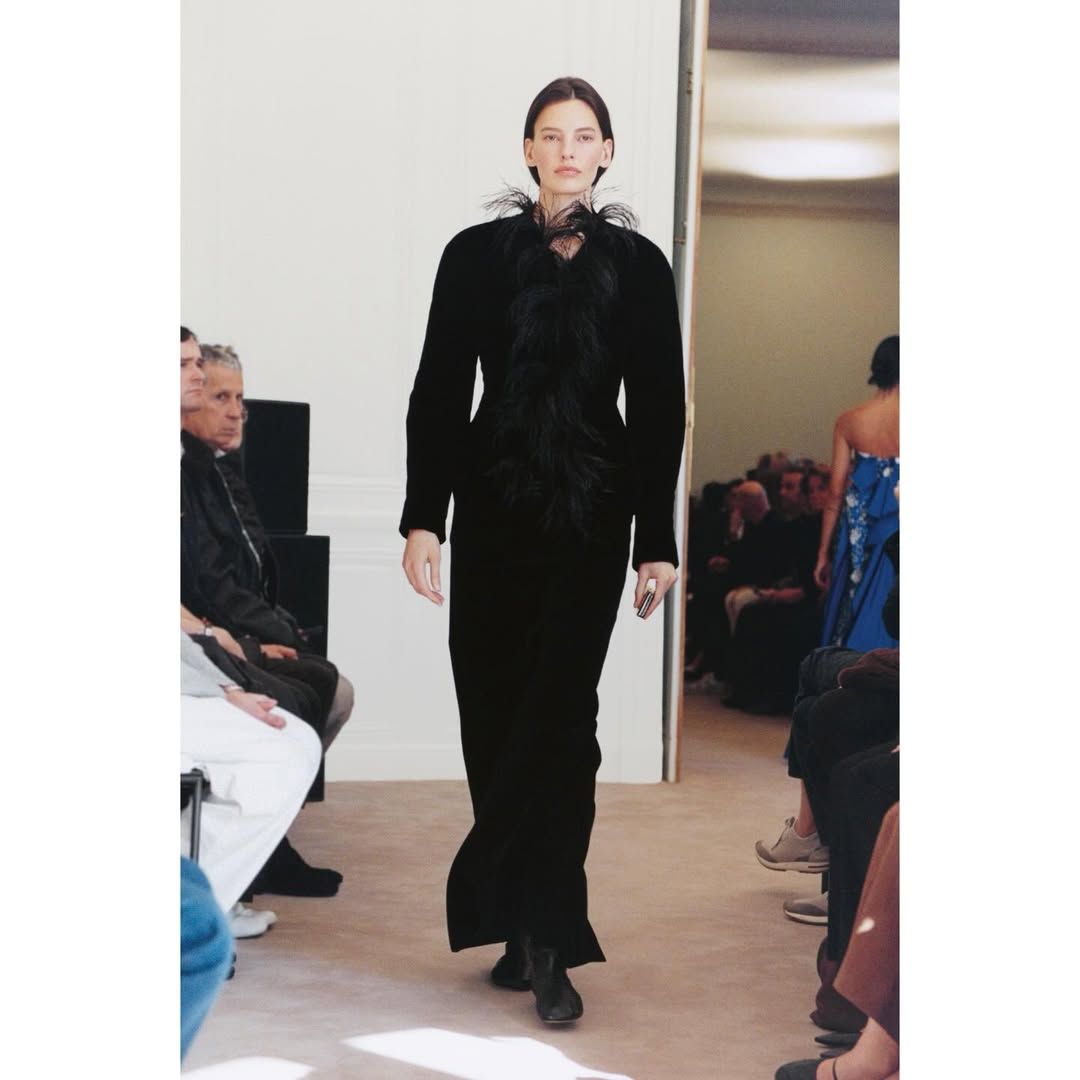
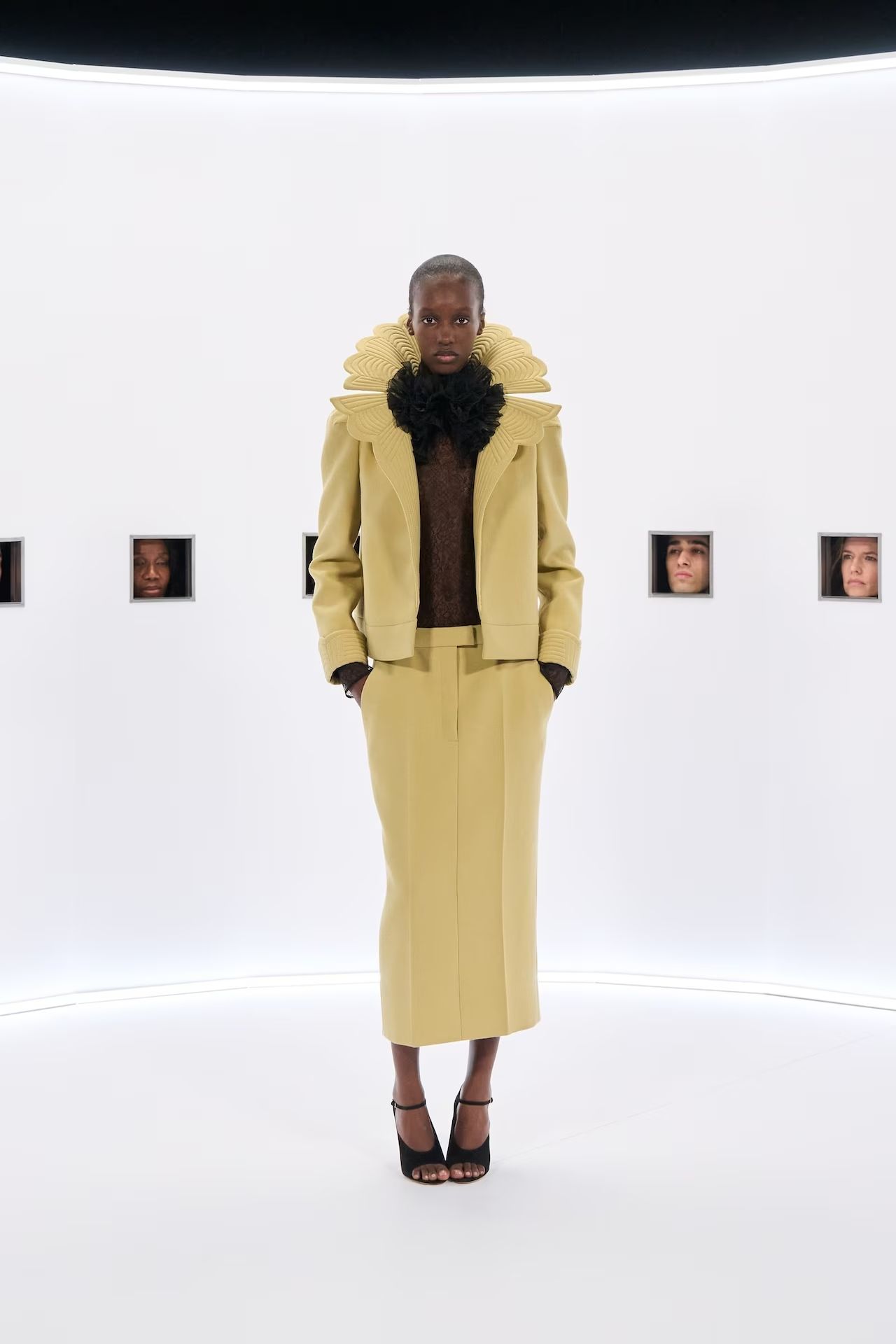
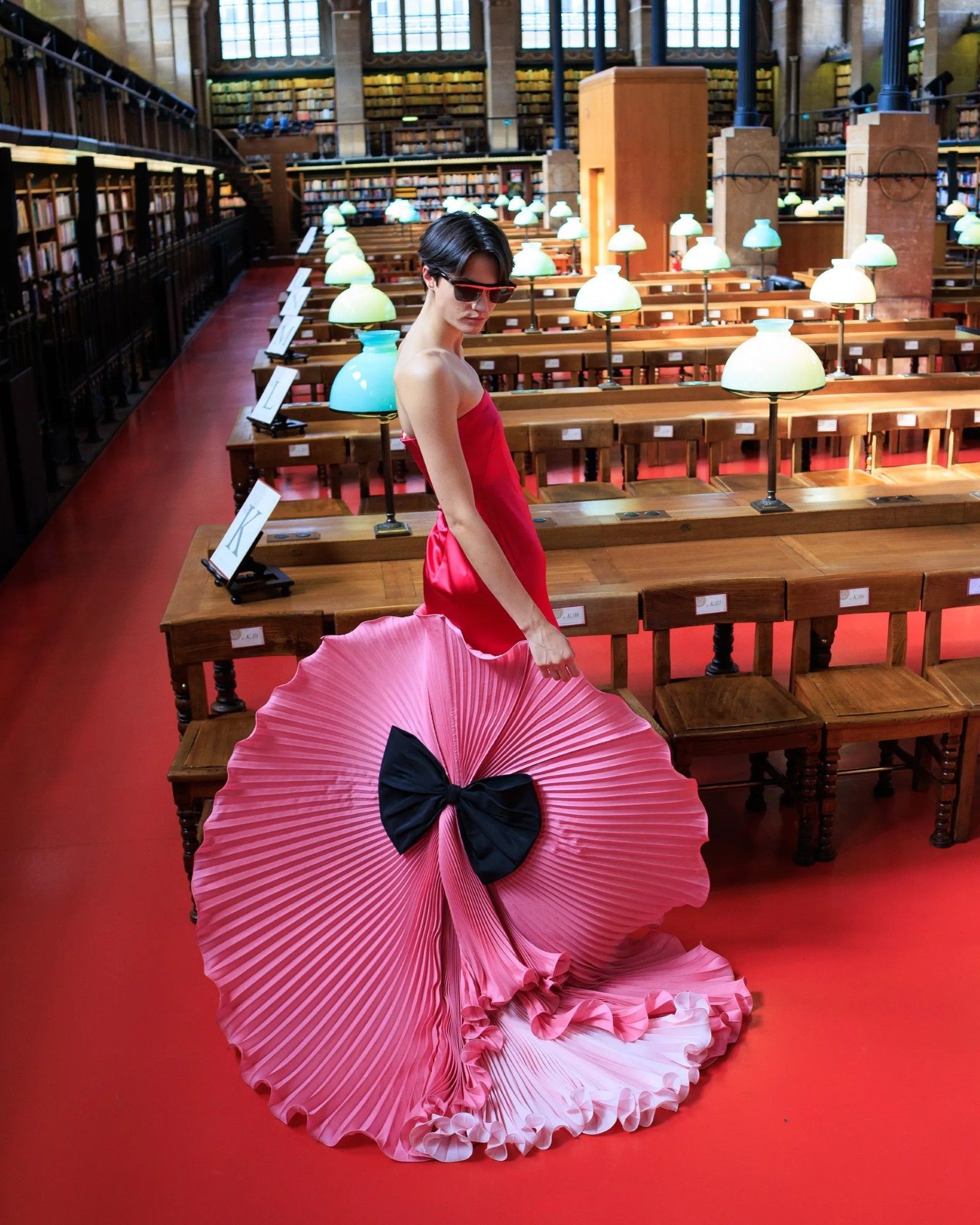
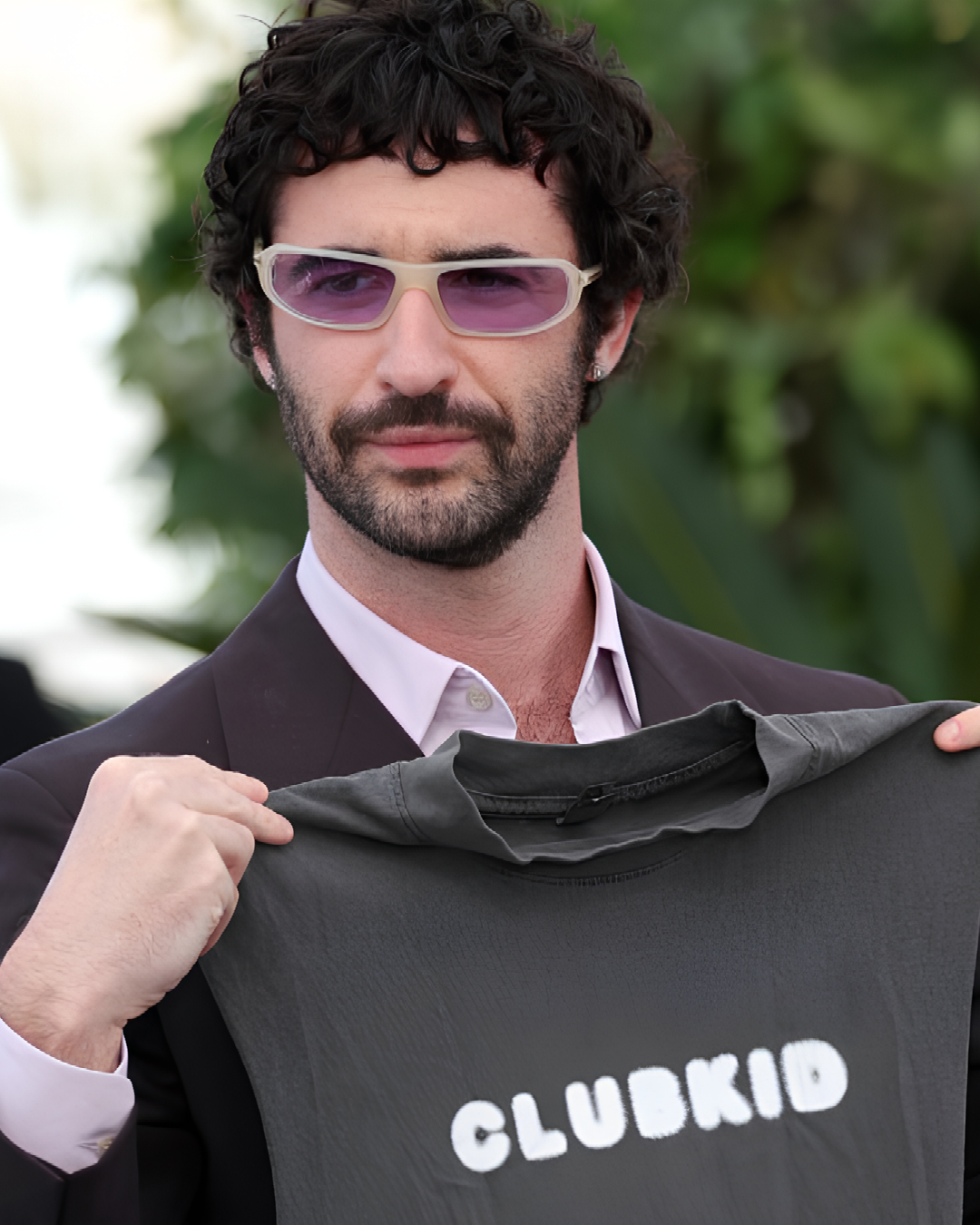
This season, Mossi Traoré chose an unexpected stage for his Fall-Winter 2026 collection: the Cour d’appel de Paris. A space both solemn and symbolic, where discretion is not optional but mandatory. Within these walls, phones were simply forbidden. The show felt like a courtroom session. Judges, lawyers, and journalists watched the silhouettes as if listening to a plea. And, like in any tribunal, phones had to be switched off. Far from decorative, this choice extends the designer’s vision, drawing direct inspiration from the judicial system to shape his collection. In an era when trials increasingly dominate media headlines—think the Pelicot case—fashion here becomes a narrative device. Banning screens was as much about respecting the venue as about coherently conveying the concept.
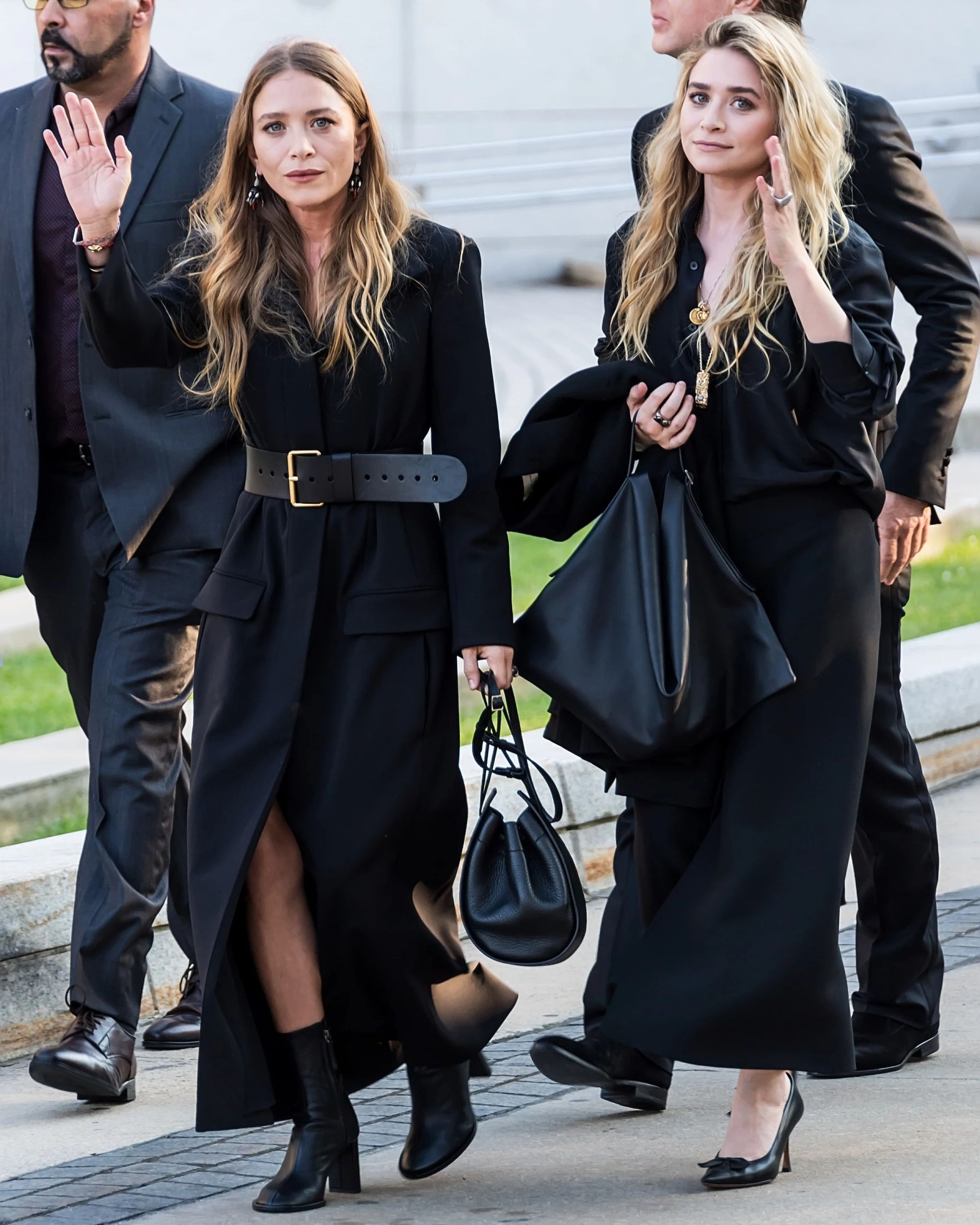
The Row had already tested this approach a few seasons earlier. Founded by Mary-Kate Olsen and Ashley Olsen, the label has in a few years become one of the most exclusive names in contemporary fashion, cultivating an almost monastic intimacy. At its Fall-Winter 2024 show, guests received a simple rule: no phones. Instead, notebooks and pencils were provided, inviting attendees to observe, take notes, and absorb the moment. A way to recreate the atmosphere of an era when shows were truly lived in the present. The move sparked debate: some, like Louis Pisano, praised the gesture, reminding the industry how images often circulate out of context. Others defended the smartphone as a legitimate tool for critique. Fashion journalist Vanessa Friedman, critic at The New York Times, remarked: “I don’t feel that taking some pictures interferes with my ability to fully consider what I am seeing. And I think I am grown up enough to decide that for myself.” Naturally, the ban does not prevent The Row from publishing images after the show. On the contrary, by tightly controlling what is captured, the brand asserts even greater control over how its silhouettes appear to the world—a strategy apparently repeated for Winter 2026. On official images, no phones in sight.
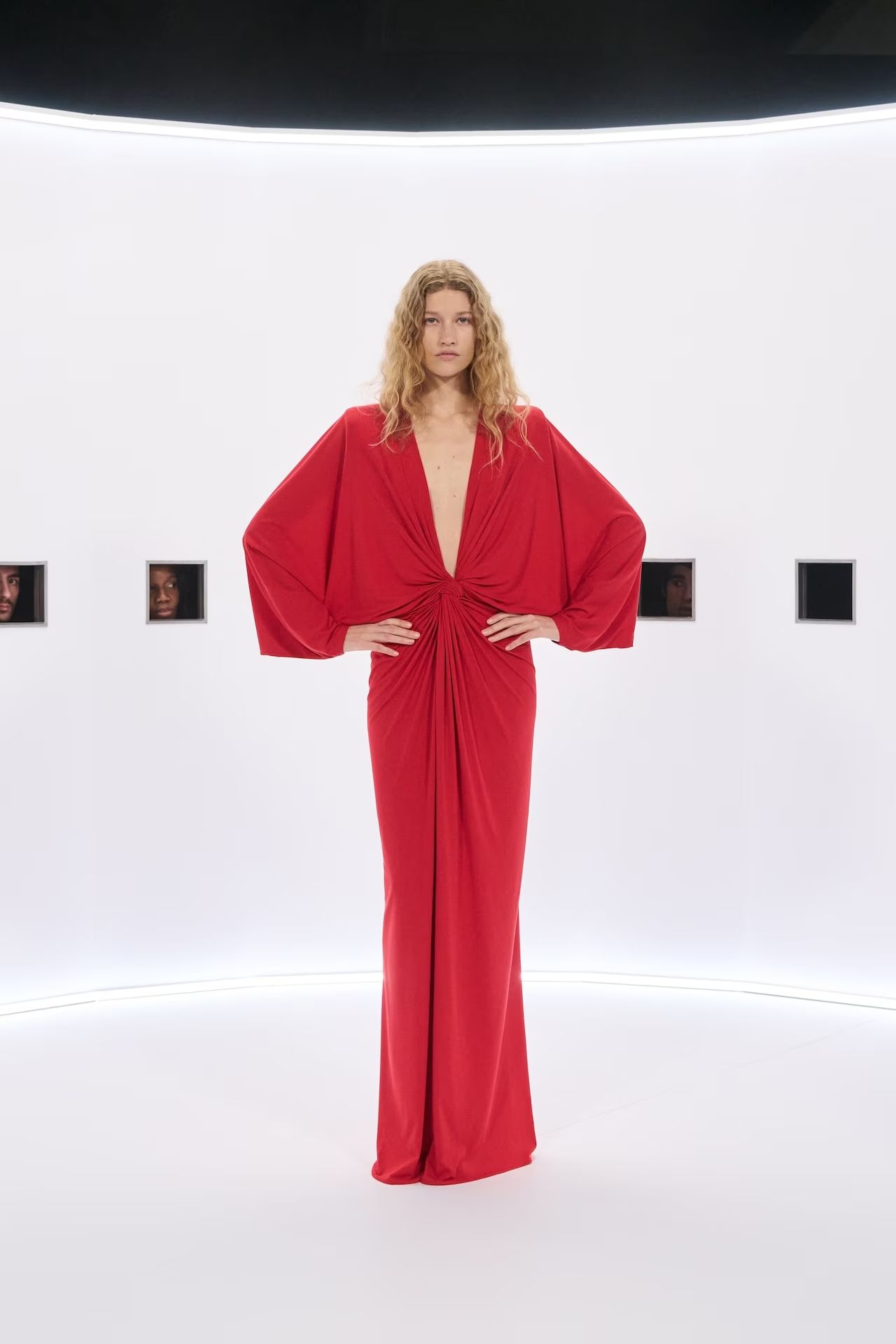
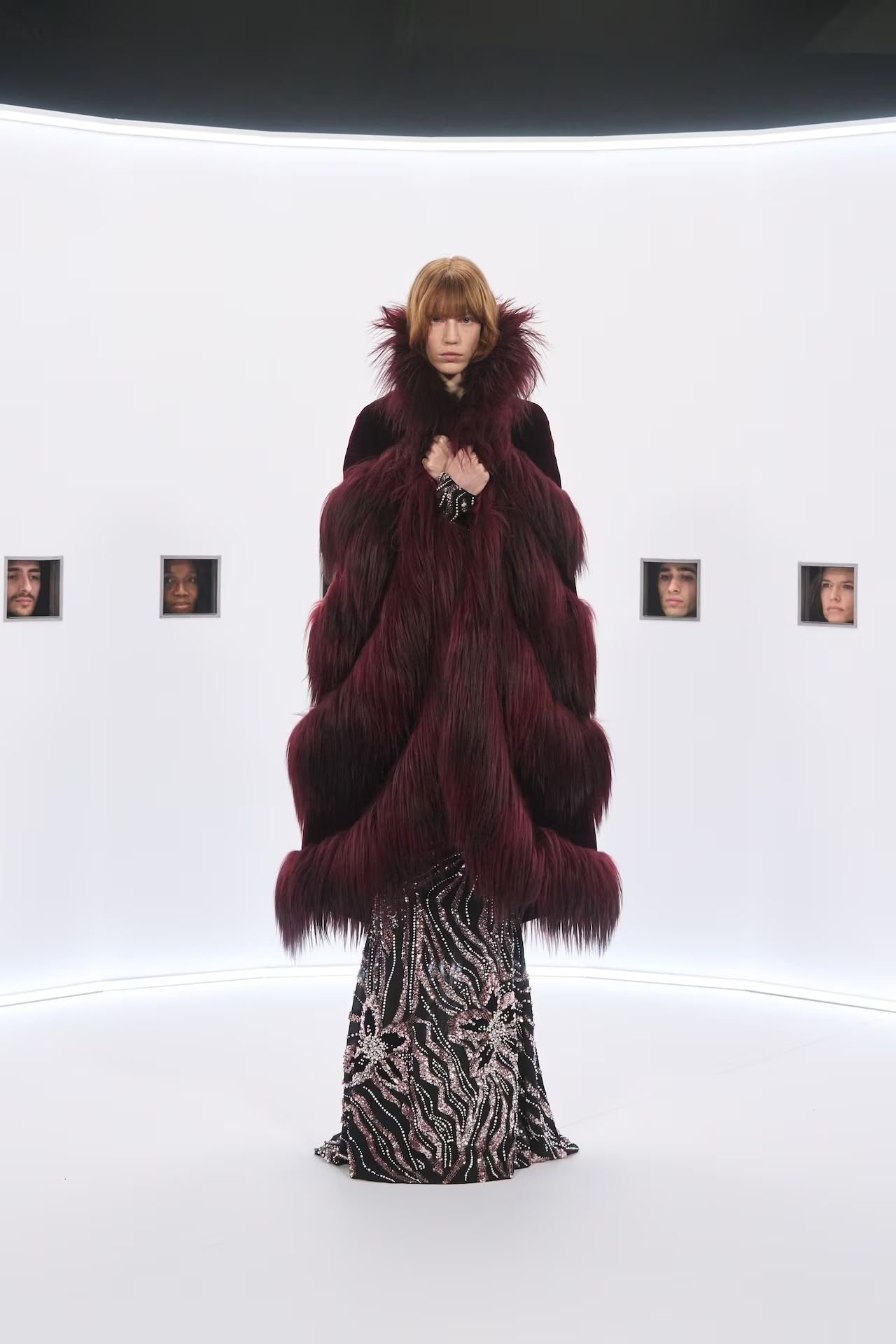
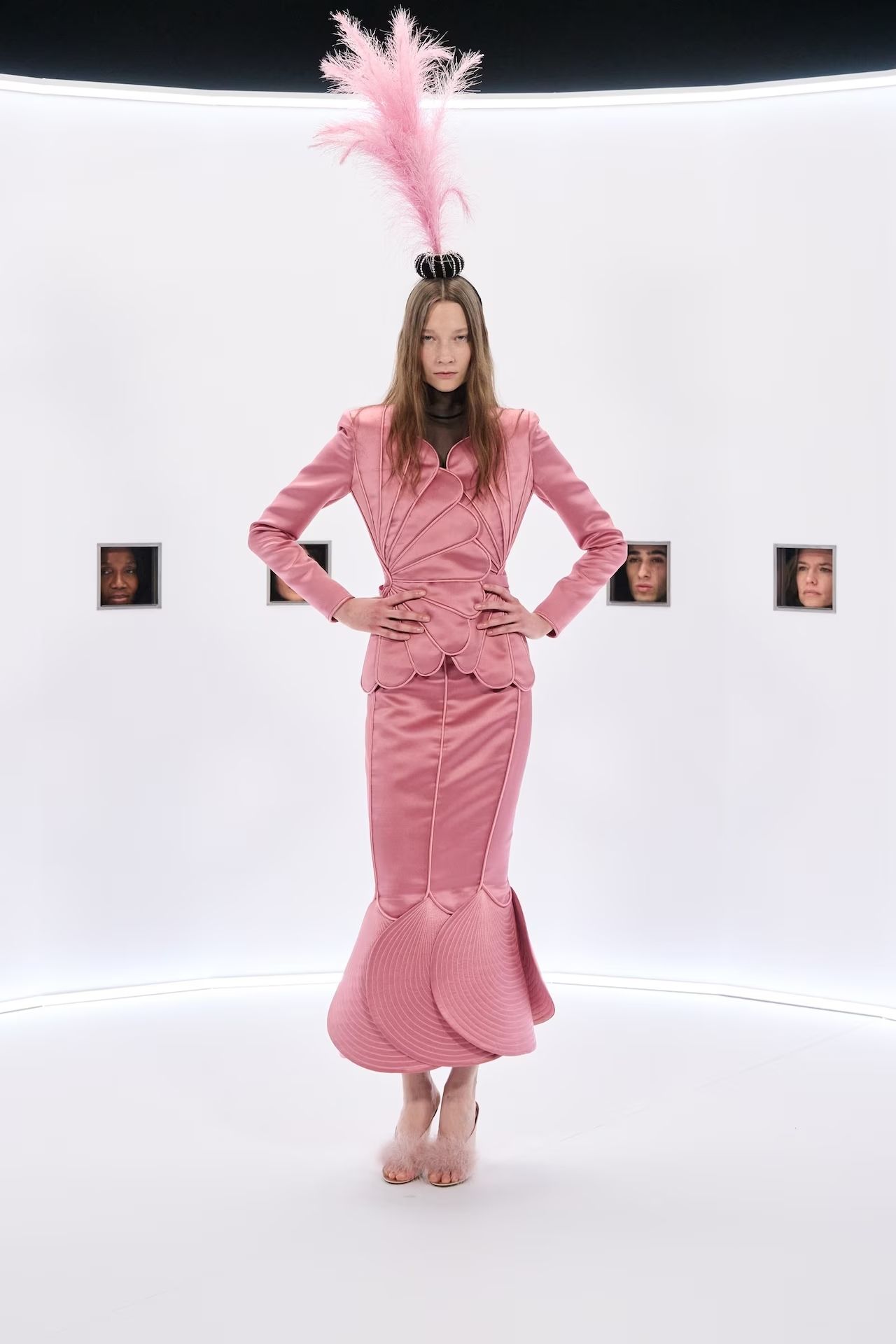
During Alessandro Michele’s couture show for Valentino, the staging literally turned guests into spectators of a haute couture peep show. Each person sat behind a wall with a cut-out rectangle framing the runway, revealing only their face. In the official photographs, this gallery of glances is striking. Yet in reality, it was less the faces than the screens that dominated. Smartphones emerged from these tiny windows, capturing every moment. The setup inadvertently revealed a contemporary truth: even when a spectacle unfolds directly before our eyes, the instinct is often to view it through a screen.
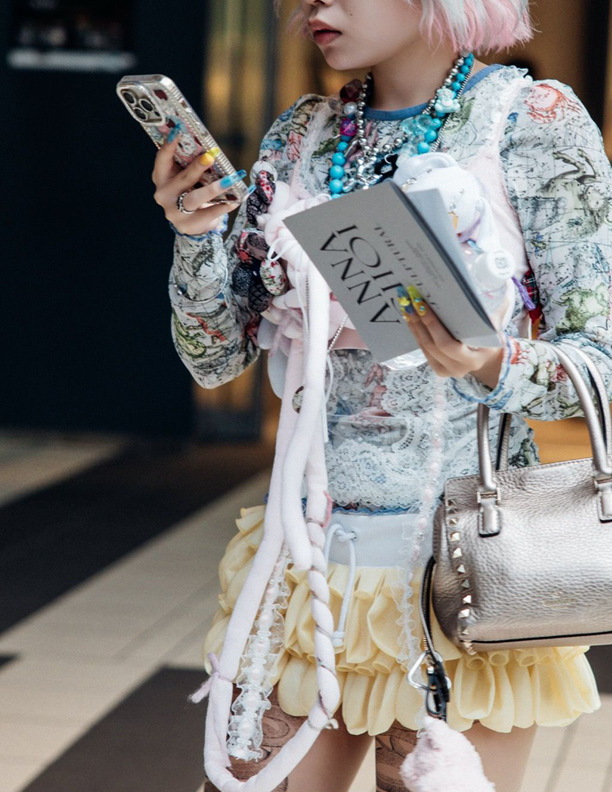
This obsession with capturing the moment extends far beyond fashion. Concerts too are increasingly experienced through the lens of a phone. Photographing or filming is no longer just a way to remember a moment—it’s a signal of presence. “I was there” becomes the real message of the image. At fashion shows, this act doubles as a form of self-staging. Posting a silhouette from the front row proves access to a restricted circle—the privileged few allowed to cross the doors of a show. The stakes are not only memorial, they are social… and sometimes viral. The goal is to capture the right image, the one that will circulate, be shared, and make the moment exist beyond the room. Paradoxically, this automatic reflex creates a temporal displacement. By lifting a phone during a show, one steps out of the present. Attention shifts to the after: posting, reception, reactions. The image is not even taken before the mind is already considering its circulation—a forward escape turning the immediate experience into raw material for social media.
Bans remain rare. Fashion’s economic reality now partially depends on instant image circulation. In a content-saturated ecosystem, brands rely on this immediate visibility to exist, to insert themselves into the continuous flow shaping the industry. Fashion is caught between two nearly opposing logics: on one hand, the desire to control the image and preserve the singularity of the moment; on the other, the necessity to be seen, shared, and commented on immediately. Between the experience in the room and its instant replay on screens, the show now unfolds on two parallel stages. In this context, banning phones may not only be a radical gesture but a strategic one: transforming the absence of images into an event, and making the lived—or screen-free—experience the new form of rarity.
What to read next
Stephen Jones shares his vision of fashion at SSENSE’s Salon des Refusés
From London to Paris, a look back at the journey of an extraordinary milliner who came to shake up fashion’s status quo
The Row is now selling vintage Yohji Yamamoto and High Fashion Twitter is outraged
A long-running debate has flared up again on X